BROUGHT TO YOU BY -
WAVE (MCDSA), CULTURAL AND ACADEMIC WING OF MCK
LONG ANSWER TYPE
(12 MARKS)
.
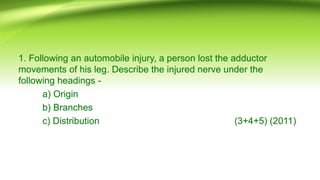
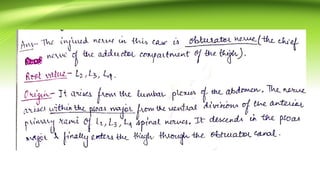
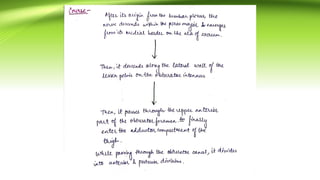
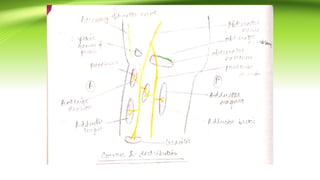
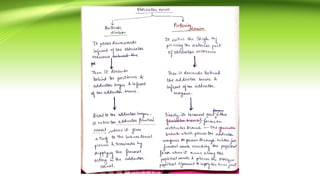
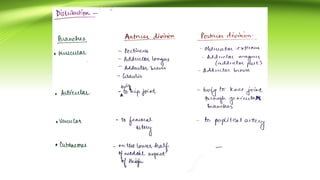
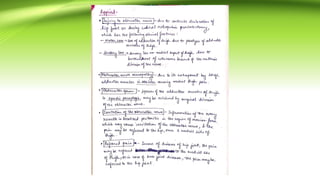
1. Following an automobile injury, a person lost the adductor
movements of his leg. Describe the injured nerve under the
following headings -
a) Origin
b) Branches
c) Distribution (3+4+5) (2011)
2. What are the muscles there after cutting the gluteus maximus?
Name the nerves spplying these muscles. What are the actions of
these muscles on the hip joint ? (3+4+5) (2012)
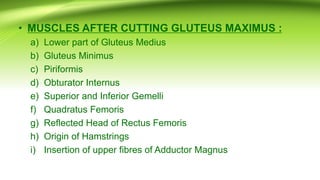
• MUSCLES AFTER CUTTING GLUTEUS MAXIMUS :
a) Lower part of Gluteus Medius
b) Gluteus Minimus
c) Piriformis
d) Obturator Internus
e) Superior and Inferior Gemelli
f) Quadratus Femoris
g) Reflected Head of Rectus Femoris
h) Origin of Hamstrings
i) Insertion of upper fibres of Adductor Magnus
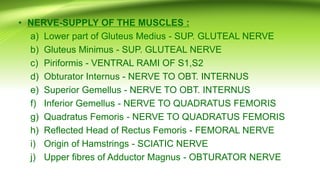
• NERVE-SUPPLY OF THE MUSCLES :
a) Lower part of Gluteus Medius - SUP. GLUTEAL NERVE
b) Gluteus Minimus - SUP. GLUTEAL NERVE
c) Piriformis - VENTRAL RAMI OF S1,S2
d) Obturator Internus - NERVE TO OBT. INTERNUS
e) Superior Gemellus - NERVE TO OBT. INTERNUS
f) Inferior Gemellus - NERVE TO QUADRATUS FEMORIS
g) Quadratus Femoris - NERVE TO QUADRATUS FEMORIS
h) Reflected Head of Rectus Femoris - FEMORAL NERVE
i) Origin of Hamstrings - SCIATIC NERVE
j) Upper fibres of Adductor Magnus - OBTURATOR NERVE
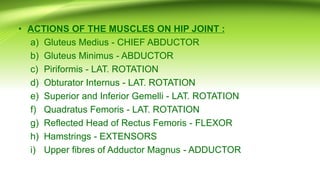
• ACTIONS OF THE MUSCLES ON HIP JOINT :
a) Gluteus Medius - CHIEF ABDUCTOR
b) Gluteus Minimus - ABDUCTOR
c) Piriformis - LAT. ROTATION
d) Obturator Internus - LAT. ROTATION
e) Superior and Inferior Gemelli - LAT. ROTATION
f) Quadratus Femoris - LAT. ROTATION
g) Reflected Head of Rectus Femoris - FLEXOR
h) Hamstrings - EXTENSORS
i) Upper fibres of Adductor Magnus - ADDUCTOR
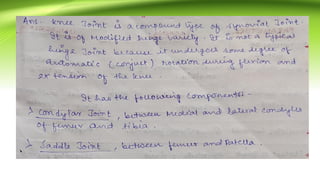
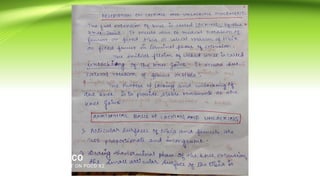
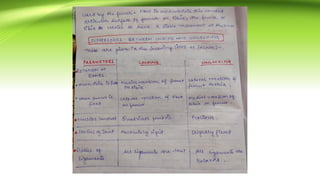
3. Name the bones forming the knee joint. Describe the locking and
unlocking movements of knee joint. (2+10) (2014)
SHORT ANSWER TYPE
(7 MARKS)
1. A footballer sustained sprain followed by difficulty in normal
movements of his left knee after he attempted to kick the ball
through his right foot. He was diagnosed to have injury on the
semilunar cartilages of his left knee.
• Explain the anatomical basis of the injury.
• Give a brief note on the semilunar cartilages of the knee joint.
• Which semilunar cartilage is susceptible to injury and why?
(2+3+2) (2004)
• ANATOMICAL BASIS OF INJURY :
Knee Joint has two menisci - MEDIAL and LATERAL. Injuries to
these menisci are quite common by the twisting strain in a slightly
flexed knee (eg. kicking a football). The menisci get separated from
the joint capsule or may be torn longitudinally or transversely.
Injury to the medial meniscus is confirmed by pain on medial
rotation of tibia on femur; and injury to the lateral meniscus is
confirmed by pain on lateral rotation of tibia on femur.
• MENISCI :
Menisci are two crescent-shaped intra-articular discs made of
fibrocartilage.They have thick peripheral border and thin inner
border. They deepen the articular surfaces of the tibia.
Attachments - Each meniscus has two ends (anterior and
posterior) that are attached to tibia and two borders (outer border
attached to fibrous capsule and inner one free).
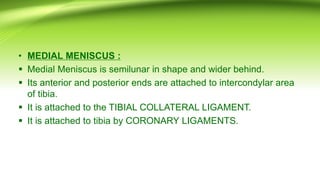
• MEDIAL MENISCUS :
▪ Medial Meniscus is semilunar in shape and wider behind.
▪ Its anterior and posterior ends are attached to intercondylar area
of tibia.
▪ It is attached to the TIBIAL COLLATERAL LIGAMENT.
▪ It is attached to tibia by CORONARY LIGAMENTS.
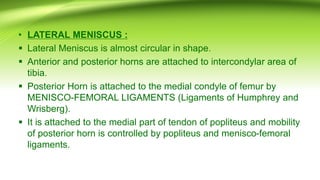
• LATERAL MENISCUS :
▪ Lateral Meniscus is almost circular in shape.
▪ Anterior and posterior horns are attached to intercondylar area of
tibia.
▪ Posterior Horn is attached to the medial condyle of femur by
MENISCO-FEMORAL LIGAMENTS (Ligaments of Humphrey and
Wrisberg).
▪ It is attached to the medial part of tendon of popliteus and mobility
of posterior horn is controlled by popliteus and menisco-femoral
ligaments.
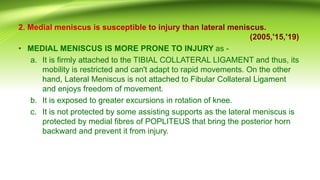
• MEDIAL MENISCUS IS MORE PRONE TO INJURY as -
a. It is firmly attached to the TIBIAL COLLATERAL LIGAMENT and thus,
its mobility is restricted and can't adapt to rapid movements. On the
other hand, Lateral Meniscus is not attached to Fibular Collateral
Ligament and enjoys freedom of movement.
b. It is exposed to greater excursions in rotation of knee.
c. It is not protected by some assisting supports as the lateral meniscus is
protected by medial fibres of POPLITEUS that bring the posterior horn
backward and prevent it from injury.
2. A mid-aged woman develops varicose leg veins. How superficial
veins are connected to deep veins? Briefly describe the factors that
prevent varicosity of leg veins. (3+4) (2005)
• Superficial Veins are connected to Deep Veins by special
connecting veins called PERFORATORS. Perforators are either
direct or indirect. Main five or six perforators are present as -
a) ADDUCTOR CANAL PERFORATOR (connects great saphenous and
femoral veins)
b) KNEE (BOYD'S) PERFORATOR (connects great saphenous and
posterior tibial veins)
c) LATERAL ANKLE PERFORATOR (connects short saphenous and
peroneal veins)
d) MEDIAL ANKLE PERFORATORS OF COCKETT (connects great
saphenous and posterior tibial veins).
• FACTORS PREVENTING VARICOSITY OF LEG VEINS :
a) Contraction of calf muscles squeezes the blood upward along the
deep veins (calf-pump) and this prevents varicosity.
b) Adjacent arteries provide pulsations that are transmitted to the veins
and aggravate venous return.
c) Presence of valves help in supporting the column of blood and
maintains unidirectional blood flow.
d) Negative Intra-thoracic Pressure pulls the venous blood upwards and
increases Venous Return.
e) Contraction of Heart and Diaphragm also helps in increasing Venous
Return.
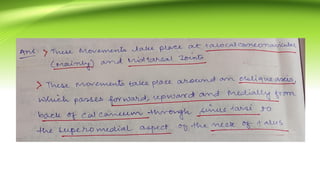
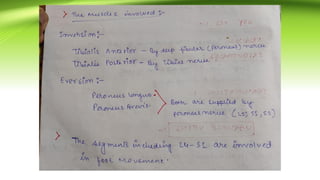
3.a) Which joints are involved in inversion and eversion?
b) Name the invertors and evertors of foot.
c) What is the axis of the movements?
d) Name the nerve suppying the muscles.
e) Which segment of spinal cord controls the movements of the
foot?
(1+2+1+2+1) (2006)
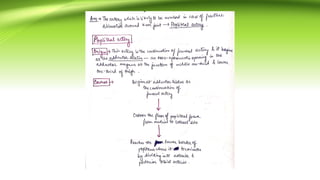
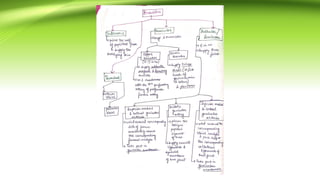
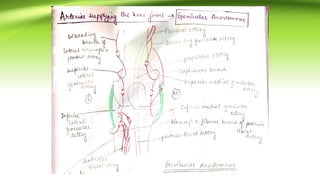
4. In case of fracture avulsion of knee, which artery is likely to be
injured? Name and describe arteries that supply knee joint.
(4+3)
(2007)
5. An athlete while running experienced severe cramp in the right
thigh and was diagnosed a case of pulled hamstrings.
• State the characteristics of hamstrings.
• Mention the origin, insertion, nerve supply and action of these
group of muscles. (3+4) (2008)
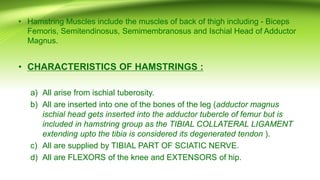
• Hamstring Muscles include the muscles of back of thigh including - Biceps
Femoris, Semitendinosus, Semimembranosus and Ischial Head of Adductor
Magnus.
• CHARACTERISTICS OF HAMSTRINGS :
a) All arise from ischial tuberosity.
b) All are inserted into one of the bones of the leg (adductor magnus
ischial head gets inserted into the adductor tubercle of femur but is
included in hamstring group as the TIBIAL COLLATERAL LIGAMENT
extending upto the tibia is considered its degenerated tendon ).
c) All are supplied by TIBIAL PART OF SCIATIC NERVE.
d) All are FLEXORS of the knee and EXTENSORS of hip.
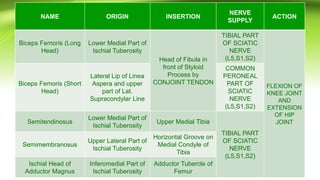
NAME ORIGIN INSERTION
NERVE
SUPPLY
ACTION
Biceps Femoris (Long
Head)
Lower Medial Part of
Ischial Tuberosity
Head of Fibula in
front of Styloid
Process by
CONJOINT TENDON
TIBIAL PART
OF SCIATIC
NERVE
(L5,S1,S2)
FLEXION OF
KNEE JOINT
AND
EXTENSION
OF HIP
JOINT
Biceps Femoris (Short
Head)
Lateral Lip of Linea
Aspera and upper
part of Lat.
Supracondylar Line
COMMON
PERONEAL
PART OF
SCIATIC
NERVE
(L5,S1,S2)
Semitendinosus
Lower Medial Part of
Ischial Tuberosity
Upper Medial Tibia
TIBIAL PART
OF SCIATIC
NERVE
(L5,S1,S2)
Semimembranosus
Upper Lateral Part of
Ischial Tuberosity
Horizontal Groove on
Medial Condyle of
Tibia
Ischial Head of
Adductor Magnus
Inferomedial Part of
Ischial Tuberosity
Adductor Tubercle of
Femur
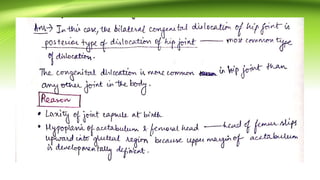
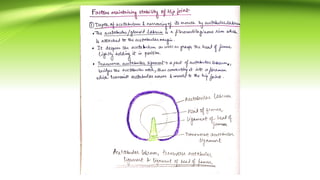
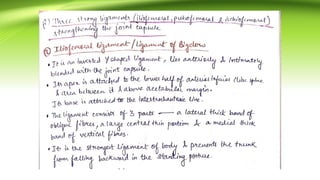
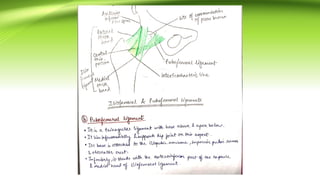
6. A child suffers from bilateral congenital dislocation of hip joint.
Mention the anatomical basis of dislocation of hip joint. What are the
factors maintaining stability of hip joint ? (2+5)
(2009)
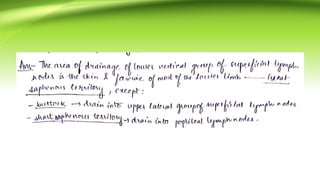
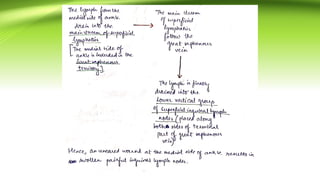
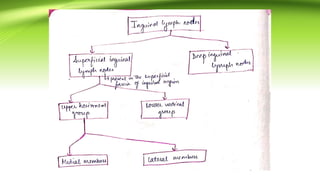
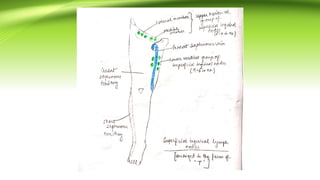
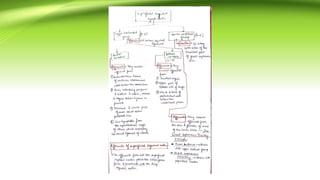
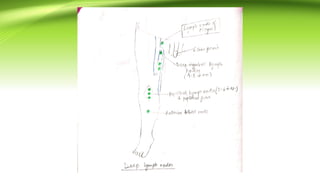
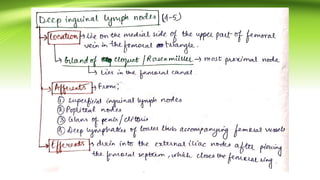
7. A factory worker presents with swollen painful inguinal lymph
nodes following an uncared wound at the medial side. Explain the
complication from your anatomical knowledge. Write a note on
inguinal lymph nodes. (2+5)
(2010)
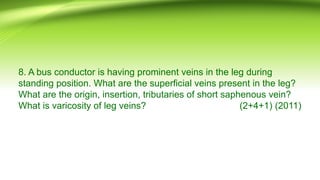
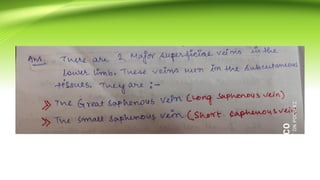
8. A bus conductor is having prominent veins in the leg during
standing position. What are the superficial veins present in the leg?
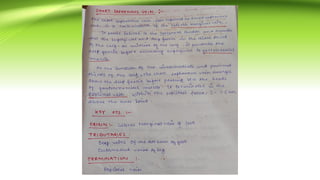
What are the origin, insertion, tributaries of short saphenous vein?
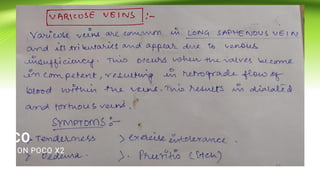
What is varicosity of leg veins? (2+4+1) (2011)
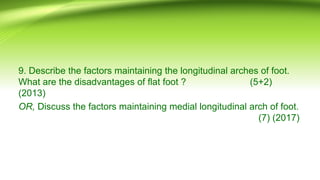
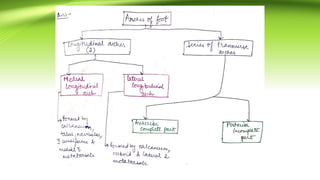
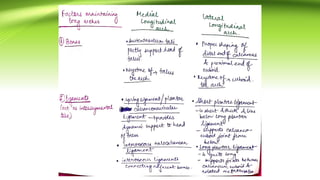
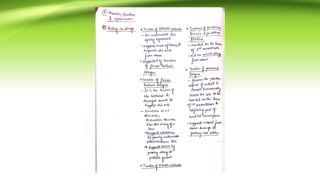
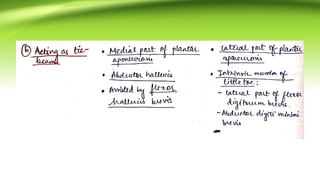
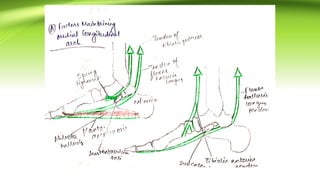
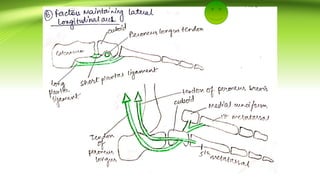
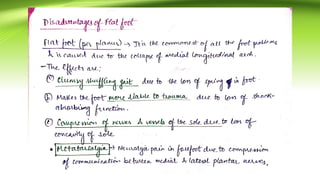
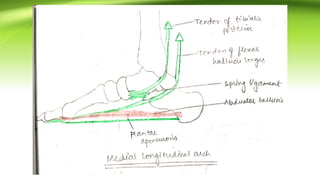
9. Describe the factors maintaining the longitudinal arches of foot.
What are the disadvantages of flat foot ? (5+2)
(2013)
OR, Discuss the factors maintaining medial longitudinal arch of foot.
(7) (2017)
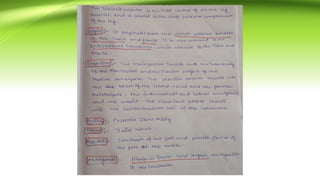
10. Discuss the Tibialis Posterior Muscle. (7) (2015)
SHORT NOTES
(3 MARKS)
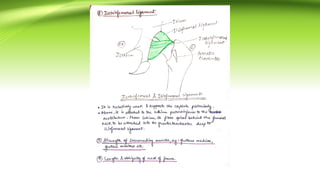
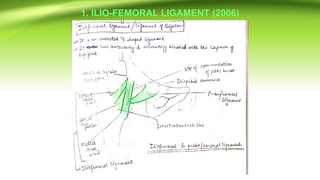
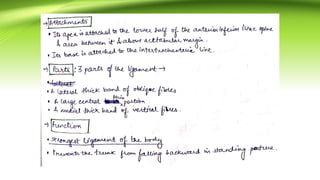
1. ILIO-FEMORAL LIGAMENT (2006)
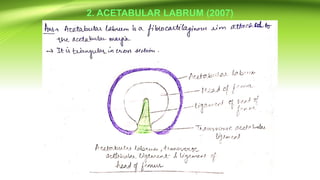
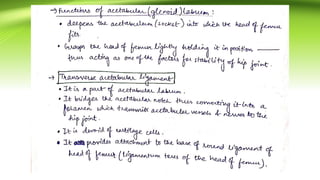
2. ACETABULAR LABRUM (2007)
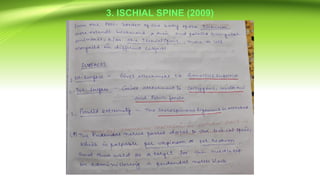
3. ISCHIAL SPINE (2009)
4. POPLITEUS MUSCLE (2010, 2004)
• Popliteus is a thin, flat and triangular muscle that forms inferior part of
popliteal fossa.
• ORIGIN : Intracapsular but extrasynovial origin from a tendon from -
a) Deep anterior part of the popliteal groove on lateral surface of lateral condyle of
femur
b) Arcuate Popliteal Ligament
c) Outer Margin of Lateral Meniscus
• INSERTION : The tendon passes downward and medially and inserts into
Medial Two-Third of the Triangular Area above Soleal Line on Tibia and
the Popliteal Fascia.
• NERVE-SUPPLY : Tibial Nerve (L4,L5,S1).
• ARTERIAL SUPPLY : Popliteal Artery
• ACTIONS :
a) It unlocks the locked knee by lateral rotation of the femur (UNLOCKING
MUSCLE) .
b) It pulls lateral meniscus backward and prevents it from damage.
c) It flexes the knee during couching.
• CLINICAL CORRELATIONS :
a) The popliteus muscle may be injured by rupture of ANTERIOR CRUCIATE
LIGAMENT or injuries involving LATERAL MENISCUS. These injuries are
most common in sports due to direct blow on the anteromedial kneein flexed
position.
b) Patients with popliteus tear present with UNNATURAL LATERAL ROTATION
OF TIBIA, oedema, muscle swelling and haemorrhage.
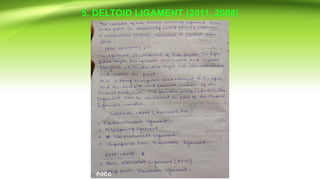
5. DELTOID LIGAMENT (2011, 2008)
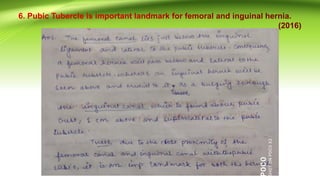
6. FEMORAL SHEATH (2013,2018)
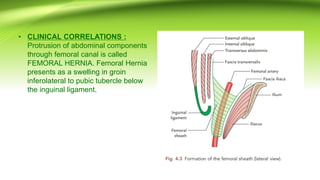
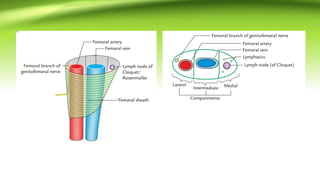
• Femoral Sheath is a fascial sheath enclosing upper part of femoral vessels.
• Base of the sheath is directed towards the abdominal cavity and apex merges with
the tunica adventitia of femoral vessels.
• FORMATION : Anterior wall of femoral sheath is formed by downward prolongation
of fascia transversalis and the posterior wall is formed by downward prolongation of
fascia iliaca.
• SHAPE : Funnel- Shaped with lateral wall vertical and medial wall oblique, directed
downward and laterally.
• COMPARTMENTS AND CONTENTS : Interior of femoral sheath is divided into
three parts by two anteroposterior fibrous septa. The three compartments are -
a) Lateral Compartment - FEMORAL ARTERY AND FEMORAL BRANCH OF
GENITOFEMORAL NERVE
b) Middle Compartment - FEMORAL VEIN
c) Medial Compartment - LYMPH NODE OF CLOQUET AND FIBROFATTY TISSUE
(RELATIVELY EMPTY AND CALLED FEMORAL CANAL)
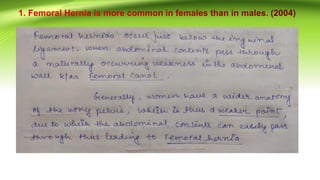
• CLINICAL CORRELATIONS :
Protrusion of abdominal components
through femoral canal is called
FEMORAL HERNIA. Femoral Hernia
presents as a swelling in groin
inferolateral to pubic tubercle below
the inguinal ligament.
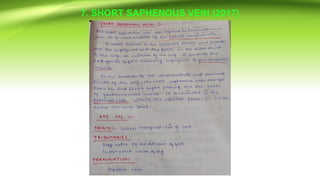
7. SHORT SAPHENOUS VEIN (2017)
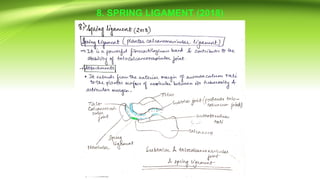
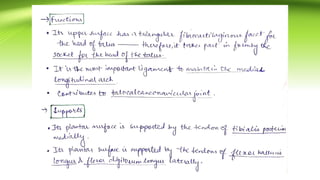
8. SPRING LIGAMENT (2018)
9. HAMSTRINGS (2019)
• Hamstring Muscles include the muscles of back of thigh including - Biceps Femoris,
Semitendinosus, Semimembranosus and Ischial Head of Adductor Magnus.
• CHARACTERISTICS OF HAMSTRINGS :
a) All arise from ischial tuberosity.
b) All are inserted into one of the bones of the leg (adductor magnus ischial head
gets inserted into the adductor tubercle of femur but is included in hamstring
group as the TIBIAL COLLATERAL LIGAMENT extending upto the tibia is
considered its degenerated tendon ).
c) All are supplied by TIBIAL PART OF SCIATIC NERVE.
d) All are FLEXORS of the knee and EXTENSORS of hip.
• CLINICAL CORRELATIONS :
a) Hamstrings are injured by cutting wound to the hamstring tendons or by injury
to the Tibial Nerve that leads to paralysis of Hamstrings.
b) Patient with paralysed Hamstrings presents loss of ability to stand up, walk or
run.
EXPLAIN ANATOMICALLY
(3 MARKS)
• MEDIAL MENISCUS IS MORE PRONE TO INJURY as -
a. It is firmly attached to the TIBIAL COLLATERAL LIGAMENT and thus, its
mobility is restricted and can't adapt to rapid movements. On the other
hand, Lateral Meniscus is not attached to Fibular Collateral Ligament
and enjoys freedom of movement.
b. It is exposed to greater excursions in rotation of knee.
c. It is not protected by some assisting supports as the lateral meniscus is
protected by medial fibres of POPLITEUS that bring the posterior horn
backward and prevent it from injury.
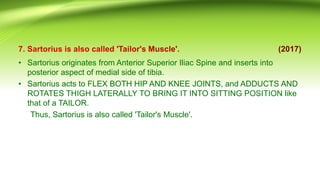
• Sartorius originates from Anterior Superior Iliac Spine and inserts into
posterior aspect of medial side of tibia.
• Sartorius acts to FLEX BOTH HIP AND KNEE JOINTS, and ADDUCTS AND
ROTATES THIGH LATERALLY TO BRING IT INTO SITTING POSITION like
that of a TAILOR.
Thus, Sartorius is also called 'Tailor's Muscle'.
THANK YOU
WAVE (MCDSA), CULTURAL AND ACADEMIC WING OF MCK

Infex partshhhhhhhhhhhhhhhhhhhhhhhhhh.pdf

  • 1.
    BROUGHT TO YOUBY - WAVE (MCDSA), CULTURAL AND ACADEMIC WING OF MCK
  • 2.
  • 3.
    1. Following anautomobile injury, a person lost the adductor movements of his leg. Describe the injured nerve under the following headings - a) Origin b) Branches c) Distribution (3+4+5) (2011)
  • 11.
    2. What arethe muscles there after cutting the gluteus maximus? Name the nerves spplying these muscles. What are the actions of these muscles on the hip joint ? (3+4+5) (2012)
  • 12.
    • MUSCLES AFTERCUTTING GLUTEUS MAXIMUS : a) Lower part of Gluteus Medius b) Gluteus Minimus c) Piriformis d) Obturator Internus e) Superior and Inferior Gemelli f) Quadratus Femoris g) Reflected Head of Rectus Femoris h) Origin of Hamstrings i) Insertion of upper fibres of Adductor Magnus
  • 13.
    • NERVE-SUPPLY OFTHE MUSCLES : a) Lower part of Gluteus Medius - SUP. GLUTEAL NERVE b) Gluteus Minimus - SUP. GLUTEAL NERVE c) Piriformis - VENTRAL RAMI OF S1,S2 d) Obturator Internus - NERVE TO OBT. INTERNUS e) Superior Gemellus - NERVE TO OBT. INTERNUS f) Inferior Gemellus - NERVE TO QUADRATUS FEMORIS g) Quadratus Femoris - NERVE TO QUADRATUS FEMORIS h) Reflected Head of Rectus Femoris - FEMORAL NERVE i) Origin of Hamstrings - SCIATIC NERVE j) Upper fibres of Adductor Magnus - OBTURATOR NERVE
  • 14.
    • ACTIONS OFTHE MUSCLES ON HIP JOINT : a) Gluteus Medius - CHIEF ABDUCTOR b) Gluteus Minimus - ABDUCTOR c) Piriformis - LAT. ROTATION d) Obturator Internus - LAT. ROTATION e) Superior and Inferior Gemelli - LAT. ROTATION f) Quadratus Femoris - LAT. ROTATION g) Reflected Head of Rectus Femoris - FLEXOR h) Hamstrings - EXTENSORS i) Upper fibres of Adductor Magnus - ADDUCTOR
  • 15.
    3. Name thebones forming the knee joint. Describe the locking and unlocking movements of knee joint. (2+10) (2014)
  • 19.
  • 20.
    1. A footballersustained sprain followed by difficulty in normal movements of his left knee after he attempted to kick the ball through his right foot. He was diagnosed to have injury on the semilunar cartilages of his left knee. • Explain the anatomical basis of the injury. • Give a brief note on the semilunar cartilages of the knee joint. • Which semilunar cartilage is susceptible to injury and why? (2+3+2) (2004)
  • 21.
    • ANATOMICAL BASISOF INJURY : Knee Joint has two menisci - MEDIAL and LATERAL. Injuries to these menisci are quite common by the twisting strain in a slightly flexed knee (eg. kicking a football). The menisci get separated from the joint capsule or may be torn longitudinally or transversely. Injury to the medial meniscus is confirmed by pain on medial rotation of tibia on femur; and injury to the lateral meniscus is confirmed by pain on lateral rotation of tibia on femur.
  • 22.
    • MENISCI : Menisciare two crescent-shaped intra-articular discs made of fibrocartilage.They have thick peripheral border and thin inner border. They deepen the articular surfaces of the tibia. Attachments - Each meniscus has two ends (anterior and posterior) that are attached to tibia and two borders (outer border attached to fibrous capsule and inner one free).
  • 23.
    • MEDIAL MENISCUS: ▪ Medial Meniscus is semilunar in shape and wider behind. ▪ Its anterior and posterior ends are attached to intercondylar area of tibia. ▪ It is attached to the TIBIAL COLLATERAL LIGAMENT. ▪ It is attached to tibia by CORONARY LIGAMENTS.
  • 24.
    • LATERAL MENISCUS: ▪ Lateral Meniscus is almost circular in shape. ▪ Anterior and posterior horns are attached to intercondylar area of tibia. ▪ Posterior Horn is attached to the medial condyle of femur by MENISCO-FEMORAL LIGAMENTS (Ligaments of Humphrey and Wrisberg). ▪ It is attached to the medial part of tendon of popliteus and mobility of posterior horn is controlled by popliteus and menisco-femoral ligaments.
  • 25.
    • MEDIAL MENISCUSIS MORE PRONE TO INJURY as - a. It is firmly attached to the TIBIAL COLLATERAL LIGAMENT and thus, its mobility is restricted and can't adapt to rapid movements. On the other hand, Lateral Meniscus is not attached to Fibular Collateral Ligament and enjoys freedom of movement. b. It is exposed to greater excursions in rotation of knee. c. It is not protected by some assisting supports as the lateral meniscus is protected by medial fibres of POPLITEUS that bring the posterior horn backward and prevent it from injury.
  • 26.
    2. A mid-agedwoman develops varicose leg veins. How superficial veins are connected to deep veins? Briefly describe the factors that prevent varicosity of leg veins. (3+4) (2005)
  • 27.
    • Superficial Veinsare connected to Deep Veins by special connecting veins called PERFORATORS. Perforators are either direct or indirect. Main five or six perforators are present as - a) ADDUCTOR CANAL PERFORATOR (connects great saphenous and femoral veins) b) KNEE (BOYD'S) PERFORATOR (connects great saphenous and posterior tibial veins) c) LATERAL ANKLE PERFORATOR (connects short saphenous and peroneal veins) d) MEDIAL ANKLE PERFORATORS OF COCKETT (connects great saphenous and posterior tibial veins).
  • 28.
    • FACTORS PREVENTINGVARICOSITY OF LEG VEINS : a) Contraction of calf muscles squeezes the blood upward along the deep veins (calf-pump) and this prevents varicosity. b) Adjacent arteries provide pulsations that are transmitted to the veins and aggravate venous return. c) Presence of valves help in supporting the column of blood and maintains unidirectional blood flow. d) Negative Intra-thoracic Pressure pulls the venous blood upwards and increases Venous Return. e) Contraction of Heart and Diaphragm also helps in increasing Venous Return.
  • 29.
    3.a) Which jointsare involved in inversion and eversion? b) Name the invertors and evertors of foot. c) What is the axis of the movements? d) Name the nerve suppying the muscles. e) Which segment of spinal cord controls the movements of the foot? (1+2+1+2+1) (2006)
  • 32.
    4. In caseof fracture avulsion of knee, which artery is likely to be injured? Name and describe arteries that supply knee joint. (4+3) (2007)
  • 41.
    5. An athletewhile running experienced severe cramp in the right thigh and was diagnosed a case of pulled hamstrings. • State the characteristics of hamstrings. • Mention the origin, insertion, nerve supply and action of these group of muscles. (3+4) (2008)
  • 42.
    • Hamstring Musclesinclude the muscles of back of thigh including - Biceps Femoris, Semitendinosus, Semimembranosus and Ischial Head of Adductor Magnus. • CHARACTERISTICS OF HAMSTRINGS : a) All arise from ischial tuberosity. b) All are inserted into one of the bones of the leg (adductor magnus ischial head gets inserted into the adductor tubercle of femur but is included in hamstring group as the TIBIAL COLLATERAL LIGAMENT extending upto the tibia is considered its degenerated tendon ). c) All are supplied by TIBIAL PART OF SCIATIC NERVE. d) All are FLEXORS of the knee and EXTENSORS of hip.
  • 43.
    NAME ORIGIN INSERTION NERVE SUPPLY ACTION BicepsFemoris (Long Head) Lower Medial Part of Ischial Tuberosity Head of Fibula in front of Styloid Process by CONJOINT TENDON TIBIAL PART OF SCIATIC NERVE (L5,S1,S2) FLEXION OF KNEE JOINT AND EXTENSION OF HIP JOINT Biceps Femoris (Short Head) Lateral Lip of Linea Aspera and upper part of Lat. Supracondylar Line COMMON PERONEAL PART OF SCIATIC NERVE (L5,S1,S2) Semitendinosus Lower Medial Part of Ischial Tuberosity Upper Medial Tibia TIBIAL PART OF SCIATIC NERVE (L5,S1,S2) Semimembranosus Upper Lateral Part of Ischial Tuberosity Horizontal Groove on Medial Condyle of Tibia Ischial Head of Adductor Magnus Inferomedial Part of Ischial Tuberosity Adductor Tubercle of Femur
  • 44.
    6. A childsuffers from bilateral congenital dislocation of hip joint. Mention the anatomical basis of dislocation of hip joint. What are the factors maintaining stability of hip joint ? (2+5) (2009)
  • 50.
    7. A factoryworker presents with swollen painful inguinal lymph nodes following an uncared wound at the medial side. Explain the complication from your anatomical knowledge. Write a note on inguinal lymph nodes. (2+5) (2010)
  • 58.
    8. A busconductor is having prominent veins in the leg during standing position. What are the superficial veins present in the leg? What are the origin, insertion, tributaries of short saphenous vein? What is varicosity of leg veins? (2+4+1) (2011)
  • 62.
    9. Describe thefactors maintaining the longitudinal arches of foot. What are the disadvantages of flat foot ? (5+2) (2013) OR, Discuss the factors maintaining medial longitudinal arch of foot. (7) (2017)
  • 70.
    10. Discuss theTibialis Posterior Muscle. (7) (2015)
  • 72.
  • 73.
  • 75.
  • 77.
  • 78.
    4. POPLITEUS MUSCLE(2010, 2004) • Popliteus is a thin, flat and triangular muscle that forms inferior part of popliteal fossa. • ORIGIN : Intracapsular but extrasynovial origin from a tendon from - a) Deep anterior part of the popliteal groove on lateral surface of lateral condyle of femur b) Arcuate Popliteal Ligament c) Outer Margin of Lateral Meniscus • INSERTION : The tendon passes downward and medially and inserts into Medial Two-Third of the Triangular Area above Soleal Line on Tibia and the Popliteal Fascia. • NERVE-SUPPLY : Tibial Nerve (L4,L5,S1).
  • 79.
    • ARTERIAL SUPPLY: Popliteal Artery • ACTIONS : a) It unlocks the locked knee by lateral rotation of the femur (UNLOCKING MUSCLE) . b) It pulls lateral meniscus backward and prevents it from damage. c) It flexes the knee during couching. • CLINICAL CORRELATIONS : a) The popliteus muscle may be injured by rupture of ANTERIOR CRUCIATE LIGAMENT or injuries involving LATERAL MENISCUS. These injuries are most common in sports due to direct blow on the anteromedial kneein flexed position. b) Patients with popliteus tear present with UNNATURAL LATERAL ROTATION OF TIBIA, oedema, muscle swelling and haemorrhage.
  • 80.
    5. DELTOID LIGAMENT(2011, 2008)
  • 81.
    6. FEMORAL SHEATH(2013,2018) • Femoral Sheath is a fascial sheath enclosing upper part of femoral vessels. • Base of the sheath is directed towards the abdominal cavity and apex merges with the tunica adventitia of femoral vessels. • FORMATION : Anterior wall of femoral sheath is formed by downward prolongation of fascia transversalis and the posterior wall is formed by downward prolongation of fascia iliaca. • SHAPE : Funnel- Shaped with lateral wall vertical and medial wall oblique, directed downward and laterally. • COMPARTMENTS AND CONTENTS : Interior of femoral sheath is divided into three parts by two anteroposterior fibrous septa. The three compartments are - a) Lateral Compartment - FEMORAL ARTERY AND FEMORAL BRANCH OF GENITOFEMORAL NERVE b) Middle Compartment - FEMORAL VEIN c) Medial Compartment - LYMPH NODE OF CLOQUET AND FIBROFATTY TISSUE (RELATIVELY EMPTY AND CALLED FEMORAL CANAL)
  • 82.
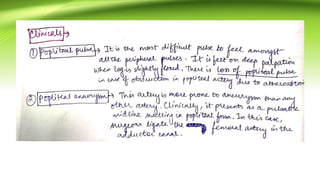
    • CLINICAL CORRELATIONS: Protrusion of abdominal components through femoral canal is called FEMORAL HERNIA. Femoral Hernia presents as a swelling in groin inferolateral to pubic tubercle below the inguinal ligament.
  • 84.
    7. SHORT SAPHENOUSVEIN (2017)
  • 85.
  • 88.
    9. HAMSTRINGS (2019) •Hamstring Muscles include the muscles of back of thigh including - Biceps Femoris, Semitendinosus, Semimembranosus and Ischial Head of Adductor Magnus. • CHARACTERISTICS OF HAMSTRINGS : a) All arise from ischial tuberosity. b) All are inserted into one of the bones of the leg (adductor magnus ischial head gets inserted into the adductor tubercle of femur but is included in hamstring group as the TIBIAL COLLATERAL LIGAMENT extending upto the tibia is considered its degenerated tendon ). c) All are supplied by TIBIAL PART OF SCIATIC NERVE. d) All are FLEXORS of the knee and EXTENSORS of hip. • CLINICAL CORRELATIONS : a) Hamstrings are injured by cutting wound to the hamstring tendons or by injury to the Tibial Nerve that leads to paralysis of Hamstrings. b) Patient with paralysed Hamstrings presents loss of ability to stand up, walk or run.
  • 89.
  • 91.
    • MEDIAL MENISCUSIS MORE PRONE TO INJURY as - a. It is firmly attached to the TIBIAL COLLATERAL LIGAMENT and thus, its mobility is restricted and can't adapt to rapid movements. On the other hand, Lateral Meniscus is not attached to Fibular Collateral Ligament and enjoys freedom of movement. b. It is exposed to greater excursions in rotation of knee. c. It is not protected by some assisting supports as the lateral meniscus is protected by medial fibres of POPLITEUS that bring the posterior horn backward and prevent it from injury.

  • 97.
    • Sartorius originatesfrom Anterior Superior Iliac Spine and inserts into posterior aspect of medial side of tibia. • Sartorius acts to FLEX BOTH HIP AND KNEE JOINTS, and ADDUCTS AND ROTATES THIGH LATERALLY TO BRING IT INTO SITTING POSITION like that of a TAILOR. Thus, Sartorius is also called 'Tailor's Muscle'.
  • 98.
    THANK YOU WAVE (MCDSA),CULTURAL AND ACADEMIC WING OF MCK