ICS3211 - Intelligent
Interfaces II
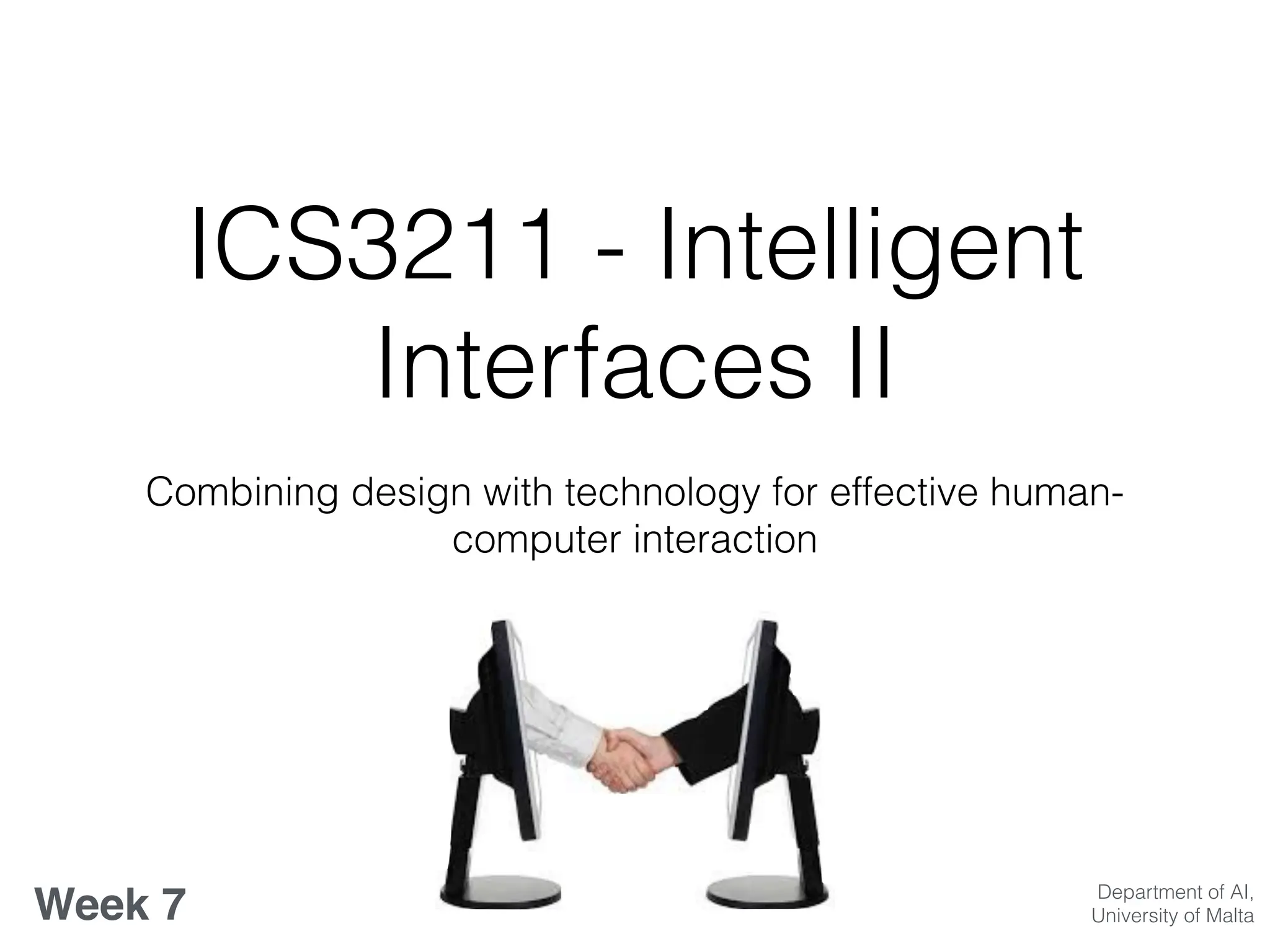
Combining design with technology for effective human-
computer interaction
Week 7 Department of AI,
University of Malta
Design & ASRs
Week 7 overview:
• Adaptive UIs and Design guidelines for UIs;
• Automatic Speech Recognition;
Learning Outcomes
At the end of this session you should be able to:
• Characterise ASR systems, with recent advancements
and identify challenges in their development
Lecture Outline
• ASR: trends, applications & challenges
Recap: VUIs
• Context awareness;
• Pervasive information visualisation;
• Ontologies in information visualisation;
• Information visualisation services;
Designing for Human
Information Processing
• Stimulus- Response compatibility: classes;
• S-S
• S-R
• S-C-R
• R-R
• R-E
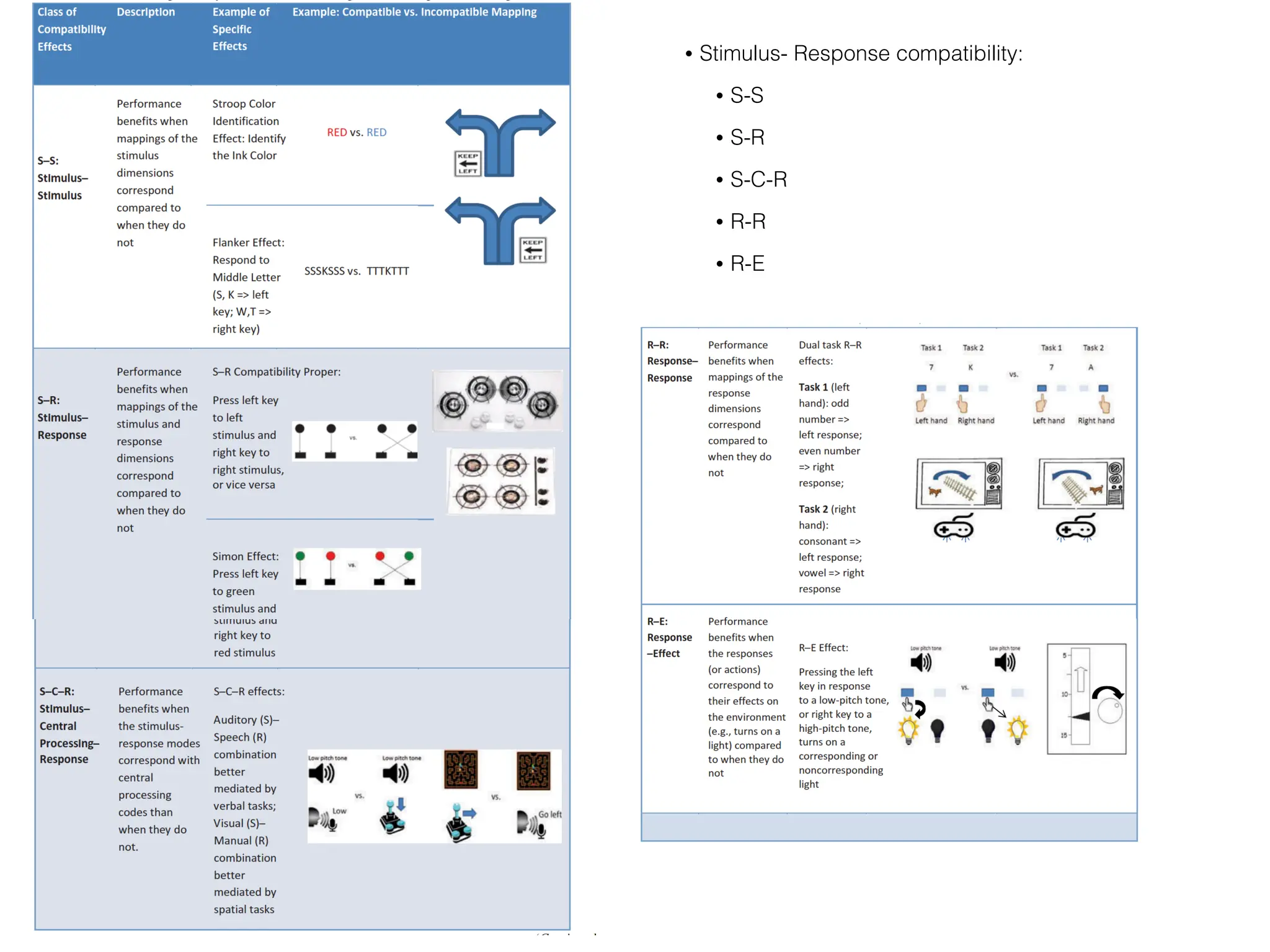
• Stimulus- Response compatibility:
• S-S
• S-R
• S-C-R
• R-R
• R-E
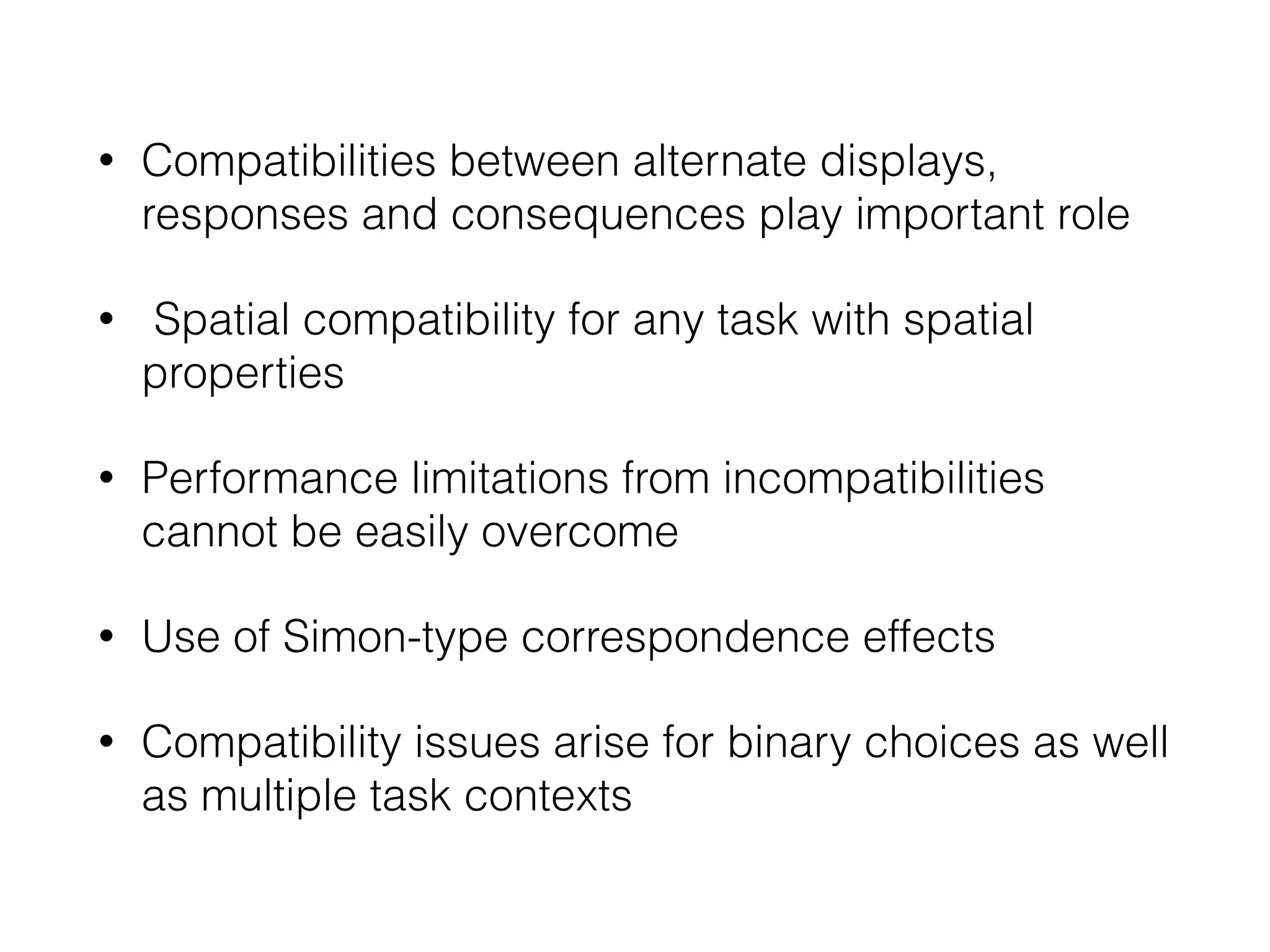
• Compatibilities between alternate displays,
responses and consequences play important role
• Spatial compatibility for any task with spatial
properties
• Performance limitations from incompatibilities
cannot be easily overcome
• Use of Simon-type correspondence effects
• Compatibility issues arise for binary choices as well
as multiple task contexts
• More direct input manipulation requires taking into
consideration compatibility effects between
responses
• C:D relations can be optimised by adhering to
population stereotypes
• High compatibility essential for products intended
for use by older adults
Automatic Speech
Recognition
• Real life examples where such ASR have its
benefits include for accessibility for the visually
impaired
• A recent paper: "Intelligent Human-Robot
Interaction Using Voice Commands and Machine
Learning" Authors: Chen,L.,Wang,Y., Liu, J.
Published: 2020
Automatic Speech
Recognition
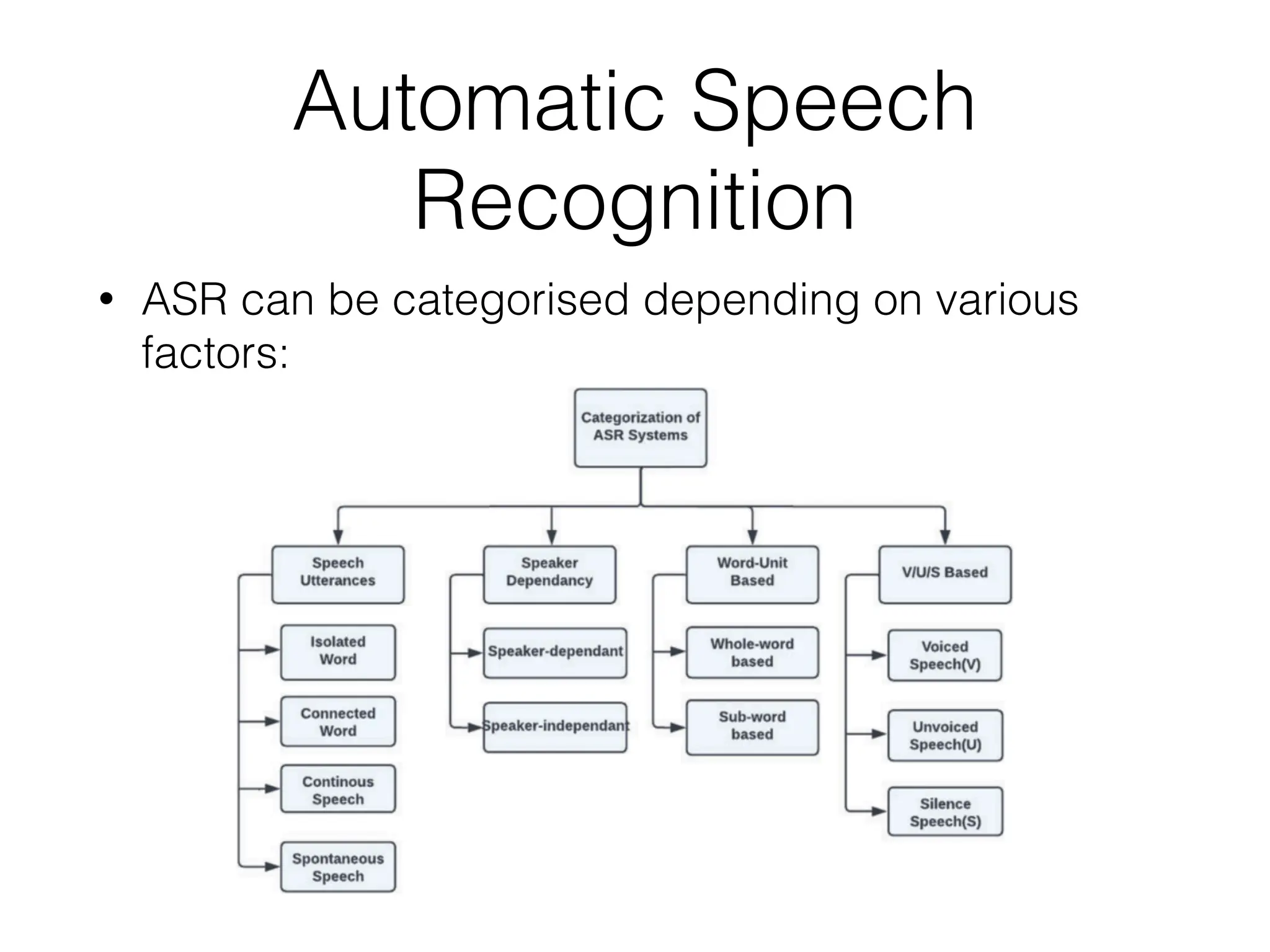
• ASR can be categorised depending on various
factors:
Speech Recognition
Techniques
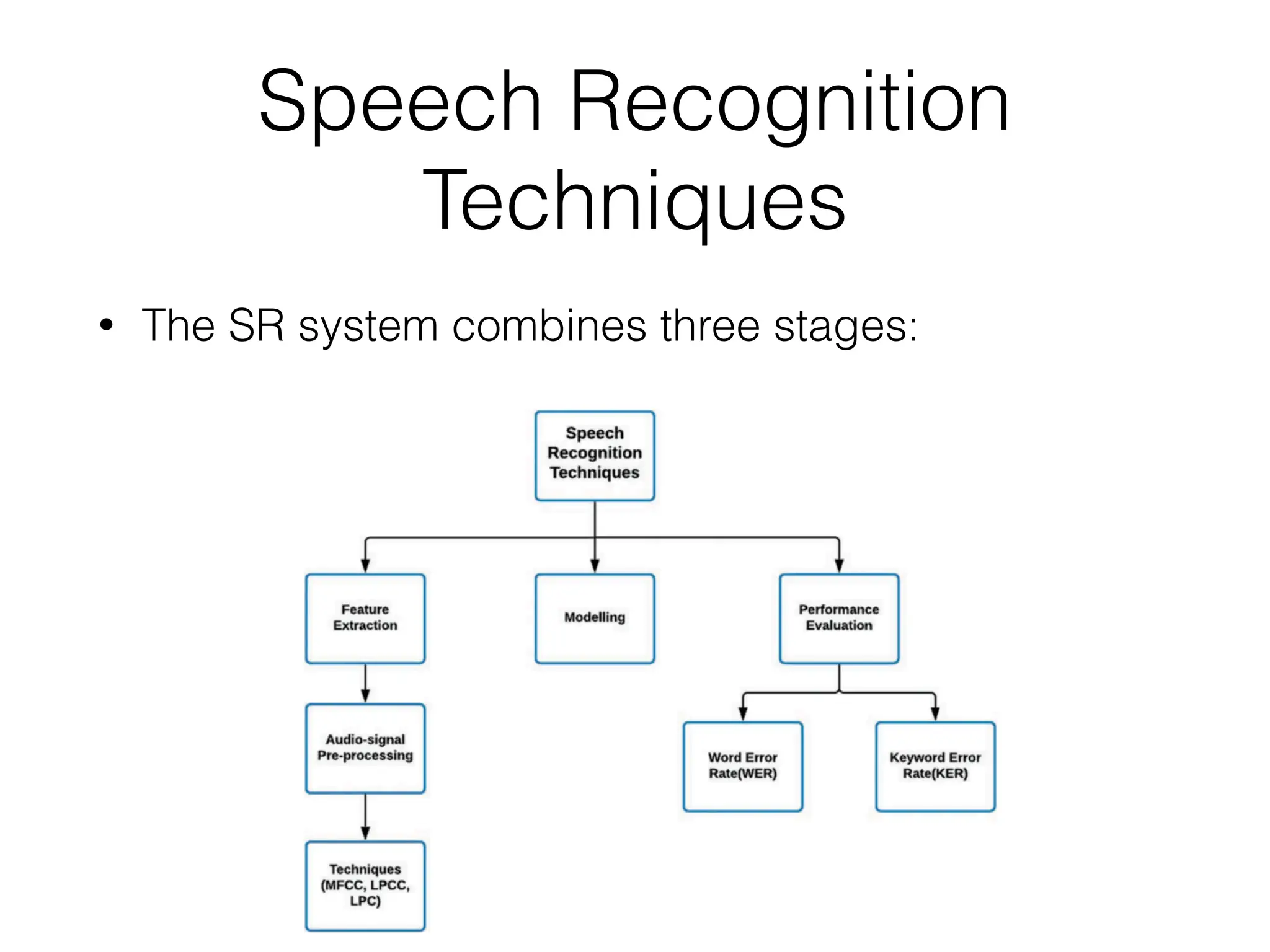
• The SR system combines three stages:
Advancements in ASR
Systems
• ASR Using Deep Learning
• Speech Emotion Recognition Systems
• Development of Tools for High-Performance
Speech Recognition Systems
Applications of ASR
Systems
• Telecommunications Industry
• Emotion Recognition
• Healthcare Industry
• Aviation Industry
Challenges in ASR Systems
• Variation in Accents
• Children-centric Focus
• Model Training
• Noise
Class Task
Form groups and check the VLE Class discussion
area. Follow the guidelines to discuss the task in
terms of:
• Current State of the Art in Chatbot development
• User Experience and Engagement
• Challenges and Limitations
• Integration and Future Potential
–Rick Rashid
“These devices will eventually replace paper
print media. We are reaching a point in the
future where any surface can be an interactive
surface.”

ICS3211_lecture_week72023.pdf

  • 1.
    ICS3211 - Intelligent InterfacesII Combining design with technology for effective human- computer interaction Week 7 Department of AI, University of Malta
  • 2.
    Design & ASRs Week7 overview: • Adaptive UIs and Design guidelines for UIs; • Automatic Speech Recognition;
  • 3.
    Learning Outcomes At theend of this session you should be able to: • Characterise ASR systems, with recent advancements and identify challenges in their development
  • 4.
    Lecture Outline • ASR:trends, applications & challenges
  • 5.
    Recap: VUIs • Contextawareness; • Pervasive information visualisation; • Ontologies in information visualisation; • Information visualisation services;
  • 7.
    Designing for Human InformationProcessing • Stimulus- Response compatibility: classes; • S-S • S-R • S-C-R • R-R • R-E
  • 8.
    • Stimulus- Responsecompatibility: • S-S • S-R • S-C-R • R-R • R-E
  • 9.
    • Compatibilities betweenalternate displays, responses and consequences play important role • Spatial compatibility for any task with spatial properties • Performance limitations from incompatibilities cannot be easily overcome • Use of Simon-type correspondence effects • Compatibility issues arise for binary choices as well as multiple task contexts
  • 10.
    • More directinput manipulation requires taking into consideration compatibility effects between responses • C:D relations can be optimised by adhering to population stereotypes • High compatibility essential for products intended for use by older adults
  • 11.
    Automatic Speech Recognition • Reallife examples where such ASR have its benefits include for accessibility for the visually impaired • A recent paper: "Intelligent Human-Robot Interaction Using Voice Commands and Machine Learning" Authors: Chen,L.,Wang,Y., Liu, J. Published: 2020
  • 12.
    Automatic Speech Recognition • ASRcan be categorised depending on various factors:
  • 13.
    Speech Recognition Techniques • TheSR system combines three stages:
  • 14.
    Advancements in ASR Systems •ASR Using Deep Learning • Speech Emotion Recognition Systems • Development of Tools for High-Performance Speech Recognition Systems
  • 15.
    Applications of ASR Systems •Telecommunications Industry • Emotion Recognition • Healthcare Industry • Aviation Industry
  • 16.
    Challenges in ASRSystems • Variation in Accents • Children-centric Focus • Model Training • Noise
  • 17.
    Class Task Form groupsand check the VLE Class discussion area. Follow the guidelines to discuss the task in terms of: • Current State of the Art in Chatbot development • User Experience and Engagement • Challenges and Limitations • Integration and Future Potential
  • 18.
    –Rick Rashid “These deviceswill eventually replace paper print media. We are reaching a point in the future where any surface can be an interactive surface.”