HUMAN
SYSTEMS
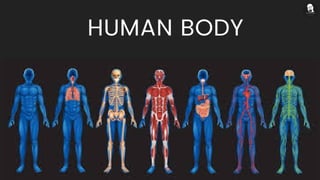
HUMAN BODY
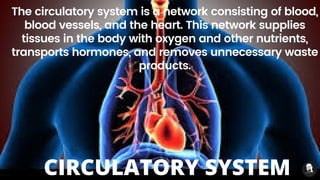
The circulatory system is a network consisting of blood,
blood vessels, and the heart. This network supplies
tissues in the body with oxygen and other nutrients,
transports hormones, and removes unnecessary waste
products.
CIRCULATORY SYSTEM
The human respiratory
system is a series
of organs responsible
for taking in oxygen
and expelling carbon
dioxide. The
primary organs of
the respiratory
system are the lungs,
which carry out this
exchange of gases as
we breathe
RESPIRATORY
SYSTEM
The central nervous
system (CNS) controls most
functions of the body and
mind. It consists of two parts
the brain and the spinal cord
The brain is the center of our
thoughts, the interpreter of ou
external environment, and th
origin of control over body
movement.
CENTRAL NERVOUS SYSTEM
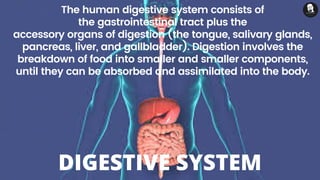
The human digestive system consists of
the gastrointestinal tract plus the
accessory organs of digestion (the tongue, salivary glands,
pancreas, liver, and gallbladder). Digestion involves the
breakdown of food into smaller and smaller components,
until they can be absorbed and assimilated into the body.
DIGESTIVE SYSTEM
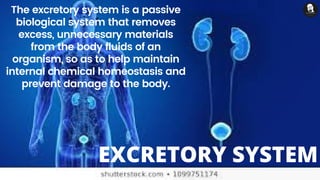
The excretory system is a passive
biological system that removes
excess, unnecessary materials
from the body fluids of an
organism, so as to help maintain
internal chemical homeostasis and
prevent damage to the body.
EXCRETORY SYSTEM
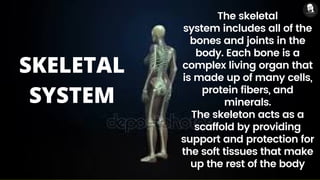
The skeletal
system includes all of the
bones and joints in the
body. Each bone is a
complex living organ that
is made up of many cells,
protein fibers, and
minerals.
The skeleton acts as a
scaffold by providing
support and protection for
the soft tissues that make
up the rest of the body
SKELETAL
SYSTEM
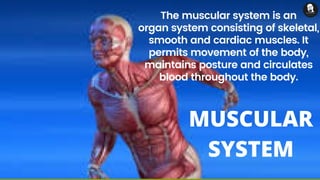
The muscular system is an
organ system consisting of skeletal,
smooth and cardiac muscles. It
permits movement of the body,
maintains posture and circulates
blood throughout the body.
MUSCULAR
SYSTEM
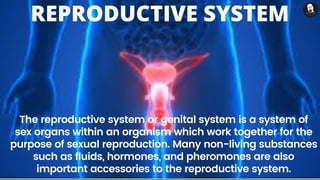
The reproductive system or genital system is a system of
sex organs within an organism which work together for the
purpose of sexual reproduction. Many non-living substances
such as fluids, hormones, and pheromones are also
important accessories to the reproductive system.
REPRODUCTIVE SYSTEM
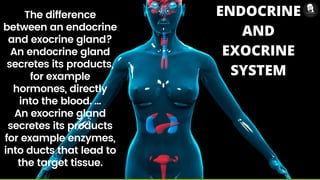
The difference
between an endocrine
and exocrine gland?
An endocrine gland
secretes its products,
for example
hormones, directly
into the blood. ...
An exocrine gland
secretes its products
for example enzymes,
into ducts that lead to
the target tissue.
ENDOCRINE
AND
EXOCRINE
SYSTEM
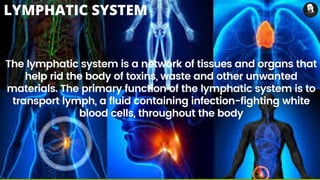
The lymphatic system is a network of tissues and organs that
help rid the body of toxins, waste and other unwanted
materials. The primary function of the lymphatic system is to
transport lymph, a fluid containing infection-fighting white
blood cells, throughout the body
LYMPHATIC SYSTEM
The immune system is a complex network of cells and
proteins that defends the body against infection. The immune
system keeps a record of every germ (microbe) it has ever
defeated so it can recognise and destroy the microbe quickly
if it enters the body again
IMMUNE SYSTEM
GOOD LUCK

Human system in the body

  • 1.
  • 2.
  • 3.
    The circulatory system is anetwork consisting of blood, blood vessels, and the heart. This network supplies tissues in the body with oxygen and other nutrients, transports hormones, and removes unnecessary waste products. CIRCULATORY SYSTEM
  • 4.
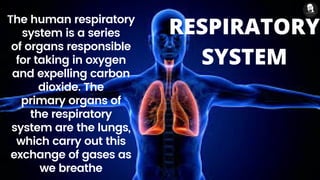
    The human respiratory system is aseries of organs responsible for taking in oxygen and expelling carbon dioxide. The primary organs of the respiratory system are the lungs, which carry out this exchange of gases as we breathe RESPIRATORY SYSTEM
  • 5.
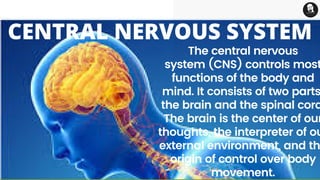
    The central nervous system (CNS) controlsmost functions of the body and mind. It consists of two parts the brain and the spinal cord The brain is the center of our thoughts, the interpreter of ou external environment, and th origin of control over body movement. CENTRAL NERVOUS SYSTEM
  • 6.
    The human digestive system consistsof the gastrointestinal tract plus the accessory organs of digestion (the tongue, salivary glands, pancreas, liver, and gallbladder). Digestion involves the breakdown of food into smaller and smaller components, until they can be absorbed and assimilated into the body. DIGESTIVE SYSTEM
  • 7.
    The excretory systemis a passive biological system that removes excess, unnecessary materials from the body fluids of an organism, so as to help maintain internal chemical homeostasis and prevent damage to the body. EXCRETORY SYSTEM
  • 8.
    The skeletal system includes all ofthe bones and joints in the body. Each bone is a complex living organ that is made up of many cells, protein fibers, and minerals. The skeleton acts as a scaffold by providing support and protection for the soft tissues that make up the rest of the body SKELETAL SYSTEM
  • 9.
    The muscular system is an organ system consistingof skeletal, smooth and cardiac muscles. It permits movement of the body, maintains posture and circulates blood throughout the body. MUSCULAR SYSTEM
  • 10.
    The reproductive system or genital system isa system of sex organs within an organism which work together for the purpose of sexual reproduction. Many non-living substances such as fluids, hormones, and pheromones are also important accessories to the reproductive system. REPRODUCTIVE SYSTEM
  • 11.
    The difference between an endocrine andexocrine gland? An endocrine gland secretes its products, for example hormones, directly into the blood. ... An exocrine gland secretes its products for example enzymes, into ducts that lead to the target tissue. ENDOCRINE AND EXOCRINE SYSTEM
  • 12.
    The lymphatic system is anetwork of tissues and organs that help rid the body of toxins, waste and other unwanted materials. The primary function of the lymphatic system is to transport lymph, a fluid containing infection-fighting white blood cells, throughout the body LYMPHATIC SYSTEM
  • 13.
    The immune system is acomplex network of cells and proteins that defends the body against infection. The immune system keeps a record of every germ (microbe) it has ever defeated so it can recognise and destroy the microbe quickly if it enters the body again IMMUNE SYSTEM
  • 14.