HOW YOU CAN BE THE
CHANGE YOU ENVISION
SARAH OKTAY, PHD
DIRECTOR, UNIVERSITY OF MASSACHUSETTS BOSTON
NANTUCKET FIELD STATION
PRESIDENT, ORGANIZATION OF BIOLOGICAL FIELD
STATIONS
Martha’s Vineyard
Youth Leadership
Summit
July 1 2015
OUR CHALLENGES
• We are polluting the planet and harming the oceans, our
land, and the animals and habitat
• Big issues like increased carbon dioxide in the
atmosphere are causing planet-wide chaos
• Small issues like septic system runoff, introduction of
invasive species, and plastic pollution are causing algae
blooms, reducing biodiversity, and contaminating the
ocean while choking larger creatures
• Big governments and “adults” are slow moving and
sometimes overly concerned about the bottom line, they
don’t always understand a cleaner earth and ocean
saves money
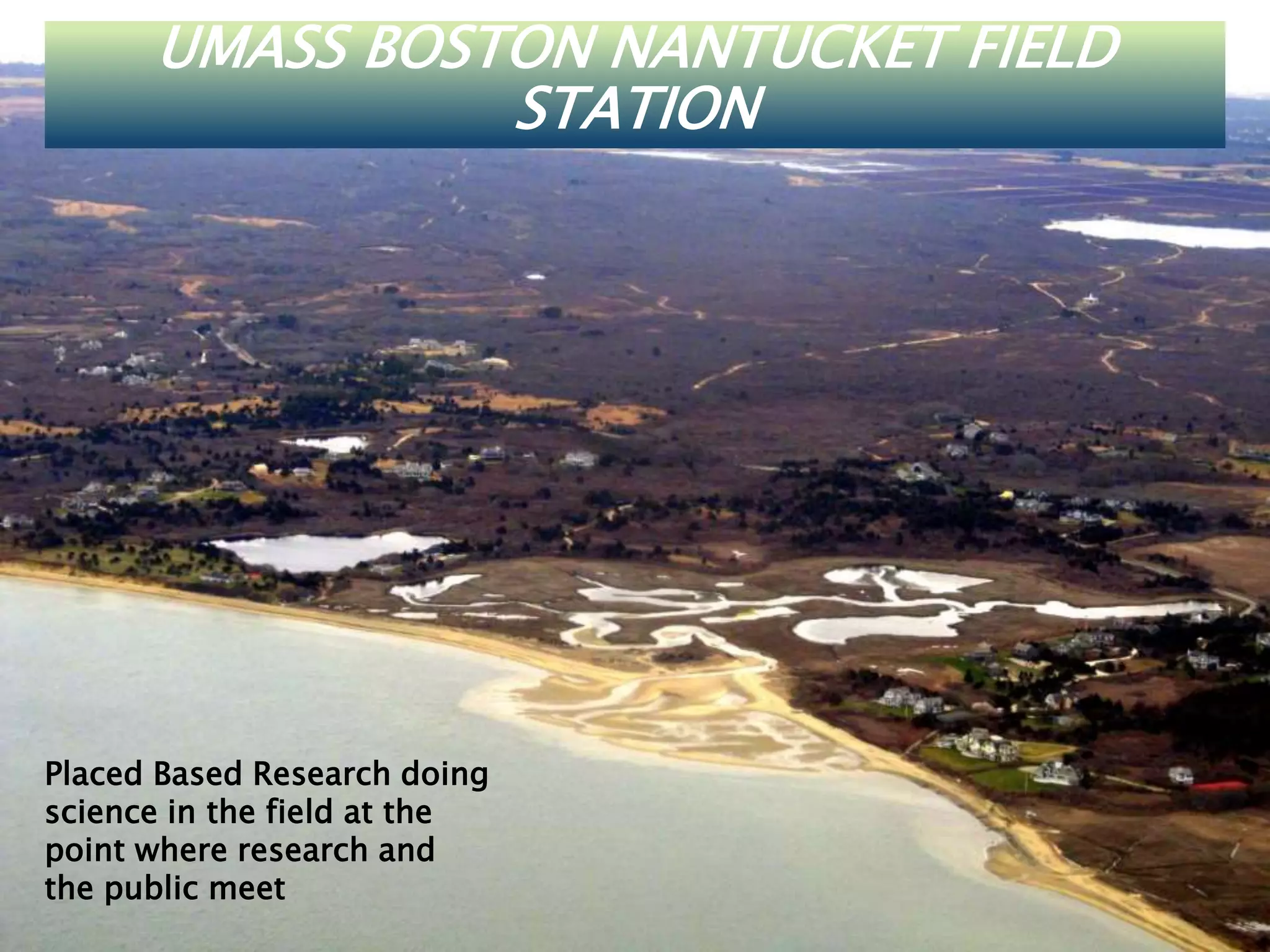
UMASS BOSTON NANTUCKET FIELD
STATION
Placed Based Research doing
science in the field at the
point where research and
the public meet
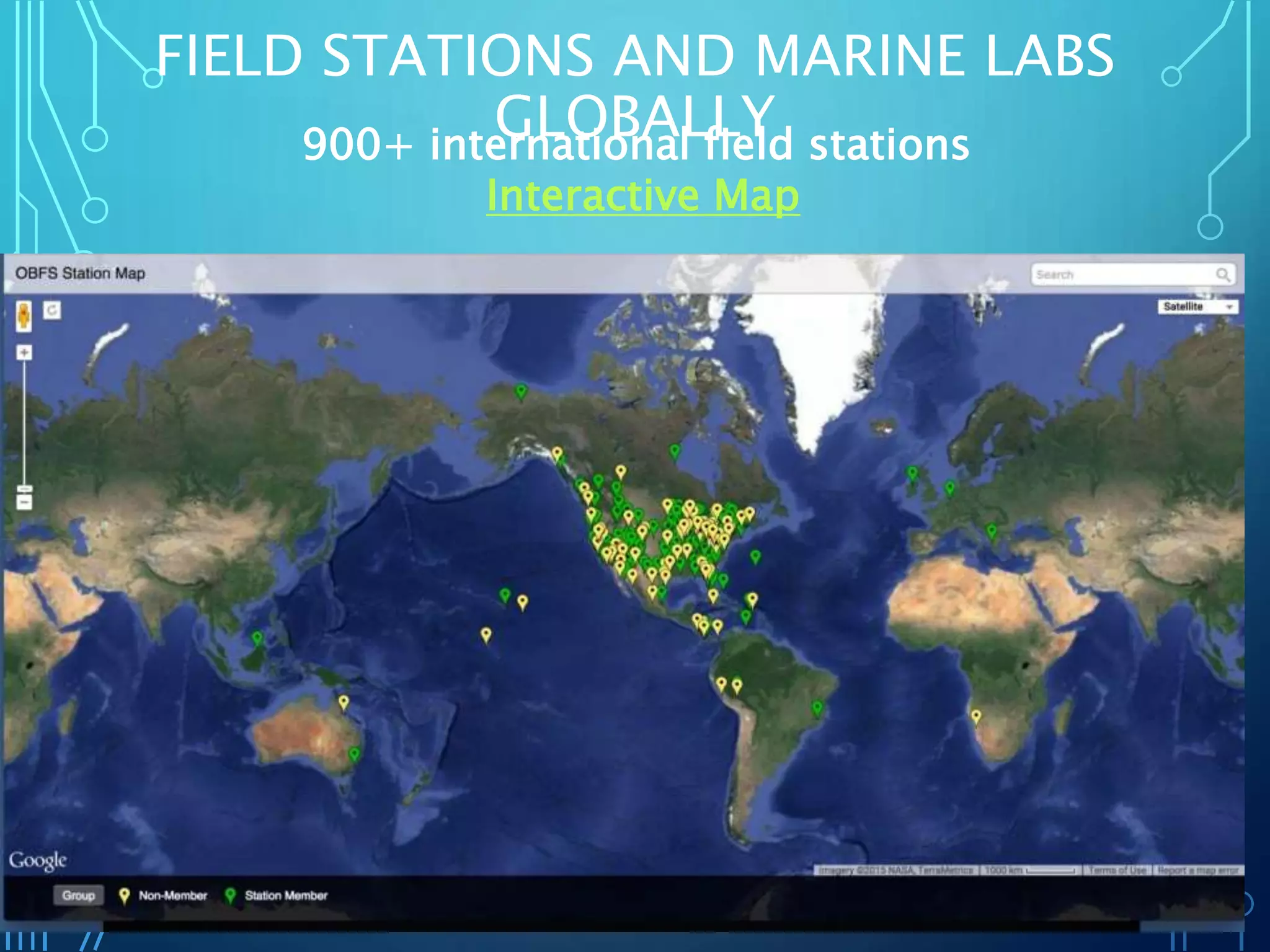
FIELD STATIONS AND MARINE LABS
GLOBALLY900+ international field stations
Interactive Map
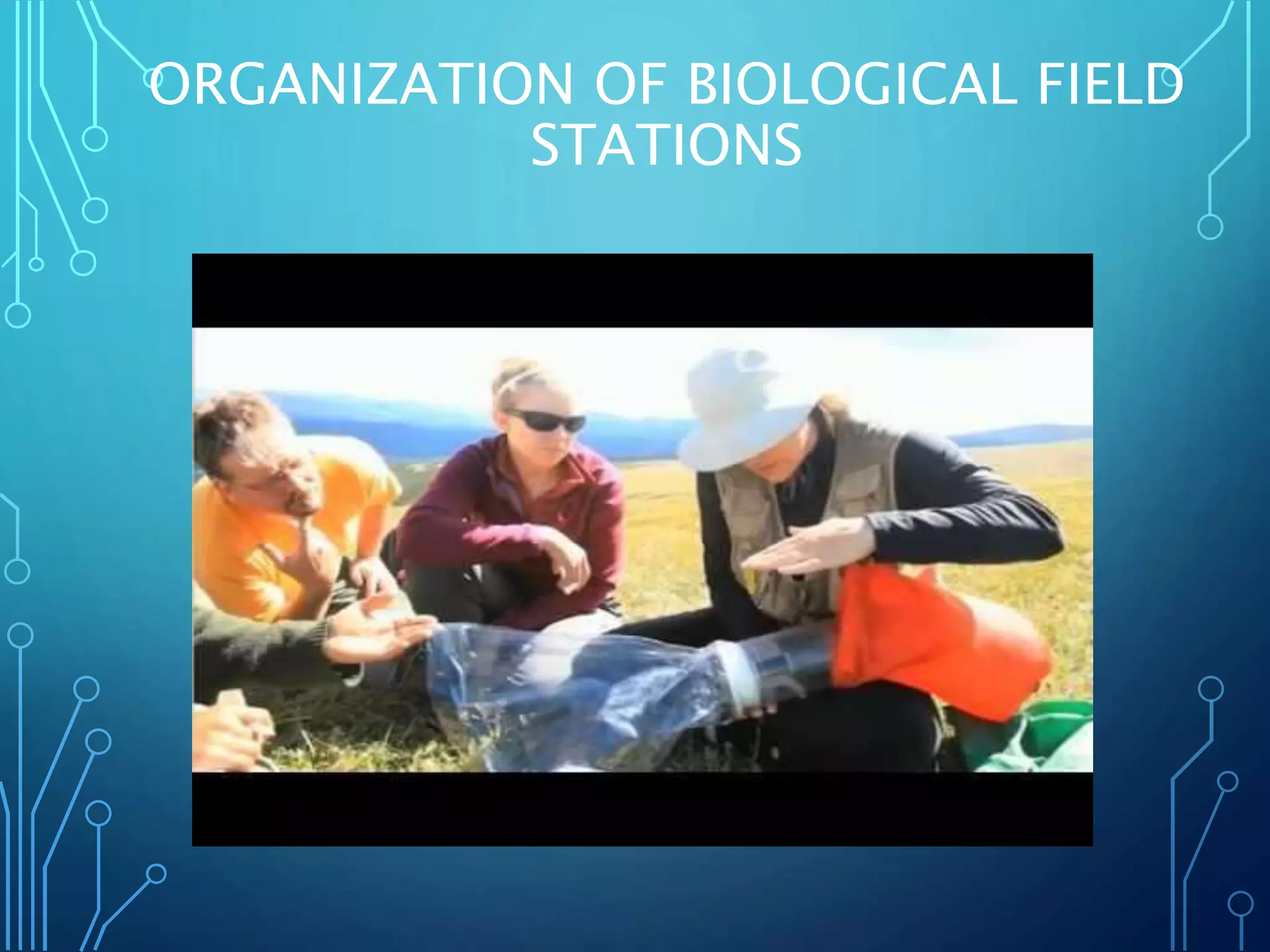
ORGANIZATION OF BIOLOGICAL FIELD
STATIONS
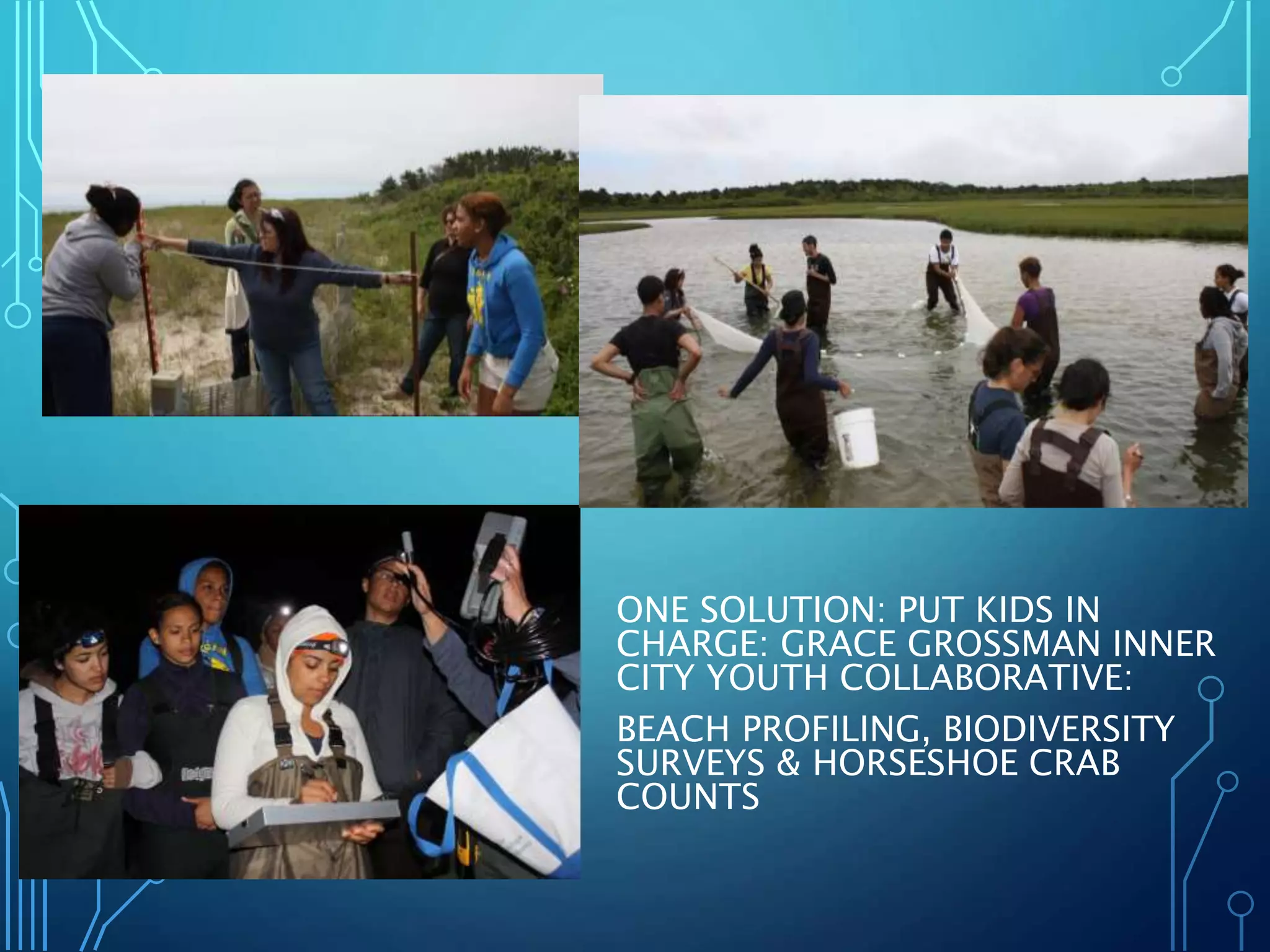
ONE SOLUTION: PUT KIDS IN
CHARGE: GRACE GROSSMAN INNER
CITY YOUTH COLLABORATIVE:
BEACH PROFILING, BIODIVERSITY
SURVEYS & HORSESHOE CRAB
COUNTS
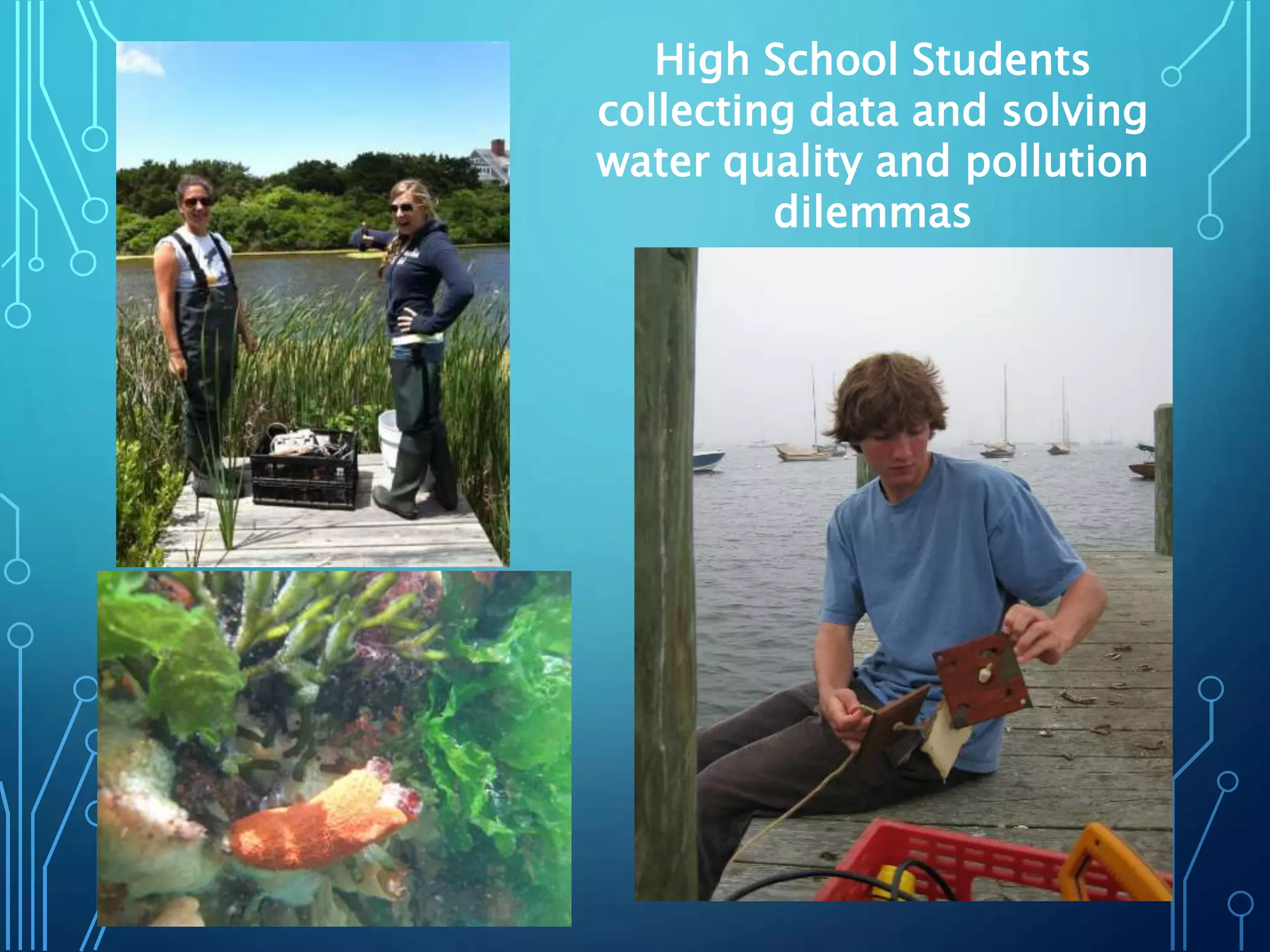
High School Students
collecting data and solving
water quality and pollution
dilemmas
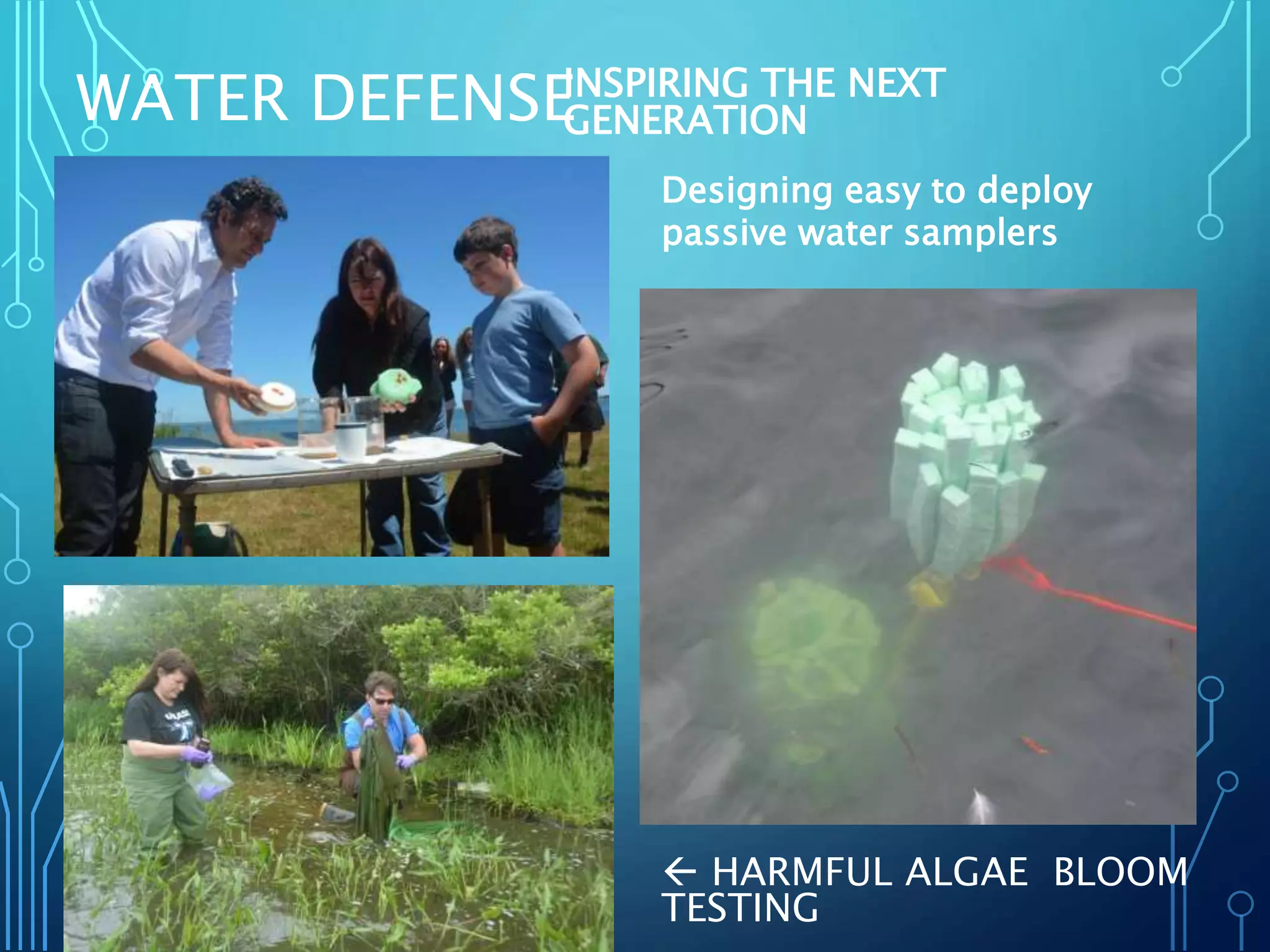
WATER DEFENSEINSPIRING THE NEXT
GENERATION
 HARMFUL ALGAE BLOOM
TESTING
Designing easy to deploy
passive water samplers
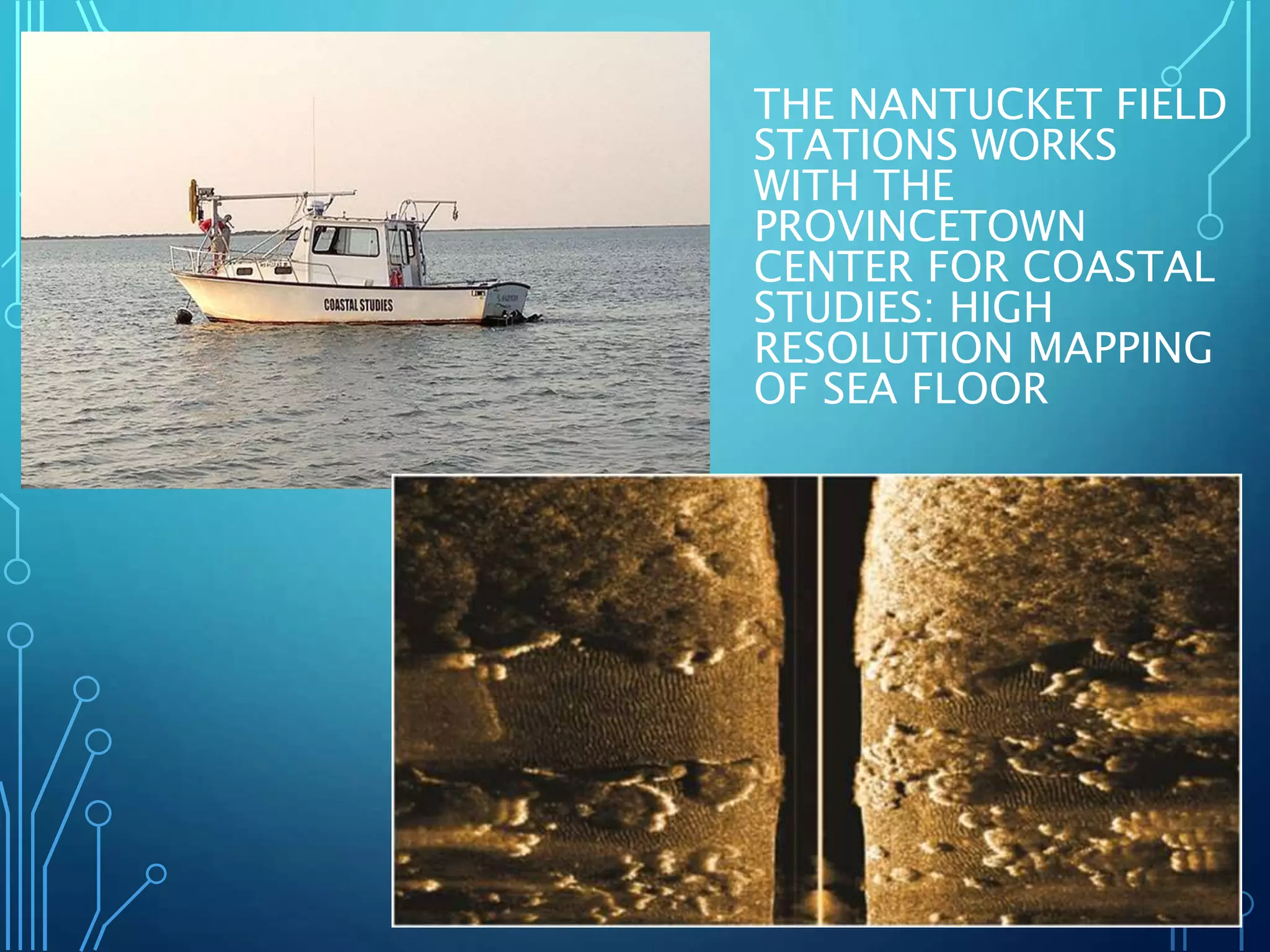
THE NANTUCKET FIELD
STATIONS WORKS
WITH THE
PROVINCETOWN
CENTER FOR COASTAL
STUDIES: HIGH
RESOLUTION MAPPING
OF SEA FLOOR
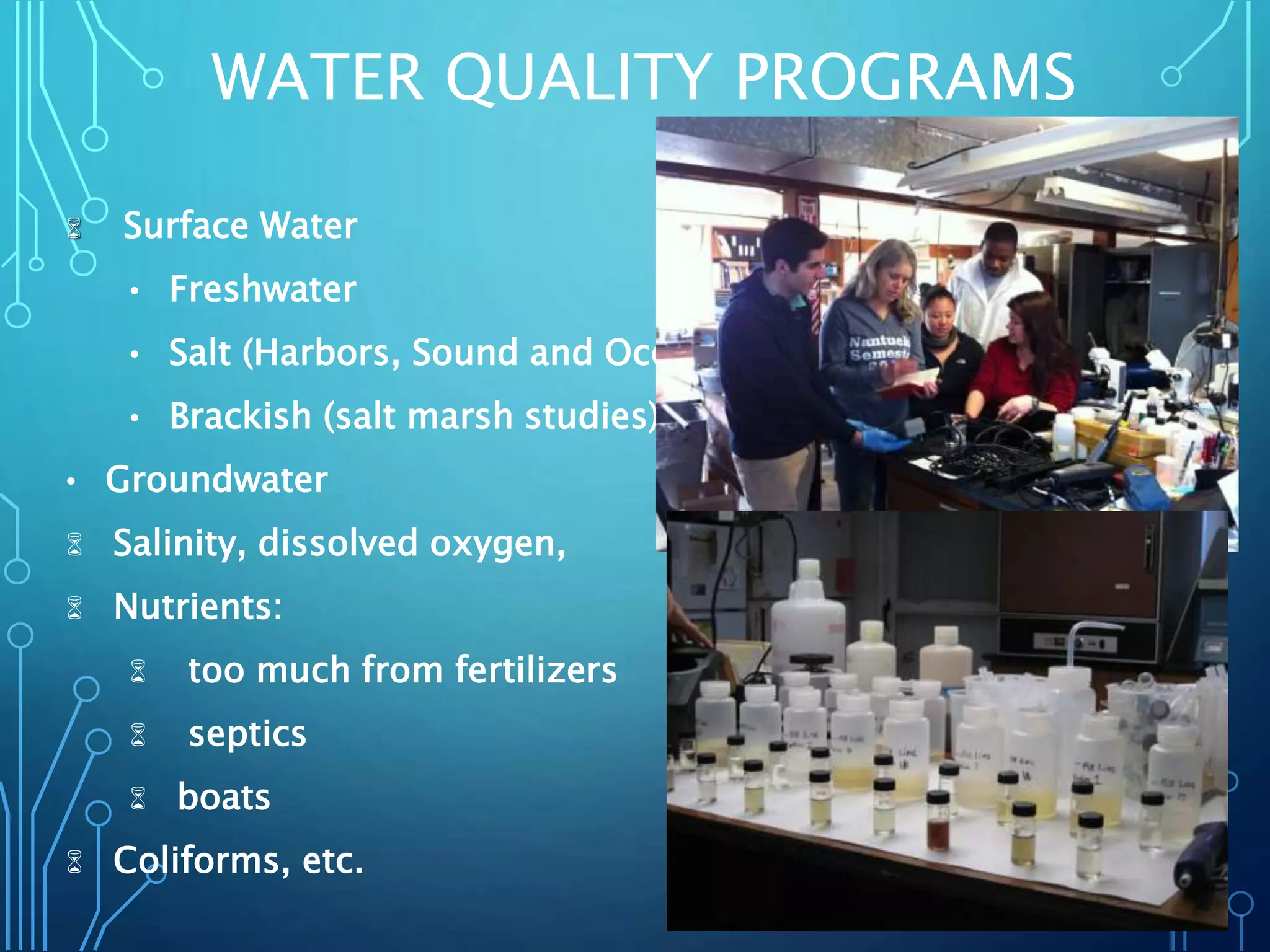
WATER QUALITY PROGRAMS
 Surface Water
• Freshwater
• Salt (Harbors, Sound and Ocean)
• Brackish (salt marsh studies)
• Groundwater
 Salinity, dissolved oxygen,
 Nutrients:
 too much from fertilizers
 septics
 boats
 Coliforms, etc.
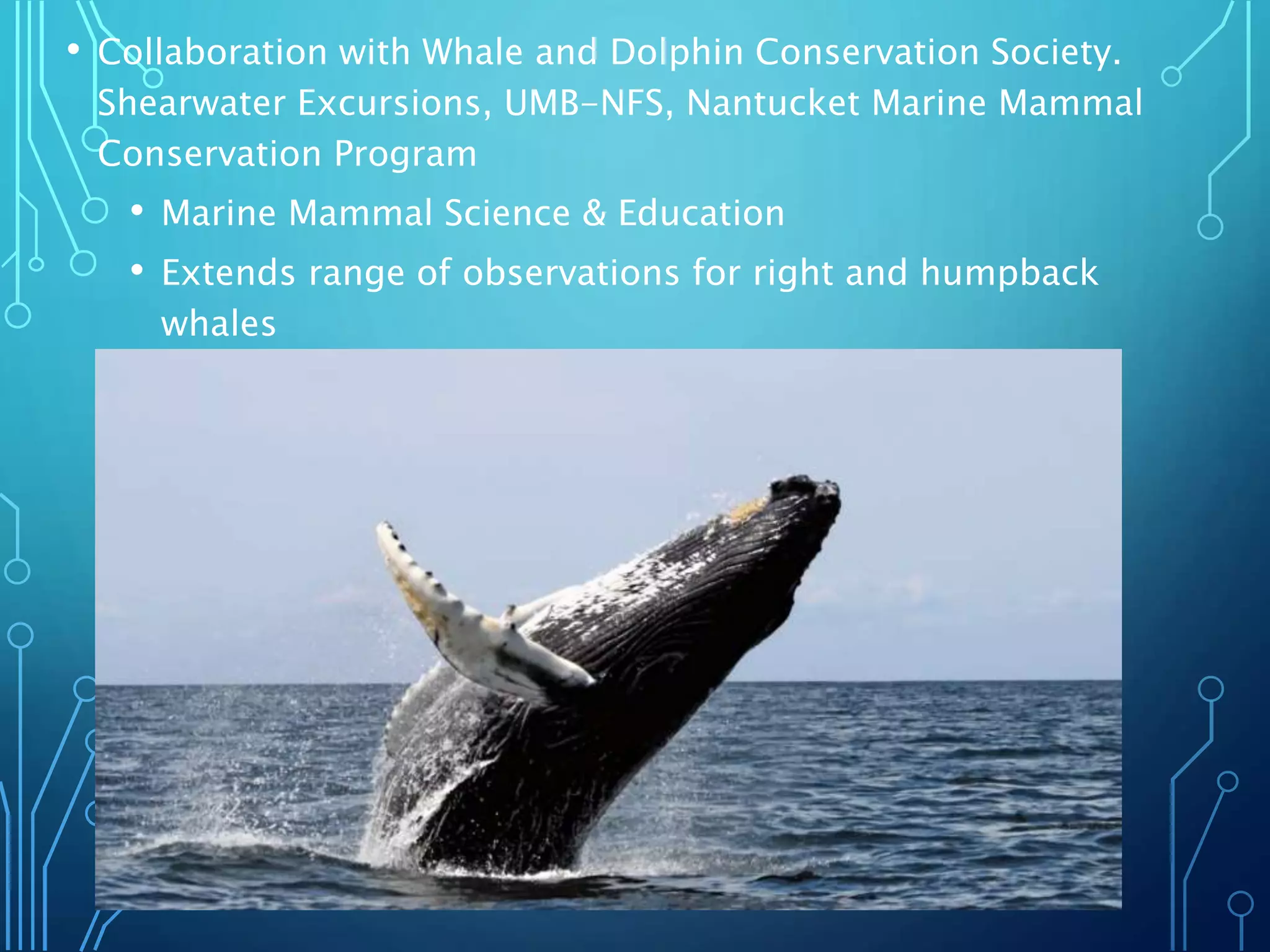
• Collaboration with Whale and Dolphin Conservation Society.
Shearwater Excursions, UMB-NFS, Nantucket Marine Mammal
Conservation Program
• Marine Mammal Science & Education
• Extends range of observations for right and humpback
whales
• Enhances experience on whale watches
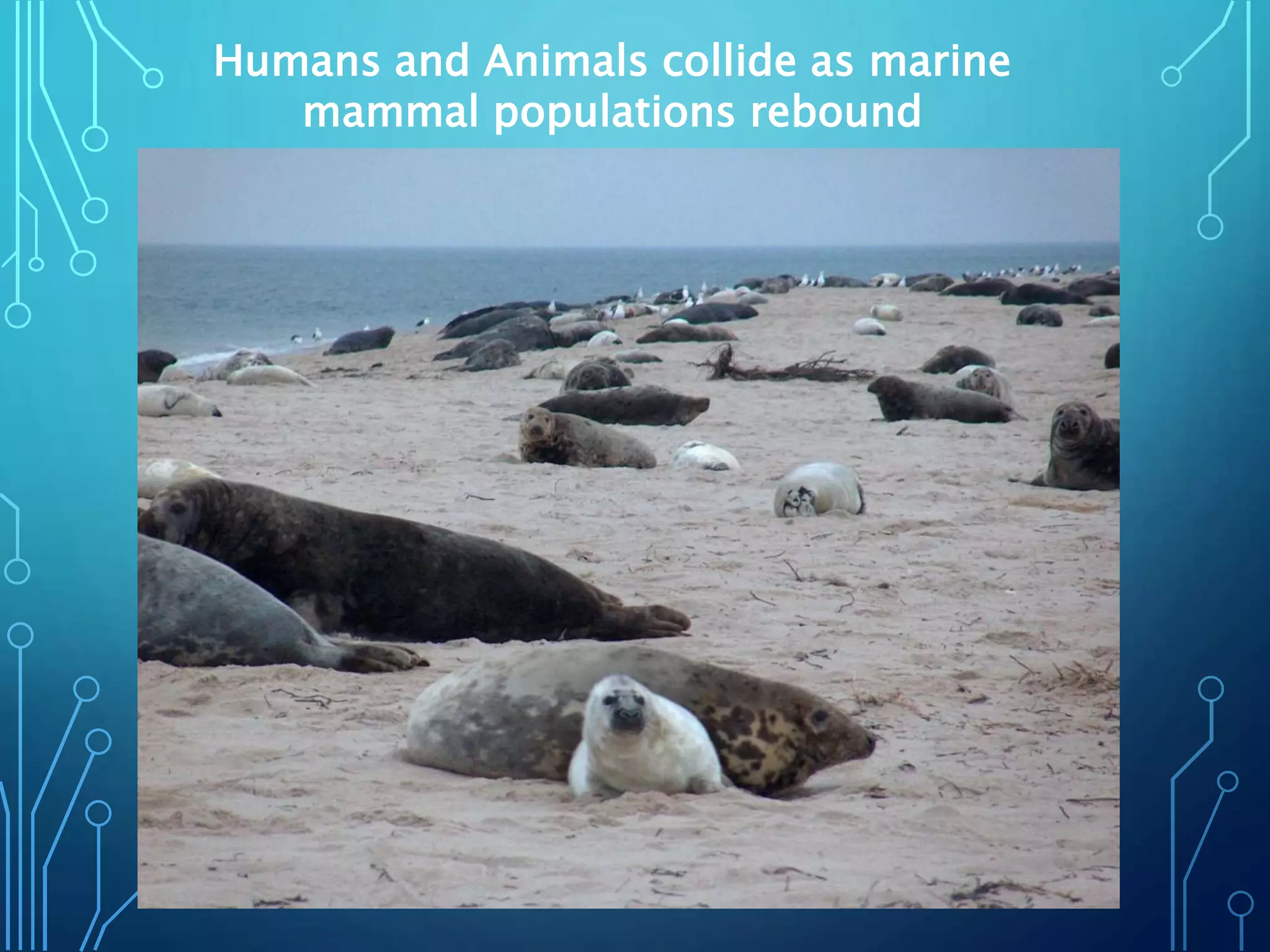
Humans and Animals collide as marine
mammal populations rebound
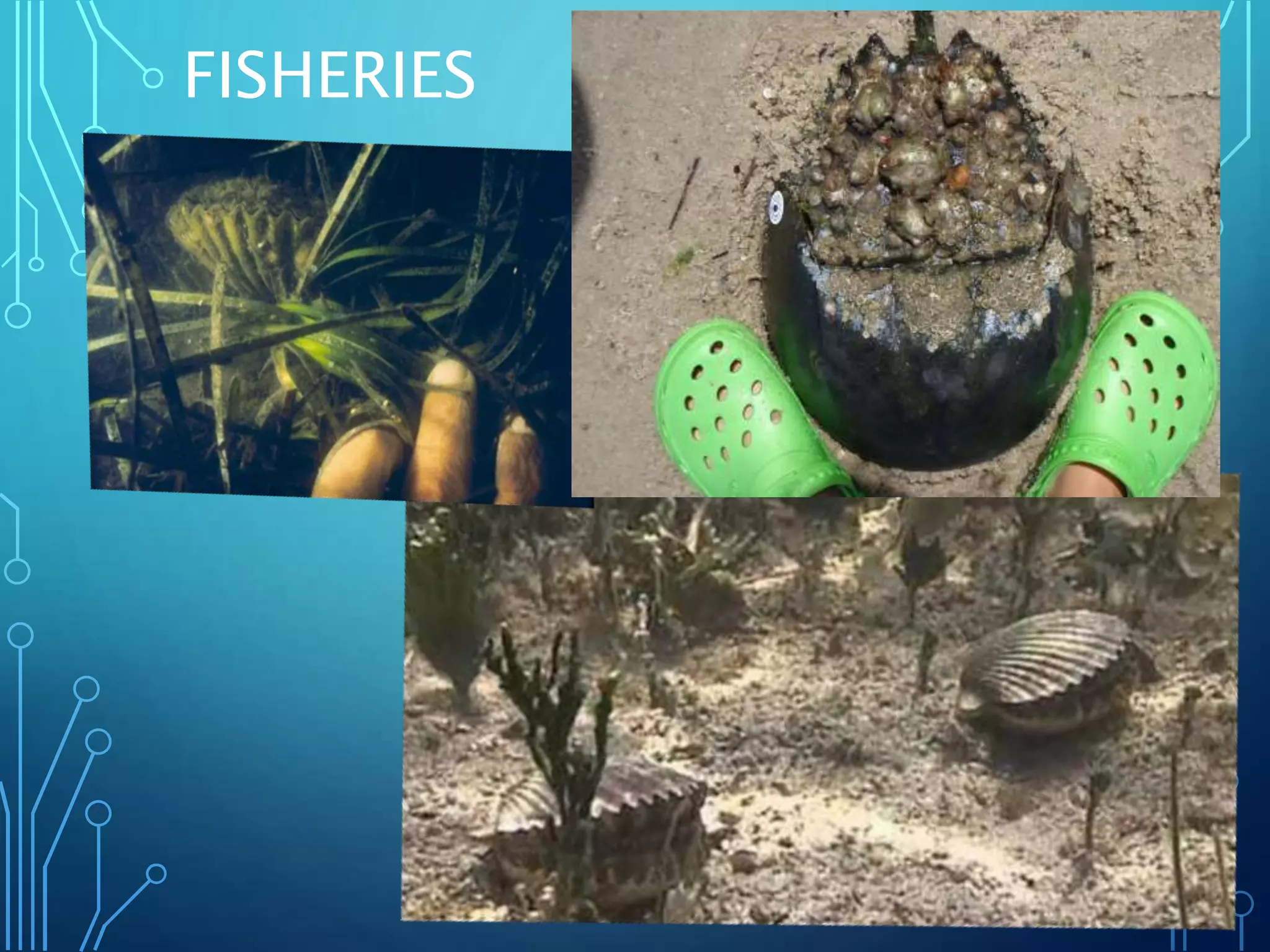
FISHERIES
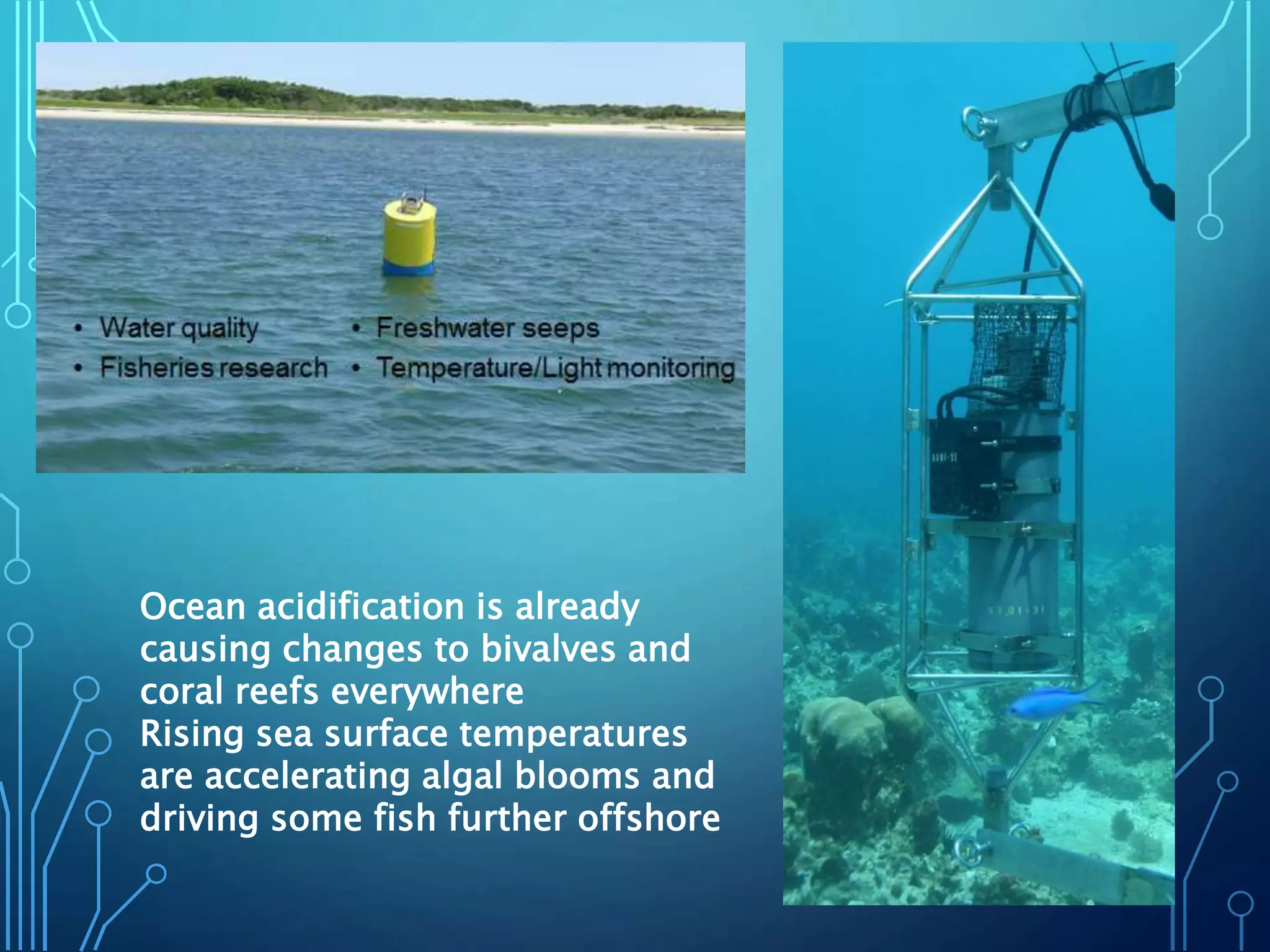
Ocean acidification is already
causing changes to bivalves and
coral reefs everywhere
Rising sea surface temperatures
are accelerating algal blooms and
driving some fish further offshore
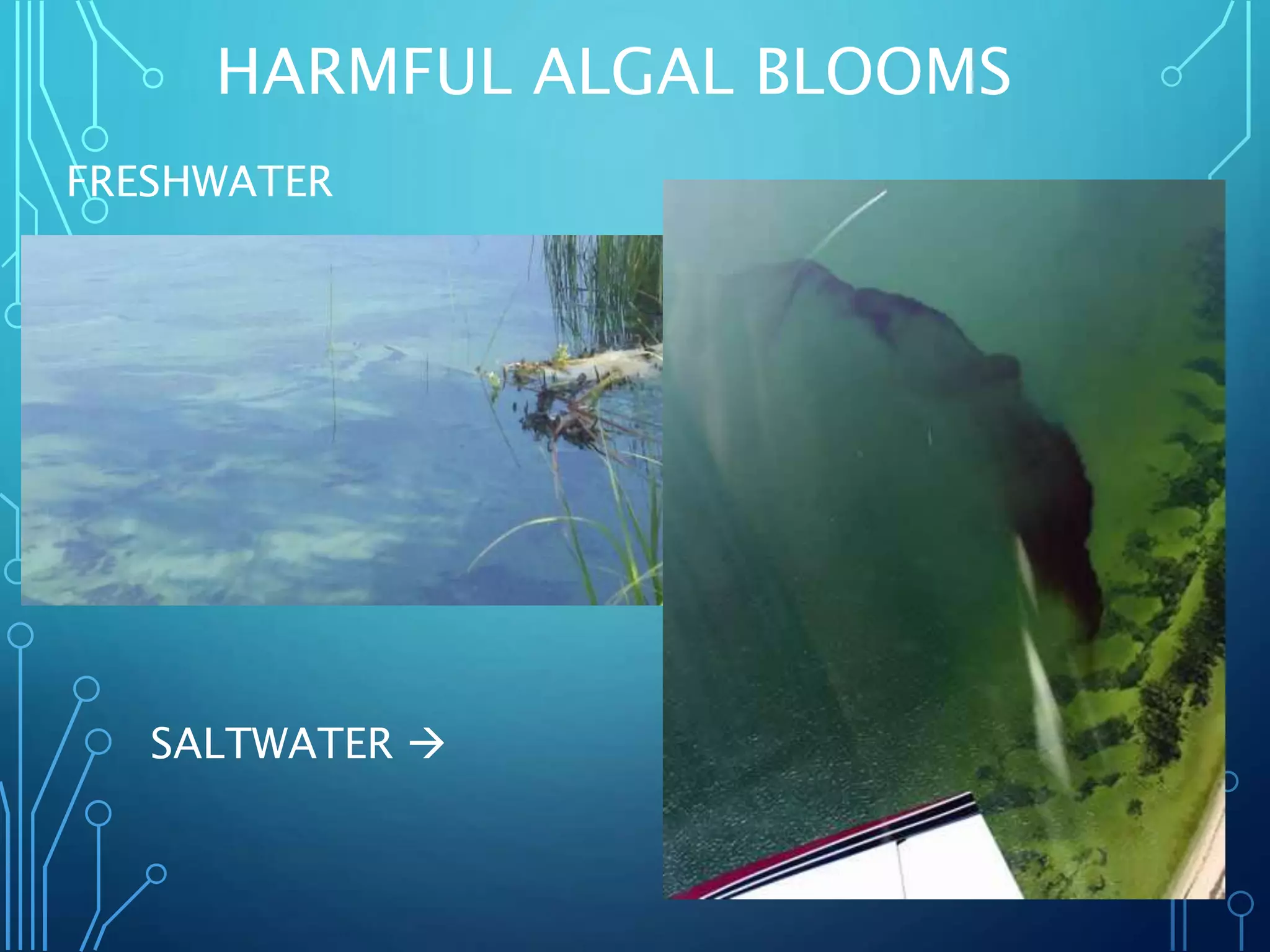
HARMFUL ALGAL BLOOMS
FRESHWATER
SALTWATER 
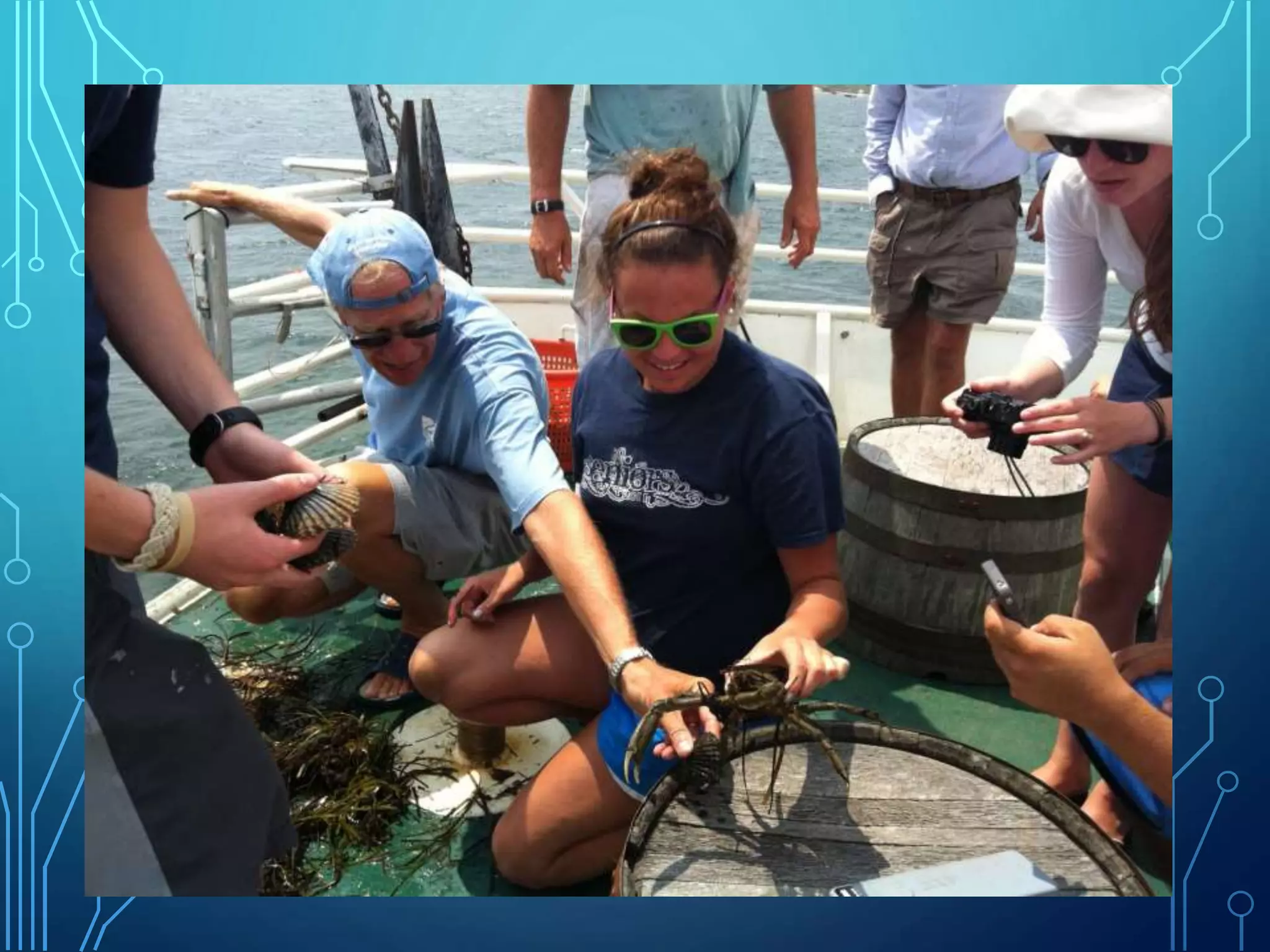
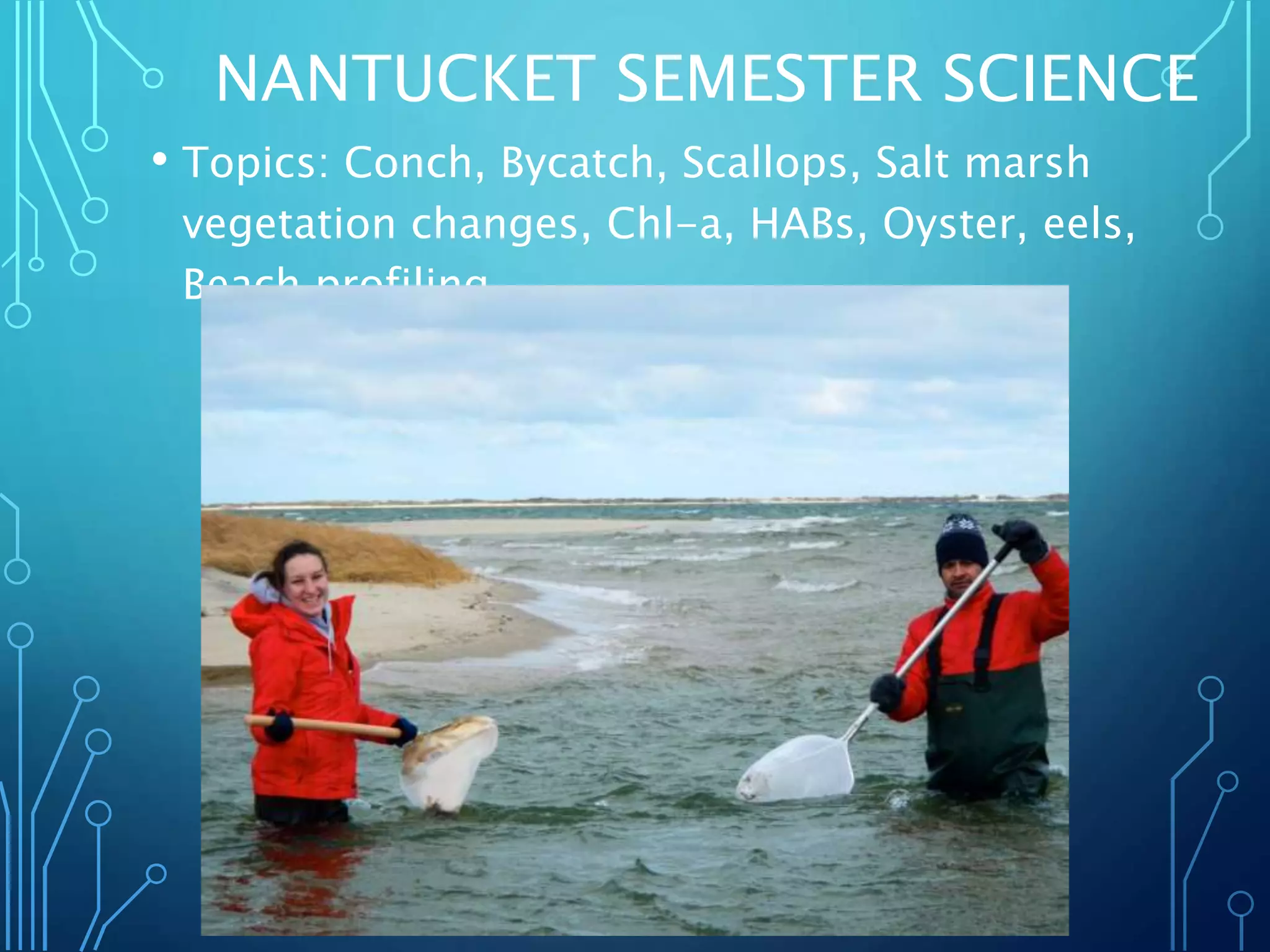
NANTUCKET SEMESTER SCIENCE
• Topics: Conch, Bycatch, Scallops, Salt marsh
vegetation changes, Chl-a, HABs, Oyster, eels,
Beach profiling
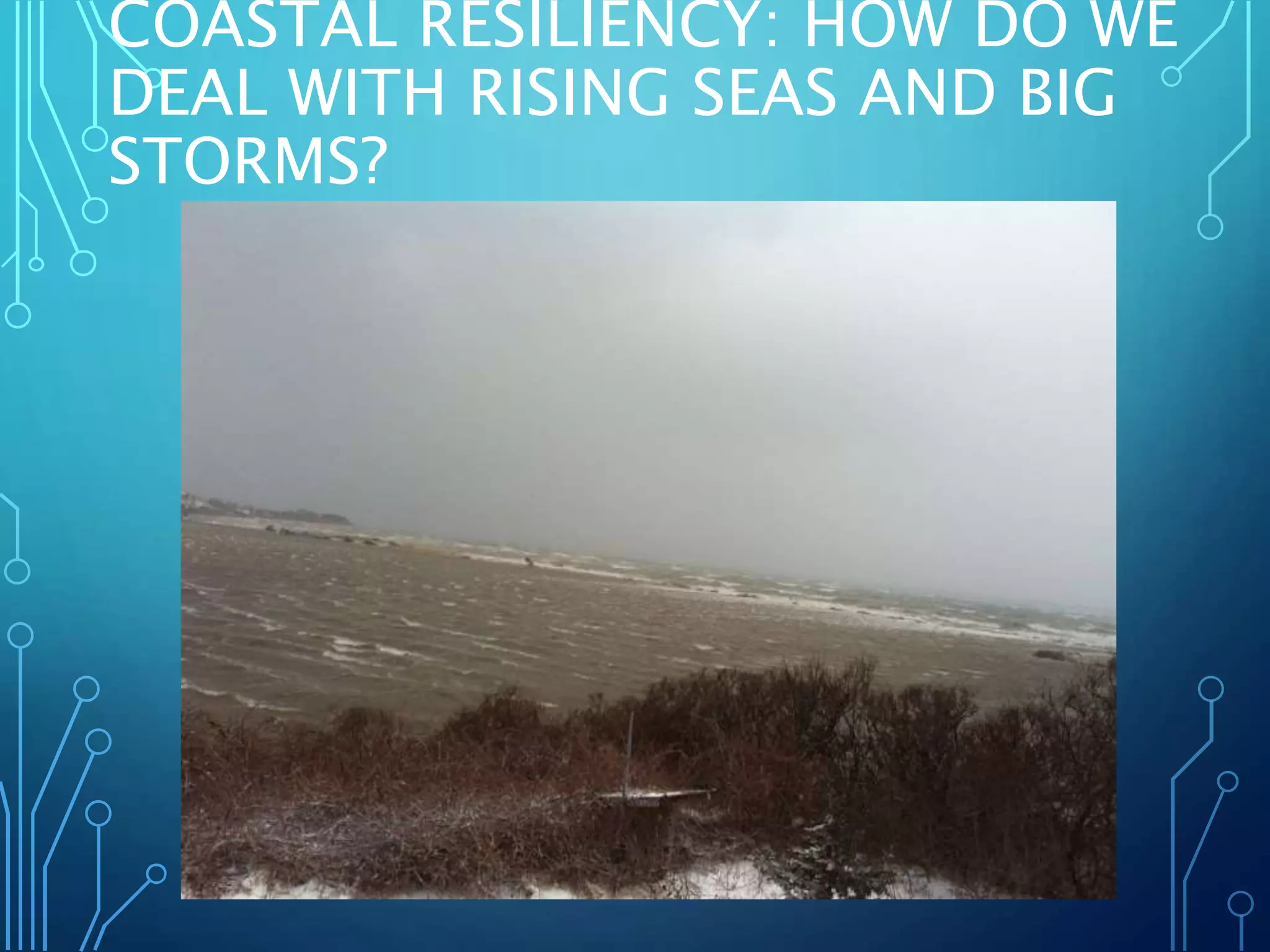
COASTAL RESILIENCY: HOW DO WE
DEAL WITH RISING SEAS AND BIG
STORMS?
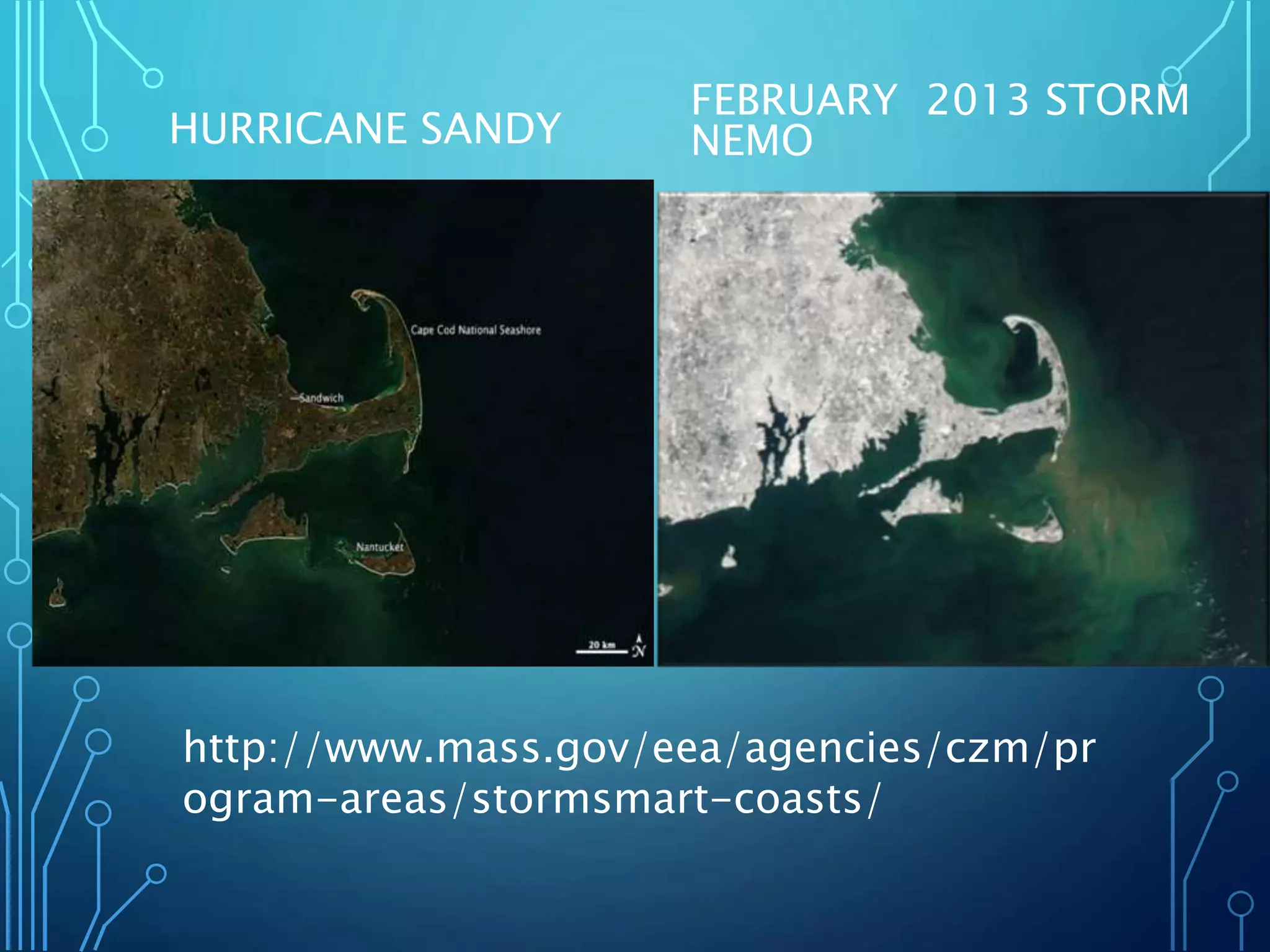
HURRICANE SANDY
FEBRUARY 2013 STORM
NEMO
http://www.mass.gov/eea/agencies/czm/pr
ogram-areas/stormsmart-coasts/
HOW DO WE CHANGE POLICY AND
MAKE A DIFFERENCE?
• Fertilizer regulations
• Docks and piers
• Balloons now banned on Nantucket
• Styrofoam and plastic bags
• Protecting wetlands and the harbor
• Fisheries regulations
• Education public about marine mammals
• Showing people effects of climate change

How You Can Be the Change You Envision

  • 1.
    HOW YOU CANBE THE CHANGE YOU ENVISION SARAH OKTAY, PHD DIRECTOR, UNIVERSITY OF MASSACHUSETTS BOSTON NANTUCKET FIELD STATION PRESIDENT, ORGANIZATION OF BIOLOGICAL FIELD STATIONS Martha’s Vineyard Youth Leadership Summit July 1 2015
  • 2.
    OUR CHALLENGES • Weare polluting the planet and harming the oceans, our land, and the animals and habitat • Big issues like increased carbon dioxide in the atmosphere are causing planet-wide chaos • Small issues like septic system runoff, introduction of invasive species, and plastic pollution are causing algae blooms, reducing biodiversity, and contaminating the ocean while choking larger creatures • Big governments and “adults” are slow moving and sometimes overly concerned about the bottom line, they don’t always understand a cleaner earth and ocean saves money
  • 3.
    UMASS BOSTON NANTUCKETFIELD STATION Placed Based Research doing science in the field at the point where research and the public meet
  • 4.
    FIELD STATIONS ANDMARINE LABS GLOBALLY900+ international field stations Interactive Map
  • 5.
  • 6.
    ONE SOLUTION: PUTKIDS IN CHARGE: GRACE GROSSMAN INNER CITY YOUTH COLLABORATIVE: BEACH PROFILING, BIODIVERSITY SURVEYS & HORSESHOE CRAB COUNTS
  • 7.
    High School Students collectingdata and solving water quality and pollution dilemmas
  • 8.
    WATER DEFENSEINSPIRING THENEXT GENERATION  HARMFUL ALGAE BLOOM TESTING Designing easy to deploy passive water samplers
  • 9.
    THE NANTUCKET FIELD STATIONSWORKS WITH THE PROVINCETOWN CENTER FOR COASTAL STUDIES: HIGH RESOLUTION MAPPING OF SEA FLOOR
  • 10.
    WATER QUALITY PROGRAMS Surface Water • Freshwater • Salt (Harbors, Sound and Ocean) • Brackish (salt marsh studies) • Groundwater  Salinity, dissolved oxygen,  Nutrients:  too much from fertilizers  septics  boats  Coliforms, etc.
  • 11.
    • Collaboration withWhale and Dolphin Conservation Society. Shearwater Excursions, UMB-NFS, Nantucket Marine Mammal Conservation Program • Marine Mammal Science & Education • Extends range of observations for right and humpback whales • Enhances experience on whale watches
  • 12.
    Humans and Animalscollide as marine mammal populations rebound
  • 13.
  • 14.
    Ocean acidification isalready causing changes to bivalves and coral reefs everywhere Rising sea surface temperatures are accelerating algal blooms and driving some fish further offshore
  • 15.
  • 17.
    NANTUCKET SEMESTER SCIENCE •Topics: Conch, Bycatch, Scallops, Salt marsh vegetation changes, Chl-a, HABs, Oyster, eels, Beach profiling
  • 18.
    COASTAL RESILIENCY: HOWDO WE DEAL WITH RISING SEAS AND BIG STORMS?
  • 19.
    HURRICANE SANDY FEBRUARY 2013STORM NEMO http://www.mass.gov/eea/agencies/czm/pr ogram-areas/stormsmart-coasts/
  • 20.
    HOW DO WECHANGE POLICY AND MAKE A DIFFERENCE? • Fertilizer regulations • Docks and piers • Balloons now banned on Nantucket • Styrofoam and plastic bags • Protecting wetlands and the harbor • Fisheries regulations • Education public about marine mammals • Showing people effects of climate change