Alexis Valauri-Orton
Thomas J. Watson Fellow
Ocean Conservancy
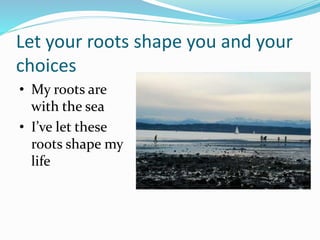
Let your roots shape you and your
choices
• My roots are
with the sea
• I’ve let these
roots shape my
life
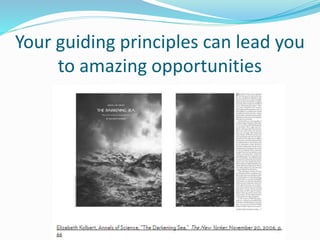
Your guiding principles can lead you
to amazing opportunities
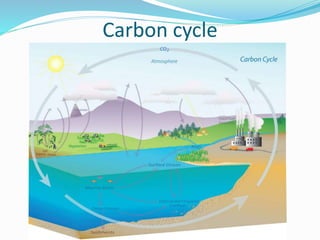
Carbon cycle
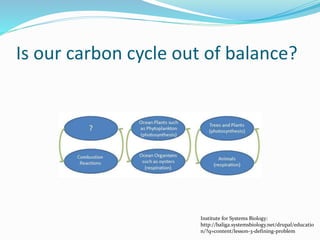
Is our carbon cycle out of balance?
Institute for Systems Biology:
http://baliga.systemsbiology.net/drupal/educatio
n/?q=content/lesson-3-defining-problem
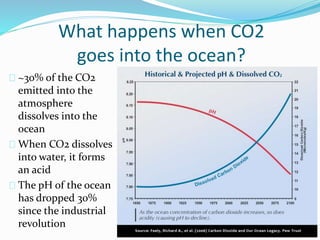
What happens when CO2
goes into the ocean?
~30% of the CO2
emitted into the
atmosphere
dissolves into the
ocean
When CO2 dissolves
into water, it forms
an acid
The pH of the ocean
has dropped 30%
since the industrial
revolution
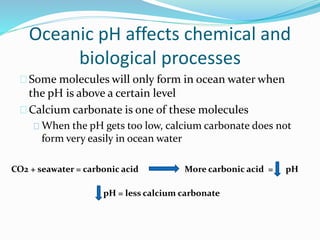
More carbonic acid = pH
Oceanic pH affects chemical and
biological processes
Some molecules will only form in ocean water when
the pH is above a certain level
Calcium carbonate is one of these molecules
When the pH gets too low, calcium carbonate does not
form very easily in ocean water
CO2 + seawater = carbonic acid
pH = less calcium carbonate
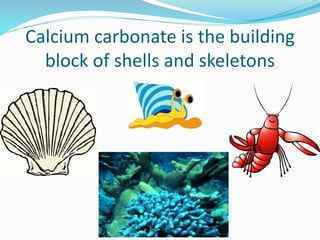
Calcium carbonate is the building
block of shells and skeletons
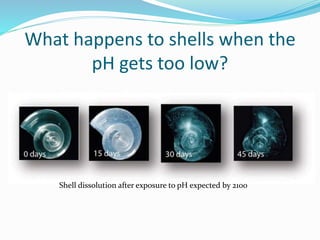
What happens to shells when the
pH gets too low?
Shell dissolution after exposure to pH expected by 2100
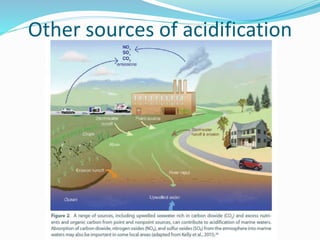
Other sources of acidification
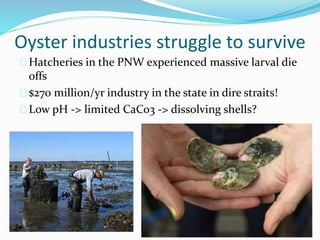
Oyster industries struggle to survive
Hatcheries in the PNW experienced massive larval die
offs
$270 million/yr industry in the state in dire straits!
Low pH -> limited CaCo3 -> dissolving shells?
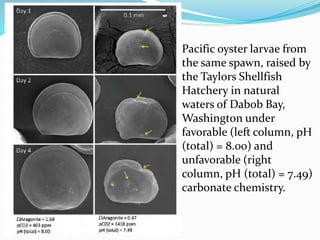
Pacific oyster larvae from
the same spawn, raised by
the Taylors Shellfish
Hatchery in natural
waters of Dabob Bay,
Washington under
favorable (left column, pH
(total) = 8.00) and
unfavorable (right
column, pH (total) = 7.49)
carbonate chemistry.
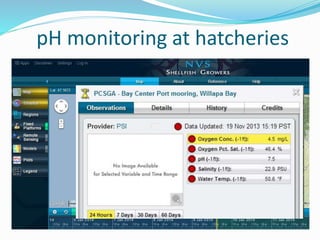
pH monitoring at hatcheries
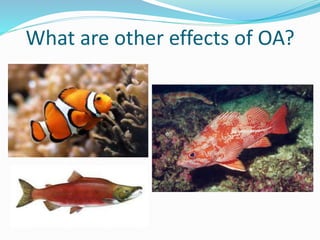
What are other effects of OA?
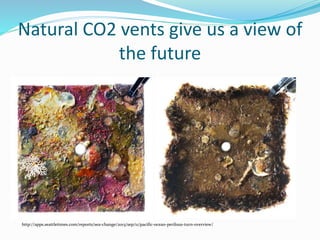
Natural CO2 vents give us a view of
the future
http://apps.seattletimes.com/reports/sea-change/2013/sep/11/pacific-ocean-perilous-turn-overview/
Holding on to my roots, despite
lack of options
Finding a way to incorporate my beliefs and interests
into my academic projects
Ex: OA as a topic in classes
Creating a new kind of honors thesis in the biology
department
Finally, applying for a Watson!
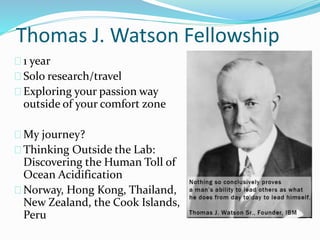
Thomas J. Watson Fellowship
1 year
Solo research/travel
Exploring your passion way
outside of your comfort zone
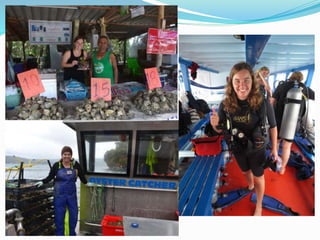
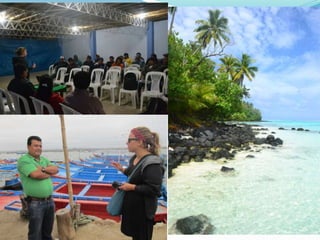
My journey?
Thinking Outside the Lab:
Discovering the Human Toll of
Ocean Acidification
Norway, Hong Kong, Thailand,
New Zealand, the Cook Islands,
Peru
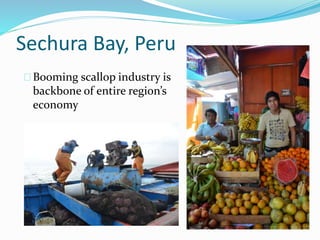
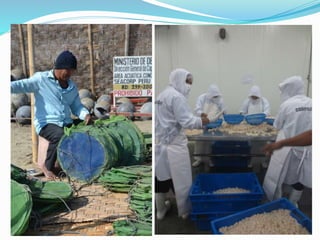
Sechura Bay, Peru
Booming scallop industry is
backbone of entire region’s
economy
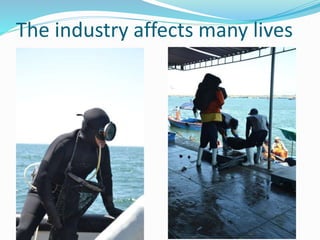
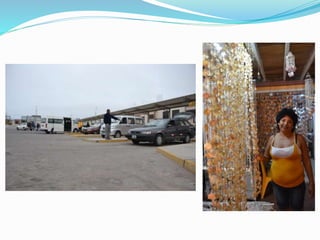
The industry affects many lives
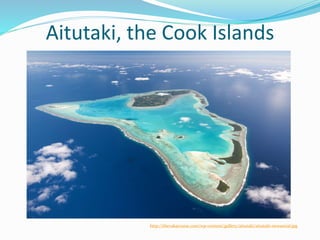
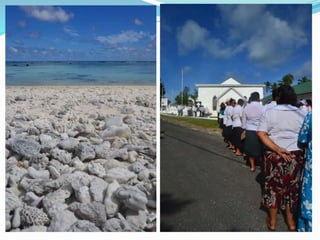
Aitutaki, the Cook Islands
http://thevakacruise.com/wp-content/gallery/aitutaki/aitutaki-newaerial.jpg
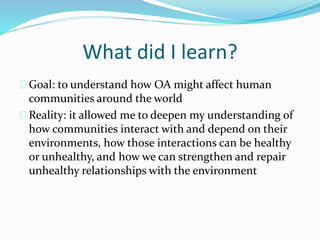
What did I learn?
Goal: to understand how OA might affect human
communities around the world
Reality: it allowed me to deepen my understanding of
how communities interact with and depend on their
environments, how those interactions can be healthy
or unhealthy, and how we can strengthen and repair
unhealthy relationships with the environment
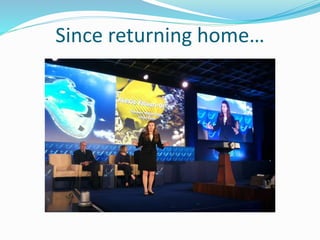
Since returning home…
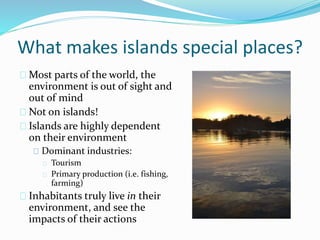
What makes islands special places?
Most parts of the world, the
environment is out of sight and
out of mind
Not on islands!
Islands are highly dependent
on their environment
Dominant industries:
Tourism
Primary production (i.e. fishing,
farming)
Inhabitants truly live in their
environment, and see the
impacts of their actions
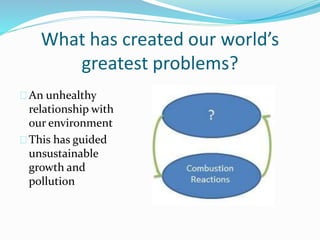
What has created our world’s
greatest problems?
An unhealthy
relationship with
our environment
This has guided
unsustainable
growth and
pollution
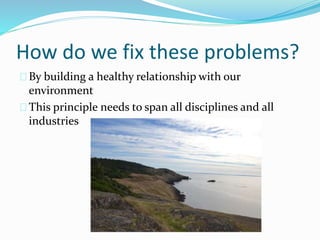
How do we fix these problems?
By building a healthy relationship with our
environment
This principle needs to span all disciplines and all
industries
What career opportunities exist
that will help fix these problems?
Social sciences
Natural sciences
Policy
Advocacy
Education
Business, marketing, finance
How can you find a job and
help heal the world?
Follow your principles and let
them shape your life!

UNSDG #12 – Responsible Consumption and Production How My Roots Have Shaped My Life

  • 1.
    Alexis Valauri-Orton Thomas J.Watson Fellow Ocean Conservancy
  • 2.
    Let your rootsshape you and your choices • My roots are with the sea • I’ve let these roots shape my life
  • 3.
    Your guiding principlescan lead you to amazing opportunities
  • 4.
  • 5.
    Is our carboncycle out of balance? Institute for Systems Biology: http://baliga.systemsbiology.net/drupal/educatio n/?q=content/lesson-3-defining-problem
  • 6.
    What happens whenCO2 goes into the ocean? ~30% of the CO2 emitted into the atmosphere dissolves into the ocean When CO2 dissolves into water, it forms an acid The pH of the ocean has dropped 30% since the industrial revolution
  • 7.
    More carbonic acid= pH Oceanic pH affects chemical and biological processes Some molecules will only form in ocean water when the pH is above a certain level Calcium carbonate is one of these molecules When the pH gets too low, calcium carbonate does not form very easily in ocean water CO2 + seawater = carbonic acid pH = less calcium carbonate
  • 8.
    Calcium carbonate isthe building block of shells and skeletons
  • 9.
    What happens toshells when the pH gets too low? Shell dissolution after exposure to pH expected by 2100
  • 11.
    Other sources ofacidification
  • 12.
    Oyster industries struggleto survive Hatcheries in the PNW experienced massive larval die offs $270 million/yr industry in the state in dire straits! Low pH -> limited CaCo3 -> dissolving shells?
  • 13.
    Pacific oyster larvaefrom the same spawn, raised by the Taylors Shellfish Hatchery in natural waters of Dabob Bay, Washington under favorable (left column, pH (total) = 8.00) and unfavorable (right column, pH (total) = 7.49) carbonate chemistry.
  • 14.
    pH monitoring athatcheries
  • 15.
    What are othereffects of OA?
  • 16.
    Natural CO2 ventsgive us a view of the future http://apps.seattletimes.com/reports/sea-change/2013/sep/11/pacific-ocean-perilous-turn-overview/
  • 17.
    Holding on tomy roots, despite lack of options Finding a way to incorporate my beliefs and interests into my academic projects Ex: OA as a topic in classes Creating a new kind of honors thesis in the biology department Finally, applying for a Watson!
  • 18.
    Thomas J. WatsonFellowship 1 year Solo research/travel Exploring your passion way outside of your comfort zone My journey? Thinking Outside the Lab: Discovering the Human Toll of Ocean Acidification Norway, Hong Kong, Thailand, New Zealand, the Cook Islands, Peru
  • 21.
    Sechura Bay, Peru Boomingscallop industry is backbone of entire region’s economy
  • 22.
  • 25.
    Aitutaki, the CookIslands http://thevakacruise.com/wp-content/gallery/aitutaki/aitutaki-newaerial.jpg
  • 27.
    What did Ilearn? Goal: to understand how OA might affect human communities around the world Reality: it allowed me to deepen my understanding of how communities interact with and depend on their environments, how those interactions can be healthy or unhealthy, and how we can strengthen and repair unhealthy relationships with the environment
  • 28.
  • 29.
    What makes islandsspecial places? Most parts of the world, the environment is out of sight and out of mind Not on islands! Islands are highly dependent on their environment Dominant industries: Tourism Primary production (i.e. fishing, farming) Inhabitants truly live in their environment, and see the impacts of their actions
  • 30.
    What has createdour world’s greatest problems? An unhealthy relationship with our environment This has guided unsustainable growth and pollution
  • 31.
    How do wefix these problems? By building a healthy relationship with our environment This principle needs to span all disciplines and all industries
  • 32.
    What career opportunitiesexist that will help fix these problems? Social sciences Natural sciences Policy Advocacy Education Business, marketing, finance
  • 33.
    How can youfind a job and help heal the world? Follow your principles and let them shape your life!