














www.PairCoaching.nethow to make your retrospectives theof your agile processYves Hanoulle
WHO?was never in a retrospective?never led a retrospective?was ever in a borring retrospective?led a borring retrospective?was ever in very energetic retro without result?led an energetic retro and without result?
Me.About()Yves HanoulleProject CoachTraining, Coaching  & Consultancy Services on agile & Team practicesin EMEA. Partner of Els RyssenFather of Joppe 2002, Bent  2004, Geike 2007
You.About()Who are you?What makes you different?What would be the successful 	outcome of this talk for you?
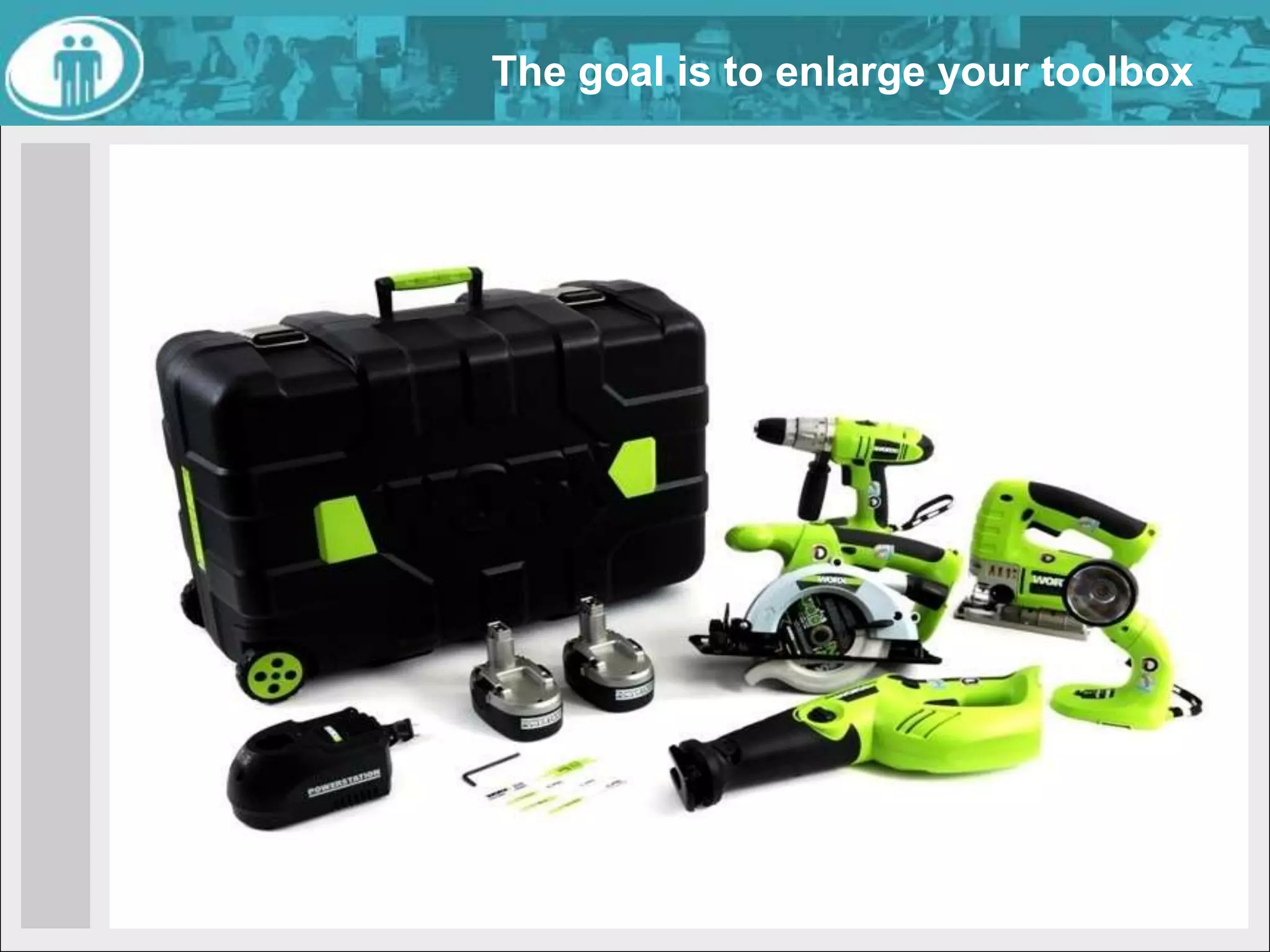
The goal is to enlarge your toolbox
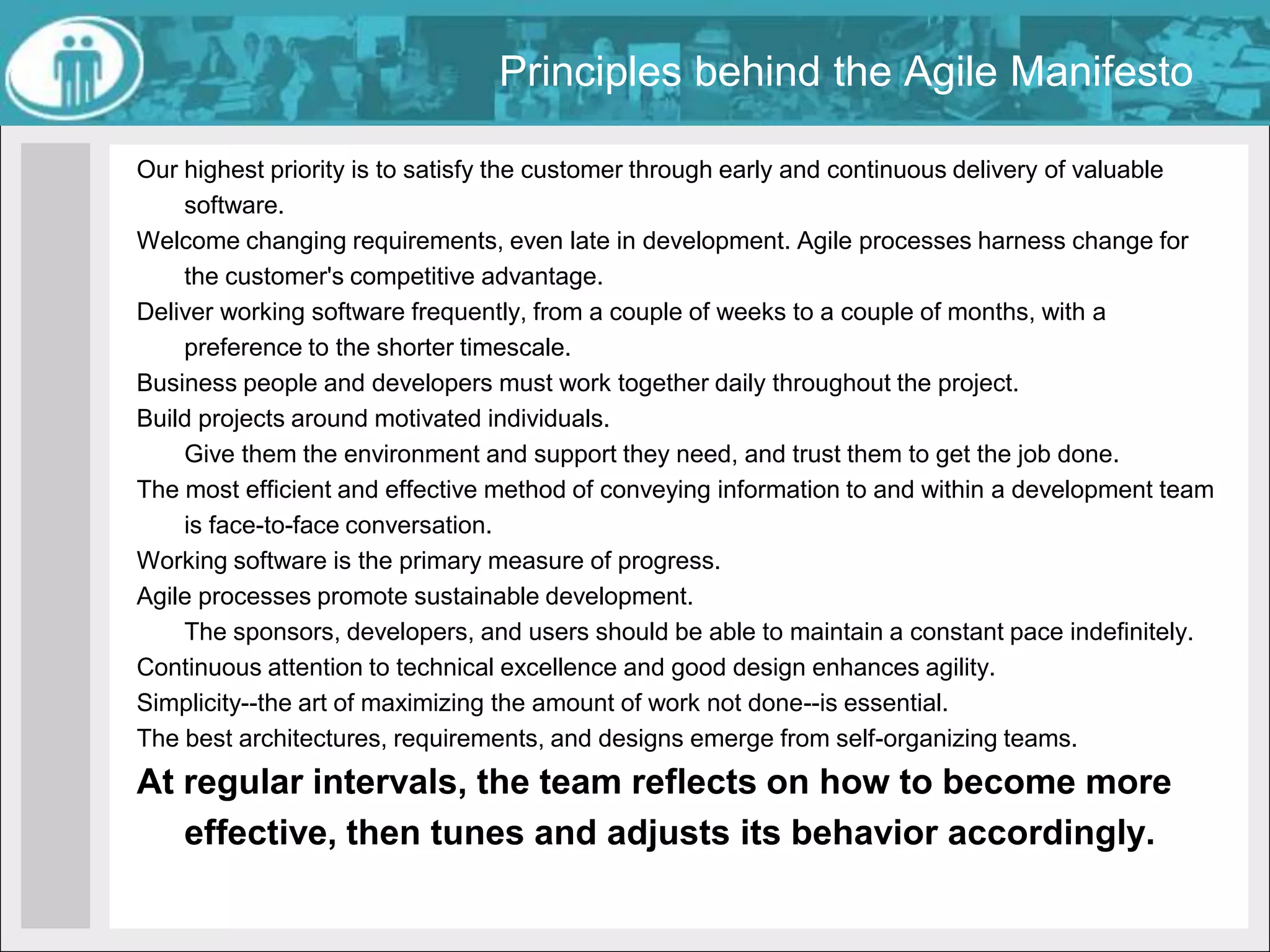
Principles behind the Agile ManifestoOur highest priority is to satisfy the customer through early and continuous delivery of valuable software. Welcome changing requirements, even late in development. Agile processes harness change for  the customer's competitive advantage. Deliver working software frequently, from a couple of weeks to a couple of months, with a preference to the shorter timescale. Business people and developers must work together daily throughout the project. Build projects around motivated individuals. Give them the environment and support they need, and trust them to get the job done. The most efficient and effective method of conveying information to and within a development team is face-to-face conversation. Working software is the primary measure of progress. Agile processes promote sustainable development. The sponsors, developers, and users should be able to maintain a constant pace indefinitely. Continuous attention to technical excellence and good design enhances agility. Simplicity--the art of maximizing the amount of work not done--is essential. The best architectures, requirements, and designs emerge from self-organizing teams. At regular intervals, the team reflects on how to become more effective, then tunes and adjusts its behavior accordingly.
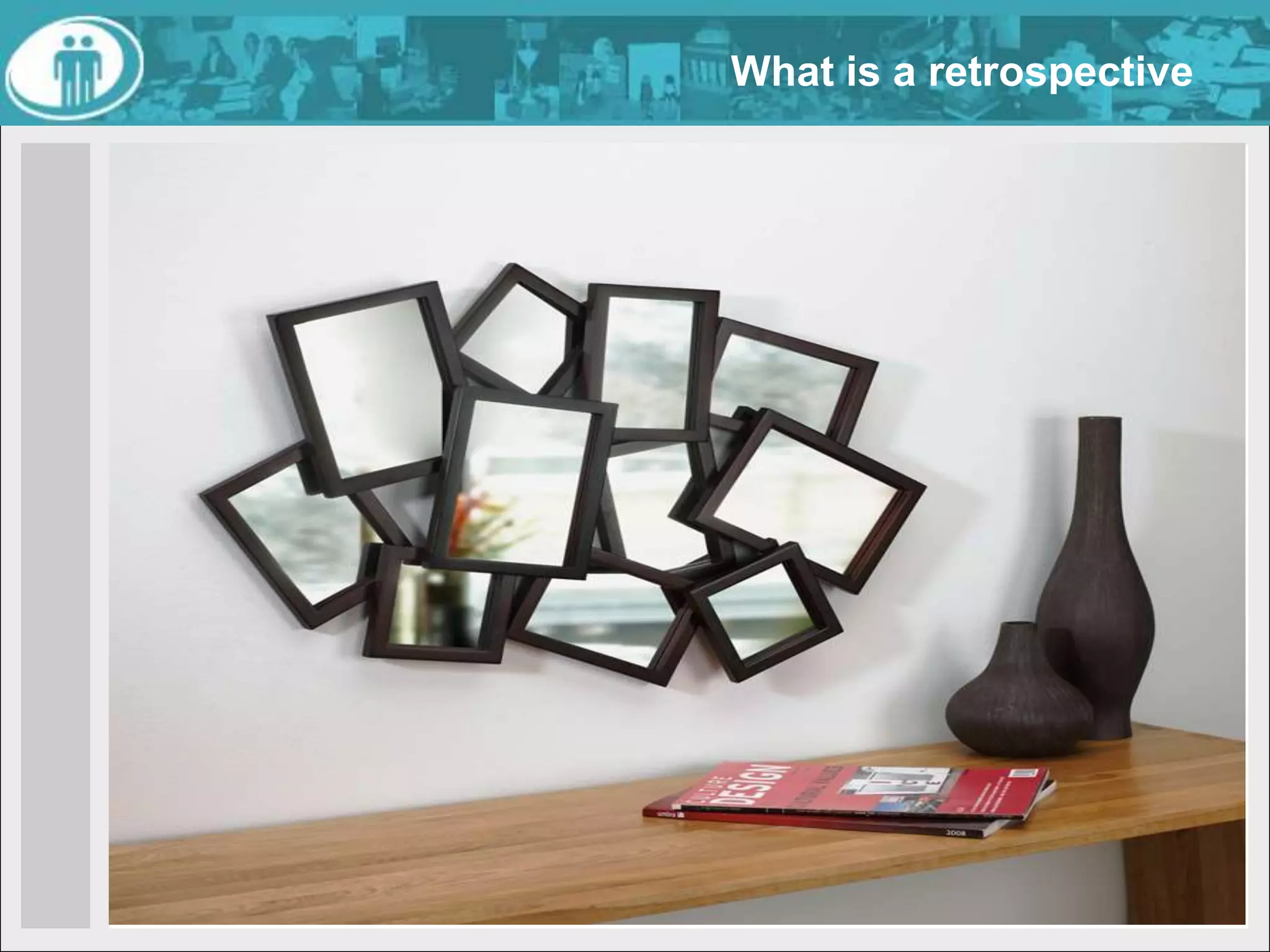
What is a retrospective
It’s not a post mortem
We are not in CSI
More like a checkup
More like a checkup...
Prime Directive	Regardless of what we discover, we understand and truly believe that everyone did the best job they could, given what they knew at the time, their skills and abilities, the resources available, and the situation at hand.At the end of a project everyone knows so much more. Naturally we will discover decisions and actions we wish we could do over. This is wisdom to be celebrated, not judgment used to embarrass.
Designing the stage
prepare
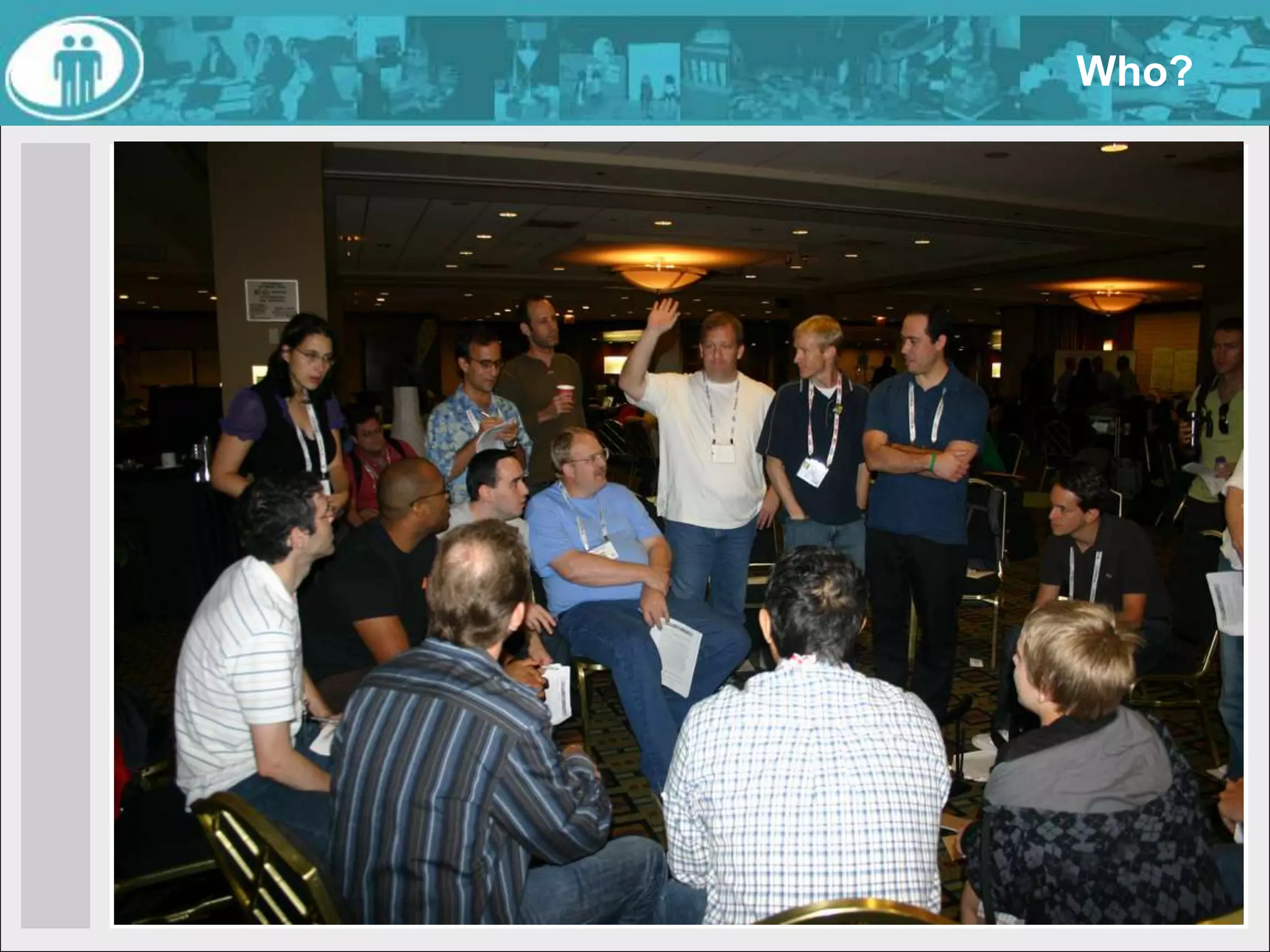
Who?
Set a goal
Room
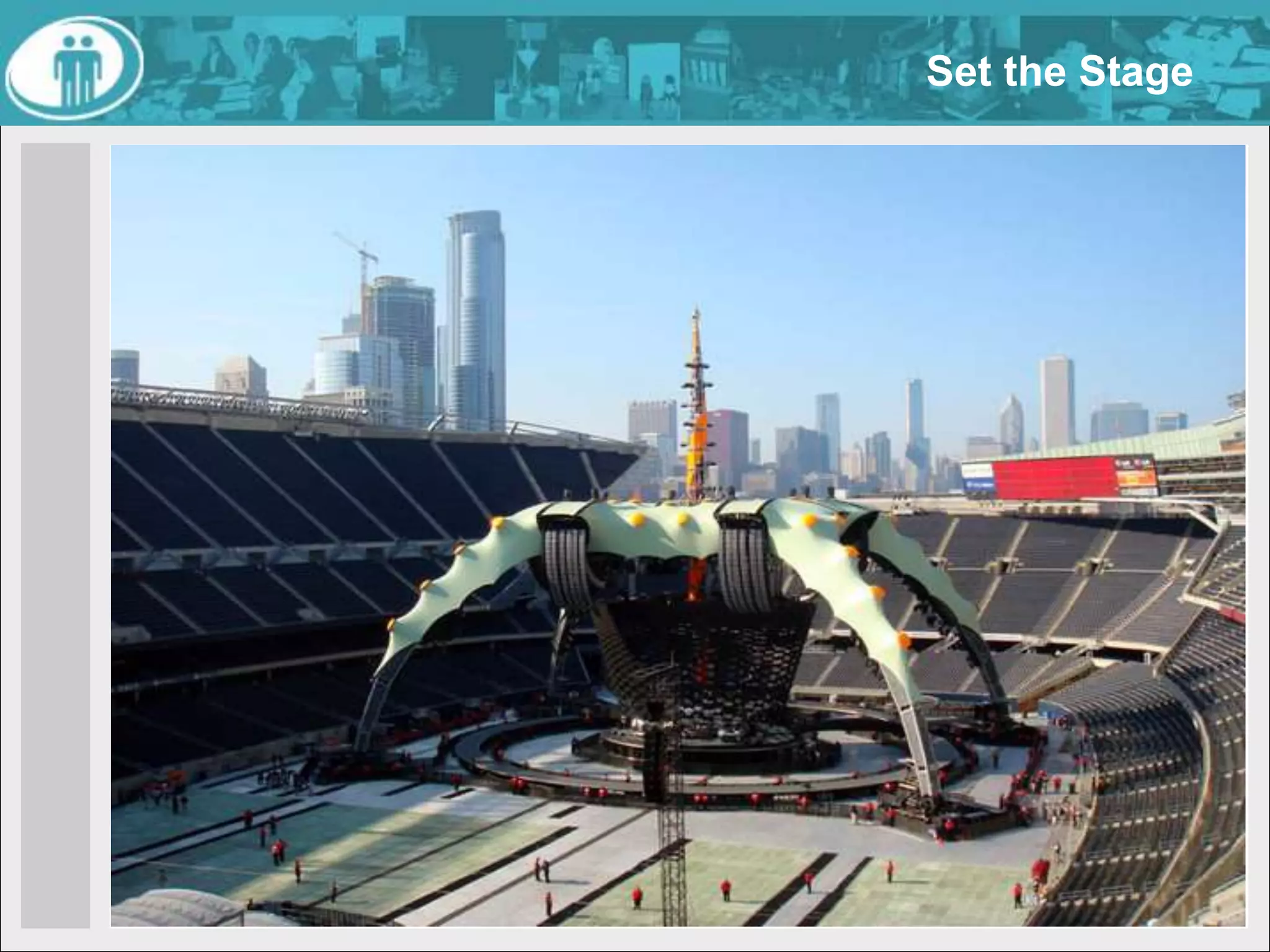
Set the Stage
First 5 minutes
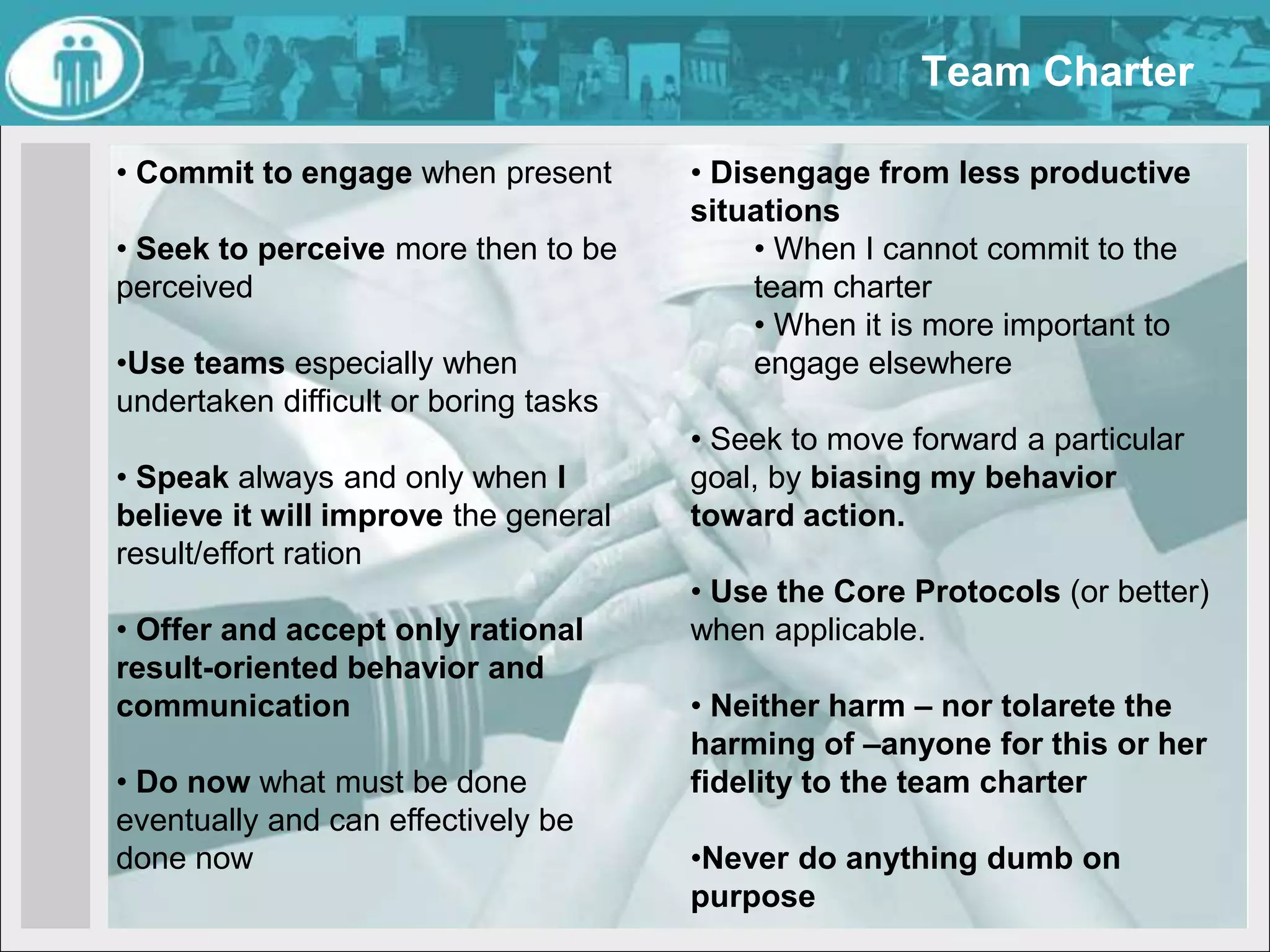
Team Charter Commit to engage when present
 Seek to perceive more then to be perceived
Use teams especially when undertaken difficult or boring tasks
 Speak always and only when I believe it will improve the general result/effort ration
Offer and accept only rational result-oriented behavior and communication
 Do now what must be done eventually and can effectively be done now
 Disengage from less productive situations
 When I cannot commit to the team charter
 When it is more important to engage elsewhere
 Seek to move forward a particular goal, by biasing my behavior toward action.
Use the Core Protocols (or better) when applicable.
Neither harm – nor tolarete the harming of –anyone for this or her fidelity to the team charter
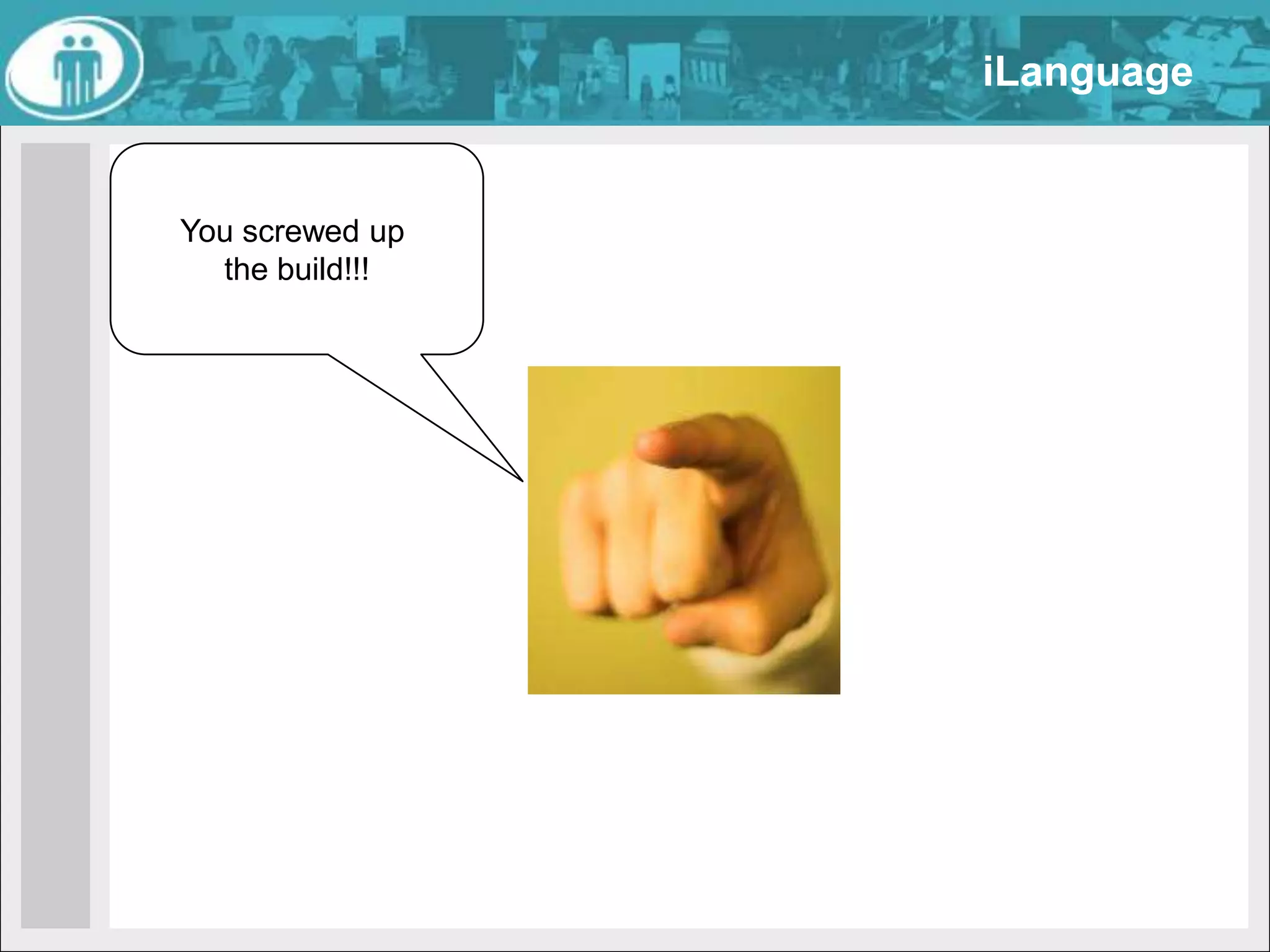
Never do anything dumb on purposeiLanguageYou screwed up the build!!!
Absent people
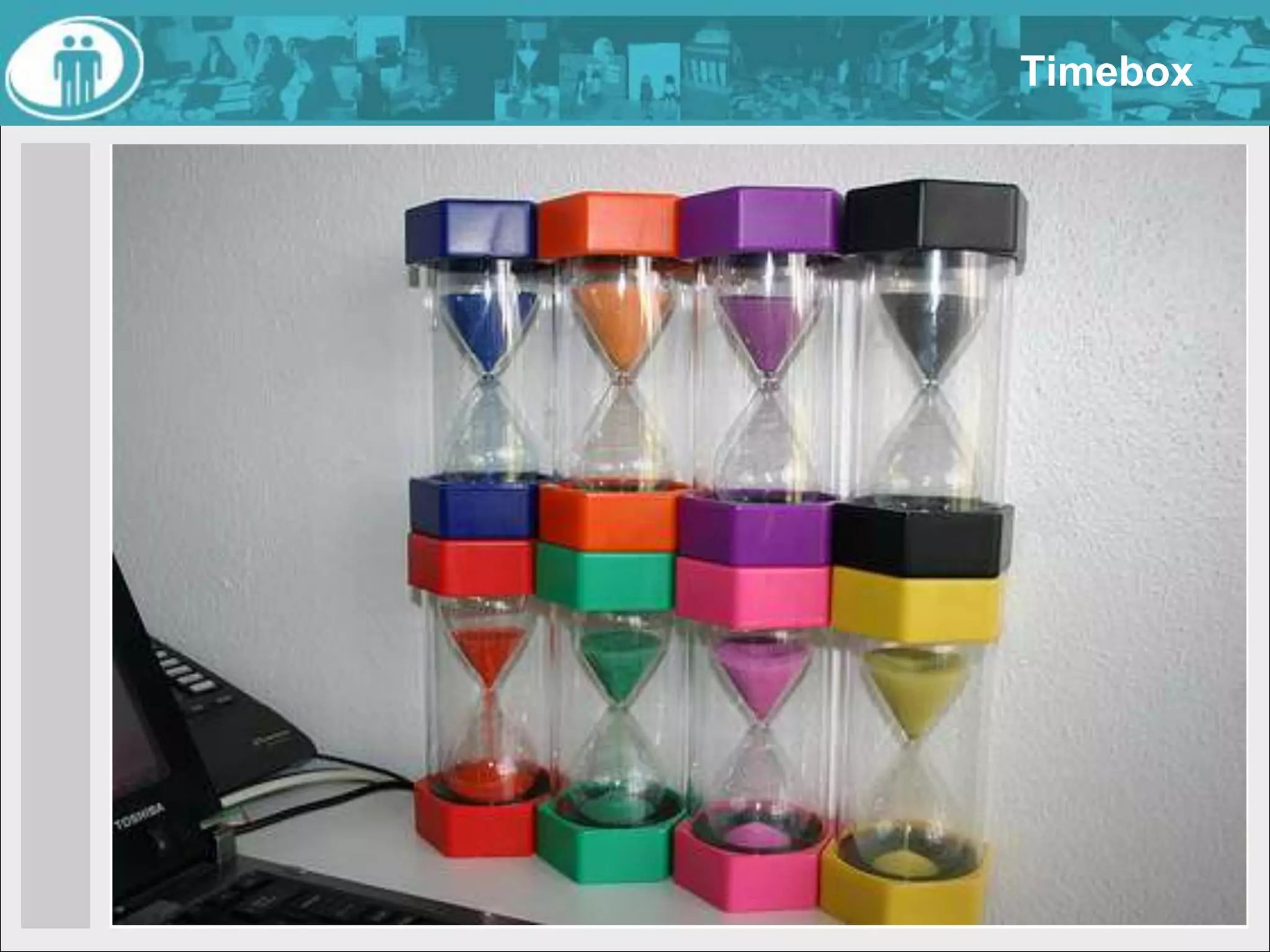
Timebox
Stop Cards
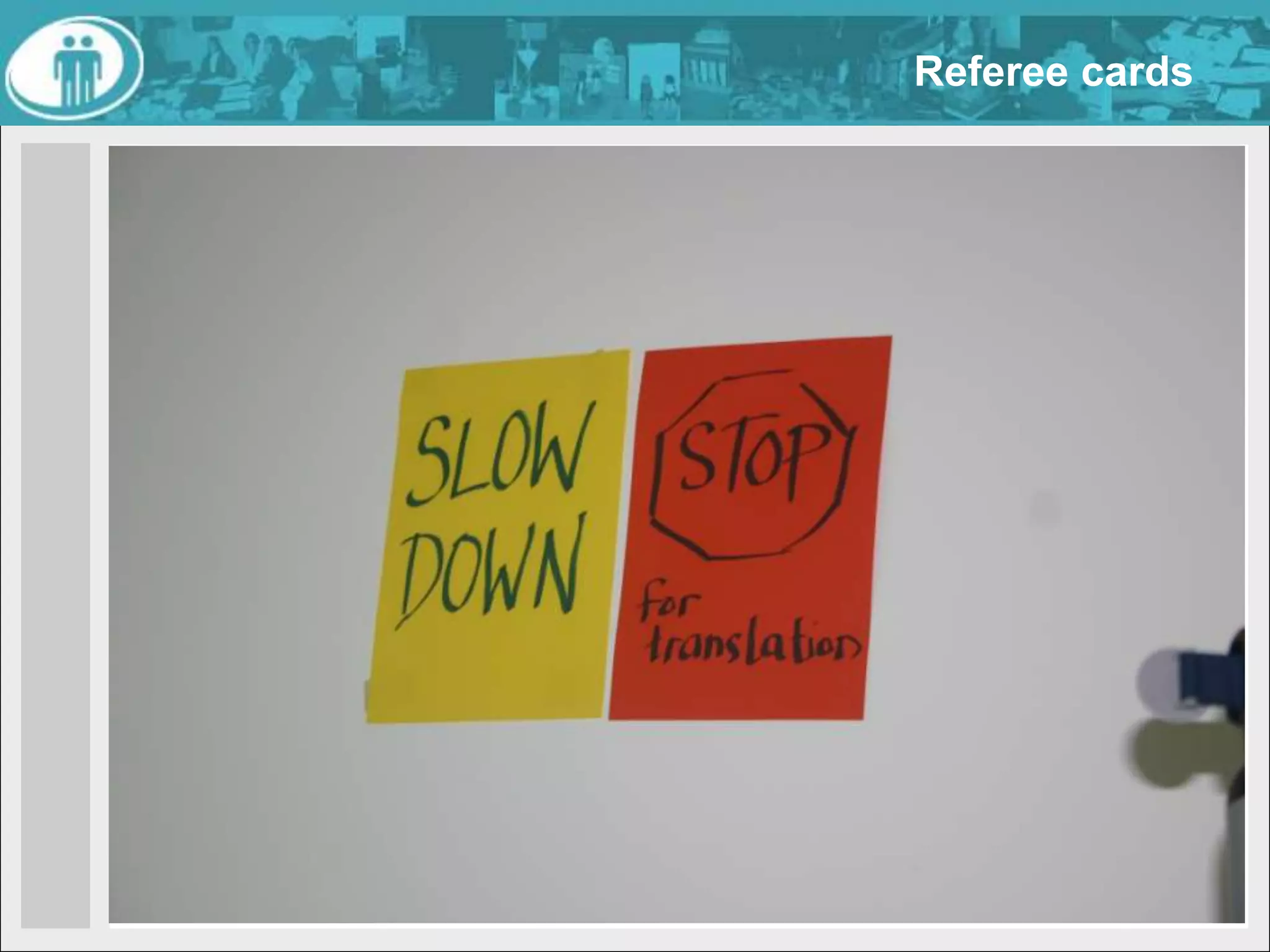
Referee cards
Referee cards
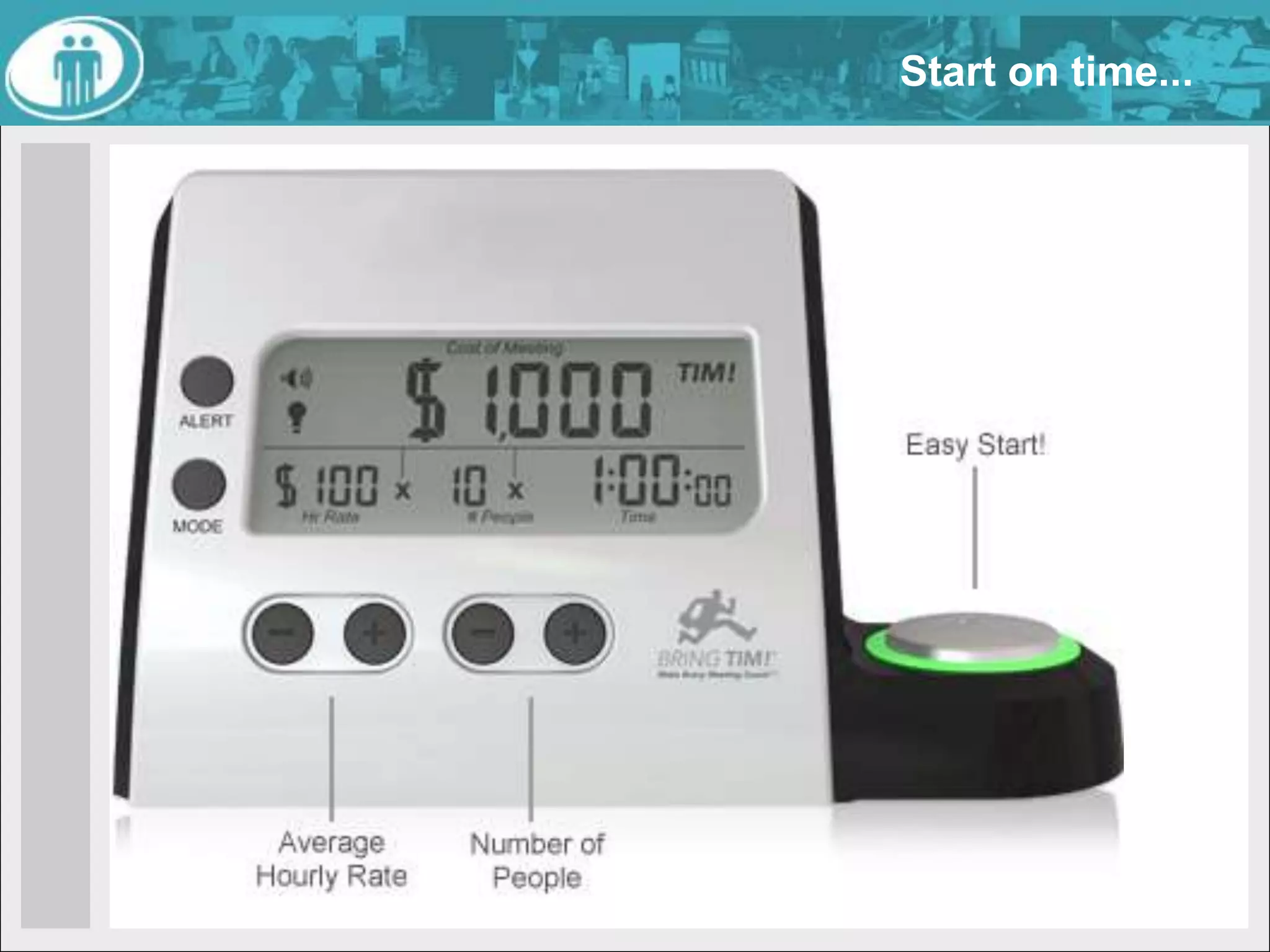
Start on time...
Safety
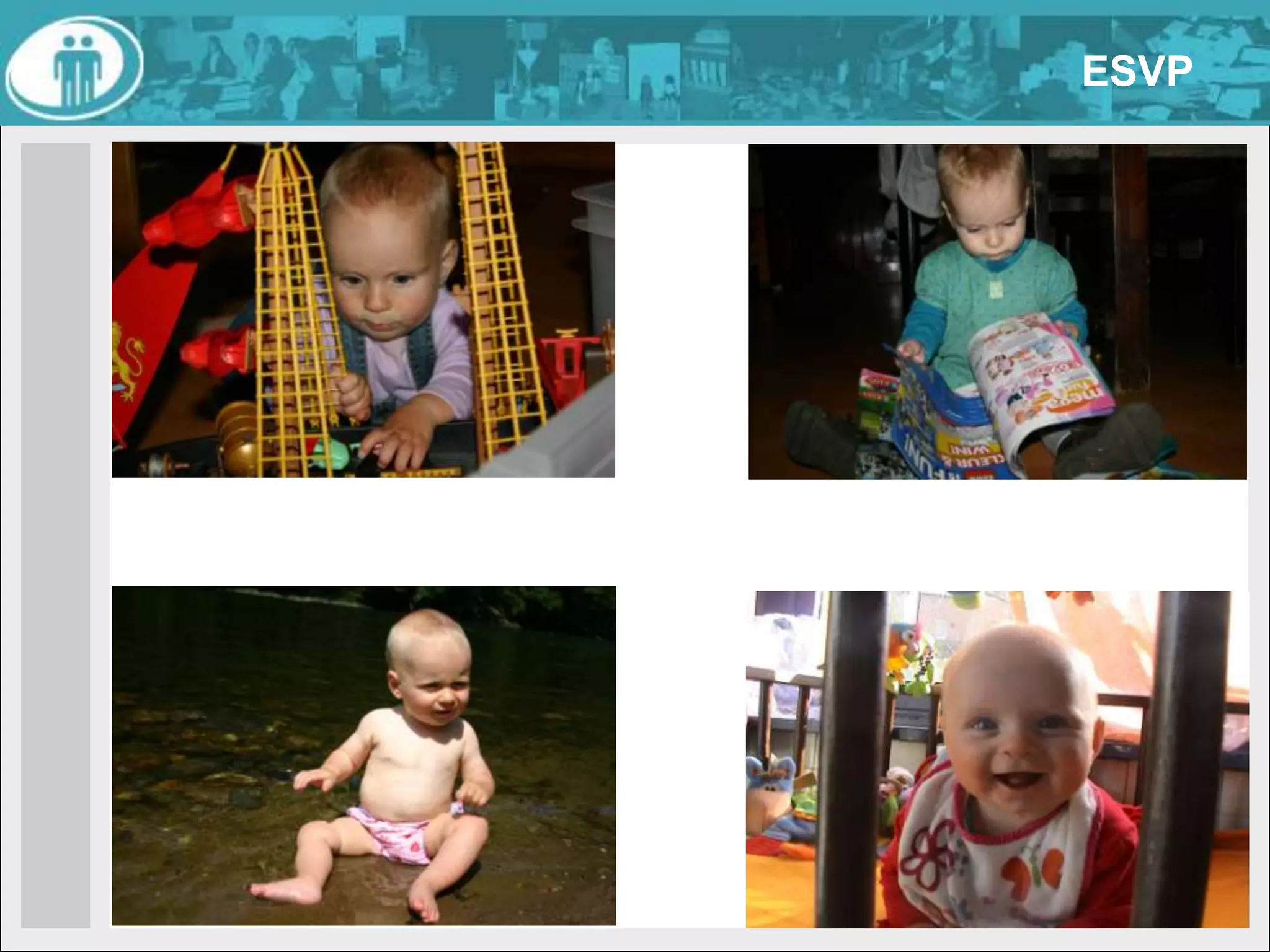
ESVP
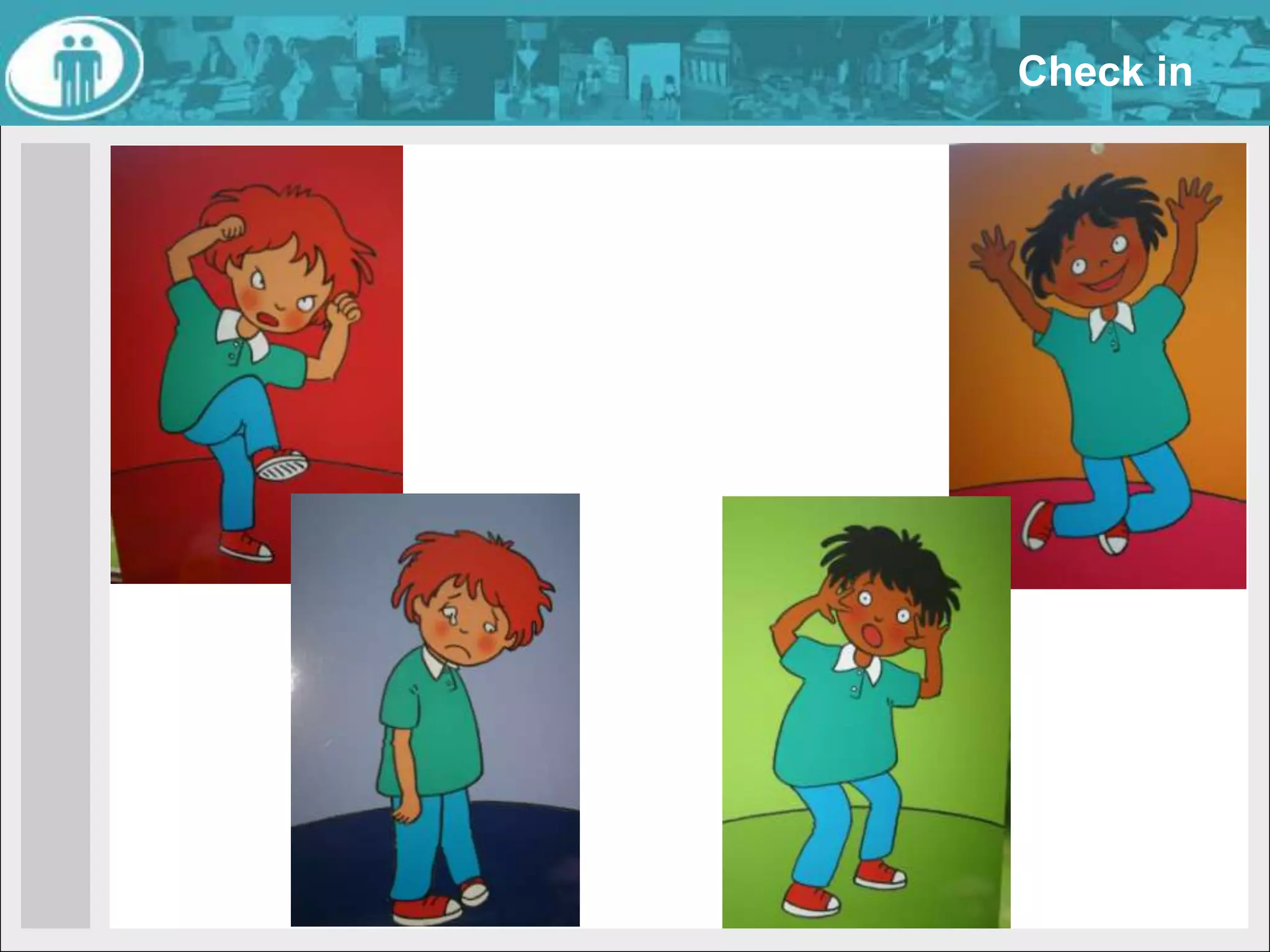
Check in
Gathering Data
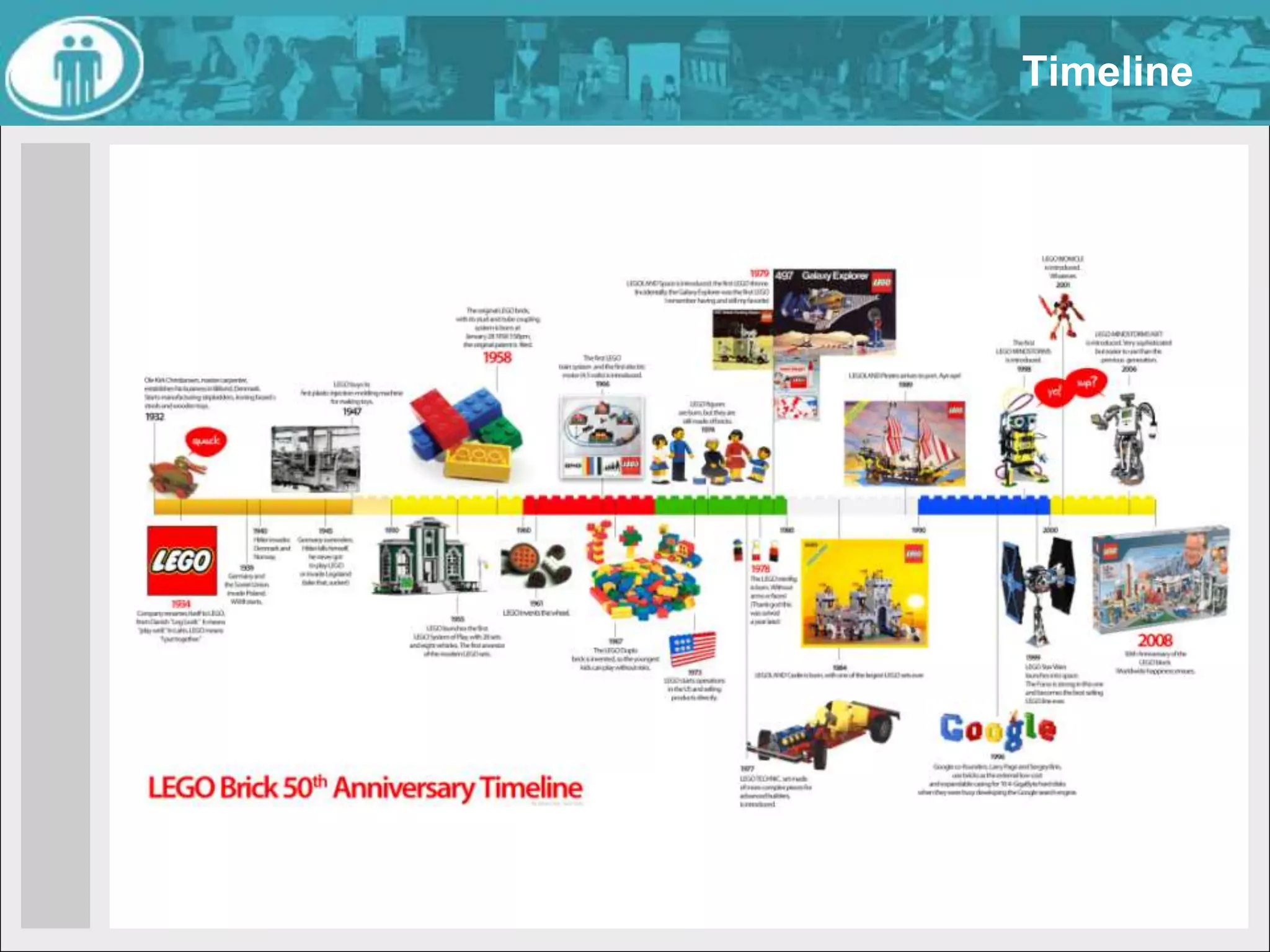
Timeline
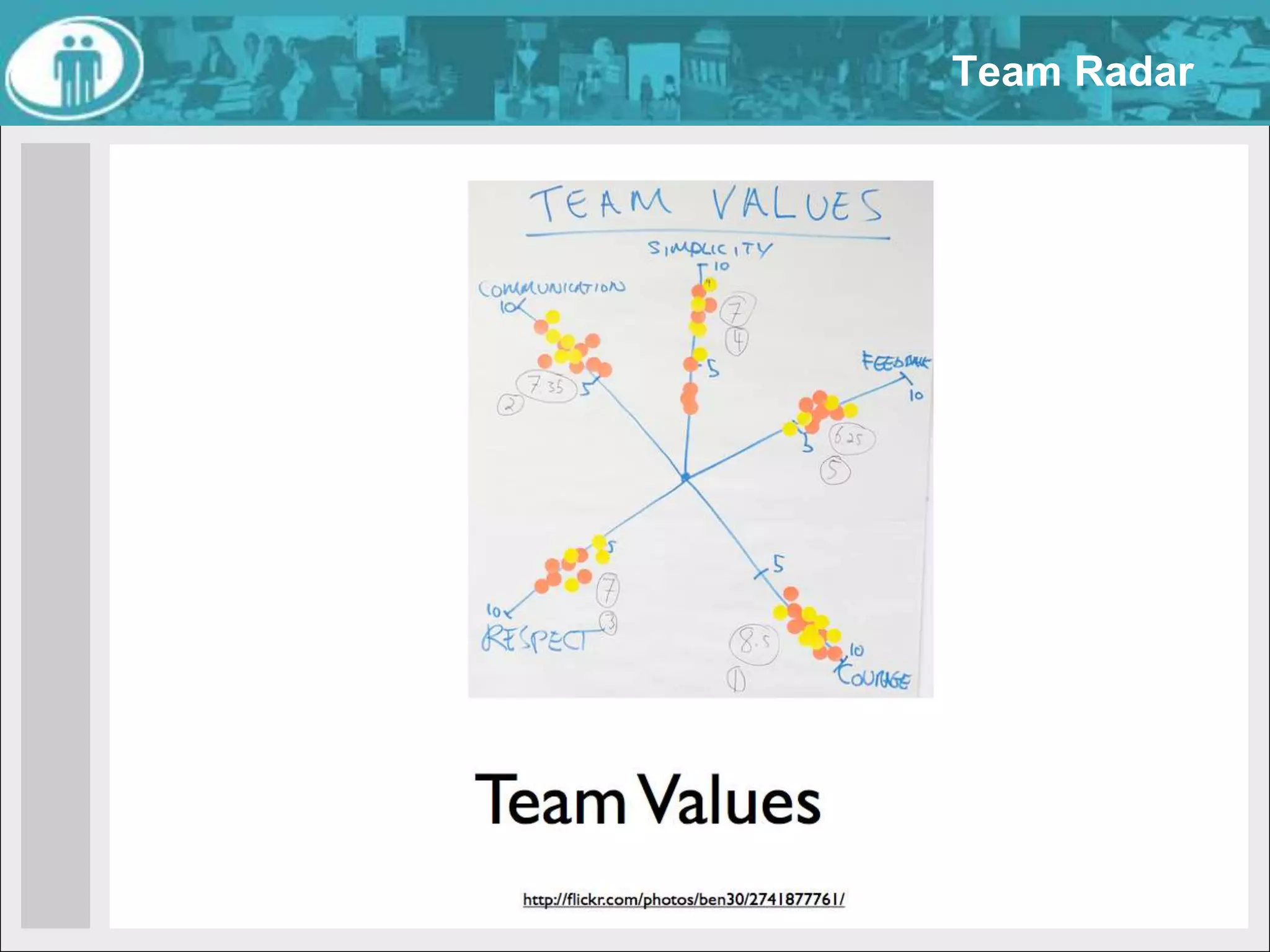
Team Radar
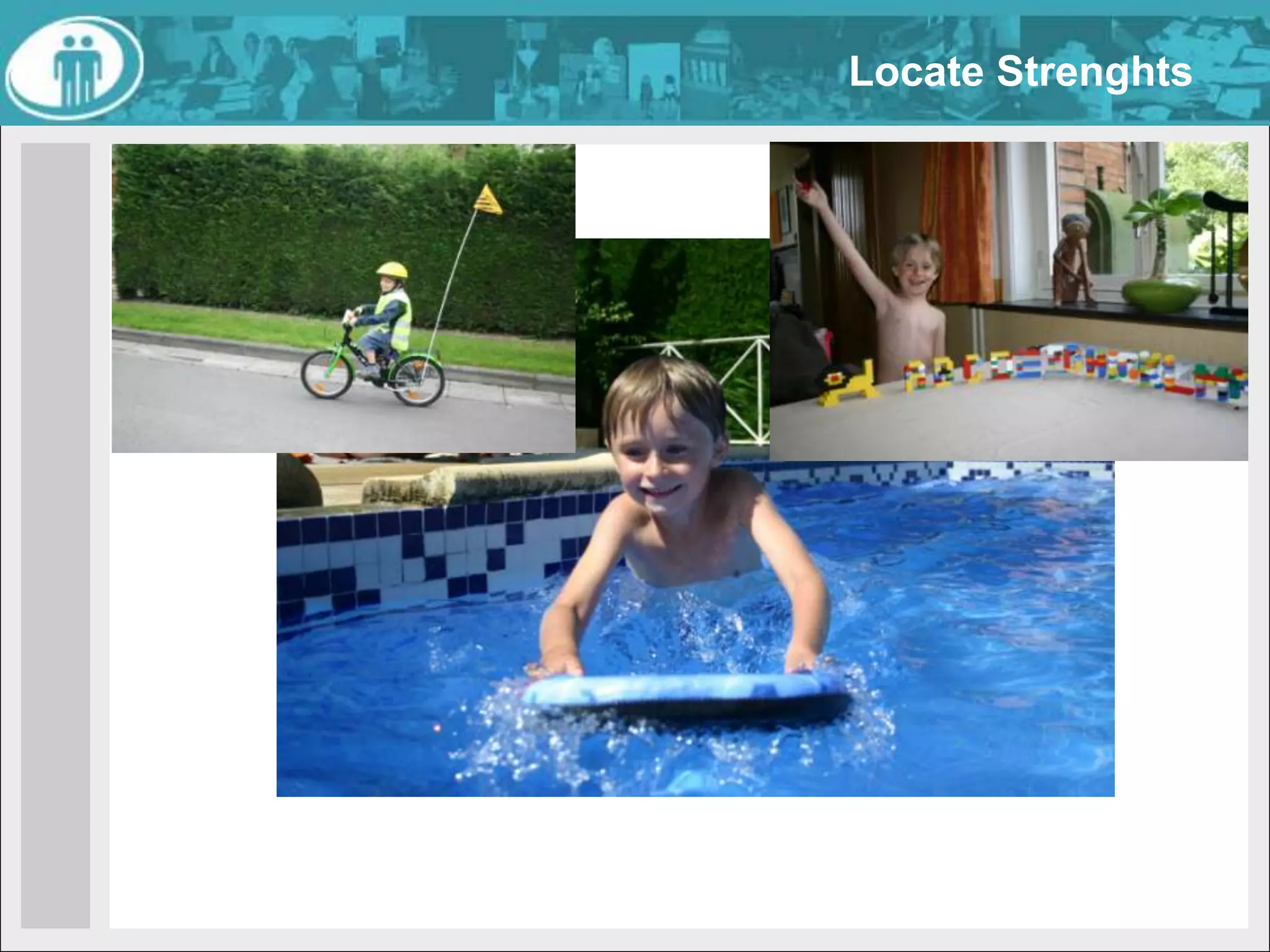
Locate Strenghts
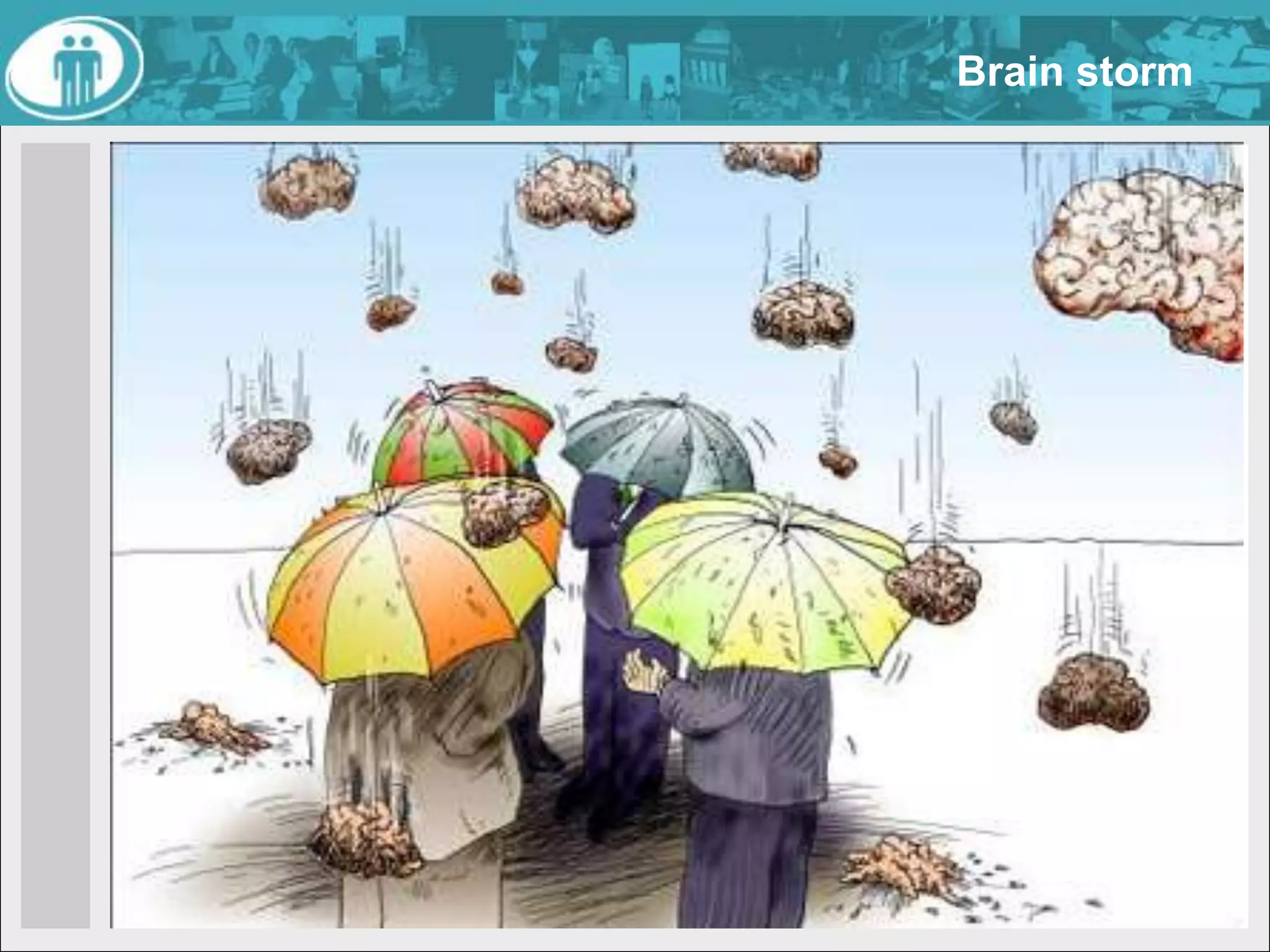
Brain storm
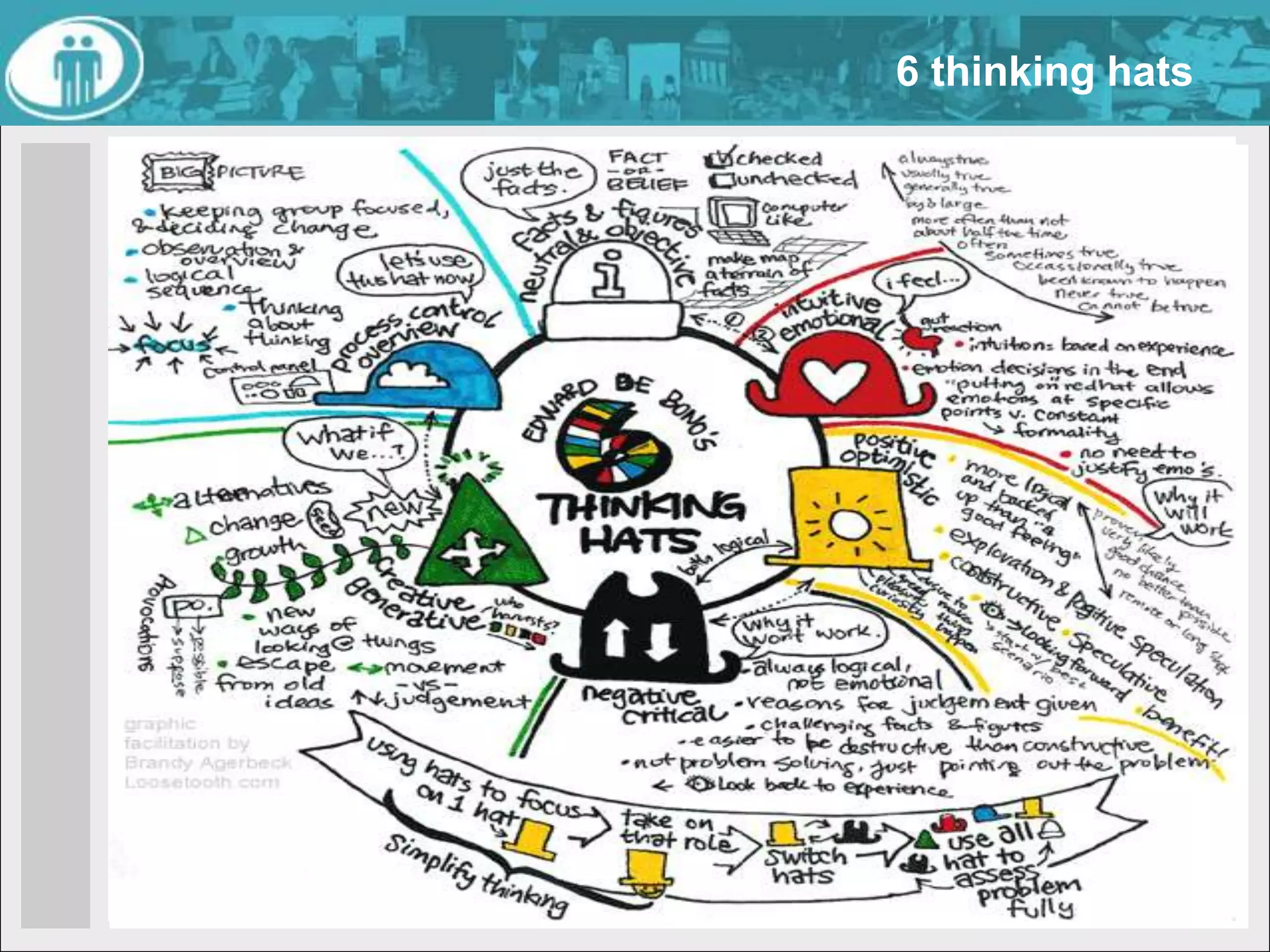
6 thinking hats
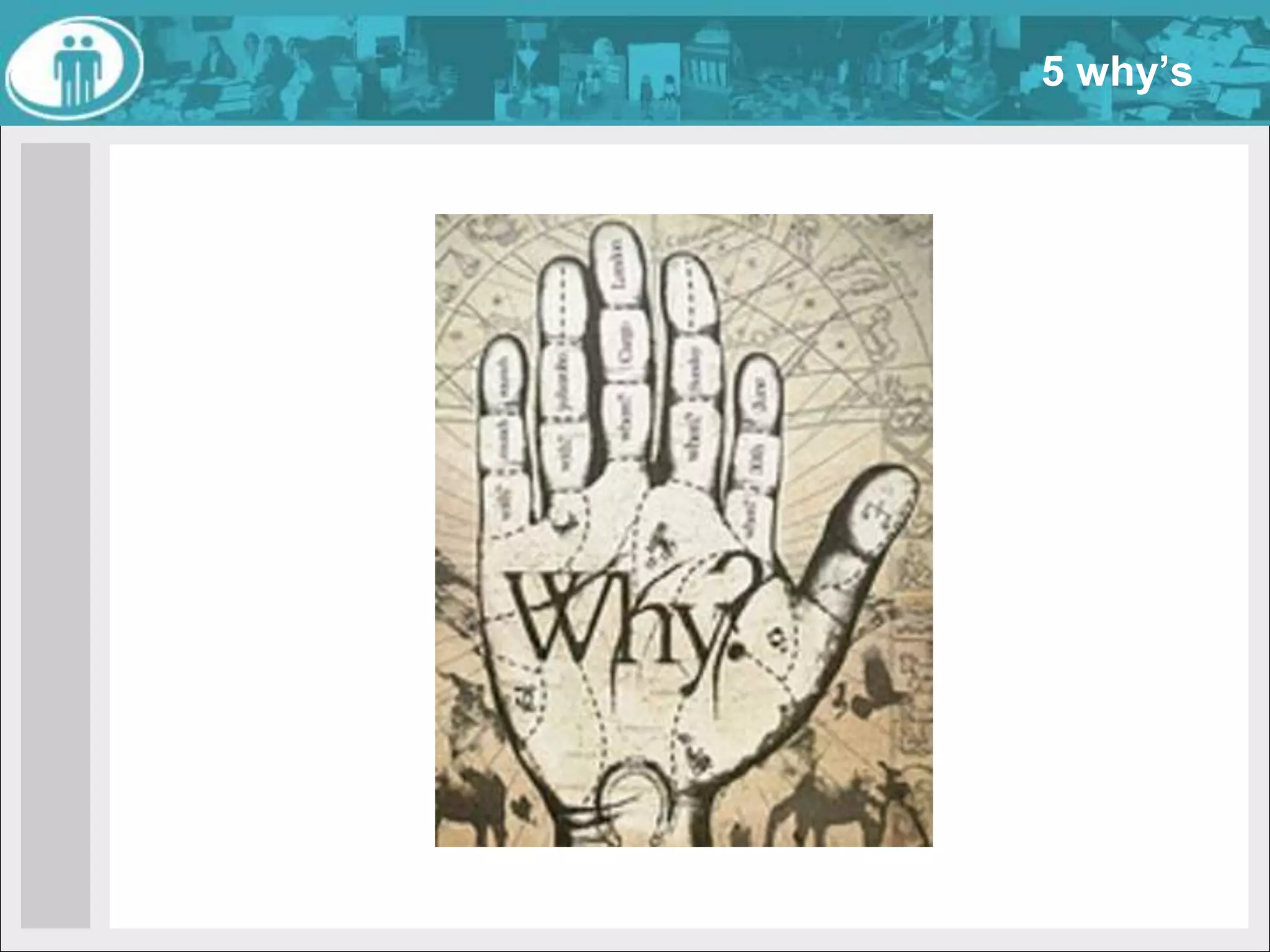
5 why’s
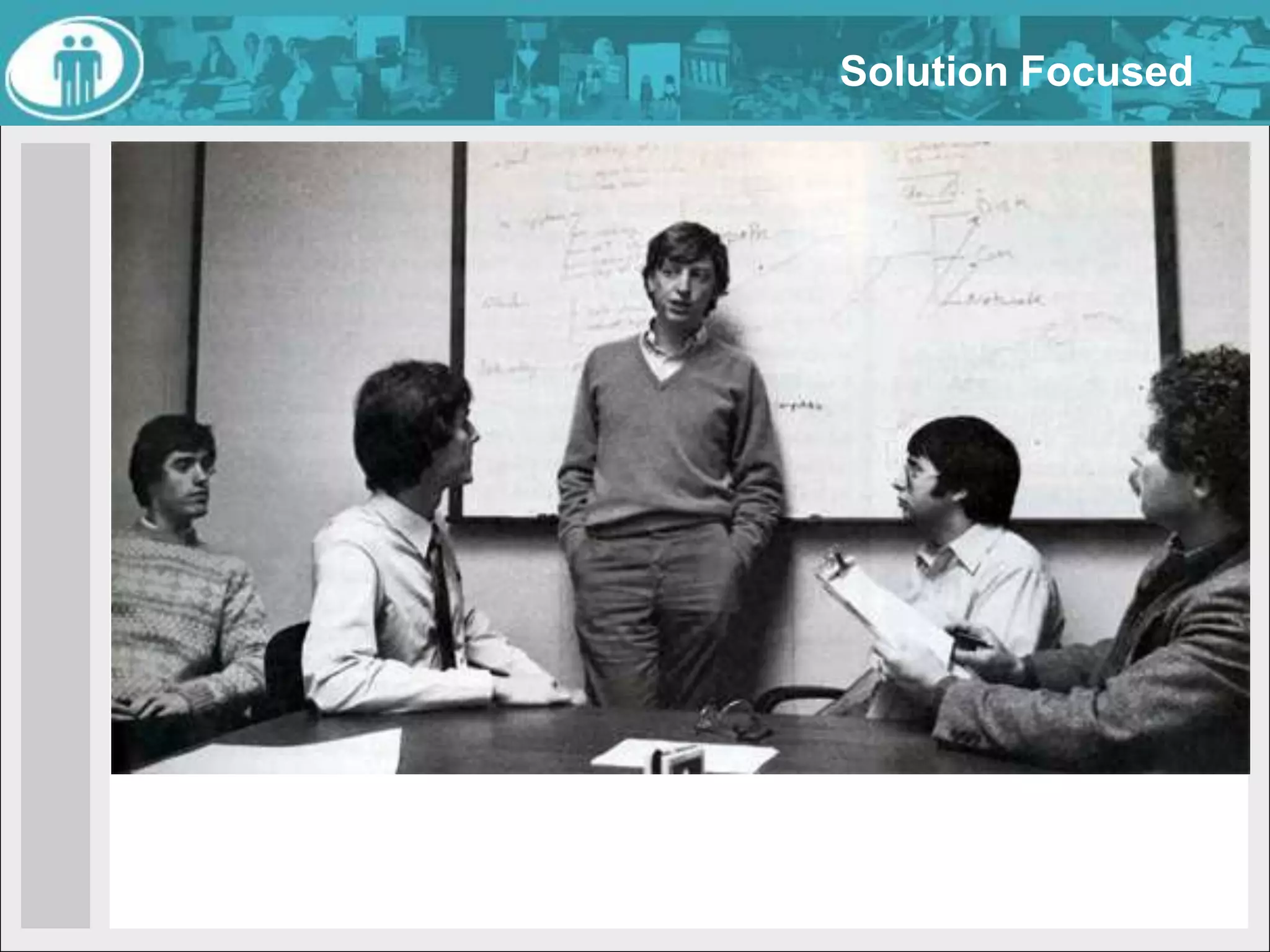
Solution Focused
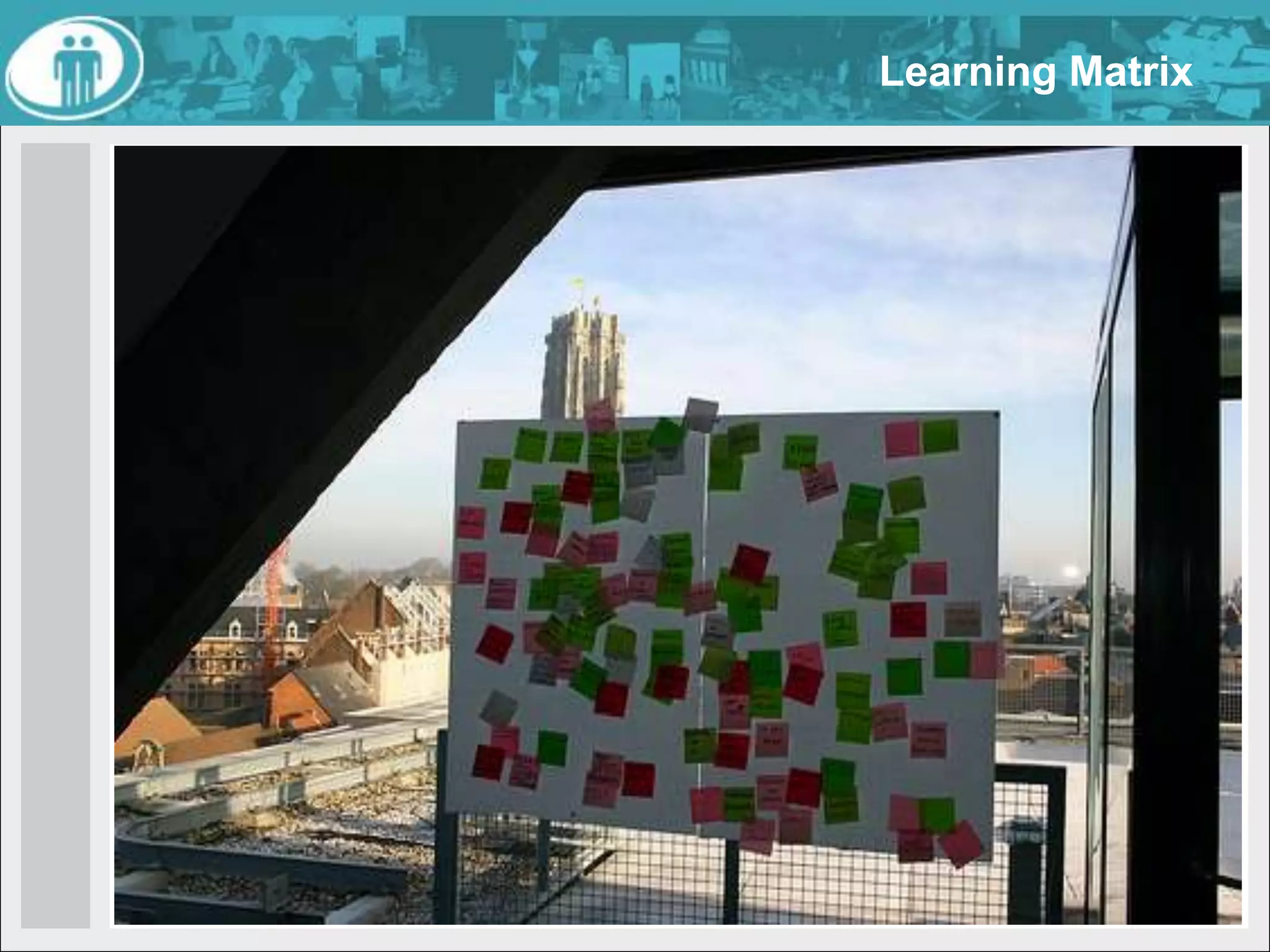
Learning Matrix
Speedboat
Generate Insights
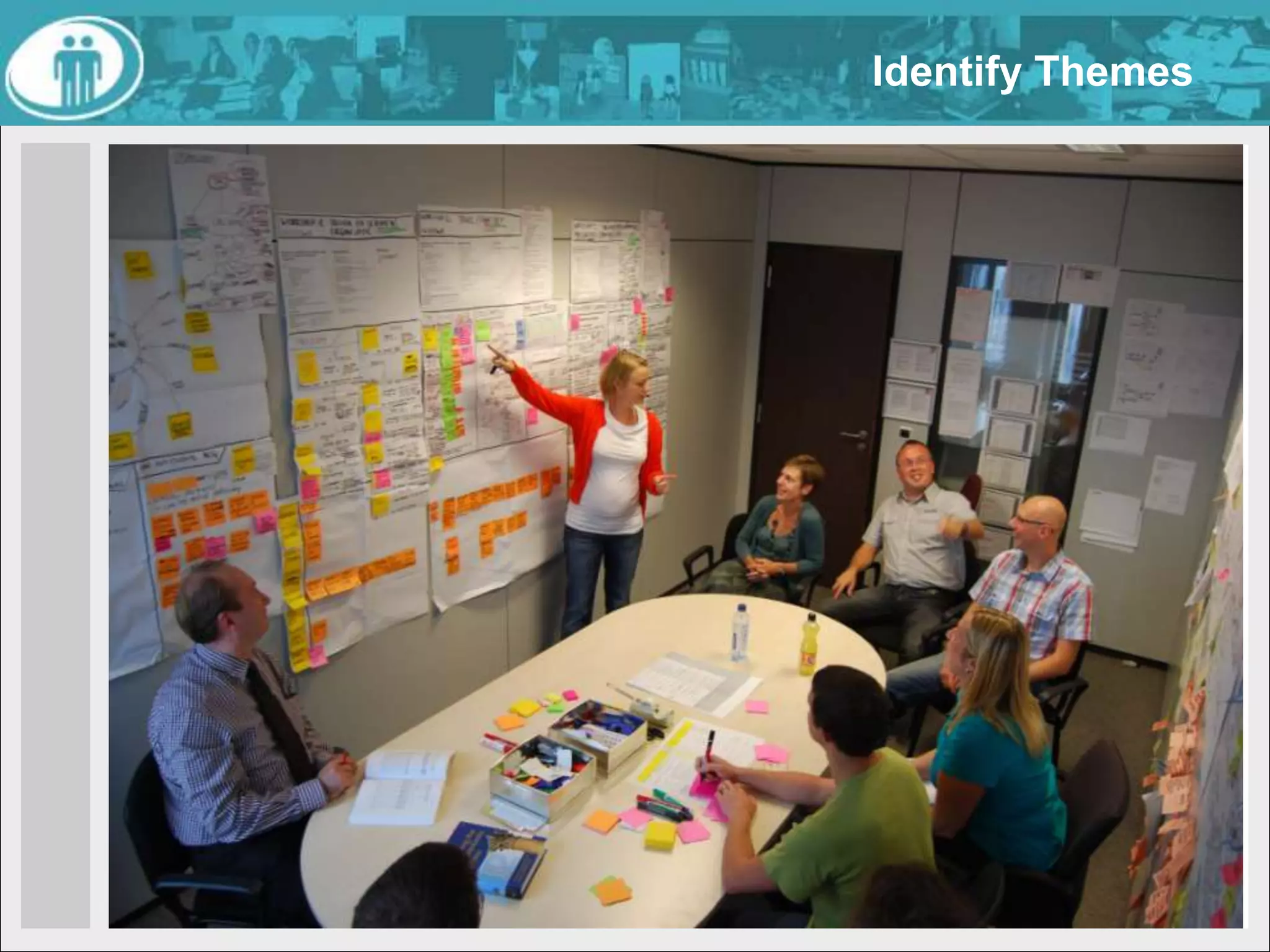
Identify Themes
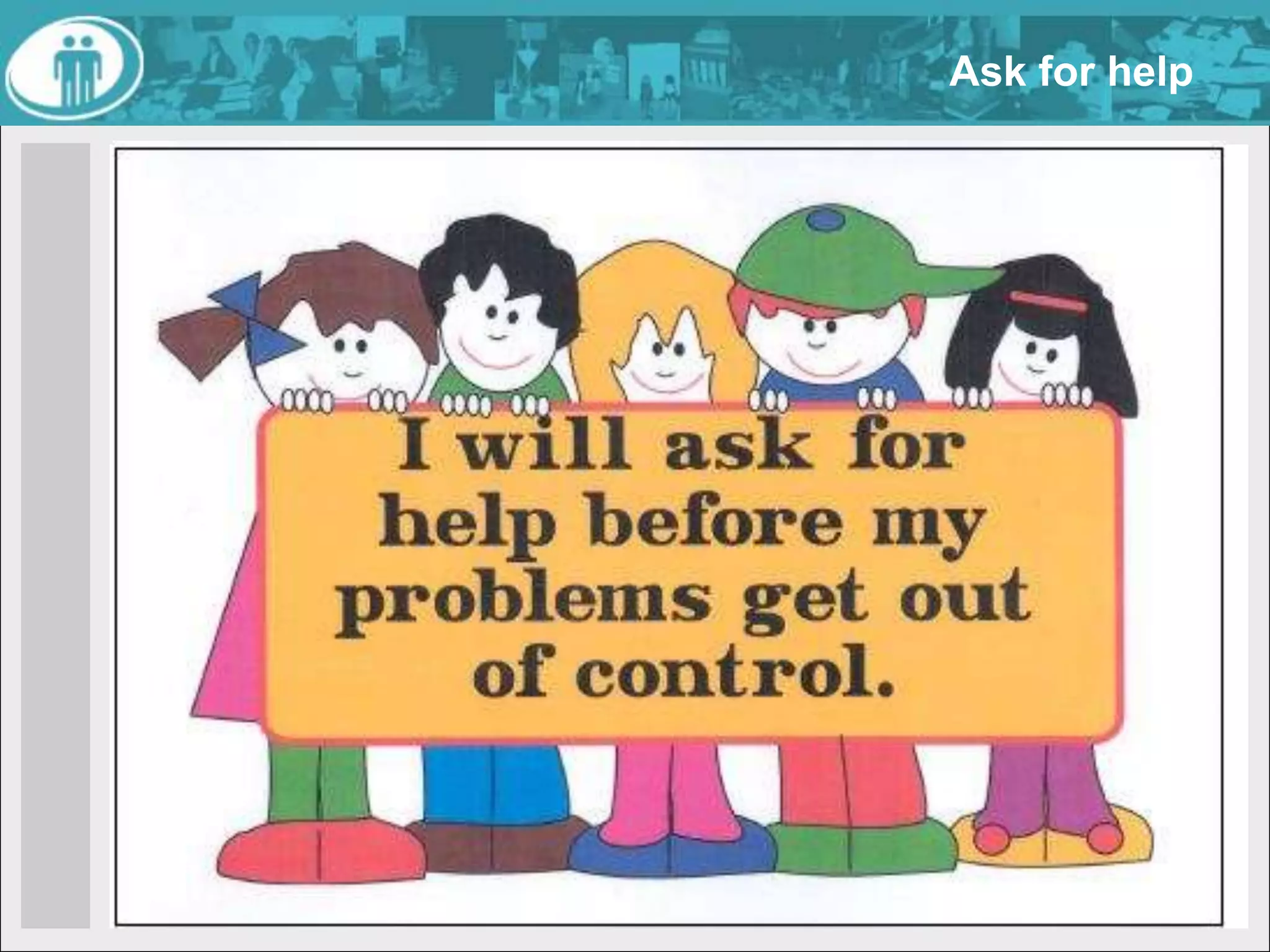
Ask for help
Rescue
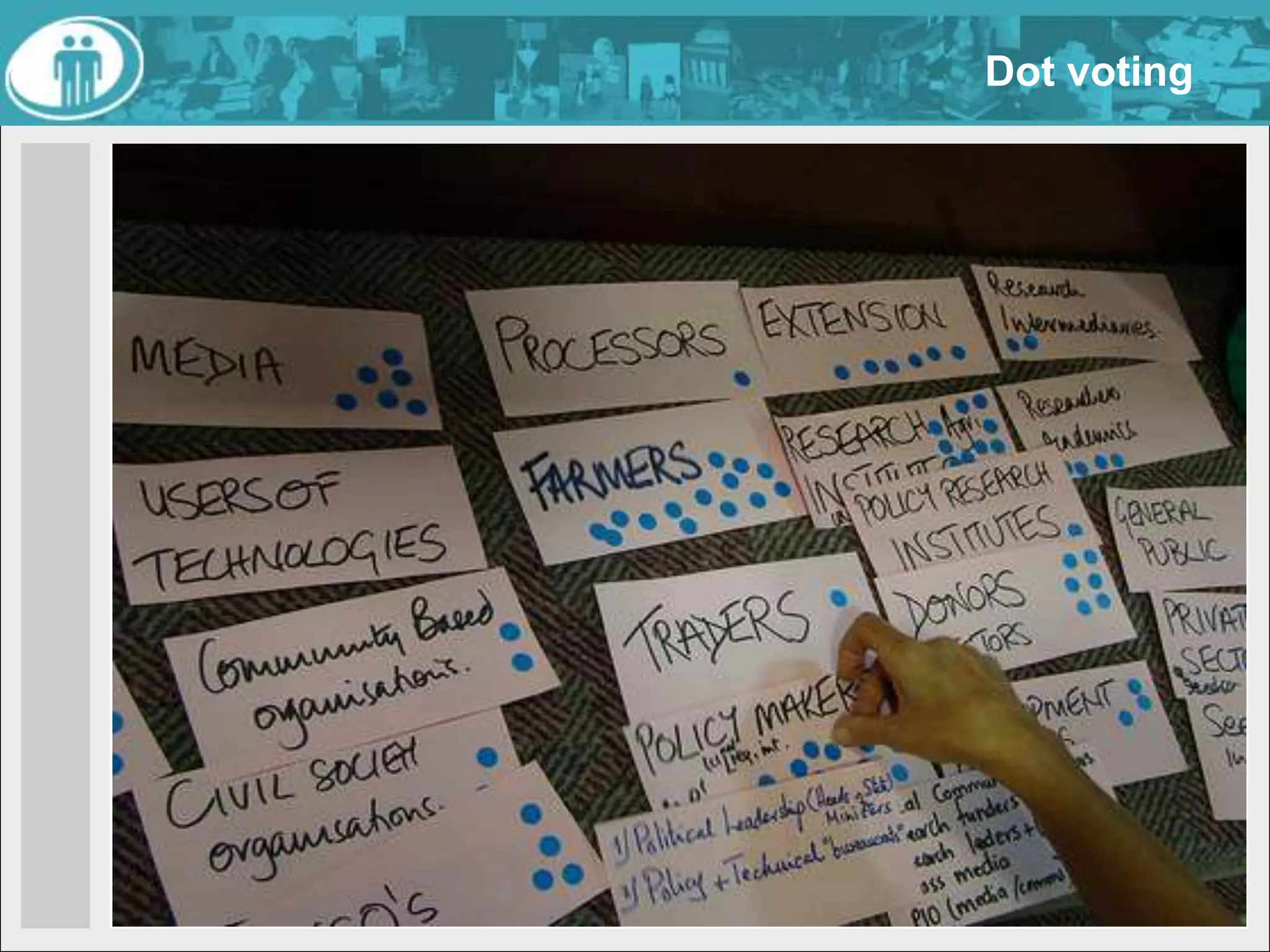
Dot voting
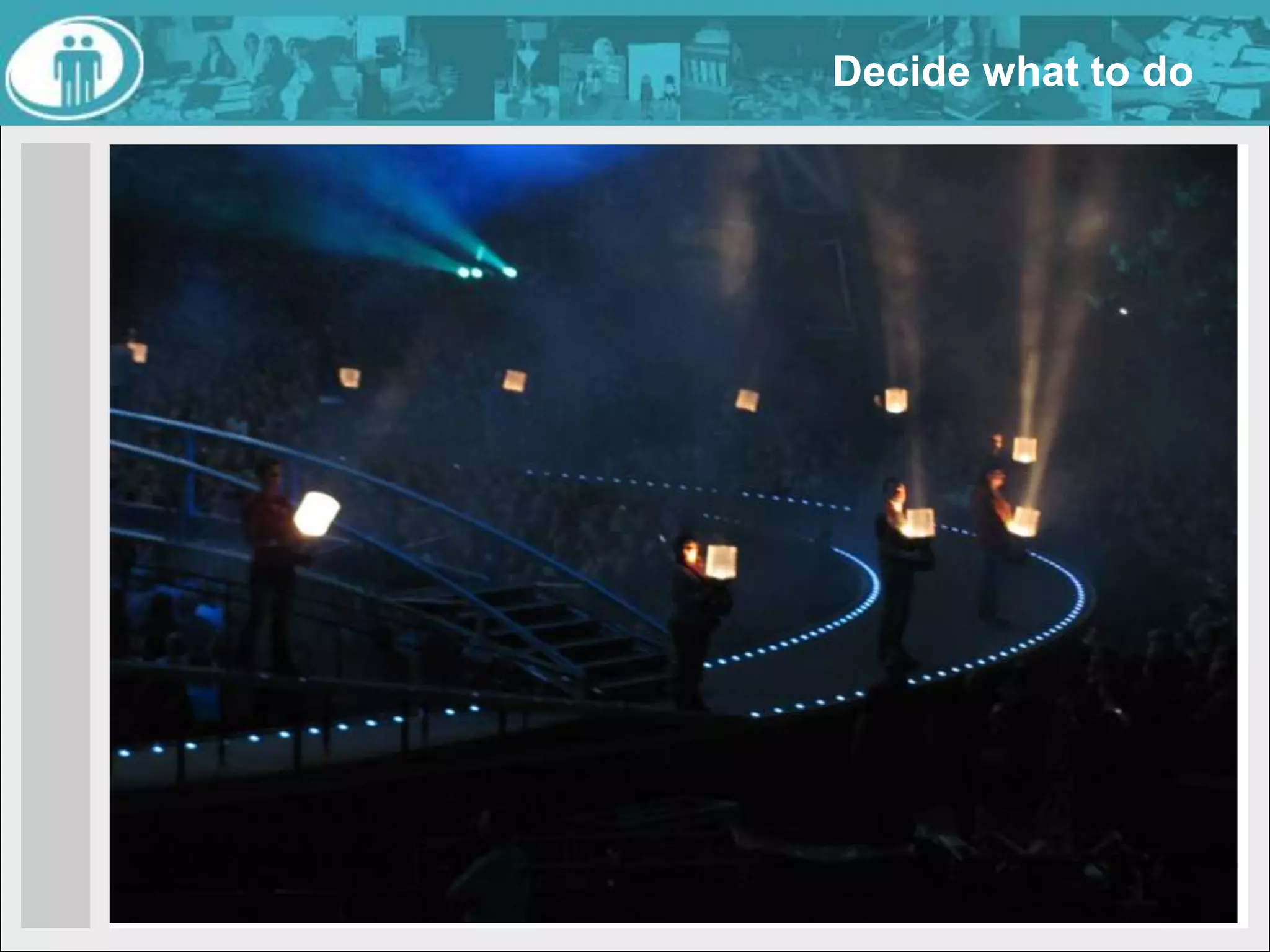
Decide what to do
Decide what to do
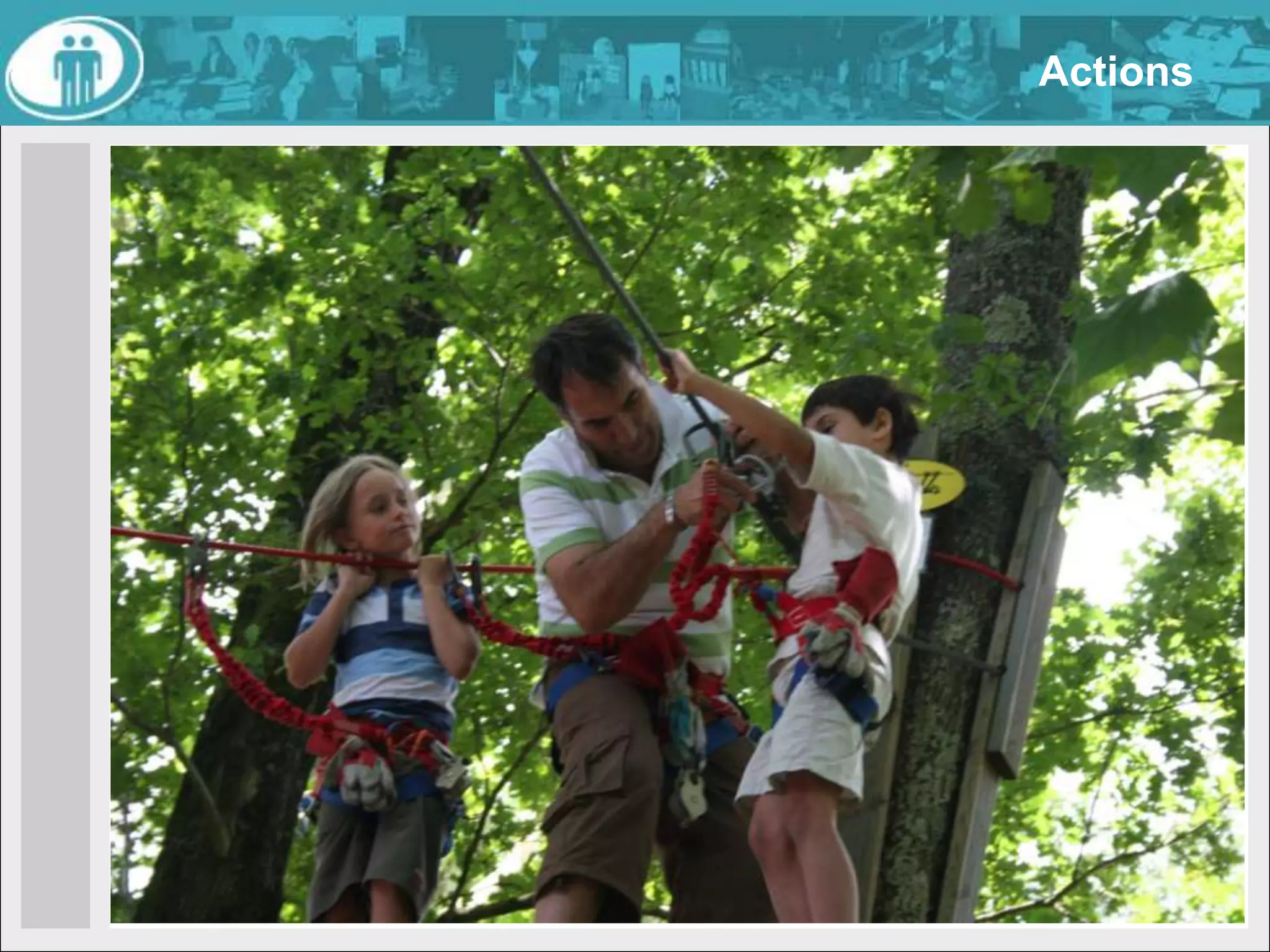
Actions
Actions
Who will be driving these actions?
SMART
Close
Circle of Questions
Perfection Game
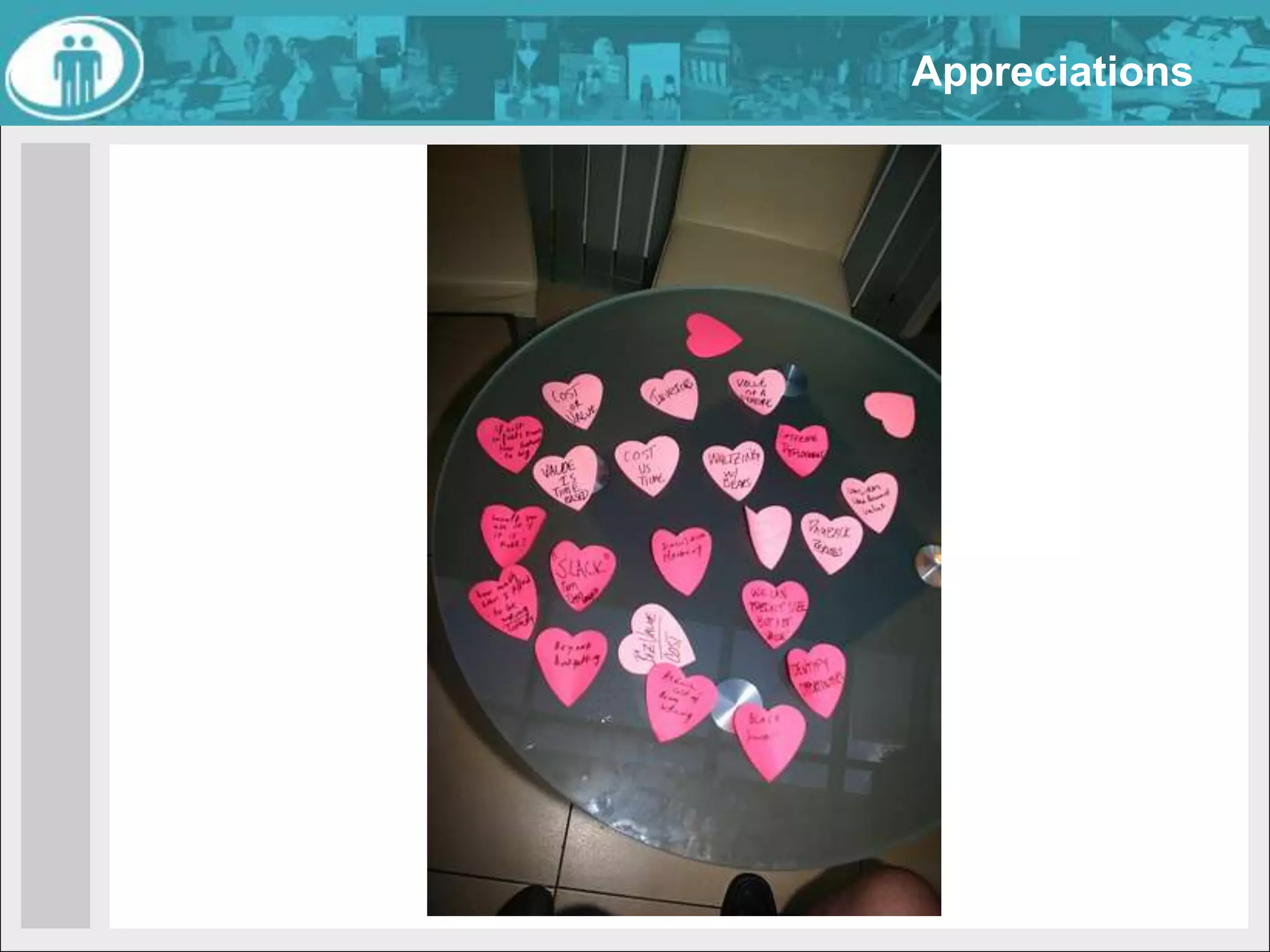
Appreciations
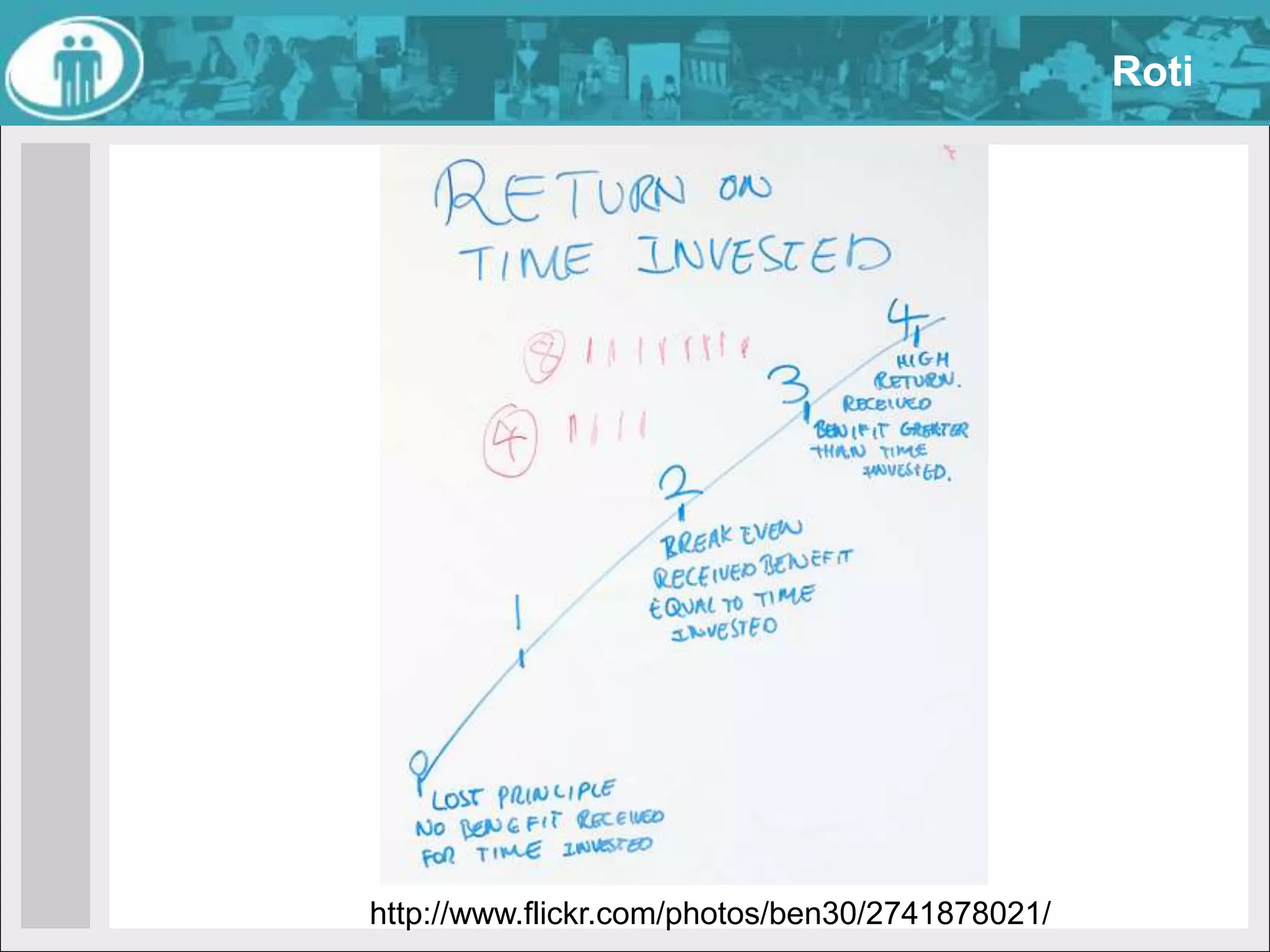
Roti http://www.flickr.com/photos/ben30/2741878021/
Smells
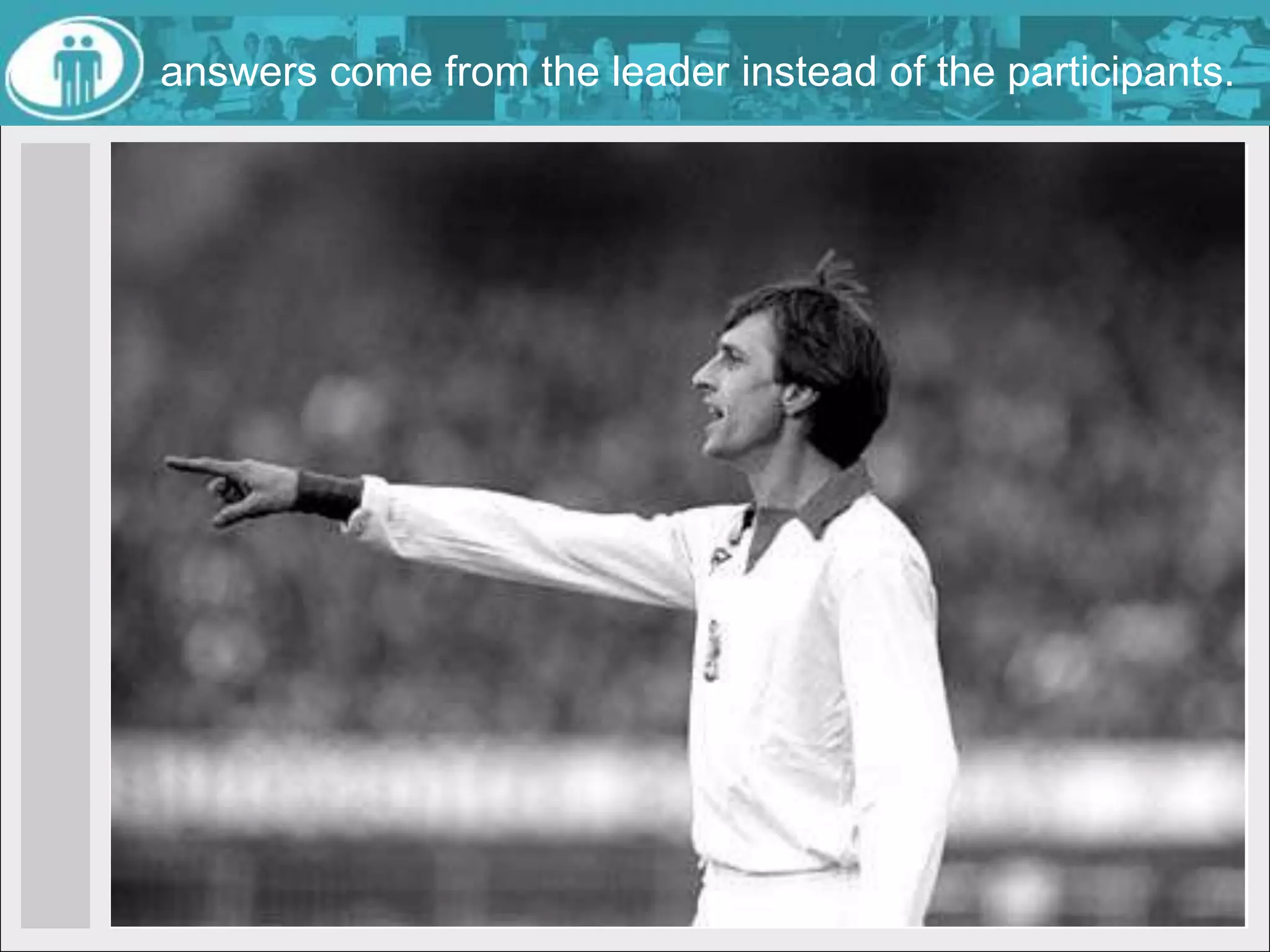
answers come from the leader instead of the participants.
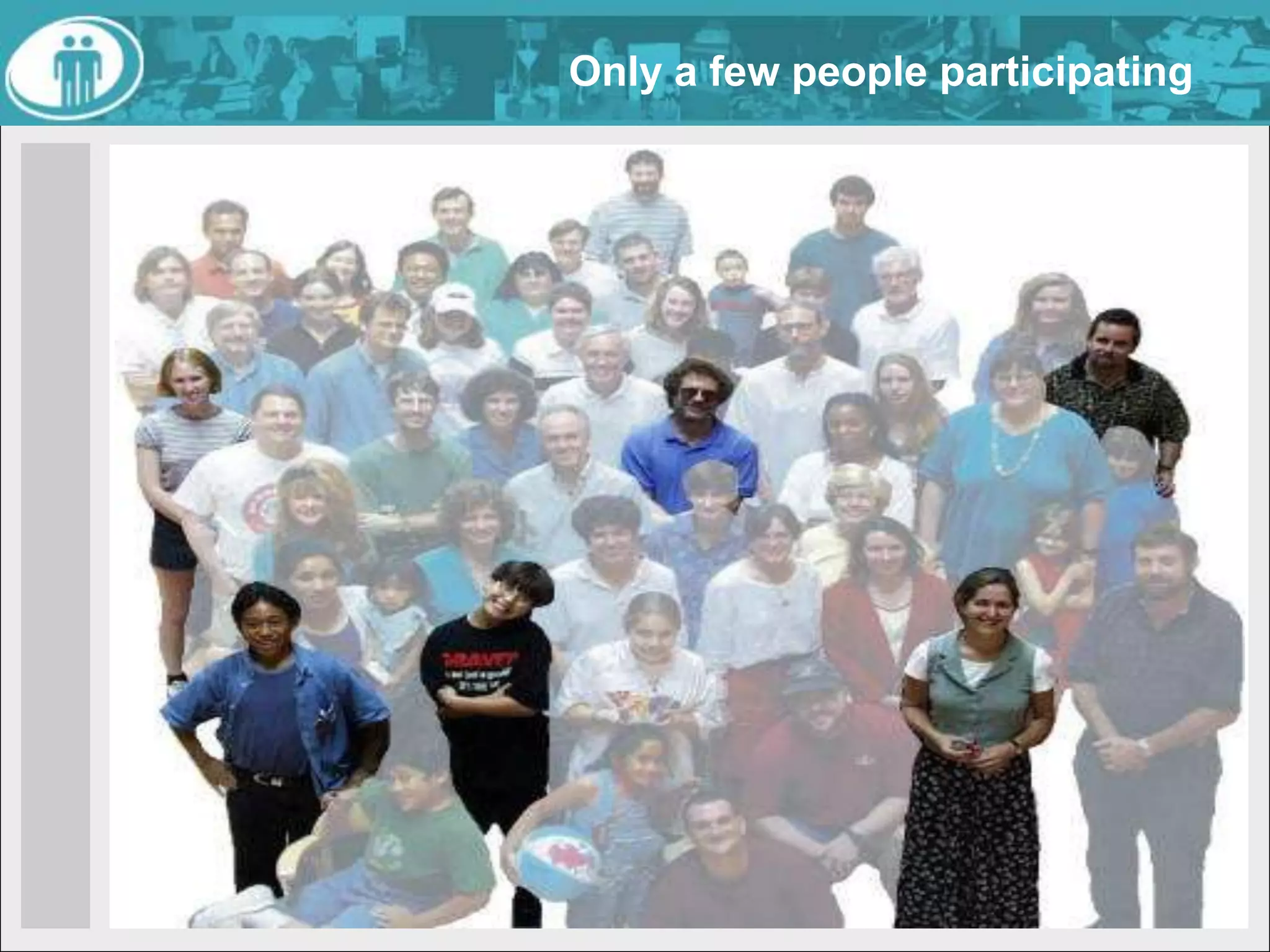
Only a few people participating

How to make your retrospectives the heart of your agile proces