Developing Higher Order Thinking and Knowledge ProducersMath
Look Around You
What does it look like when students are good at math?
Students in Dan’s Class lack of initiative lack of perseverance lack of retention aversion to word problems eager for formulaAnd yours?
What skills, strategies and attitudes do students need to solve the problem?http://todaysmeet.com/critical
Traditional Math Problems 3 bits of informationpaving way to one answer often using operations taught that week not realistic not framed by studentsAnd yours?
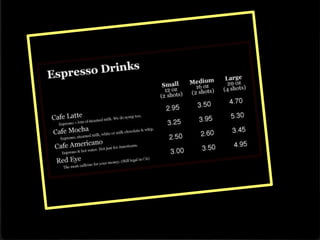
Ticket roll – The Problem?
What is the problem?What skills etc. do students need to solve the problem?http://todaysmeet.com/critical
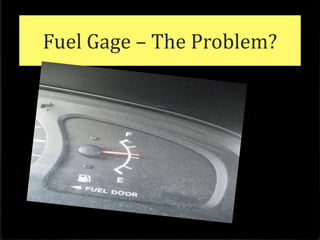
Fuel Gage – The Problem?
Dan Meyer: math needs a makeover
Meyer et. al.Paul LockhartAlfie KohnJoseph GanemConrad WolframMalcolm Swan
The Thinking Math Teacher sees a math world  helps kids make the problems lets them struggle provides a framework (some technique), doesn't pave the road
About the Processteach kids how to break a problem into partsdecide what you’d accept as evidence of non-computational mathassess what they can prove they know, not the answer they give
About the Processencourage talk and collaborationdevelop a list of resources and provide technology to help them find thingsuse images often – they help us associate and be critical and creative
Developing Higher Order Thinking and Knowledge ProducersWriting
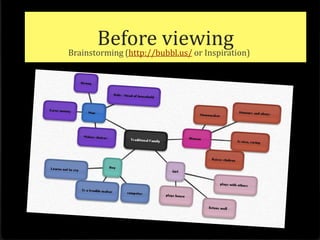
Before viewingBrainstorming (http://bubbl.us/ or Inspiration)
Before: Google Jockey for Vocabulary
During – Viewing 2Why does the father do all the talking ? Whose voices aren’t heard?What is in the foreground (most important) and what is in the background?What are the characters wearing? Why?How do the actions of the characters reinforce gender roles?http://ietherpad.com/6iqZVp4w3Y
During – Viewing 2Revise to show judgementEvidenceCriteriaRelate to other understanding (synthesis)http://ietherpad.com/6iqZVp4w3Y
After: Google Jockey “Non-traditional + family”
After – Powerful Words“Traditionally if you mixed the races you were shunned, and there’s nothing wrong with an old fashioned traditional shunning.  Isn’t that right honey?  Like we did to your sister when she dated that Arab boy in university – you don’t know her, kids, she’s dead to us now.”
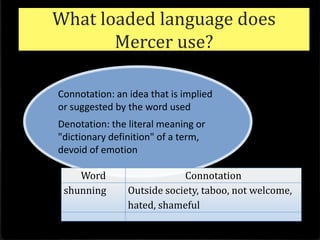
What loaded language does Mercer use?Connotation: an idea that is implied or suggested by the word usedDenotation: the literal meaning or "dictionary definition" of a term, devoid of emotion
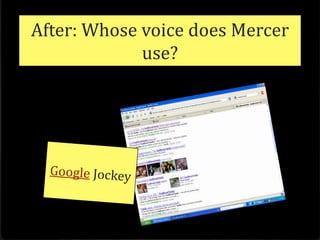
After: Whose voice does Mercer use?Google Jockey
Co-construction: What we know about composing and creatinghttp://todaysmeet.com/critical
The Thinking Writing Teacherjustify, choose based on criteria, make judgementteach through all receptive strands to get to good expressiveBefore, During and After co-construct criteria based on the receptivebreak task into chunks
What does it look like when students are good at writing?
About the Process“Alouds” as much as possiblestart with the (authentic) audience and purposeco-construction of criteria that growsspend 1/3 time on prewriting
About the Processkids pick the tools and the question for writingassessment at all stagesfocus peer and self assessment on text features, purpose etc. not just mechanics and grammar

Higher Order Thinking in Math and Writing

  • 1.
    Developing Higher OrderThinking and Knowledge ProducersMath
  • 2.
  • 3.
    What does itlook like when students are good at math?
  • 5.
    Students in Dan’sClass lack of initiative lack of perseverance lack of retention aversion to word problems eager for formulaAnd yours?
  • 6.
    What skills, strategiesand attitudes do students need to solve the problem?http://todaysmeet.com/critical
  • 7.
    Traditional Math Problems3 bits of informationpaving way to one answer often using operations taught that week not realistic not framed by studentsAnd yours?
  • 8.
    Ticket roll –The Problem?
  • 9.
    What is theproblem?What skills etc. do students need to solve the problem?http://todaysmeet.com/critical
  • 10.
    Fuel Gage –The Problem?
  • 12.
    Dan Meyer: mathneeds a makeover
  • 13.
    Meyer et. al.PaulLockhartAlfie KohnJoseph GanemConrad WolframMalcolm Swan
  • 14.
    The Thinking MathTeacher sees a math world helps kids make the problems lets them struggle provides a framework (some technique), doesn't pave the road
  • 15.
    About the Processteachkids how to break a problem into partsdecide what you’d accept as evidence of non-computational mathassess what they can prove they know, not the answer they give
  • 16.
    About the Processencouragetalk and collaborationdevelop a list of resources and provide technology to help them find thingsuse images often – they help us associate and be critical and creative
  • 17.
    Developing Higher OrderThinking and Knowledge ProducersWriting
  • 18.
  • 19.
    Before: Google Jockeyfor Vocabulary
  • 20.
    During – Viewing2Why does the father do all the talking ? Whose voices aren’t heard?What is in the foreground (most important) and what is in the background?What are the characters wearing? Why?How do the actions of the characters reinforce gender roles?http://ietherpad.com/6iqZVp4w3Y
  • 21.
    During – Viewing2Revise to show judgementEvidenceCriteriaRelate to other understanding (synthesis)http://ietherpad.com/6iqZVp4w3Y
  • 22.
    After: Google Jockey“Non-traditional + family”
  • 23.
    After – PowerfulWords“Traditionally if you mixed the races you were shunned, and there’s nothing wrong with an old fashioned traditional shunning. Isn’t that right honey? Like we did to your sister when she dated that Arab boy in university – you don’t know her, kids, she’s dead to us now.”
  • 24.
    What loaded languagedoes Mercer use?Connotation: an idea that is implied or suggested by the word usedDenotation: the literal meaning or "dictionary definition" of a term, devoid of emotion
  • 25.
    After: Whose voicedoes Mercer use?Google Jockey
  • 26.
    Co-construction: What weknow about composing and creatinghttp://todaysmeet.com/critical
  • 27.
    The Thinking WritingTeacherjustify, choose based on criteria, make judgementteach through all receptive strands to get to good expressiveBefore, During and After co-construct criteria based on the receptivebreak task into chunks
  • 28.
    What does itlook like when students are good at writing?
  • 29.
    About the Process“Alouds”as much as possiblestart with the (authentic) audience and purposeco-construction of criteria that growsspend 1/3 time on prewriting
  • 30.
    About the Processkidspick the tools and the question for writingassessment at all stagesfocus peer and self assessment on text features, purpose etc. not just mechanics and grammar