EFFECTIVE
COMMUNICATION
Version 2018-02-25
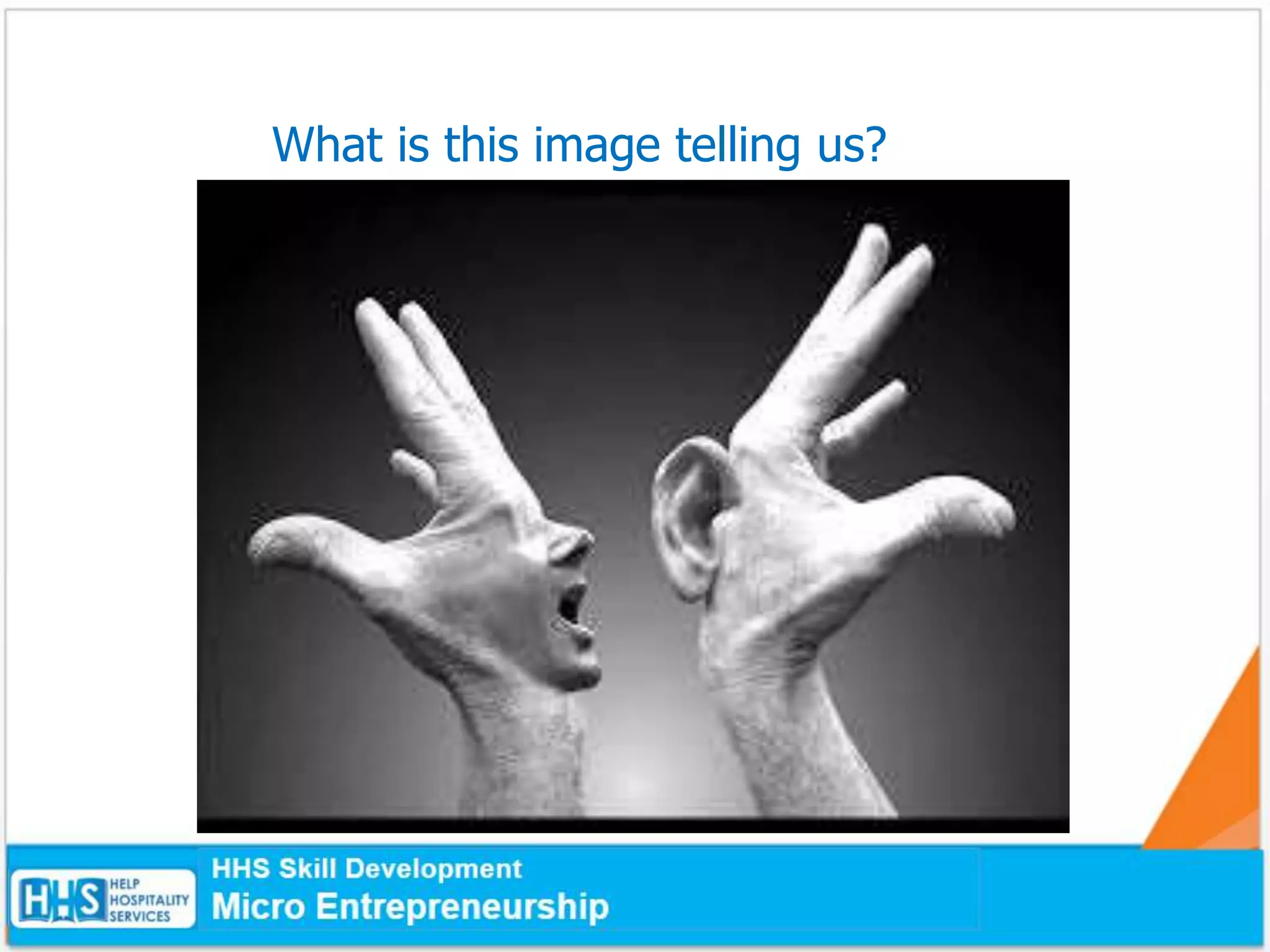
What is this image telling us?
Opportunities
 Theory Review
 The Communication process
 Effective communication skills
 Barriers
 7 Cs to Effective Communication
 Conclusion.
1.Theory Review
• Effective?
• Communication?
• Effective communication?
• Skills?
• Process?
Effective Communication
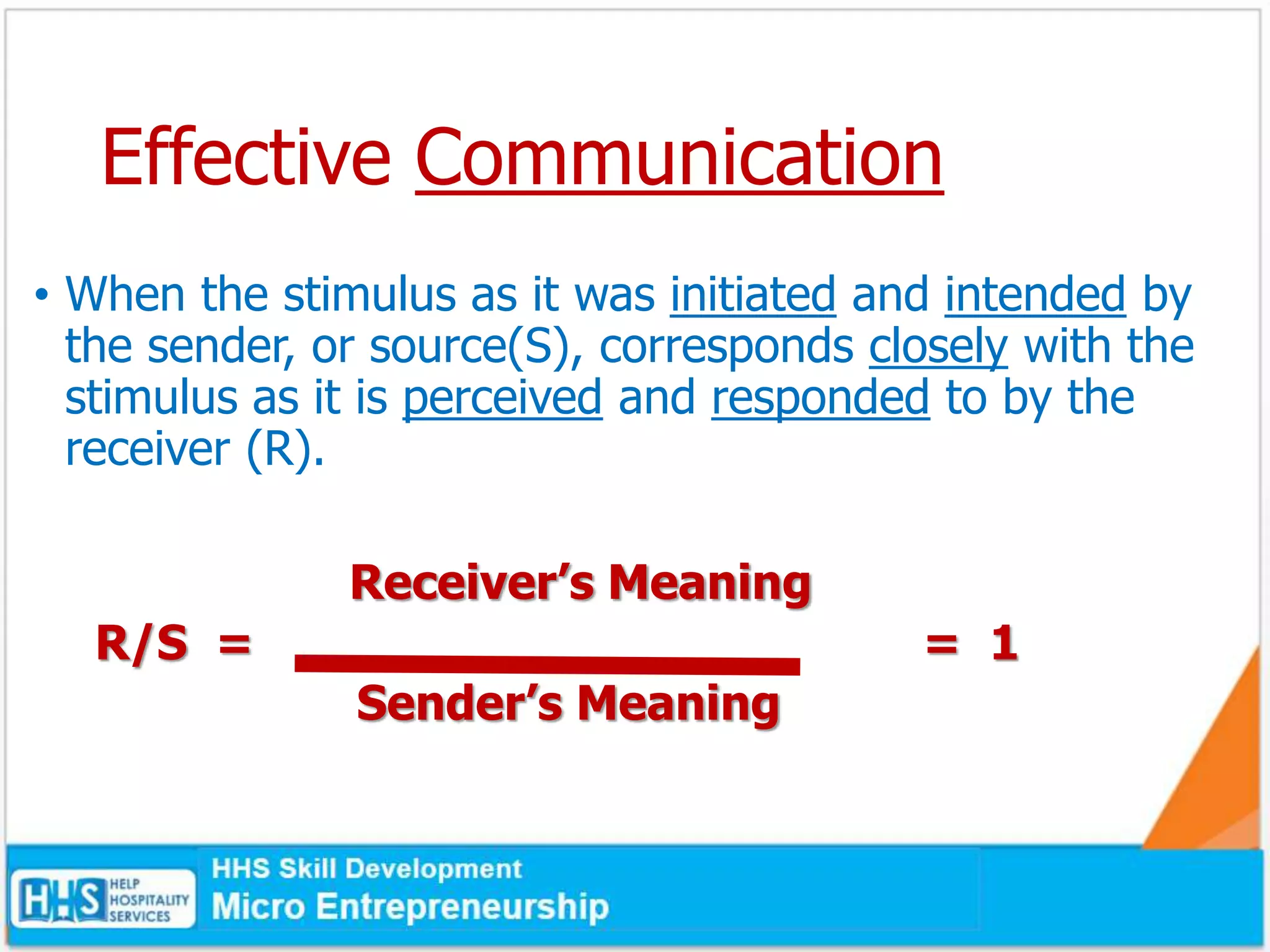
• When the stimulus as it was initiated and intended by
the sender, or source(S), corresponds closely with the
stimulus as it is perceived and responded to by the
receiver (R).
Receiver’s Meaning
R/S = = 1
Sender’s Meaning
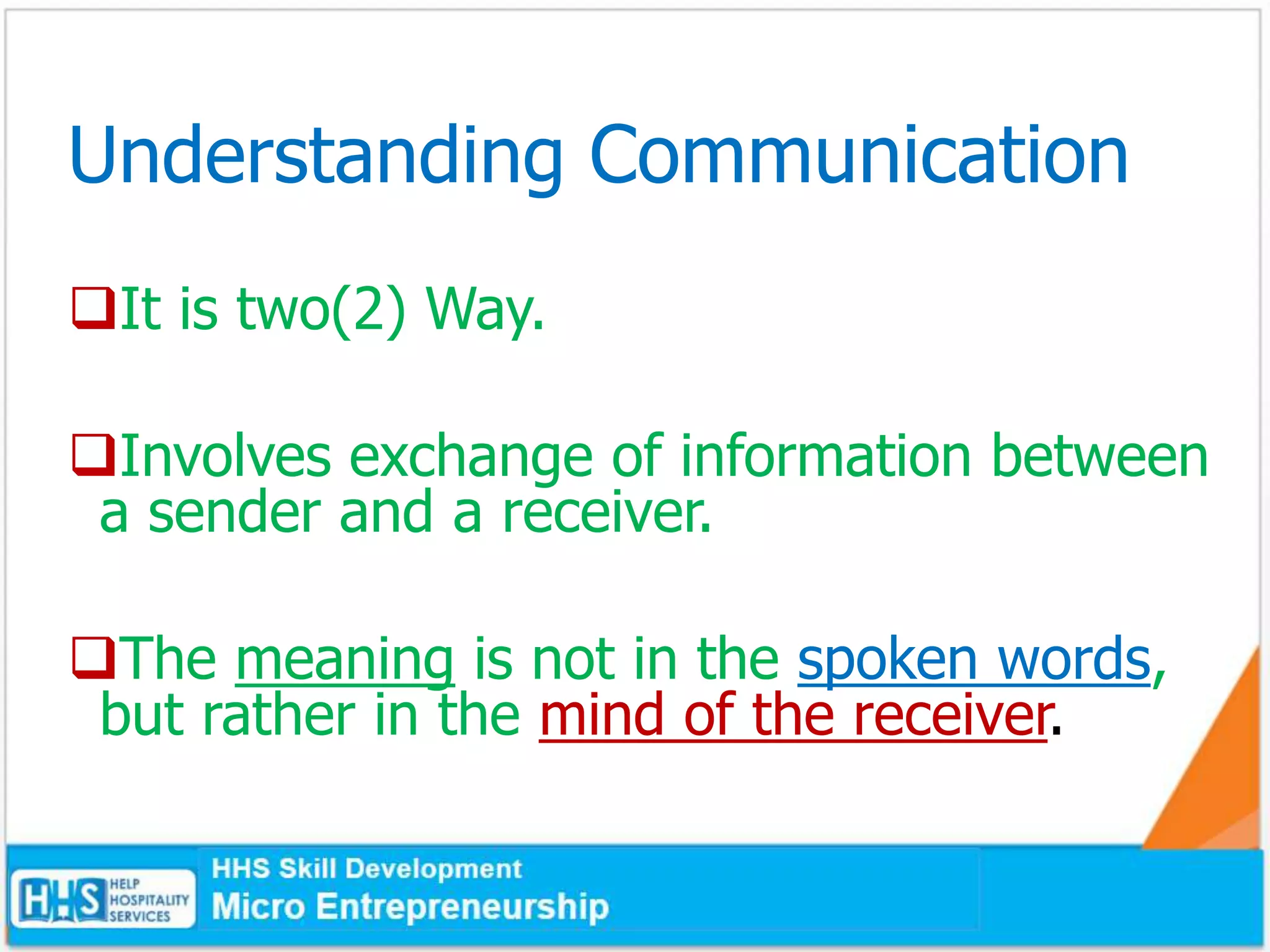
Understanding Communication
It is two(2) Way.
Involves exchange of information between
a sender and a receiver.
The meaning is not in the spoken words,
but rather in the mind of the receiver.
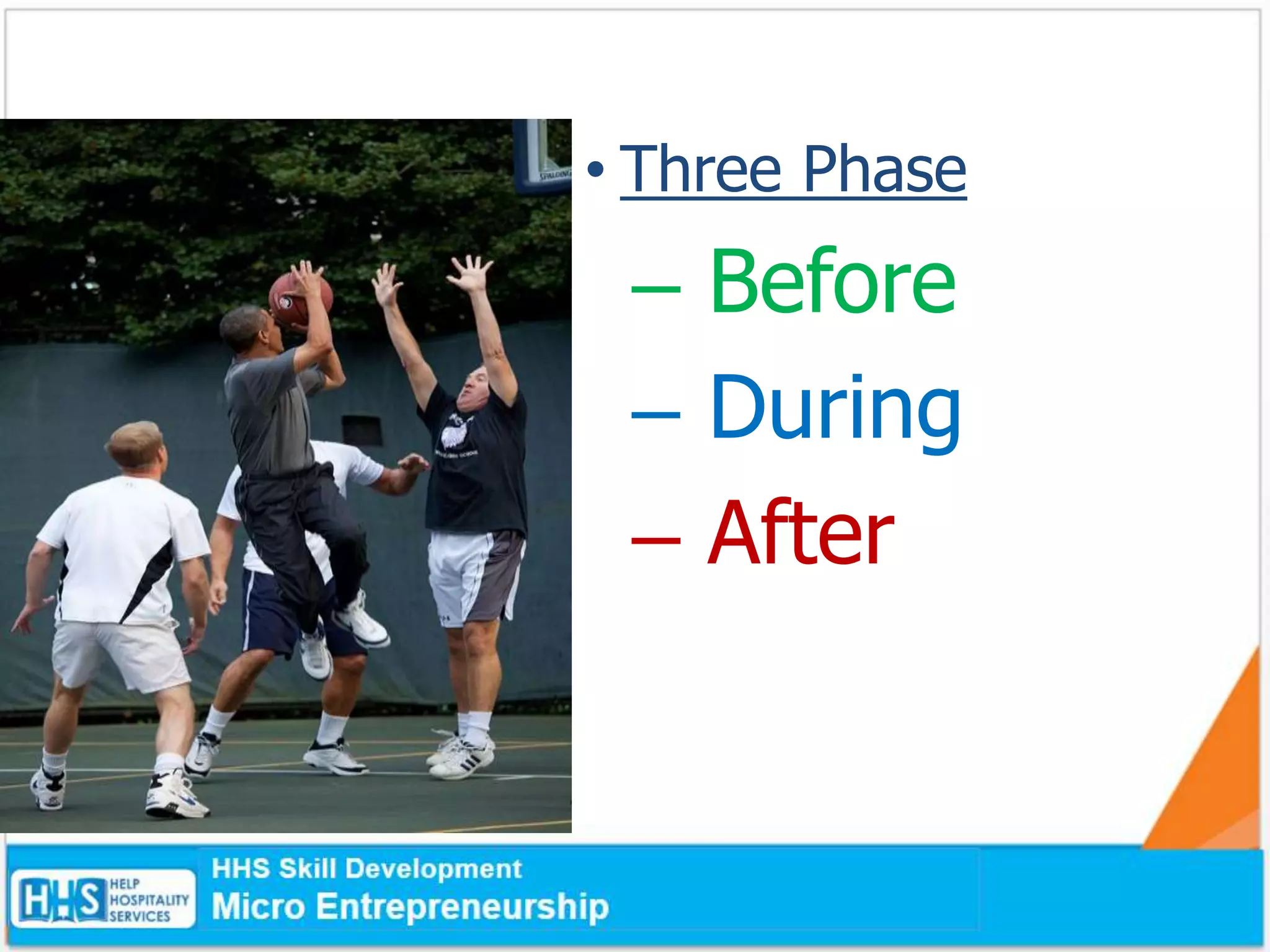
• Three Phase
– Before
– During
– After
Misconceptions
• Quantity is no guarantee for quality.
- Ex:
• Frequency of communication is no measure of
how effectively people communicate.
- Ex:
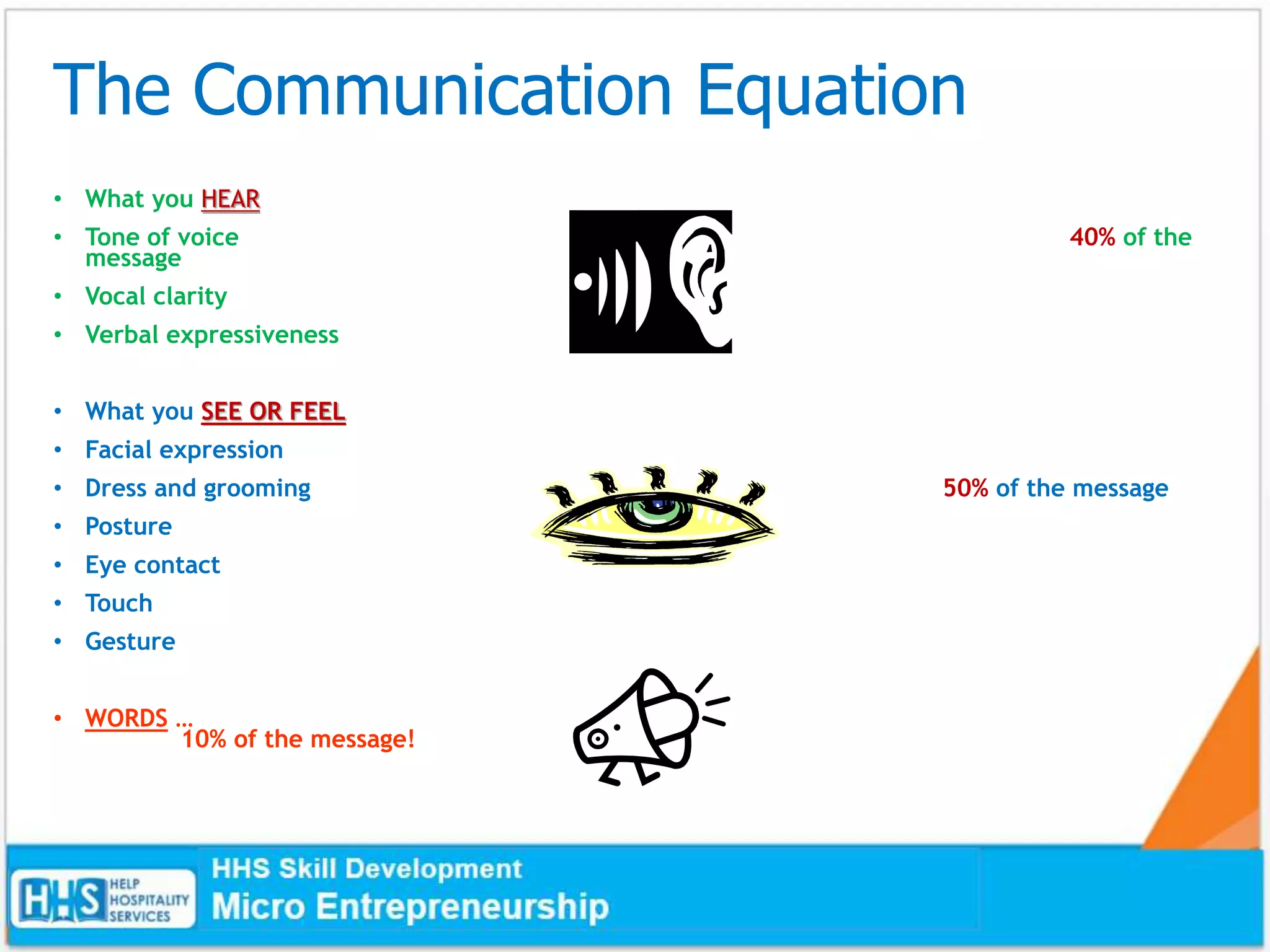
The Communication Equation
• What you HEAR
• Tone of voice 40% of the
message
• Vocal clarity
• Verbal expressiveness
• What you SEE OR FEEL
• Facial expression
• Dress and grooming 50% of the message
• Posture
• Eye contact
• Touch
• Gesture
• WORDS …
10% of the message!
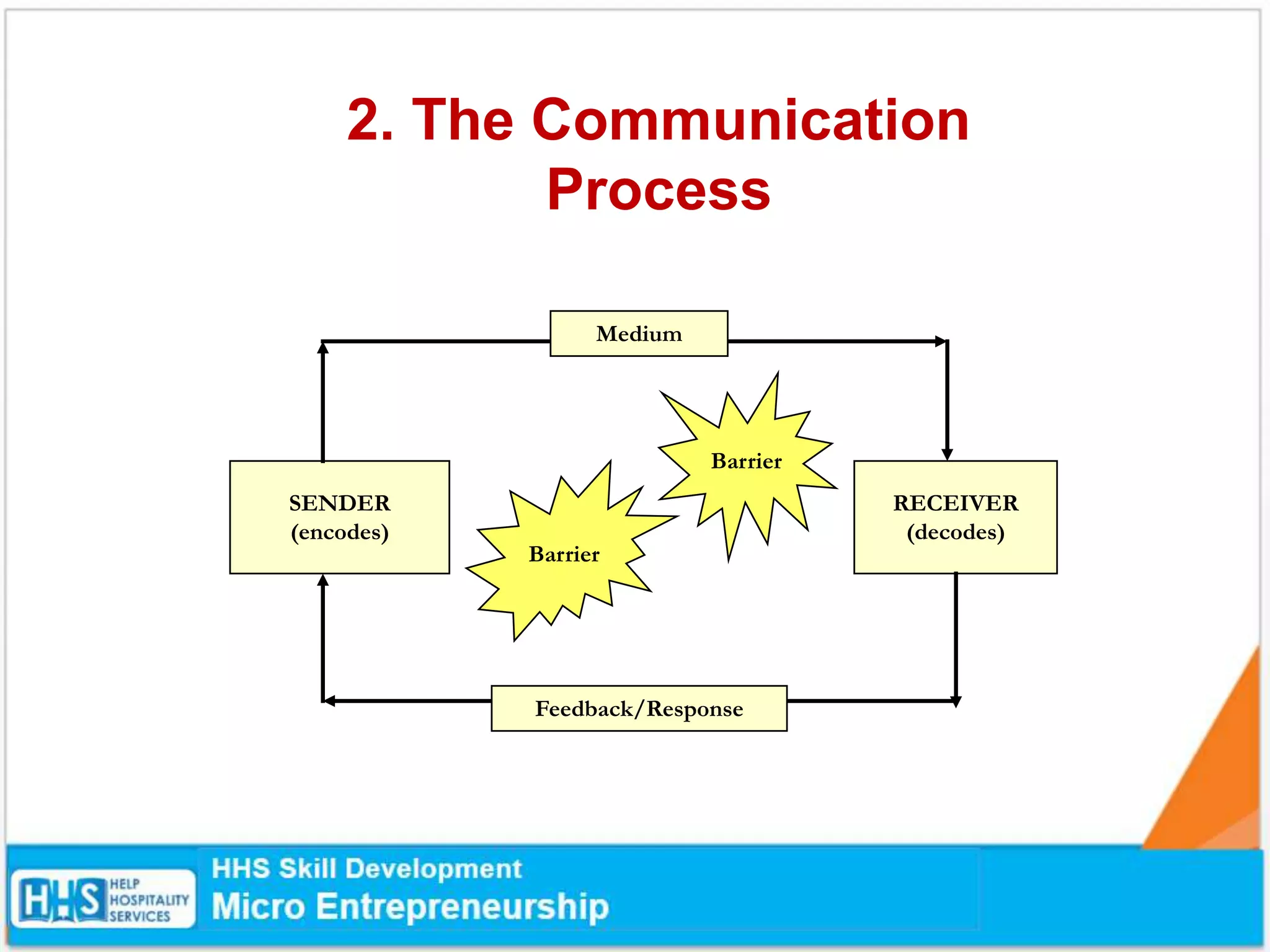
2. The Communication
Process
SENDER
(encodes)
RECEIVER
(decodes)
Barrier
Barrier
Medium
Feedback/Response
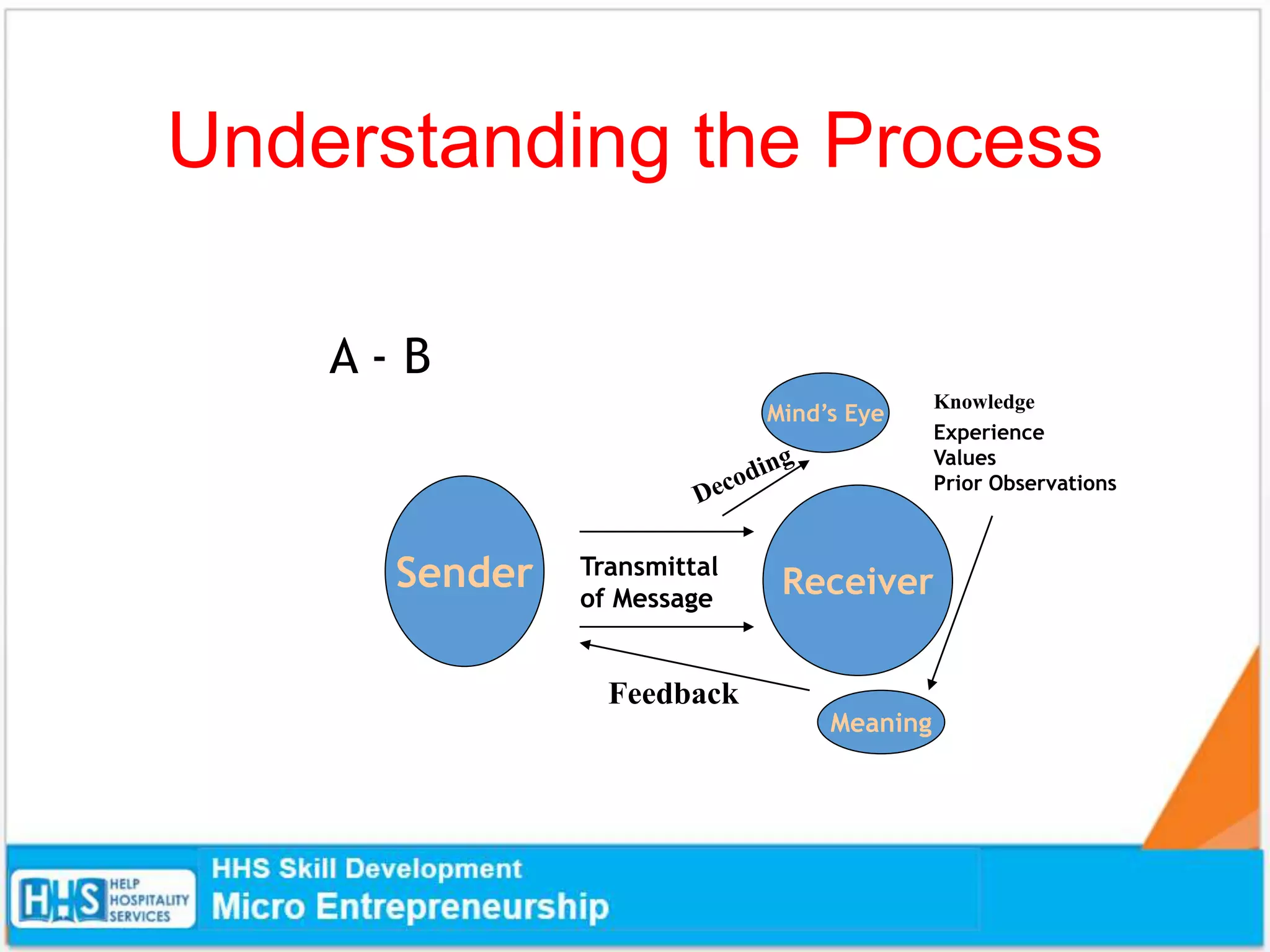
Understanding the Process
A - B
Sender Receiver
Transmittal
of Message
Feedback
Knowledge
Experience
Values
Prior Observations
Mind’s Eye
Meaning
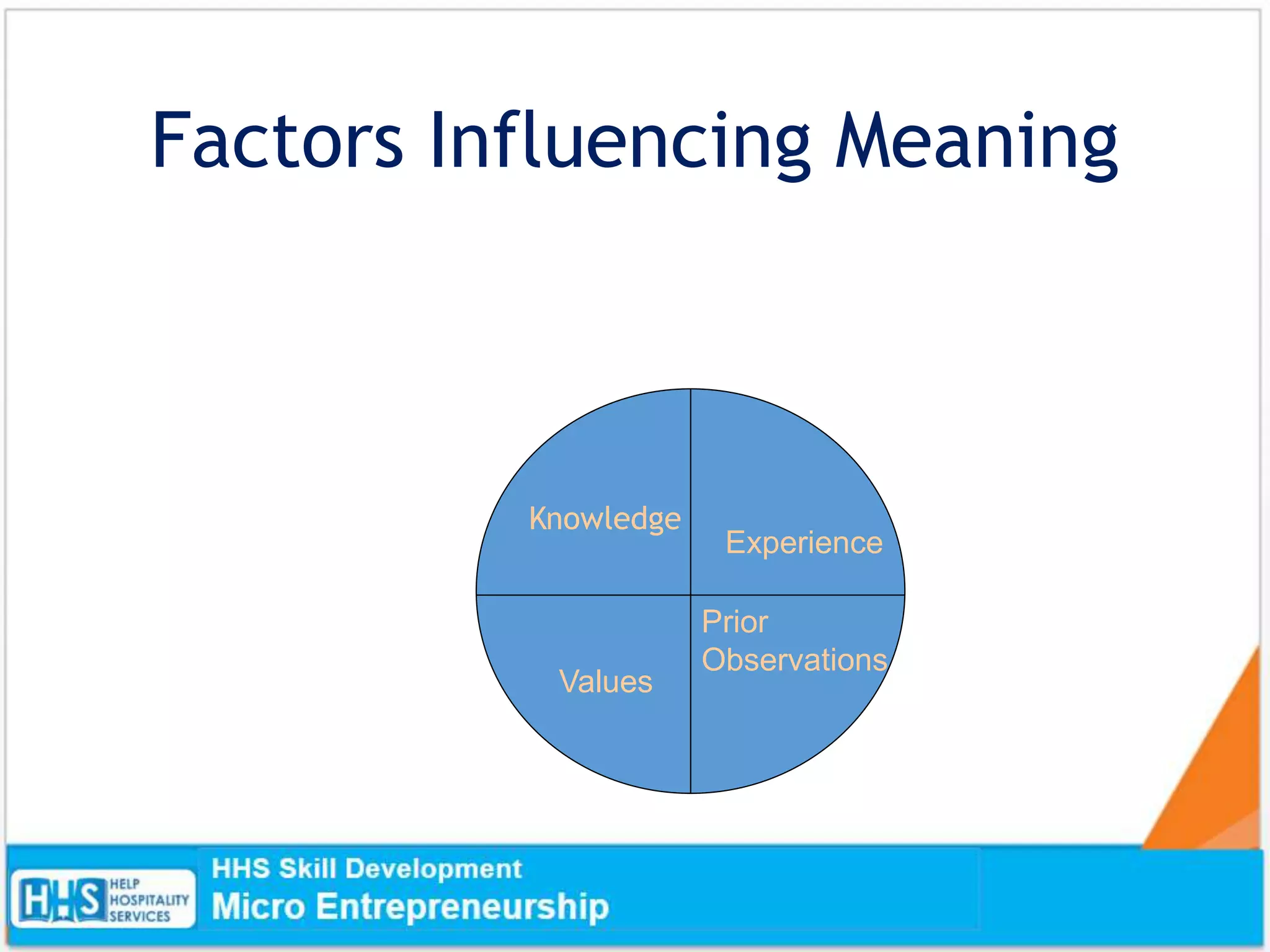
Factors Influencing Meaning
Knowledge
Experience
Values
Prior
Observations
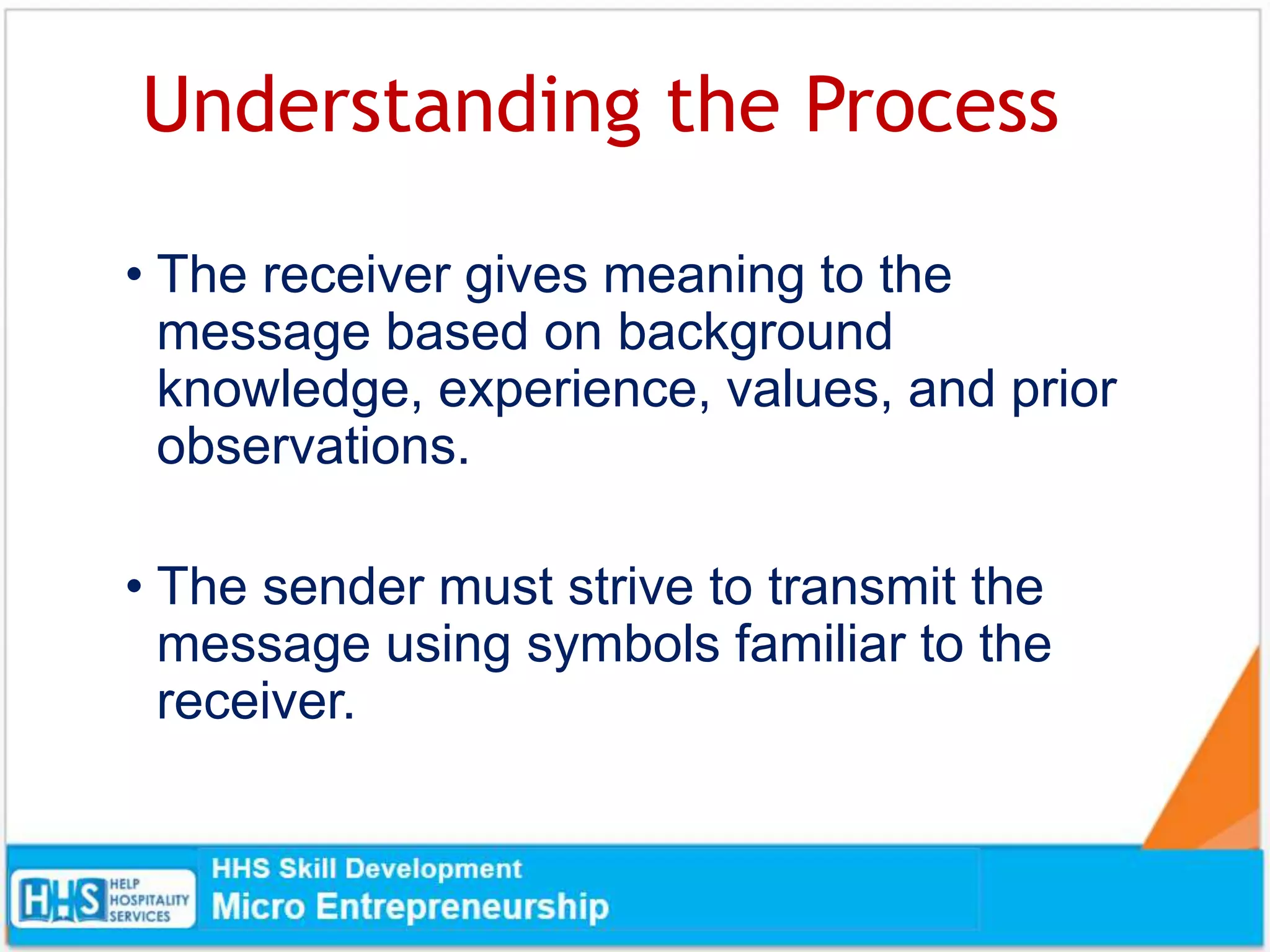
Understanding the Process
• The receiver gives meaning to the
message based on background
knowledge, experience, values, and prior
observations.
• The sender must strive to transmit the
message using symbols familiar to the
receiver.
3. Effective
Communication Skills
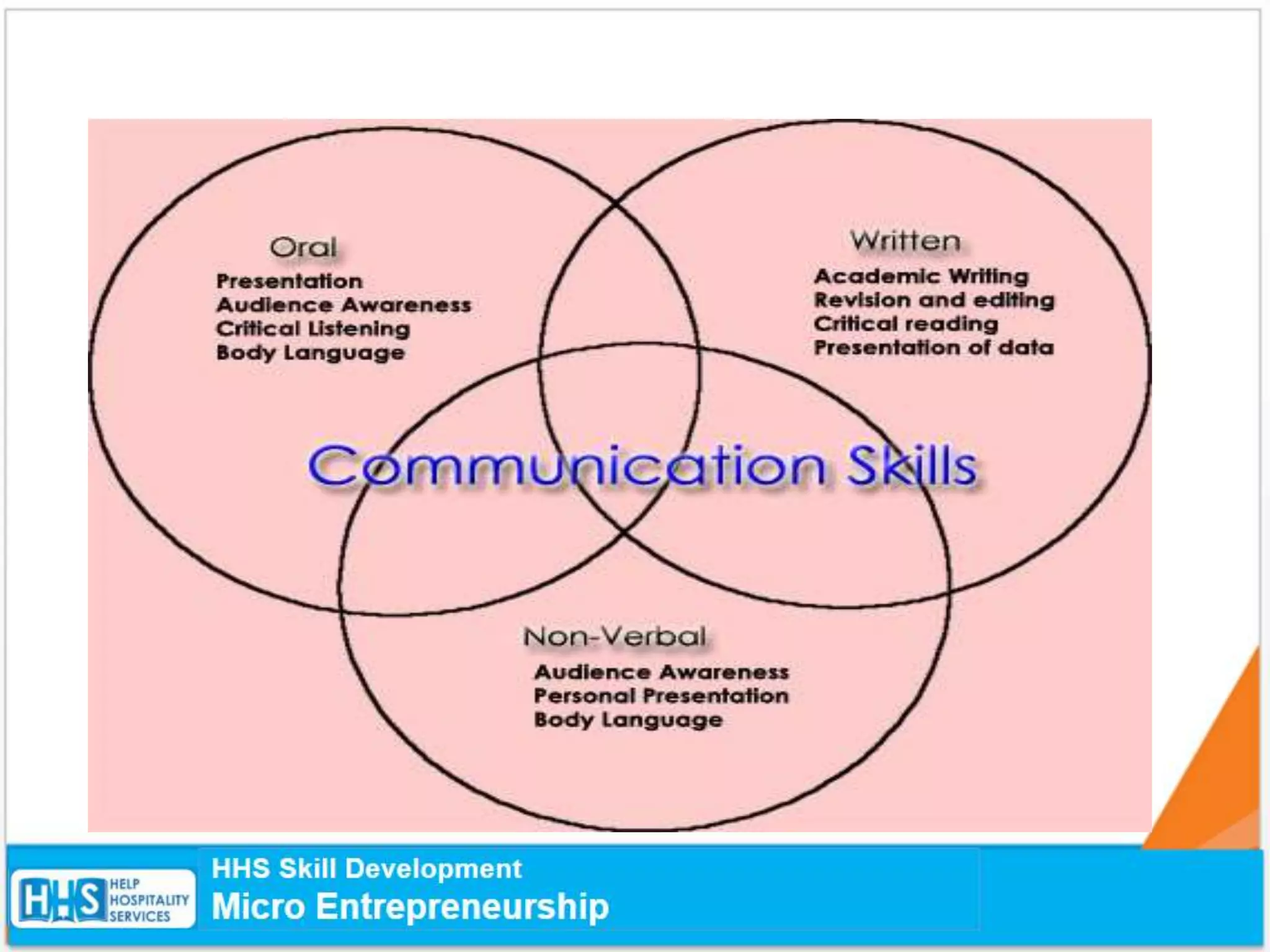
Effective
Communication skills
Eye contact & visible mouth
Body language
Silence
Checking
for understanding
Smiling face
Summarising
what has been said
Encouragement
to continue
Some questions
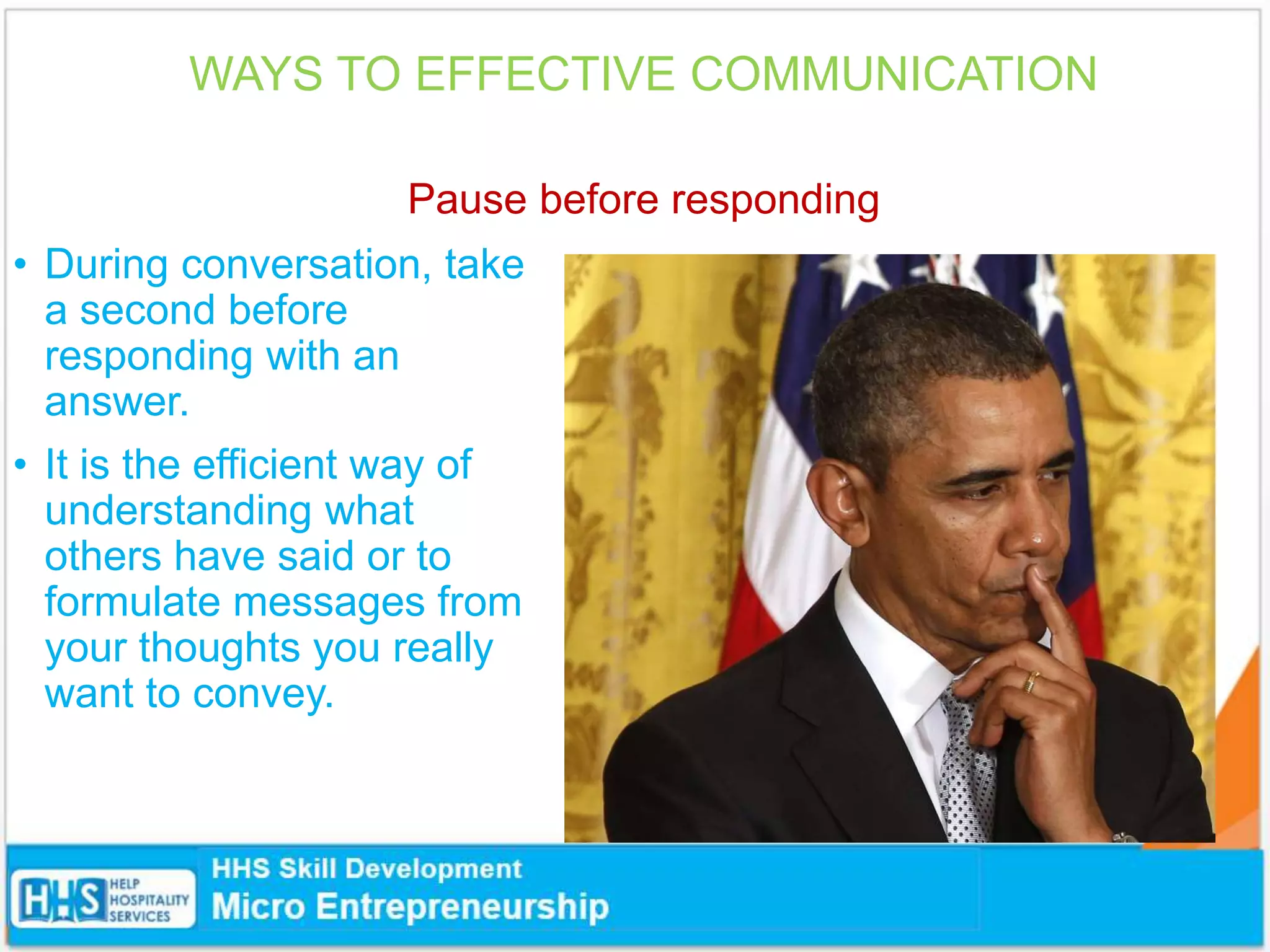
WAYS TO EFFECTIVE COMMUNICATION
Pause before responding
• During conversation, take
a second before
responding with an
answer.
• It is the efficient way of
understanding what
others have said or to
formulate messages from
your thoughts you really
want to convey.
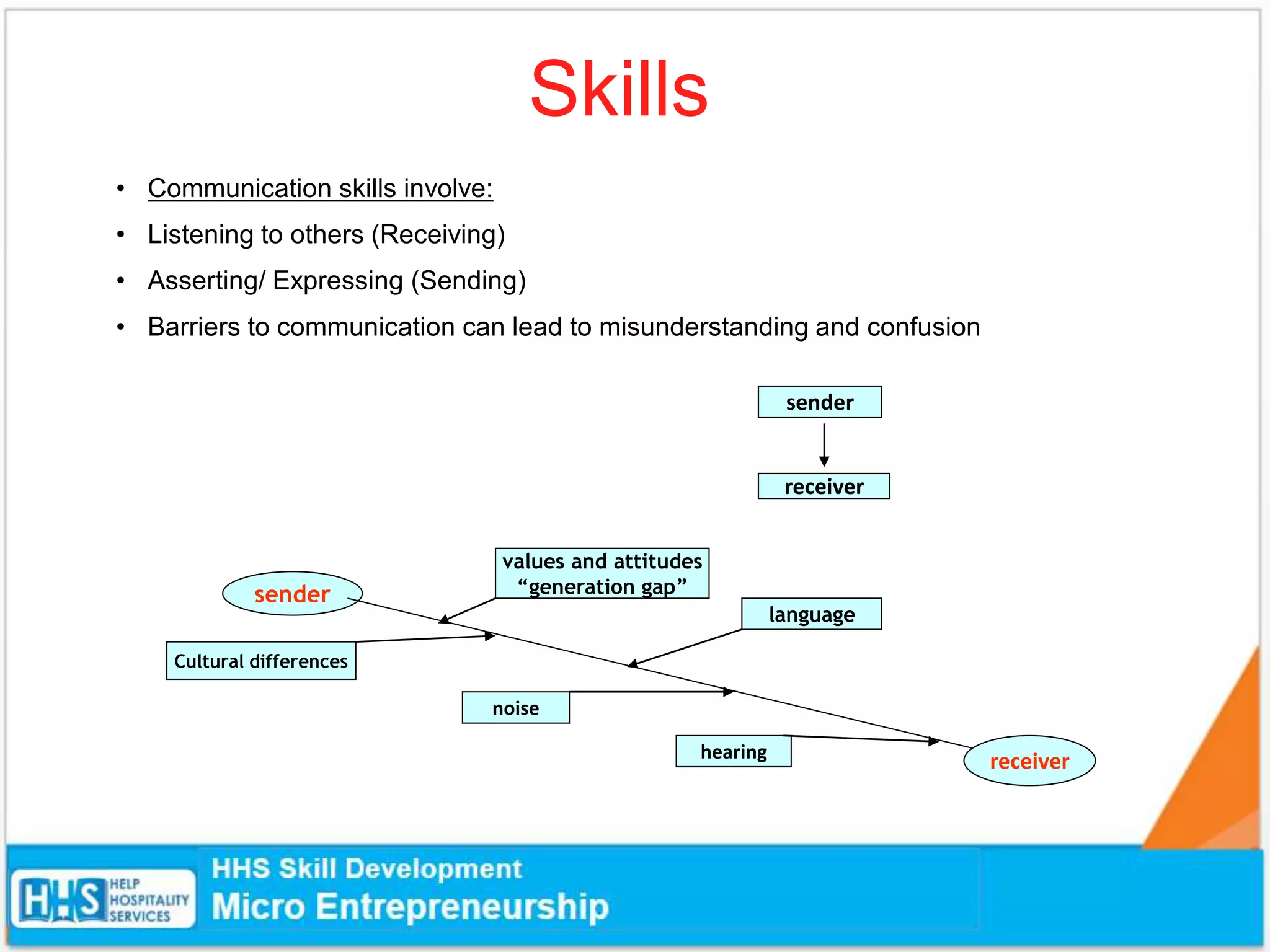
Skills
• Communication skills involve:
• Listening to others (Receiving)
• Asserting/ Expressing (Sending)
• Barriers to communication can lead to misunderstanding and confusion
sender
receiver
sender
receiver
values and attitudes
“generation gap”
Cultural differences
language
noise
hearing
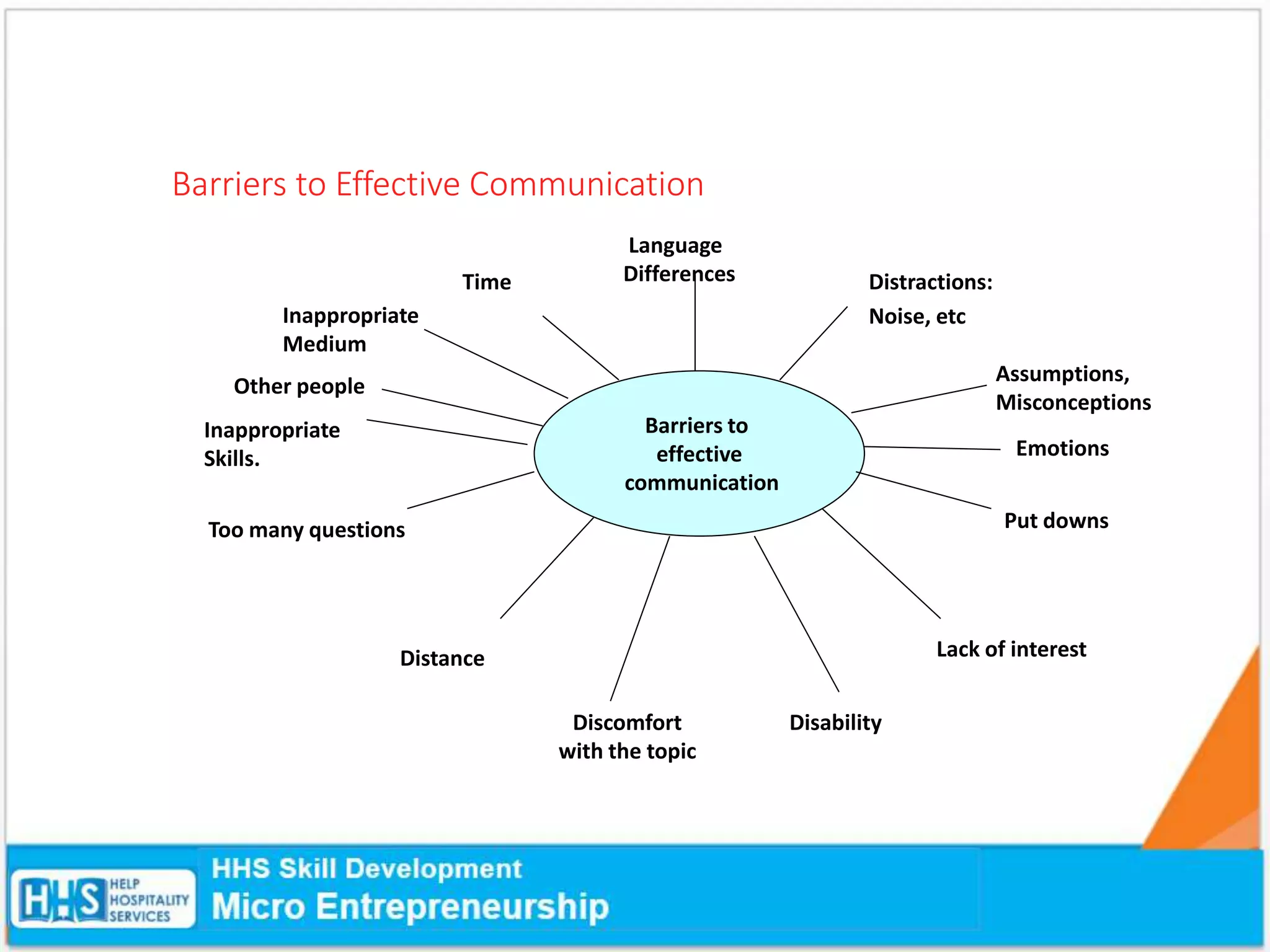
Barriers to Effective Communication
Barriers to
effective
communication
Language
Differences Distractions:
Noise, etc
Time
Assumptions,
Misconceptions
Other people
Put downsToo many questions
Distance
Discomfort
with the topic
Disability
Lack of interest
Emotions
Inappropriate
Skills.
Inappropriate
Medium
Reducing Communication Barriers
• Establishing effective interpersonal
relations
• Managing position power
• Being an active listener
• Acquiring feedback
• Displaying empathy
• Applying ethics to the conversation
The Art of Listening
• “If we were supposed to talk
more than listen, we would have
been given two mouths and one
ear.” Mark Twain
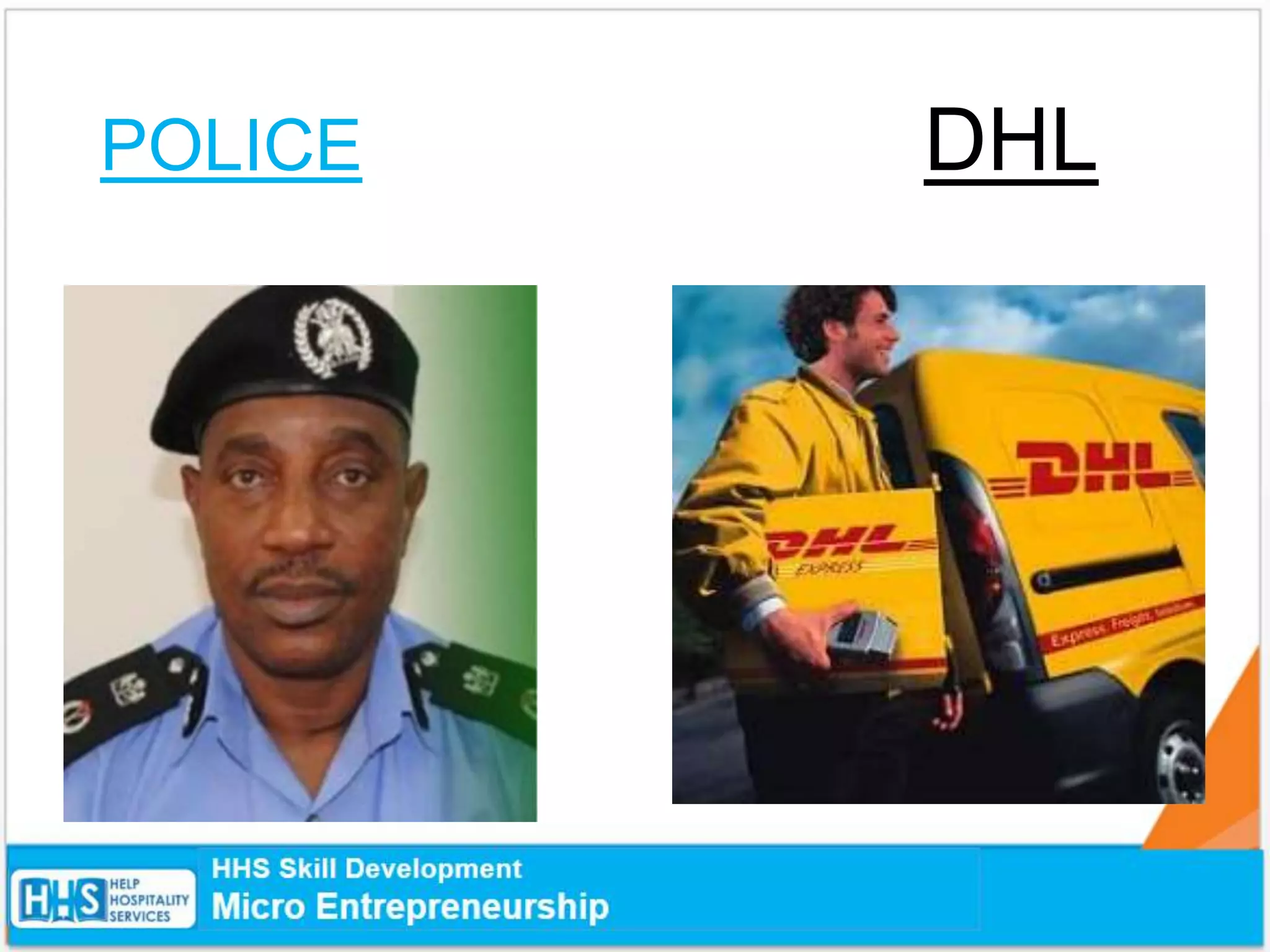
POLICE DHL
EFFECT OF NEGETIVE OR INEFFECTIVE
COMMUNICATION
•CONFLICTS
•STRESS
•Wrong medical diagnosis
•Broken homes
•Unfinished business
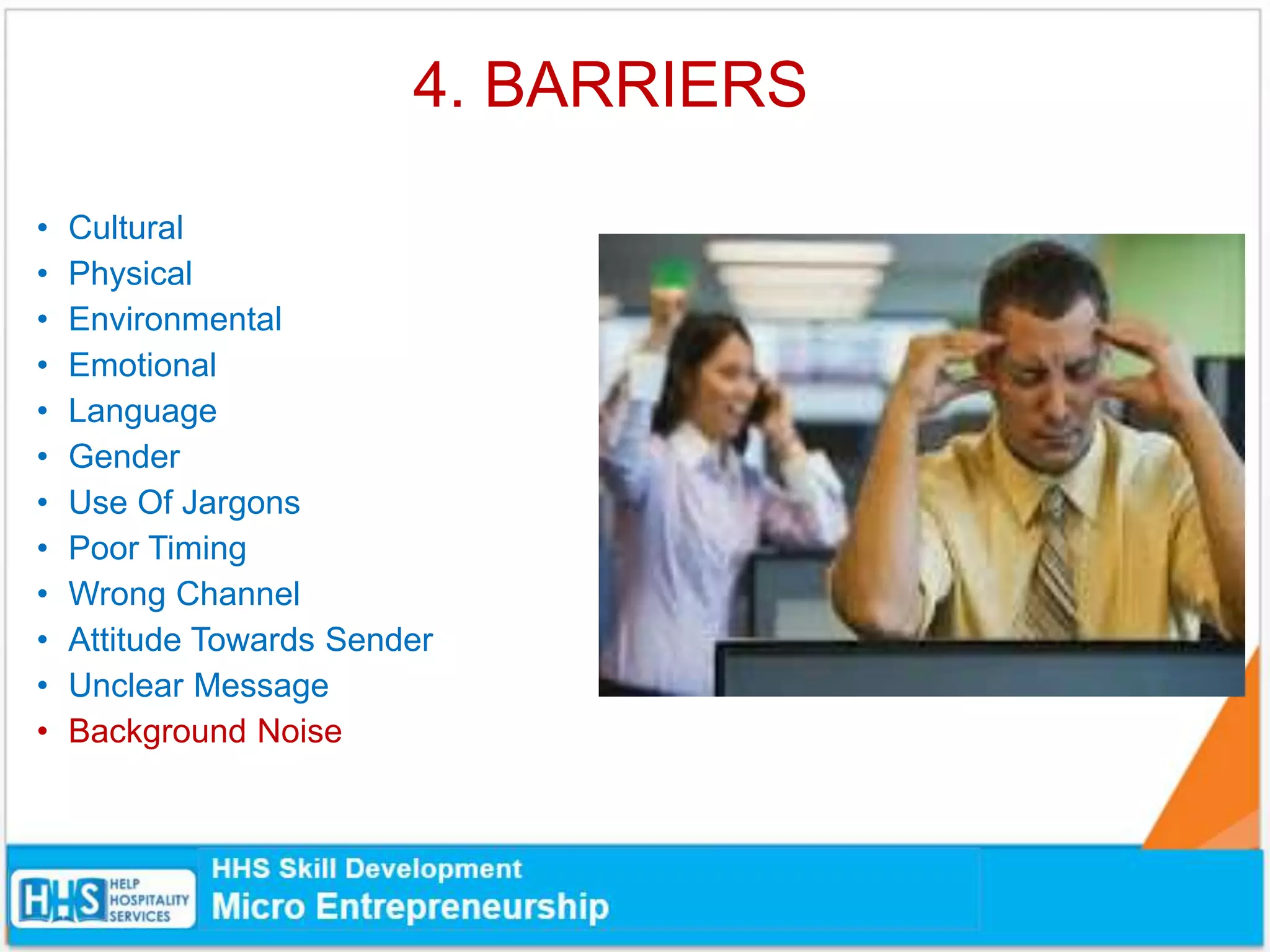
4. BARRIERS
• Cultural
• Physical
• Environmental
• Emotional
• Language
• Gender
• Use Of Jargons
• Poor Timing
• Wrong Channel
• Attitude Towards Sender
• Unclear Message
• Background Noise
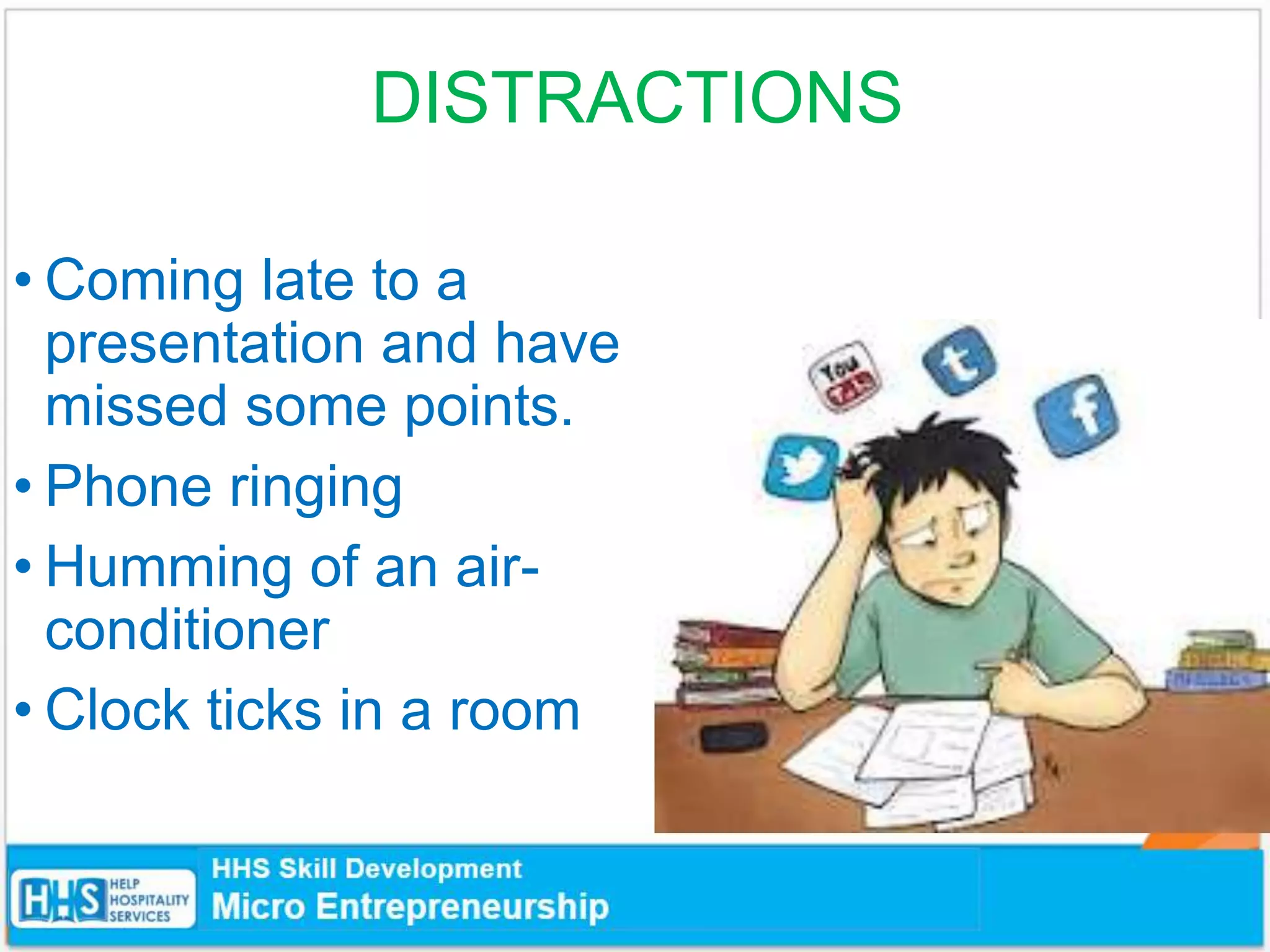
DISTRACTIONS
• Coming late to a
presentation and have
missed some points.
• Phone ringing
• Humming of an air-
conditioner
• Clock ticks in a room
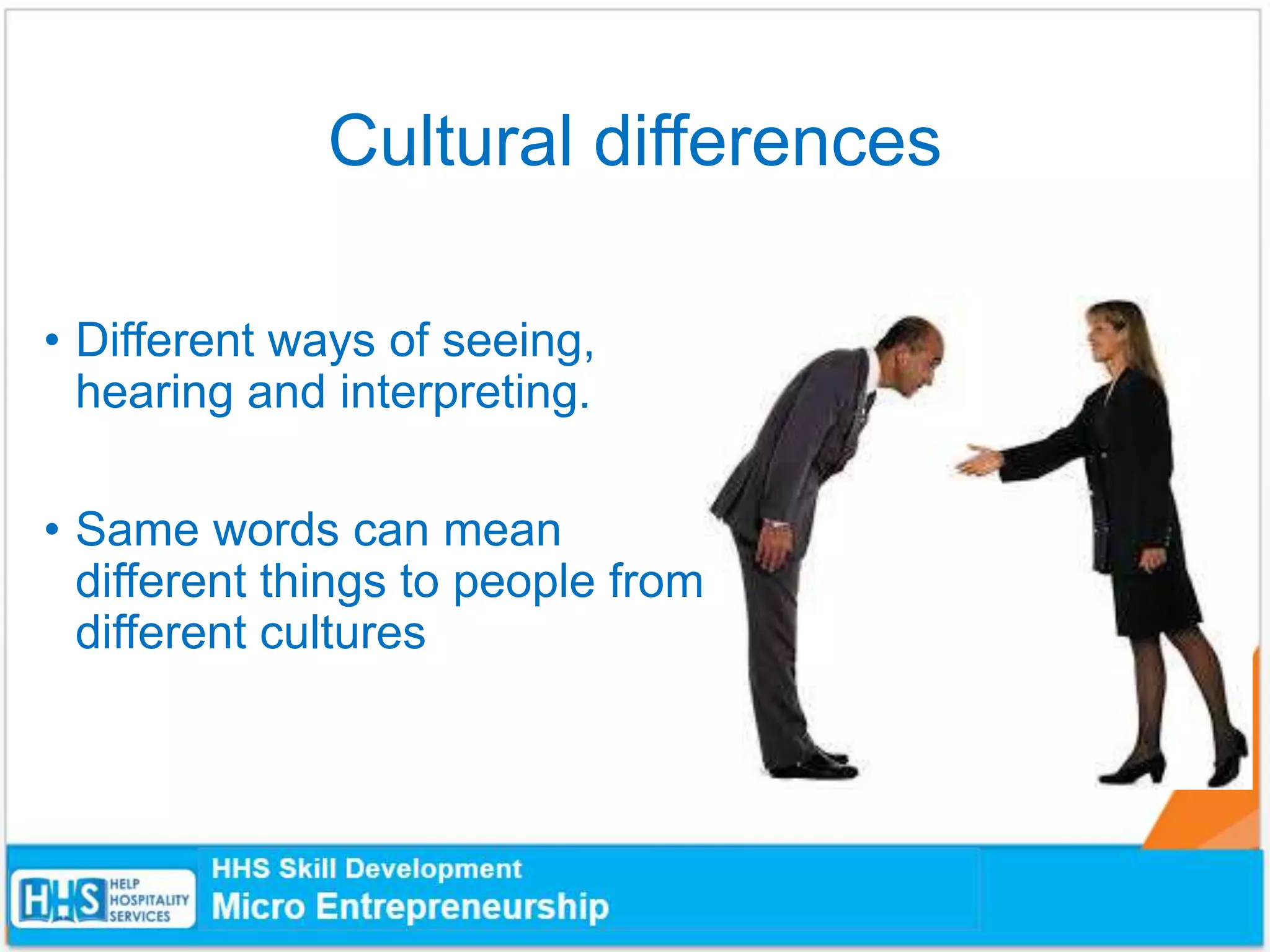
Cultural differences
• Different ways of seeing,
hearing and interpreting.
• Same words can mean
different things to people from
different cultures
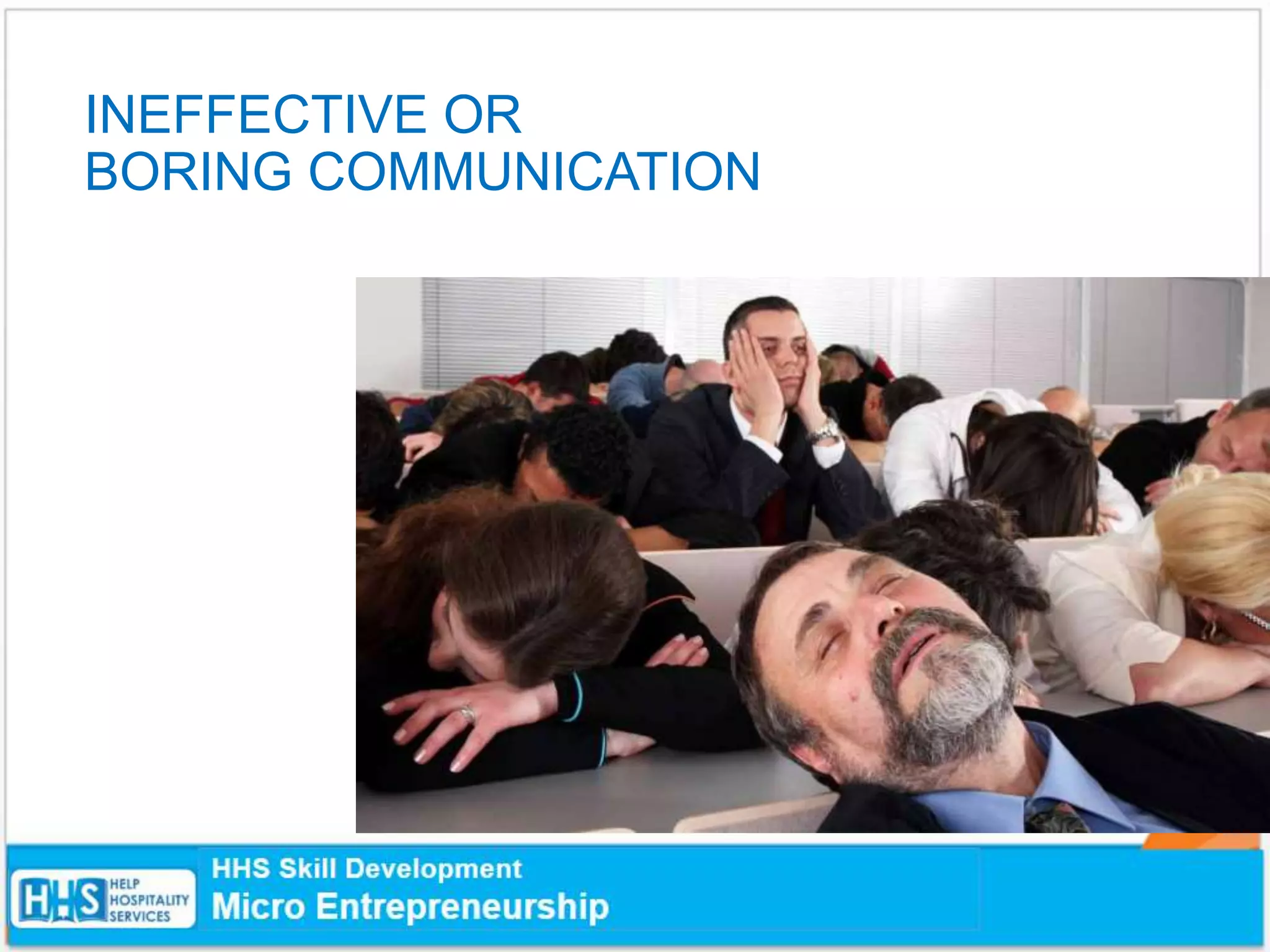
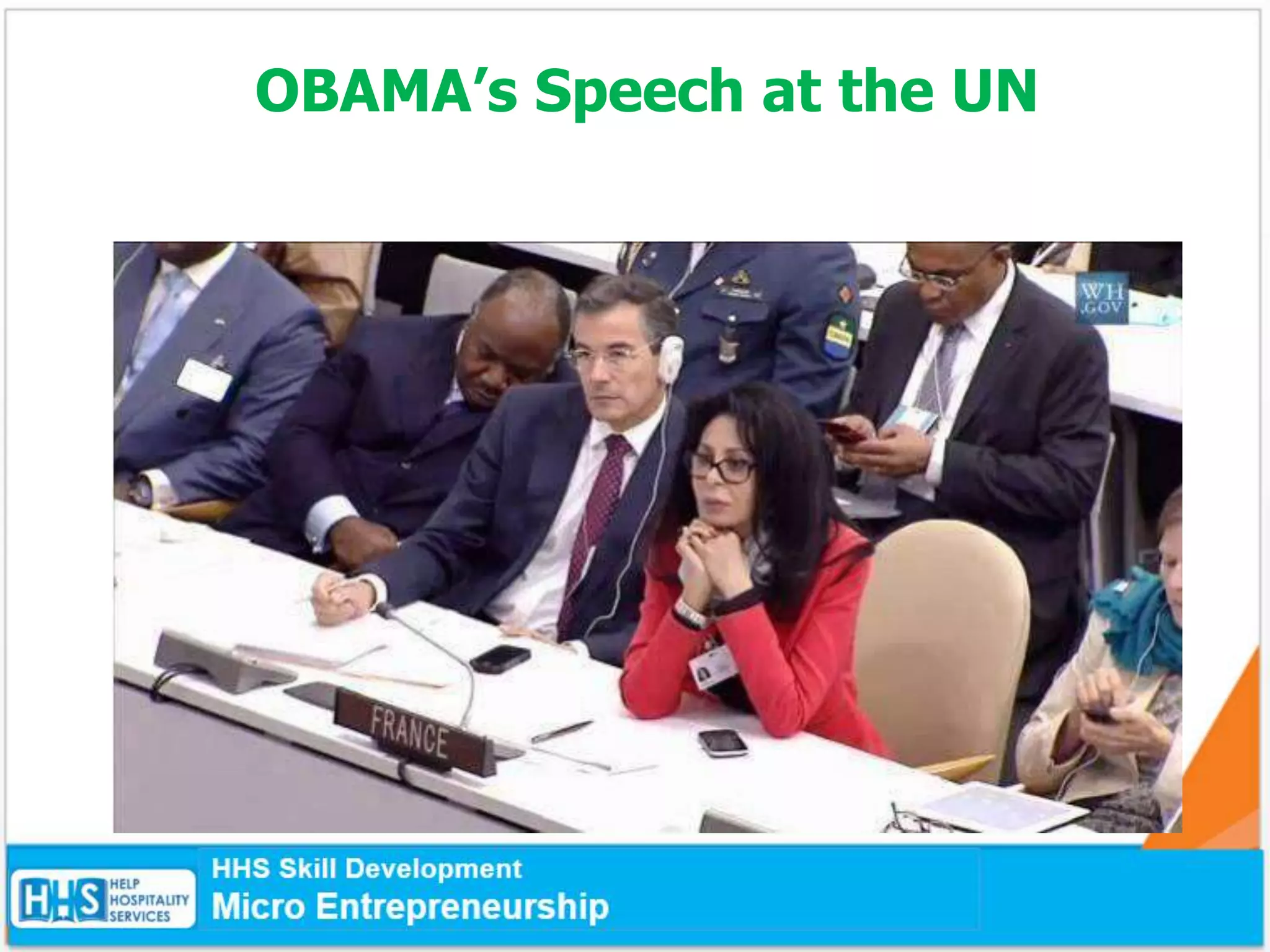
INEFFECTIVE OR
BORING COMMUNICATION
OBAMA’s Speech at the UN
EFFECTS
ON RELATIONSHIP
Communication & TEAM spirit
• L'union fait la
force?
• Team spirit
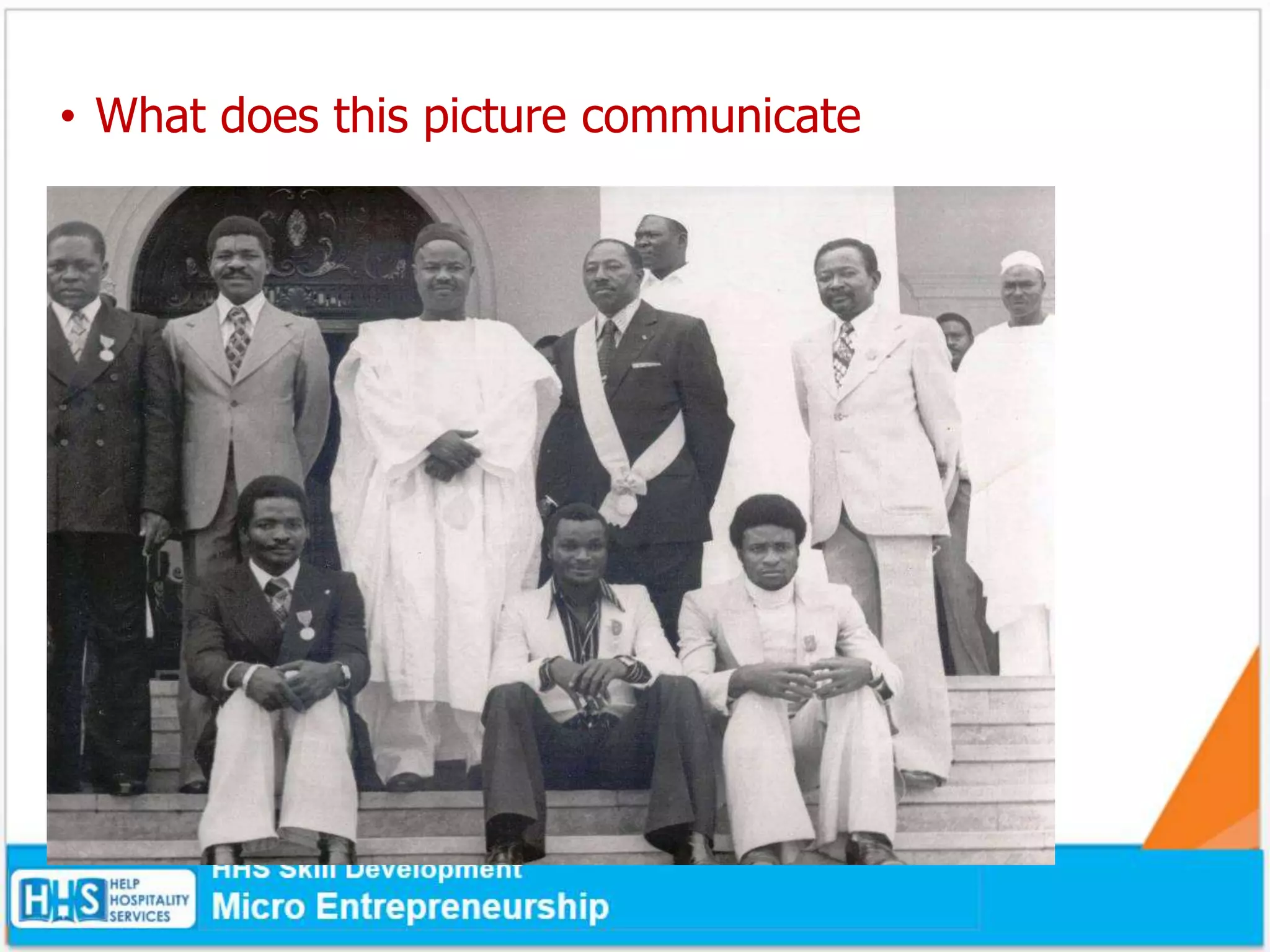
• What does this picture communicate
What do we make of
these dance
patterns yesterday, today and
tomorrow?
• Value system?
• Consequence of
liberal education?
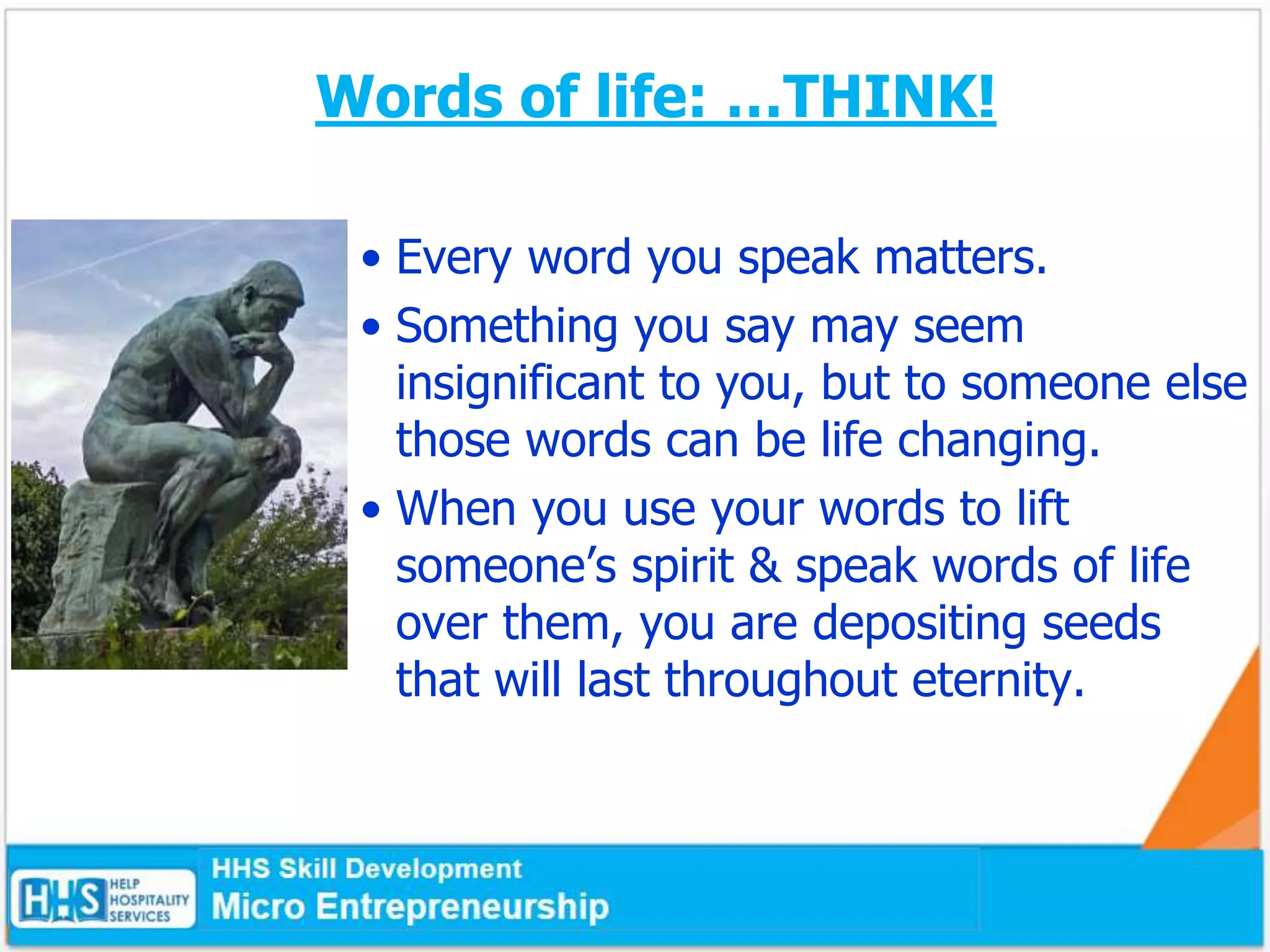
Words of life: …THINK!
• Every word you speak matters.
• Something you say may seem
insignificant to you, but to someone else
those words can be life changing.
• When you use your words to lift
someone’s spirit & speak words of life
over them, you are depositing seeds
that will last throughout eternity.
Conclusion
When effective communication occurs, there is a
mutual sharing of ideas and feelings out of which
understanding develops and action is taken.
The greater the agreement between the sender and
receiver regarding the symbols used, the greater the
probability of understanding occurring between the
two parties.
Through effective communication, relationships are
built, trust is established, and respect is gained.
Hhs  effective communication ppt

Hhs effective communication ppt

  • 1.
  • 2.
    What is thisimage telling us?
  • 3.
    Opportunities  Theory Review The Communication process  Effective communication skills  Barriers  7 Cs to Effective Communication  Conclusion.
  • 4.
    1.Theory Review • Effective? •Communication? • Effective communication? • Skills? • Process?
  • 5.
    Effective Communication • Whenthe stimulus as it was initiated and intended by the sender, or source(S), corresponds closely with the stimulus as it is perceived and responded to by the receiver (R). Receiver’s Meaning R/S = = 1 Sender’s Meaning
  • 6.
    Understanding Communication It istwo(2) Way. Involves exchange of information between a sender and a receiver. The meaning is not in the spoken words, but rather in the mind of the receiver.
  • 7.
    • Three Phase –Before – During – After
  • 8.
    Misconceptions • Quantity isno guarantee for quality. - Ex: • Frequency of communication is no measure of how effectively people communicate. - Ex:
  • 9.
    The Communication Equation •What you HEAR • Tone of voice 40% of the message • Vocal clarity • Verbal expressiveness • What you SEE OR FEEL • Facial expression • Dress and grooming 50% of the message • Posture • Eye contact • Touch • Gesture • WORDS … 10% of the message!
  • 10.
  • 11.
    Understanding the Process A- B Sender Receiver Transmittal of Message Feedback Knowledge Experience Values Prior Observations Mind’s Eye Meaning
  • 12.
  • 13.
    Understanding the Process •The receiver gives meaning to the message based on background knowledge, experience, values, and prior observations. • The sender must strive to transmit the message using symbols familiar to the receiver.
  • 14.
    3. Effective Communication Skills Effective Communicationskills Eye contact & visible mouth Body language Silence Checking for understanding Smiling face Summarising what has been said Encouragement to continue Some questions
  • 15.
    WAYS TO EFFECTIVECOMMUNICATION Pause before responding • During conversation, take a second before responding with an answer. • It is the efficient way of understanding what others have said or to formulate messages from your thoughts you really want to convey.
  • 16.
    Skills • Communication skillsinvolve: • Listening to others (Receiving) • Asserting/ Expressing (Sending) • Barriers to communication can lead to misunderstanding and confusion sender receiver sender receiver values and attitudes “generation gap” Cultural differences language noise hearing
  • 18.
    Barriers to EffectiveCommunication Barriers to effective communication Language Differences Distractions: Noise, etc Time Assumptions, Misconceptions Other people Put downsToo many questions Distance Discomfort with the topic Disability Lack of interest Emotions Inappropriate Skills. Inappropriate Medium
  • 19.
    Reducing Communication Barriers •Establishing effective interpersonal relations • Managing position power • Being an active listener • Acquiring feedback • Displaying empathy • Applying ethics to the conversation
  • 20.
    The Art ofListening • “If we were supposed to talk more than listen, we would have been given two mouths and one ear.” Mark Twain
  • 21.
  • 22.
    EFFECT OF NEGETIVEOR INEFFECTIVE COMMUNICATION •CONFLICTS •STRESS •Wrong medical diagnosis •Broken homes •Unfinished business
  • 23.
    4. BARRIERS • Cultural •Physical • Environmental • Emotional • Language • Gender • Use Of Jargons • Poor Timing • Wrong Channel • Attitude Towards Sender • Unclear Message • Background Noise
  • 24.
    DISTRACTIONS • Coming lateto a presentation and have missed some points. • Phone ringing • Humming of an air- conditioner • Clock ticks in a room
  • 25.
    Cultural differences • Differentways of seeing, hearing and interpreting. • Same words can mean different things to people from different cultures
  • 26.
  • 27.
  • 28.
  • 29.
    Communication & TEAMspirit • L'union fait la force? • Team spirit
  • 30.
    • What doesthis picture communicate
  • 31.
    What do wemake of these dance patterns yesterday, today and tomorrow? • Value system? • Consequence of liberal education?
  • 32.
    Words of life:…THINK! • Every word you speak matters. • Something you say may seem insignificant to you, but to someone else those words can be life changing. • When you use your words to lift someone’s spirit & speak words of life over them, you are depositing seeds that will last throughout eternity.
  • 33.
    Conclusion When effective communicationoccurs, there is a mutual sharing of ideas and feelings out of which understanding develops and action is taken. The greater the agreement between the sender and receiver regarding the symbols used, the greater the probability of understanding occurring between the two parties. Through effective communication, relationships are built, trust is established, and respect is gained.