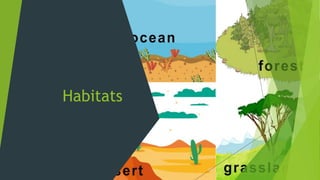
Habitats
Objective ! What
you will learn today
?
 Explain that organisms found in two
different habitats differ because of
differences in the living conditions
due to environmental factors for
example, the availability of light,
water, vegetation and climate.
By end of lesson you would be able to
TELL WHAT IS HABITAT WHAT ARE DIFFERENT HABITATS DRAW A COMPARISON
BETWEEN4 MAIN HABITATS
BASED ON 3 MAIN FEATURES
Can you tell me
 What do animals need to survive ?
 Which factors affect the life of animals living in a habitat?
 Where does (dog/cat) animal like to rest?
 What do animals eat? Where do they get their food from?
 Do animals need anything to stay safe from predators
 Write answers in chat box please
What is a habitat?
A HABITAT IS A PLACE WHERE
ANIMALS OR PLANTS LIVE.
WHERE THEY GET WATER,
FOOD AND SHELTER
Habitat- let’s define
A habitat is a place where an organism makes its home. A habitat meets
all the environmental conditions an organism needs to survive. For
an animal, that means everything it needs to find and gather food,
select a mate, and successfully reproduce.
The main components of a habitat are shelter, water, food, and space.
A habitat is said to have a suitable arrangement when it has the correct
amount of all of these. Sometimes, a habitat can meet some
components of a suitable arrangement, but not all.
Habitat
An area where a particular animal naturally lives.
Different animals live in different places.
An animal's habitat provides it with air, water,
food and shelter.
The home of an animal is found within its habitat.
Example:- A lion home is den and the forest is its
habitat.
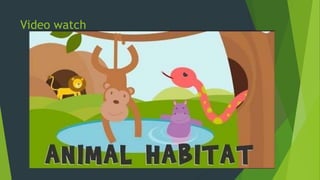
Video watch
Animals live in
different
habitats.
 Desert
 Rainforest (jungle)
 Artic and Antarctic.
 Ocean
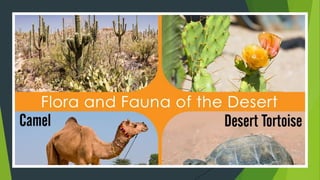
DESERTS
 Deserts are very hot and
dry. There aren't many
animals or plants. There
are alot of kinds of cactis.
 Desert animals sleep
during the day and hunt at
night when the desert is
cool
 Deserts are the driest
places on Earth—they get
fewer than 10 inches (25
centimeters) of rain a year.
 Example:- Camels,
rattlesnakes and ground
squirrels
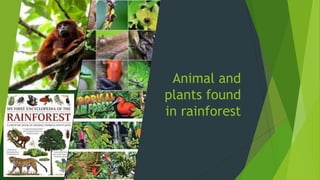
Animal and
plants found
in rainforest
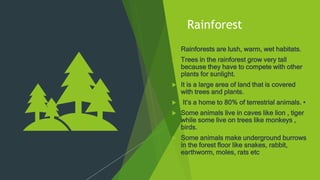
Rainforest
 Rainforests are lush, warm, wet habitats.
 Trees in the rainforest grow very tall
because they have to compete with other
plants for sunlight.
 It is a large area of land that is covered
with trees and plants.
 It’s a home to 80% of terrestrial animals. •
 Some animals live in caves like lion , tiger
while some live on trees like monkeys ,
birds.
 Some animals make underground burrows
in the forest floor like snakes, rabbit,
earthworm, moles, rats etc
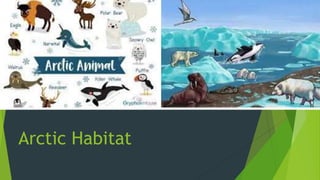
Arctic Habitat
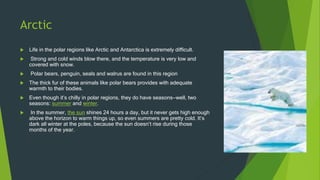
Arctic
 Life in the polar regions like Arctic and Antarctica is extremely difficult.
 Strong and cold winds blow there, and the temperature is very low and
covered with snow.
 Polar bears, penguin, seals and walrus are found in this region
 The thick fur of these animals like polar bears provides with adequate
warmth to their bodies.
 Even though it’s chilly in polar regions, they do have seasons—well, two
seasons: summer and winter.
 In the summer, the sun shines 24 hours a day, but it never gets high enough
above the horizon to warm things up, so even summers are pretty cold. It’s
dark all winter at the poles, because the sun doesn’t rise during those
months of the year.
Ocean habitat
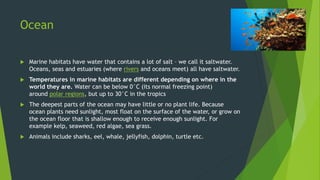
Ocean
 Marine habitats have water that contains a lot of salt – we call it saltwater.
Oceans, seas and estuaries (where rivers and oceans meet) all have saltwater.
 Temperatures in marine habitats are different depending on where in the
world they are. Water can be below 0°C (its normal freezing point)
around polar regions, but up to 30°C in the tropics
 The deepest parts of the ocean may have little or no plant life. Because
ocean plants need sunlight, most float on the surface of the water, or grow on
the ocean floor that is shallow enough to receive enough sunlight. For
example kelp, seaweed, red algae, sea grass.
 Animals include sharks, eel, whale, jellyfish, dolphin, turtle etc.
Book reading
Text book page 1 till page 6
Have pencil in your hand
Let’s wrap up-
check your
understanding
 https://www.cserc.org/sierra-
fun/games/match-habitat/
 Lets take this online quiz to see if you
can tell which animal belongs to which
habitat
Task to do
Task 1 :
 Take a walk around the front garden or terrace
to explore different habitats record different
animals and plants found in them then do
workbook page1, 2 and 3 ( If you don’t have a
lawn, you can use the picture on right to do
this question, find as many as habitats you
can and fill the tables on workbook pages
In page 1 , you have to list down habitats in this
garden
On page 3 you have to list down plants and
animals found in this habitat
Task 2:
 Answer following question on your neat copy ( write day/date, draw margin line
and write topic Habitats) Assessed CW
Q1 write 2 features of each habitat below, illustrate your work to show
understanding of each habitat
1. Desert
2. Ocean
3. Forest
4. Arctic

Habitats

  • 1.
  • 2.
    Objective ! What youwill learn today ?  Explain that organisms found in two different habitats differ because of differences in the living conditions due to environmental factors for example, the availability of light, water, vegetation and climate.
  • 3.
    By end oflesson you would be able to TELL WHAT IS HABITAT WHAT ARE DIFFERENT HABITATS DRAW A COMPARISON BETWEEN4 MAIN HABITATS BASED ON 3 MAIN FEATURES
  • 4.
    Can you tellme  What do animals need to survive ?  Which factors affect the life of animals living in a habitat?  Where does (dog/cat) animal like to rest?  What do animals eat? Where do they get their food from?  Do animals need anything to stay safe from predators  Write answers in chat box please
  • 5.
    What is ahabitat? A HABITAT IS A PLACE WHERE ANIMALS OR PLANTS LIVE. WHERE THEY GET WATER, FOOD AND SHELTER
  • 6.
    Habitat- let’s define Ahabitat is a place where an organism makes its home. A habitat meets all the environmental conditions an organism needs to survive. For an animal, that means everything it needs to find and gather food, select a mate, and successfully reproduce. The main components of a habitat are shelter, water, food, and space. A habitat is said to have a suitable arrangement when it has the correct amount of all of these. Sometimes, a habitat can meet some components of a suitable arrangement, but not all.
  • 7.
    Habitat An area wherea particular animal naturally lives. Different animals live in different places. An animal's habitat provides it with air, water, food and shelter. The home of an animal is found within its habitat. Example:- A lion home is den and the forest is its habitat.
  • 8.
  • 9.
    Animals live in different habitats. Desert  Rainforest (jungle)  Artic and Antarctic.  Ocean
  • 11.
    DESERTS  Deserts arevery hot and dry. There aren't many animals or plants. There are alot of kinds of cactis.  Desert animals sleep during the day and hunt at night when the desert is cool  Deserts are the driest places on Earth—they get fewer than 10 inches (25 centimeters) of rain a year.  Example:- Camels, rattlesnakes and ground squirrels
  • 12.
  • 13.
    Rainforest  Rainforests arelush, warm, wet habitats.  Trees in the rainforest grow very tall because they have to compete with other plants for sunlight.  It is a large area of land that is covered with trees and plants.  It’s a home to 80% of terrestrial animals. •  Some animals live in caves like lion , tiger while some live on trees like monkeys , birds.  Some animals make underground burrows in the forest floor like snakes, rabbit, earthworm, moles, rats etc
  • 14.
  • 15.
    Arctic  Life inthe polar regions like Arctic and Antarctica is extremely difficult.  Strong and cold winds blow there, and the temperature is very low and covered with snow.  Polar bears, penguin, seals and walrus are found in this region  The thick fur of these animals like polar bears provides with adequate warmth to their bodies.  Even though it’s chilly in polar regions, they do have seasons—well, two seasons: summer and winter.  In the summer, the sun shines 24 hours a day, but it never gets high enough above the horizon to warm things up, so even summers are pretty cold. It’s dark all winter at the poles, because the sun doesn’t rise during those months of the year.
  • 16.
  • 17.
    Ocean  Marine habitatshave water that contains a lot of salt – we call it saltwater. Oceans, seas and estuaries (where rivers and oceans meet) all have saltwater.  Temperatures in marine habitats are different depending on where in the world they are. Water can be below 0°C (its normal freezing point) around polar regions, but up to 30°C in the tropics  The deepest parts of the ocean may have little or no plant life. Because ocean plants need sunlight, most float on the surface of the water, or grow on the ocean floor that is shallow enough to receive enough sunlight. For example kelp, seaweed, red algae, sea grass.  Animals include sharks, eel, whale, jellyfish, dolphin, turtle etc.
  • 18.
    Book reading Text bookpage 1 till page 6 Have pencil in your hand
  • 19.
    Let’s wrap up- checkyour understanding  https://www.cserc.org/sierra- fun/games/match-habitat/  Lets take this online quiz to see if you can tell which animal belongs to which habitat
  • 20.
    Task to do Task1 :  Take a walk around the front garden or terrace to explore different habitats record different animals and plants found in them then do workbook page1, 2 and 3 ( If you don’t have a lawn, you can use the picture on right to do this question, find as many as habitats you can and fill the tables on workbook pages In page 1 , you have to list down habitats in this garden On page 3 you have to list down plants and animals found in this habitat
  • 21.
    Task 2:  Answerfollowing question on your neat copy ( write day/date, draw margin line and write topic Habitats) Assessed CW Q1 write 2 features of each habitat below, illustrate your work to show understanding of each habitat 1. Desert 2. Ocean 3. Forest 4. Arctic