Submitted To:
Dr.Antra Chatterjee
Dr. Harmanjit kaur
Dr.Geeta Devi
Submitted By: Jagriti Dubey
Glossopteridales and Glossopteris
 Glossopteridales included an extinct group of
seed plants (Gymnosperms).
 They were originated during the Permian. period
on the Gondwana Continent.
 They became the dominant vegetation in the
Permian period.
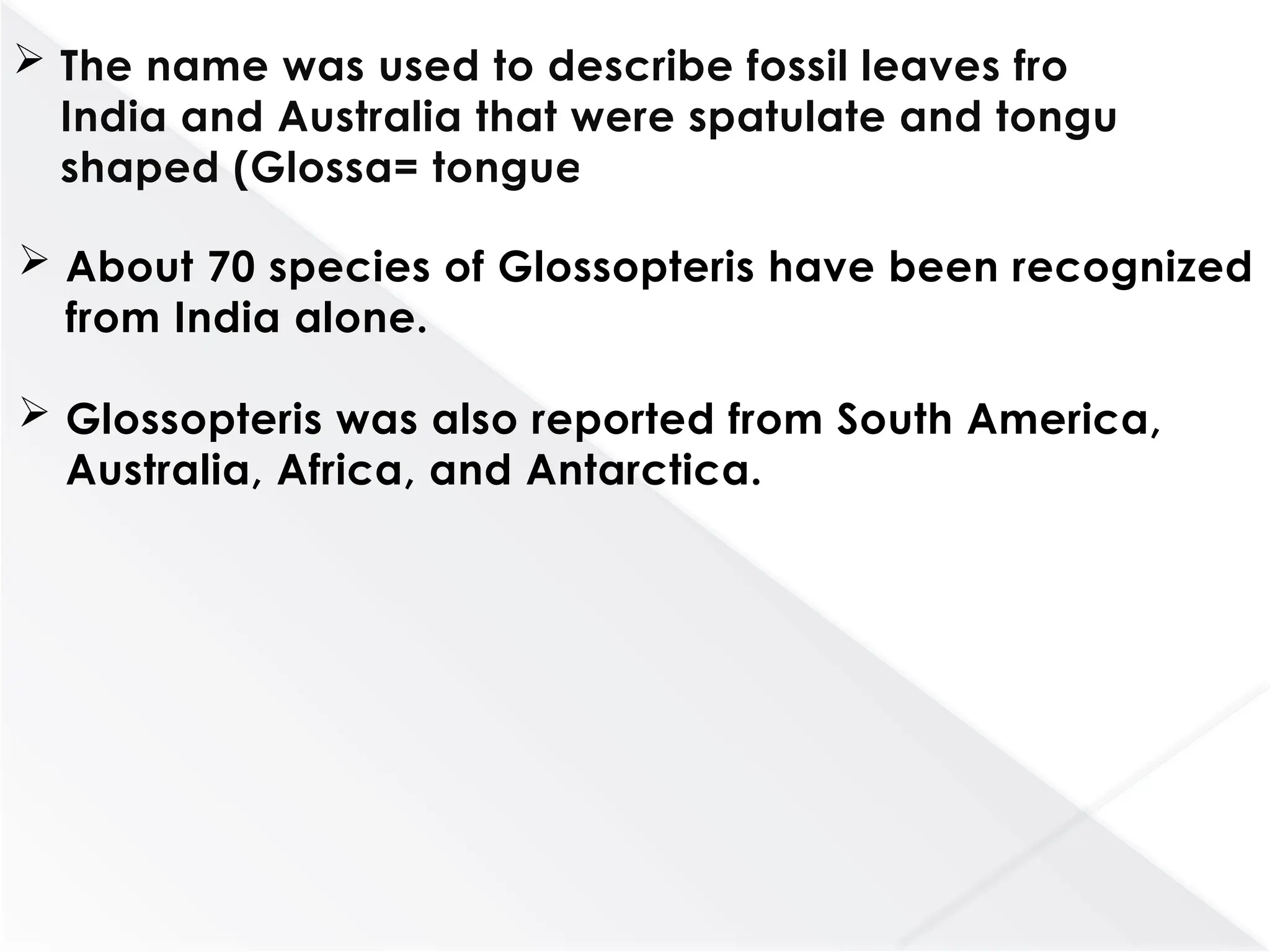
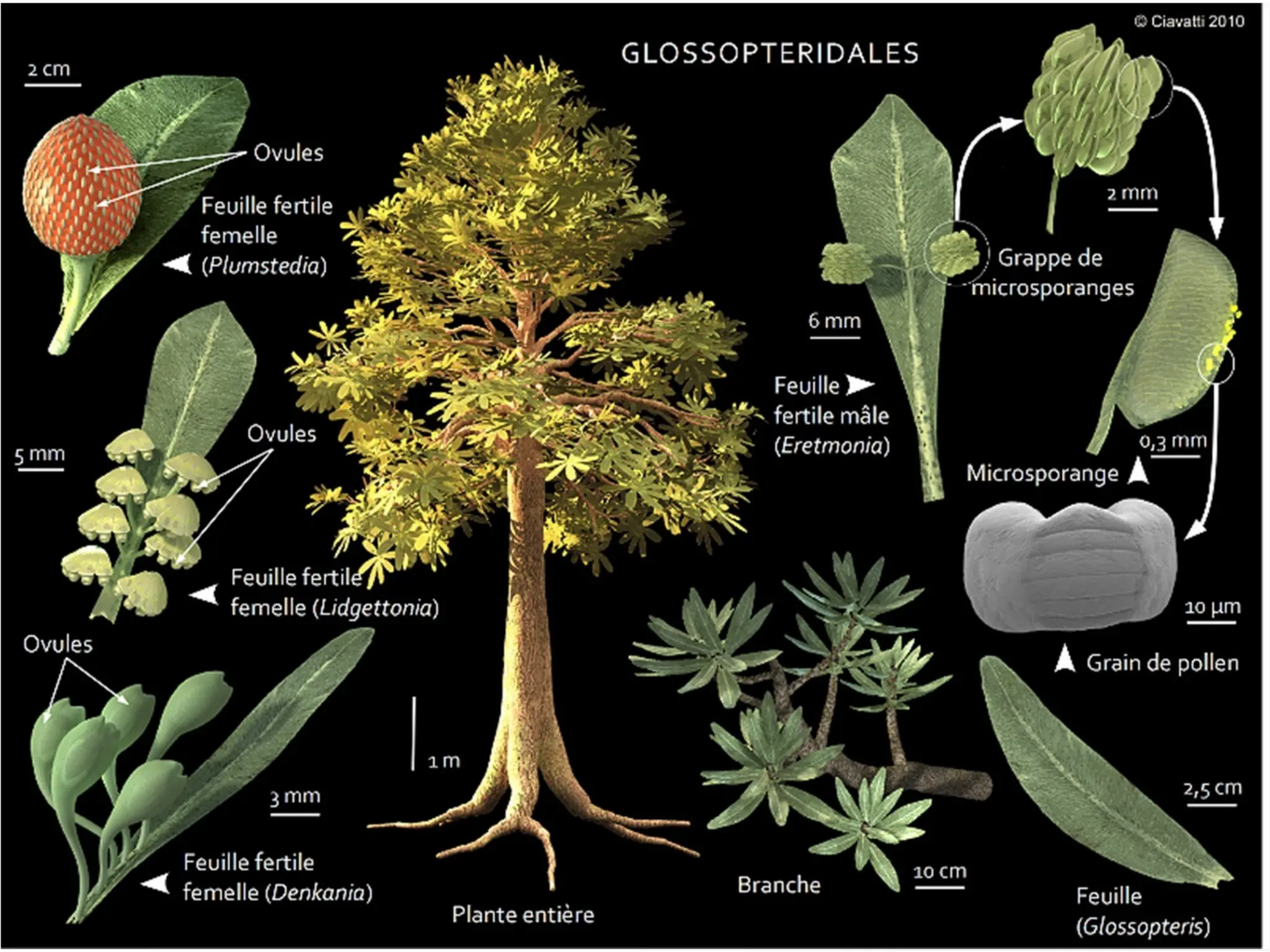
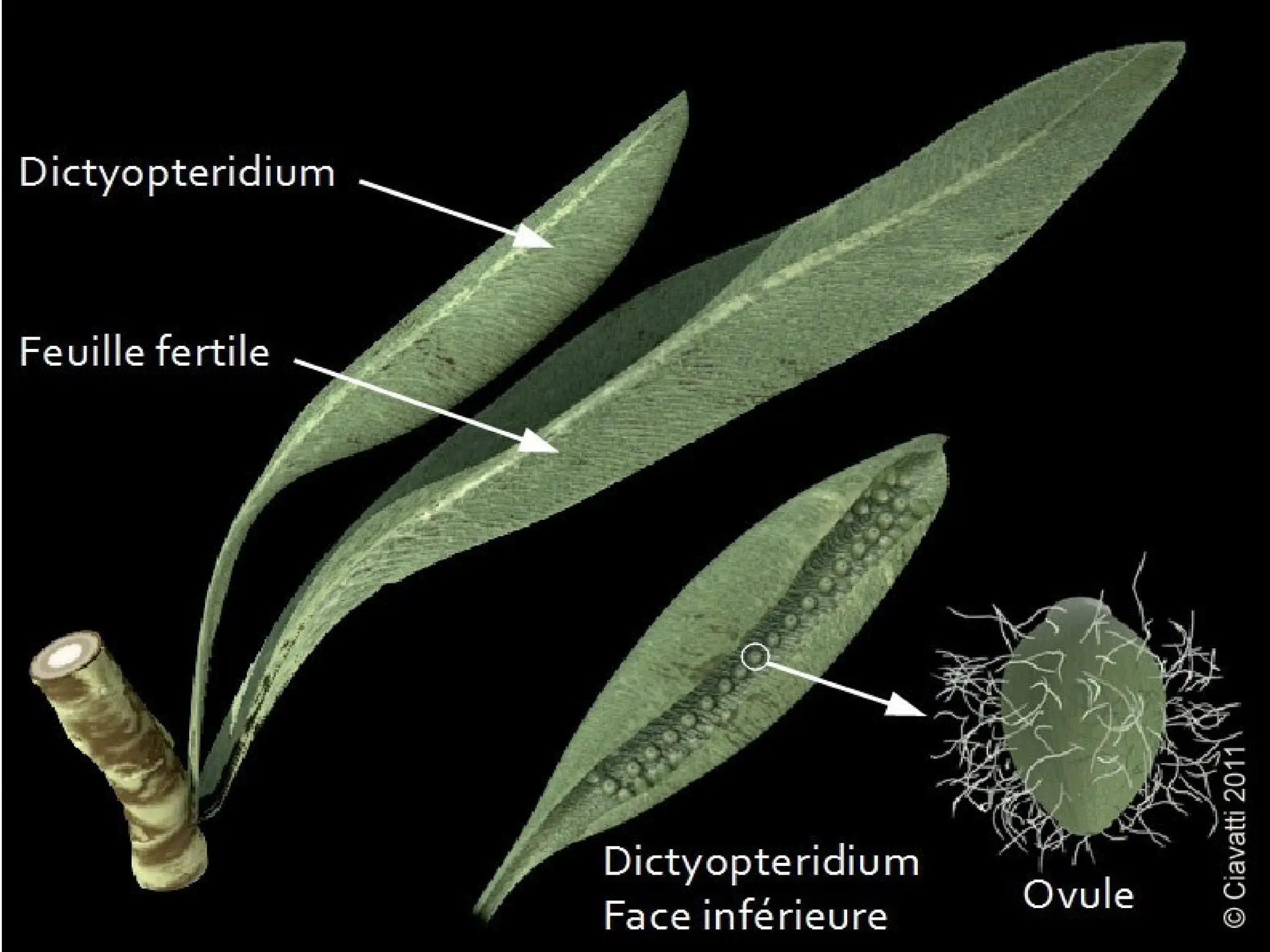
Glossopteris-Leaf shape
 They extinct completely by the end of the
Triassic period.
 The order name derived from the genus
Glossopteris.
 Glossopteris is the best-known member of
Glossopteridales.
 Glossopteris is a leaf.
 The name 'Glossopteris' means 'tongue-fern.'.
Glossopteris-”Tongue Shaped Leaf”
 The name was used to describe fossil leaves from
India and Australia that were spatulate and tongue-
shaped (Glossa= tongue)
 About 70 species of Glossopteris have been recognized
from India alone.
 Glossopteris was also reported from South America,
Australia, Africa, and Antarctica.
Morphology and Anatomy
 A small to medium-sized highly branched tree
 Leaves were dorsiventral
 Leaf lamina was flat in the dorsal side.
 Venations were reticulate
 Veins were parallel but anastomosing.
 Lateral veins originated from the midrib
 Midribs were with tracheids of scalariform or pitted
thickening.
 In the ventral side of the leaf, the midrib and veins were
raised
 Mesophyll was differentiated into palisade and spongy
tissues.
 Stomata were present on the lower surface of the leaf.
 The stomata were haplocheilic type
 Stomata present between the veins.
 Stomata were sunken type, indicate xerophytic
adaptation.
 Stomatal subsidiary cells were papillate.
Important Genera of Glossopteridales
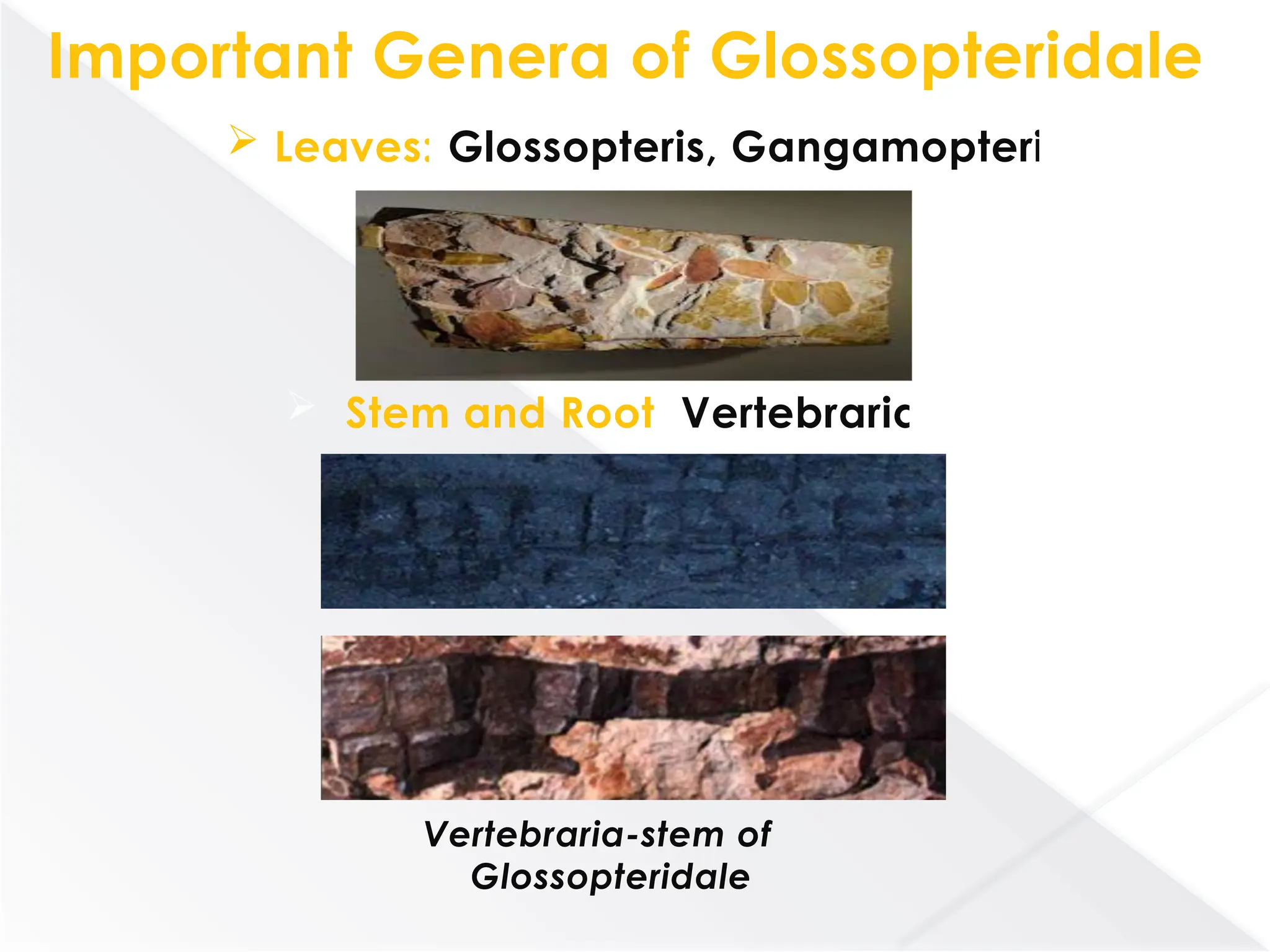
 Leaves: Glossopteris, Gangamopteris
 Stem and Root: Vertebraria
Vertebraria-stem of
Glossopteridales
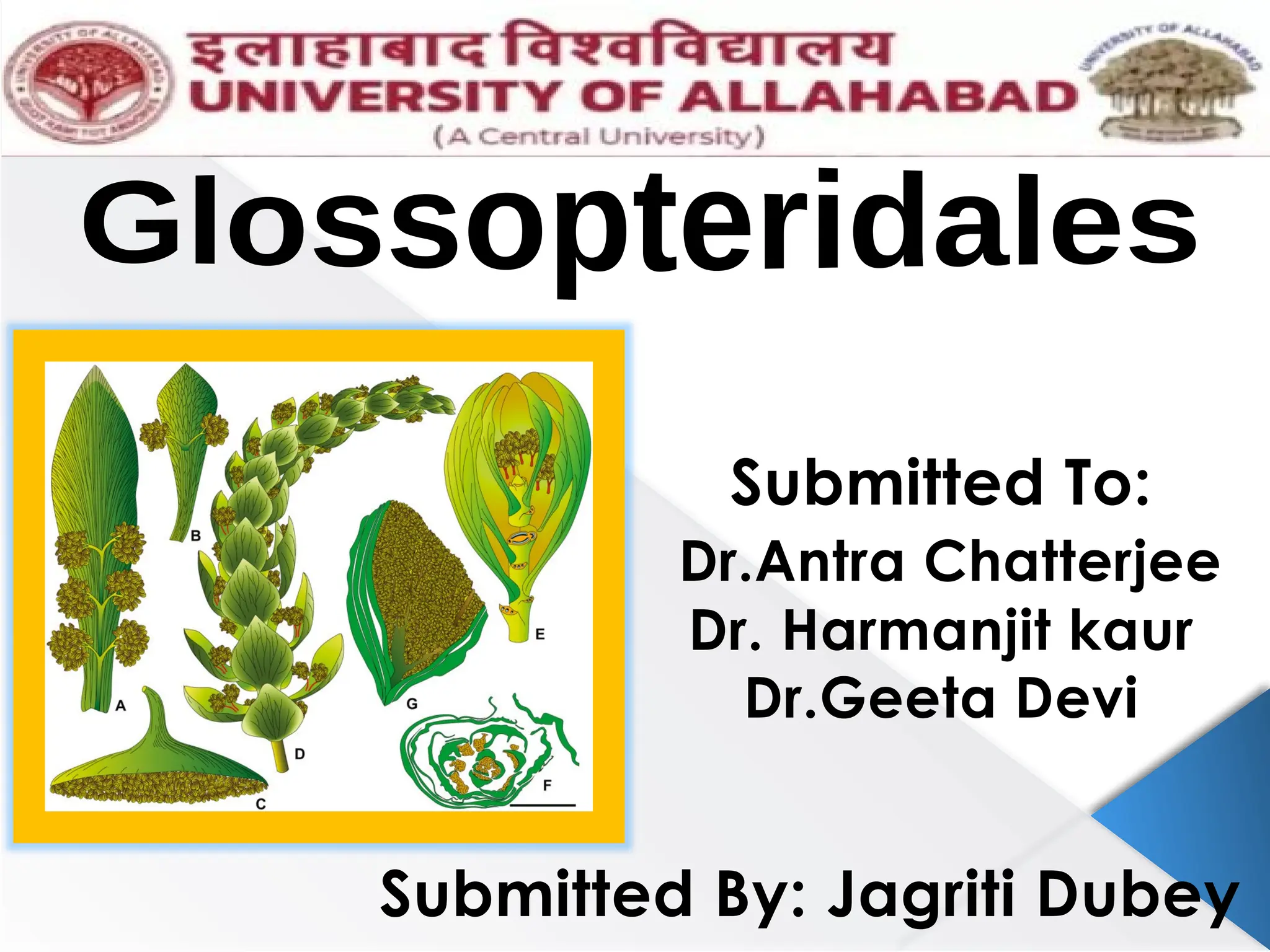
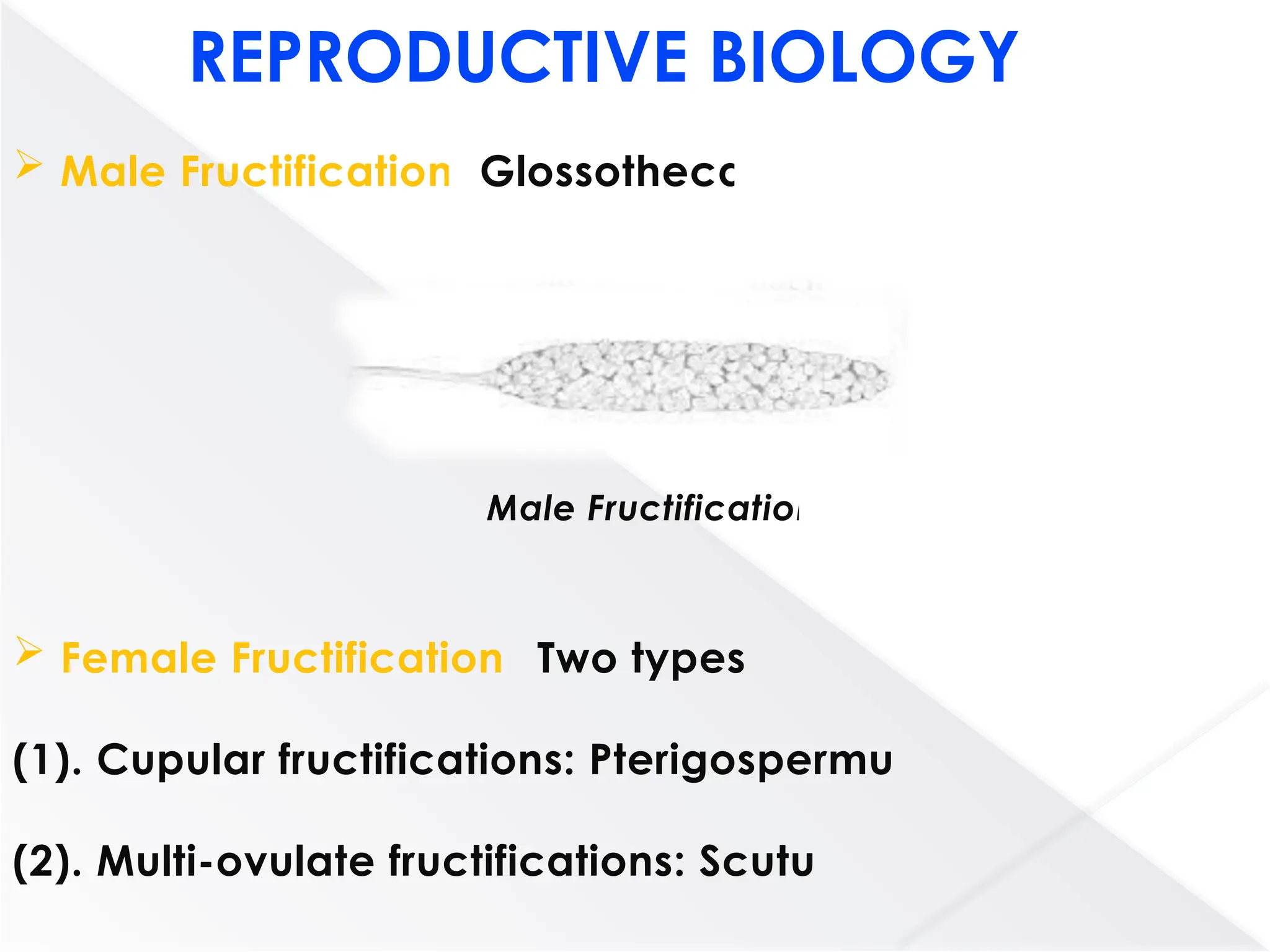
Male Fructification
REPRODUCTIVE BIOLOGY
 Male Fructification: Glossotheca
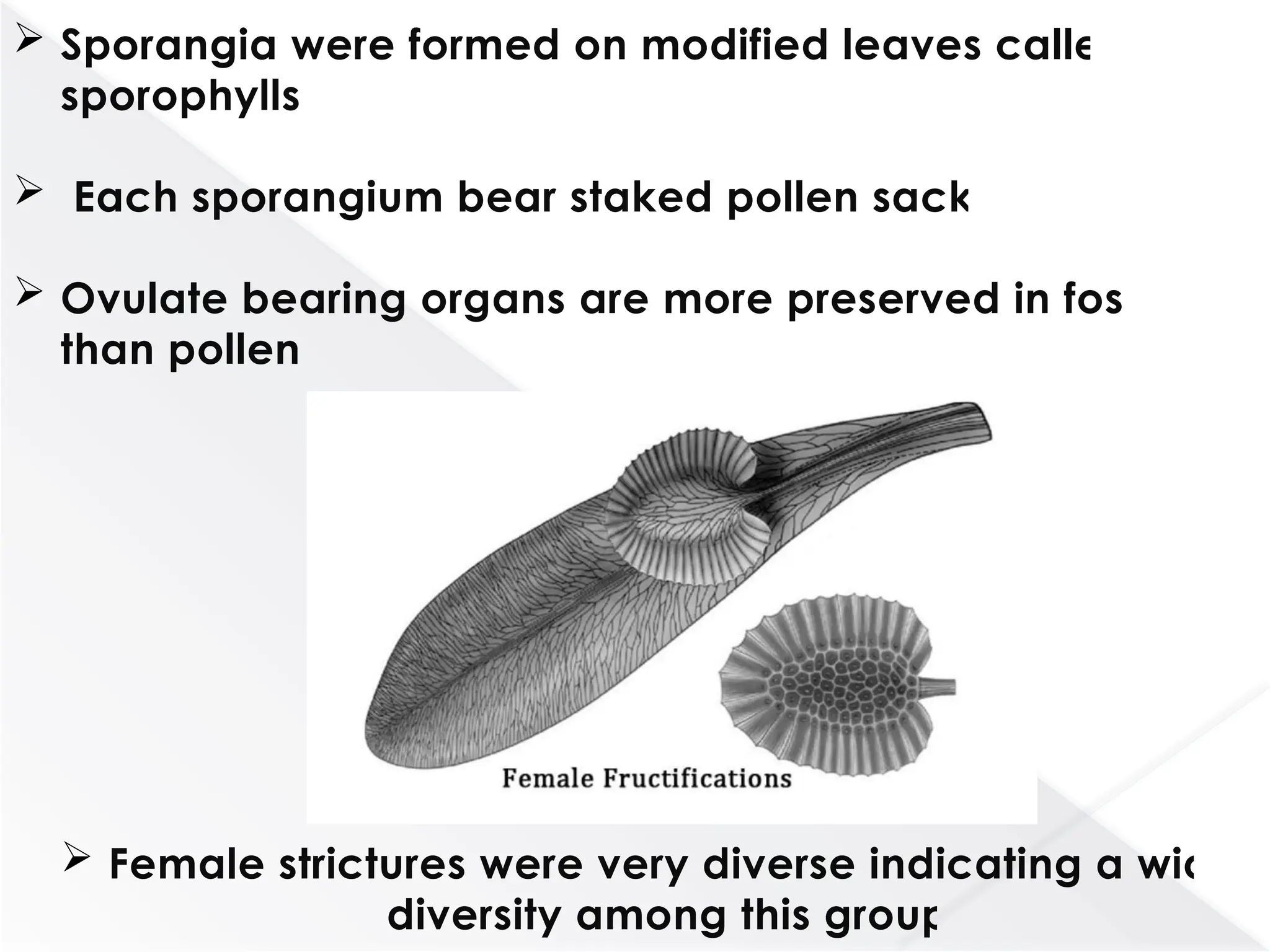
 Female Fructifications Two types:
(1). Cupular fructifications: Pterigospermum
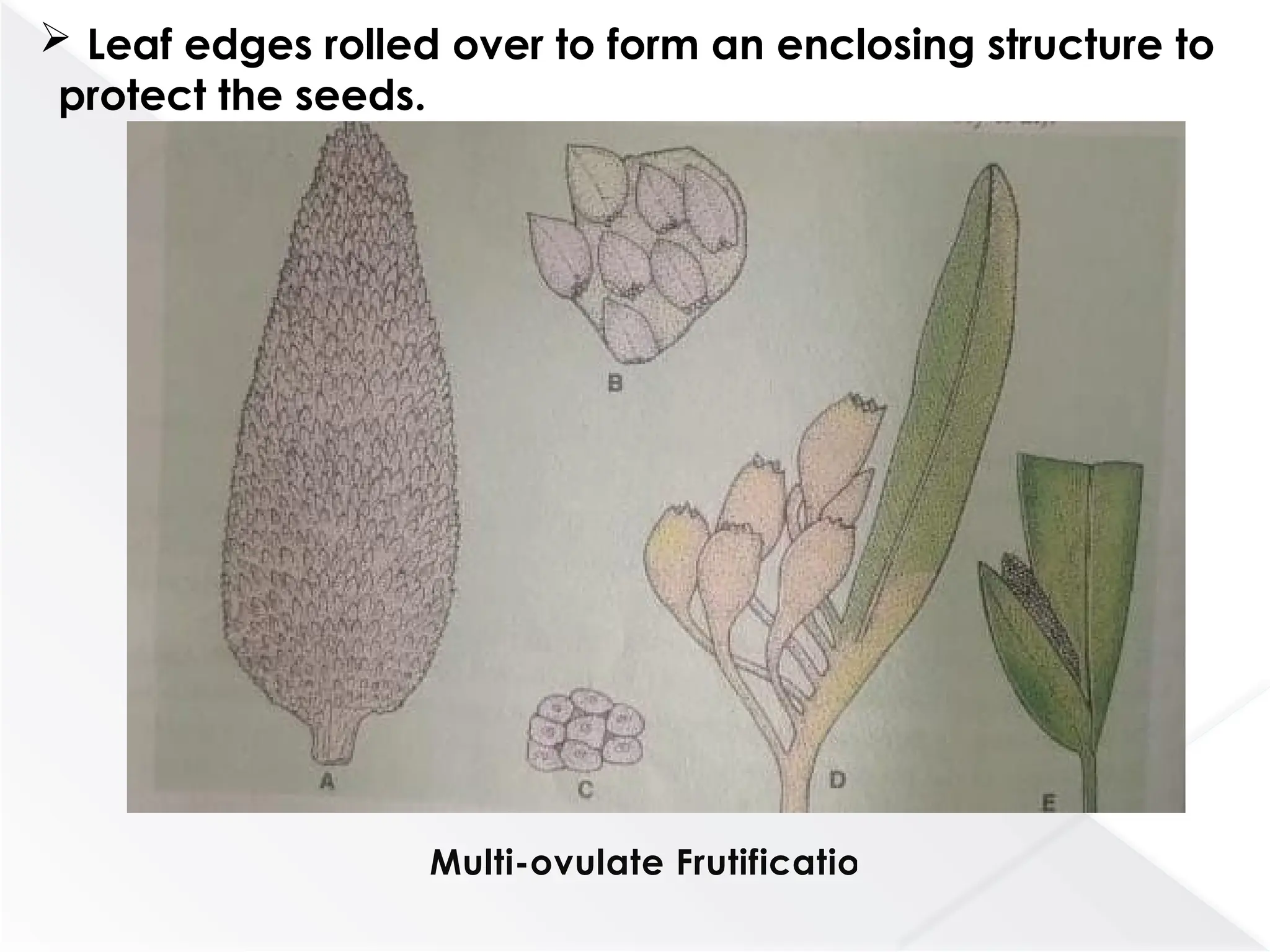
(2). Multi-ovulate fructifications: Scutum
Multi-ovulate Frutification
 Leaf edges rolled over to form an enclosing structure to
protect the seeds.
 Fructifications of the Glossopteridales poorly preserved
in fossils.
 Reproductive structures were unusual as the foliage
leaves.
 Reproductive structures were born on the leaves as in
"Pteridospermales
 Pollen and seeds were produced on separate leaves.
This indicates unisexual strobilus.
 Pollen grains were produced inside the sporangia
 Seeds were produced on the under surface of the
leaves.
 Sporangia were formed on modified leaves called
sporophylls.
 Each sporangium bear staked pollen sacks.
 Ovulate bearing organs are more preserved in fossil
than pollen.
 Female strictures were very diverse indicating a wide
diversity among this group.
 Hairs or trichomes may be present on the leaves.
 The hairs may be branched or unbranched

gymnosperm, Glossopteridales, Glossopteris

  • 1.
    Submitted To: Dr.Antra Chatterjee Dr.Harmanjit kaur Dr.Geeta Devi Submitted By: Jagriti Dubey
  • 2.
    Glossopteridales and Glossopteris Glossopteridales included an extinct group of seed plants (Gymnosperms).  They were originated during the Permian. period on the Gondwana Continent.  They became the dominant vegetation in the Permian period. Glossopteris-Leaf shape
  • 3.
     They extinctcompletely by the end of the Triassic period.  The order name derived from the genus Glossopteris.  Glossopteris is the best-known member of Glossopteridales.  Glossopteris is a leaf.  The name 'Glossopteris' means 'tongue-fern.'. Glossopteris-”Tongue Shaped Leaf”
  • 4.
     The namewas used to describe fossil leaves from India and Australia that were spatulate and tongue- shaped (Glossa= tongue)  About 70 species of Glossopteris have been recognized from India alone.  Glossopteris was also reported from South America, Australia, Africa, and Antarctica.
  • 5.
    Morphology and Anatomy A small to medium-sized highly branched tree  Leaves were dorsiventral  Leaf lamina was flat in the dorsal side.  Venations were reticulate  Veins were parallel but anastomosing.  Lateral veins originated from the midrib  Midribs were with tracheids of scalariform or pitted thickening.
  • 6.
     In theventral side of the leaf, the midrib and veins were raised  Mesophyll was differentiated into palisade and spongy tissues.  Stomata were present on the lower surface of the leaf.  The stomata were haplocheilic type  Stomata present between the veins.  Stomata were sunken type, indicate xerophytic adaptation.  Stomatal subsidiary cells were papillate.
  • 8.
    Important Genera ofGlossopteridales  Leaves: Glossopteris, Gangamopteris  Stem and Root: Vertebraria Vertebraria-stem of Glossopteridales
  • 9.
    Male Fructification REPRODUCTIVE BIOLOGY Male Fructification: Glossotheca  Female Fructifications Two types: (1). Cupular fructifications: Pterigospermum (2). Multi-ovulate fructifications: Scutum
  • 10.
    Multi-ovulate Frutification  Leafedges rolled over to form an enclosing structure to protect the seeds.
  • 12.
     Fructifications ofthe Glossopteridales poorly preserved in fossils.  Reproductive structures were unusual as the foliage leaves.  Reproductive structures were born on the leaves as in "Pteridospermales  Pollen and seeds were produced on separate leaves. This indicates unisexual strobilus.  Pollen grains were produced inside the sporangia  Seeds were produced on the under surface of the leaves.
  • 13.
     Sporangia wereformed on modified leaves called sporophylls.  Each sporangium bear staked pollen sacks.  Ovulate bearing organs are more preserved in fossil than pollen.  Female strictures were very diverse indicating a wide diversity among this group.
  • 14.
     Hairs ortrichomes may be present on the leaves.  The hairs may be branched or unbranched