Download to read offline




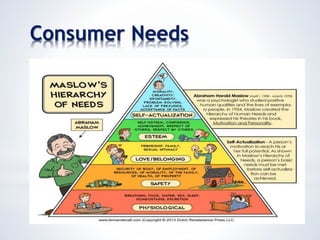
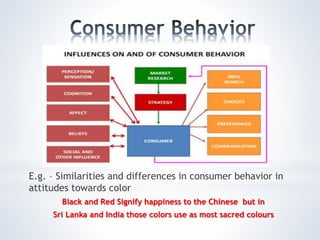







To develop a global strategy, a firm must understand the types of markets it competes in, which can include consumer, business, or government markets. Consumer markets depend on consumers' ability to buy, their needs, and their behavior, which can vary greatly between countries due to factors like income levels, cultural attitudes, and preferences. Segmenting consumer markets allows firms to target specific groups within a country. Business buyers are more predictable globally as they are influenced more by economic factors than social or cultural ones. Government markets involve highly administrative buying processes and negotiating contracts, which sometimes go to the lowest bidder, requiring global marketers to navigate complex bidding. Bribery of government officials can be more common in emerging markets.


![Presentation on market segmentation in foreign markets [autosaved]](https://cdn.slidesharecdn.com/ss_thumbnails/presentationonmarketsegmentationinforeignmarketsautosaved-160922162309-thumbnail.jpg?width=640&height=640&fit=bounds)


