Cellular Expert
GIS applied to
mobile technologymobile technology
Vidas Gruodis
Sales & Marketing Manager
Telecommunication Solutions
HNIT-BALTIC
About HNIT-BALTIC
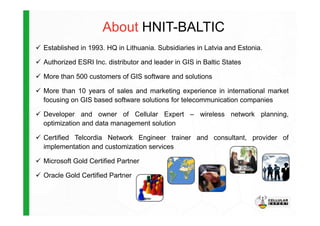
Established in 1993. HQ in Lithuania. Subsidiaries in Latvia and Estonia.
Authorized ESRI Inc. distributor and leader in GIS in Baltic States
More than 500 customers of GIS software and solutions
More than 10 years of sales and marketing experience in international market
focusing on GIS based software solutions for telecommunication companies
Developer and owner of Cellular Expert – wireless network planning,Developer and owner of Cellular Expert – wireless network planning,
optimization and data management solution
Certified Telcordia Network Engineer trainer and consultant, provider of
implementation and customization services
Microsoft Gold Certified Partner
Oracle Gold Certified Partner
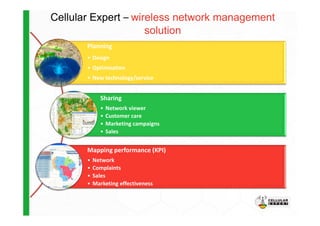
Planning
• Design
• Optimization
• New technology/service
Sharing
• Network viewer
• Customer care
Cellular Expert – wireless network management
solution
• Customer care
• Marketing campaigns
• Sales
Mapping performance (KPI)
• Network
• Complaints
• Sales
• Marketing effectiveness
Cellular Expert: Users & Supported
TechnologiesCellular Expert is dedicated for:
Mobile Network Operators
Telecoms
Utility Companies
Military
Emergency Service Providers
Wireless Internet Providers
Consultancy Service Providers
Other Wireless Network Owners / Administrators
Cellular Expert covers wide range of the wireless systems:
Wireless transmission networks (Microwave)
Mobile networks (GSM, DCS, PCS, NMT, CDMA2000, UMTS/HSPA, LTE)
Broadband wireless access networks (WLL, LMDS, MMDS, WiMAX)
Broadcasting Networks (DAB, DVB-T, DVB-T2)
Military and rescue networks (TETRA, APCO)
Other systems in frequency range up to 40 GHz
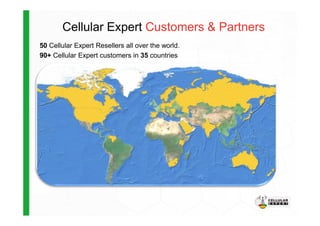
Cellular Expert Customers & Partners
50 Cellular Expert Resellers all over the world.
90+ Cellular Expert customers in 35 countries
Cellular Expert Customers
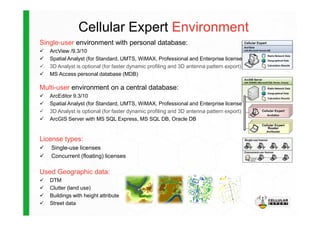
Cellular Expert Environment
Single-user environment with personal database:
ArcView /9.3/10
Spatial Analyst (for Standard, UMTS, WiMAX, Professional and Enterprise licenses).
3D Analyst is optional (for faster dynamic profiling and 3D antenna pattern export)
MS Access personal database (MDB)
Multi-user environment on a central database:
ArcEditor 9.3/10
Spatial Analyst (for Standard, UMTS, WiMAX, Professional and Enterprise licenses)
3D Analyst is optional (for faster dynamic profiling and 3D antenna pattern export)3D Analyst is optional (for faster dynamic profiling and 3D antenna pattern export)
ArcGIS Server with MS SQL Express, MS SQL DB, Oracle DB
License types:
Single-use licenses
Concurrent (floating) licenses
Used Geographic data:
DTM
Clutter (land use)
Buildings with height attribute
Street data
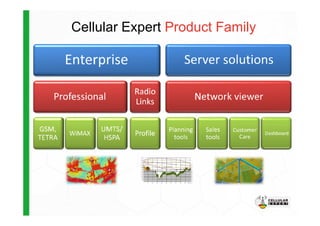
Cellular Expert Product Family
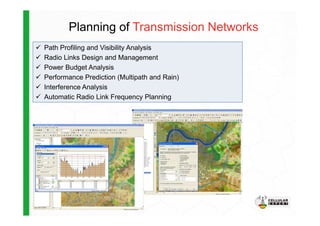
Planning of Transmission Networks
Path Profiling and Visibility Analysis
Radio Links Design and Management
Power Budget Analysis
Performance Prediction (Multipath and Rain)
Interference Analysis
Automatic Radio Link Frequency Planning
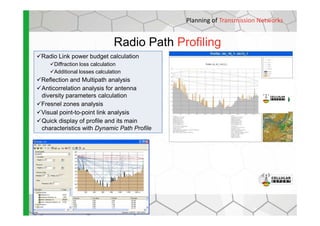
Radio Path Profiling
Planning of Transmission Networks
Radio Link power budget calculation
Diffraction loss calculation
Additional losses calculation
Reflection and Multipath analysis
Anticorrelation analysis for antenna
diversity parameters calculation
Fresnel zones analysis
Visual point-to-point link analysisVisual point-to-point link analysis
Quick display of profile and its main
characteristics with Dynamic Path Profile
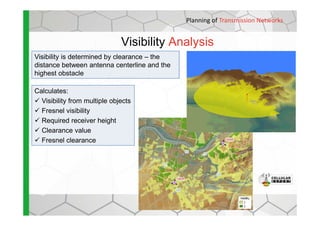
Visibility Analysis
Planning of Transmission Networks
Visibility is determined by clearance – the
distance between antenna centerline and the
highest obstacle
Calculates:
Visibility from multiple objects
Fresnel visibilityFresnel visibility
Required receiver height
Clearance value
Fresnel clearance
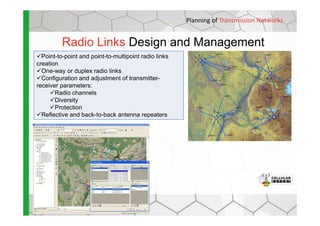
Radio Links Design and Management
Planning of Transmission Networks
Point-to-point and point-to-multipoint radio links
creation
One-way or duplex radio links
Configuration and adjustment of transmitter-
receiver parameters:
Radio channels
Diversity
Protection
Reflective and back-to-back antenna repeatersReflective and back-to-back antenna repeaters
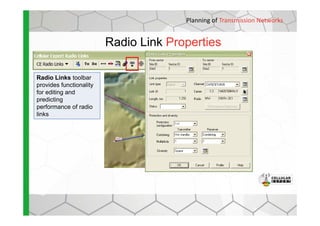
Radio Link Properties
Planning of Transmission Networks
Radio Links toolbar
provides functionality
for editing and
predicting
performance of radio
linkslinks
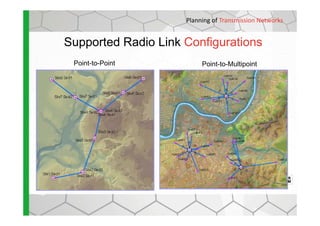
Supported Radio Link Configurations
Planning of Transmission Networks
Point-to-Point Point-to-Multipoint
Planning of Transmission Networks
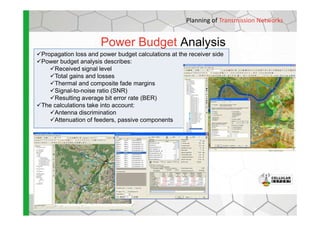
Power Budget Analysis
Propagation loss and power budget calculations at the receiver side
Power budget analysis describes:
Received signal level
Total gains and losses
Thermal and composite fade margins
Signal-to-noise ratio (SNR)
Resulting average bit error rate (BER)
The calculations take into account:
Antenna discriminationAntenna discrimination
Attenuation of feeders, passive components
Planning of Transmission Networks
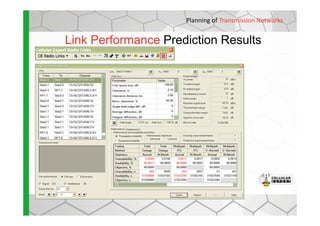
Link Performance Prediction Results
Planning of Transmission Networks
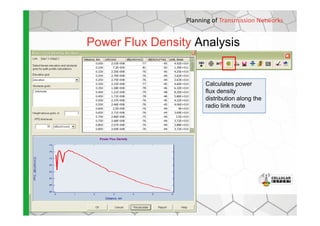
Power Flux Density Analysis
Calculates power
flux density
distribution along the
radio link route
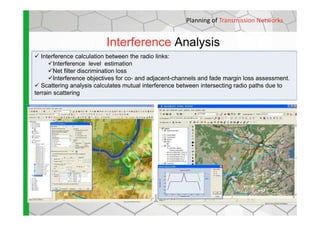
Interference Analysis
Planning of Transmission Networks
Interference calculation between the radio links:
Interference level estimation
Net filter discrimination loss
Interference objectives for co- and adjacent-channels and fade margin loss assessment.
Scattering analysis calculates mutual interference between intersecting radio paths due to
terrain scattering
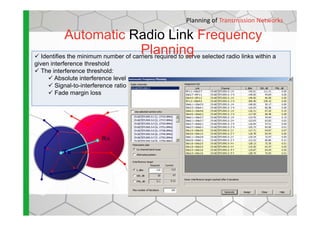
Identifies the minimum number of carriers required to serve selected radio links within a
given interference threshold
The interference threshold:
Absolute interference level
Signal-to-interference ratio
Fade margin loss
Automatic Radio Link Frequency
Planning
Planning of Transmission Networks
Tx
Rx
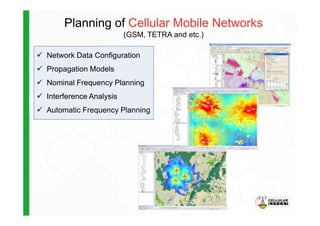
Planning of Cellular Mobile Networks
(GSM, TETRA and etc.)
Network Data Configuration
Propagation Models
Nominal Frequency Planning
Interference Analysis
Automatic Frequency PlanningAutomatic Frequency Planning
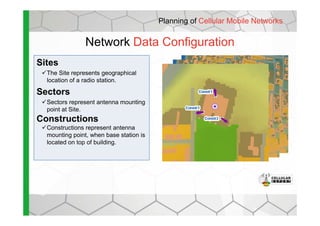
Network Data Configuration
Sites
The Site represents geographical
location of a radio station.
Sectors
Sectors represent antenna mounting
point at Site.
Planning of Cellular Mobile Networks
Constructions
Constructions represent antenna
mounting point, when base station is
located on top of building.
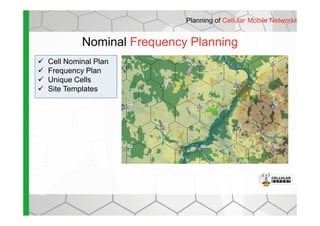
Nominal Frequency Planning
Planning of Cellular Mobile Networks
Cell Nominal Plan
Frequency Plan
Unique Cells
Site Templates
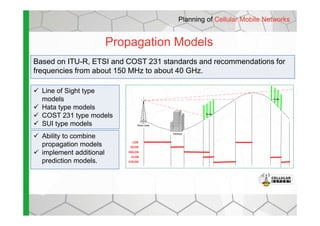
Propagation Models
Planning of Cellular Mobile Networks
Based on ITU-R, ETSI and COST 231 standards and recommendations for
frequencies from about 150 MHz to about 40 GHz.
Line of Sight type
models
Hata type models
COST 231 type models Clutter
Clutter
COST 231 type models
SUI type models
Ability to combine
propagation models
implement additional
prediction models.
Radio tower
Obstacle
Clutter
LOS
OLOS
OOLOS
CLOS
COLOS
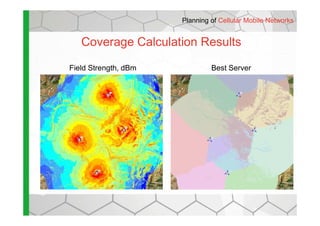
Coverage Calculation Results
Field Strength, dBm Best Server
Planning of Cellular Mobile Networks
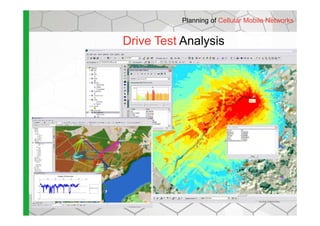
Drive Test Analysis
Planning of Cellular Mobile Networks
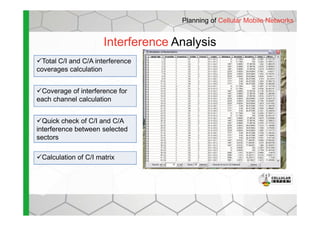
Interference Analysis
Planning of Cellular Mobile Networks
Total C/I and C/A interference
coverages calculation
Coverage of interference for
each channel calculation
Quick check of C/I and C/A
interference between selected
sectors
Calculation of C/I matrix
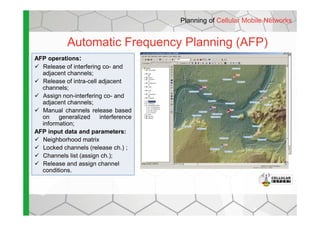
Automatic Frequency Planning (AFP)
AFP operations:
Release of interfering co- and
adjacent channels;
Release of intra-cell adjacent
channels;
Assign non-interfering co- and
adjacent channels;
Manual channels release based
Planning of Cellular Mobile Networks
Manual channels release based
on generalized interference
information;
AFP input data and parameters:
Neighborhood matrix
Locked channels (release ch.) ;
Channels list (assign ch.);
Release and assign channel
conditions.
Planning of Broadcasting Networks
BROADCASTING:
Radio (DAB, etc.)
Television (DVB-T, DVB-T2, etc.)
Other single or multiple frequency networks
Cellular Expert covers the following technologies:
Broadcasting Network Planning
Other single or multiple frequency networks
Broadcasting Network Planning
Network Data Configuration
SFN Coverage
Signal Delay
Coverage Probability
Tasks solved by Cellular Expert:
Coverage Probability
Population coverage statistics
Service Area and SIR, SNIR
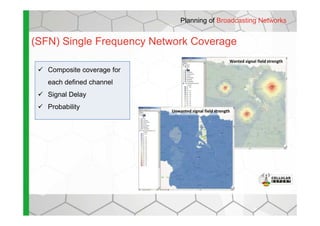
(SFN) Single Frequency Network Coverage
Composite coverage for
each defined channel
Signal Delay
Probability
Unwanted signal field strength
Wanted signal field strength
Planning of Broadcasting Networks
Unwanted signal field strength
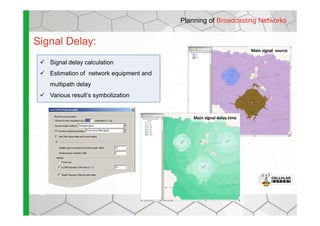
Signal delay calculation
Estimation of network equipment and
multipath delay
Various result’s symbolization
Signal Delay:
Main signal source
Planning of Broadcasting Networks
Main signal delay time
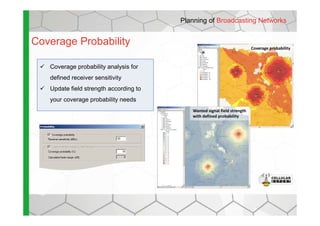
Coverage Probability
Coverage probability analysis for
defined receiver sensitivity
Update field strength according to
your coverage probability needs
Wanted signal field strength
Coverage probability
Planning of Broadcasting Networks
Wanted signal field strength
with defined probability
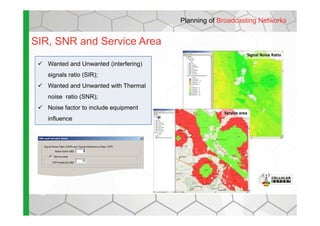
SIR, SNR and Service Area
Wanted and Unwanted (interfering)
signals ratio (SIR);
Wanted and Unwanted with Thermal
noise ratio (SNR);
Noise factor to include equipment
Service area
Signal Noise Ratio
Planning of Broadcasting Networks
influence
Service area
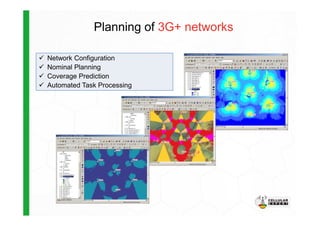
Planning of 3G+ Networks
Network Configuration
Nominal Planning
Coverage Prediction
Automated Task Processing
Planning of 3G+ networks
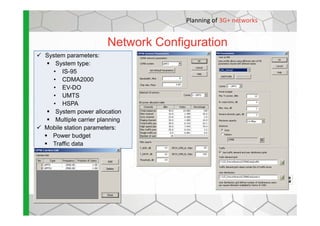
System parameters:
System type:
• IS-95
• CDMA2000
• EV-DO
• UMTS
• HSPA
System power allocation
Network Configuration
Planning of 3G+ networks
System power allocation
Multiple carrier planning
Mobile station parameters:
Power budget
Traffic data
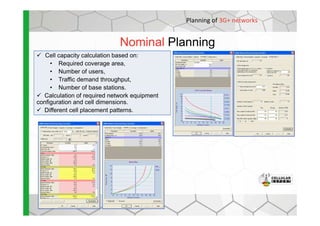
Cell capacity calculation based on:
• Required coverage area,
• Number of users,
• Traffic demand throughput,
• Number of base stations.
Calculation of required network equipment
configuration and cell dimensions.
Different cell placement patterns.
Nominal Planning
Planning of 3G+ networks
Different cell placement patterns.
Coverage Prediction
Planning of 3G+ networks
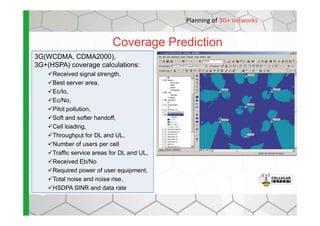
3G(WCDMA, CDMA2000),
3G+(HSPA) coverage calculations:
Received signal strength,
Best server area,
Ec/Io,
Ec/No,
Pilot pollution,
Soft and softer handoff,
Cell loading,
Throughput for DL and UL,
Number of users per cell
Traffic service areas for DL and UL,
Received Eb/No
Required power of user equipment,
Total noise and noise rise,
HSDPA SINR and data rate
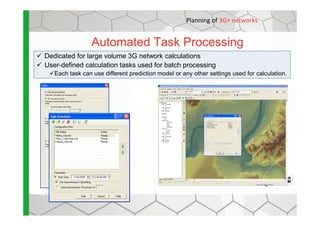
Automated Task Processing
Planning of 3G+ networks
Dedicated for large volume 3G network calculations
User-defined calculation tasks used for batch processing
Each task can use different prediction model or any other settings used for calculation.
Monte Carlo Traffic simulations
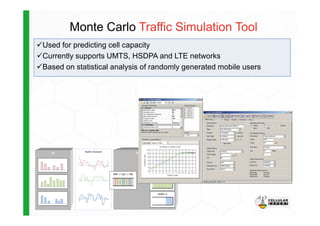
Monte Carlo Traffic Simulation Tool
Used for predicting cell capacity
Currently supports UMTS, HSDPA and LTE networks
Based on statistical analysis of randomly generated mobile users
Radio ChannelUE Node B / RNC
Buffer 1
Buffer 2
Buffer 3
SNR -> CQI -> TBS
Radio ChannelUE Node B / RNC
Buffer 1
Buffer 2
Buffer 3
SNR -> CQI -> TBS
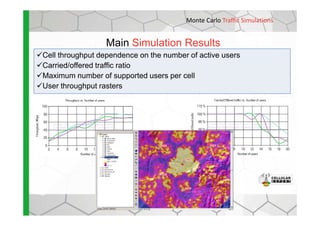
Main Simulation Results
Monte Carlo Traffic Simulations
Cell throughput dependence on the number of active users
Carried/offered traffic ratio
Maximum number of supported users per cell
User throughput rasters
Planning of WiMAX Networks
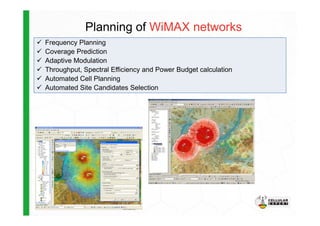
Planning of WiMAX networks
Frequency Planning
Coverage Prediction
Adaptive Modulation
Throughput, Spectral Efficiency and Power Budget calculation
Automated Cell Planning
Automated Site Candidates Selection
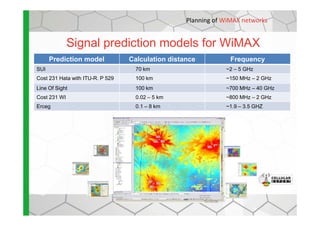
Signal prediction models for WiMAX
Prediction model Calculation distance Frequency
SUI 70 km ~2 – 5 GHz
Cost 231 Hata with ITU-R. P 529 100 km ~150 MHz – 2 GHz
Line Of Sight 100 km ~700 MHz – 40 GHz
Cost 231 WI 0.02 – 5 km ~800 MHz – 2 GHz
Erceg 0.1 – 8 km ~1.9 – 3.5 GHZ
Planning of WiMAX networks
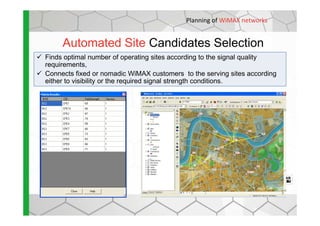
Automated Site Candidates Selection
Finds optimal number of operating sites according to the signal quality
requirements,
Connects fixed or nomadic WiMAX customers to the serving sites according
either to visibility or the required signal strength conditions.
Planning of WiMAX networks
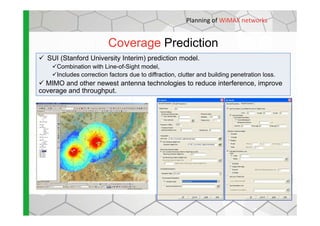
Coverage Prediction
SUI (Stanford University Interim) prediction model.
Combination with Line-of-Sight model,
Includes correction factors due to diffraction, clutter and building penetration loss.
MIMO and other newest antenna technologies to reduce interference, improve
coverage and throughput.
Planning of WiMAX networks
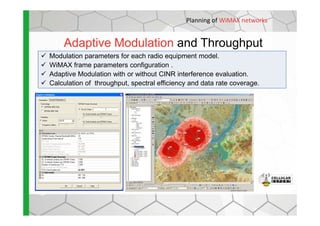
Adaptive Modulation and Throughput
Modulation parameters for each radio equipment model.
WiMAX frame parameters configuration .
Adaptive Modulation with or without CINR interference evaluation.
Calculation of throughput, spectral efficiency and data rate coverage.
Planning of WiMAX networks
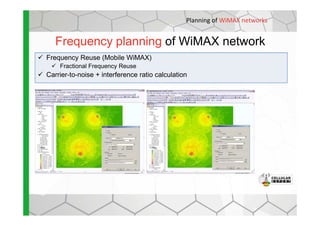
Frequency planning of WiMAX network
Frequency Reuse (Mobile WiMAX)
Fractional Frequency Reuse
Carrier-to-noise + interference ratio calculation
Planning of WiMAX networks
Planning of LTE Networks
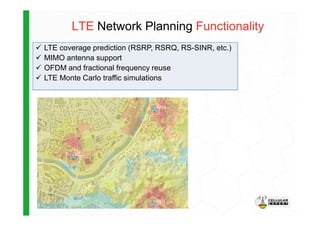
LTE Network Planning Functionality
LTE coverage prediction (RSRP, RSRQ, RS-SINR, etc.)
MIMO antenna support
OFDM and fractional frequency reuse
LTE Monte Carlo traffic simulations
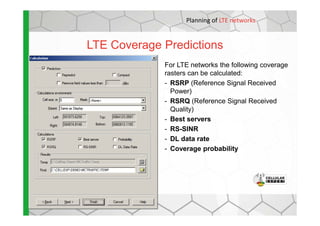
LTE Coverage Predictions
For LTE networks the following coverage
rasters can be calculated:
- RSRP (Reference Signal Received
Power)
- RSRQ (Reference Signal Received
Quality)
Planning of LTE networks
- Best servers
- RS-SINR
- DL data rate
- Coverage probability
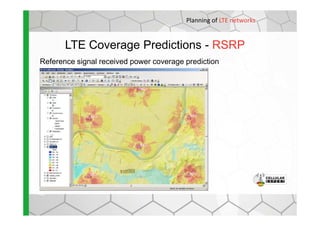
LTE Coverage Predictions - RSRP
Reference signal received power coverage prediction
Planning of LTE networks
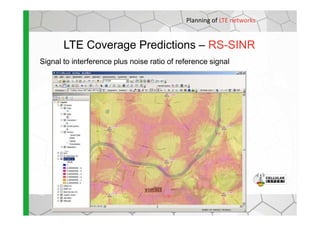
LTE Coverage Predictions – RS-SINR
Signal to interference plus noise ratio of reference signal
Planning of LTE networks
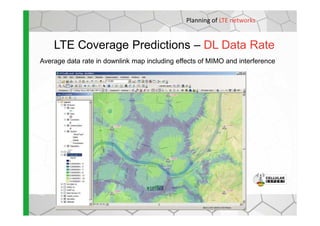
LTE Coverage Predictions – DL Data Rate
Average data rate in downlink map including effects of MIMO and interference
Planning of LTE networks
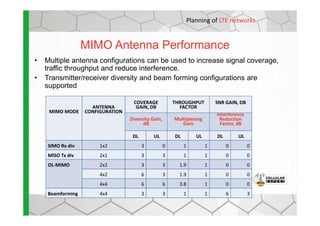
MIMO Antenna Performance
• Multiple antenna configurations can be used to increase signal coverage,
traffic throughput and reduce interference.
• Transmitter/receiver diversity and beam forming configurations are
supported
MIMO MODE
ANTENNA
CONFIGURATION
COVERAGE
GAIN, DB
THROUGHPUT
FACTOR
SNR GAIN, DB
Interference
Planning of LTE networks
MIMO MODE CONFIGURATION
Diversity Gain,
dB
Multiplexing
Gain
Interference
Reduction
Factor, dB
DL UL DL UL DL UL
SIMO Rx div 1x2 3 0 1 1 0 0
MISO Tx div 2x1 3 3 1 1 0 0
OL-MIMO 2x2 3 3 1.9 1 0 0
4x2 6 3 1.9 1 0 0
4x4 6 6 3.8 1 0 0
Beamforming 4x4 3 3 1 1 6 3
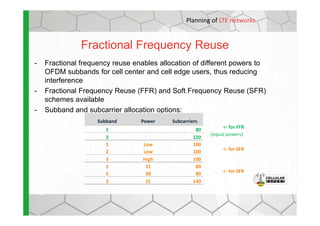
Fractional Frequency Reuse
- Fractional frequency reuse enables allocation of different powers to
OFDM subbands for cell center and cell edge users, thus reducing
interference
- Fractional Frequency Reuse (FFR) and Soft Frequency Reuse (SFR)
schemes available
- Subband and subcarrier allocation options:
Planning of LTE networks
- Subband and subcarrier allocation options:
Subband Power Subcarriers
1 80 <- for FFR
3 120
(equal powers)
1 Low 100
2 Low 100 <- for SFR
3 High 100
1 31 80
2 38 80 <- for SFR
3 31 140
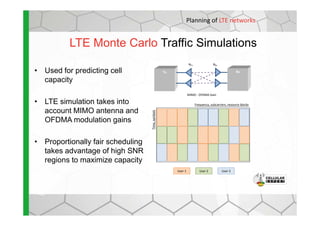
LTE Monte Carlo Traffic Simulations
Tx Rx
Frequency, subcarriers, resource blocks
Time,symbols
MIMO - OFDMA Gain
NTx NRx
• Used for predicting cell
capacity
• LTE simulation takes into
account MIMO antenna and
Planning of LTE networks
User 1 User 2 User 3
Time,symbols
account MIMO antenna and
OFDMA modulation gains
• Proportionally fair scheduling
takes advantage of high SNR
regions to maximize capacity
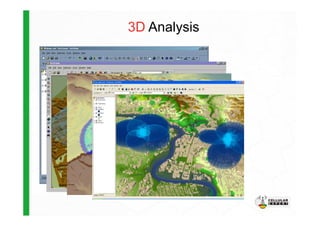
3D Analysis
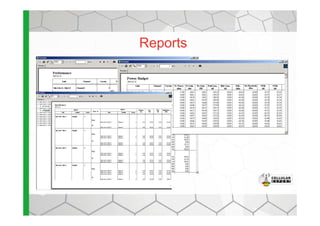
Reports
Customer Case Studies
Implemented Telecommunication Solutions
Case studies
• Mobile Network Operator – SoftBank, Japan
• Mobile Network Operator – Bit÷, Lithuania
• Telecom Operator - TEO LT, Lithuania• Telecom Operator - TEO LT, Lithuania
• Telecommunication Agency – HAT, Croatia
• Telecommunication Agency – CTiTi, Catalonia
• Broadcasting Company – Teracom, Sweden
• Power Company – Lietuvos Energija, Lithuania
• Ball State University, USA
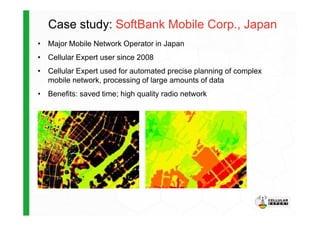
Case study: SoftBank Mobile Corp., Japan
• Major Mobile Network Operator in Japan
• Cellular Expert user since 2008
• Cellular Expert used for automated precise planning of complex
mobile network, processing of large amounts of data
• Benefits: saved time; high quality radio network
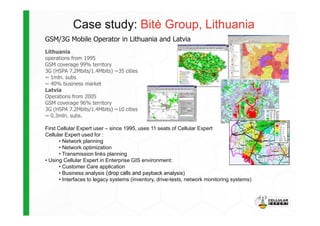
Case study: Bit÷ Group, Lithuania
GSM/3G Mobile Operator in Lithuania and Latvia
Lithuania
operations from 1995
GSM coverage 99% territory
3G (HSPA 7.2Mbits/1.4Mbits) ~35 cities
~ 1mln. subs
~ 40% business market
Latvia
Operations from 2005
GSM coverage 96% territory
3G (HSPA 7.2Mbits/1.4Mbits) ~10 cities
~ 0.3mln. subs.~ 0.3mln. subs.
First Cellular Expert user – since 1995, uses 11 seats of Cellular Expert
Cellular Expert used for :
• Network planning
• Network optimization
• Transmission links planning
• Using Cellular Expert in Enterprise GIS environment:
• Customer Care application
• Business analysis (drop calls and payback analysis)
• Interfaces to legacy systems (inventory, drive-tests, network monitoring systems)
Case study: TEO LT, Lithuania
Incumbent Telecom Operator in Lithuania
TEO LT is the largest provider of the Internet and public fixed-line telephony services in Lithuania.
TEO LT, belongs to the leading Nordic and Baltic telecommunications group TeliaSonera AB. TEO
LT, offers to private and business customers in Lithuania services within fixed-line telephony,
Internet, data communication, networks interconnection, digital TV and IT services.
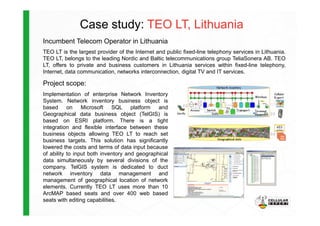
Project scope:
Implementation of enterprise Network Inventory
System. Network inventory business object is
based on Microsoft SQL platform and
Geographical data business object (TelGIS) isGeographical data business object (TelGIS) is
based on ESRI platform. There is a tight
integration and flexible interface between these
business objects allowing TEO LT to reach set
business targets. This solution has significantly
lowered the costs and terms of data input because
of ability to input both inventory and geographical
data simultaneously by several divisions of the
company. TelGIS system is dedicated to duct
network inventory data management and
management of geographical location of network
elements. Currently TEO LT uses more than 10
ArcMAP based seats and over 400 web based
seats with editing capabilities.
Case study: HAKOM, Croatia
National Telecommunication Agency of Croatia
Cellular Expert user since 2005, uses 4 seats of Cellular Expert
Implementation project consisted of:
• Cellular Expert customization and installation;
• Development of the tool for the radio transmission network data (base
stations, radio equipment, antenna patterns, frequency plans, etc.) importstations, radio equipment, antenna patterns, frequency plans, etc.) import
from XLS file and export back to XLS format;
• Preparation of documentation;
• Trainings
Cellular Expert used for:
• RF data exchange with local Telco operators
• Radio Spectrum Analysis and Management
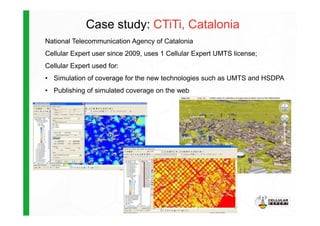
Case study: CTiTi, Catalonia
National Telecommunication Agency of Catalonia
Cellular Expert user since 2009, uses 1 Cellular Expert UMTS license;
Cellular Expert used for:
• Simulation of coverage for the new technologies such as UMTS and HSDPA
• Publishing of simulated coverage on the web
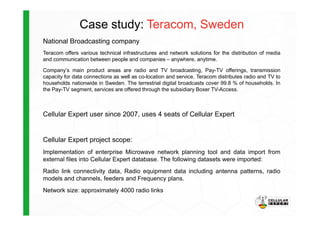
Case study: Teracom, Sweden
National Broadcasting company
Teracom offers various technical infrastructures and network solutions for the distribution of media
and communication between people and companies – anywhere, anytime.
Company’s main product areas are radio and TV broadcasting, Pay-TV offerings, transmission
capacity for data connections as well as co-location and service. Teracom distributes radio and TV to
households nationwide in Sweden. The terrestrial digital broadcasts cover 99.8 % of households. In
the Pay-TV segment, services are offered through the subsidiary Boxer TV-Access.
Cellular Expert user since 2007, uses 4 seats of Cellular ExpertCellular Expert user since 2007, uses 4 seats of Cellular Expert
Cellular Expert project scope:
Implementation of enterprise Microwave network planning tool and data import from
external files into Cellular Expert database. The following datasets were imported:
Radio link connectivity data, Radio equipment data including antenna patterns, radio
models and channels, feeders and Frequency plans.
Network size: approximately 4000 radio links
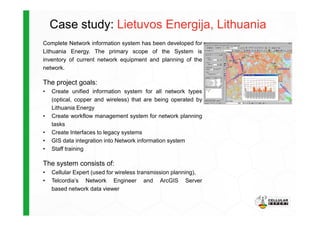
Case study: Lietuvos Energija, Lithuania
Complete Network information system has been developed for
Lithuania Energy. The primary scope of the System is
inventory of current network equipment and planning of the
network.
The project goals:
• Create unified information system for all network types
(optical, copper and wireless) that are being operated by
Lithuania Energy
• Create workflow management system for network planning• Create workflow management system for network planning
tasks
• Create Interfaces to legacy systems
• GIS data integration into Network information system
• Staff training
The system consists of:
• Cellular Expert (used for wireless transmission planning),
• Telcordia’s Network Engineer and ArcGIS Server
based network data viewer
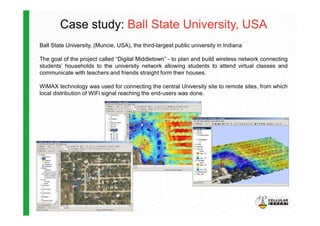
Case study: Ball State University, USA
Ball State University, (Muncie, USA), the third-largest public university in Indiana
The goal of the project called “Digital Middletown” - to plan and build wireless network connecting
students’ households to the university network allowing students to attend virtual classes and
communicate with teachers and friends straight form their houses.
WiMAX technology was used for connecting the central University site to remote sites, from which
local distribution of WiFi signal reaching the end-users was done.
Cellular Expert Web Applications
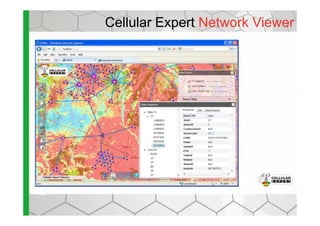
Cellular Expert Network Viewer
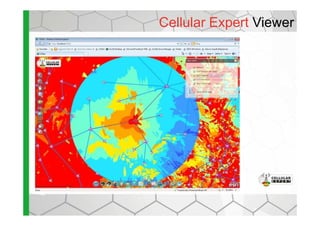
Cellular Expert Viewer
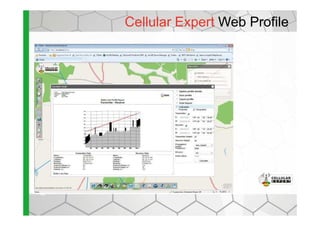
Cellular Expert Web Profile
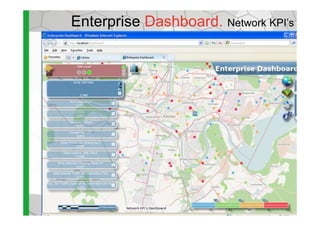
Enterprise Dashboard. Network KPI’s
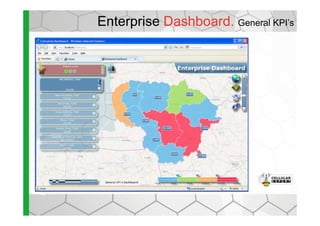
Enterprise Dashboard. General KPI’s
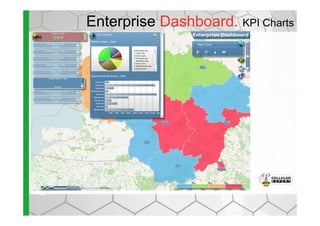
Enterprise Dashboard. KPI Charts
Demonstration
Thank you!
Questions?Questions?
cellexp@hnit-baltic.lt
www.cellular-expert.com
+370 5 2150575

GIS Applied to Mobile Technology

  • 1.
    Cellular Expert GIS appliedto mobile technologymobile technology Vidas Gruodis Sales & Marketing Manager Telecommunication Solutions HNIT-BALTIC
  • 2.
    About HNIT-BALTIC Established in1993. HQ in Lithuania. Subsidiaries in Latvia and Estonia. Authorized ESRI Inc. distributor and leader in GIS in Baltic States More than 500 customers of GIS software and solutions More than 10 years of sales and marketing experience in international market focusing on GIS based software solutions for telecommunication companies Developer and owner of Cellular Expert – wireless network planning,Developer and owner of Cellular Expert – wireless network planning, optimization and data management solution Certified Telcordia Network Engineer trainer and consultant, provider of implementation and customization services Microsoft Gold Certified Partner Oracle Gold Certified Partner
  • 3.
    Planning • Design • Optimization •New technology/service Sharing • Network viewer • Customer care Cellular Expert – wireless network management solution • Customer care • Marketing campaigns • Sales Mapping performance (KPI) • Network • Complaints • Sales • Marketing effectiveness
  • 4.
    Cellular Expert: Users& Supported TechnologiesCellular Expert is dedicated for: Mobile Network Operators Telecoms Utility Companies Military Emergency Service Providers Wireless Internet Providers Consultancy Service Providers Other Wireless Network Owners / Administrators Cellular Expert covers wide range of the wireless systems: Wireless transmission networks (Microwave) Mobile networks (GSM, DCS, PCS, NMT, CDMA2000, UMTS/HSPA, LTE) Broadband wireless access networks (WLL, LMDS, MMDS, WiMAX) Broadcasting Networks (DAB, DVB-T, DVB-T2) Military and rescue networks (TETRA, APCO) Other systems in frequency range up to 40 GHz
  • 5.
    Cellular Expert Customers& Partners 50 Cellular Expert Resellers all over the world. 90+ Cellular Expert customers in 35 countries
  • 6.
  • 7.
    Cellular Expert Environment Single-userenvironment with personal database: ArcView /9.3/10 Spatial Analyst (for Standard, UMTS, WiMAX, Professional and Enterprise licenses). 3D Analyst is optional (for faster dynamic profiling and 3D antenna pattern export) MS Access personal database (MDB) Multi-user environment on a central database: ArcEditor 9.3/10 Spatial Analyst (for Standard, UMTS, WiMAX, Professional and Enterprise licenses) 3D Analyst is optional (for faster dynamic profiling and 3D antenna pattern export)3D Analyst is optional (for faster dynamic profiling and 3D antenna pattern export) ArcGIS Server with MS SQL Express, MS SQL DB, Oracle DB License types: Single-use licenses Concurrent (floating) licenses Used Geographic data: DTM Clutter (land use) Buildings with height attribute Street data
  • 8.
  • 9.
  • 10.
    Planning of TransmissionNetworks Path Profiling and Visibility Analysis Radio Links Design and Management Power Budget Analysis Performance Prediction (Multipath and Rain) Interference Analysis Automatic Radio Link Frequency Planning
  • 11.
    Radio Path Profiling Planningof Transmission Networks Radio Link power budget calculation Diffraction loss calculation Additional losses calculation Reflection and Multipath analysis Anticorrelation analysis for antenna diversity parameters calculation Fresnel zones analysis Visual point-to-point link analysisVisual point-to-point link analysis Quick display of profile and its main characteristics with Dynamic Path Profile
  • 12.
    Visibility Analysis Planning ofTransmission Networks Visibility is determined by clearance – the distance between antenna centerline and the highest obstacle Calculates: Visibility from multiple objects Fresnel visibilityFresnel visibility Required receiver height Clearance value Fresnel clearance
  • 13.
    Radio Links Designand Management Planning of Transmission Networks Point-to-point and point-to-multipoint radio links creation One-way or duplex radio links Configuration and adjustment of transmitter- receiver parameters: Radio channels Diversity Protection Reflective and back-to-back antenna repeatersReflective and back-to-back antenna repeaters
  • 14.
    Radio Link Properties Planningof Transmission Networks Radio Links toolbar provides functionality for editing and predicting performance of radio linkslinks
  • 15.
    Supported Radio LinkConfigurations Planning of Transmission Networks Point-to-Point Point-to-Multipoint
  • 16.
    Planning of TransmissionNetworks Power Budget Analysis Propagation loss and power budget calculations at the receiver side Power budget analysis describes: Received signal level Total gains and losses Thermal and composite fade margins Signal-to-noise ratio (SNR) Resulting average bit error rate (BER) The calculations take into account: Antenna discriminationAntenna discrimination Attenuation of feeders, passive components
  • 17.
    Planning of TransmissionNetworks Link Performance Prediction Results
  • 18.
    Planning of TransmissionNetworks Power Flux Density Analysis Calculates power flux density distribution along the radio link route
  • 19.
    Interference Analysis Planning ofTransmission Networks Interference calculation between the radio links: Interference level estimation Net filter discrimination loss Interference objectives for co- and adjacent-channels and fade margin loss assessment. Scattering analysis calculates mutual interference between intersecting radio paths due to terrain scattering
  • 20.
    Identifies the minimumnumber of carriers required to serve selected radio links within a given interference threshold The interference threshold: Absolute interference level Signal-to-interference ratio Fade margin loss Automatic Radio Link Frequency Planning Planning of Transmission Networks Tx Rx
  • 21.
    Planning of CellularMobile Networks
  • 22.
    Planning of CellularMobile Networks (GSM, TETRA and etc.) Network Data Configuration Propagation Models Nominal Frequency Planning Interference Analysis Automatic Frequency PlanningAutomatic Frequency Planning
  • 23.
    Network Data Configuration Sites TheSite represents geographical location of a radio station. Sectors Sectors represent antenna mounting point at Site. Planning of Cellular Mobile Networks Constructions Constructions represent antenna mounting point, when base station is located on top of building.
  • 24.
    Nominal Frequency Planning Planningof Cellular Mobile Networks Cell Nominal Plan Frequency Plan Unique Cells Site Templates
  • 25.
    Propagation Models Planning ofCellular Mobile Networks Based on ITU-R, ETSI and COST 231 standards and recommendations for frequencies from about 150 MHz to about 40 GHz. Line of Sight type models Hata type models COST 231 type models Clutter Clutter COST 231 type models SUI type models Ability to combine propagation models implement additional prediction models. Radio tower Obstacle Clutter LOS OLOS OOLOS CLOS COLOS
  • 26.
    Coverage Calculation Results FieldStrength, dBm Best Server Planning of Cellular Mobile Networks
  • 27.
    Drive Test Analysis Planningof Cellular Mobile Networks
  • 28.
    Interference Analysis Planning ofCellular Mobile Networks Total C/I and C/A interference coverages calculation Coverage of interference for each channel calculation Quick check of C/I and C/A interference between selected sectors Calculation of C/I matrix
  • 29.
    Automatic Frequency Planning(AFP) AFP operations: Release of interfering co- and adjacent channels; Release of intra-cell adjacent channels; Assign non-interfering co- and adjacent channels; Manual channels release based Planning of Cellular Mobile Networks Manual channels release based on generalized interference information; AFP input data and parameters: Neighborhood matrix Locked channels (release ch.) ; Channels list (assign ch.); Release and assign channel conditions.
  • 30.
  • 31.
    BROADCASTING: Radio (DAB, etc.) Television(DVB-T, DVB-T2, etc.) Other single or multiple frequency networks Cellular Expert covers the following technologies: Broadcasting Network Planning Other single or multiple frequency networks
  • 32.
    Broadcasting Network Planning NetworkData Configuration SFN Coverage Signal Delay Coverage Probability Tasks solved by Cellular Expert: Coverage Probability Population coverage statistics Service Area and SIR, SNIR
  • 33.
    (SFN) Single FrequencyNetwork Coverage Composite coverage for each defined channel Signal Delay Probability Unwanted signal field strength Wanted signal field strength Planning of Broadcasting Networks Unwanted signal field strength
  • 34.
    Signal delay calculation Estimationof network equipment and multipath delay Various result’s symbolization Signal Delay: Main signal source Planning of Broadcasting Networks Main signal delay time
  • 35.
    Coverage Probability Coverage probabilityanalysis for defined receiver sensitivity Update field strength according to your coverage probability needs Wanted signal field strength Coverage probability Planning of Broadcasting Networks Wanted signal field strength with defined probability
  • 36.
    SIR, SNR andService Area Wanted and Unwanted (interfering) signals ratio (SIR); Wanted and Unwanted with Thermal noise ratio (SNR); Noise factor to include equipment Service area Signal Noise Ratio Planning of Broadcasting Networks influence Service area
  • 37.
  • 38.
    Network Configuration Nominal Planning CoveragePrediction Automated Task Processing Planning of 3G+ networks
  • 39.
    System parameters: System type: •IS-95 • CDMA2000 • EV-DO • UMTS • HSPA System power allocation Network Configuration Planning of 3G+ networks System power allocation Multiple carrier planning Mobile station parameters: Power budget Traffic data
  • 40.
    Cell capacity calculationbased on: • Required coverage area, • Number of users, • Traffic demand throughput, • Number of base stations. Calculation of required network equipment configuration and cell dimensions. Different cell placement patterns. Nominal Planning Planning of 3G+ networks Different cell placement patterns.
  • 41.
    Coverage Prediction Planning of3G+ networks 3G(WCDMA, CDMA2000), 3G+(HSPA) coverage calculations: Received signal strength, Best server area, Ec/Io, Ec/No, Pilot pollution, Soft and softer handoff, Cell loading, Throughput for DL and UL, Number of users per cell Traffic service areas for DL and UL, Received Eb/No Required power of user equipment, Total noise and noise rise, HSDPA SINR and data rate
  • 42.
    Automated Task Processing Planningof 3G+ networks Dedicated for large volume 3G network calculations User-defined calculation tasks used for batch processing Each task can use different prediction model or any other settings used for calculation.
  • 43.
  • 44.
    Monte Carlo TrafficSimulation Tool Used for predicting cell capacity Currently supports UMTS, HSDPA and LTE networks Based on statistical analysis of randomly generated mobile users Radio ChannelUE Node B / RNC Buffer 1 Buffer 2 Buffer 3 SNR -> CQI -> TBS Radio ChannelUE Node B / RNC Buffer 1 Buffer 2 Buffer 3 SNR -> CQI -> TBS
  • 45.
    Main Simulation Results MonteCarlo Traffic Simulations Cell throughput dependence on the number of active users Carried/offered traffic ratio Maximum number of supported users per cell User throughput rasters
  • 46.
  • 47.
    Planning of WiMAXnetworks Frequency Planning Coverage Prediction Adaptive Modulation Throughput, Spectral Efficiency and Power Budget calculation Automated Cell Planning Automated Site Candidates Selection
  • 48.
    Signal prediction modelsfor WiMAX Prediction model Calculation distance Frequency SUI 70 km ~2 – 5 GHz Cost 231 Hata with ITU-R. P 529 100 km ~150 MHz – 2 GHz Line Of Sight 100 km ~700 MHz – 40 GHz Cost 231 WI 0.02 – 5 km ~800 MHz – 2 GHz Erceg 0.1 – 8 km ~1.9 – 3.5 GHZ Planning of WiMAX networks
  • 49.
    Automated Site CandidatesSelection Finds optimal number of operating sites according to the signal quality requirements, Connects fixed or nomadic WiMAX customers to the serving sites according either to visibility or the required signal strength conditions. Planning of WiMAX networks
  • 50.
    Coverage Prediction SUI (StanfordUniversity Interim) prediction model. Combination with Line-of-Sight model, Includes correction factors due to diffraction, clutter and building penetration loss. MIMO and other newest antenna technologies to reduce interference, improve coverage and throughput. Planning of WiMAX networks
  • 51.
    Adaptive Modulation andThroughput Modulation parameters for each radio equipment model. WiMAX frame parameters configuration . Adaptive Modulation with or without CINR interference evaluation. Calculation of throughput, spectral efficiency and data rate coverage. Planning of WiMAX networks
  • 52.
    Frequency planning ofWiMAX network Frequency Reuse (Mobile WiMAX) Fractional Frequency Reuse Carrier-to-noise + interference ratio calculation Planning of WiMAX networks
  • 53.
  • 54.
    LTE Network PlanningFunctionality LTE coverage prediction (RSRP, RSRQ, RS-SINR, etc.) MIMO antenna support OFDM and fractional frequency reuse LTE Monte Carlo traffic simulations
  • 55.
    LTE Coverage Predictions ForLTE networks the following coverage rasters can be calculated: - RSRP (Reference Signal Received Power) - RSRQ (Reference Signal Received Quality) Planning of LTE networks - Best servers - RS-SINR - DL data rate - Coverage probability
  • 56.
    LTE Coverage Predictions- RSRP Reference signal received power coverage prediction Planning of LTE networks
  • 57.
    LTE Coverage Predictions– RS-SINR Signal to interference plus noise ratio of reference signal Planning of LTE networks
  • 58.
    LTE Coverage Predictions– DL Data Rate Average data rate in downlink map including effects of MIMO and interference Planning of LTE networks
  • 59.
    MIMO Antenna Performance •Multiple antenna configurations can be used to increase signal coverage, traffic throughput and reduce interference. • Transmitter/receiver diversity and beam forming configurations are supported MIMO MODE ANTENNA CONFIGURATION COVERAGE GAIN, DB THROUGHPUT FACTOR SNR GAIN, DB Interference Planning of LTE networks MIMO MODE CONFIGURATION Diversity Gain, dB Multiplexing Gain Interference Reduction Factor, dB DL UL DL UL DL UL SIMO Rx div 1x2 3 0 1 1 0 0 MISO Tx div 2x1 3 3 1 1 0 0 OL-MIMO 2x2 3 3 1.9 1 0 0 4x2 6 3 1.9 1 0 0 4x4 6 6 3.8 1 0 0 Beamforming 4x4 3 3 1 1 6 3
  • 60.
    Fractional Frequency Reuse -Fractional frequency reuse enables allocation of different powers to OFDM subbands for cell center and cell edge users, thus reducing interference - Fractional Frequency Reuse (FFR) and Soft Frequency Reuse (SFR) schemes available - Subband and subcarrier allocation options: Planning of LTE networks - Subband and subcarrier allocation options: Subband Power Subcarriers 1 80 <- for FFR 3 120 (equal powers) 1 Low 100 2 Low 100 <- for SFR 3 High 100 1 31 80 2 38 80 <- for SFR 3 31 140
  • 61.
    LTE Monte CarloTraffic Simulations Tx Rx Frequency, subcarriers, resource blocks Time,symbols MIMO - OFDMA Gain NTx NRx • Used for predicting cell capacity • LTE simulation takes into account MIMO antenna and Planning of LTE networks User 1 User 2 User 3 Time,symbols account MIMO antenna and OFDMA modulation gains • Proportionally fair scheduling takes advantage of high SNR regions to maximize capacity
  • 62.
  • 63.
  • 64.
  • 65.
    Implemented Telecommunication Solutions Casestudies • Mobile Network Operator – SoftBank, Japan • Mobile Network Operator – Bit÷, Lithuania • Telecom Operator - TEO LT, Lithuania• Telecom Operator - TEO LT, Lithuania • Telecommunication Agency – HAT, Croatia • Telecommunication Agency – CTiTi, Catalonia • Broadcasting Company – Teracom, Sweden • Power Company – Lietuvos Energija, Lithuania • Ball State University, USA
  • 66.
    Case study: SoftBankMobile Corp., Japan • Major Mobile Network Operator in Japan • Cellular Expert user since 2008 • Cellular Expert used for automated precise planning of complex mobile network, processing of large amounts of data • Benefits: saved time; high quality radio network
  • 67.
    Case study: Bit÷Group, Lithuania GSM/3G Mobile Operator in Lithuania and Latvia Lithuania operations from 1995 GSM coverage 99% territory 3G (HSPA 7.2Mbits/1.4Mbits) ~35 cities ~ 1mln. subs ~ 40% business market Latvia Operations from 2005 GSM coverage 96% territory 3G (HSPA 7.2Mbits/1.4Mbits) ~10 cities ~ 0.3mln. subs.~ 0.3mln. subs. First Cellular Expert user – since 1995, uses 11 seats of Cellular Expert Cellular Expert used for : • Network planning • Network optimization • Transmission links planning • Using Cellular Expert in Enterprise GIS environment: • Customer Care application • Business analysis (drop calls and payback analysis) • Interfaces to legacy systems (inventory, drive-tests, network monitoring systems)
  • 68.
    Case study: TEOLT, Lithuania Incumbent Telecom Operator in Lithuania TEO LT is the largest provider of the Internet and public fixed-line telephony services in Lithuania. TEO LT, belongs to the leading Nordic and Baltic telecommunications group TeliaSonera AB. TEO LT, offers to private and business customers in Lithuania services within fixed-line telephony, Internet, data communication, networks interconnection, digital TV and IT services. Project scope: Implementation of enterprise Network Inventory System. Network inventory business object is based on Microsoft SQL platform and Geographical data business object (TelGIS) isGeographical data business object (TelGIS) is based on ESRI platform. There is a tight integration and flexible interface between these business objects allowing TEO LT to reach set business targets. This solution has significantly lowered the costs and terms of data input because of ability to input both inventory and geographical data simultaneously by several divisions of the company. TelGIS system is dedicated to duct network inventory data management and management of geographical location of network elements. Currently TEO LT uses more than 10 ArcMAP based seats and over 400 web based seats with editing capabilities.
  • 69.
    Case study: HAKOM,Croatia National Telecommunication Agency of Croatia Cellular Expert user since 2005, uses 4 seats of Cellular Expert Implementation project consisted of: • Cellular Expert customization and installation; • Development of the tool for the radio transmission network data (base stations, radio equipment, antenna patterns, frequency plans, etc.) importstations, radio equipment, antenna patterns, frequency plans, etc.) import from XLS file and export back to XLS format; • Preparation of documentation; • Trainings Cellular Expert used for: • RF data exchange with local Telco operators • Radio Spectrum Analysis and Management
  • 70.
    Case study: CTiTi,Catalonia National Telecommunication Agency of Catalonia Cellular Expert user since 2009, uses 1 Cellular Expert UMTS license; Cellular Expert used for: • Simulation of coverage for the new technologies such as UMTS and HSDPA • Publishing of simulated coverage on the web
  • 71.
    Case study: Teracom,Sweden National Broadcasting company Teracom offers various technical infrastructures and network solutions for the distribution of media and communication between people and companies – anywhere, anytime. Company’s main product areas are radio and TV broadcasting, Pay-TV offerings, transmission capacity for data connections as well as co-location and service. Teracom distributes radio and TV to households nationwide in Sweden. The terrestrial digital broadcasts cover 99.8 % of households. In the Pay-TV segment, services are offered through the subsidiary Boxer TV-Access. Cellular Expert user since 2007, uses 4 seats of Cellular ExpertCellular Expert user since 2007, uses 4 seats of Cellular Expert Cellular Expert project scope: Implementation of enterprise Microwave network planning tool and data import from external files into Cellular Expert database. The following datasets were imported: Radio link connectivity data, Radio equipment data including antenna patterns, radio models and channels, feeders and Frequency plans. Network size: approximately 4000 radio links
  • 72.
    Case study: LietuvosEnergija, Lithuania Complete Network information system has been developed for Lithuania Energy. The primary scope of the System is inventory of current network equipment and planning of the network. The project goals: • Create unified information system for all network types (optical, copper and wireless) that are being operated by Lithuania Energy • Create workflow management system for network planning• Create workflow management system for network planning tasks • Create Interfaces to legacy systems • GIS data integration into Network information system • Staff training The system consists of: • Cellular Expert (used for wireless transmission planning), • Telcordia’s Network Engineer and ArcGIS Server based network data viewer
  • 73.
    Case study: BallState University, USA Ball State University, (Muncie, USA), the third-largest public university in Indiana The goal of the project called “Digital Middletown” - to plan and build wireless network connecting students’ households to the university network allowing students to attend virtual classes and communicate with teachers and friends straight form their houses. WiMAX technology was used for connecting the central University site to remote sites, from which local distribution of WiFi signal reaching the end-users was done.
  • 74.
    Cellular Expert WebApplications
  • 75.
  • 76.
  • 77.
  • 78.
  • 79.
  • 80.
  • 81.
  • 82.