


Getting (the right) Things Done
Uniting User needs and business objectives in agile projects

Carlos Rosemberg
Instituto Atlântico
ISA 2013
Nice to meet you.
Carlos Rosemberg
Business Analyst and UX Strategist at Instituto Atlântico
HCI Researcher (collaborator) at LUQS/Unifor
In honor to…
Product managers / owners
UX strategists
Project managers
Anyone else who also thinks that defining
what to deliver is a hard work.
Agile/Lean scenario
Early deliveries
Small increments
Continuous feedback
Flexible fine-grained product scope
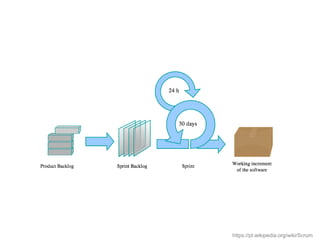
https://pt.wikipedia.org/wiki/Scrum
Questions
What to deliver?
What to deliver first?
What to deliver first and for whom?
Product Backlog
An ordered list of everything that might
be needed in the product and is the
single source of requirements for any
changes to be made to the product.
Scwaber and Sutherland
Prioritizating the

caos
By…
Perceived importance
Perceived complexity
Deadline
Feature grouping (module, workflow, etc.)

Return Of Investment (ROI)
… and many other factors
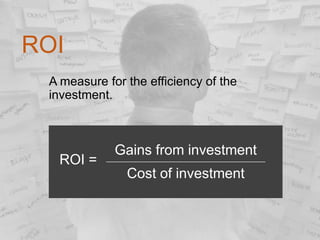
ROI
A measure for the efficiency of the
investment.

ROI =

Gains from investment
Cost of investment
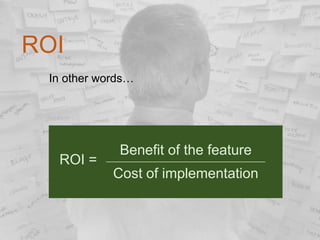
ROI
In other words…

ROI =

Benefit of the feature
Cost of implementation
Leveraging user needs
in product backlog
prioritization
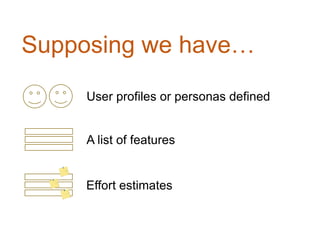
Supposing we have…
User profiles or personas defined

A list of features

Effort estimates
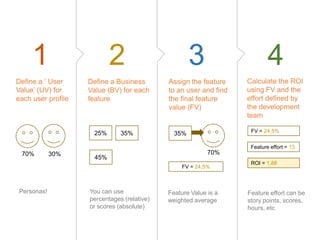
1

2

3

4

Define a ‘ User
Value’ (UV) for
each user profile

Define a Business
Value (BV) for each
feature

Assign the feature
to an user and find
the final feature
value (FV)

Calculate the ROI
using FV and the
effort defined by
the development
team

25%

35%

FV = 24,5%

35%

Feature effort = 13

70%

30%

45%

70%
FV = 24,5%

Personas!

You can use
percentages (relative)
or scores (absolute)

Feature Value is a
weighted average

ROI = 1,88

Feature effort can be
story points, scores,
hours, etc
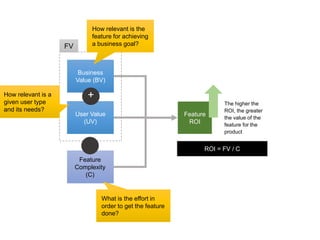
FV

How relevant is the
feature for achieving
a business goal?

Business
Value (BV)
How relevant is a
given user type
and its needs?

+
User Value
(UV)

Feature
ROI

The higher the
ROI, the greater
the value of the
feature for the
product

ROI = FV / C
Feature
Complexity
(C)

What is the effort in
order to get the feature
done?
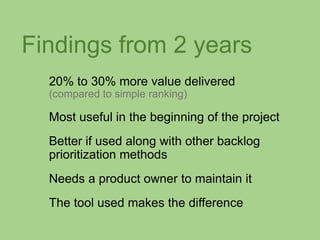
Findings from 2 years
20% to 30% more value delivered
(compared to simple ranking)

Most useful in the beginning of the project
Better if used along with other backlog
prioritization methods
Needs a product owner to maintain it
The tool used makes the difference
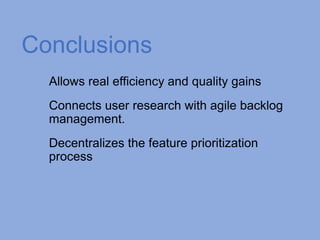
Conclusions
Allows real efficiency and quality gains
Connects user research with agile backlog
management.
Decentralizes the feature prioritization
process
Carlos Rosemberg
rosemberg@atlantico.com.br

Getting [the right] things done: Uniting user needs and business objectives in agile projects

  • 1.
    Getting (the right)Things Done Uniting User needs and business objectives in agile projects Carlos Rosemberg Instituto Atlântico ISA 2013
  • 2.
    Nice to meetyou. Carlos Rosemberg Business Analyst and UX Strategist at Instituto Atlântico HCI Researcher (collaborator) at LUQS/Unifor
  • 3.
    In honor to… Productmanagers / owners UX strategists Project managers Anyone else who also thinks that defining what to deliver is a hard work.
  • 4.
    Agile/Lean scenario Early deliveries Smallincrements Continuous feedback Flexible fine-grained product scope
  • 5.
  • 6.
    Questions What to deliver? Whatto deliver first? What to deliver first and for whom?
  • 7.
    Product Backlog An orderedlist of everything that might be needed in the product and is the single source of requirements for any changes to be made to the product. Scwaber and Sutherland
  • 8.
  • 9.
    By… Perceived importance Perceived complexity Deadline Featuregrouping (module, workflow, etc.) Return Of Investment (ROI) … and many other factors
  • 10.
    ROI A measure forthe efficiency of the investment. ROI = Gains from investment Cost of investment
  • 11.
    ROI In other words… ROI= Benefit of the feature Cost of implementation
  • 12.
    Leveraging user needs inproduct backlog prioritization
  • 13.
    Supposing we have… Userprofiles or personas defined A list of features Effort estimates
  • 14.
    1 2 3 4 Define a ‘User Value’ (UV) for each user profile Define a Business Value (BV) for each feature Assign the feature to an user and find the final feature value (FV) Calculate the ROI using FV and the effort defined by the development team 25% 35% FV = 24,5% 35% Feature effort = 13 70% 30% 45% 70% FV = 24,5% Personas! You can use percentages (relative) or scores (absolute) Feature Value is a weighted average ROI = 1,88 Feature effort can be story points, scores, hours, etc
  • 15.
    FV How relevant isthe feature for achieving a business goal? Business Value (BV) How relevant is a given user type and its needs? + User Value (UV) Feature ROI The higher the ROI, the greater the value of the feature for the product ROI = FV / C Feature Complexity (C) What is the effort in order to get the feature done?
  • 16.
    Findings from 2years 20% to 30% more value delivered (compared to simple ranking) Most useful in the beginning of the project Better if used along with other backlog prioritization methods Needs a product owner to maintain it The tool used makes the difference
  • 17.
    Conclusions Allows real efficiencyand quality gains Connects user research with agile backlog management. Decentralizes the feature prioritization process
  • 18.