Priority starts
at the top
Daniel Zacarias
@ Productized Talks
A little bit about myself
- Product guy for 10+ years
- Founder of Substantive, a consultancy helping teams with their product strategy,
discovery and delivery processes
- Founder of Underway, a new tool to save PMs’ time in status meetings and
reports
- Blogger at foldingburritos.com
Prioritization…
Never enough resources…
… Provide the most value, given
our constraints
and yet…
it’s always hard.
Most common issues…
how to decide what we should
do next?
how to deal with multiple
priorities?
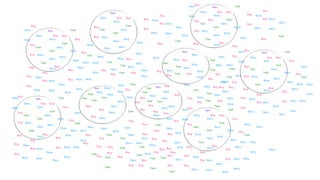
how to deal with constantly
changing priorities?
October November December January February
v1 v2 v3now
Feature 1 Feature 2
Feature 3
Feature 4
Feature 5 Feature 6
Feature 7
Feature 8
Feature 9
FeatureGroupA
Feature
GroupB
FeatureGroupC
Story
Story
Story
Story
Story
Story
Story
Story
Story
Story Story
Story
Story
Story
Story
Bug
Bug
Bug
Bug
Bug
Bug
Bug
Bug
Bug
Bug
Bug
Bug
BugBugBug
Story
Task
Task
Task
Task
Task
Task
Task
Task
Task
Epic Epic
Epic
StoryStoryBug
Bug
Bug
Bug
TaskTask
Story
Story
Story
Story
Story
Story
Story
Story
Story
Story
Story
Story
Story
Story
Story Story
Story
Story
Story
Bug
Bug
Bug
Bug
Bug
Bug
Bug
Bug
Bug
Bug
Bug
Bug
Bug
Bug
Bug
Story
Task
Task
Task
Task
Task
Task
Task Task
Task
Story
Story
Bug
Bug
Bug
Bug
TaskTask
Story
Story
Story
Story
Story
Story
Story
Story
Story
Story
Story
Story
Story
Story
Story Story
Story
Story
Story
Bug
Bug
Bug
Bug
Bug
Bug
Bug
Bug
Bug
Bug
Bug
Bug
BugBug
Bug
Story
Task
Task
Task
Task
Task
Task
Task
Task
Task
StoryStory
Bug
Bug
Bug
Bug
TaskTask
Story
Story
Story
Story
Story
Story
Bug
Task
Story
Story
Story
Bug
Bug
Task
Story
Story
Story
Bug
Task
Story
Story
Bug
Task
Story
Story
Story
Bug
Bug
Task
Story
Story
Story
Bug
Task
Story
Story
Story
Story
Bug
BugBug
Task
Epic
Story
Story
Story
Story
Story
Story
Story
Story
Bug
Bug
Bug
Bug
Task
Task
Task
Bug
Story
Story
Story
Story
Story
Story
Story
Story
Story
Bug
Bug
Bug
Bug
BugBug
Task
Task
Bug
Story
Story
Story
Story
Story
Story
Story
Story
Bug
BugBug
Task
Epic
Story
Story
Story
Story
Story
Story
Story
Story
Bug
Bug
Bug
Bug
Task
Task
Task
Bug
Story
Story
Story
Story
Story
Story
Story
Story
Story
Bug
Bug
Bug
Bug
BugBug
Task
Task
Bug
Story
Story
Story
Story
Story
Story
Story
Story
Bug
BugBug
Task
Epic
Story
Story
Story
Story
Story
Story
Story
Story
Bug
Bug
Bug
Bug
Task
Task
Task
Bug
Story
Story
Story
Story
Story
Story
Story
Story
Story
Bug
Bug
Bug
Bug
BugBug
Task
Task
Bug
Story
Story
Story
Story
Epic
Story
Story
Story
Bug
Task
Story
Story
Story
Story
Bug
Task
Task
Story
Story
Bug
Bug
Story
Story
Story
Bug
BugBug
Task
Epic
Story
Story
Story
Story
Story
Bug
Bug
Task
Task
Task
Story
Story
Bug
Bug
Bug
Task
Bug
Epic
Story
Story
Bug
Bug
Story
Story
Story
Bug
Bug
Story
Task
Bug
Story
Story
Bug
Bug
Story
Story
Story
Bug
Bug
Story
Task
Bug
Story
Task
Story
Bug
Task
Story
Story
Bug
Task
Story
Bug
Story
Bug
Bug
Task
Story
Bug
We’re dealing with stuff…
Managing and prioritizing
outputs is really hard
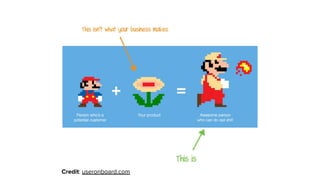
Value comes from Outcomes
Outputs ≠ Outcomes
What you can see
and experience
What you get
out of it
This is why “a thing”
is valuable to us
Credit: useronboard.com
1. how to decide what we should do next?
2. how to deal with multiple priorities?
3. how to deal with changing priorities?
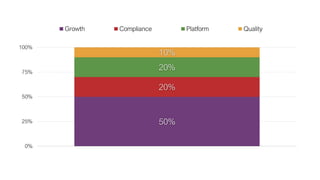
1. define the types of value
2. set their relative importance
3. understand what’s changing
Types of value
Think about your recent work…
There are different types of
tasks that the team takes on…
‣ New features
‣ Bugs
‣ Technical debt
‣ UX improvements
‣ … and so on
It’s nearly impossible to compare
them relative to each other…
But it’s quite easy to do when they
create the same “type of value”
Bugs can be valued in terms of quality goals
like: support needs, user satisfaction/perception,
churn, etc.
Technical debt can be valued in terms of
velocity, scalability or similar
UX improvements can be valued in terms of
user satisfaction, task completion times, etc.
New features should be valued in terms of the
business and/or customer goals that they aim
to serve
Having the same comparison
parameters makes it much easier to set
priorities within a given type of value
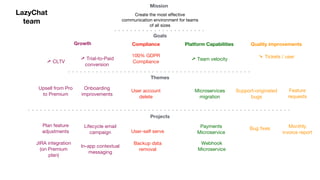
Mission
Themes
Goals
Projects
LazyChat
team
Create the most effective
communication environment for teams
of all sizes
➚ CLTV
100% GDPR
Compliance
Upsell from Pro
to Premium
User account
delete
Plan feature
adjustments
Growth Compliance
JIRA integration
(on Premium
plan)
Quality improvements
➘ Tickets / user
Support-originated
bugs
Backup data
removal
Bug fixes
User-self serve
➚ Trial-to-Paid
conversion
Onboarding
improvements
Lifecycle email
campaign
In-app contextual
messaging
➚ Team velocity
Platform Capabilities
Microservices
migration
Payments
Microservice
Webhook
Microservice
Monthly
invoice report
Feature
requests
Setting the importance
of each type
How do we balance all of this?
Through a product strategy
Strategy =
application of resources
to achieve a set of goals
This can be implicit (based
on our recent history), or
explicit, when it is known
Roadmap =
illustration of strategy
(usually over time)
The problem with time is that it forces
us to ‘lock down’ a given set of
current assumptions
Goals & Problems are way more
stable than Features
Now Next Later
Goal1Goal2Goal3
Theme 1
Theme 2
Theme 3
Theme 4
Theme 5
Theme 6
Theme 7
Theme 8
Theme 9
Theme 10
Theme 11
‘Width’
shows
investment
level /
importance
Broad/vague
time horizons
Problem/Opportunity-oriented:
More durable definition of ‘work
to be done’
Outcome-
oriented
How can we agree on a
strategy?
Areas of value
KJ Method
Investment /
Importance level
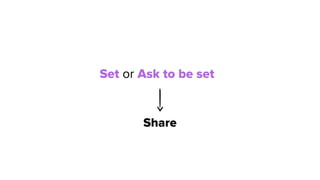
Set or Ask to be set
Share
Understand what’s
changing
When it seems that “priorities keep
changing” we need to clearly
understand what’s happening
It can be just our perception…
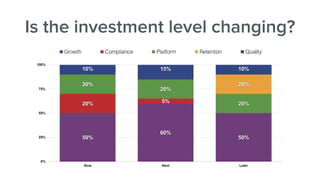
Is the investment level changing?
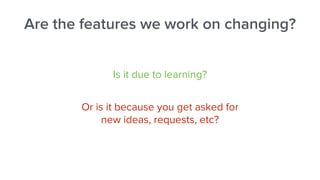
Are the features we work on changing?
Is it due to learning?
Or is it because you get asked for
new ideas, requests, etc?
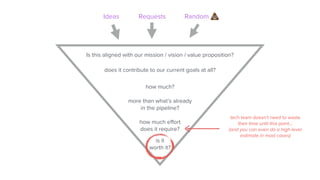
Ideas Requests Random
Is this aligned with our mission / vision / value proposition?
does it contribute to our current goals at all?
how much?
more than what’s already
in the pipeline?
how much effort
does it require?
is it
worth it?
tech team doesn’t need to waste
their time until this point…
(and you can even do a high-level
estimate in most cases)
effort
value
ignore
consider add
next
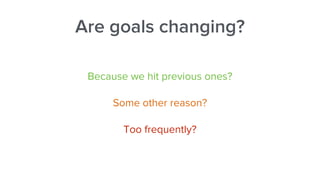
Are goals changing?
Because we hit previous ones?
Some other reason?
Too frequently?
Summing it up…
Priority comes from Value
Value comes from Outcomes
We need to…
Know the types of outcomes we
need to produce
#1
Know how important they are
relative to each other
#2
Correctly identify what’s changing
(or what needs to change)
#3
Priority Starts at the Top

Priority Starts at the Top