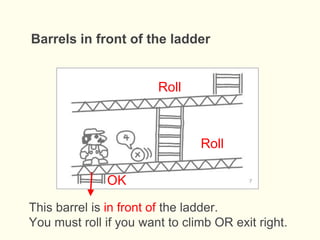
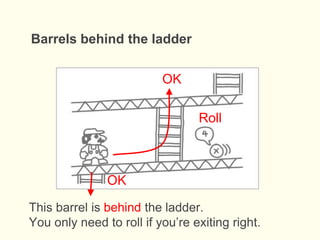
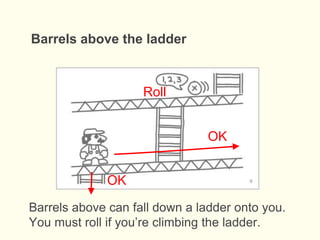
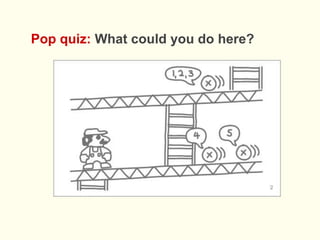
Design Tutorial
John Ferrara
While you’re waiting to start
Screenshot a game you’re playing and
tweet it with hashtag #PlayfulDesign
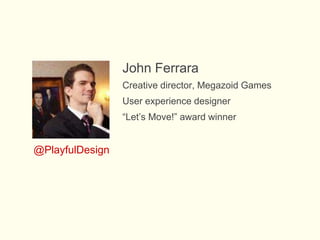
John Ferrara
Creative director, Megazoid Games
User experience designer
“Let’s Move!” award winner
@PlayfulDesign
PlayfulDesignBook.com
My book
Today
We’ll talk about games
We’ll play some games
We’ll take a break
We’ll make some games
We’ll test those games
Games absolutely
can improve
people’s health.*
*If they are well designed experiences.
An overview of
the problem
part 1
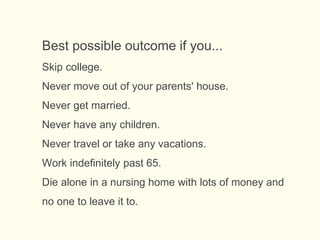
Best possible outcome if you...
Skip college.
Never move out of your parents' house.
Never get married.
Never have any children.
Never travel or take any vacations.
Work indefinitely past 65.
Die alone in a nursing home with lots of money and
no one to leave it to.
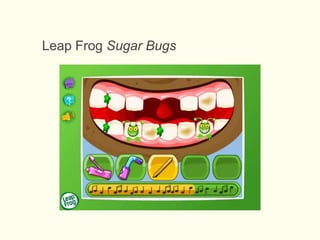
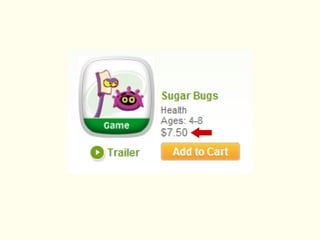
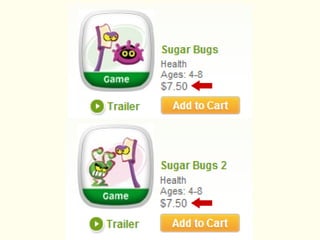
Leap Frog Sugar Bugs
Baranowski, et. al.
Pediatrics
February 27, 2012
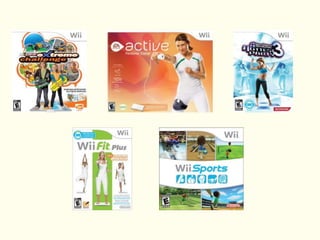
None produced
any difference
in physical activity.
The problem is design.
Games are hard to design well.
Serious games are even harder.
Gamficai tion?
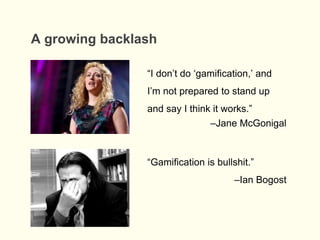
A growing backlash
“I don’t do ‘gamification,’ and
I’m not prepared to stand up
and say I think it works.”
–Jane McGonigal
“Gamification is bullshit.”
–Ian Bogost
Things that games can do
in the real world
part 2
1. Teach
2. Motivate
3. Persuade
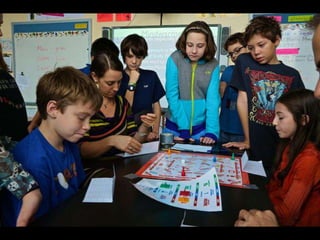
Games can
teach
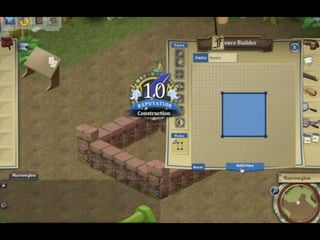
Learning by doing
Practice is rolled in with theory.
Ideas are not just illustrated, but experienced.
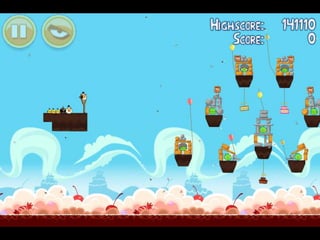
Failure based learning
Getting it wrong builds a better understanding.
Games are a totally safe “virtual lab”.
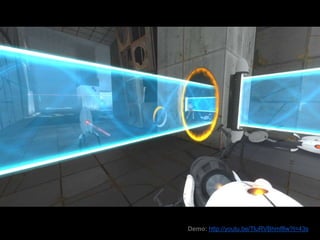
“What if”-ing
Living thought experiments
How might the world be different if...
Demo: http://youtu.be/TluRVBhmf8w?t=43s
Systems thinking
Working with the relationships between moving parts.
Games are the best medium for this that exists.
Games can
motivate
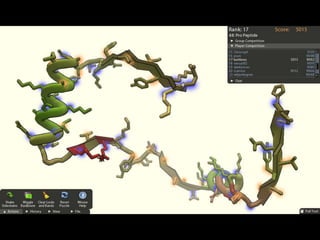
Human computation
Useful outputs are a byproduct of play.
“Games are algorithms that run on people.”
-- Luis Von Ahn
Reframing
Casting real-life challenges in a different light.
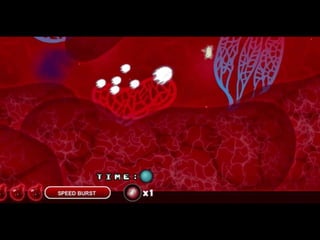
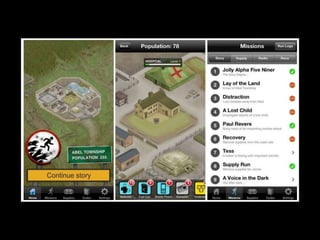
Overlay
Reframing in-the-moment.
A fantasy world is superposed on reality.
Buy the advantage
Intrinsic rewards for external actions.
Players must greatly value the game experience.
Games can
persuade
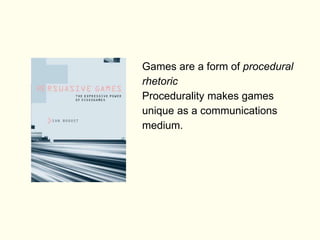
Games are a form of procedural
rhetoric
Procedurality makes games
unique as a communications
medium.
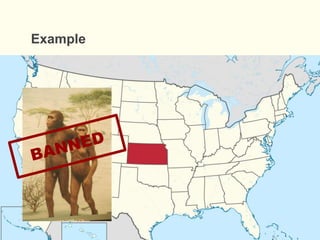
Example
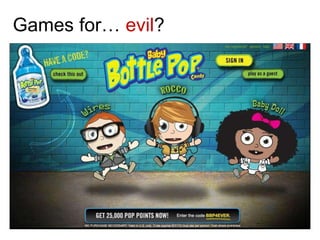
Games for…
evil?
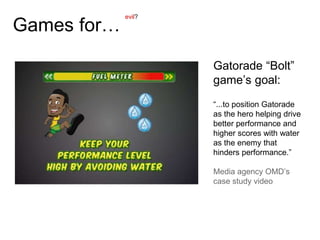
Games for…
Gatorade “Bolt”
game’s goal:
“...to position Gatorade
as the hero helping drive
better performance and
higher scores with water
as the enemy that
hinders performance.”
Media agency OMD’s
case study video
evil?
Games for… evil?
Serious games
need ethical
guidelines
A model for understanding
game experiences
part 3
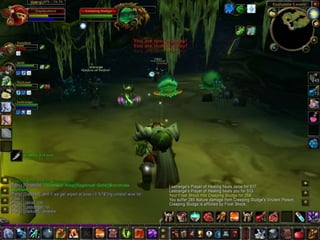
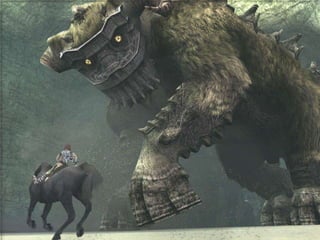
Immersion
Flow
Creativity
Social interaction
Competence
Catharsis
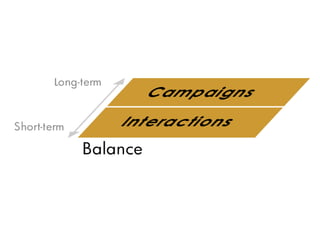
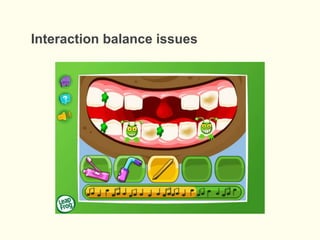
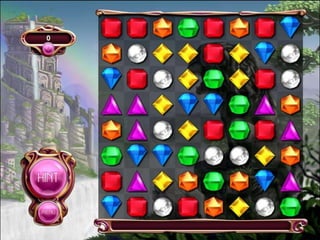
Interaction balance issues
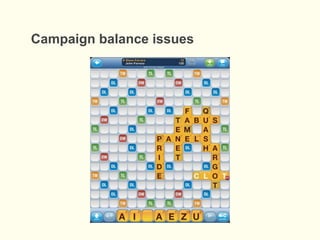
Campaign balance issues
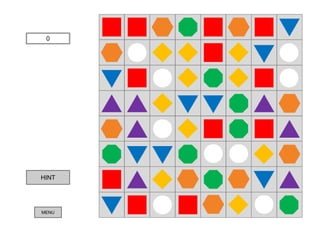
0
HINT
MENU
Games should
be designed to
be games first.
part 4
A method for developing a
game concept
They’re fast and cheap
They focus on the fundamentals
You can playtest with them
They help people speak in a common language
Why paper prototypes?
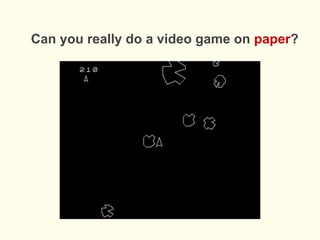
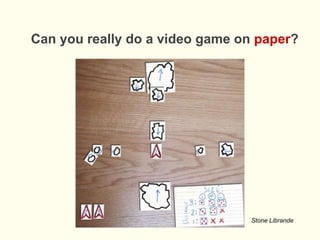
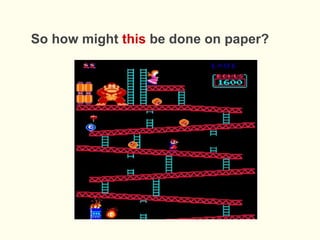
Can you really do a video game on paper?
Stone Librande
Guidelines for paper prototyping
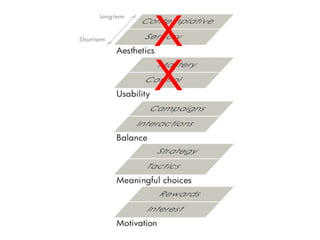
Strip off the aesthetic and usability layers
Work on the underlying gameplay
X
X
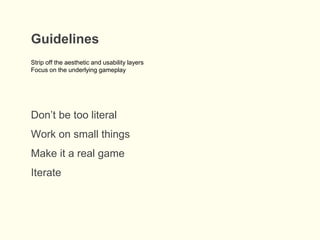
Guidelines
Don’t be too literal
Work on small things
Make it a real game
Iterate
Strip off the aesthetic and usability layers
Focus on the underlying gameplay
So how might this be done on paper?
Let’s take a closer
look at what’s really
happening.
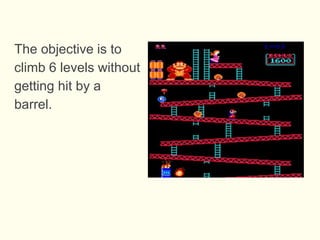
The objective is to
climb 6 levels without
getting hit by a
barrel.
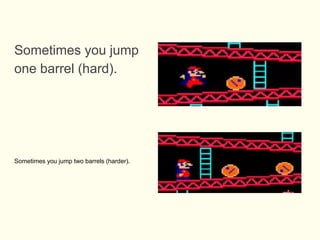
Sometimes you jump
one barrel (hard).
Sometimes you jump two barrels (harder).
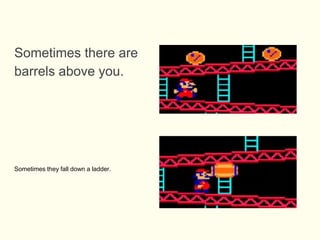
Sometimes there are
barrels above you.
Sometimes they fall down a ladder.
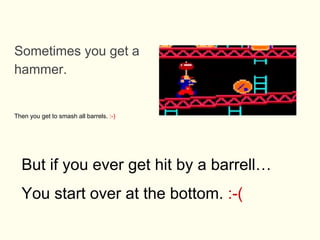
Sometimes you get a
hammer.
Then you get to smash all barrels. :-)
But if you ever get hit by a barrell…
You start over at the bottom. :-(
Super
Jumpman
Bros.
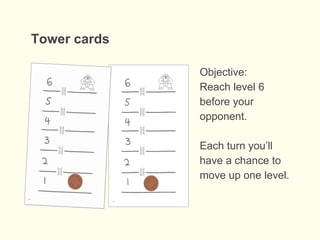
Tower cards
Objective:
Reach level 6
before your
opponent.
Each turn you’ll
have a chance to
move up one level.
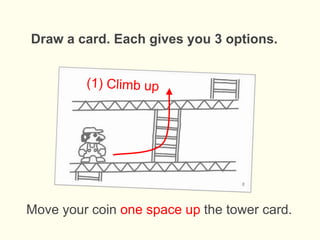
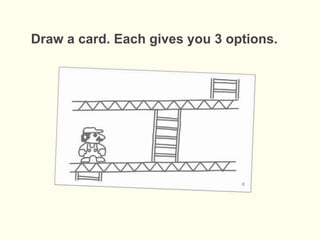
Draw a card. Each gives you 3 options.
Move your coin one space up the tower card.
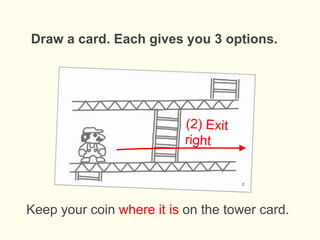
Draw a card. Each gives you 3 options.
Keep your coin where it is on the tower card.
Draw a card. Each gives you 3 options.
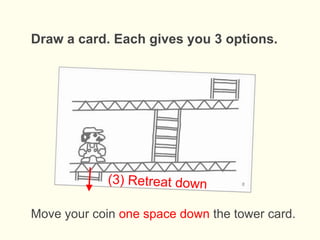
Move your coin one space down the tower card.
Draw a card. Each gives you 3 options.
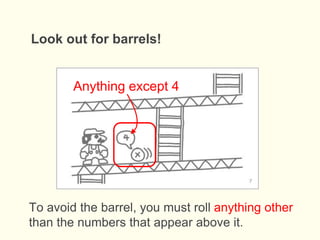
Look out for barrels!
To avoid the barrel, you must roll anything other
than the numbers that appear above it.
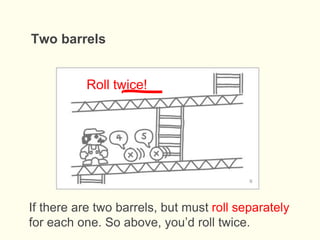
Two barrels
If there are two barrels, but must roll separately
for each one. So above, you’d roll twice.
This barrel is in front of the ladder.
You must roll if you want to climb OR exit right.
Barrels in front of the ladder
OK
Roll
Roll
This barrel is behind the ladder.
You only need to roll if you’re exiting right.
Barrels behind the ladder
Roll
OK
OK
Barrels above the ladder
Barrels above can fall down a ladder onto you.
You must roll if you’re climbing the ladder.
Roll
OK
OK
Pop quiz: What could you do here?
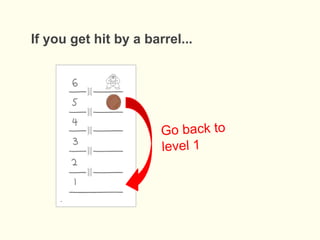
If you get hit by a barrel...
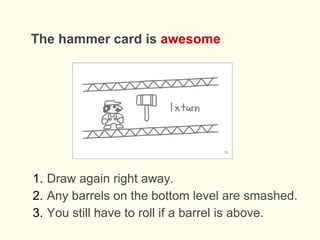
The hammer card is awesome
1. Draw again right away.
2. Any barrels on the bottom level are smashed.
3. You still have to roll if a barrel is above.
Let’s play!
Press start
Discussion
In what ways was this similar to the original game?
In what ways was this different?
What might you change to improve the experience?
Lessons for design
The central conflict of the game
Basic strategy & tactics
What the obstacles are & how often they appear
How hard it should be to jump a barrel
What consequences for mistakes are fair
How the stakes change over time
How the game ends
Abstraction vs. representationalism
Gameplay vs. aesthetics
Luck vs. skill
Going deeper
part 5
A quick primer on essential
game design concepts
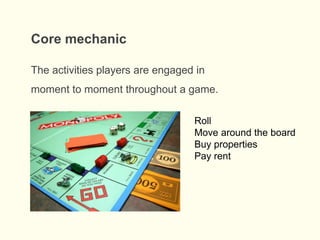
Core mechanic
The activities players are engaged in
moment to moment throughout a game.
Roll
Move around the board
Buy properties
Pay rent
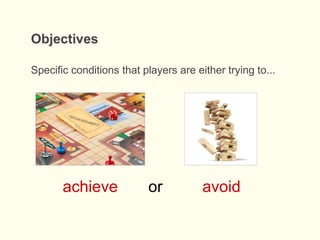
Objectives
Specific conditions that players are either trying to...
achieve avoidor
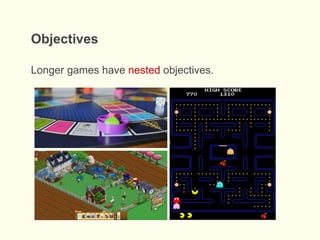
Objectives
Longer games have nested objectives.
Constraints
Limits on what the player can and cannot do.
2 types of constraints:
Environmental
Formal
Environmental constraints
Hard limits set by inherent physical characteristics.
Soft rules that all of the players agree to follow in
order to enable the game experience.
Formal constraints
Conflict
The relationship between objectives and constraints.
Conflict
The relationship between objectives and constraints.
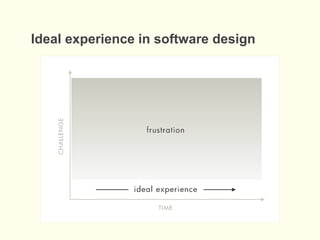
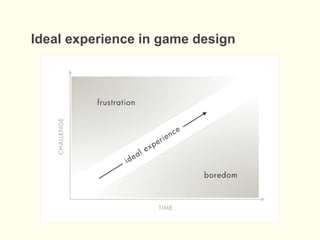
Games necessarily involve challenge.
Ideal experience in software design
Ideal experience in game design
Arbitration
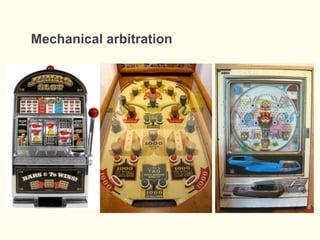
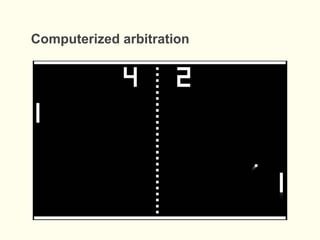
Some games have built-in systems that enforce the
rules so people don’t have to.
2 types of arbitration:
Mechanical
Computerized
Mechanical arbitration
Computerized arbitration
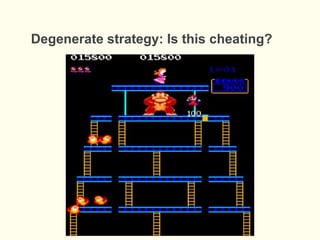
It’s okay for you to do anything that the game
doesn’t specifically prohibit.
As a result, the design is vulnerable to degenerate
strategies.
Arbitration limits cheating
Degenerate strategy: Is this cheating?
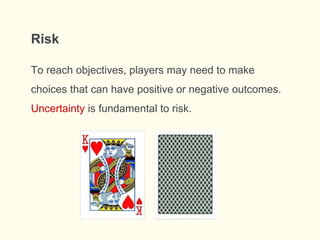
To reach objectives, players may need to make
choices that can have positive or negative outcomes.
Uncertainty is fundamental to risk.
Risk
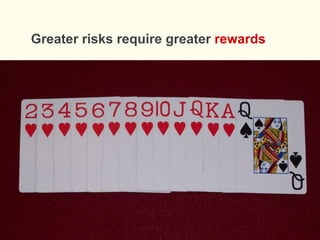
Greater risks require greater rewards
You usually don’t directly design the play experience.
You design the parameters in which play executes.
The players, objectives, and constraints interact in
complex ways to construct the experience as you go.
Games as systems
15 minutes
Up next:
A health game design case study.
You prototype your own games.
Break time!
part 6
A case study
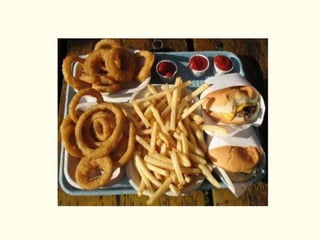
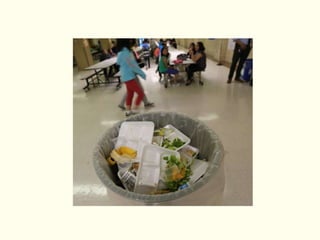
What causes
childhood
obesity?
Understand the nutritional attributes of food
Build a knowledge base of food choices
Develop skills to interpret nutrition information
Learn to value healthier food choices
Kids need to:
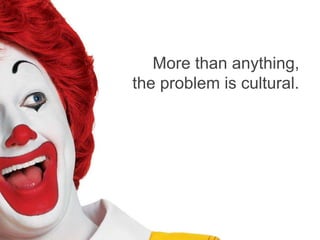
More than anything,
the problem is cultural.
Challenge to create games that teach
8- to 12- year olds healthier eating habits
Virtual pets. Real nutrition.
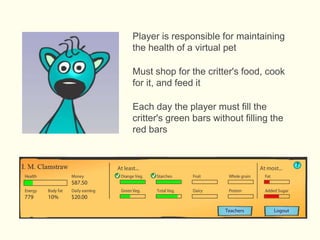
Player is responsible for maintaining
the health of a virtual pet
Must shop for the critter's food, cook
for it, and feed it
Each day the player must fill the
critter's green bars without filling the
red bars
A quick demo
Lessons
1. Define a core message
Design around a clear and
concise statement
of what you want players
to do or to believe.
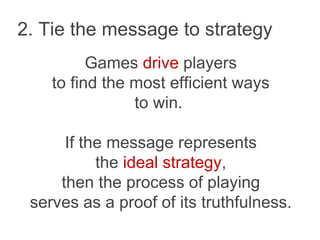
2. Tie the message to strategy
Games drive players
to find the most efficient ways
to win.
If the message represents
the ideal strategy,
then the process of playing
serves as a proof of its truthfulness.
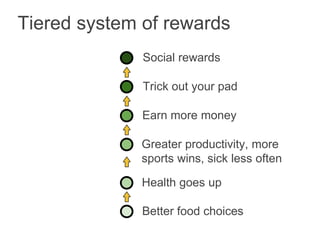
Tiered system of rewards
Better food choices
Health goes up
Greater productivity, more
sports wins, sick less often
Earn more money
Trick out your pad
Social rewards
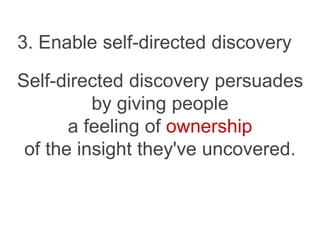
3. Enable self-directed discovery
Self-directed discovery persuades
by giving people
a feeling of ownership
of the insight they've uncovered.
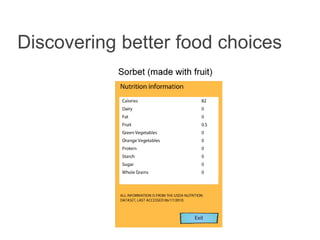
Discovering better food choices
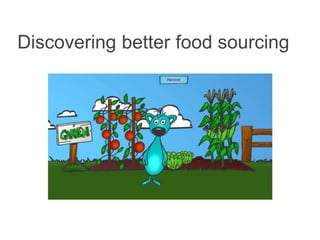
Discovering better food sourcing
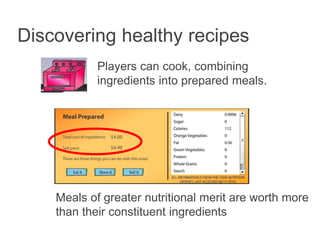
Discovering healthy recipes
Players can cook, combining
ingredients into prepared meals.
Meals of greater nutritional merit are worth more
than their constituent ingredients
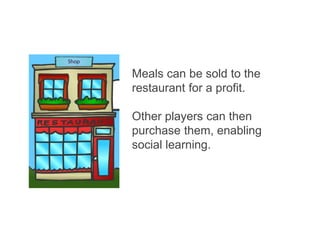
Meals can be sold to the
restaurant for a profit.
Other players can then
purchase them, enabling
social learning.
4. Offer meaningful choices
If there is no benefit
to making the wrong choice,
then there is
no choice at all.
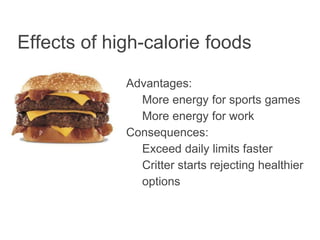
Effects of high-calorie foods
Advantages:
More energy for sports games
More energy for work
Consequences:
Exceed daily limits faster
Critter starts rejecting healthier
options
5. Keep it real
Video games' capacity
to simulate the conditions
of the real world
can impart credibility
to embedded arguments.
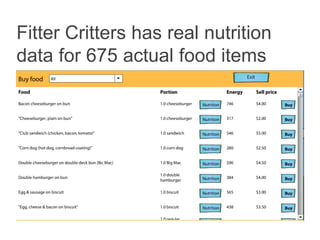
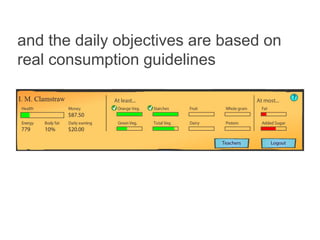
Fitter Critters has real nutrition
data for 675 actual food items
and the daily objectives are based on
real consumption guidelines
Pilot Study
Northbridge Elementary, MA
Run by University of Massachusetts Medical School
100 5th graders, 4 class periods
1. Significant increases in positive attitudes
toward nutrition and fitness
2. Significant increases in students' self-
efficacy
3. Moderate increases in nutrition knowledge
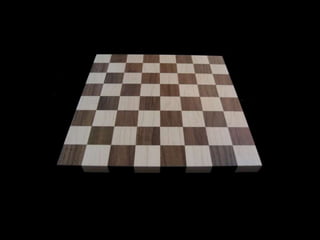
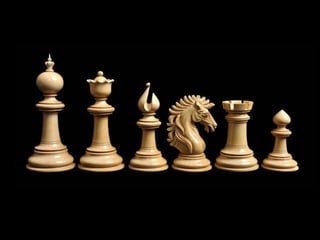
A game design game
for 5 players
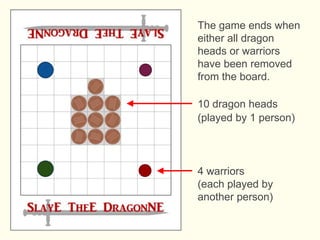
(each played by
another person)
10 dragon heads
4 warriors
The game ends when
either all dragon
heads or warriors
have been removed
from the board.
(played by 1 person)
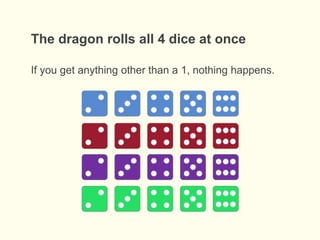
If you get anything other than a 1, nothing happens.
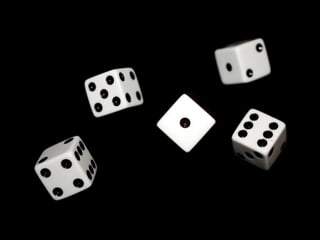
The dragon rolls all 4 dice at once
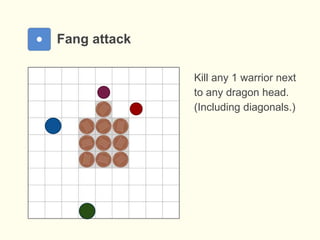
Fang attack
Kill any 1 warrior next
to any dragon head.
(Including diagonals.)
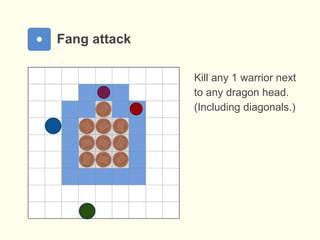
Fang attack
Kill any 1 warrior next
to any dragon head.
(Including diagonals.)
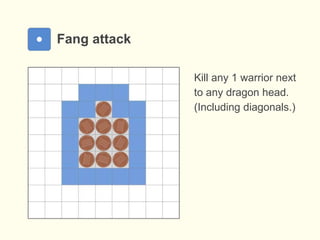
Fang attack
Kill any 1 warrior next
to any dragon head.
(Including diagonals.)
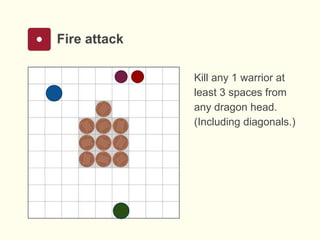
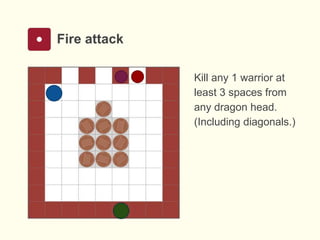
Fire attack
Kill any 1 warrior at
least 3 spaces from
any dragon head.
(Including diagonals.)
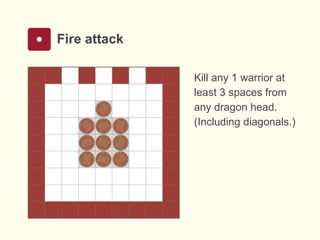
Fire attack
Kill any 1 warrior at
least 3 spaces from
any dragon head.
(Including diagonals.)
Fire attack
Kill any 1 warrior at
least 3 spaces from
any dragon head.
(Including diagonals.)
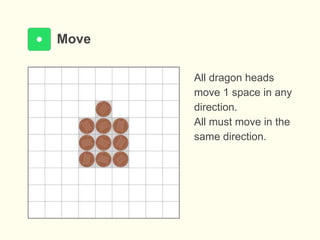
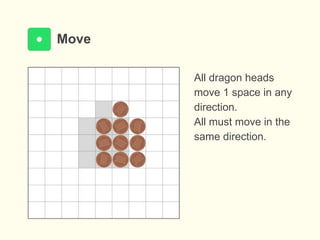
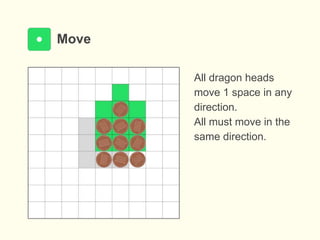
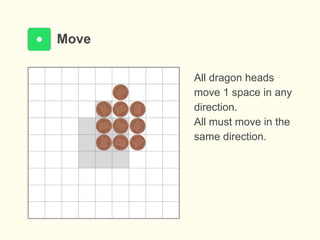
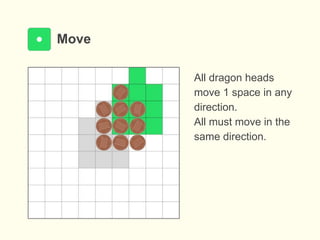
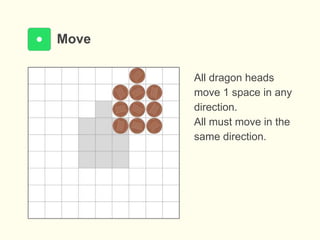
Move
All dragon heads
move 1 space in any
direction.
All must move in the
same direction.
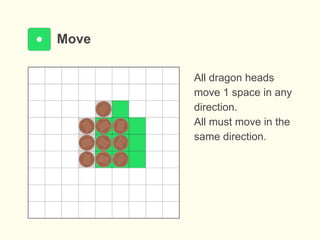
Move
All dragon heads
move 1 space in any
direction.
All must move in the
same direction.
Move
All dragon heads
move 1 space in any
direction.
All must move in the
same direction.
Move
All dragon heads
move 1 space in any
direction.
All must move in the
same direction.
Move
All dragon heads
move 1 space in any
direction.
All must move in the
same direction.
Move
All dragon heads
move 1 space in any
direction.
All must move in the
same direction.
Move
All dragon heads
move 1 space in any
direction.
All must move in the
same direction.
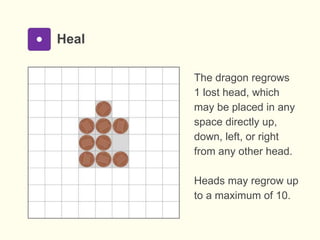
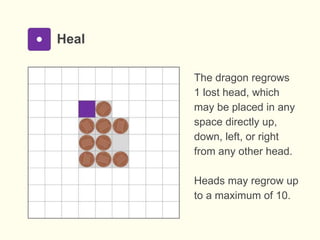
Heal
The dragon regrows
1 lost head, which
may be placed in any
space directly up,
down, left, or right
from any other head.
Heads may regrow up
to a maximum of 10.
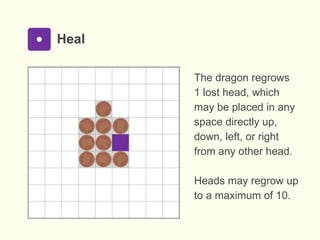
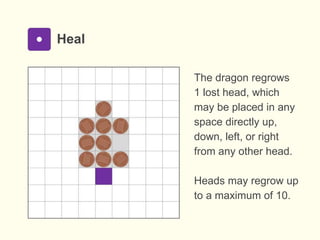
Heal
The dragon regrows
1 lost head, which
may be placed in any
space directly up,
down, left, or right
from any other head.
Heads may regrow up
to a maximum of 10.
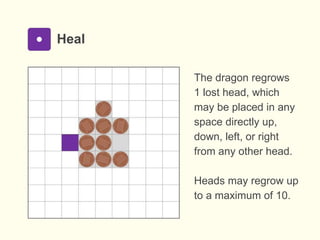
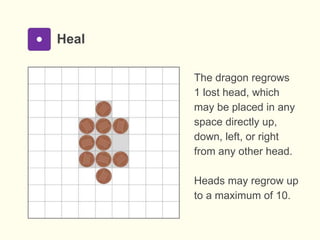
Heal
The dragon regrows
1 lost head, which
may be placed in any
space directly up,
down, left, or right
from any other head.
Heads may regrow up
to a maximum of 10.
Heal
The dragon regrows
1 lost head, which
may be placed in any
space directly up,
down, left, or right
from any other head.
Heads may regrow up
to a maximum of 10.
Heal
The dragon regrows
1 lost head, which
may be placed in any
space directly up,
down, left, or right
from any other head.
Heads may regrow up
to a maximum of 10.
Heal
The dragon regrows
1 lost head, which
may be placed in any
space directly up,
down, left, or right
from any other head.
Heads may regrow up
to a maximum of 10.
So how do the warriors work?
That’s up to you!
Make up roles and rules for each warrior
(e.g. elf, fighter, sorceress, etc.)
Write everything down on the character sheets.
Design a system of rules that interact to make a game
experience that’s:
The designer’s objective
Sustained.
Challenging
.
Fair. Enjoyable.
Let’s design!
10 minutes.
Then play begins.
SUSTAINED - CHALLENGING - FAIR - ENJOYABLE
Time to play!
15 minutes.
Make changes as you go.
SUSTAINED - CHALLENGING - FAIR - ENJOYABLE
Discussion
Did anyone develop a character that worked well?
What was the biggest problem in your game?
What might you change to get rid of that problem?
Iteration 2
Start over. Try to improve the experience.
Make new characters with new rules.
You can change the rules for the dragon.
Incorporate at least 1 environmental piece.
Let’s design
again!
15 minutes.
Then play begins.
USE AT LEAST 1 ENVIRONMENTAL PIECE
Time to play!
10 minutes.
AT LEAST 1 ENVIRONMENTAL PIECES
Was the game better or worse this time?
Were you able to solve the problems?
Did new problems come up?
What’s the most significant problem now?
Discussion
Iteration 3
Turn this into a game about cancer.
Let’s design
again again!
20 minutes.
Then play begins.
TURN IT INTO A GAME ABOUT CANCER
Thank you!
Please complete the assessment form.
Connect with me: @PlayfulDesign
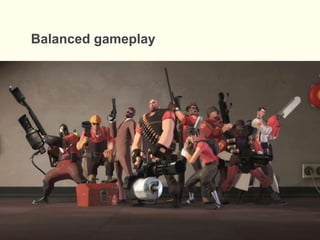
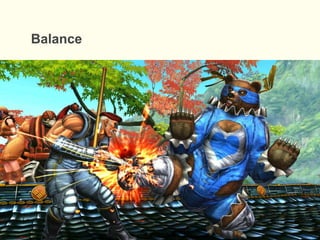
Balanced gameplay
Often, you don’t directly design the play experience.
You design the parameters in which play executes.
The players, objectives, and constraints interact in
complex ways to construct the experience as you go.
Games as systems
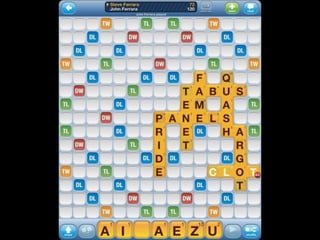
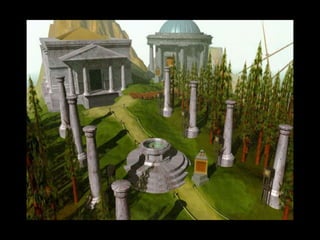
Although some games aren’t systems, e.g...
There are some big design issues here!!
Games execute outside of the designer’s control.
The real-time interactions between game elements
are complex and hard to predict.
Unintended degenerate strategies can emerge.
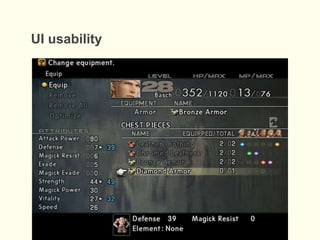
Players may not understand a game or they may
struggle with its UI.
Players might not be having any fun.
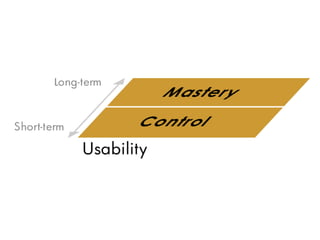
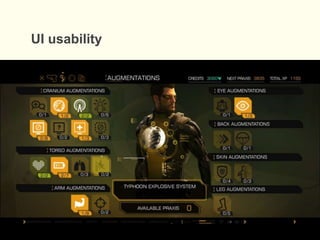
UI usability
UI usability
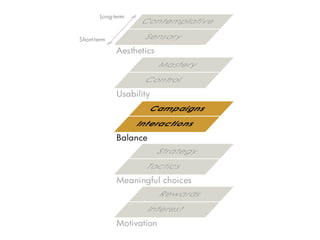
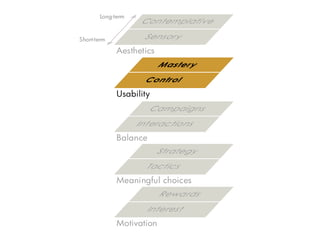
Balance

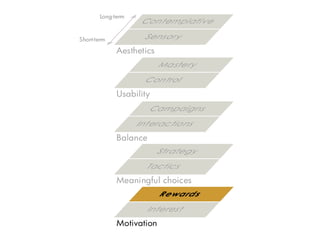
Games for Health 2014 design tutorial

Editor's Notes

  • #77 And why are people doing this? Because they want a creative outlet. They want to build something extraordinary.
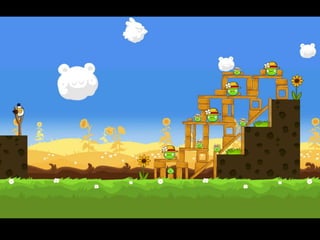
  • #83 The artwork is so happy, but the underlying themes are all “Destroy!”
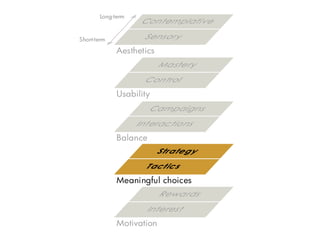
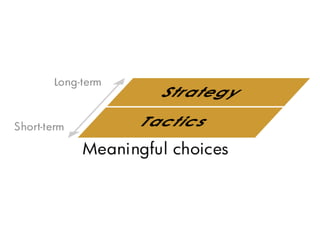
  • #86 THis is really at the heart of what makes a game a game -- is the ability to make choices that affect the outcome. It consists of tactical decisions in the short term, and strategic decisions over the entire course of play.
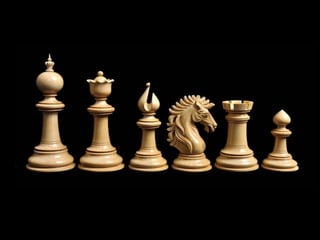
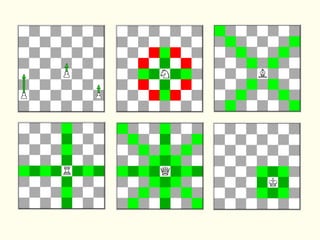
  • #148  the rules governing what players can do with them. It’s the interaction of the rules that are assigned to each of the pieces that brings chess to life, and the game wouldn’t be possible unless people agreed to abide by a common set of rules.
  • #228 Now most games work in this way as systems, although there are a handful of exceptions.
  • #231 Games also tend to design very idiosyncratic user interfaces, even when they’re doing the same thing. Here’s a screen from Deus Ex 3 that lets the player select power-ups, which is common activity in a lot of games a but this particular UI is very pretty unique to Deus Ex 3.