













Film & Cinema
Jo
s
ef
in
o
T.
L
ar
e
n
a,
C
P
S,
C
P
E,
M
Josefino T.Larena,CPS,CPE,MPA
Film History
• The history of film began in the 1890s, with the
invention of the first motion-picture cameras and
the establishment of the first film production
companies.
• The films of the 1890s were under a minute long
and until 1927, motion pictures were produced
without sound.
• The first eleven years of motion pictures show
the cinema moving from a novelty to an
established large-scale entertainment industry.
• The first rotating
camera for
taking panning
shots was built in
1897
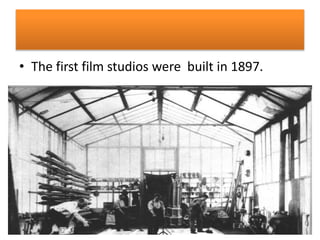
• The first film studios were built in 1897.
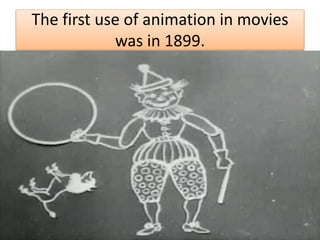
The first use of animation in movies
was in 1899.
The first feature length multi-reel film
was a 1906 Australian production
• World's first feature film
• The Story of the Kelly Gang
• (1906)
• By about 1910, actors began to receive screen
credit for their roles, and the way to the
creation of film stars was opened.
• 1910, American
films had the
largest share of
the market in all
European
countries except
France.
• New film techniques that were introduced in
this period include the use of artificial lighting,
fire effects and Low-key lighting
Sound Era
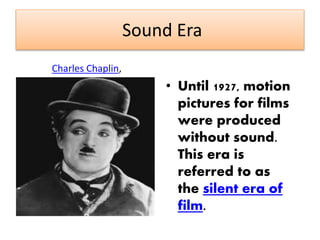
Charles Chaplin,
• Until 1927, motion
pictures for films
were produced
without sound.
This era is
referred to as
the silent era of
film.
• D. W. Griffith had the highest standing
amongst American directors in the industry,
because of the dramatic excitement he
conveyed to the audience through his films.
The American Industry, or "Hollywood", as it
was becoming known after its new
geographical center in California,
• David Llewelyn Wark "D.
W." Griffith (January 22,
1875 – July 23, 1948
• Film Pioneer
• The desire for
wartime propaganda
created a
renaissance in the
film industry in
Britain, with realistic
war dramas.
1950s Film Era
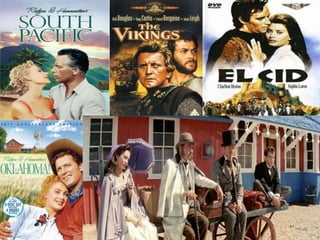
• Biblical and historical spectaculars include The
Ten Commandments (1956)
• The Vikings (1958)
• Ben-Hur (1959)
• Spartacus (1960)
• El Cid (1961)
• Oklahoma! (1955)
• Around the World in 80 Days (1956)
• South Pacific (1958) and Cleopatra (1963)
Golden Age of Asian cinema
1950s-1960s
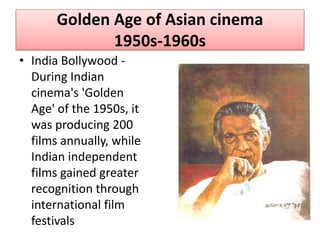
• India Bollywood -
During Indian
cinema's 'Golden
Age' of the 1950s, it
was producing 200
films annually, while
Indian independent
films gained greater
recognition through
international film
festivals
Japan
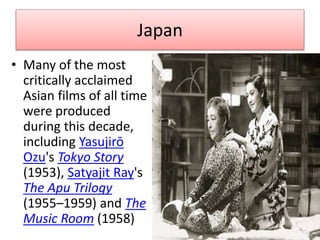
• Many of the most
critically acclaimed
Asian films of all time
were produced
during this decade,
including Yasujirō
Ozu's Tokyo Story
(1953), Satyajit Ray's
The Apu Trilogy
(1955–1959) and The
Music Room (1958)
Philippines
• The 1950s was also a 'Golden Age'
for Philippine cinema, with the
emergence of more artistic and
mature films, and significant
improvement in cinematic .The
studio system produced frenetic
activity in the local film industry as
many films were made annually
and several local talents started to
earn recognition abroad. The
premiere Philippine directors of
the era included Gerardo de Leon,
Gregorio Fernández, Eddie
Romero, Lamberto Avellana, and
Cirio Santiago
1960s
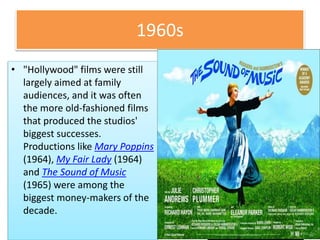
• "Hollywood" films were still
largely aimed at family
audiences, and it was often
the more old-fashioned films
that produced the studios'
biggest successes.
Productions like Mary Poppins
(1964), My Fair Lady (1964)
and The Sound of Music
(1965) were among the
biggest money-makers of the
decade.
1970s
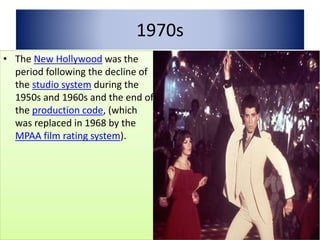
• The New Hollywood was the
period following the decline of
the studio system during the
1950s and 1960s and the end of
the production code, (which
was replaced in 1968 by the
MPAA film rating system).
1980s
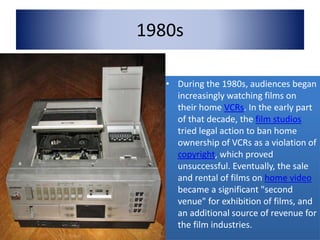
• During the 1980s, audiences began
increasingly watching films on
their home VCRs. In the early part
of that decade, the film studios
tried legal action to ban home
ownership of VCRs as a violation of
copyright, which proved
unsuccessful. Eventually, the sale
and rental of films on home video
became a significant "second
venue" for exhibition of films, and
an additional source of revenue for
the film industries.
1990s
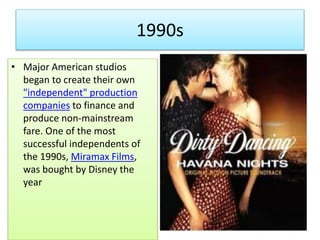
• Major American studios
began to create their own
"independent" production
companies to finance and
produce non-mainstream
fare. One of the most
successful independents of
the 1990s, Miramax Films,
was bought by Disney the
year
Best films
Best Films in 2014
American Film Institute's
Academy Awards
Thank you so much & God bless

Film & Cinema

  • 1.
  • 2.
    Film History • Thehistory of film began in the 1890s, with the invention of the first motion-picture cameras and the establishment of the first film production companies. • The films of the 1890s were under a minute long and until 1927, motion pictures were produced without sound. • The first eleven years of motion pictures show the cinema moving from a novelty to an established large-scale entertainment industry.
  • 3.
    • The firstrotating camera for taking panning shots was built in 1897
  • 4.
    • The firstfilm studios were built in 1897.
  • 5.
    The first useof animation in movies was in 1899.
  • 6.
    The first featurelength multi-reel film was a 1906 Australian production • World's first feature film • The Story of the Kelly Gang • (1906)
  • 7.
    • By about1910, actors began to receive screen credit for their roles, and the way to the creation of film stars was opened.
  • 8.
    • 1910, American filmshad the largest share of the market in all European countries except France.
  • 9.
    • New filmtechniques that were introduced in this period include the use of artificial lighting, fire effects and Low-key lighting
  • 10.
    Sound Era Charles Chaplin, •Until 1927, motion pictures for films were produced without sound. This era is referred to as the silent era of film.
  • 11.
    • D. W.Griffith had the highest standing amongst American directors in the industry, because of the dramatic excitement he conveyed to the audience through his films. The American Industry, or "Hollywood", as it was becoming known after its new geographical center in California,
  • 12.
    • David LlewelynWark "D. W." Griffith (January 22, 1875 – July 23, 1948 • Film Pioneer
  • 13.
    • The desirefor wartime propaganda created a renaissance in the film industry in Britain, with realistic war dramas.
  • 14.
    1950s Film Era •Biblical and historical spectaculars include The Ten Commandments (1956) • The Vikings (1958) • Ben-Hur (1959) • Spartacus (1960) • El Cid (1961) • Oklahoma! (1955) • Around the World in 80 Days (1956) • South Pacific (1958) and Cleopatra (1963)
  • 16.
    Golden Age ofAsian cinema 1950s-1960s • India Bollywood - During Indian cinema's 'Golden Age' of the 1950s, it was producing 200 films annually, while Indian independent films gained greater recognition through international film festivals
  • 17.
    Japan • Many ofthe most critically acclaimed Asian films of all time were produced during this decade, including Yasujirō Ozu's Tokyo Story (1953), Satyajit Ray's The Apu Trilogy (1955–1959) and The Music Room (1958)
  • 18.
    Philippines • The 1950swas also a 'Golden Age' for Philippine cinema, with the emergence of more artistic and mature films, and significant improvement in cinematic .The studio system produced frenetic activity in the local film industry as many films were made annually and several local talents started to earn recognition abroad. The premiere Philippine directors of the era included Gerardo de Leon, Gregorio Fernández, Eddie Romero, Lamberto Avellana, and Cirio Santiago
  • 19.
    1960s • "Hollywood" filmswere still largely aimed at family audiences, and it was often the more old-fashioned films that produced the studios' biggest successes. Productions like Mary Poppins (1964), My Fair Lady (1964) and The Sound of Music (1965) were among the biggest money-makers of the decade.
  • 20.
    1970s • The NewHollywood was the period following the decline of the studio system during the 1950s and 1960s and the end of the production code, (which was replaced in 1968 by the MPAA film rating system).
  • 21.
    1980s • During the1980s, audiences began increasingly watching films on their home VCRs. In the early part of that decade, the film studios tried legal action to ban home ownership of VCRs as a violation of copyright, which proved unsuccessful. Eventually, the sale and rental of films on home video became a significant "second venue" for exhibition of films, and an additional source of revenue for the film industries.
  • 22.
    1990s • Major Americanstudios began to create their own "independent" production companies to finance and produce non-mainstream fare. One of the most successful independents of the 1990s, Miramax Films, was bought by Disney the year
  • 23.
  • 24.
  • 25.
  • 26.
  • 27.
    Thank you somuch & God bless