Week 3  New Product  Development & Product Life Cycle
Target Market recap  Target audiences define who  you are going to sell to.  Target markets can be defined by demographics, psychographics, geographic, benefit or buying behaviour
Related specifically to fashion,  one theory groups potential  customers into four main categories McFashion International Superbrands London Style (country dependent!) Micro markets
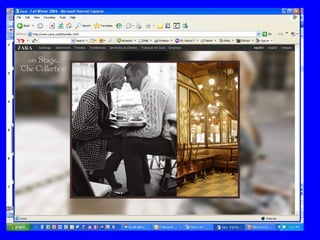
McFashion Term McFashion coined in 2003 High streets are full of the fashion equivalent of fast food – cheap, chic clothing available all over the globe Enables safe buy in into latest trends, focus  on value for money  European brands such as GAP and Zara UK supermarkets such as ASDA and Tesco
 
 
International Superbrands Opposite end of market to McFashion International Superbrands are led by the  notion of couture The label on what you wear is critical International superbrands are the drivers  Behind the aspirational elements of fashion
 
London Style  The London fashion scene is recognised internationally for its creativity and flourishing market The UK prides itself on designers such as  John Galliano, Stella McCartney  and Alexander McQueen  who took over fashion houses in  Paris
Micro Markets Micro markets are the most directional in regards to the future of clothing and fashion Multi dimensional and multi style group Related to consumer moods – customised clothing  online. Think Nike
Once you know who you are going to sell to, there are a few ways to introduce a  new product Product improvement or modification Product imitation Product innovation Product diversification
Product Improvement Used when a product has reached a stage  where something has to be done to keep it viable Do you get rid of it, or revitalise it?
Product Imitation Wait for another to take the lead in a market, then release an imitation product (remember the how of ‘how do I compete?’ This strategy reduces your own risk Imitator sometimes has a lower cost, so a price advantage Think fake fashion!
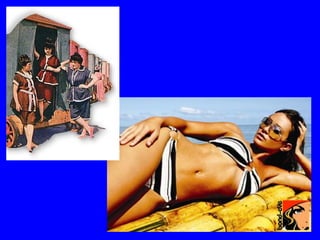
Product Innovation  Do you introduce a new product to replace an existing product and satisfy the need in a new way? Think mini skirts, swim suits over the years Innovation is a high risk strategy, but can  pay off if successful
 
Product Diversification Introduces new products or markets into marketing strategies in pursuit of growth High risk strategy
Three ways to diversify Concentric: close synergy with existing products (ie dresses and shoes) Horizontal: technologically unrelated, but sold to The same customers  (ie dresses and perfumes) Conglomerate: no relationship to current  Product (ie dresses and bread)
Product Life Cycle Products go through stages which require different marketing strategies to maximise sales and profits Introduction Growth  Maturity Decline
Introduction The introduction period is one where acceptance of the product is in doubt Usually involves high marketing expenses and little profit
Growth Period of substantial profit improvement Strategies in this phase: Product improvement (product) Promote to new market (promotion) Use new distribution channels (place) Price reductions to attain new  customers (price)
Maturity In a mature market there is intense rivalry Companies battle for market share through advertising, new distribution channels, price Concessions Growth of sales slows, profits peak then  Decline Strategies can include: Search for new markets Product improvements or changes New marketing mix
Decline Decline is not necessarily a bad thing Competitors can leave, resulting in  reduced costs  Strategies can include: Increase investment (to dominate) Decrease investment selectively (concentrate on positive areas) - Divest (dispose of assets)
Apparel and other consumer products can be classified by the length of their life cycles.  Basic products such as T-shirts and blue jeans are sold for years with few style changes.   Businesses selling basic products can count on a long product life cycle with the same customers buying multiple units of the same product at once or over time.
                                                                                The life cycle curves of basic, fashion, and fad  products are pictured below.
Fashion product life cycles last a shorter time than basic product life cycles. By definition, fashion is a style of the time.  A large number of people adopt a style at a particular time. When it is no longer adopted by many, a fashion product life cycle ends. Fashion products have a steep decline once they reach their highest sales.
The fad has the shortest life cycle. It is typically a style that is adopted by a particular  sub-culture or younger demographic group for a short period of time.
The overall sales of basic products are the highest of the three types of products, and their life cycles are generally the longest
Apparel products often have a fashion dimension, even if it is just colour. As fashion features increase in a product, the life cycle will decrease.  Therefore, if you are designing a fashion product, you will want to have multiple products in line for introduction as each fashion product's cycle runs its course
Some firms build their lines to include basic, fashion, and fad products in order to maximize sales. For example, with a sweater line, a business may have four styles that have classic styling and colours and are always in the line.  Four additional styles may be modified every two years to include silhouette, length, and collar changes based on the current fashion. One or two short-cycle fashion or fad styles based on breaking trends may be introduced once or twice a year. Styles that a popular celebrity or sports hero is wearing are examples of fashion and fad styles
Five types of consumers emerge at each of the life cycle stages.                                                                                 
Different marketing strategies should be used to reach each of these consumer types.  Fashion innovators adopt a new product first. They are interested in innovative and unique features. Marketing and promotion should emphasize the newness and distinctive features of the product.
Fashion opinion leaders (celebrities, magazines, early adopters) are the next most likely adopters of a fashion product. They copy the fashion innovators and change the product into a popular style. The product is produced by more companies and is sold at more retail outlets.  At the peak of its popularity, a fashion product is adopted by the masses. Marketing is through mass merchandisers and advertising to broad audiences.
As its popularity fades, the fashion product is often marked for clearance, to invite the bargain hunters and consumers, the late adopters and laggards, who are slow to recognize and adopt a fashionable style.
Done!
Prada – appears in Miami Vice, Mission Impossible 3 Carhartt appears in Failure to Launch, the departed

Fashion Marketing Week 3

  • 1.
    Week 3 New Product Development & Product Life Cycle
  • 2.
    Target Market recap Target audiences define who you are going to sell to. Target markets can be defined by demographics, psychographics, geographic, benefit or buying behaviour
  • 3.
    Related specifically tofashion, one theory groups potential customers into four main categories McFashion International Superbrands London Style (country dependent!) Micro markets
  • 4.
    McFashion Term McFashioncoined in 2003 High streets are full of the fashion equivalent of fast food – cheap, chic clothing available all over the globe Enables safe buy in into latest trends, focus on value for money European brands such as GAP and Zara UK supermarkets such as ASDA and Tesco
  • 5.
  • 6.
  • 7.
    International Superbrands Oppositeend of market to McFashion International Superbrands are led by the notion of couture The label on what you wear is critical International superbrands are the drivers Behind the aspirational elements of fashion
  • 8.
  • 9.
    London Style The London fashion scene is recognised internationally for its creativity and flourishing market The UK prides itself on designers such as John Galliano, Stella McCartney and Alexander McQueen who took over fashion houses in Paris
  • 10.
    Micro Markets Micromarkets are the most directional in regards to the future of clothing and fashion Multi dimensional and multi style group Related to consumer moods – customised clothing online. Think Nike
  • 11.
    Once you knowwho you are going to sell to, there are a few ways to introduce a new product Product improvement or modification Product imitation Product innovation Product diversification
  • 12.
    Product Improvement Usedwhen a product has reached a stage where something has to be done to keep it viable Do you get rid of it, or revitalise it?
  • 13.
    Product Imitation Waitfor another to take the lead in a market, then release an imitation product (remember the how of ‘how do I compete?’ This strategy reduces your own risk Imitator sometimes has a lower cost, so a price advantage Think fake fashion!
  • 14.
    Product Innovation Do you introduce a new product to replace an existing product and satisfy the need in a new way? Think mini skirts, swim suits over the years Innovation is a high risk strategy, but can pay off if successful
  • 15.
  • 16.
    Product Diversification Introducesnew products or markets into marketing strategies in pursuit of growth High risk strategy
  • 17.
    Three ways todiversify Concentric: close synergy with existing products (ie dresses and shoes) Horizontal: technologically unrelated, but sold to The same customers (ie dresses and perfumes) Conglomerate: no relationship to current Product (ie dresses and bread)
  • 18.
    Product Life CycleProducts go through stages which require different marketing strategies to maximise sales and profits Introduction Growth Maturity Decline
  • 19.
    Introduction The introductionperiod is one where acceptance of the product is in doubt Usually involves high marketing expenses and little profit
  • 20.
    Growth Period ofsubstantial profit improvement Strategies in this phase: Product improvement (product) Promote to new market (promotion) Use new distribution channels (place) Price reductions to attain new customers (price)
  • 21.
    Maturity In amature market there is intense rivalry Companies battle for market share through advertising, new distribution channels, price Concessions Growth of sales slows, profits peak then Decline Strategies can include: Search for new markets Product improvements or changes New marketing mix
  • 22.
    Decline Decline isnot necessarily a bad thing Competitors can leave, resulting in reduced costs Strategies can include: Increase investment (to dominate) Decrease investment selectively (concentrate on positive areas) - Divest (dispose of assets)
  • 23.
    Apparel and otherconsumer products can be classified by the length of their life cycles. Basic products such as T-shirts and blue jeans are sold for years with few style changes. Businesses selling basic products can count on a long product life cycle with the same customers buying multiple units of the same product at once or over time.
  • 24.
  • 25.
    Fashion product lifecycles last a shorter time than basic product life cycles. By definition, fashion is a style of the time. A large number of people adopt a style at a particular time. When it is no longer adopted by many, a fashion product life cycle ends. Fashion products have a steep decline once they reach their highest sales.
  • 26.
    The fad hasthe shortest life cycle. It is typically a style that is adopted by a particular sub-culture or younger demographic group for a short period of time.
  • 27.
    The overall salesof basic products are the highest of the three types of products, and their life cycles are generally the longest
  • 28.
    Apparel products oftenhave a fashion dimension, even if it is just colour. As fashion features increase in a product, the life cycle will decrease. Therefore, if you are designing a fashion product, you will want to have multiple products in line for introduction as each fashion product's cycle runs its course
  • 29.
    Some firms buildtheir lines to include basic, fashion, and fad products in order to maximize sales. For example, with a sweater line, a business may have four styles that have classic styling and colours and are always in the line. Four additional styles may be modified every two years to include silhouette, length, and collar changes based on the current fashion. One or two short-cycle fashion or fad styles based on breaking trends may be introduced once or twice a year. Styles that a popular celebrity or sports hero is wearing are examples of fashion and fad styles
  • 30.
    Five types ofconsumers emerge at each of the life cycle stages.                                                                                
  • 31.
    Different marketing strategiesshould be used to reach each of these consumer types. Fashion innovators adopt a new product first. They are interested in innovative and unique features. Marketing and promotion should emphasize the newness and distinctive features of the product.
  • 32.
    Fashion opinion leaders(celebrities, magazines, early adopters) are the next most likely adopters of a fashion product. They copy the fashion innovators and change the product into a popular style. The product is produced by more companies and is sold at more retail outlets. At the peak of its popularity, a fashion product is adopted by the masses. Marketing is through mass merchandisers and advertising to broad audiences.
  • 33.
    As its popularityfades, the fashion product is often marked for clearance, to invite the bargain hunters and consumers, the late adopters and laggards, who are slow to recognize and adopt a fashionable style.
  • 34.
  • 35.
    Prada – appearsin Miami Vice, Mission Impossible 3 Carhartt appears in Failure to Launch, the departed