Exam Preparation The Essentials
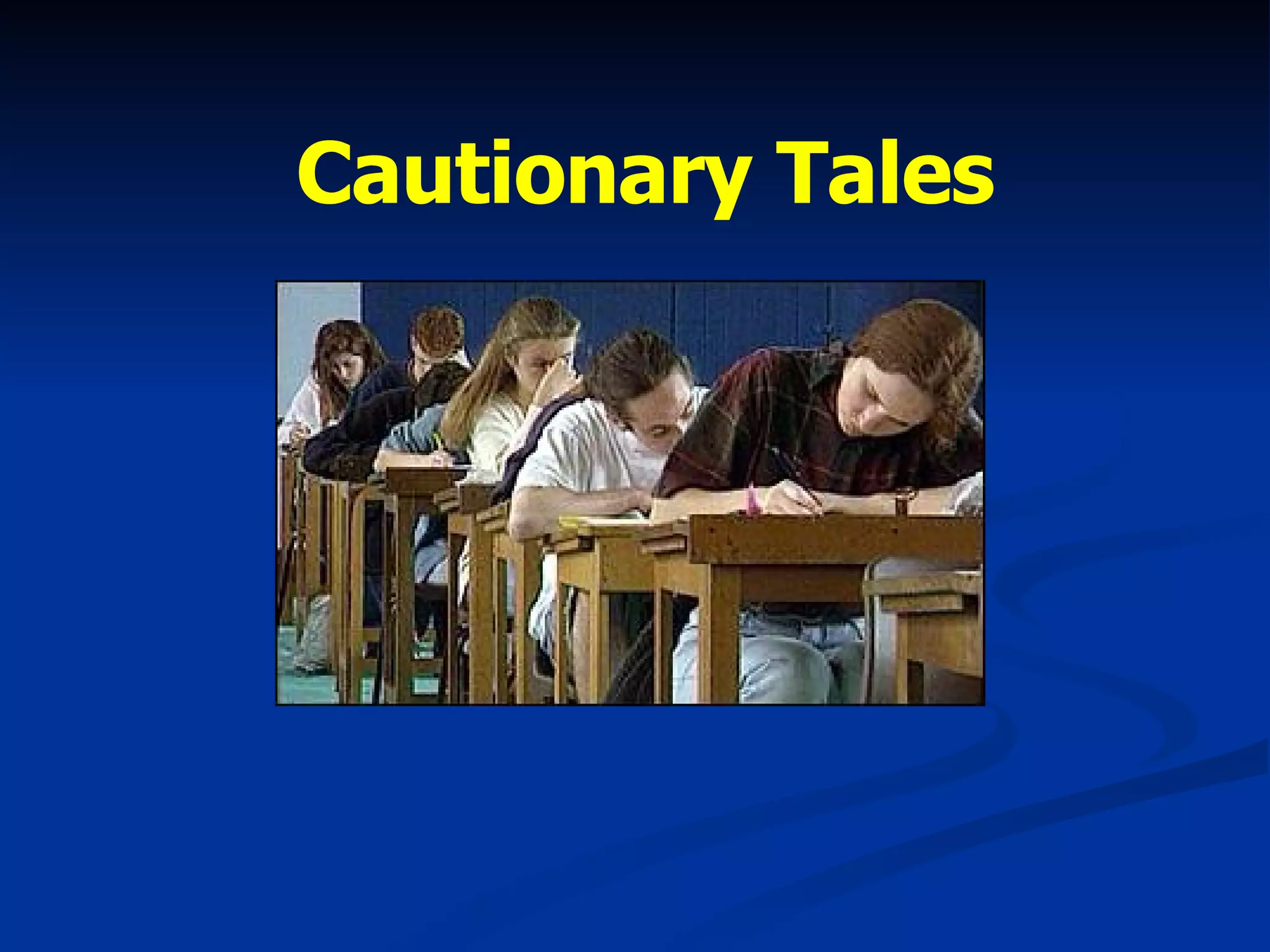
Cautionary Tales
“ I left my revision until the last minute – I figured I worked better under pressure – look at me now…” Michael – Fast food crewmember
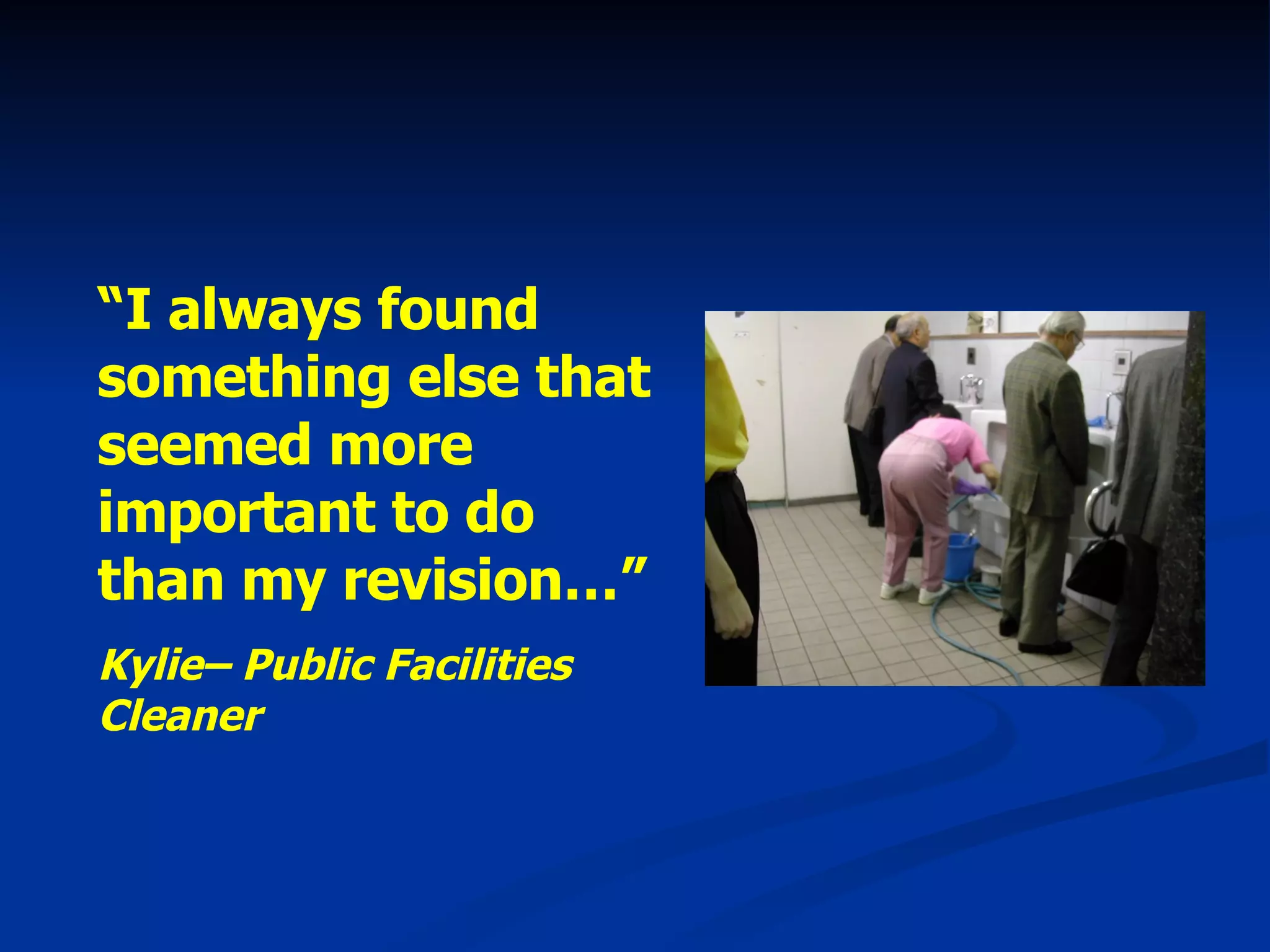
“ I always found something else that seemed more important to do than my revision…” Kylie– Public Facilities Cleaner
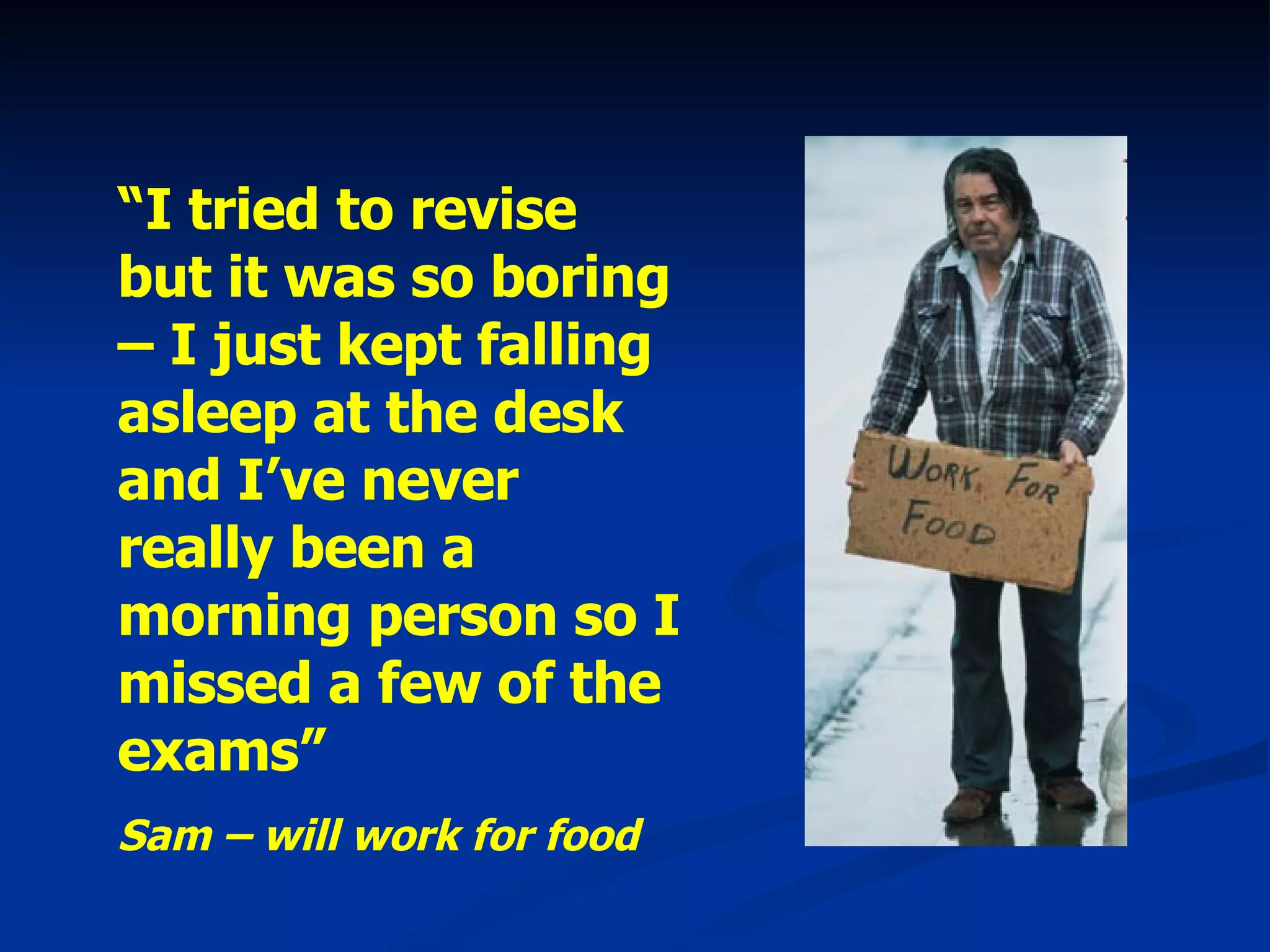
“ I tried to revise but it was so boring – I just kept falling asleep at the desk and I’ve never really been a morning person so I missed a few of the exams” Sam – will work for food
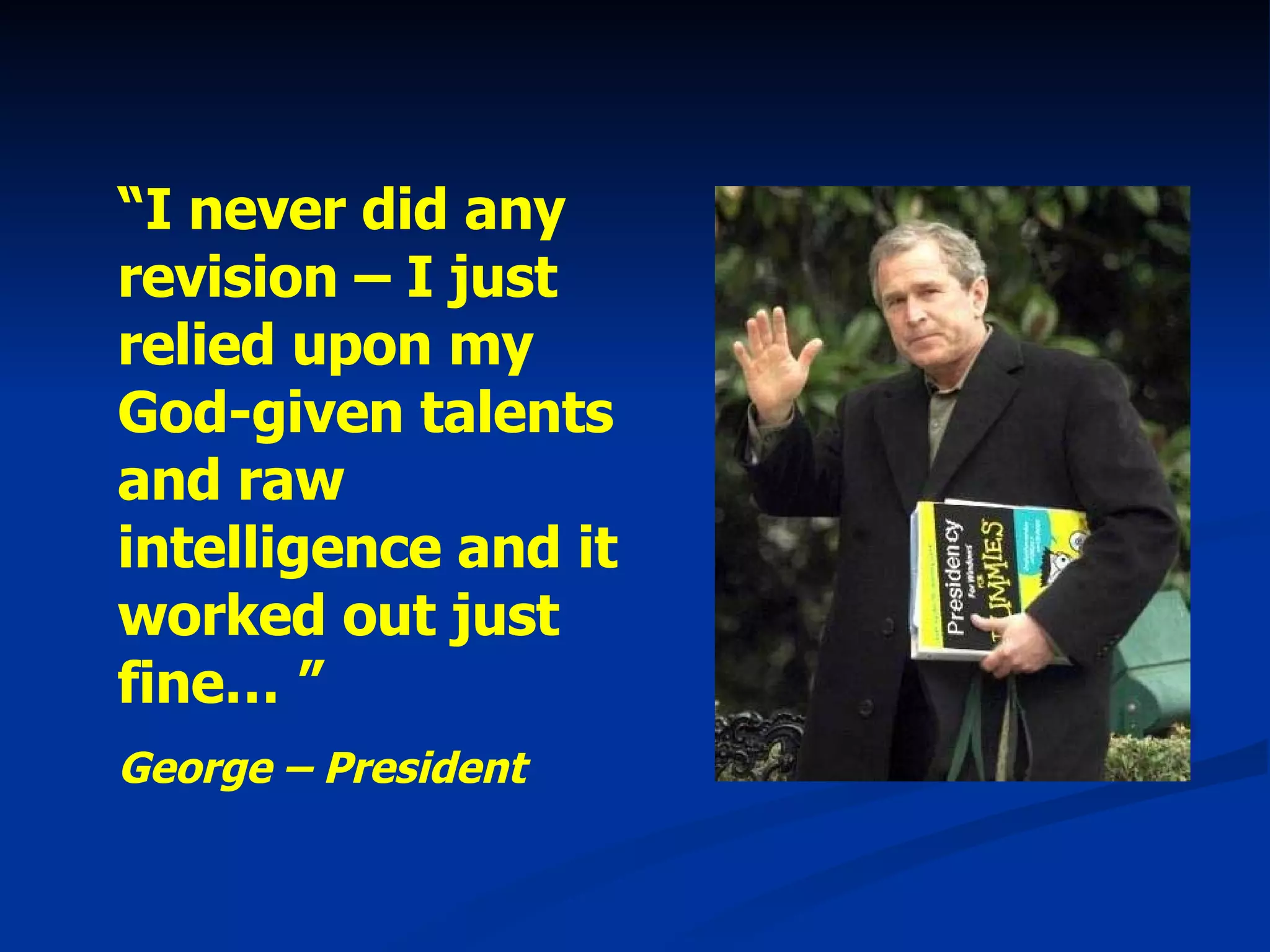
“ I never did any revision – I just relied upon my God-given talents and raw intelligence and it worked out just fine… ” George – President
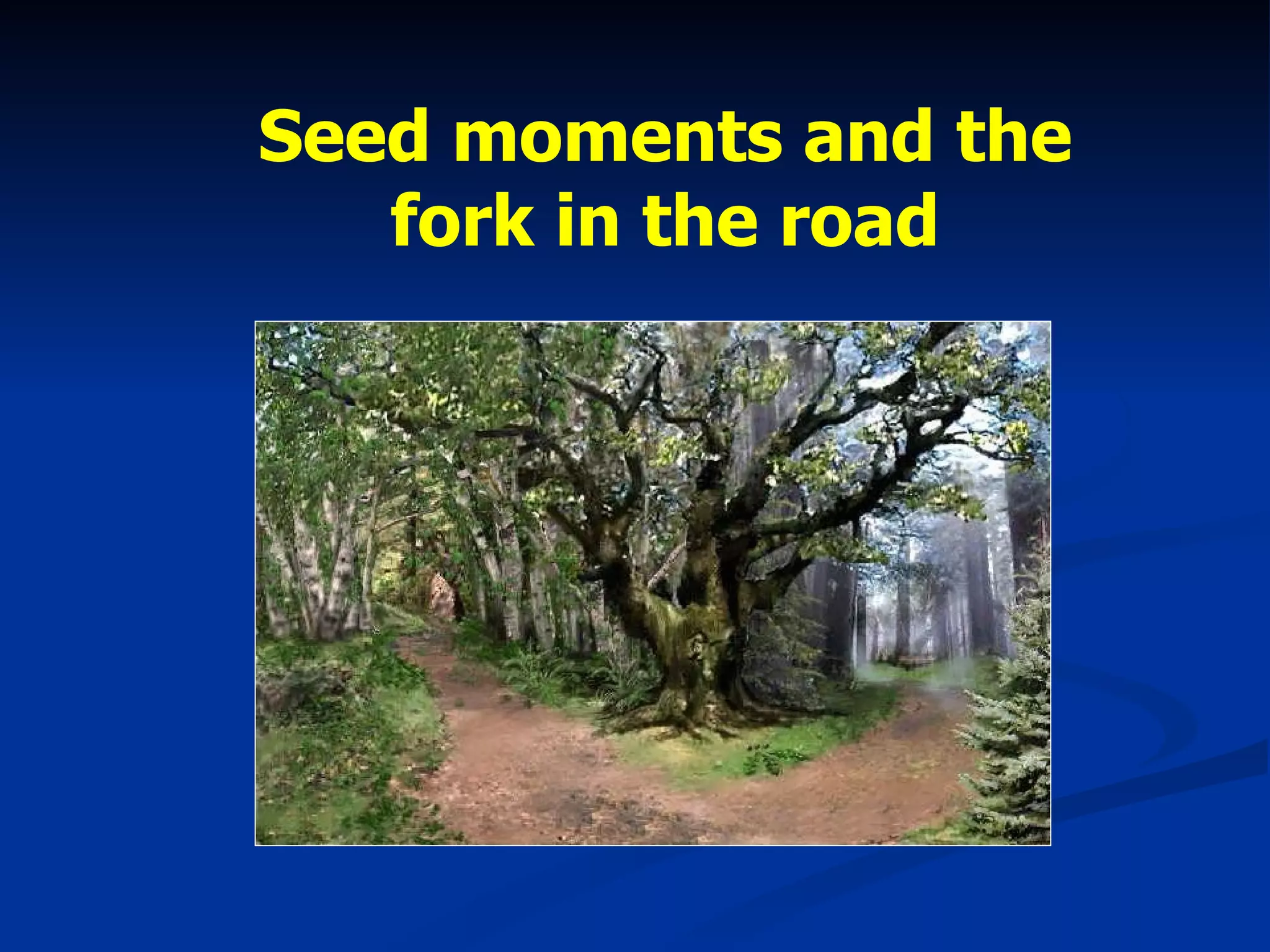
Seed moments and the fork in the road
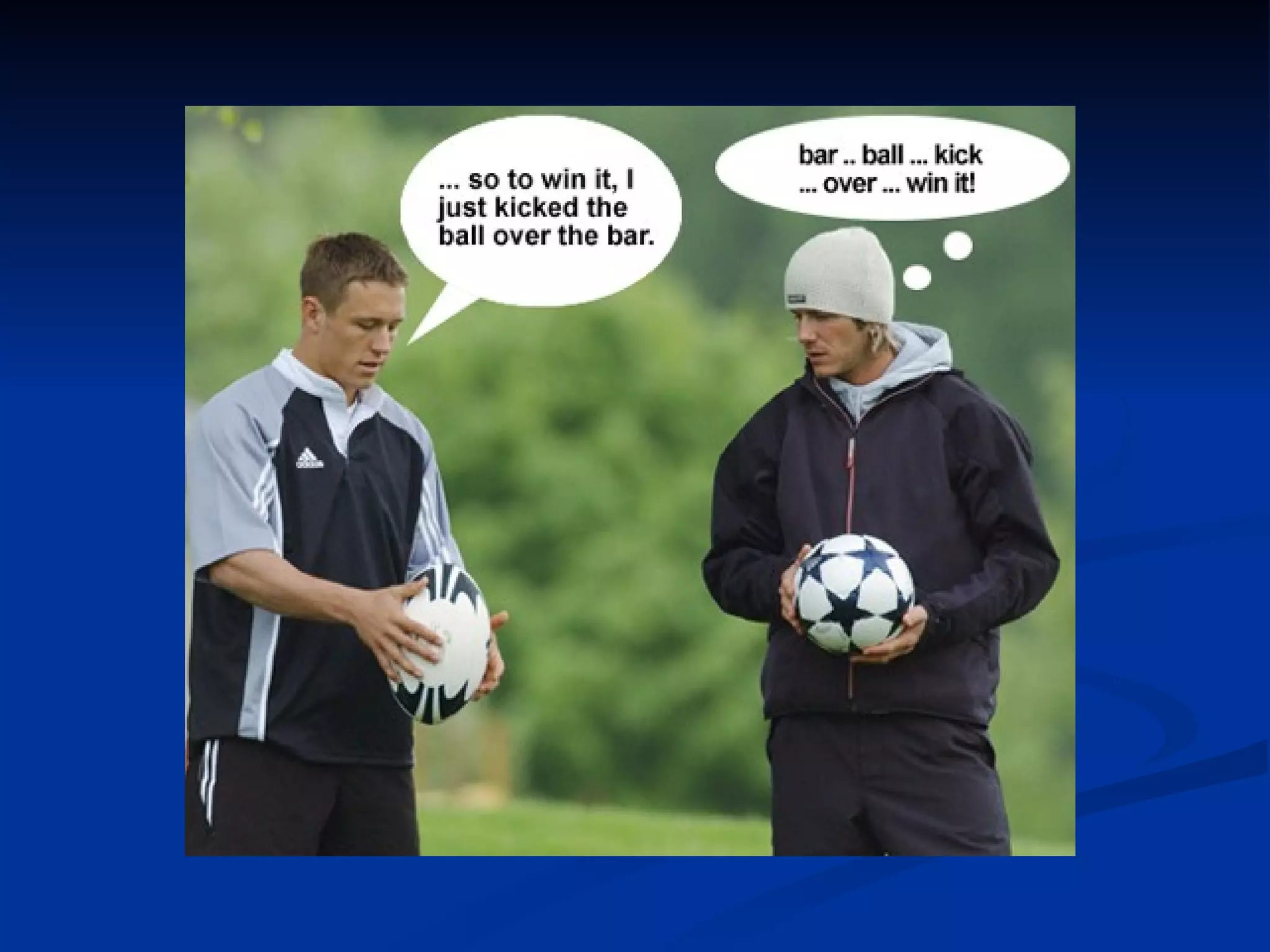
Factors Affecting Exam Performance Subject knowledge Exam history Exam preparation and practise Attitude and mindset Energy levels and health
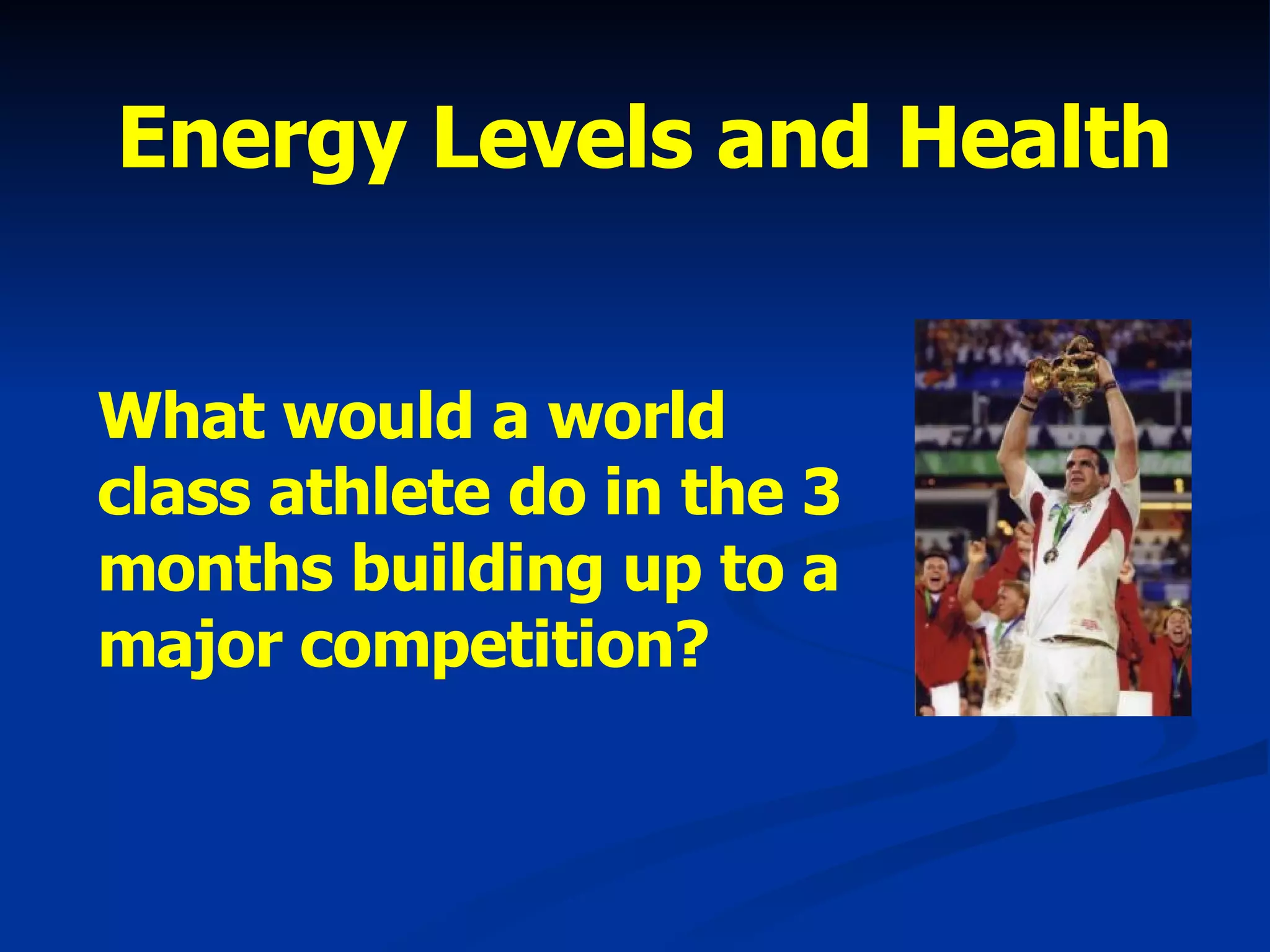
Energy Levels and Health What would a world class athlete do in the 3 months building up to a major competition?
 
Water Diet Sleep Exercise Stimulants – energy credit cards! Take Responsibility for  your choices
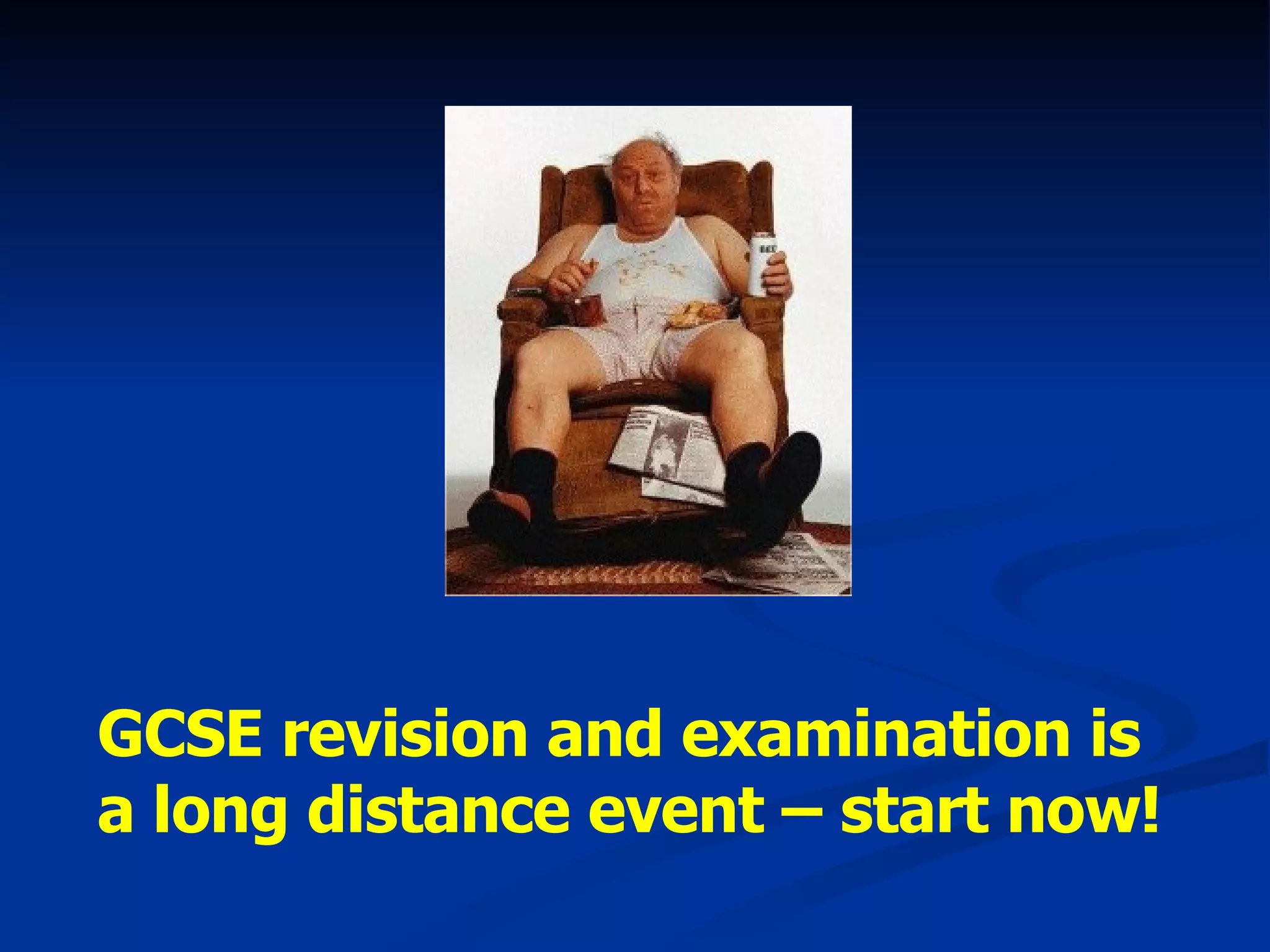
GCSE revision and examination is a long distance event – start now!
Attitude & Mindset Exam success comes at a price? What grades have you been predicted? What grades do you want? What are you willing to pay?
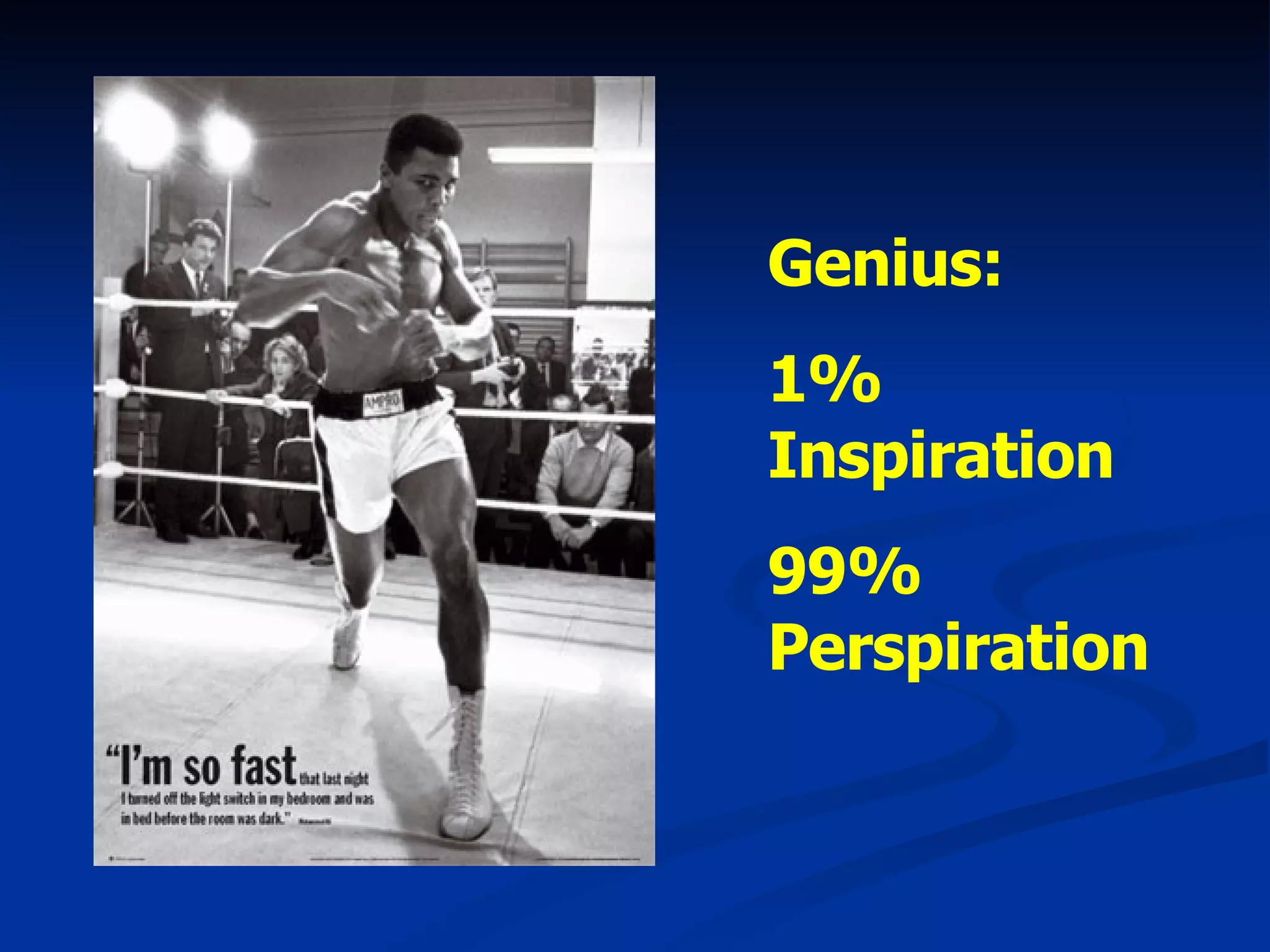
Genius:  1% Inspiration 99% Perspiration
Triggers: + Attitude Good energy habits Small victories Shared challenge Visualise the outcome Pride in progress Being ‘in the zone’.
Triggers: - Attitude Poor energy habits Boredom Stress Fear of failure Inability to delay gratification Feeling powerless.
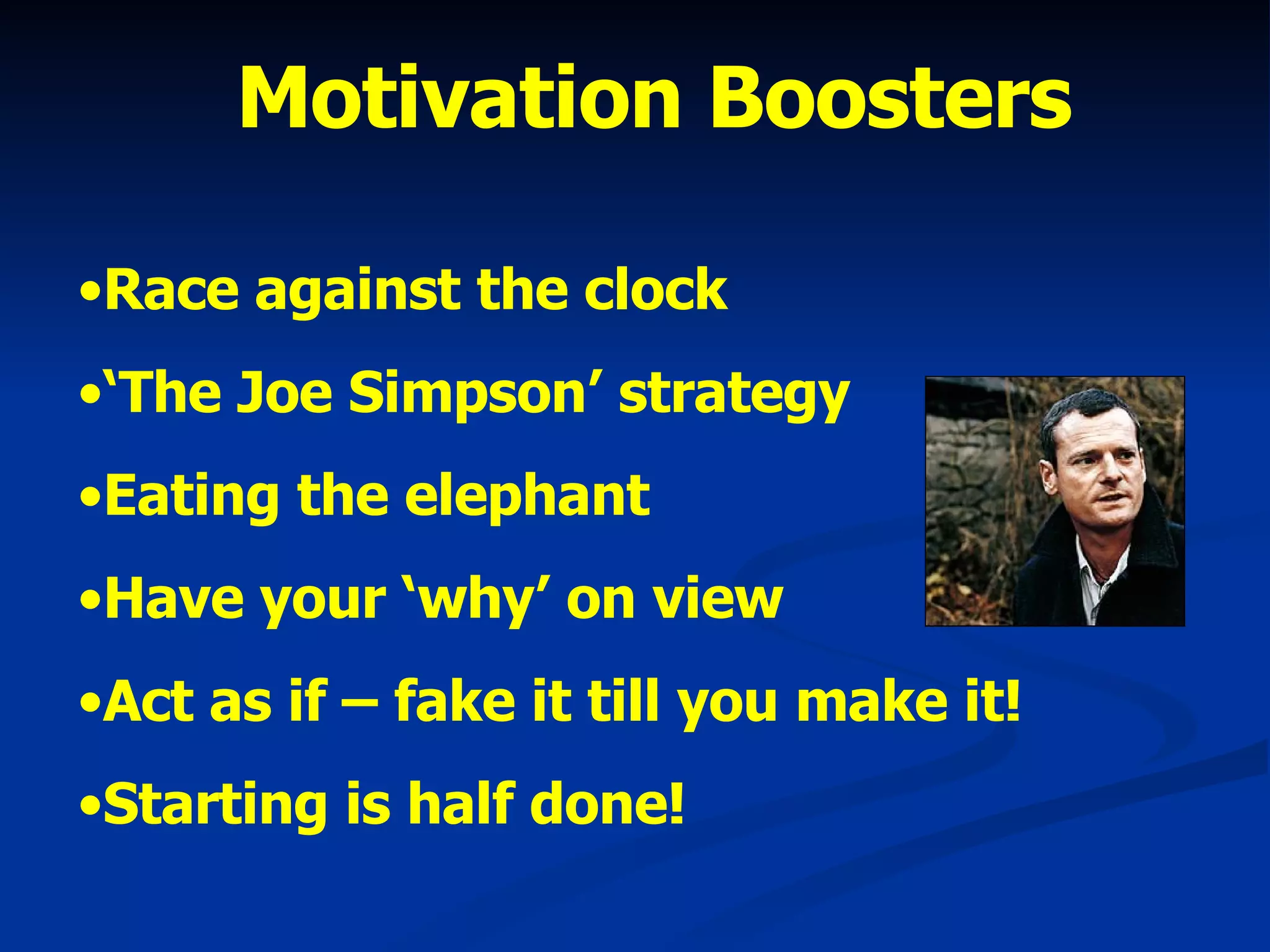
Motivation Boosters Race against the clock ‘ The Joe Simpson’ strategy Eating the elephant Have your ‘why’ on view Act as if – fake it till you make it! Starting is half done!
Revision – What is it? Refresh your subject knowledge Check your understanding Fill in any gaps in knowledge and understanding Reorganise and prepare information for aid of recall Exam preparation using past papers.
When Should I Revise? NOW!
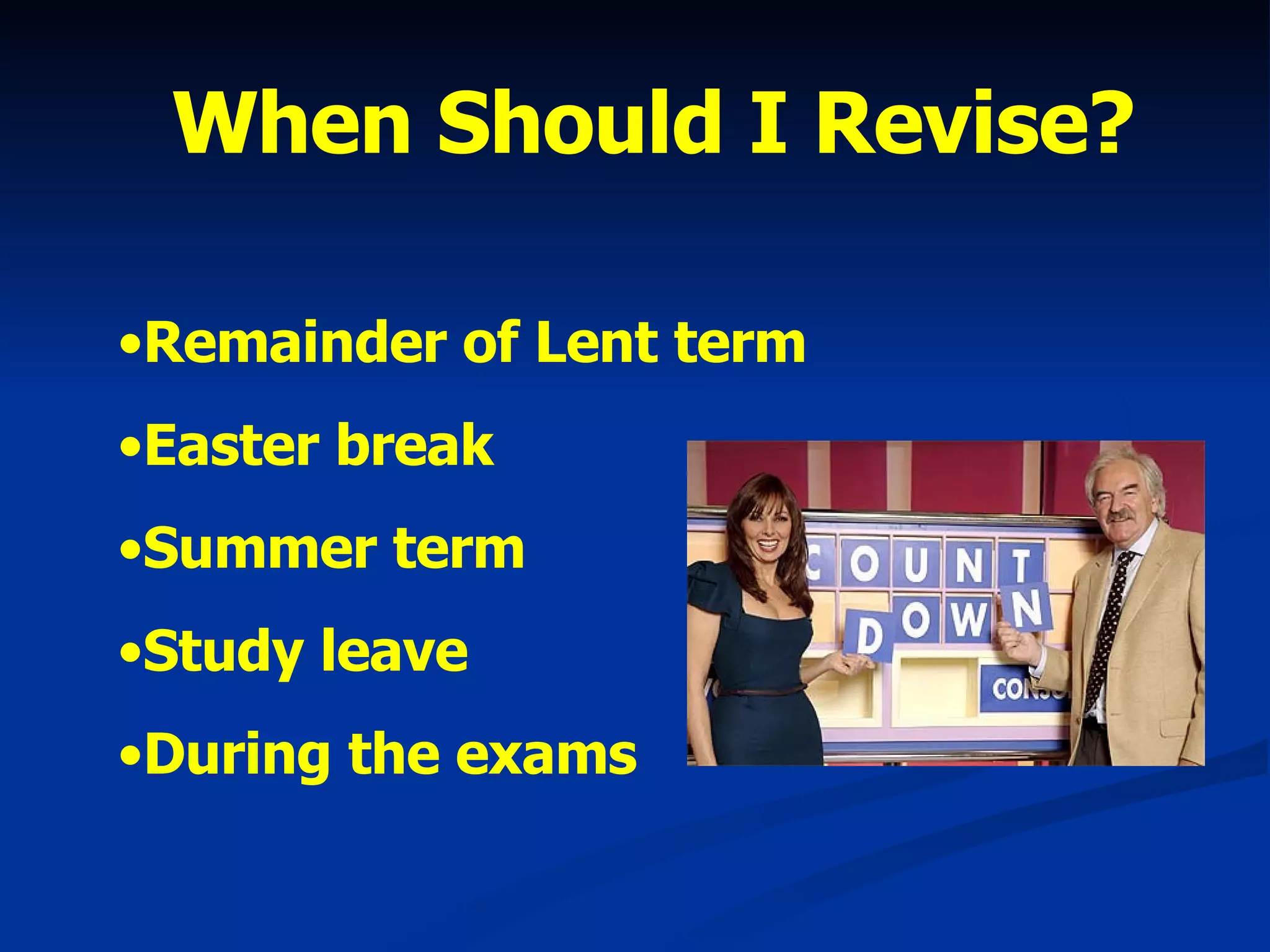
When Should I Revise? Remainder of Lent term Easter break Summer term Study leave During the exams
When Should I Revise? Commit to a start date and write it down Make your revision plan public! Work the plan by turning up! Keep a register Make good any unmet sessions.
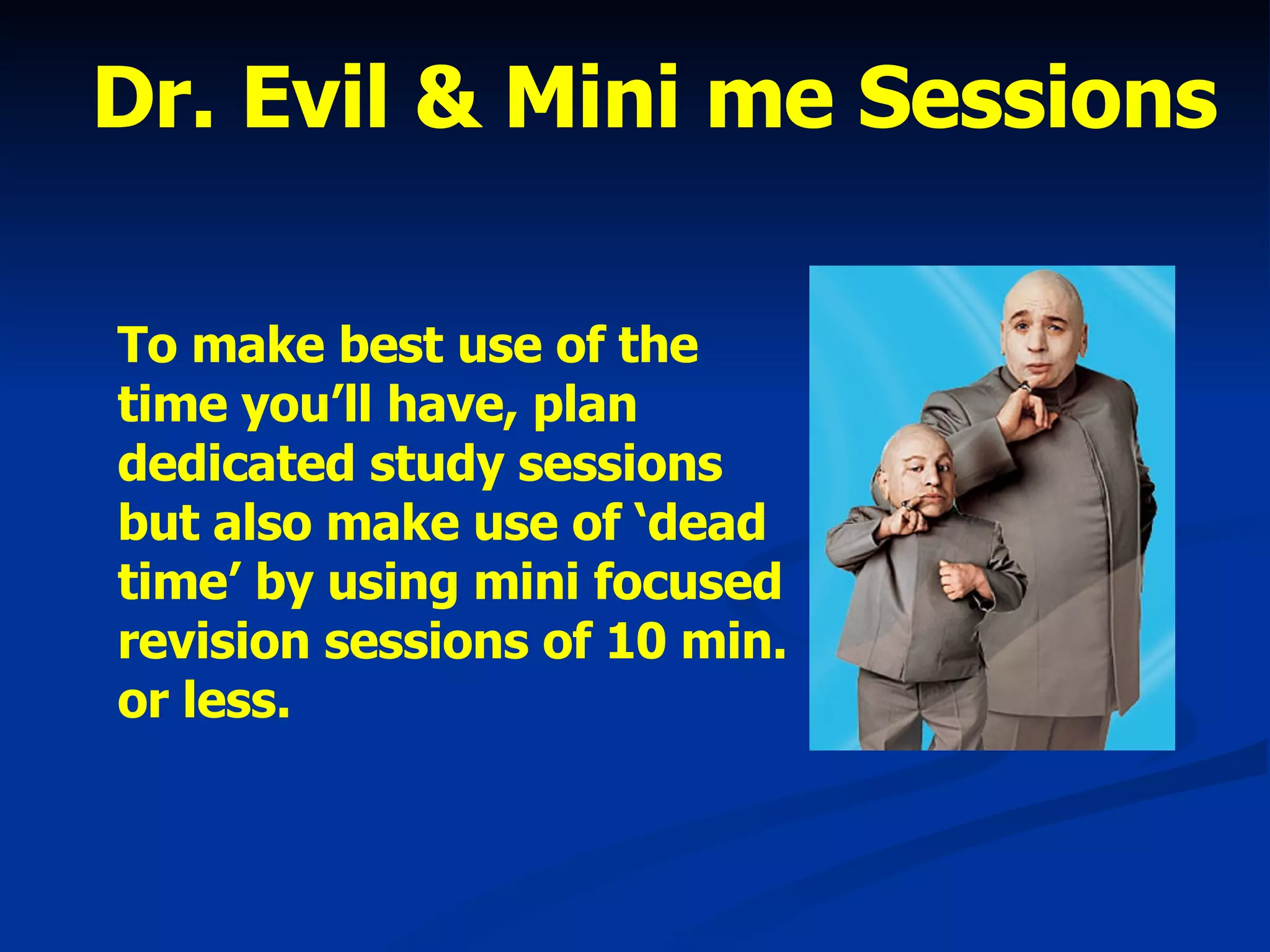
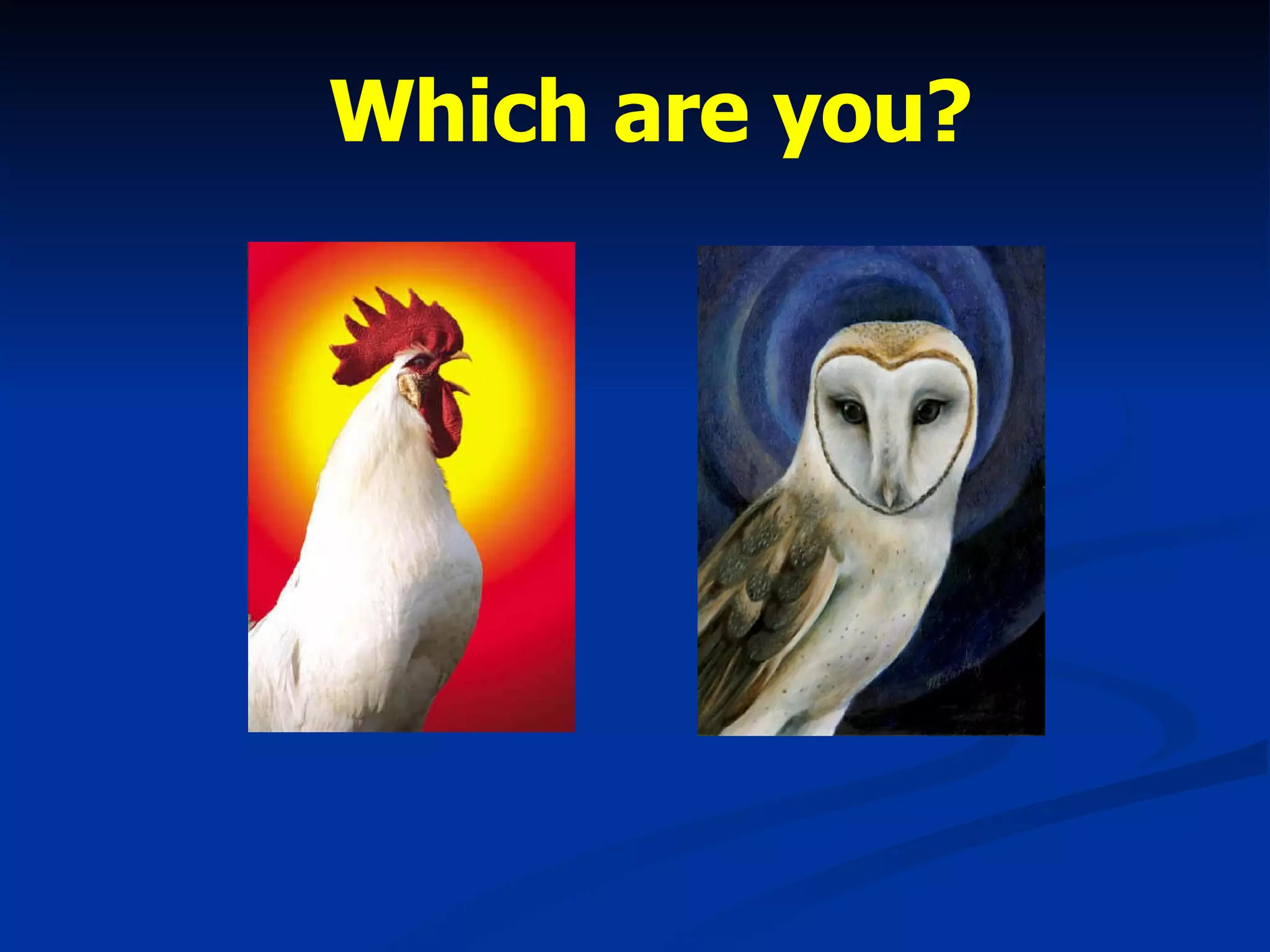
Dr. Evil & Mini me Sessions To make best use of the time you’ll have, plan dedicated study sessions but also make use of ‘dead time’ by using mini focused revision sessions of 10 min. or less.
Which are you?
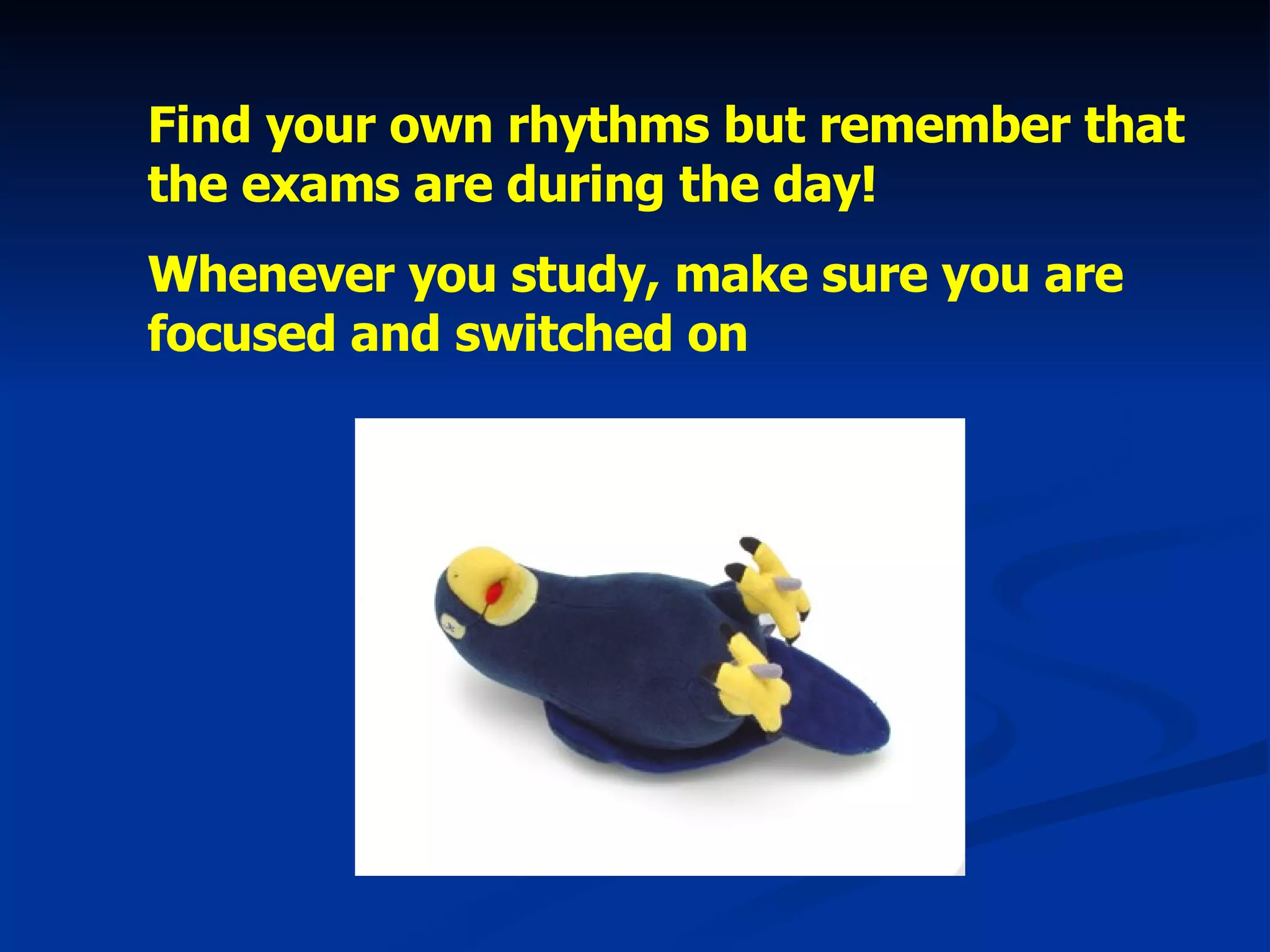
Find your own rhythms but remember that the exams are during the day! Whenever you study, make sure you are focused and switched on
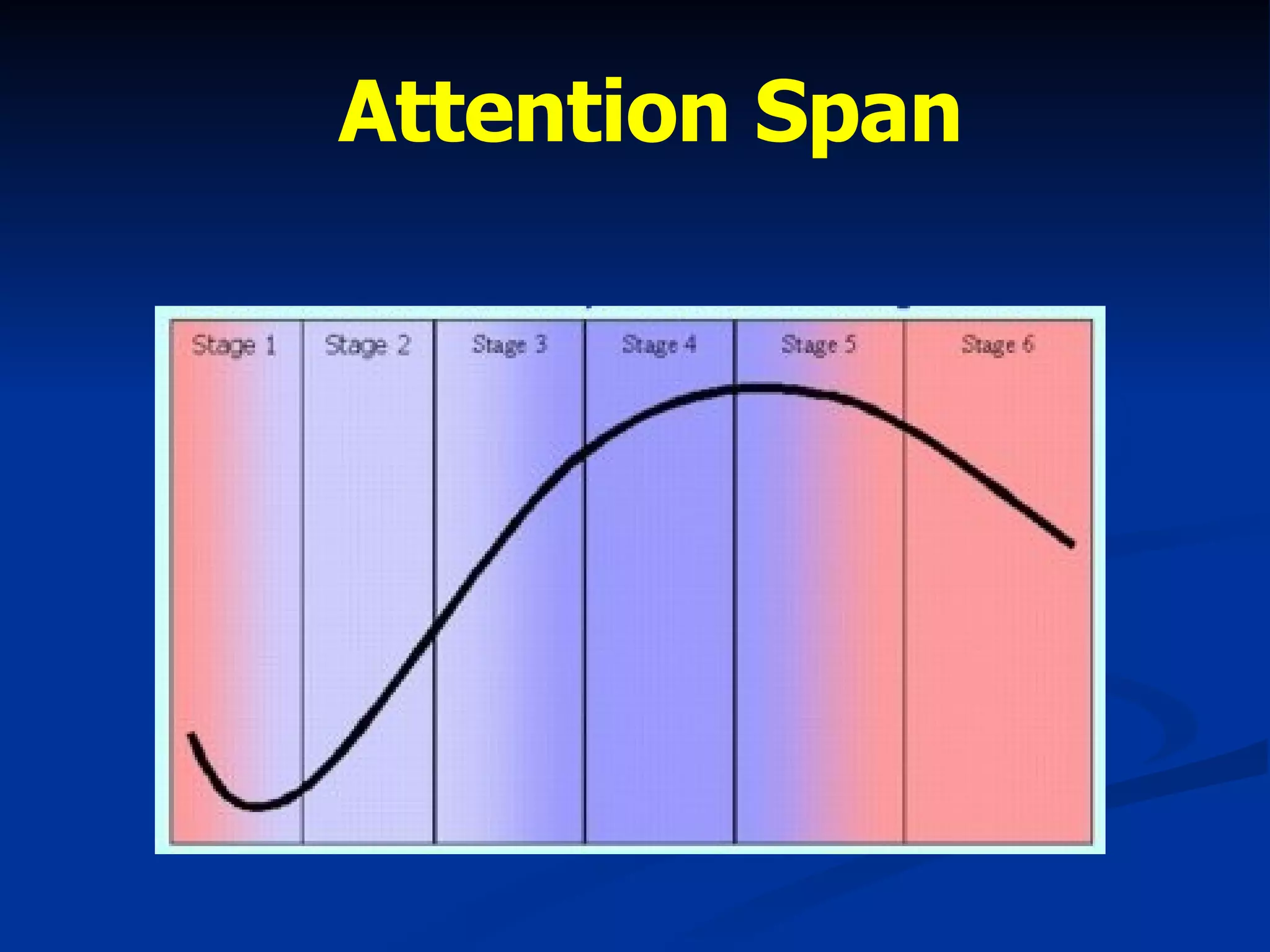
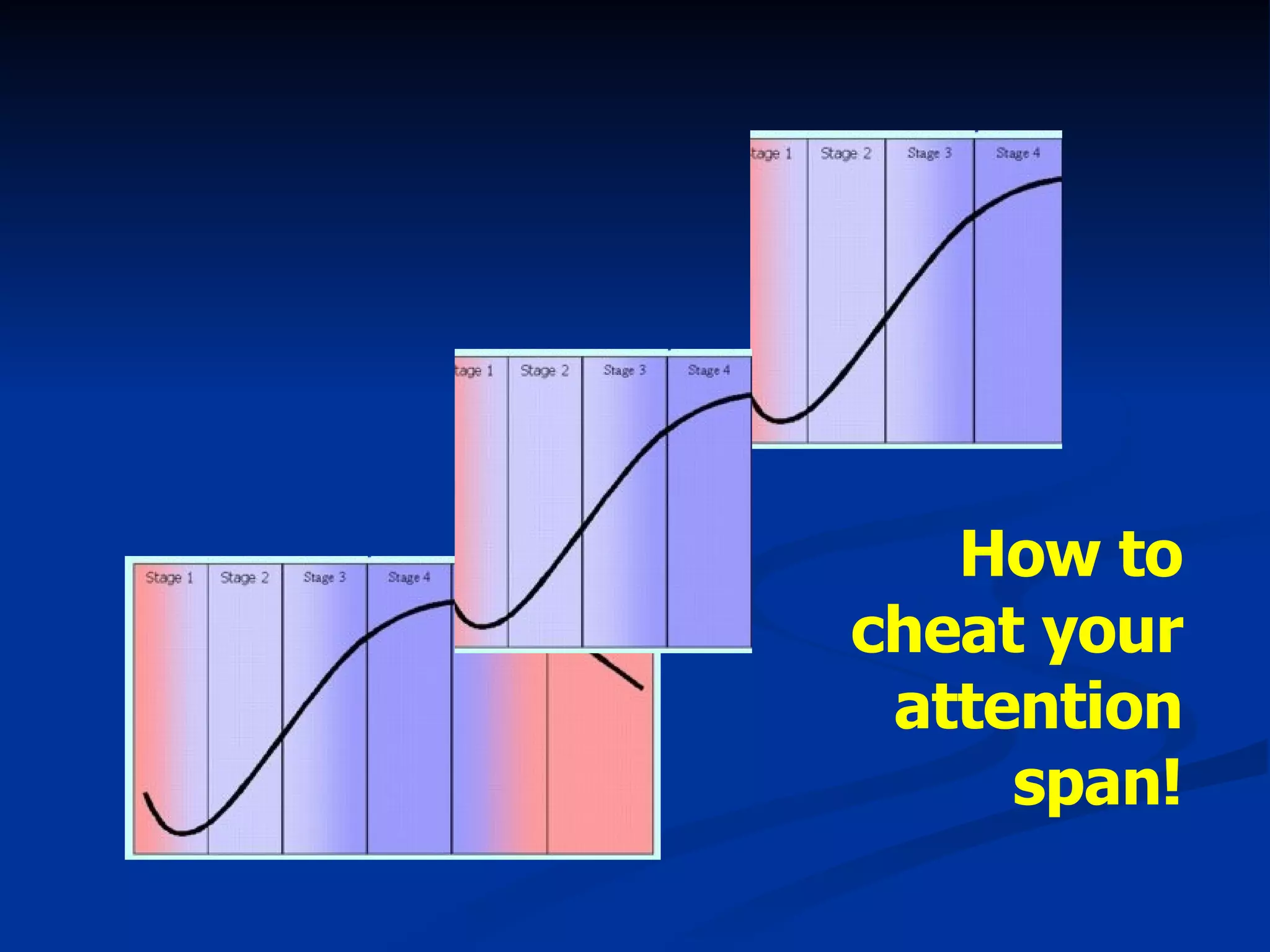
Attention Span
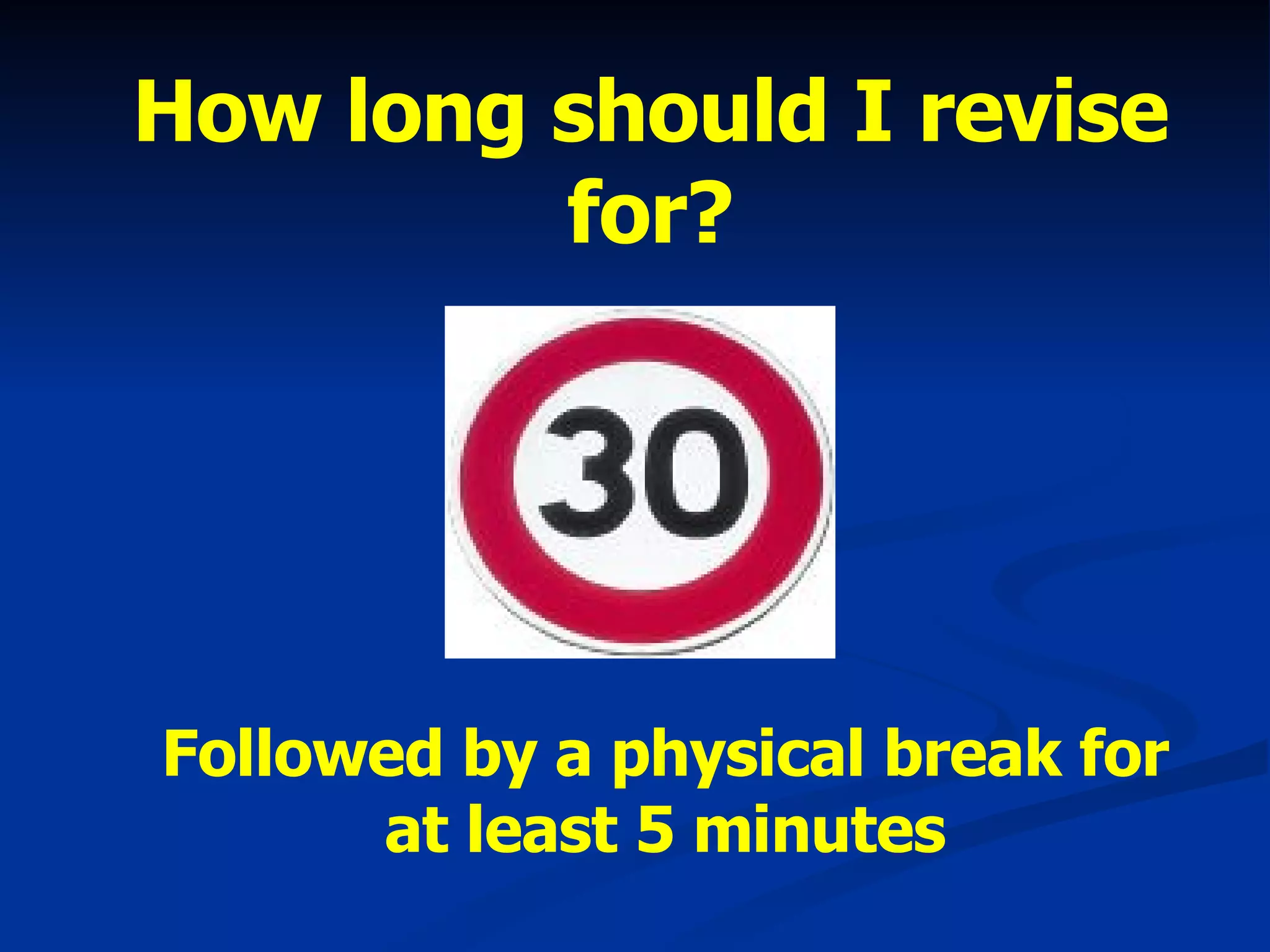
How long should I revise for? Followed by a physical break for at least 5 minutes
How to cheat your attention span!
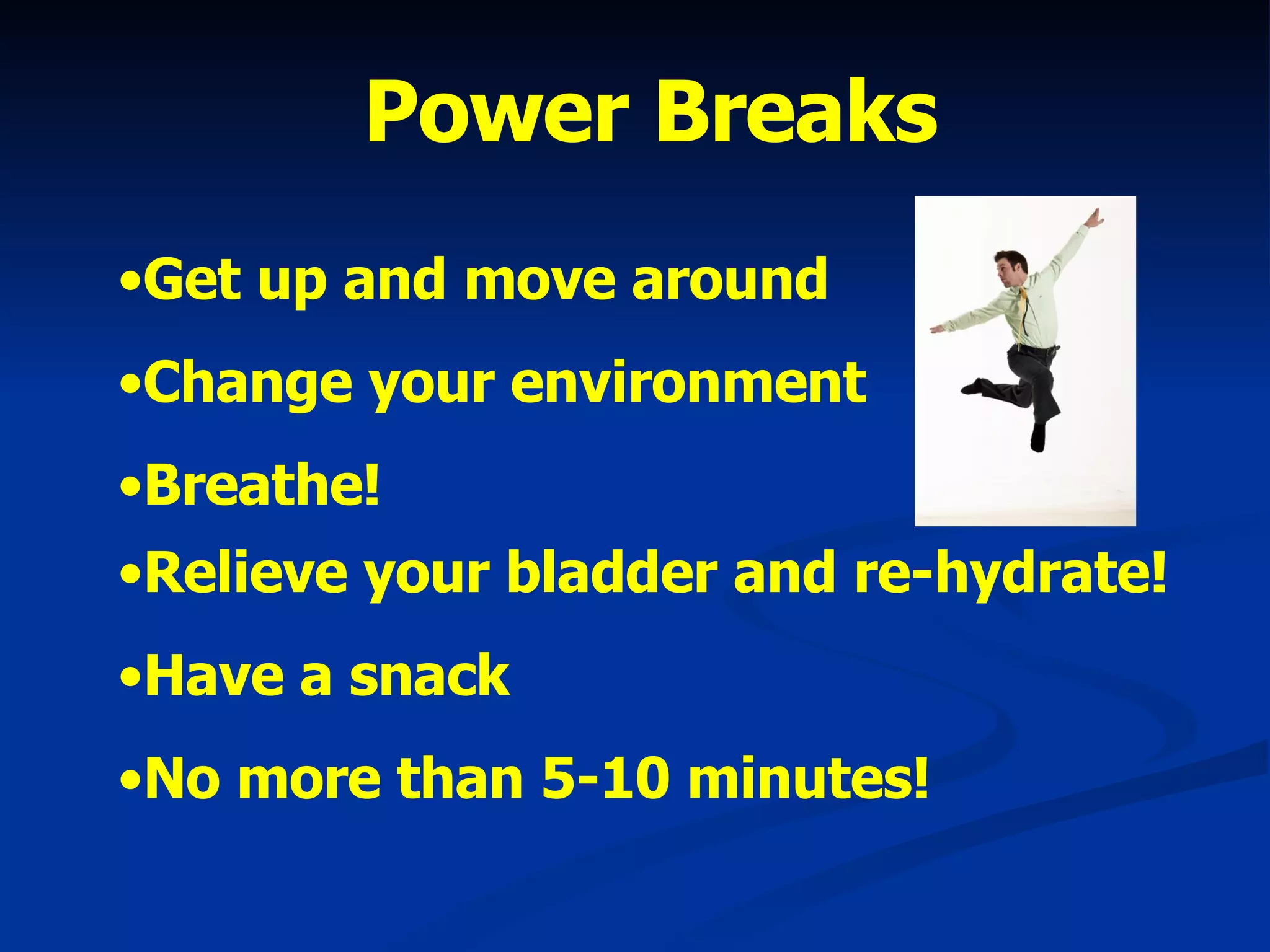
Power Breaks Get up and move around Change your environment Breathe! Relieve your bladder and re-hydrate!   Have a snack No more than 5-10 minutes!
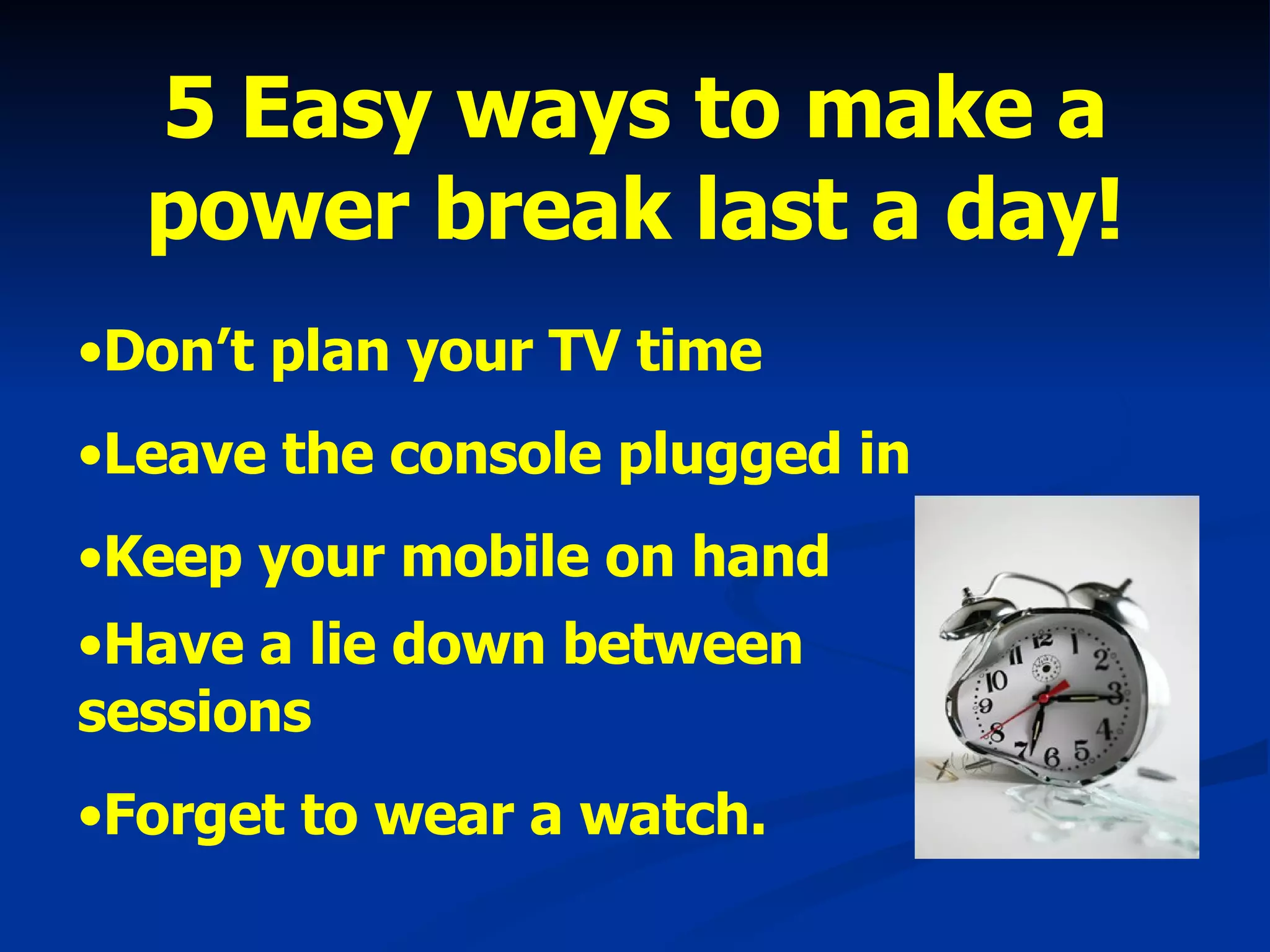
5 Easy ways to make a power break last a day! Don’t plan your TV time Leave the console plugged in Keep your mobile on hand Have a lie down between sessions   Forget to wear a watch.
What should I revise? Use the exam schedule to create a revision planner Don’t make the planner a work of art! Study between 2 and 4 subjects a day Be realistic about which subjects will require extra attention and plan accordingly
What should I revise? Be aware that you will tend to want to revise those subjects you enjoy or find easy over those you are weak in The tougher subjects need to be tackled using ‘The Ross Method’
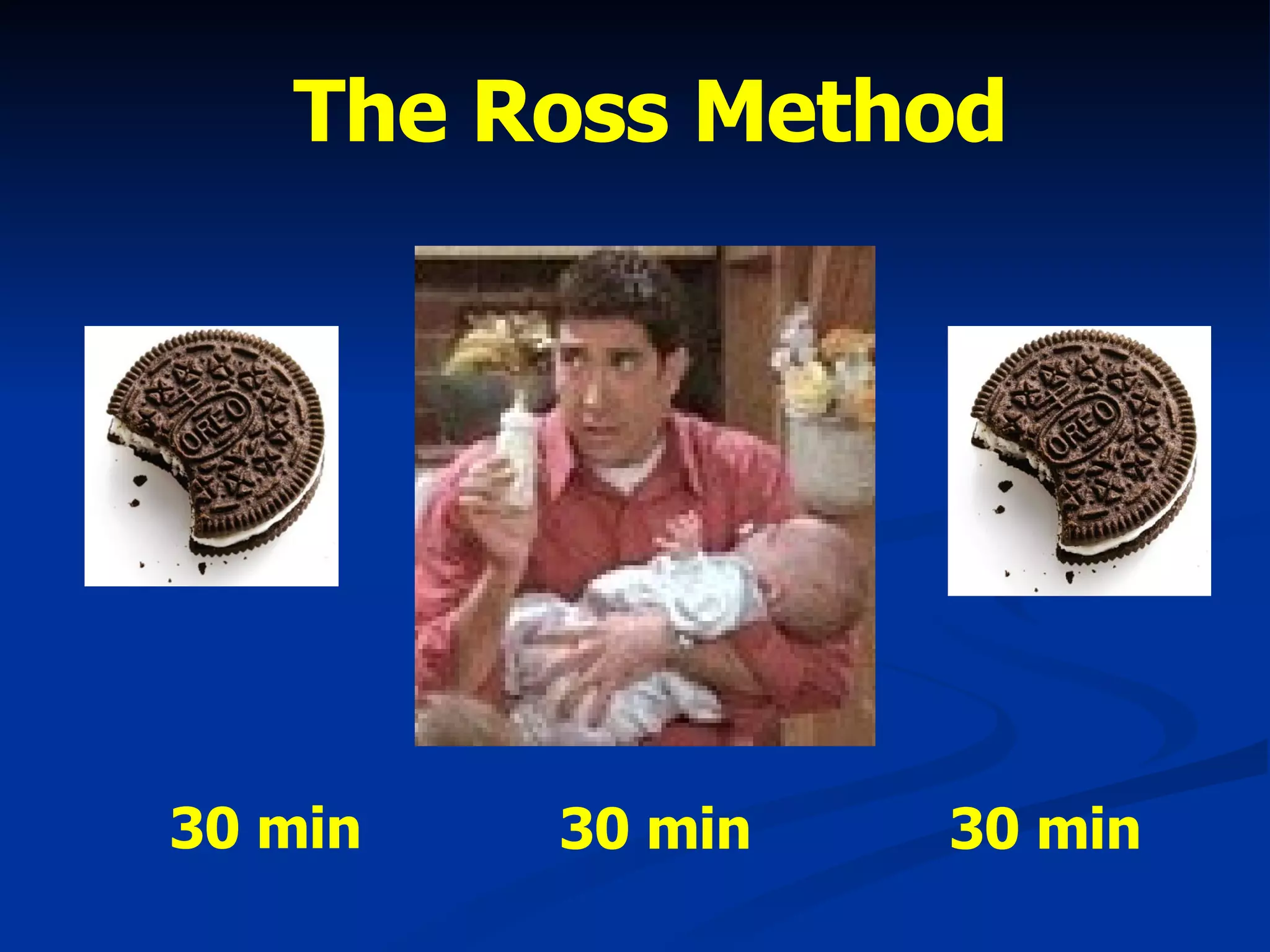
The Ross Method 30 min 30 min 30 min
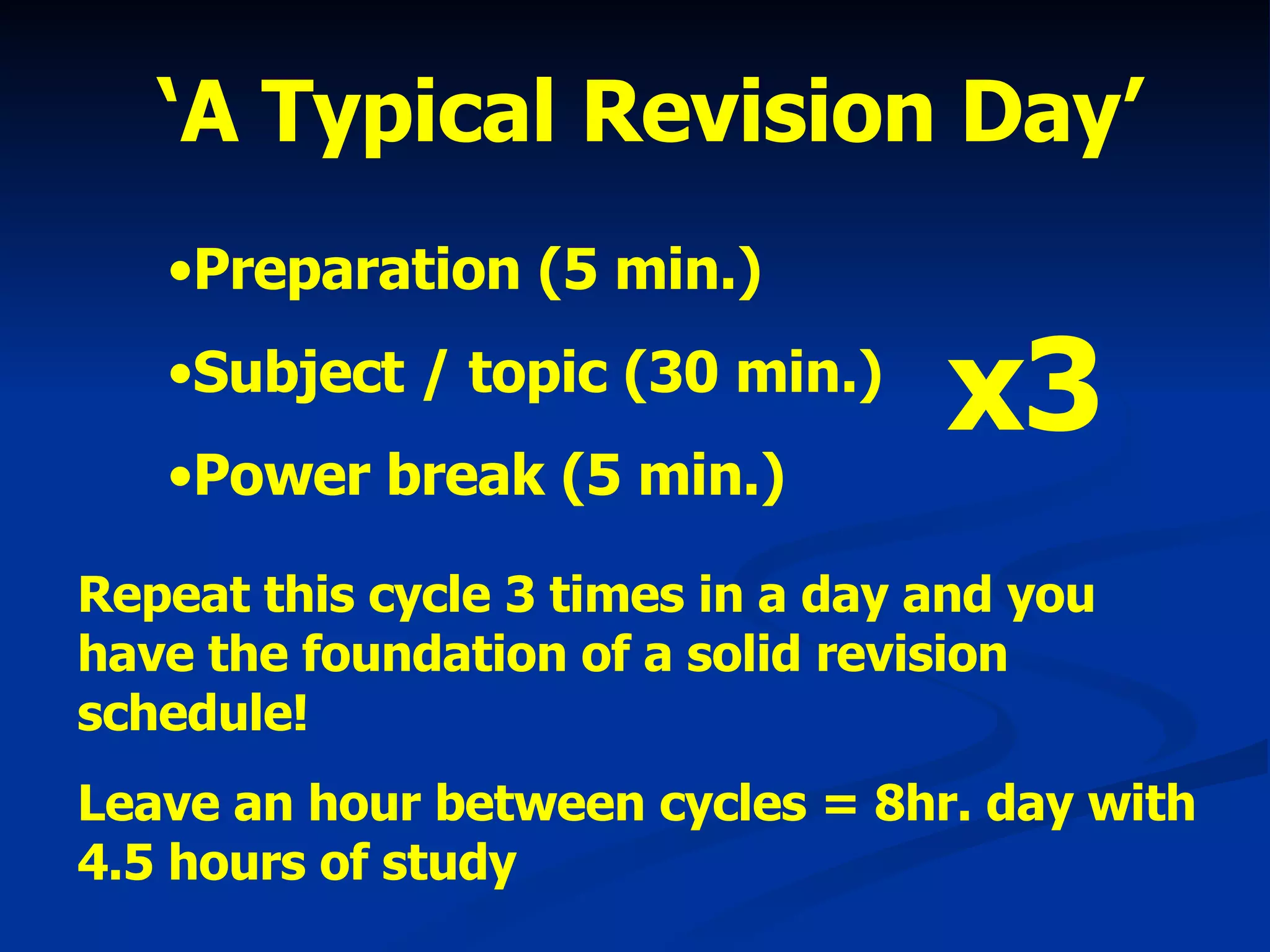
‘ A Typical Revision Day’ Preparation (5 min.) Subject / topic (30 min.) Power break (5 min.) x3 Repeat this cycle 3 times in a day and you have the foundation of a solid revision schedule! Leave an hour between cycles = 8hr. day with 4.5 hours of study
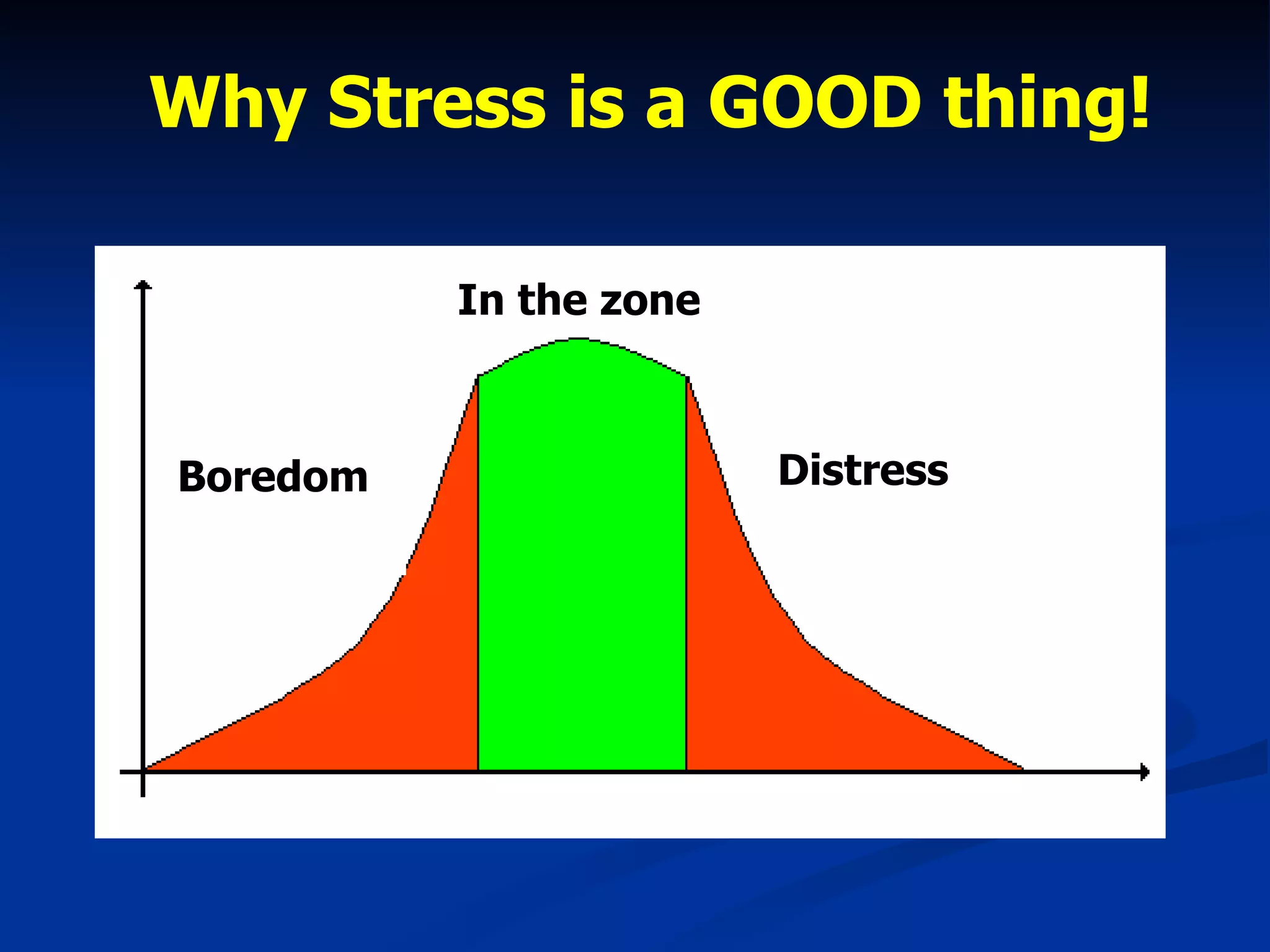
Why Stress is a GOOD thing! Boredom In the zone Distress
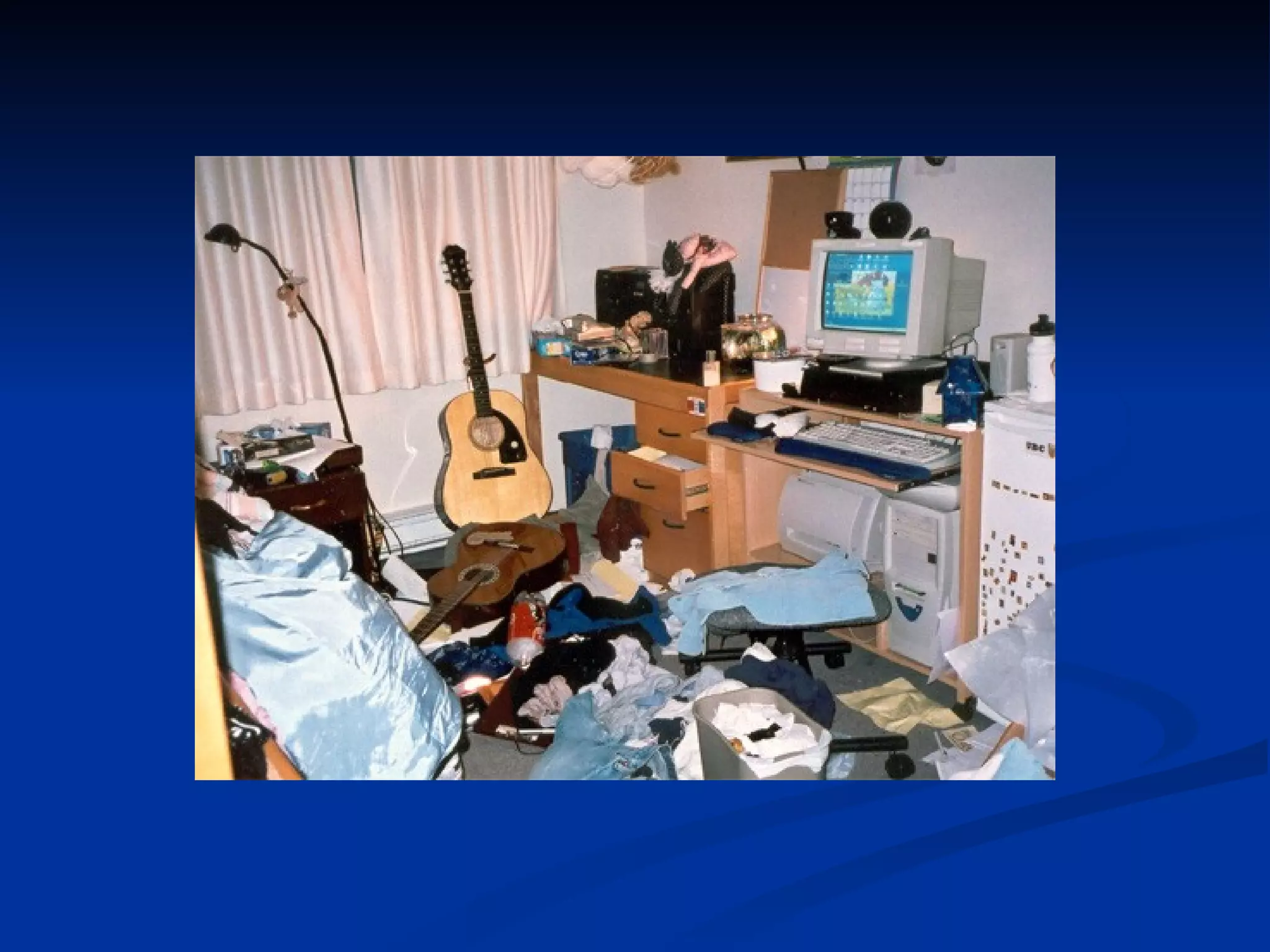
A dedicated space without distractions Room to allow an organised spread! Immediate access to all materials needed during study periods A timer or clock in view Music & the myth of the Mozart Effect. Where should I revise?
 
 
How should I revise? Active vs. Passive learning (think in ink) Work with the exam requirements in mind (have past papers on hand) Make your revision multi-sensory Work smart – get in the zone
The Alchemy of  Active  Study
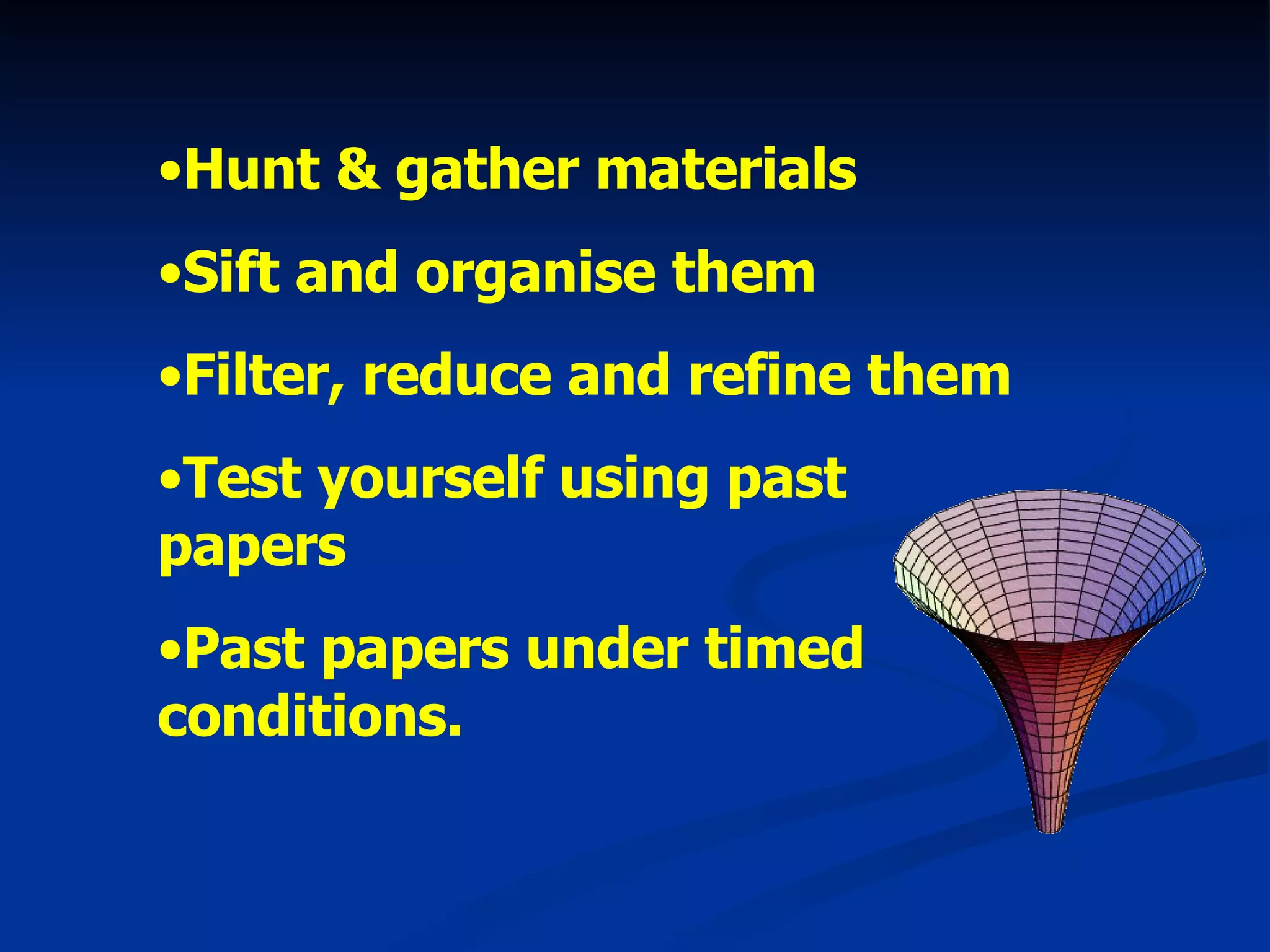
Hunt & gather materials Sift and organise them Filter, reduce and refine them Test yourself using past papers Past papers under timed conditions.
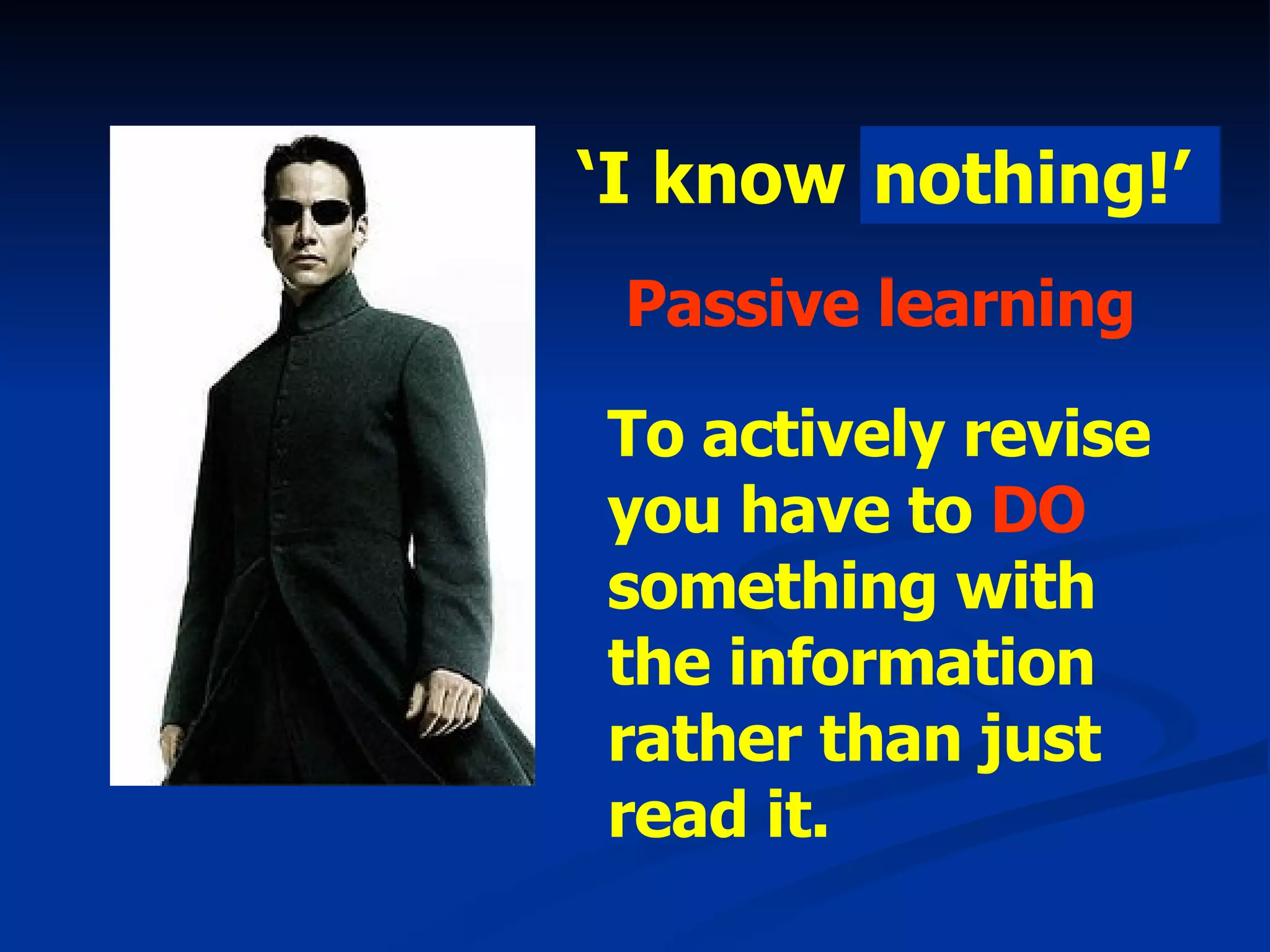
‘ I know Kung Fu!’ Passive learning nothing!’ To actively revise you have to  DO  something with the information rather than just read it.
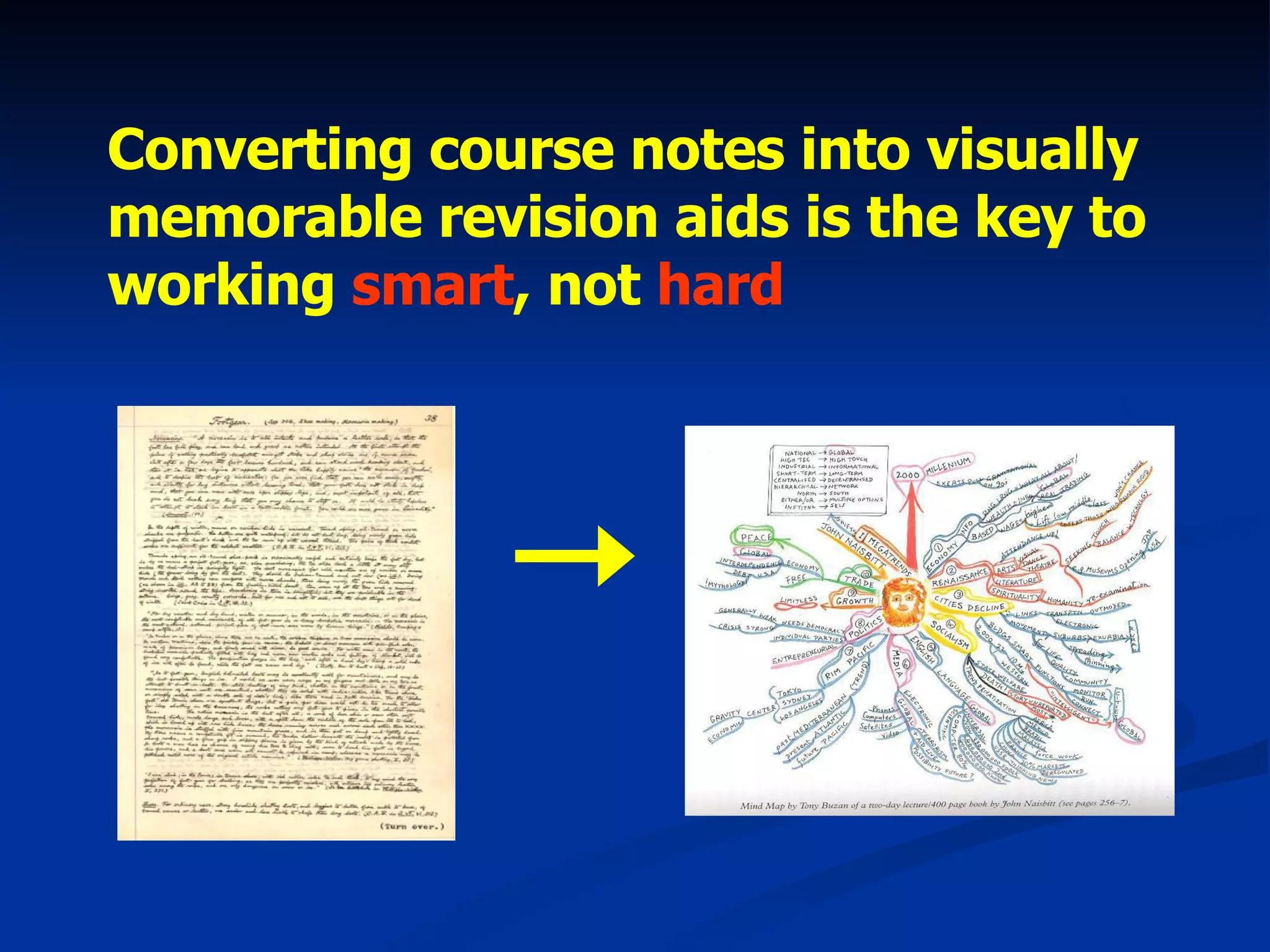
Converting course notes into visually memorable revision aids is the key to working  smart , not  hard
Make sure you write your revision notes in your  own words Use headings and subheadings, bullet points and abbreviations  Try to cut away any unnecessary words or information and create condensed and colourful index cards Carry them everywhere you go and steal back your ‘dead time’
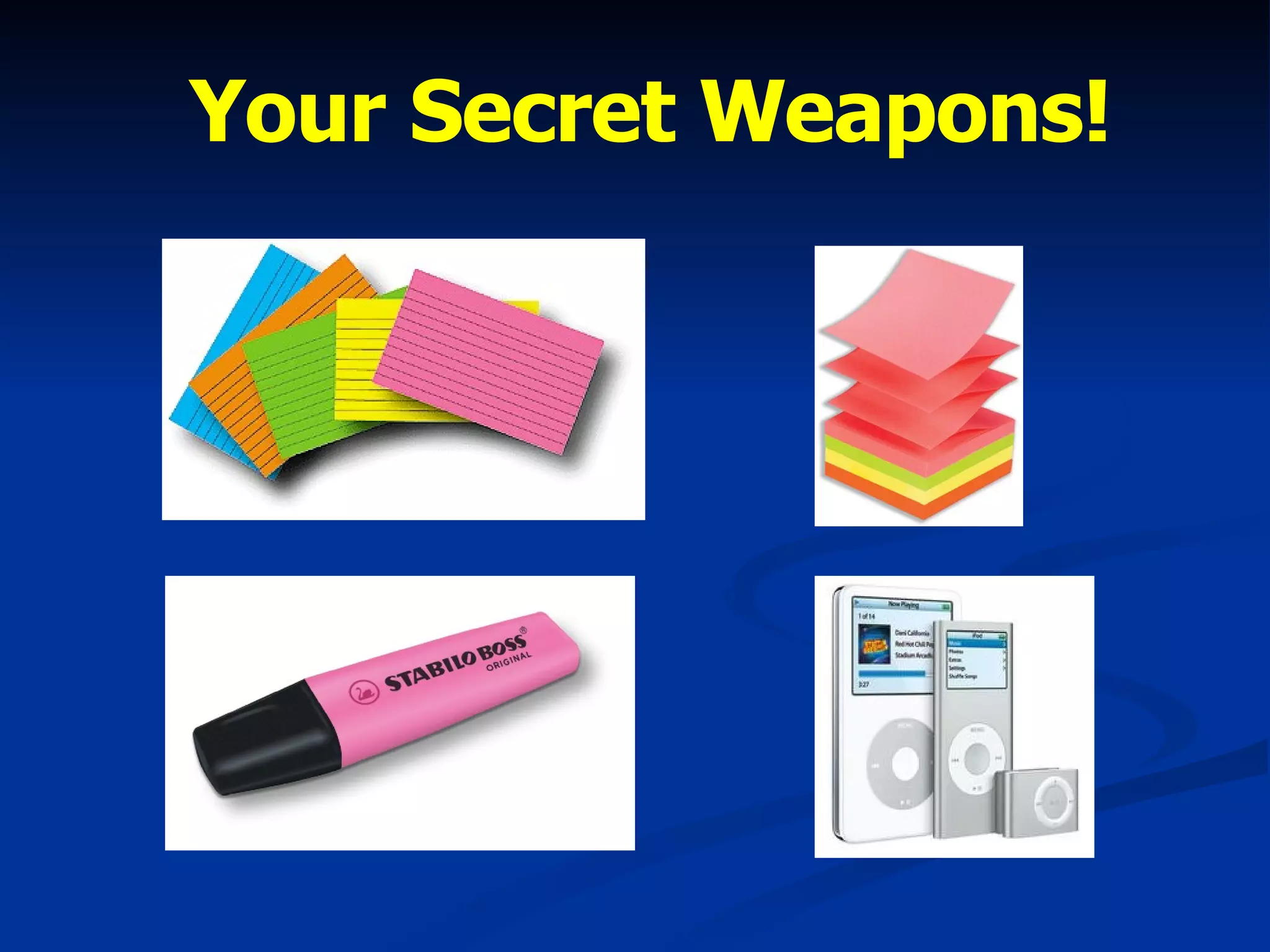
Your Secret Weapons!
Study Buddies! Beware Lobsters
Study Buddies! Agree to productive ground rules Decide where and when you’ll get together and how long the session will last Decide in advance what subjects or topics you’ll study together Build silent study, coaching and testing periods into your session.
Unlocking Your Super Memory!
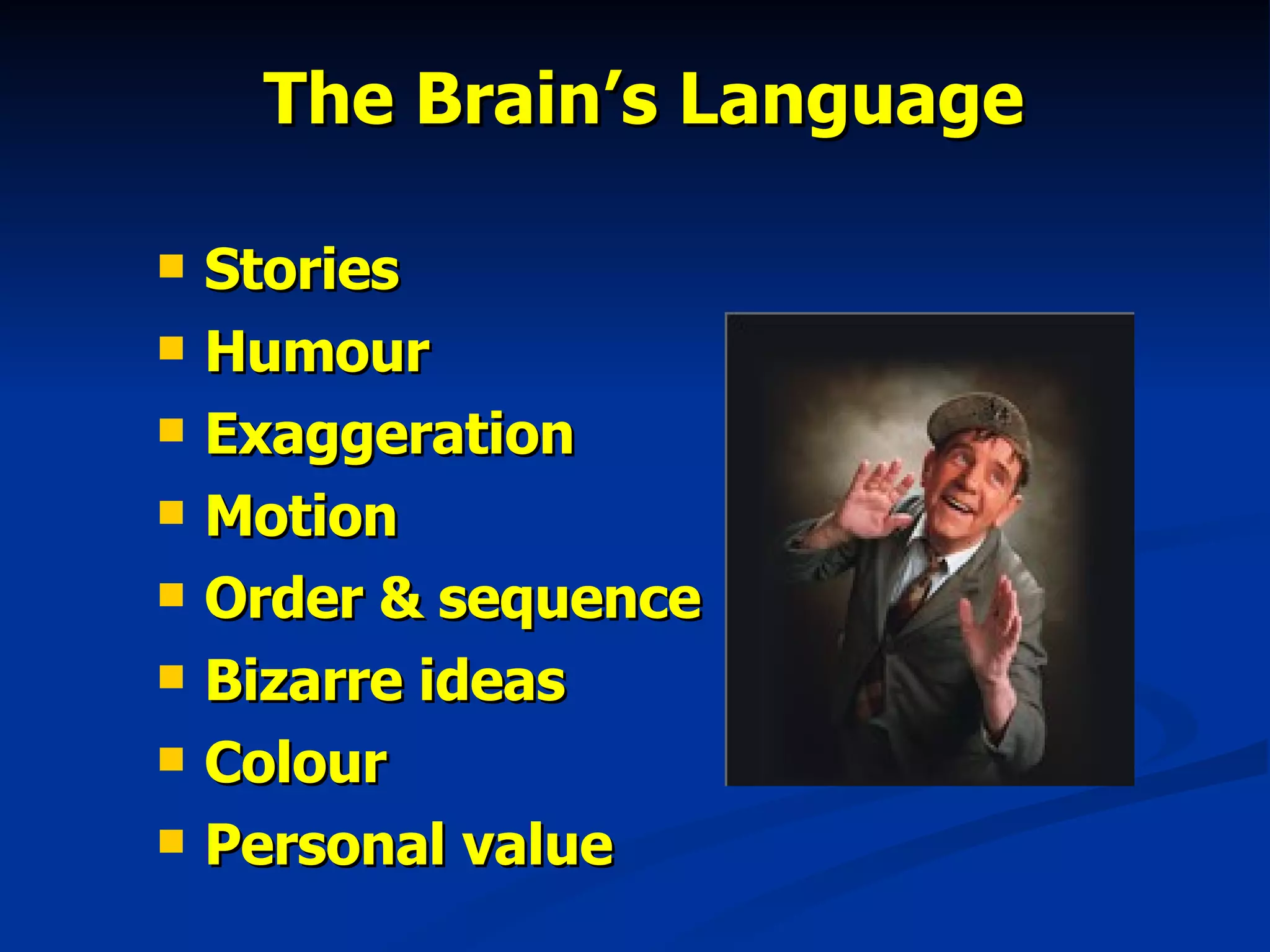
The Brain’s Language Stories Humour Exaggeration Motion Order & sequence Bizarre ideas Colour Personal value
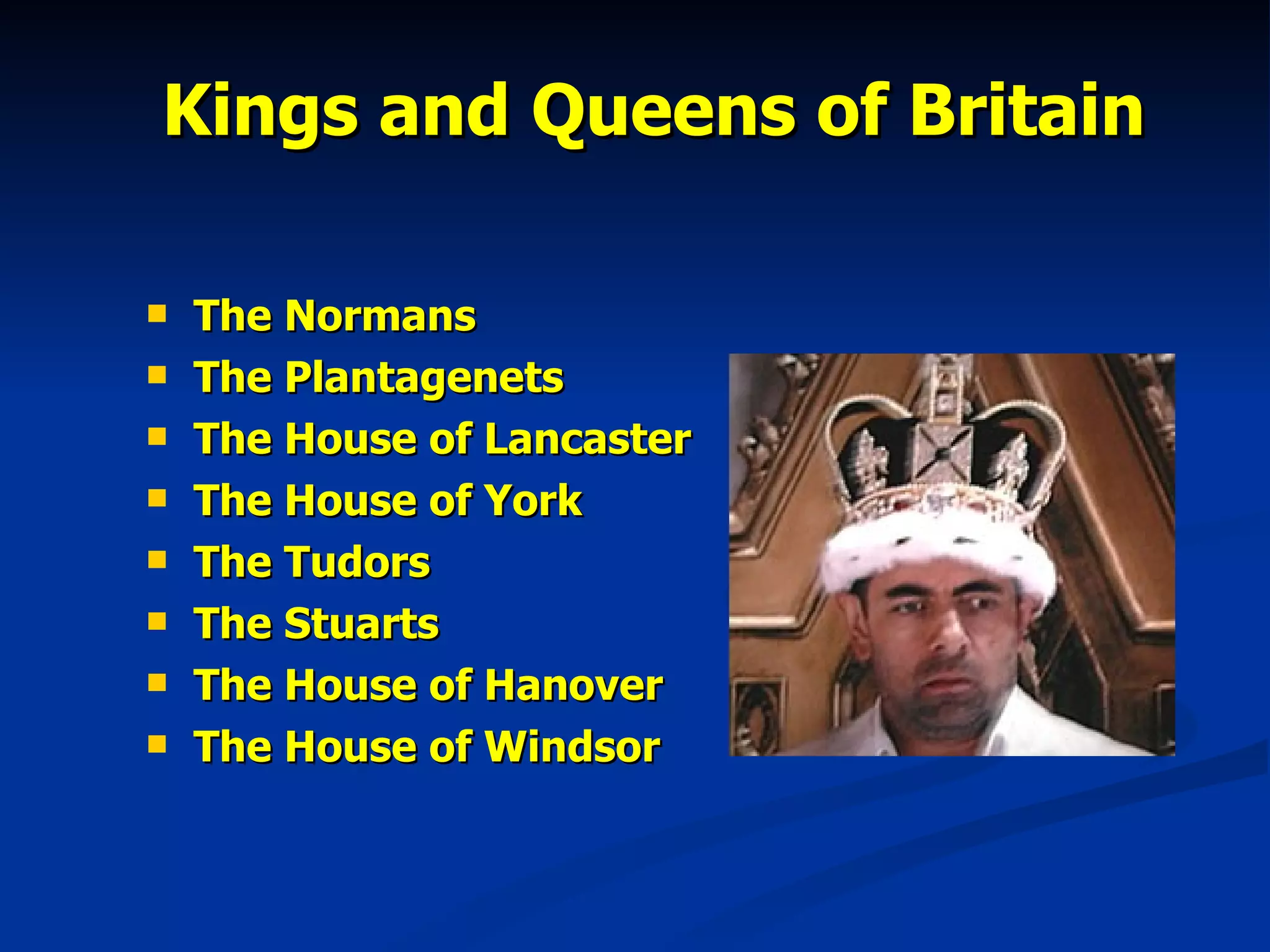
Kings and Queens of Britain The Normans The Plantagenets The House of Lancaster The House of York The Tudors The Stuarts The House of Hanover The House of Windsor
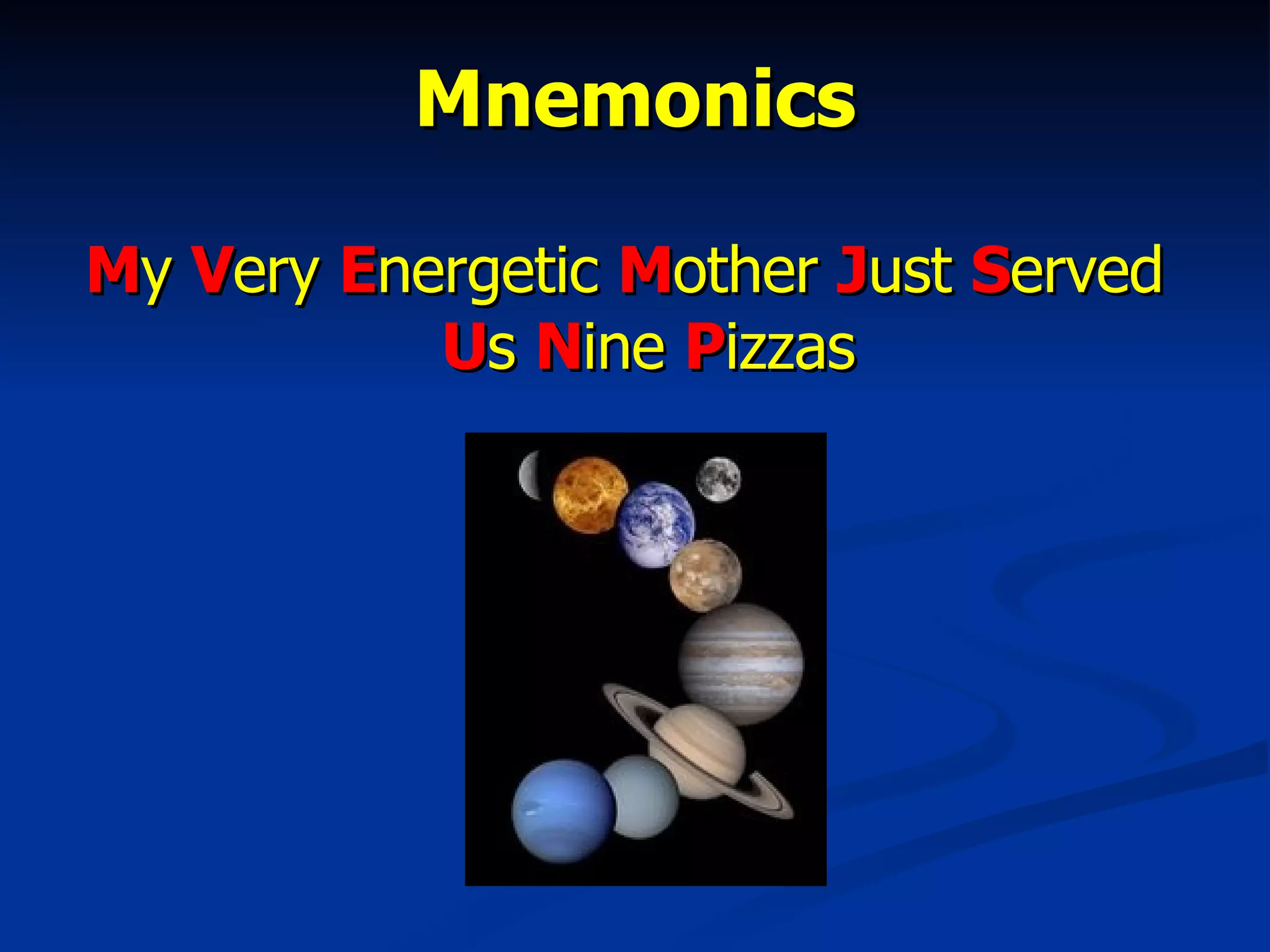
Mnemonics M y  V ery  E nergetic  M other  J ust  S erved  U s  N ine  P izzas
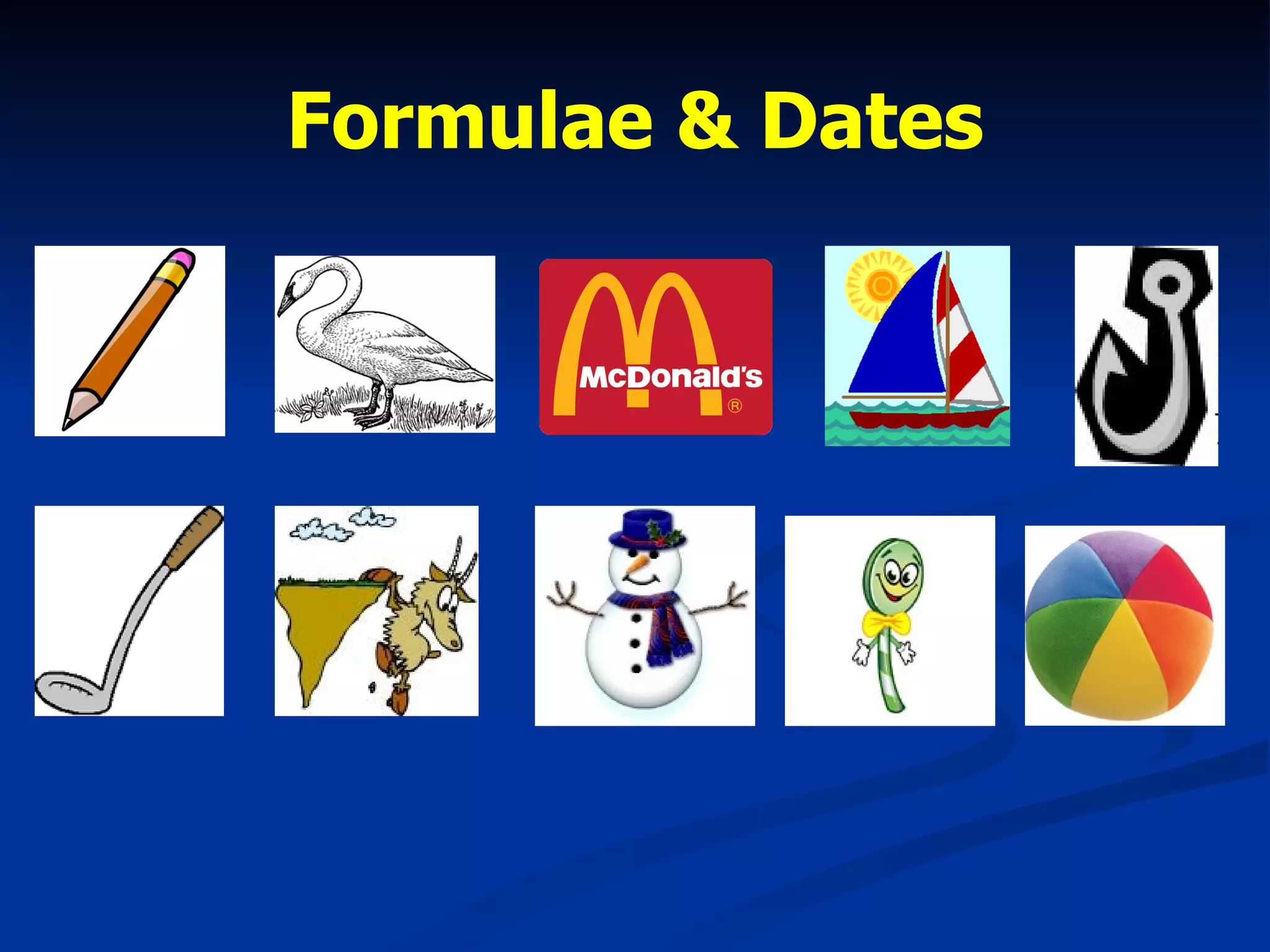
Formulae & Dates
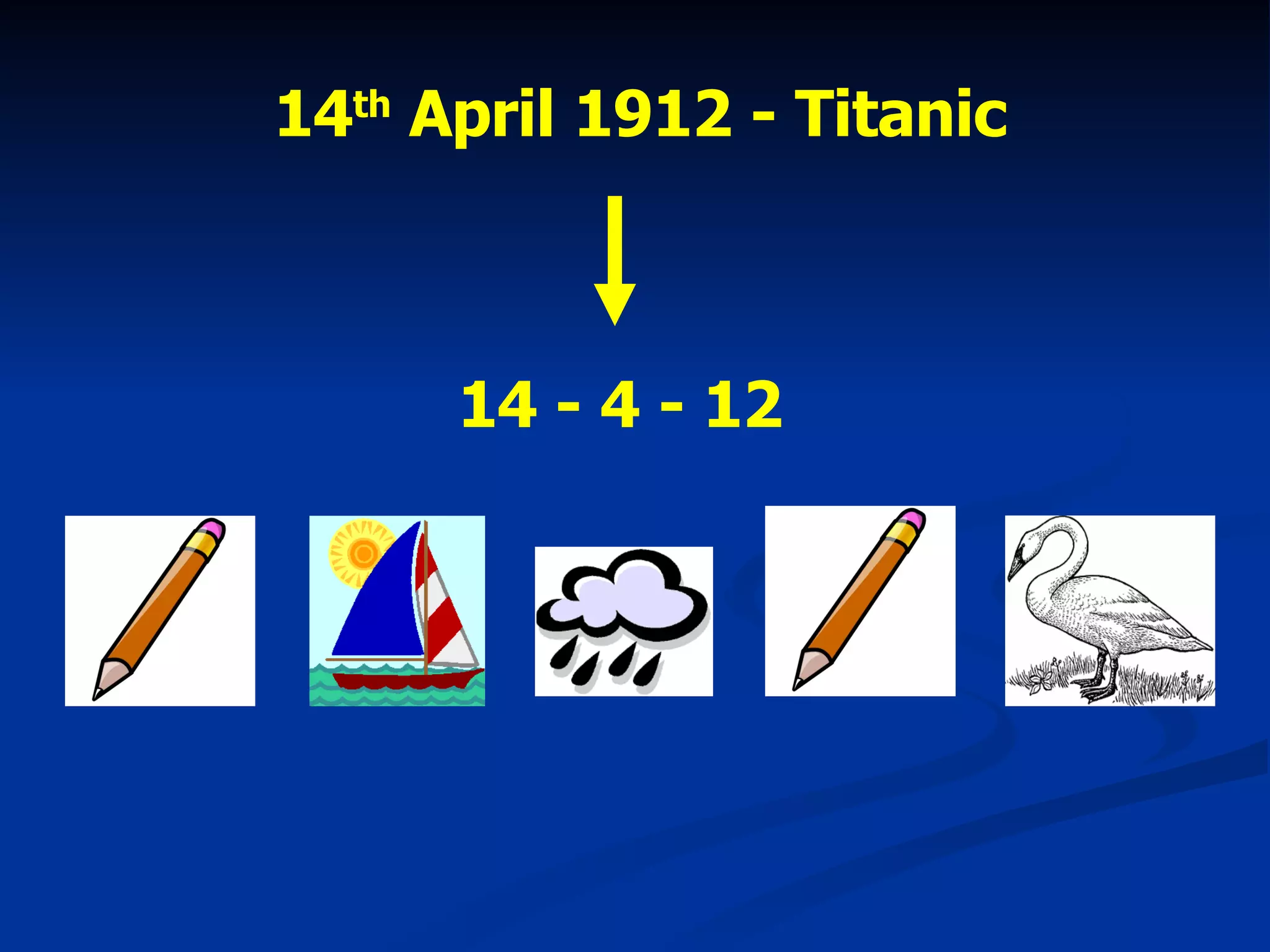
14 th  April 1912 - Titanic 14 - 4 - 12
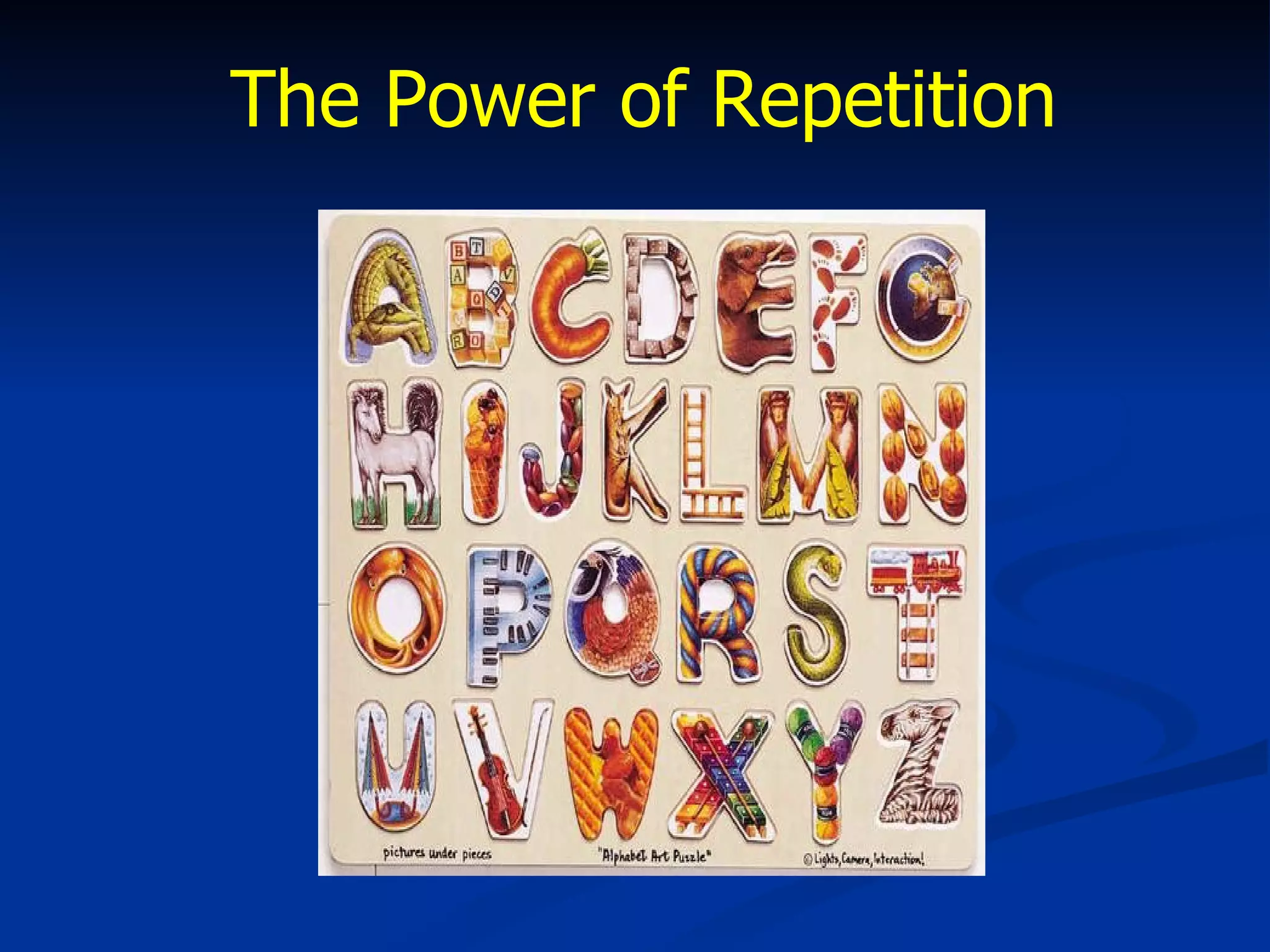
The Power of Repetition
To Understand is to know The more you understand your material, the less memory cramming you’ll have to do – look for patterns and connections between topics Being  interested  is the ultimate revision technique!
Good Luck and remember, the next 3 months will be tough but…
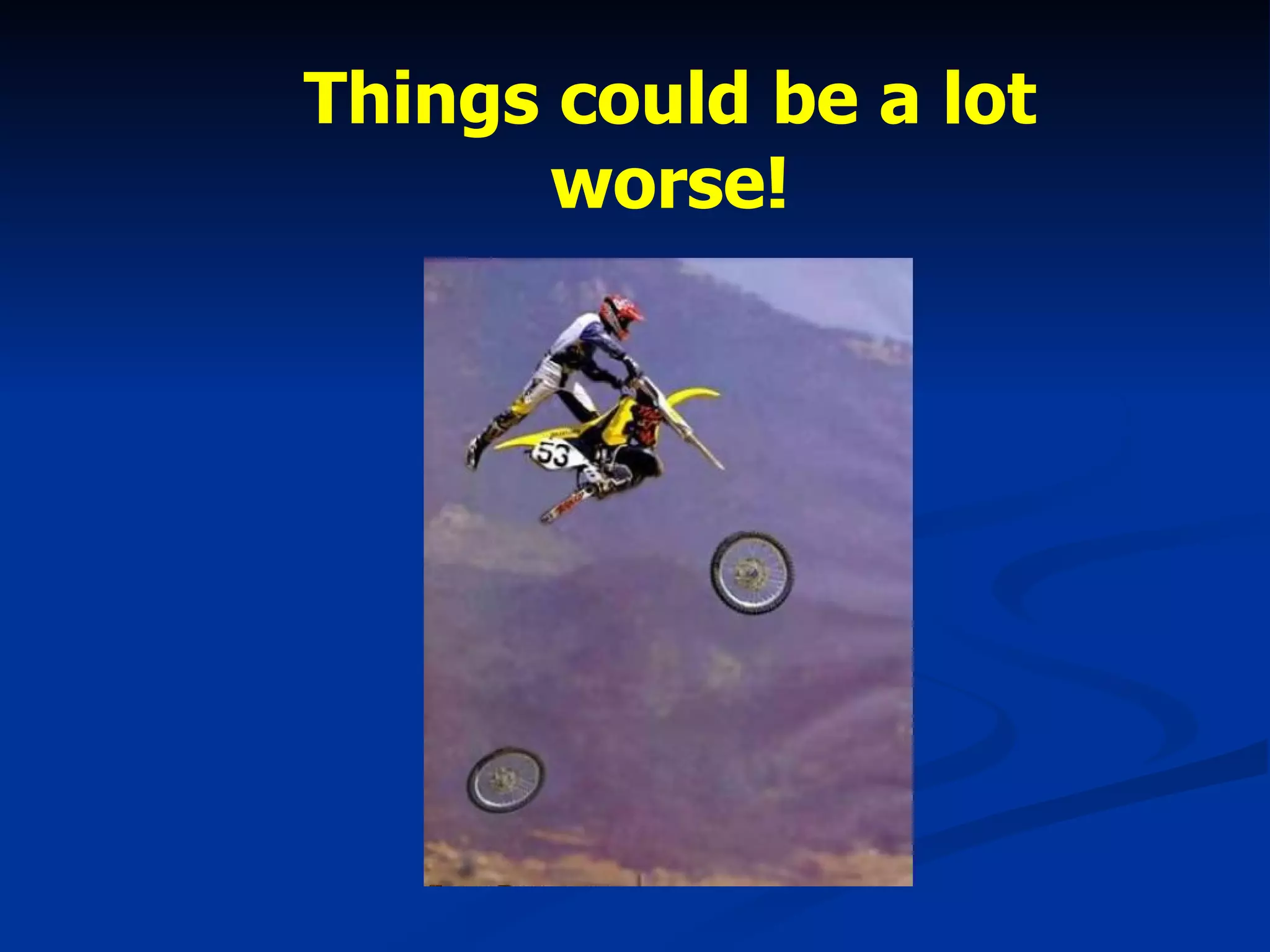
Things could be a lot worse!
 
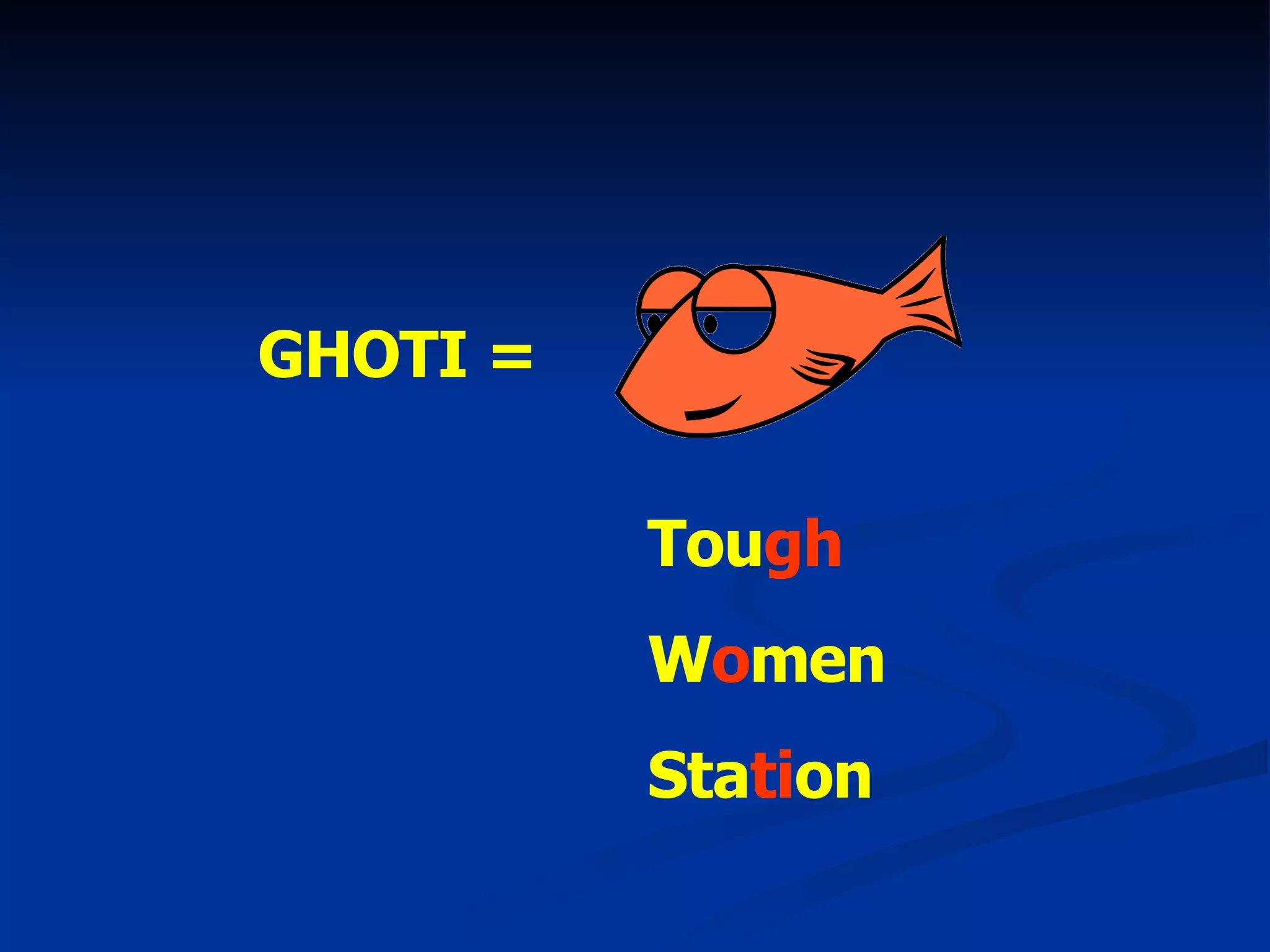
GHOTI = Tou gh W o men Sta ti on
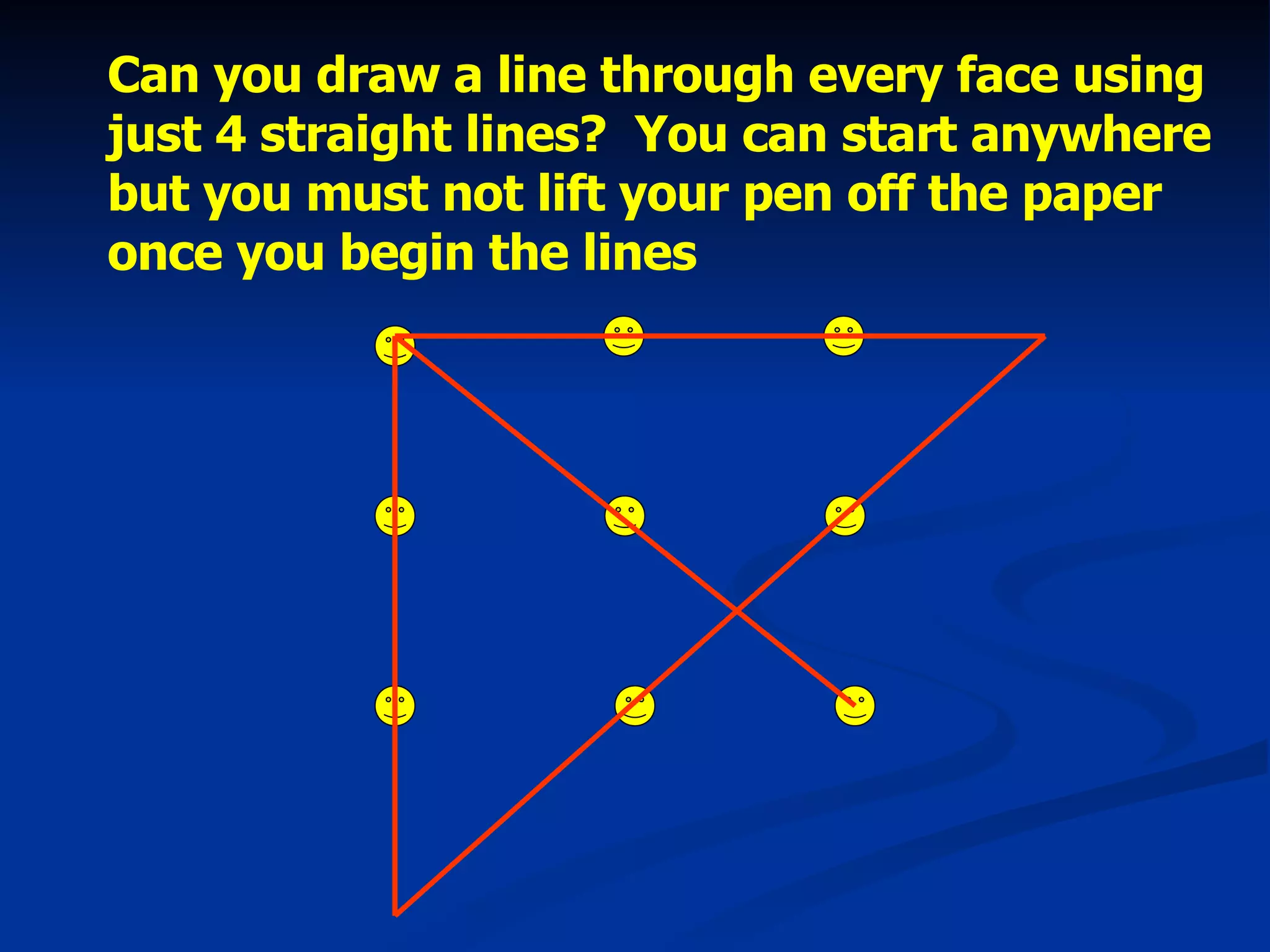
Can you draw a line through every face using just 4 straight lines?  You can start anywhere but you must not lift your pen off the paper once you begin the lines

Exam Preparation Year 11

  • 1.
  • 2.
  • 3.
    “ I leftmy revision until the last minute – I figured I worked better under pressure – look at me now…” Michael – Fast food crewmember
  • 4.
    “ I alwaysfound something else that seemed more important to do than my revision…” Kylie– Public Facilities Cleaner
  • 5.
    “ I triedto revise but it was so boring – I just kept falling asleep at the desk and I’ve never really been a morning person so I missed a few of the exams” Sam – will work for food
  • 6.
    “ I neverdid any revision – I just relied upon my God-given talents and raw intelligence and it worked out just fine… ” George – President
  • 7.
    Seed moments andthe fork in the road
  • 8.
    Factors Affecting ExamPerformance Subject knowledge Exam history Exam preparation and practise Attitude and mindset Energy levels and health
  • 9.
    Energy Levels andHealth What would a world class athlete do in the 3 months building up to a major competition?
  • 10.
  • 11.
    Water Diet SleepExercise Stimulants – energy credit cards! Take Responsibility for your choices
  • 12.
    GCSE revision andexamination is a long distance event – start now!
  • 13.
    Attitude & MindsetExam success comes at a price? What grades have you been predicted? What grades do you want? What are you willing to pay?
  • 14.
    Genius: 1%Inspiration 99% Perspiration
  • 15.
    Triggers: + AttitudeGood energy habits Small victories Shared challenge Visualise the outcome Pride in progress Being ‘in the zone’.
  • 16.
    Triggers: - AttitudePoor energy habits Boredom Stress Fear of failure Inability to delay gratification Feeling powerless.
  • 17.
    Motivation Boosters Raceagainst the clock ‘ The Joe Simpson’ strategy Eating the elephant Have your ‘why’ on view Act as if – fake it till you make it! Starting is half done!
  • 18.
    Revision – Whatis it? Refresh your subject knowledge Check your understanding Fill in any gaps in knowledge and understanding Reorganise and prepare information for aid of recall Exam preparation using past papers.
  • 19.
    When Should IRevise? NOW!
  • 20.
    When Should IRevise? Remainder of Lent term Easter break Summer term Study leave During the exams
  • 21.
    When Should IRevise? Commit to a start date and write it down Make your revision plan public! Work the plan by turning up! Keep a register Make good any unmet sessions.
  • 22.
    Dr. Evil &Mini me Sessions To make best use of the time you’ll have, plan dedicated study sessions but also make use of ‘dead time’ by using mini focused revision sessions of 10 min. or less.
  • 23.
  • 24.
    Find your ownrhythms but remember that the exams are during the day! Whenever you study, make sure you are focused and switched on
  • 25.
  • 26.
    How long shouldI revise for? Followed by a physical break for at least 5 minutes
  • 27.
    How to cheatyour attention span!
  • 28.
    Power Breaks Getup and move around Change your environment Breathe! Relieve your bladder and re-hydrate! Have a snack No more than 5-10 minutes!
  • 29.
    5 Easy waysto make a power break last a day! Don’t plan your TV time Leave the console plugged in Keep your mobile on hand Have a lie down between sessions Forget to wear a watch.
  • 30.
    What should Irevise? Use the exam schedule to create a revision planner Don’t make the planner a work of art! Study between 2 and 4 subjects a day Be realistic about which subjects will require extra attention and plan accordingly
  • 31.
    What should Irevise? Be aware that you will tend to want to revise those subjects you enjoy or find easy over those you are weak in The tougher subjects need to be tackled using ‘The Ross Method’
  • 32.
    The Ross Method30 min 30 min 30 min
  • 33.
    ‘ A TypicalRevision Day’ Preparation (5 min.) Subject / topic (30 min.) Power break (5 min.) x3 Repeat this cycle 3 times in a day and you have the foundation of a solid revision schedule! Leave an hour between cycles = 8hr. day with 4.5 hours of study

  • 34.
    Why Stress isa GOOD thing! Boredom In the zone Distress
  • 35.
    A dedicated spacewithout distractions Room to allow an organised spread! Immediate access to all materials needed during study periods A timer or clock in view Music & the myth of the Mozart Effect. Where should I revise?
  • 36.
  • 37.
  • 38.
    How should Irevise? Active vs. Passive learning (think in ink) Work with the exam requirements in mind (have past papers on hand) Make your revision multi-sensory Work smart – get in the zone
  • 39.
    The Alchemy of Active Study
  • 40.
    Hunt & gathermaterials Sift and organise them Filter, reduce and refine them Test yourself using past papers Past papers under timed conditions.
  • 41.
    ‘ I knowKung Fu!’ Passive learning nothing!’ To actively revise you have to DO something with the information rather than just read it.
  • 42.
    Converting course notesinto visually memorable revision aids is the key to working smart , not hard
  • 43.
    Make sure youwrite your revision notes in your own words Use headings and subheadings, bullet points and abbreviations Try to cut away any unnecessary words or information and create condensed and colourful index cards Carry them everywhere you go and steal back your ‘dead time’
  • 44.
  • 45.
  • 46.
    Study Buddies! Agreeto productive ground rules Decide where and when you’ll get together and how long the session will last Decide in advance what subjects or topics you’ll study together Build silent study, coaching and testing periods into your session.
  • 47.
  • 48.
    The Brain’s LanguageStories Humour Exaggeration Motion Order & sequence Bizarre ideas Colour Personal value
  • 49.
    Kings and Queensof Britain The Normans The Plantagenets The House of Lancaster The House of York The Tudors The Stuarts The House of Hanover The House of Windsor
  • 50.
    Mnemonics M y V ery E nergetic M other J ust S erved U s N ine P izzas
  • 51.
  • 52.
    14 th April 1912 - Titanic 14 - 4 - 12
  • 53.
    The Power ofRepetition
  • 54.
    To Understand isto know The more you understand your material, the less memory cramming you’ll have to do – look for patterns and connections between topics Being interested is the ultimate revision technique!
  • 55.
    Good Luck andremember, the next 3 months will be tough but…
  • 56.
    Things could bea lot worse!
  • 57.
  • 58.
    GHOTI = Tough W o men Sta ti on
  • 59.
    Can you drawa line through every face using just 4 straight lines? You can start anywhere but you must not lift your pen off the paper once you begin the lines