Shivangi Somvanshi
Assistant Professor
Amity University, Noida
WATER
ATMOSPHRERE
What is Environment?
ENVIRONMENT
LAND
 Environmental monitoring can be
defined as the systematic sampling
of air, water, soil, and biota in order
to observe and study the
environment, as well as to derive
knowledge from this process.
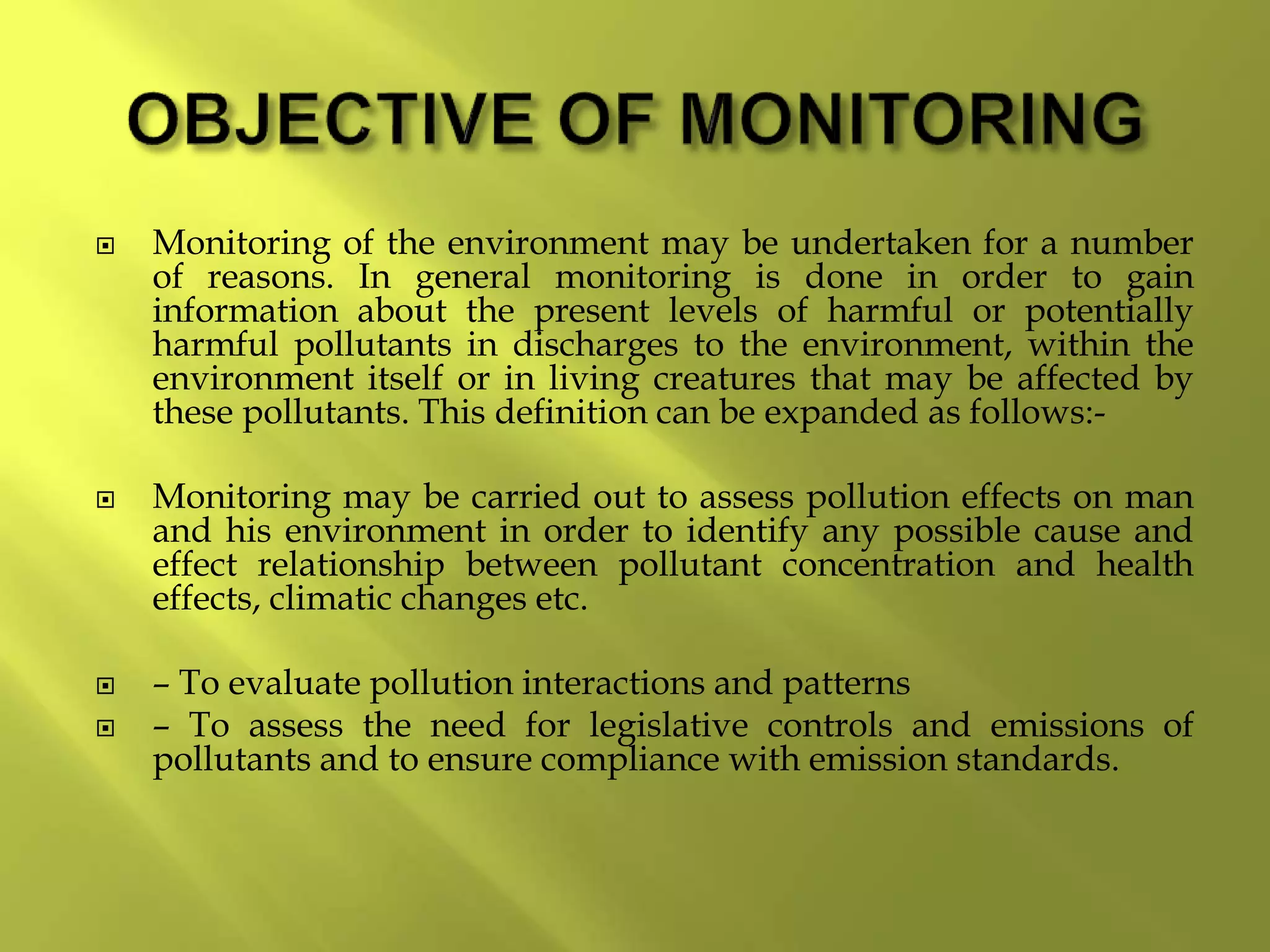
 Monitoring of the environment may be undertaken for a number
of reasons. In general monitoring is done in order to gain
information about the present levels of harmful or potentially
harmful pollutants in discharges to the environment, within the
environment itself or in living creatures that may be affected by
these pollutants. This definition can be expanded as follows:-
 Monitoring may be carried out to assess pollution effects on man
and his environment in order to identify any possible cause and
effect relationship between pollutant concentration and health
effects, climatic changes etc.
 – To evaluate pollution interactions and patterns
 – To assess the need for legislative controls and emissions of
pollutants and to ensure compliance with emission standards.
6
ENVIRONMENT MONITORING METHODS
 Ground-based Sampling and Measurements
 Model-based Monitoring
 Satellite based Monitoring
7
Satellite Based Environment Monitoring
Areas
• Atmosphere Monitoring
• Air Quality Monitoring
• Climate Change Studies
• Resource Management
• Glaciers and Snow
• Flood and Drought
Management
• Landuse / Landcover
• Weather Prediction
• Hazards Monitoring
• Aviation
• Agriculture
• Marine & Phytoplankton Studies
• Dust Storm
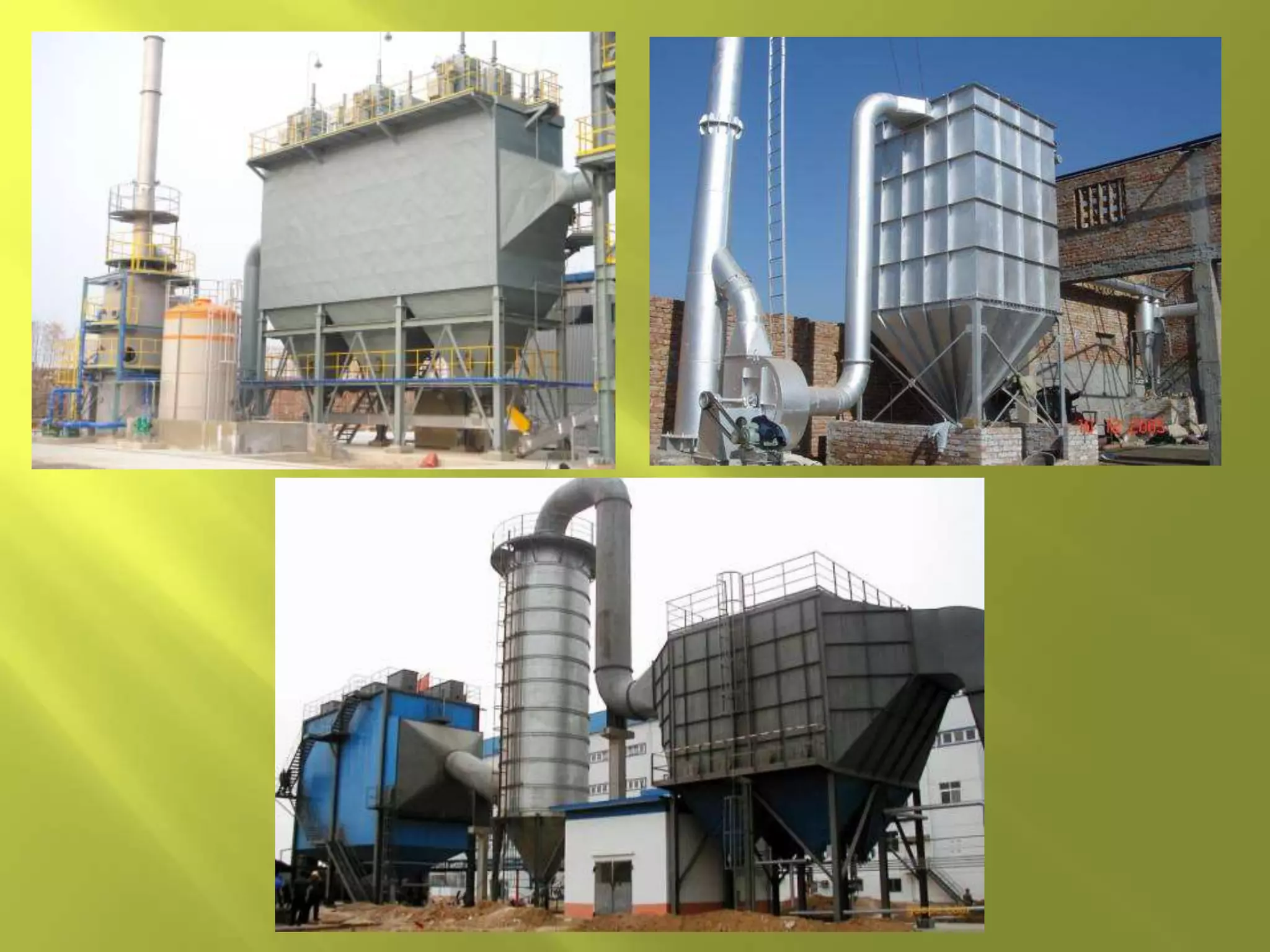
 This may be carried out for a number of reasons
- Identification and characterization of main sources
in urban areas.
- Determination of the mass emission rates of
pollutants from a particular source and assessment
of how these are affected by process variations.
- Evaluation of the effectiveness of control devices
for pollution abatement.
- Evaluation of compliance with statutory
limitations on emissions from individual sources.
 Monitoring the environment may be carried out for a number of reasons:
- Mapping the concentration of pollutants in the environment.
- Identification of pollution sensitive zones.
- Identification of possible sites for the environmental monitoring stations.
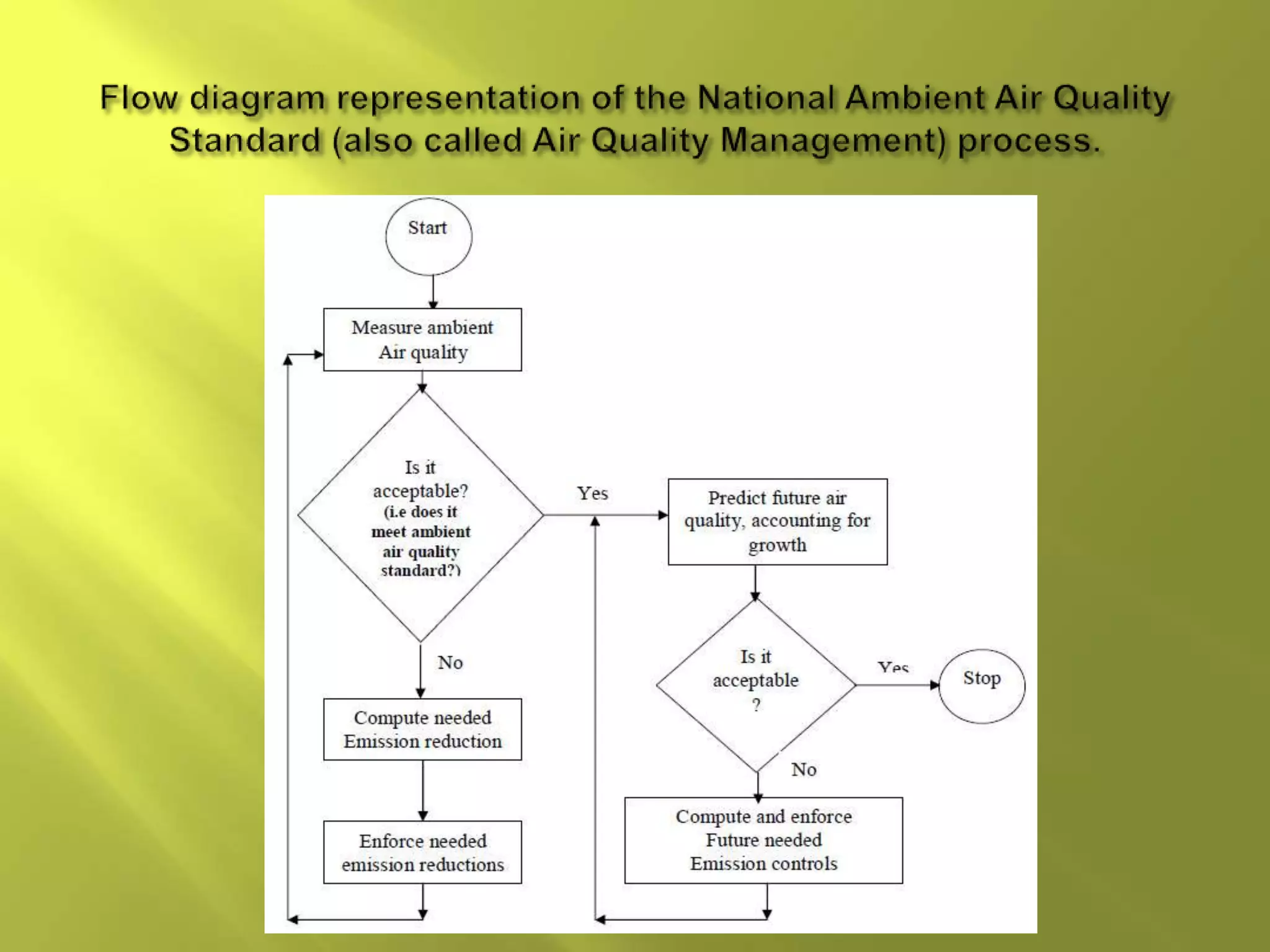
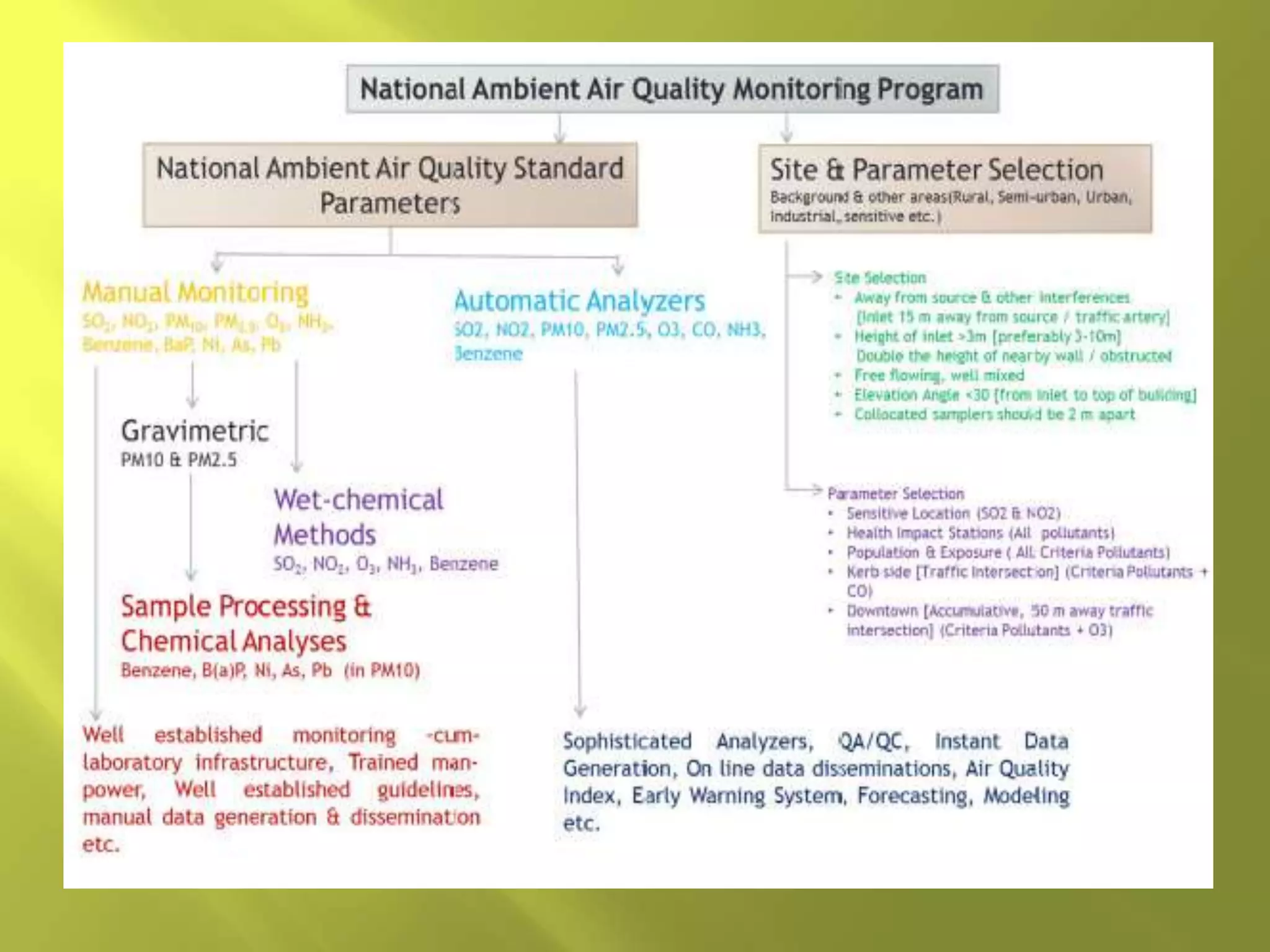
- Tracking progress towards National Quality Standards attainment and
emission reductions.
- Serve as the basis for modeling of predicted pollutant concentrations in
ambient air.
- Provide input for human health risk assessment studies.
 Ambient environment monitoring includes:
 Air Pollution Monitoring
 Water Pollution Monitoring
 Sediment, Soil and Biological Monitoring
 Noise Level Monitoring
AIR POLLUTION
Air pollution is the introduction of
chemicals, particulate matter, or
biological materials that cause
harm or discomfort to humans or
other living organisms, or damages
the natural environment into the
atmosphere
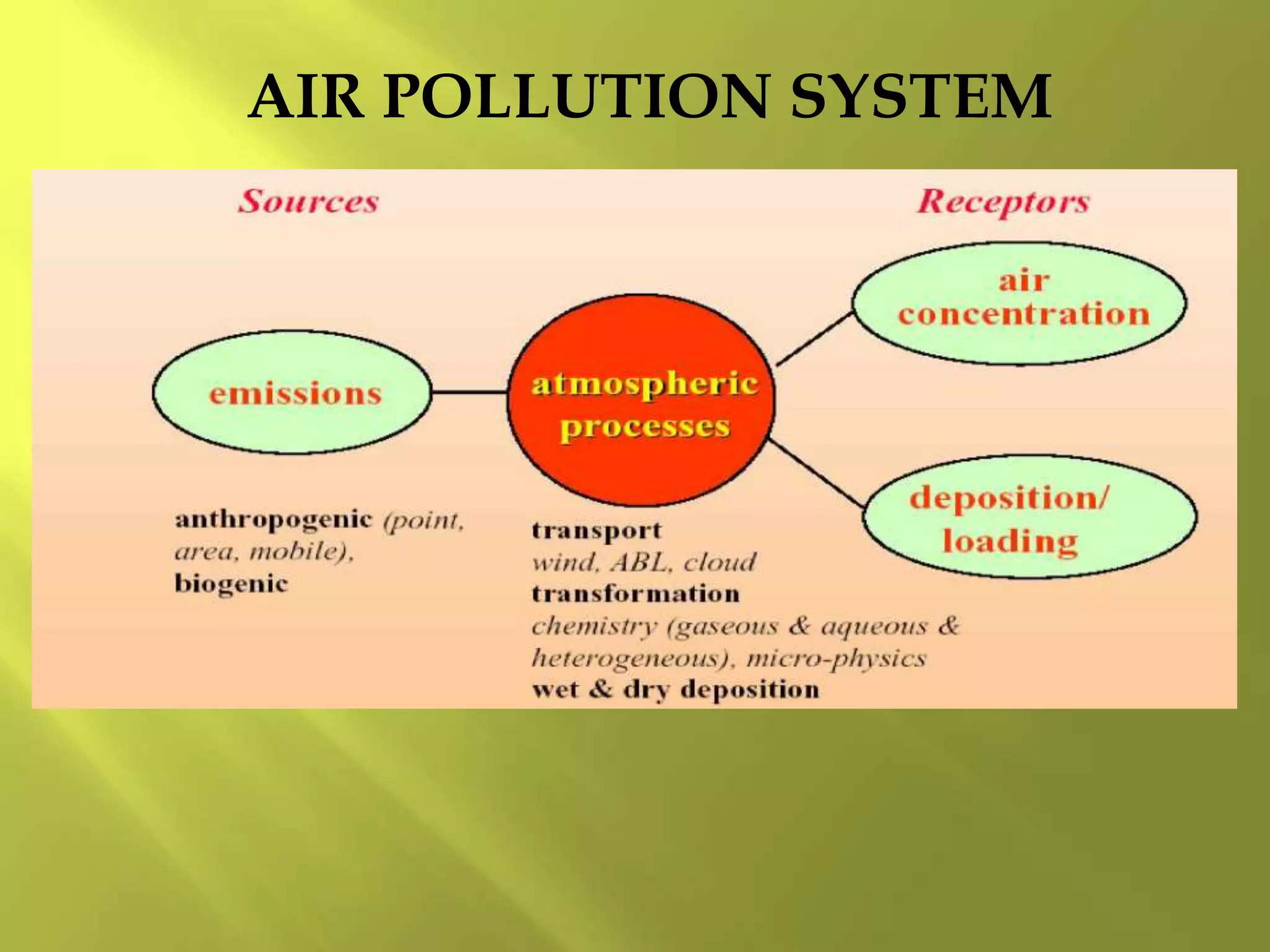
AIR POLLUTION SYSTEM
NATURAL SOURCES:
The natural sources of air pollution are also known as
Biogenic sources. The natural pollution includes
sources such as oceanic aerosol, volcanic emissions,
forest fires, biological decay, windblown terrestrial
dust and lightening.
ANTHROPOGENIC SOURCES:
The artificial pollution generates from human
activities and includes sources such as fuel burning,
refuge burning, transportation, construction of
buildings, chemical factories, metallurgical factories
and, vehicles.
 Atmospheric processes are responsible for
transportation, mixing, physical and chemical
transformation of pollutants. The wind speed
and direction decide how quickly the
pollutants will be dispersed and what will be
the direction of impact. The vertical
temperature profile of the atmosphere decide
about the vertical mixing and turbulence in the
atmosphere.
CLASSIFICATION OF AIR
POLLUTANTS
PRIMARY POLLUTANTS (emitted directly to the atmosphere)
There are five primary pollutants that contribute to 90% of global air pollution.
1. Oxides of carbon like carbon monoxide and carbon dioxide (CO & CO2).
2. Oxides of nitrogen, like NO, NO2, NO3 (expressed as NOx).
3. Oxides of sulphur particularly sulphur dioxide (SO2).
4. Volatile organic compounds, mostly hydrocarbons.
5. Suspended particulate matter (SPM): Aerosols.
SECONDARYAIR POLLUTANTS
The pollutants that are produced in the atmosphere, when certain chemical reactions take place
among the primary pollutants and with others in the atmosphere are called secondary air
pollutants.
1. Sulphuric acid
2. Nitric acid
3. Carbonic acid
4. Ozone
5. Formaldehydes
6. Peroxy-acyl-nitrate (PAN).
23
Effects on human health
• Irritation and inflammation
• Breathing difficulties
• Lung damage
• Heart disease
• Vision problems
• Premature death
Effects on natural environment
• Acid rain
• Ozone layer depletion
• Global warming
• Global climate change
• Photochemical Smog
• Reduction in visibility
EFFECTS OF AIR POLLUTION
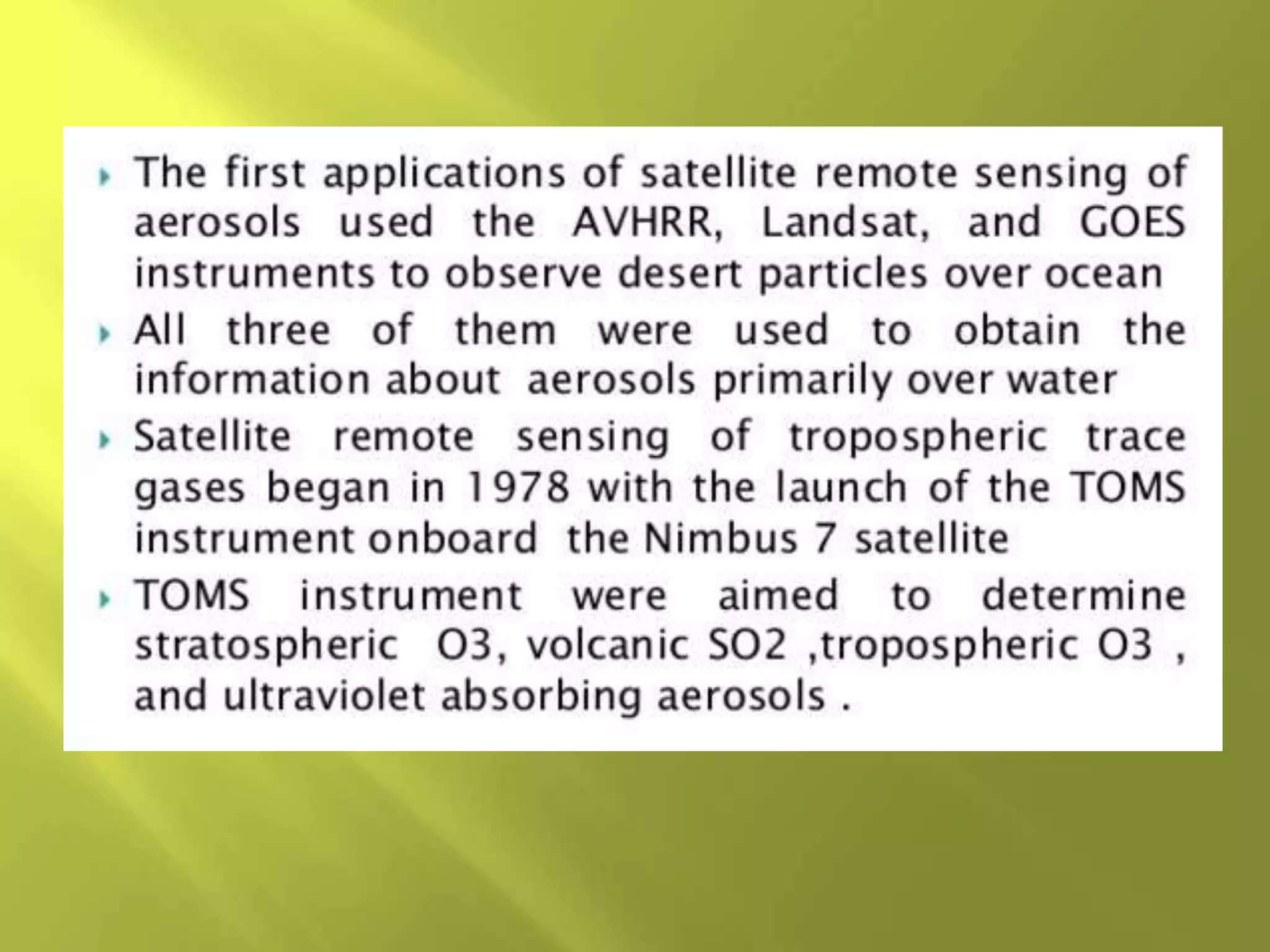
 Satellite remote sensing provides complete and synoptic
views of large areas in one image on a systematic basis due
to the good temporal resolution of various satellite sensors.
 Satellite remote sensing can monitor many pollutants
simultaneously.
 It has the capability to monitor in near real – time, and
provides continuously rapid monitoring.
 The different satellites used in mapping air pollution are:
Earth resource satellites (Landsat, SPOT, ZY-3)
Meteorological satellites (NOAA satellites, GOES satellites)
Radar satellites (Seasat, ERS – 1,2 JERS – 1, Radarasat)
 It was the potential of images from space platform to track hurricanes and other
weather systems that led to the first operational use of what we now call Earth
Observation by remote sensing. In 1960, the U.S. NOAA (National Oceanic and
Atmospheric Administration) launched the first civilian satellite specifically to
photgraph the earth on a regular basis, in order to provide data for weather
forecasting.
 This satellite called TIROS (Television Infrared Observation Satellite), was the first of
the TIROS/NOAA weather satellite that provide daily images of the globe, those
that are seen on our daily T.V. weather forecast.
 Both polar-orbiting satellites such as NOAA and Geostationary satellites such as
GOES and METEOSAT are used routinely nowadays for weather forecasting.
Full disk view of GOES – 12
thermal infrared image acquired on
27th September 2006. Note the
Celsius temperature scale
displayed at the bottom. (Data
source: NOAA)
32
 Images from TIROS/NOAA weather satellites also contribute to
public concern over the state of the environment.
Range:
0 du to 500 du
Name Operator
METEOSAT, ERS, ENVISAT European Space Agency
GMS Japan
INSAT India
Feng Yun China
GOMS, METEOR USSR
RADARSAT Canada
Water quality is affected by materials delivered
to a water body from either point or nonpoint
sources.
1. Point sources can be traced to a single
source, such as a pipe or a ditch.
2. Nonpoint sources are diffuse and
associated with the landscape and its
response to water movement, land use and
management, and/or other human and
natural activities on the watershed.
Agriculture, industrial, and urban areas are
anthropogenic sources of point and nonpoint
substances.
Major factors affecting water quality in water
bodies across the landscape are suspended
sediments (turbidity), algae (i.e., chlorophylls,
carotenoids), chemicals (i.e., nutrients, pesticides,
metals), dissolved organic matter (DOM),
thermal releases, aquatic vascular plants,
pathogens, and oils.
Effluent Discharge
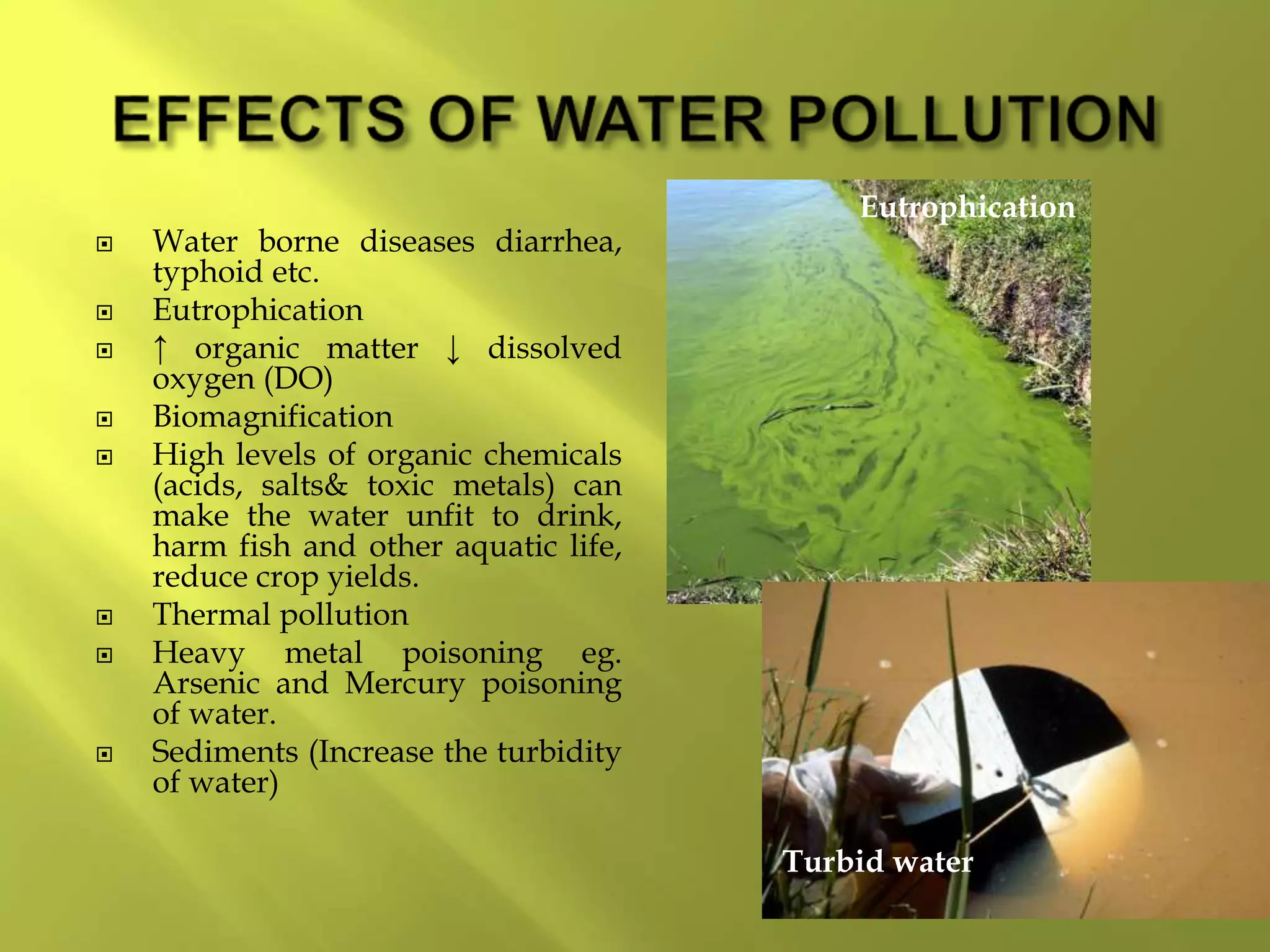
 Water borne diseases diarrhea,
typhoid etc.
 Eutrophication
 ↑ organic matter ↓ dissolved
oxygen (DO)
 Biomagnification
 High levels of organic chemicals
(acids, salts& toxic metals) can
make the water unfit to drink,
harm fish and other aquatic life,
reduce crop yields.
 Thermal pollution
 Heavy metal poisoning eg.
Arsenic and Mercury poisoning
of water.
 Sediments (Increase the turbidity
of water)
Turbid water
Eutrophication
 Apart from the monitoring of pollutants in liquid effluents, sampling may
be carried out.
(a) In rivers, lakes, estuaries and the sea in order to obtain an overall
indication of water quality.
(b) For rain water, groundwater and run-off water particularly in the urban
environment ) to assess the influence of pollutant sources.
(c) At points where water is taken for supply, to cheek its suitability for a
particular use.
(d) Using sediments and biological samples in order to assess the
accumulation of pollutants and as indicators of pollution.
 Apart from the measurement of chemical and physical parameters the
quantitative or qualitative assessment of aquatic flora and fauna is often
used to give a holistic view of the presence or absence of pollution, and
well recognized relationships exist between the abundance and diversity
of species and the degree of pollution. This is often used to assess the
cleanliness of natural fresh waters (biological monitoring).
 From the user's point of view, the term "water quality" is
defined as "those physical, chemical or biological
characteristics of water by which the user evaluates the
acceptability of water.
 PHYSICAL PARAMETERS (solids, colour, temperature,
turbidity, conductivity, density, odor and taste etc.)
 CHEMICAL PARAMETERS (BOD, DO, COD, pH,
alkalinity, acidity, total organic carbon, phenols, pesticides,
hardness, chloride etc.)
 BIOLOGICAL PARAMETERS (microorganisms: MPN
count)
 Water quality standards serve as the foundation for the
water quality based approach to pollution control and
are a fundamental component of water management.
 Water quality is a general descriptor of water
properties in terms of physical, chemical, thermal,
and/or biological characteristics. It is difficult to define
a single water quality standard to meet all uses and
user needs
 There are three categories of standards:
1. Streams standards
2. Effluent standards
3. Drinking water standards
The overall application of RS & GIS in water
resources sector can be broadly categorized as below:
 Snow and Glacier mapping and monitoring
 Irrigation water management
 Flood disaster monitoring, forecasting and
management
 Water quality monitoring
 Watershed management
 Groundwater prospecting
 Environmental Impact assessment
 Substances (Suspended sediments, algae, dissolved organic matter (DOM), oils,
aquatic vascular plants, and thermal releases) in surface water can significantly
change the backscattering characteristics of surface water. Remote sensing
techniques depend on the ability to measure these changes in the spectral signature
backscattered from water and relate these measured changes by empirical or
analytical models to a water quality parameter.
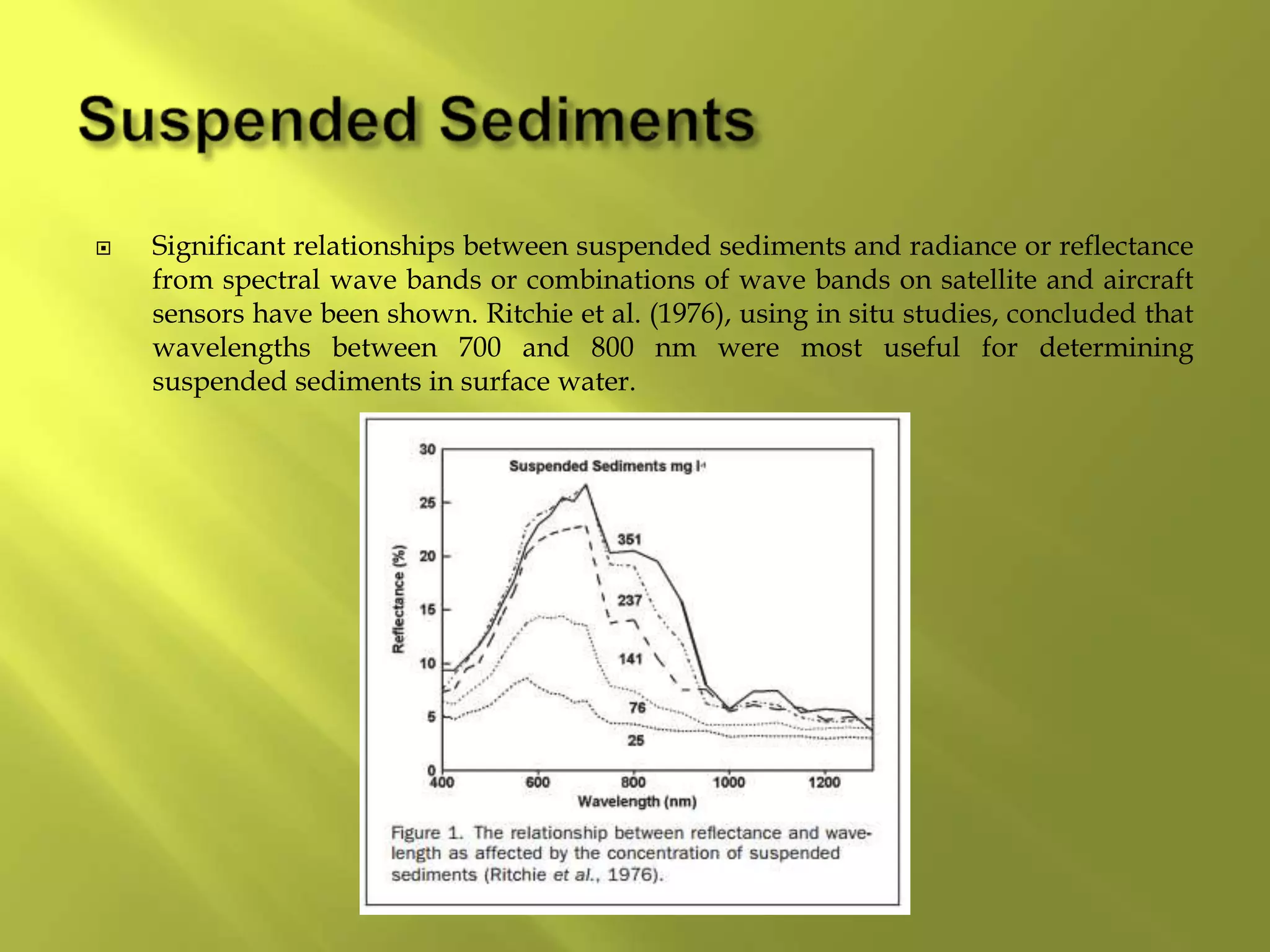
 Significant relationships between suspended sediments and radiance or reflectance
from spectral wave bands or combinations of wave bands on satellite and aircraft
sensors have been shown. Ritchie et al. (1976), using in situ studies, concluded that
wavelengths between 700 and 800 nm were most useful for determining
suspended sediments in surface water.
 The snow cover (build up and depletion) can be detected
and monitored from a variety of remote sensing platforms.
 Glacier lakes are easily identifiable on multi-spectral satellite
data of medium resolution (24-30m) to fine resolution (6m).
 Cloud and snow bound areas appear similar in standard
FCC images, which is resolved through SWIR band
response in which snow cover areas have low reflectance.
 Mazor sensors used for snow cover mapping are:
- NOAA-AVHRR
- MODIS – Aqua/Terra
- Resourcesat 1 – AWiFS, LISSIII
- Landsat – ETM
- ASTER
- SPOT
Information required for disaster management:
S.No PHASE REQUIRED INFORMATION
1 Flood Preparedness (Before
Flood)
• Chronically flood prone areas
• Prior information on probable flood
affected areas with considerable lead
time.
• Optimum evacuation plans
2. Relief and Rescue (During
Flood)
• Flood affected areas
• Flood damage statistics
• Updation of the flood condition in
terms of flood recedence and
persistence.
3. Flood Mitigation (After
Flood)
• Changes in the river course
• River bank erosion
• Drainage congestion
• Flood risk zones
DURING PREPAREDNESS PHASE
 Using historic satellite remote sensing data acquired during floods, it is
possible to provide the chronically flood prone areas in the form of a map
showing severely affected, occasionally affected etc.
 Flood monitoring and forecast can be done using hydrodynamic models.
Hydrodynamic models:
Landuse (IRS, SPOT, Landsat and IKONOS)
Soil Type
DEM (ERS, SPOT)
Soil Moisture
Rainfall (Meteorological satellites: GOES and POES, SAR,
NOAA, AHVRR]
Static data (eg. Drainage basin size)
 Using flood inundation models in GIS environment, optimum evacuation
plan can be generated for carrying out rescue operations.
DURING FLOODS
 A flood map showing the spatial extent of the flood
affected area.
 Flood damage statistics like district wise flood
affected area, submerged crop, marooned villages
and length of submerged road/ rail can be provided.
 Satellite data can be used at regular intervals for
updation of the flood condition (continuous flood
monitoring).
DURING MITIGATION PHASE
 Using high resolution historic and present satellite data,
mapping of river configuration and flood control works, and
studies of bank erosion can be carried out.
 Using multi-date satellite data it is possible to demarcate the
drainage congestion areas in the chronic flood prone areas.
 Flood hazard and risk zone maps can be generated using
multi – year satellite data acquired during floods.
Pre Flood – 17 July 2006 Post Flood – 09 Aug 2006
10098 acr
3516 acr
● Phulani
● Goth Lataran
● Ural
● Junno Dhand
● Shahpur
● Godhpur
● Than Lake
● Goth Azizpur
● Goth Raza Mahar
● Phulani
● Goth Lataran
● Ural
● Junno Dhand
● Shahpur
● Godhpur
● Than Lake
● Goth Azizpur
● Goth Raza Mahar
● Muhro Mari
● Darapur
● Kot Shahgarch
● Muhro Mari
● Darapur
● Kot Shahgarch
Soil may become polluted in a number of ways:
 Disposal of urban solid wastes
 Modern agricultural practices
 Disposal of industrial wastes over land
 Subsurface disposal of toxic wastes
 Deforestation leading to soil erosion
 Nuclear fallout and disposal of nuclear wastes
 Water logging and soil salinity
 Soil acidification
 Biological agents
 Other anthropogenic activities such as mining
Some potentially harmful substances such as mercury or lead are naturally present in soils
but at concentration which are not normally deleterious. Some activities however can cause
elevated levels of these compounds e.g. mining may cause soils to be contaminated by metals
and the dumping of solid wastes in land will invariably introduce a wide variety of
pollutants to the soil.
On the other hand there are compounds which do not occur naturally, and their presence in
soils and sediments is due entirely to man’s activities. These substances include pesticides
(particularly the organo-chlorine compounds such as DDT, aldrin, dieldrin)
 Decrease in soil fertility and therefore decrease in crop yield.
 Modern agricultural practice results in physico – chemical and microbiological
changes in the soil characteristics.
 Ecological imbalance: Disturbance in the balance of flora and fauna residing in the
soil, due to alteration in the soil structure.
 Acid rain occurs when fumes released from industries get mixed with rain, which
leads to acidification of soil.
 Waste that arises from the urban areas includes plastics, non-degradable
compounds, enter the underground vegetables and affect human beings when
present in large quantities.
 Radioactive isotopes (Strontium – 90 and Caesium – 137) remain in upper part of
soil and are absorbed by plants like mushrooms, lichens etc. Thus may reach to
human body and cause cancer, malformation of body at birth, organ abnormalities
in the animals.
 Chemical fertilizers, pesticides, fungicides, insecticides etc.
may affect human being when present in large quantities.
eg: - Nitrogen causes Blue Baby Syndrome.
 Biological agents like fungi, spores, toxins, bacteria etc. are
passed into the soil by waste of animals and humans and
causes diseases like cholera, typhoid, mycosis, tetanus etc.
 Earthworms, hookworms, roundworms are also produced
which affect the human health and appetite.
 Toxic substances from these dumps leach out and percolate
through the soil layers below to contaminate the
groundwater.
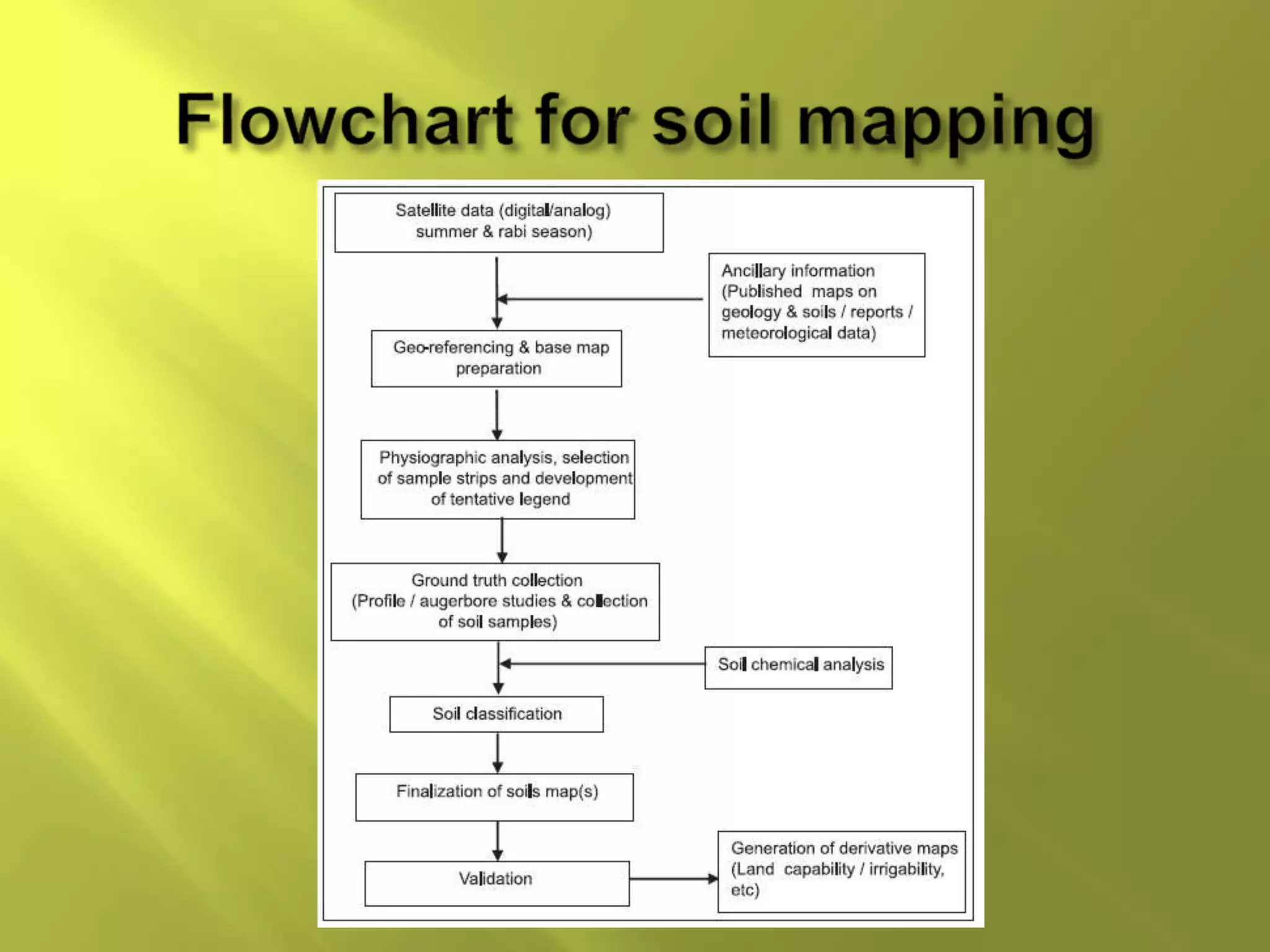
 Remote sensing technique has reduced fieldwork
to a considerable extent and soil boundaries are
more precisely delineated than in conventional
methods.
 While mapping the soil using RS , the stereo data
is highly useful in identification of different
landforms, which have got close relationship with
soils associated with them.
 The stereo data from PAN cameras aboard SPOT/
IRS – 1C/ Cartosat – 1 enabled the delineation of
physiographic units and soil maps derived there
from in a better way.
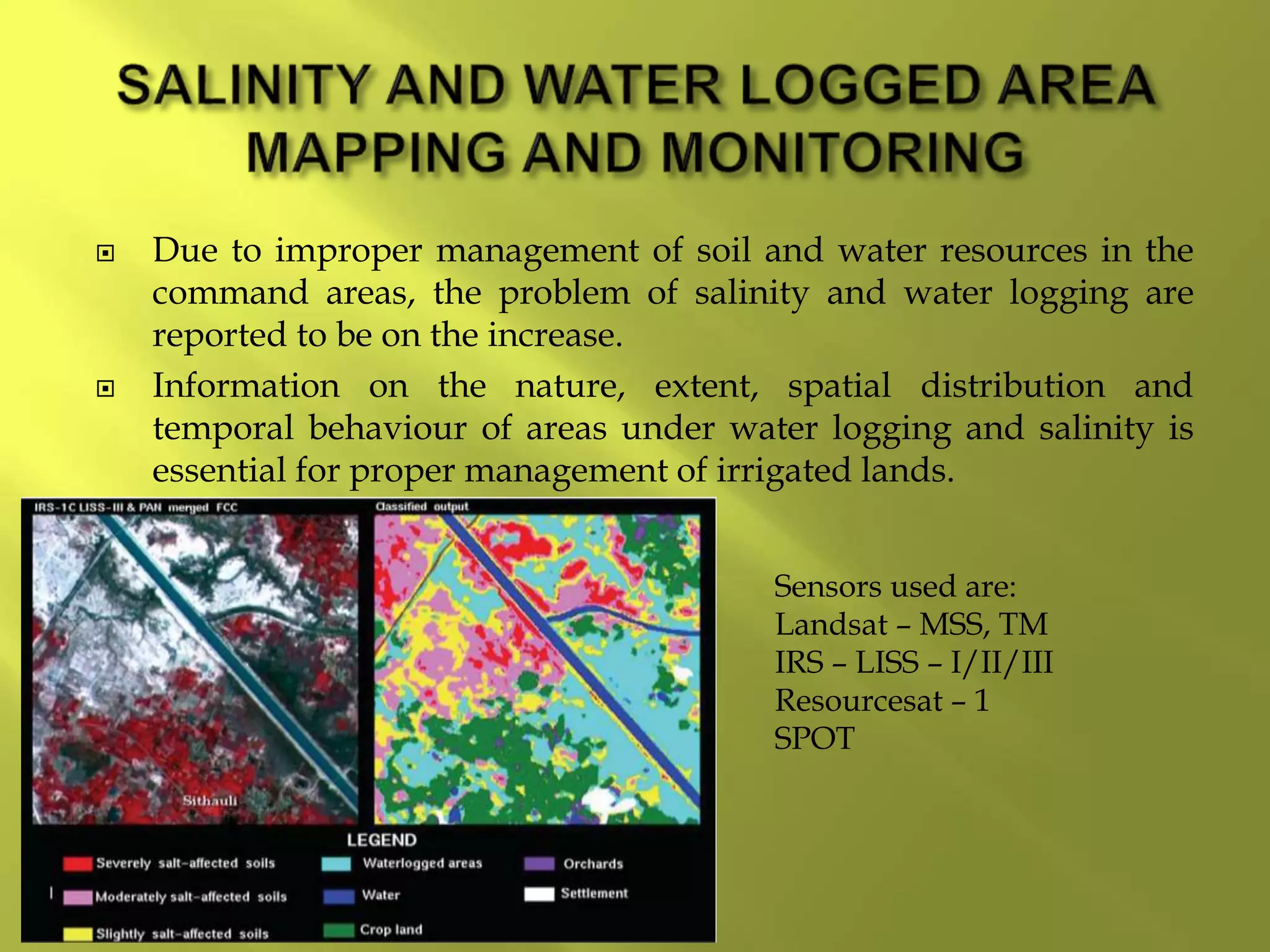
 Due to improper management of soil and water resources in the
command areas, the problem of salinity and water logging are
reported to be on the increase.
 Information on the nature, extent, spatial distribution and
temporal behaviour of areas under water logging and salinity is
essential for proper management of irrigated lands.
Sensors used are:
Landsat – MSS, TM
IRS – LISS – I/II/III
Resourcesat – 1
SPOT
 Soil erosion is the process of removal of
superficial layer of the soil from one place to
another.
RILL EROSION
GULLY EROSION
SHEET EROSION
SLIP EROSION
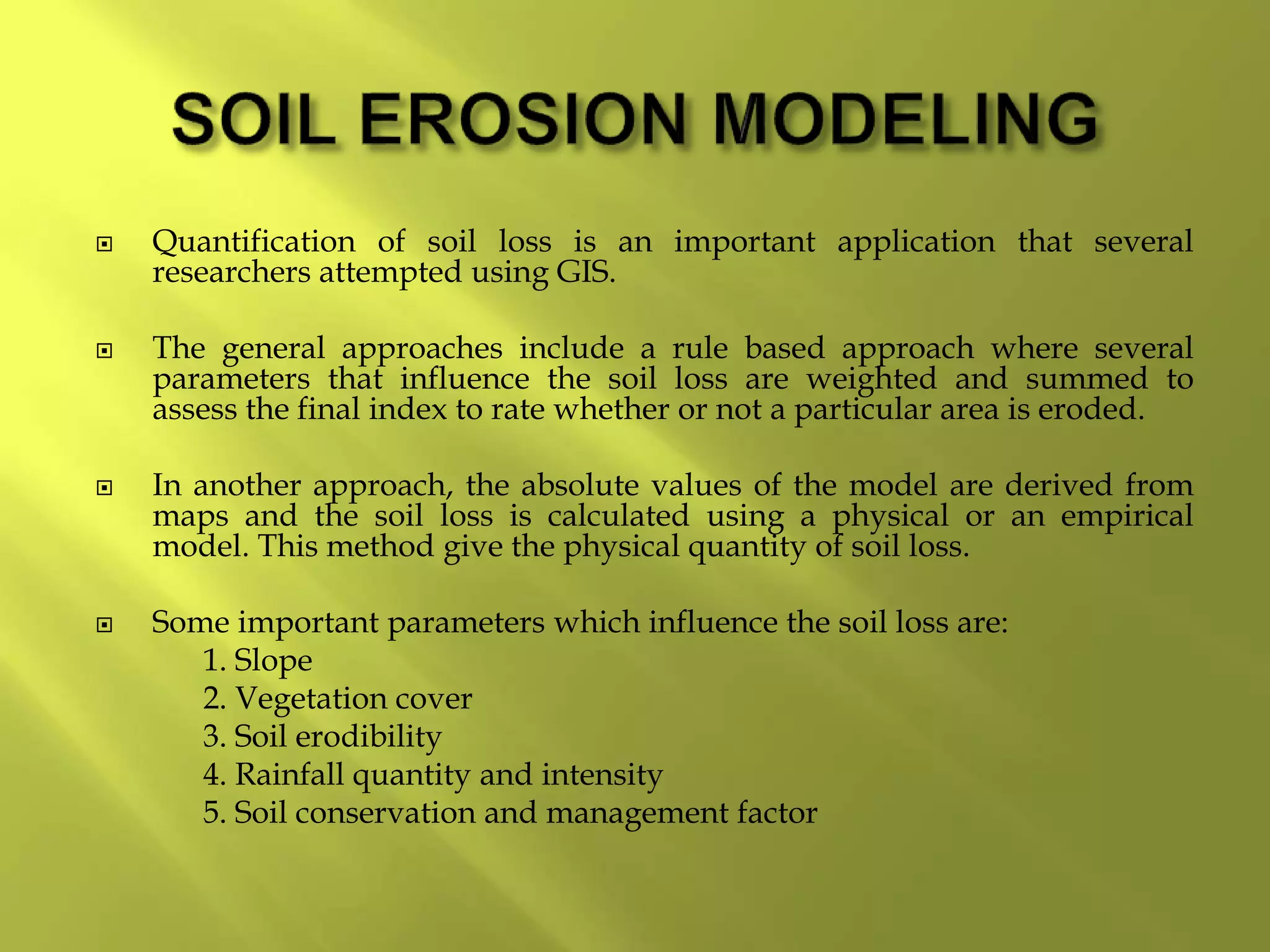
 Quantification of soil loss is an important application that several
researchers attempted using GIS.
 The general approaches include a rule based approach where several
parameters that influence the soil loss are weighted and summed to
assess the final index to rate whether or not a particular area is eroded.
 In another approach, the absolute values of the model are derived from
maps and the soil loss is calculated using a physical or an empirical
model. This method give the physical quantity of soil loss.
 Some important parameters which influence the soil loss are:
1. Slope
2. Vegetation cover
3. Soil erodibility
4. Rainfall quantity and intensity
5. Soil conservation and management factor
 The USLE, developed by ARS scientists W. Wischmeier and D. Smith, has
been the most widely accepted and utilized soil loss equation for over 30
years. Designed as a method to predict average annual soil loss caused by
sheet and rill erosion. The USLE for estimating average annual soil
erosion is:
A = RKLSCP
Where:
 A = average annual soil loss in t/a (tons per acre)
 R = rainfall erosivity index (Calculated from annual summation of rainfall
energy)
 K = soil erodibility factor (This factor quantifies the cohesive, or bonding
character of a soil type and its resistance to dislodging and transport due
to raindrop impact and overland flow.)
 LS = topographic factor - L is for slope length & S is for slope
 C = cropping factor
 P = conservation practice factor (Practices included in this term are
contouring, strip cropping and terracing)
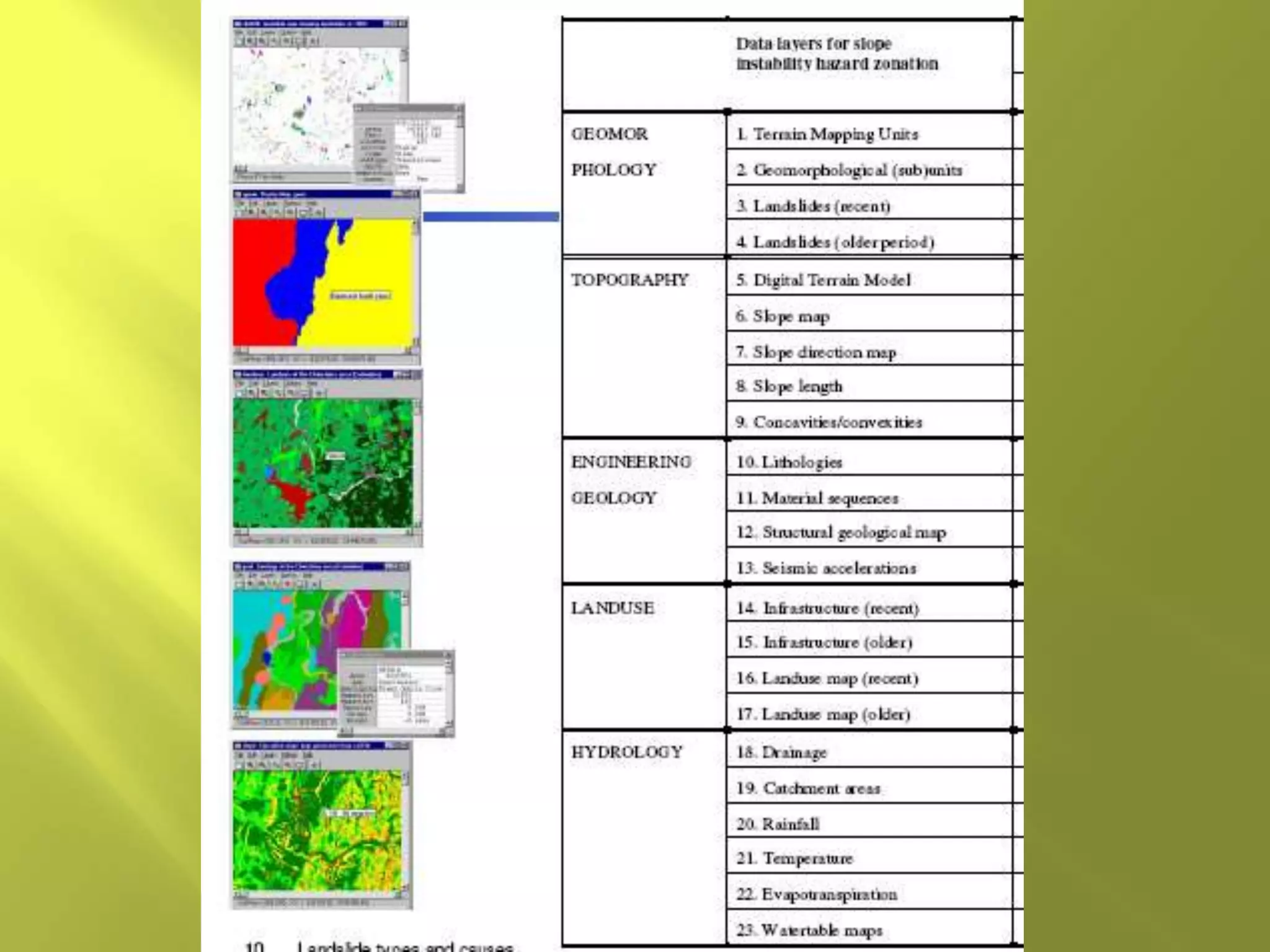
 Comprehensive landslide inventory is a prerequisite
for landslide hazard and risk analysis.
 A landslide inventory map not only shows the time
and date of occurrence but also the types of landslide.
 Landslide inventory involves:
Landslide distribution analysis
Landslide activity analysis
 Very high resolution imagery (QuickBird, IKNOS,
CARTOSAT – 1 and 2) has become the best option now
for landslide mapping.
 Other remote sensing approaches of landslide
inventory mapping include shaded relief images
produced from Light Detection and Ranging (LiDAR)
DEM and Synthetic Aperture Radar (SAR)
interferometry.
 Lidar is an active sensor and the signal from the sensor
has the capability of penetrating through the tree
crown and thus provide data about the subtle elevation
variation of the bare ground.
 SAR images are useful in identifying critical terrain
elements such as faults and slope characteristics.
 Another advantage of SAR over optical sensor data is
its all weather monitoring ability.
 Noise is defined as unpleasant or disagreeable loud
sound, or sound without value that causes discomfort
to the listener.
 Any sound with loudness above than 80dB is consider
Noise.
Sources of Noise Pollution
1. NATURAL
Thunder, Earthquake
2. MAN – MADE
a) Industrial – Machines, Construction Equipments
b) Non- Industrial – Automobiles, Aircraft, generators,
Markets, Loud speakers, Railway Stations.
1. Auditory effects
 These include auditory fatigue and deafness. It appears in 90dB and
may be associated with side effects as whistling or buzzing in ears
(Temporary threshold shift (TTS)).
 Permanent loss of hearing occurs at loudness more than 100 dB
(Noise Induced Permanent Threshold Shift (NIPTS)).
 More than 180 dB – Death of the person.
2. Non – auditory effects
 Interference with speech communication
 Annoyance
 Loss of working efficiency
 Physiological Disorder ( Increase in BP / hypertension, Increased
stress, Fatigue, Headache, Sleep disturbance/insomnia, anxiety,
cardiovascular issues).
 Source Control
It may be achieved by designing silencing devices.
 Transmission Control (Sound Proofing)
Covering the room walls with sound absorbers as acoustic tiles.
 Protection to exposed person
Ear Plugs and Ear Muffs
 Creation of vegetation buffer zone
Plant absorb and dissipate sound energy and thus act as buffer zone.
 Through Law
Silence zones could be created near important areas like school,
hospital zones and to prevent indiscriminate use of loud speakers
at public places.
Thank You
"Save earth to bring worth for the new birth"
Thank You

Environmental monitoring

  • 1.
  • 2.
  • 4.
     Environmental monitoringcan be defined as the systematic sampling of air, water, soil, and biota in order to observe and study the environment, as well as to derive knowledge from this process.
  • 5.
     Monitoring ofthe environment may be undertaken for a number of reasons. In general monitoring is done in order to gain information about the present levels of harmful or potentially harmful pollutants in discharges to the environment, within the environment itself or in living creatures that may be affected by these pollutants. This definition can be expanded as follows:-  Monitoring may be carried out to assess pollution effects on man and his environment in order to identify any possible cause and effect relationship between pollutant concentration and health effects, climatic changes etc.  – To evaluate pollution interactions and patterns  – To assess the need for legislative controls and emissions of pollutants and to ensure compliance with emission standards.
  • 6.
    6 ENVIRONMENT MONITORING METHODS Ground-based Sampling and Measurements  Model-based Monitoring  Satellite based Monitoring
  • 7.
    7 Satellite Based EnvironmentMonitoring Areas • Atmosphere Monitoring • Air Quality Monitoring • Climate Change Studies • Resource Management • Glaciers and Snow • Flood and Drought Management • Landuse / Landcover • Weather Prediction • Hazards Monitoring • Aviation • Agriculture • Marine & Phytoplankton Studies • Dust Storm
  • 9.
     This maybe carried out for a number of reasons - Identification and characterization of main sources in urban areas. - Determination of the mass emission rates of pollutants from a particular source and assessment of how these are affected by process variations. - Evaluation of the effectiveness of control devices for pollution abatement. - Evaluation of compliance with statutory limitations on emissions from individual sources.
  • 11.
     Monitoring theenvironment may be carried out for a number of reasons: - Mapping the concentration of pollutants in the environment. - Identification of pollution sensitive zones. - Identification of possible sites for the environmental monitoring stations. - Tracking progress towards National Quality Standards attainment and emission reductions. - Serve as the basis for modeling of predicted pollutant concentrations in ambient air. - Provide input for human health risk assessment studies.  Ambient environment monitoring includes:  Air Pollution Monitoring  Water Pollution Monitoring  Sediment, Soil and Biological Monitoring  Noise Level Monitoring
  • 13.
    AIR POLLUTION Air pollutionis the introduction of chemicals, particulate matter, or biological materials that cause harm or discomfort to humans or other living organisms, or damages the natural environment into the atmosphere
  • 14.
  • 15.
    NATURAL SOURCES: The naturalsources of air pollution are also known as Biogenic sources. The natural pollution includes sources such as oceanic aerosol, volcanic emissions, forest fires, biological decay, windblown terrestrial dust and lightening. ANTHROPOGENIC SOURCES: The artificial pollution generates from human activities and includes sources such as fuel burning, refuge burning, transportation, construction of buildings, chemical factories, metallurgical factories and, vehicles.
  • 20.
     Atmospheric processesare responsible for transportation, mixing, physical and chemical transformation of pollutants. The wind speed and direction decide how quickly the pollutants will be dispersed and what will be the direction of impact. The vertical temperature profile of the atmosphere decide about the vertical mixing and turbulence in the atmosphere.
  • 21.
    CLASSIFICATION OF AIR POLLUTANTS PRIMARYPOLLUTANTS (emitted directly to the atmosphere) There are five primary pollutants that contribute to 90% of global air pollution. 1. Oxides of carbon like carbon monoxide and carbon dioxide (CO & CO2). 2. Oxides of nitrogen, like NO, NO2, NO3 (expressed as NOx). 3. Oxides of sulphur particularly sulphur dioxide (SO2). 4. Volatile organic compounds, mostly hydrocarbons. 5. Suspended particulate matter (SPM): Aerosols. SECONDARYAIR POLLUTANTS The pollutants that are produced in the atmosphere, when certain chemical reactions take place among the primary pollutants and with others in the atmosphere are called secondary air pollutants. 1. Sulphuric acid 2. Nitric acid 3. Carbonic acid 4. Ozone 5. Formaldehydes 6. Peroxy-acyl-nitrate (PAN).
  • 23.
    23 Effects on humanhealth • Irritation and inflammation • Breathing difficulties • Lung damage • Heart disease • Vision problems • Premature death Effects on natural environment • Acid rain • Ozone layer depletion • Global warming • Global climate change • Photochemical Smog • Reduction in visibility EFFECTS OF AIR POLLUTION
  • 28.
     Satellite remotesensing provides complete and synoptic views of large areas in one image on a systematic basis due to the good temporal resolution of various satellite sensors.  Satellite remote sensing can monitor many pollutants simultaneously.  It has the capability to monitor in near real – time, and provides continuously rapid monitoring.  The different satellites used in mapping air pollution are: Earth resource satellites (Landsat, SPOT, ZY-3) Meteorological satellites (NOAA satellites, GOES satellites) Radar satellites (Seasat, ERS – 1,2 JERS – 1, Radarasat)
  • 29.
     It wasthe potential of images from space platform to track hurricanes and other weather systems that led to the first operational use of what we now call Earth Observation by remote sensing. In 1960, the U.S. NOAA (National Oceanic and Atmospheric Administration) launched the first civilian satellite specifically to photgraph the earth on a regular basis, in order to provide data for weather forecasting.  This satellite called TIROS (Television Infrared Observation Satellite), was the first of the TIROS/NOAA weather satellite that provide daily images of the globe, those that are seen on our daily T.V. weather forecast.  Both polar-orbiting satellites such as NOAA and Geostationary satellites such as GOES and METEOSAT are used routinely nowadays for weather forecasting.
  • 31.
    Full disk viewof GOES – 12 thermal infrared image acquired on 27th September 2006. Note the Celsius temperature scale displayed at the bottom. (Data source: NOAA)
  • 32.
    32  Images fromTIROS/NOAA weather satellites also contribute to public concern over the state of the environment. Range: 0 du to 500 du
  • 33.
    Name Operator METEOSAT, ERS,ENVISAT European Space Agency GMS Japan INSAT India Feng Yun China GOMS, METEOR USSR RADARSAT Canada
  • 35.
    Water quality isaffected by materials delivered to a water body from either point or nonpoint sources. 1. Point sources can be traced to a single source, such as a pipe or a ditch. 2. Nonpoint sources are diffuse and associated with the landscape and its response to water movement, land use and management, and/or other human and natural activities on the watershed. Agriculture, industrial, and urban areas are anthropogenic sources of point and nonpoint substances. Major factors affecting water quality in water bodies across the landscape are suspended sediments (turbidity), algae (i.e., chlorophylls, carotenoids), chemicals (i.e., nutrients, pesticides, metals), dissolved organic matter (DOM), thermal releases, aquatic vascular plants, pathogens, and oils. Effluent Discharge
  • 36.
     Water bornediseases diarrhea, typhoid etc.  Eutrophication  ↑ organic matter ↓ dissolved oxygen (DO)  Biomagnification  High levels of organic chemicals (acids, salts& toxic metals) can make the water unfit to drink, harm fish and other aquatic life, reduce crop yields.  Thermal pollution  Heavy metal poisoning eg. Arsenic and Mercury poisoning of water.  Sediments (Increase the turbidity of water) Turbid water Eutrophication
  • 37.
     Apart fromthe monitoring of pollutants in liquid effluents, sampling may be carried out. (a) In rivers, lakes, estuaries and the sea in order to obtain an overall indication of water quality. (b) For rain water, groundwater and run-off water particularly in the urban environment ) to assess the influence of pollutant sources. (c) At points where water is taken for supply, to cheek its suitability for a particular use. (d) Using sediments and biological samples in order to assess the accumulation of pollutants and as indicators of pollution.  Apart from the measurement of chemical and physical parameters the quantitative or qualitative assessment of aquatic flora and fauna is often used to give a holistic view of the presence or absence of pollution, and well recognized relationships exist between the abundance and diversity of species and the degree of pollution. This is often used to assess the cleanliness of natural fresh waters (biological monitoring).
  • 39.
     From theuser's point of view, the term "water quality" is defined as "those physical, chemical or biological characteristics of water by which the user evaluates the acceptability of water.  PHYSICAL PARAMETERS (solids, colour, temperature, turbidity, conductivity, density, odor and taste etc.)  CHEMICAL PARAMETERS (BOD, DO, COD, pH, alkalinity, acidity, total organic carbon, phenols, pesticides, hardness, chloride etc.)  BIOLOGICAL PARAMETERS (microorganisms: MPN count)
  • 40.
     Water qualitystandards serve as the foundation for the water quality based approach to pollution control and are a fundamental component of water management.  Water quality is a general descriptor of water properties in terms of physical, chemical, thermal, and/or biological characteristics. It is difficult to define a single water quality standard to meet all uses and user needs  There are three categories of standards: 1. Streams standards 2. Effluent standards 3. Drinking water standards
  • 42.
    The overall applicationof RS & GIS in water resources sector can be broadly categorized as below:  Snow and Glacier mapping and monitoring  Irrigation water management  Flood disaster monitoring, forecasting and management  Water quality monitoring  Watershed management  Groundwater prospecting  Environmental Impact assessment
  • 43.
     Substances (Suspendedsediments, algae, dissolved organic matter (DOM), oils, aquatic vascular plants, and thermal releases) in surface water can significantly change the backscattering characteristics of surface water. Remote sensing techniques depend on the ability to measure these changes in the spectral signature backscattered from water and relate these measured changes by empirical or analytical models to a water quality parameter.
  • 44.
     Significant relationshipsbetween suspended sediments and radiance or reflectance from spectral wave bands or combinations of wave bands on satellite and aircraft sensors have been shown. Ritchie et al. (1976), using in situ studies, concluded that wavelengths between 700 and 800 nm were most useful for determining suspended sediments in surface water.
  • 45.
     The snowcover (build up and depletion) can be detected and monitored from a variety of remote sensing platforms.  Glacier lakes are easily identifiable on multi-spectral satellite data of medium resolution (24-30m) to fine resolution (6m).  Cloud and snow bound areas appear similar in standard FCC images, which is resolved through SWIR band response in which snow cover areas have low reflectance.  Mazor sensors used for snow cover mapping are: - NOAA-AVHRR - MODIS – Aqua/Terra - Resourcesat 1 – AWiFS, LISSIII - Landsat – ETM - ASTER - SPOT
  • 47.
    Information required fordisaster management: S.No PHASE REQUIRED INFORMATION 1 Flood Preparedness (Before Flood) • Chronically flood prone areas • Prior information on probable flood affected areas with considerable lead time. • Optimum evacuation plans 2. Relief and Rescue (During Flood) • Flood affected areas • Flood damage statistics • Updation of the flood condition in terms of flood recedence and persistence. 3. Flood Mitigation (After Flood) • Changes in the river course • River bank erosion • Drainage congestion • Flood risk zones
  • 48.
    DURING PREPAREDNESS PHASE Using historic satellite remote sensing data acquired during floods, it is possible to provide the chronically flood prone areas in the form of a map showing severely affected, occasionally affected etc.  Flood monitoring and forecast can be done using hydrodynamic models. Hydrodynamic models: Landuse (IRS, SPOT, Landsat and IKONOS) Soil Type DEM (ERS, SPOT) Soil Moisture Rainfall (Meteorological satellites: GOES and POES, SAR, NOAA, AHVRR] Static data (eg. Drainage basin size)  Using flood inundation models in GIS environment, optimum evacuation plan can be generated for carrying out rescue operations.
  • 49.
    DURING FLOODS  Aflood map showing the spatial extent of the flood affected area.  Flood damage statistics like district wise flood affected area, submerged crop, marooned villages and length of submerged road/ rail can be provided.  Satellite data can be used at regular intervals for updation of the flood condition (continuous flood monitoring).
  • 50.
    DURING MITIGATION PHASE Using high resolution historic and present satellite data, mapping of river configuration and flood control works, and studies of bank erosion can be carried out.  Using multi-date satellite data it is possible to demarcate the drainage congestion areas in the chronic flood prone areas.  Flood hazard and risk zone maps can be generated using multi – year satellite data acquired during floods.
  • 51.
    Pre Flood –17 July 2006 Post Flood – 09 Aug 2006 10098 acr 3516 acr ● Phulani ● Goth Lataran ● Ural ● Junno Dhand ● Shahpur ● Godhpur ● Than Lake ● Goth Azizpur ● Goth Raza Mahar ● Phulani ● Goth Lataran ● Ural ● Junno Dhand ● Shahpur ● Godhpur ● Than Lake ● Goth Azizpur ● Goth Raza Mahar ● Muhro Mari ● Darapur ● Kot Shahgarch ● Muhro Mari ● Darapur ● Kot Shahgarch
  • 54.
    Soil may becomepolluted in a number of ways:  Disposal of urban solid wastes  Modern agricultural practices  Disposal of industrial wastes over land  Subsurface disposal of toxic wastes  Deforestation leading to soil erosion  Nuclear fallout and disposal of nuclear wastes  Water logging and soil salinity  Soil acidification  Biological agents  Other anthropogenic activities such as mining Some potentially harmful substances such as mercury or lead are naturally present in soils but at concentration which are not normally deleterious. Some activities however can cause elevated levels of these compounds e.g. mining may cause soils to be contaminated by metals and the dumping of solid wastes in land will invariably introduce a wide variety of pollutants to the soil. On the other hand there are compounds which do not occur naturally, and their presence in soils and sediments is due entirely to man’s activities. These substances include pesticides (particularly the organo-chlorine compounds such as DDT, aldrin, dieldrin)
  • 55.
     Decrease insoil fertility and therefore decrease in crop yield.  Modern agricultural practice results in physico – chemical and microbiological changes in the soil characteristics.  Ecological imbalance: Disturbance in the balance of flora and fauna residing in the soil, due to alteration in the soil structure.  Acid rain occurs when fumes released from industries get mixed with rain, which leads to acidification of soil.  Waste that arises from the urban areas includes plastics, non-degradable compounds, enter the underground vegetables and affect human beings when present in large quantities.  Radioactive isotopes (Strontium – 90 and Caesium – 137) remain in upper part of soil and are absorbed by plants like mushrooms, lichens etc. Thus may reach to human body and cause cancer, malformation of body at birth, organ abnormalities in the animals.
  • 56.
     Chemical fertilizers,pesticides, fungicides, insecticides etc. may affect human being when present in large quantities. eg: - Nitrogen causes Blue Baby Syndrome.  Biological agents like fungi, spores, toxins, bacteria etc. are passed into the soil by waste of animals and humans and causes diseases like cholera, typhoid, mycosis, tetanus etc.  Earthworms, hookworms, roundworms are also produced which affect the human health and appetite.  Toxic substances from these dumps leach out and percolate through the soil layers below to contaminate the groundwater.
  • 57.
     Remote sensingtechnique has reduced fieldwork to a considerable extent and soil boundaries are more precisely delineated than in conventional methods.  While mapping the soil using RS , the stereo data is highly useful in identification of different landforms, which have got close relationship with soils associated with them.  The stereo data from PAN cameras aboard SPOT/ IRS – 1C/ Cartosat – 1 enabled the delineation of physiographic units and soil maps derived there from in a better way.
  • 59.
     Due toimproper management of soil and water resources in the command areas, the problem of salinity and water logging are reported to be on the increase.  Information on the nature, extent, spatial distribution and temporal behaviour of areas under water logging and salinity is essential for proper management of irrigated lands. Sensors used are: Landsat – MSS, TM IRS – LISS – I/II/III Resourcesat – 1 SPOT
  • 60.
     Soil erosionis the process of removal of superficial layer of the soil from one place to another. RILL EROSION GULLY EROSION SHEET EROSION SLIP EROSION
  • 61.
     Quantification ofsoil loss is an important application that several researchers attempted using GIS.  The general approaches include a rule based approach where several parameters that influence the soil loss are weighted and summed to assess the final index to rate whether or not a particular area is eroded.  In another approach, the absolute values of the model are derived from maps and the soil loss is calculated using a physical or an empirical model. This method give the physical quantity of soil loss.  Some important parameters which influence the soil loss are: 1. Slope 2. Vegetation cover 3. Soil erodibility 4. Rainfall quantity and intensity 5. Soil conservation and management factor
  • 62.
     The USLE,developed by ARS scientists W. Wischmeier and D. Smith, has been the most widely accepted and utilized soil loss equation for over 30 years. Designed as a method to predict average annual soil loss caused by sheet and rill erosion. The USLE for estimating average annual soil erosion is: A = RKLSCP Where:  A = average annual soil loss in t/a (tons per acre)  R = rainfall erosivity index (Calculated from annual summation of rainfall energy)  K = soil erodibility factor (This factor quantifies the cohesive, or bonding character of a soil type and its resistance to dislodging and transport due to raindrop impact and overland flow.)  LS = topographic factor - L is for slope length & S is for slope  C = cropping factor  P = conservation practice factor (Practices included in this term are contouring, strip cropping and terracing)
  • 63.
     Comprehensive landslideinventory is a prerequisite for landslide hazard and risk analysis.  A landslide inventory map not only shows the time and date of occurrence but also the types of landslide.  Landslide inventory involves: Landslide distribution analysis Landslide activity analysis
  • 65.
     Very highresolution imagery (QuickBird, IKNOS, CARTOSAT – 1 and 2) has become the best option now for landslide mapping.  Other remote sensing approaches of landslide inventory mapping include shaded relief images produced from Light Detection and Ranging (LiDAR) DEM and Synthetic Aperture Radar (SAR) interferometry.  Lidar is an active sensor and the signal from the sensor has the capability of penetrating through the tree crown and thus provide data about the subtle elevation variation of the bare ground.  SAR images are useful in identifying critical terrain elements such as faults and slope characteristics.  Another advantage of SAR over optical sensor data is its all weather monitoring ability.
  • 69.
     Noise isdefined as unpleasant or disagreeable loud sound, or sound without value that causes discomfort to the listener.  Any sound with loudness above than 80dB is consider Noise. Sources of Noise Pollution 1. NATURAL Thunder, Earthquake 2. MAN – MADE a) Industrial – Machines, Construction Equipments b) Non- Industrial – Automobiles, Aircraft, generators, Markets, Loud speakers, Railway Stations.
  • 70.
    1. Auditory effects These include auditory fatigue and deafness. It appears in 90dB and may be associated with side effects as whistling or buzzing in ears (Temporary threshold shift (TTS)).  Permanent loss of hearing occurs at loudness more than 100 dB (Noise Induced Permanent Threshold Shift (NIPTS)).  More than 180 dB – Death of the person. 2. Non – auditory effects  Interference with speech communication  Annoyance  Loss of working efficiency  Physiological Disorder ( Increase in BP / hypertension, Increased stress, Fatigue, Headache, Sleep disturbance/insomnia, anxiety, cardiovascular issues).
  • 71.
     Source Control Itmay be achieved by designing silencing devices.  Transmission Control (Sound Proofing) Covering the room walls with sound absorbers as acoustic tiles.  Protection to exposed person Ear Plugs and Ear Muffs  Creation of vegetation buffer zone Plant absorb and dissipate sound energy and thus act as buffer zone.  Through Law Silence zones could be created near important areas like school, hospital zones and to prevent indiscriminate use of loud speakers at public places.
  • 73.
    Thank You "Save earthto bring worth for the new birth" Thank You