environmental
ethics
Ethics is a branch of philosophy. It deals with
morals and values.
An ethics is a principle that we use to decide
whether an action is good or bad, right or wrong.
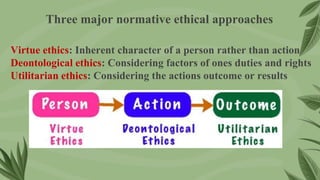
Three major normative ethical approaches
Virtue ethics: Inherent character of a person rather than action
Deontological ethics: Considering factors of ones duties and rights
Utilitarian ethics: Considering the actions outcome or results
Environmental ethics is the part of philosophy
which considers the ethical relationship between
human beings and natural environment.
Environmental Ethics
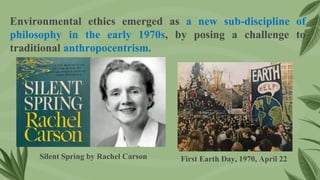
Environmental ethics emerged as a new sub-discipline of
philosophy in the early 1970s, by posing a challenge to
traditional anthropocentrism.
First Earth Day, 1970, April 22
Silent Spring by Rachel Carson
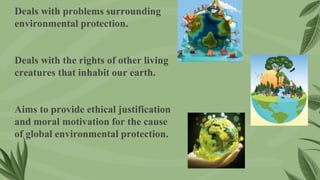
Deals with problems surrounding
environmental protection.
Deals with the rights of other living
creatures that inhabit our earth.
Aims to provide ethical justification
and moral motivation for the cause
of global environmental protection.
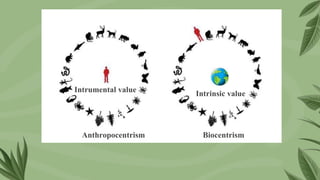
Intrinsic value
Intrumental value
Anthropocentrism Biocentrism
Over exploitation of resources by growing human
population has upset the natural balance.
The use of technology and economic growth have led to
ecological problems as manifested by growing pollution,
loss of biodiversity and critical shortage of basic
resources.
Significane of Environmental Ethics
There are many ethical decisions that humans need to
make with respect to the environment.
What responsibility do we have towards non-human world?
How long increasing use of fossil fuel can continue?
Do animal have rights?
Approaches to the Environmental Ethics
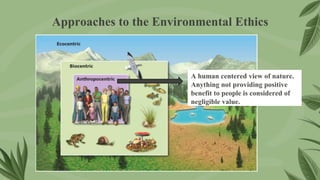
A human centered view of nature.
Anything not providing positive
benefit to people is considered of
negligible value.
Approaches to the Environmental Ethics
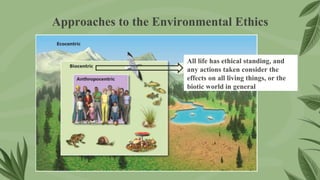
All life has ethical standing, and
any actions taken consider the
effects on all living things, or the
biotic world in general
Approaches to the Environmental Ethics
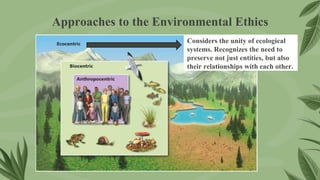
Considers the unity of ecological
systems. Recognizes the need to
preserve not just entities, but also
their relationships with each other.
Resource consumption patterns and the need for their
equitable utilization - Need sustianable use of resources
Environmental destruction is largely caused by the
consumption of the rich.
The worst sufferers of environmental destruction are the
poor.
Major issues.......
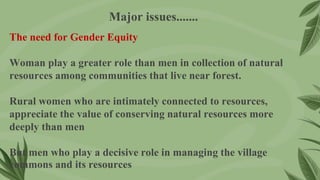
The need for Gender Equity
Woman play a greater role than men in collection of natural
resources among communities that live near forest.
Rural women who are intimately connected to resources,
appreciate the value of conserving natural resources more
deeply than men
But men who play a decisive role in managing the village
commons and its resources
Major issues.......
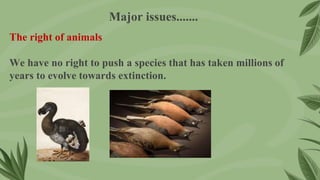
The right of animals
We have no right to push a species that has taken millions of
years to evolve towards extinction.
Major issues.......
Land Ethics (1949)
Deep ecology (1972)
Ecofeminism (1974)
Three kind of Environmental Ethics
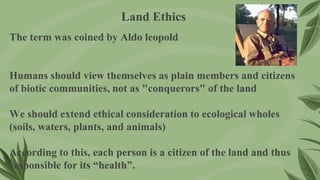
The term was coined by Aldo leopold
Humans should view themselves as plain members and citizens
of biotic communities, not as "conquerors" of the land
We should extend ethical consideration to ecological wholes
(soils, waters, plants, and animals)
According to this, each person is a citizen of the land and thus
responsible for its “health”.
Land Ethics
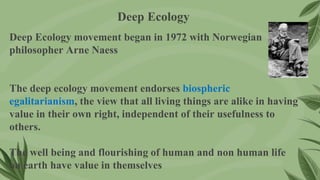
Deep Ecology movement began in 1972 with Norwegian
philosopher Arne Naess
The deep ecology movement endorses biospheric
egalitarianism, the view that all living things are alike in having
value in their own right, independent of their usefulness to
others.
The well being and flourishing of human and non human life
on earth have value in themselves
Deep Ecology
Deep Ecology movement began in 1972 with Norwegian
philosopher Arne Naess
The deep ecology movement endorses biospheric
egalitarianism, the view that all living things are alike in having
value in their own right, independent of their usefulness to
others.
The well being and flourishing of human and non human life
on earth have value in themselves
Deep Ecology
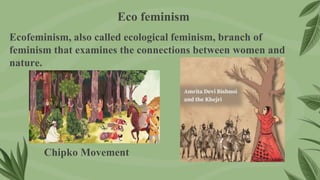
Ecofeminism, also called ecological feminism, branch of
feminism that examines the connections between women and
nature.
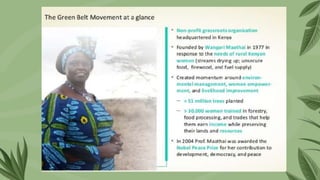
Chipko Movement
Eco feminism
Climate change, global warming, acid rain ozone layer
depletion, nuclear accidents and holocaust dies
Assignment

Environmental ethics ,types, approaches and issues pptx

  • 1.
  • 2.
    Ethics is abranch of philosophy. It deals with morals and values. An ethics is a principle that we use to decide whether an action is good or bad, right or wrong.
  • 3.
    Three major normativeethical approaches Virtue ethics: Inherent character of a person rather than action Deontological ethics: Considering factors of ones duties and rights Utilitarian ethics: Considering the actions outcome or results
  • 4.
    Environmental ethics isthe part of philosophy which considers the ethical relationship between human beings and natural environment. Environmental Ethics
  • 5.
    Environmental ethics emergedas a new sub-discipline of philosophy in the early 1970s, by posing a challenge to traditional anthropocentrism. First Earth Day, 1970, April 22 Silent Spring by Rachel Carson
  • 6.
    Deals with problemssurrounding environmental protection. Deals with the rights of other living creatures that inhabit our earth. Aims to provide ethical justification and moral motivation for the cause of global environmental protection.
  • 7.
  • 8.
    Over exploitation ofresources by growing human population has upset the natural balance. The use of technology and economic growth have led to ecological problems as manifested by growing pollution, loss of biodiversity and critical shortage of basic resources. Significane of Environmental Ethics
  • 9.
    There are manyethical decisions that humans need to make with respect to the environment. What responsibility do we have towards non-human world? How long increasing use of fossil fuel can continue? Do animal have rights?
  • 10.
    Approaches to theEnvironmental Ethics A human centered view of nature. Anything not providing positive benefit to people is considered of negligible value.
  • 11.
    Approaches to theEnvironmental Ethics All life has ethical standing, and any actions taken consider the effects on all living things, or the biotic world in general
  • 12.
    Approaches to theEnvironmental Ethics Considers the unity of ecological systems. Recognizes the need to preserve not just entities, but also their relationships with each other.
  • 13.
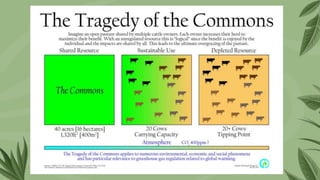
    Resource consumption patternsand the need for their equitable utilization - Need sustianable use of resources Environmental destruction is largely caused by the consumption of the rich. The worst sufferers of environmental destruction are the poor. Major issues.......
  • 15.
    The need forGender Equity Woman play a greater role than men in collection of natural resources among communities that live near forest. Rural women who are intimately connected to resources, appreciate the value of conserving natural resources more deeply than men But men who play a decisive role in managing the village commons and its resources Major issues.......
  • 16.
    The right ofanimals We have no right to push a species that has taken millions of years to evolve towards extinction. Major issues.......
  • 17.
    Land Ethics (1949) Deepecology (1972) Ecofeminism (1974) Three kind of Environmental Ethics
  • 18.
    The term wascoined by Aldo leopold Humans should view themselves as plain members and citizens of biotic communities, not as "conquerors" of the land We should extend ethical consideration to ecological wholes (soils, waters, plants, and animals) According to this, each person is a citizen of the land and thus responsible for its “health”. Land Ethics
  • 19.
    Deep Ecology movementbegan in 1972 with Norwegian philosopher Arne Naess The deep ecology movement endorses biospheric egalitarianism, the view that all living things are alike in having value in their own right, independent of their usefulness to others. The well being and flourishing of human and non human life on earth have value in themselves Deep Ecology
  • 20.
    Deep Ecology movementbegan in 1972 with Norwegian philosopher Arne Naess The deep ecology movement endorses biospheric egalitarianism, the view that all living things are alike in having value in their own right, independent of their usefulness to others. The well being and flourishing of human and non human life on earth have value in themselves Deep Ecology
  • 23.
    Ecofeminism, also calledecological feminism, branch of feminism that examines the connections between women and nature. Chipko Movement Eco feminism
  • 28.
    Climate change, globalwarming, acid rain ozone layer depletion, nuclear accidents and holocaust dies Assignment

Editor's Notes

  • #3 Being ethical leads to right conduct and good life that is a life worth living.
  • #4 Honesty, courage, compassion, generosity, fidelity, integrity, fairness, self-control, and prudence - Virtue ethics Don't lie. Don't steal. Don't cheat- Deontological ethics Organ transplantation of a person at comma stage - Utilitarian ethics
  • #6  Environmentalists started urging philosophers to consider the philosophical aspects of environmental problems.
  • #8 Intrinsic value - Nature has value in its own right, independent of human uses.
  • #22 Bridge for the animals to cross the highway safely. North Brabant provice, Netherlands
  • #24 Amrit Devi Bishnoi.