Group 3
Environment [ɪnˈvaɪrənmənt]


      - the external surroundings in which a
      plant or animal lives, which tend to
      influence its development and
      behavior.
Ecology


     -It is the scientific study of the relations
     that living organisms have with respect to
     each other and their natural environment
Ecosystem
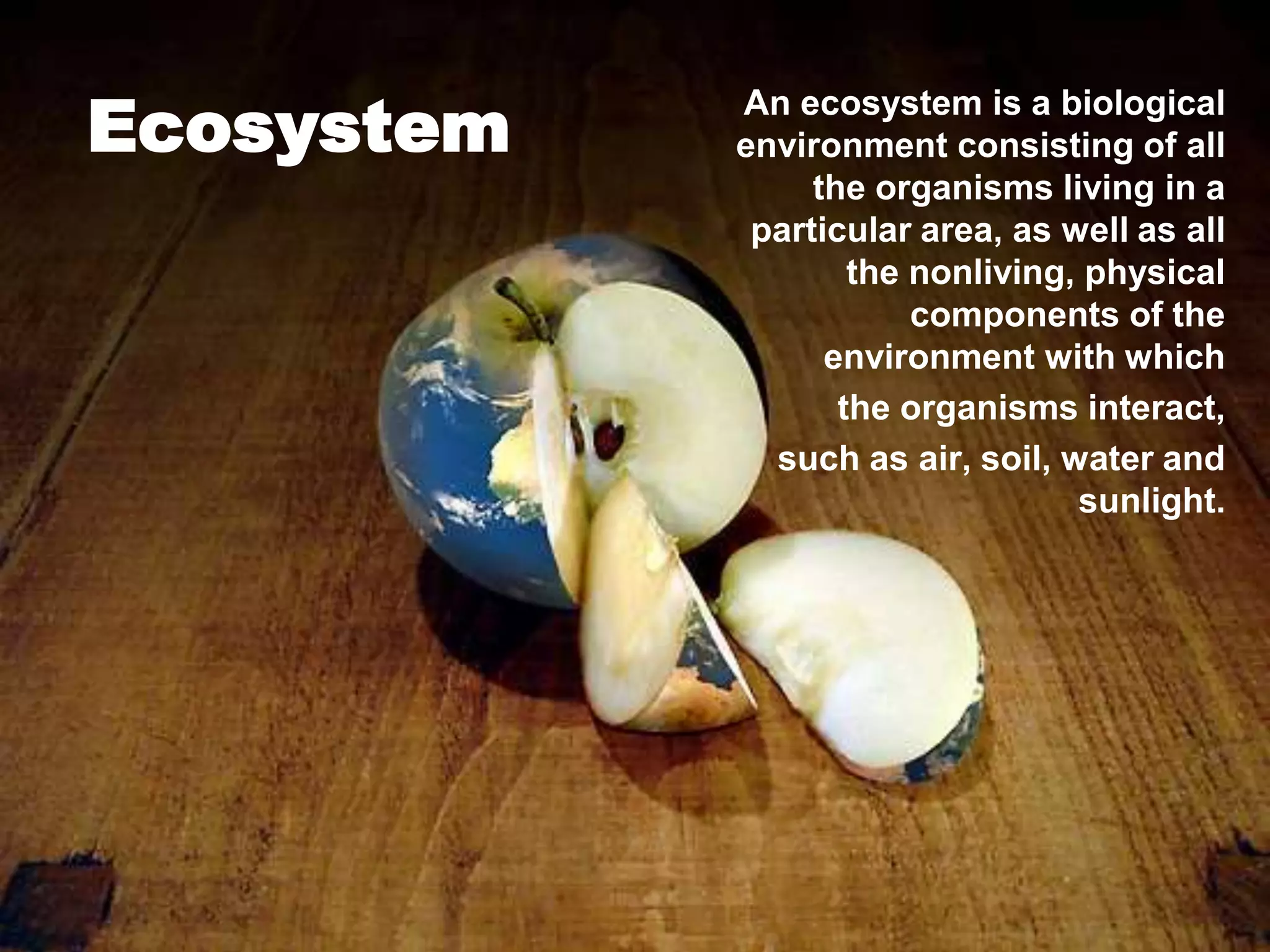
            An ecosystem is a biological
            environment consisting of all
                 the organisms living in a
             particular area, as well as all
                    the nonliving, physical
                        components of the
                  environment with which
                   the organisms interact,
              such as air, soil, water and
                                  sunlight.
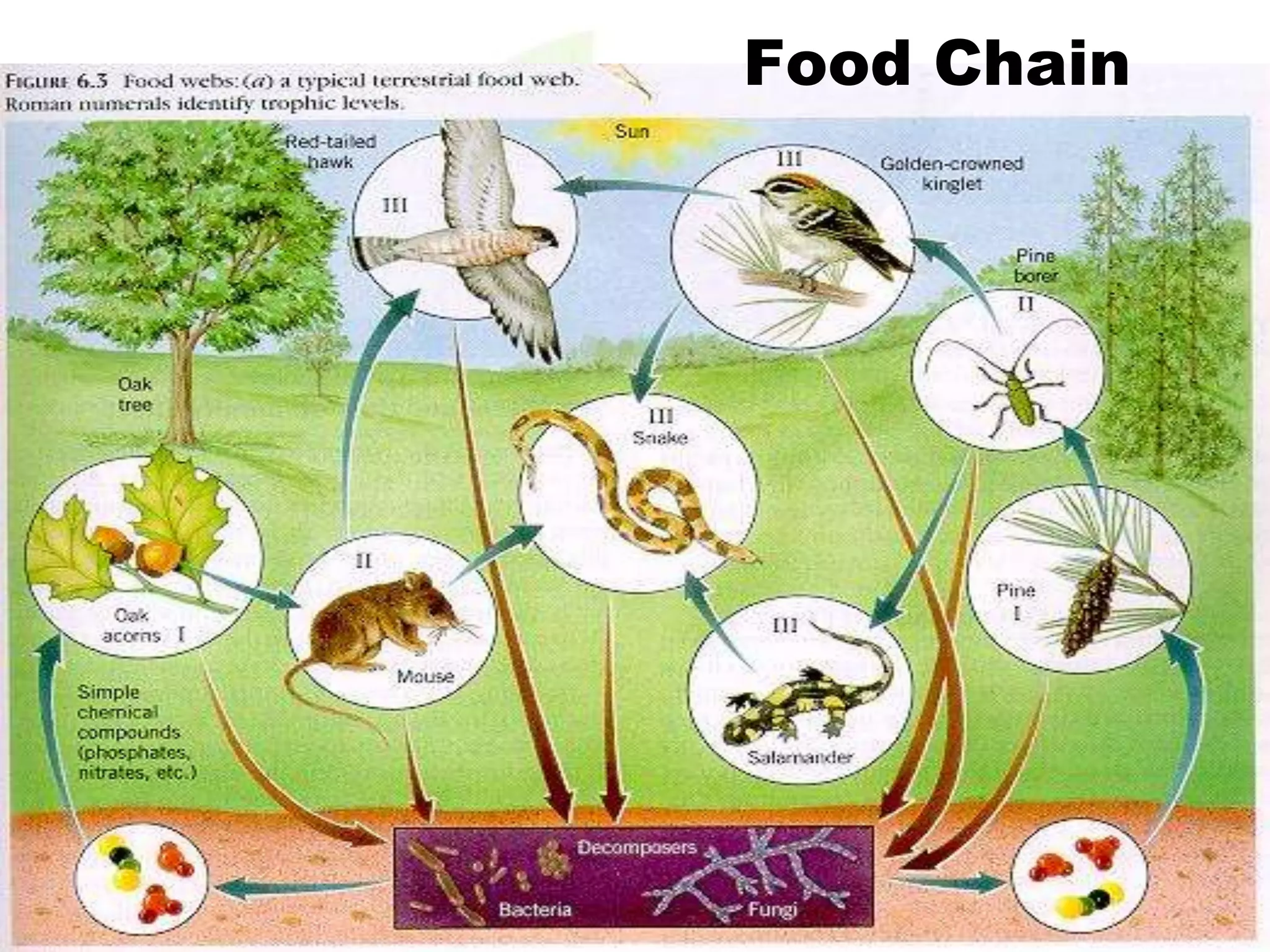
Food Chain
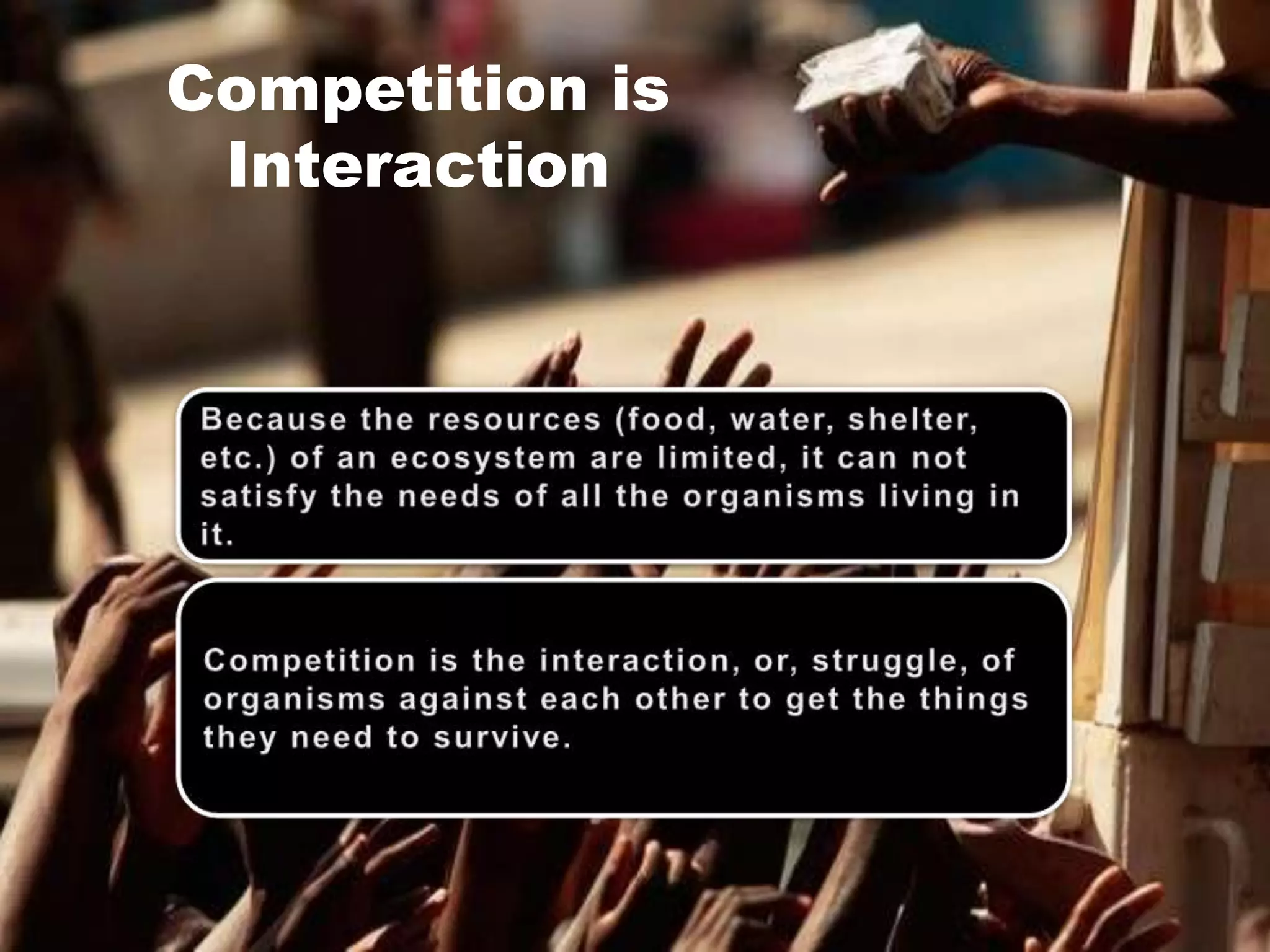
Competition is
 Interaction
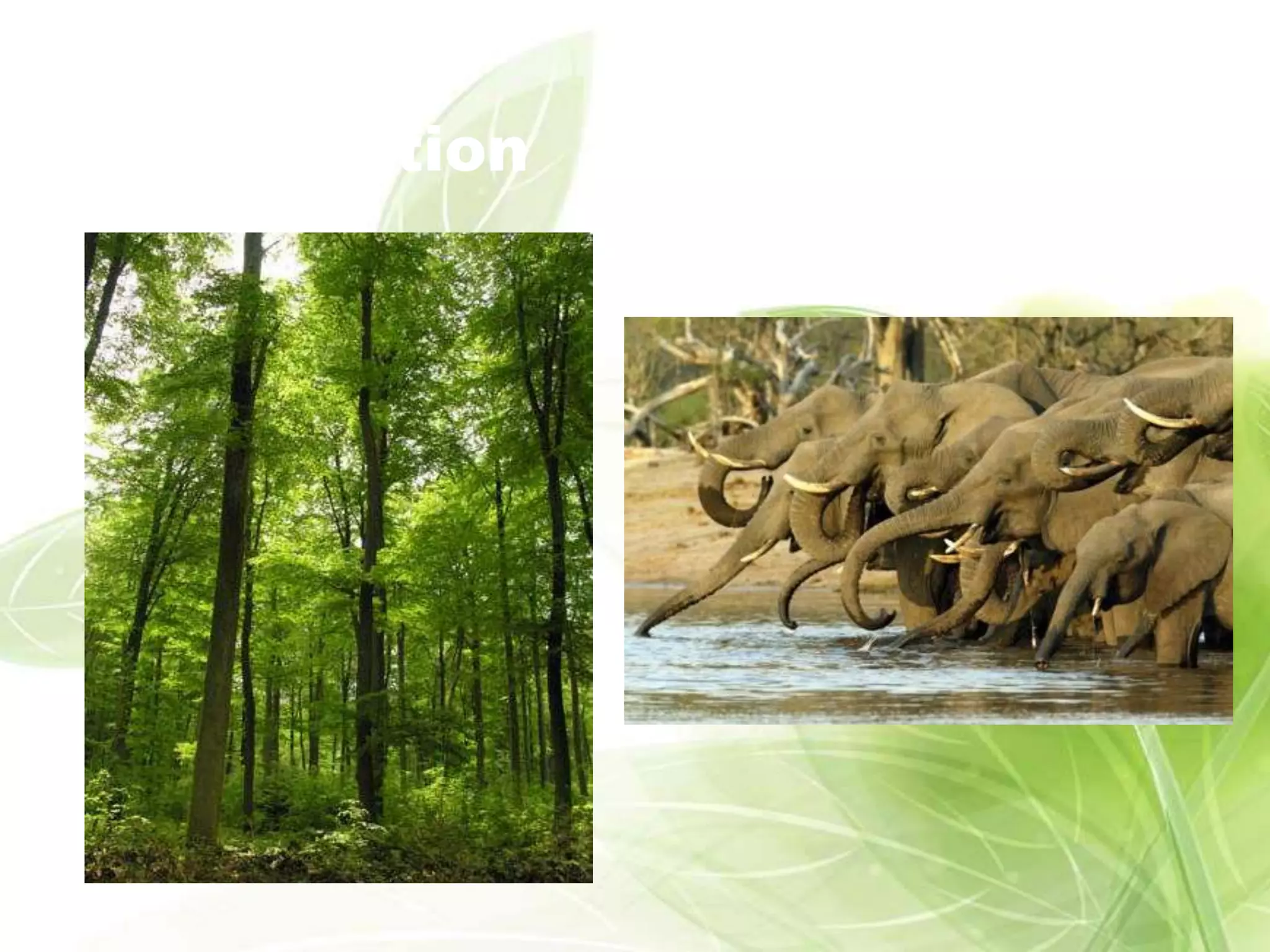
Plant         Animal
Competition   Competition
Cycles is Nature - Hibernation


               Hibernation is the winter
               resting, “sleeping”, state
               for organisms avoiding the
               cold, harsh winter months

               Examples: Bears and
               toads
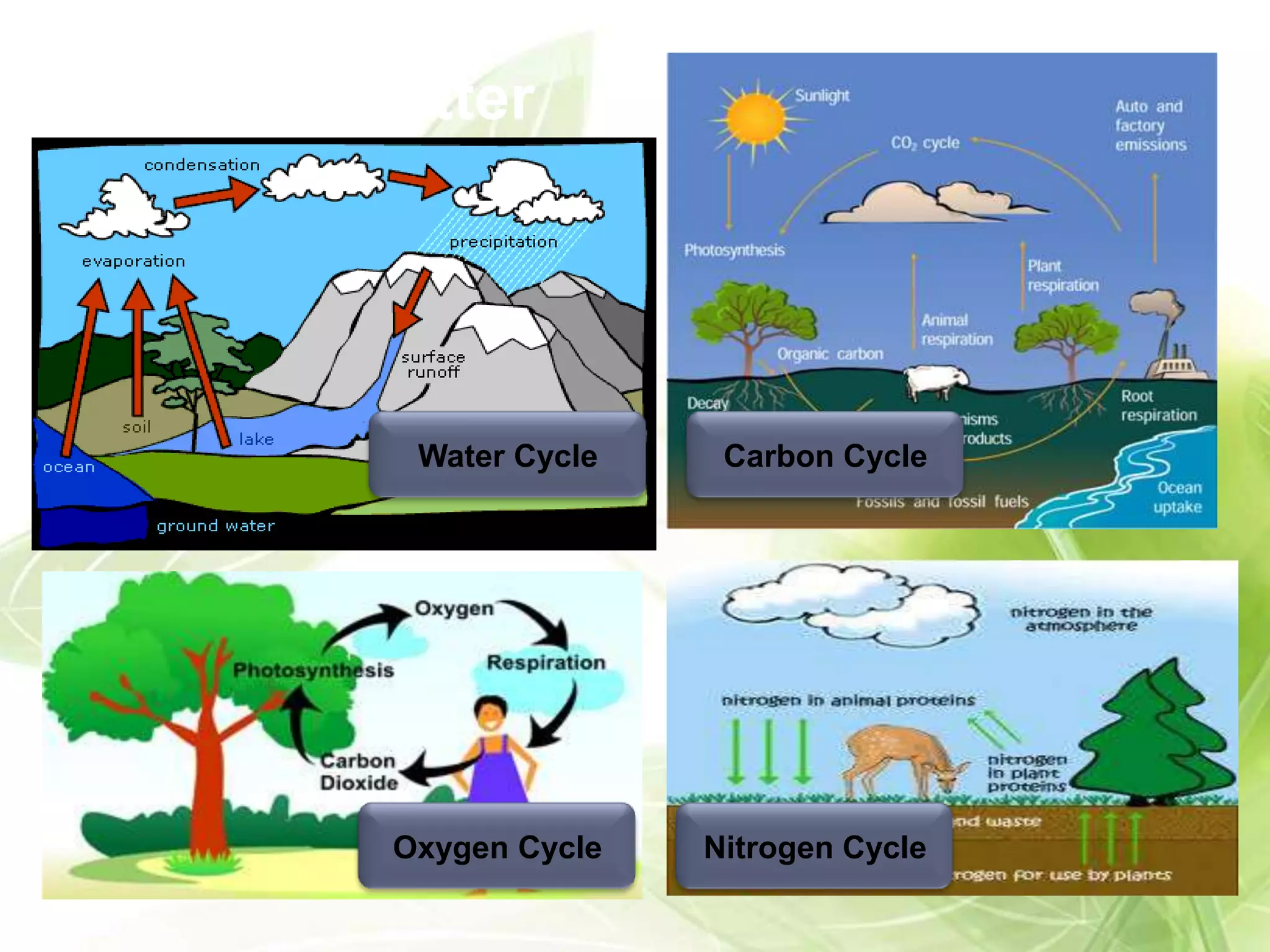
Cycles of Matter


            Water Cycle    Carbon Cycle


           Oxygen Cycle   Nitrogen Cycle
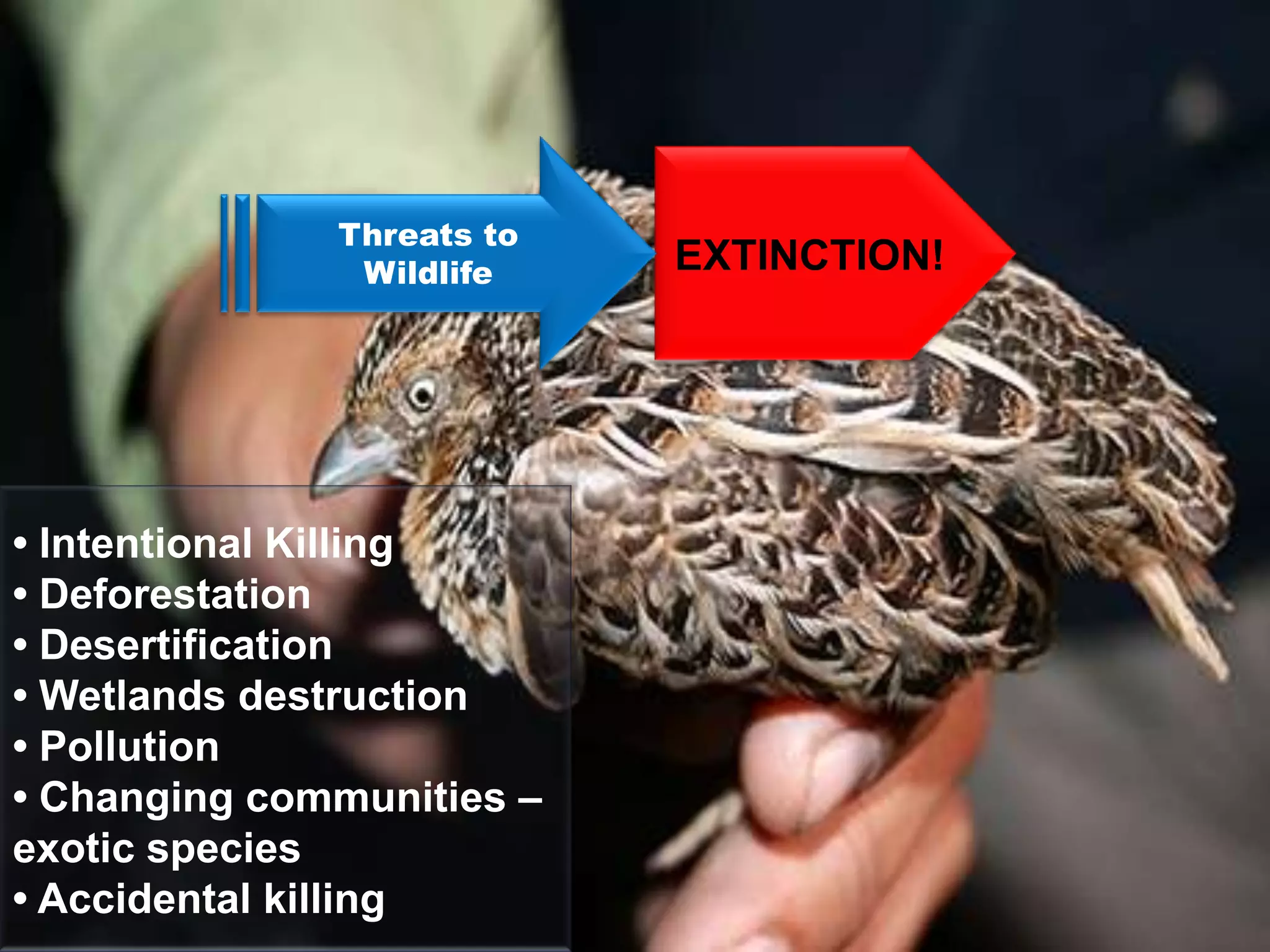
Threats to
               Wildlife    EXTINCTION!


• Intentional Killing
• Deforestation
• Desertification
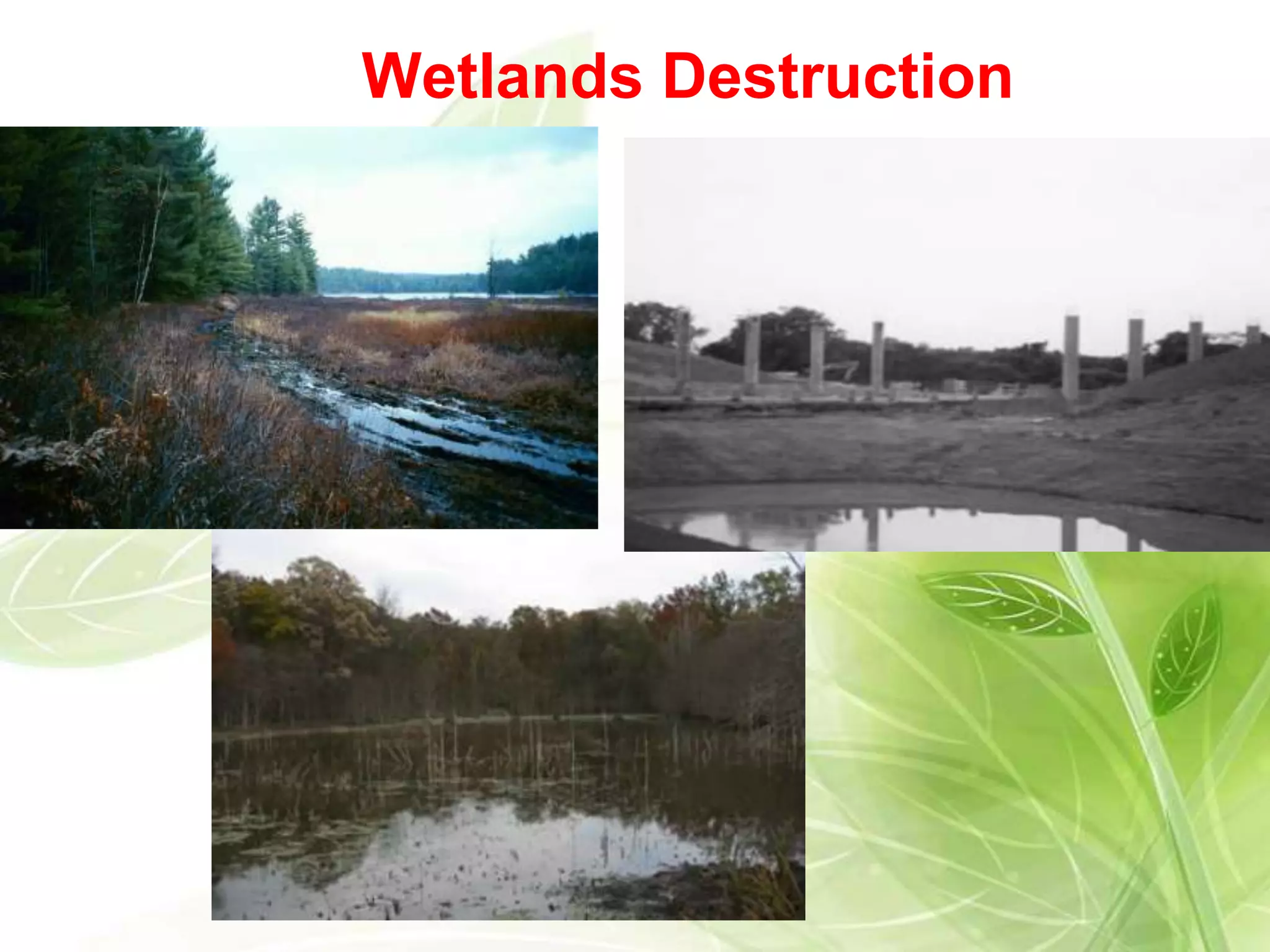
• Wetlands destruction
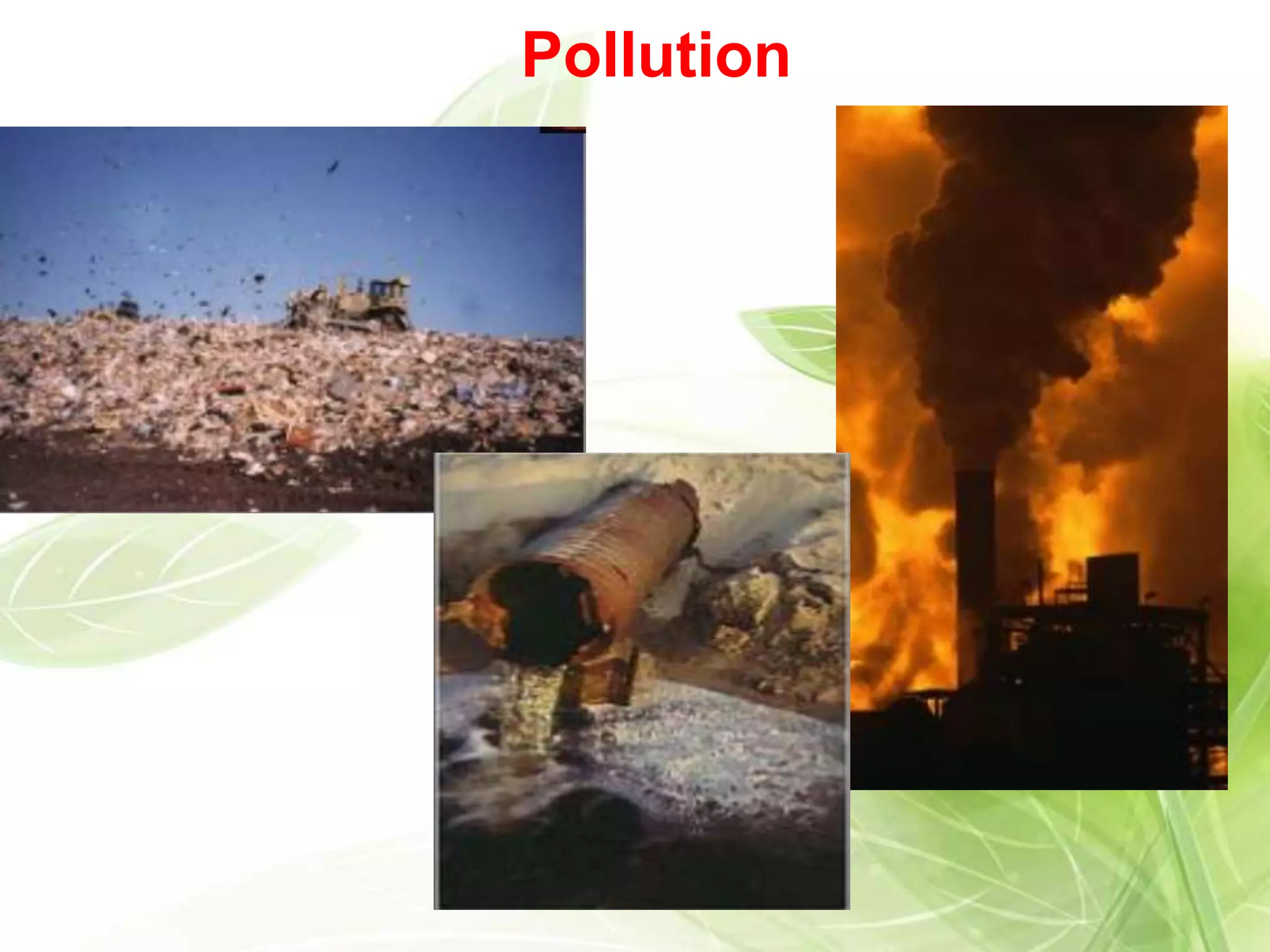
• Pollution
• Changing communities –
exotic species
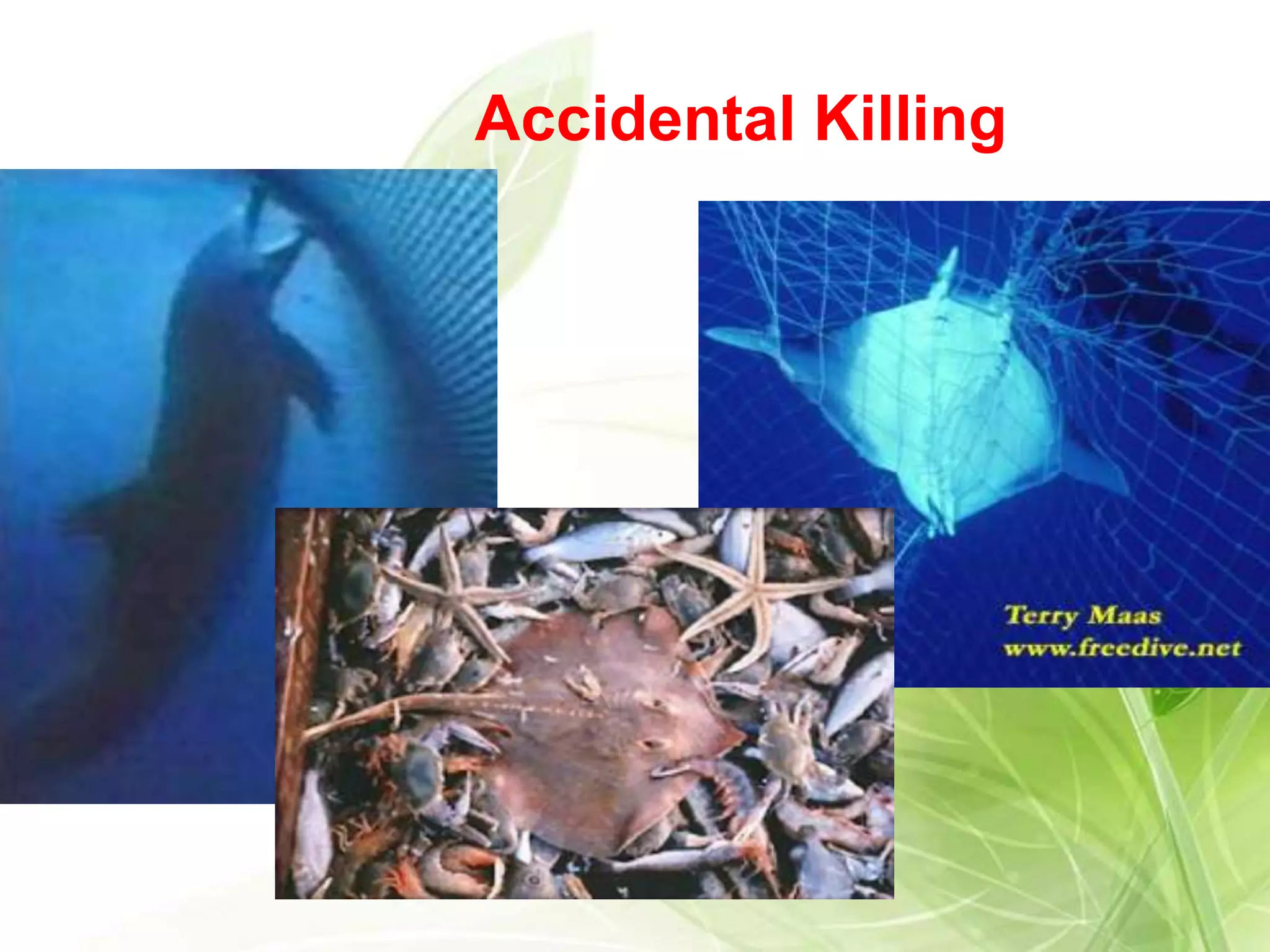
• Accidental killing
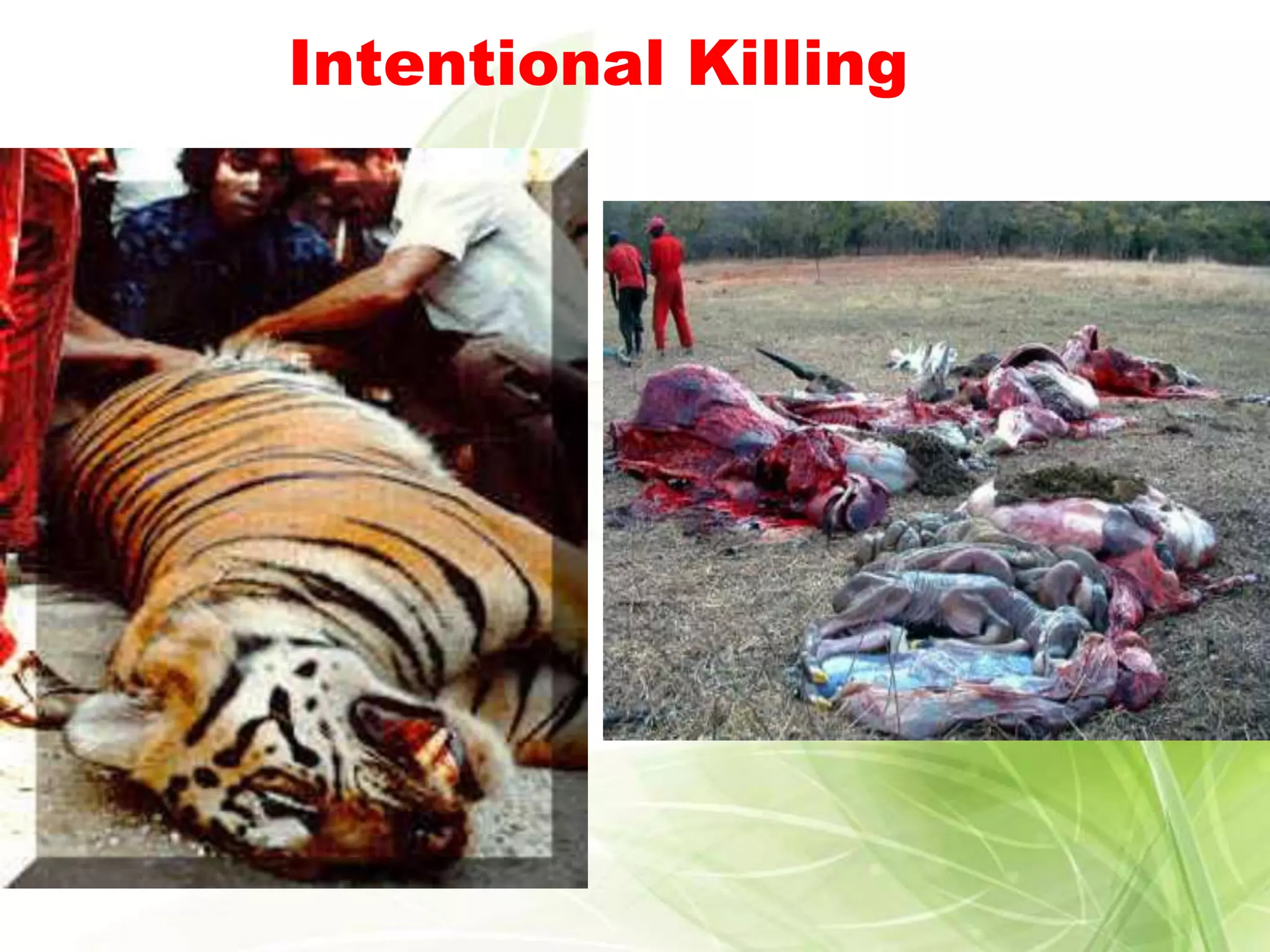
Intentional Killing
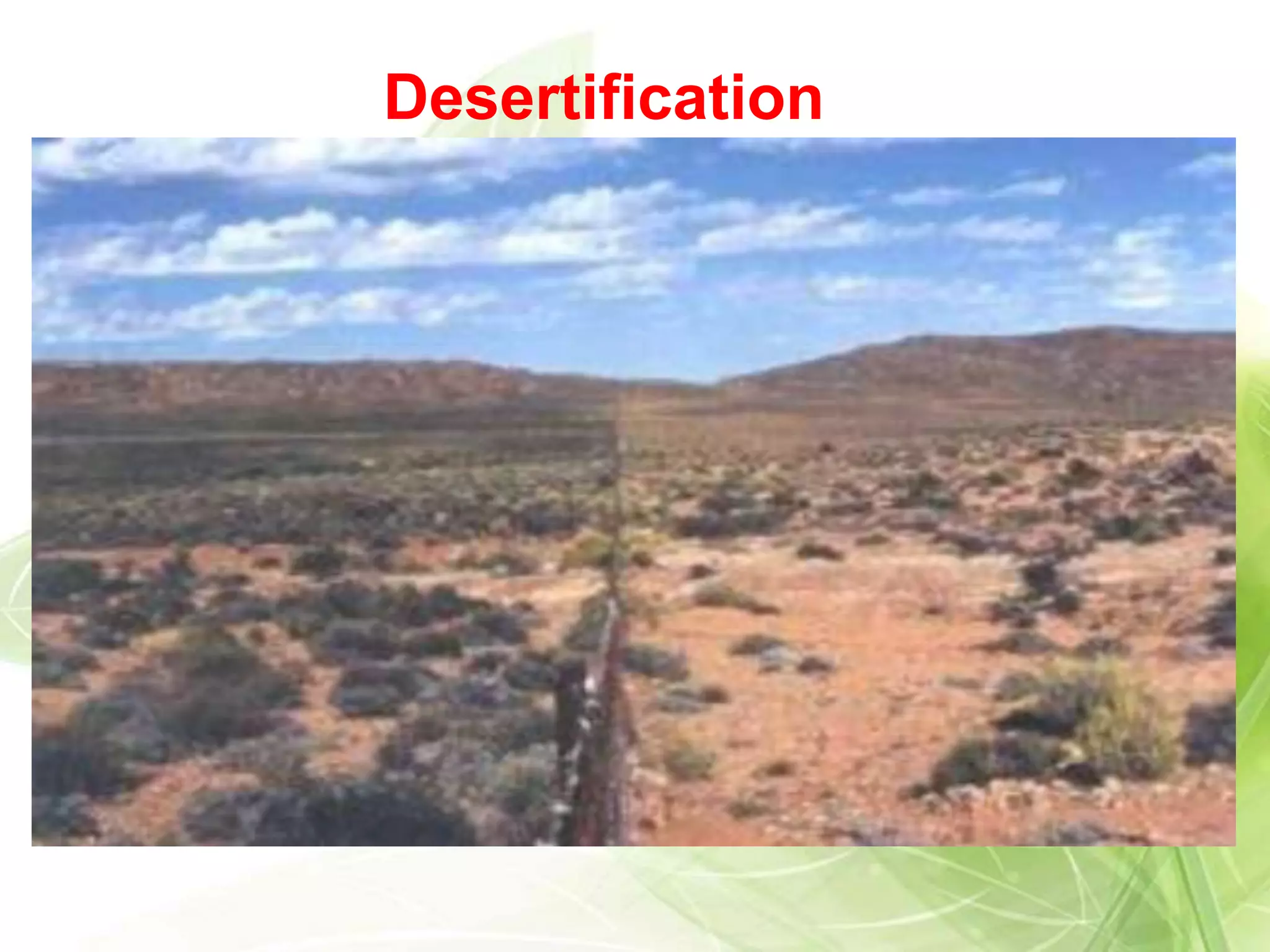
Desertification
Wetlands Destruction
Pollution
Accidental Killing
References:

  http://www.tuckahoe.k12.ny.us/Science%
  20pdfs/Ecology/ds%20Ecology%20Prese
  ntation%206th.pdf

  http://beta.pemsea.org/topics/youth

Ensci

Editor's Notes

  • #3 Explain what environment is.Click Ecology for its definition
  • #4 Explain what environment is.Click Ecology for its definition
  • #5 Scientist divide the world to different ecosystems.According to the United Nations Development Program, the world's ecosystems can be divided into five major categories: mountains; forests; arid and semi-arid; agricultural; and freshwater, marine and coastal ecosystems. All play an important role in the preservation of plant species, animal species and human life.Define ecosystem.
  • #6 Every organism has a niche in life.• A niche is the role an organism has in an ecosystem.An organisms niche includes: the place it lives; the food it eats; the organisms that feed on it, interact with it; the amount of light, humidity and other physical conditions it needs to survive.
  • #9 • Some organisms avoid unfavorable seasonal changes by “sleeping” through the bad periods of the year.• During this “sleep” the body functions of the animal slows down.• This enables animals to wait out the bad periods of the year in a sheltered hiding placeEverything is connected to everything else-Physical factors affects.
  • #10 Note: One of the characteristics of life (living things) is adaptability.
  • #11 Shows everything is connected to everything else.
  • #12 Wildlife extinction is caused by the following:• Intentional Killing• Deforestation• Desertification• Wetlands destruction• Pollution• Changing communities – exotic species• Accidental killingPicture-Worcester’s buttonquail has been rediscovered, but on its way to the cooking pot. It is endemic to the island of Luzon in the Philippines, where hunters snared the bird, and the bird later turned up in a market where it was photographed.This species of buttonquail “was previously only known through drawings based on dead museum specimens.”