Engineering to
Support Disability
Professor Gerard Goggin
Dept of Media & Communications
University of Sydney
@ggoggin
Insights/opportunities
from disability for engineering
• disability is part of social life
• Designing & engineering for accessibility & diverse
needs of people with disabilities
• in contemporary societies across the world – esp. in
developing world– technology is key to participation
• even more with disability, where people often need
particular kinds of technology to actually survive – but
esp. to communicate/find info – mobile phone is great
example of this
• But there are many other examples – for example, in
the film Fixed
Disability in society: myths
• disability has been thought of something sad,
pitiable, catastrophe, deserving of pity,
compassion, special treatment for ‘special
needs’
• Disability conceived via medical model – i.e. an
illness, defect, or health problem to be fixed by
treatment (bone correction to ensure normal
bodies), (cochlear implant for hearing loss) or
aids (walking sticks; calipers; wheelchairs;
scooters
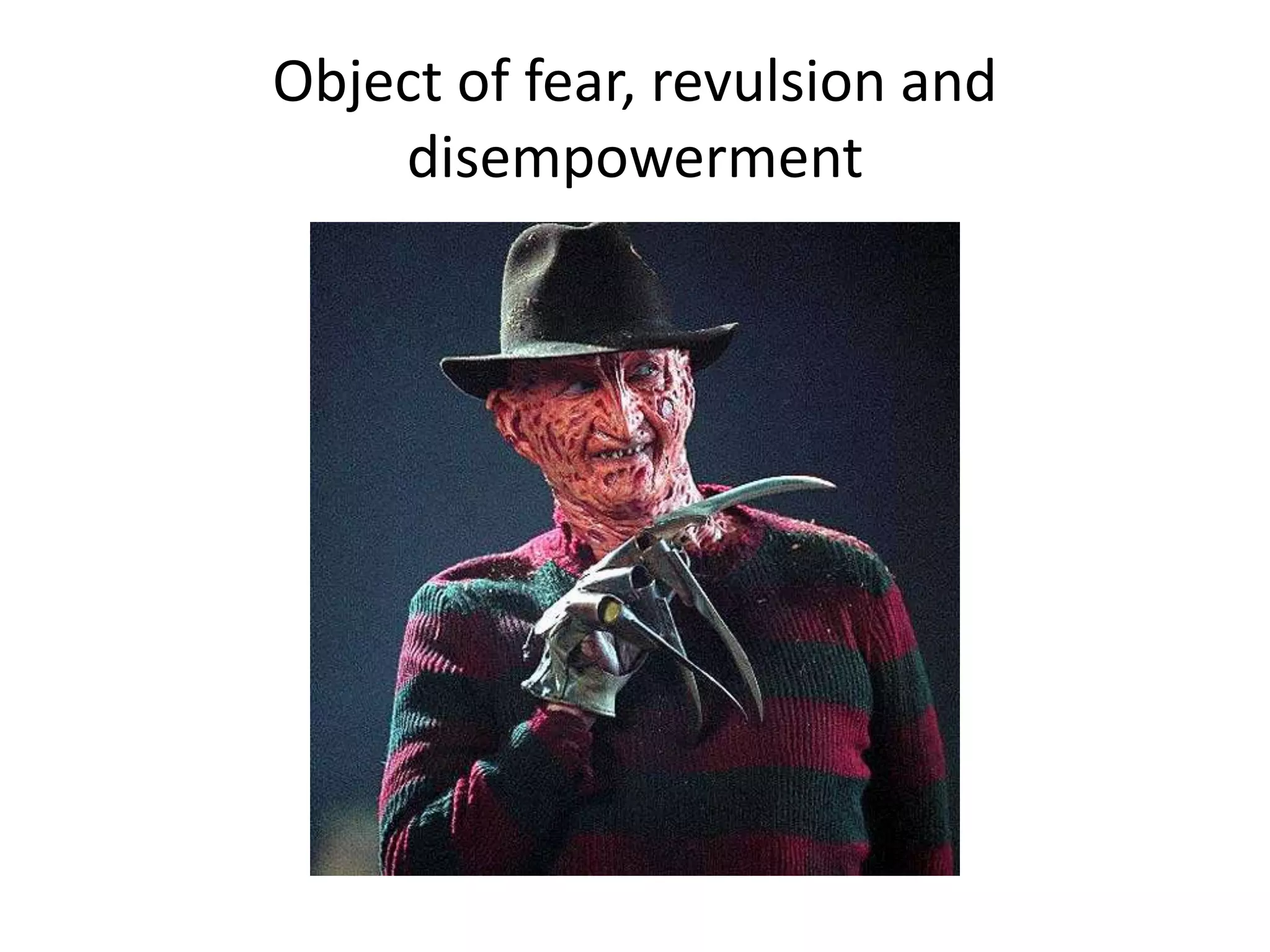
Object of fear, revulsion and
disempowerment
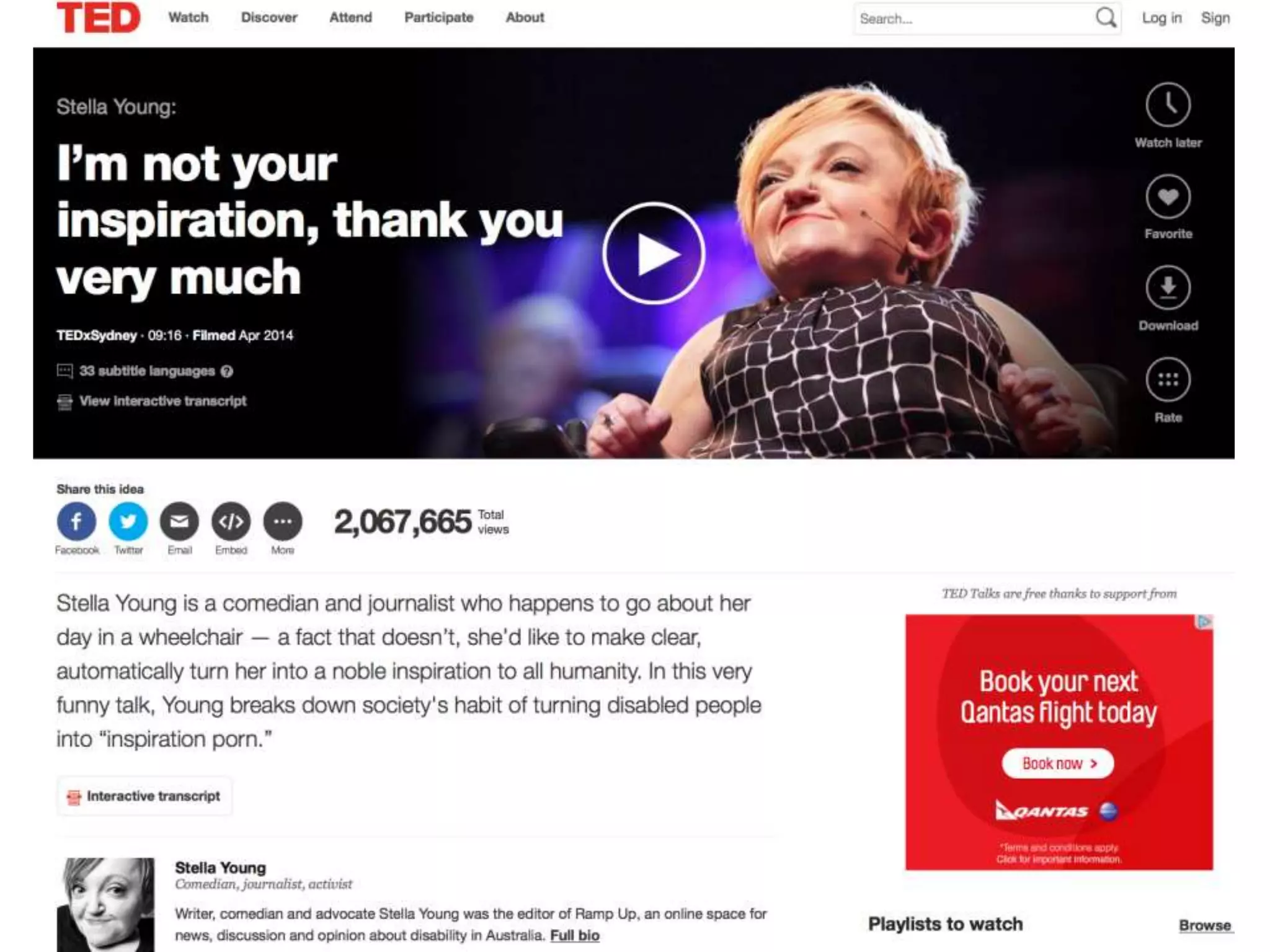
Something exceptional, inspirational and
heroic
disability: how we deal with difference
• estimated one in four Australians are regarded as having some
form of impairment
• Australians with disabilities still face exclusion, discrimination,
poverty, and injustice
• Stereotypes of disability are still strong -‘if only we could find a
cure for it’, ‘better dead than disabled’, ‘I hope I don’t have a
child with Down’s’
• yet we will all acquire impairment, and, if we live long enough,
will certainly become disabled
• the line between who is and who isn’t thought to be disabled is
potentially very dynamic
– disability is now a mainstream Australian societal & political issue
- e.g. National Disability Insurance Scheme (NDIS)
- See Goggin & Newell Disability in Australia (2005)
Source: Violeta Blue
Ayalay Facebook
post
disability as social
• new approach to disability our social arrangements are often
disabling
– segregration of people with disabilities in ‘special’
institutions
– a man catching a plane who has his cane removed
by security can be disabled
– lecture theatres that are inaccessible needlessly
disable students, lecturers and visitors wishing to
participate in event
– e-learning environments that don’t have
accessible digital technology for all
– Villages that don’t have accessible housing or
roads
We will imagine a thousand or more
disabled people, all wheelchair-users,
collected together and settled in their
own village where they had full
management and democratic rights
… They design their own buildings to
suit their physical situation … Soon it
becomes standard practice to build
doors to a height of 5 feet and ceiling
or rooms to a height of 7 feet 4
inches. (Victor Finkelstein 1975)
Naturally, one of the first things they
noticed was the heights of the doors
and ceilings. They noticed this directly,
by constantly knocking their heads on
the door lintels … Soon special aids
were designed by the wheelchair-user
doctors ... All the able-bodied were
given special toughened helmets
(provided free by the village) to wear at
all times ... (Victor Finkelstein 1975)
French access for everyone ad
engineering to support disability
• as engineers you will be engaged in designing, building,
implementing projects which people with disabilities (us)
will use
• So: how will you design, consult with, plan for, test,
incorporate the very wide range of people’s impairments,
disability, capabilities?
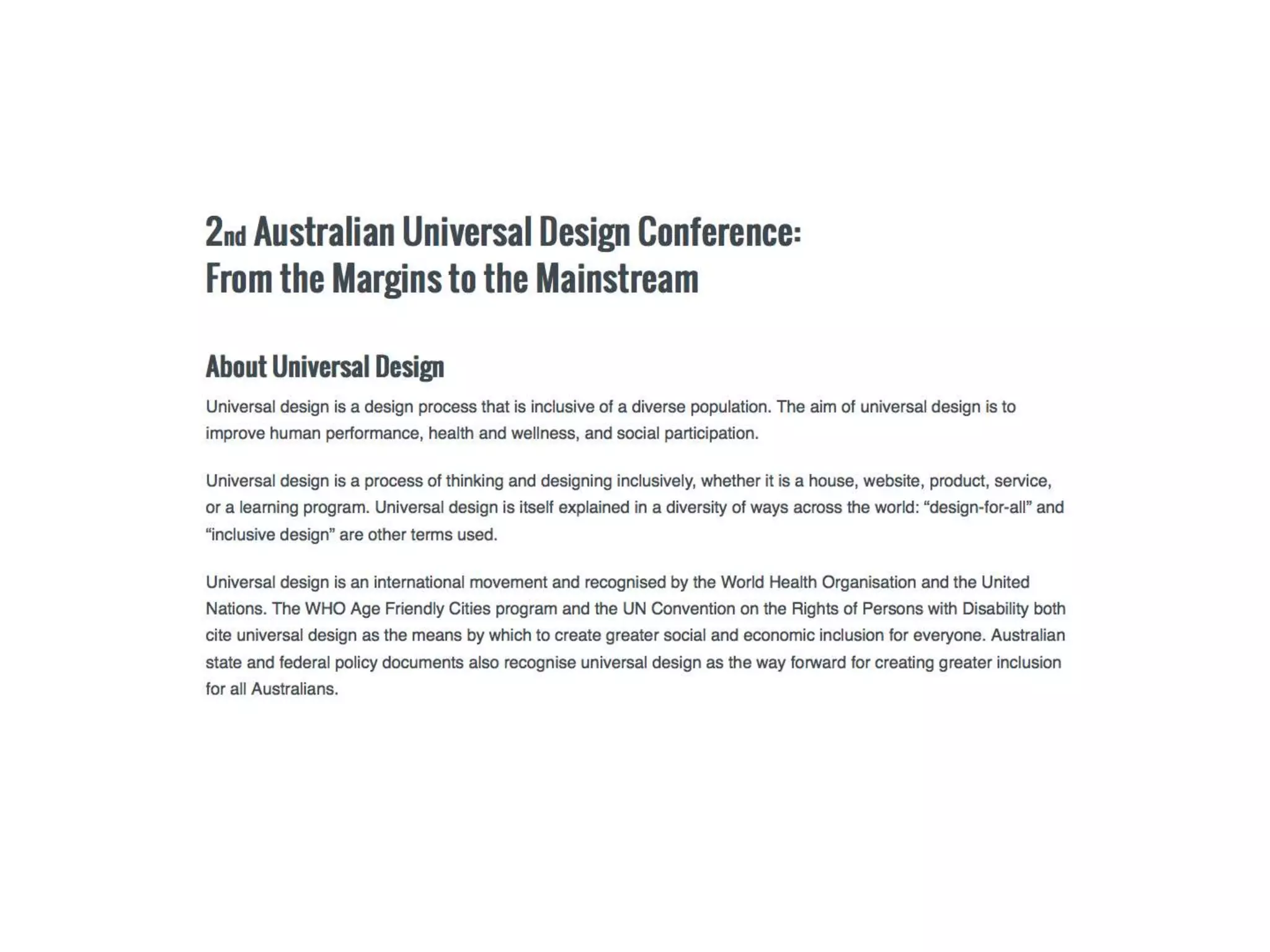
• One approach to this is called ‘universal design’: designing
for maximal use & participation
• If you design for disability, then it support other groups –
e.g. lifts on stations – good for parents with strollers, older
people, people with luggage
• Engineering for disability is not just ‘special’ area –
disability offers opportunities for design innovation (cf.
Australia’s great technology ‘success story’ – cochlear
implant)
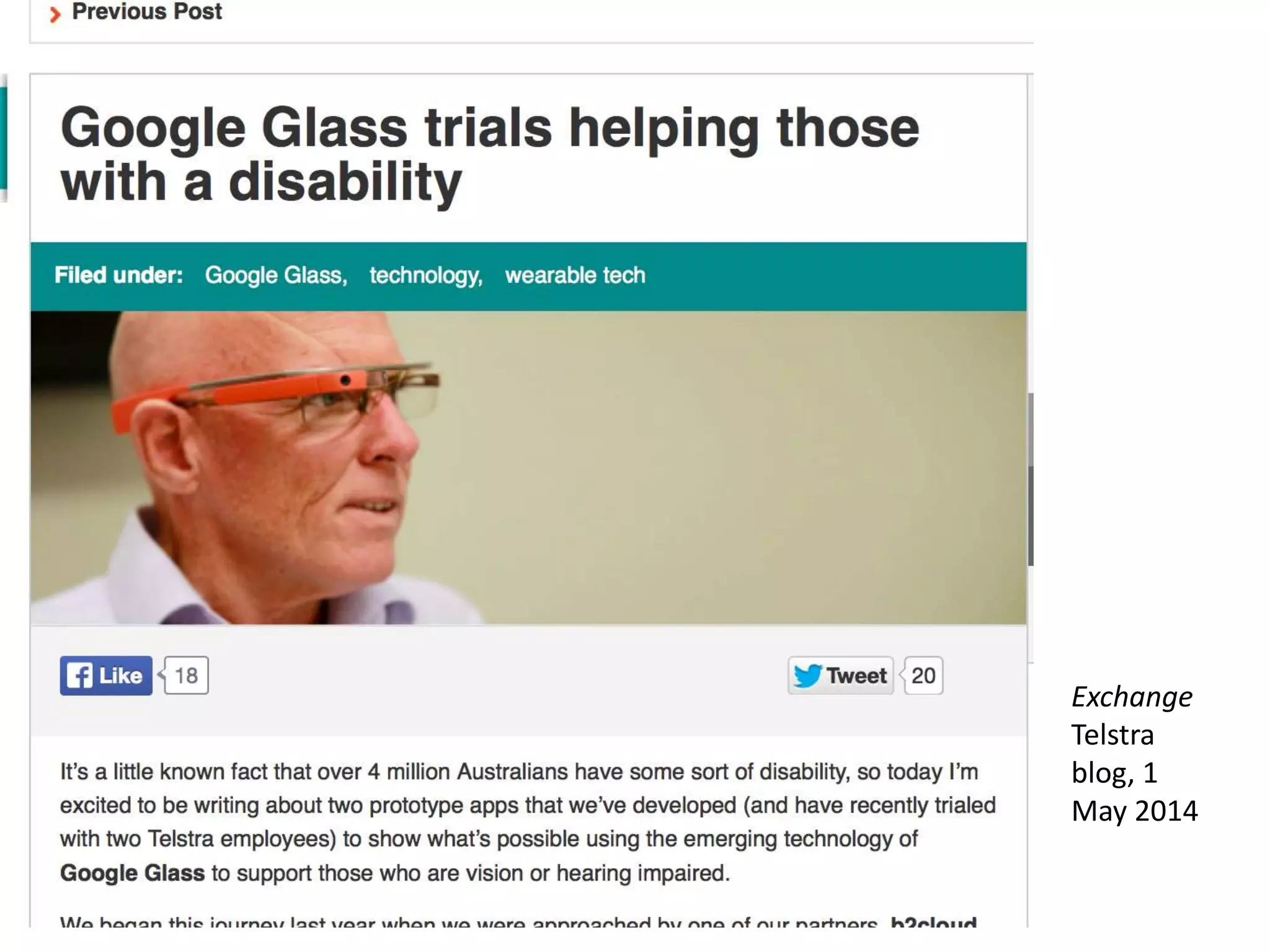
Exchange
Telstra
blog, 1
May 2014
‘… it was the words of Google co-founder Sergey
Brin that most interested me. He said that
driverless cars would provide transport to
people who can’t drive themselves, such as
blind people or those who are physically
disabled.’
Sarah Ismail, ‘The Miracle of Driverless Cars’, Google, 28
September 2012
conclusion
• Engineering for disability is now part of engaging
with, serving, communicating with community at
large
• New field of innovative design for disability is not
about ‘assistive’ technology or ‘rehabilitation’
engineering – it’s about technology for all - & it’s
about innovation
See: Goggin, ‘Innovation & Disability’, Jos Bos,
Doing Disability Differently, Graham Pullin,
Disability Meets Design

Engineering Disability

  • 1.
    Engineering to Support Disability ProfessorGerard Goggin Dept of Media & Communications University of Sydney @ggoggin
  • 2.
    Insights/opportunities from disability forengineering • disability is part of social life • Designing & engineering for accessibility & diverse needs of people with disabilities • in contemporary societies across the world – esp. in developing world– technology is key to participation • even more with disability, where people often need particular kinds of technology to actually survive – but esp. to communicate/find info – mobile phone is great example of this • But there are many other examples – for example, in the film Fixed
  • 3.
    Disability in society:myths • disability has been thought of something sad, pitiable, catastrophe, deserving of pity, compassion, special treatment for ‘special needs’ • Disability conceived via medical model – i.e. an illness, defect, or health problem to be fixed by treatment (bone correction to ensure normal bodies), (cochlear implant for hearing loss) or aids (walking sticks; calipers; wheelchairs; scooters
  • 4.
    Object of fear,revulsion and disempowerment
  • 5.
  • 6.
    disability: how wedeal with difference • estimated one in four Australians are regarded as having some form of impairment • Australians with disabilities still face exclusion, discrimination, poverty, and injustice • Stereotypes of disability are still strong -‘if only we could find a cure for it’, ‘better dead than disabled’, ‘I hope I don’t have a child with Down’s’ • yet we will all acquire impairment, and, if we live long enough, will certainly become disabled • the line between who is and who isn’t thought to be disabled is potentially very dynamic – disability is now a mainstream Australian societal & political issue - e.g. National Disability Insurance Scheme (NDIS) - See Goggin & Newell Disability in Australia (2005)
  • 12.
  • 14.
    disability as social •new approach to disability our social arrangements are often disabling – segregration of people with disabilities in ‘special’ institutions – a man catching a plane who has his cane removed by security can be disabled – lecture theatres that are inaccessible needlessly disable students, lecturers and visitors wishing to participate in event – e-learning environments that don’t have accessible digital technology for all – Villages that don’t have accessible housing or roads
  • 15.
    We will imaginea thousand or more disabled people, all wheelchair-users, collected together and settled in their own village where they had full management and democratic rights … They design their own buildings to suit their physical situation … Soon it becomes standard practice to build doors to a height of 5 feet and ceiling or rooms to a height of 7 feet 4 inches. (Victor Finkelstein 1975)
  • 16.
    Naturally, one ofthe first things they noticed was the heights of the doors and ceilings. They noticed this directly, by constantly knocking their heads on the door lintels … Soon special aids were designed by the wheelchair-user doctors ... All the able-bodied were given special toughened helmets (provided free by the village) to wear at all times ... (Victor Finkelstein 1975) French access for everyone ad
  • 17.
    engineering to supportdisability • as engineers you will be engaged in designing, building, implementing projects which people with disabilities (us) will use • So: how will you design, consult with, plan for, test, incorporate the very wide range of people’s impairments, disability, capabilities? • One approach to this is called ‘universal design’: designing for maximal use & participation • If you design for disability, then it support other groups – e.g. lifts on stations – good for parents with strollers, older people, people with luggage • Engineering for disability is not just ‘special’ area – disability offers opportunities for design innovation (cf. Australia’s great technology ‘success story’ – cochlear implant)
  • 23.
  • 25.
    ‘… it wasthe words of Google co-founder Sergey Brin that most interested me. He said that driverless cars would provide transport to people who can’t drive themselves, such as blind people or those who are physically disabled.’ Sarah Ismail, ‘The Miracle of Driverless Cars’, Google, 28 September 2012
  • 29.
    conclusion • Engineering fordisability is now part of engaging with, serving, communicating with community at large • New field of innovative design for disability is not about ‘assistive’ technology or ‘rehabilitation’ engineering – it’s about technology for all - & it’s about innovation See: Goggin, ‘Innovation & Disability’, Jos Bos, Doing Disability Differently, Graham Pullin, Disability Meets Design