1. The elements of design - line, shape, form, color, texture, space, and size - are the basic building blocks used in art and design to visually construct pieces and communicate messages.
2. Each element plays a crucial role and how they are combined impacts how a design is perceived and the emotions it evokes.
3. The elements - alone or together - are used to convey messages, engage viewers, and evoke emotions through qualities like direction, movement, structure, depth, and lightness vs darkness.
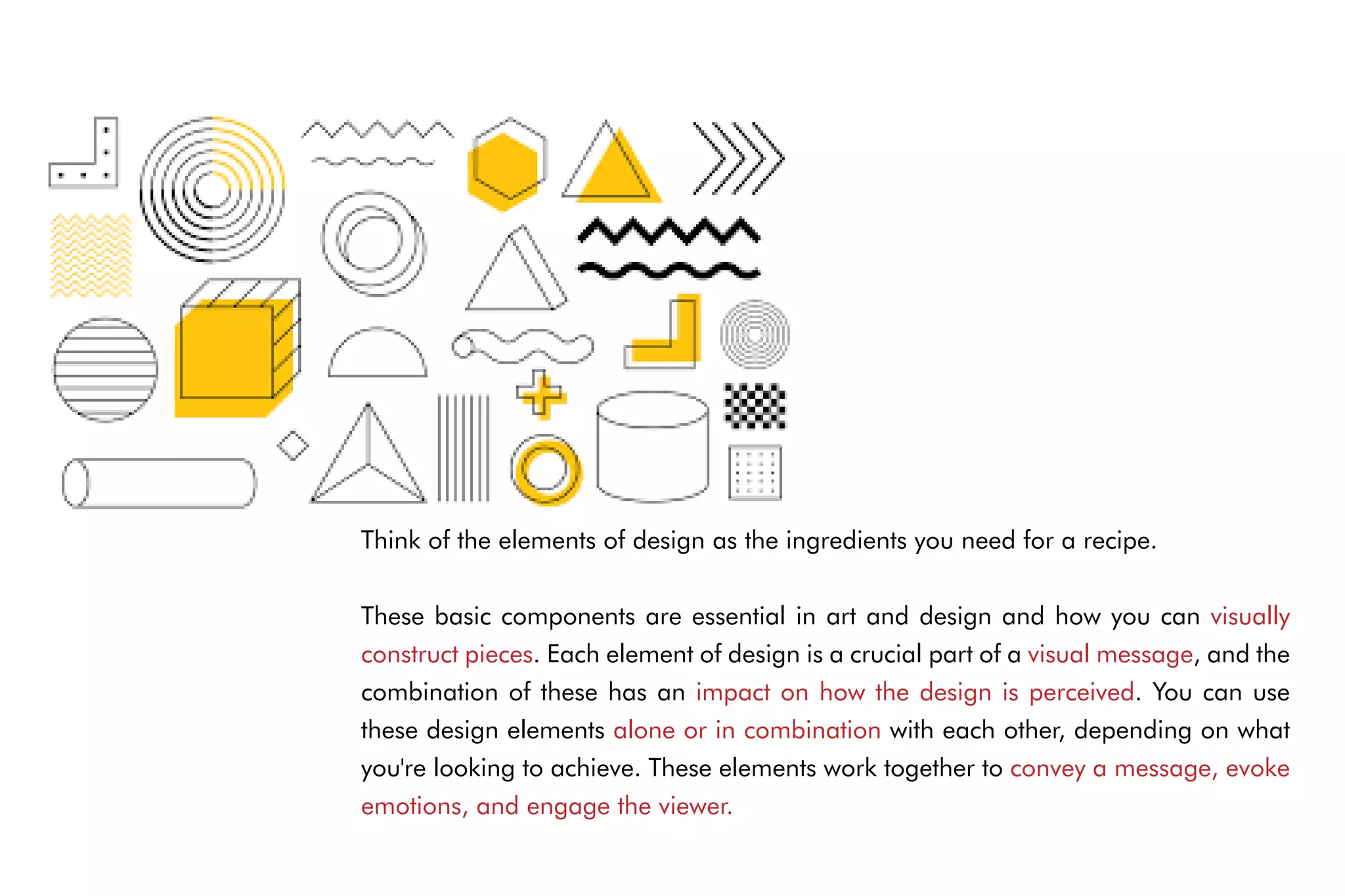
Think of theelements of design as the ingredients you need for a recipe.
These basic components are essential in art and design and how you can visually
construct pieces. Each element of design is a crucial part of a visual message, and the
combination of these has an impact on how the design is perceived. You can use
these design elements alone or in combination with each other, depending on what
you're looking to achieve. These elements work together to convey a message, evoke
emotions, and engage the viewer.
3.
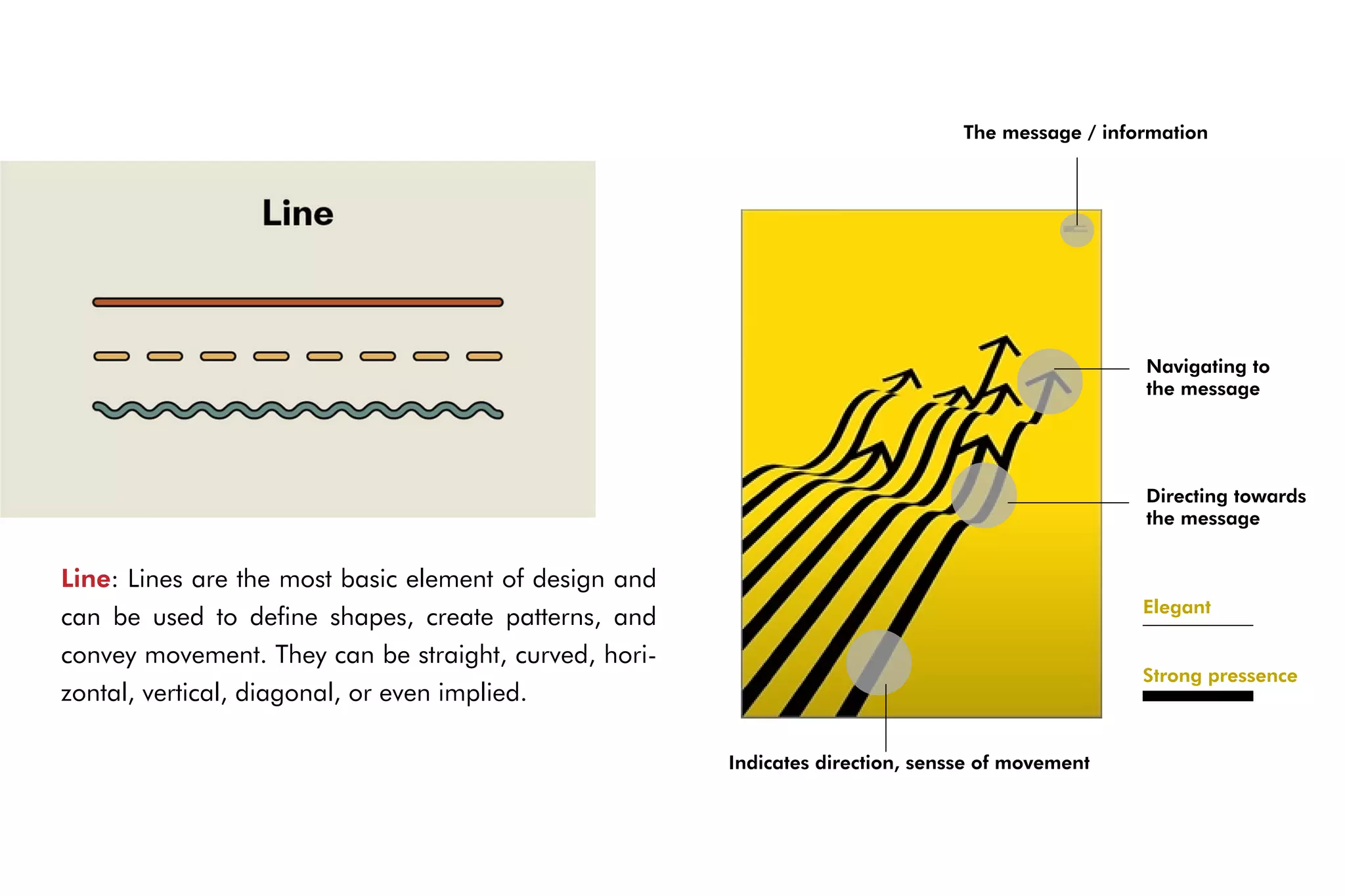
Line: Lines arethe most basic element of design and
can be used to define shapes, create patterns, and
convey movement. They can be straight, curved, hori-
zontal, vertical, diagonal, or even implied.
The message / information
Indicates direction, sensse of movement
Directing towards
the message
Navigating to
the message
Elegant
Strong pressence
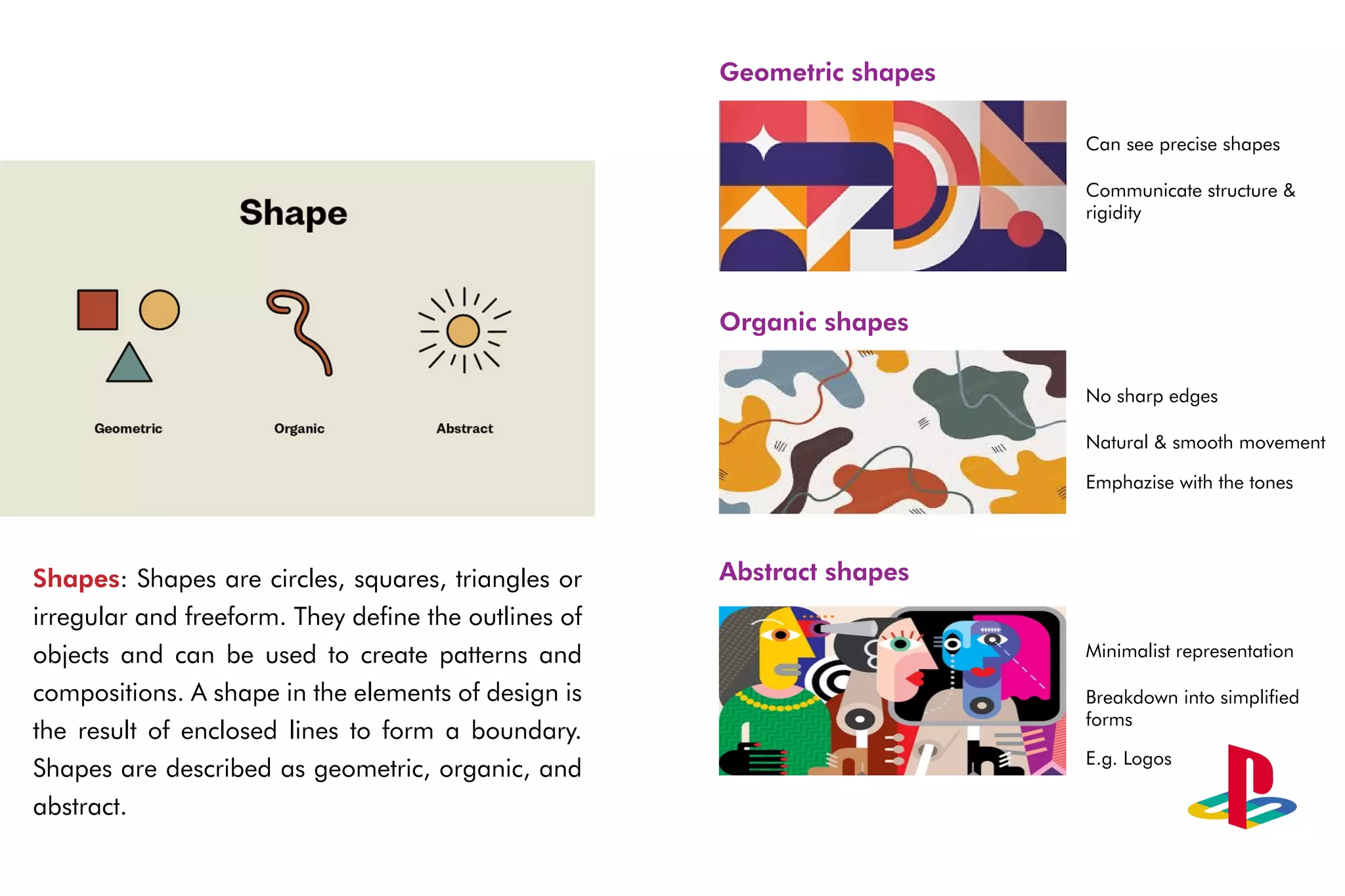
Shapes: Shapes arecircles, squares, triangles or
irregular and freeform. They define the outlines of
objects and can be used to create patterns and
compositions. A shape in the elements of design is
the result of enclosed lines to form a boundary.
Shapes are described as geometric, organic, and
abstract.
Geometric shapes
Organic shapes
Abstract shapes
Can see precise shapes
Communicate structure &
rigidity
No sharp edges
Natural & smooth movement
Emphazise with the tones
Minimalist representation
Breakdown into simplified
forms
E.g. Logos
7.
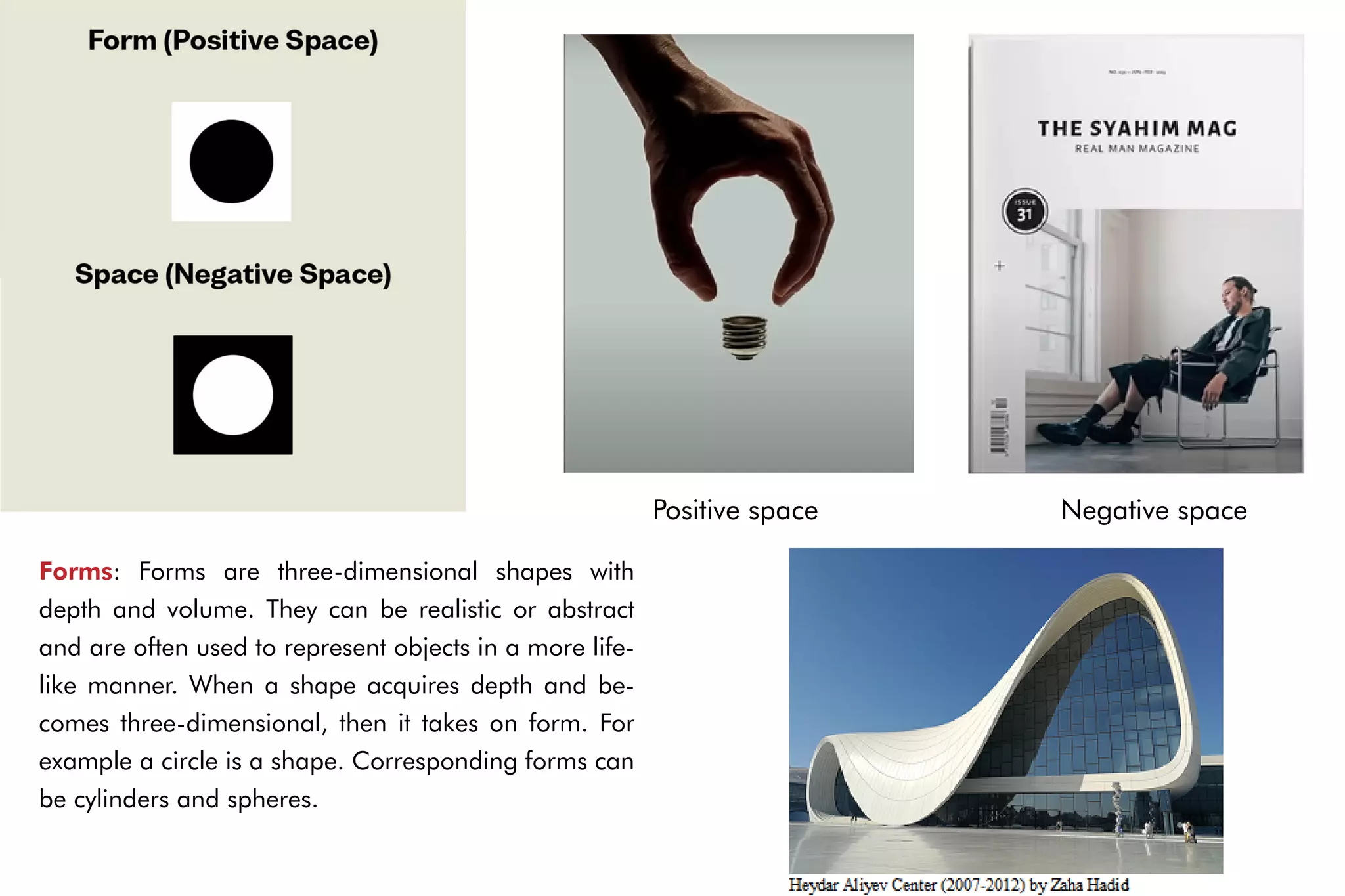
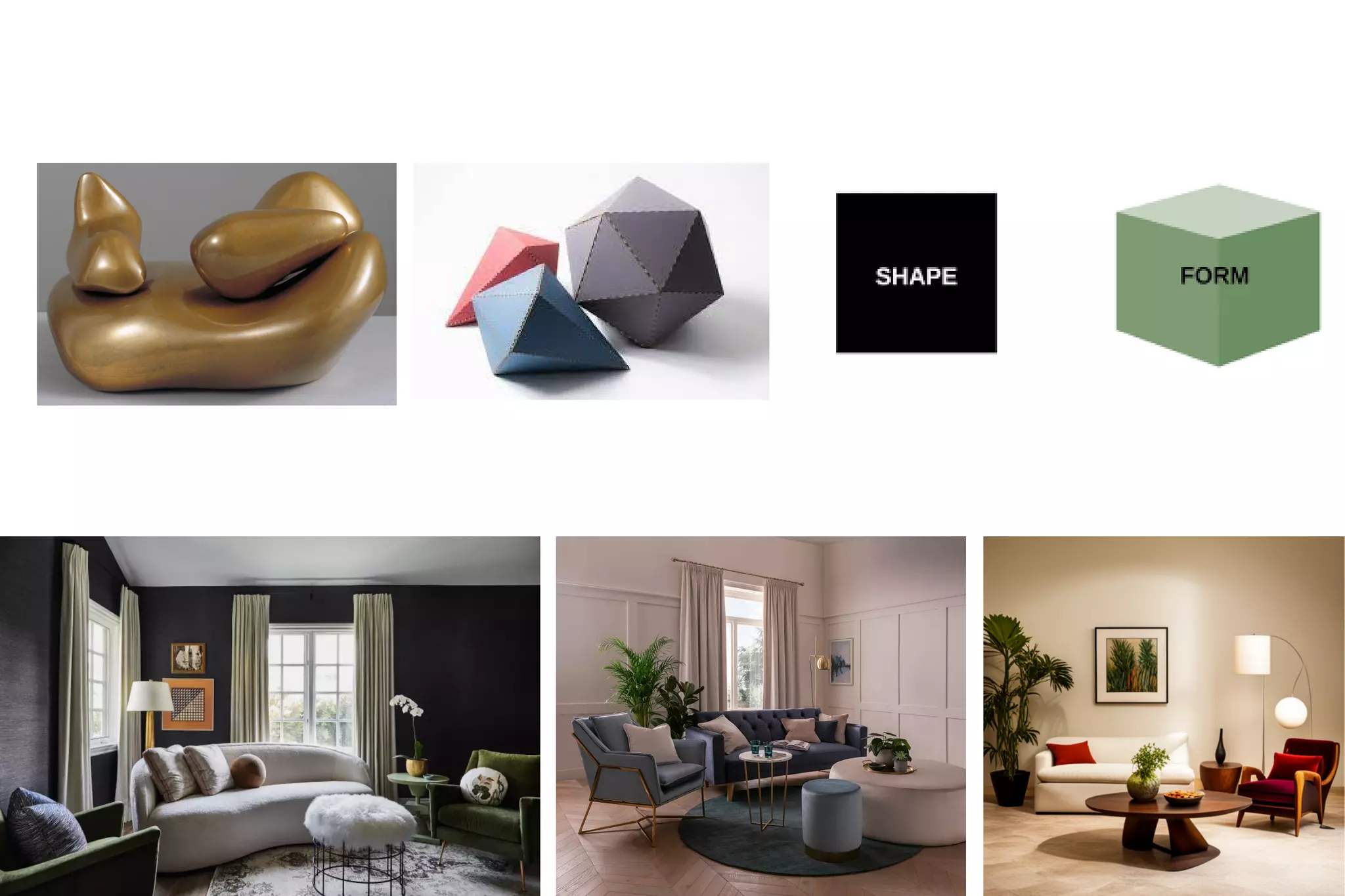
Forms: Forms arethree-dimensional shapes with
depth and volume. They can be realistic or abstract
and are often used to represent objects in a more life-
like manner. When a shape acquires depth and be-
comes three-dimensional, then it takes on form. For
example a circle is a shape. Corresponding forms can
be cylinders and spheres.
Positive space Negative space
9.
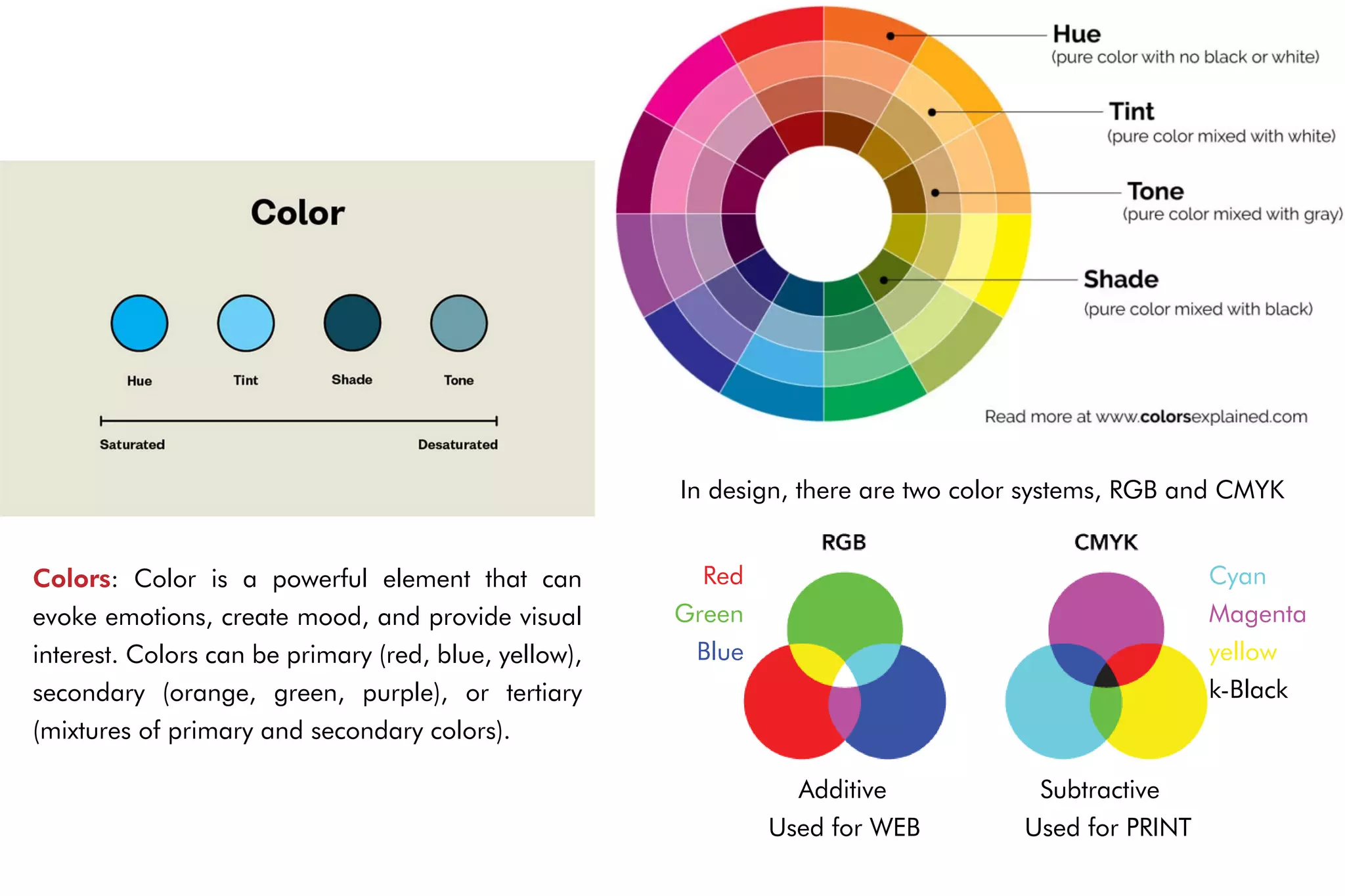
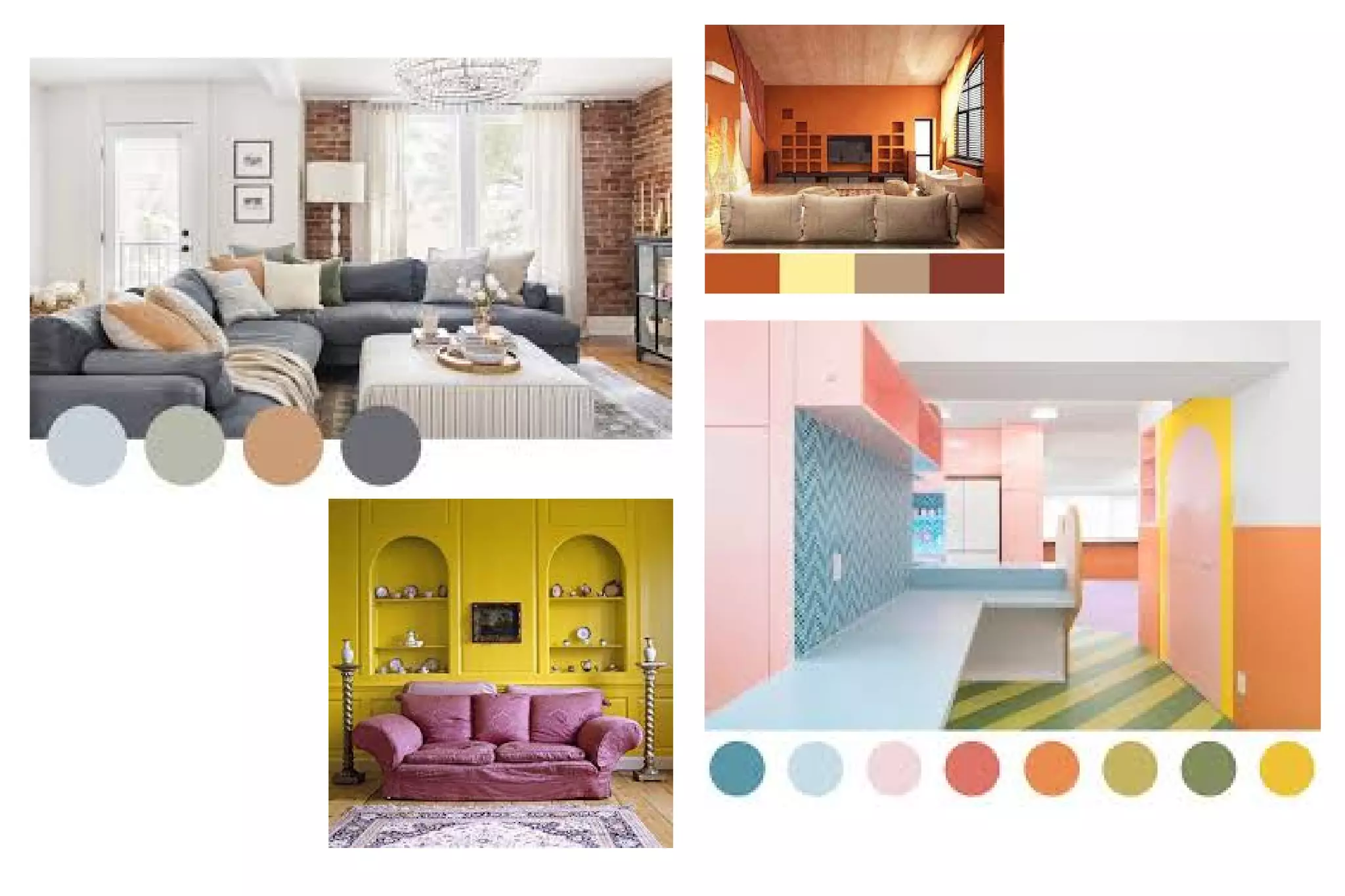
Colors: Color isa powerful element that can
evoke emotions, create mood, and provide visual
interest. Colors can be primary (red, blue, yellow),
secondary (orange, green, purple), or tertiary
(mixtures of primary and secondary colors).
In design, there are two color systems, RGB and CMYK
Additive
Red
Green
Blue
Cyan
Magenta
yellow
k-Black
Used for WEB Used for PRINT
Subtractive
11.
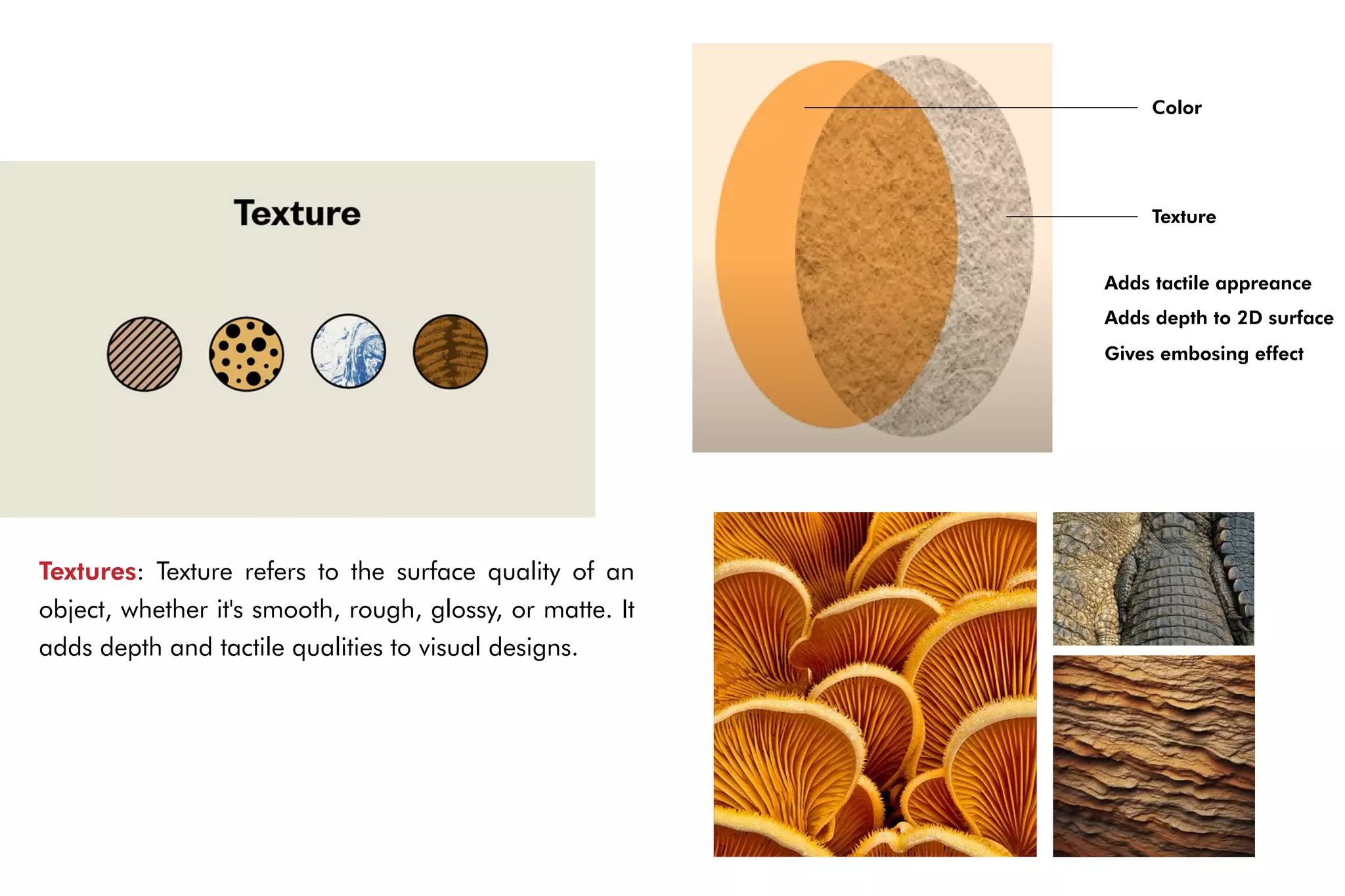
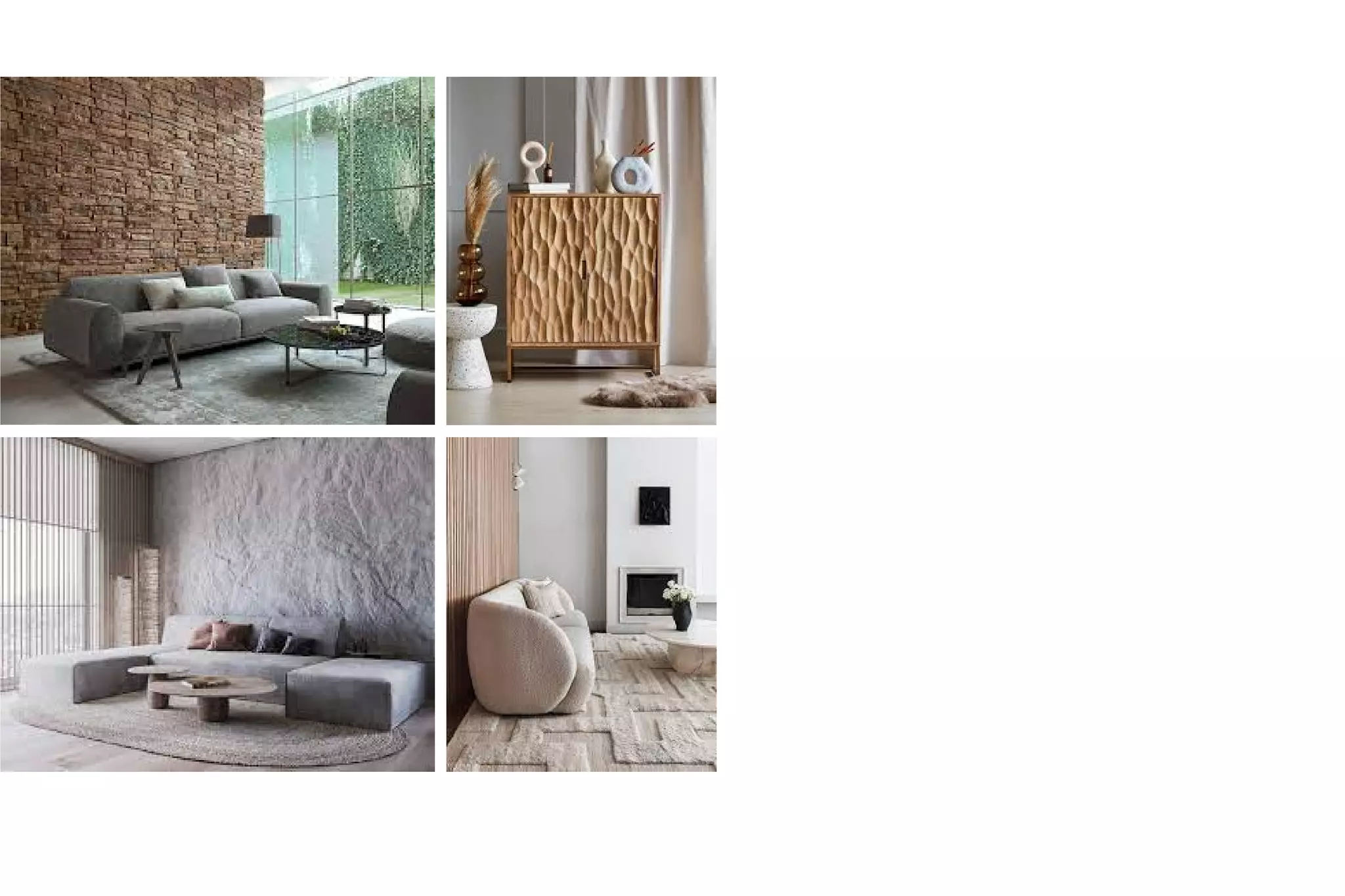
Textures: Texture refersto the surface quality of an
object, whether it's smooth, rough, glossy, or matte. It
adds depth and tactile qualities to visual designs.
Color
Texture
Adds tactile appreance
Adds depth to 2D surface
Gives embosing effect
13.
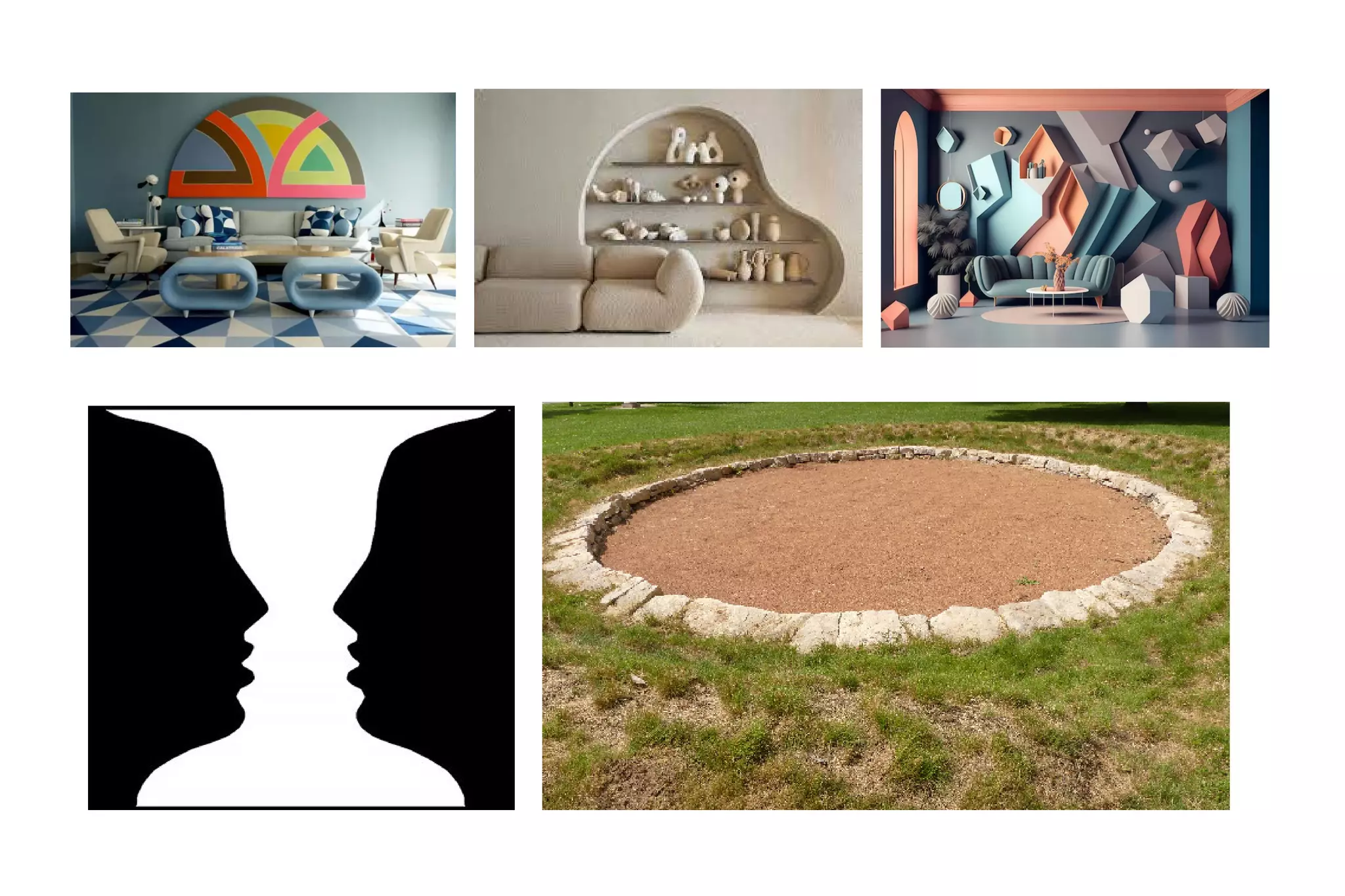
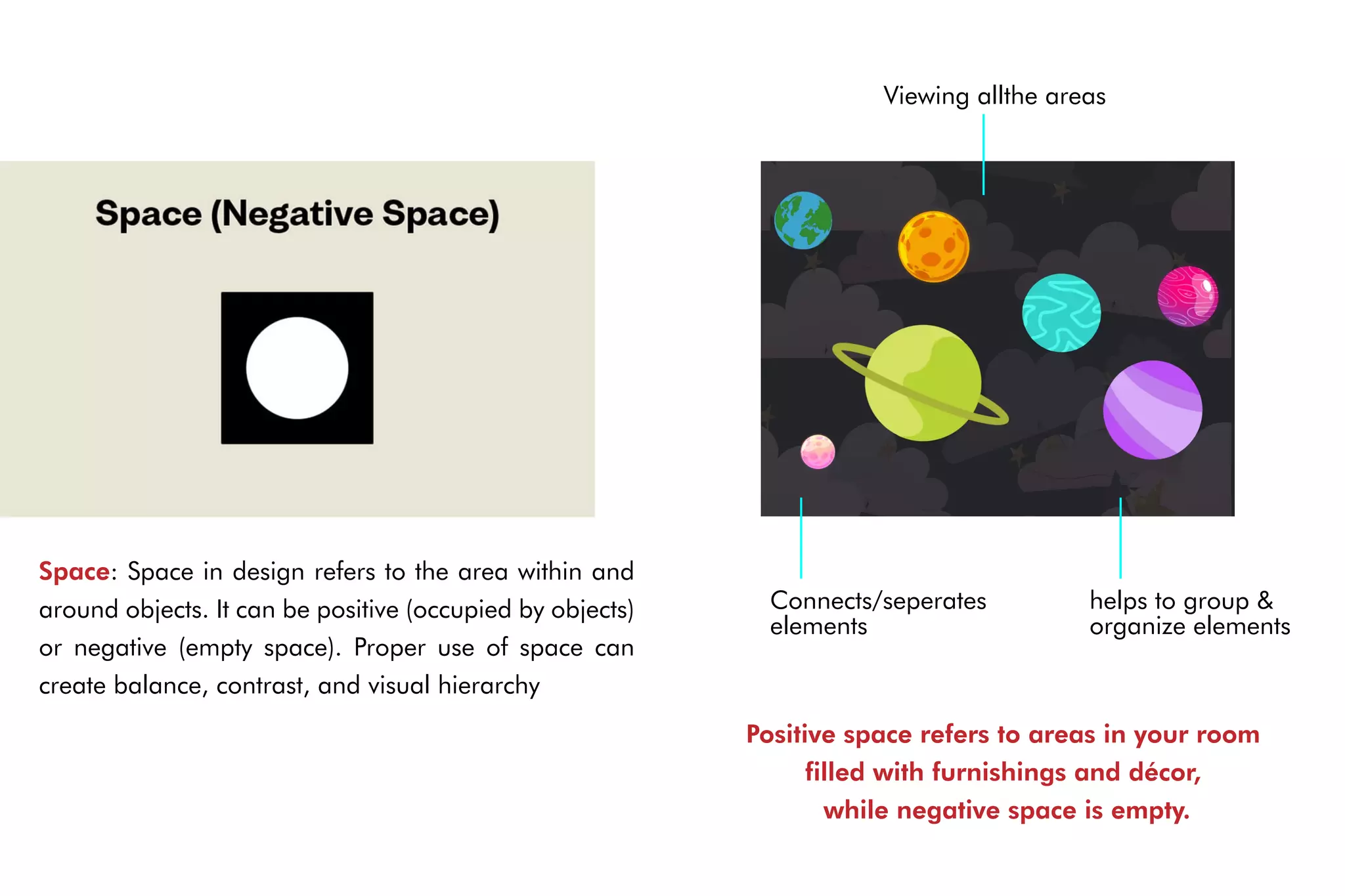
Space: Space indesign refers to the area within and
around objects. It can be positive (occupied by objects)
or negative (empty space). Proper use of space can
create balance, contrast, and visual hierarchy
Viewing allthe areas
Connects/seperates
elements
helps to group &
organize elements
Positive space refers to areas in your room
filled with furnishings and décor,
while negative space is empty.
14.
SIZE
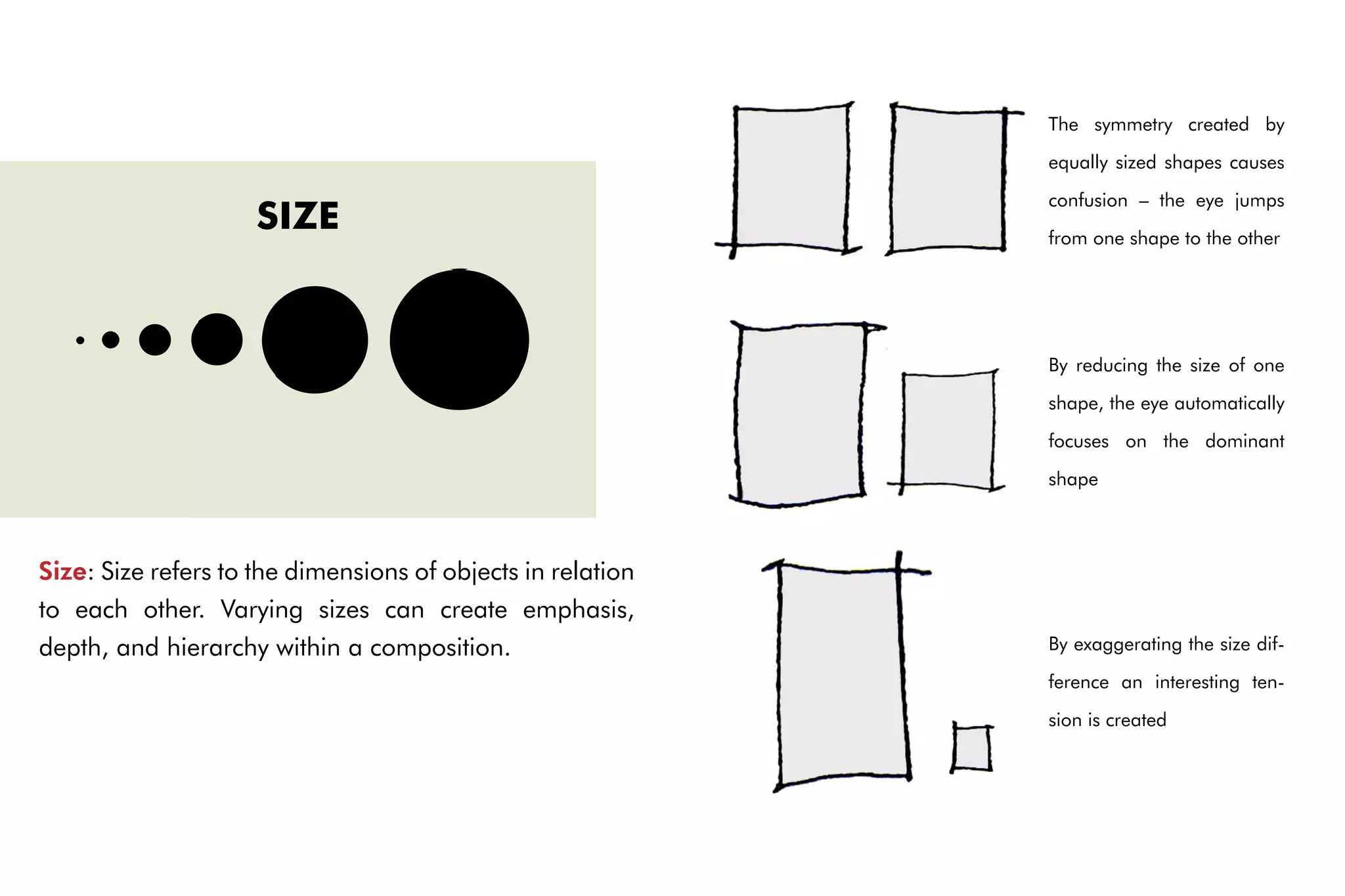
Size: Size refersto the dimensions of objects in relation
to each other. Varying sizes can create emphasis,
depth, and hierarchy within a composition.
The symmetry created by
equally sized shapes causes
confusion – the eye jumps
from one shape to the other
By reducing the size of one
shape, the eye automatically
focuses on the dominant
shape
By exaggerating the size dif-
ference an interesting ten-
sion is created
15.
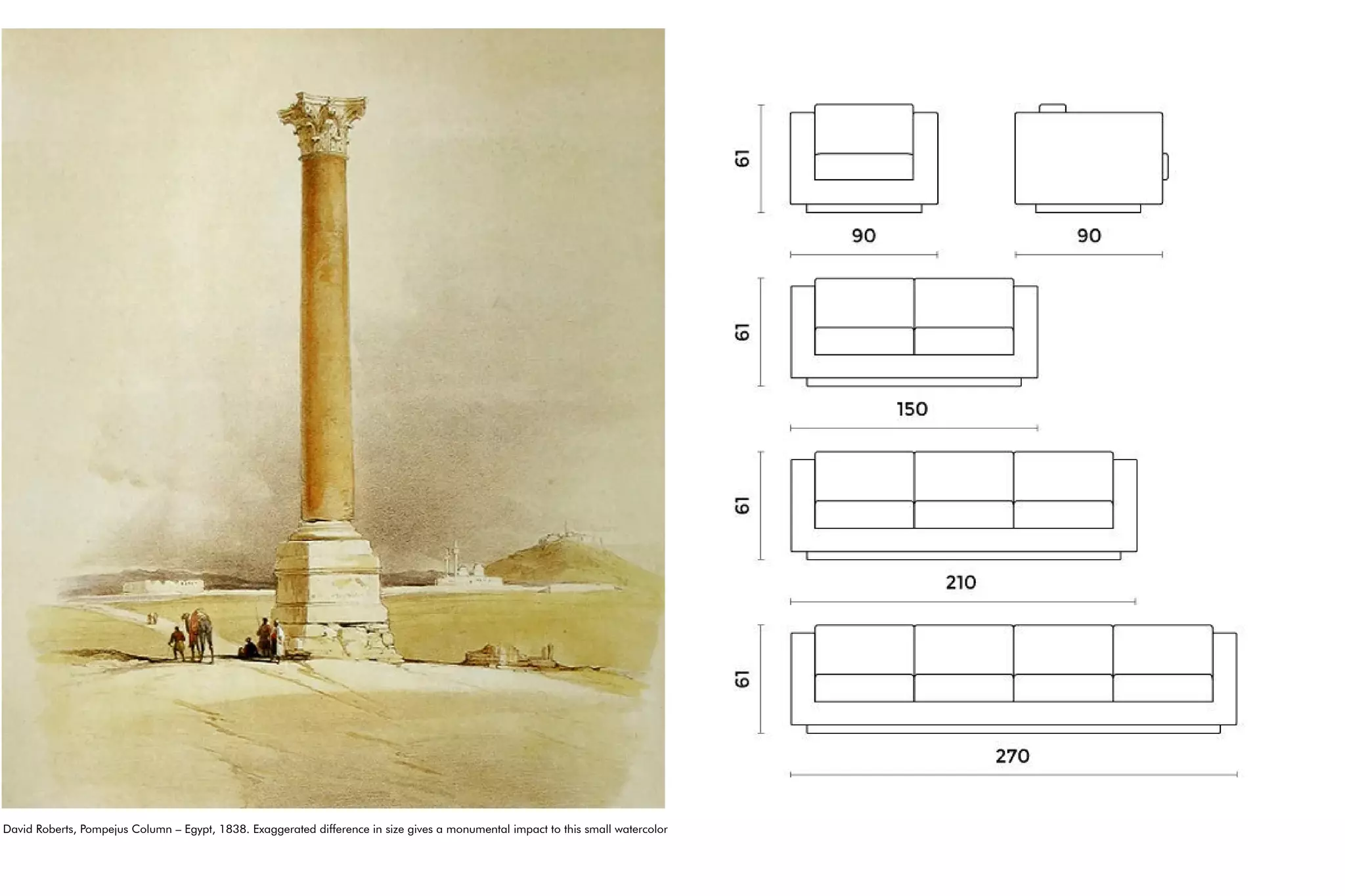
David Roberts, PompejusColumn – Egypt, 1838. Exaggerated difference in size gives a monumental impact to this small watercolor
16.
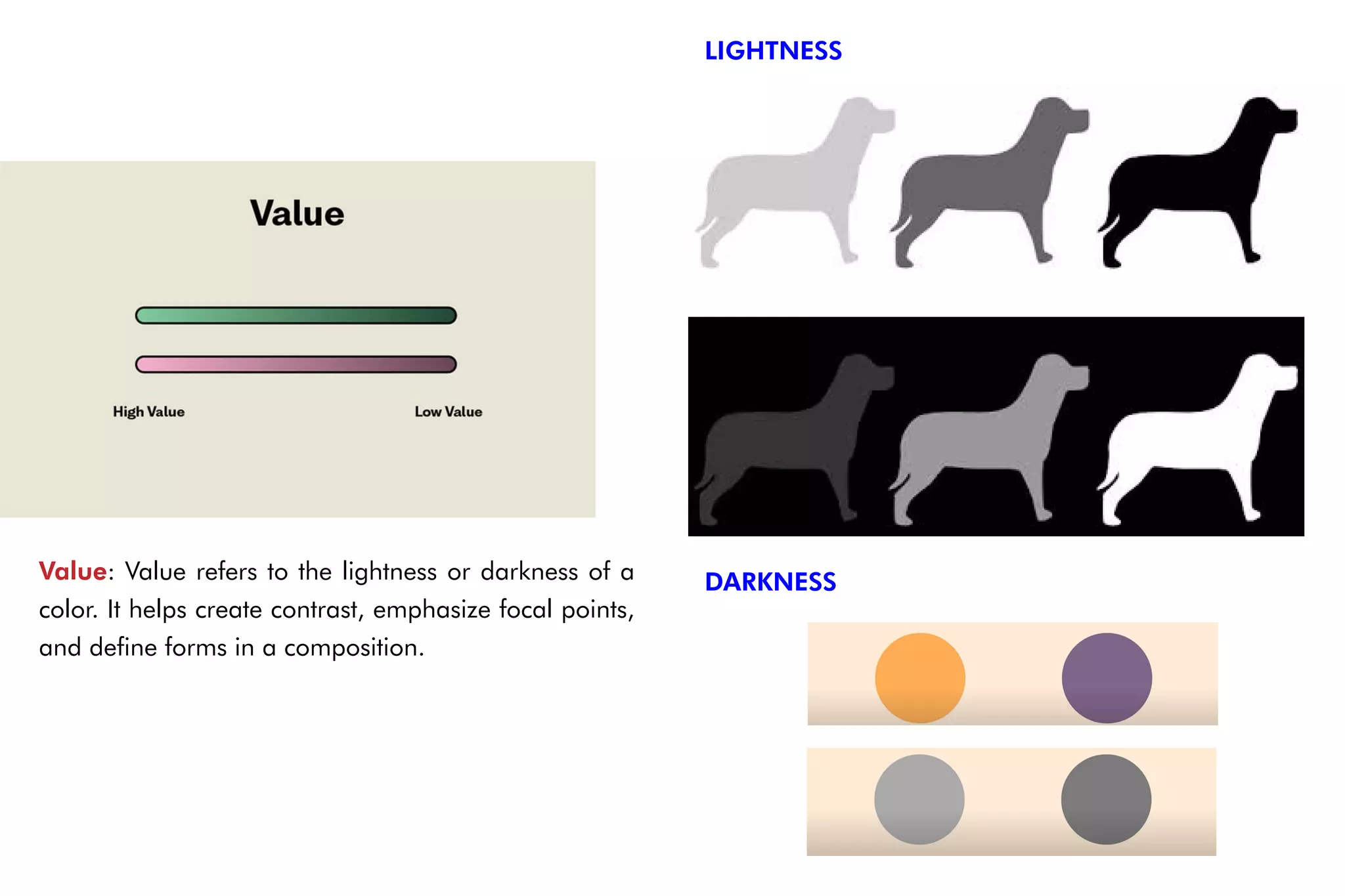
Value: Value refersto the lightness or darkness of a
color. It helps create contrast, emphasize focal points,
and define forms in a composition.
LIGHTNESS
DARKNESS
18.
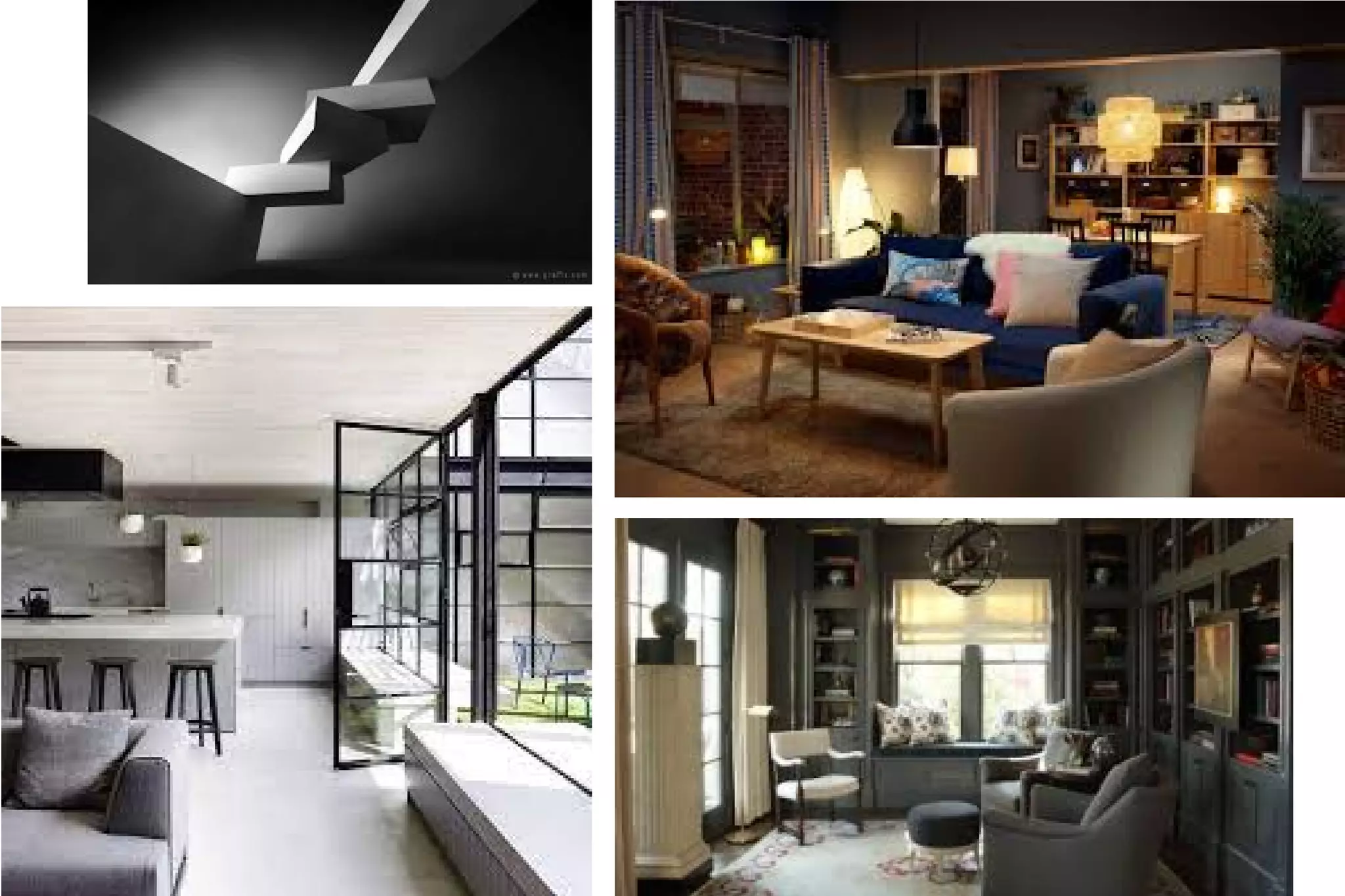
Problem: Design aWelcoming Entryway
Objective: To apply your knowledge of the elements of design
to create an inviting entryway.
Instructions: design a welcoming entryway for a choice of your space. Select an
image, and design entryway, it should convey a sense of warmth, provide functionality,
and make a positive first impression. You can use any available materials, such as
sketches, cutouts, digital tools, or Models.


![AnyTrans for iOS 8.9.14.20251127 With Crack for MacOS [Latest] pptx](https://cdn.slidesharecdn.com/ss_thumbnails/softwareoverview-251207190907-2316965f-thumbnail.jpg?width=640&height=640&fit=bounds)


![iStat Menus 7.20 Crack for MacOS 2026 Full Version [Latest] pptx](https://cdn.slidesharecdn.com/ss_thumbnails/softwareoverview-251207191544-22b737dc-thumbnail.jpg?width=640&height=640&fit=bounds)


![Moho Pro 14.4 Crack for MacOS Works Until 2050 [Latest] pptx](https://cdn.slidesharecdn.com/ss_thumbnails/softwareoverview-251207192639-797289c4-thumbnail.jpg?width=640&height=640&fit=bounds)


