By:
Gaurav J.Narkhede
Ashwini Patil
Nikita H. Patil
Akshata Pawar
Vidya Pawar
Vishal Pawar
Preeti Pednekar
 Need of electronics revolution
 History of electronics
 Today’s electronics
 Effects of electronics revolution
 Upcoming researches
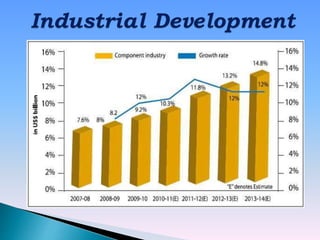
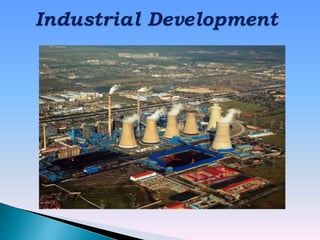
 Industrial development
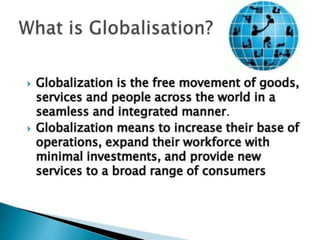
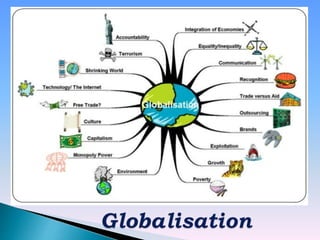
 Globalisation
 Improvement of security system
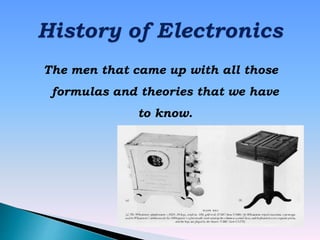
The men that came up with all those
formulas and theories that we have
to know.
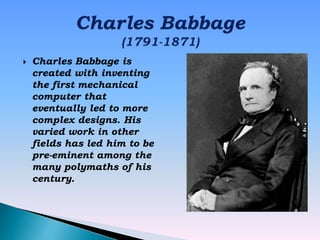
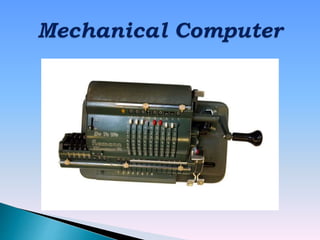
 Charles Babbage is
created with inventing
the first mechanical
computer that
eventually led to more
complex designs. His
varied work in other
fields has led him to be
pre-eminent among the
many polymaths of his
century.
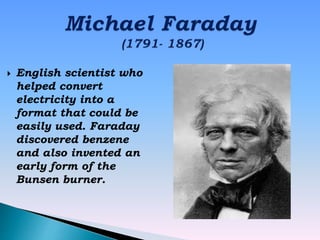
 English scientist who
helped convert
electricity into a
format that could be
easily used. Faraday
discovered benzene
and also invented an
early form of the
Bunsen burner.
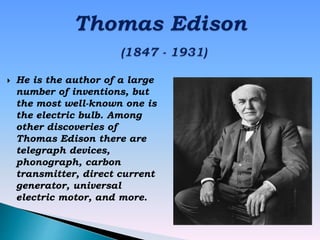
 He is the author of a large
number of inventions, but
the most well-known one is
the electric bulb. Among
other discoveries of
Thomas Edison there are
telegraph devices,
phonograph, carbon
transmitter, direct current
generator, universal
electric motor, and more.
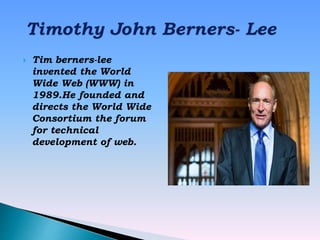
 Tim berners-lee
invented the World
Wide Web (WWW) in
1989.He founded and
directs the World Wide
Consortium the forum
for technical
development of web.
 American entrepreneur
and developer. Jobs
helped revolutionise
personal computer
devices with the iPod,
iPad, macbook and
iPhone. He is credited
with inventing the new
wave of hand-held
personal computer
devices.
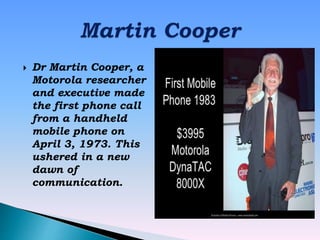
 Dr Martin Cooper, a
Motorola researcher
and executive made
the first phone call
from a handheld
mobile phone on
April 3, 1973. This
ushered in a new
dawn of
communication.
 Internet and
network.
 Operating
systems.
 Microprocessors and
integrated circuits.
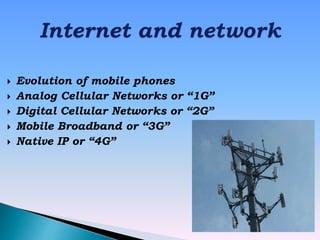
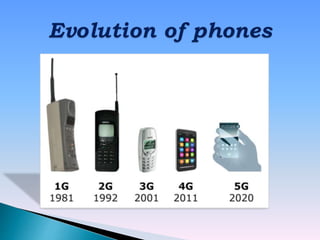
 Evolution of mobile phones
 Analog Cellular Networks or “1G”
 Digital Cellular Networks or “2G”
 Mobile Broadband or “3G”
 Native IP or “4G”
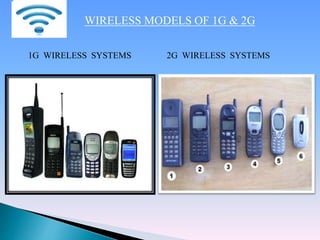
WIRELESS MODELS OF 1G & 2G
1G WIRELESS SYSTEMS 2G WIRELESS SYSTEMS
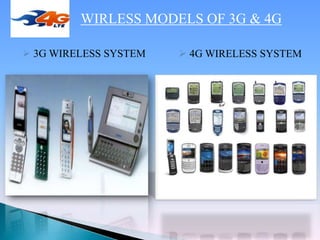
 3G WIRELESS SYSTEM  4G WIRELESS SYSTEM
WIRLESS MODELS OF 3G & 4G
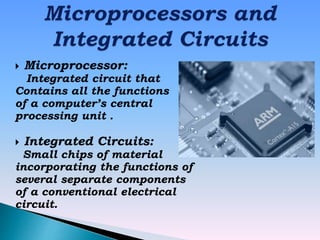
 Microprocessor:
Integrated circuit that
Contains all the functions
of a computer’s central
processing unit .
 Integrated Circuits:
Small chips of material
incorporating the functions of
several separate components
of a conventional electrical
circuit.
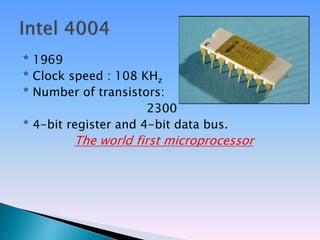
* 1969
* Clock speed : 108 KHz
* Number of transistors:
2300
* 4-bit register and 4-bit data bus.
The world first microprocessor
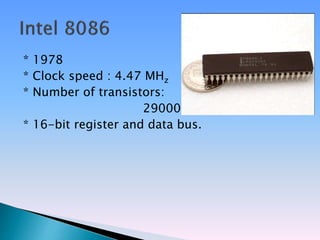
* 1978
* Clock speed : 4.47 MHz
* Number of transistors:
29000
* 16-bit register and data bus.
* 1993
* Clock speed: 66 MHz
* Number of transistor:
3,300,000
* 32-bit register and data bus.
* The first Core i5 was introduced on September 8, 2009
* Variants650/655K – 3.2 GHz Hyper-Threading Turbo
Boost
- 660/661 – 3.33 GHz Hyper-Threading Turbo Boost
- 670 – 3.46 GHz Hyper-Threading Turbo Boost
- 680 – 3.60 GHz Hyper-Threading Turbo Boost
 64 Kb L1 cache
 512 Kb L2 cache
 4 MB L3 cache
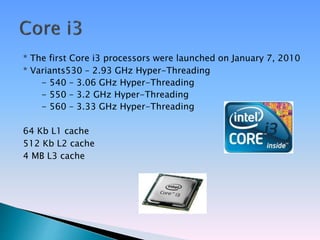
* The first Core i3 processors were launched on January 7, 2010
* Variants530 – 2.93 GHz Hyper-Threading
- 540 – 3.06 GHz Hyper-Threading
- 550 – 3.2 GHz Hyper-Threading
- 560 – 3.33 GHz Hyper-Threading
64 Kb L1 cache
512 Kb L2 cache
4 MB L3 cache
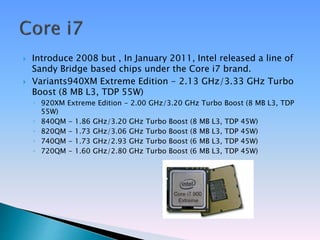
 Introduce 2008 but , In January 2011, Intel released a line of
Sandy Bridge based chips under the Core i7 brand.
 Variants940XM Extreme Edition - 2.13 GHz/3.33 GHz Turbo
Boost (8 MB L3, TDP 55W)
◦ 920XM Extreme Edition - 2.00 GHz/3.20 GHz Turbo Boost (8 MB L3, TDP
55W)
◦ 840QM - 1.86 GHz/3.20 GHz Turbo Boost (8 MB L3, TDP 45W)
◦ 820QM - 1.73 GHz/3.06 GHz Turbo Boost (8 MB L3, TDP 45W)
◦ 740QM - 1.73 GHz/2.93 GHz Turbo Boost (6 MB L3, TDP 45W)
◦ 720QM - 1.60 GHz/2.80 GHz Turbo Boost (6 MB L3, TDP 45W)
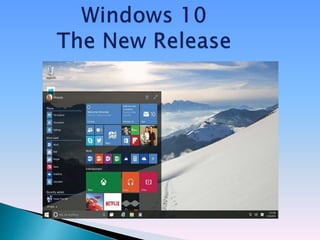
 A set of programs that manage computer
hardware resources and provide common
services for application software
 Most important system software in computer
system
 NOTE: User cannot run an application
program on computer without OS
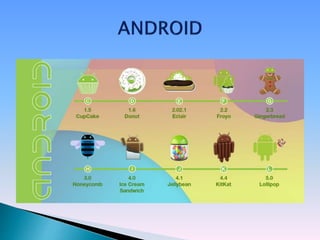
 eg. Android, Mac OS X, Microsoft Windows
Presented by-
Swapnika Jaimini
CSE ‘E’
130218
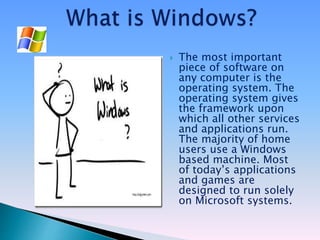
 The most important
piece of software on
any computer is the
operating system. The
operating system gives
the framework upon
which all other services
and applications run.
The majority of home
users use a Windows
based machine. Most
of today’s applications
and games are
designed to run solely
on Microsoft systems.
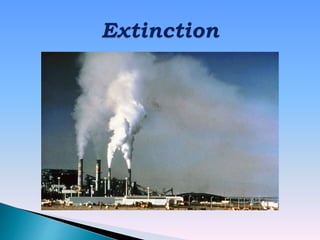
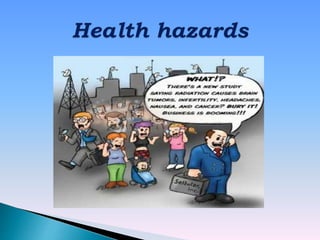
 Positive effects
 Negative effects
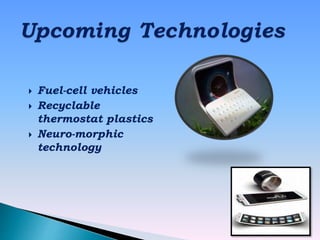
 Fuel-cell vehicles
 Recyclable
thermostat plastics
 Neuro-morphic
technology
 Electronic gadgets-part of our daily life.
 Overcome many difficulties-make tasks easy.
 Advantages as well as disadvantages
associated with electronics.
 Precautions must be taken while using
technological equipments.
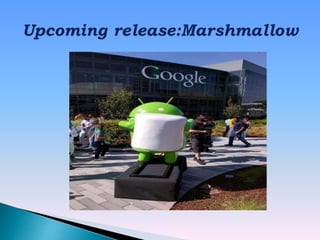
 New technologies-which can
overcome present
disadvantages
This is really only the beginning - changes
in electronics seem to be happening almost
daily!
Electronics Revolution

Electronics Revolution

  • 1.
    By: Gaurav J.Narkhede Ashwini Patil NikitaH. Patil Akshata Pawar Vidya Pawar Vishal Pawar Preeti Pednekar
  • 3.
     Need ofelectronics revolution  History of electronics  Today’s electronics  Effects of electronics revolution  Upcoming researches
  • 4.
     Industrial development Globalisation  Improvement of security system
  • 10.
    The men thatcame up with all those formulas and theories that we have to know.
  • 11.
     Charles Babbageis created with inventing the first mechanical computer that eventually led to more complex designs. His varied work in other fields has led him to be pre-eminent among the many polymaths of his century.
  • 13.
     English scientistwho helped convert electricity into a format that could be easily used. Faraday discovered benzene and also invented an early form of the Bunsen burner.
  • 14.
     He isthe author of a large number of inventions, but the most well-known one is the electric bulb. Among other discoveries of Thomas Edison there are telegraph devices, phonograph, carbon transmitter, direct current generator, universal electric motor, and more.
  • 15.
     Tim berners-lee inventedthe World Wide Web (WWW) in 1989.He founded and directs the World Wide Consortium the forum for technical development of web.
  • 16.
     American entrepreneur anddeveloper. Jobs helped revolutionise personal computer devices with the iPod, iPad, macbook and iPhone. He is credited with inventing the new wave of hand-held personal computer devices.
  • 17.
     Dr MartinCooper, a Motorola researcher and executive made the first phone call from a handheld mobile phone on April 3, 1973. This ushered in a new dawn of communication.
  • 18.
     Internet and network. Operating systems.  Microprocessors and integrated circuits.
  • 19.
     Evolution ofmobile phones  Analog Cellular Networks or “1G”  Digital Cellular Networks or “2G”  Mobile Broadband or “3G”  Native IP or “4G”
  • 21.
    WIRELESS MODELS OF1G & 2G 1G WIRELESS SYSTEMS 2G WIRELESS SYSTEMS
  • 22.
     3G WIRELESSSYSTEM  4G WIRELESS SYSTEM WIRLESS MODELS OF 3G & 4G
  • 23.
     Microprocessor: Integrated circuitthat Contains all the functions of a computer’s central processing unit .  Integrated Circuits: Small chips of material incorporating the functions of several separate components of a conventional electrical circuit.
  • 25.
    * 1969 * Clockspeed : 108 KHz * Number of transistors: 2300 * 4-bit register and 4-bit data bus. The world first microprocessor
  • 26.
    * 1978 * Clockspeed : 4.47 MHz * Number of transistors: 29000 * 16-bit register and data bus.
  • 27.
    * 1993 * Clockspeed: 66 MHz * Number of transistor: 3,300,000 * 32-bit register and data bus.
  • 28.
    * The firstCore i5 was introduced on September 8, 2009 * Variants650/655K – 3.2 GHz Hyper-Threading Turbo Boost - 660/661 – 3.33 GHz Hyper-Threading Turbo Boost - 670 – 3.46 GHz Hyper-Threading Turbo Boost - 680 – 3.60 GHz Hyper-Threading Turbo Boost  64 Kb L1 cache  512 Kb L2 cache  4 MB L3 cache
  • 29.
    * The firstCore i3 processors were launched on January 7, 2010 * Variants530 – 2.93 GHz Hyper-Threading - 540 – 3.06 GHz Hyper-Threading - 550 – 3.2 GHz Hyper-Threading - 560 – 3.33 GHz Hyper-Threading 64 Kb L1 cache 512 Kb L2 cache 4 MB L3 cache
  • 30.
     Introduce 2008but , In January 2011, Intel released a line of Sandy Bridge based chips under the Core i7 brand.  Variants940XM Extreme Edition - 2.13 GHz/3.33 GHz Turbo Boost (8 MB L3, TDP 55W) ◦ 920XM Extreme Edition - 2.00 GHz/3.20 GHz Turbo Boost (8 MB L3, TDP 55W) ◦ 840QM - 1.86 GHz/3.20 GHz Turbo Boost (8 MB L3, TDP 45W) ◦ 820QM - 1.73 GHz/3.06 GHz Turbo Boost (8 MB L3, TDP 45W) ◦ 740QM - 1.73 GHz/2.93 GHz Turbo Boost (6 MB L3, TDP 45W) ◦ 720QM - 1.60 GHz/2.80 GHz Turbo Boost (6 MB L3, TDP 45W)
  • 31.
     A setof programs that manage computer hardware resources and provide common services for application software  Most important system software in computer system  NOTE: User cannot run an application program on computer without OS  eg. Android, Mac OS X, Microsoft Windows
  • 32.
  • 33.
     The mostimportant piece of software on any computer is the operating system. The operating system gives the framework upon which all other services and applications run. The majority of home users use a Windows based machine. Most of today’s applications and games are designed to run solely on Microsoft systems.
  • 41.
     Positive effects Negative effects
  • 50.
     Fuel-cell vehicles Recyclable thermostat plastics  Neuro-morphic technology
  • 51.
     Electronic gadgets-partof our daily life.  Overcome many difficulties-make tasks easy.  Advantages as well as disadvantages associated with electronics.  Precautions must be taken while using technological equipments.  New technologies-which can overcome present disadvantages
  • 52.
    This is reallyonly the beginning - changes in electronics seem to be happening almost daily!

Editor's Notes