

Effective Communication for 
Business 
Presented by Nicole Newman 
of Newman Networks 
10/23/2014
Agenda 
• About the presenter 
• What is communication? 
• The communication process 
• Communication Channels 
• Difference between effective communication and Ineffective 
communication 
• Communication/Leadership styles 
• Stakeholders defined (Audience) 
• Subtle Communication i.e. Business Etiquette 
• Communication Strategies for Team Building 
• Next Steps
Who is Nicole Newman? 
• Graduate of Temple University 
• MBA from University of Maryland 
• President/CEO of Newman 
Networks 
• Awardee for Outstanding 
Leadership in addition to 
Creative Marketing 
• Author of 4 books – 2 non-fiction, 
2 business books 
• Co-founder of Calling All Female 
Entrepreneurs (CAFÉ)
Background
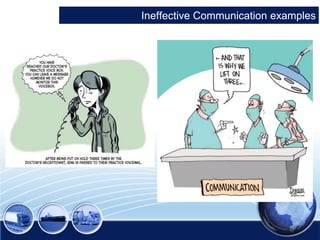
Ineffective Communication examples
What is communication? 
The Business Dictionary says “Two-way process of reaching 
mutual understanding, in which participants not only exchange 
(encode-decode) information, news, ideas and feelings but 
also build and share meaning. In general, communication is a 
means of connecting people or places. In business, it is a key 
function of management--an organization cannot operate 
without communication between levels, departments and 
employees.” 
My definition – “Marketing is communication” 
“80% of communication is non-verbal”
Communication Channels 
• Face to Face (only complete channel because sender and 
receiver are not separated by time or distance) 
• Telephone 
• Voicemail 
• Text Messaging 
• E-mail 
• Social Media 
– Instagram 
– Facebook personal 
– Facebook business 
– Twitter 
– Linkedin
Communication Channels 
• Face to Face (only complete channel because sender and 
receiver are not separated by time or distance) 
• Telephone 
• Voicemail 
• Text Messaging 
• E-mail 
• Social Media 
– Instagram 
– Facebook personal 
– Facebook business 
– Twitter 
– Linkedin
Effective Communication 
• Effective communication strategies involve two-way communication 
• Companies whose managers successfully engage employees about 
their work and their perspectives on issues related to products, 
services, customers and the business develop a culture of 
inclusiveness that generates results. 
• Business communication should be results-driven and strategically 
focused on achieving measurable results. 
• Organizational communicators know that messages need to be 
delivered multiple times in multiple ways to have the most impact. 
• Using multiple channels to communicate with various audiences will 
increase the odds that communications are received and 
understood.
Communication/Leadership styles 
• Communication should never be one-way--either from the top-down 
or the bottom-up. 
• Inclusive communication strategy is one in which explicit steps 
are taken to ensure that all employees feel they are involved in 
decisions that affect their day-to-day work. 
• Organizations with a secretive environment shut people out, 
which can stifle involvement and result in lost ideas and 
opportunities. 
• Employee involvement is a key factor that affects employee 
satisfaction and success. 
The objective of leadership is to get stakeholders to act!!
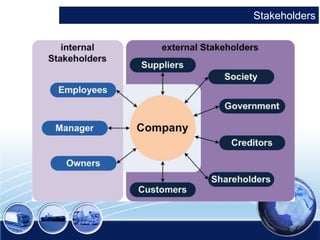
Stakeholders
Subtle Communication is Business Etiquette 
Is your businesses’ external image professional to be treated as 
a professional? 
– Website 
– Professional email address 
– Testimonials 
– Professional Attire 
– Business Cards 
– Ability to accept electronic payments 
– Communication style (WIN-WIN) 
– Team player 
– Edify others
Communication Strategies for Team Building 
• Listening 
• Use Names 
• Get to the Point 
• Let Others Talk 
• Start with a compliment: Positive people buy more 
• Non-verbal Language 
• Vocal Cues 
• Build an Atmosphere of Openness 
An open communication environment is one in which all members of the 
organization feel free to share feedback, ideas and even criticism . Leaders 
who are committed to open communication build an environment of trust 
that can be the foundation for success.
Resolution Techniques 
• Listen to both sides of the story 
• Ask clarifying questions 
• Don’t make assumptions 
• Provide examples or analogies 
• Think win-win 
• Put the relationship first 
• Allow others to suggest resolutions 
• Work to compromise 
• Don’t stop until both sides agree or agree to disagree
Next Steps from Newman Networks 
Upcoming Events from Newman Networks 
• http://newmannetworks.eventbrite.com 
• http://www.newman-network.com 
Calling All Female Entrepreneurs 
• https://www.facebook.com/groups/phillycafe/ 
• http://www.phillycafe.org 
Next webinars: 
• Accounting Metrics needed to implement a marketing strategy 
and budget 
• How to work your network
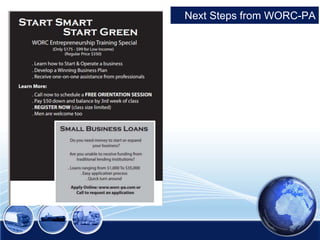
Next Steps from WORC-PA
Sources 
• http://www.businessdictionary.com/definition/communication.ht 
ml#ixzz3Gs7vil6j 
• http://Top7Business.com/?expert=Sheila_Dicks 
• http://smallbusiness.chron.com/communication-strategies-effective- 
organization-826.html 
• http://smallbusiness.chron.com/strategies-effective-communication- 
57218.html 
• http://careers.pda.org/2012/08/communicate-well-five-strategies- 
to-enhance-your-managerial-communication-skills/

Effective communication for business

  • 1.
    Effective Communication for Business Presented by Nicole Newman of Newman Networks 10/23/2014
  • 2.
    Agenda • Aboutthe presenter • What is communication? • The communication process • Communication Channels • Difference between effective communication and Ineffective communication • Communication/Leadership styles • Stakeholders defined (Audience) • Subtle Communication i.e. Business Etiquette • Communication Strategies for Team Building • Next Steps
  • 3.
    Who is NicoleNewman? • Graduate of Temple University • MBA from University of Maryland • President/CEO of Newman Networks • Awardee for Outstanding Leadership in addition to Creative Marketing • Author of 4 books – 2 non-fiction, 2 business books • Co-founder of Calling All Female Entrepreneurs (CAFÉ)
  • 4.
  • 5.
  • 6.
    What is communication? The Business Dictionary says “Two-way process of reaching mutual understanding, in which participants not only exchange (encode-decode) information, news, ideas and feelings but also build and share meaning. In general, communication is a means of connecting people or places. In business, it is a key function of management--an organization cannot operate without communication between levels, departments and employees.” My definition – “Marketing is communication” “80% of communication is non-verbal”
  • 7.
    Communication Channels •Face to Face (only complete channel because sender and receiver are not separated by time or distance) • Telephone • Voicemail • Text Messaging • E-mail • Social Media – Instagram – Facebook personal – Facebook business – Twitter – Linkedin
  • 8.
    Communication Channels •Face to Face (only complete channel because sender and receiver are not separated by time or distance) • Telephone • Voicemail • Text Messaging • E-mail • Social Media – Instagram – Facebook personal – Facebook business – Twitter – Linkedin
  • 9.
    Effective Communication •Effective communication strategies involve two-way communication • Companies whose managers successfully engage employees about their work and their perspectives on issues related to products, services, customers and the business develop a culture of inclusiveness that generates results. • Business communication should be results-driven and strategically focused on achieving measurable results. • Organizational communicators know that messages need to be delivered multiple times in multiple ways to have the most impact. • Using multiple channels to communicate with various audiences will increase the odds that communications are received and understood.
  • 10.
    Communication/Leadership styles •Communication should never be one-way--either from the top-down or the bottom-up. • Inclusive communication strategy is one in which explicit steps are taken to ensure that all employees feel they are involved in decisions that affect their day-to-day work. • Organizations with a secretive environment shut people out, which can stifle involvement and result in lost ideas and opportunities. • Employee involvement is a key factor that affects employee satisfaction and success. The objective of leadership is to get stakeholders to act!!
  • 11.
  • 12.
    Subtle Communication isBusiness Etiquette Is your businesses’ external image professional to be treated as a professional? – Website – Professional email address – Testimonials – Professional Attire – Business Cards – Ability to accept electronic payments – Communication style (WIN-WIN) – Team player – Edify others
  • 13.
    Communication Strategies forTeam Building • Listening • Use Names • Get to the Point • Let Others Talk • Start with a compliment: Positive people buy more • Non-verbal Language • Vocal Cues • Build an Atmosphere of Openness An open communication environment is one in which all members of the organization feel free to share feedback, ideas and even criticism . Leaders who are committed to open communication build an environment of trust that can be the foundation for success.
  • 14.
    Resolution Techniques •Listen to both sides of the story • Ask clarifying questions • Don’t make assumptions • Provide examples or analogies • Think win-win • Put the relationship first • Allow others to suggest resolutions • Work to compromise • Don’t stop until both sides agree or agree to disagree
  • 15.
    Next Steps fromNewman Networks Upcoming Events from Newman Networks • http://newmannetworks.eventbrite.com • http://www.newman-network.com Calling All Female Entrepreneurs • https://www.facebook.com/groups/phillycafe/ • http://www.phillycafe.org Next webinars: • Accounting Metrics needed to implement a marketing strategy and budget • How to work your network
  • 16.
  • 17.
    Sources • http://www.businessdictionary.com/definition/communication.ht ml#ixzz3Gs7vil6j • http://Top7Business.com/?expert=Sheila_Dicks • http://smallbusiness.chron.com/communication-strategies-effective- organization-826.html • http://smallbusiness.chron.com/strategies-effective-communication- 57218.html • http://careers.pda.org/2012/08/communicate-well-five-strategies- to-enhance-your-managerial-communication-skills/

Editor's Notes

  • #12 Anyone who is affected by your business is a stakeholder, and stakeholders need to hear from you. Distribute clear communications about the state of your business to lenders, vendors, attorneys, accountants, consultants and even family members of your employees. All of these people are affected by how well your business performs, so don’t leave them in the dark. Also solicit communications from your stakeholders so you know their concerns. Being proactive about sending messages and asking for responses is a strategy that can help you build a community of well-wishers to support your business efforts.
  • #14 Listening: Good listening skills and showing a genuine interest are attributes of a successful communicator. Sales associates who actively listen to customers inquires and complaints are more able to solve problems and gain customer loyalty. Use Names: When meeting people make sure you hear the person's name and use it right away so you will remember it. If you are not sure what the person said, ask him/her to repeat it. Get to the Point: Show value for people's time by being as concise as possible when giving information. Do not give lengthy, unnecessary details and don't make excuses for your mistakes. Answer the question and give important information only. Let Others Talk: Don't be a person who does all the talking. What you are saying may be of interest to you only. Keep the other person in mind, giving him/her a chance to be a part of the conversation. Look for signals that you may be boring your listener and ask questions to involve them in the conversation. Non-verbal Language: Nine-five percent of our communication is non-verbal, which includes: eye movement, tone of voice, posture, facial expressions and hand gestures. When talking to someone keeping eye contact without staring shows a sense of confidence. Be aware of non-verbal communication and keep it consistent with your message. Vocal Cues: Do not use an excessive amount of 'filler' words (sayings or words repeated often), sounds such as "uh, um" or use lengthy pauses during conversation. The listener will lose interest in what you are saying and will become bored. Build an Atmosphere of Openness: To establish a good relationship with customers and create a comfortable atmosphere be attentive to the number of interruptions. Give your customer/acquaintance your undivided attention by not keeping physical barriers (such as desks) between you. Avoid trying to communicate in a busy area and keep your focus on the listener.