COLLEGE OF AGRICULTURAL TECHNOLOGY
Affiliated to Tamil Nadu Agricultural University, Coimbatore
Kullapuram,Via Vaigai dam, Theni-625 562
STUDENTS
Ms. DHARSHINI S
Mr. GOWTHAM M
Influence of Virus Infection
• Reduction of chloroplast numbers
• Reduction in chlorophyll content
• Chlroplast abnormolities
• Stimulating CO2 incorporation at early stage of infection , but declined after
infection for several days
• Reduction in sucrose content
Influence of Bacterial Infection
• Decrease the chloroplast stroma
• Disorientation of chlroplasts
• Destroy of chlroplast integrity
• Suppression of CO2 fixation
Effect of Fungal Infection
• Reduce chlroplast content
• Inhibit photophosphorylation coupling mechanism
• Inhibit electron transport
• Suppress CO2 fixation
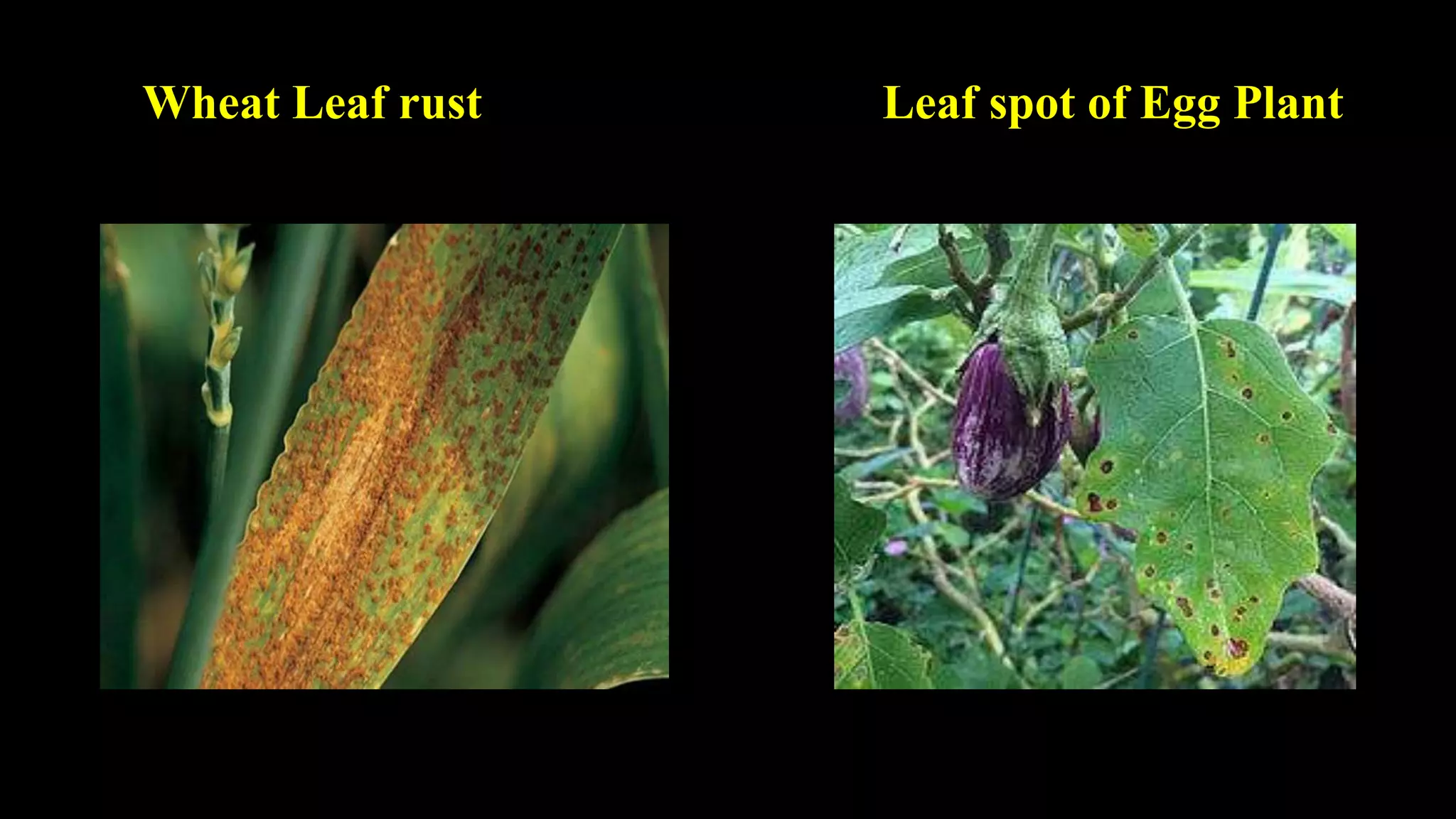
Wheat Leaf rust Leaf spot of Egg Plant
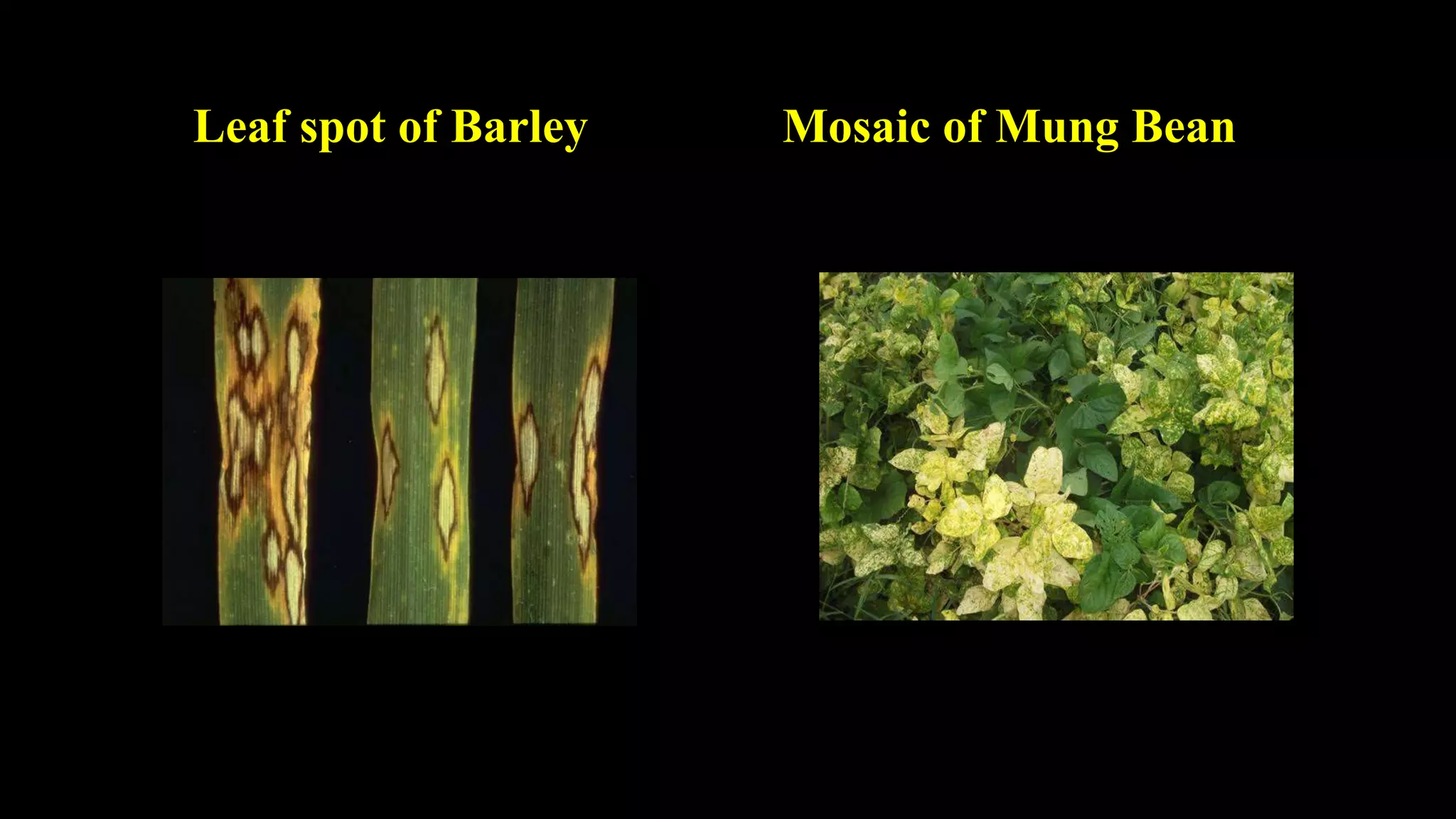
Leaf spot of Barley Mosaic of Mung Bean
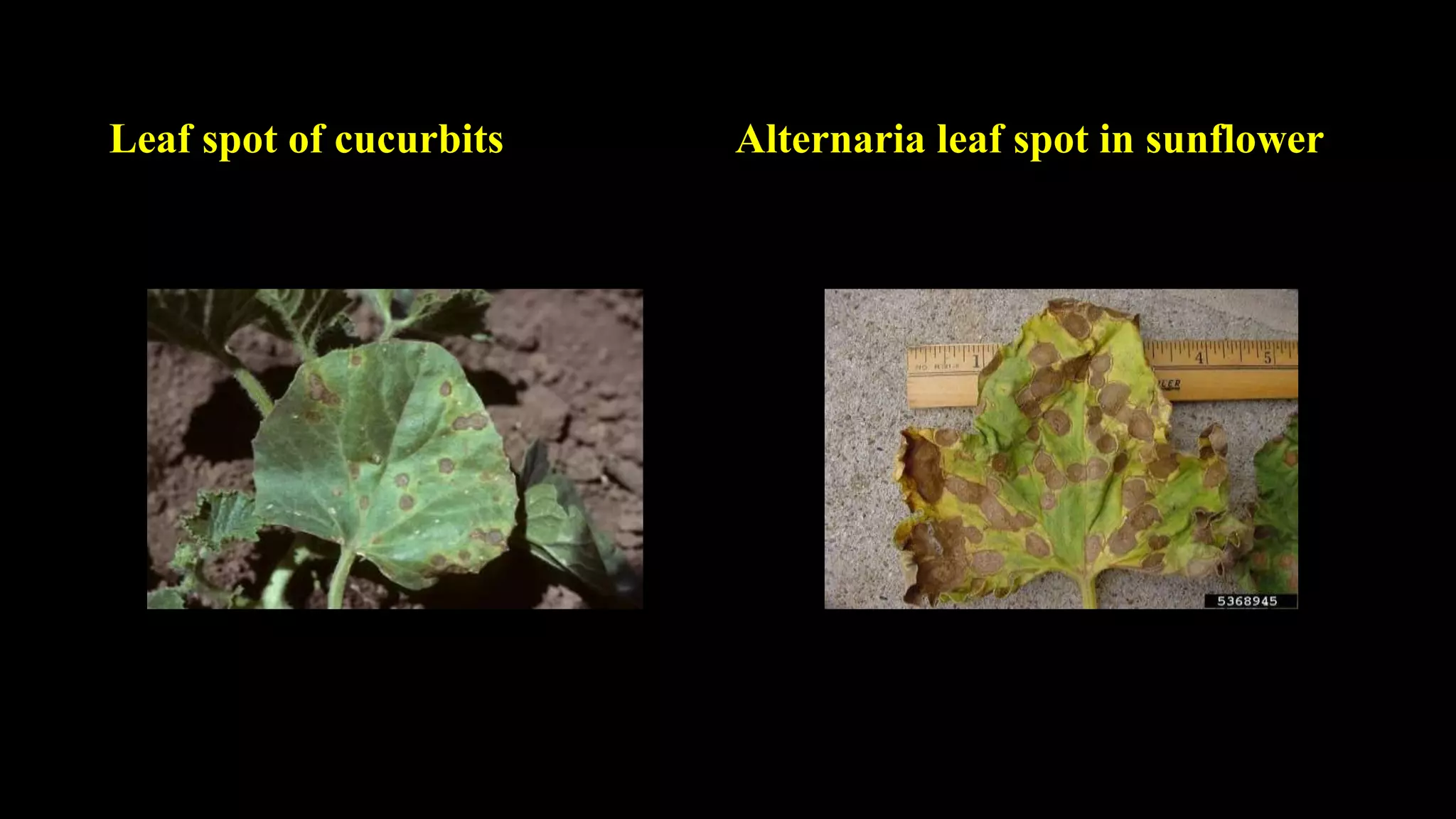
Leaf spot of cucurbits Alternaria leaf spot in sunflower
Respiration
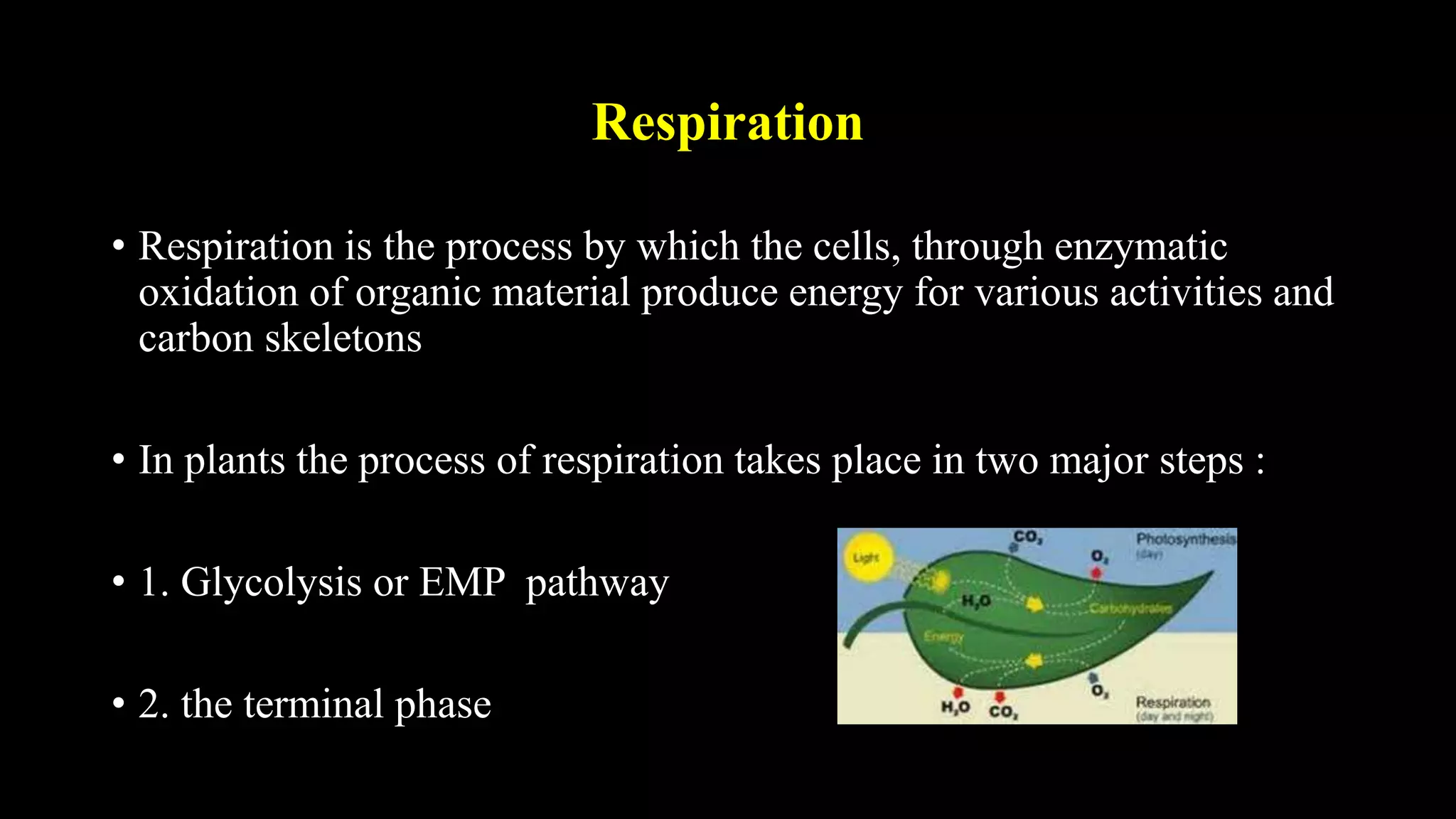
• Respiration is the process by which the cells, through enzymatic
oxidation of organic material produce energy for various activities and
carbon skeletons
• In plants the process of respiration takes place in two major steps :
• 1. Glycolysis or EMP pathway
• 2. the terminal phase
Respiration in Diseased Plant
• Infected plant shows increased respiration rate and slight rise in temprature.
• Affected tissue use up their reserve carbohydrates faster than the healthy
tissue.
• Increase in plant metabolism and protoplasmic streaming.
• Increased respiration has been noticed in cereal rusts, powdery mildews,
blast of rice, late blight of potato, and many other diseases.
• Diseased plants carry out more fermentation than healthy plants.
Effect of Bacteria
• Resistant tissue : Immediate increase in O2 consumption
• Susceptible tissue : Do not reflect an increase in respiration until about 30 hours after
inoculation
• Eg: Xanthomonas vesicatoria
Effect of viruses
• Non hypersensitive hosts : Slightly increase in respiration rate of inoculated leaves
• Hyper sensitive hosts : a much more considerable increase in respiration activity than the
systemic hosts
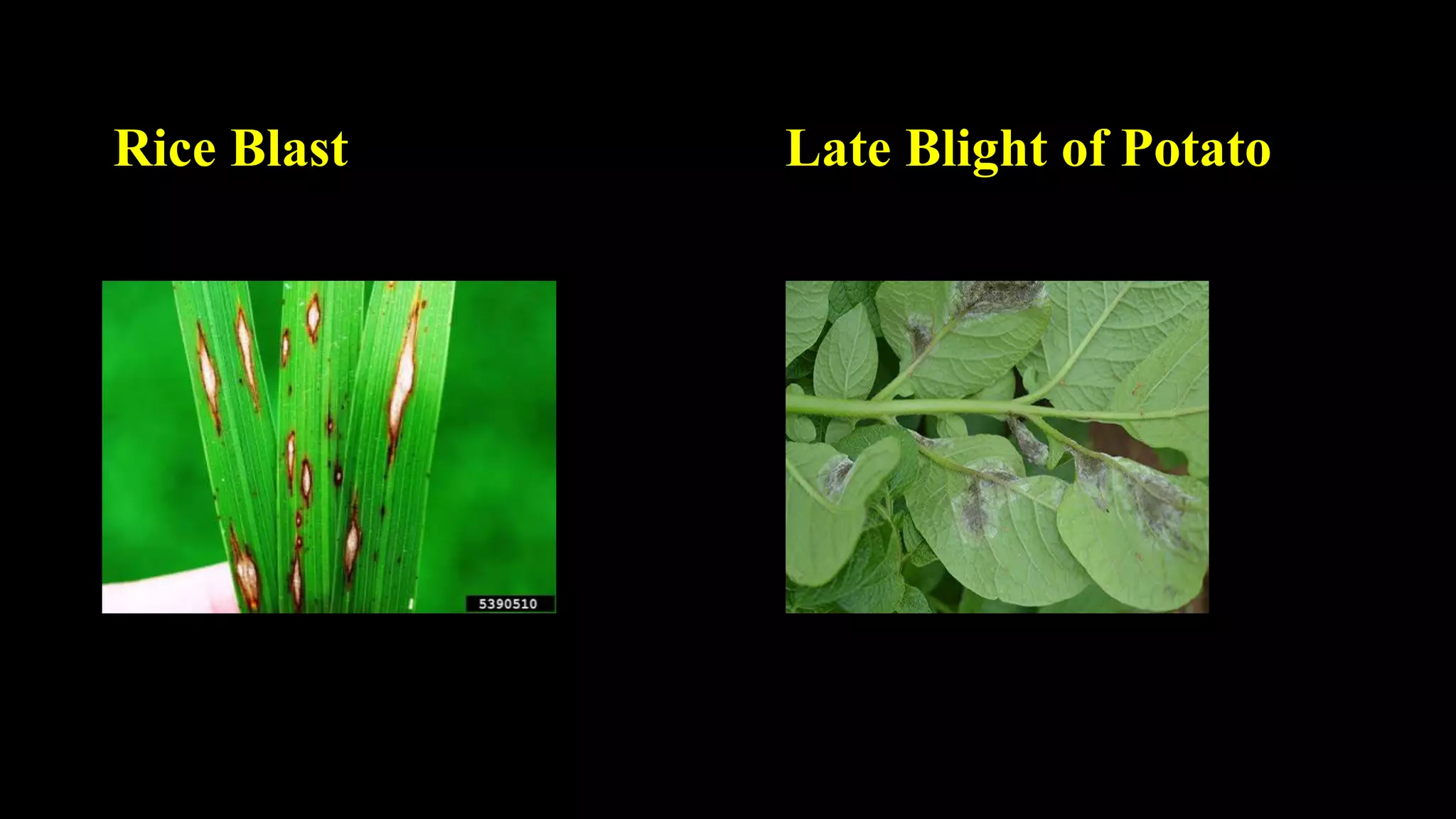
Rice Blast Late Blight of Potato
THANK YOU

Effect of pathogen on plant physiology

  • 1.
    COLLEGE OF AGRICULTURALTECHNOLOGY Affiliated to Tamil Nadu Agricultural University, Coimbatore Kullapuram,Via Vaigai dam, Theni-625 562 STUDENTS Ms. DHARSHINI S Mr. GOWTHAM M
  • 4.
    Influence of VirusInfection • Reduction of chloroplast numbers • Reduction in chlorophyll content • Chlroplast abnormolities • Stimulating CO2 incorporation at early stage of infection , but declined after infection for several days • Reduction in sucrose content
  • 5.
    Influence of BacterialInfection • Decrease the chloroplast stroma • Disorientation of chlroplasts • Destroy of chlroplast integrity • Suppression of CO2 fixation
  • 6.
    Effect of FungalInfection • Reduce chlroplast content • Inhibit photophosphorylation coupling mechanism • Inhibit electron transport • Suppress CO2 fixation
  • 7.
    Wheat Leaf rustLeaf spot of Egg Plant
  • 8.
    Leaf spot ofBarley Mosaic of Mung Bean
  • 9.
    Leaf spot ofcucurbits Alternaria leaf spot in sunflower
  • 10.
    Respiration • Respiration isthe process by which the cells, through enzymatic oxidation of organic material produce energy for various activities and carbon skeletons • In plants the process of respiration takes place in two major steps : • 1. Glycolysis or EMP pathway • 2. the terminal phase
  • 11.
    Respiration in DiseasedPlant • Infected plant shows increased respiration rate and slight rise in temprature. • Affected tissue use up their reserve carbohydrates faster than the healthy tissue. • Increase in plant metabolism and protoplasmic streaming. • Increased respiration has been noticed in cereal rusts, powdery mildews, blast of rice, late blight of potato, and many other diseases. • Diseased plants carry out more fermentation than healthy plants.
  • 12.
    Effect of Bacteria •Resistant tissue : Immediate increase in O2 consumption • Susceptible tissue : Do not reflect an increase in respiration until about 30 hours after inoculation • Eg: Xanthomonas vesicatoria Effect of viruses • Non hypersensitive hosts : Slightly increase in respiration rate of inoculated leaves • Hyper sensitive hosts : a much more considerable increase in respiration activity than the systemic hosts
  • 13.
    Rice Blast LateBlight of Potato
  • 14.