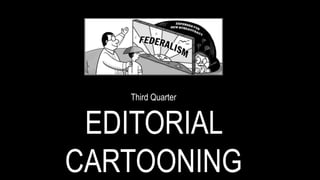
Third Quarter
EDITORIAL
CARTOONING
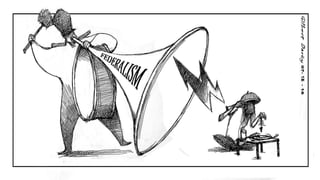
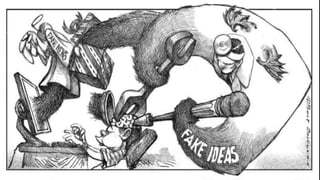
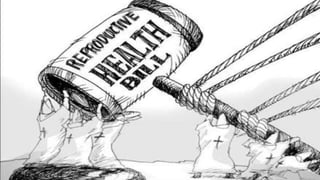
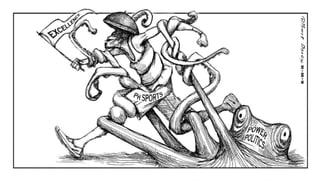
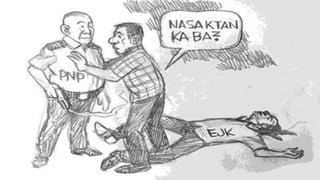
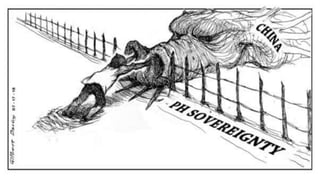
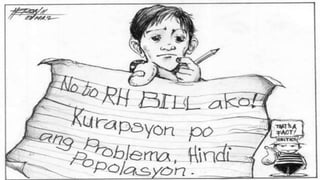
An Editorial Cartoon, also known as a political
cartoon, is an illustration containing a commentary
that usually relates to current events or
personalities. An artist who draws such images is
known as an editorial cartoonist.
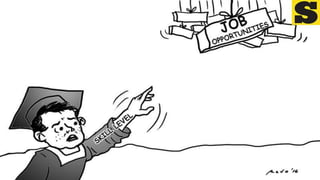
An Editorial Cartoon is a simple graphic
presentation of opinion. Although it is often
mildly mischievous or amusing, the
seriousness of its subject matter helps the
public form an opinion on far reaching topics.
Cartoonists never pose a solution, they only
point out the problem.
Purpose:
to make people think
CARTOONISTS WANT
THE READERS TO
UNDERSTAND
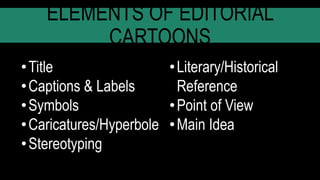
ELEMENTS OF EDITORIAL
CARTOONS
•Title
•Captions & Labels
•Symbols
•Caricatures/Hyperbole
•Stereotyping
•Literary/Historical
Reference
•Point of View
•Main Idea
•What is the purpose of a political cartoon?
•Where do political cartoons usually appear?
•What are some methods cartoonists use to make
their points?
1. Know the main issue
that you wish to draw a
cartoon.
STEPS IN MAKING EDITORIAL
CARTOONS
2. Illustrate through the aid
of effective symbols that fit
the general opinion of the
editorial staff on the issue.
STEPS IN MAKING EDITORIAL
CARTOONS
1. Use black ink pen or
pencil on white paper.
TIPS IN EDITORIAL CARTOONS
2. Employ single stroke or
line.
TIPS IN EDITORIAL CARTOONS
3. Shading can be
employed for emphasis.
TIPS IN EDITORIAL CARTOONS
4. Focus on one topic only.
TIPS IN EDITORIAL CARTOONS
5. Limit the use of words
and labels.
TIPS IN EDITORIAL CARTOONS
6. Use Universal or
common symbols.
TIPS IN EDITORIAL CARTOONS
7. Details in the drawing
are not necessary.
TIPS IN EDITORIAL CARTOONS
8. Simplicity of the drawing
is encouraged; simple but
the message is clear and
intact.
TIPS IN EDITORIAL CARTOONS
9. Draw clearly facial
expression and prominent
identity, especially when
drawing persons.
TIPS IN EDITORIAL CARTOONS
10. You may apply allusion
as background scene such
as superhero, gladiator,
event in in Calvary and
other common settings.
TIPS IN EDITORIAL CARTOONS
11. Present accurately the
issue.
TIPS IN EDITORIAL CARTOONS
12. Limit the things to be
drawn from three five only
to illustrate the idea.
TIPS IN EDITORIAL CARTOONS
SYMBOLLISM IN EDITORIAL CARTOONS
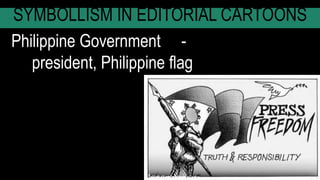
Philippine Government -
president, Philippine flag
SYMBOLLISM IN EDITORIAL CARTOONS
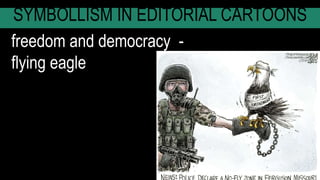
freedom and democracy -
flying eagle
SYMBOLLISM IN EDITORIAL CARTOONS
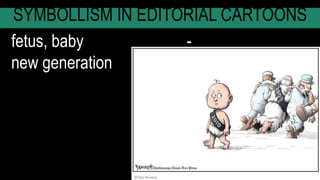
fetus, baby -
new generation
SYMBOLLISM IN EDITORIAL CARTOONS
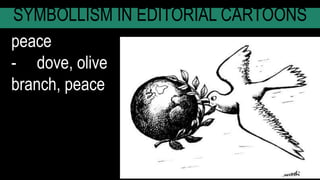
peace
- dove, olive
branch, peace
SYMBOLLISM IN EDITORIAL CARTOONS
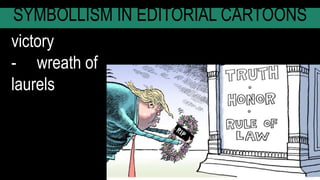
victory
- wreath of
laurels
SYMBOLLISM IN EDITORIAL CARTOONS
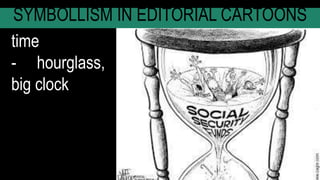
time
- hourglass,
big clock
SYMBOLLISM IN EDITORIAL CARTOONS
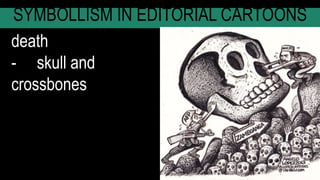
death
- skull and
crossbones
SYMBOLLISM IN EDITORIAL CARTOONS
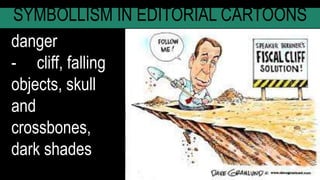
danger
- cliff, falling
objects, skull
and
crossbones,
dark shades
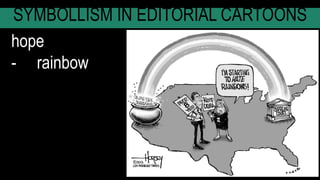
SYMBOLLISM IN EDITORIAL CARTOONS
hope
- rainbow
SYMBOLLISM IN EDITORIAL CARTOONS
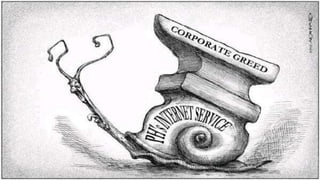
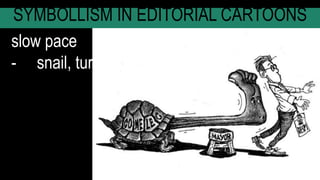
slow pace
- snail, turtle
SYMBOLLISM IN EDITORIAL CARTOONS
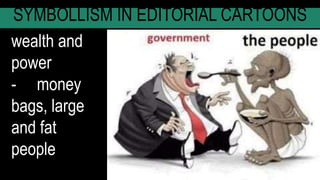
wealth and
power
- money
bags, large
and fat
people
SYMBOLLISM IN EDITORIAL CARTOONS
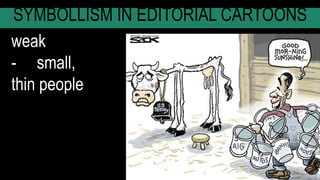
weak
- small,
thin people
SYMBOLLISM IN EDITORIAL CARTOONS
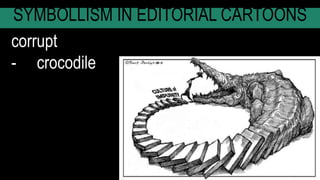
corrupt
- crocodile
SYMBOLLISM IN EDITORIAL CARTOONS
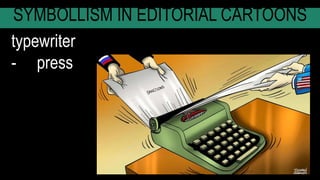
typewriter
- press
SYMBOLLISM IN EDITORIAL CARTOONS
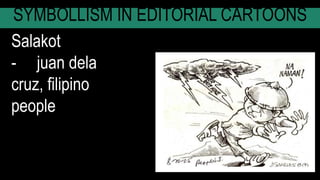
Salakot
- juan dela
cruz, filipino
people
SYMBOLLISM IN EDITORIAL CARTOONS
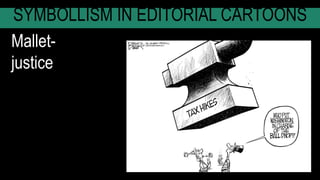
Mallet-
justice
SYMBOLLISM IN EDITORIAL CARTOONS
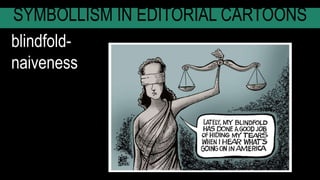
blindfold-
naiveness
SYMBOLLISM IN EDITORIAL CARTOONS
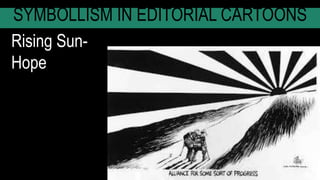
Rising Sun-
Hope
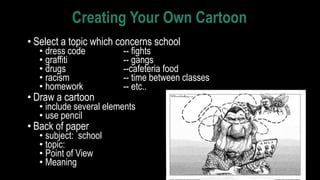
Creating Your Own Cartoon
• Select a topic which concerns school
• dress code -- fights
• graffiti -- gangs
• drugs --cafeteria food
• racism -- time between classes
• homework -- etc..
• Draw a cartoon
• include several elements
• use pencil
• Back of paper
• subject: school
• topic:
• Point of View
• Meaning

Editorial Cartooning