Dyslipidemia A Case Scenario
Roadmap An Introduction to Dyslipidemia & Metabolic Syndrome Guidelines for the management of Dyslipidemia& Metabolic Syndrome Case studies Case -1- The patient with Multiple Metabolic Risk Factors  Case -2 - Management of the Patient with Familial Hypercholesterolemia Case -3 - The Patient with Severe Hypertriglyceridemia Case – 4 - The patient with high risk of CAD  Case -5 - The patient with moderate risk of CAD Case - 6 – The Patient with very high risk of CAD Summary
Dyslipidemia & Metabolic Syndrome
Dyslipidemia Disorder  of  Lipid  &  Lipoprotein Metabolism A common form of Dyslipidemia is characterized  by three lipid abnormalities: Elevated triglycerides,  Elevated LDL and Reduced HDL cholesterol. Important  Modifiable  Risk  Factor  for  CAD
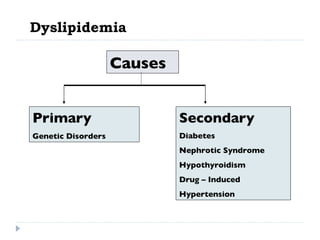
Dyslipidemia   Primary Genetic Disorders Secondary Diabetes Nephrotic Syndrome Hypothyroidism Drug – Induced Hypertension Causes
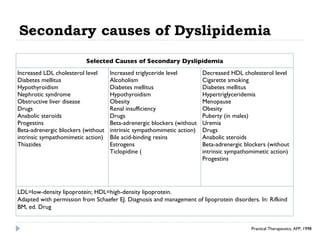
Secondary causes of Dyslipidemia Practical Therapeutics, AFP, 1998 Selected Causes of Secondary Dyslipidemia Increased LDL cholesterol level  Diabetes mellitus  Hypothyroidism  Nephrotic syndrome  Obstructive liver disease  Drugs  Anabolic steroids  Progestins  Beta-adrenergic blockers (without intrinsic sympathomimetic action)  Thiazides Increased triglyceride level  Alcoholism  Diabetes mellitus  Hypothyroidism  Obesity  Renal insufficiency  Drugs  Beta-adrenergic blockers (without intrinsic sympathomimetic action)  Bile acid­binding resins  Estrogens  Ticlopidine ( Decreased HDL cholesterol level  Cigarette smoking  Diabetes mellitus  Hypertriglyceridemia  Menopause  Obesity  Puberty (in males)  Uremia  Drugs  Anabolic steroids  Beta-adrenergic blockers (without intrinsic sympathomimetic action)  Progestins LDL=low-density lipoprotein; HDL=high-density lipoprotein. Adapted with permission from Schaefer EJ. Diagnosis and management of lipoprotein disorders. In: Rifkind BM, ed. Drug
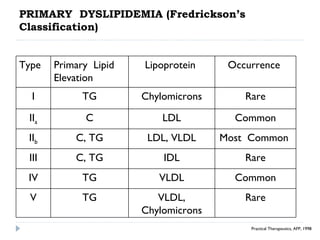
PRIMARY  DYSLIPIDEMIA (Fredrickson’s Classification) Practical Therapeutics, AFP, 1998 Type  Primary  Lipid Elevation Lipoprotein  Occurrence  I TG Chylomicrons Rare II a C LDL Common II b C, TG LDL, VLDL Most  Common  III C, TG IDL Rare IV TG VLDL Common V TG VLDL, Chylomicrons Rare
Coronary Heart Disease Risk Based on Risk Factors Other Than the LDL Level Practical Therapeutics, AFP, 1998 Positive risk factors Male >=45 years  Female >=55 years or postmenopausal without estrogen replacement therapy  Family history of premature coronary heart disease (definite myocardial infarction or sudden death before age 55 in father or other male first-degree relative or before age 65 in mother or other female first-degree relative)  Current cigarette smoking  Hypertension (blood pressure >=140/90 mm Hg or patient is receiving antihypertensive drug therapy)  HDL cholesterol level <35 mg per dL (<0.90 mmol per L)  Diabetes mellitus  Negative risk factor*  High HDL cholesterol level (>=60 mg per dL [>=1.60 mmol per L])  LDL=low-density lipoprotein; HDL=high-density lipoprotein. *--Subtract one positive risk factor if negative risk factor is present.
 
Metabolic Syndrome Introduction : Metabolic syndrome  is a combination of medical disorders that increase one's risk for cardiovascular and diabetes  It is known under various other names, such as  (Metabolic) syndrome X Insulin resistance syndrome Reaven’s syndrome
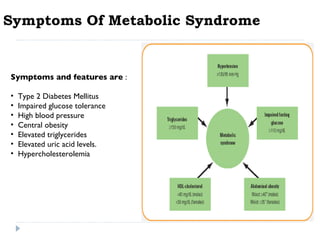
Symptoms Of Metabolic Syndrome Symptoms and features are  : Type 2 Diabetes Mellitus Impaired glucose tolerance High blood pressure  Central obesity Elevated triglycerides Elevated uric acid levels. Hypercholesterolemia
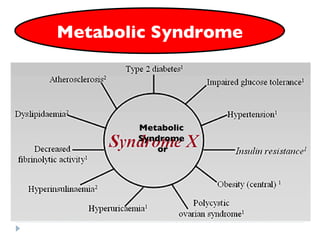
Metyabolic Syndrome Metabolic Syndrome or Metabolic Syndrome
Guidelines & Management
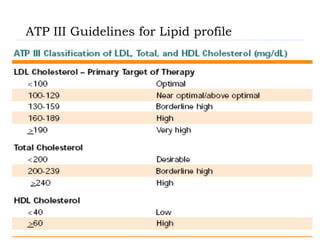
ATP III Guidelines for Lipid profile
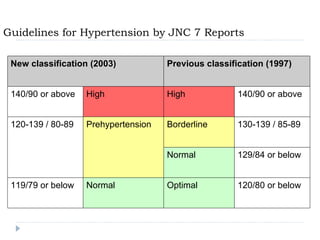
Guidelines for Hypertension by JNC 7 Reports New classification (2003) Previous classification (1997) 140/90 or above High High 140/90 or above 120-139 / 80-89 Prehypertension Borderline 130-139 / 85-89 Normal 129/84 or below 119/79 or below Normal Optimal 120/80 or below
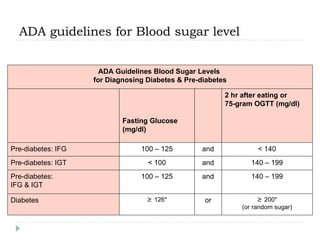
ADA guidelines for Blood sugar level ADA Guidelines Blood Sugar Levels  for Diagnosing Diabetes & Pre-diabetes Fasting Glucose  (mg/dl) 2 hr after eating or 75-gram OGTT (mg/dl) Pre-diabetes: IFG 100 – 125 and < 140 Pre-diabetes: IGT < 100 and 140 – 199 Pre-diabetes:  IFG & IGT 100 – 125 and 140 – 199 Diabetes ≥  126* or ≥  200* (or random sugar)
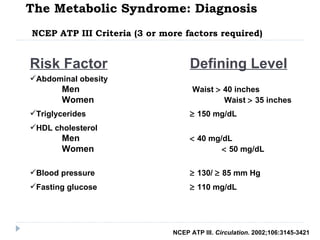
The Metabolic Syndrome: Diagnosis     NCEP ATP III Criteria (3 or more factors required) Risk Factor Defining Level Abdominal obesity  Men   Waist    40 inches Women   Waist    35 inches Triglycerides   150 mg/dL HDL cholesterol Men   40 mg/dL Women     50 mg/dL Blood pressure   130/    85 mm Hg Fasting glucose   110 mg/dL NCEP ATP III.  Circulation.  2002;106:3145-3421
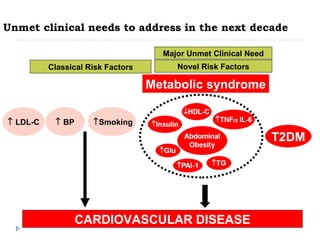
Unmet clinical needs to address in the next decade CARDIOVASCULAR DISEASE Classical Risk Factors Novel Risk Factors Major Unmet Clinical Need Metabolic syndrome T2DM  Smoking    LDL-C    BP
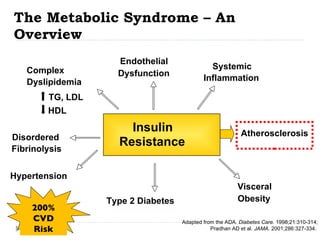
The Metabolic Syndrome – An Overview Insulin Resistance Hypertension Type 2 Diabetes Disordered Fibrinolysis Complex Dyslipidemia TG, LDL HDL Endothelial Dysfunction Systemic Inflammation Atherosclerosis Visceral Obesity Adapted from the ADA.  Diabetes Care.  1998;21:310-314; Pradhan AD et al.  JAMA.  2001;286:327-334.  200% CVD Risk
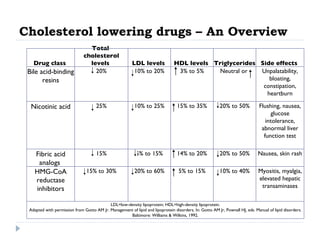
Cholesterol lowering drugs – An Overview Drug class  Total  cholesterol levels  LDL levels  HDL levels  Triglycerides  Side effects  Bile acid­binding resins 20% 10% to 20% 3% to 5% Neutral or  Unpalatability, bloating, constipation, heartburn Nicotinic acid 25% 10% to 25% 15% to 35% 20% to 50% Flushing, nausea, glucose intolerance, abnormal liver function test Fibric acid analogs  15% 5% to 15% 14% to 20% 20% to 50% Nausea, skin rash HMG-CoA reductase inhibitors 15% to 30% 20% to 60% 5% to 15% 10% to 40% Myositis, myalgia, elevated hepatic transaminases LDL=low-density lipoprotein; HDL=high-density lipoprotein. Adapted with permission from Gotto AM Jr. Management of lipid and lipoprotein disorders. In: Gotto AM Jr, Pownall HJ, eds. Manual of lipid disorders. Baltimore: Williams & Wilkins, 1992.
Case Presentations
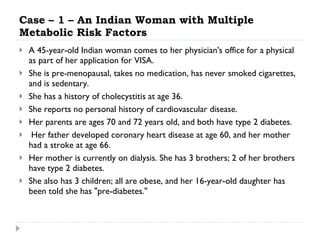
Case – 1 – An Indian Woman with Multiple Metabolic Risk Factors  A 45-year-old Indian woman comes to her physician's office for a physical as part of her application for VISA. She is pre-menopausal, takes no medication, has never smoked cigarettes, and is sedentary.  She has a history of cholecystitis at age 36.  She reports no personal history of cardiovascular disease.  Her parents are ages 70 and 72 years old, and both have type 2 diabetes. Her father developed coronary heart disease at age 60, and her mother had a stroke at age 66.  Her mother is currently on dialysis. She has 3 brothers; 2 of her brothers have type 2 diabetes.  She also has 3 children; all are obese, and her 16-year-old daughter has been told she has &quot;pre-diabetes.&quot;
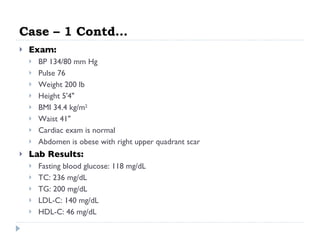
Case – 1 Contd… Exam:   BP 134/80 mm Hg  Pulse 76  Weight 200 lb  Height 5'4&quot;  BMI 34.4 kg/m 2   Waist 41&quot;  Cardiac exam is normal  Abdomen is obese with right upper quadrant scar  Lab Results:   Fasting blood glucose: 118 mg/dL  TC: 236 mg/dL  TG: 200 mg/dL  LDL-C: 140 mg/dL  HDL-C: 46 mg/dL
Case – 1 Contd… Q1. How many NCEP major risk factors does this patient have?  0 1 2 3 or more
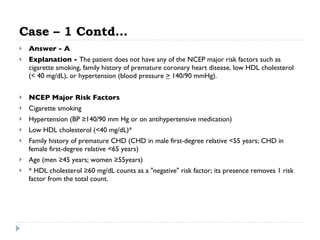
Case – 1 Contd… Answer - A Explanation -  The patient does not have any of the NCEP major risk factors such as cigarette smoking, family history of premature coronary heart disease, low HDL cholesterol (< 40 mg/dL), or hypertension (blood pressure  >  140/90 mmHg).  NCEP Major Risk Factors   Cigarette smoking  Hypertension (BP ≥140/90 mm Hg or on antihypertensive medication)  Low HDL cholesterol (<40 mg/dL)*  Family history of premature CHD (CHD in male first-degree relative <55 years; CHD in female first-degree relative <65 years)  Age (men ≥45 years; women ≥55years)  * HDL cholesterol ≥60 mg/dL counts as a &quot;negative&quot; risk factor; its presence removes 1 risk factor from the total count.
Case – 1 Contd… Q2. What is the patient's 10-year Framingham Global Risk for major coronary heart disease (CHD)?   A.  It cannot be calculated  B.  <10%  C.  10-20%  D.  >20%
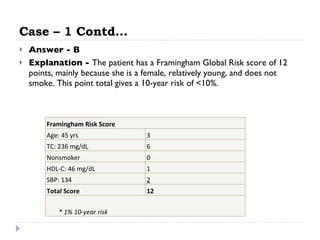
Case – 1 Contd… Answer - B Explanation -  The patient has a Framingham Global Risk score of 12 points, mainly because she is a female, relatively young, and does not smoke. This point total gives a 10-year risk of <10%.  Framingham Risk Score Age: 45 yrs 3  TC: 236 mg/dL 6  Nonsmoker 0  HDL-C: 46 mg/dL 1  SBP: 134 2   Total Score 12   * 1% 10-year risk
Case – 1 Contd… Q3. Does the patient have metabolic syndrome?   A.  Yes  B.  No
Case – 1 Contd… Answer - B Explanation -  The NCEP requires 3 or more metabolic syndrome components to make the definition of the metabolic syndrome.
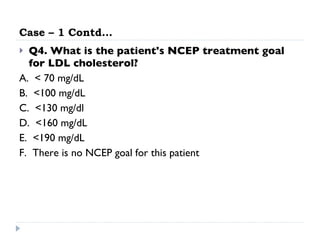
Case – 1 Contd… Q4. What is the patient's NCEP treatment goal for LDL cholesterol? A.  < 70 mg/dL  B.  <100 mg/dL  C.  <130 mg/dl  D.  <160 mg/dL  E.  <190 mg/dL  F.  There is no NCEP goal for this patient
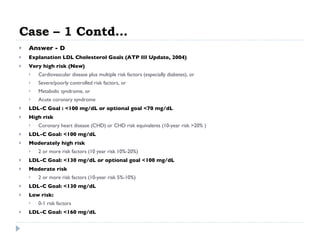
Case – 1 Contd… Answer - D Explanation LDL Cholesterol Goals (ATP III Update, 2004)   Very high risk (New)  Cardiovascular disease plus multiple risk factors (especially diabetes), or  Severe/poorly controlled risk factors, or  Metabolic syndrome, or  Acute coronary syndrome  LDL-C   Goal : <100 mg/dL or optional goal <70 mg/dL   High risk   Coronary heart disease (CHD) or CHD risk equivalents (10-year risk >20% )  LDL-C   Goal: <100 mg/dL   Moderately high risk   2 or more risk factors (10 year risk 10%-20%)  LDL-C   Goal: <130 mg/dL or optional goal <100 mg/dL   Moderate risk   2 or more risk factors (10-year risk 5%-10%)  LDL-C   Goal: <130 mg/dL   Low risk:  0-1 risk factors  LDL-C   Goal: <160 mg/dL
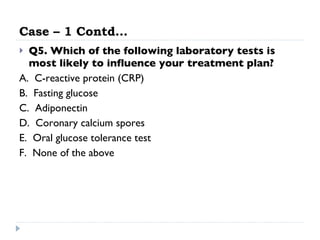
Case – 1 Contd… Q5. Which of the following laboratory tests is most likely to influence your treatment plan?   A.  C-reactive protein (CRP)  B.  Fasting glucose  C.  Adiponectin  D.  Coronary calcium spores  E.  Oral glucose tolerance test F.  None of the above
Case – 1 Contd… Answer - E Explanation -  An oral glucose tolerance test might be useful because of the patient’s strong family history of diabetes, and she has all 5 components of the metabolic syndrome.  Thus, it is very likely that this patient might have diabetes if an oral glucose tolerance test shows a 2-hour level >200 mg/dL. If the family has diabetes, early treatment of diabetes would be initiated.  Furthermore, the blood pressure and LDL cholesterol treatment goals would be lowered thereby increasing the probability that the patient would receive therapy for these conditions as well as low dose aspirin and possibly an ACE (angiotensin-converting enzyme) inhibitor or an ARB (angiotensin receptor blocker).  If the 2-hour glucose result is 144–199 mg/dL, then the patient has impaired glucose tolerance.
Case – 1 Contd… Q6. The physician decided not to do any additional testing at this time. What further intervention should be done at this step?   A.  No further interventions  B.  Lipid therapy with a statin  C.  Blood pressure therapy  D.  Intensive lifestyle  E.  The use of a TZD to treat the metabolic syndrome
Case – 1 Contd… Explanation Lifestyle intervention (weight loss and increased physical activity) may decrease fasting glucose, triglyceride levels, non-HDL cholesterol and increased HDL cholesterol, and thus may be a reasonable next step Lifestyle Therapy   The patient was encouraged to walk an additional 30 minutes, 5 times a week and referred to Weight Watchers. She was told to come back 2 months later with laboratory work consisting of lipids and a fasting glucose
Case – 1 Contd… The patient returns and is excited about having lost 8 lbs. Her waist circumference has decreased from 41&quot; to 40&quot;. Her blood pressure is now 130/80 mm Hg. Her blood test results are:  Fasting blood glucose: 110 mg/dL  TC: 220 mg/dL  HDL-C: 48 mg/dL  LDL-C: 140 mg/dL  TG: 160 mg/dL
Case – 1 Contd… Q7. What should the physician do now? A.  Continue behavioral therapy  B.  Prescribe statins  C.  Prescribe ACE inhibitors  D.  Use a pharmacological agent for weight loss in addition to intensive behavioral management  E.  A and B  F.  A and C
Case – 1 Contd… Answer - E Explanation - Given that the LDL cholesterol did not improve with reasonably successful lifestyle intervention, the physician could make a case for giving a statin (the triglyceride levels did decrease markedly suggesting that the non-HDL cholesterol and APO-B level improved).  This might be a reasonable subject to do an APO-B. On the other hand, the patient is having a good response to lifestyle intervention.  Note that there was little change in HDL cholesterol levels and although the weight dropped markedly, the waist circumference did not cross the threshold of 35”.  Therefore, the patient still has all 5 metabolic syndrome components. This is one of the problems of using a syndrome with dichotomous endpoints which are insensitive to modest changes.
Case – 1 Contd… The patient declined the use of a statin at this time. Considering the patient's preferences, the physician decided to continue behavioral therapy. The patient was told to return in 2 months with a fasting glucose and lipid profile.
Case – 1 Contd… The patient returns 2 months later and has lost an additional 4 lbs, but her waist circumference remains at 40&quot;. Her blood pressure is 130/80 mm Hg. She is now discouraged about further reducing her weight and would prefer to focus on weight maintenance for a couple of months.  Lab results  Fasting blood glucose: 110 mg/dL  TC: 214 mg/dL  LDL-C: 136 mg/dL  HDL-C: 48 mg/dL  Non-HDL-C: 166 mg/dL  TG: 150 mg/dL  Her physician agrees that she has probably reached her limit for behavioral therapy. He now decides to order an oral glucose tolerance test and CRP level.  Oral glucose tolerance test results:   Fasting blood glucose: 112 mg/dL  2-hour glucose: 180 mg/dL  Diagnosis:  Impaired fasting glucose and impaired glucose tolerance
Case – 1 Contd… Q8. What should the physician do now?  A.  Continue behavioral therapy  B.  Prescribe statin  C.  Give TZD  D.  Prescribe a weight loss drug  E.  Prescribe an ACE inhibitor for hypertension and diabetes prevention  F.  A and B
Case – 1 Contd… Answer - E Explanation  - This is clearly a difficult question. The choice of pharmacological therapy is controversial. It is clear that behavioral therapy should be continued. Given that the patient is probably on now maximum behavioral therapy currently, it is prudent to give statins that would lower the LDL cholesterol by at least 30–40 %. The rationale for using a statin is that the patient is at long-term risk for cardiovascular disease because she has all 5 components of the metabolic syndrome and both impaired fasting glucose and impaired glucose tolerance. Even though her short-term global risk is still modest, she has a very high risk for developing diabetes in the near future.
Case – 1 Conclusion Follow-up Conclusion  Continue behavioral therapy  Continue statin  The key unanswered issue is whether pharmacologic therapy should also be initiated at this time to improve glucose metabolism. This decision must consider the risks as well as the benefits. The use of metformin, while less effective for the prevention of diabetes, may be a prudent decision. Metformin is recommended for individuals with impaired fasting glucose and impaired glucose tolerance and certain factors*.  Ongoing trials with weight loss therapy will also provide additional information.  * Factors include any of the following: <60 years of age; BMI ≥35 kg/m2; family history of diabetes in first-degree relatives; elevated triglycerides; reduced HDL cholesterol; hypertension; HbA1C>6.0%.
Case – 2 - Management of the Patient with Familial Hypercholesterolemia A 38-year-old working female presents for evaluation of very elevated cholesterol noted for several years by her gynecologist.  She exercises regularly, follows a low-fat diet, and doesn't smoke.  She takes no medications.  She has 2 children (ages 8 and 10) and her husband had a vasectomy.  Her family history is remarkable for mother (aged 62) who has high cholesterol (>300 mg/dL) and is being treated with a statin.  Her initial exam shows BP 120/70, weight 148 lbs., height 5'7&quot;, BMI 23.2. No carotid bruits. Heart exam is normal without murmur, normal pulses, tendon xanthomas on 2nd MCP joints bilaterally.  Lab results (6 months ago) showed TC 395 mg/dL, TG 70 mg/dL, HDL-C 50 mg/dL, LDL-C 331 mg/dL.
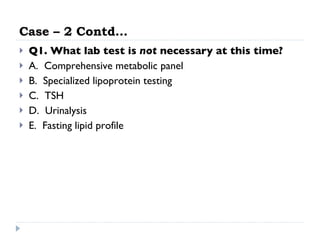
Case – 2 Contd… Q1. What lab test is  not  necessary at this time?   A.  Comprehensive metabolic panel  B.  Specialized lipoprotein testing  C.  TSH  D.  Urinalysis  E.  Fasting lipid profile
Case – 2 Contd… Answer - B Explanation -  Specialized lipoprotein testing involves the use of techniques that measure the subgroups of lipoproteins, the size of the lipoproteins, and the number of particles. These measurements may be helpful in refining the clinical decision of when and how to combine lipid-altering drug treatment but is not necessary at this stage to decide on initiating LDL-C reducing medications such as statins.
Case – 2 Contd… Lab test results:  TC - 383 mg/DL  TG - 65 mg/dL  HDL-C - 49 mg/dL  LDL-C - 321 mg/dL  Glucose - 88 mg/dL  ALT/AST - normal  TSH - normal  UA - no protein  As suggested by her lipid panel 6 months earlier, the current lipid panel confirms that she has severe hypercholesterolemia. The HDL-C is also not optimal for a premenopausal woman. The normal TSH and absence of significant proteinuria can rule out secondary causes of hypercholesterolemia.
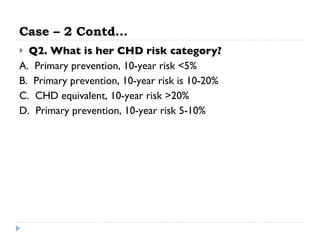
Case – 2 Contd… Q2. What is her CHD risk category?   A.  Primary prevention, 10-year risk <5%  B.  Primary prevention, 10-year risk is 10-20%  C.  CHD equivalent, 10-year risk >20%  D.  Primary prevention, 10-year risk 5-10%
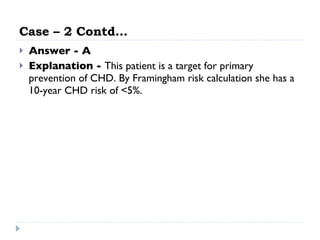
Case – 2 Contd… Answer - A Explanation -  This patient is a target for primary prevention of CHD. By Framingham risk calculation she has a 10-year CHD risk of <5%.
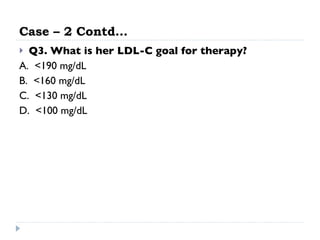
Case – 2 Contd… Q3. What is her LDL-C goal for therapy? A.  <190 mg/dL  B.  <160 mg/dL  C.  <130 mg/dL  D.  <100 mg/dL
Case – 2 Contd… Answer - B Explanation - The NCEP Adult Treatment Panel III recommends therapeutic lifestyle change (TLC) and drug treatment for severe hypercholesterolemia of genetic etiology (LDL-C >190 mg/dl) to reduce the lifetime risk of CHD. The LDL-C goal is <160 mg/dl.
Case – 2 Contd… Q3. What other diagnostic tests might you do for risk assessment? A.  hs-CRP  B.  Stress testing  C.  Ultrafast CT scan for coronary calcium D.  Echocardiogram
Case – 2 Contd… Answer - A Explanation -  There is considerable observational data in healthy women that higher levels of high sensitivity C-reactive protein are independently predictive of future cardiovascular events.  According to the AHA/ACC/NHLBI statement on the use of inflammatory markers, a CRP >3 mg/L is considered high and may be used in moderate-risk primary prevention patients as an additional factor for consideration of treatments to reduce risk.
Case – 2 Contd… Q4. What treatment would you advise? A.  Therapeutic lifestyle changes (TLC) alone  B.  TLC and ezetimibe  C.  TLC and bile acid resin  D.  TLC and atorvastatin 10 mg  E.  TLC, atorvastatin 40 mg, and ezetimibe  F.  TLC, rosuvastatin 20 mg, and ezetimibe
Case – 2 Contd… Answer - F Explanation - The simultaneous use of therapeutic lifestyle change, rosuvastatin 20 mg, and ezetimibe 10 mg is reasonable since this therapy can reduce LDL-C nearly 60%.  Statins should be used with caution in women of childbearing potential, preferably with contraception, or as in this case, a husband with vasectomy.
Case – 2 Contd… After 8 weeks on rosuvastatin 20 mg and ezetimibe 10 mg, she is tolerating the regimen well. Her labs show: • TC 217 mg/dL • TG 75 mg/dL • HDL-C 52 mg/dL • LDL-C 140 mg/dL This combination has reduced her LDL-C 57%, which achieves the desired goal of <160 mg/dl. Hepatic transaminases remain normal and should be followed periodically. She should be counseled to continue healthy lifestyle habits and long term adherence to the medications
Case – 2 Contd… Q5. What other advice would you recommend?   A.  Add extended release niacin  B.  Consider LDL apheresis  C.  Lipid screening on the patient's two children  D.  Add vitamin E 400-800 units/day
Case – 2 Contd… Answer - C Explanation -  This patient has an autosomal dominant disorder of hypercholesterolemia and has a 50% chance of passing the defect to her children.  Both of her children should be screened since a LDL-C greater than the 90th percentile for their age would confirm the inheritance.  Although drug therapy would not be recommended at their age, knowing that they have heterozygous FH would prepare them for long term follow-up as they achieve adulthood. Please proceed to the next step.
Case – 2 Conclusion In this case, selecting the simultaneous use of therapeutic lifestyle change, atorvastatin 40 mg  or  rosuvastatin 20 mg, and Ezetimibe 10 mg would have been an acceptable solution because both options can reduce LDL-C by nearly 60%.
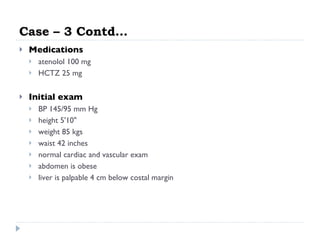
Case – 3 - The Patient with Severe Hypertriglyceridemia 50-year-old man presents to his physician with a diffuse maculopapular rash on his abdomen.  He has a history of hypertension and increased cholesterol and triglycerides, and family history of diabetes and heart disease. He has gained 5kgs in the past year and admits to not being careful with his diet and drinking more alcohol.
Case – 3 Contd… Medications atenolol 100 mg  HCTZ 25 mg  Initial exam BP 145/95 mm Hg  height 5'10&quot;  weight 85 kgs waist 42 inches  normal cardiac and vascular exam  abdomen is obese  liver is palpable 4 cm below costal margin
Case – 3 Contd… Q1. What lab studies would you order on this patient?   A.  Fasting lipid panel  B.  Liver function test  C.  Fasting glucose D.  Lipoprotein particle size  E.  Answers A, B, and C
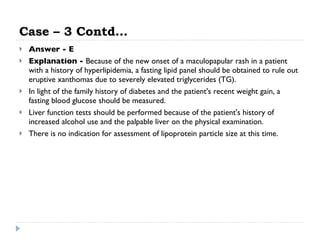
Case – 3 Contd… Answer - E Explanation -  Because of the new onset of a maculopapular rash in a patient with a history of hyperlipidemia, a fasting lipid panel should be obtained to rule out eruptive xanthomas due to severely elevated triglycerides (TG).  In light of the family history of diabetes and the patient's recent weight gain, a fasting blood glucose should be measured.  Liver function tests should be performed because of the patient's history of increased alcohol use and the palpable liver on the physical examination.  There is no indication for assessment of lipoprotein particle size at this time.
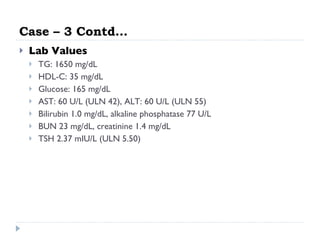
Case – 3 Contd… Lab Values  TG: 1650 mg/dL  HDL-C: 35 mg/dL  Glucose: 165 mg/dL  AST: 60 U/L (ULN 42), ALT: 60 U/L (ULN 55)  Bilirubin 1.0 mg/dL, alkaline phosphatase 77 U/L  BUN 23 mg/dL, creatinine 1.4 mg/dL  TSH 2.37 mIU/L (ULN 5.50)
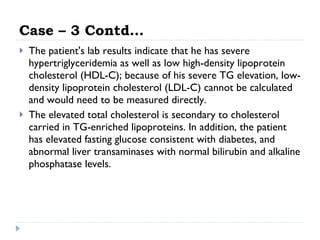
Case – 3 Contd… The patient's lab results indicate that he has severe hypertriglyceridemia as well as low high-density lipoprotein cholesterol (HDL-C); because of his severe TG elevation, low-density lipoprotein cholesterol (LDL-C) cannot be calculated and would need to be measured directly.  The elevated total cholesterol is secondary to cholesterol carried in TG-enriched lipoproteins. In addition, the patient has elevated fasting glucose consistent with diabetes, and abnormal liver transaminases with normal bilirubin and alkaline phosphatase levels.
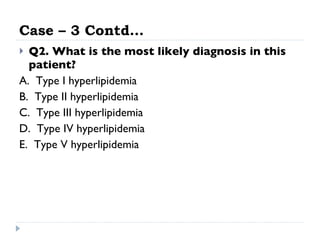
Case – 3 Contd… Q2. What is the most likely diagnosis in this patient?   A.  Type I hyperlipidemia  B.  Type II hyperlipidemia  C.  Type III hyperlipidemia  D.  Type IV hyperlipidemia  E.  Type V hyperlipidemia
Case – 3 Contd… Answer- E Explanation - When TG level is well over 1,000 mg/dL, chylomicrons are present.  Type V hyperlipidemia, which is characterized by combined elevations in chylomicrons and very low density lipoproteins (VLDL), is a likely cause for the presentation of a middle-aged male with a history of elevated TG and elevated cholesterol, new-onset diabetes, and history of alcohol use.  Fredrickson phenotypes may be used to classify dyslipidemias on the basis of which lipoproteins are elevated.  The Fredrickson classification system is not etiologic, does not distinguish between primary and secondary hyperlipidemias, and does not include HDL.
Case – 3 Contd… Q3. Which of the following may be an important secondary cause of his hyperlipidemia? A.  Alcohol intake  B.  Diabetes  C.  Beta-blocker  D.  Diuretic  E.  All of the above
Case – 3 Contd… Answer – E Explanation - All of the factors listed may be secondary causes of hypertriglyceridemia.  The approach to the patient with elevated TG should include evaluation of secondary causes of hypertriglyceridemia.  In the history, attention should be given to alcohol intake, medication use, signs and symptoms of diabetes such as polyuria and polydipsia, weight gain, and dietary habits.  Laboratory tests should include glucose, HgA1C, BUN/creatinine, urinalysis, thyroid-stimulating hormone (TSH), alanine aminotransferase (ALT), and aspartate aminotransferase (AST).
Case – 3 Contd… Q4. What is the initial aim of therapy for this patient? A.  TG reduction  B.  Increase HDL-C  C.  Lower non-HDL-C  D.  Lower LDL-C  E.  Change LDL particle size
Case – 3 Contd… Answer - A Explanation -  In the U.S. National Cholesterol Education Program Adult Treatment Panel III (ATP III) guidelines, the initial aim of therapy in patients with very high TG levels (500 mg/dL or higher) is to reduce TG, to prevent pancreatitis. The ATP III guidelines define normal TG levels as <150 mg/dL. The patient in this case has very high TG as categorized by the ATP III guidelines and is at risk for pancreatitis.
Case – 3 Contd… Q5. Which of the following diets would you recommend for this patient? A.  High-carbohydrate, low-fat diet  B.  Atkins diet with very low carbohydrate  C.  Avoid all meat  D.  Avoid simple carbohydrates, reduce total fat to <30% and saturated fat to <7%, stop or limit alcohol
Case – 3 Contd… Answer – D Explanation - The focus in this patient should be on reducing both carbohydrates and fats, particularly saturated fats. In some cases, patients may benefit from restricting fat well below 30%.
Case – 3 Contd… Q6. Which of the following would you recommend to treat this patient's blood pressure? A.  Increase beta-blocker dose  B.  Change to calcium-channel blocker/angiotensin-converting enzyme inhibitor combination  C.  Increase diuretic dose  D.  Maintain current therapy  E.  Add alpha-blocker
Case – 3 Contd… Answer - B Explanation -  The combination of calcium-channel blocker and angiotensin-converting enzyme inhibitor is lipid neutral and was shown in the Anglo-Scandinavian Cardiac Outcomes Trial (ASCOT) to be superior to the combination of beta-blocker and hydrochlorothiazide for glucose and lipid metabolism
Case – 3 Contd… Q7. Which agent would not be effective for reducing his TG? A.  Statin  B.  Fibrate  C.  Niacin  D.  Resin  E.  Omega-3 fatty acids
Case – 3 Contd… Answer - D Explanation -  A resin would not be expected to reduce TG level; resins may increase or have no effect on TG level.
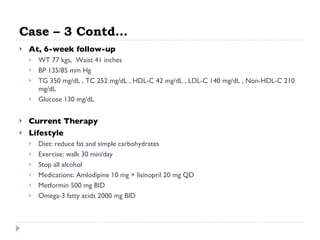
Case – 3 Contd… Treatment Plan -  The patient was instructed to stop all alcohol, scheduled for a dietary consult for a diet with a reduction in fat and simple carbohydrates, and instructed to begin walking 30 minutes daily  Medications  Antihypertensive regimen was changed to amlodipine 10 mg plus lisinopril 20 mg once daily  Metformin 500 mg BID was initiated  Prescription omega-3 fatty acids, 1000 mg, 2 po BID was initiated  At 2 weeks, TG was reduced to 580 mg/dL  At  6 weeks , patient reports he is walking 30 minutes 5 times weekly  Weight 78 kgs,  Waist 41 inches  BP 135/85 mm Hg  Glucose 130 mg/dL  Total cholesterol 252 mg/dL , TG 350 mg/dL, HDL-C 42 mg/dL , LDL-C 140 mg/dL , Non-HDL-C 210 mg/dL
Case – 3 Contd… Q8. Which of the following therapies may increase LDL-C levels in patients with very high TG levels? A.  Fenofibrate  B.  Omega-3 fatty acids  C.  Both fenofibrate and omega-3 fatty acids  D.  Statins  E.  Bile acid–binding resins
Case – 3 Contd… Answer – C Explanation -  In patients with hypertriglyceridemia, both fenofibrate and omega-3 fatty acids reduce TG but may also increase LDL-C level.
Case – 3 Contd… Q9. What is the goal of therapy recommended by the ATP III guidelines for this patient? A.  TG <150 mg/dL  B.  LDL-C <100 mg/dL  C.  Non-HDL-C <160 mg/dL  D.  HDL-C >50 mg/dL  E.  All of the above
Case – 3 Contd… Answer – B Explanation -  In the ATP III guidelines, the primary target of therapy in patients with TG <500 mg/dL is LDL-C. Because this patient has diabetes, a coronary heart disease (CHD) risk equivalent, his LDL-C goal is <100 mg/dL.  However, it should be noted that the American Diabetes Association guidelines include TG and HDL-C as treatment targets.
Case – 3 Contd… At, 6-week follow-up WT 77 kgs,  Waist 41 inches  BP 135/85 mm Hg  TG 350 mg/dL , TC 252 mg/dL , HDL-C 42 mg/dL , LDL-C 140 mg/dL , Non-HDL-C 210 mg/dL  Glucose 130 mg/dL  Current Therapy Lifestyle  Diet: reduce fat and simple carbohydrates  Exercise: walk 30 min/day  Stop all alcohol  Medications: Amlodipine 10 mg + lisinopril 20 mg QD  Metformin 500 mg BID  Omega-3 fatty acids 2000 mg BID
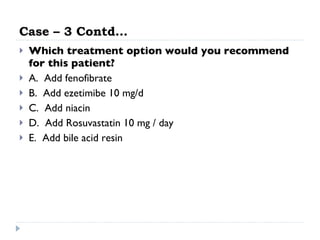
Case – 3 Contd… Which treatment option would you recommend for this patient? A.  Add fenofibrate  B.  Add ezetimibe 10 mg/d  C.  Add niacin  D.  Add Rosuvastatin 10 mg / day E.  Add bile acid resin
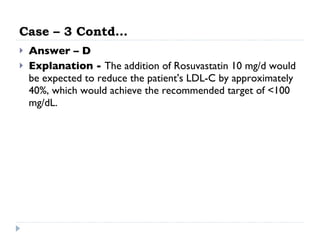
Case – 3 Contd… Answer – D Explanation -  The addition of Rosuvastatin 10 mg/d would be expected to reduce the patient's LDL-C by approximately 40%, which would achieve the recommended target of <100 mg/dL.
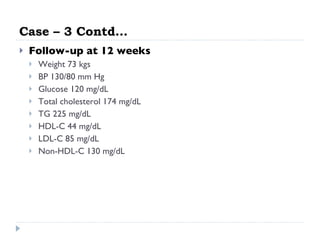
Case – 3 Contd… Follow-up at 12 weeks Weight 73 kgs BP 130/80 mm Hg  Glucose 120 mg/dL  Total cholesterol 174 mg/dL  TG 225 mg/dL  HDL-C 44 mg/dL  LDL-C 85 mg/dL  Non-HDL-C 130 mg/dL
Case – 3 Conclusion At 12-week follow-up, the patient has lost an additional 4 kgs. His blood pressure and glucose are improved with his moderate weight loss.  In regard to his lipid profile, LDL-C is now at target for a patient with diabetes without coronary heart disease.  HDL-C and TG are both improved, and non-HDL-C is now at the cutpoint recommended by ATP III.
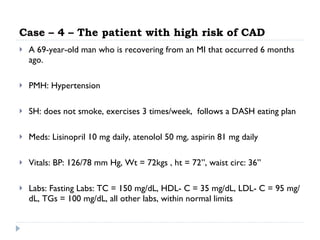
Case – 4 – The patient with high risk of CAD  A 69-year-old man who is recovering from an MI that occurred 6 months ago. PMH: Hypertension SH: does not smoke, exercises 3 times/week,  follows a DASH eating plan Meds: Lisinopril 10 mg daily, atenolol 50 mg, aspirin 81 mg daily Vitals: BP: 126/78 mm Hg,  Wt = 72kgs , ht = 72”, waist circ: 36” Labs: Fasting Labs: TC = 150 mg/dL, HDL- C = 35 mg/dL,  LDL- C = 95 mg/dL, TGs = 100 mg/dL,  all other labs, within normal limits
Case – 4 Contd… Clinical Considerations High risk – has known CHD LDL- C goal of < 100 mg/dL is attained while on no lipid-lowering therapy Further risk reduction is needed with statin therapy
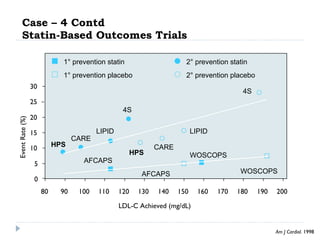
Case – 4 Contd Statin-Based Outcomes Trials Am J Cardiol.  1998 0 5 10 15 20 25 30 80 90 100 110 120 130 140 150 160 170 180 190 200 LDL-C Achieved (mg/dL) AFCAPS AFCAPS WOSCOPS WOSCOPS CARE CARE LIPID LIPID 4S 4S Event Rate (%) HPS HPS 2° prevention placebo 2° prevention statin 1° prevention placebo 1° prevention statin
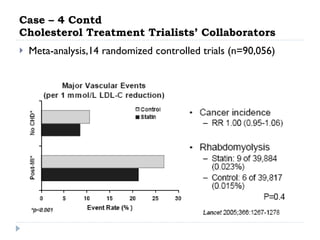
Case – 4 Contd Cholesterol Treatment Trialists’ Collaborators Meta-analysis,14 randomized controlled trials (n=90,056)
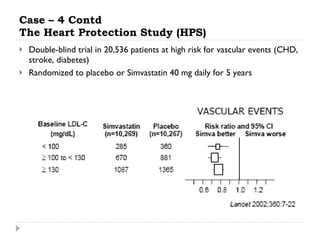
Case – 4 Contd The Heart Protection Study (HPS) Double-blind trial in 20,536 patients at high risk for vascular events (CHD, stroke, diabetes) Randomized to placebo or Simvastatin 40 mg daily for 5 years
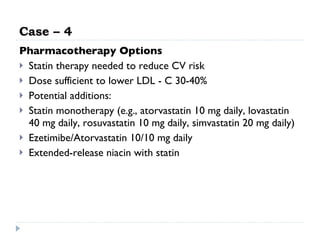
Case – 4 Pharmacotherapy Options Statin therapy needed to reduce CV risk Dose sufficient to lower LDL - C 30-40% Potential additions: Statin monotherapy (e.g., atorvastatin 10 mg daily, lovastatin 40 mg daily, rosuvastatin 10 mg daily, simvastatin 20 mg daily) Ezetimibe/Atorvastatin 10/10 mg daily Extended-release niacin with statin
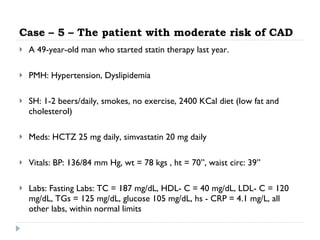
Case – 5 – The patient with moderate risk of CAD A 49-year-old man who started statin therapy last year. PMH: Hypertension, Dyslipidemia SH: 1-2 beers/daily, smokes, no exercise, 2400 KCal diet (low fat and cholesterol) Meds: HCTZ 25 mg daily, simvastatin 20 mg daily Vitals: BP: 136/84 mm Hg,  wt = 78 kgs , ht = 70”, waist circ: 39” Labs: Fasting Labs: TC = 187 mg/dL, HDL- C = 40 mg/dL,  LDL- C = 120 mg/dL, TGs = 125 mg/dL,  glucose 105 mg/dL, hs - CRP = 4.1 mg/L, all other labs, within normal limits
Case – 5 Contd… Clinical Considerations Moderately high risk - - Multiple CV risk factors with a Framingham Risk Score of 15% Metabolic syndrome, elevated hs- CRP LDL - C goal should be which of the following: < 130 mg/dL or < 100 mg/dL (therapeutic option)
Case – 5 Contd… Moderately High-risk Therapeutic option: LD L -C goal <100 mg/dL Utilize drug therapy that lowers LD L- Cby 30-40% Factors that influence using an LDL lowering drug when LDL- C is <130 mg/dL –  Advancing age –  More than 2 risk factors or severe risk factors –  High TG with elevated non- HDL- C –  Low HDL- C –  Metabolic syndrome –  Presence of “emerging risk factors” (hs - CRP >3 mg/L)
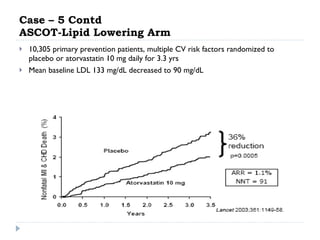
Case – 5 Contd ASCOT-Lipid Lowering Arm 10,305 primary prevention patients, multiple CV risk factors randomized to placebo or atorvastatin 10 mg daily for 3.3 yrs  Mean baseline LDL 133 mg/dL decreased to 90 mg/dL
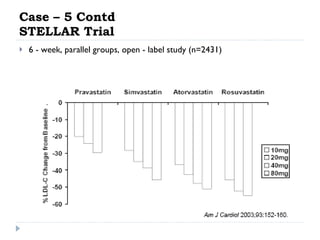
Case – 5 Contd STELLAR Trial 6 - week, parallel groups, open - label study (n=2431)
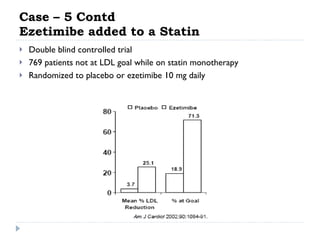
Case – 5 Contd Ezetimibe added to a Statin Double blind controlled trial 769 patients not at LDL goal while on statin monotherapy Randomized to placebo or ezetimibe 10 mg daily
Case – 5 Pharmacotherapy Options Potential regimen modifications: Higher potency statin regimen (Rosuvastatin 20 mg) Add Ezetimibe (Atorvastatin + Ezetimibe) Add a bile acid sequestrant
Case – 6 – Patient with very high risk of CAD A 62-year-old woman on statin therapy for 2 years. PMH: Hypertension, dyslipidemia, type 2 DM, chronic stable angina SH: no ethanol or smoking, 2000 Kcal ADA diet Meds: HCTZ/irbesartan 300/25 mg daily, aspirin 81 mg daily, metoprolol 100 mg BID, atorvastatin10 mg daily, metformin 1000 mg BID Vitals: BP: 120/74 mm Hg, HR 60 beats/min,  wt = 69kgs, ht = 64”, waist circ: 40” Labs: TC = 175 mg/dL, HDL- C = 35 mg/dL,  LDL- C = 94 mg/dL, TGs = 230 mg/dL,  S.creat = 1.0 mg/dL, A1C = 6.5 mg/dL, all other labs, within normal limits
Case – 6 Contd… Clinical Considerations Very high risk – CHD, type 2 diabetes, and metabolic syndrome Receiving “standard dose” statin therapy LDL - C goal should be which of the following: < 100 mg/dL and now target Non - HDL <130 mg/dL or < 70 mg/dL (therapeutic option)
Case – 6 Contd… Very High Risk Factors that favor the therapeutic option LDL- C goal < 70 mg/dL: Established atherosclerotic vascular disease plus one of the following: 1. Multiple major risk factors (esp. diabetes) 2. Severe and poorly controlled risk factors (esp. cigarette smoking) 3. Multiple risk factors of the metabolic syndrome 4. Acute coronary syndrome Circulation 2004;110:227-239

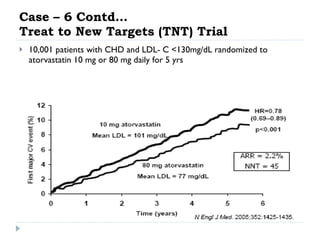
Case – 6 Contd… Treat to New Targets (TNT) Trial 10,001 patients with CHD and LDL- C <130mg/dL randomized to atorvastatin 10 mg or 80 mg daily for 5 yrs
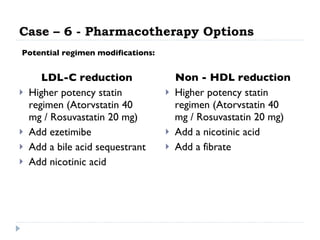
Case – 6 - Pharmacotherapy Options LDL-C reduction Higher potency statin regimen (Atorvstatin 40 mg / Rosuvastatin 20 mg) Add ezetimibe Add a bile acid sequestrant Add nicotinic acid Non - HDL reduction Higher potency statin regimen (Atorvstatin 40 mg / Rosuvastatin 20 mg) Add a nicotinic acid Add a fibrate Potential regimen modifications:
Summary
Summarizing… Statins remain first line therapy for the management of Dyslipidemia & Metabolic Syndrome. Statins - significant risk reduction in CV events elaborating the primary and secondary prevention. High dose statins – A shifting trend for the management of very high risk patients and especially after the Post MI conditions.
Thank You

Dyslipidemia

  • 1.
  • 2.
    Roadmap An Introductionto Dyslipidemia & Metabolic Syndrome Guidelines for the management of Dyslipidemia& Metabolic Syndrome Case studies Case -1- The patient with Multiple Metabolic Risk Factors Case -2 - Management of the Patient with Familial Hypercholesterolemia Case -3 - The Patient with Severe Hypertriglyceridemia Case – 4 - The patient with high risk of CAD Case -5 - The patient with moderate risk of CAD Case - 6 – The Patient with very high risk of CAD Summary
  • 3.
  • 4.
    Dyslipidemia Disorder of Lipid & Lipoprotein Metabolism A common form of Dyslipidemia is characterized by three lipid abnormalities: Elevated triglycerides, Elevated LDL and Reduced HDL cholesterol. Important Modifiable Risk Factor for CAD
  • 5.
    Dyslipidemia Primary Genetic Disorders Secondary Diabetes Nephrotic Syndrome Hypothyroidism Drug – Induced Hypertension Causes
  • 6.
    Secondary causes ofDyslipidemia Practical Therapeutics, AFP, 1998 Selected Causes of Secondary Dyslipidemia Increased LDL cholesterol level Diabetes mellitus Hypothyroidism Nephrotic syndrome Obstructive liver disease Drugs Anabolic steroids Progestins Beta-adrenergic blockers (without intrinsic sympathomimetic action) Thiazides Increased triglyceride level Alcoholism Diabetes mellitus Hypothyroidism Obesity Renal insufficiency Drugs Beta-adrenergic blockers (without intrinsic sympathomimetic action) Bile acid­binding resins Estrogens Ticlopidine ( Decreased HDL cholesterol level Cigarette smoking Diabetes mellitus Hypertriglyceridemia Menopause Obesity Puberty (in males) Uremia Drugs Anabolic steroids Beta-adrenergic blockers (without intrinsic sympathomimetic action) Progestins LDL=low-density lipoprotein; HDL=high-density lipoprotein. Adapted with permission from Schaefer EJ. Diagnosis and management of lipoprotein disorders. In: Rifkind BM, ed. Drug
  • 7.
    PRIMARY DYSLIPIDEMIA(Fredrickson’s Classification) Practical Therapeutics, AFP, 1998 Type Primary Lipid Elevation Lipoprotein Occurrence I TG Chylomicrons Rare II a C LDL Common II b C, TG LDL, VLDL Most Common III C, TG IDL Rare IV TG VLDL Common V TG VLDL, Chylomicrons Rare
  • 8.
    Coronary Heart DiseaseRisk Based on Risk Factors Other Than the LDL Level Practical Therapeutics, AFP, 1998 Positive risk factors Male >=45 years Female >=55 years or postmenopausal without estrogen replacement therapy Family history of premature coronary heart disease (definite myocardial infarction or sudden death before age 55 in father or other male first-degree relative or before age 65 in mother or other female first-degree relative) Current cigarette smoking Hypertension (blood pressure >=140/90 mm Hg or patient is receiving antihypertensive drug therapy) HDL cholesterol level <35 mg per dL (<0.90 mmol per L) Diabetes mellitus Negative risk factor* High HDL cholesterol level (>=60 mg per dL [>=1.60 mmol per L]) LDL=low-density lipoprotein; HDL=high-density lipoprotein. *--Subtract one positive risk factor if negative risk factor is present.
  • 9.
  • 10.
    Metabolic Syndrome Introduction: Metabolic syndrome is a combination of medical disorders that increase one's risk for cardiovascular and diabetes It is known under various other names, such as (Metabolic) syndrome X Insulin resistance syndrome Reaven’s syndrome
  • 11.
    Symptoms Of MetabolicSyndrome Symptoms and features are : Type 2 Diabetes Mellitus Impaired glucose tolerance High blood pressure Central obesity Elevated triglycerides Elevated uric acid levels. Hypercholesterolemia
  • 12.
    Metyabolic Syndrome MetabolicSyndrome or Metabolic Syndrome
  • 13.
  • 14.
    ATP III Guidelinesfor Lipid profile
  • 15.
    Guidelines for Hypertensionby JNC 7 Reports New classification (2003) Previous classification (1997) 140/90 or above High High 140/90 or above 120-139 / 80-89 Prehypertension Borderline 130-139 / 85-89 Normal 129/84 or below 119/79 or below Normal Optimal 120/80 or below
  • 16.
    ADA guidelines forBlood sugar level ADA Guidelines Blood Sugar Levels for Diagnosing Diabetes & Pre-diabetes Fasting Glucose (mg/dl) 2 hr after eating or 75-gram OGTT (mg/dl) Pre-diabetes: IFG 100 – 125 and < 140 Pre-diabetes: IGT < 100 and 140 – 199 Pre-diabetes: IFG & IGT 100 – 125 and 140 – 199 Diabetes ≥ 126* or ≥ 200* (or random sugar)
  • 17.
    The Metabolic Syndrome:Diagnosis NCEP ATP III Criteria (3 or more factors required) Risk Factor Defining Level Abdominal obesity Men Waist  40 inches Women Waist  35 inches Triglycerides  150 mg/dL HDL cholesterol Men  40 mg/dL Women  50 mg/dL Blood pressure  130/  85 mm Hg Fasting glucose  110 mg/dL NCEP ATP III. Circulation. 2002;106:3145-3421
  • 18.
    Unmet clinical needsto address in the next decade CARDIOVASCULAR DISEASE Classical Risk Factors Novel Risk Factors Major Unmet Clinical Need Metabolic syndrome T2DM  Smoking  LDL-C  BP
  • 19.
    The Metabolic Syndrome– An Overview Insulin Resistance Hypertension Type 2 Diabetes Disordered Fibrinolysis Complex Dyslipidemia TG, LDL HDL Endothelial Dysfunction Systemic Inflammation Atherosclerosis Visceral Obesity Adapted from the ADA. Diabetes Care. 1998;21:310-314; Pradhan AD et al. JAMA. 2001;286:327-334. 200% CVD Risk
  • 20.
    Cholesterol lowering drugs– An Overview Drug class Total cholesterol levels LDL levels HDL levels Triglycerides Side effects Bile acid­binding resins 20% 10% to 20% 3% to 5% Neutral or Unpalatability, bloating, constipation, heartburn Nicotinic acid 25% 10% to 25% 15% to 35% 20% to 50% Flushing, nausea, glucose intolerance, abnormal liver function test Fibric acid analogs 15% 5% to 15% 14% to 20% 20% to 50% Nausea, skin rash HMG-CoA reductase inhibitors 15% to 30% 20% to 60% 5% to 15% 10% to 40% Myositis, myalgia, elevated hepatic transaminases LDL=low-density lipoprotein; HDL=high-density lipoprotein. Adapted with permission from Gotto AM Jr. Management of lipid and lipoprotein disorders. In: Gotto AM Jr, Pownall HJ, eds. Manual of lipid disorders. Baltimore: Williams & Wilkins, 1992.
  • 21.
  • 22.
    Case – 1– An Indian Woman with Multiple Metabolic Risk Factors A 45-year-old Indian woman comes to her physician's office for a physical as part of her application for VISA. She is pre-menopausal, takes no medication, has never smoked cigarettes, and is sedentary. She has a history of cholecystitis at age 36. She reports no personal history of cardiovascular disease. Her parents are ages 70 and 72 years old, and both have type 2 diabetes. Her father developed coronary heart disease at age 60, and her mother had a stroke at age 66. Her mother is currently on dialysis. She has 3 brothers; 2 of her brothers have type 2 diabetes. She also has 3 children; all are obese, and her 16-year-old daughter has been told she has &quot;pre-diabetes.&quot;
  • 23.
    Case – 1Contd… Exam: BP 134/80 mm Hg Pulse 76 Weight 200 lb Height 5'4&quot; BMI 34.4 kg/m 2 Waist 41&quot; Cardiac exam is normal Abdomen is obese with right upper quadrant scar Lab Results: Fasting blood glucose: 118 mg/dL TC: 236 mg/dL TG: 200 mg/dL LDL-C: 140 mg/dL HDL-C: 46 mg/dL
  • 24.
    Case – 1Contd… Q1. How many NCEP major risk factors does this patient have? 0 1 2 3 or more
  • 25.
    Case – 1Contd… Answer - A Explanation - The patient does not have any of the NCEP major risk factors such as cigarette smoking, family history of premature coronary heart disease, low HDL cholesterol (< 40 mg/dL), or hypertension (blood pressure > 140/90 mmHg). NCEP Major Risk Factors Cigarette smoking Hypertension (BP ≥140/90 mm Hg or on antihypertensive medication) Low HDL cholesterol (<40 mg/dL)* Family history of premature CHD (CHD in male first-degree relative <55 years; CHD in female first-degree relative <65 years) Age (men ≥45 years; women ≥55years) * HDL cholesterol ≥60 mg/dL counts as a &quot;negative&quot; risk factor; its presence removes 1 risk factor from the total count.
  • 26.
    Case – 1Contd… Q2. What is the patient's 10-year Framingham Global Risk for major coronary heart disease (CHD)? A.  It cannot be calculated B.  <10% C.  10-20% D.  >20%
  • 27.
    Case – 1Contd… Answer - B Explanation - The patient has a Framingham Global Risk score of 12 points, mainly because she is a female, relatively young, and does not smoke. This point total gives a 10-year risk of <10%. Framingham Risk Score Age: 45 yrs 3 TC: 236 mg/dL 6 Nonsmoker 0 HDL-C: 46 mg/dL 1 SBP: 134 2 Total Score 12 * 1% 10-year risk
  • 28.
    Case – 1Contd… Q3. Does the patient have metabolic syndrome? A. Yes B.  No
  • 29.
    Case – 1Contd… Answer - B Explanation - The NCEP requires 3 or more metabolic syndrome components to make the definition of the metabolic syndrome.
  • 30.
    Case – 1Contd… Q4. What is the patient's NCEP treatment goal for LDL cholesterol? A.  < 70 mg/dL B.  <100 mg/dL C.  <130 mg/dl D.  <160 mg/dL E.  <190 mg/dL F.  There is no NCEP goal for this patient
  • 31.
    Case – 1Contd… Answer - D Explanation LDL Cholesterol Goals (ATP III Update, 2004) Very high risk (New) Cardiovascular disease plus multiple risk factors (especially diabetes), or Severe/poorly controlled risk factors, or Metabolic syndrome, or Acute coronary syndrome LDL-C Goal : <100 mg/dL or optional goal <70 mg/dL High risk Coronary heart disease (CHD) or CHD risk equivalents (10-year risk >20% ) LDL-C Goal: <100 mg/dL Moderately high risk 2 or more risk factors (10 year risk 10%-20%) LDL-C Goal: <130 mg/dL or optional goal <100 mg/dL Moderate risk 2 or more risk factors (10-year risk 5%-10%) LDL-C Goal: <130 mg/dL Low risk: 0-1 risk factors LDL-C Goal: <160 mg/dL
  • 32.
    Case – 1Contd… Q5. Which of the following laboratory tests is most likely to influence your treatment plan? A.  C-reactive protein (CRP) B.  Fasting glucose C.  Adiponectin D.  Coronary calcium spores E.  Oral glucose tolerance test F.  None of the above
  • 33.
    Case – 1Contd… Answer - E Explanation - An oral glucose tolerance test might be useful because of the patient’s strong family history of diabetes, and she has all 5 components of the metabolic syndrome. Thus, it is very likely that this patient might have diabetes if an oral glucose tolerance test shows a 2-hour level >200 mg/dL. If the family has diabetes, early treatment of diabetes would be initiated. Furthermore, the blood pressure and LDL cholesterol treatment goals would be lowered thereby increasing the probability that the patient would receive therapy for these conditions as well as low dose aspirin and possibly an ACE (angiotensin-converting enzyme) inhibitor or an ARB (angiotensin receptor blocker). If the 2-hour glucose result is 144–199 mg/dL, then the patient has impaired glucose tolerance.
  • 34.
    Case – 1Contd… Q6. The physician decided not to do any additional testing at this time. What further intervention should be done at this step? A.  No further interventions B.  Lipid therapy with a statin C.  Blood pressure therapy D.  Intensive lifestyle E.  The use of a TZD to treat the metabolic syndrome
  • 35.
    Case – 1Contd… Explanation Lifestyle intervention (weight loss and increased physical activity) may decrease fasting glucose, triglyceride levels, non-HDL cholesterol and increased HDL cholesterol, and thus may be a reasonable next step Lifestyle Therapy The patient was encouraged to walk an additional 30 minutes, 5 times a week and referred to Weight Watchers. She was told to come back 2 months later with laboratory work consisting of lipids and a fasting glucose
  • 36.
    Case – 1Contd… The patient returns and is excited about having lost 8 lbs. Her waist circumference has decreased from 41&quot; to 40&quot;. Her blood pressure is now 130/80 mm Hg. Her blood test results are: Fasting blood glucose: 110 mg/dL TC: 220 mg/dL HDL-C: 48 mg/dL LDL-C: 140 mg/dL TG: 160 mg/dL
  • 37.
    Case – 1Contd… Q7. What should the physician do now? A.  Continue behavioral therapy B.  Prescribe statins C.  Prescribe ACE inhibitors D.  Use a pharmacological agent for weight loss in addition to intensive behavioral management E.  A and B F.  A and C
  • 38.
    Case – 1Contd… Answer - E Explanation - Given that the LDL cholesterol did not improve with reasonably successful lifestyle intervention, the physician could make a case for giving a statin (the triglyceride levels did decrease markedly suggesting that the non-HDL cholesterol and APO-B level improved). This might be a reasonable subject to do an APO-B. On the other hand, the patient is having a good response to lifestyle intervention. Note that there was little change in HDL cholesterol levels and although the weight dropped markedly, the waist circumference did not cross the threshold of 35”. Therefore, the patient still has all 5 metabolic syndrome components. This is one of the problems of using a syndrome with dichotomous endpoints which are insensitive to modest changes.
  • 39.
    Case – 1Contd… The patient declined the use of a statin at this time. Considering the patient's preferences, the physician decided to continue behavioral therapy. The patient was told to return in 2 months with a fasting glucose and lipid profile.
  • 40.
    Case – 1Contd… The patient returns 2 months later and has lost an additional 4 lbs, but her waist circumference remains at 40&quot;. Her blood pressure is 130/80 mm Hg. She is now discouraged about further reducing her weight and would prefer to focus on weight maintenance for a couple of months. Lab results Fasting blood glucose: 110 mg/dL TC: 214 mg/dL LDL-C: 136 mg/dL HDL-C: 48 mg/dL Non-HDL-C: 166 mg/dL TG: 150 mg/dL Her physician agrees that she has probably reached her limit for behavioral therapy. He now decides to order an oral glucose tolerance test and CRP level. Oral glucose tolerance test results:  Fasting blood glucose: 112 mg/dL 2-hour glucose: 180 mg/dL Diagnosis: Impaired fasting glucose and impaired glucose tolerance
  • 41.
    Case – 1Contd… Q8. What should the physician do now? A.  Continue behavioral therapy B.  Prescribe statin C.  Give TZD D.  Prescribe a weight loss drug E.  Prescribe an ACE inhibitor for hypertension and diabetes prevention F.  A and B
  • 42.
    Case – 1Contd… Answer - E Explanation - This is clearly a difficult question. The choice of pharmacological therapy is controversial. It is clear that behavioral therapy should be continued. Given that the patient is probably on now maximum behavioral therapy currently, it is prudent to give statins that would lower the LDL cholesterol by at least 30–40 %. The rationale for using a statin is that the patient is at long-term risk for cardiovascular disease because she has all 5 components of the metabolic syndrome and both impaired fasting glucose and impaired glucose tolerance. Even though her short-term global risk is still modest, she has a very high risk for developing diabetes in the near future.
  • 43.
    Case – 1Conclusion Follow-up Conclusion Continue behavioral therapy Continue statin The key unanswered issue is whether pharmacologic therapy should also be initiated at this time to improve glucose metabolism. This decision must consider the risks as well as the benefits. The use of metformin, while less effective for the prevention of diabetes, may be a prudent decision. Metformin is recommended for individuals with impaired fasting glucose and impaired glucose tolerance and certain factors*. Ongoing trials with weight loss therapy will also provide additional information. * Factors include any of the following: <60 years of age; BMI ≥35 kg/m2; family history of diabetes in first-degree relatives; elevated triglycerides; reduced HDL cholesterol; hypertension; HbA1C>6.0%.
  • 44.
    Case – 2- Management of the Patient with Familial Hypercholesterolemia A 38-year-old working female presents for evaluation of very elevated cholesterol noted for several years by her gynecologist. She exercises regularly, follows a low-fat diet, and doesn't smoke. She takes no medications. She has 2 children (ages 8 and 10) and her husband had a vasectomy. Her family history is remarkable for mother (aged 62) who has high cholesterol (>300 mg/dL) and is being treated with a statin. Her initial exam shows BP 120/70, weight 148 lbs., height 5'7&quot;, BMI 23.2. No carotid bruits. Heart exam is normal without murmur, normal pulses, tendon xanthomas on 2nd MCP joints bilaterally. Lab results (6 months ago) showed TC 395 mg/dL, TG 70 mg/dL, HDL-C 50 mg/dL, LDL-C 331 mg/dL.
  • 45.
    Case – 2Contd… Q1. What lab test is not necessary at this time? A.  Comprehensive metabolic panel B.  Specialized lipoprotein testing C.  TSH D.  Urinalysis E.  Fasting lipid profile
  • 46.
    Case – 2Contd… Answer - B Explanation - Specialized lipoprotein testing involves the use of techniques that measure the subgroups of lipoproteins, the size of the lipoproteins, and the number of particles. These measurements may be helpful in refining the clinical decision of when and how to combine lipid-altering drug treatment but is not necessary at this stage to decide on initiating LDL-C reducing medications such as statins.
  • 47.
    Case – 2Contd… Lab test results: TC - 383 mg/DL TG - 65 mg/dL HDL-C - 49 mg/dL LDL-C - 321 mg/dL Glucose - 88 mg/dL ALT/AST - normal TSH - normal UA - no protein As suggested by her lipid panel 6 months earlier, the current lipid panel confirms that she has severe hypercholesterolemia. The HDL-C is also not optimal for a premenopausal woman. The normal TSH and absence of significant proteinuria can rule out secondary causes of hypercholesterolemia.
  • 48.
    Case – 2Contd… Q2. What is her CHD risk category? A.  Primary prevention, 10-year risk <5% B.  Primary prevention, 10-year risk is 10-20% C.  CHD equivalent, 10-year risk >20% D.  Primary prevention, 10-year risk 5-10%
  • 49.
    Case – 2Contd… Answer - A Explanation - This patient is a target for primary prevention of CHD. By Framingham risk calculation she has a 10-year CHD risk of <5%.
  • 50.
    Case – 2Contd… Q3. What is her LDL-C goal for therapy? A.  <190 mg/dL B.  <160 mg/dL C.  <130 mg/dL D.  <100 mg/dL
  • 51.
    Case – 2Contd… Answer - B Explanation - The NCEP Adult Treatment Panel III recommends therapeutic lifestyle change (TLC) and drug treatment for severe hypercholesterolemia of genetic etiology (LDL-C >190 mg/dl) to reduce the lifetime risk of CHD. The LDL-C goal is <160 mg/dl.
  • 52.
    Case – 2Contd… Q3. What other diagnostic tests might you do for risk assessment? A.  hs-CRP B.  Stress testing C.  Ultrafast CT scan for coronary calcium D.  Echocardiogram
  • 53.
    Case – 2Contd… Answer - A Explanation - There is considerable observational data in healthy women that higher levels of high sensitivity C-reactive protein are independently predictive of future cardiovascular events. According to the AHA/ACC/NHLBI statement on the use of inflammatory markers, a CRP >3 mg/L is considered high and may be used in moderate-risk primary prevention patients as an additional factor for consideration of treatments to reduce risk.
  • 54.
    Case – 2Contd… Q4. What treatment would you advise? A.  Therapeutic lifestyle changes (TLC) alone B.  TLC and ezetimibe C.  TLC and bile acid resin D.  TLC and atorvastatin 10 mg E.  TLC, atorvastatin 40 mg, and ezetimibe F.  TLC, rosuvastatin 20 mg, and ezetimibe
  • 55.
    Case – 2Contd… Answer - F Explanation - The simultaneous use of therapeutic lifestyle change, rosuvastatin 20 mg, and ezetimibe 10 mg is reasonable since this therapy can reduce LDL-C nearly 60%. Statins should be used with caution in women of childbearing potential, preferably with contraception, or as in this case, a husband with vasectomy.
  • 56.
    Case – 2Contd… After 8 weeks on rosuvastatin 20 mg and ezetimibe 10 mg, she is tolerating the regimen well. Her labs show: • TC 217 mg/dL • TG 75 mg/dL • HDL-C 52 mg/dL • LDL-C 140 mg/dL This combination has reduced her LDL-C 57%, which achieves the desired goal of <160 mg/dl. Hepatic transaminases remain normal and should be followed periodically. She should be counseled to continue healthy lifestyle habits and long term adherence to the medications
  • 57.
    Case – 2Contd… Q5. What other advice would you recommend? A.  Add extended release niacin B.  Consider LDL apheresis C.  Lipid screening on the patient's two children D.  Add vitamin E 400-800 units/day
  • 58.
    Case – 2Contd… Answer - C Explanation - This patient has an autosomal dominant disorder of hypercholesterolemia and has a 50% chance of passing the defect to her children. Both of her children should be screened since a LDL-C greater than the 90th percentile for their age would confirm the inheritance. Although drug therapy would not be recommended at their age, knowing that they have heterozygous FH would prepare them for long term follow-up as they achieve adulthood. Please proceed to the next step.
  • 59.
    Case – 2Conclusion In this case, selecting the simultaneous use of therapeutic lifestyle change, atorvastatin 40 mg or rosuvastatin 20 mg, and Ezetimibe 10 mg would have been an acceptable solution because both options can reduce LDL-C by nearly 60%.
  • 60.
    Case – 3- The Patient with Severe Hypertriglyceridemia 50-year-old man presents to his physician with a diffuse maculopapular rash on his abdomen. He has a history of hypertension and increased cholesterol and triglycerides, and family history of diabetes and heart disease. He has gained 5kgs in the past year and admits to not being careful with his diet and drinking more alcohol.
  • 61.
    Case – 3Contd… Medications atenolol 100 mg HCTZ 25 mg Initial exam BP 145/95 mm Hg height 5'10&quot; weight 85 kgs waist 42 inches normal cardiac and vascular exam abdomen is obese liver is palpable 4 cm below costal margin
  • 62.
    Case – 3Contd… Q1. What lab studies would you order on this patient? A.  Fasting lipid panel B.  Liver function test C.  Fasting glucose D.  Lipoprotein particle size E.  Answers A, B, and C
  • 63.
    Case – 3Contd… Answer - E Explanation - Because of the new onset of a maculopapular rash in a patient with a history of hyperlipidemia, a fasting lipid panel should be obtained to rule out eruptive xanthomas due to severely elevated triglycerides (TG). In light of the family history of diabetes and the patient's recent weight gain, a fasting blood glucose should be measured. Liver function tests should be performed because of the patient's history of increased alcohol use and the palpable liver on the physical examination. There is no indication for assessment of lipoprotein particle size at this time.
  • 64.
    Case – 3Contd… Lab Values TG: 1650 mg/dL HDL-C: 35 mg/dL Glucose: 165 mg/dL AST: 60 U/L (ULN 42), ALT: 60 U/L (ULN 55) Bilirubin 1.0 mg/dL, alkaline phosphatase 77 U/L BUN 23 mg/dL, creatinine 1.4 mg/dL TSH 2.37 mIU/L (ULN 5.50)
  • 65.
    Case – 3Contd… The patient's lab results indicate that he has severe hypertriglyceridemia as well as low high-density lipoprotein cholesterol (HDL-C); because of his severe TG elevation, low-density lipoprotein cholesterol (LDL-C) cannot be calculated and would need to be measured directly. The elevated total cholesterol is secondary to cholesterol carried in TG-enriched lipoproteins. In addition, the patient has elevated fasting glucose consistent with diabetes, and abnormal liver transaminases with normal bilirubin and alkaline phosphatase levels.
  • 66.
    Case – 3Contd… Q2. What is the most likely diagnosis in this patient? A.  Type I hyperlipidemia B.  Type II hyperlipidemia C.  Type III hyperlipidemia D.  Type IV hyperlipidemia E.  Type V hyperlipidemia
  • 67.
    Case – 3Contd… Answer- E Explanation - When TG level is well over 1,000 mg/dL, chylomicrons are present. Type V hyperlipidemia, which is characterized by combined elevations in chylomicrons and very low density lipoproteins (VLDL), is a likely cause for the presentation of a middle-aged male with a history of elevated TG and elevated cholesterol, new-onset diabetes, and history of alcohol use. Fredrickson phenotypes may be used to classify dyslipidemias on the basis of which lipoproteins are elevated. The Fredrickson classification system is not etiologic, does not distinguish between primary and secondary hyperlipidemias, and does not include HDL.
  • 68.
    Case – 3Contd… Q3. Which of the following may be an important secondary cause of his hyperlipidemia? A.  Alcohol intake B.  Diabetes C.  Beta-blocker D.  Diuretic E.  All of the above
  • 69.
    Case – 3Contd… Answer – E Explanation - All of the factors listed may be secondary causes of hypertriglyceridemia. The approach to the patient with elevated TG should include evaluation of secondary causes of hypertriglyceridemia. In the history, attention should be given to alcohol intake, medication use, signs and symptoms of diabetes such as polyuria and polydipsia, weight gain, and dietary habits. Laboratory tests should include glucose, HgA1C, BUN/creatinine, urinalysis, thyroid-stimulating hormone (TSH), alanine aminotransferase (ALT), and aspartate aminotransferase (AST).
  • 70.
    Case – 3Contd… Q4. What is the initial aim of therapy for this patient? A.  TG reduction B.  Increase HDL-C C.  Lower non-HDL-C D.  Lower LDL-C E.  Change LDL particle size
  • 71.
    Case – 3Contd… Answer - A Explanation - In the U.S. National Cholesterol Education Program Adult Treatment Panel III (ATP III) guidelines, the initial aim of therapy in patients with very high TG levels (500 mg/dL or higher) is to reduce TG, to prevent pancreatitis. The ATP III guidelines define normal TG levels as <150 mg/dL. The patient in this case has very high TG as categorized by the ATP III guidelines and is at risk for pancreatitis.
  • 72.
    Case – 3Contd… Q5. Which of the following diets would you recommend for this patient? A. High-carbohydrate, low-fat diet B. Atkins diet with very low carbohydrate C. Avoid all meat D. Avoid simple carbohydrates, reduce total fat to <30% and saturated fat to <7%, stop or limit alcohol
  • 73.
    Case – 3Contd… Answer – D Explanation - The focus in this patient should be on reducing both carbohydrates and fats, particularly saturated fats. In some cases, patients may benefit from restricting fat well below 30%.
  • 74.
    Case – 3Contd… Q6. Which of the following would you recommend to treat this patient's blood pressure? A.  Increase beta-blocker dose B.  Change to calcium-channel blocker/angiotensin-converting enzyme inhibitor combination C.  Increase diuretic dose D.  Maintain current therapy E.  Add alpha-blocker
  • 75.
    Case – 3Contd… Answer - B Explanation - The combination of calcium-channel blocker and angiotensin-converting enzyme inhibitor is lipid neutral and was shown in the Anglo-Scandinavian Cardiac Outcomes Trial (ASCOT) to be superior to the combination of beta-blocker and hydrochlorothiazide for glucose and lipid metabolism
  • 76.
    Case – 3Contd… Q7. Which agent would not be effective for reducing his TG? A.  Statin B.  Fibrate C.  Niacin D.  Resin E.  Omega-3 fatty acids
  • 77.
    Case – 3Contd… Answer - D Explanation - A resin would not be expected to reduce TG level; resins may increase or have no effect on TG level.
  • 78.
    Case – 3Contd… Treatment Plan - The patient was instructed to stop all alcohol, scheduled for a dietary consult for a diet with a reduction in fat and simple carbohydrates, and instructed to begin walking 30 minutes daily Medications Antihypertensive regimen was changed to amlodipine 10 mg plus lisinopril 20 mg once daily Metformin 500 mg BID was initiated Prescription omega-3 fatty acids, 1000 mg, 2 po BID was initiated At 2 weeks, TG was reduced to 580 mg/dL At 6 weeks , patient reports he is walking 30 minutes 5 times weekly Weight 78 kgs, Waist 41 inches BP 135/85 mm Hg Glucose 130 mg/dL Total cholesterol 252 mg/dL , TG 350 mg/dL, HDL-C 42 mg/dL , LDL-C 140 mg/dL , Non-HDL-C 210 mg/dL
  • 79.
    Case – 3Contd… Q8. Which of the following therapies may increase LDL-C levels in patients with very high TG levels? A.  Fenofibrate B.  Omega-3 fatty acids C.  Both fenofibrate and omega-3 fatty acids D.  Statins E.  Bile acid–binding resins
  • 80.
    Case – 3Contd… Answer – C Explanation - In patients with hypertriglyceridemia, both fenofibrate and omega-3 fatty acids reduce TG but may also increase LDL-C level.
  • 81.
    Case – 3Contd… Q9. What is the goal of therapy recommended by the ATP III guidelines for this patient? A.  TG <150 mg/dL B.  LDL-C <100 mg/dL C.  Non-HDL-C <160 mg/dL D.  HDL-C >50 mg/dL E.  All of the above
  • 82.
    Case – 3Contd… Answer – B Explanation - In the ATP III guidelines, the primary target of therapy in patients with TG <500 mg/dL is LDL-C. Because this patient has diabetes, a coronary heart disease (CHD) risk equivalent, his LDL-C goal is <100 mg/dL. However, it should be noted that the American Diabetes Association guidelines include TG and HDL-C as treatment targets.
  • 83.
    Case – 3Contd… At, 6-week follow-up WT 77 kgs, Waist 41 inches BP 135/85 mm Hg TG 350 mg/dL , TC 252 mg/dL , HDL-C 42 mg/dL , LDL-C 140 mg/dL , Non-HDL-C 210 mg/dL Glucose 130 mg/dL Current Therapy Lifestyle Diet: reduce fat and simple carbohydrates Exercise: walk 30 min/day Stop all alcohol Medications: Amlodipine 10 mg + lisinopril 20 mg QD Metformin 500 mg BID Omega-3 fatty acids 2000 mg BID
  • 84.
    Case – 3Contd… Which treatment option would you recommend for this patient? A.  Add fenofibrate B.  Add ezetimibe 10 mg/d C.  Add niacin D.  Add Rosuvastatin 10 mg / day E.  Add bile acid resin
  • 85.
    Case – 3Contd… Answer – D Explanation - The addition of Rosuvastatin 10 mg/d would be expected to reduce the patient's LDL-C by approximately 40%, which would achieve the recommended target of <100 mg/dL.
  • 86.
    Case – 3Contd… Follow-up at 12 weeks Weight 73 kgs BP 130/80 mm Hg Glucose 120 mg/dL Total cholesterol 174 mg/dL TG 225 mg/dL HDL-C 44 mg/dL LDL-C 85 mg/dL Non-HDL-C 130 mg/dL
  • 87.
    Case – 3Conclusion At 12-week follow-up, the patient has lost an additional 4 kgs. His blood pressure and glucose are improved with his moderate weight loss. In regard to his lipid profile, LDL-C is now at target for a patient with diabetes without coronary heart disease. HDL-C and TG are both improved, and non-HDL-C is now at the cutpoint recommended by ATP III.
  • 88.
    Case – 4– The patient with high risk of CAD A 69-year-old man who is recovering from an MI that occurred 6 months ago. PMH: Hypertension SH: does not smoke, exercises 3 times/week, follows a DASH eating plan Meds: Lisinopril 10 mg daily, atenolol 50 mg, aspirin 81 mg daily Vitals: BP: 126/78 mm Hg, Wt = 72kgs , ht = 72”, waist circ: 36” Labs: Fasting Labs: TC = 150 mg/dL, HDL- C = 35 mg/dL, LDL- C = 95 mg/dL, TGs = 100 mg/dL, all other labs, within normal limits
  • 89.
    Case – 4Contd… Clinical Considerations High risk – has known CHD LDL- C goal of < 100 mg/dL is attained while on no lipid-lowering therapy Further risk reduction is needed with statin therapy
  • 90.
    Case – 4Contd Statin-Based Outcomes Trials Am J Cardiol. 1998 0 5 10 15 20 25 30 80 90 100 110 120 130 140 150 160 170 180 190 200 LDL-C Achieved (mg/dL) AFCAPS AFCAPS WOSCOPS WOSCOPS CARE CARE LIPID LIPID 4S 4S Event Rate (%) HPS HPS 2° prevention placebo 2° prevention statin 1° prevention placebo 1° prevention statin
  • 91.
    Case – 4Contd Cholesterol Treatment Trialists’ Collaborators Meta-analysis,14 randomized controlled trials (n=90,056)
  • 92.
    Case – 4Contd The Heart Protection Study (HPS) Double-blind trial in 20,536 patients at high risk for vascular events (CHD, stroke, diabetes) Randomized to placebo or Simvastatin 40 mg daily for 5 years
  • 93.
    Case – 4Pharmacotherapy Options Statin therapy needed to reduce CV risk Dose sufficient to lower LDL - C 30-40% Potential additions: Statin monotherapy (e.g., atorvastatin 10 mg daily, lovastatin 40 mg daily, rosuvastatin 10 mg daily, simvastatin 20 mg daily) Ezetimibe/Atorvastatin 10/10 mg daily Extended-release niacin with statin
  • 94.
    Case – 5– The patient with moderate risk of CAD A 49-year-old man who started statin therapy last year. PMH: Hypertension, Dyslipidemia SH: 1-2 beers/daily, smokes, no exercise, 2400 KCal diet (low fat and cholesterol) Meds: HCTZ 25 mg daily, simvastatin 20 mg daily Vitals: BP: 136/84 mm Hg, wt = 78 kgs , ht = 70”, waist circ: 39” Labs: Fasting Labs: TC = 187 mg/dL, HDL- C = 40 mg/dL, LDL- C = 120 mg/dL, TGs = 125 mg/dL, glucose 105 mg/dL, hs - CRP = 4.1 mg/L, all other labs, within normal limits
  • 95.
    Case – 5Contd… Clinical Considerations Moderately high risk - - Multiple CV risk factors with a Framingham Risk Score of 15% Metabolic syndrome, elevated hs- CRP LDL - C goal should be which of the following: < 130 mg/dL or < 100 mg/dL (therapeutic option)
  • 96.
    Case – 5Contd… Moderately High-risk Therapeutic option: LD L -C goal <100 mg/dL Utilize drug therapy that lowers LD L- Cby 30-40% Factors that influence using an LDL lowering drug when LDL- C is <130 mg/dL – Advancing age – More than 2 risk factors or severe risk factors – High TG with elevated non- HDL- C – Low HDL- C – Metabolic syndrome – Presence of “emerging risk factors” (hs - CRP >3 mg/L)
  • 97.
    Case – 5Contd ASCOT-Lipid Lowering Arm 10,305 primary prevention patients, multiple CV risk factors randomized to placebo or atorvastatin 10 mg daily for 3.3 yrs Mean baseline LDL 133 mg/dL decreased to 90 mg/dL
  • 98.
    Case – 5Contd STELLAR Trial 6 - week, parallel groups, open - label study (n=2431)
  • 99.
    Case – 5Contd Ezetimibe added to a Statin Double blind controlled trial 769 patients not at LDL goal while on statin monotherapy Randomized to placebo or ezetimibe 10 mg daily
  • 100.
    Case – 5Pharmacotherapy Options Potential regimen modifications: Higher potency statin regimen (Rosuvastatin 20 mg) Add Ezetimibe (Atorvastatin + Ezetimibe) Add a bile acid sequestrant
  • 101.
    Case – 6– Patient with very high risk of CAD A 62-year-old woman on statin therapy for 2 years. PMH: Hypertension, dyslipidemia, type 2 DM, chronic stable angina SH: no ethanol or smoking, 2000 Kcal ADA diet Meds: HCTZ/irbesartan 300/25 mg daily, aspirin 81 mg daily, metoprolol 100 mg BID, atorvastatin10 mg daily, metformin 1000 mg BID Vitals: BP: 120/74 mm Hg, HR 60 beats/min, wt = 69kgs, ht = 64”, waist circ: 40” Labs: TC = 175 mg/dL, HDL- C = 35 mg/dL, LDL- C = 94 mg/dL, TGs = 230 mg/dL, S.creat = 1.0 mg/dL, A1C = 6.5 mg/dL, all other labs, within normal limits
  • 102.
    Case – 6Contd… Clinical Considerations Very high risk – CHD, type 2 diabetes, and metabolic syndrome Receiving “standard dose” statin therapy LDL - C goal should be which of the following: < 100 mg/dL and now target Non - HDL <130 mg/dL or < 70 mg/dL (therapeutic option)
  • 103.
    Case – 6Contd… Very High Risk Factors that favor the therapeutic option LDL- C goal < 70 mg/dL: Established atherosclerotic vascular disease plus one of the following: 1. Multiple major risk factors (esp. diabetes) 2. Severe and poorly controlled risk factors (esp. cigarette smoking) 3. Multiple risk factors of the metabolic syndrome 4. Acute coronary syndrome Circulation 2004;110:227-239
  • 104.
    Case – 6Contd… Treat to New Targets (TNT) Trial 10,001 patients with CHD and LDL- C <130mg/dL randomized to atorvastatin 10 mg or 80 mg daily for 5 yrs
  • 105.
    Case – 6- Pharmacotherapy Options LDL-C reduction Higher potency statin regimen (Atorvstatin 40 mg / Rosuvastatin 20 mg) Add ezetimibe Add a bile acid sequestrant Add nicotinic acid Non - HDL reduction Higher potency statin regimen (Atorvstatin 40 mg / Rosuvastatin 20 mg) Add a nicotinic acid Add a fibrate Potential regimen modifications:
  • 106.
  • 107.
    Summarizing… Statins remainfirst line therapy for the management of Dyslipidemia & Metabolic Syndrome. Statins - significant risk reduction in CV events elaborating the primary and secondary prevention. High dose statins – A shifting trend for the management of very high risk patients and especially after the Post MI conditions.
  • 108.

Editor's Notes

  • #18 NCEP rec. to identify the metabolic syndrome
  • #19 Unmet clinical needs to address in the next decade The adverse effects of cardiovascular prognosis of the classical cardiovascular risk factors, hypercholesterolaemia, hypertension and smoking, are well understood. Our increasing understanding of the pathophysiology of cardiovascular disease is now defining the importance of a range of new cardiovascular risk factors. Among these, abdominal obesity, low HDL-C, hypertriglyceridaemia and the hyperglycaemia associated with insulin resistance are all recognised criteria for the diagnosis of the metabolic syndrome. However, a range of important novel risk factors or risk markers for cardiovascular disease are also associated with the metabolic syndrome, although not yet included within its definition. These include chronic, low-grade inflammation, and disturbances in the secretion of bioactive substances from adipocytes (‘adipokines’) that influence cardiovascular structure and function. The cardiovascular risk factors associated with the metabolic syndrome, whether included within its diagnostic criteria or not, contribute to the progression of atherosclerotic cardiometabolic disease, and represent an important clinical need inadequately addressed by current therapies.
  • #20 Insulin resistance is a precursor to a variety of metabolic abnormalities, including systemic inflammation, visceral obesity, and type 2 diabetes. Insulin resistance is also a risk factor for cardiovascular abnormalities, including hypertension, dyslipidemia (increased triglycerides and LDL and decreased HDL), disordered fibrinolysis, and endothelial dysfunction. All of these aberrations contribute to the atherosclerotic process. Consensus Development Conference of the American Diabetes Association. Diabetes Care. 1998;21:310-314. Pradhan AD et al. JAMA. 2001;286:327-334.