Maggie Philbin 
CEO TeenTech 
Chair UK Digital Skills Task Force
From TW to Bang Goes The Theory
The Focus 
What can we do to help develop home talent for 
the digital industries and for the growing IT 
needs of all industry?
Perceptions We know careers in tech are still 
misunderstood. How can we change this? 
Schools and Colleges – What are the barriers 
preventing young people gaining digital skills? How 
can formal/informal education better support this? 
What is the role for business? 
Apprenticeships. How can we make it easier for 
companies of all sizes to take on apprentices? What 
would a really good apprenticeship in digital 
skills/IT look like?
Universities. What can we do to ensure people 
have a better chance of gaining the skills which are 
actually needed? 
Ongoing learning. How do we up skill the existing 
work force - those in and out of employment? Can 
we provide better opportunities for career 
transitions, career pathways for all ages?
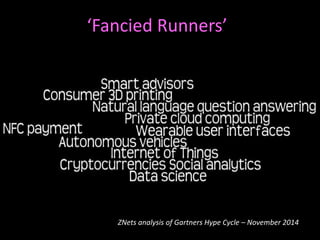
‘Fancied Runners’ 
ZNets analysis of Gartners Hype Cycle – November 2014
What’s next? 
Photo: pivot.com
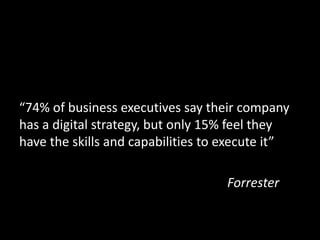
“74% of business executives say their company 
has a digital strategy, but only 15% feel they 
have the skills and capabilities to execute it” 
Forrester
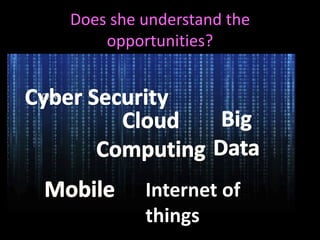
Does she understand the 
opportunities? 
Cyber 
Internet of 
things
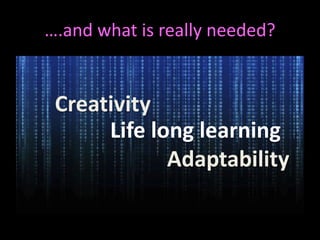
….and what is really needed? 
Creativity 
Life long learning 
Adaptability
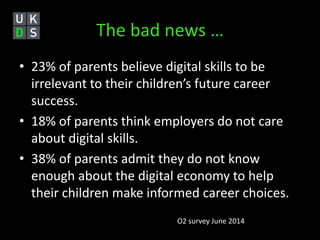
The bad news … 
• 23% of parents believe digital skills to be 
irrelevant to their children’s future career 
success. 
• 18% of parents think employers do not care 
about digital skills. 
• 38% of parents admit they do not know 
enough about the digital economy to help 
their children make informed career choices. 
O2 survey June 2014
The good news …. 
• Social Encouragement 
• Self-perception 
• Academic Exposure 
• Career Perception 
Google 2014
Digital Skills for Life 
• Government should invest in helping all the UK population 
acquire basic digital skills by 2020, sharing the cost with 
businesses and the charitable sector. 
• Government should ensure job seekers are offered digital 
skills training to help them back into the workforce. 
• Government should mount an awareness campaign about the 
need to improve digital skills among SMEs and charities. This 
should include piloting of voucher schemes to access digital 
skills training. 
• Government should commission a major review of the 
provision of lifelong learning for digital skills across the UK.
As a region … 
• Regional groups should collaborate to 
establish ‘dating’ websites 
• This could be led by local enterprise 
partnerships, councils or self-organising 
collaborations.
What can I do as a company? 
• Make tech roles visible and better understood 
• Align your CSR with your company business 
• Set up on-going relationships with local schools, colleges and universities to 
provide work experience and work placements 
• Alert to recruitment and retention 
• Diverse board and senior management 
• Quality apprenticeships – collaborating where necessary 
• Ongoing training to keep skills relevant
As a school … 
• Encourage all teachers to develop their digital 
skills and understanding of contemporary 
workplace 
• Ensure work experience benefits every 
student regardless of gender and background 
• Promote all pathways that benefit the student 
rather than the educator 
• Promote cross curricular, project based work 
• Review policy on digital devices
Digital By Degree 
• Universities should focus on supporting students through their studies to 
reduce unemployment levels amongst ethnic minority computer science 
graduates. 
• Government should fund the National Centre for Universities and Business 
(NCUB) to work with other sector bodies to establish a matching website 
to connect students with tech businesses across the UK. 
• Government should work with universities and industry to expand the 
number of tech sandwich years and summer placements undertaken by 
students. 
• Universities should offer students of all disciplines the opportunity to 
develop their digital skills outside of their core subject through 
employability awards and other schemes. 
• University computer science departments should have active Industrial 
Advisory Boards to help keep them updated with industry developments.
What can I do? 
• Become a school governor 
• Sponsor as well as mentor 
• Volunteer with organisations like TeenTech, 
Code Club, Apps For Good, Young Rewired 
State 
• Prepare for school visits – ongoing 
relationships better than one-off

Digital Evolution 2014: Maggie Philbin

  • 1.
    Maggie Philbin CEOTeenTech Chair UK Digital Skills Task Force
  • 2.
    From TW toBang Goes The Theory
  • 5.
    The Focus Whatcan we do to help develop home talent for the digital industries and for the growing IT needs of all industry?
  • 6.
    Perceptions We knowcareers in tech are still misunderstood. How can we change this? Schools and Colleges – What are the barriers preventing young people gaining digital skills? How can formal/informal education better support this? What is the role for business? Apprenticeships. How can we make it easier for companies of all sizes to take on apprentices? What would a really good apprenticeship in digital skills/IT look like?
  • 7.
    Universities. What canwe do to ensure people have a better chance of gaining the skills which are actually needed? Ongoing learning. How do we up skill the existing work force - those in and out of employment? Can we provide better opportunities for career transitions, career pathways for all ages?
  • 9.
    ‘Fancied Runners’ ZNetsanalysis of Gartners Hype Cycle – November 2014
  • 10.
  • 11.
    “74% of businessexecutives say their company has a digital strategy, but only 15% feel they have the skills and capabilities to execute it” Forrester
  • 12.
    Does she understandthe opportunities? Cyber Internet of things
  • 13.
    ….and what isreally needed? Creativity Life long learning Adaptability
  • 17.
    The bad news… • 23% of parents believe digital skills to be irrelevant to their children’s future career success. • 18% of parents think employers do not care about digital skills. • 38% of parents admit they do not know enough about the digital economy to help their children make informed career choices. O2 survey June 2014
  • 18.
    The good news…. • Social Encouragement • Self-perception • Academic Exposure • Career Perception Google 2014
  • 20.
    Digital Skills forLife • Government should invest in helping all the UK population acquire basic digital skills by 2020, sharing the cost with businesses and the charitable sector. • Government should ensure job seekers are offered digital skills training to help them back into the workforce. • Government should mount an awareness campaign about the need to improve digital skills among SMEs and charities. This should include piloting of voucher schemes to access digital skills training. • Government should commission a major review of the provision of lifelong learning for digital skills across the UK.
  • 21.
    As a region… • Regional groups should collaborate to establish ‘dating’ websites • This could be led by local enterprise partnerships, councils or self-organising collaborations.
  • 22.
    What can Ido as a company? • Make tech roles visible and better understood • Align your CSR with your company business • Set up on-going relationships with local schools, colleges and universities to provide work experience and work placements • Alert to recruitment and retention • Diverse board and senior management • Quality apprenticeships – collaborating where necessary • Ongoing training to keep skills relevant
  • 23.
    As a school… • Encourage all teachers to develop their digital skills and understanding of contemporary workplace • Ensure work experience benefits every student regardless of gender and background • Promote all pathways that benefit the student rather than the educator • Promote cross curricular, project based work • Review policy on digital devices
  • 24.
    Digital By Degree • Universities should focus on supporting students through their studies to reduce unemployment levels amongst ethnic minority computer science graduates. • Government should fund the National Centre for Universities and Business (NCUB) to work with other sector bodies to establish a matching website to connect students with tech businesses across the UK. • Government should work with universities and industry to expand the number of tech sandwich years and summer placements undertaken by students. • Universities should offer students of all disciplines the opportunity to develop their digital skills outside of their core subject through employability awards and other schemes. • University computer science departments should have active Industrial Advisory Boards to help keep them updated with industry developments.
  • 25.
    What can Ido? • Become a school governor • Sponsor as well as mentor • Volunteer with organisations like TeenTech, Code Club, Apps For Good, Young Rewired State • Prepare for school visits – ongoing relationships better than one-off

Editor's Notes

  • #5 Disuption is the name of the game –Every company is a digital company, every job is a digital job. new platforms, tools, and potential to build better relationships with customers.. 
  • #10 Both Gartners and Forrester have recently brought out their lists of the emerging technologies to keep your eye on . Quite like Znets analysis of the tech they would back … But is there anything we can learn form the past …and our ability to spot the game changing technology?
  • #11 Where will the digital world take us? Industries like heath care, transport and education will be transformed. And the honest answer is we really don’t know.
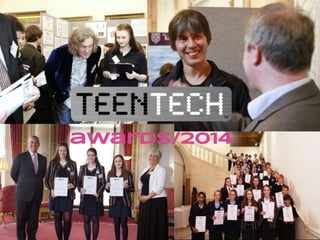
  • #16 300 students from North wales
  • #17 300 students from North Wales
  • #19 regardless of their technical expertise, reinforces existing interest and
  • #25 is used to both improve academic attainment and reduce unemployment levels amongst ethnic minority computer science graduates.