Diagnostic modalities in
tuberculosis Pulmonary and
Extrapulmonary
Dr SHIVAOM CHAURASIA
Resident
Internal Medicine
Mycobacterium tuberculosis
• Rod shaped
• Non-spore forming
• Aerobic bacterium
• 0.5 ×3 µm
• Neutral on gram
staining
• Acid fast
▫ Mycolic acid
▫ Long chain
crosslinked fatty
acids
Global Burden
• More than two billion people (about one-third of
the world population) are estimated to be
latently infected with Mycobacterium
tuberculosis .
• Prompt diagnosis of active TB facilitates timely
therapeutic intervention and minimizes
community transmission
Extra-pulmonary TB
10-40% of TB
▫ Lymph nodes 35%
▫ Pleura 20%
▫ Genitourinary tract 10-15%
▫ Bones and joints 10%
 Spine 40%
 Hip 13%
 Knee 10%
▫ Meninges 5%
▫ Peritonium 3.5%
▫ Pericardium
Grading AFB scale (WHO-IUATLD)
Examine at least 300 fields (15 minutes on average)
before giving a negative result.
Molecular techniques
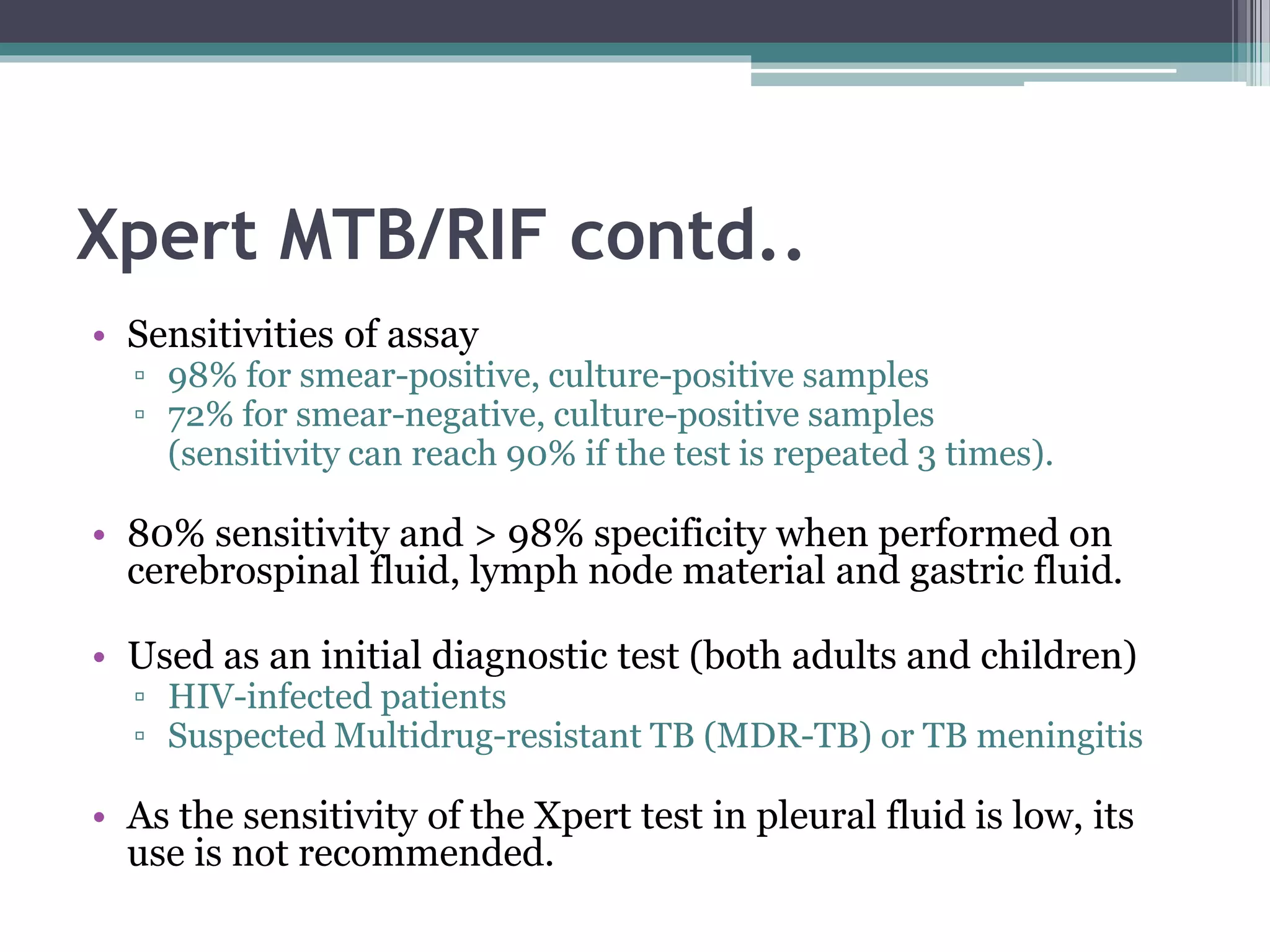
Xpert MTB/RIF contd..
• Sensitivities of assay
▫ 98% for smear-positive, culture-positive samples
▫ 72% for smear-negative, culture-positive samples
(sensitivity can reach 90% if the test is repeated 3 times).
• 80% sensitivity and > 98% specificity when performed on
cerebrospinal fluid, lymph node material and gastric fluid.
• Used as an initial diagnostic test (both adults and children)
▫ HIV-infected patients
▫ Suspected Multidrug-resistant TB (MDR-TB) or TB meningitis
• As the sensitivity of the Xpert test in pleural fluid is low, its
use is not recommended.
Xpert MTB/RIF contd..
• Xpert with RIF positive
• Repeat the test
• Second Xpert MTB/RIF test
▫ does not show rifampicin resistance
 susceptible TB
▫ shows rifampicin resistance
 confirmed by a phenotypic DST or a different
genotypic DST method
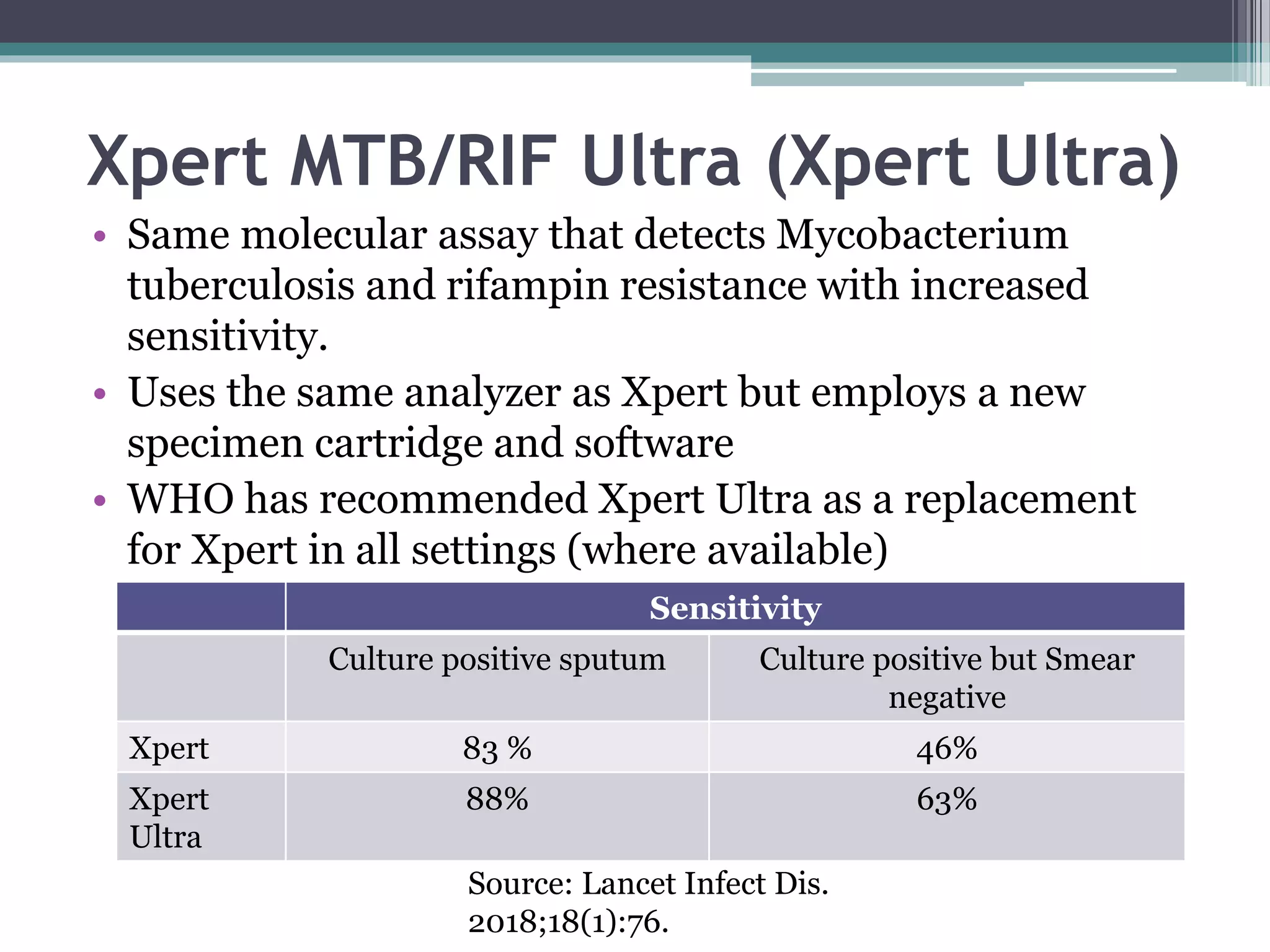
Xpert MTB/RIF Ultra (Xpert Ultra)
• Same molecular assay that detects Mycobacterium
tuberculosis and rifampin resistance with increased
sensitivity.
• Uses the same analyzer as Xpert but employs a new
specimen cartridge and software
• WHO has recommended Xpert Ultra as a replacement
for Xpert in all settings (where available)
Sensitivity
Culture positive sputum Culture positive but Smear
negative
Xpert 83 % 46%
Xpert
Ultra
88% 63%
Source: Lancet Infect Dis.
2018;18(1):76.
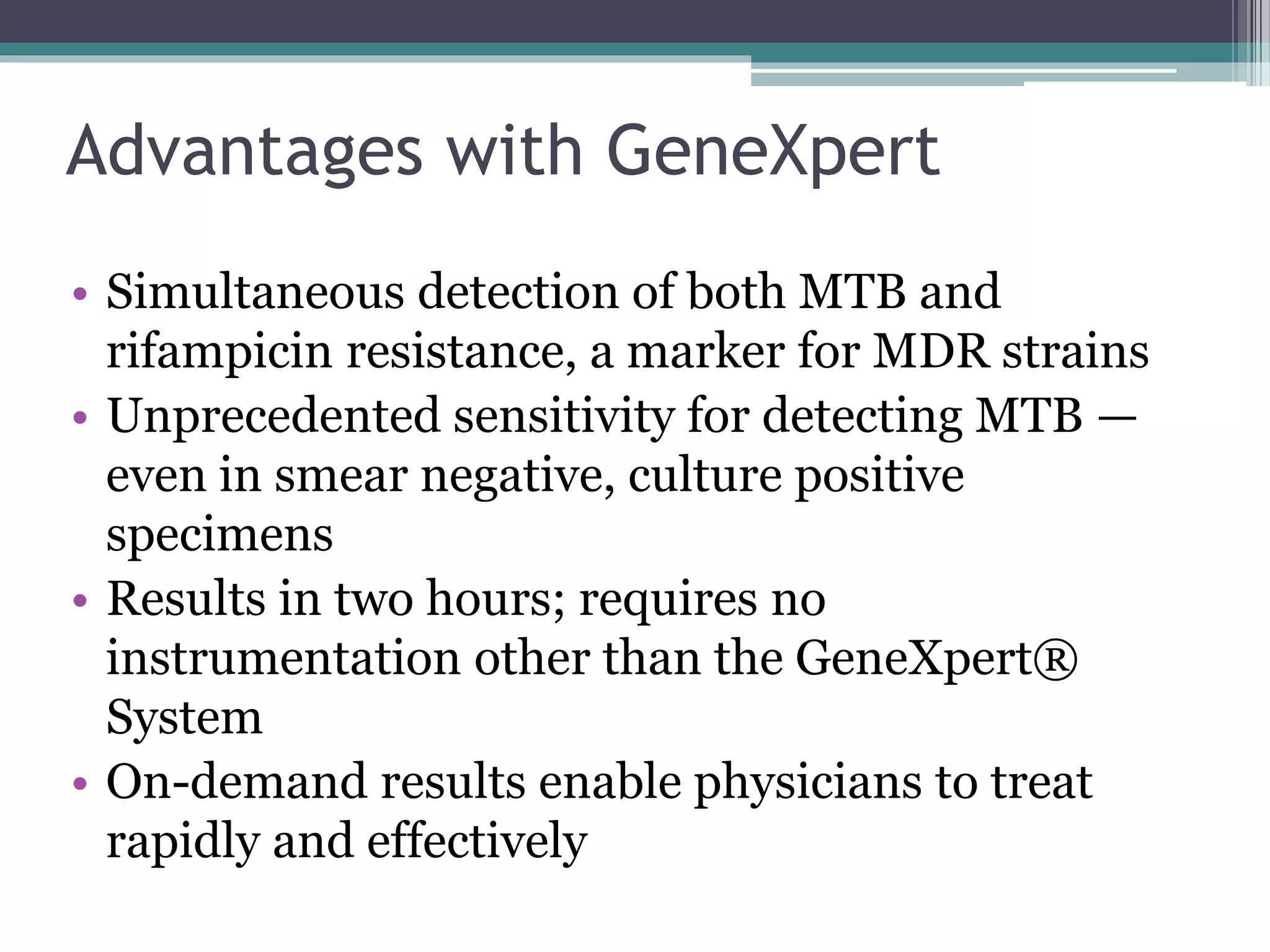
Advantages with GeneXpert
• Simultaneous detection of both MTB and
rifampicin resistance, a marker for MDR strains
• Unprecedented sensitivity for detecting MTB —
even in smear negative, culture positive
specimens
• Results in two hours; requires no
instrumentation other than the GeneXpert®
System
• On-demand results enable physicians to treat
rapidly and effectively
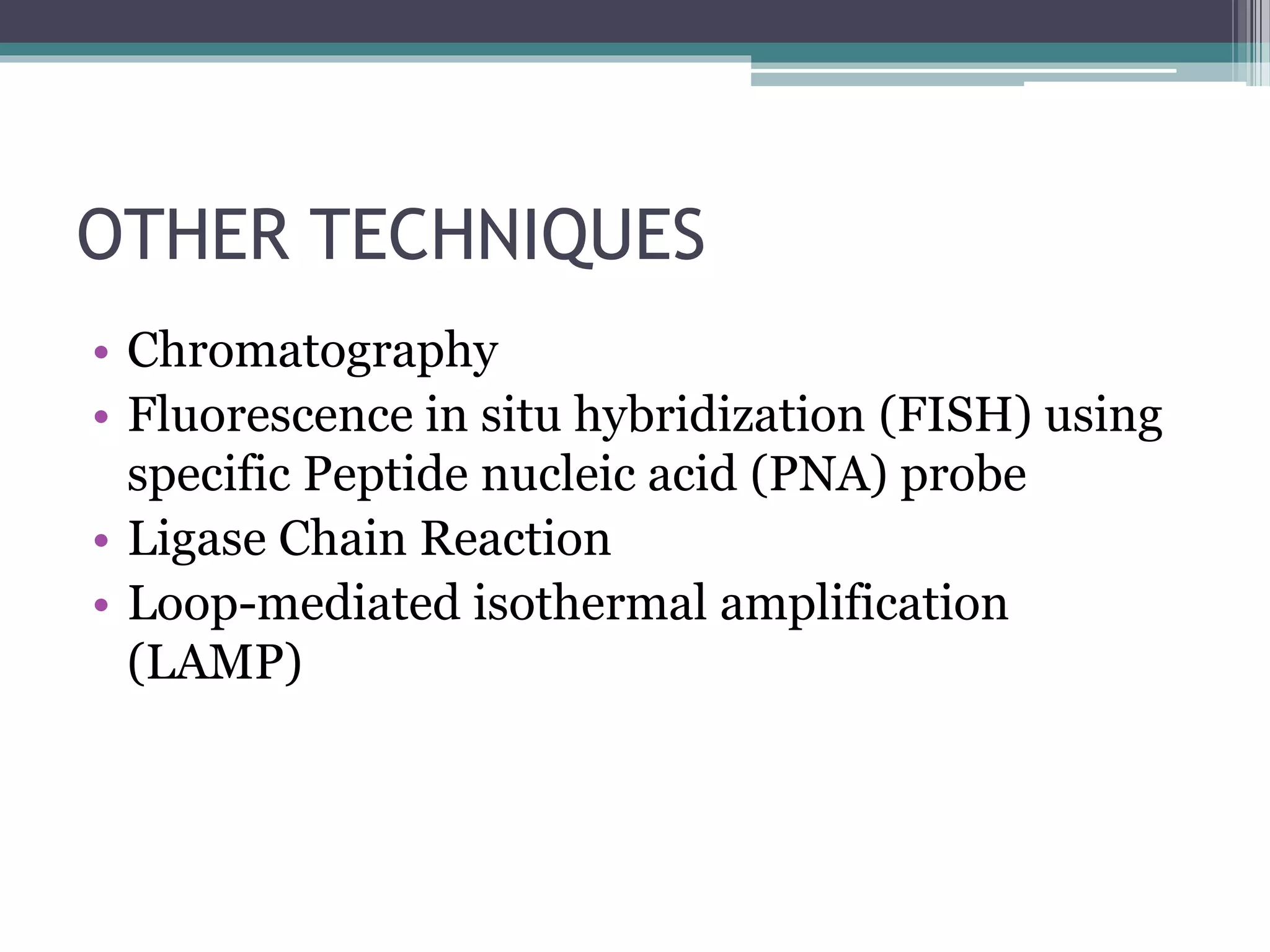
OTHER TECHNIQUES
• Chromatography
• Fluorescence in situ hybridization (FISH) using
specific Peptide nucleic acid (PNA) probe
• Ligase Chain Reaction
• Loop-mediated isothermal amplification
(LAMP)
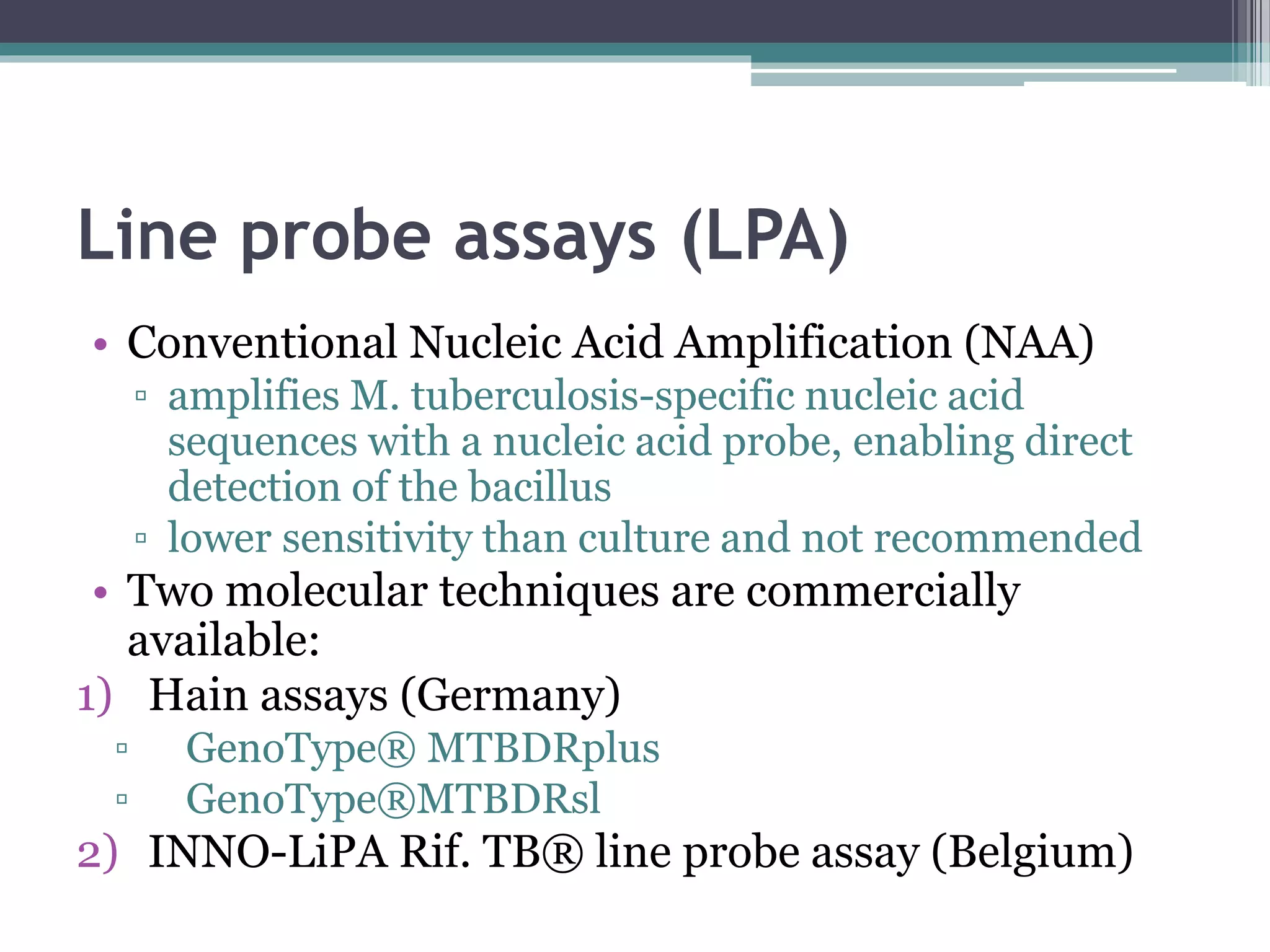
Line probe assays (LPA)
• Conventional Nucleic Acid Amplification (NAA)
▫ amplifies M. tuberculosis-specific nucleic acid
sequences with a nucleic acid probe, enabling direct
detection of the bacillus
▫ lower sensitivity than culture and not recommended
• Two molecular techniques are commercially
available:
1) Hain assays (Germany)
▫ GenoType® MTBDRplus
▫ GenoType®MTBDRsl
2) INNO-LiPA Rif. TB® line probe assay (Belgium)
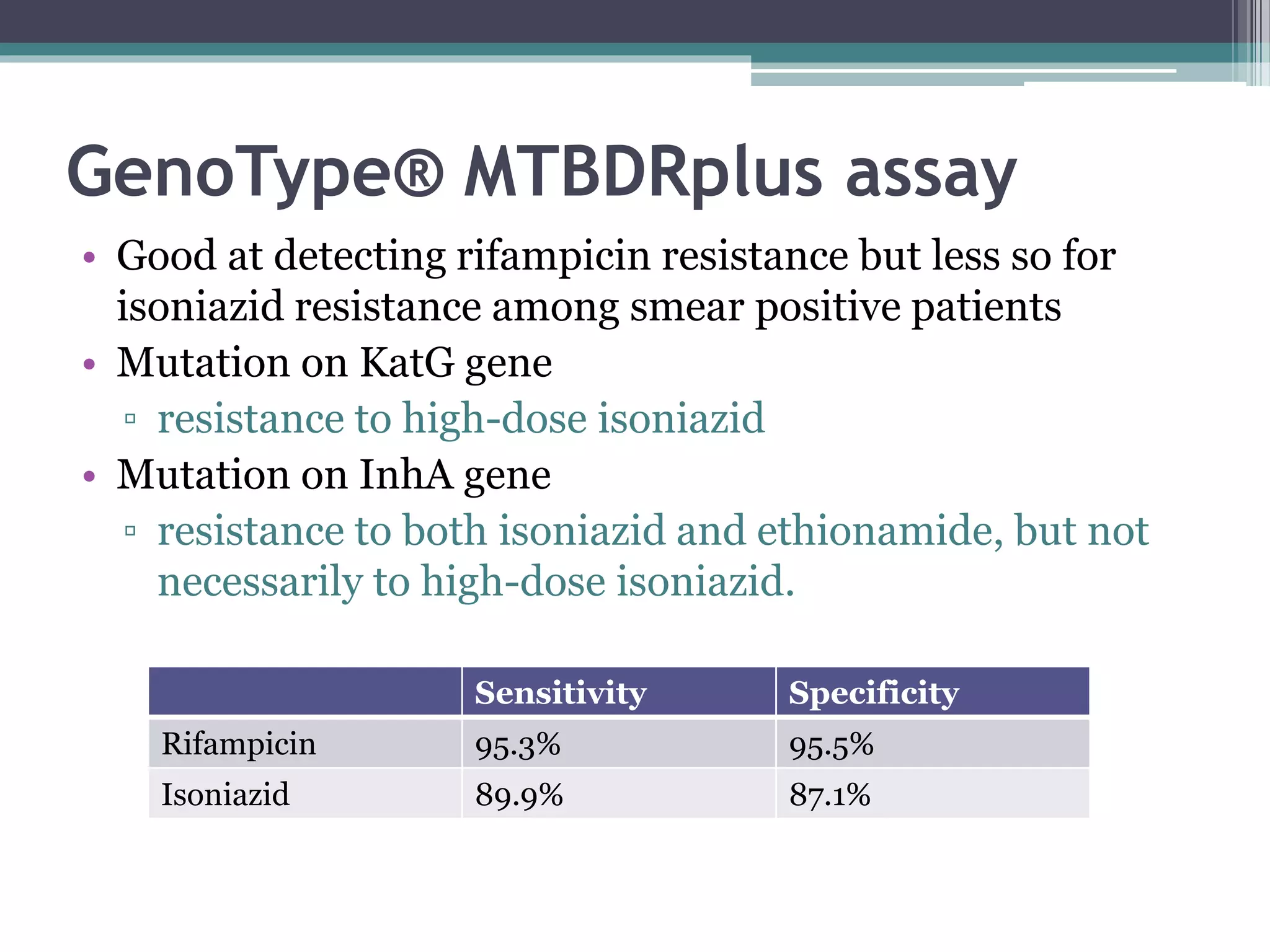
GenoType® MTBDRplus assay
• Good at detecting rifampicin resistance but less so for
isoniazid resistance among smear positive patients
• Mutation on KatG gene
▫ resistance to high-dose isoniazid
• Mutation on InhA gene
▫ resistance to both isoniazid and ethionamide, but not
necessarily to high-dose isoniazid.
Sensitivity Specificity
Rifampicin 95.3% 95.5%
Isoniazid 89.9% 87.1%
GenoType®MTBDRsl assay
• Detects the resistance to
▫ Fluoroquinolones (gyr A gene) and injectables
drugs (rrs gene) with a good sensitivity but a lower
specificity
• Triage test on smear-positive patients
▫ to guide the initial treatment in extensively drug-
resistant TB (XDR-TB) suspects
▫ while awaiting confirmatory results from
conventional phenotypic testing
Other Inexpensive DST Methods
• Microscopically observed drug suceptibility
(MODS)
• Nitrate reduction assays
• Colorimetric redox indicator assays
Drug susceptibility tests (DST)
• Phenotypic DST
▫ determines if a strain is resistant to an anti-TB
drug by evaluating the growth (or metabolic
activity) in the presence of the drug
• Genotypic DST
▫ Detect drug resistance through identifying genetic
mutations (drug-resistant alleles) in the bacterium
▫ Also useful for Diagnosis of TB through the
amplification of nucleic acids DNA or RNA
(Nucleic acid amplification test NAAT)
Indications for DST
• Ideally, genotypic DST is indicated for all patients at
the start of TB treatment
• At the very least, the following patients should have
DST performed to isoniazid and rifampicin, or
rifampicin alone:
1. Previously treated patients;
2. Persons who develop active TB after exposure to a
patient with documented MDR-TB
3. Patients who remain smear-positive after two months
of therapy
4. New patients in countries with high prevalence of
MDR-TB
Indications for DST (second-line
drugs)
1. Resistance to at least rifampicin
2. Resistance to at least isoniazid and another
Group 1 drug
3. Culture positive on or after Month 4 of an
MDR-TB treatment
4. Active TB after exposure to a patient with
documented MDR-TB.
Reliability of DST
• 1st line drugs
▫ very reliable for rifampicin and isoniazid
▫ less reliable for pyrazinamide
▫ much less for ethambutol
• Injectable and 2nd line drugs
▫ relatively good reliability and reproducibility for
aminoglycosides, polypeptides and
fluoroquinolones
▫ much less reliable for other second-line drugs
(para-aminosalicylic acid, ethionamide and
cycloserine
Summary of bacteriological
examinations
Radiology
• Chest X-ray
▫ Non-specific investigation for TB
▫ Not routinely indicated in sputum smear-positive
patients
▫ Recommended
 smear microscopy results are negative
 suspected TB in children
▫ Particularly useful where the proportion of
bacteriologically unconfirmed TB is likely to be high
(populations with a high incidence of HIV)
▫ Pleural and pericardial effusions
▫ Miliary TB.
Radiology contd..
• Bones and joints (Xray and CT-scan)
• Ultrasound
▫ pleural and pericardial effusions
▫ abdominal TB
 multiple enlarged lymph nodes, bowel wall
thickening (ileocaecal region)
Latent TB
• Heaf test
• Montoux test
• IGRAs
Heaf test
• Read at 3–7 days
• Multipuncture method
▫ Grade 1: 4–6 papules
▫ Grade 2: Confluent papules forming ring
▫ Grade 3: Central induration
▫ Grade 4: >10 mm induration
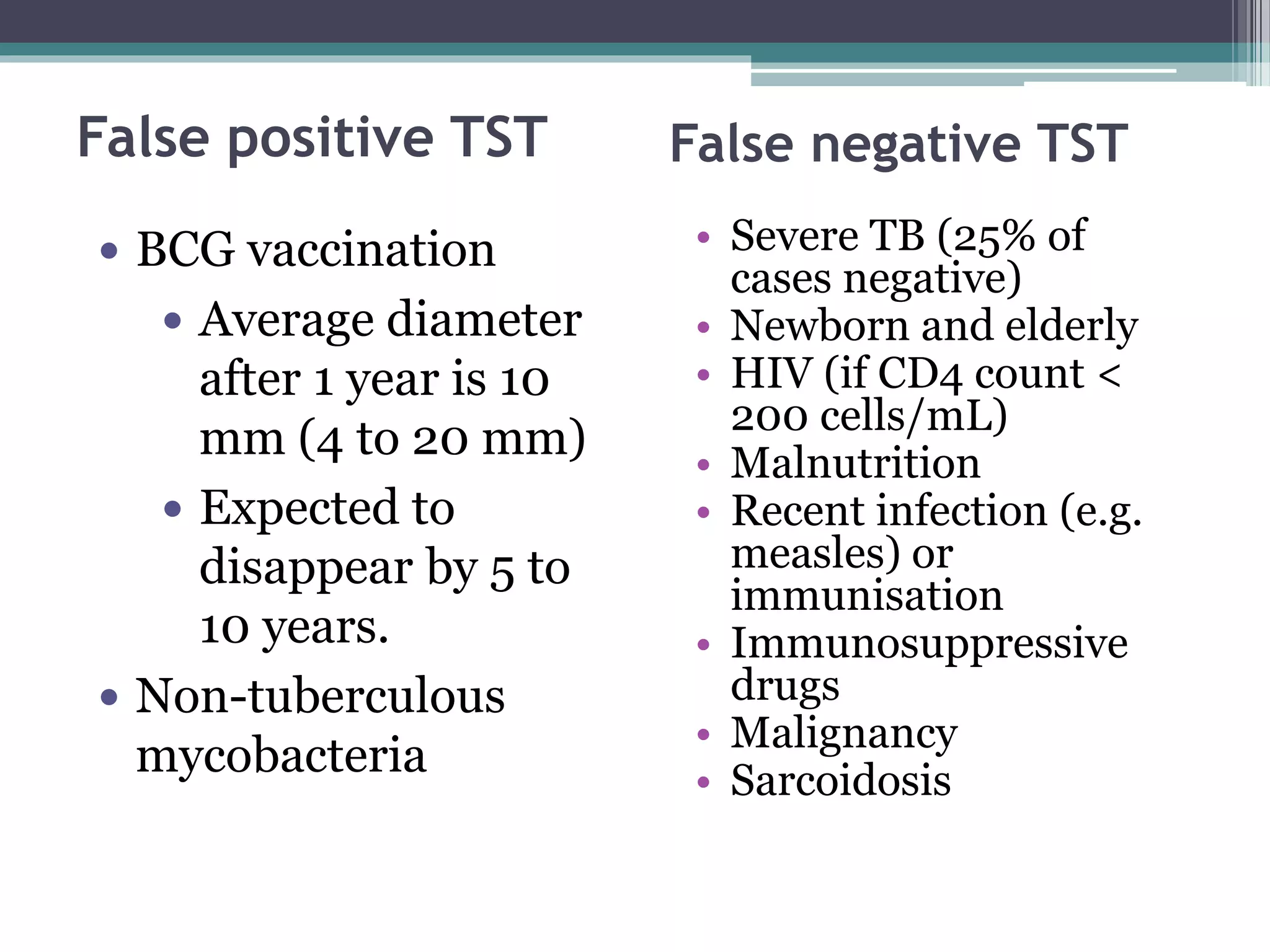
False positive TST
• Severe TB (25% of
cases negative)
• Newborn and elderly
• HIV (if CD4 count <
200 cells/mL)
• Malnutrition
• Recent infection (e.g.
measles) or
immunisation
• Immunosuppressive
drugs
• Malignancy
• Sarcoidosis
False negative TST
 BCG vaccination
 Average diameter
after 1 year is 10
mm (4 to 20 mm)
 Expected to
disappear by 5 to
10 years.
 Non-tuberculous
mycobacteria
Interferon gamma release assays
(IGRAs)
• no cross reactivity with prior BCG vaccination
and with most environmental mycobacteria
• less sensitive test in HIV co-infected
• expensive
Principles of
IGRAs
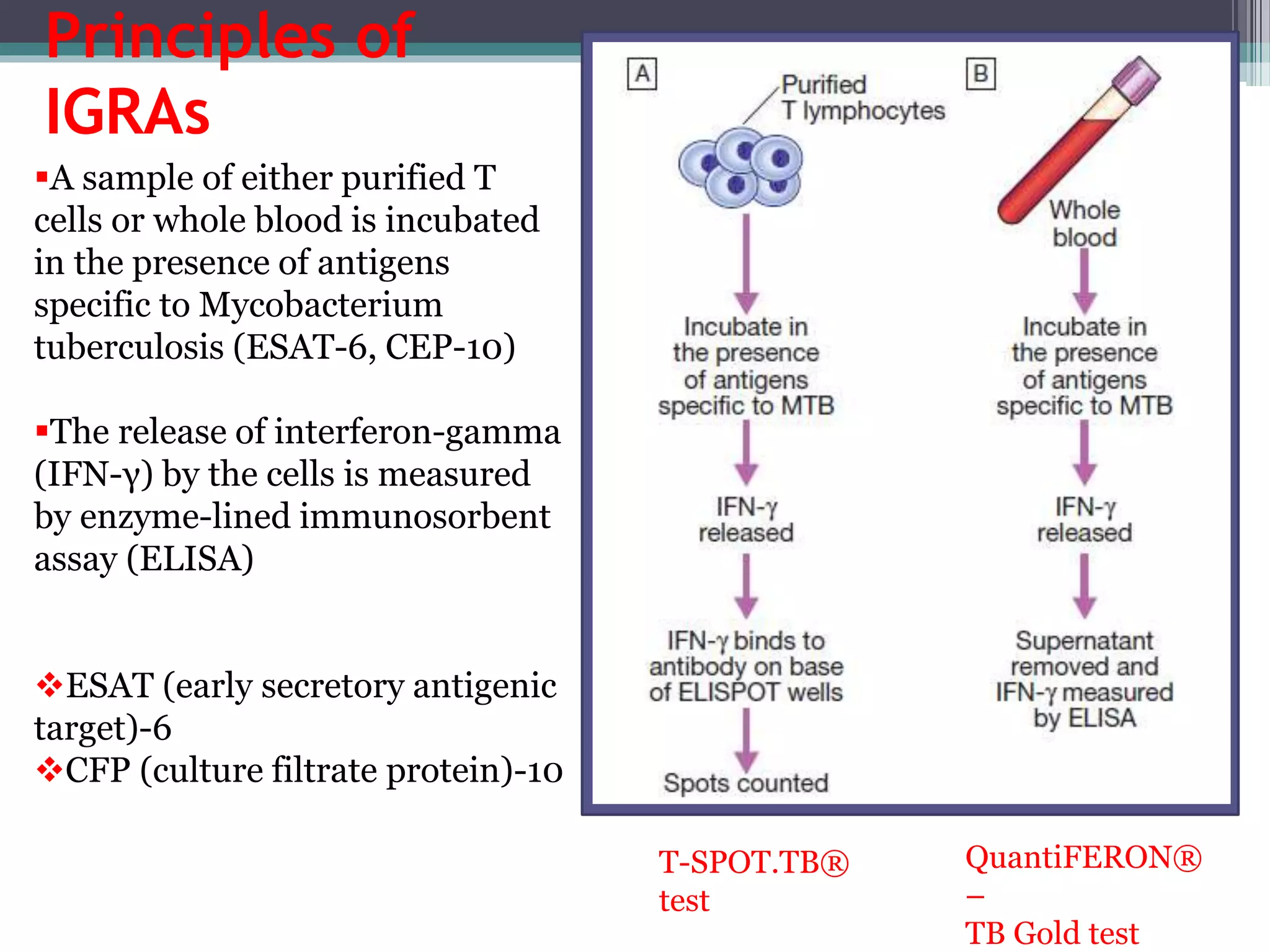
A sample of either purified T
cells or whole blood is incubated
in the presence of antigens
specific to Mycobacterium
tuberculosis (ESAT-6, CEP-10)
The release of interferon-gamma
(IFN-γ) by the cells is measured
by enzyme-lined immunosorbent
assay (ELISA)
ESAT (early secretory antigenic
target)-6
CFP (culture filtrate protein)-10
T-SPOT.TB®
test
QuantiFERON®
–
TB Gold test
Advantages of IGRA
▫ Quantitative reports – postive or negative
▫ Result in single patient visit
▫ Not affected by BCG status and NTB
▫ Not affected by repeated IGRA
• Disadvantages of IGRA
▫ Does not tell Latent or active TB
▫ COST
▫ Results altered in immune compromised
Biopsies and fine needle aspirate
cytology (FNAC)
• Lymph nodes, bone and pleural lining
• Specific granulomatous tissue, the
presence of giant Langhans' cells, and/or
caseous necrosis strongly correlate with
TB.
• AFBs are not always present
• Molecular tests can be used on the
specimens obtained from FNAC of lymph
nodes
Biopsies and fine needle aspirate
cytology (FNAC) contd..
• Two smears with
Giemsa stain
▫ Caseous necrosis,
granuloma, giants
cells, and epithelioid
cells or histocytes
• 1 or 2 with Ziehl-
Neelsen (ZN) stain
▫ acid-fast bacilli
(AFB)
G ranulomatous inflammation
characterised by large numbers of
macrophages and multinucleate
giant cells (white arrow).
The central area of this focus shows
caseous degeneration (black
arrow).
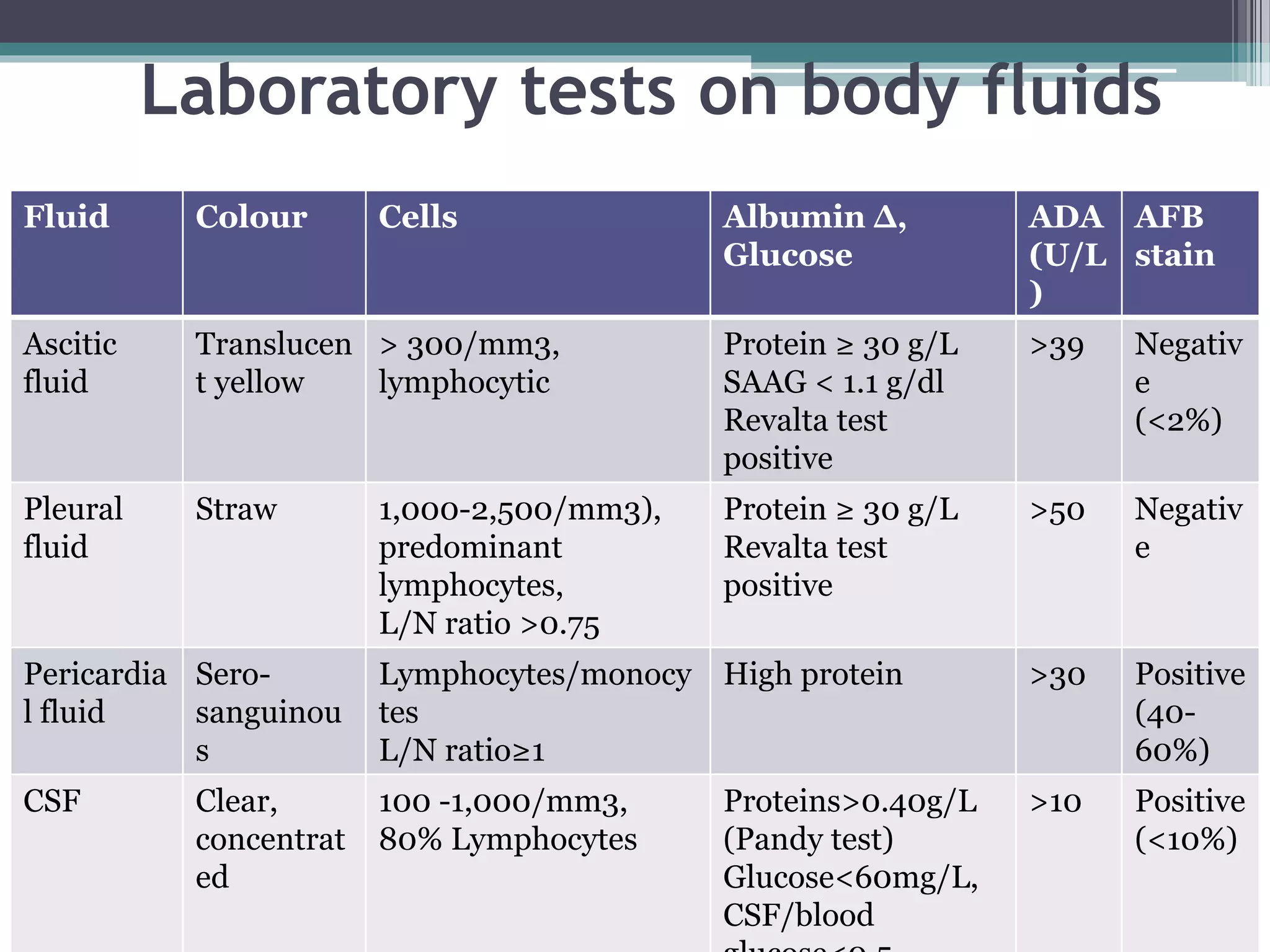
Laboratory tests on body fluids
Fluid Colour Cells Albumin ∆,
Glucose
ADA
(U/L
)
AFB
stain
Ascitic
fluid
Translucen
t yellow
> 300/mm3,
lymphocytic
Protein ≥ 30 g/L
SAAG < 1.1 g/dl
Revalta test
positive
>39 Negativ
e
(<2%)
Pleural
fluid
Straw 1,000-2,500/mm3),
predominant
lymphocytes,
L/N ratio >0.75
Protein ≥ 30 g/L
Revalta test
positive
>50 Negativ
e
Pericardia
l fluid
Sero-
sanguinou
s
Lymphocytes/monocy
tes
L/N ratio≥1
High protein >30 Positive
(40-
60%)
CSF Clear,
concentrat
ed
100 -1,000/mm3,
80% Lymphocytes
Proteins>0.40g/L
(Pandy test)
Glucose<60mg/L,
CSF/blood
>10 Positive
(<10%)
Role of ADA in diagnosis of TB
Fluid ADA value
(U/L)
Sensitivity specificity
Ascitic fluid 39 100% 97%
Pleural fluid 50 92% 90%
Pericardial
fluid
30 94% 68%
CSF 10 79% 91%
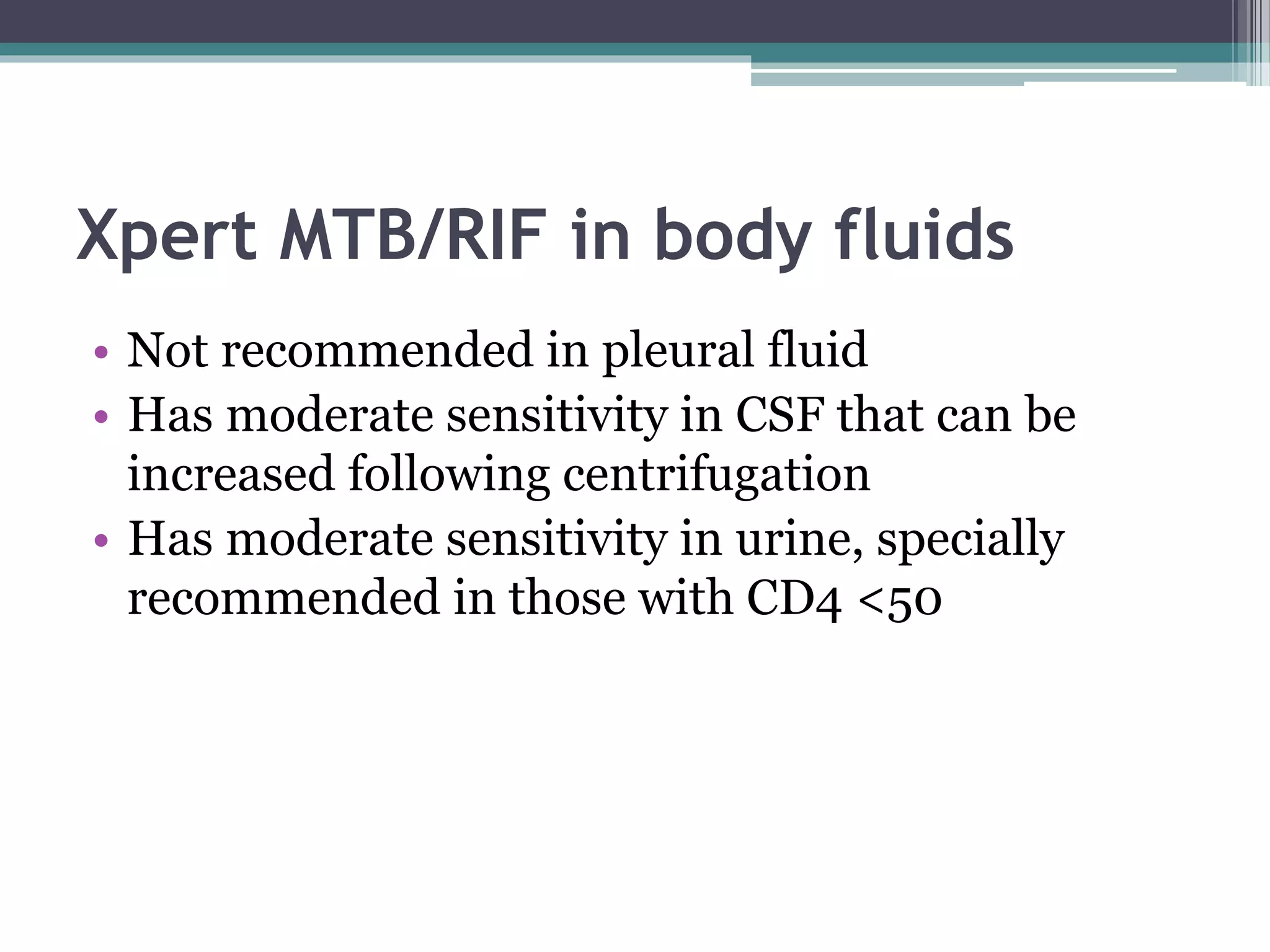
Xpert MTB/RIF in body fluids
• Not recommended in pleural fluid
• Has moderate sensitivity in CSF that can be
increased following centrifugation
• Has moderate sensitivity in urine, specially
recommended in those with CD4 <50
References
• Davidsons Principles and Practice of Medicine
• Harrison's Principles of Internal Medicine
• Kumar and Clarks Clinical Medicine
• Tuberculosis: Practical guide for clinicians,
nurses, laboratory technicians and medical
auxiliaries.
Thank you

Diagnostic modalities tb final edited

  • 1.
    Diagnostic modalities in tuberculosisPulmonary and Extrapulmonary Dr SHIVAOM CHAURASIA Resident Internal Medicine
  • 2.
    Mycobacterium tuberculosis • Rodshaped • Non-spore forming • Aerobic bacterium • 0.5 ×3 µm • Neutral on gram staining • Acid fast ▫ Mycolic acid ▫ Long chain crosslinked fatty acids
  • 3.
    Global Burden • Morethan two billion people (about one-third of the world population) are estimated to be latently infected with Mycobacterium tuberculosis . • Prompt diagnosis of active TB facilitates timely therapeutic intervention and minimizes community transmission
  • 4.
    Extra-pulmonary TB 10-40% ofTB ▫ Lymph nodes 35% ▫ Pleura 20% ▫ Genitourinary tract 10-15% ▫ Bones and joints 10%  Spine 40%  Hip 13%  Knee 10% ▫ Meninges 5% ▫ Peritonium 3.5% ▫ Pericardium
  • 8.
    Grading AFB scale(WHO-IUATLD) Examine at least 300 fields (15 minutes on average) before giving a negative result.
  • 12.
  • 19.
    Xpert MTB/RIF contd.. •Sensitivities of assay ▫ 98% for smear-positive, culture-positive samples ▫ 72% for smear-negative, culture-positive samples (sensitivity can reach 90% if the test is repeated 3 times). • 80% sensitivity and > 98% specificity when performed on cerebrospinal fluid, lymph node material and gastric fluid. • Used as an initial diagnostic test (both adults and children) ▫ HIV-infected patients ▫ Suspected Multidrug-resistant TB (MDR-TB) or TB meningitis • As the sensitivity of the Xpert test in pleural fluid is low, its use is not recommended.
  • 20.
    Xpert MTB/RIF contd.. •Xpert with RIF positive • Repeat the test • Second Xpert MTB/RIF test ▫ does not show rifampicin resistance  susceptible TB ▫ shows rifampicin resistance  confirmed by a phenotypic DST or a different genotypic DST method
  • 21.
    Xpert MTB/RIF Ultra(Xpert Ultra) • Same molecular assay that detects Mycobacterium tuberculosis and rifampin resistance with increased sensitivity. • Uses the same analyzer as Xpert but employs a new specimen cartridge and software • WHO has recommended Xpert Ultra as a replacement for Xpert in all settings (where available) Sensitivity Culture positive sputum Culture positive but Smear negative Xpert 83 % 46% Xpert Ultra 88% 63% Source: Lancet Infect Dis. 2018;18(1):76.
  • 22.
    Advantages with GeneXpert •Simultaneous detection of both MTB and rifampicin resistance, a marker for MDR strains • Unprecedented sensitivity for detecting MTB — even in smear negative, culture positive specimens • Results in two hours; requires no instrumentation other than the GeneXpert® System • On-demand results enable physicians to treat rapidly and effectively
  • 23.
    OTHER TECHNIQUES • Chromatography •Fluorescence in situ hybridization (FISH) using specific Peptide nucleic acid (PNA) probe • Ligase Chain Reaction • Loop-mediated isothermal amplification (LAMP)
  • 24.
    Line probe assays(LPA) • Conventional Nucleic Acid Amplification (NAA) ▫ amplifies M. tuberculosis-specific nucleic acid sequences with a nucleic acid probe, enabling direct detection of the bacillus ▫ lower sensitivity than culture and not recommended • Two molecular techniques are commercially available: 1) Hain assays (Germany) ▫ GenoType® MTBDRplus ▫ GenoType®MTBDRsl 2) INNO-LiPA Rif. TB® line probe assay (Belgium)
  • 25.
    GenoType® MTBDRplus assay •Good at detecting rifampicin resistance but less so for isoniazid resistance among smear positive patients • Mutation on KatG gene ▫ resistance to high-dose isoniazid • Mutation on InhA gene ▫ resistance to both isoniazid and ethionamide, but not necessarily to high-dose isoniazid. Sensitivity Specificity Rifampicin 95.3% 95.5% Isoniazid 89.9% 87.1%
  • 26.
    GenoType®MTBDRsl assay • Detectsthe resistance to ▫ Fluoroquinolones (gyr A gene) and injectables drugs (rrs gene) with a good sensitivity but a lower specificity • Triage test on smear-positive patients ▫ to guide the initial treatment in extensively drug- resistant TB (XDR-TB) suspects ▫ while awaiting confirmatory results from conventional phenotypic testing
  • 27.
    Other Inexpensive DSTMethods • Microscopically observed drug suceptibility (MODS) • Nitrate reduction assays • Colorimetric redox indicator assays
  • 28.
    Drug susceptibility tests(DST) • Phenotypic DST ▫ determines if a strain is resistant to an anti-TB drug by evaluating the growth (or metabolic activity) in the presence of the drug • Genotypic DST ▫ Detect drug resistance through identifying genetic mutations (drug-resistant alleles) in the bacterium ▫ Also useful for Diagnosis of TB through the amplification of nucleic acids DNA or RNA (Nucleic acid amplification test NAAT)
  • 29.
    Indications for DST •Ideally, genotypic DST is indicated for all patients at the start of TB treatment • At the very least, the following patients should have DST performed to isoniazid and rifampicin, or rifampicin alone: 1. Previously treated patients; 2. Persons who develop active TB after exposure to a patient with documented MDR-TB 3. Patients who remain smear-positive after two months of therapy 4. New patients in countries with high prevalence of MDR-TB
  • 30.
    Indications for DST(second-line drugs) 1. Resistance to at least rifampicin 2. Resistance to at least isoniazid and another Group 1 drug 3. Culture positive on or after Month 4 of an MDR-TB treatment 4. Active TB after exposure to a patient with documented MDR-TB.
  • 31.
    Reliability of DST •1st line drugs ▫ very reliable for rifampicin and isoniazid ▫ less reliable for pyrazinamide ▫ much less for ethambutol • Injectable and 2nd line drugs ▫ relatively good reliability and reproducibility for aminoglycosides, polypeptides and fluoroquinolones ▫ much less reliable for other second-line drugs (para-aminosalicylic acid, ethionamide and cycloserine
  • 32.
  • 33.
    Radiology • Chest X-ray ▫Non-specific investigation for TB ▫ Not routinely indicated in sputum smear-positive patients ▫ Recommended  smear microscopy results are negative  suspected TB in children ▫ Particularly useful where the proportion of bacteriologically unconfirmed TB is likely to be high (populations with a high incidence of HIV) ▫ Pleural and pericardial effusions ▫ Miliary TB.
  • 34.
    Radiology contd.. • Bonesand joints (Xray and CT-scan) • Ultrasound ▫ pleural and pericardial effusions ▫ abdominal TB  multiple enlarged lymph nodes, bowel wall thickening (ileocaecal region)
  • 35.
    Latent TB • Heaftest • Montoux test • IGRAs
  • 36.
    Heaf test • Readat 3–7 days • Multipuncture method ▫ Grade 1: 4–6 papules ▫ Grade 2: Confluent papules forming ring ▫ Grade 3: Central induration ▫ Grade 4: >10 mm induration
  • 39.
    False positive TST •Severe TB (25% of cases negative) • Newborn and elderly • HIV (if CD4 count < 200 cells/mL) • Malnutrition • Recent infection (e.g. measles) or immunisation • Immunosuppressive drugs • Malignancy • Sarcoidosis False negative TST  BCG vaccination  Average diameter after 1 year is 10 mm (4 to 20 mm)  Expected to disappear by 5 to 10 years.  Non-tuberculous mycobacteria
  • 40.
    Interferon gamma releaseassays (IGRAs) • no cross reactivity with prior BCG vaccination and with most environmental mycobacteria • less sensitive test in HIV co-infected • expensive
  • 41.
    Principles of IGRAs A sampleof either purified T cells or whole blood is incubated in the presence of antigens specific to Mycobacterium tuberculosis (ESAT-6, CEP-10) The release of interferon-gamma (IFN-γ) by the cells is measured by enzyme-lined immunosorbent assay (ELISA) ESAT (early secretory antigenic target)-6 CFP (culture filtrate protein)-10 T-SPOT.TB® test QuantiFERON® – TB Gold test
  • 42.
    Advantages of IGRA ▫Quantitative reports – postive or negative ▫ Result in single patient visit ▫ Not affected by BCG status and NTB ▫ Not affected by repeated IGRA • Disadvantages of IGRA ▫ Does not tell Latent or active TB ▫ COST ▫ Results altered in immune compromised
  • 43.
    Biopsies and fineneedle aspirate cytology (FNAC) • Lymph nodes, bone and pleural lining • Specific granulomatous tissue, the presence of giant Langhans' cells, and/or caseous necrosis strongly correlate with TB. • AFBs are not always present • Molecular tests can be used on the specimens obtained from FNAC of lymph nodes
  • 44.
    Biopsies and fineneedle aspirate cytology (FNAC) contd.. • Two smears with Giemsa stain ▫ Caseous necrosis, granuloma, giants cells, and epithelioid cells or histocytes • 1 or 2 with Ziehl- Neelsen (ZN) stain ▫ acid-fast bacilli (AFB) G ranulomatous inflammation characterised by large numbers of macrophages and multinucleate giant cells (white arrow). The central area of this focus shows caseous degeneration (black arrow).
  • 45.
    Laboratory tests onbody fluids Fluid Colour Cells Albumin ∆, Glucose ADA (U/L ) AFB stain Ascitic fluid Translucen t yellow > 300/mm3, lymphocytic Protein ≥ 30 g/L SAAG < 1.1 g/dl Revalta test positive >39 Negativ e (<2%) Pleural fluid Straw 1,000-2,500/mm3), predominant lymphocytes, L/N ratio >0.75 Protein ≥ 30 g/L Revalta test positive >50 Negativ e Pericardia l fluid Sero- sanguinou s Lymphocytes/monocy tes L/N ratio≥1 High protein >30 Positive (40- 60%) CSF Clear, concentrat ed 100 -1,000/mm3, 80% Lymphocytes Proteins>0.40g/L (Pandy test) Glucose<60mg/L, CSF/blood >10 Positive (<10%)
  • 46.
    Role of ADAin diagnosis of TB Fluid ADA value (U/L) Sensitivity specificity Ascitic fluid 39 100% 97% Pleural fluid 50 92% 90% Pericardial fluid 30 94% 68% CSF 10 79% 91%
  • 47.
    Xpert MTB/RIF inbody fluids • Not recommended in pleural fluid • Has moderate sensitivity in CSF that can be increased following centrifugation • Has moderate sensitivity in urine, specially recommended in those with CD4 <50
  • 48.
    References • Davidsons Principlesand Practice of Medicine • Harrison's Principles of Internal Medicine • Kumar and Clarks Clinical Medicine • Tuberculosis: Practical guide for clinicians, nurses, laboratory technicians and medical auxiliaries.
  • 49.

Editor's Notes

  • #4 In 2015, approximately 10.4 million individuals became ill with tuberculosis (TB), and 1.8 million died
  • #10 Word Health Organization and the International Union against Tuberculosis and Lung Disease (WHO-IUATLD)
  • #24 Xpert MTB/RIF Ultra (Xpert Ultra) approved in december 2017 The Xpert Ultra is available in the United States for research use only.
  • #25 Monoresistance to Rifampicin ~5 % Concurrent resistance with Isoniazide ~95% – Dx of MDR Tb with high level of accuracy Xpert MTB/RIF has higher sensitivity for Sputum smear positive cases than Smear negative cases. Nontheless a valuable tool for smear negative cases International standard for TB Care recommended Xpert MTB/RIF assay with Culture for Sputum Negative Suspected cases
  • #28 Mycobacterium tuberculosis and drug resistance
  • #29 MTBDRsl (smear‐positive specimen) identified most of the patients with second‐line drug resistance.
  • #35 TLA (thin layer agar) MODS (microscopically observed drug susceptibility)
  • #39 Montoux induration 5–14 mm (equivalent to Heaf grade 2) and > 15 mm (Heaf grade 3–4)
  • #43 IGRA is preferred in age more than 5 years but TST is preferred in age less than 5 years due to the lack of studies of IGRA in age less than 5 years.
  • #44 QuantiFERON®–TB Gold In-Tube assay (also contains another specific Ag, TB 7.7)
  • #47 The golden standard of diagnosis for TB on tissue samples is hematoxylin-eosin stain, but Giemsa stain can be used as an alternative in remote areas with limited equipment.
  • #48 Pandy test Add 3 drops of CSF to 1 ml of Pandy reagent (saturated phenol solution) in centrifuge tube and look for white cloud The normal range of protein in CSF is 0.20-0.45 g/litre. The Pandy test is positive when protein is superior to 0.45 g/litre. Rivalta test Add 3 drops of pleural fluid/ascites to 2 ml of Revalta reagent (glacial acetic acid) in centrifuge tube and look for white cloud The test is positive when the proteins are superior to 30 g/litre The sensitivity of AFB smear and mycobacterial culture ascites fluid is low (less than 2 percent and less than 20 percent, respectively) The yield of mycobacterial culture may be increased (up to 83 percent) if 1 L of ascitic fluid (concentrated by centrifugation) is cultured SAAG is >1.1 in TB with cirrhosis The sensitivity of ascites fluid ADA in patients with cirrhosis is lower(30%), likely due to poor humoral and T cell–mediated response, in such cases, it may be a helpful supportive diagnostic tool if lower thresholds are used (21 to 30 international units/L) HIV-infected patients and patients already on TB medications may have lower levels of ADA ADA is generally not a good test in cerebrospinal fluid