

DevOps, Agile, $buzzword
and
How the hell to secure
them
By:
Francisco Donoso
What are you talking about?
● What hell are Devops, Agile, and
$INSERT_BUZZWORD_HERE
● What kind of challenges do these methodologies present to
security folks
● How to use these tools to your advantage
○ Config management suites 101
○ Automated security scans when code is committed
● Cats
Who are you anyway?
● Have done the security analyst / security engineer thing
● Have done the security consulting thing
● MSS Architect leading a team of Security Engineers and Software Devs
● DevOps Security Engineer at:
We’re hiring!
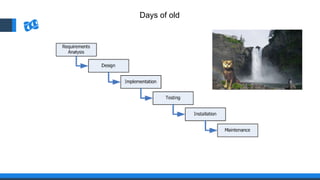
Days of old
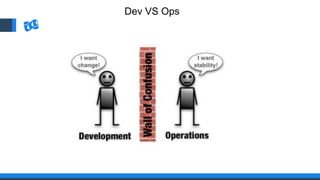
Dev VS Ops
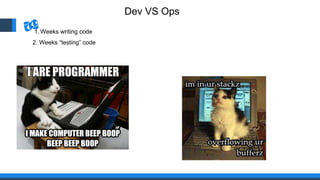
1. Weeks writing code
2. Weeks “testing” code
Dev VS Ops
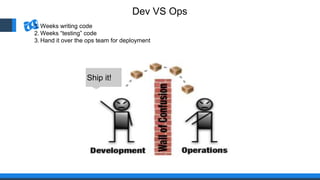
Ship it!
1. Weeks writing code
2. Weeks “testing” code
3. Hand it over the ops team for deployment
Dev VS Ops
1. Weeks writing code
2. Weeks “testing” code
3. Hand it over the ops team for deployment
Dev VS Ops
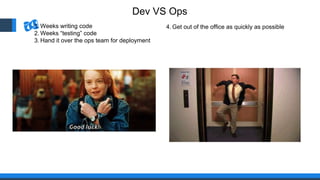
4. Get out of the office as quickly as possible
1. Weeks writing code
2. Weeks “testing” code
3. Hand it over the ops team for deployment
4. Get out of the office as quickly as possible
Dev VS Ops
5. Deployment is a complete train wreck
Dev VS Ops
1. Weeks writing code
2. Weeks “testing” code
3. Hand it over the ops team for deployment
4. Get out of the office as quickly as possible
5. Deployment is a complete train wreck
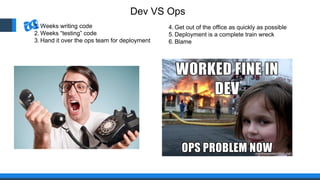
6. Blame
Dev VS Ops
1. Weeks writing code
2. Weeks “testing” code
3. Hand it over the ops team for deployment
4. Get out of the office as quickly as possible
5. Deployment is a complete train wreck
6. Blame
7. Roll back….
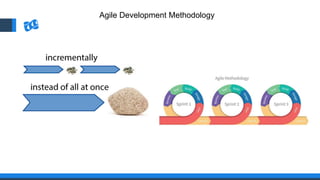
What is Agile?
Agile Development Methodology
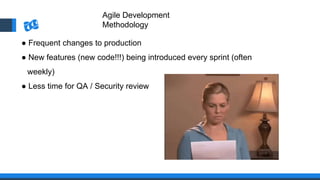
Agile Development
Methodology
● Frequent changes to production
● New features (new code!!!) being introduced every sprint (often
weekly)
● Less time for QA / Security review
Intro to DevOps
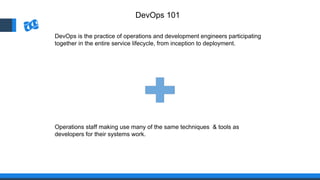
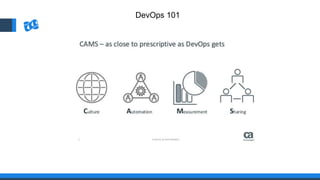
DevOps 101
DevOps is the practice of operations and development engineers participating
together in the entire service lifecycle, from inception to deployment.
Operations staff making use many of the same techniques & tools as
developers for their systems work.
DevOps 101
DevOps Tool Belt
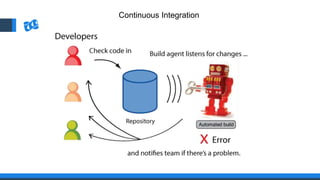
Continuous Integration
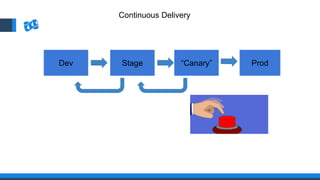
Continuous Delivery
Dev Stage “Canary” Prod
Server management
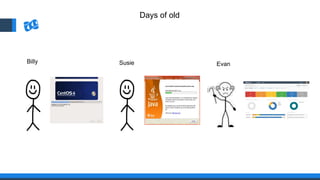
Days of old
Billy Susie Evan
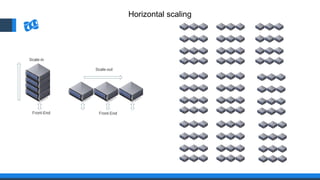
Horizontal scaling
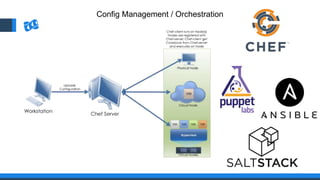
Config Management / Orchestration
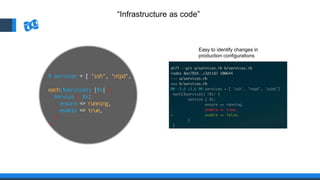
“Infrastructure as code”
Easy to identify changes in
production configurations
“Infrastructure as code”
Version-able, Repeatable, Testable
Consistency - Ensure that your server builds meet security
requirements.
Makes life easier - Automate repeated tasks
Change Management - “Code” review and be less scared of
change! (patching anyone..? Bueller? Bueller?)
DR is easier!
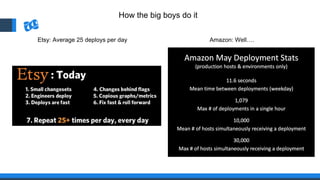
How the big boys do it
Etsy: Average 25 deploys per day Amazon: Well….
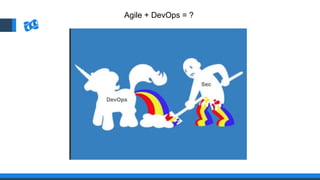
Agile + DevOps = ?
How to secure this stuff
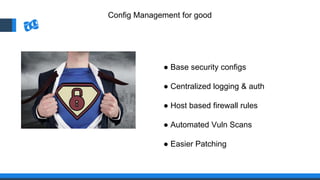
Config Management for good
● Base security configs
● Centralized logging & auth
● Host based firewall rules
● Automated Vuln Scans
● Easier Patching
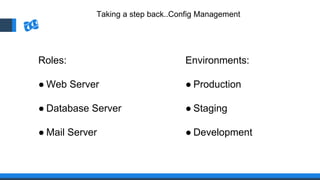
Taking a step back..Config Management
Roles:
● Web Server
● Database Server
● Mail Server
Environments:
● Production
● Staging
● Development
Automate security
Configure a base hardened config that is used everywhere
Configure centralized auth
Configure centralized logging FOR ALL THE THINGS
Configure host based firewalls per role & environment
Quickly mitigate insecure configurations
Example Time
Write a recipe to install and configure rsyslog to
send auth logs to centralized logging servers
Automatically logging all the things
1.Automatically install rsyslog
2.Automatically write a configuration file with custom
“destination” log server based on the “nodes”
environment
3.Start the service
4.Profit (from logs...yeah...logs)
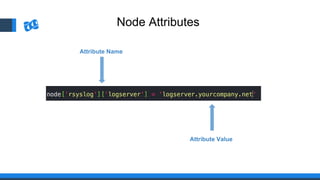
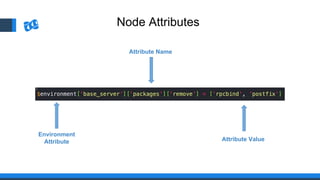
Node Attributes
Attribute Name
Attribute Value
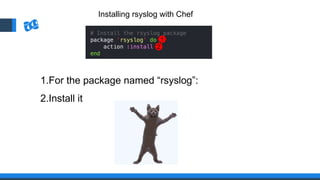
Installing rsyslog with Chef
1
2
1.For the package named “rsyslog”:
2.Install it
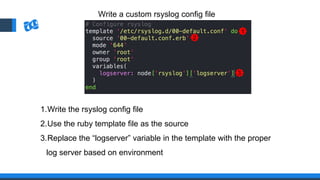
1.Write the rsyslog config file
2.Use the ruby template file as the source
3.Replace the “logserver” variable in the template with the proper
log server based on environment
Write a custom rsyslog config file
1
2
3
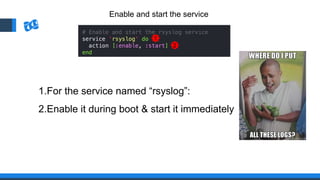
Enable and start the service
1
2
1.For the service named “rsyslog”:
2.Enable it during boot & start it immediately
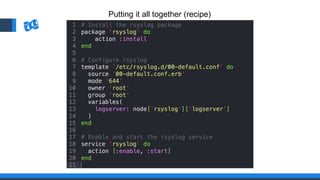
Putting it all together (recipe)
Continuing with our
base_server recipe
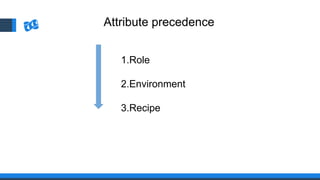
Attribute precedence
1.Role
2.Environment
3.Recipe
Node Attributes
Attribute Name
Attribute Value
Environment
Attribute
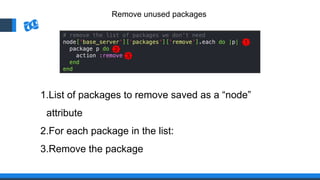
Remove unused packages
1
2
3
1.List of packages to remove saved as a “node”
attribute
2.For each package in the list:
3.Remove the package
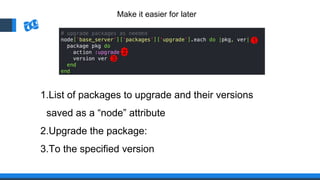
Make it easier for later
1
2
3
1.List of packages to upgrade and their versions
saved as a “node” attribute
2.Upgrade the package:
3.To the specified version
Making security convenient
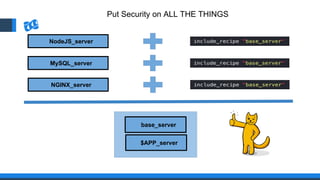
Put Security on ALL THE THINGS
NodeJS_server
base_server
$APP_server
MySQL_server
NGINX_server
Demo Time
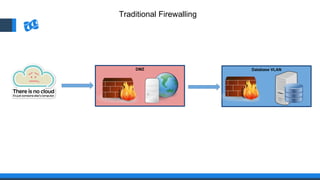
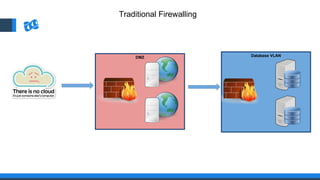
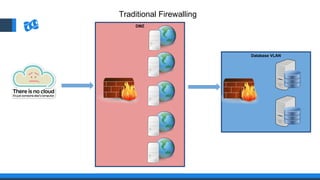
Firewalling in a
DevOps World
Database VLANDMZ
Traditional Firewalling
Database VLANDMZ
Traditional Firewalling
DMZ
Traditional Firewalling
Database VLAN
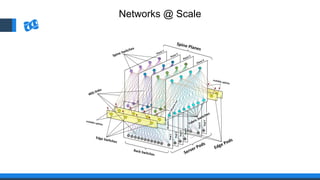
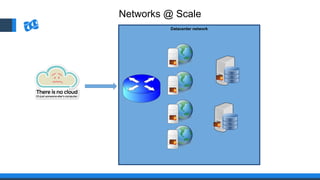
Networks @ Scale
Datacenter network
Networks @ Scale
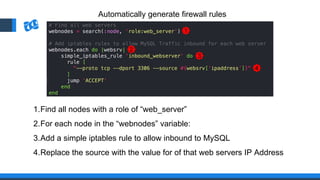
1.Find all nodes with a role of “web_server”
2.For each node in the “webnodes” variable:
3.Add a simple iptables rule to allow inbound to MySQL
4.Replace the source with the value for of that web servers IP Address
Automatically generate firewall rules
3
1
2
4
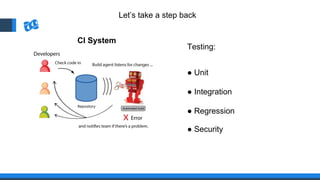
Let’s take a step back
Testing:
● Unit
● Integration
● Regression
● Security
CI System
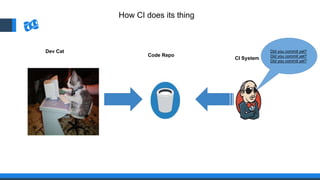
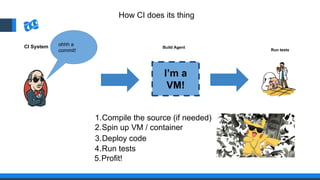
How CI does its thing
Dev Cat
Code Repo
CI System
Did you commit yet?
Did you commit yet?
Did you commit yet?
How CI does its thing
CI System ohhh a
commit!
1.Compile the source (if needed)
I’m a
VM!
Build Agent
Run tests
2.Spin up VM / container
3.Deploy code
4.Run tests
5.Profit!
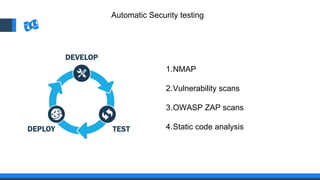
1.NMAP
2.Vulnerability scans
3.OWASP ZAP scans
4.Static code analysis
Automatic Security testing
Infrastructure is code
Test Like It
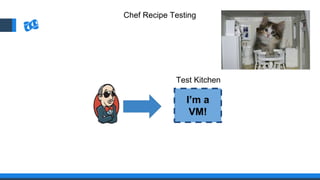
Chef Recipe Testing
I’m a
VM!
Test Kitchen
1
2
3
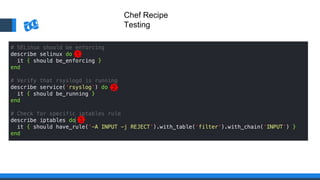
Chef Recipe
Testing
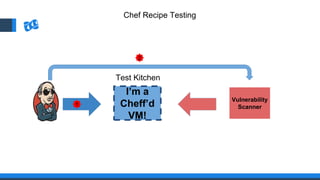
Chef Recipe Testing
I’m a
Cheff’d
VM!
Test Kitchen
Vulnerability
Scanner1
2
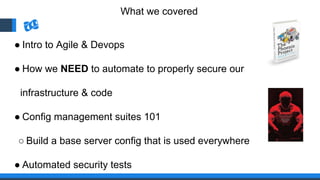
What we covered
● Intro to Agile & Devops
● How we NEED to automate to properly secure our
infrastructure & code
● Config management suites 101
○ Build a base server config that is used everywhere
● Automated security tests
THANKS FOR LISTENING
Q A&
I’ll try to answer questions now
Q&A Session
@Francisckrs Francisco Donoso Francisck

DevOps Security for Good