Developers guide to Security
& Operations
Introducing DevSecOps
Software Security Bangalore Meetup #1
Madhu Akula
Automation Ninja, Appsecco
About Me
➔ Automation Ninja @ Appsecco
➔ Interested in Security, DevOps and Cloud
➔ Speaker & Trainer : Defcon, DevSecCon, All Day DevOps, DevOps Days etc.
➔ Found bugs in Google, Microsoft, Yahoo etc.
➔ Offensive Security Certified Professional (OSCP)
➔ Never ending learner !
➔ Follow me (or) Tweet to me @madhuakula
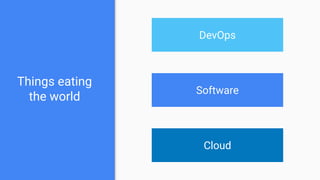
Things eating
the world
DevOps
Software
Cloud
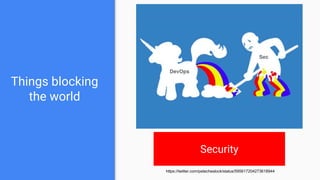
Things blocking
the world
Security
https://twitter.com/petecheslock/status/595617204273618944
DevSecOps
=
Everyone is responsible for
security
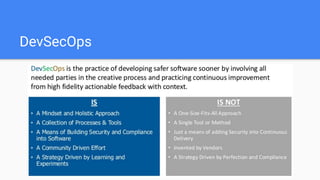
DevSecOps
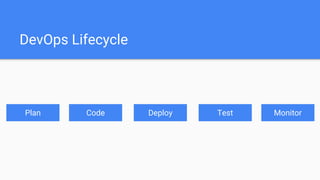
DevOps Lifecycle
Plan Code Deploy Test Monitor
Let’s talk about
DevOOPS
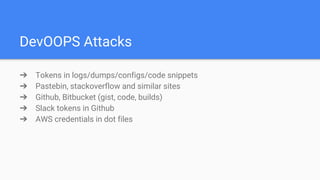
DevOOPS Attacks
➔ Tokens in logs/dumps/configs/code snippets
➔ Pastebin, stackoverflow and similar sites
➔ Github, Bitbucket (gist, code, builds)
➔ Slack tokens in Github
➔ AWS credentials in dot files
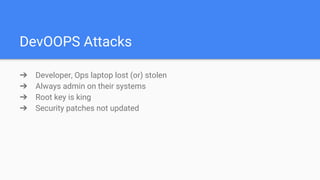
DevOOPS Attacks
➔ Developer, Ops laptop lost (or) stolen
➔ Always admin on their systems
➔ Root key is king
➔ Security patches not updated
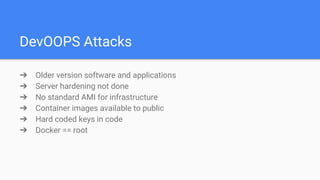
DevOOPS Attacks
➔ Older version software and applications
➔ Server hardening not done
➔ No standard AMI for infrastructure
➔ Container images available to public
➔ Hard coded keys in code
➔ Docker == root
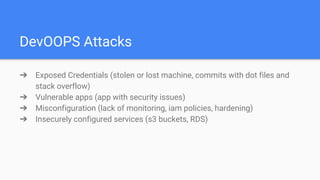
DevOOPS Attacks
➔ Exposed Credentials (stolen or lost machine, commits with dot files and
stack overflow)
➔ Vulnerable apps (app with security issues)
➔ Misconfiguration (lack of monitoring, iam policies, hardening)
➔ Insecurely configured services (s3 buckets, RDS)
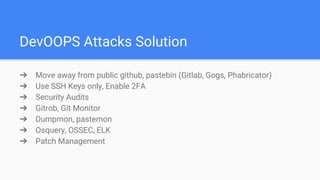
DevOOPS Attacks Solution
➔ Move away from public github, pastebin (Gitlab, Gogs, Phabricator)
➔ Use SSH Keys only, Enable 2FA
➔ Security Audits
➔ Gitrob, Git Monitor
➔ Dumpmon, pastemon
➔ Osquery, OSSEC, ELK
➔ Patch Management
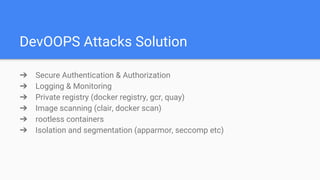
DevOOPS Attacks Solution
➔ Secure Authentication & Authorization
➔ Logging & Monitoring
➔ Private registry (docker registry, gcr, quay)
➔ Image scanning (clair, docker scan)
➔ rootless containers
➔ Isolation and segmentation (apparmor, seccomp etc)
Insecurity Scenarios
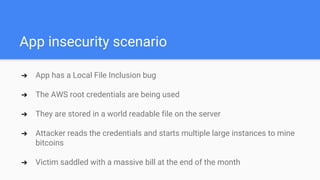
App insecurity scenario
➔ App has a Local File Inclusion bug
➔ The AWS root credentials are being used
➔ They are stored in a world readable file on the server
➔ Attacker reads the credentials and starts multiple large instances to mine
bitcoins
➔ Victim saddled with a massive bill at the end of the month
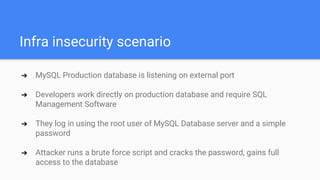
Infra insecurity scenario
➔ MySQL Production database is listening on external port
➔ Developers work directly on production database and require SQL
Management Software
➔ They log in using the root user of MySQL Database server and a simple
password
➔ Attacker runs a brute force script and cracks the password, gains full
access to the database
Data insecurity scenario
➔ Database is getting backed up regularly
➔ Due to performance reasons, database wasn’t encrypted when initial
backups were done
➔ Dev team moves to newer type SSDs and doesn’t decommission older
HDDs
➔ Attacker finds older HDD, does forensics for data recovery and sell the
data for profit.
Demo Time !!!
It’s time to take action!
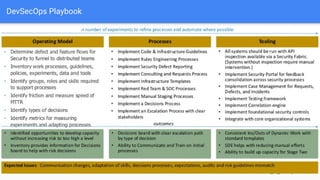
DevSecOps Playbook
Checklist
➔ Collaboration is key principle, make sure all teams involved throughout
project life cycle.
➔ Now infrastructure is codified and version controlled. Add security checks
into the code itself, and make some best practice checklist for your
organisations
➔ Always add security monitoring & logging for each infrastructure,
application you have
Checklist
➔ Once the code is committed to version control system, integrate your
security checks and scanners using CI/CD
➔ Build centralised repositories and registries and look for security issues
➔ Document everything, It’s really important to know what’s happening
➔ Automate as much as possible, trust computers rather our memory
Checklist
➔ Secure by default, encrypt everything possible.
➔ SSH with keys, no root. HTTPS every where
➔ Secure storage, backups
➔ Perform red teaming activities
➔ Measure with the samples always, and take feedback from all teams and
keep improve the process
Checklist
➔ DevSecOps is not one person job. Build security champions, gamification
is the key for making more security champions in your organisations
➔ Build devsecops mindset and improve the culture, it’s one of the best hack
to getting involved.
➔ Follow like minded people and contribute to the open source community
References
● http://www.devsecops.org
● https://www.slideshare.net/FrancoisRaynaud/devseccon-asia-2017-shannon-lietz-security-is-shifting-le
ft
● https://github.com/devsecops
● https://www.slideshare.net/chrisgates/devoops-attacks-and-defenses-for-devops-toolchains
● https://www.slideshare.net/akashm/security-in-the-cloud-workshop-hstc-2014
Thanks
Madhu Akula
@madhuakula | @appseccouk
https://appsecco.com

Introducing DevSecOps by Madhu Akula - Software Security Bangalore - May 27 2017

  • 1.
    Developers guide toSecurity & Operations Introducing DevSecOps Software Security Bangalore Meetup #1 Madhu Akula Automation Ninja, Appsecco
  • 2.
    About Me ➔ AutomationNinja @ Appsecco ➔ Interested in Security, DevOps and Cloud ➔ Speaker & Trainer : Defcon, DevSecCon, All Day DevOps, DevOps Days etc. ➔ Found bugs in Google, Microsoft, Yahoo etc. ➔ Offensive Security Certified Professional (OSCP) ➔ Never ending learner ! ➔ Follow me (or) Tweet to me @madhuakula
  • 3.
  • 4.
  • 5.
  • 6.
  • 7.
    DevOps Lifecycle Plan CodeDeploy Test Monitor
  • 8.
  • 9.
    DevOOPS Attacks ➔ Tokensin logs/dumps/configs/code snippets ➔ Pastebin, stackoverflow and similar sites ➔ Github, Bitbucket (gist, code, builds) ➔ Slack tokens in Github ➔ AWS credentials in dot files
  • 10.
    DevOOPS Attacks ➔ Developer,Ops laptop lost (or) stolen ➔ Always admin on their systems ➔ Root key is king ➔ Security patches not updated
  • 11.
    DevOOPS Attacks ➔ Olderversion software and applications ➔ Server hardening not done ➔ No standard AMI for infrastructure ➔ Container images available to public ➔ Hard coded keys in code ➔ Docker == root
  • 12.
    DevOOPS Attacks ➔ ExposedCredentials (stolen or lost machine, commits with dot files and stack overflow) ➔ Vulnerable apps (app with security issues) ➔ Misconfiguration (lack of monitoring, iam policies, hardening) ➔ Insecurely configured services (s3 buckets, RDS)
  • 13.
    DevOOPS Attacks Solution ➔Move away from public github, pastebin (Gitlab, Gogs, Phabricator) ➔ Use SSH Keys only, Enable 2FA ➔ Security Audits ➔ Gitrob, Git Monitor ➔ Dumpmon, pastemon ➔ Osquery, OSSEC, ELK ➔ Patch Management
  • 14.
    DevOOPS Attacks Solution ➔Secure Authentication & Authorization ➔ Logging & Monitoring ➔ Private registry (docker registry, gcr, quay) ➔ Image scanning (clair, docker scan) ➔ rootless containers ➔ Isolation and segmentation (apparmor, seccomp etc)
  • 15.
  • 16.
    App insecurity scenario ➔App has a Local File Inclusion bug ➔ The AWS root credentials are being used ➔ They are stored in a world readable file on the server ➔ Attacker reads the credentials and starts multiple large instances to mine bitcoins ➔ Victim saddled with a massive bill at the end of the month
  • 17.
    Infra insecurity scenario ➔MySQL Production database is listening on external port ➔ Developers work directly on production database and require SQL Management Software ➔ They log in using the root user of MySQL Database server and a simple password ➔ Attacker runs a brute force script and cracks the password, gains full access to the database
  • 18.
    Data insecurity scenario ➔Database is getting backed up regularly ➔ Due to performance reasons, database wasn’t encrypted when initial backups were done ➔ Dev team moves to newer type SSDs and doesn’t decommission older HDDs ➔ Attacker finds older HDD, does forensics for data recovery and sell the data for profit.
  • 19.
  • 20.
    It’s time totake action!
  • 21.
  • 22.
    Checklist ➔ Collaboration iskey principle, make sure all teams involved throughout project life cycle. ➔ Now infrastructure is codified and version controlled. Add security checks into the code itself, and make some best practice checklist for your organisations ➔ Always add security monitoring & logging for each infrastructure, application you have
  • 23.
    Checklist ➔ Once thecode is committed to version control system, integrate your security checks and scanners using CI/CD ➔ Build centralised repositories and registries and look for security issues ➔ Document everything, It’s really important to know what’s happening ➔ Automate as much as possible, trust computers rather our memory
  • 24.
    Checklist ➔ Secure bydefault, encrypt everything possible. ➔ SSH with keys, no root. HTTPS every where ➔ Secure storage, backups ➔ Perform red teaming activities ➔ Measure with the samples always, and take feedback from all teams and keep improve the process
  • 25.
    Checklist ➔ DevSecOps isnot one person job. Build security champions, gamification is the key for making more security champions in your organisations ➔ Build devsecops mindset and improve the culture, it’s one of the best hack to getting involved. ➔ Follow like minded people and contribute to the open source community
  • 26.
    References ● http://www.devsecops.org ● https://www.slideshare.net/FrancoisRaynaud/devseccon-asia-2017-shannon-lietz-security-is-shifting-le ft ●https://github.com/devsecops ● https://www.slideshare.net/chrisgates/devoops-attacks-and-defenses-for-devops-toolchains ● https://www.slideshare.net/akashm/security-in-the-cloud-workshop-hstc-2014
  • 27.
    Thanks Madhu Akula @madhuakula |@appseccouk https://appsecco.com