





















Seamless Consumer Experiences
Tom Voirol, Global head of user engagement
Best Practices in Consumer Engagement, 13 January 2015
Tom
Tom Voirol
Today…
Overview
Strategy
Development
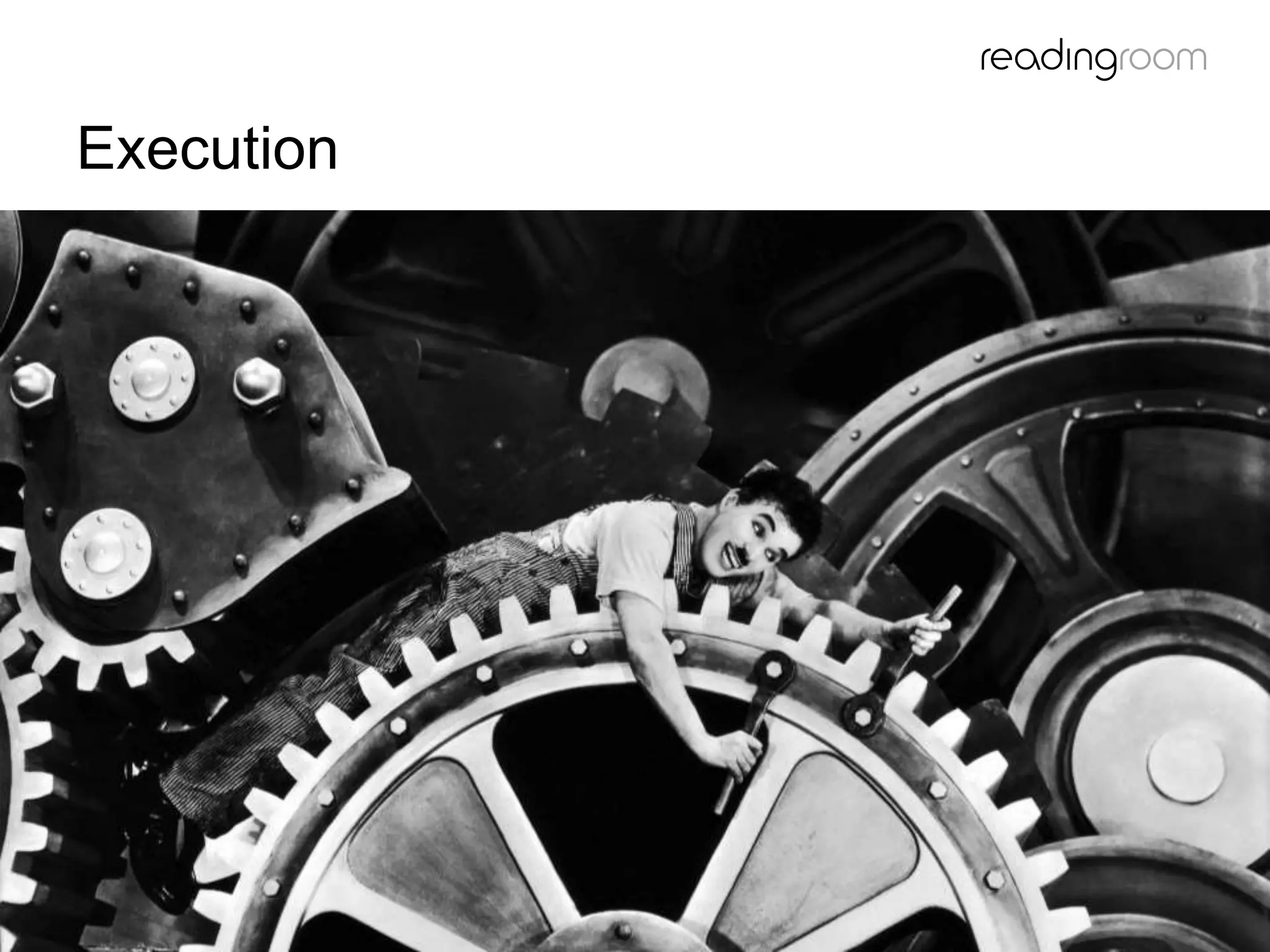
Execution
Overview
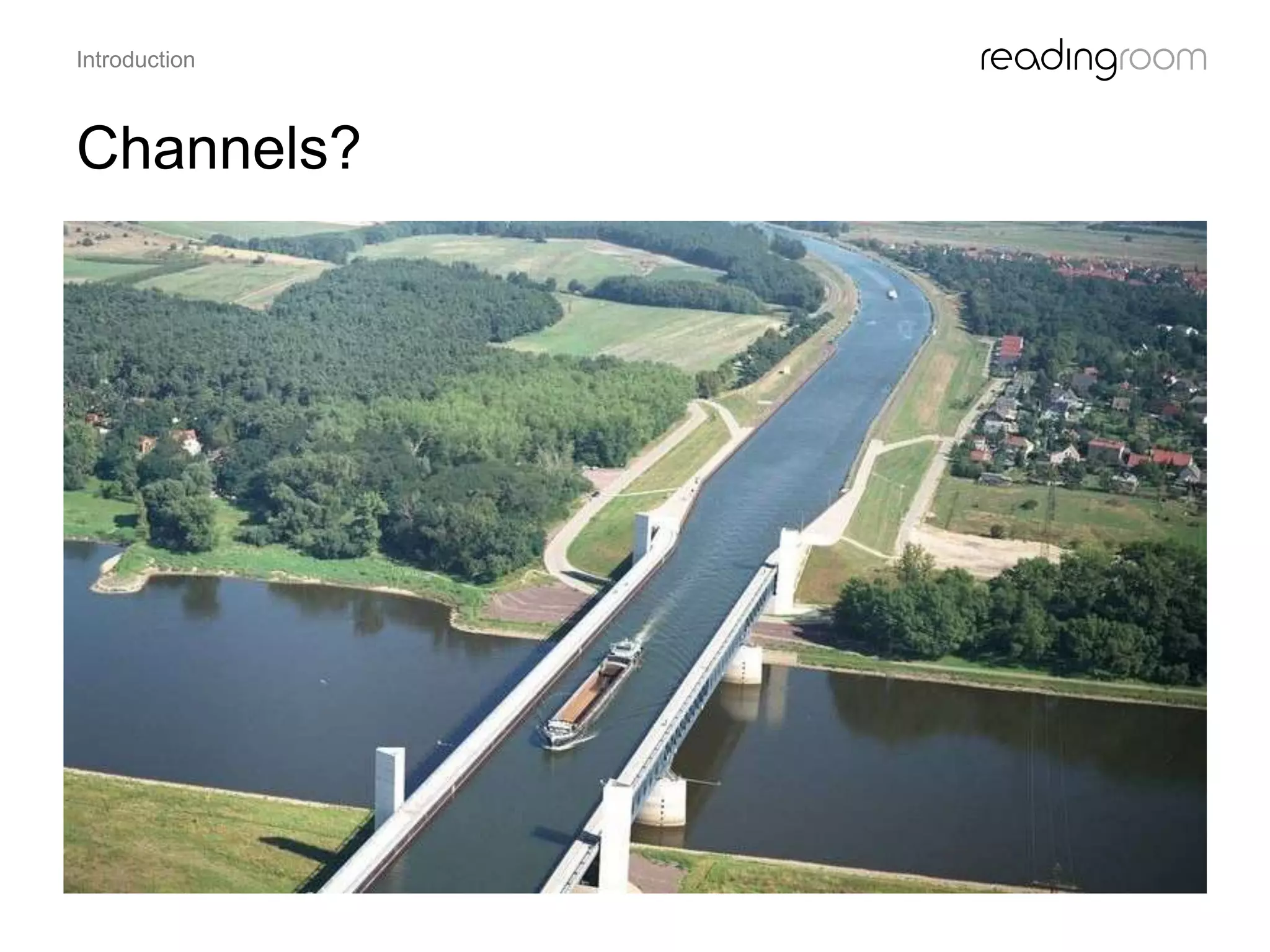
Channels?
Introduction
Introduction
Introduction
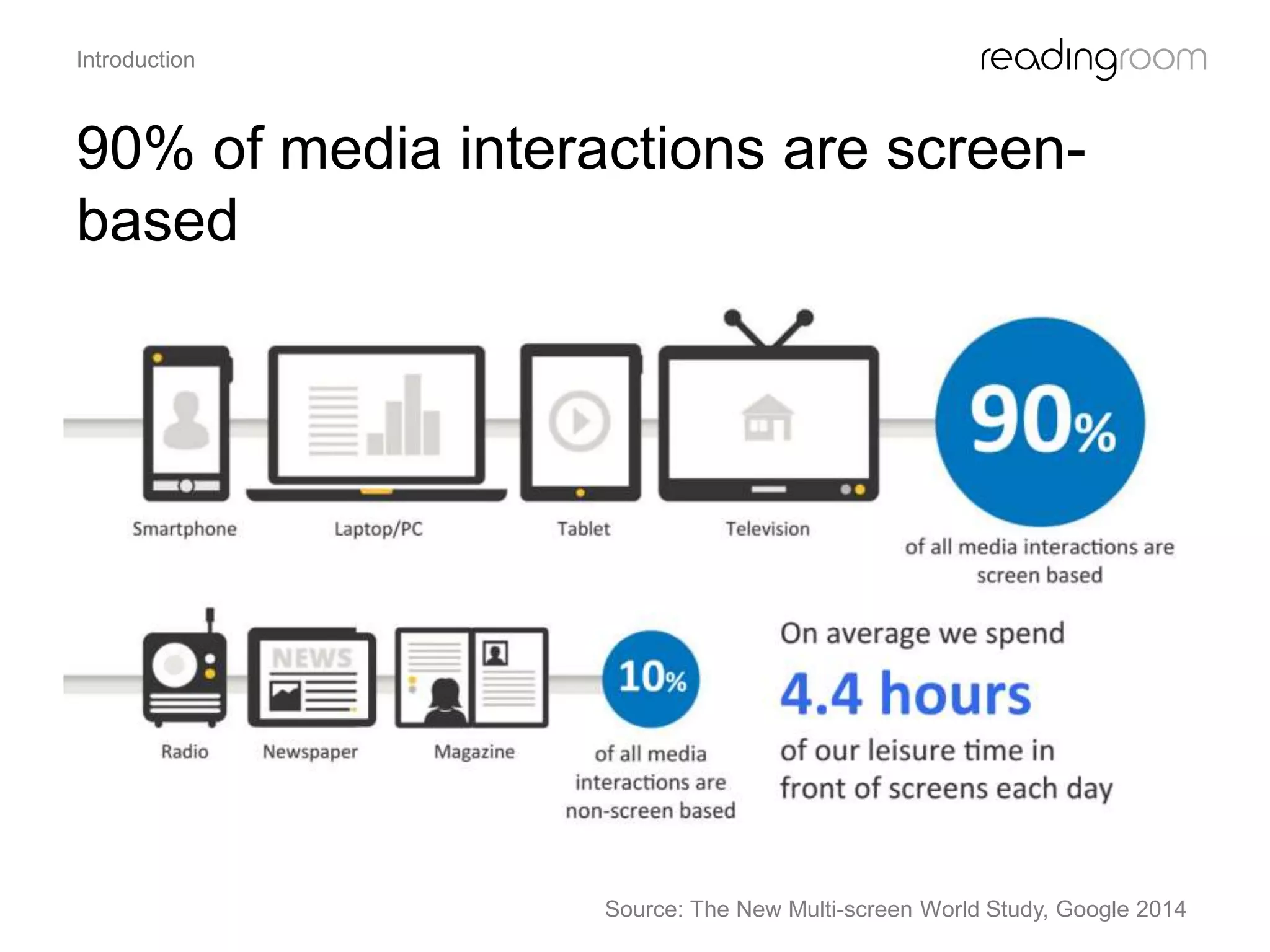
90% of media interactions are screen-
based
Introduction
Source: The New Multi-screen World Study, Google 2014
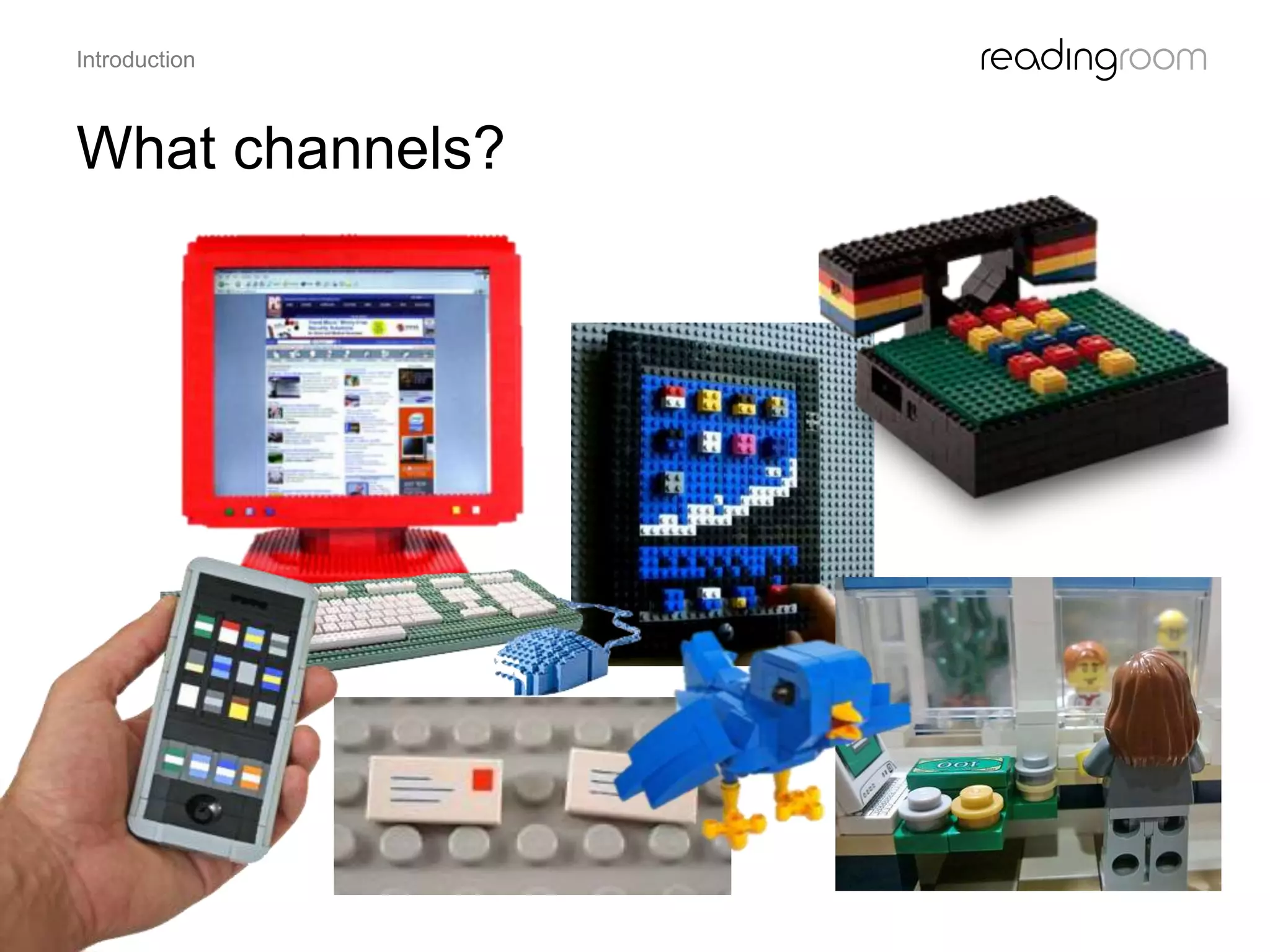
What channels?
Introduction
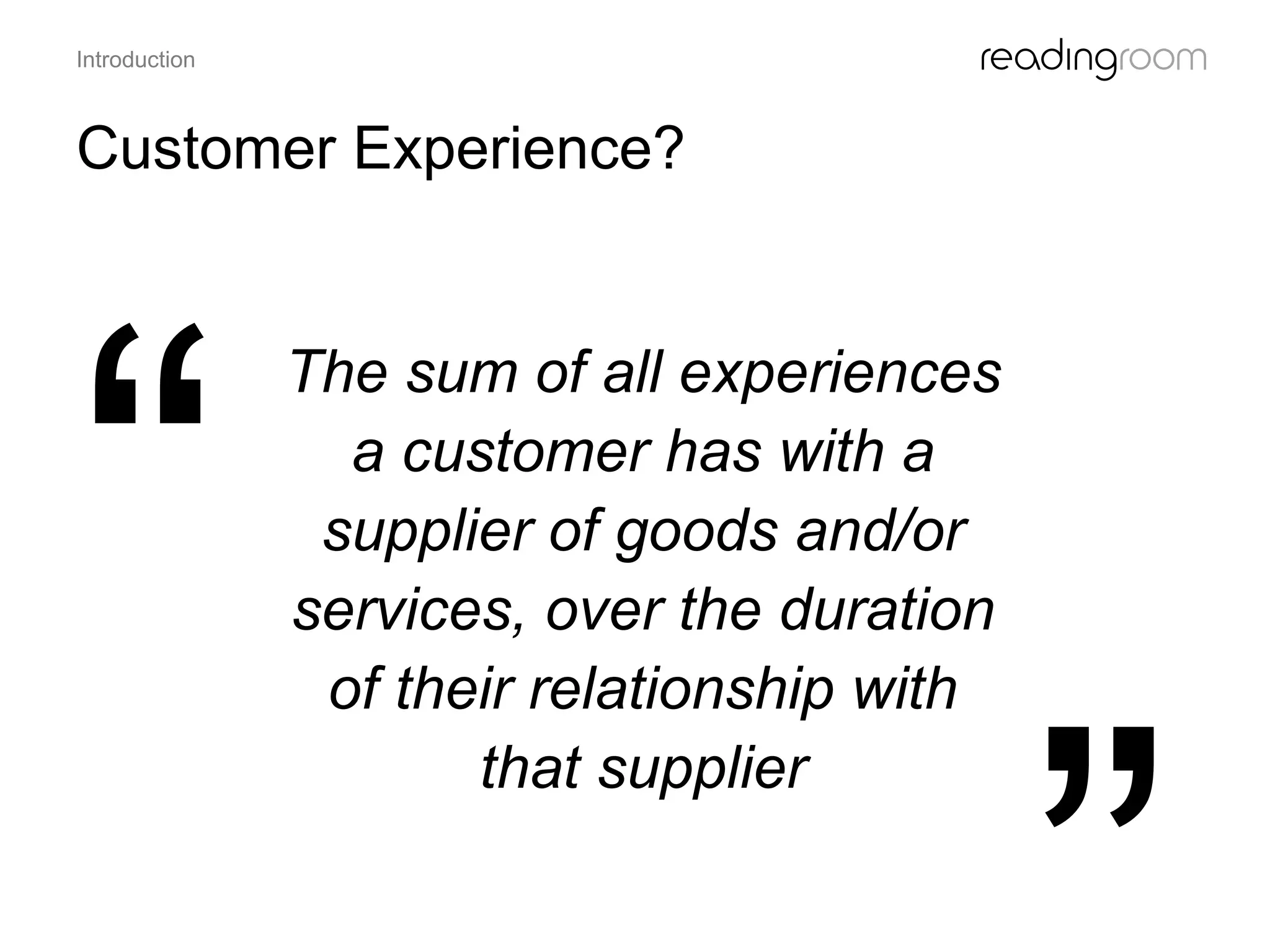
The sum of all experiences
a customer has with a
supplier of goods and/or
services, over the duration
of their relationship with
that supplier
Customer Experience?
Introduction
Sum of all experiences
Introduction
⇨ By definition multi-channel
Experiences are about people
Introduction
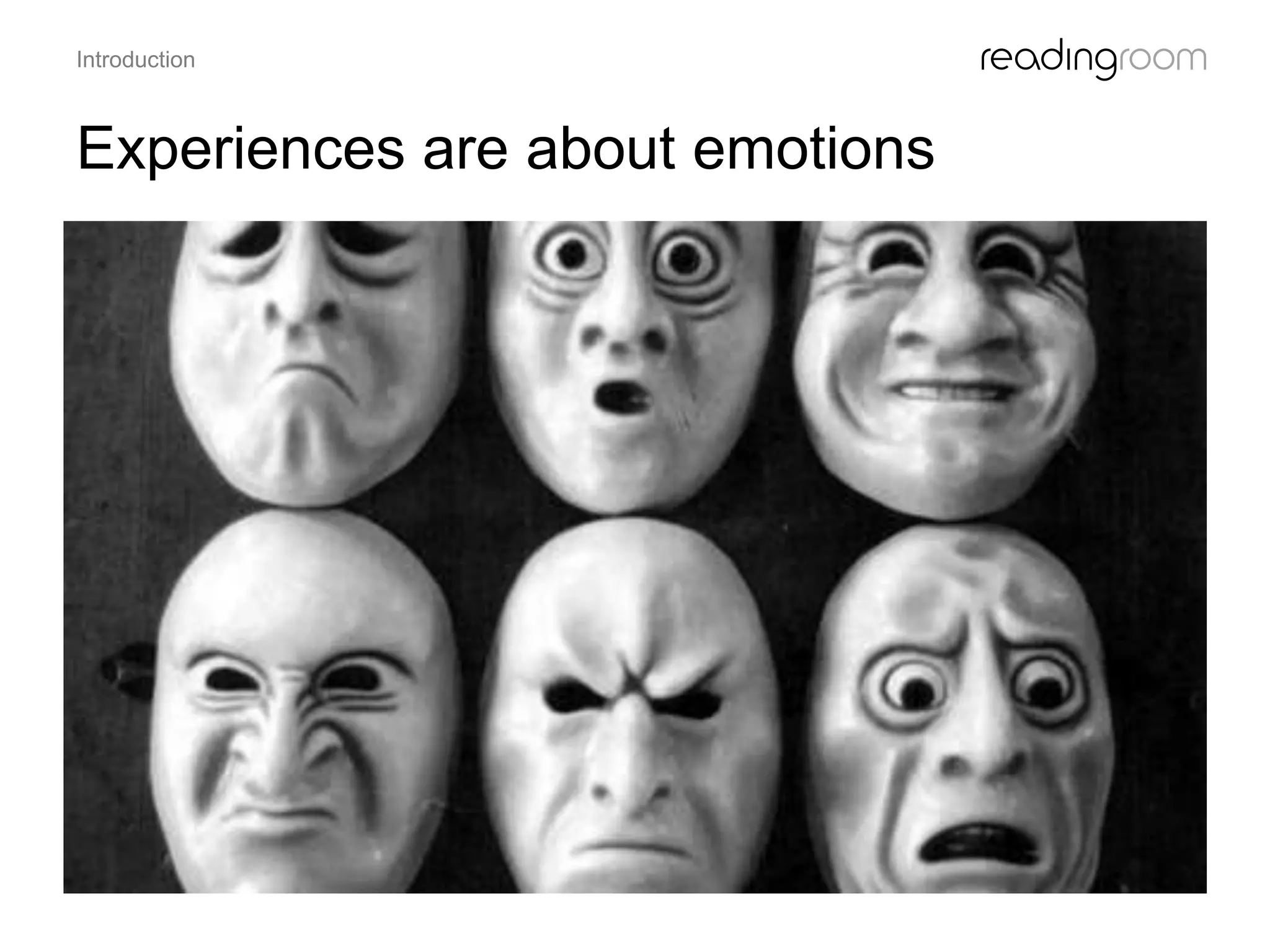
Experiences are about emotions
Introduction
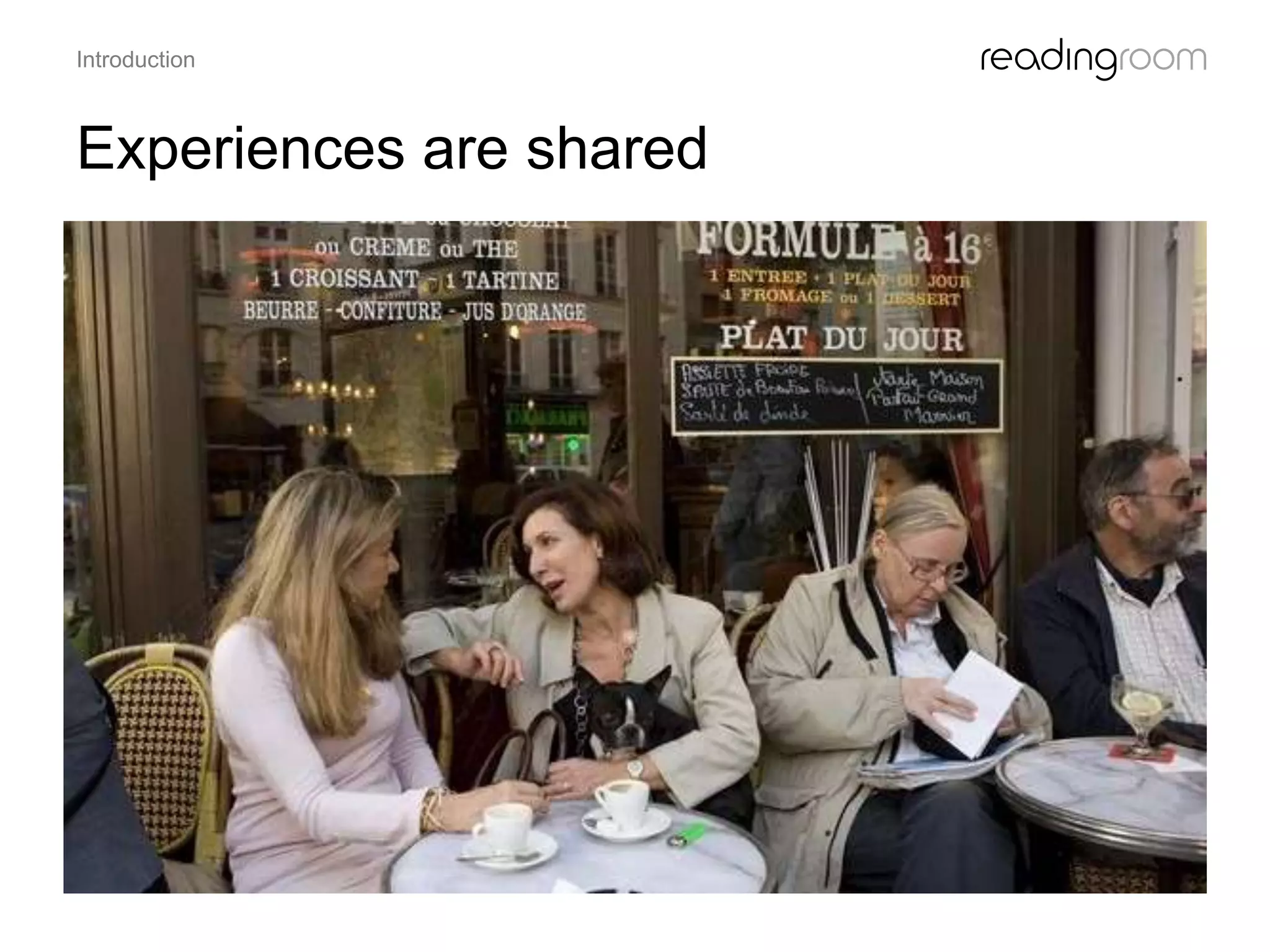
Experiences are shared
Introduction
Social media = biggest soap box ever
Introduction
Strategy
Strategy
Hygiene, performance and delight
The multi-screen world
CRM integration is key
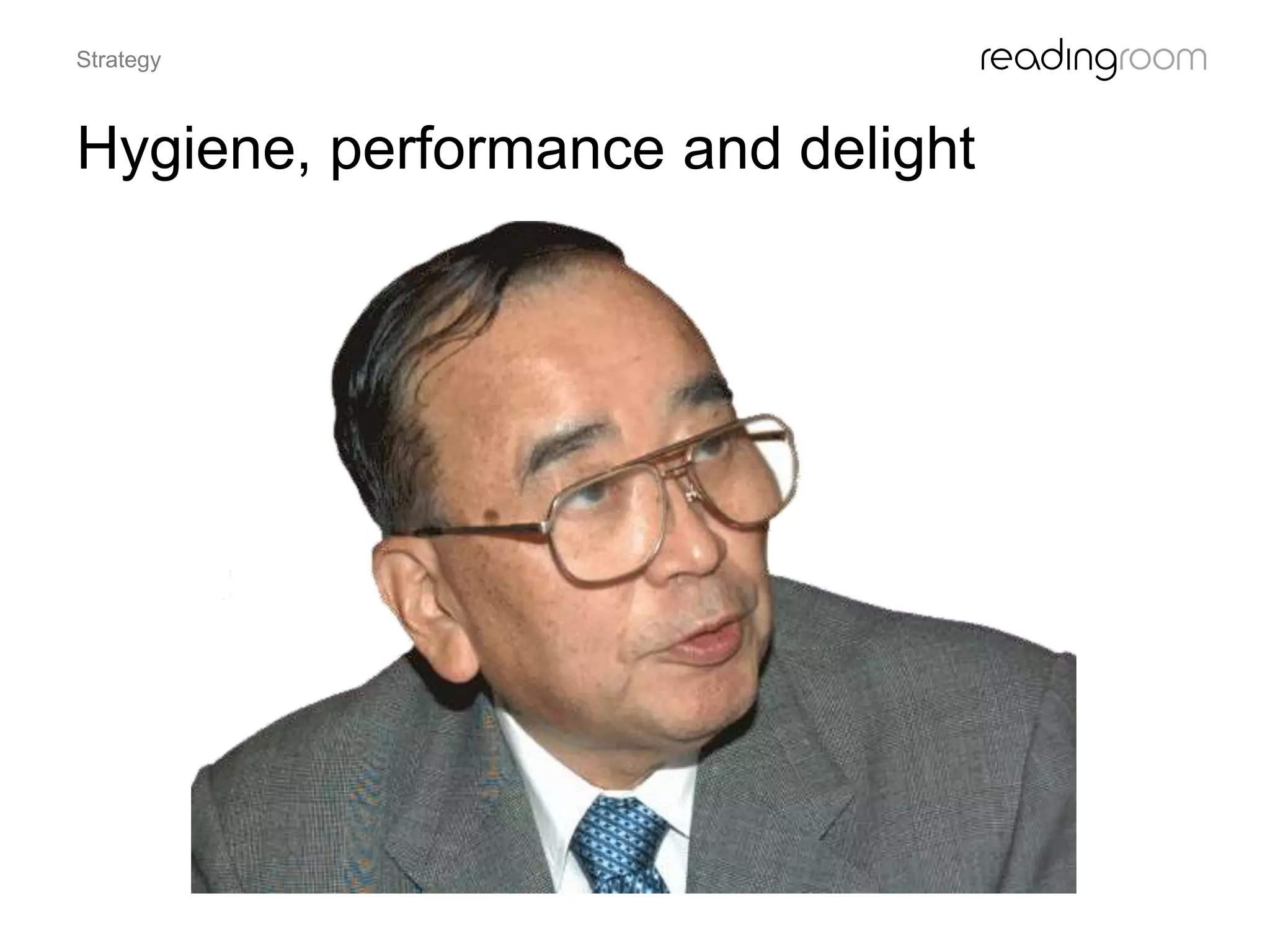
Hygiene, performance and delight
Strategy
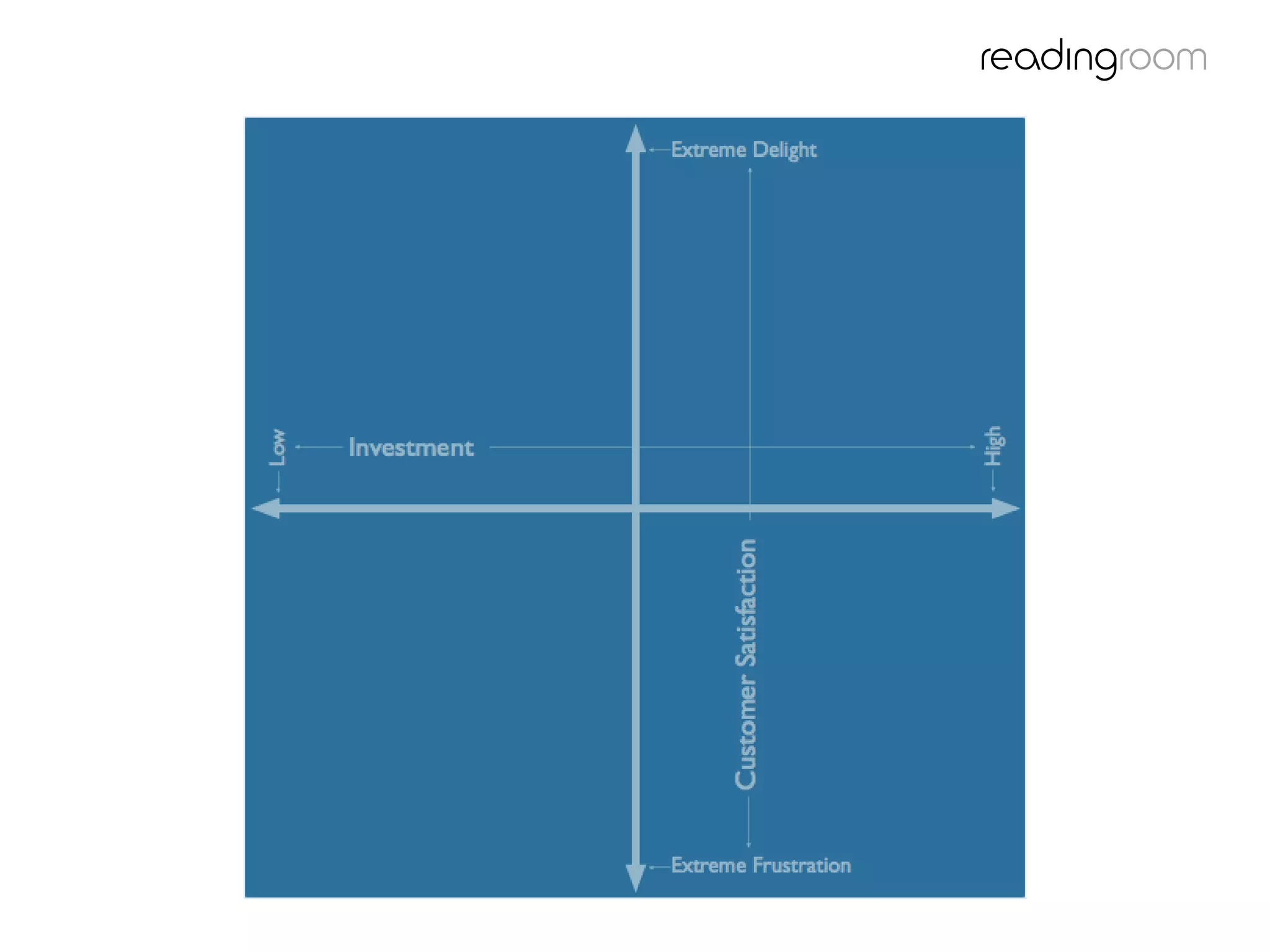
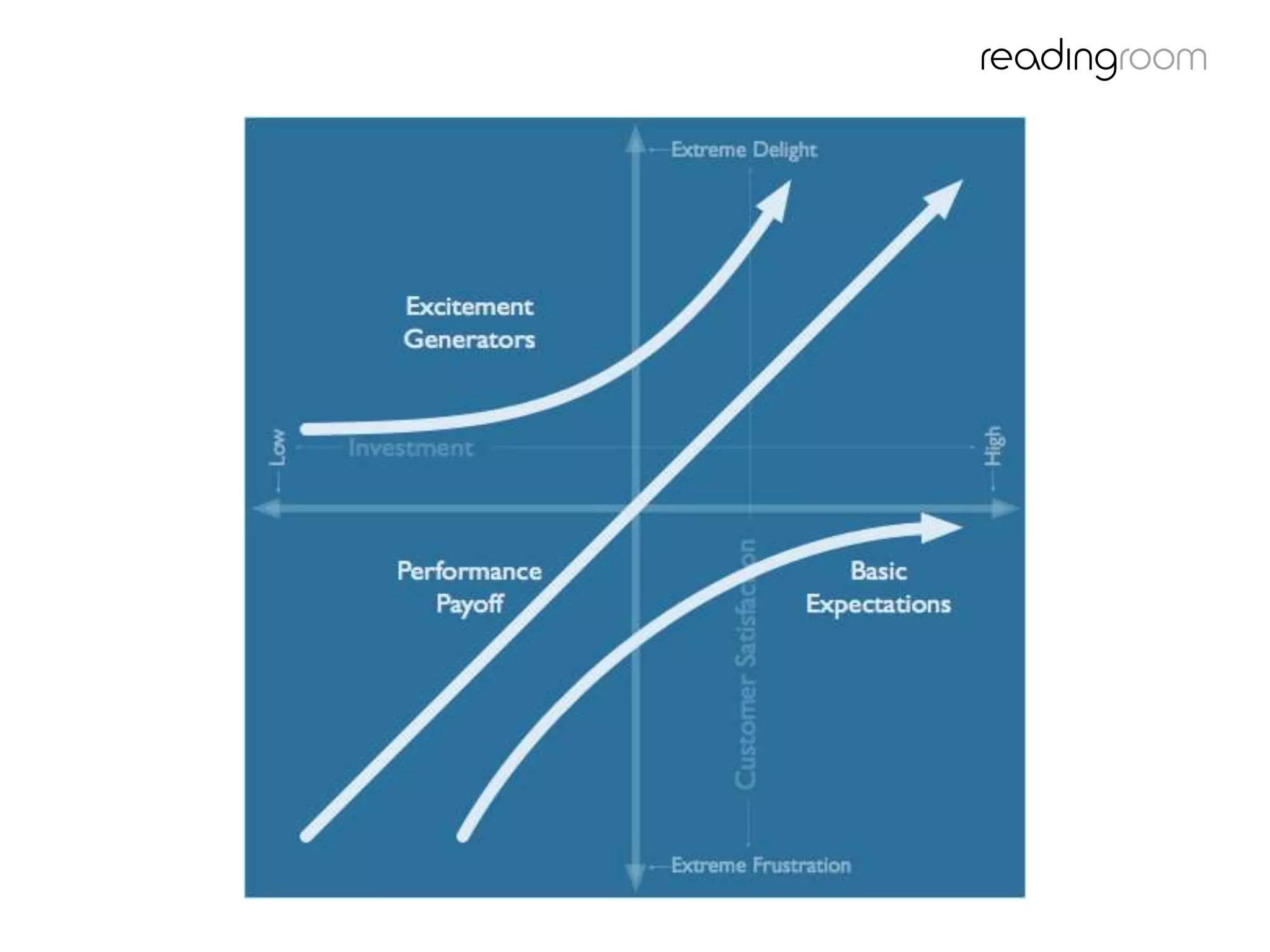
Kano model axes
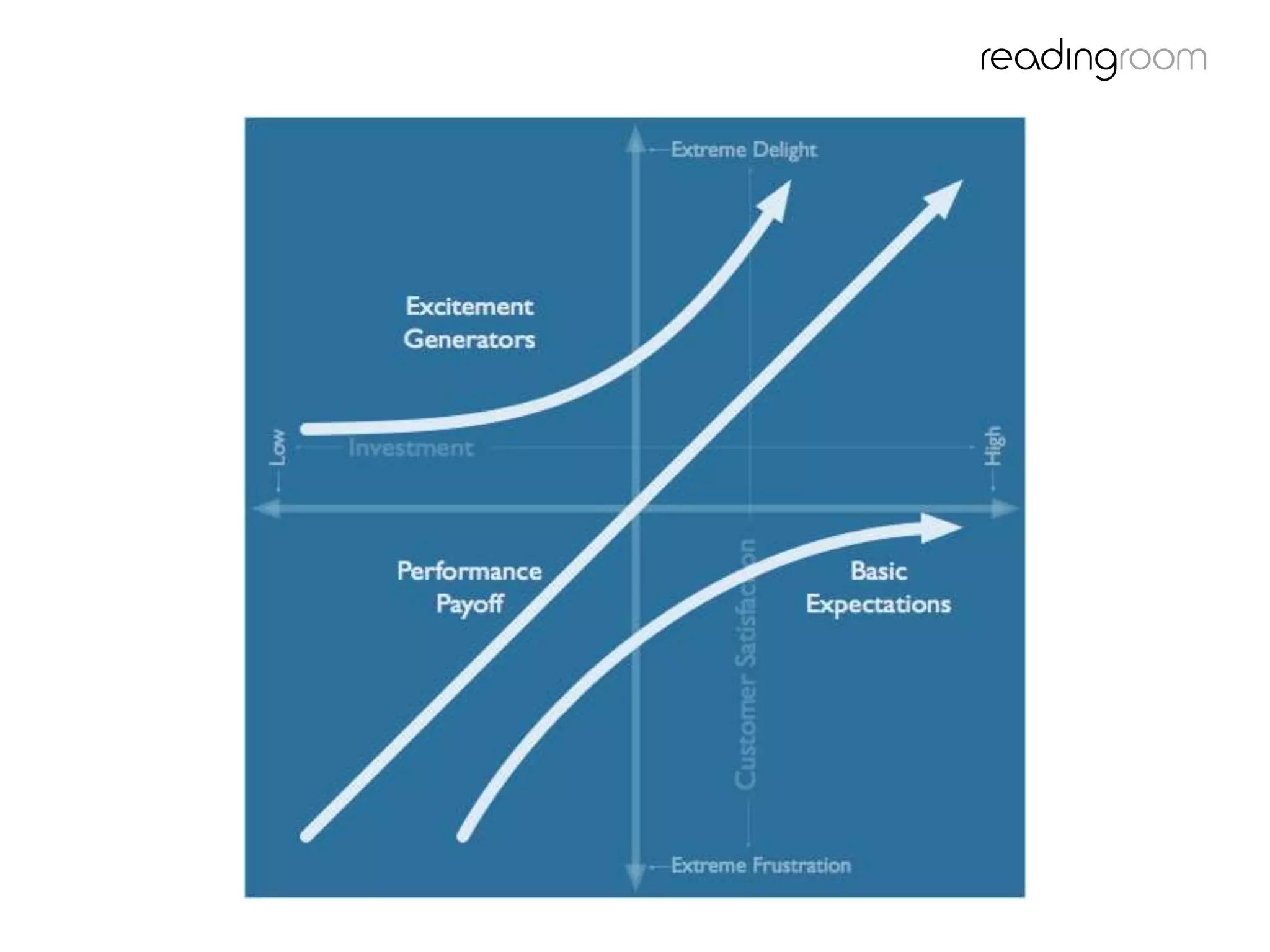
Kano model overview
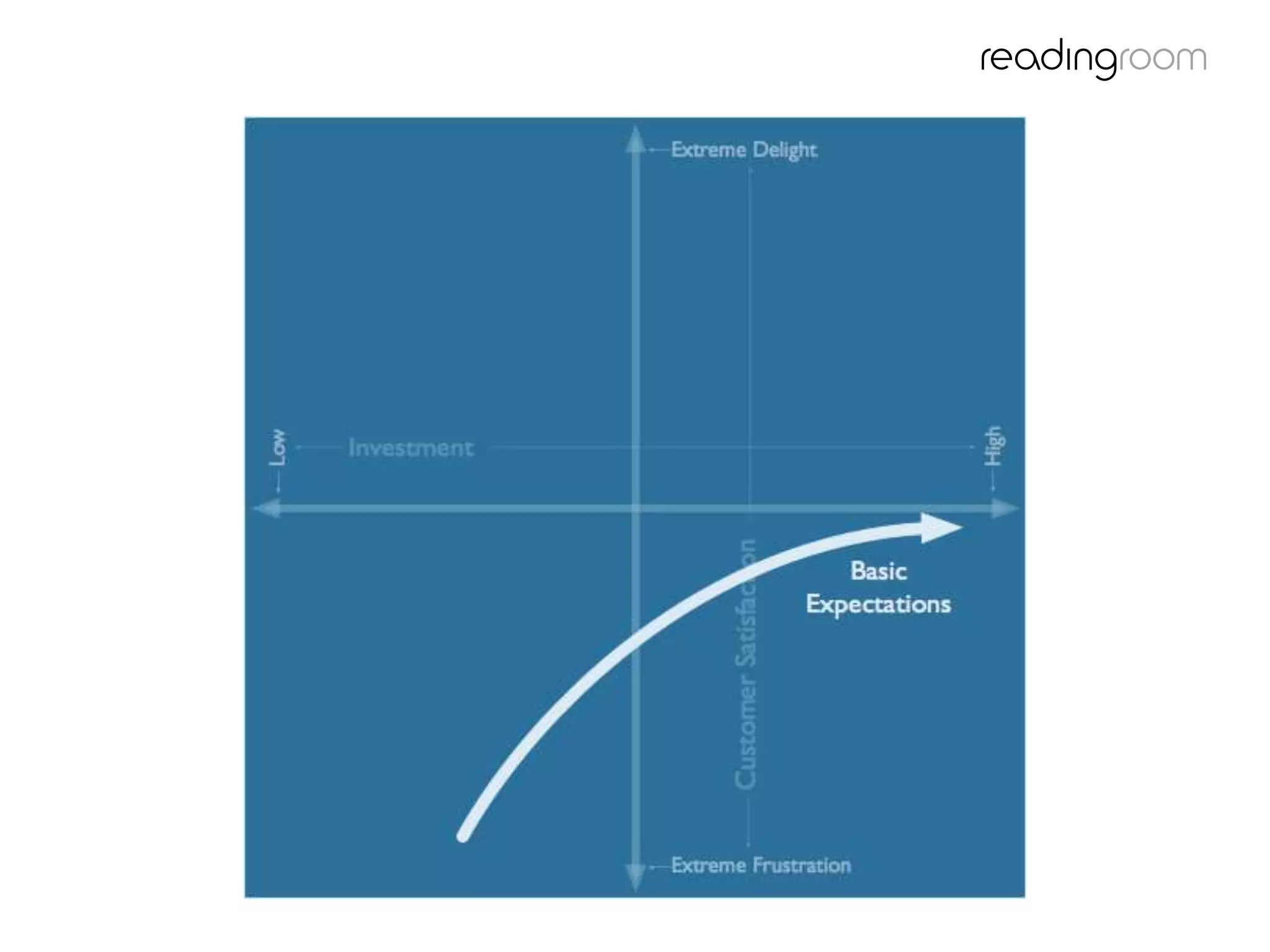
Kano model Basic
expectations
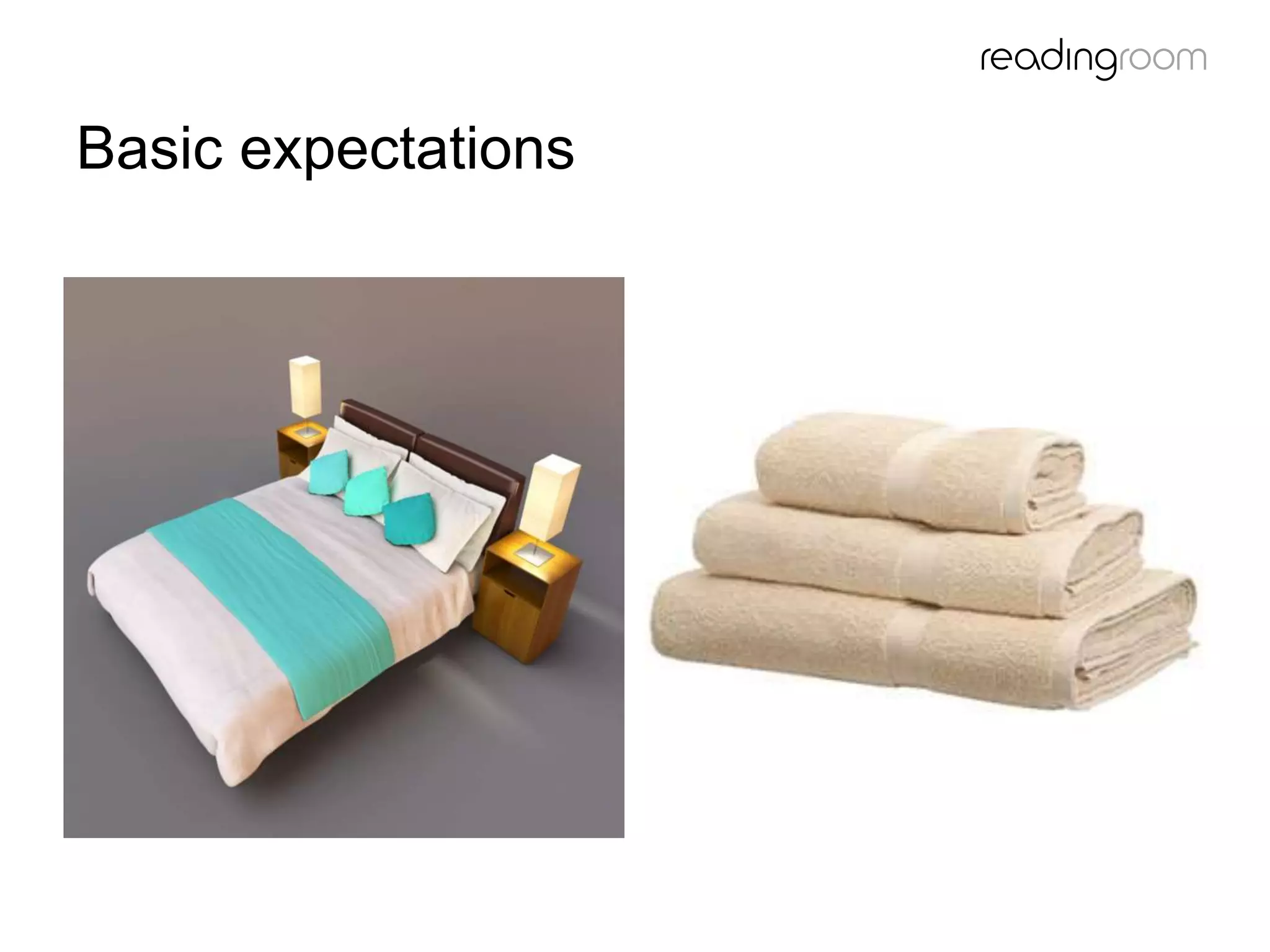
Basic expectations
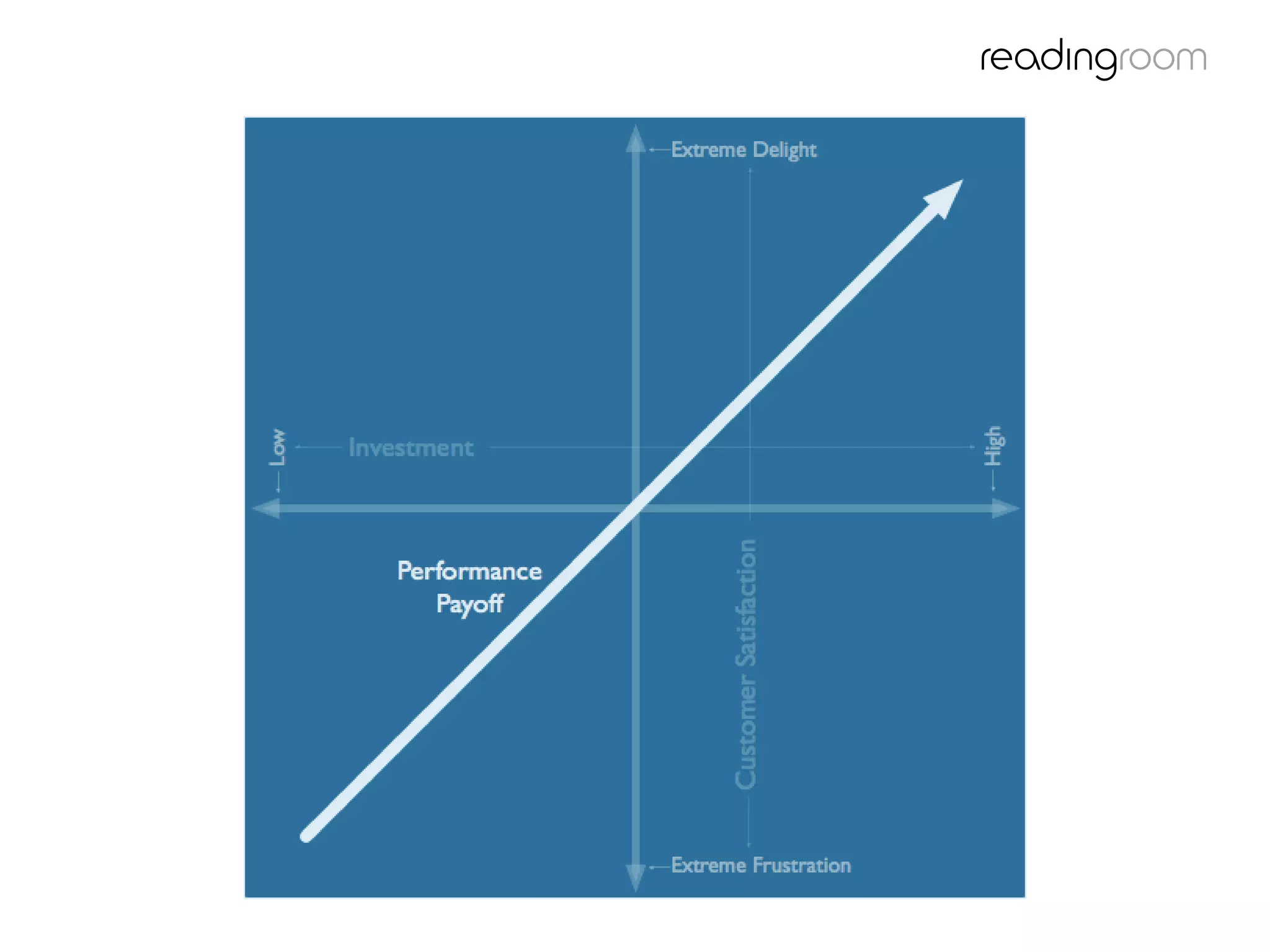
Kano model Performance
payoff
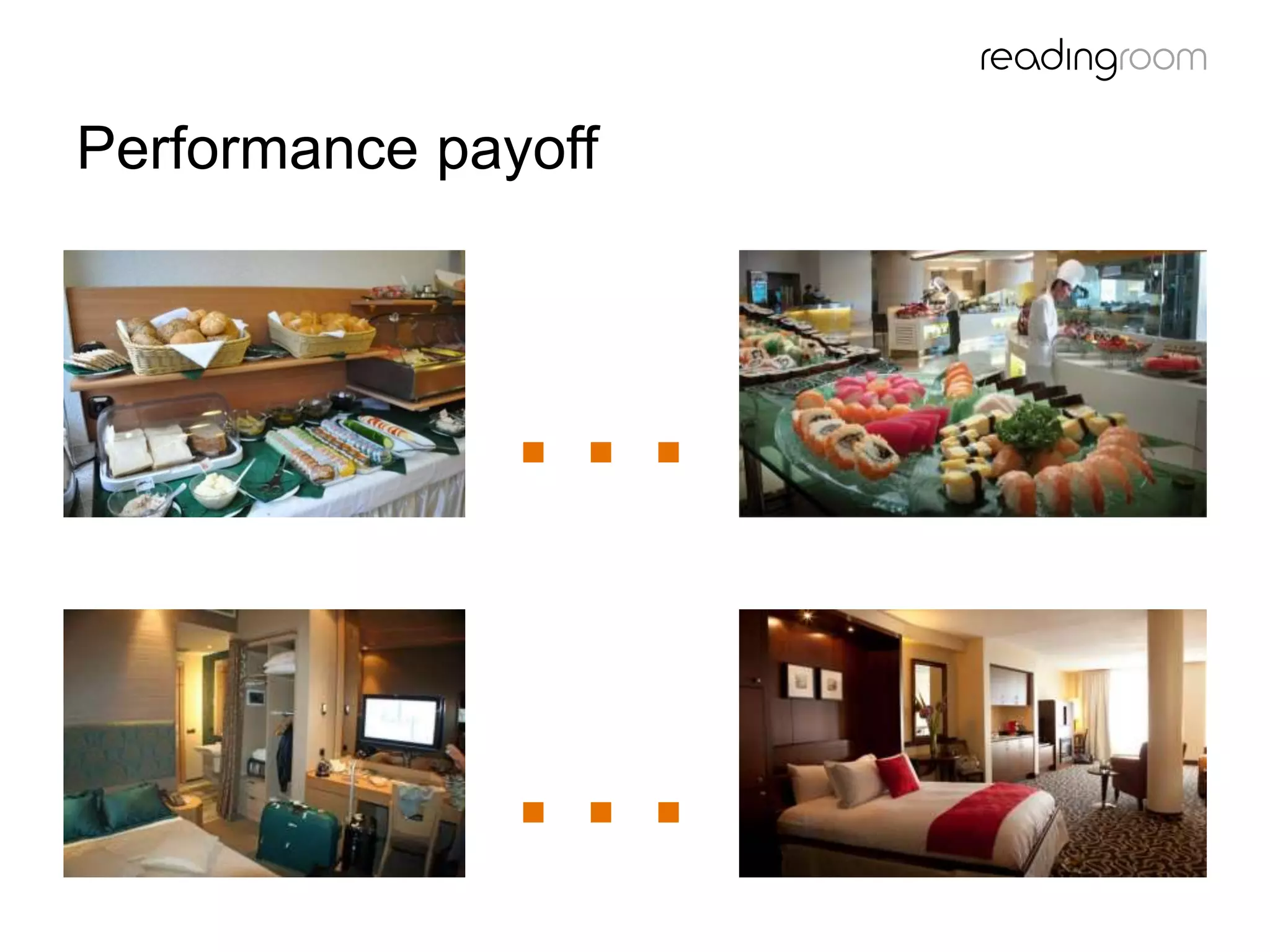
Performance payoff
…
…
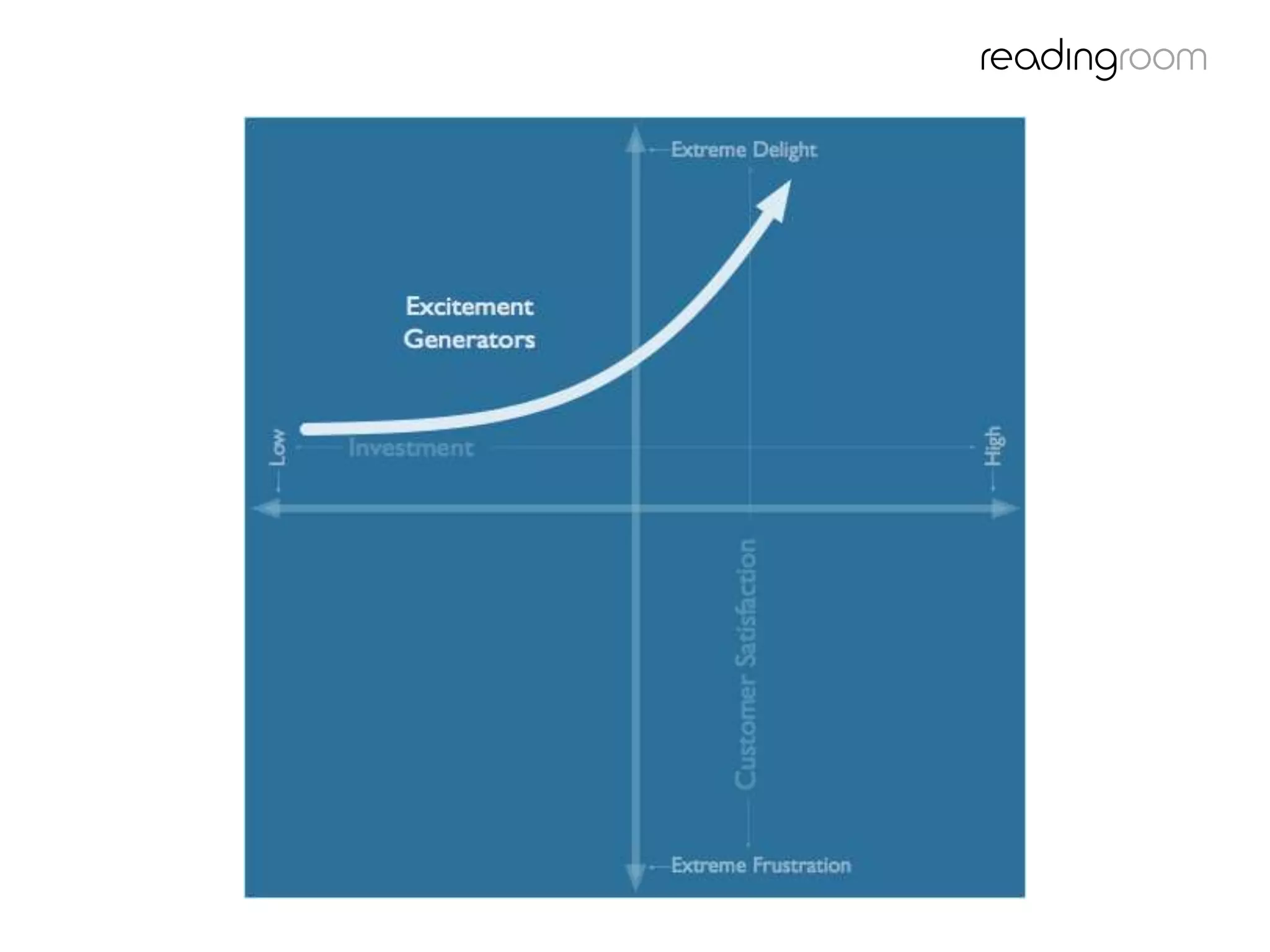
Kano model Excitement
generators
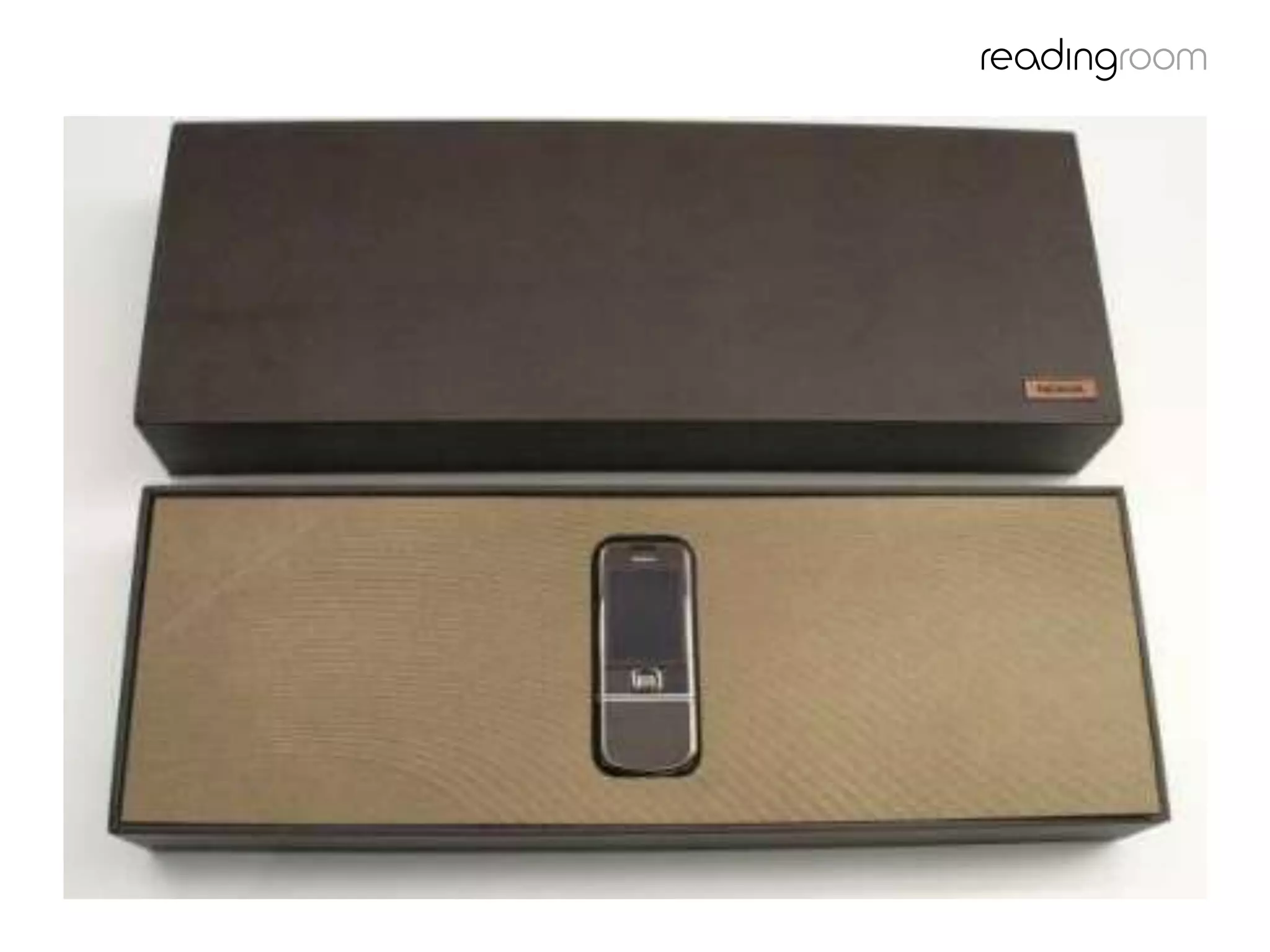
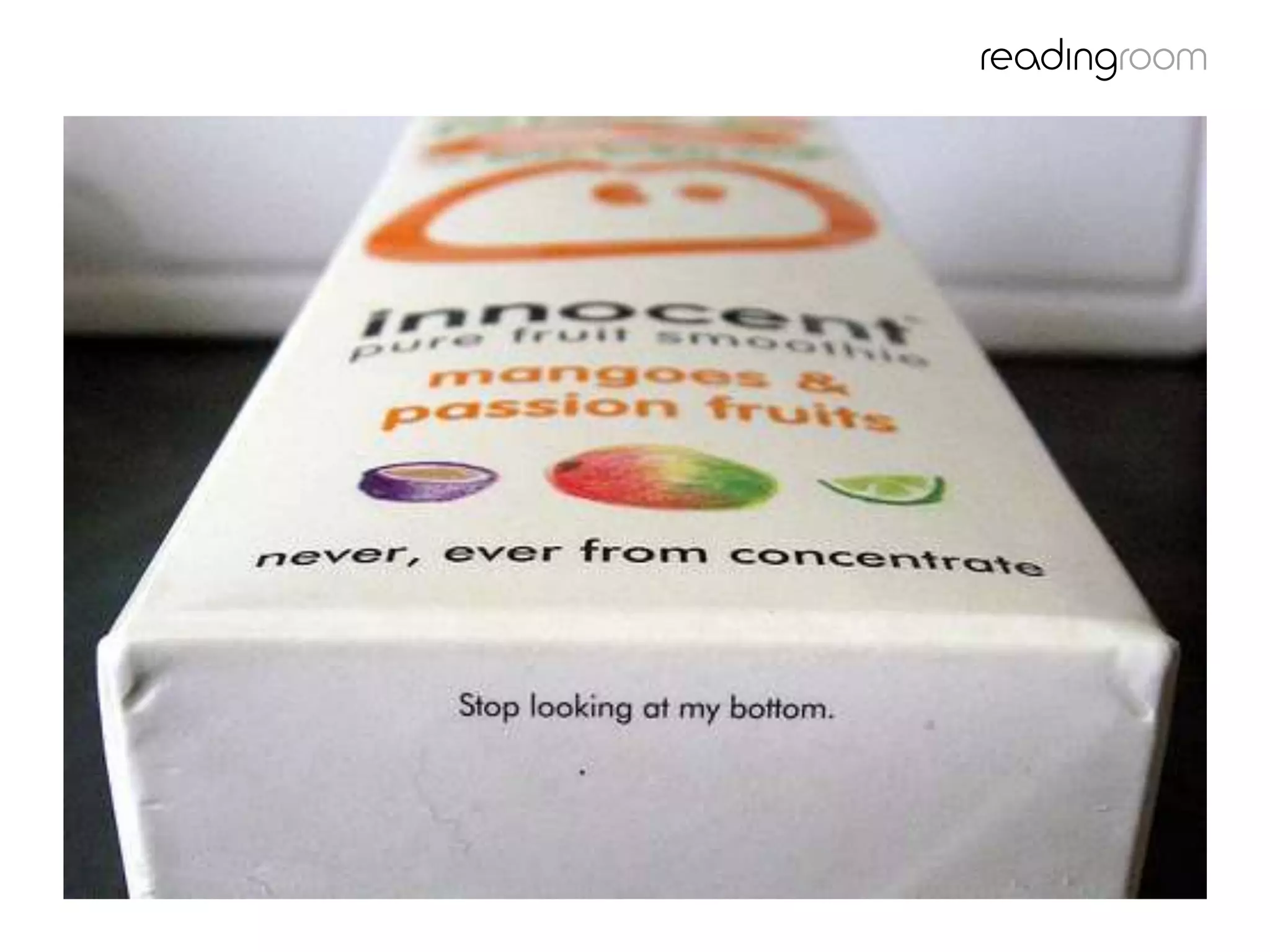
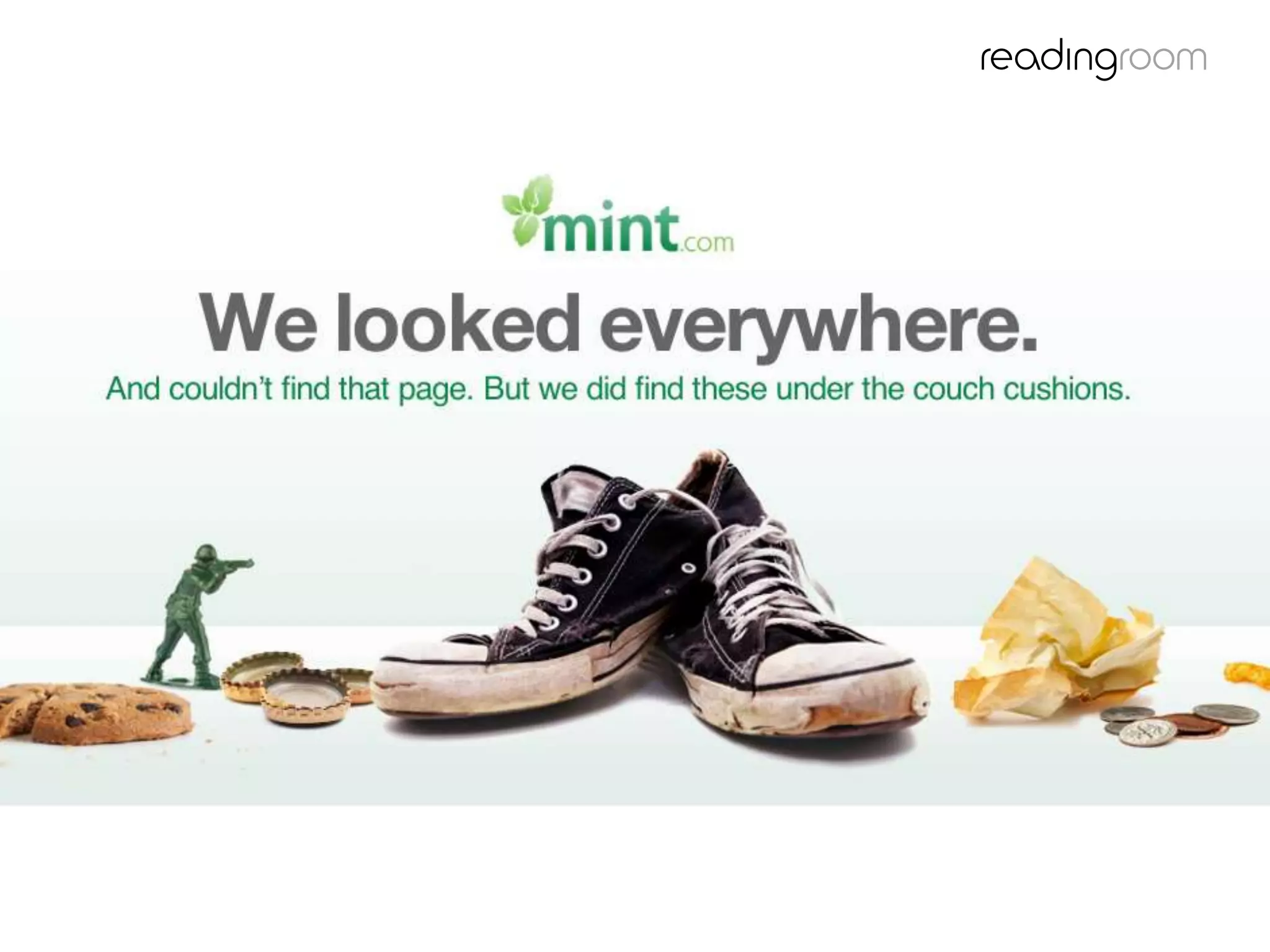
Surprise!
Nokia = great design style
Innocent juice = humour
Mint 404 page = quirk
Story time
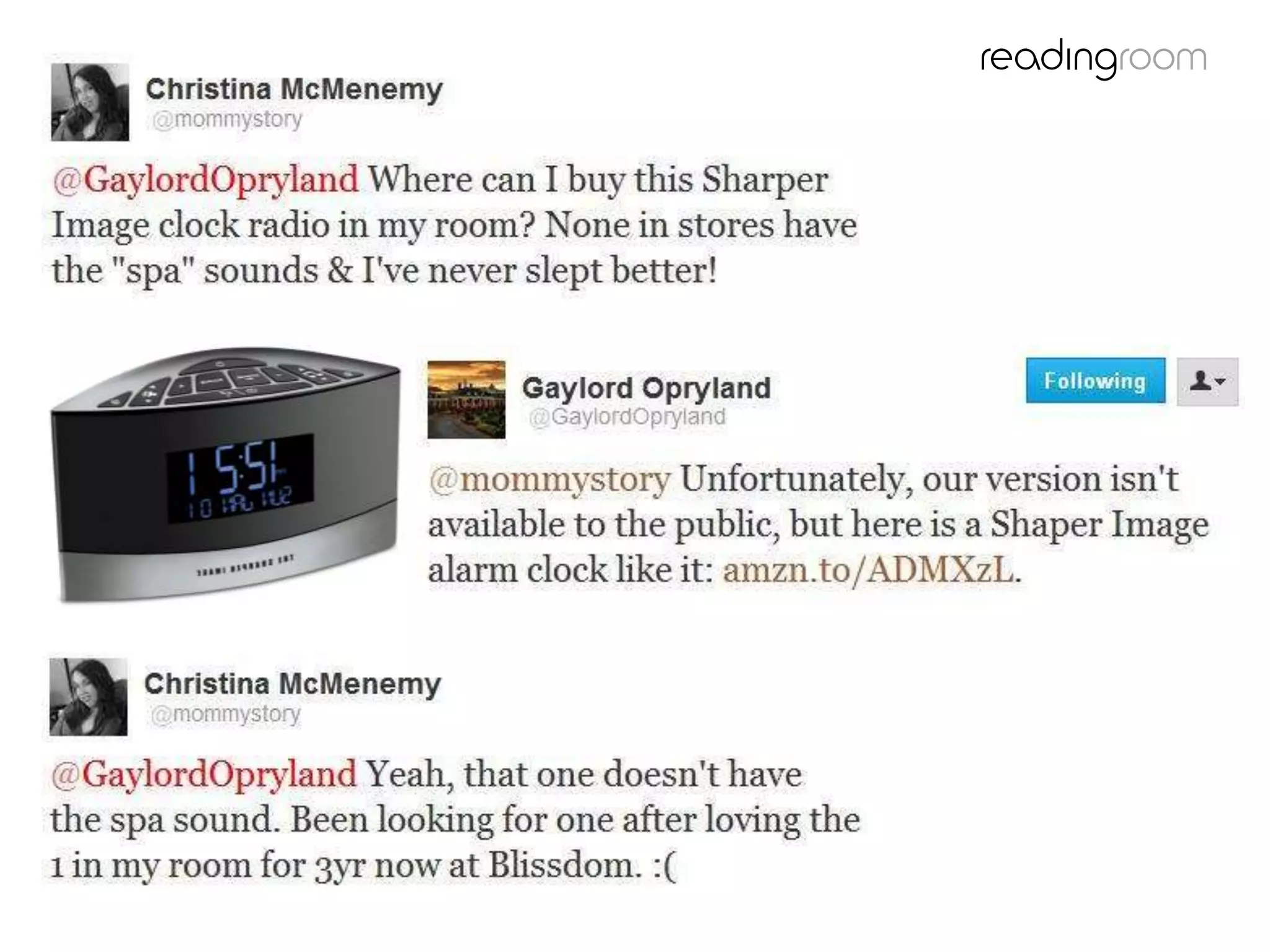
Gaylord Opryland
Tweets
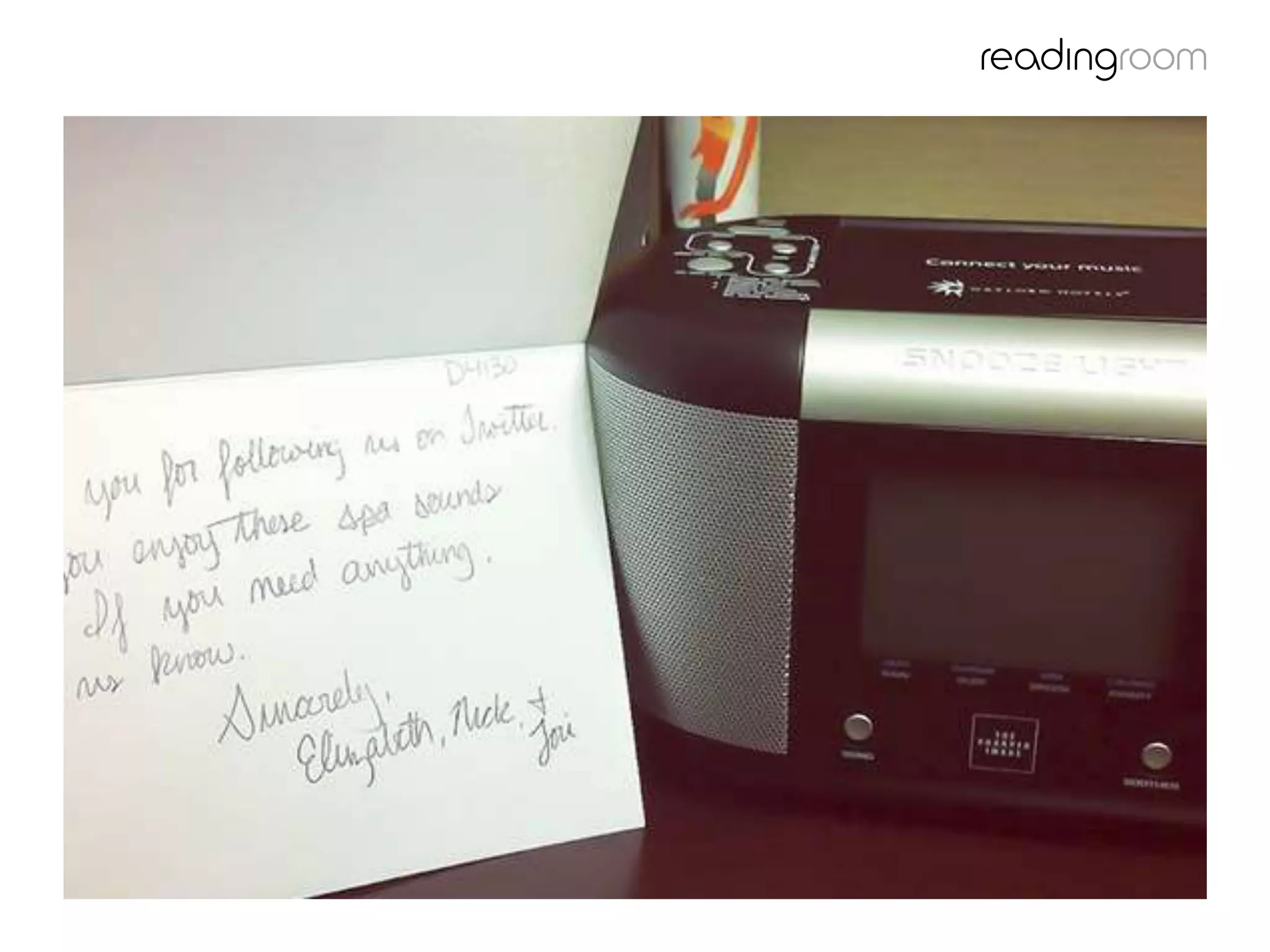
Clock radio in room
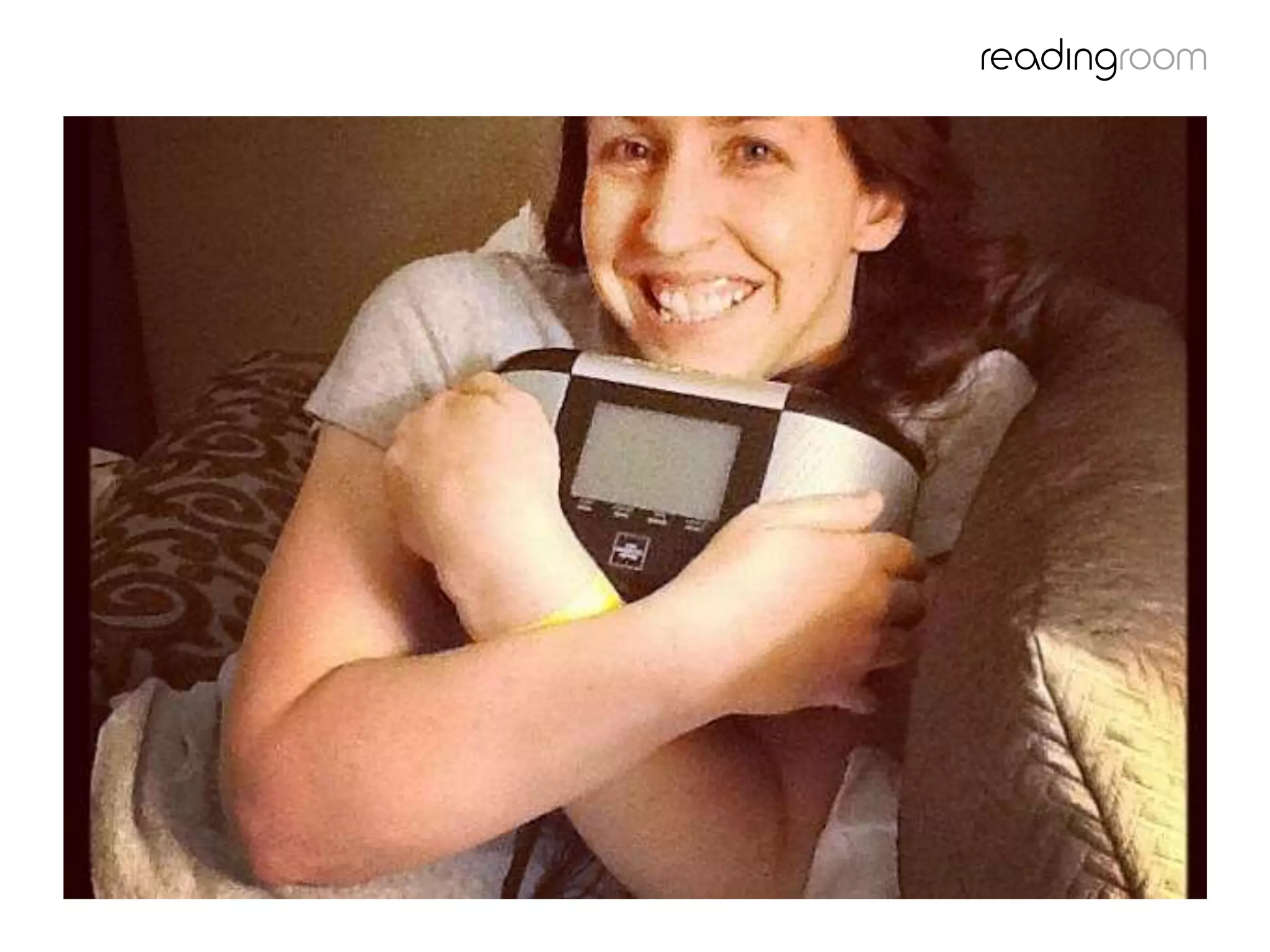
Happy guest
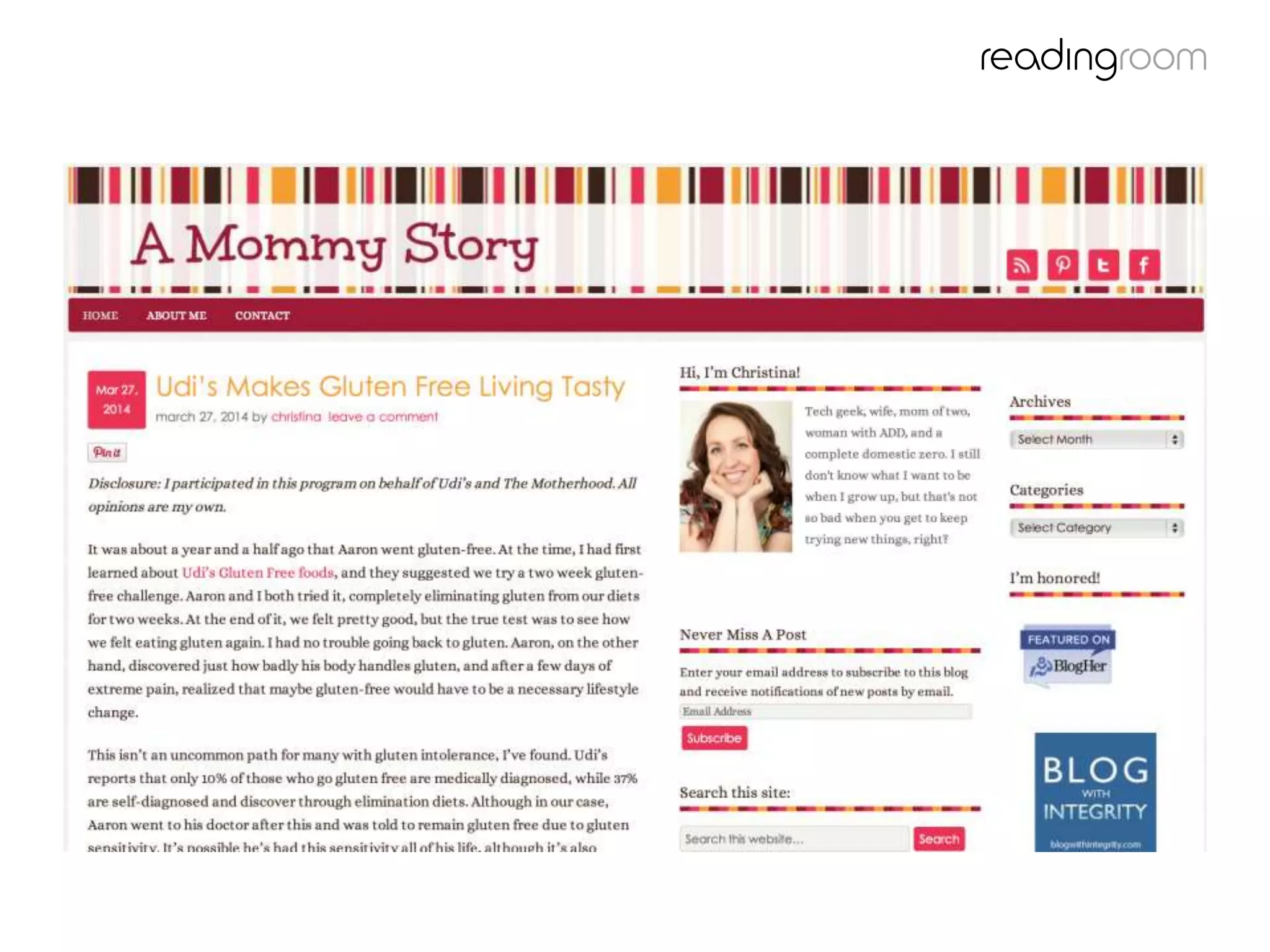
Of course she’s a blogger
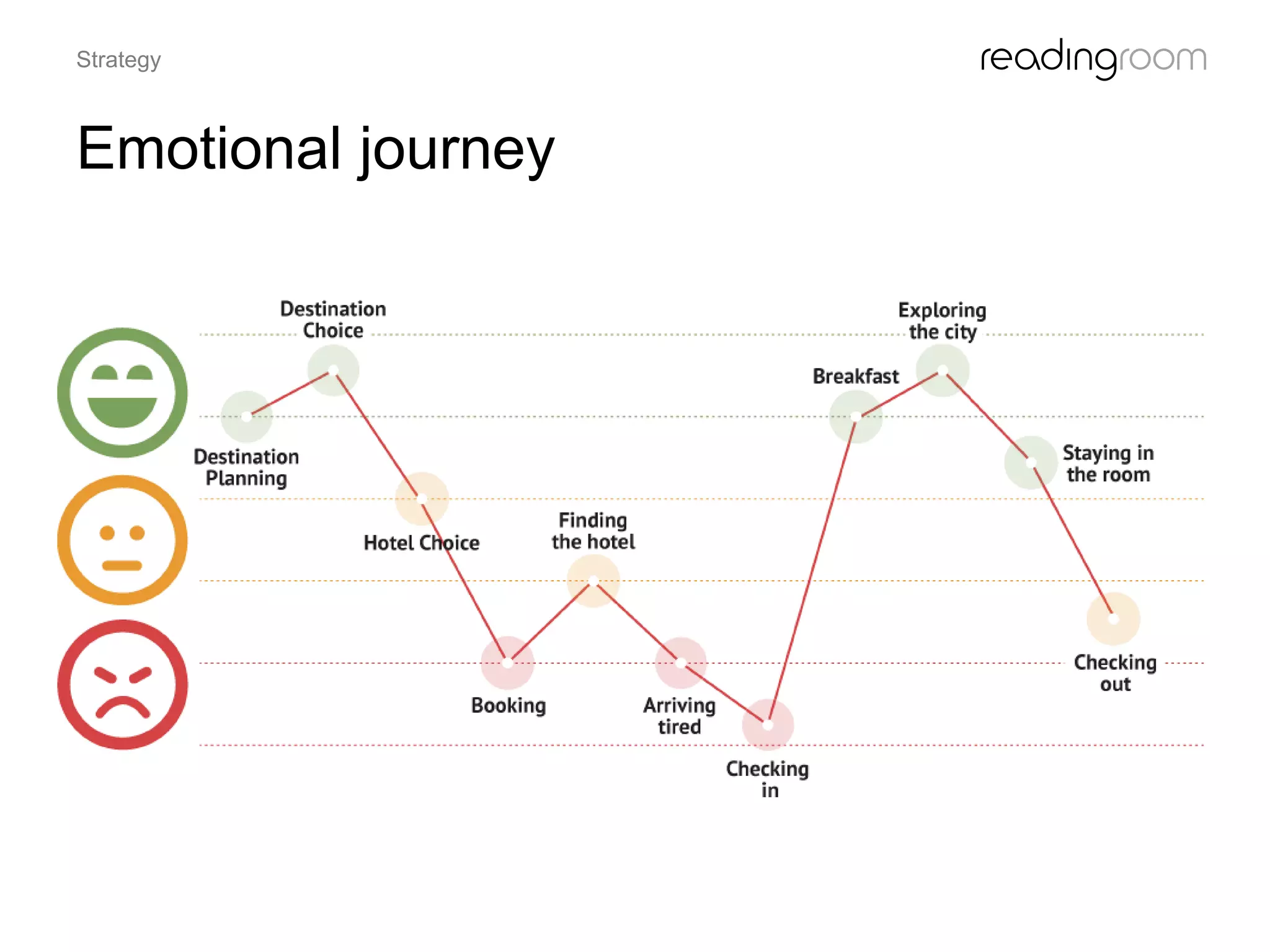
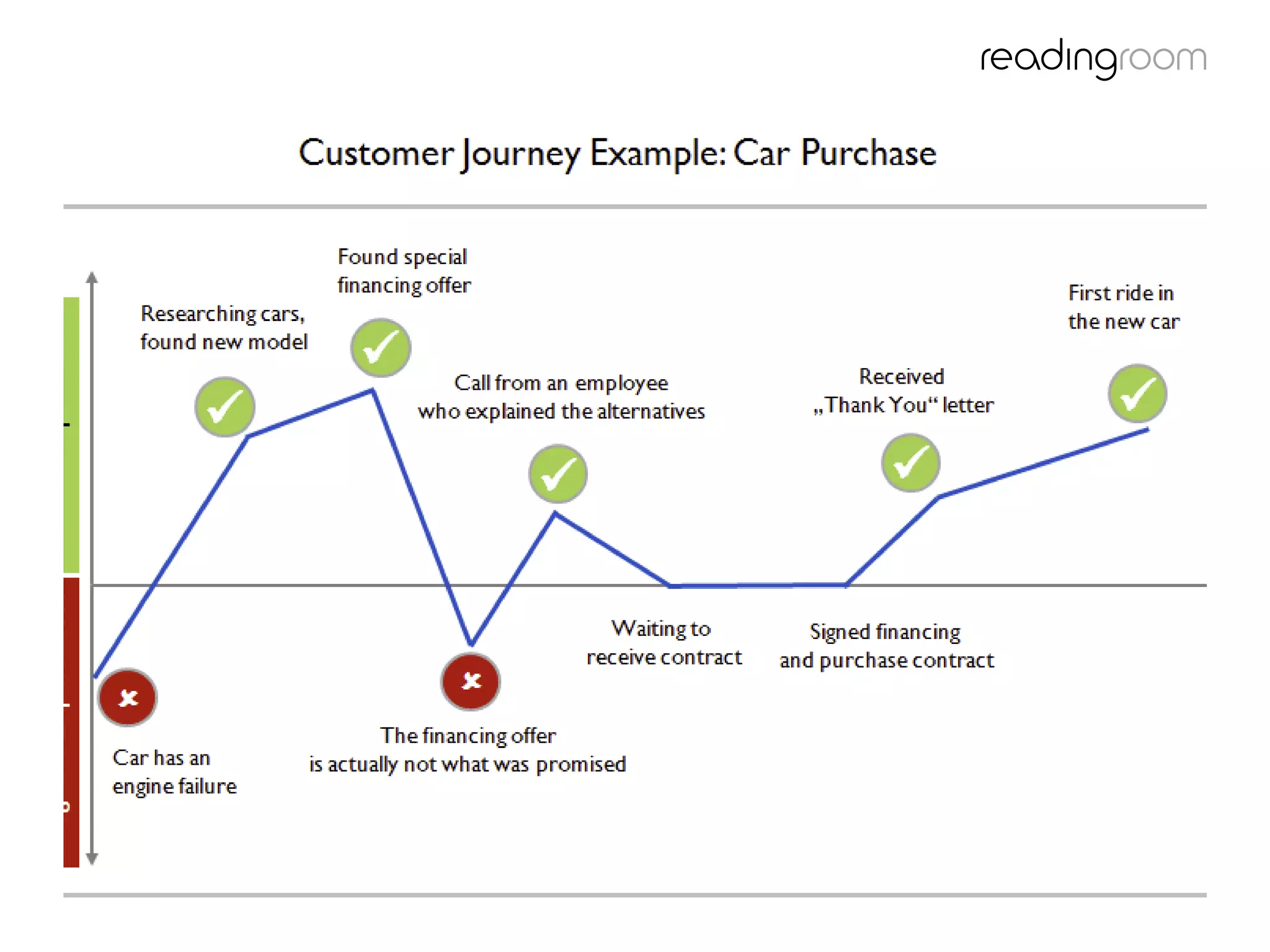
Emotional journey
Strategy
Emotional lows are the
best opportunity to delight
the customer
Strategy
But…
Fish swimming upstream
Kano model overview
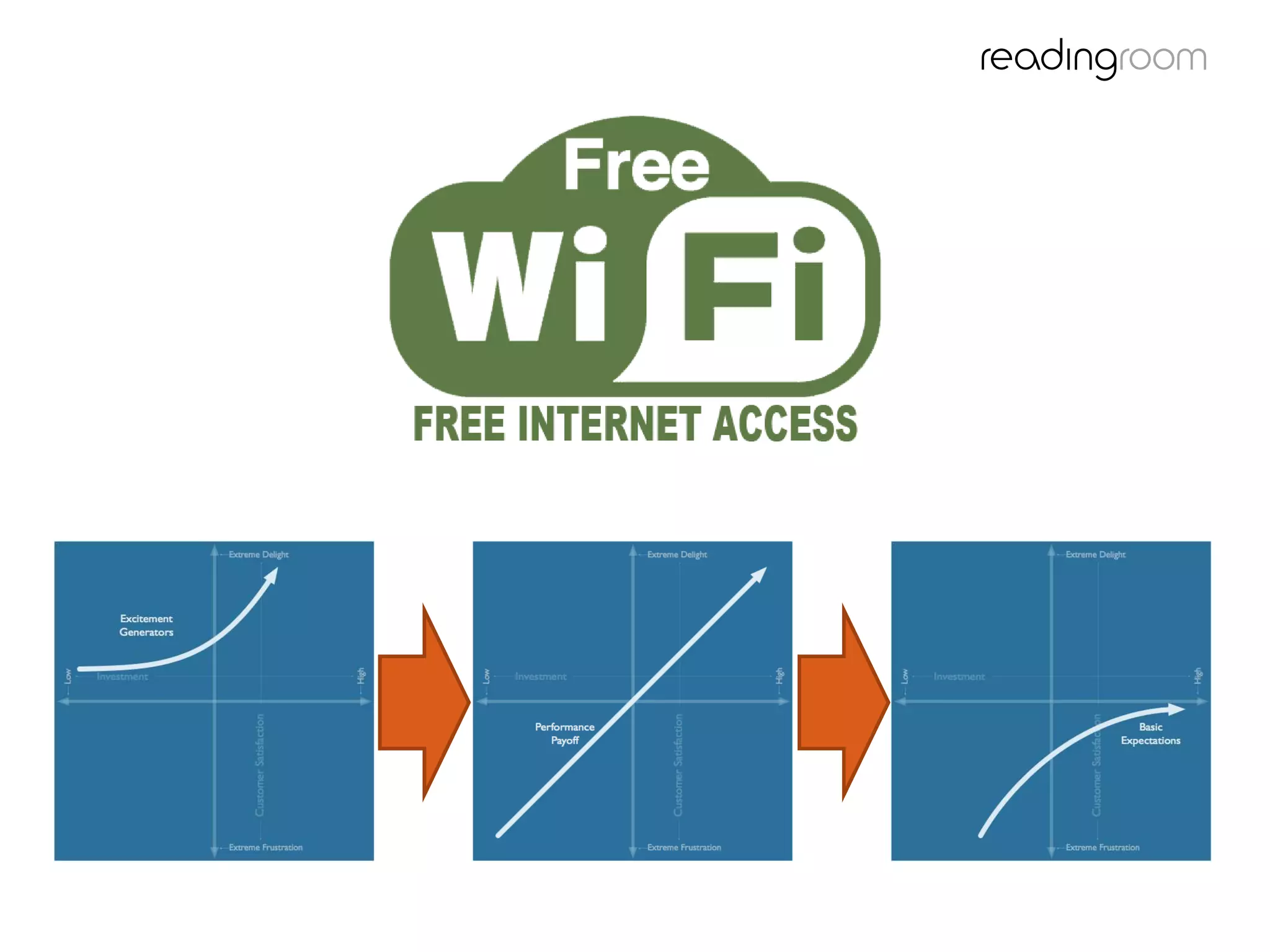
Example
Free Wifi
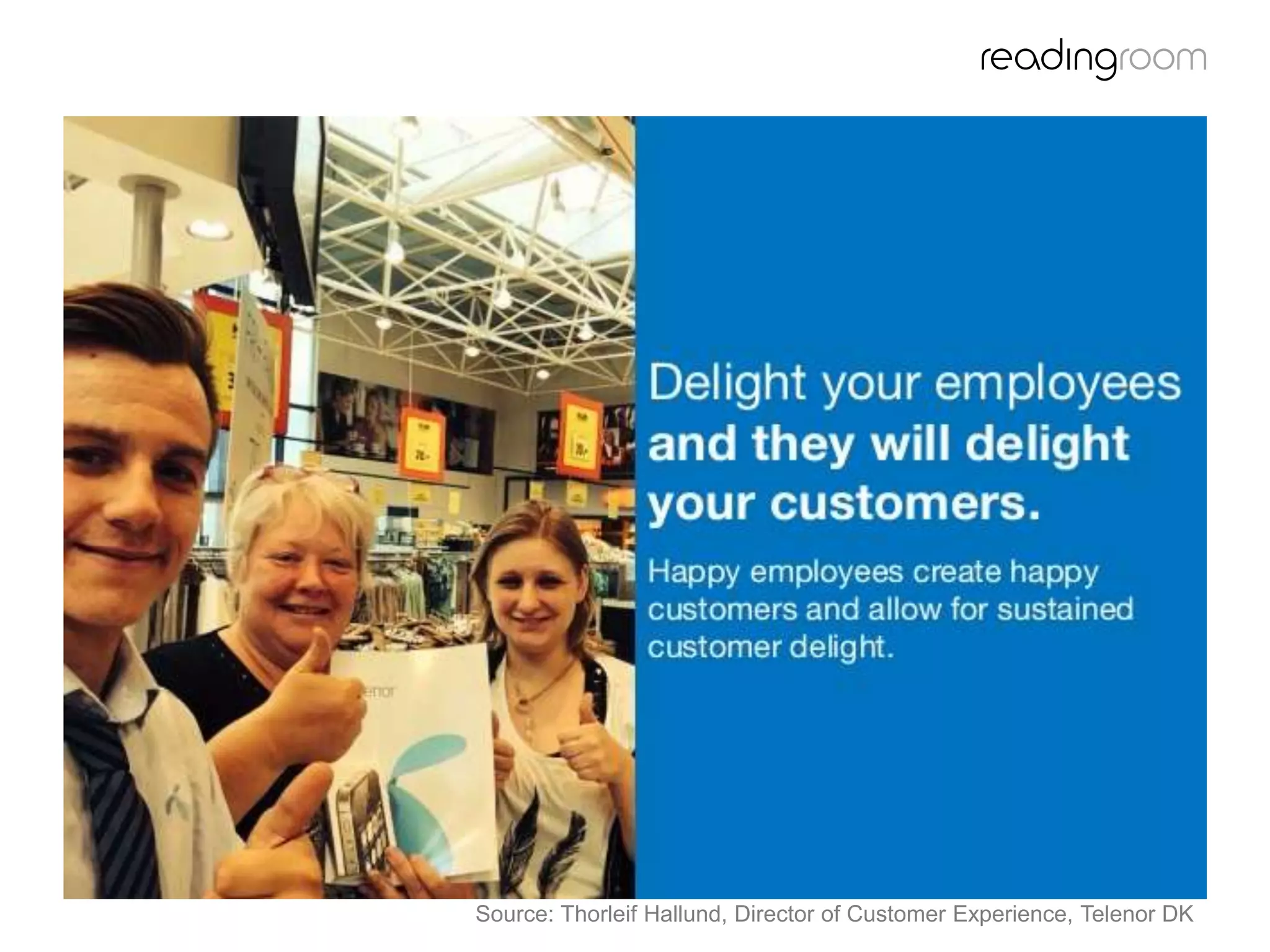
Delight your employees
Source: Thorleif Hallund, Director of Customer Experience, Telenor DK
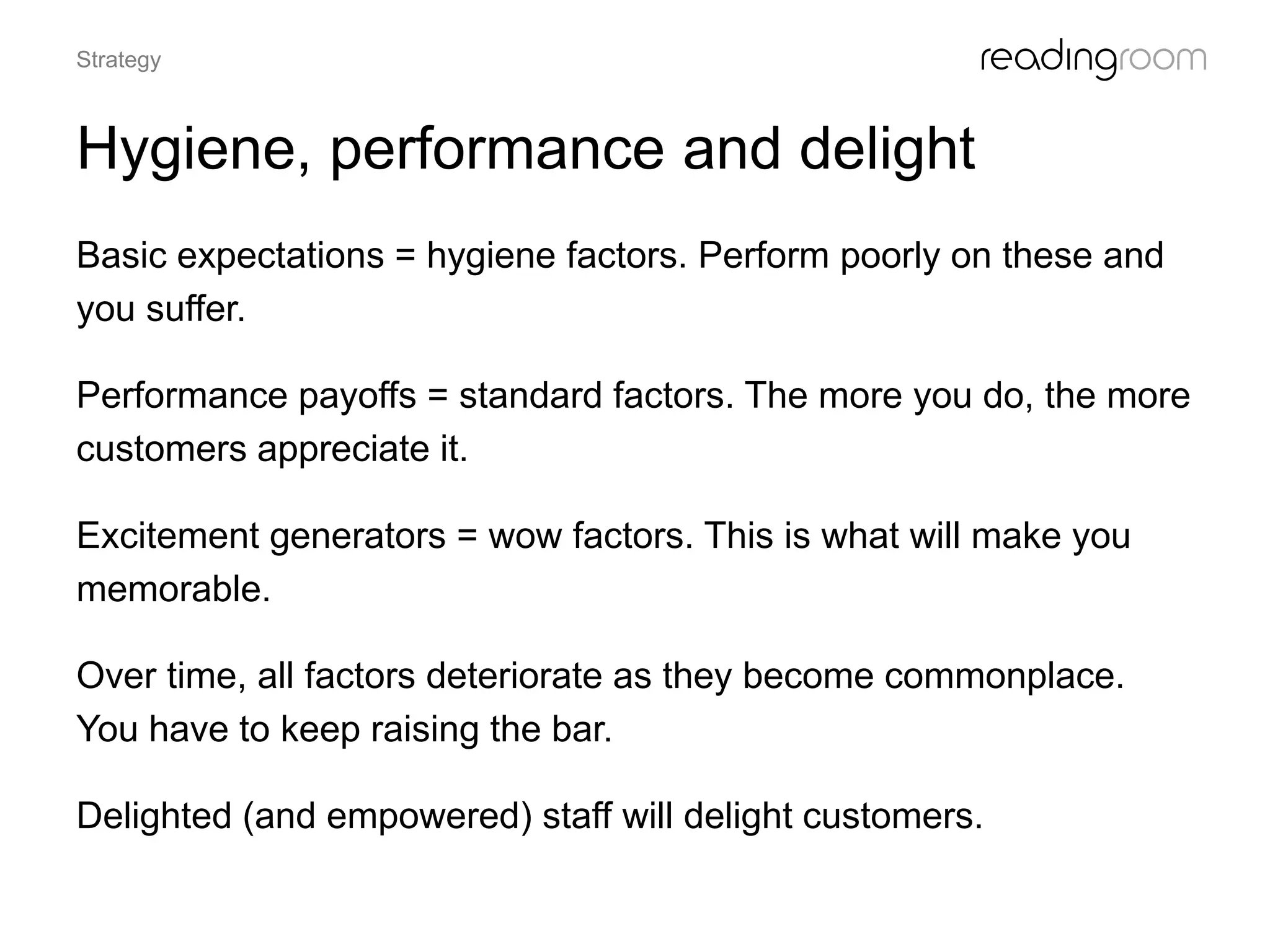
Hygiene, performance and delight
Basic expectations = hygiene factors. Perform poorly on these and
you suffer.
Performance payoffs = standard factors. The more you do, the more
customers appreciate it.
Excitement generators = wow factors. This is what will make you
memorable.
Over time, all factors deteriorate as they become commonplace.
You have to keep raising the bar.
Delighted (and empowered) staff will delight customers.
Strategy
The multi-screen world
Smartphone, Computer, Tablet, TV
Simultaneous usage
• Multi-tasking - unrelated activity
• Complementary usage - related activity
Sequential usage
Strategy
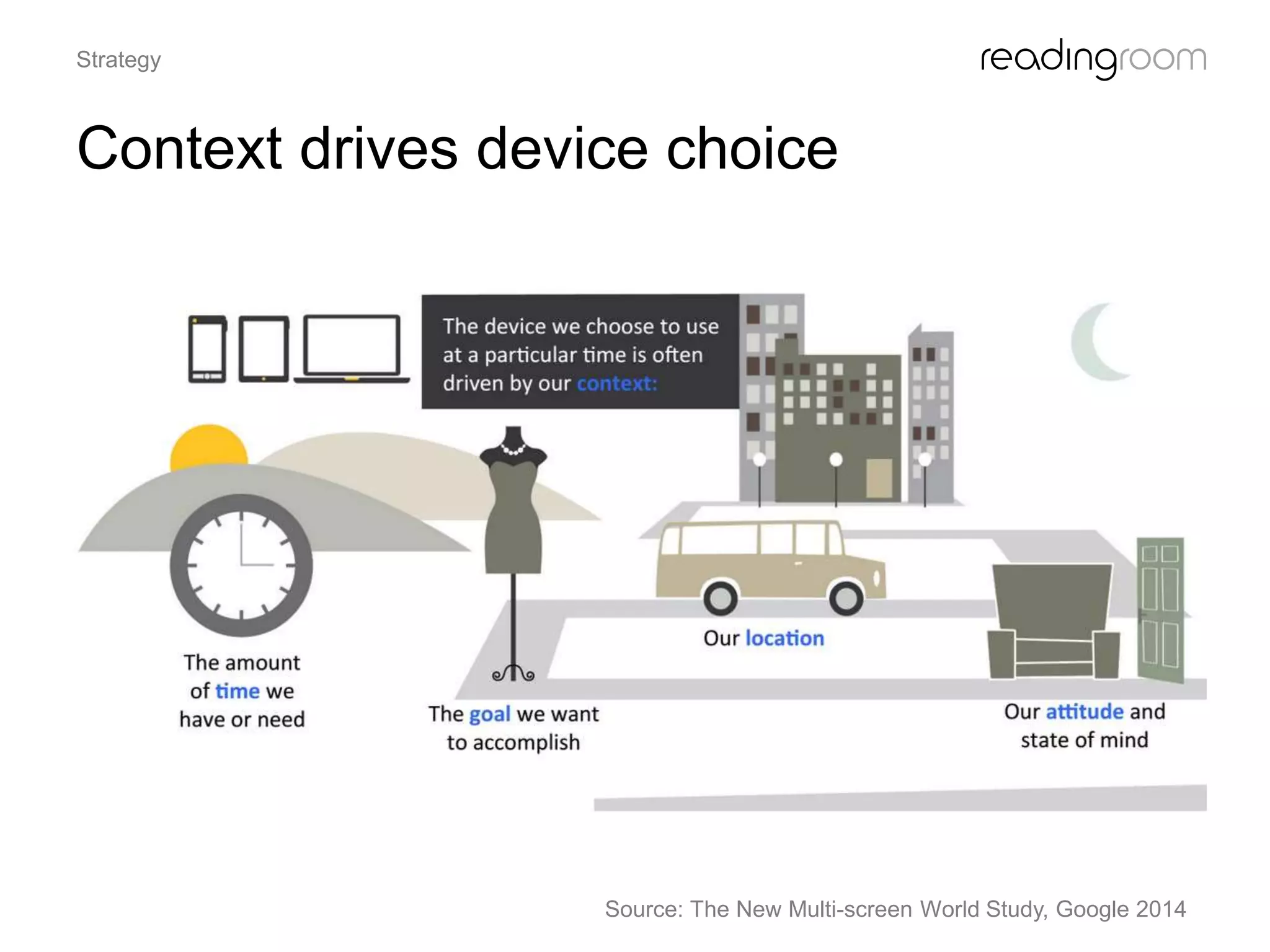
Context drives device choice
Strategy
Source: The New Multi-screen World Study, Google 2014
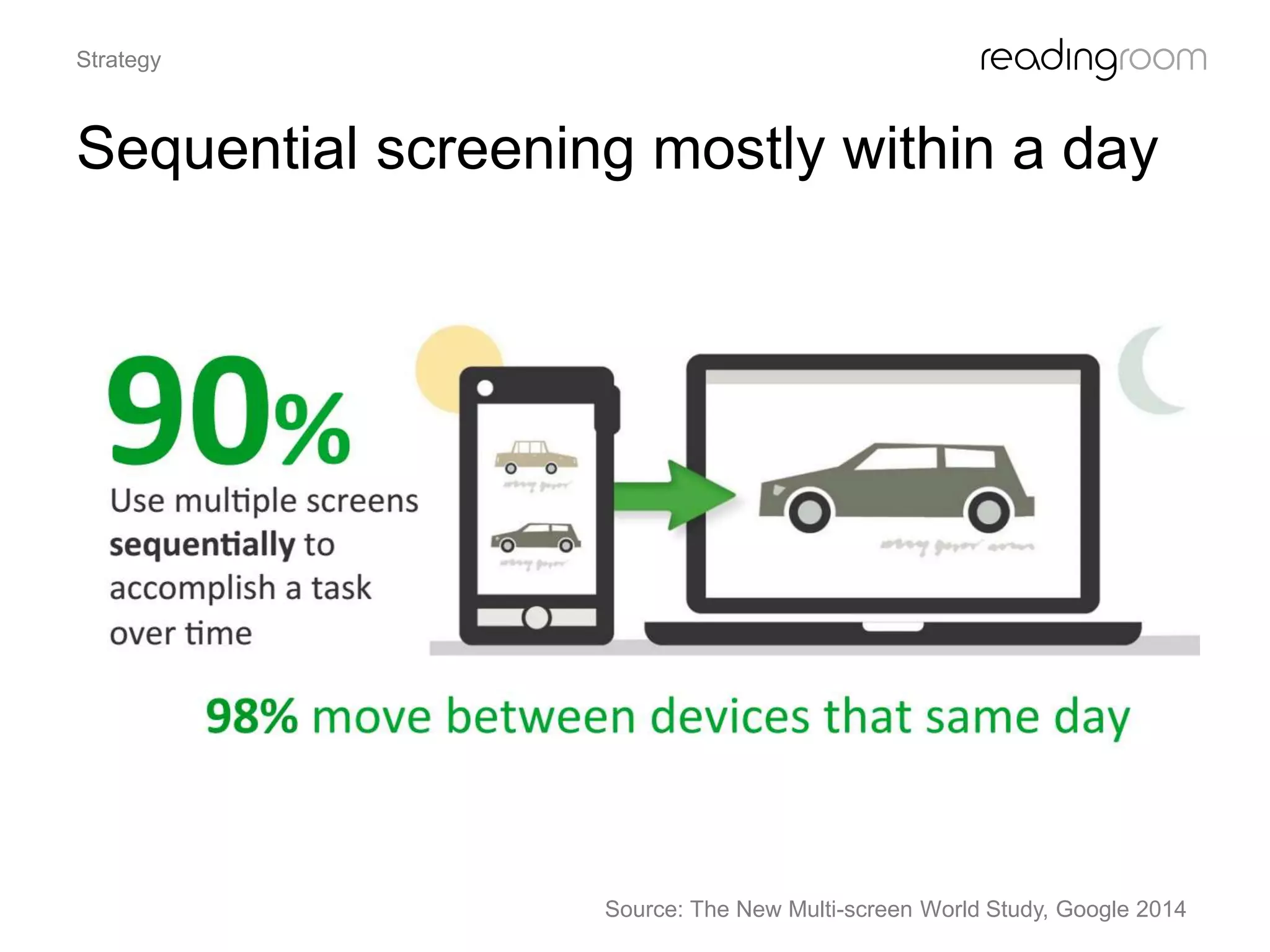
Sequential screening mostly within a day
Strategy
Source: The New Multi-screen World Study, Google 2014
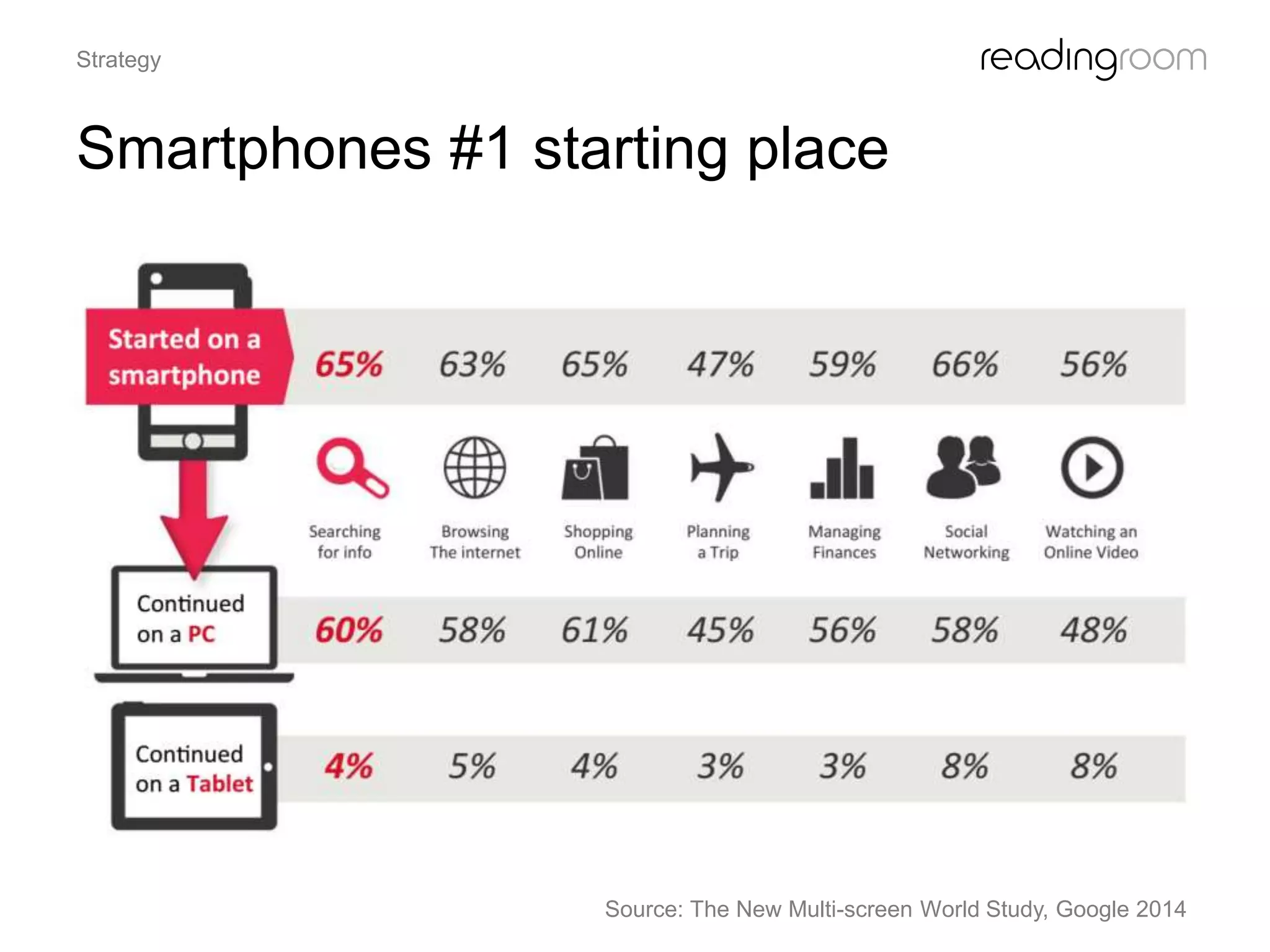
Smartphones #1 starting place
Strategy
Source: The New Multi-screen World Study, Google 2014
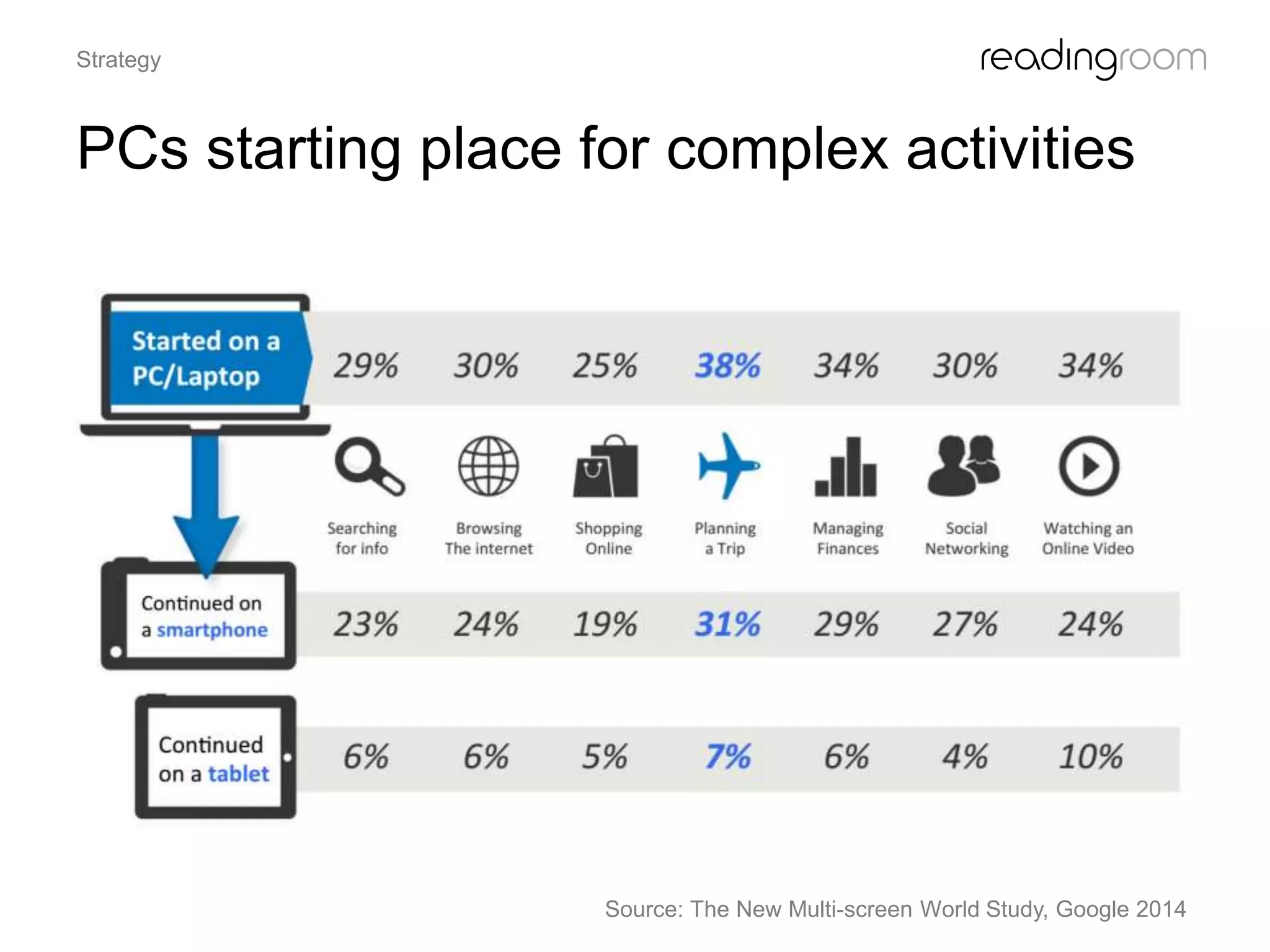
PCs starting place for complex activities
Strategy
Source: The New Multi-screen World Study, Google 2014
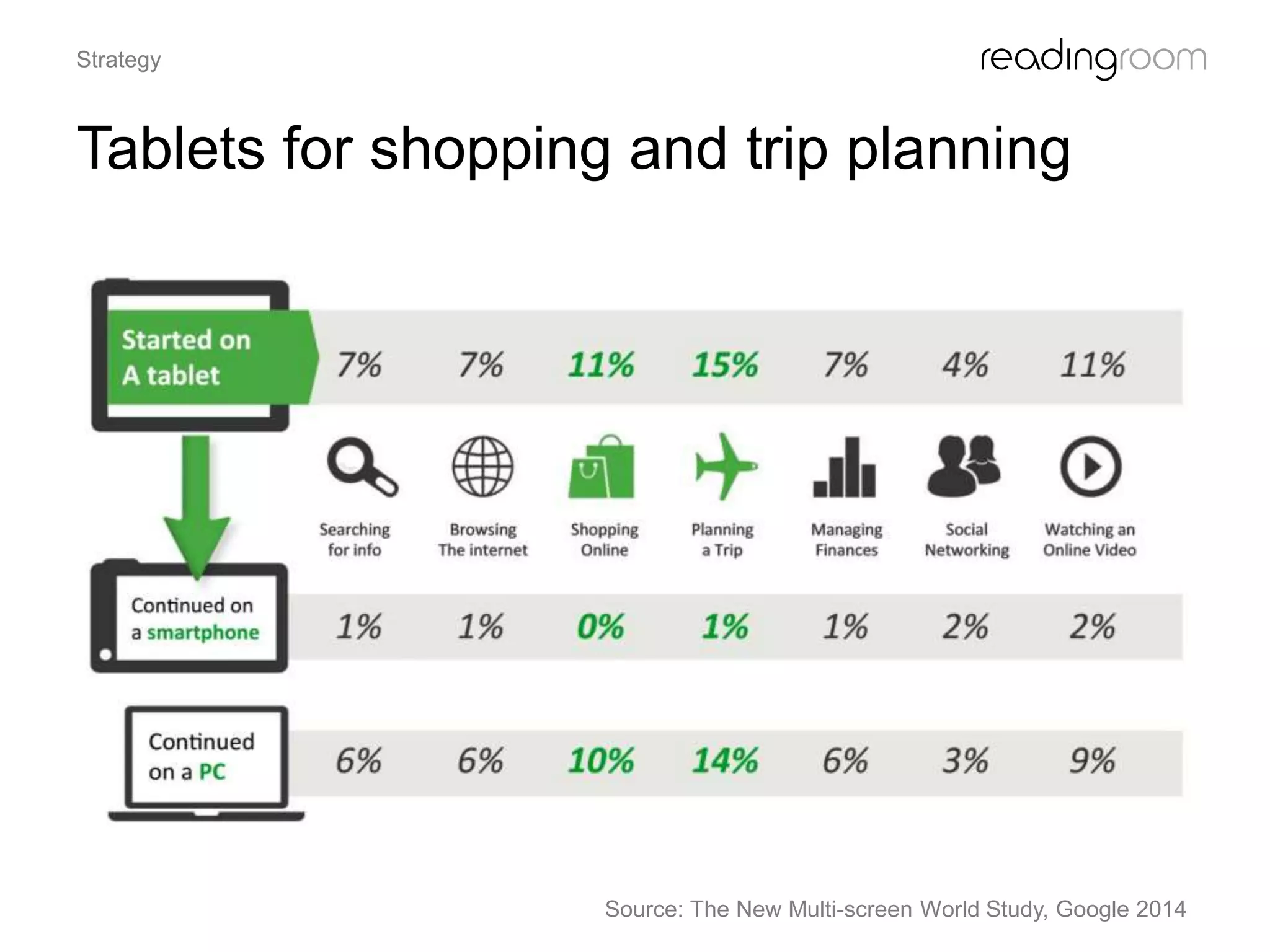
Tablets for shopping and trip planning
Strategy
Source: The New Multi-screen World Study, Google 2014
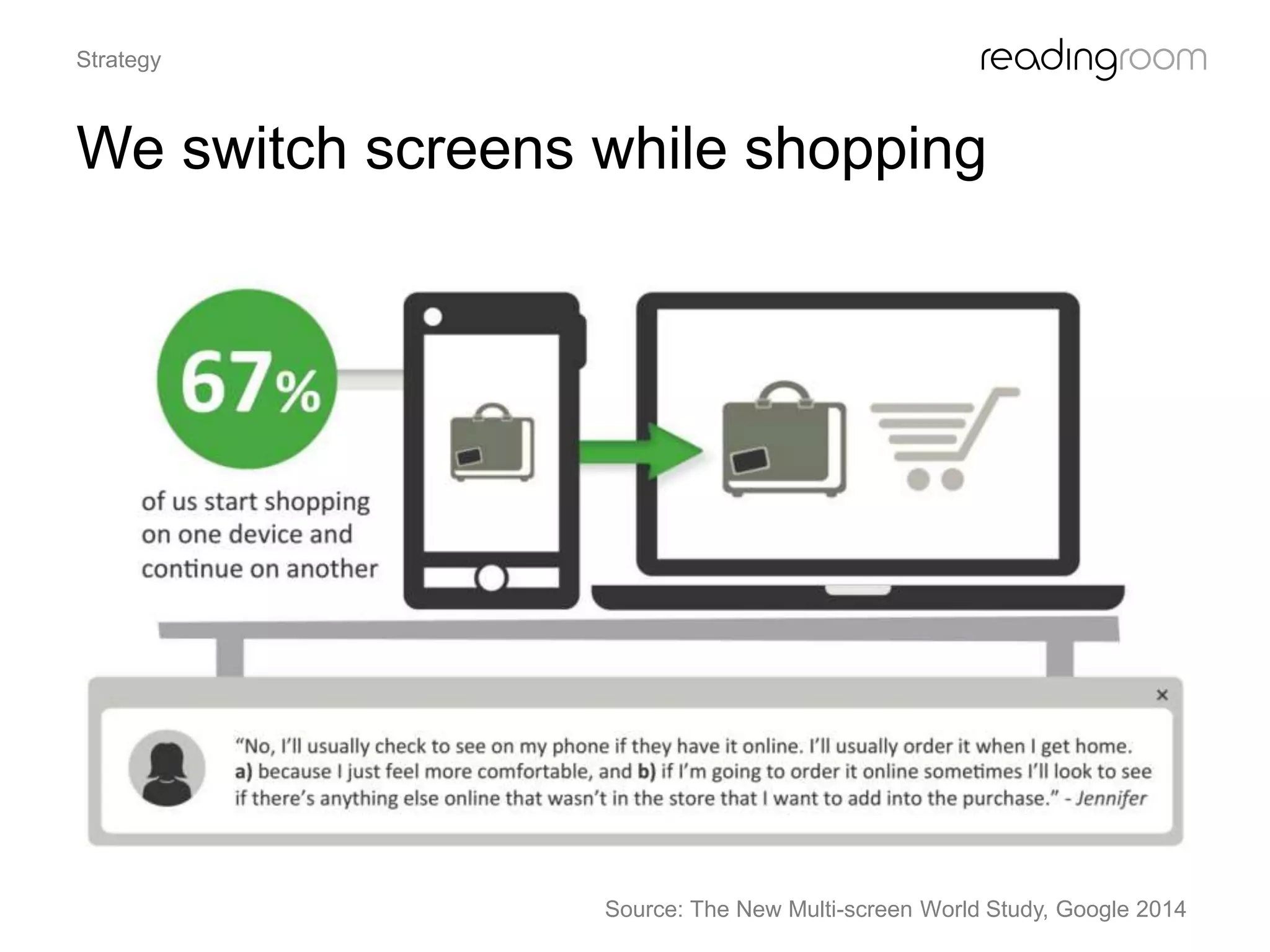
We switch screens while shopping
Strategy
Source: The New Multi-screen World Study, Google 2014
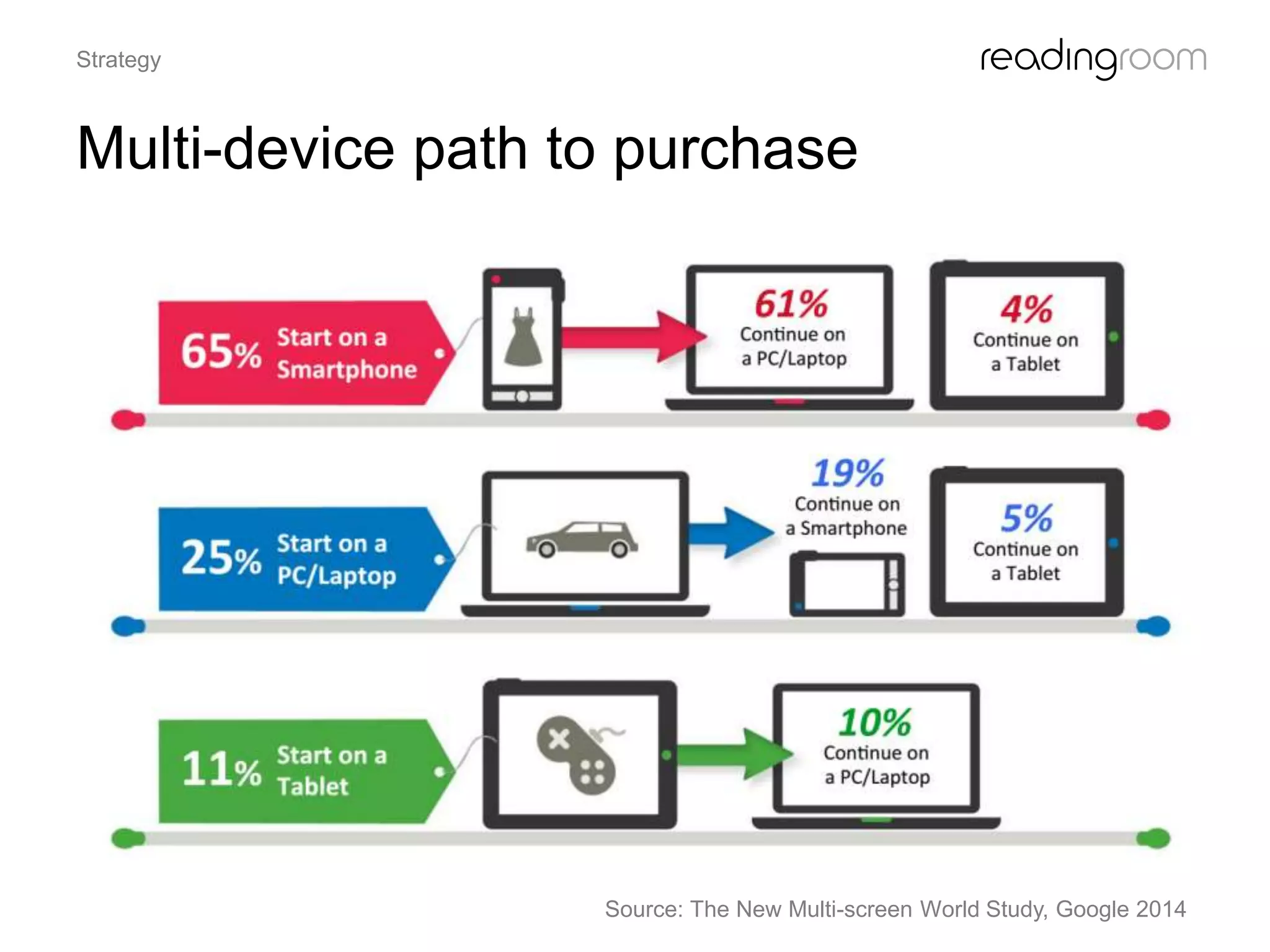
Multi-device path to purchase
Strategy
Source: The New Multi-screen World Study, Google 2014
CRM integration is key
Multi-channel contact centre
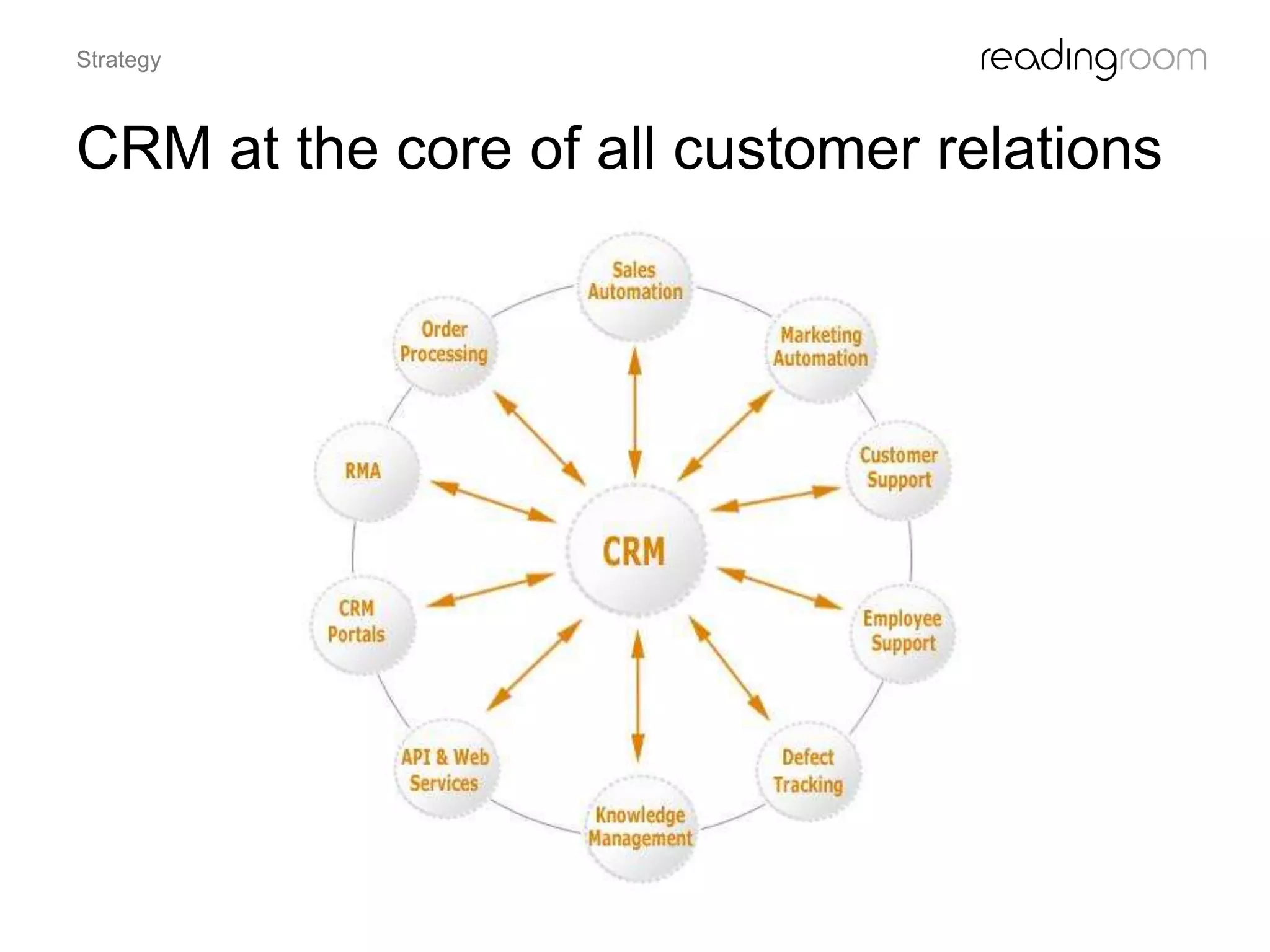
CRM at the core of all customer relations
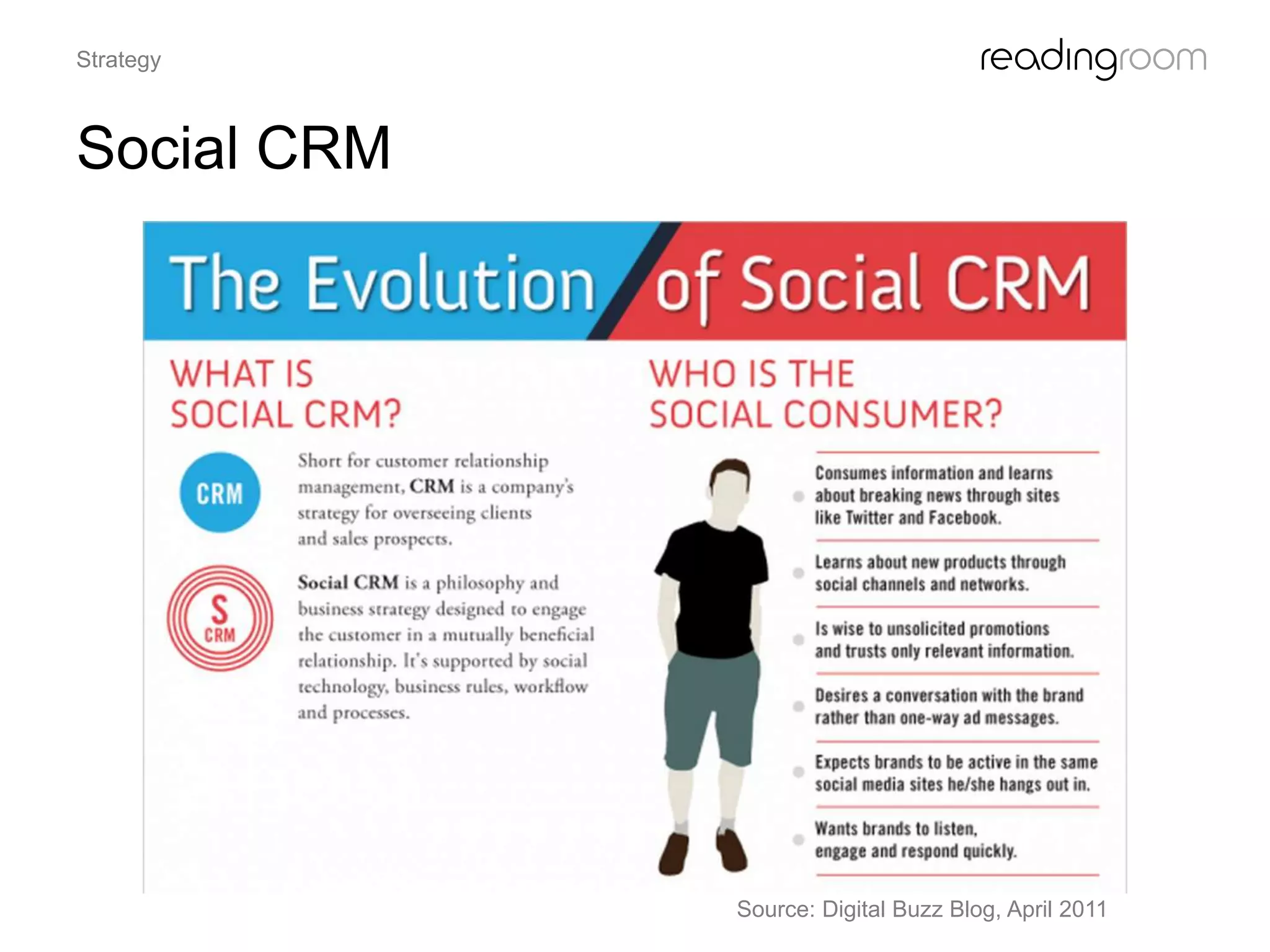
Social CRM
Strategy
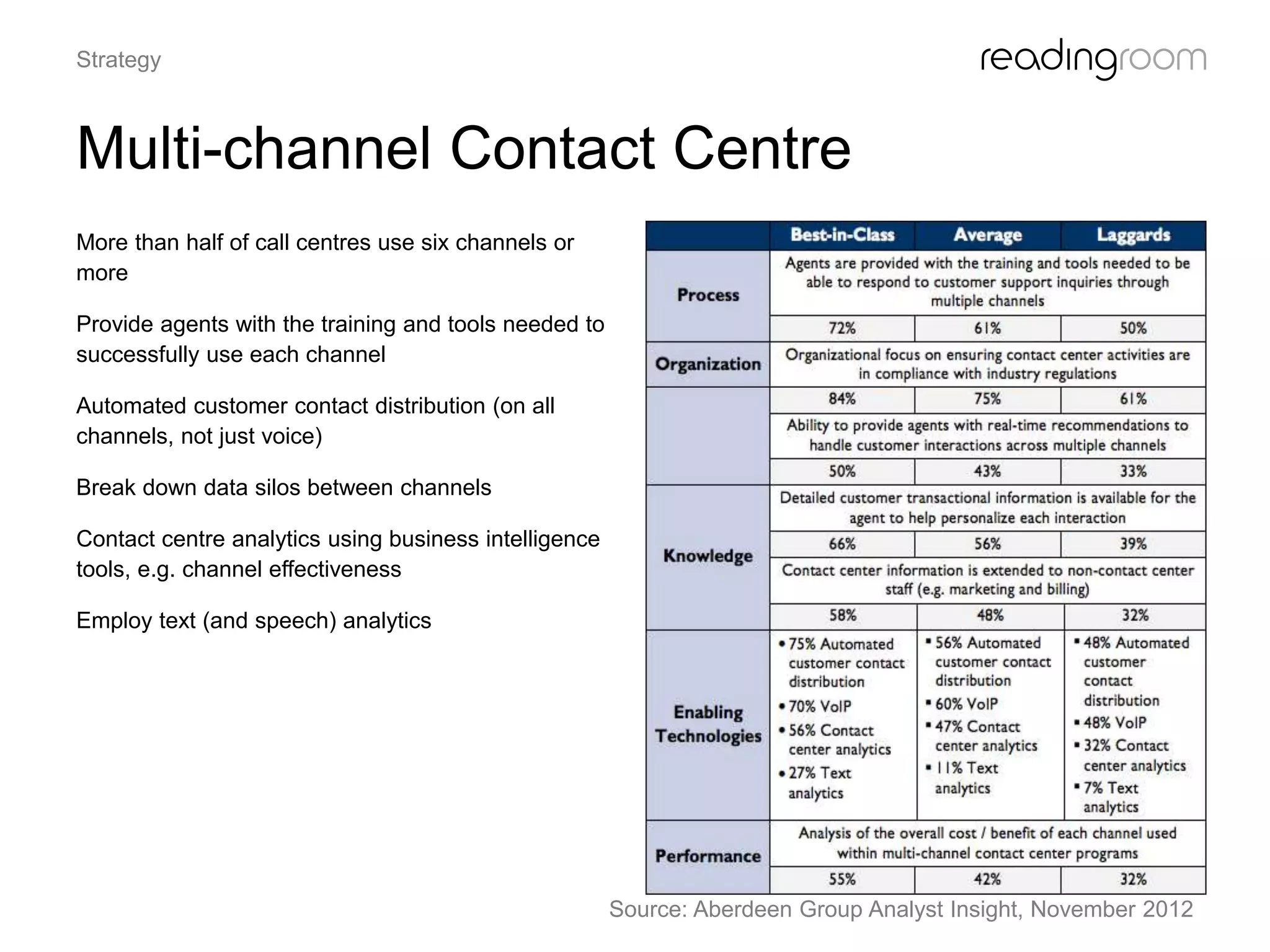
Multi-channel Contact Centre
More than half of call centres use six channels or
more
Provide agents with the training and tools needed to
successfully use each channel
Automated customer contact distribution (on all
channels, not just voice)
Break down data silos between channels
Contact centre analytics using business intelligence
tools, e.g. channel effectiveness
Employ text (and speech) analytics
Strategy
Source: Aberdeen Group Analyst Insight, November 2012
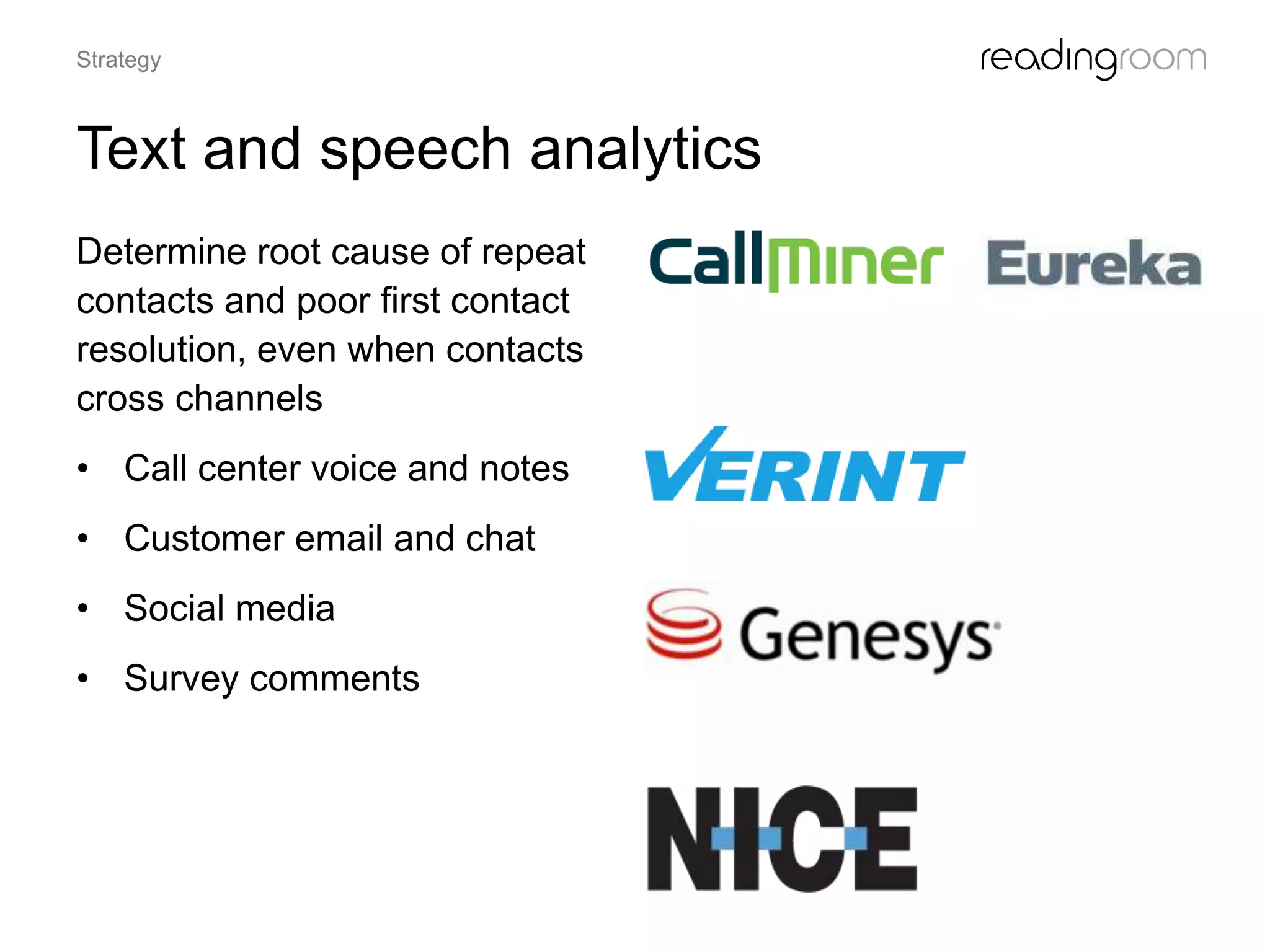
Text and speech analytics
Determine root cause of repeat
contacts and poor first contact
resolution, even when contacts
cross channels
• Call center voice and notes
• Customer email and chat
• Social media
• Survey comments
Strategy
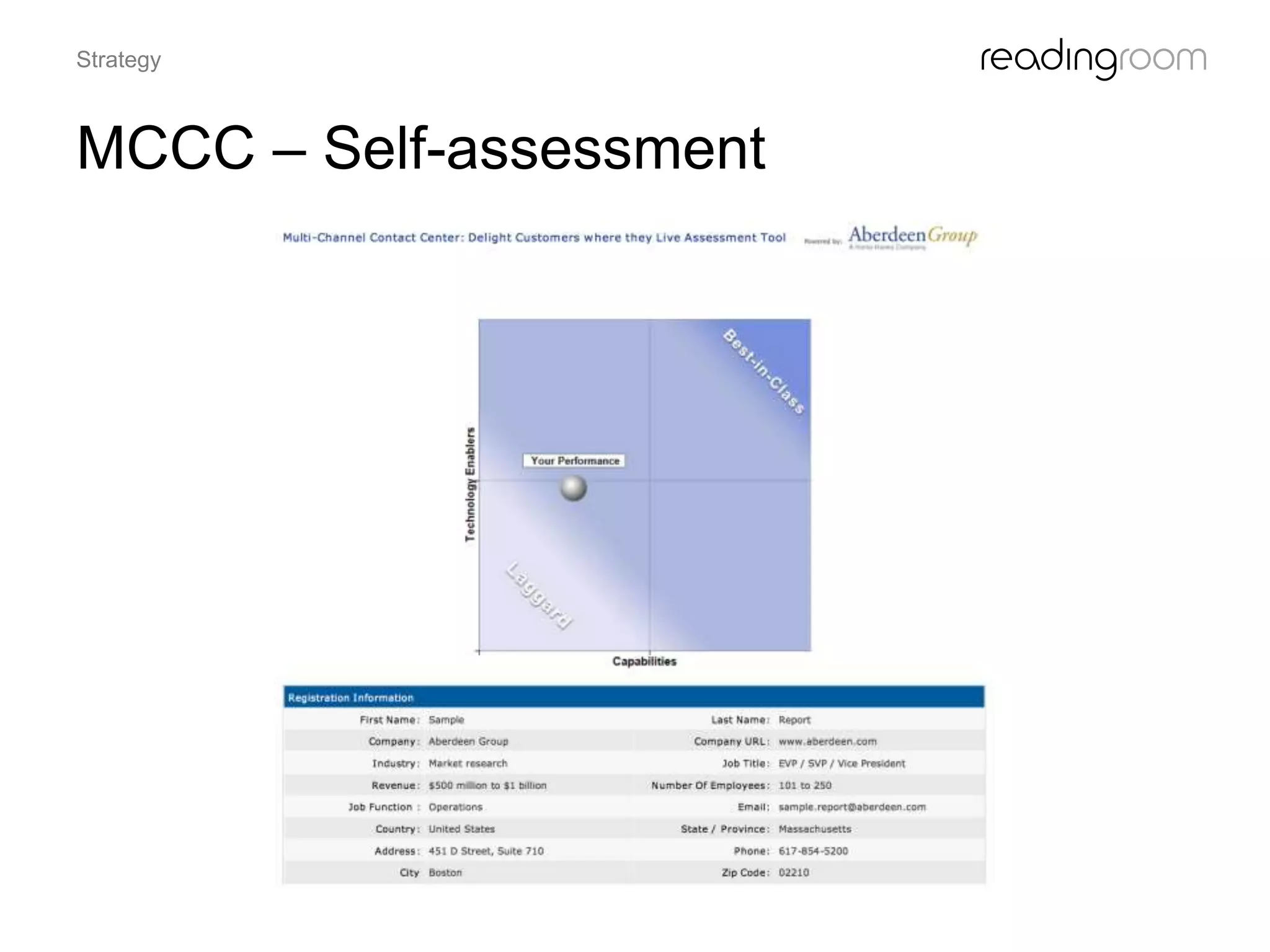
MCCC – Self-assessment
Strategy
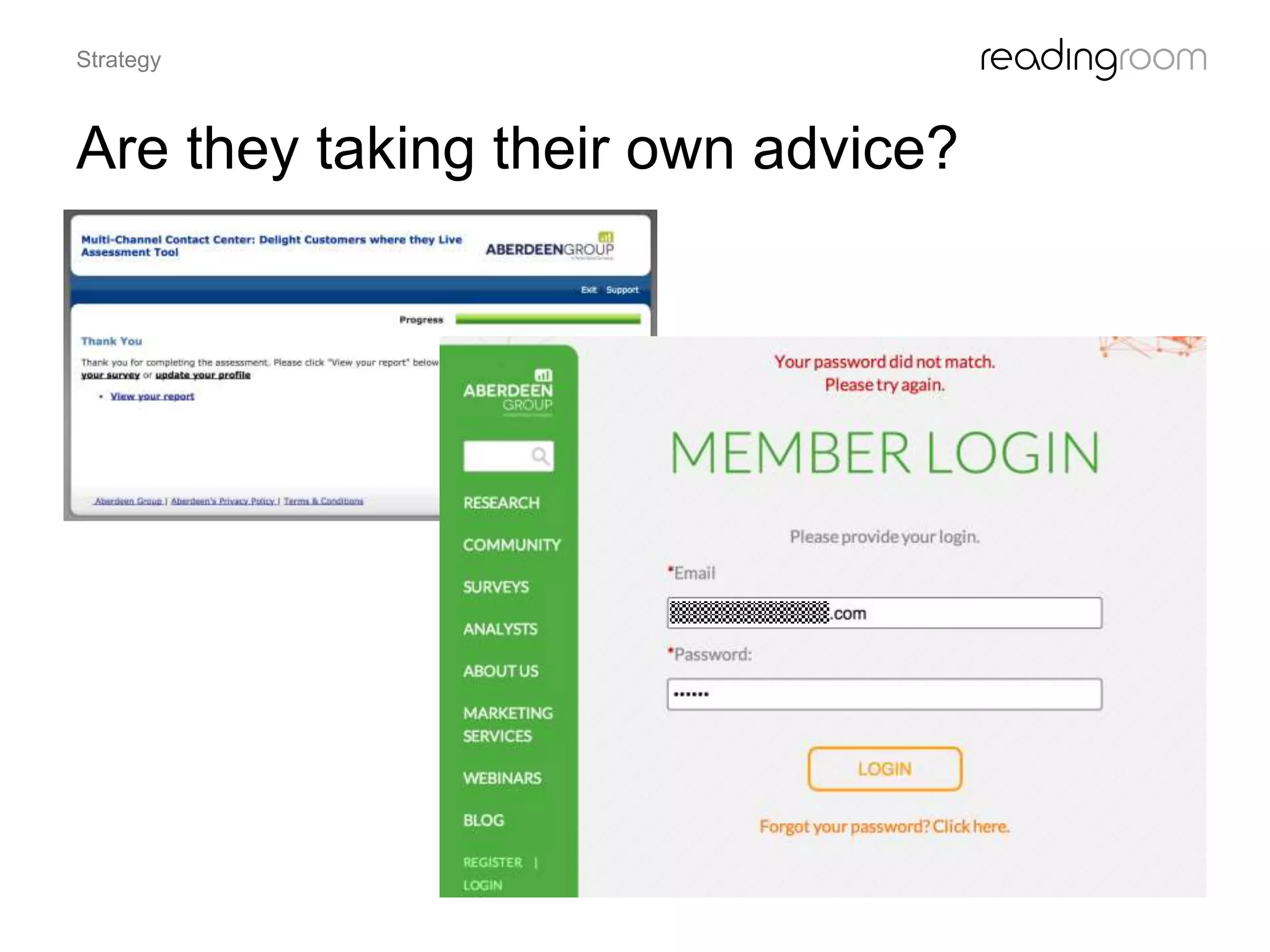
Are they taking their own advice?
Strategy
CRM at the core of all customer relations
Strategy
Social CRM
Strategy
Source: Digital Buzz Blog, April 2011
Social CRM
…is a strategy
…is a back-end process and system for managing customer
relationships
…is a toolkit
…is more influential
Strategy
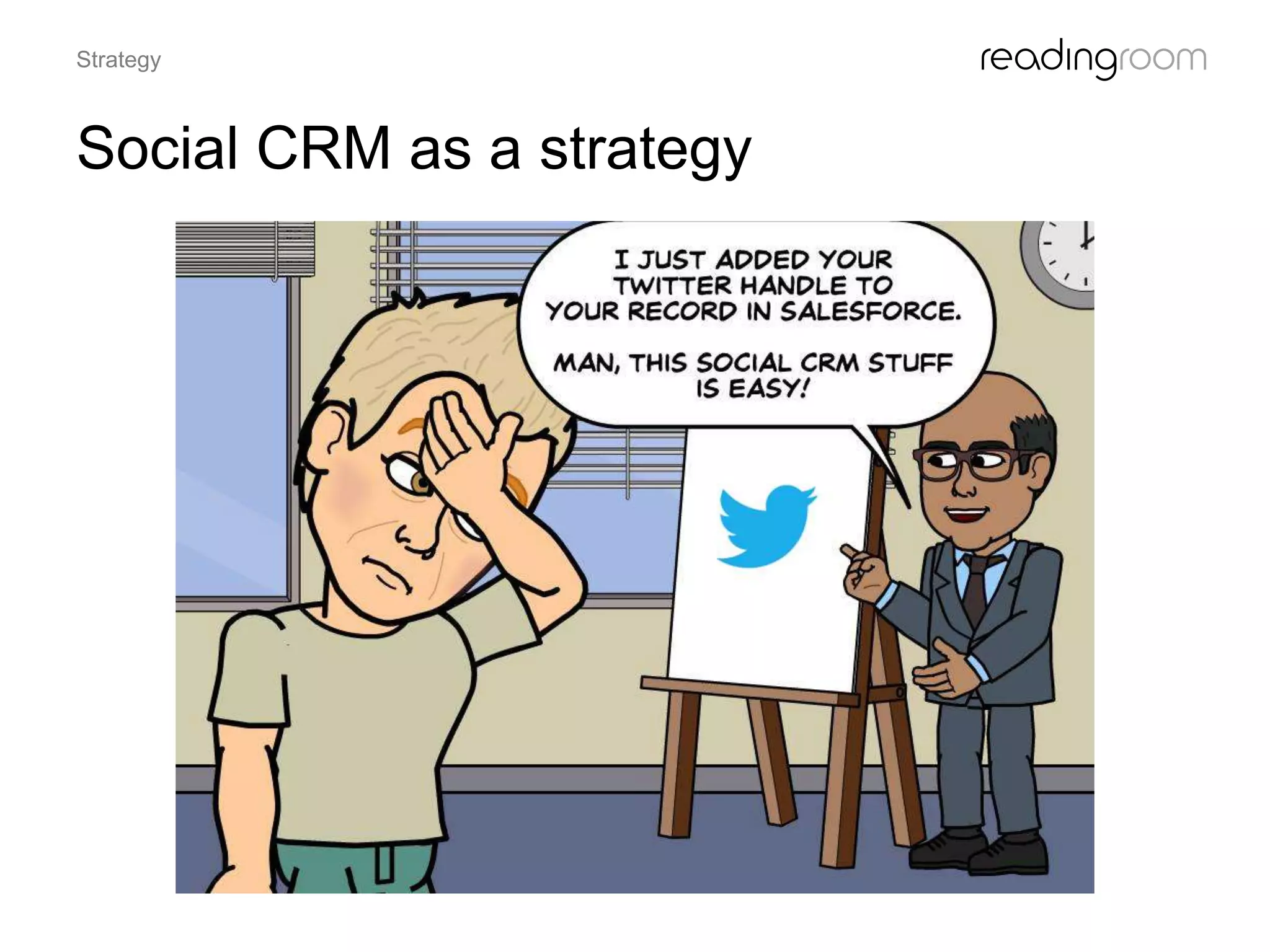
Social CRM as a strategy
Strategy
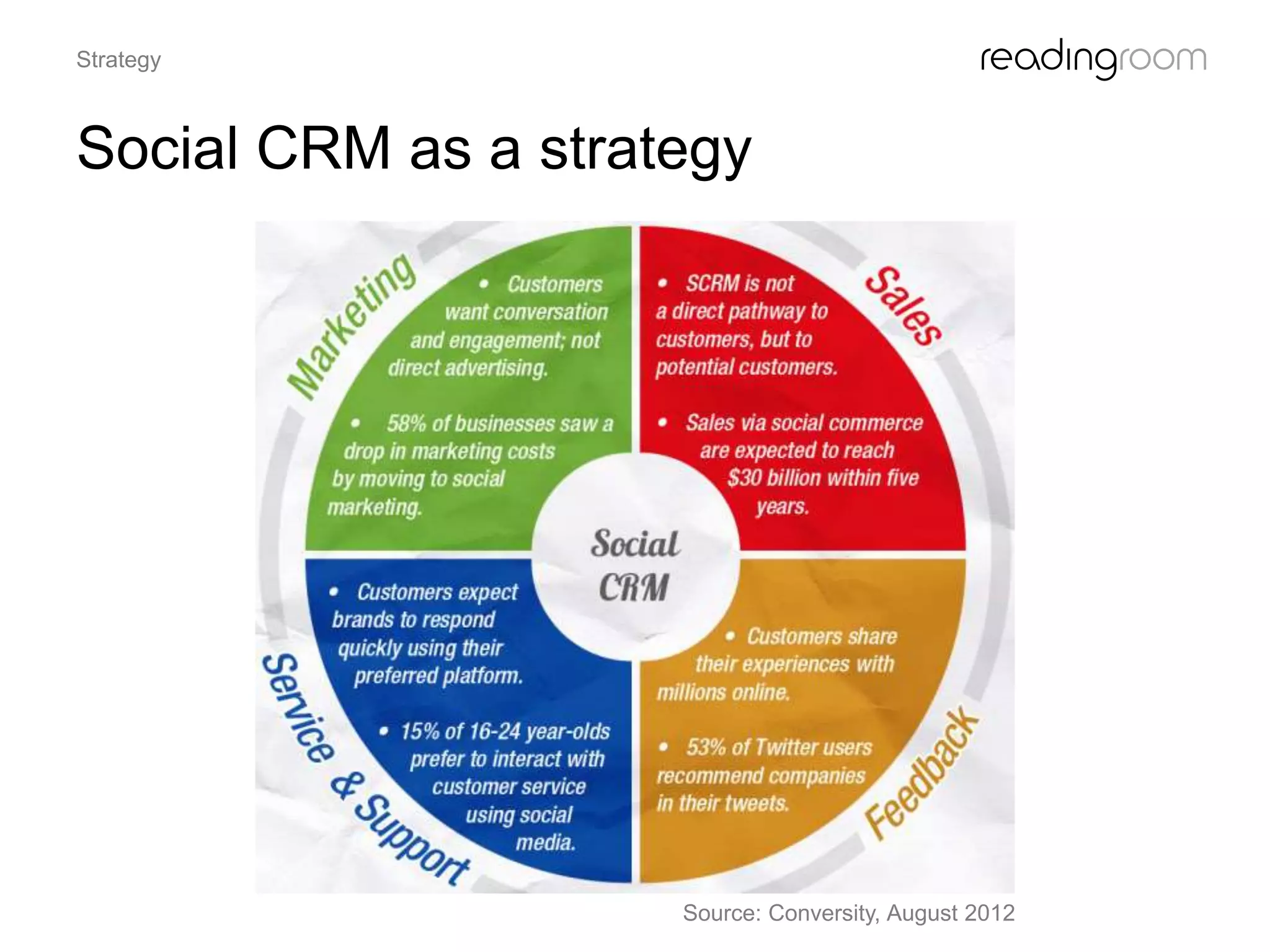
Social CRM as a strategy
Strategy
Source: Conversity, August 2012
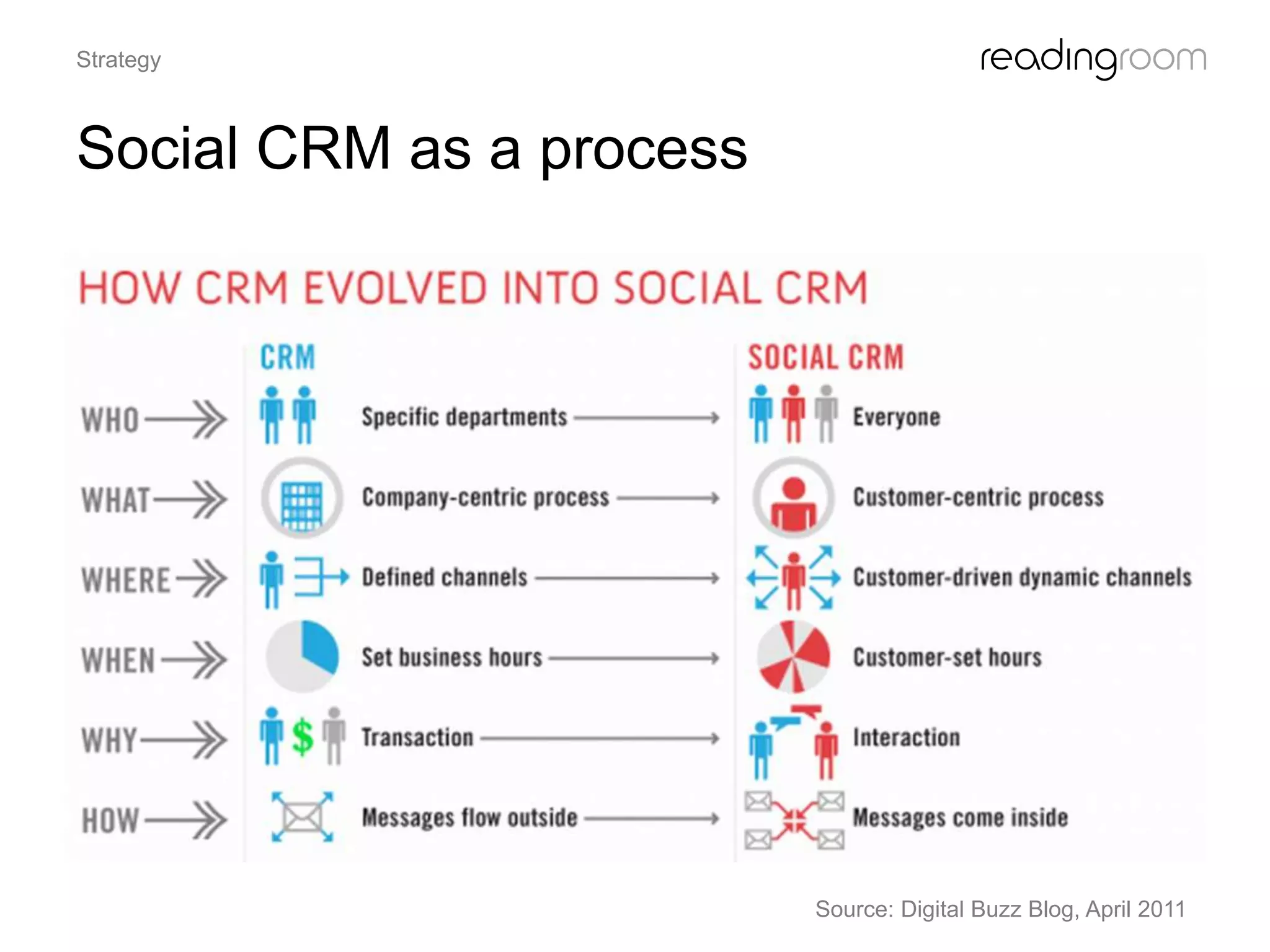
Social CRM as a process
Strategy
Source: Digital Buzz Blog, April 2011
Social CRM as a toolkit
Strategy
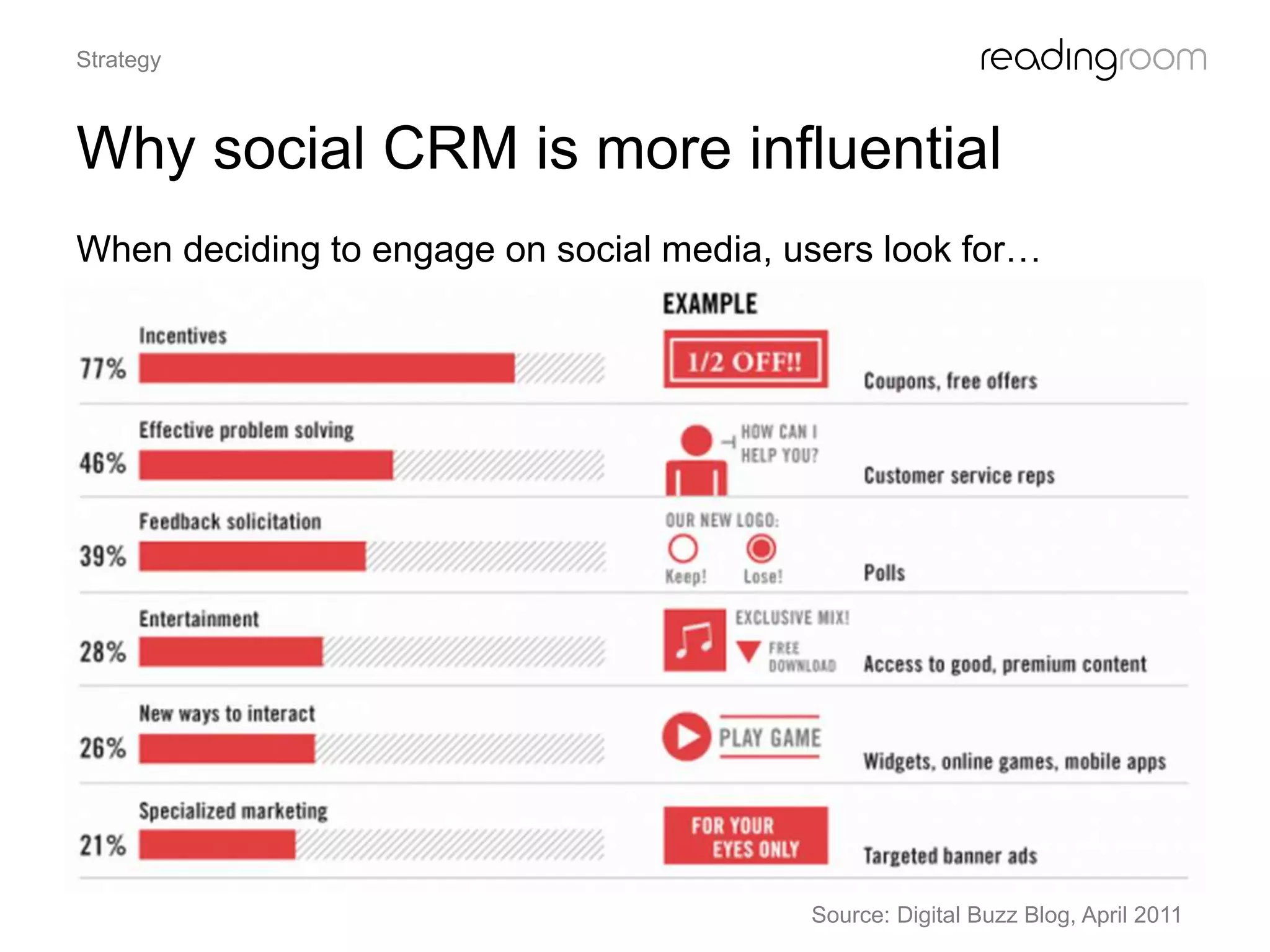
Why social CRM is more influential
Strategy
Source: Digital Buzz Blog, April 2011
When deciding to engage on social media, users look for…
Development
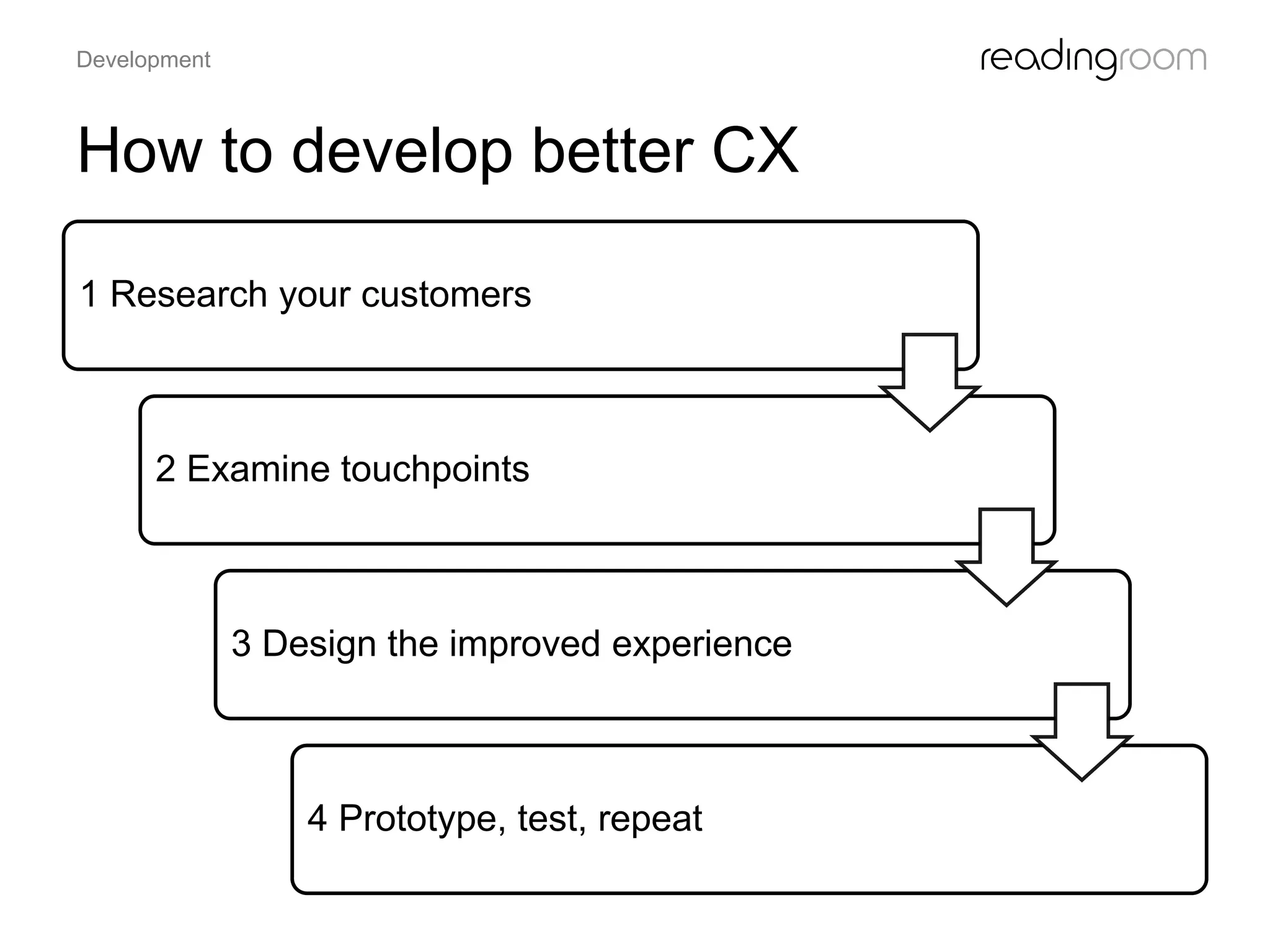
How to develop better CX
1 Research your customers
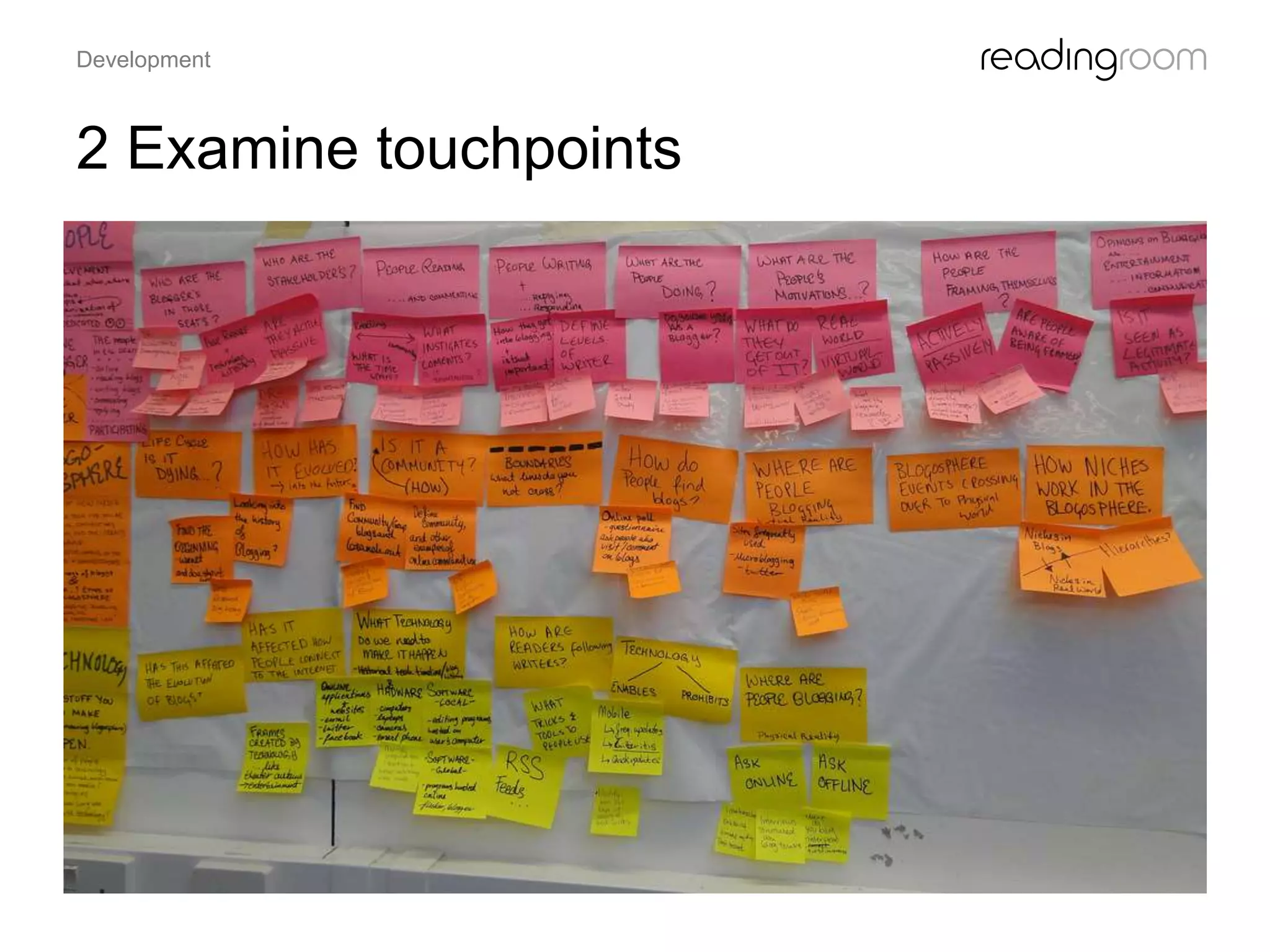
2 Examine touchpoints
3 Design the improved experience
4 Prototype, test, repeat
Development
1 Research your customers
Development
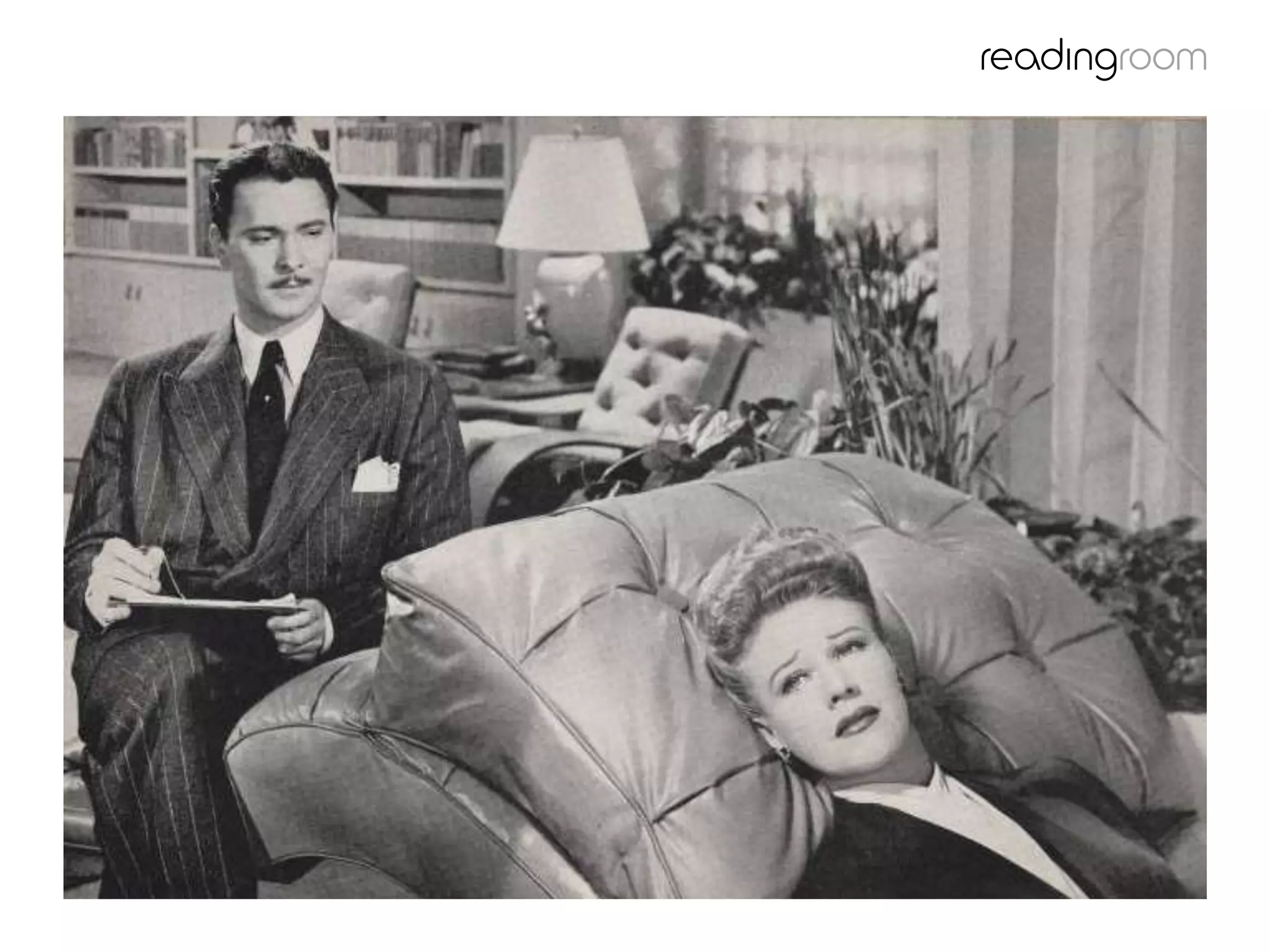
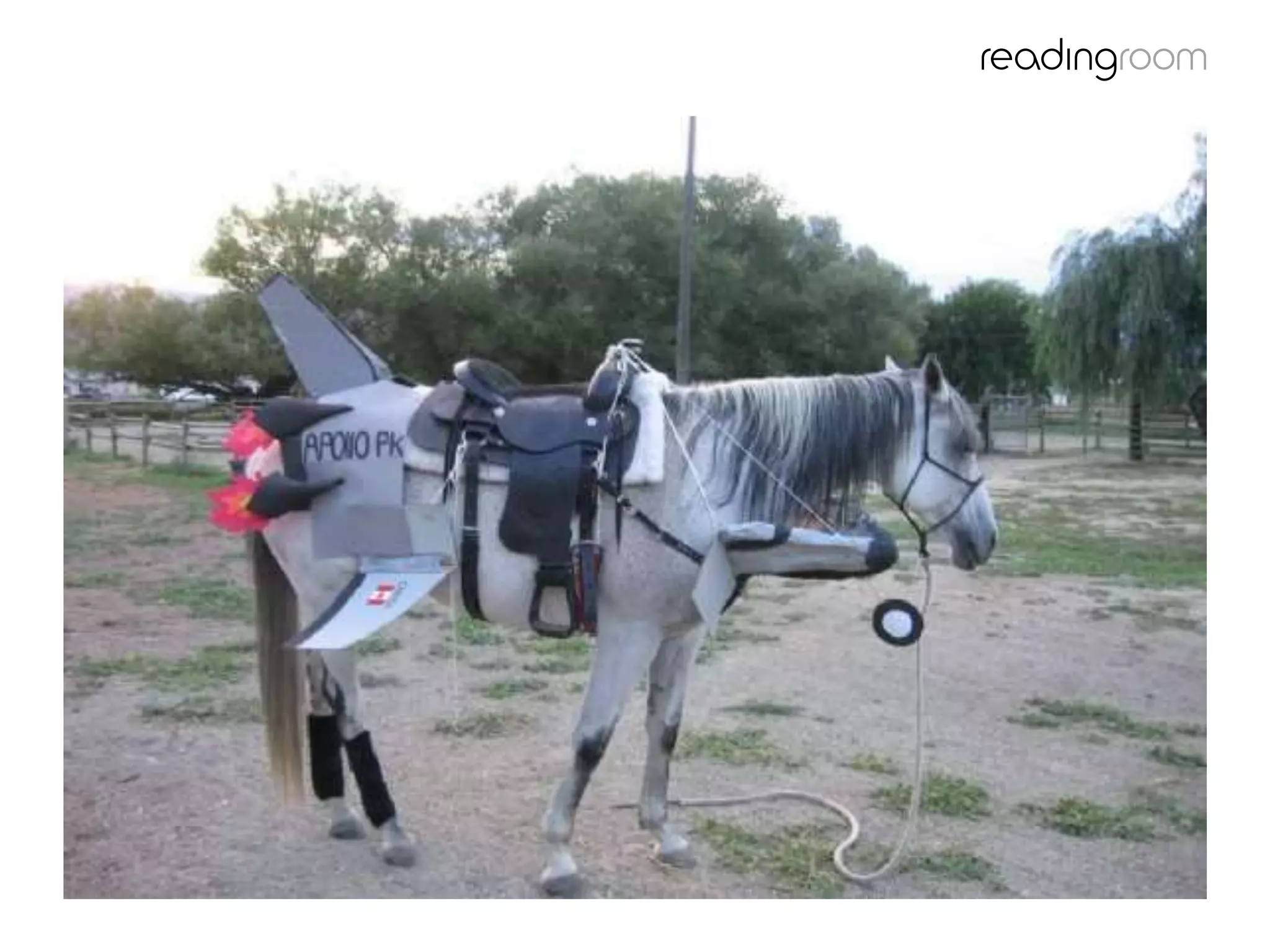
You could ask consumers what they want
Image credits: Joe Shlabotnik (Flickr)
Image credits: Jeff Gothelf
Image credits: cavstheblog.com
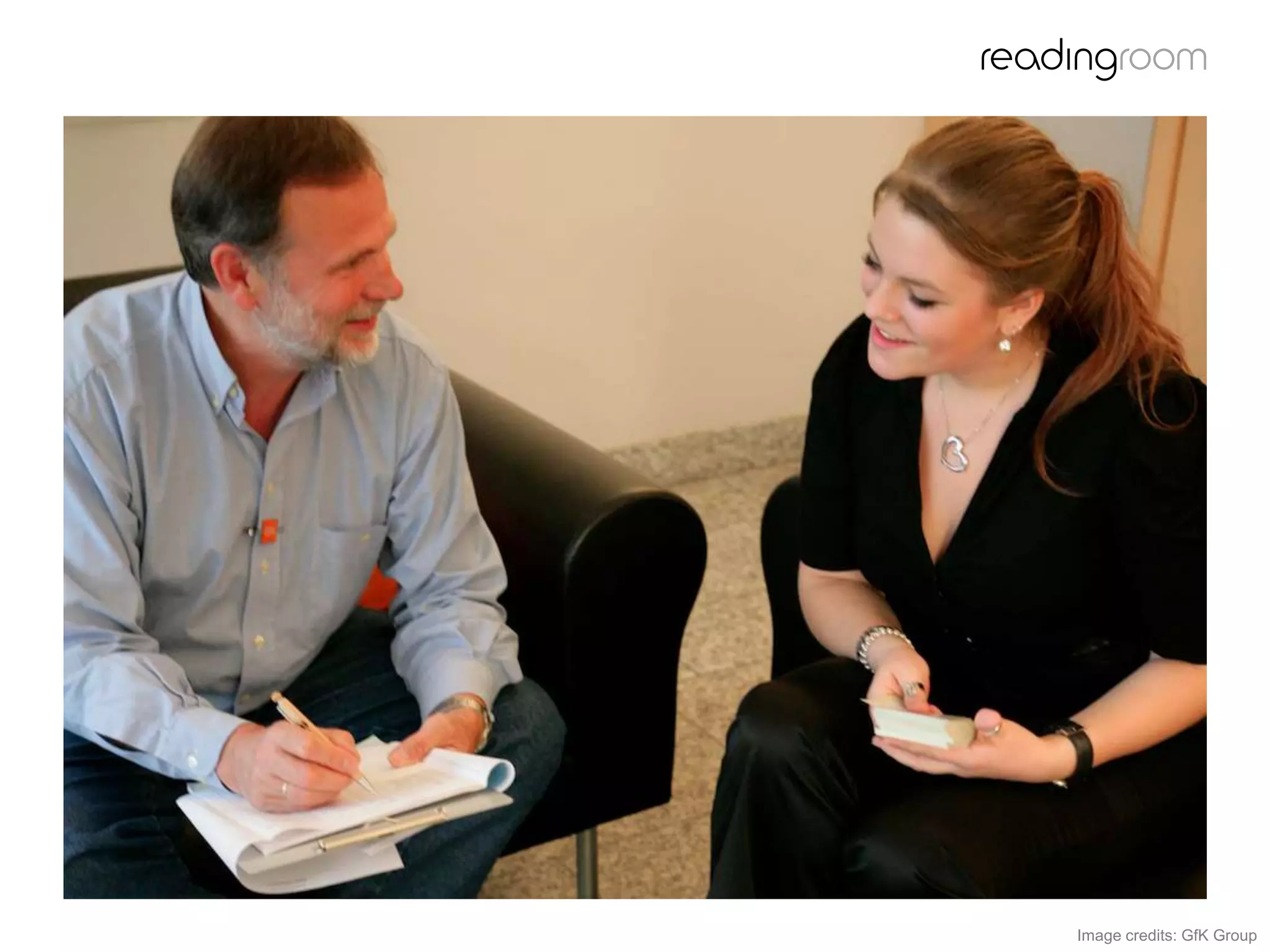
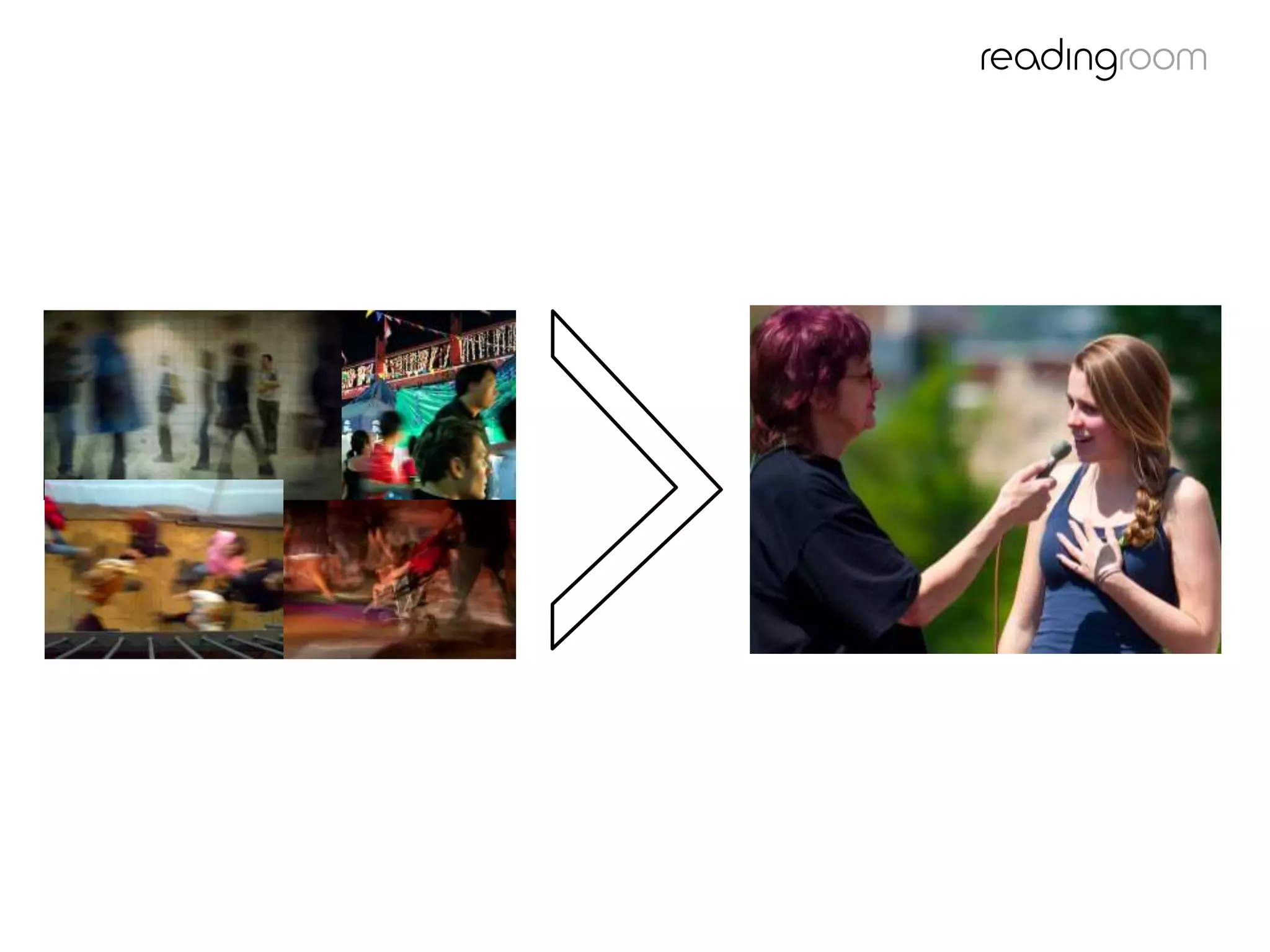
Yes we do ask people, but we don’t ask them
what they want, we find out what their
emotional journey is
Image credits: GfK Group
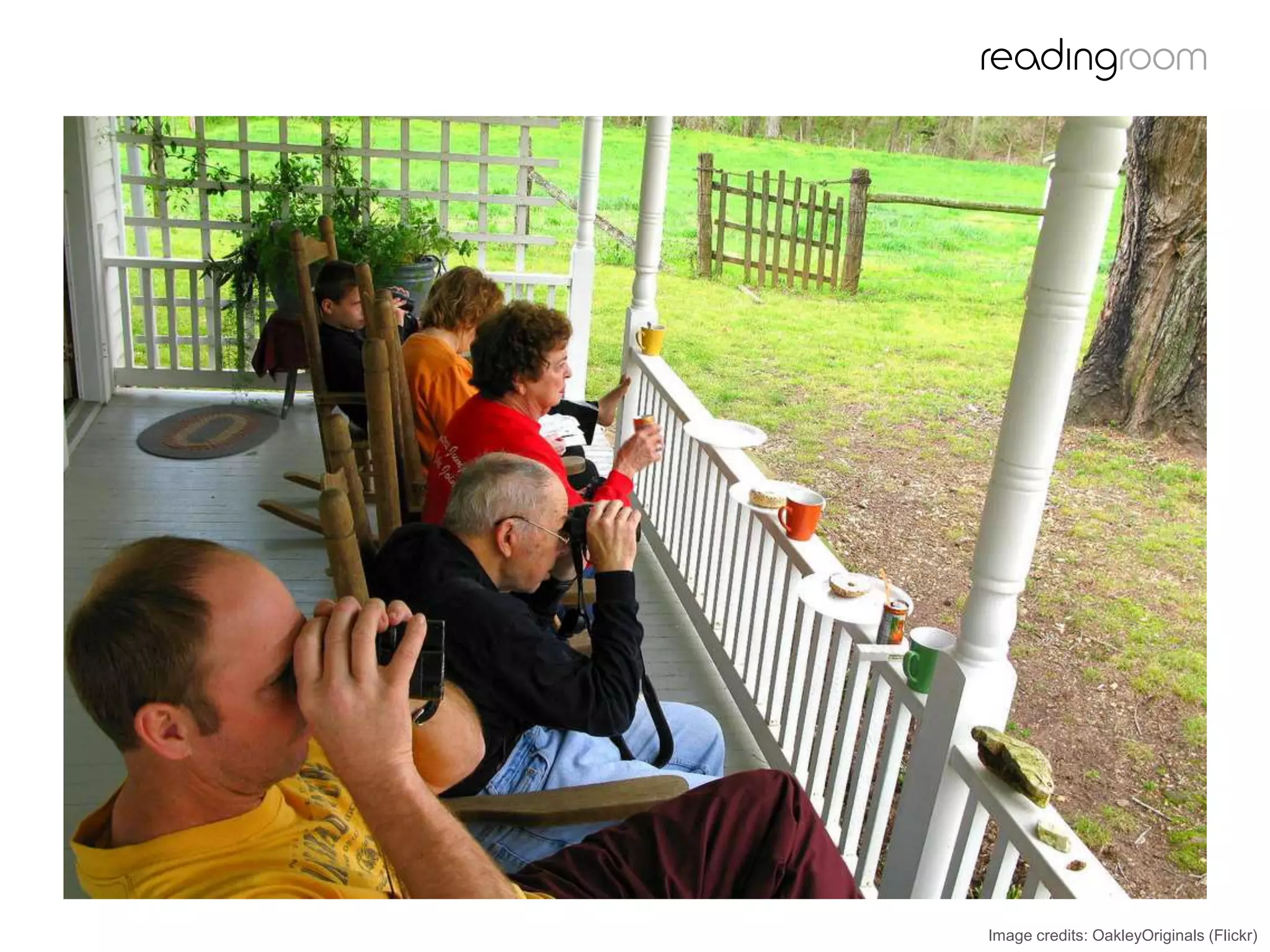
We observe them
Image credits: OakleyOriginals (Flickr)
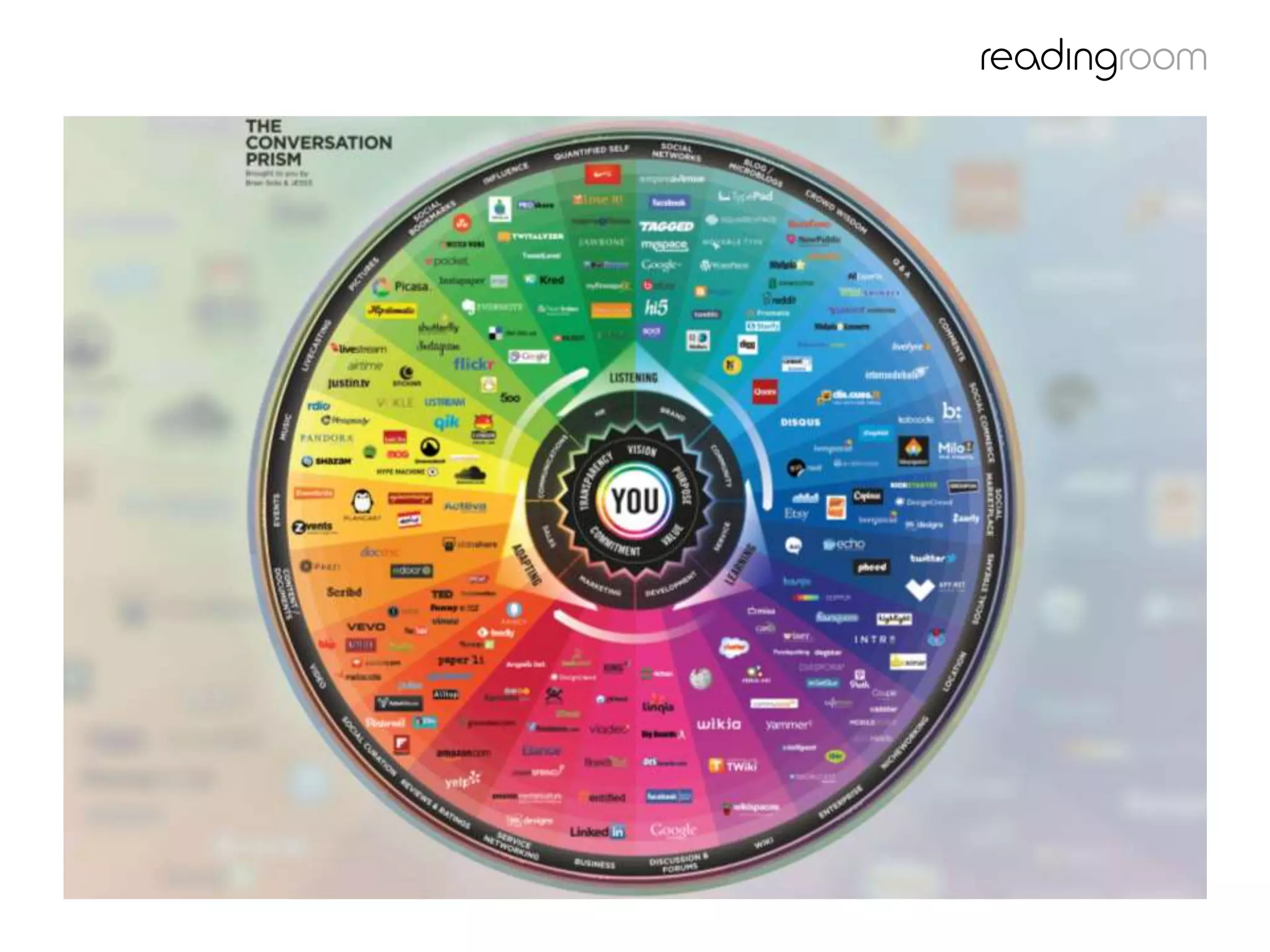
We listen to social media conversations
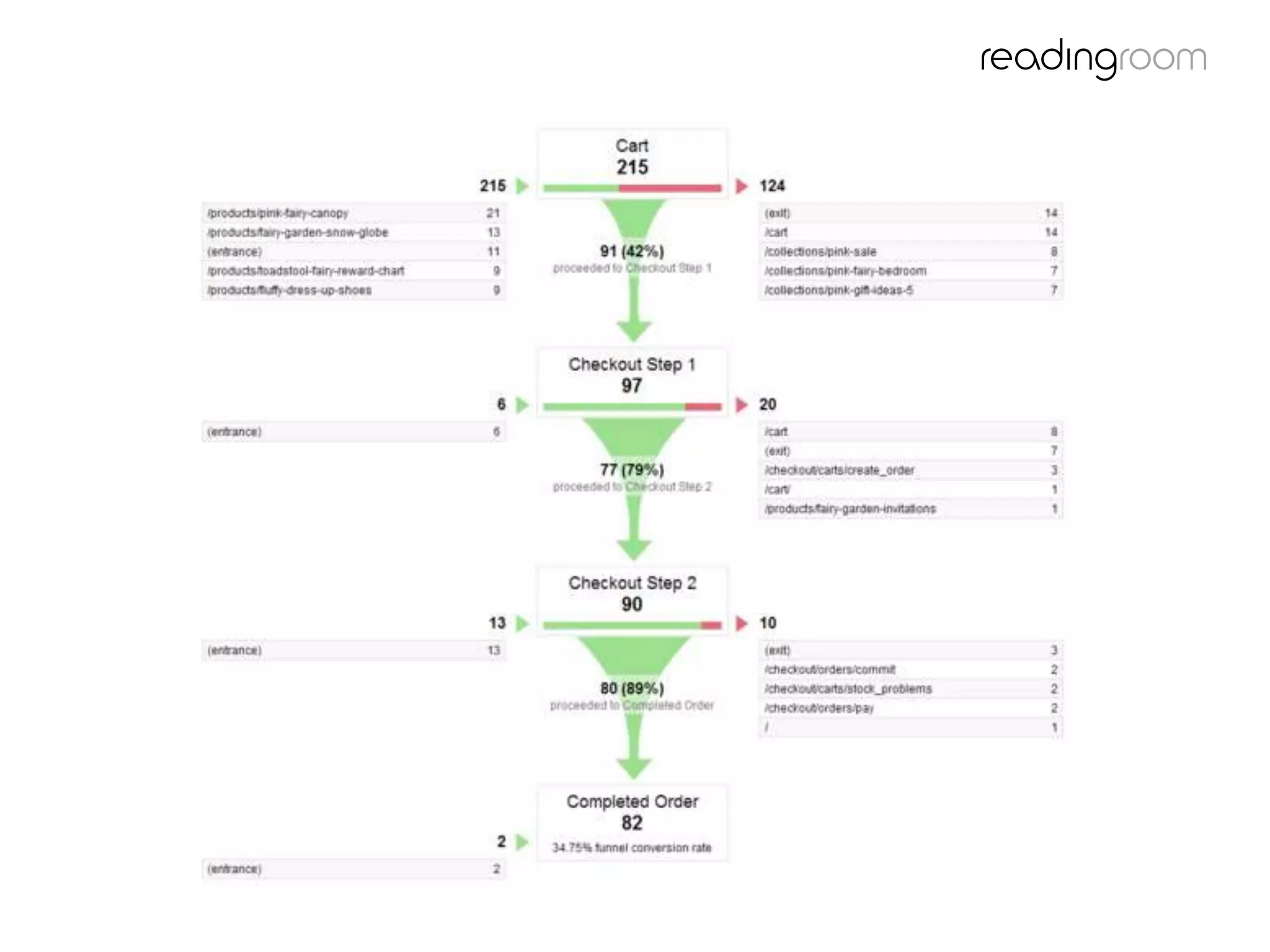
We track analytics
Behavioural data is always preferable to attitudinal
data
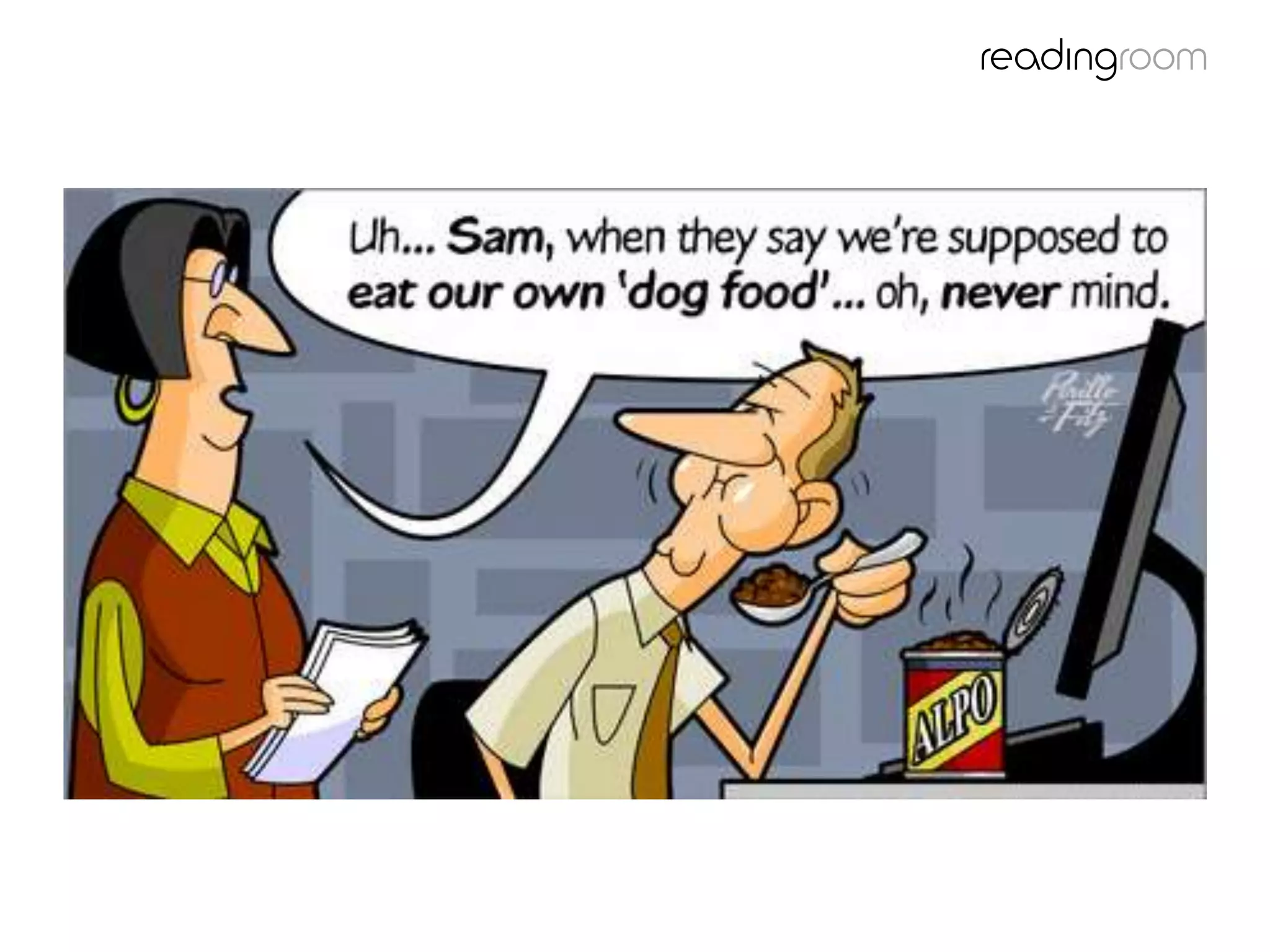
Eat your own dog food
Anonymous / mystery shopping
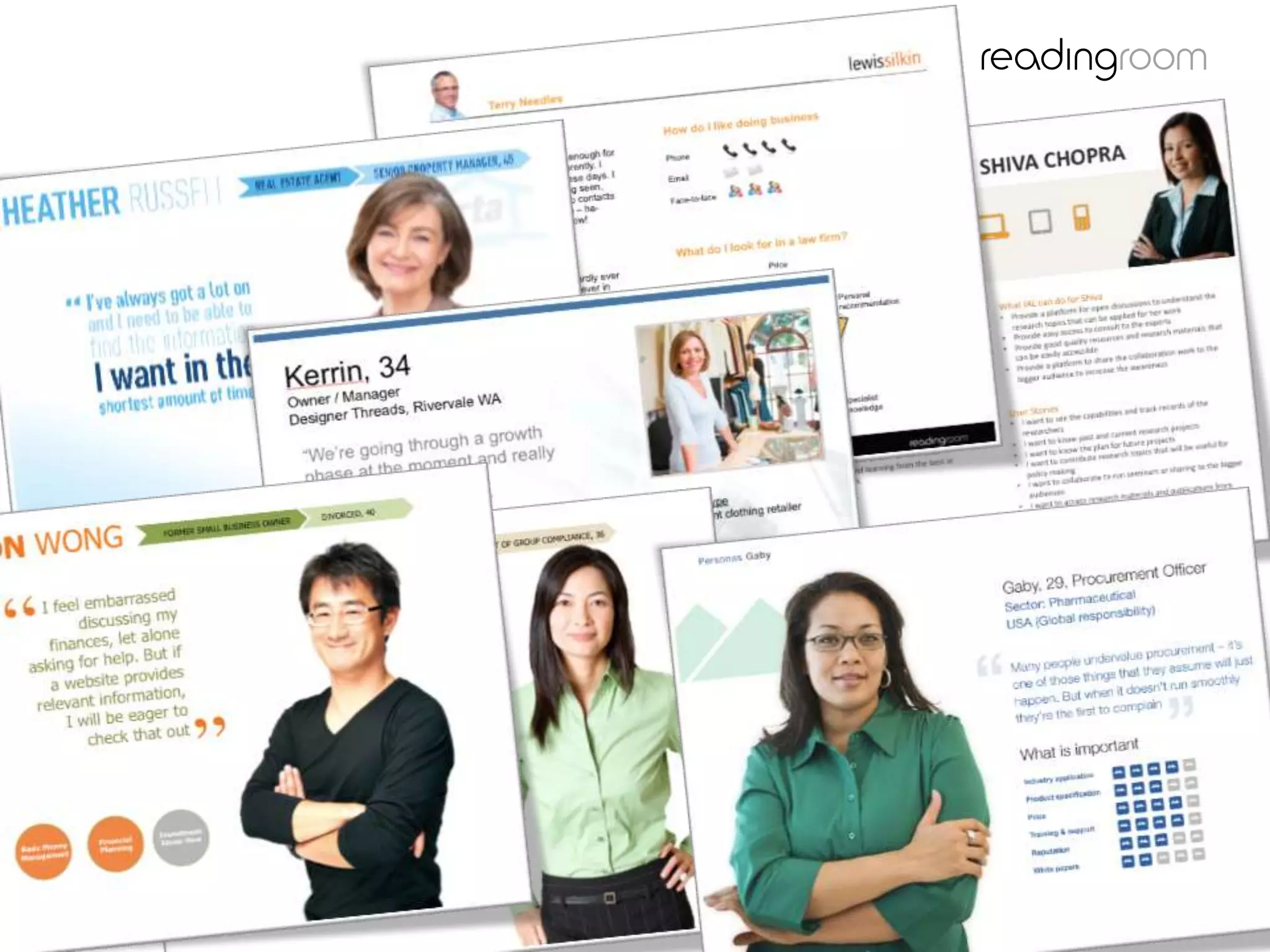
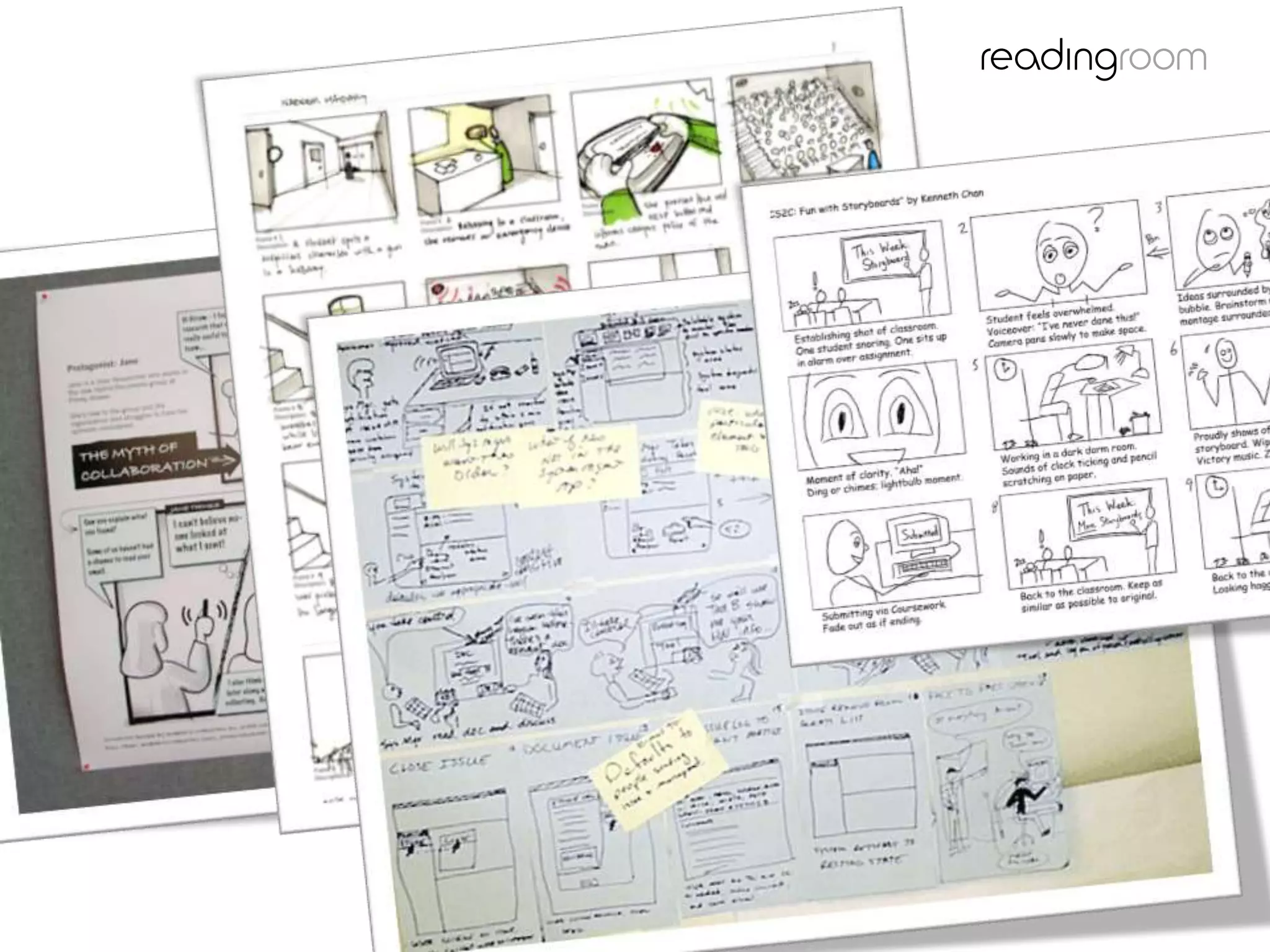
Personas and storyboards
2 Examine touchpoints
Development
Construct the emotional journey
Use insights for storyboarding
3 Design the improved experience
Use channels appropriately
Understand context
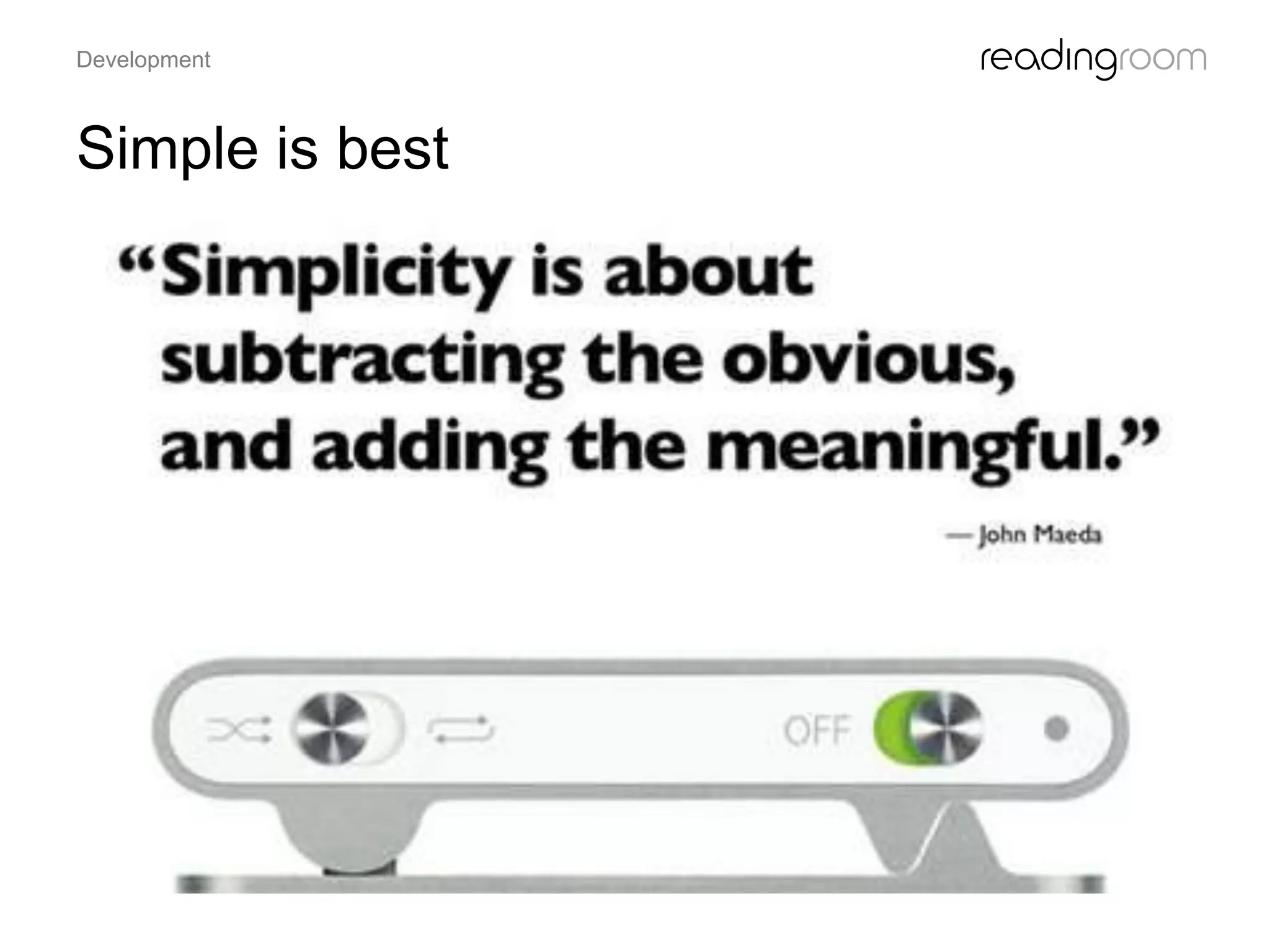
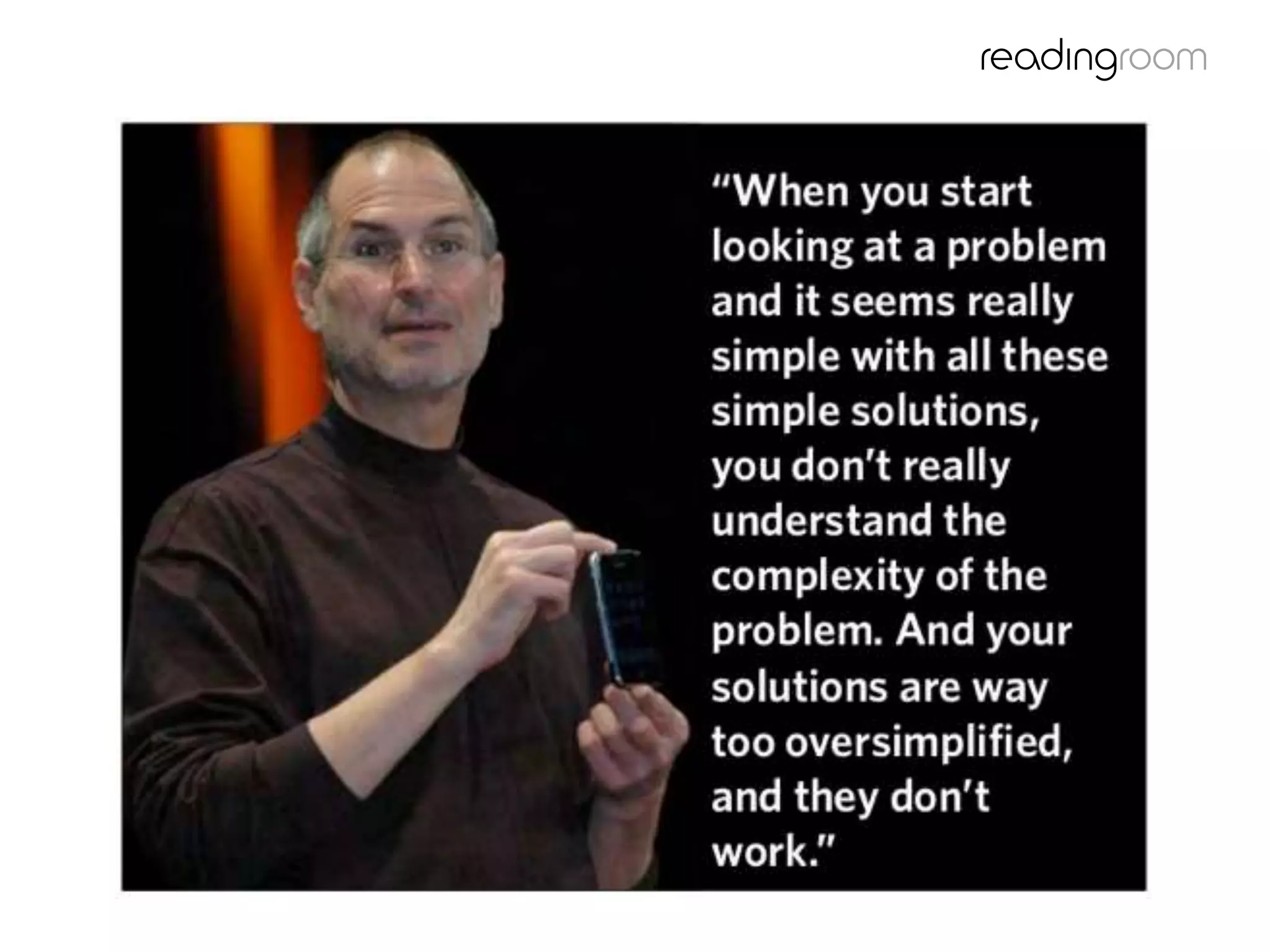
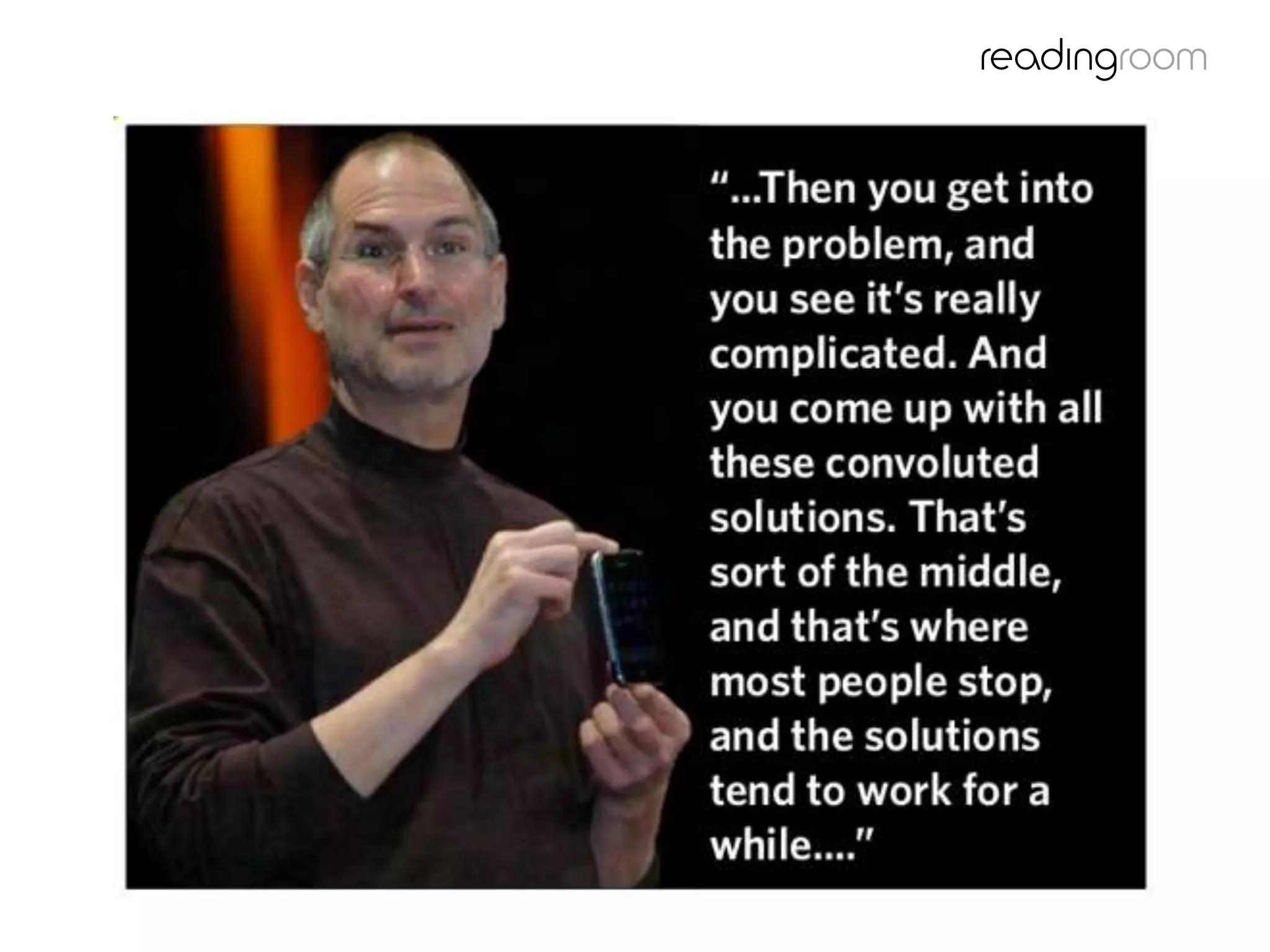
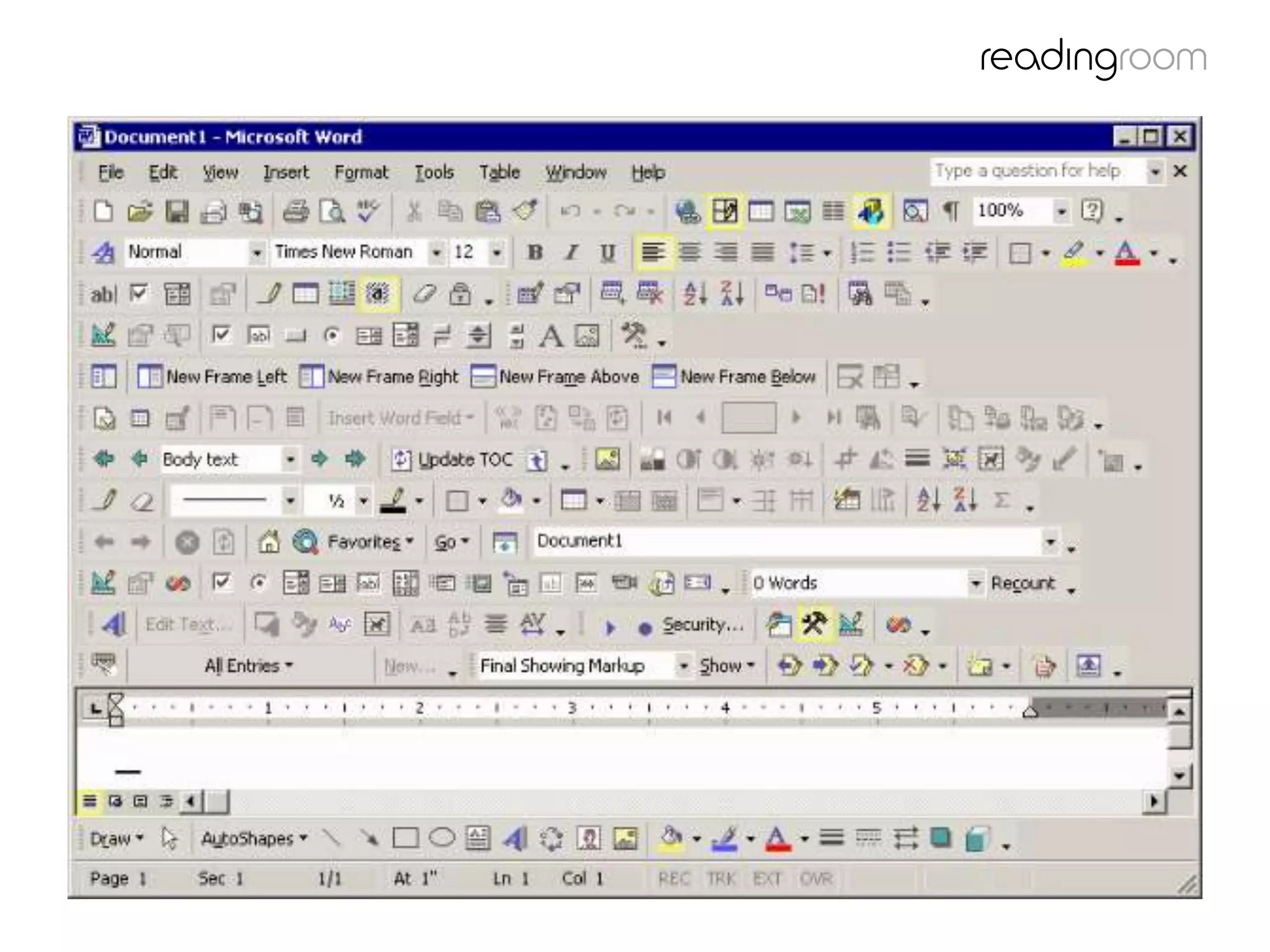
Simple is best
Mobile first / mobile responsive
Designing for multi-screen journeys
Stop finding excuses
Development
Use channels appropriately
Website: Go in-depth, transact, convert
Mobile site: Validate, qualify, show to others
Mobile app: Interact, transact, consummate the relationship
Email: Topical, relevant, timely updates. Used for forwarding
Social media: Conversation, dialogue, never push messaging
Contact-centre: Situation-specific help and advice
In-person: Explanation, help with complex situations, high-security-
requirement transactions
Never send people off to another channel from the one they chose!
Development
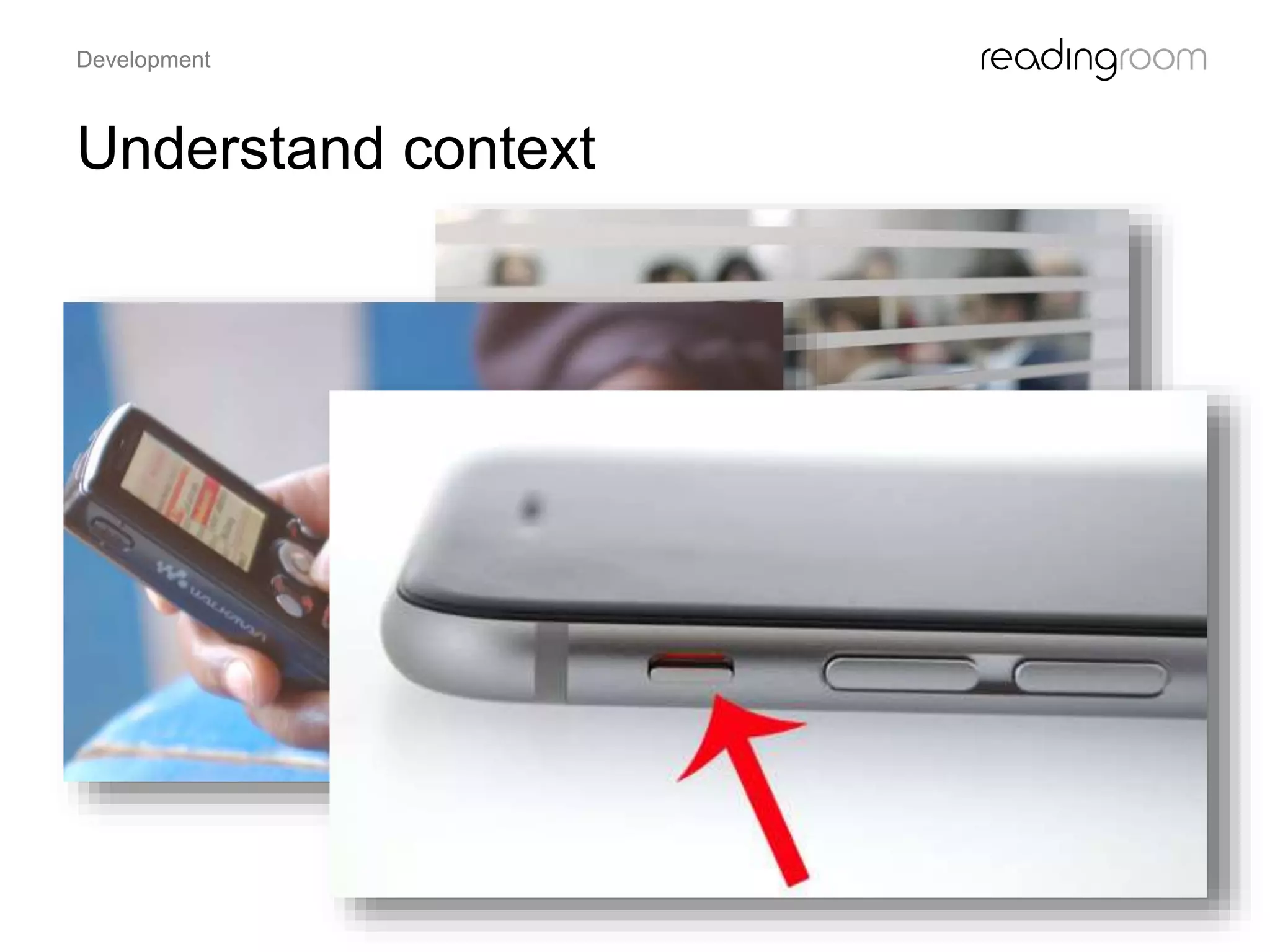
Understand context
Development
Simple is best
Development
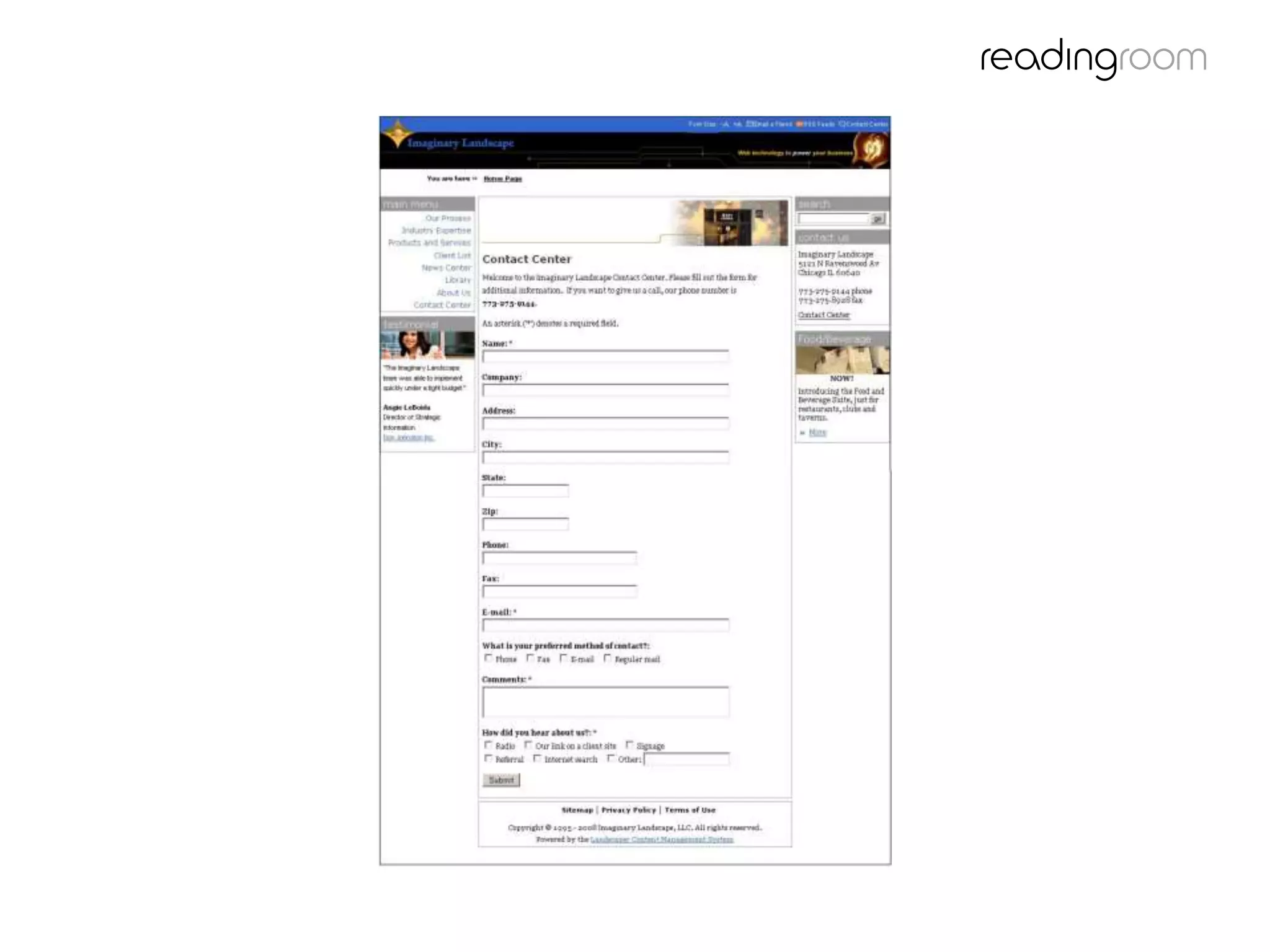
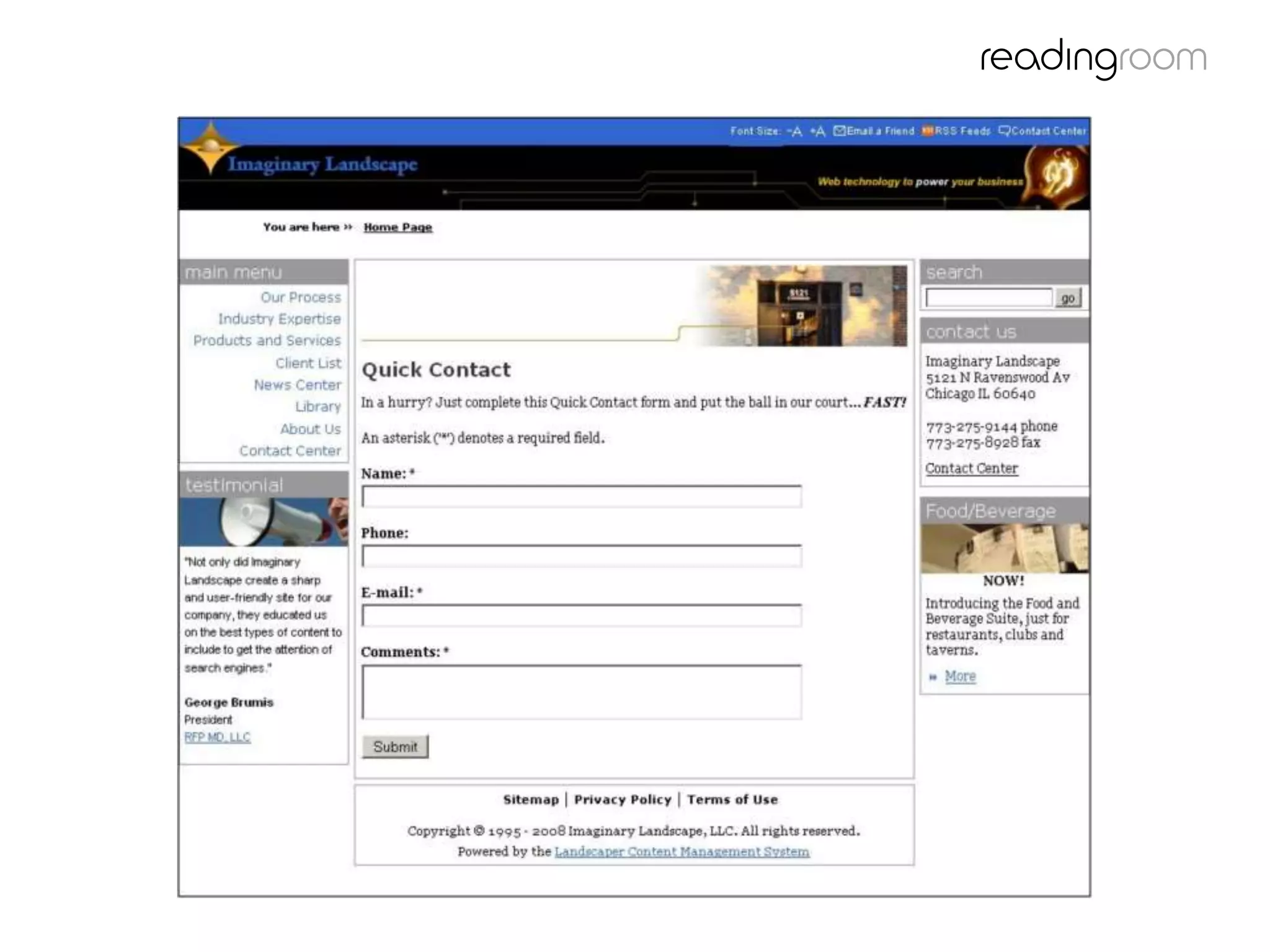
Story time
Contact form with
11 fields
Contact form with 4 fields
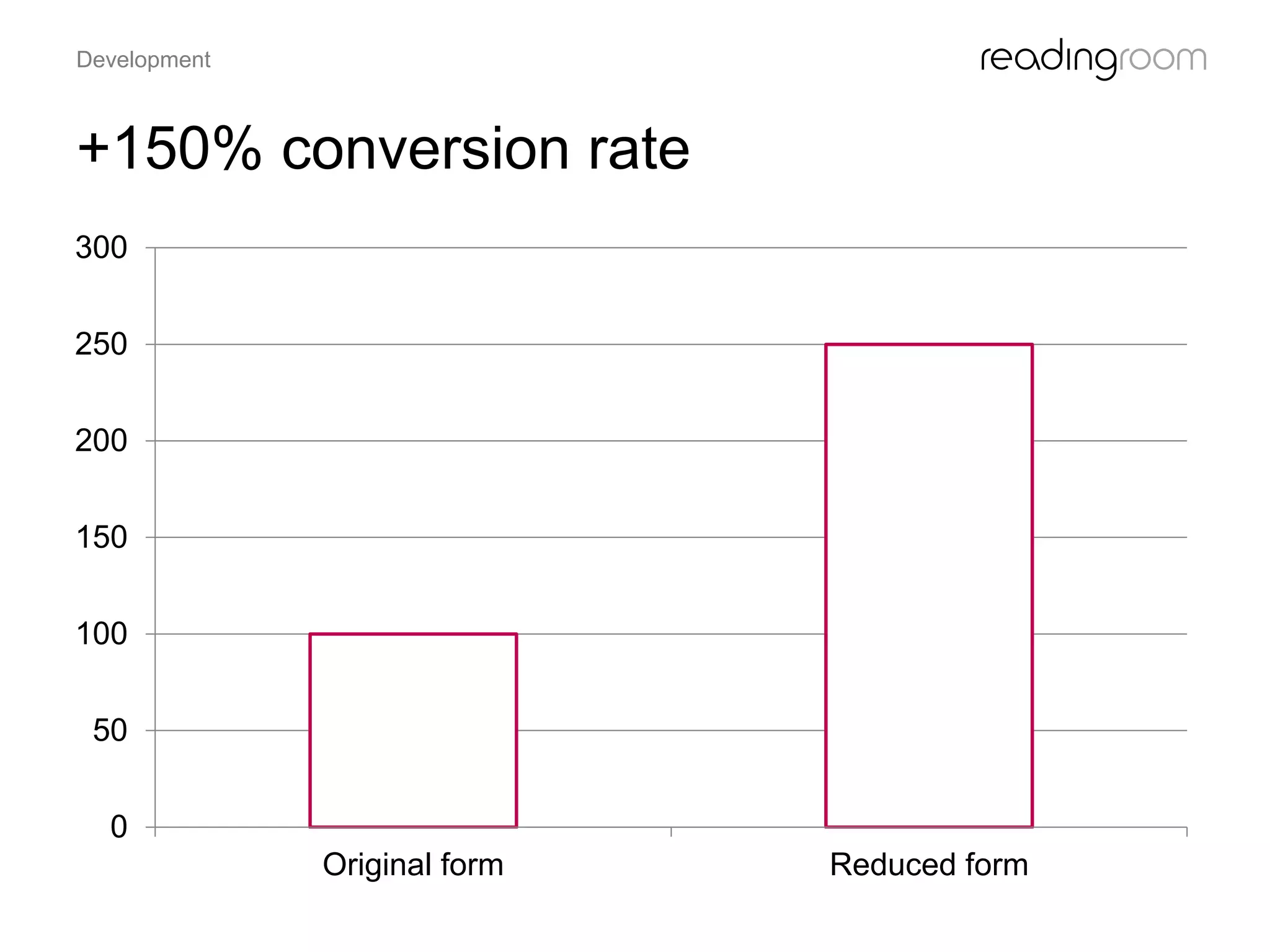
+150% conversion rate
0
50
100
150
200
250
300
Original form Reduced form
Development
Story time
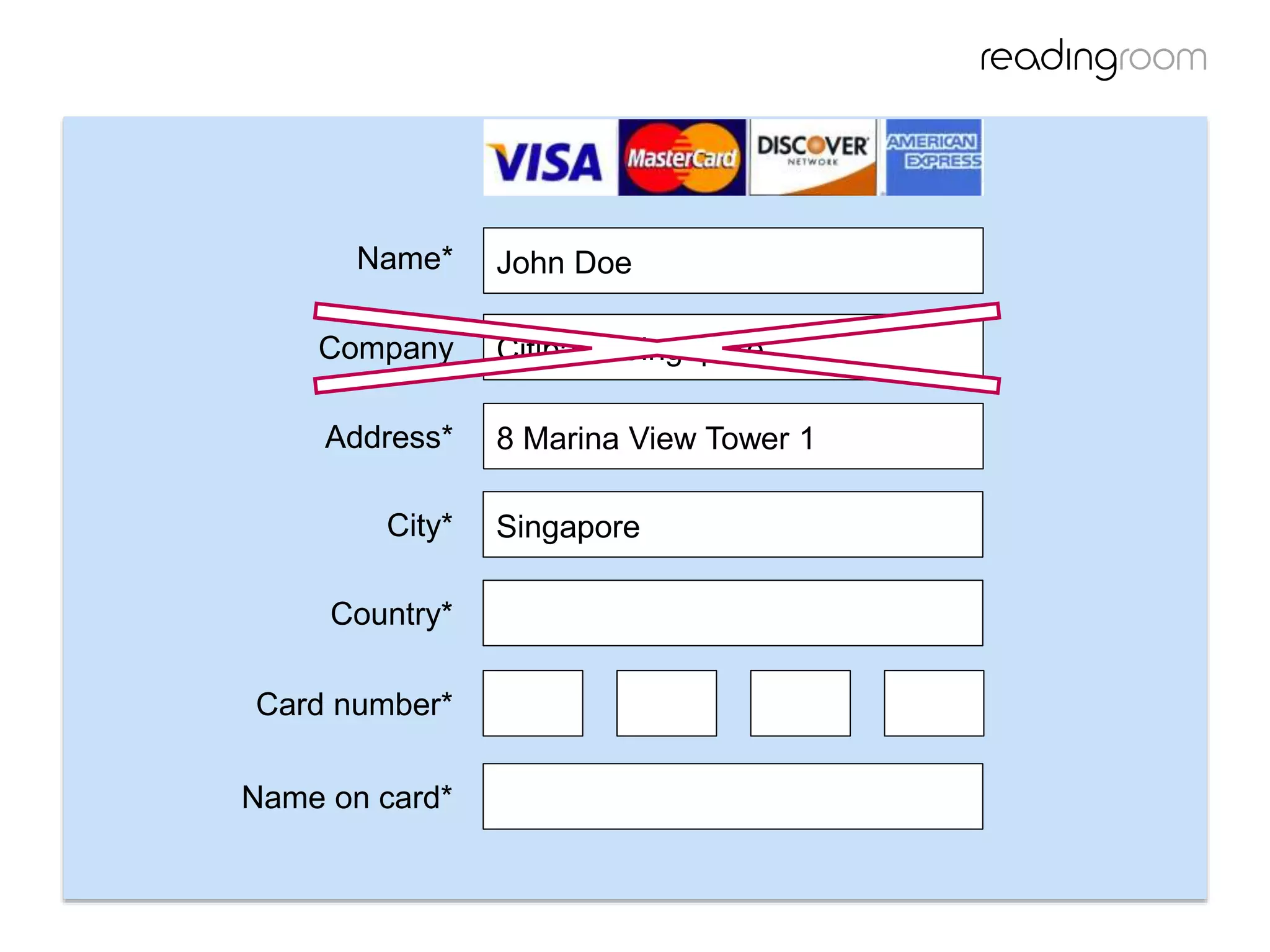
Expedia
The $12m form field
Name*
Company
Address*
City*
Country*
Card number*
Name on card*
John Doe
Citibank Singapore
8 Marina View Tower 1
Singapore
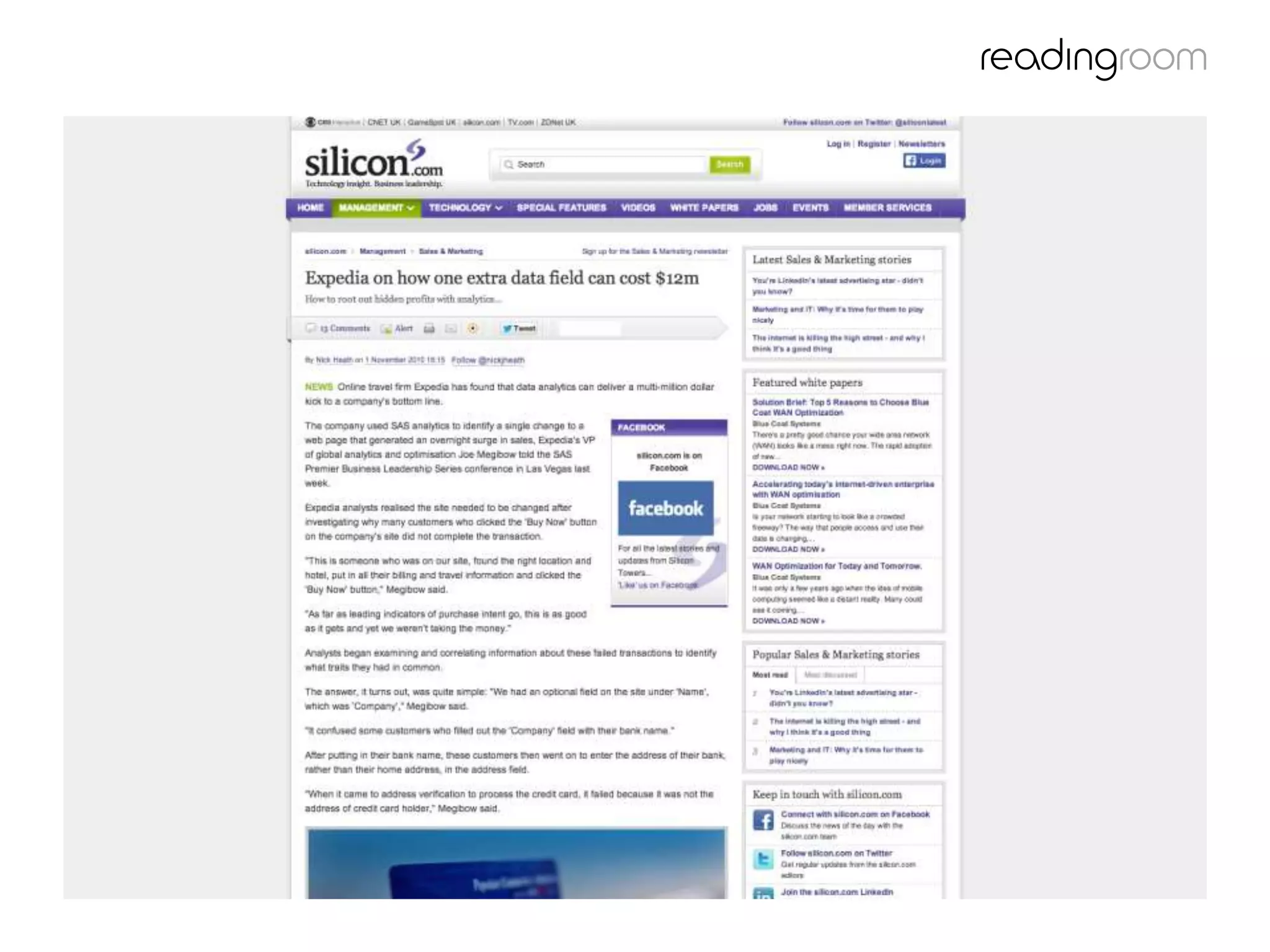
The $12m form field - article
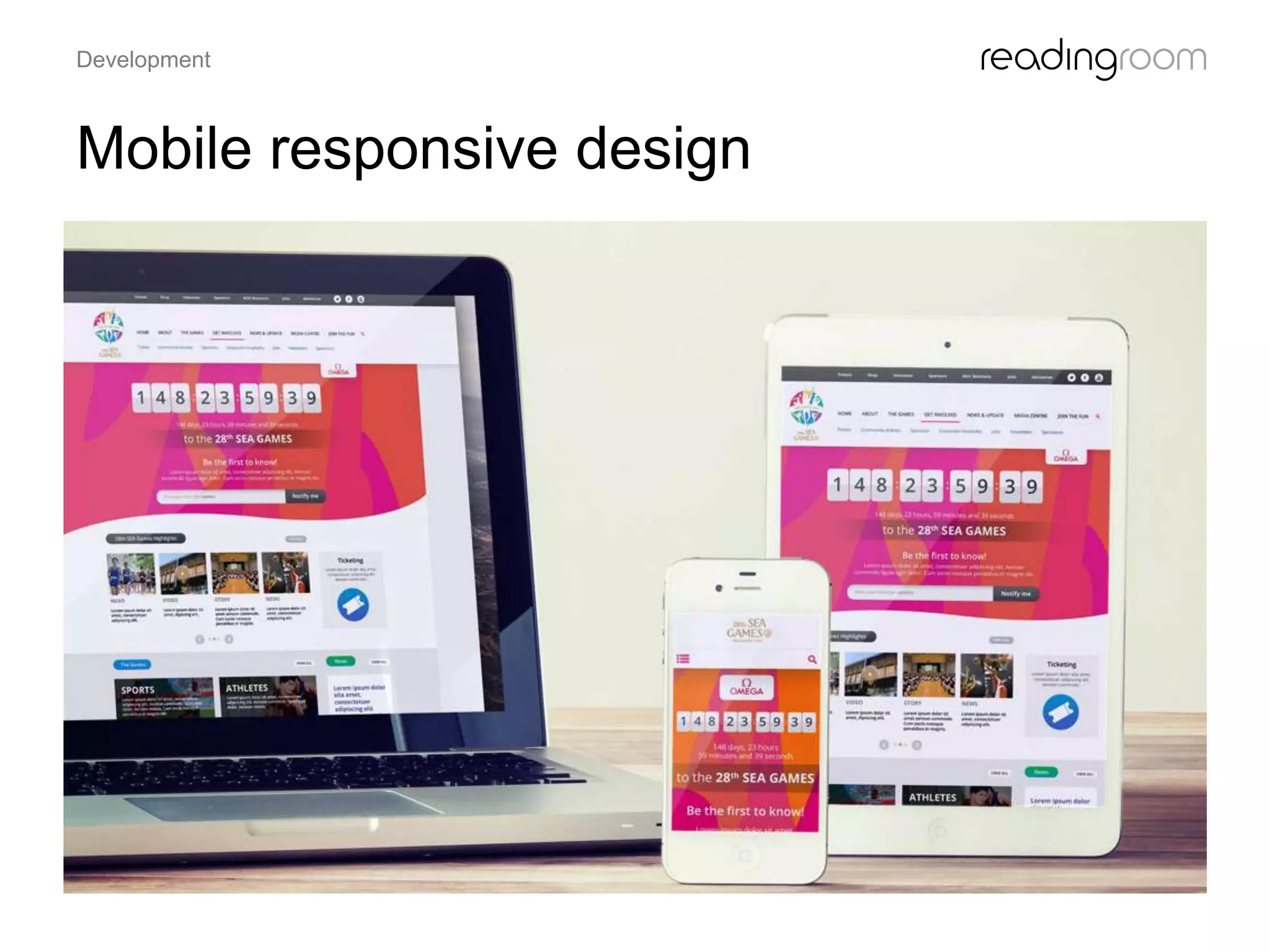
Mobile responsive design
Development
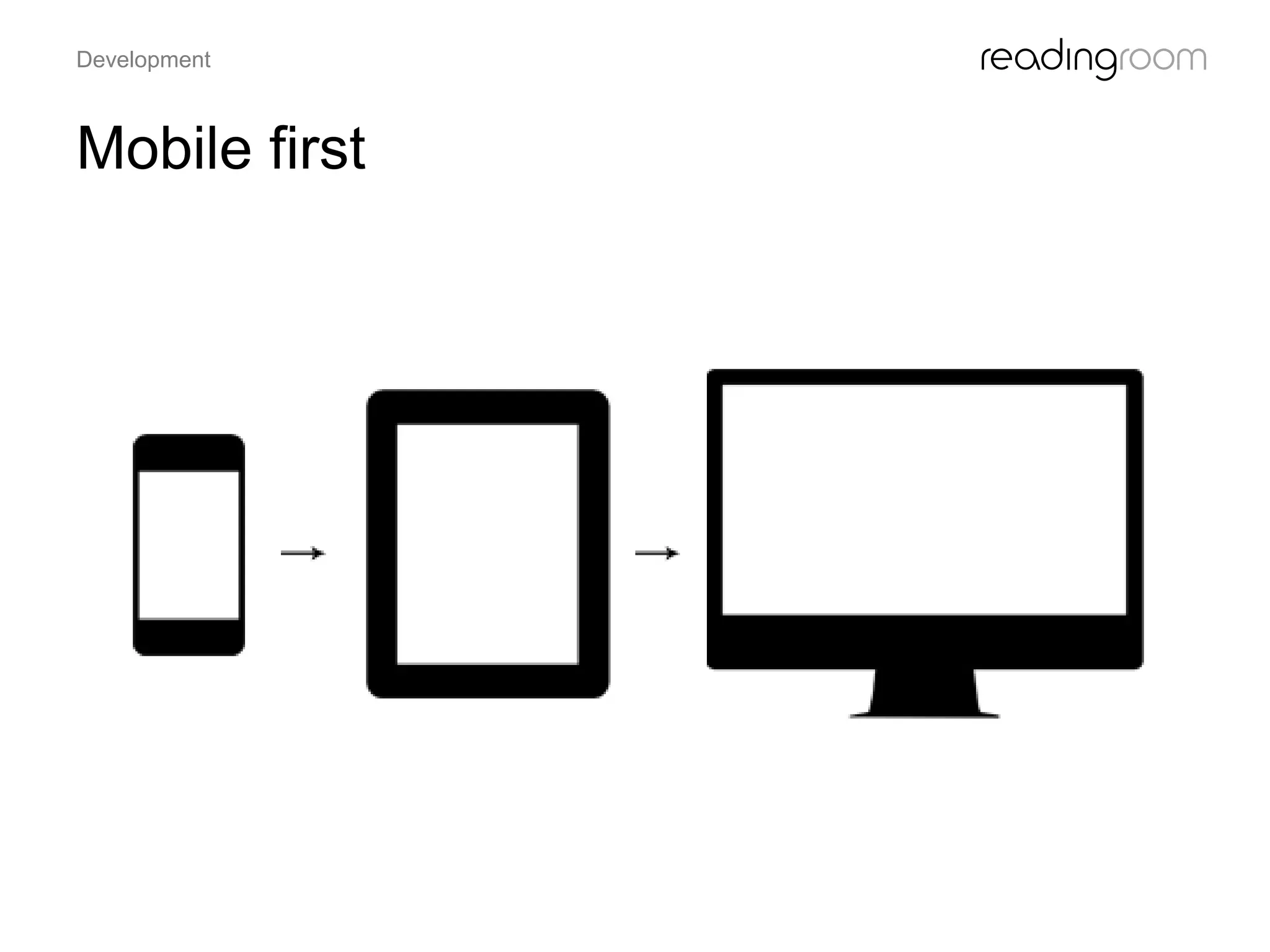
Mobile first
Development
Designing for multi-screen journeys
Enable customers to save their progress between devices
Provide a signed-in experience
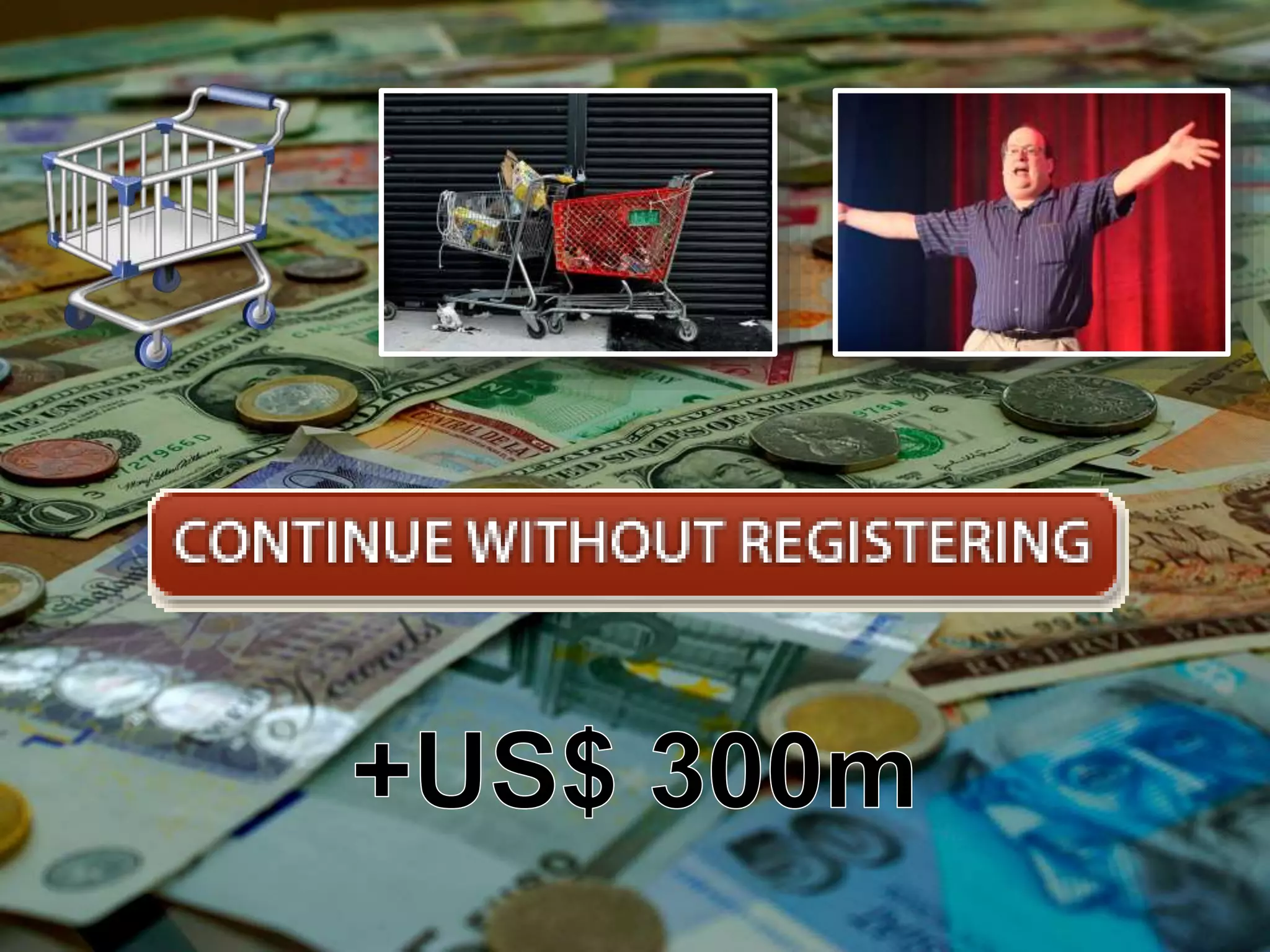
…but don’t require sign-in
Remember them
• Saved shopping cart
• Allow them to email their progress to themselves
• If you must time out, retrieve the work they’ve already done
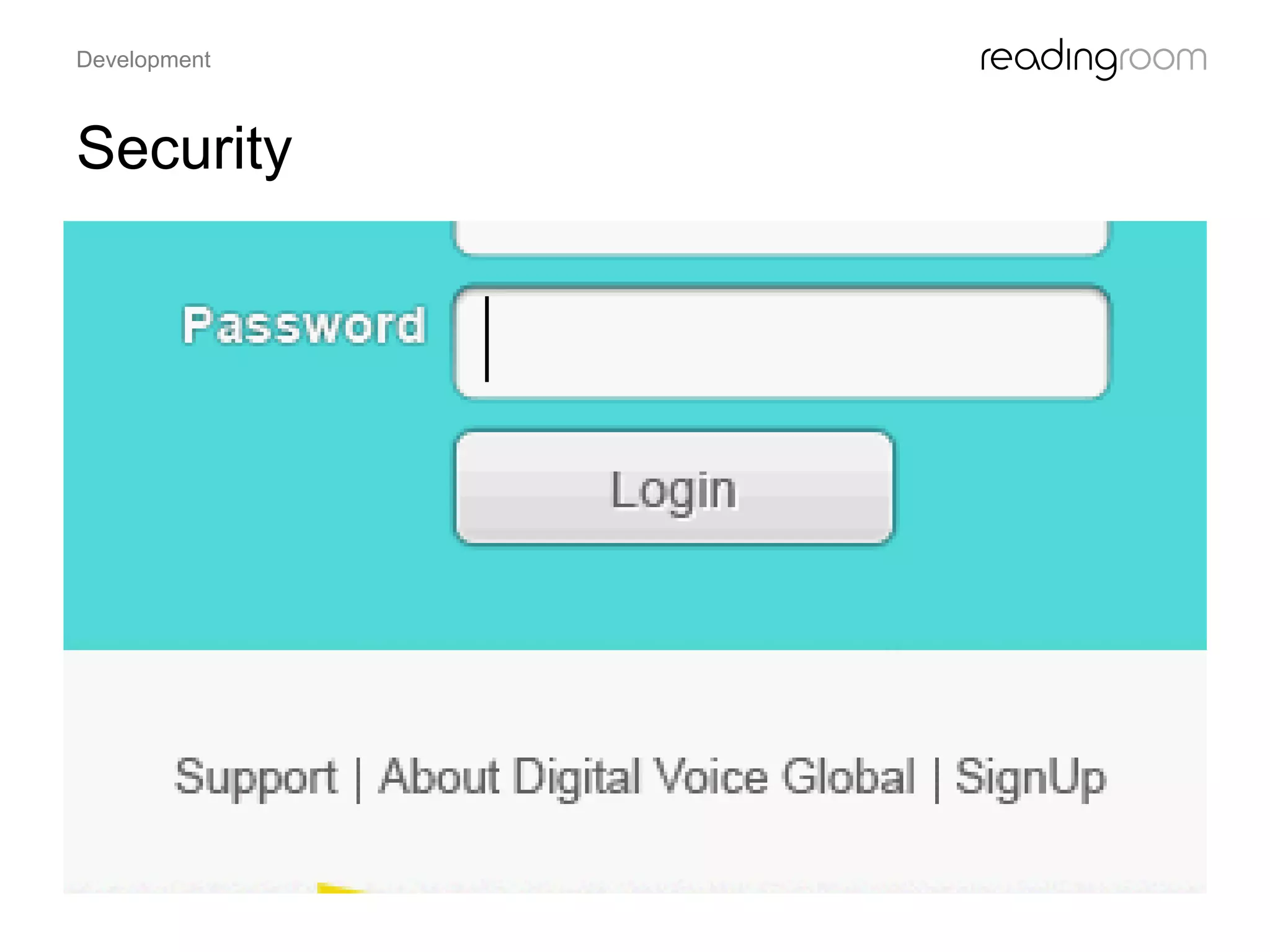
• Not another &!%#* password!
Development
Stop finding excuses
Customer “convenience”
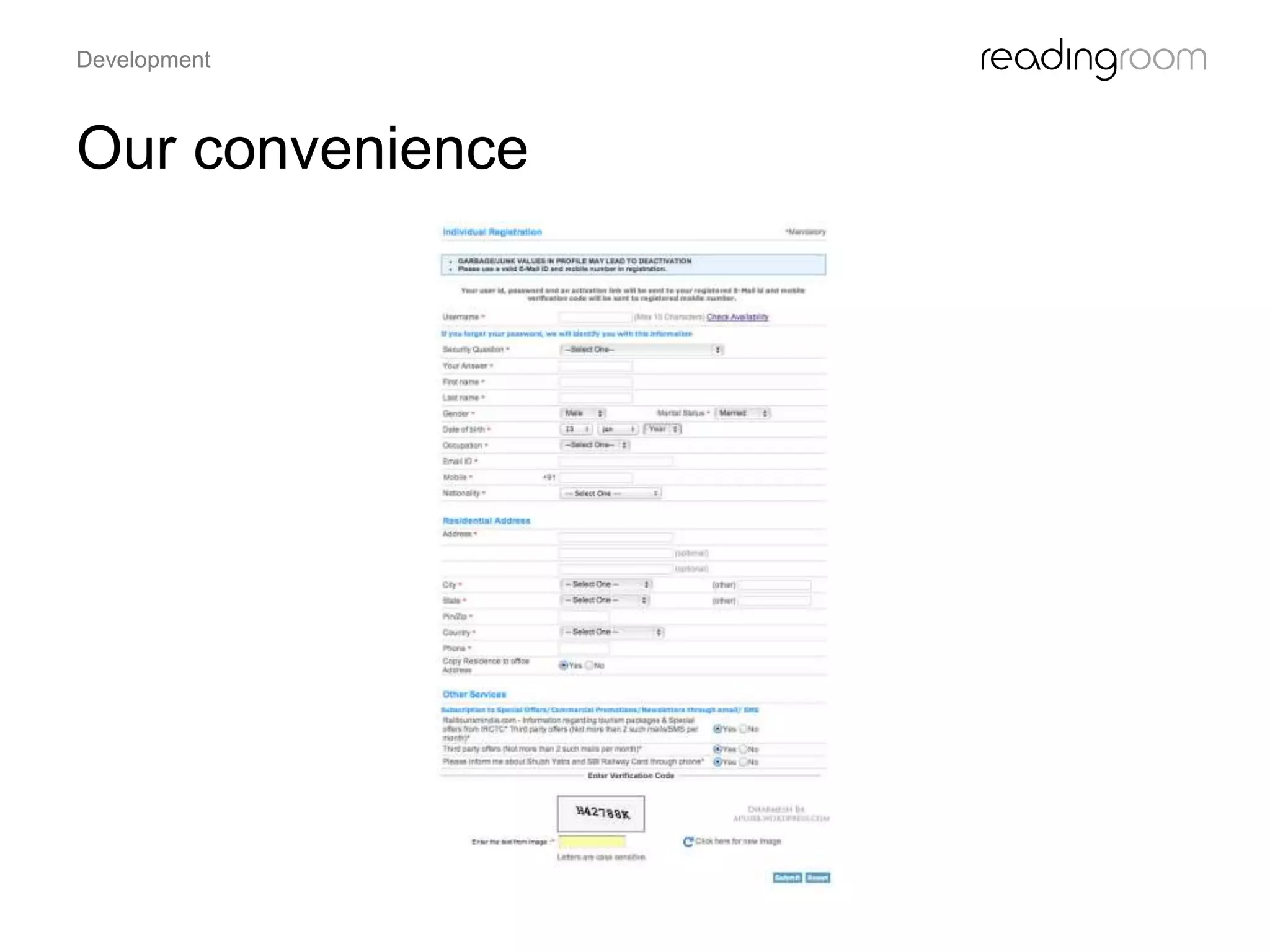
Our convenience
Security
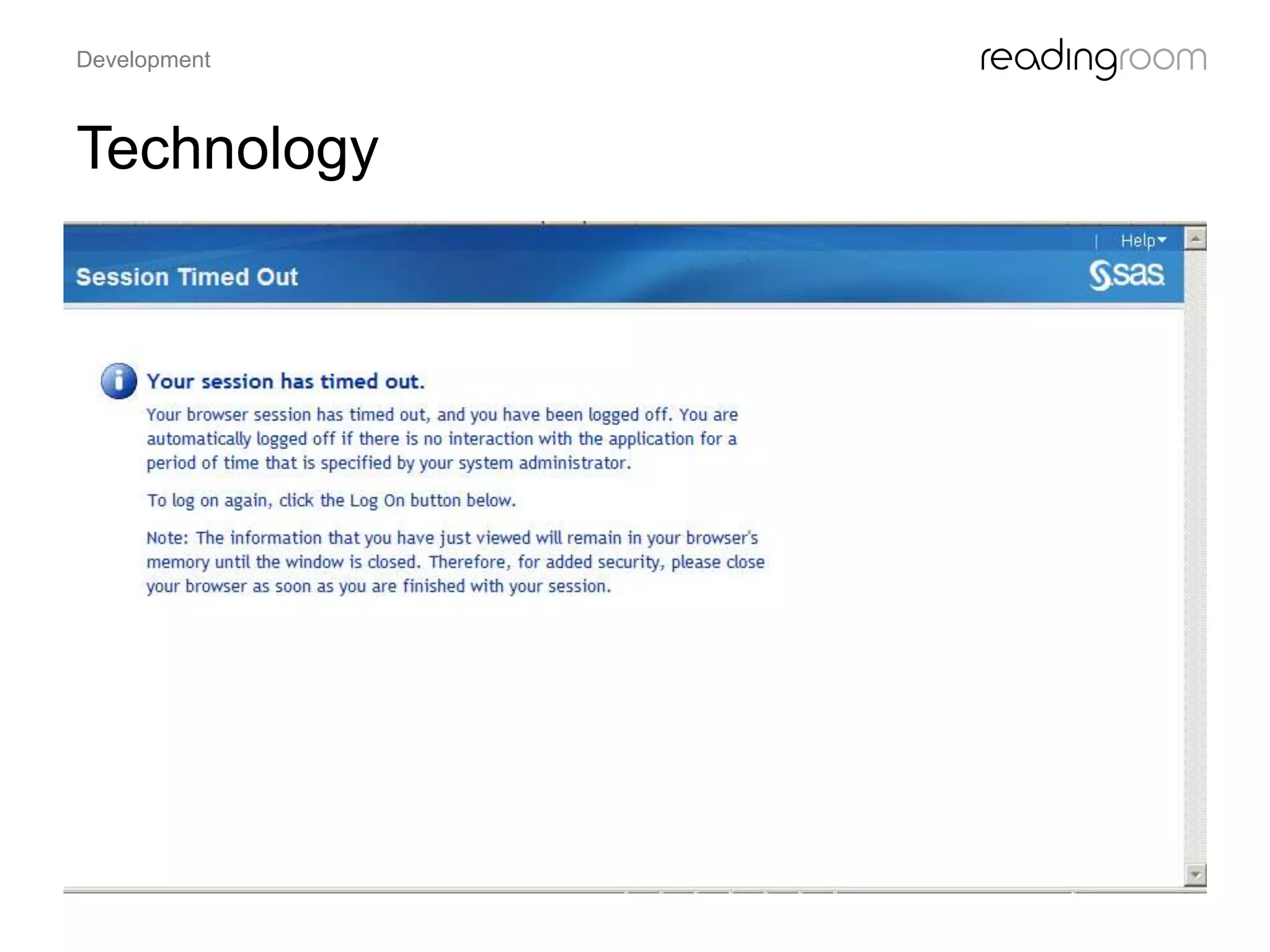
Technology
Laziness
Development
Customer “convenience”
Development
Our convenience
Development
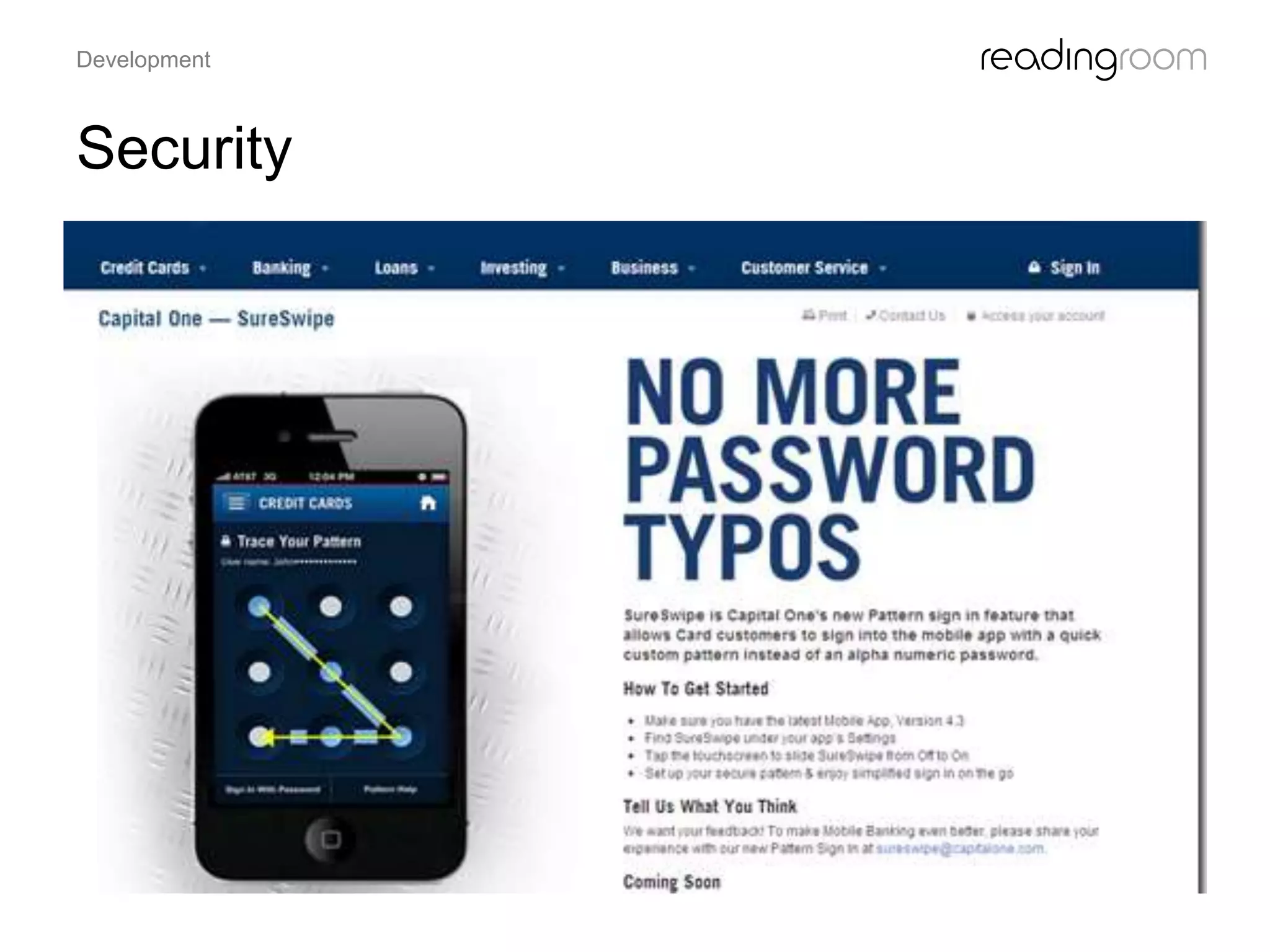
Security
If you are not a bank, don’t act like one.
What is the worst that can happen?
A number of banks have simplified their mobile login process by
allowing customers to select a lower payment amount limit in return
for lower security requirements (source: Mapa Research April 2014)
Development
Security
Development
Security
Development
Technology
Development
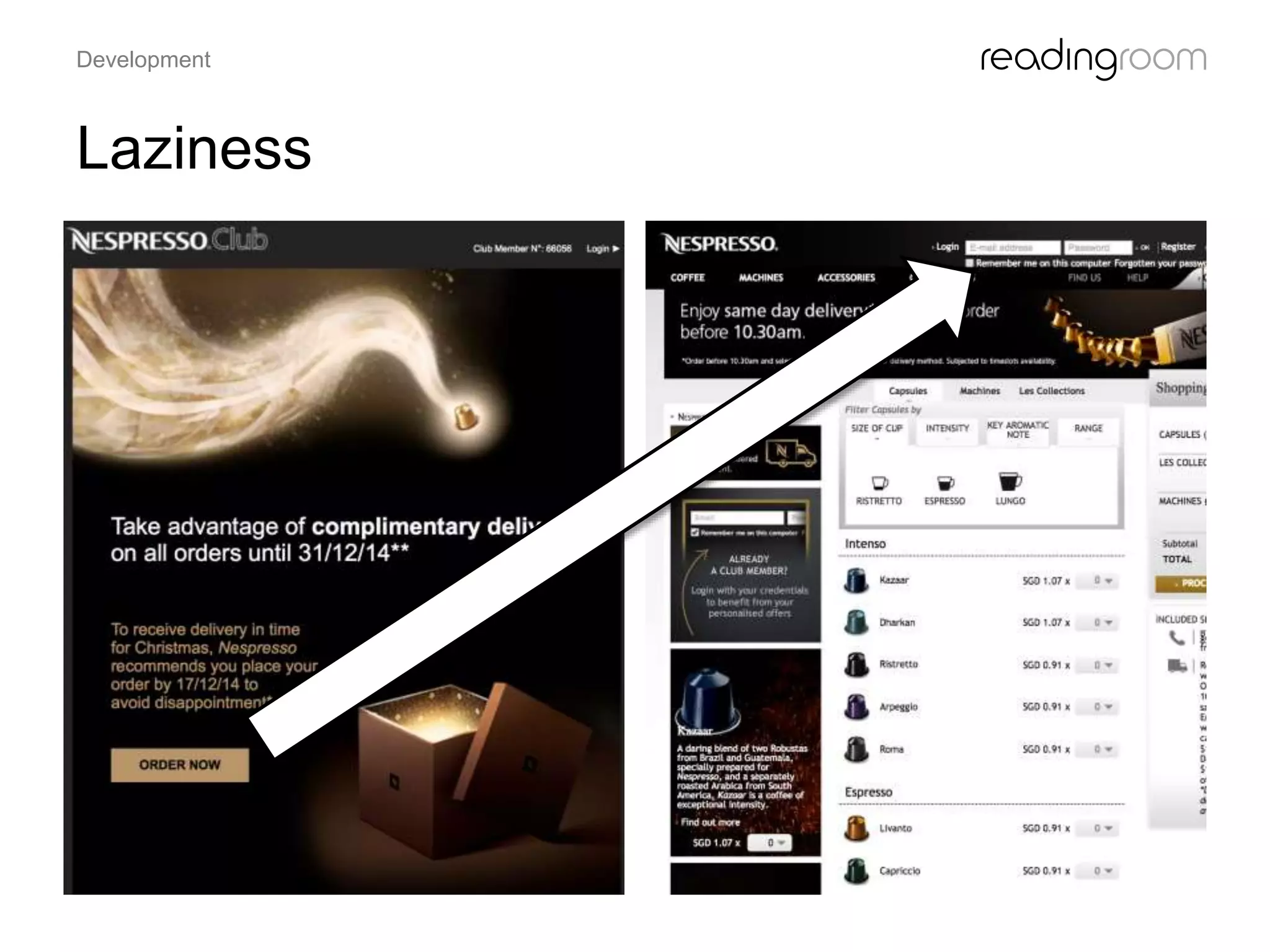
Laziness
Development
Stop thinking like you.
Think like a customer.
In summary…
Development
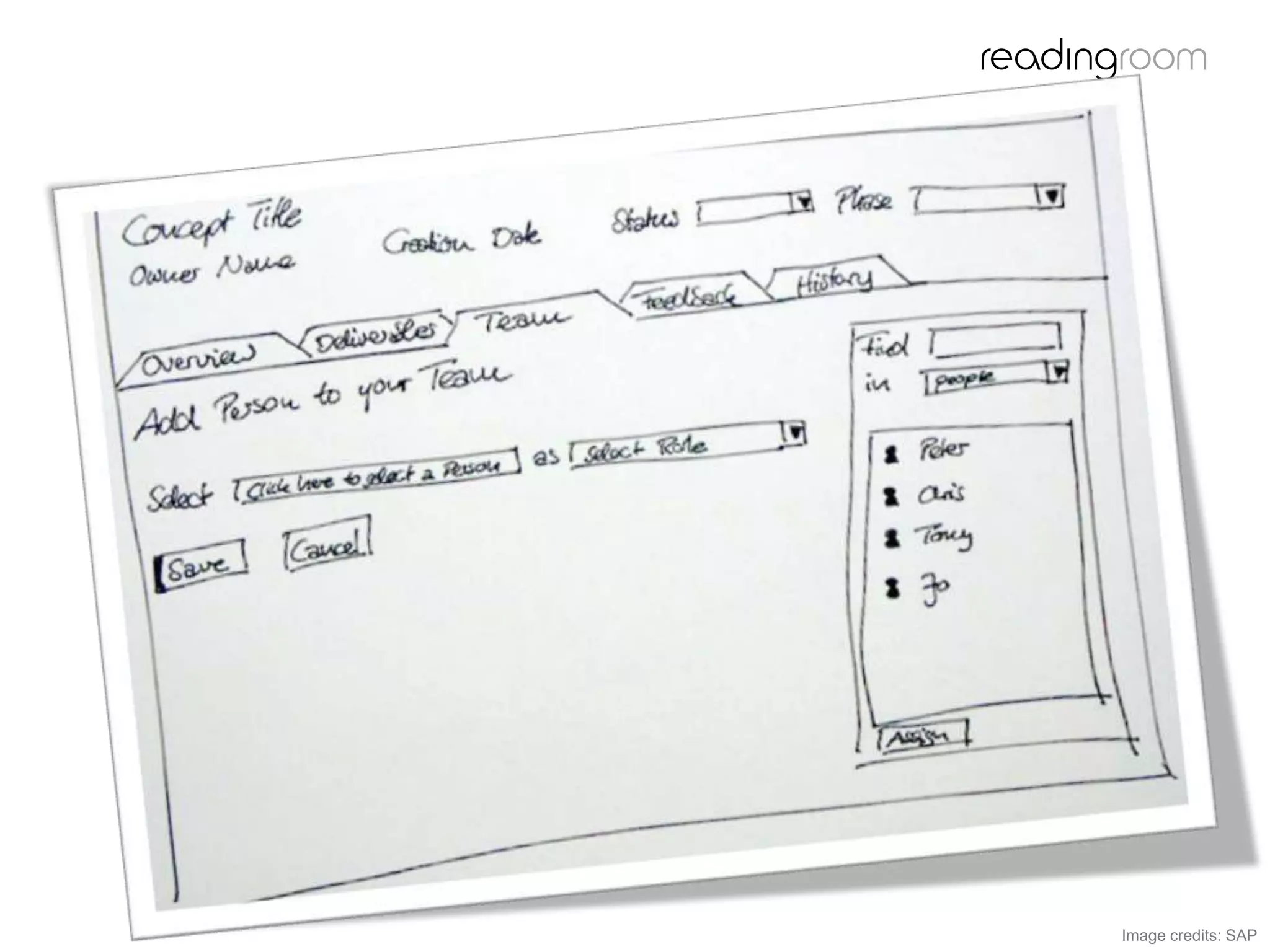
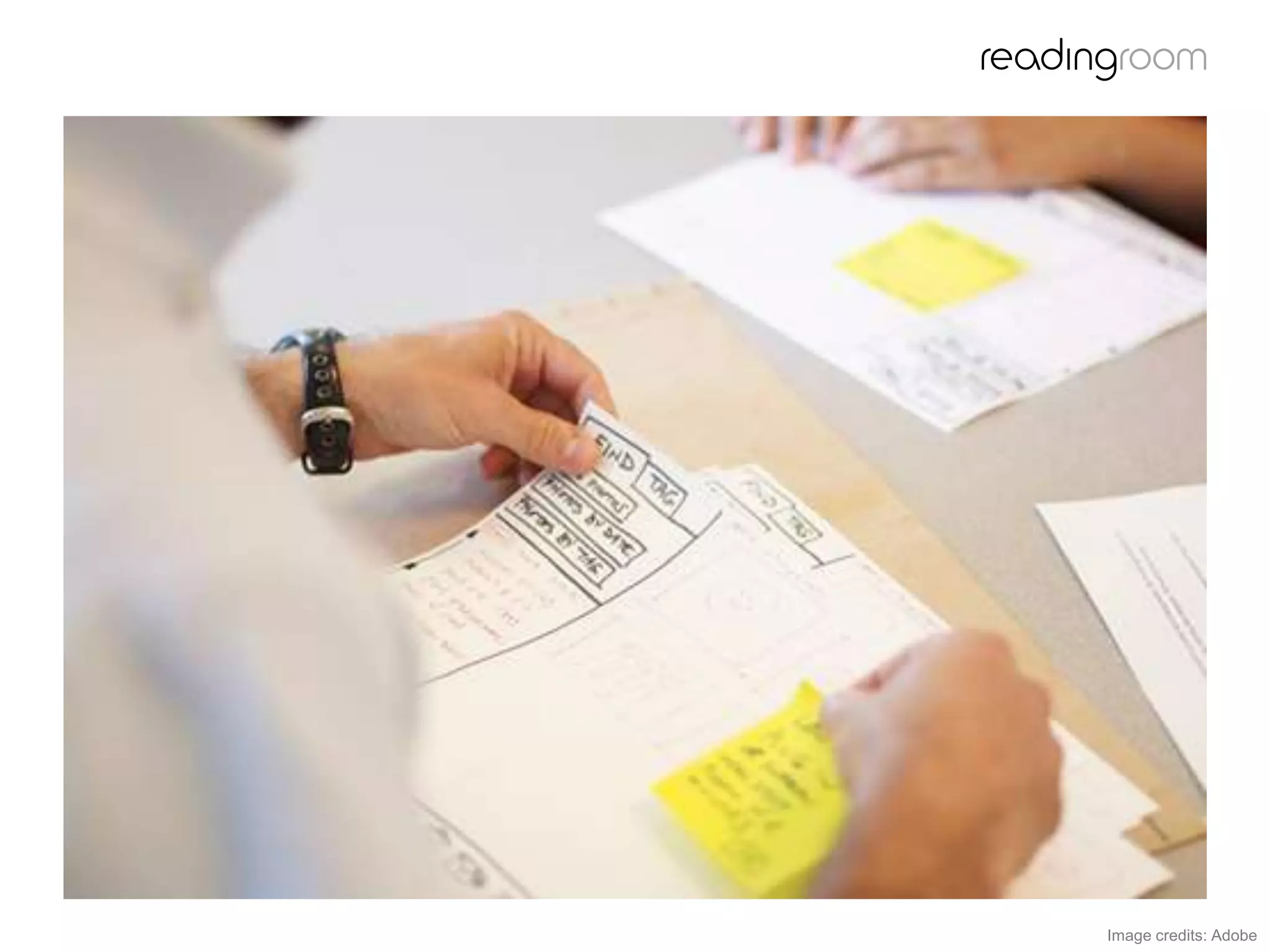
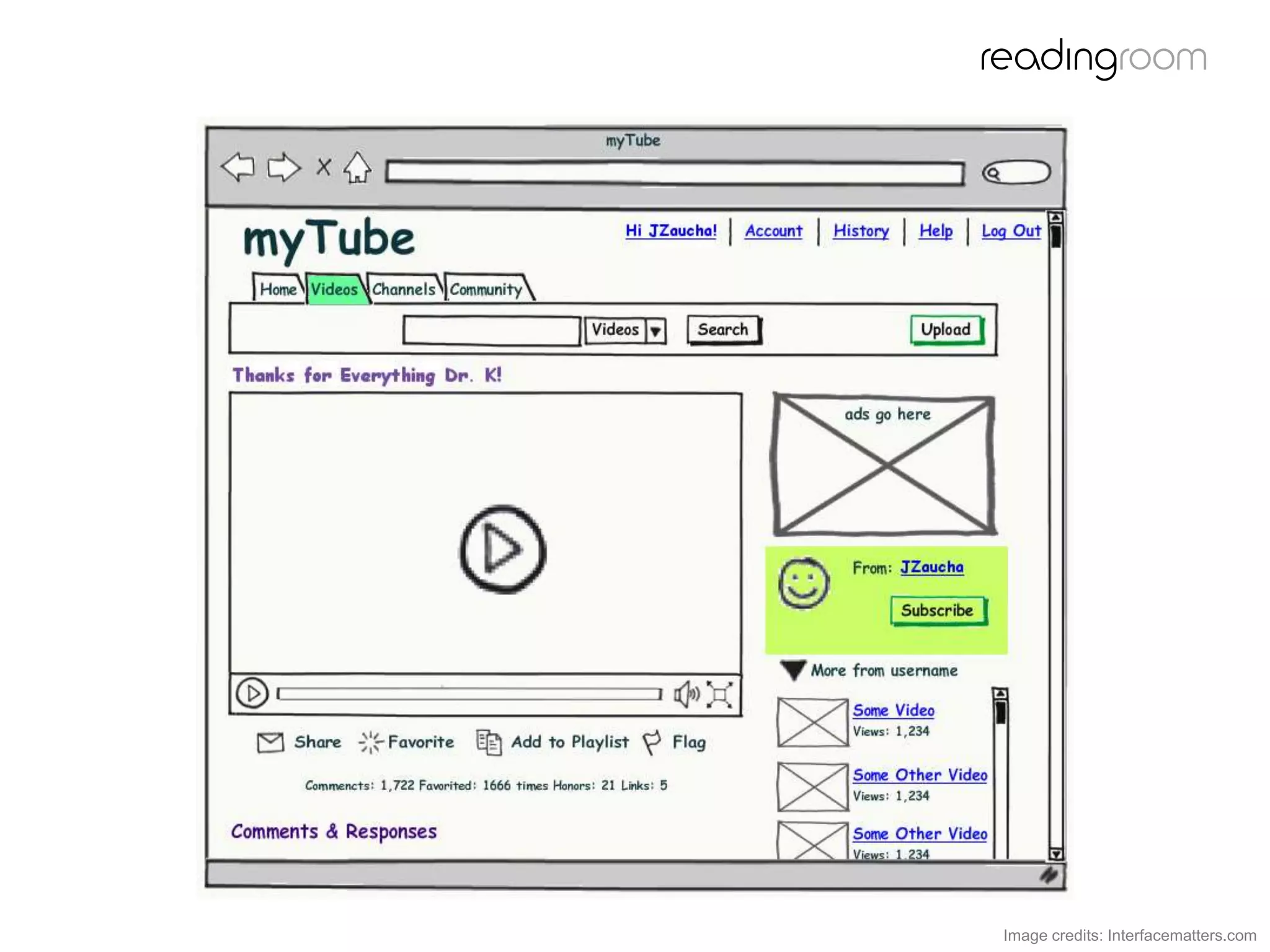
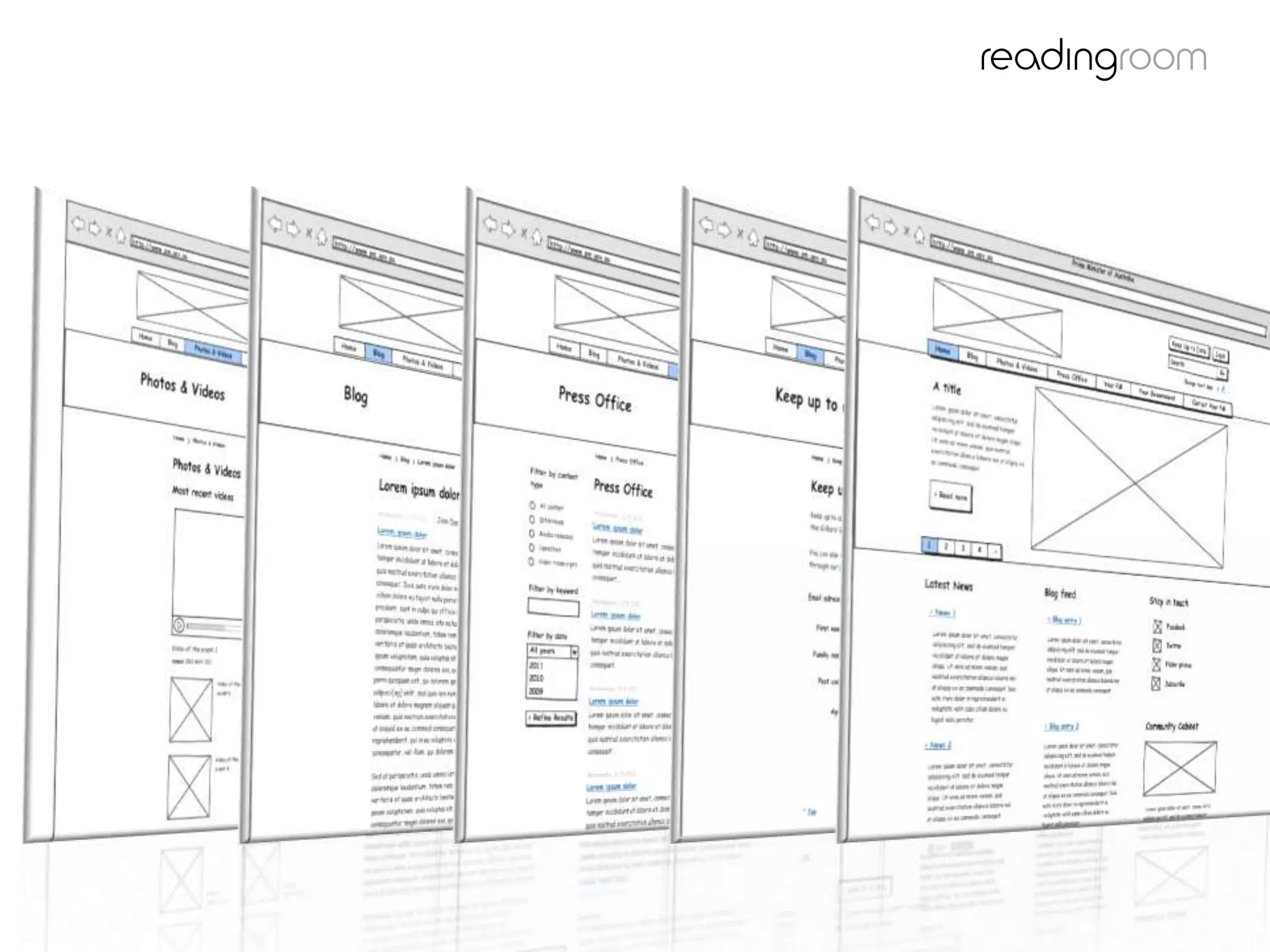
4 Prototype, test, repeat
Development
Image credits: HyperXP.com (Flickr)
Image credits: SAP
Image credits: Adobe
Image credits: Interfacematters.com
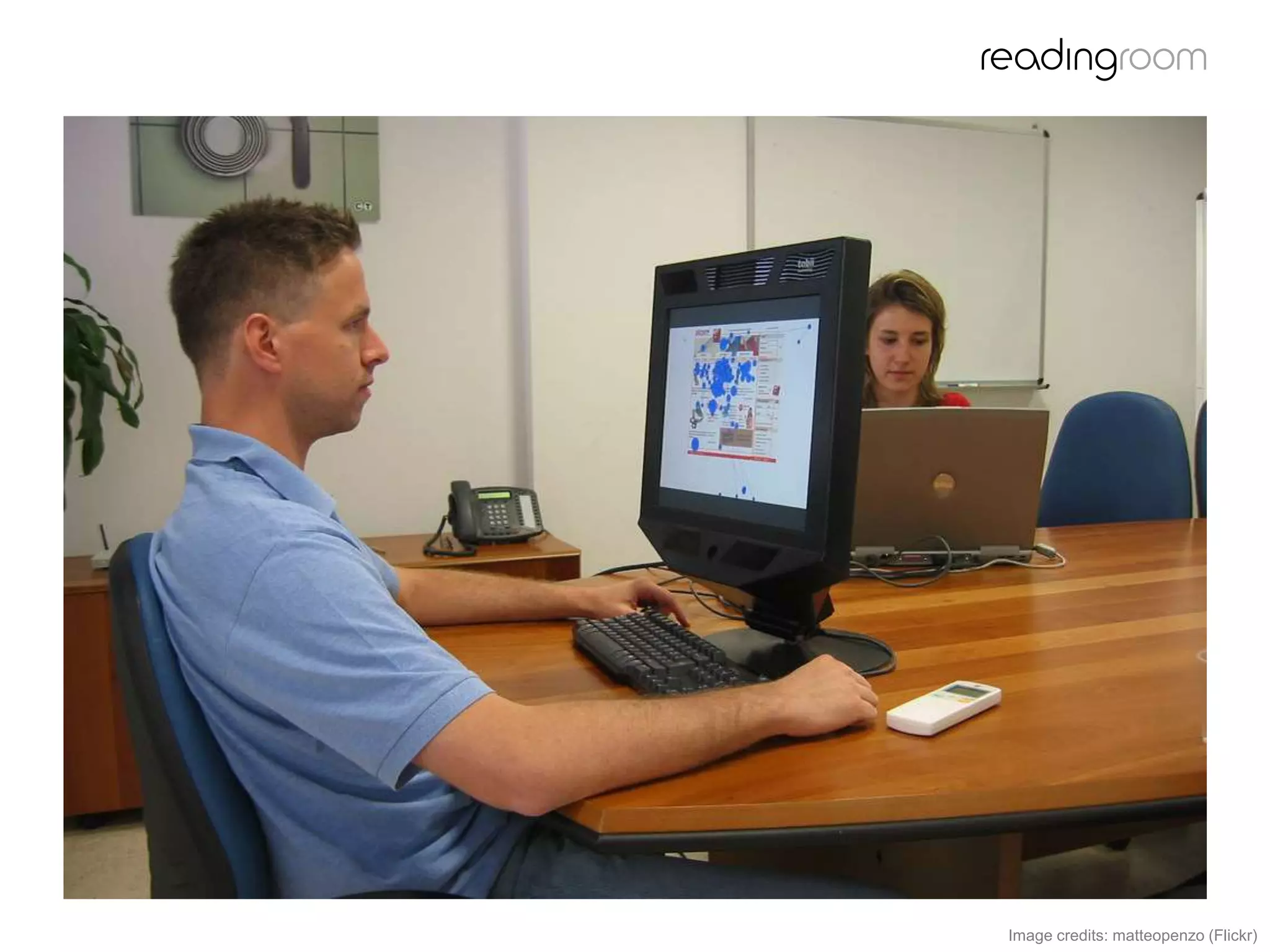
Image credits: matteopenzo (Flickr)
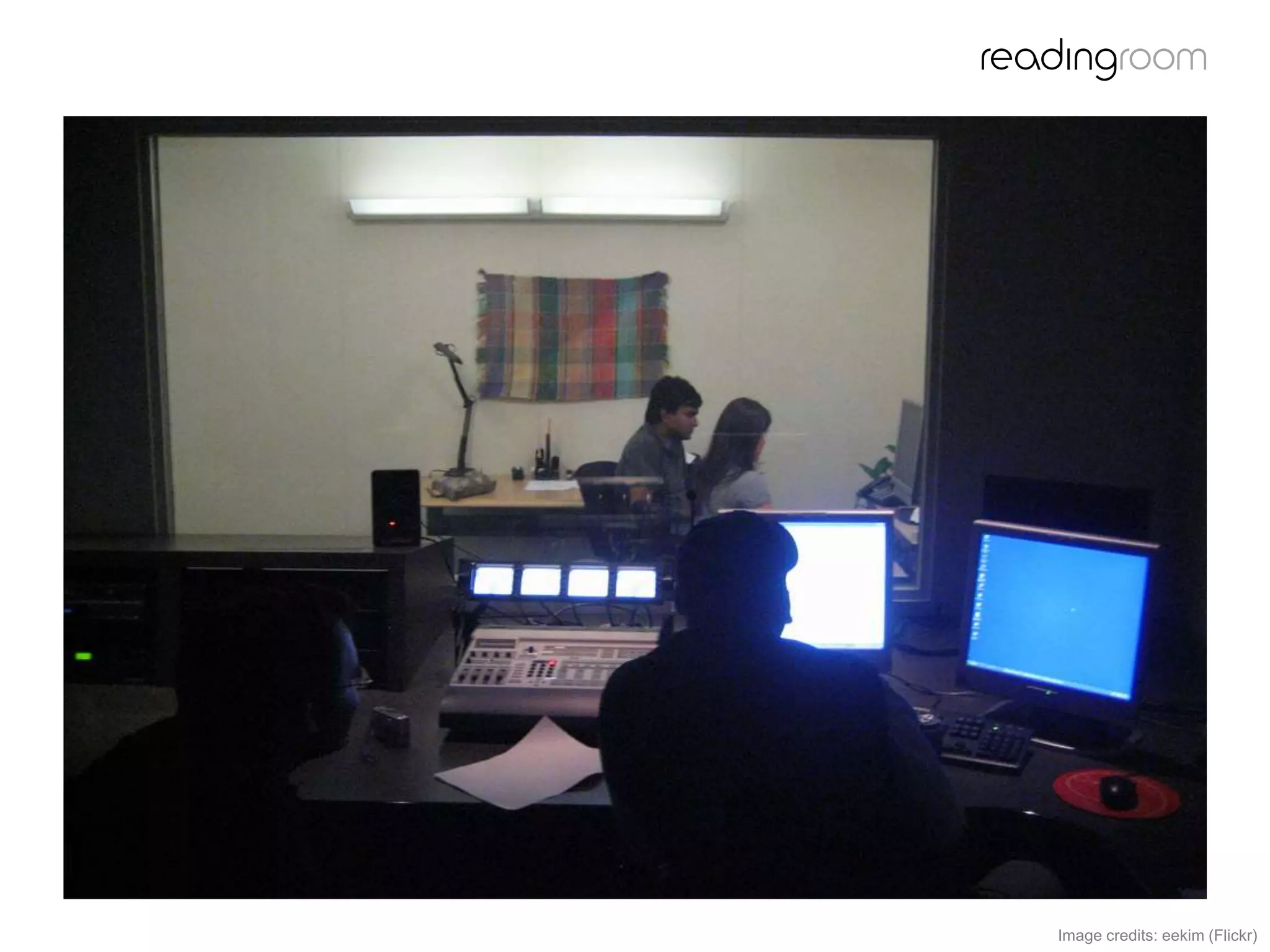
Image credits: eekim (Flickr)
Image credits: jungleminds.com
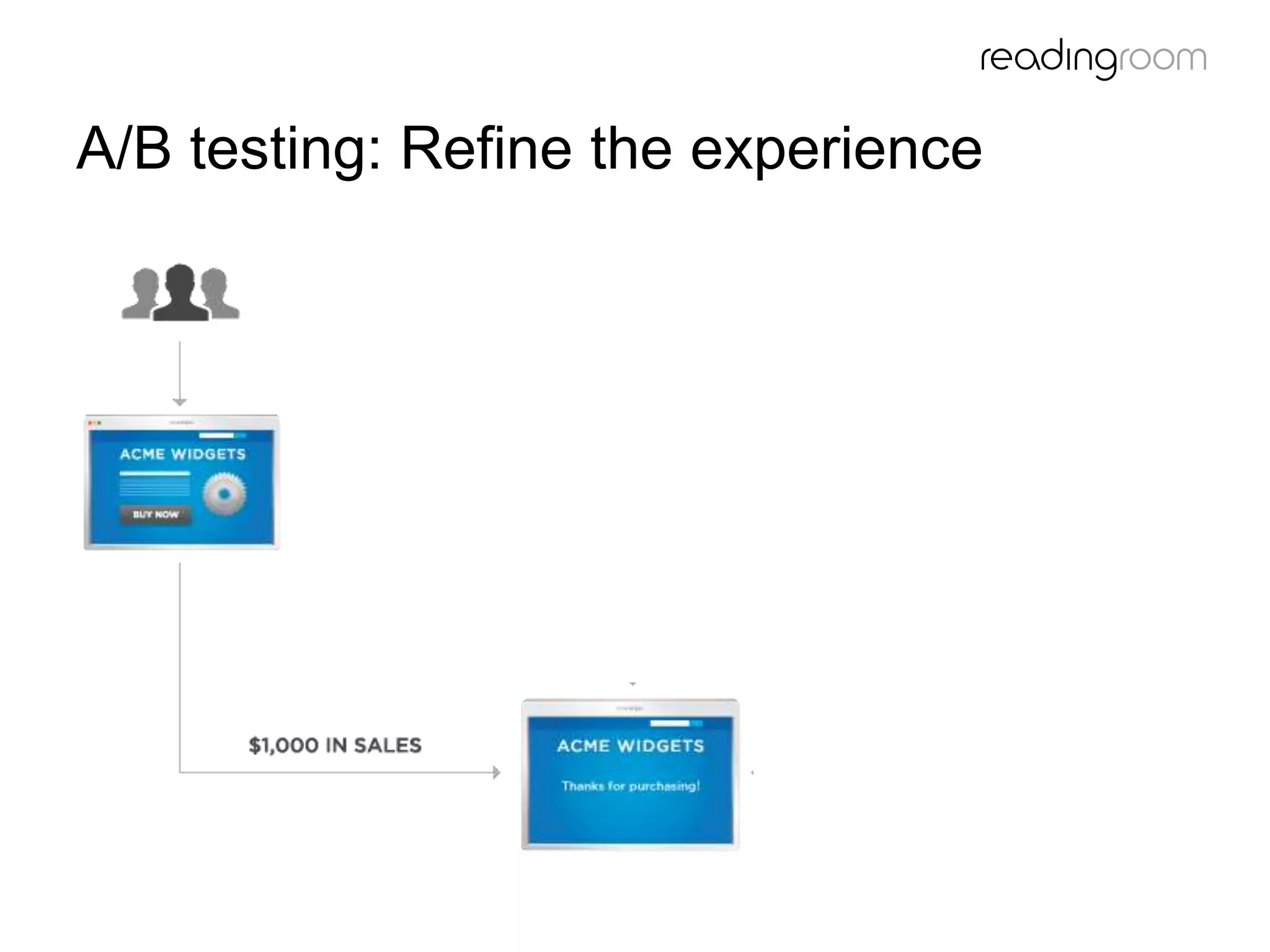
A/B testing: Refine the experience
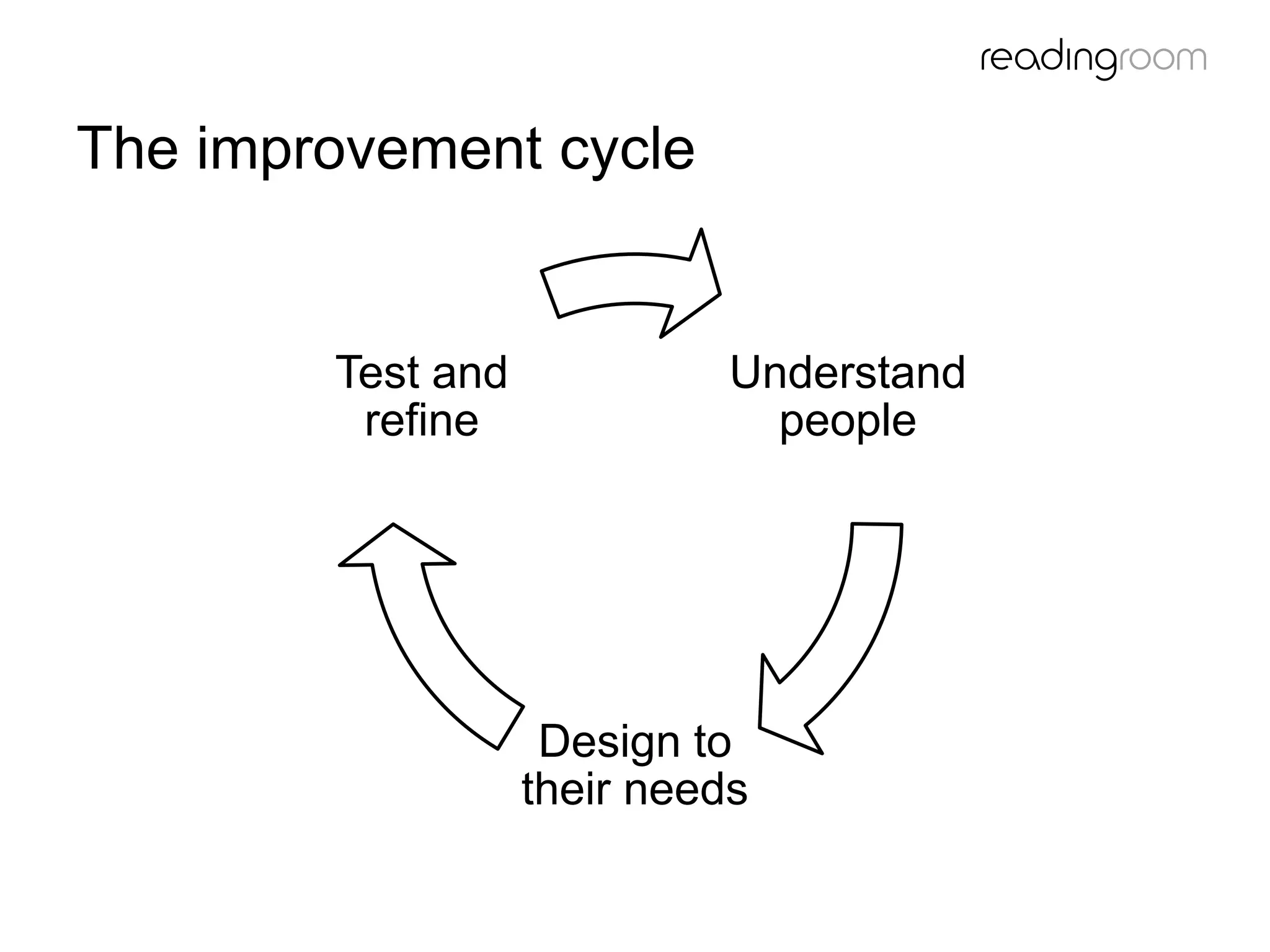
The improvement cycle
Understand
people
Design to
their needs
Test and
refine
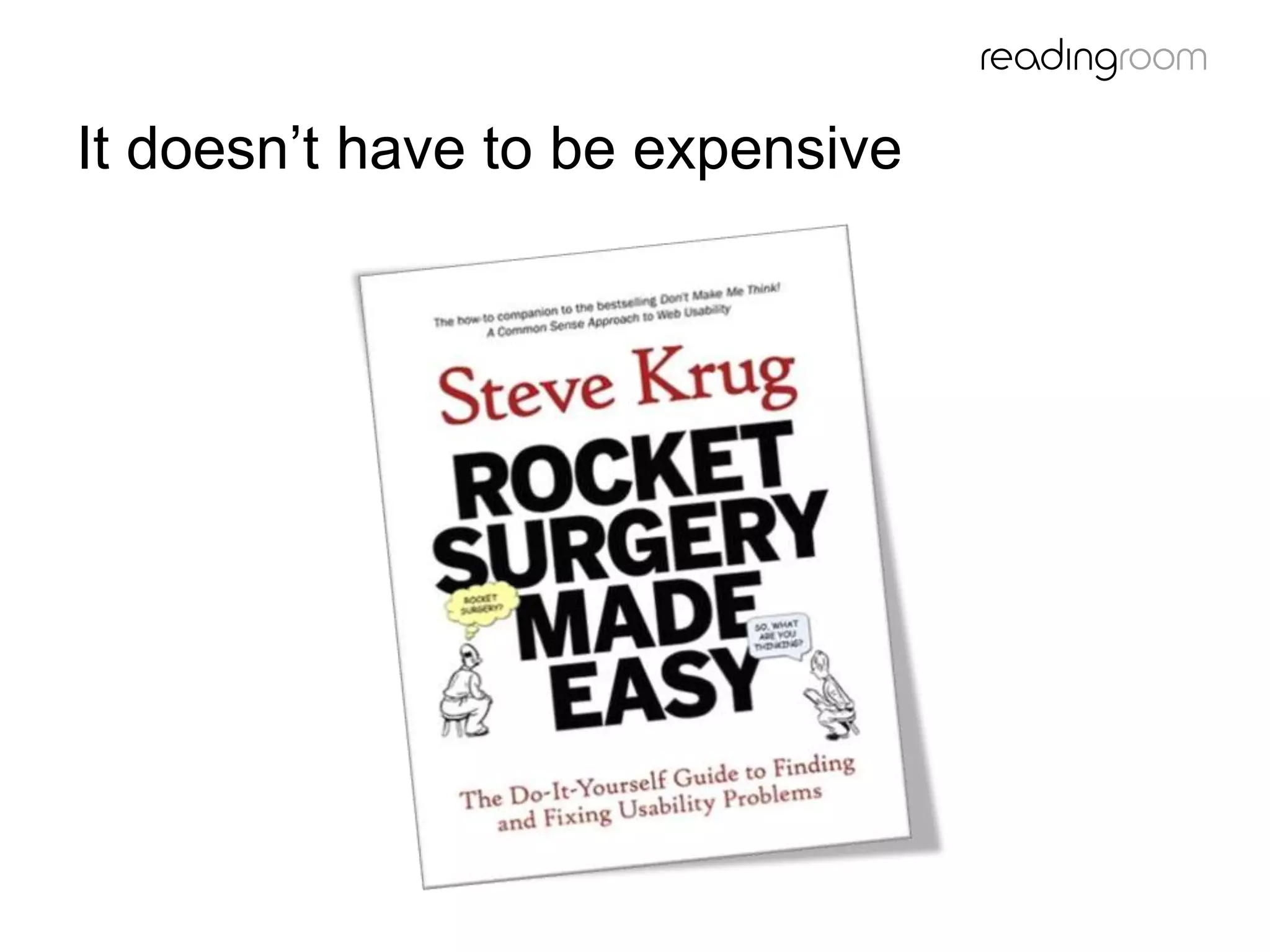
It doesn’t have to be expensive
Execution
Execution
Measure, track, improve
Leadership
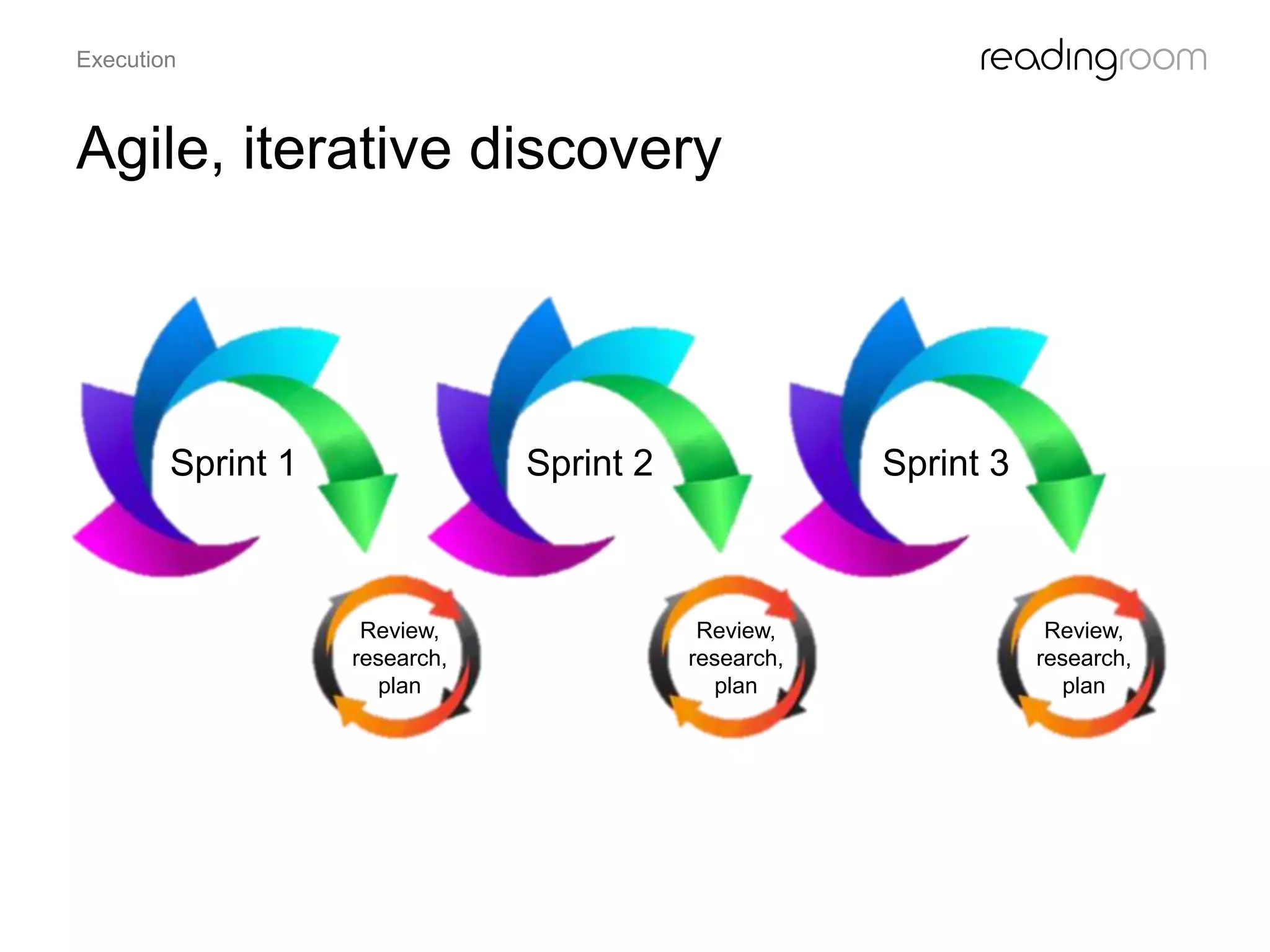
Agile iterative discovery
Measure, track, improve
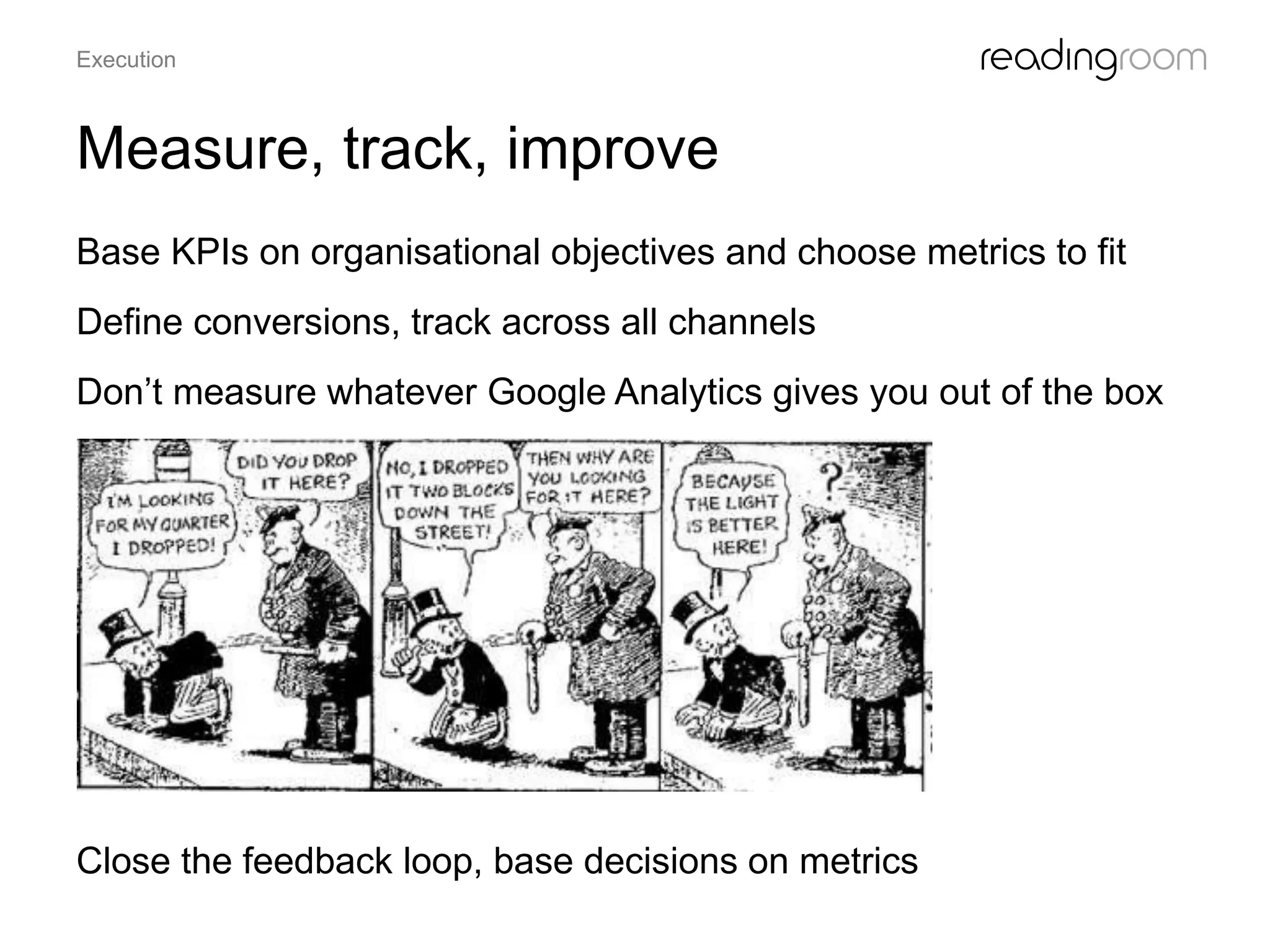
Base KPIs on organisational objectives and choose metrics to fit
Define conversions, track across all channels
Don’t measure whatever Google Analytics gives you out of the box
Close the feedback loop, base decisions on metrics
Execution
Leadership
Customer experience must be championed from the top
Consider a Head of Customer Experience role
Give that person wide-ranging authority to make changes
• to products
• to services
• to channel partnerships
• to owned, earned and paid media
• to internal processes and roles
Execution
Agile, iterative discovery
Execution
Everything changes rapidly
Execution
Your market
Execution
Consumers’ expectations
Execution
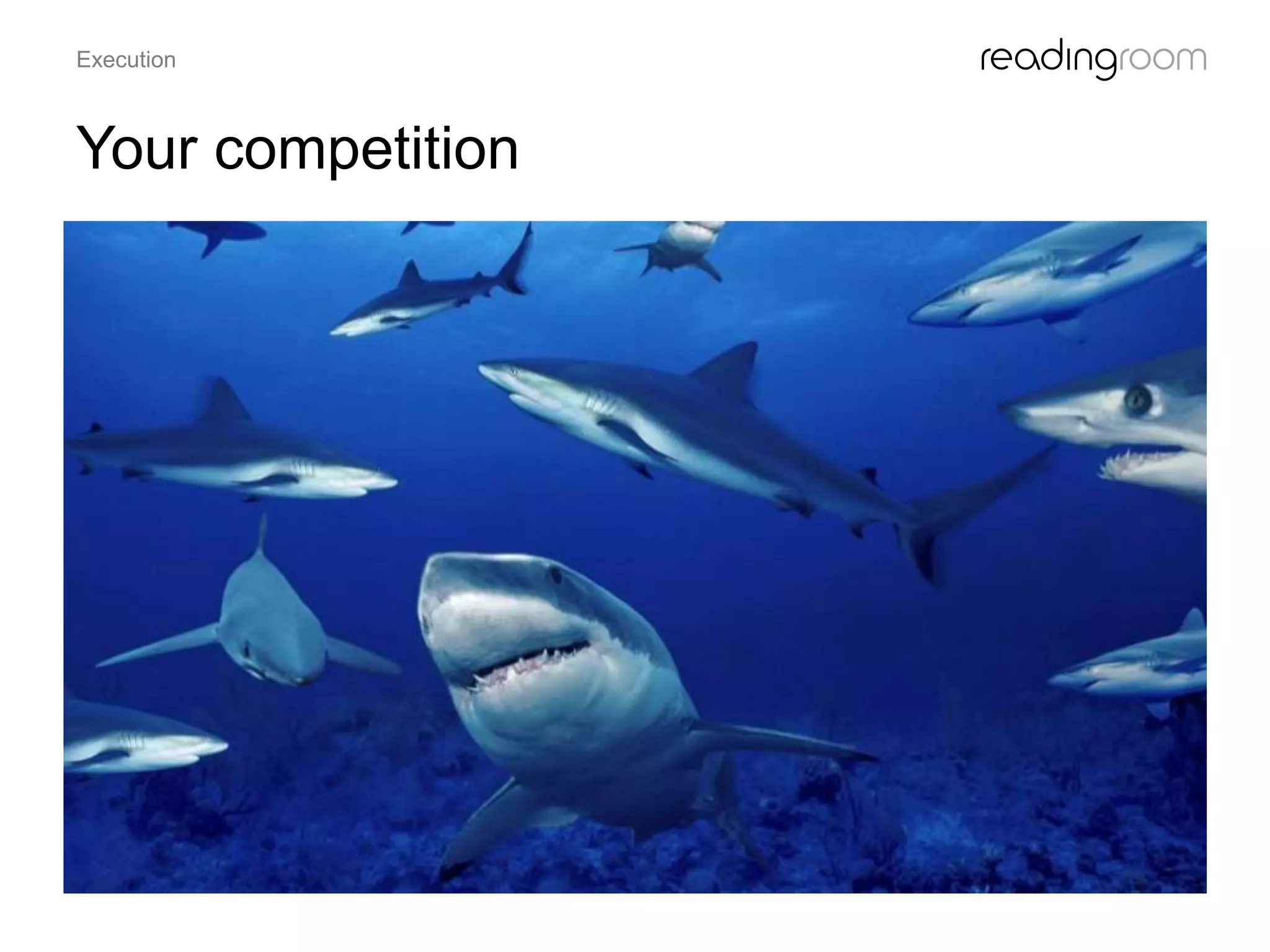
Your competition
Execution
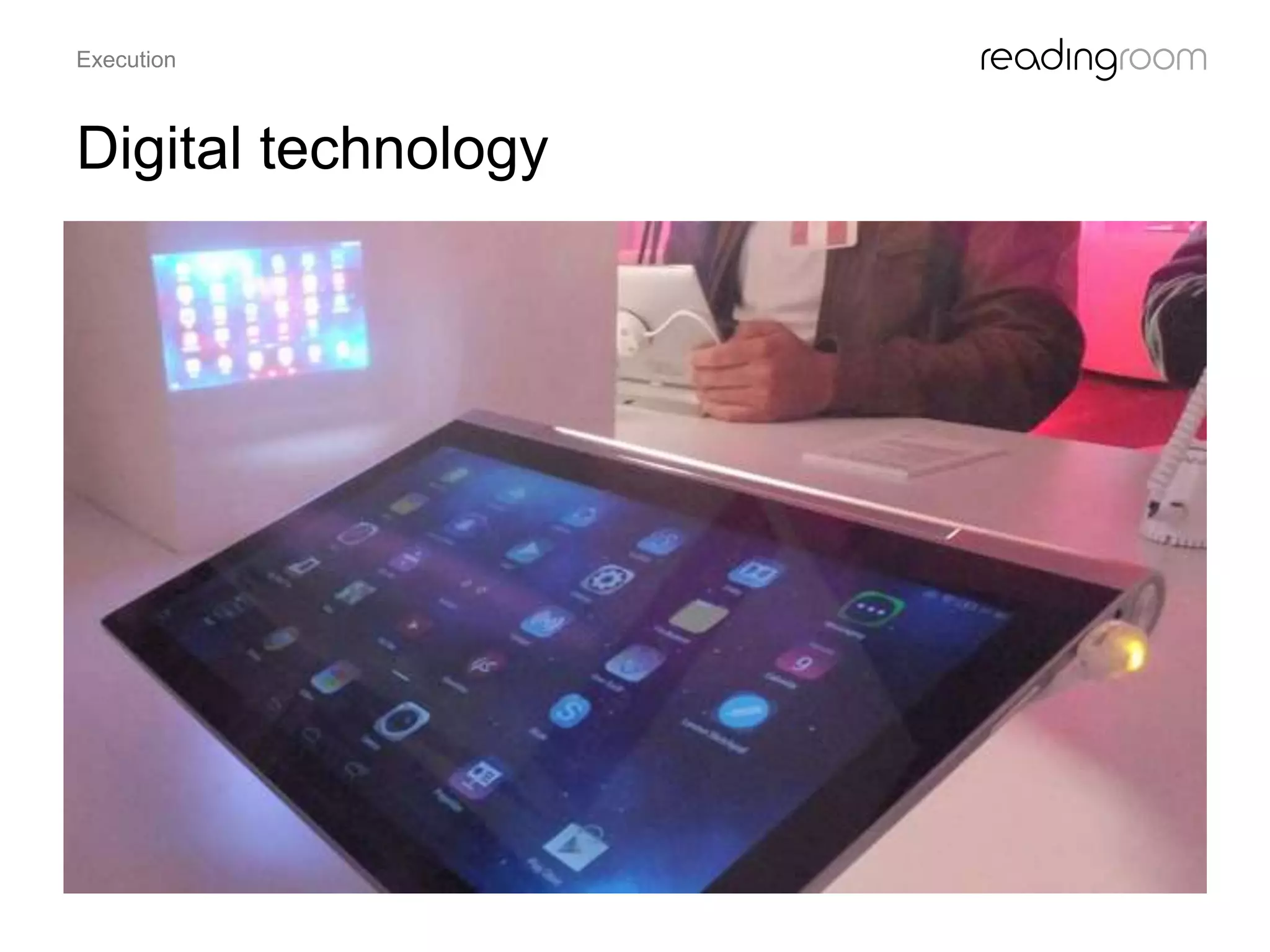
Digital technology
Execution
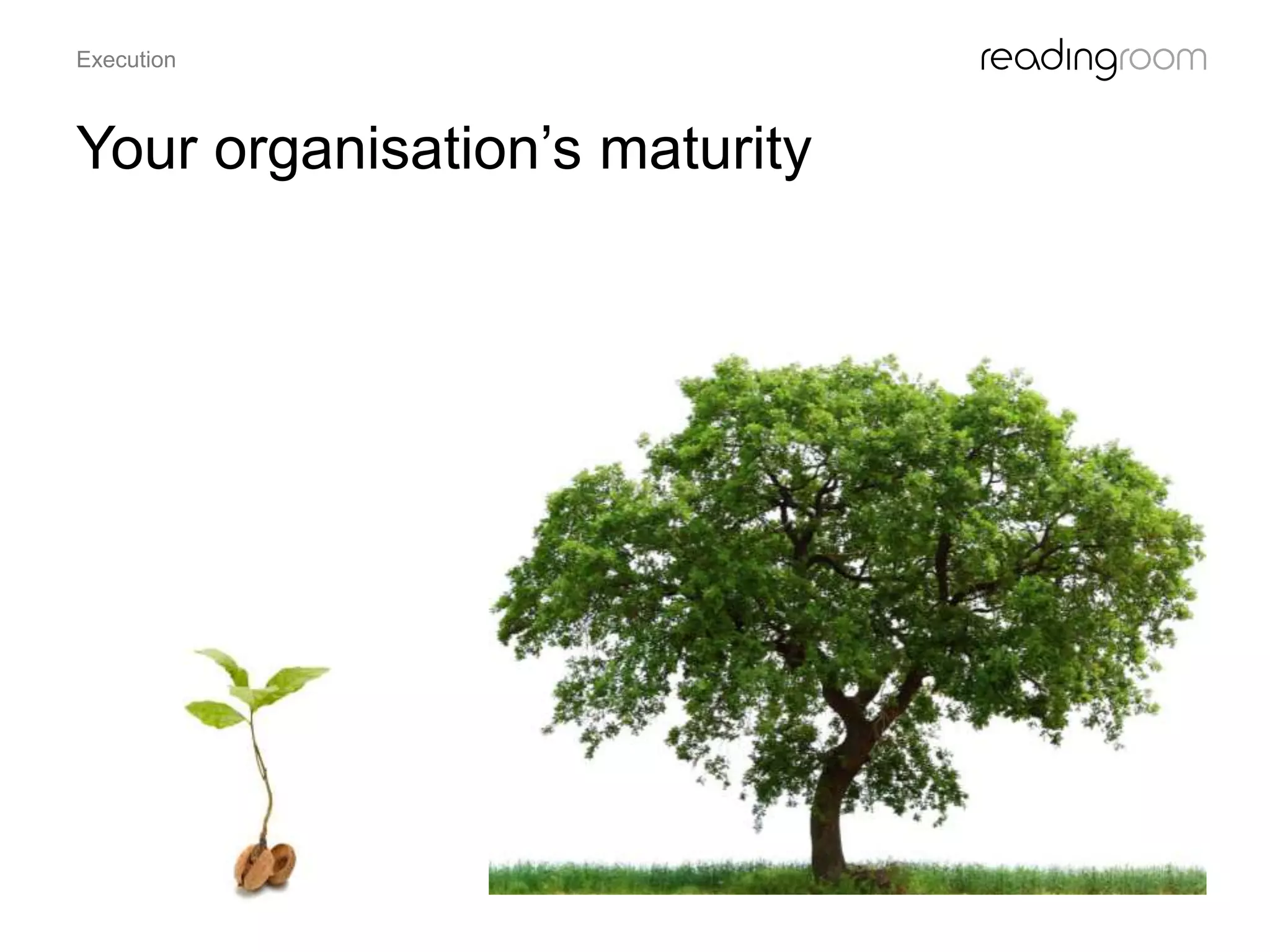
Your organisation’s maturity
Execution
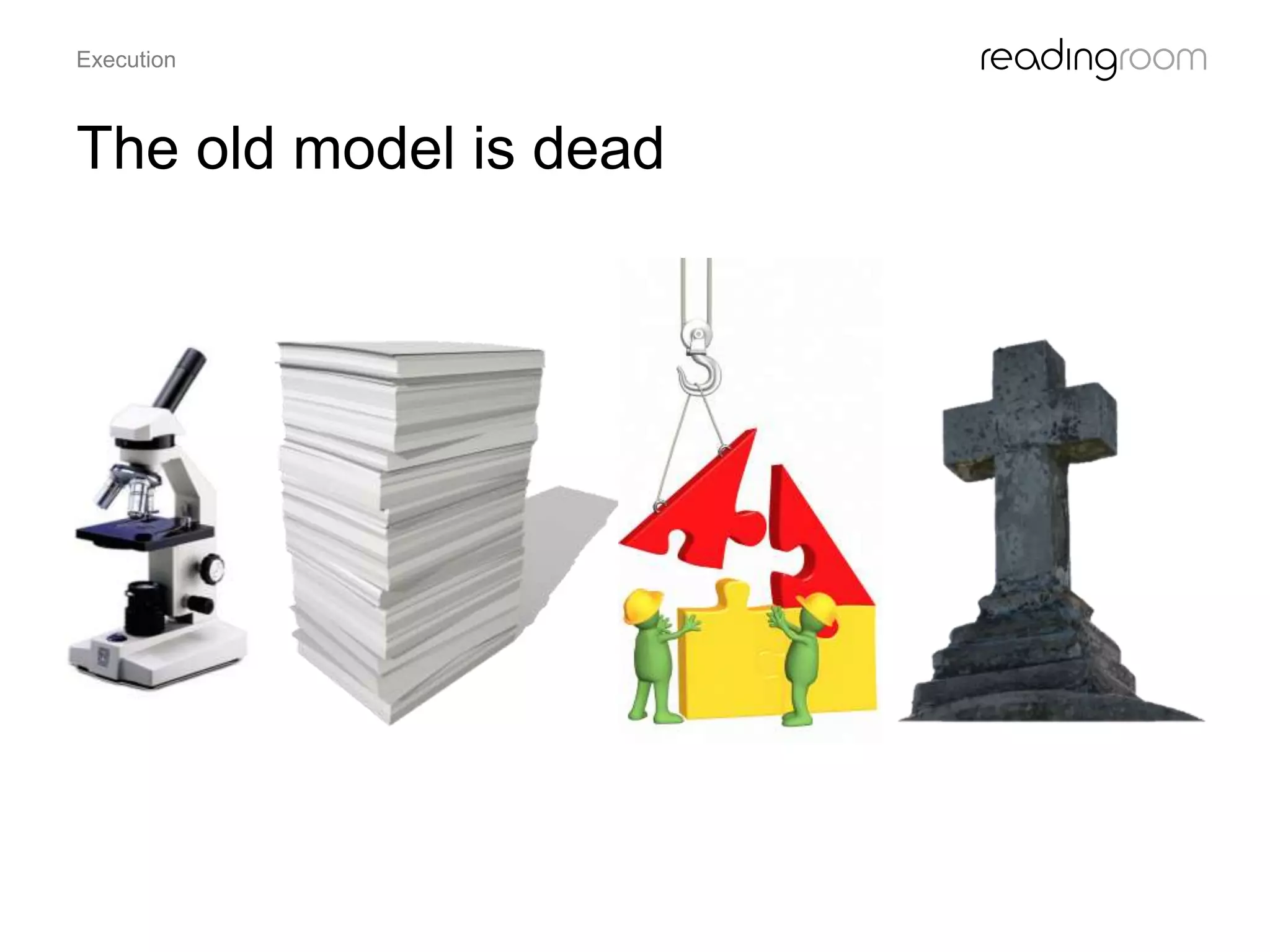
The old model is dead
Execution
Agile, iterative discovery
Execution
Sprint 1 Sprint 2 Sprint 3
Review,
research,
plan
Review,
research,
plan
Review,
research,
plan
Get in touch…
Tom Voirol
Global Head of User Engagement
tom@readingroom.com
Global digital communications consultancy
270 staff, 65 in Singapore
UK, Singapore, Australia, Thailand, China
Digital strategy, business transformation consulting,
website and mobile design and build
Further reading
• Google multi-screen study
http://rroom.me/googlemultiscreenstudy
• Conversocial
http://rroom.me/conversocial
• Digivizer
http://rroom.me/digivizer
• Why the marketing funnel is all wrong
(McKinsey)
http://rroom.me/marketingfunneliswrong
• Retail multichannel research (Accenture)
http://rroom.me/accentureretailresearch
• Seamless retail (Accenture)
http://rroom.me/accentureseamlessretail
• Multi-channel contact centre (Oracle,
Aberdeen Group)
http://rroom.me/multichannelcontactcentre
• Multi-channel contact centre self assessment
(Aberdeen Group)
http://rroom.me/mccctool
• Winning the Key Strategic Banking Battles:
Cross Channel Experiences (Mapa
Research)http://rroom.me/crosschannelbankin
g
Developing seamless consumer experiences across multichannel platforms

Developing seamless consumer experiences across multichannel platforms

Editor's Notes

  • #6 Multichannel customer experience
  • #10 Website, Mobile site, Mobile app, EDM, Social media, Contact centre In-person (in-branch, on-site, in-store, at venue, at doctor, on-board, at exhibition…)
  • #33 Dr Noriaki Kano
  • #42 Great design
  • #43 Humour
  • #44 Quirk
  • #61 Zaz Lamarr
  • #99 ACROSS CHANNELS
  • #100 Listen to them
  • #101 We could ask people “what do you want from the website”?
  • #102 As Henry Ford, creator of the Model T, which popularised cars and made them available to almost everyone, famously said:
  • #103 “If I had asked people what they wanted, they would have asked for a faster horse”
  • #104 What he meant to say is that people’s imaginations are bound by what they already know, Their current situation and environment shape their expectation.
  • #105 Alternatively, they might not ask for a faster horse, but let their imaginations go crazy and ask for the equivalent of a unicorn.
  • #106 Or they may simply not know what they want. It becomes apparent that asking people for a solution is not a good idea.
  • #111 Behavioural data is always preferable to attitudinal data.
  • #112 Be your own customer
  • #113 Go mystery shopping. Reading Room directors applied for jobs using fake identities and cvs to test our recruitment procedures.
  • #114 Personas, including coming from your content management system
  • #117 Develop scenarios and storyboards for how people live, work, and interact.
  • #120 Sometimes innovation means taking a step back
  • #130 Contact form with 11 fields
  • #131 4 fields
  • #140 Sometimes innovation means challenging orthodoxy
  • #143 Ask as little and as late as you can afford to
  • #152 As will your second
  • #153 And the one after that