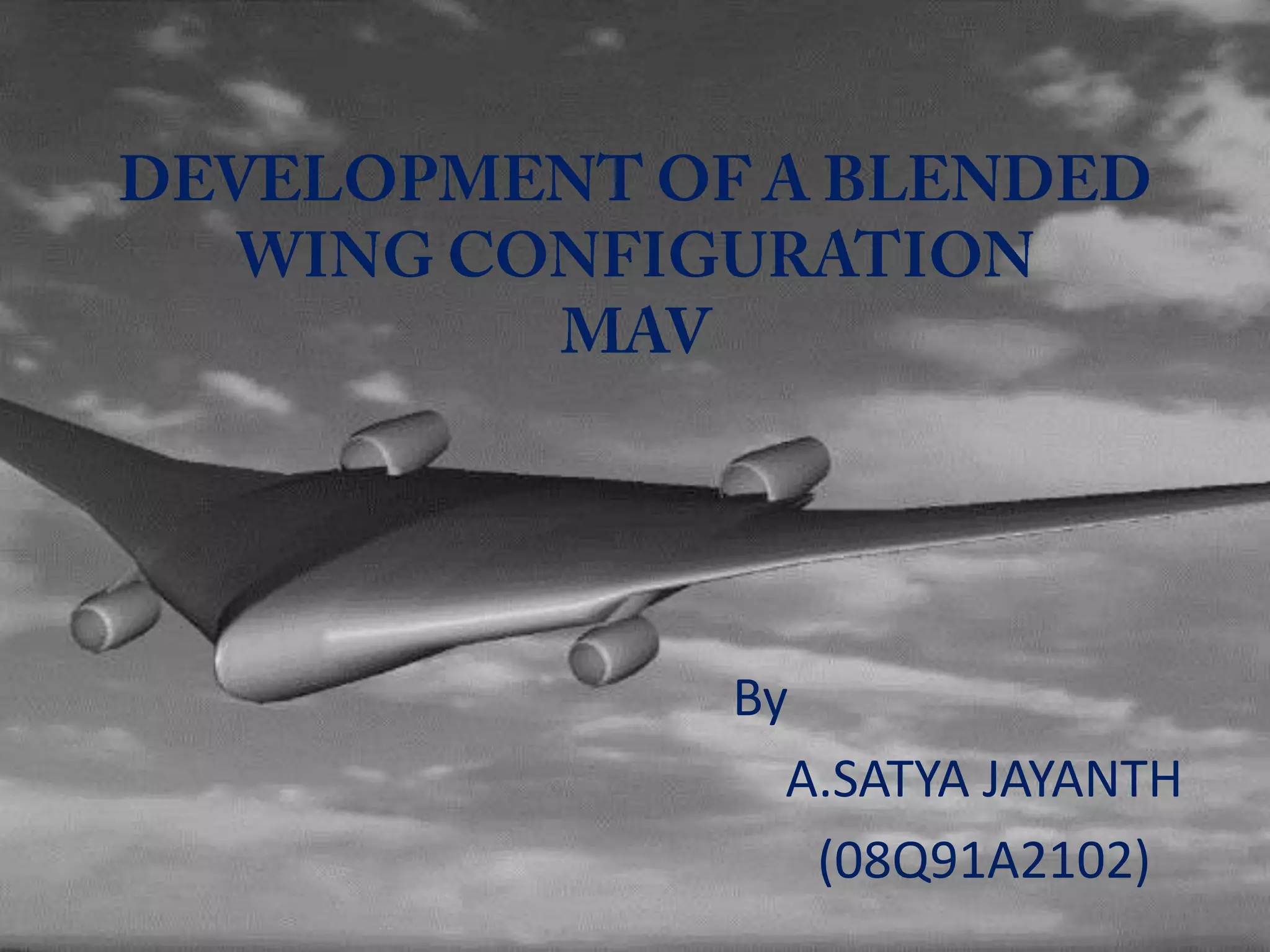
By
  A.SATYA JAYANTH
   (08Q91A2102)
ABSTRACT
Micro air vehicles “MAV” belong to a class of aircrafts currently
with a maximum size of 300mm and are capable of operating at
speeds of not less than 12m/s. MAV’s are expected to find
applications in border patrol, visual surveillance etc. MAV’s are
typically characterized by a low aspect ratio wing operating at
low Reynolds's numbers (10^5 ~ 10^6). A camber plate MAV of
300mm wing span generates cl of 0.7-0.8, comparatively blended
wing MAV generates cl of 1-1.3 this motivates the work to be
carried out. This work contains the aerodynamic design, airframe
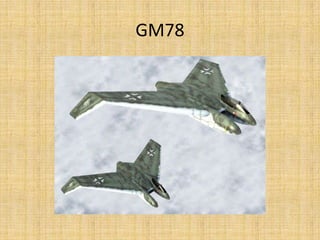
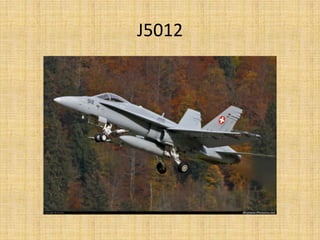
modeling, production and development of a blended wing MAV.
WHAT IS BLENDED WING BODY?
Blended Wing Body (BWB) aircraft have a
 flattened and airfoil shaped body, which
 produces most of the lift, the wings
 contributing the balance.

BWB incorporates design features from both a
 futuristic fuselage and flying wing design.
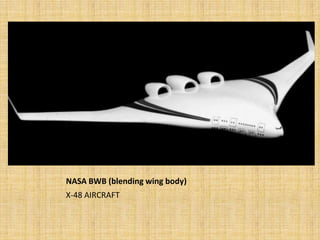
NASA BWB (blending wing body)
X-48 AIRCRAFT
ADVANTAGES
Blended wing body has lift-to-drag ratio 50%
 greater than conventional airplane.


Efficient high-lift wings and a wide airfoil-
 shaped body.
 Its fuel burn will be 27% lower than its
 conventional Airbus.

 Take off weight 15% lower.

 Empty weight will be 12% less.

 It will only require three instead of four
  engines, and will match or exceed
  conventional performance, despite having
  27% less thrust.
It is lighter.

More fuel efficient.

Requires far less power.

More aesthetic in appearance.
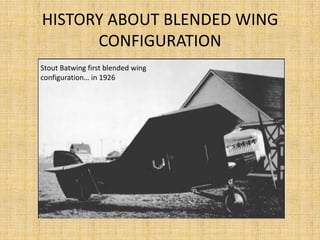
HISTORY ABOUT BLENDED WING
      CONFIGURATION
Stout Batwing first blended wing
configuration… in 1926
Micro Air Vehicles (MAV)
 Micro air vehicles belong to a class of aircraft
 currently designated with a class of size
 300mm and are capable of operating at
 speeds of not less than 12m/s.

They are typically characterized by low aspect
 ratio.
MAV’s are a class of small light-weight
 aircrafts designed to operate in situations that
 are practically unsuitable for large aircrafts.

MAV’s are used for battlefield reconnaissance,
 visual surveillance, border patrol, air sampling
 for civil services.
STEPS INVOLVED IN DEVELOPMENT
   OF A BLENDED WING BODY
           AIRCRAFT
            (MAV)
AERODYNAMIC STUDIES
The aerodynamics of the aircraft is greatly
 affected by airfoil, operating chord based
 Reynolds number, plan form shape and
 wingtip devices like winglets.
AIRFOIL SELECTION AND ANALYSIS
The number of airfoils are referred from
 various technical papers.

Performance studies on number of aircrafts
 indicated that GM78, J5012, MH45 are the
 three airfoils having better performance and
 meets the requirements of Blended wing
 MAV.
GM78
J5012
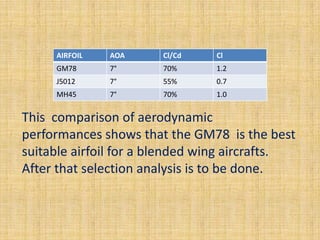
AIRFOIL   AOA     Cl/Cd    Cl
     GM78      7°      70%      1.2
     J5012     7°      55%      0.7
     MH45      7°      70%      1.0


This comparison of aerodynamic
performances shows that the GM78 is the best
suitable airfoil for a blended wing aircrafts.
After that selection analysis is to be done.
PLANFORM DESIGN
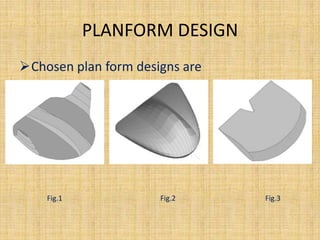
Chosen plan form designs are


    Fig.1             Fig.2     Fig.3
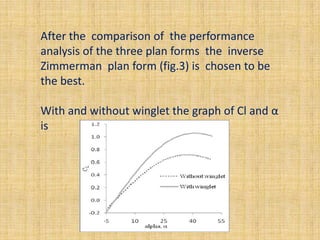
After the comparison of the performance
analysis of the three plan forms the inverse
Zimmerman plan form (fig.3) is chosen to be
the best.

With and without winglet the graph of Cl and α
is
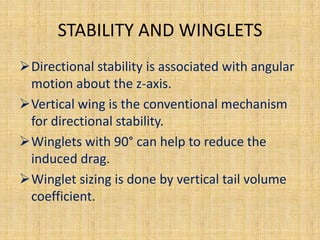
STABILITY AND WINGLETS
Directional stability is associated with angular
 motion about the z-axis.
Vertical wing is the conventional mechanism
 for directional stability.
Winglets with 90° can help to reduce the
 induced drag.
Winglet sizing is done by vertical tail volume
 coefficient.
AIRFRAME AND SKIN PRODUCTION
   FINAL ASSEMBLY AND FINAL TEST
 Airframe is a skeleton of MAV and is prepared
 by the composites of Kevlar and Rohacell.
Using a technique named rapid prototyping is
 used in the mechanism of skin material.
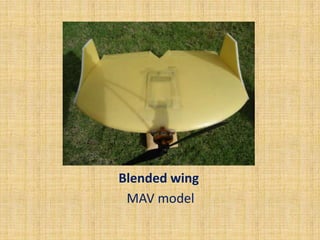
Blended wing model is prepared for testing.
Blended wing
 MAV model
CONCLUSION
A light weight micro air vehicle as been
developed through a systematic approach with a
blended wing configuration.
Developing a blended wing

Developing a blended wing

  • 1.
    By A.SATYAJAYANTH (08Q91A2102)
  • 2.
    ABSTRACT Micro air vehicles“MAV” belong to a class of aircrafts currently with a maximum size of 300mm and are capable of operating at speeds of not less than 12m/s. MAV’s are expected to find applications in border patrol, visual surveillance etc. MAV’s are typically characterized by a low aspect ratio wing operating at low Reynolds's numbers (10^5 ~ 10^6). A camber plate MAV of 300mm wing span generates cl of 0.7-0.8, comparatively blended wing MAV generates cl of 1-1.3 this motivates the work to be carried out. This work contains the aerodynamic design, airframe modeling, production and development of a blended wing MAV.
  • 3.
    WHAT IS BLENDEDWING BODY? Blended Wing Body (BWB) aircraft have a flattened and airfoil shaped body, which produces most of the lift, the wings contributing the balance. BWB incorporates design features from both a futuristic fuselage and flying wing design.
  • 4.
    NASA BWB (blendingwing body) X-48 AIRCRAFT
  • 5.
    ADVANTAGES Blended wing bodyhas lift-to-drag ratio 50% greater than conventional airplane. Efficient high-lift wings and a wide airfoil- shaped body.
  • 6.
     Its fuelburn will be 27% lower than its conventional Airbus.  Take off weight 15% lower.  Empty weight will be 12% less.  It will only require three instead of four engines, and will match or exceed conventional performance, despite having 27% less thrust.
  • 7.
    It is lighter. Morefuel efficient. Requires far less power. More aesthetic in appearance.
  • 8.
    HISTORY ABOUT BLENDEDWING CONFIGURATION Stout Batwing first blended wing configuration… in 1926
  • 9.
    Micro Air Vehicles(MAV)  Micro air vehicles belong to a class of aircraft currently designated with a class of size 300mm and are capable of operating at speeds of not less than 12m/s. They are typically characterized by low aspect ratio.
  • 10.
    MAV’s are aclass of small light-weight aircrafts designed to operate in situations that are practically unsuitable for large aircrafts. MAV’s are used for battlefield reconnaissance, visual surveillance, border patrol, air sampling for civil services.
  • 11.
    STEPS INVOLVED INDEVELOPMENT OF A BLENDED WING BODY AIRCRAFT (MAV)
  • 12.
    AERODYNAMIC STUDIES The aerodynamicsof the aircraft is greatly affected by airfoil, operating chord based Reynolds number, plan form shape and wingtip devices like winglets.
  • 13.
    AIRFOIL SELECTION ANDANALYSIS The number of airfoils are referred from various technical papers. Performance studies on number of aircrafts indicated that GM78, J5012, MH45 are the three airfoils having better performance and meets the requirements of Blended wing MAV.
  • 14.
  • 15.
  • 16.
    AIRFOIL AOA Cl/Cd Cl GM78 7° 70% 1.2 J5012 7° 55% 0.7 MH45 7° 70% 1.0 This comparison of aerodynamic performances shows that the GM78 is the best suitable airfoil for a blended wing aircrafts. After that selection analysis is to be done.
  • 17.
    PLANFORM DESIGN Chosen planform designs are Fig.1 Fig.2 Fig.3
  • 18.
    After the comparisonof the performance analysis of the three plan forms the inverse Zimmerman plan form (fig.3) is chosen to be the best. With and without winglet the graph of Cl and α is
  • 19.
    STABILITY AND WINGLETS Directionalstability is associated with angular motion about the z-axis. Vertical wing is the conventional mechanism for directional stability. Winglets with 90° can help to reduce the induced drag. Winglet sizing is done by vertical tail volume coefficient.
  • 20.
    AIRFRAME AND SKINPRODUCTION FINAL ASSEMBLY AND FINAL TEST  Airframe is a skeleton of MAV and is prepared by the composites of Kevlar and Rohacell. Using a technique named rapid prototyping is used in the mechanism of skin material. Blended wing model is prepared for testing.
  • 21.
  • 22.
    CONCLUSION A light weightmicro air vehicle as been developed through a systematic approach with a blended wing configuration.