








Demystifying SEO
Getting the Fundamentals Right
Raunak Guha
Co-Founder, RankHigher.in
www.rankhigher.in
Content
● Understanding Search process
● SEO - What, when and why?
● Getting Deeper with SEO
o Understanding Search Intent
o SEO SWOT Analysis
o Domain Name and Hosting
o Keyword Research
o Performance
o Technical
o On-page
o Off-page
● Blogging
● Domain Authority
● Measuring SEO Impact
● Where do we go wrong?
● Please Remember
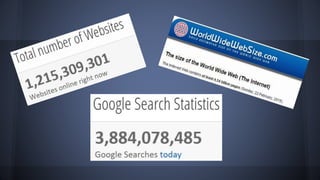
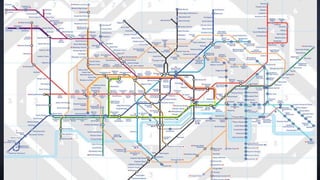
Understanding Search Process
SEO - What, when and why?
What is SEO?
SEO is the practice of improving and
promoting a website to increase the number
of visitors the site receives from search
engines.
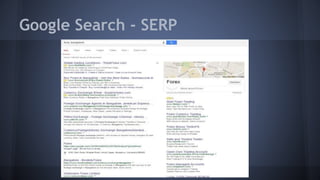
Google Search - SERP
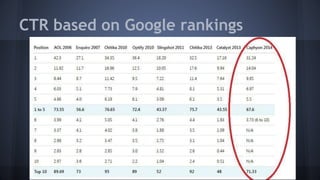
CTR based on Google rankings
SEO - Why do you need?
94% of searchers click on Google organic
results.
6% click on PPC results
- GroupM UK and Nielsen
Getting Deeper with SEO
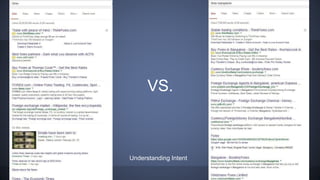
Understanding Search Intent
● What is your business value proposition?
● What problem are you solving and for whom?
● What is the current option your prospect has?
● How are they looking for a solution to their problem that
you can solve?
VS.
Understanding Intent
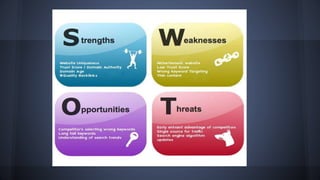
SEO Swot Analysis
Domain Name and Hosting
● Brandable vs Keyword rich domain name
● Duration of the domain being bought
● Hosting Server Location
● TLD extension (.in vs .com vs .net etc)
● Hosting Server type (shared vs dedicated)
● Avoid Cheap hosting providers
Keyword Research
● Focus on User Buy Intent
● What problems are you solving
● Brainstorm possible search queries
● Ask your
employees/customers/investors/friends/family
● Follow discussions on Forums/Quora/FB Groups
● Spy on competitor keywords
How to do Keyword Research
Tools for Keyword Research
● Keyword Planner
● Keyword.io
● Google Auto Suggest
● Google Related Searches
● SEMRush
Pick keywords which have low competition
Performance
● Page size < 500Kb
● http requests < 50
● Load time < 1.5 seconds
Use:
● GTMetrix
● Google PageSpeed Chrome Extension
● tools.pingdom.com
Technical
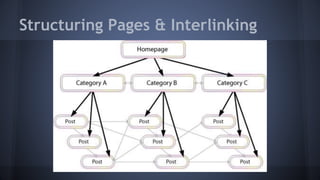
● Directory Structure
● URL Structure
● Internal linking
● sitemap.xml
● schema.org
● URL Redirects
● Robots.txt
● Responsive Design
Structuring Pages & Interlinking
On-Page SEO
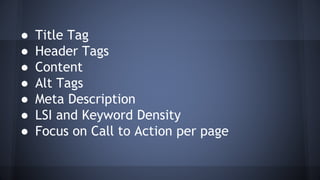
● Title Tag
● Header Tags
● Content
● Alt Tags
● Meta Description
● LSI and Keyword Density
● Focus on Call to Action per page
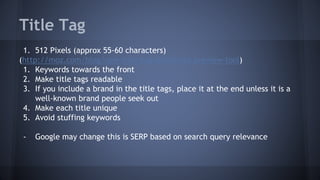
Title Tag
1. 512 Pixels (approx 55-60 characters)
(http://moz.com/blog/new-title-tag-guidelines-preview-tool)
1. Keywords towards the front
2. Make title tags readable
3. If you include a brand in the title tags, place it at the end unless it is a
well-known brand people seek out
4. Make each title unique
5. Avoid stuffing keywords
- Google may change this is SERP based on search query relevance
Header Tags
Use H1 and H2 tags
- Use only one H1 tag per page. Multiple H2 tags
- Use Keyword in header tags
- H1 - E.g., - What is SEO?
- H2 - E.g., - Performance Optimisation
- H2 - E.g., - What is On-Page SEO?
Content
● Min. 300 words/page
● Don’t stuff keywords
● Write proper constructed sentences
focussing on thought behind the keyword
● Don’t cloak keywords
Alt Tags
● Google reads images through HTML tags
● Use Alt Tag for all images
● Use the context of the image in Alt Tags
● You can use keywords in Alt Tags
Meta Description
● 920 px width
● Google uses 13px Arial font
● Use Meta Description to explain what the
page is about
● Use the Keyword in Meta Desc. Appears
bold in SERP
● Google may change Meta Desc based on
Query
LSI and Keyword Density
● Don’t write content using exact keywords
everywhere (looks unnatural)
● Write for humans (not search engines)
● Keep Keyword density <1%
Google getting smarter at detecting LSI.
Off-Page SEO
● Forum/Blog Commenting
● Blogger outreach
● Guest Blogging
● Social Media/Content Marketing
● Social Bookmarking
Get Relevant high Quality Backlinks
● Rich anchor text backlinks
● Branded backlinks
● Naked URLs
● Anchor text variations
● Generic anchor texts
Anchor Text Strategy
Blogging
Why should I blog?
● Long Tail Keywords targeting
● Establishing authority
● Engagement
● Frequently updated website gets Google
benefit
Topics for Blogging
● Solve your prospects pain point
● Keyword Planner
● Google Auto Suggest
● Google Related Searches
● Spying on Competitor Blogs
(buzzsumo/Quicksprout)
● Popular blogs in your niche (buzzsumo)
Domain Authority
● Age
● Quality
● Relevant Backlinks
● Engagement
● Visitors
(Demo - Majestic.com)
Measuring SEO Impact
GA and GWT
● Organic New Visits
● Sessions
● Ignore branded search queries
● Pages/session
● Average Session Duration
● Bounce Rates
● Impressions
● Crawl Errors
Where do we go wrong?
● Obsession over rankings
● Targeting wrong/less keywords
● Not using SEO as a test case in development
● Too much focus on on-page and off-page. Less focus on
technical/performance
Please Remember
● All SEO knowledge is based on experiences of SEO experts globally
● SEO is not an instant pain relief medicine. SEO is a long term
process
● SEO is a strategy. Not a tactical ploy
● SEO is an ocean. We covered a pond today
● SEO is not about on-page or off-page. It is a process in totality
RankHigher Resources
Subscribe to our blog:
http://www.rankhigher.in/knowledge-hub/
Thank You
Website
www.rankhigher.in
Email: raunak.guha@rankhigher.in
Twitter: @raunakguha
Mobile: +91 9008 639 690

Demystifying SEO - Getting the Fundamentals Right

  • 1.
    Demystifying SEO Getting theFundamentals Right Raunak Guha Co-Founder, RankHigher.in www.rankhigher.in
  • 2.
    Content ● Understanding Searchprocess ● SEO - What, when and why? ● Getting Deeper with SEO o Understanding Search Intent o SEO SWOT Analysis o Domain Name and Hosting o Keyword Research o Performance o Technical o On-page o Off-page ● Blogging ● Domain Authority ● Measuring SEO Impact ● Where do we go wrong? ● Please Remember
  • 3.
  • 6.
    SEO - What,when and why?
  • 7.
    What is SEO? SEOis the practice of improving and promoting a website to increase the number of visitors the site receives from search engines.
  • 8.
  • 9.
    CTR based onGoogle rankings
  • 10.
    SEO - Whydo you need? 94% of searchers click on Google organic results. 6% click on PPC results - GroupM UK and Nielsen
  • 11.
  • 12.
    Understanding Search Intent ●What is your business value proposition? ● What problem are you solving and for whom? ● What is the current option your prospect has? ● How are they looking for a solution to their problem that you can solve?
  • 13.
  • 14.
  • 16.
  • 17.
    ● Brandable vsKeyword rich domain name ● Duration of the domain being bought ● Hosting Server Location ● TLD extension (.in vs .com vs .net etc) ● Hosting Server type (shared vs dedicated) ● Avoid Cheap hosting providers
  • 18.
  • 19.
    ● Focus onUser Buy Intent ● What problems are you solving ● Brainstorm possible search queries ● Ask your employees/customers/investors/friends/family ● Follow discussions on Forums/Quora/FB Groups ● Spy on competitor keywords How to do Keyword Research
  • 20.
    Tools for KeywordResearch ● Keyword Planner ● Keyword.io ● Google Auto Suggest ● Google Related Searches ● SEMRush Pick keywords which have low competition
  • 21.
  • 22.
    ● Page size< 500Kb ● http requests < 50 ● Load time < 1.5 seconds Use: ● GTMetrix ● Google PageSpeed Chrome Extension ● tools.pingdom.com
  • 23.
  • 24.
    ● Directory Structure ●URL Structure ● Internal linking ● sitemap.xml ● schema.org ● URL Redirects ● Robots.txt ● Responsive Design
  • 25.
    Structuring Pages &Interlinking
  • 26.
  • 27.
    ● Title Tag ●Header Tags ● Content ● Alt Tags ● Meta Description ● LSI and Keyword Density ● Focus on Call to Action per page
  • 28.
    Title Tag 1. 512Pixels (approx 55-60 characters) (http://moz.com/blog/new-title-tag-guidelines-preview-tool) 1. Keywords towards the front 2. Make title tags readable 3. If you include a brand in the title tags, place it at the end unless it is a well-known brand people seek out 4. Make each title unique 5. Avoid stuffing keywords - Google may change this is SERP based on search query relevance
  • 29.
    Header Tags Use H1and H2 tags - Use only one H1 tag per page. Multiple H2 tags - Use Keyword in header tags - H1 - E.g., - What is SEO? - H2 - E.g., - Performance Optimisation - H2 - E.g., - What is On-Page SEO?
  • 30.
    Content ● Min. 300words/page ● Don’t stuff keywords ● Write proper constructed sentences focussing on thought behind the keyword ● Don’t cloak keywords
  • 31.
    Alt Tags ● Googlereads images through HTML tags ● Use Alt Tag for all images ● Use the context of the image in Alt Tags ● You can use keywords in Alt Tags
  • 32.
    Meta Description ● 920px width ● Google uses 13px Arial font ● Use Meta Description to explain what the page is about ● Use the Keyword in Meta Desc. Appears bold in SERP ● Google may change Meta Desc based on Query
  • 33.
    LSI and KeywordDensity ● Don’t write content using exact keywords everywhere (looks unnatural) ● Write for humans (not search engines) ● Keep Keyword density <1% Google getting smarter at detecting LSI.
  • 34.
  • 35.
    ● Forum/Blog Commenting ●Blogger outreach ● Guest Blogging ● Social Media/Content Marketing ● Social Bookmarking Get Relevant high Quality Backlinks
  • 36.
    ● Rich anchortext backlinks ● Branded backlinks ● Naked URLs ● Anchor text variations ● Generic anchor texts Anchor Text Strategy
  • 37.
  • 38.
    Why should Iblog? ● Long Tail Keywords targeting ● Establishing authority ● Engagement ● Frequently updated website gets Google benefit
  • 39.
    Topics for Blogging ●Solve your prospects pain point ● Keyword Planner ● Google Auto Suggest ● Google Related Searches ● Spying on Competitor Blogs (buzzsumo/Quicksprout) ● Popular blogs in your niche (buzzsumo)
  • 40.
  • 41.
    ● Age ● Quality ●Relevant Backlinks ● Engagement ● Visitors (Demo - Majestic.com)
  • 42.
  • 43.
    GA and GWT ●Organic New Visits ● Sessions ● Ignore branded search queries ● Pages/session ● Average Session Duration ● Bounce Rates ● Impressions ● Crawl Errors
  • 44.
    Where do wego wrong?
  • 45.
    ● Obsession overrankings ● Targeting wrong/less keywords ● Not using SEO as a test case in development ● Too much focus on on-page and off-page. Less focus on technical/performance
  • 46.
  • 47.
    ● All SEOknowledge is based on experiences of SEO experts globally ● SEO is not an instant pain relief medicine. SEO is a long term process ● SEO is a strategy. Not a tactical ploy ● SEO is an ocean. We covered a pond today ● SEO is not about on-page or off-page. It is a process in totality
  • 48.
    RankHigher Resources Subscribe toour blog: http://www.rankhigher.in/knowledge-hub/
  • 49.