Data-Driven Learning Strategy 
Jessie Chuang 
Classroom Aid Inc.
Data is 
the only hard evidence of what works in 
education, 
and 
the compass for personalized learning journey.
Data, Data, Data 
Amazon: data driven engine accounts for 1/3 of 
all sales 
Netflix: recommendation engine accounts for 3/4 
of all new orders 
How about learning and training segment?
Evidence Framework 
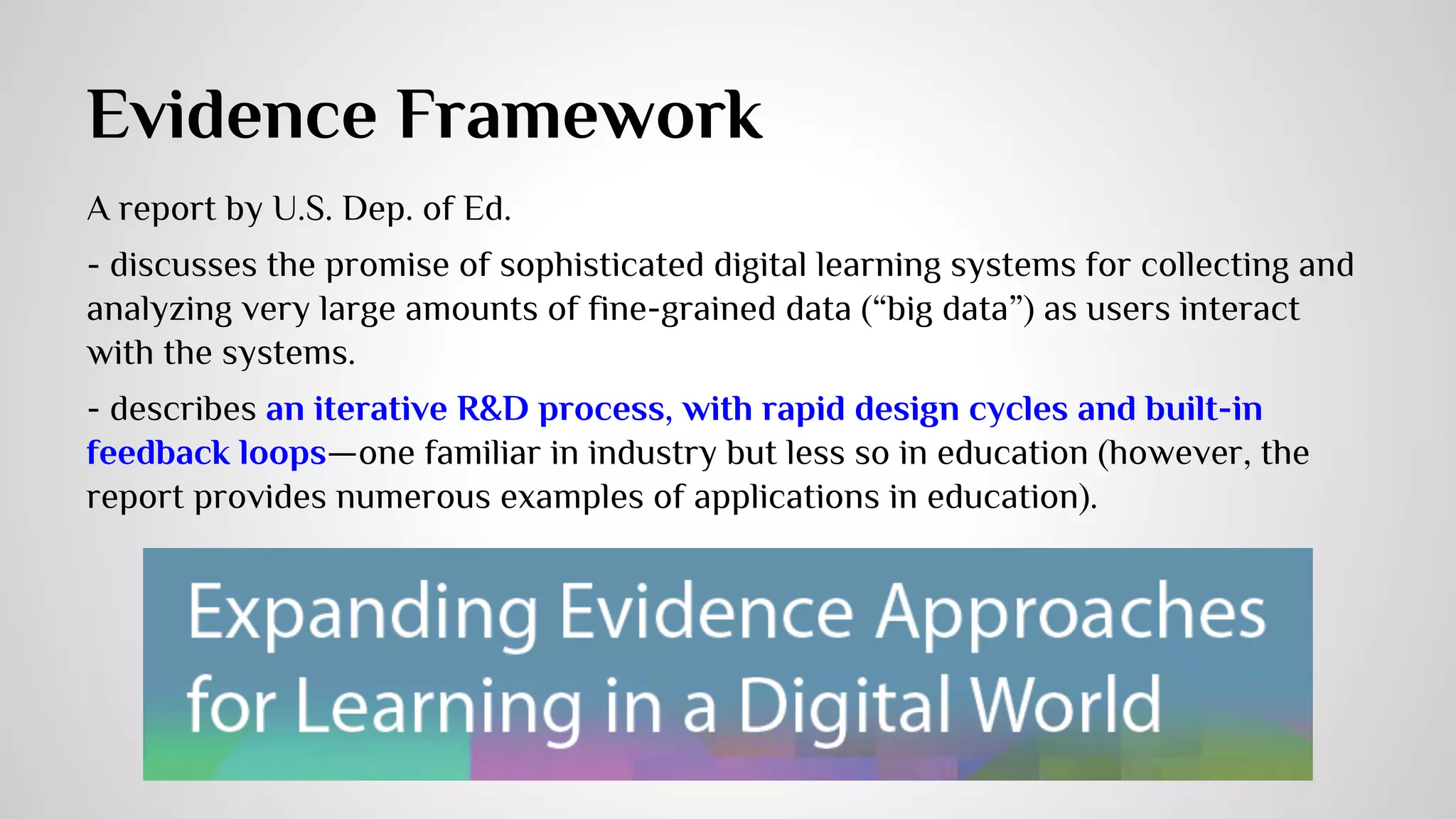
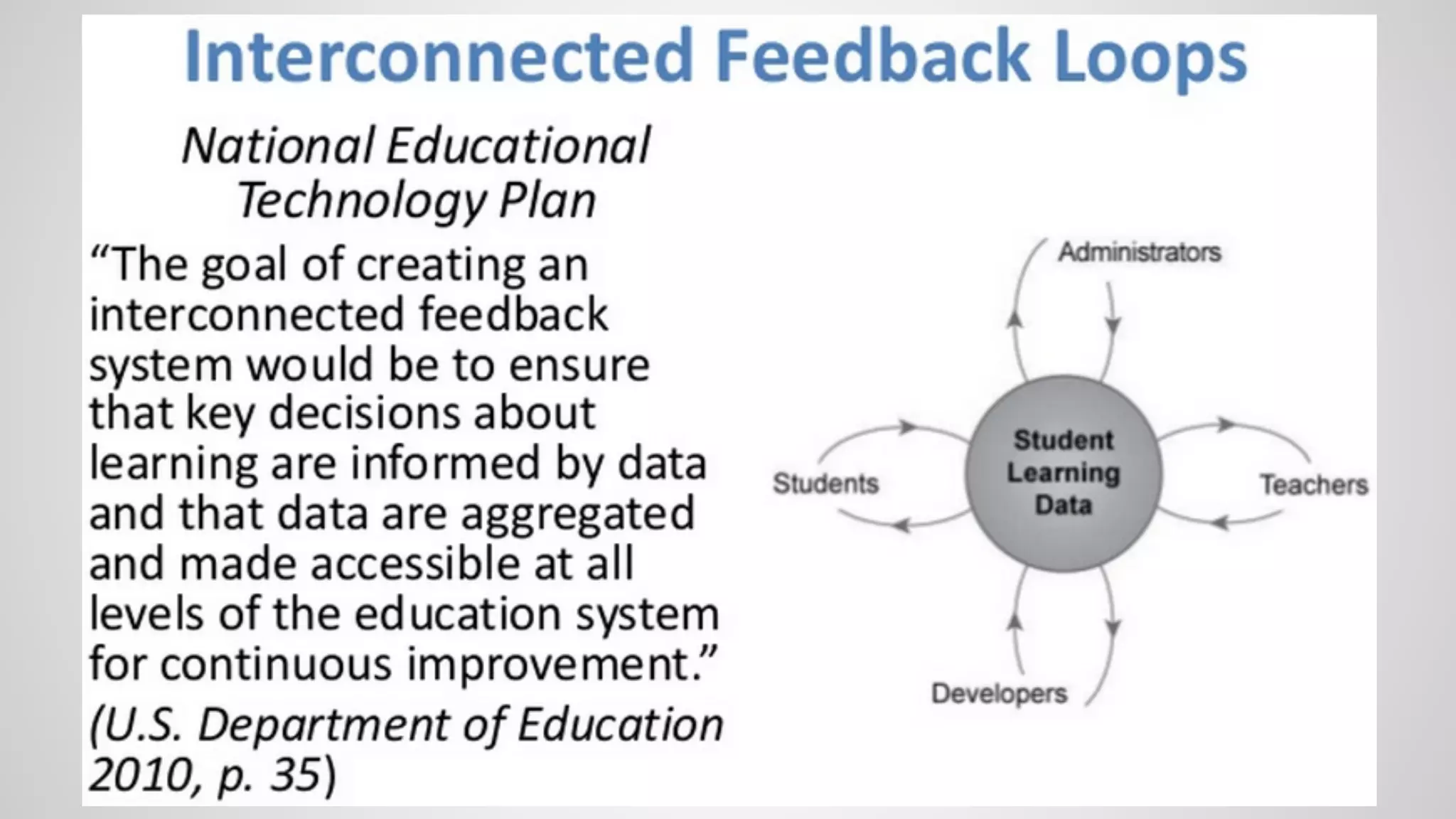
A report by U.S. Dep. of Ed. 
- discusses the promise of sophisticated digital learning systems for collecting and 
analyzing very large amounts of fine-grained data (“big data”) as users interact 
with the systems. 
- describes an iterative R&D process, with rapid design cycles and built-in 
feedback loops—one familiar in industry but less so in education (however, the 
report provides numerous examples of applications in education).
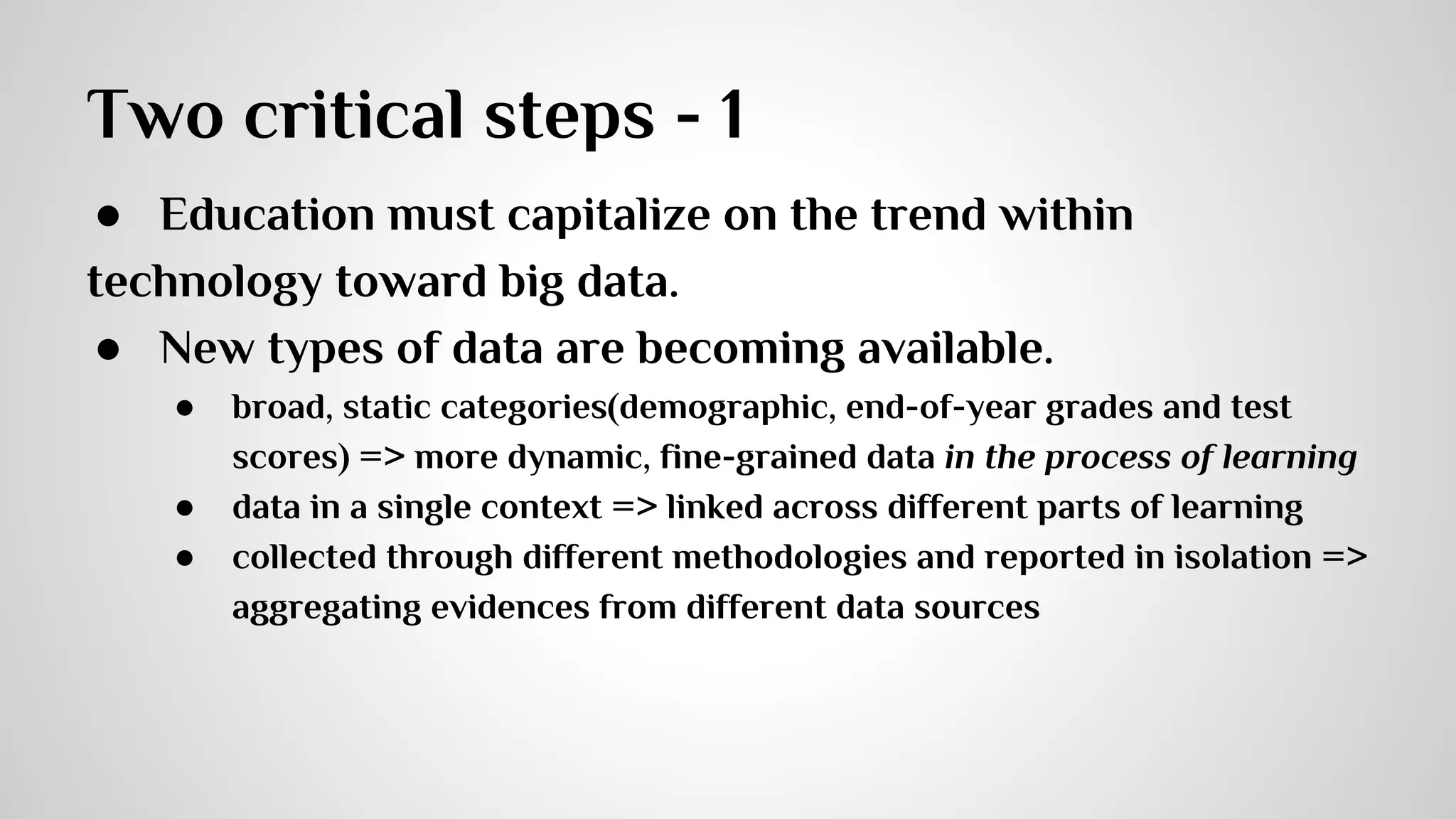
Two critical steps - 1 
● Education must capitalize on the trend within 
technology toward big data. 
● New types of data are becoming available. 
● broad, static categories(demographic, end-of-year grades and test 
scores) => more dynamic, fine-grained data in the process of learning 
● data in a single context => linked across different parts of learning 
● collected through different methodologies and reported in isolation => 
aggregating evidences from different data sources
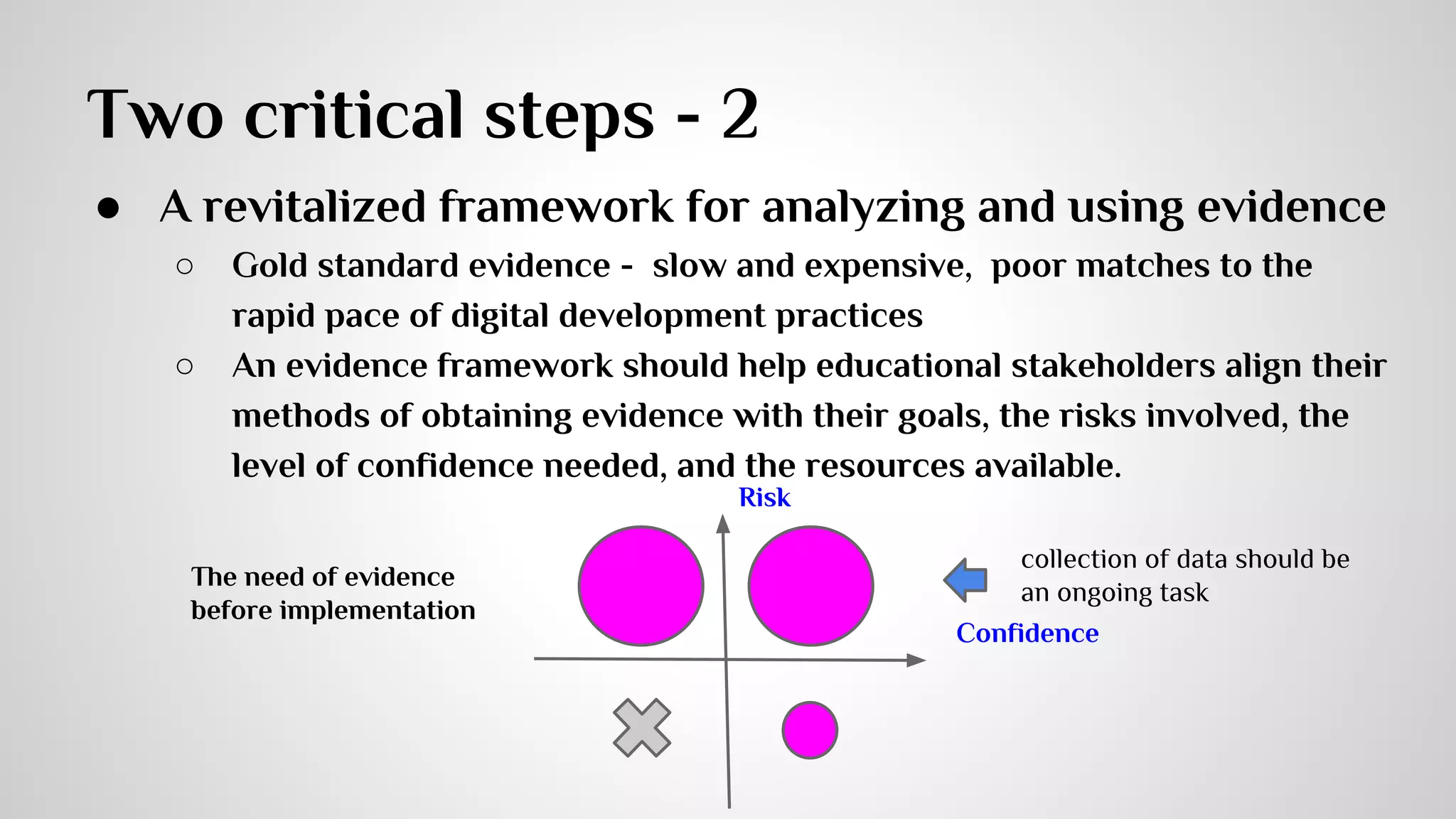
Two critical steps - 2 
● A revitalized framework for analyzing and using evidence 
○ Gold standard evidence - slow and expensive, poor matches to the 
rapid pace of digital development practices 
○ An evidence framework should help educational stakeholders align their 
methods of obtaining evidence with their goals, the risks involved, the 
level of confidence needed, and the resources available. 
Confidence 
Risk 
The need of evidence 
before implementation 
collection of data should be 
an ongoing task
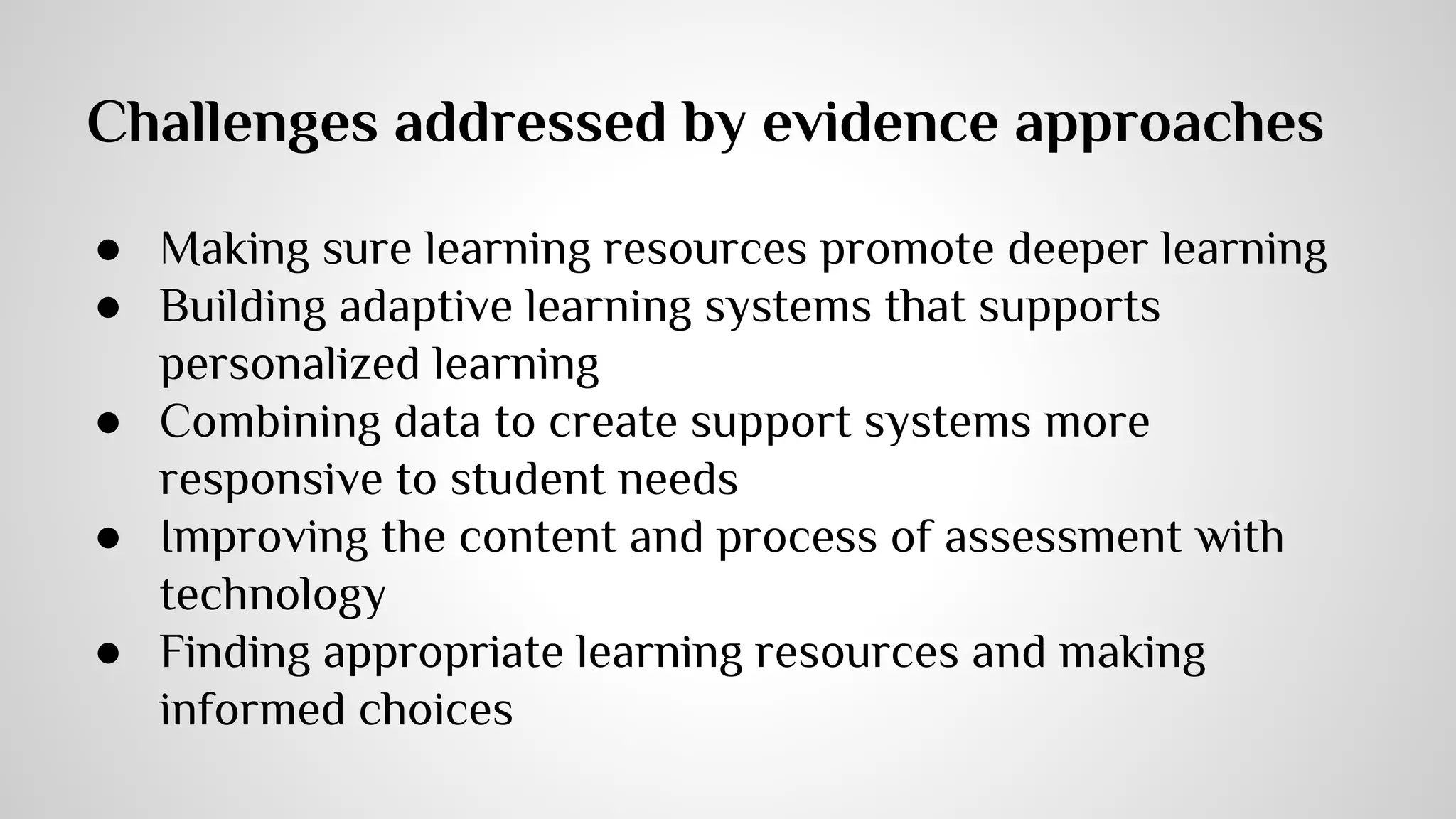
Challenges addressed by evidence approaches 
● Making sure learning resources promote deeper learning 
● Building adaptive learning systems that supports 
personalized learning 
● Combining data to create support systems more 
responsive to student needs 
● Improving the content and process of assessment with 
technology 
● Finding appropriate learning resources and making 
informed choices
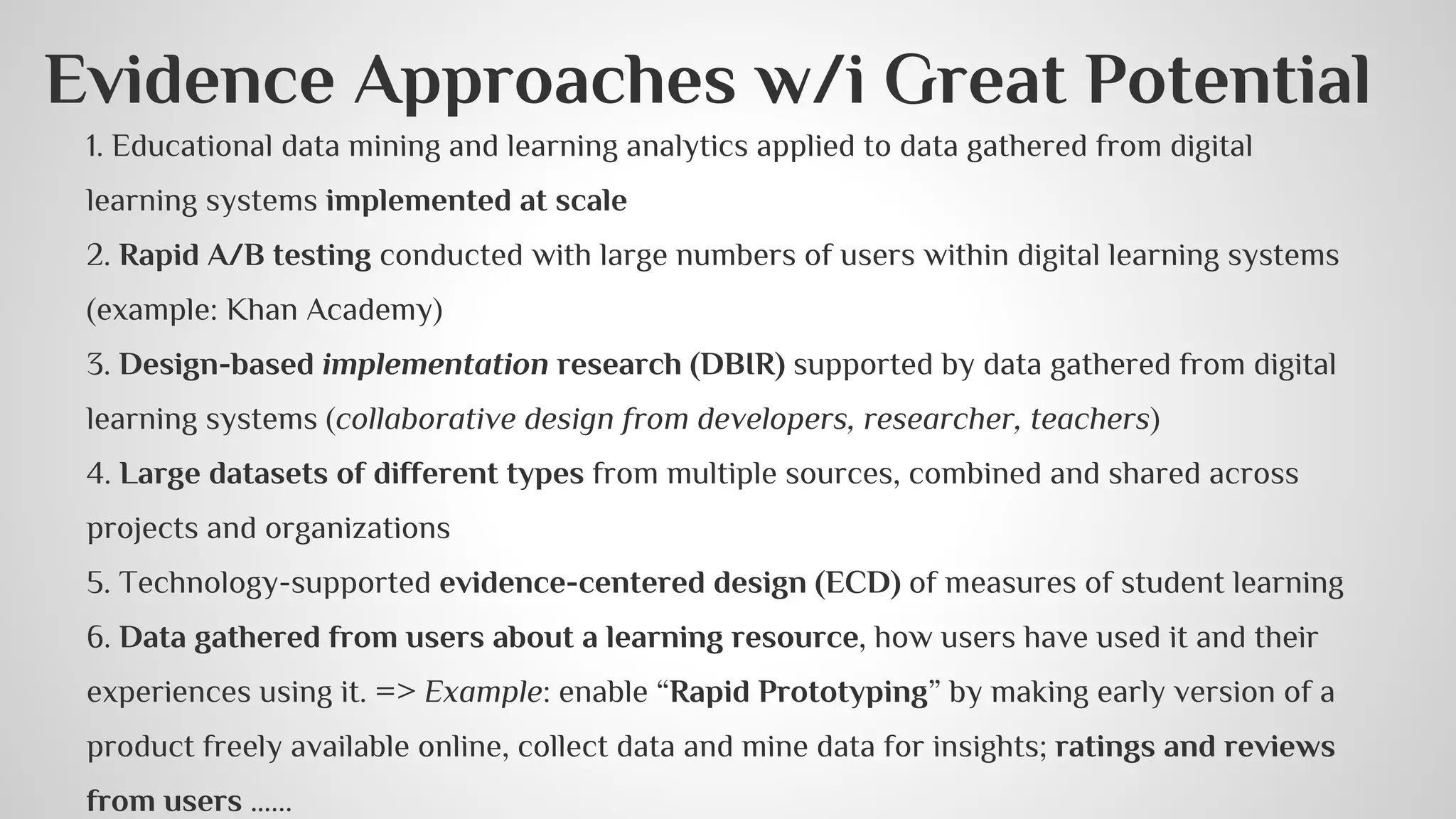
Evidence Approaches w/i Great Potential 
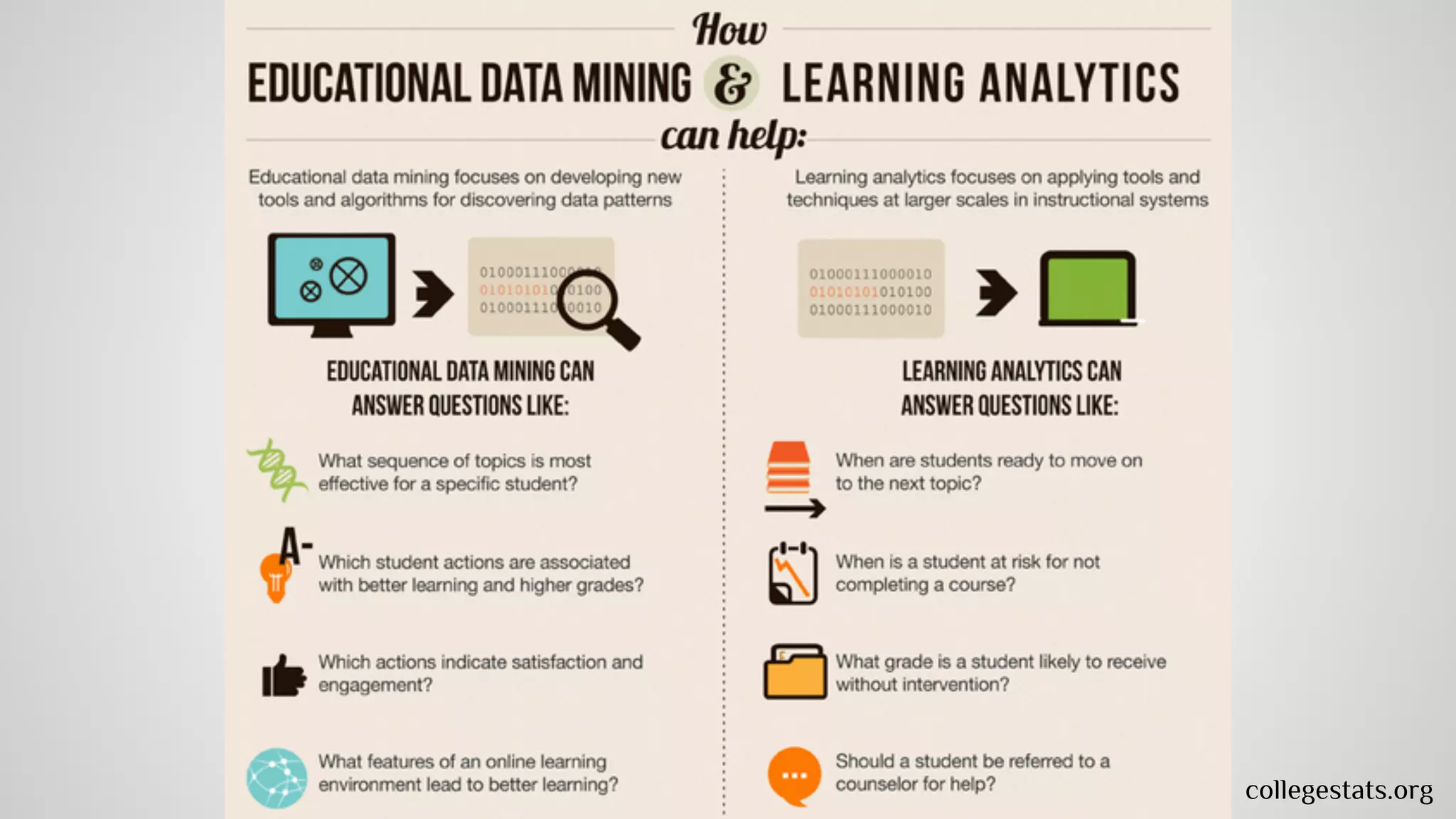
1. Educational data mining and learning analytics applied to data gathered from digital 
learning systems implemented at scale 
2. Rapid A/B testing conducted with large numbers of users within digital learning systems 
(example: Khan Academy) 
3. Design-based implementation research (DBIR) supported by data gathered from digital 
learning systems (collaborative design from developers, researcher, teachers) 
4. Large datasets of different types from multiple sources, combined and shared across 
projects and organizations 
5. Technology-supported evidence-centered design (ECD) of measures of student learning 
6. Data gathered from users about a learning resource, how users have used it and their 
experiences using it. => Example: enable “Rapid Prototyping” by making early version of a 
product freely available online, collect data and mine data for insights; ratings and reviews 
from users …...
What Works Clearinghouse 
(by U.S. Department of Education) 
- “The high volume of research on different programs, products, practices, and 
policies in education can make it difficult to interpret and apply the results. We 
review the research. Then, by focusing on the results from high-quality research, 
we try to answer the question “What works in education?” 
- The goal is to provide educators with the information they need to make 
evidence-based decisions.
iZone - Researchers and Schools collaborate on 
an Education Test Bed 
● Partnership from 250 schools, Research Alliance (based at NYU), EdSurge, 
ChallengePost, and IDEO 
● Supporting from U.S. Dep. of Education, Bill&Melinda Gates Foundation, New 
York City Dep. of Education 
● To support developers in rapidly developing and testing selected technology 
based instructional supports and featuring test results on EdSurge 
● To address unmet needs identified by a diverse group of school stakeholders 
● Launch prize competitions for developers, winners will be invited to beta-test 
products in iZone classrooms 
● Researcher have access to resources necessary to a given study; test bed data 
are available for secondary analysis to continue relevant study (also to 
develop analytic capability and let good algorithms bubble up) 
● The collaboration will produce Consumer Reports-style guide for learning tech. 
● Silicon Valley also initiated an iZone to create a similar ecosystem
collegestats.org
Learning Analytics Applications 
● Learner modeling: model a learner’s knowledge, behaviors, motivation, 
experience… 
● Learner profiling: cluster users into similar groups 
● Domain modeling: decompose content into components and sequences 
● Effectiveness: test learning principles, pedagogies etc. 
● Trend analysis: understand changes over time 
● Recommendation and adaptation: suggest resources and actions to learners 
or instructors, adapt systems to learners...
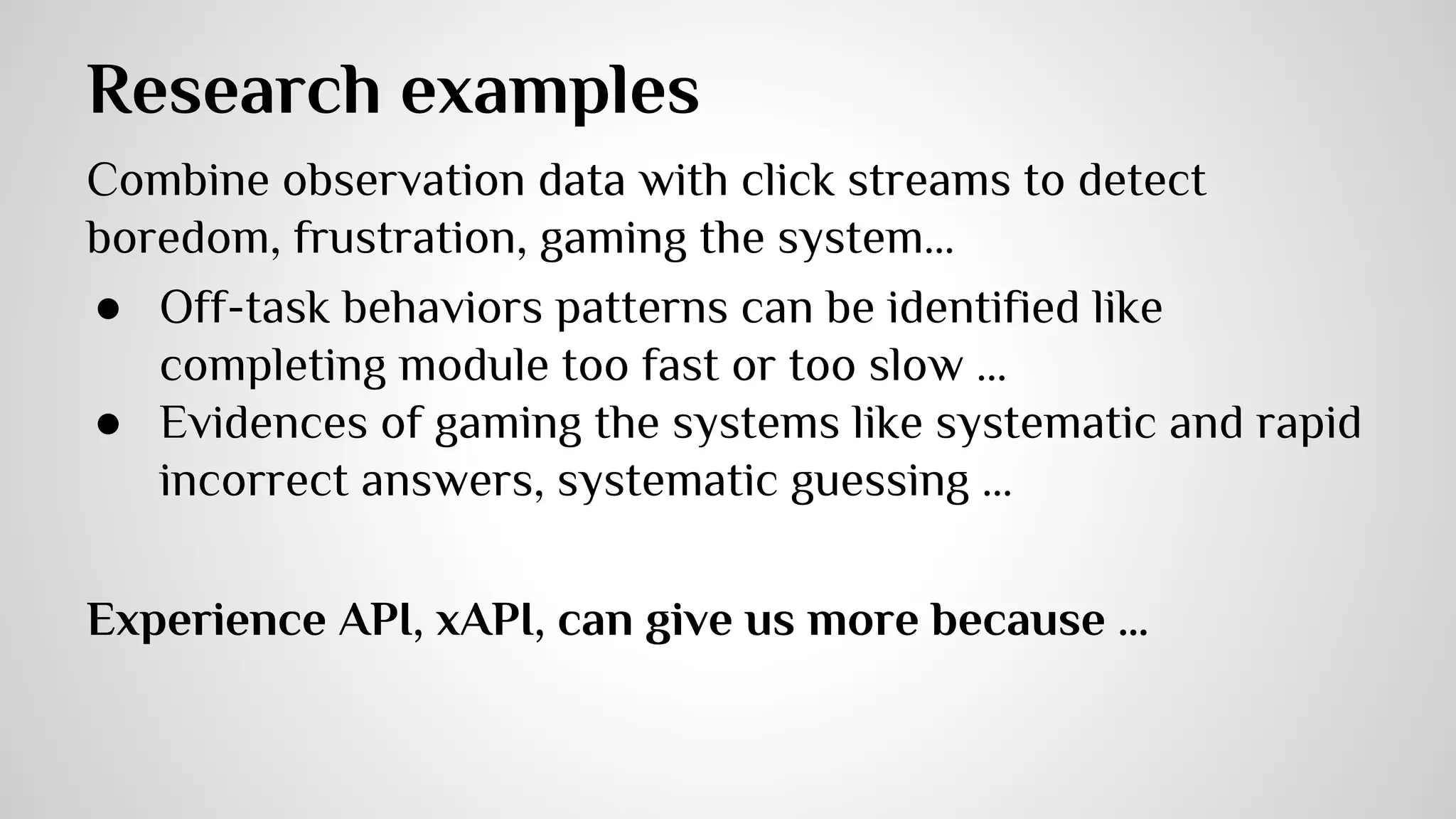
Research examples 
Combine observation data with click streams to detect 
boredom, frustration, gaming the system… 
● Off-task behaviors patterns can be identified like 
completing module too fast or too slow … 
● Evidences of gaming the systems like systematic and rapid 
incorrect answers, systematic guessing … 
Experience API, xAPI, can give us more because …
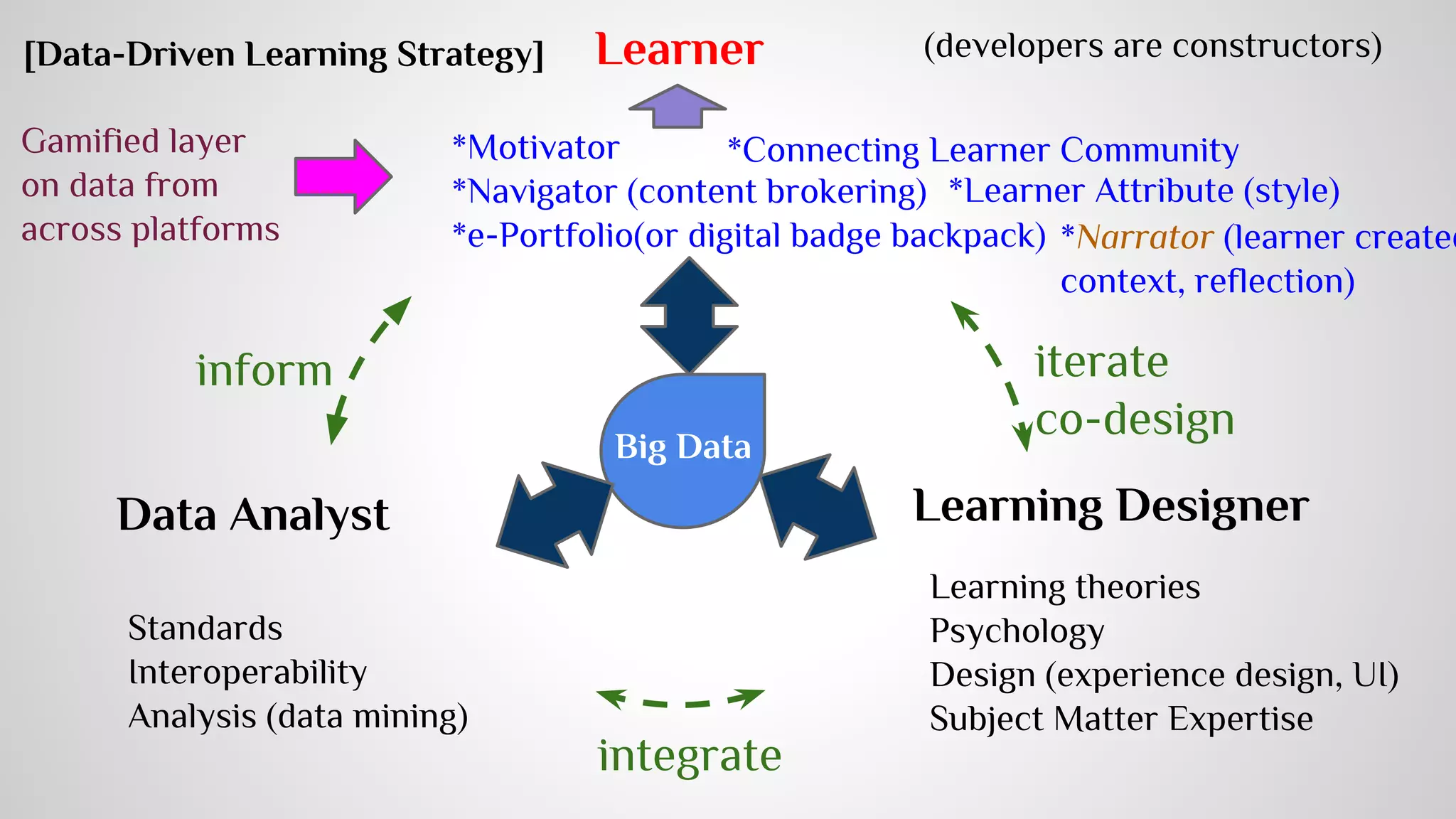
Learner 
*Motivator 
*Navigator (content brokering) 
*e-Portfolio(or digital badge backpack) 
inform iterate 
co-design 
Data Analyst Learning Designer 
Standards 
Interoperability 
Analysis (data mining) 
Learning theories 
Psychology 
Design (experience design, UI) 
Subject Matter Expertise 
integrate 
(developers are constructors) 
*Connecting Learner Community 
*Learner Attribute (style) 
*Narrator (learner created 
context, reflection) 
Gamified layer 
on data from 
across platforms 
Big Data 
[Data-Driven Learning Strategy]
Intelligent learning environment is to match a 
learner with the right content at the right time.
About Learner Profiling 
Image credit: DARPA
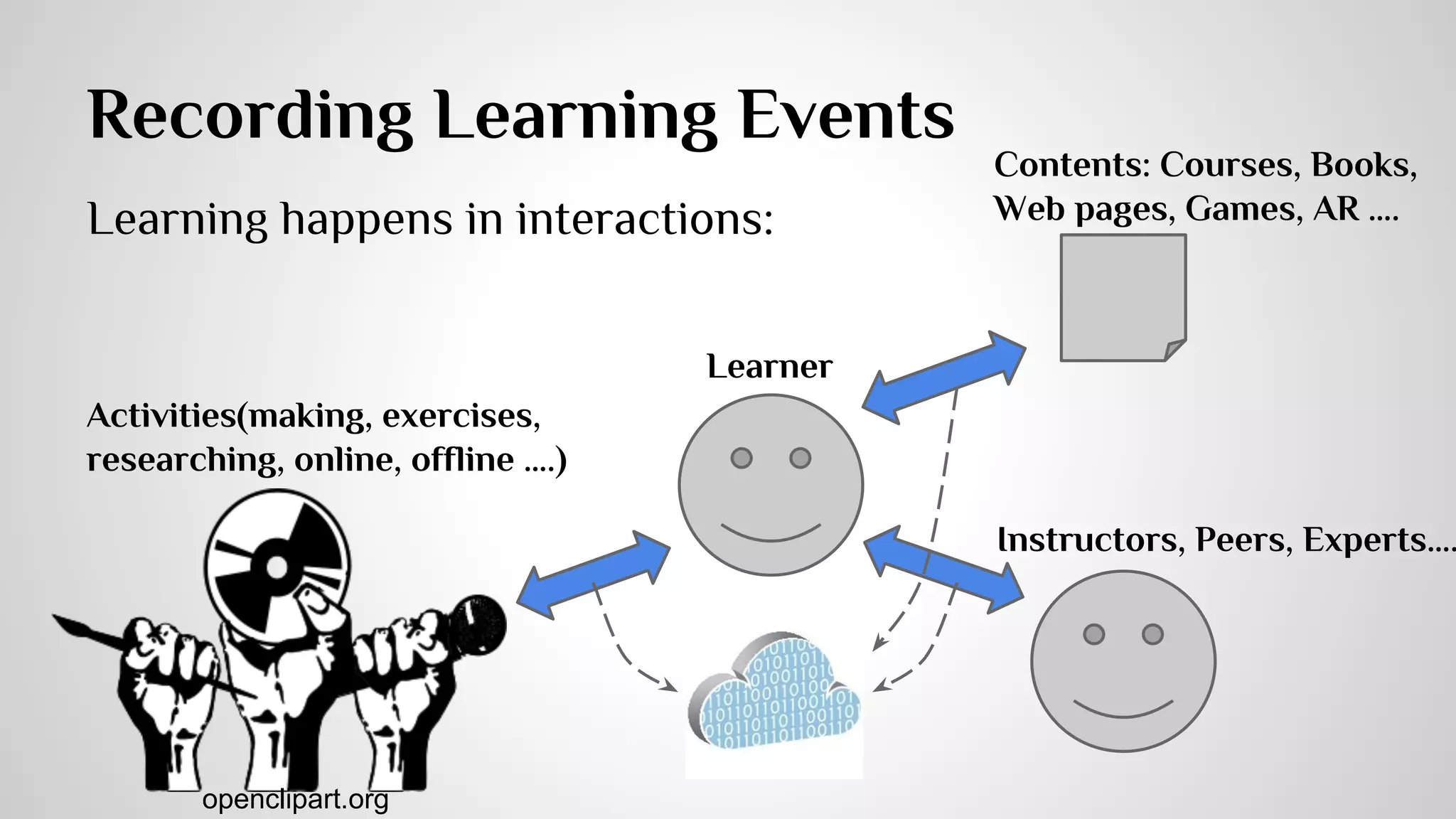
Recording Learning Events 
Learning happens in interactions: 
openclipart.org 
Contents: Courses, Books, 
Web pages, Games, AR …. 
Instructors, Peers, Experts…. 
Activities(making, exercises, 
researching, online, offline ….) 
Learner
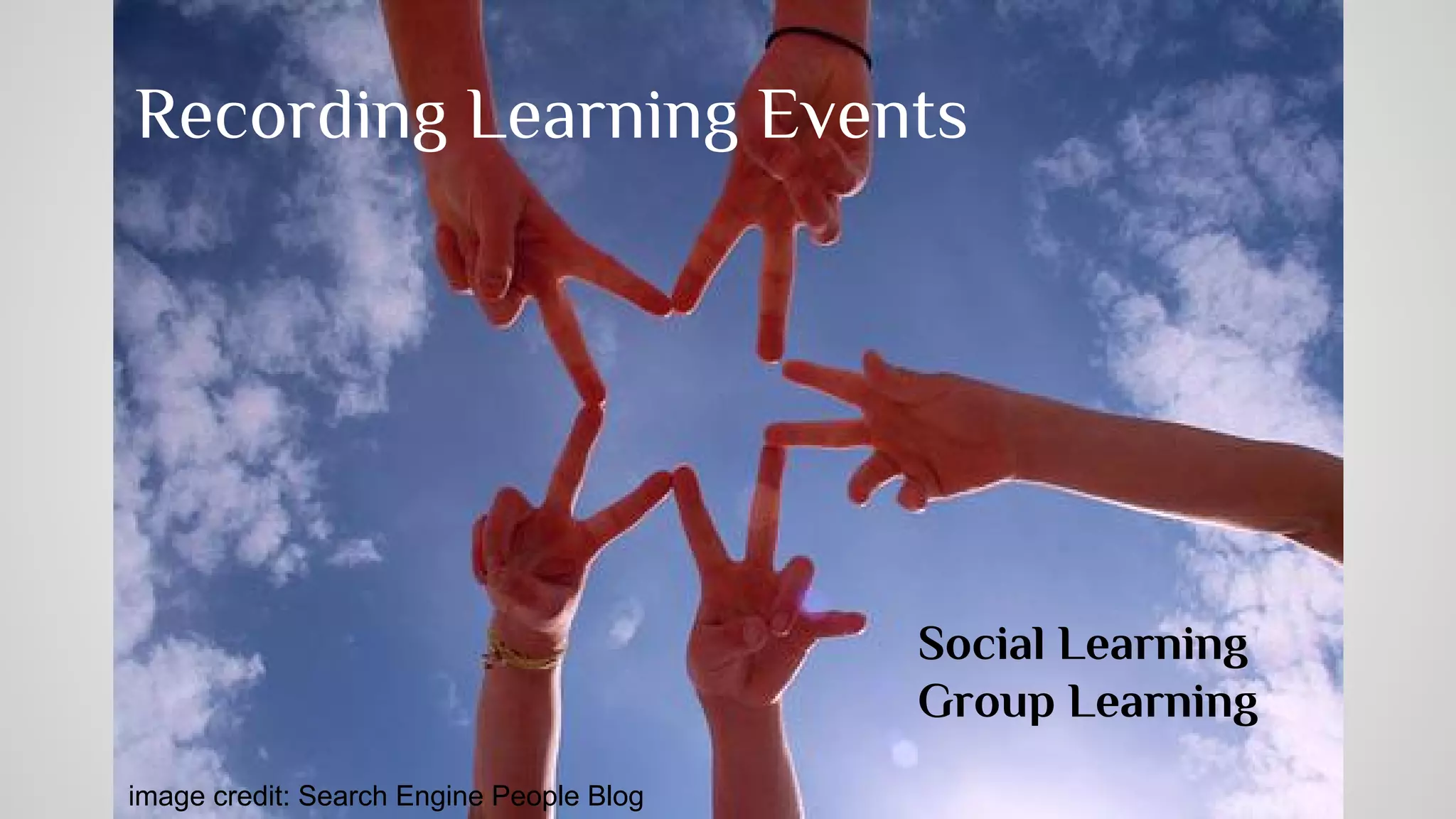
Recording Learning Events 
Social Learning 
Group Learning 
image credit: Search Engine People Blog
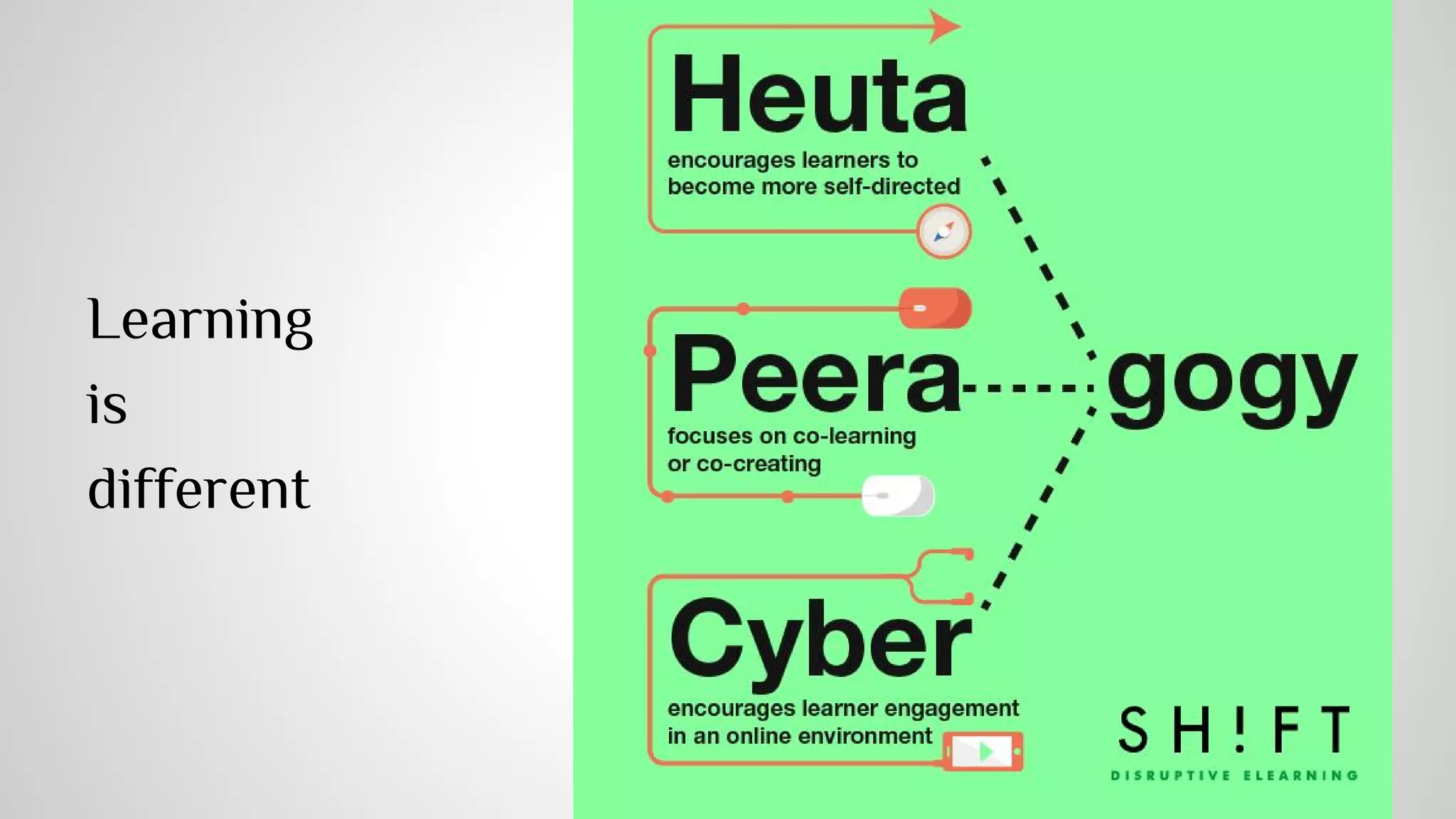
Learning 
is 
different
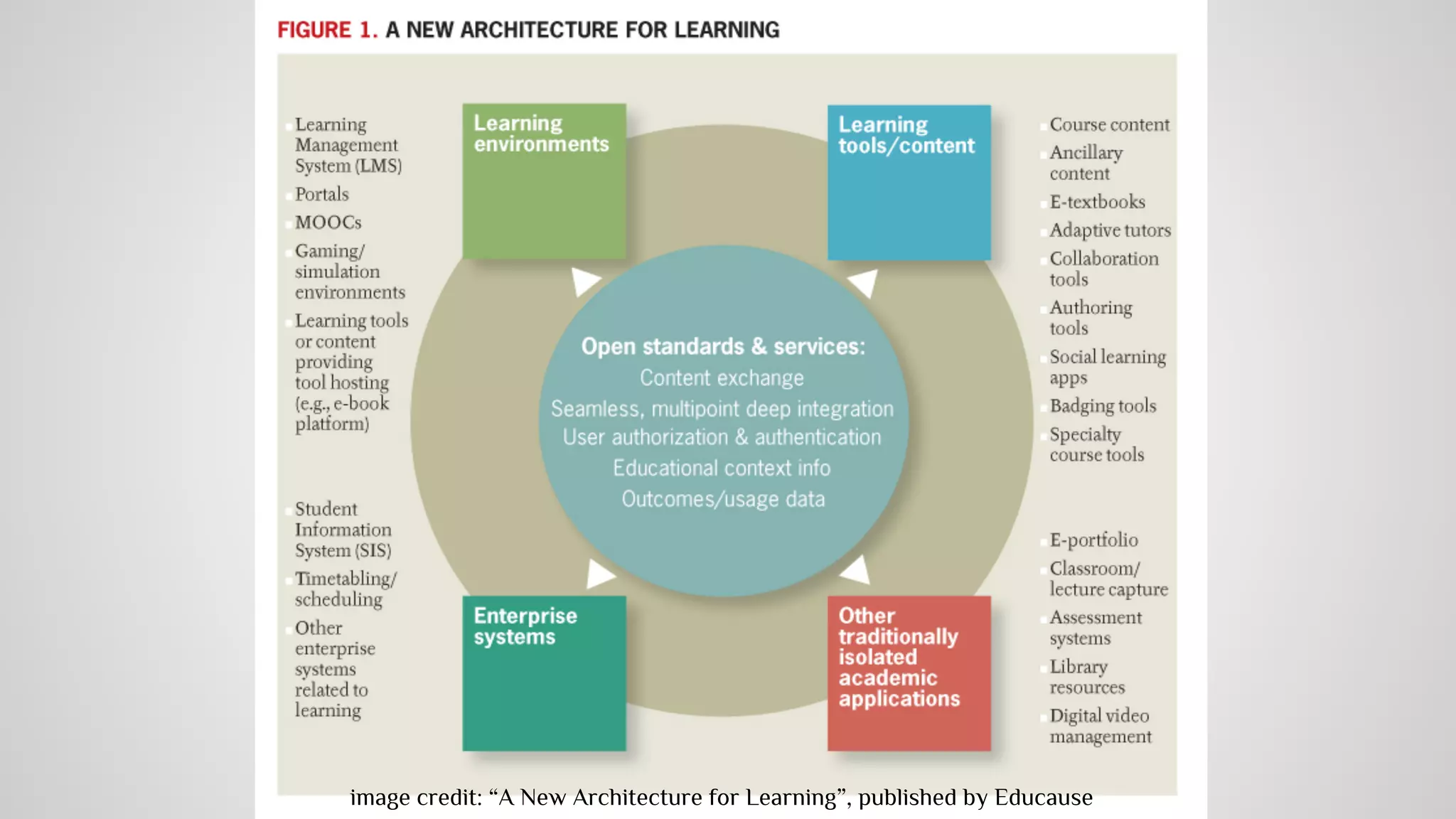
image credit: “A New Architecture for Learning”, published by Educause
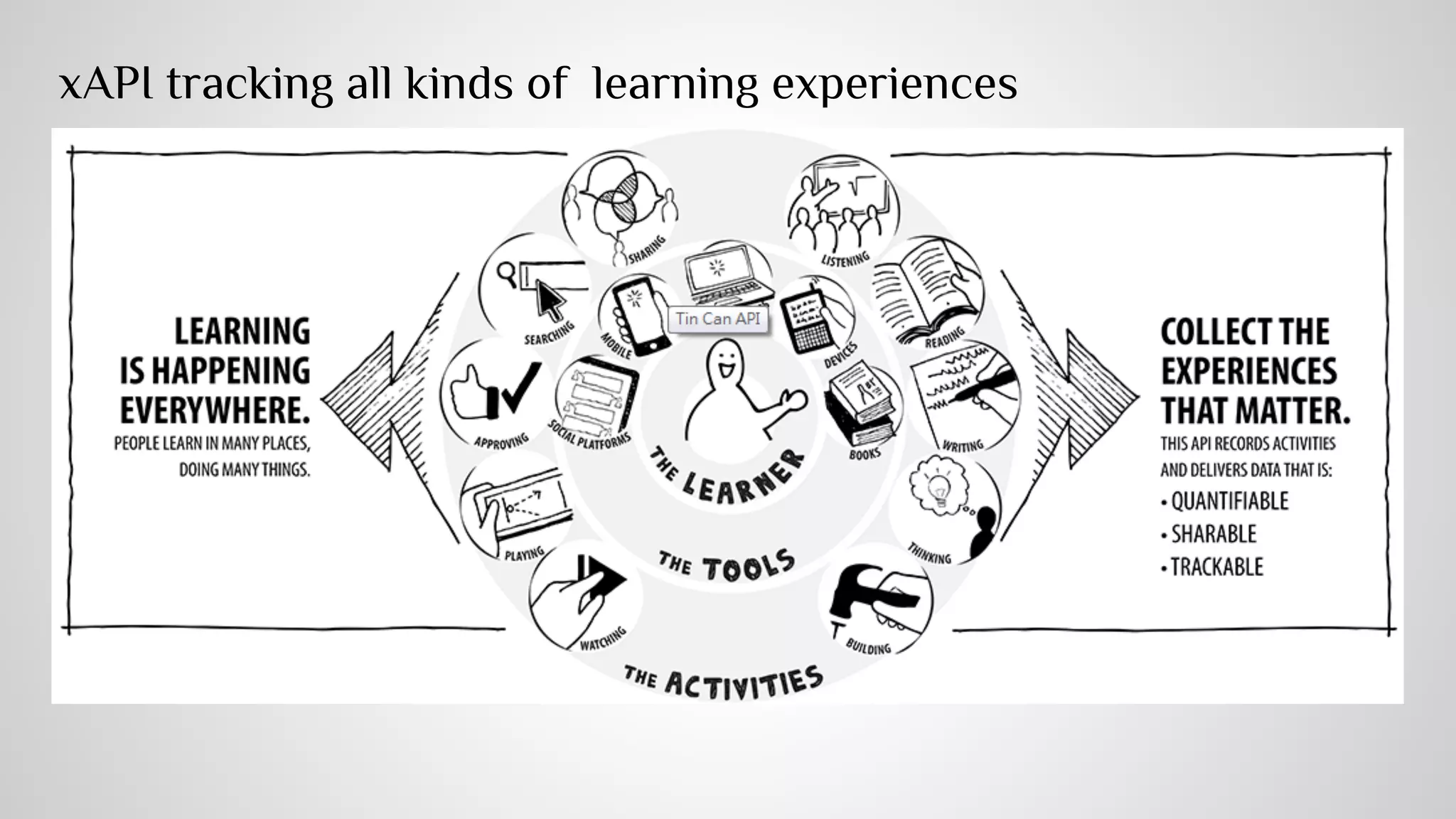
xAPI tracking all kinds of learning experiences
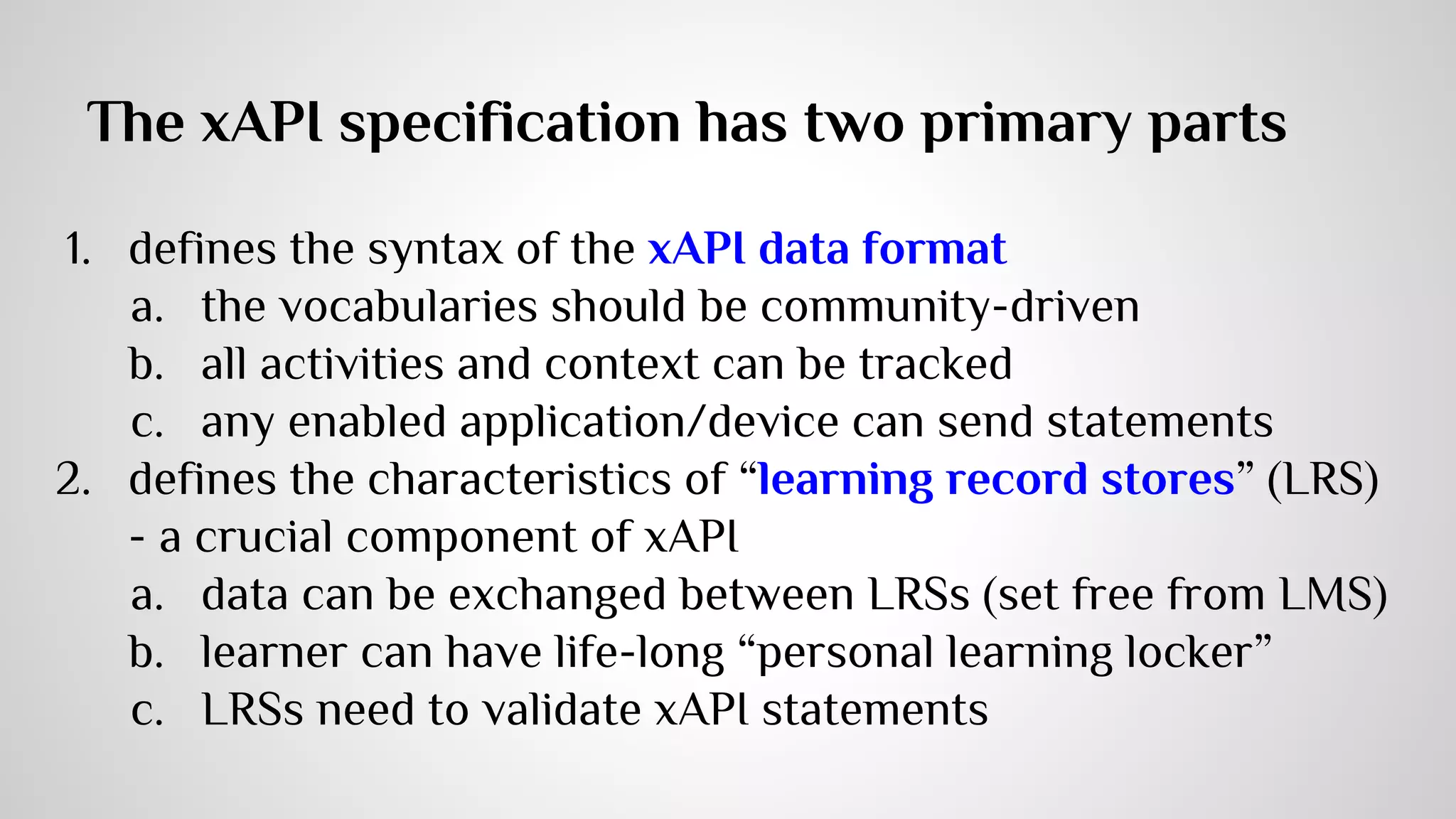
The xAPI specification has two primary parts 
1. defines the syntax of the xAPI data format 
a. the vocabularies should be community-driven 
b. all activities and context can be tracked 
c. any enabled application/device can send statements 
2. defines the characteristics of “learning record stores” (LRS) 
- a crucial component of xAPI 
a. data can be exchanged between LRSs (set free from LMS) 
b. learner can have life-long “personal learning locker” 
c. LRSs need to validate xAPI statements
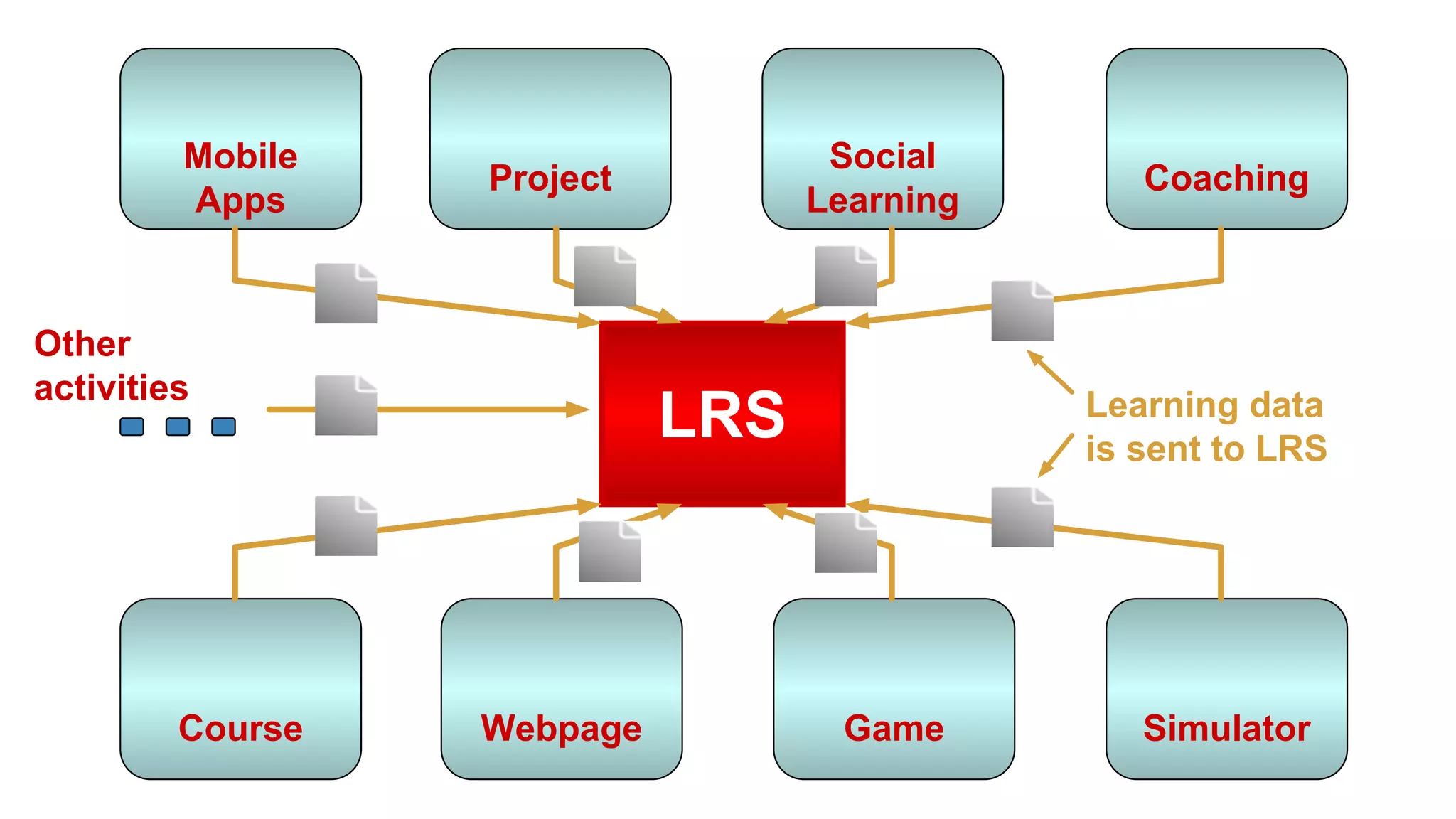
Social Coaching 
Project Learning Mobile 
Apps 
LRS Learning data 
is sent to LRS 
Other 
activities 
Course Webpage Game Simulator
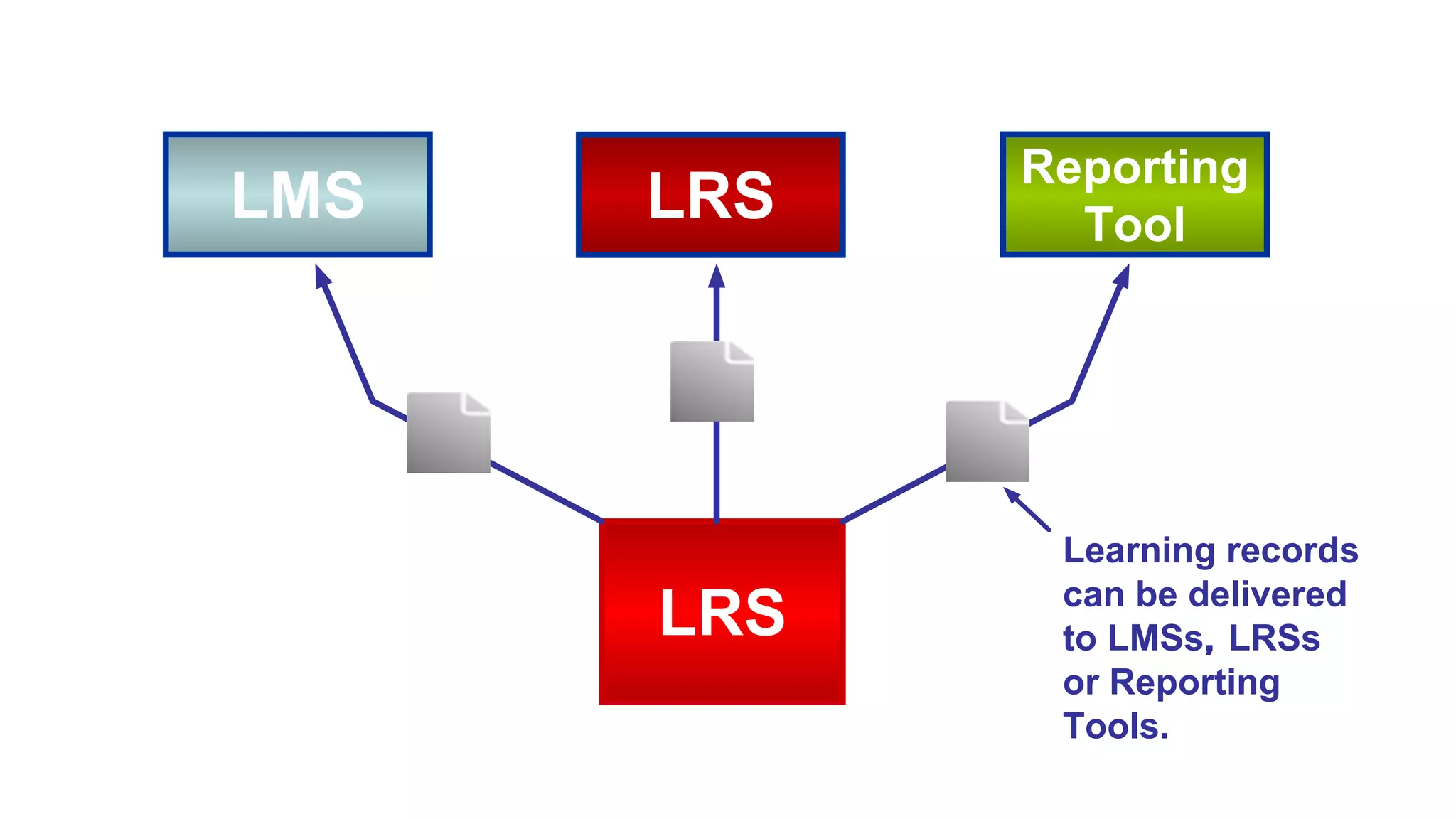
LMS LRS 
LRS 
Reporting 
Tool 
Learning records 
can be delivered 
to LMSs,LRSs 
or Reporting 
Tools.
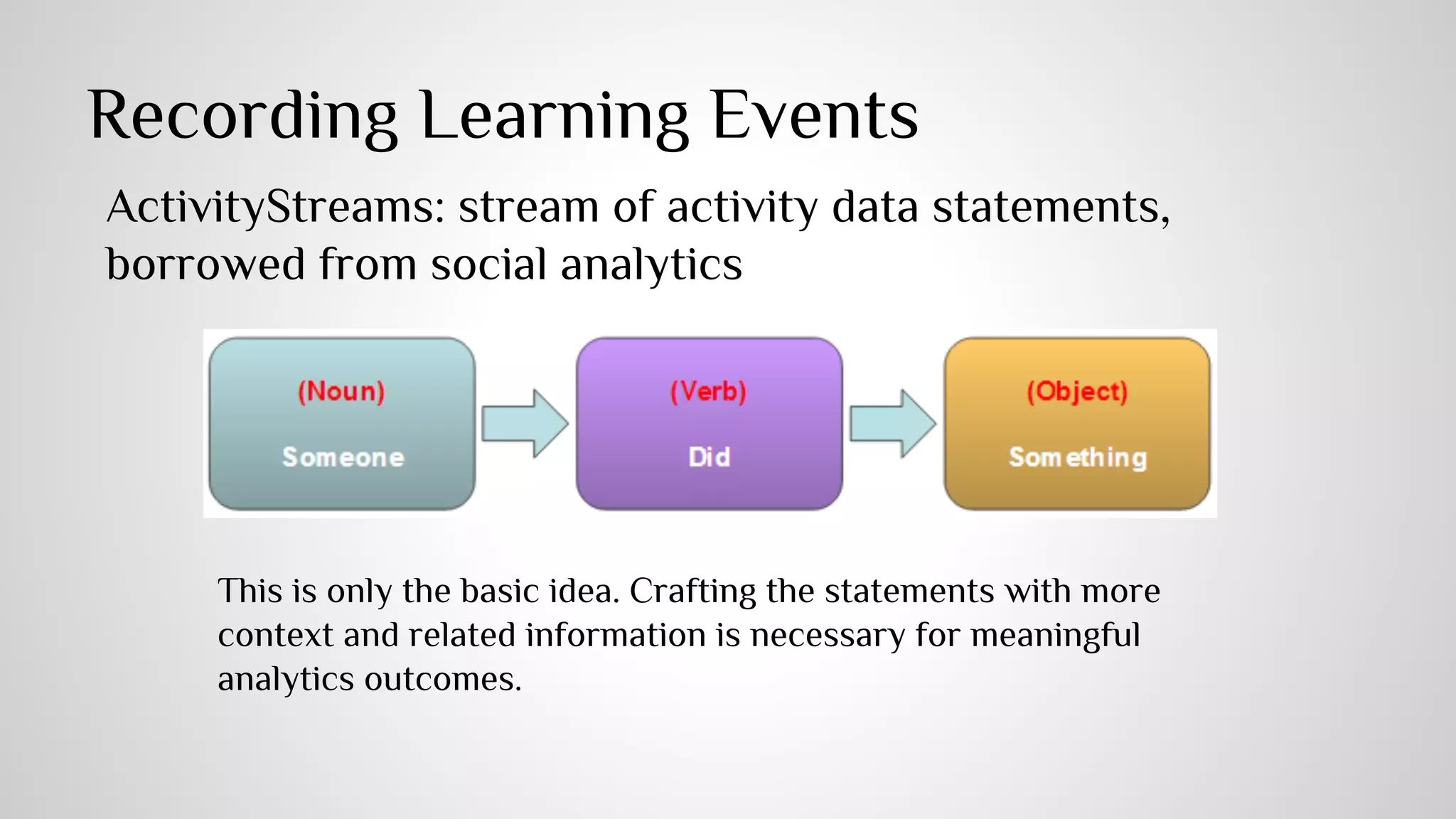
Recording Learning Events 
ActivityStreams: stream of activity data statements, 
borrowed from social analytics 
This is only the basic idea. Crafting the statements with more 
context and related information is necessary to support 
analytics and reporting.
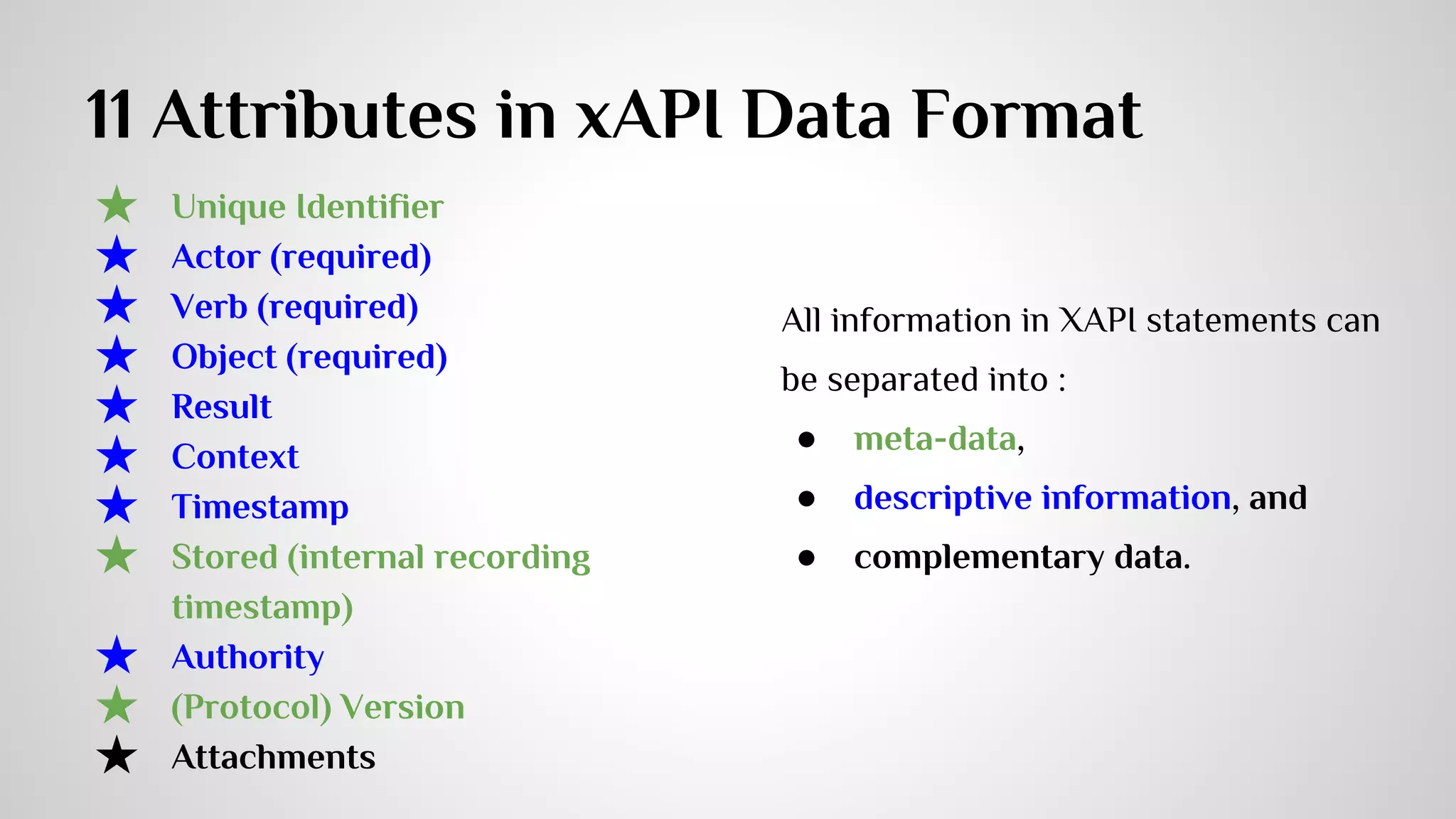
11 Attributes in xAPI Data Format 
★ Unique Identifier 
★ Actor (required) 
★ Verb (required) 
★ Object (required) 
★ Result 
★ Context 
★ Timestamp 
★ Stored (internal recording 
timestamp) 
★ Authority 
★ (Protocol) Version 
★ Attachments 
All information in XAPI statements can 
be separated into : 
● meta-data, 
● descriptive information, and 
● complementary data.
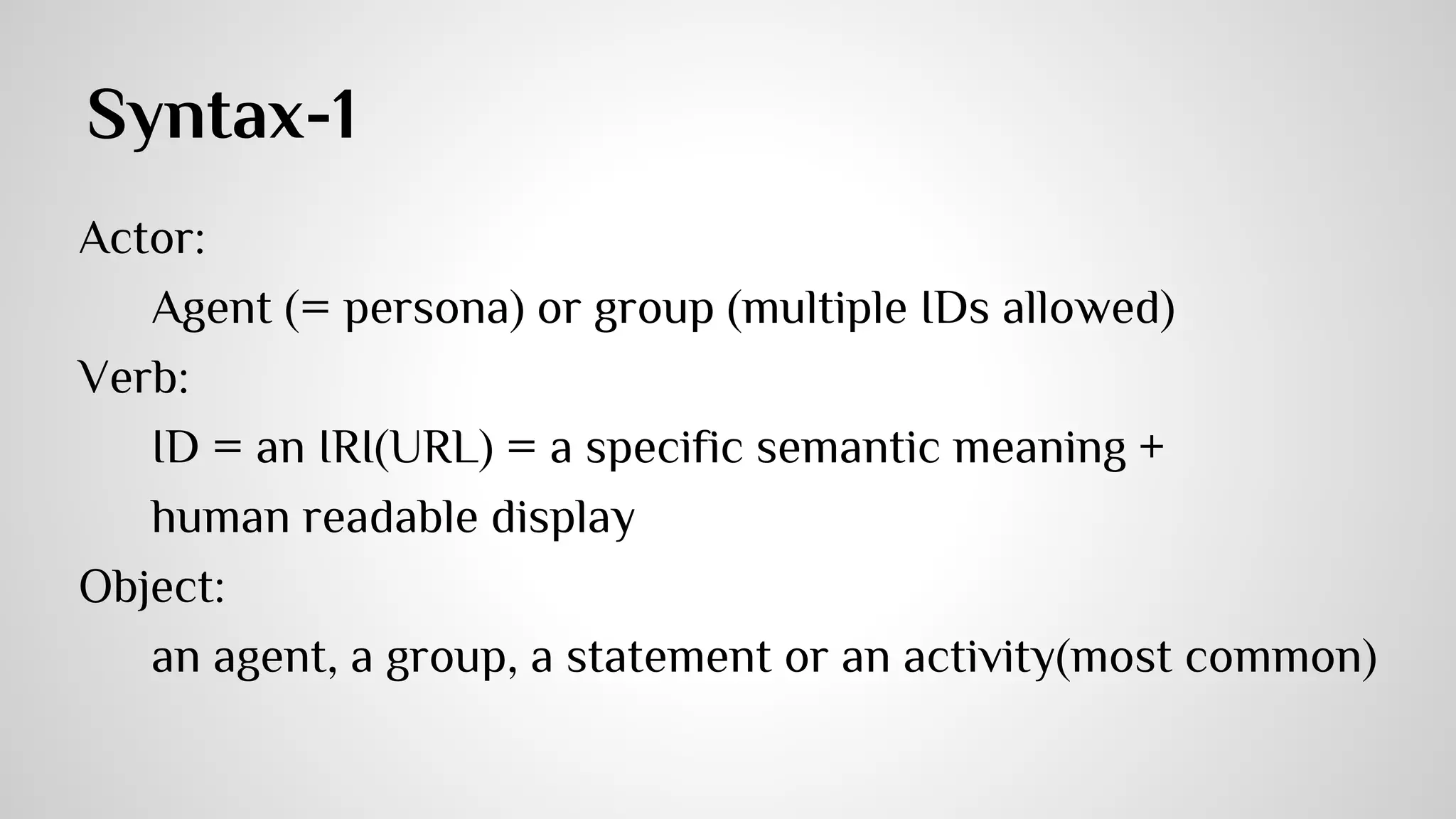
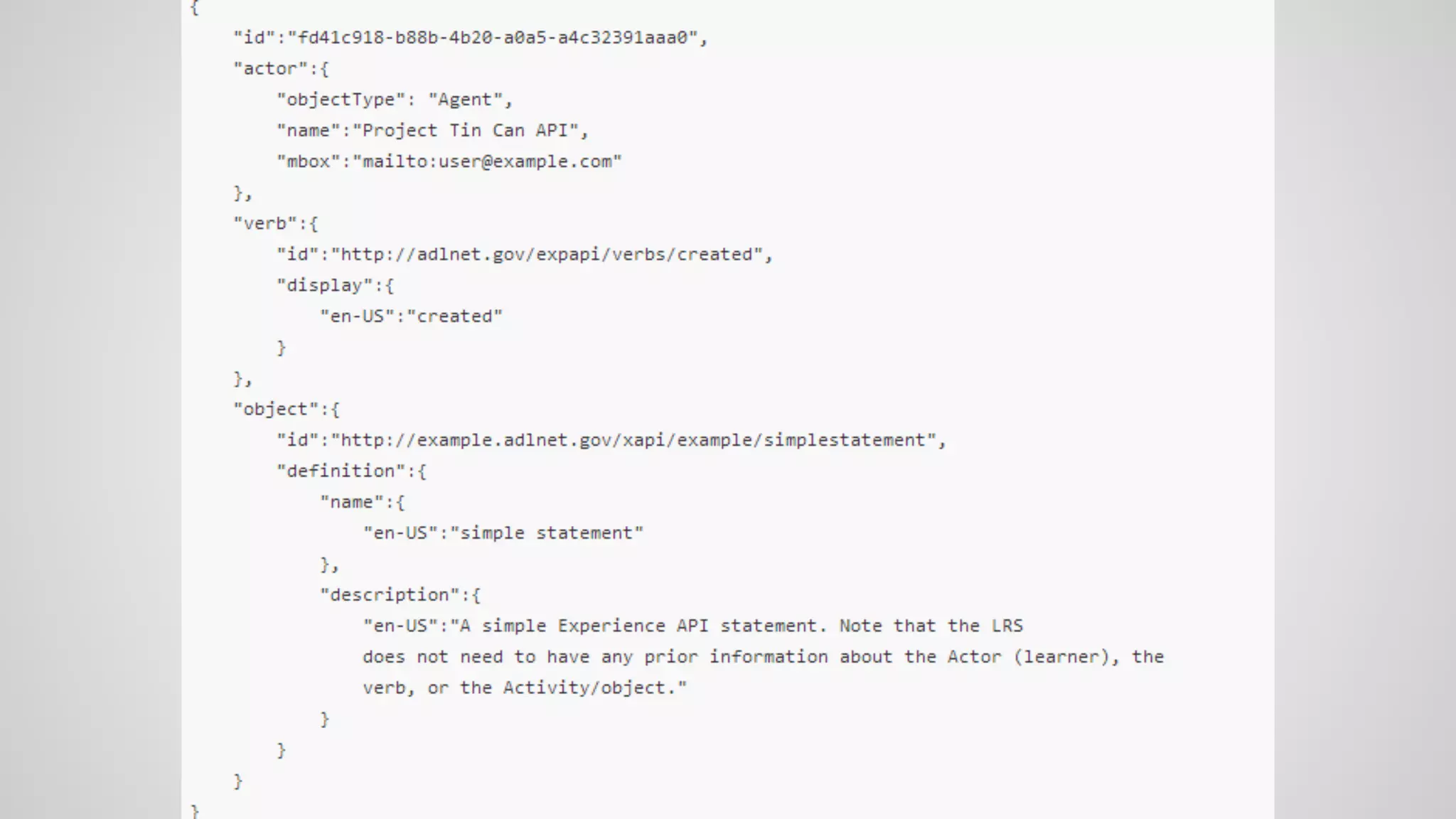
Syntax-1 
Actor: 
Agent (= persona) or group (multiple IDs allowed) 
Verb: 
ID = an IRI(URL) = a specific semantic meaning + 
human readable display 
Object: 
an agent, a group, a statement or an activity(most common)
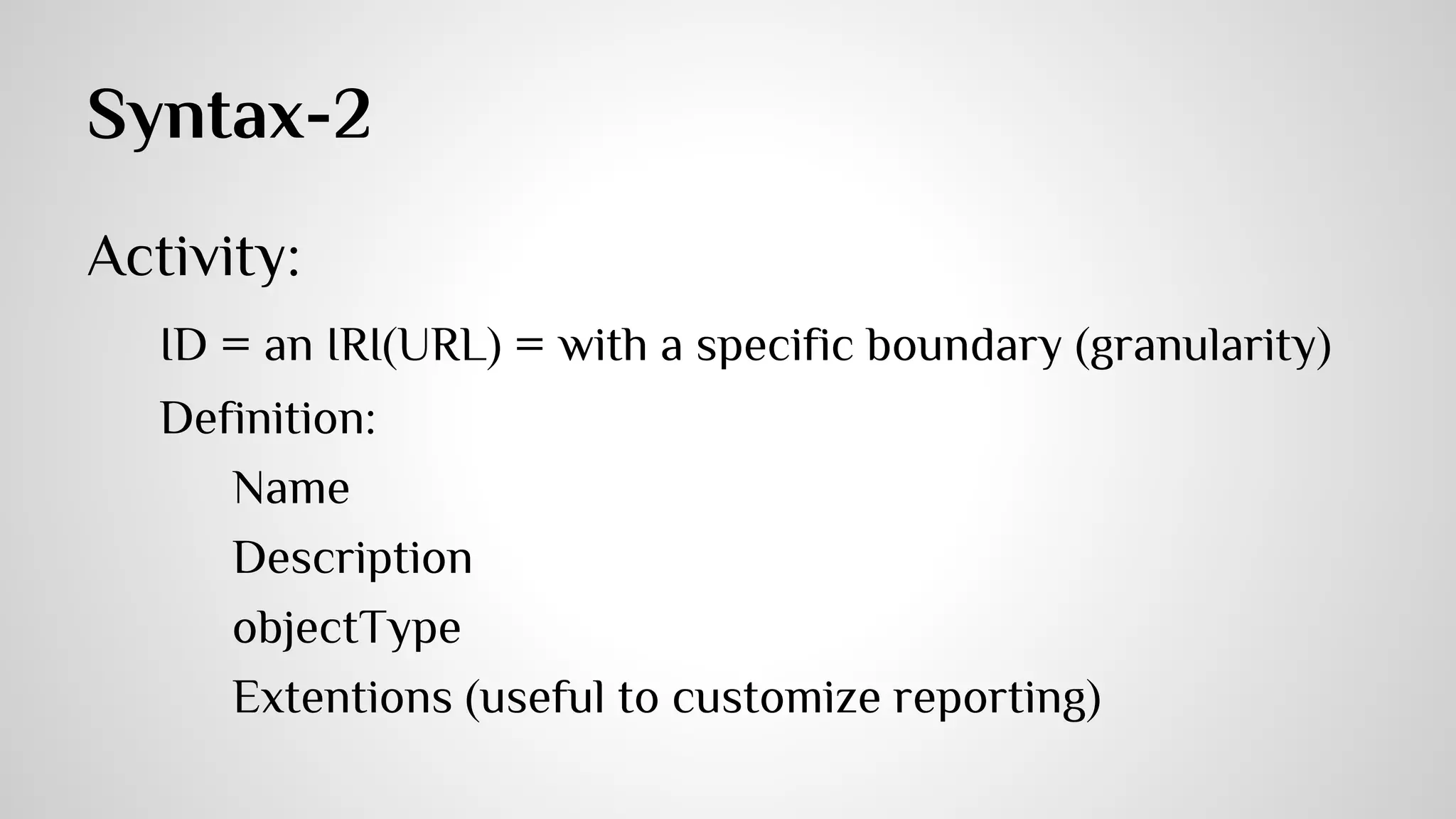
Syntax-2 
Activity: 
ID = an IRI(URL) = with a specific boundary (granularity) 
Definition: 
Name 
Description 
objectType 
Extentions (useful to customize reporting)
Syntax-3 
Result: 
Score 
Success 
Duration 
Completion 
Response (learner’s response to the experience) 
Extentions
Syntax-4 
Context: 
Registration (differentiate multiple attempts) 
Instructor 
Team 
ContextActivities (parent, grouping, category, other - like related lesson) 
Revision 
Platform 
Language 
Statement (refer to one other statement for a whole experience) 
Extentions
Context, Context, Context 
The XAPI differentiates between the core context and the wider context. 
The core context includes the instructor(s), the direct peers involved in an activity 
(team), the learning environment (platform), the language that was used in the 
performance, and a framing statement for an activity (e.g., the course that relates 
to the activity). 
The extended context includes a set of data-records about the wider context of a 
learning activity. This wider context is not explicitly specified and can include the 
location of the learner, the wider (social) relations, the duration of an activity, 
environmental factors (e.g., temperature or noise level) etc. The format and the 
content of the wider context is specific to the AP and is not subject to the 
interoperability of the data format.
Ask the right questions!
LRS 
An LRS is defined by two interfaces: 
● Statement interface (statement API) 
● Document interface - this interface handles three types of documents 
● State interface (state API) 
● Activity profile interface (activity API) 
● Agent profile interface (agent API) 
The LRS is responsible for 
1. validating that the system sending data is authorized, 
2. checking that the data being sent is xAPI-compliant, 
3. storing the data properly, 
4. making that data available to any other authorized system or activity provider 
when asked.
Advanced Applications of xAPI 
- Data Transfer based on RESTful HTTP w/i LRS 
● Agent Profile API 
○ personal info., learner profile and modeling, user settings, learning 
journal, career plan & goal 
○ an integrated picture of a learner activities across systems and devices 
with multiple identities 
● Activity Profile API (for activity provider) 
○ interactions between learners (collaboration, social or competition) 
○ learning planning tool (access to or update the LRS internal definition of 
a given activity id, even before the activity sends any statement) 
● State API 
○ persist state across devices 
● Authentication services, querying services, visualization services, and 
personal data services are some examples.
xAPI tracking is... 
Semantic 
Contextualized 
From any device and sensor 
LRS frees the learning data so they can be put together, analyzed, modeled, 
reused, carried with learners and accumulated life-long
xAPI + Open Badges => Learner ePortfolio 
Both are representing learner data by exploiting HTTP, JSON, 
and REST - simple, lightweight method that lowers entry 
barrier for developers. 
Together, they offer a new way to think about constructing 
interoperable learner model data!
JSON vs XML 
● JSON is bandwidth-non-intensive 
● JSON is better adapted (than XML) to devices with limited capabilities such as 
smart things 
● JSON possesses a very limited set of data types. Restricting itself to primitive 
data types makes it deeply and immediately interoperable with pretty much 
any programming language that exists out there. 
● JSON is a better data exchange format, XML is a better document exchange 
format 
● JSON is a preferred format in NoSQL database - data not seamlessly conform 
to a columnar/relational model. Since JSON objects may be heterogeneous in 
terms of number and types of fields, this allows for tremendous flexibility in 
storing and retrieving objects as compared to relational databases. 
(Should you like to know more about JSON, here is a very simple interactive tutorial. )
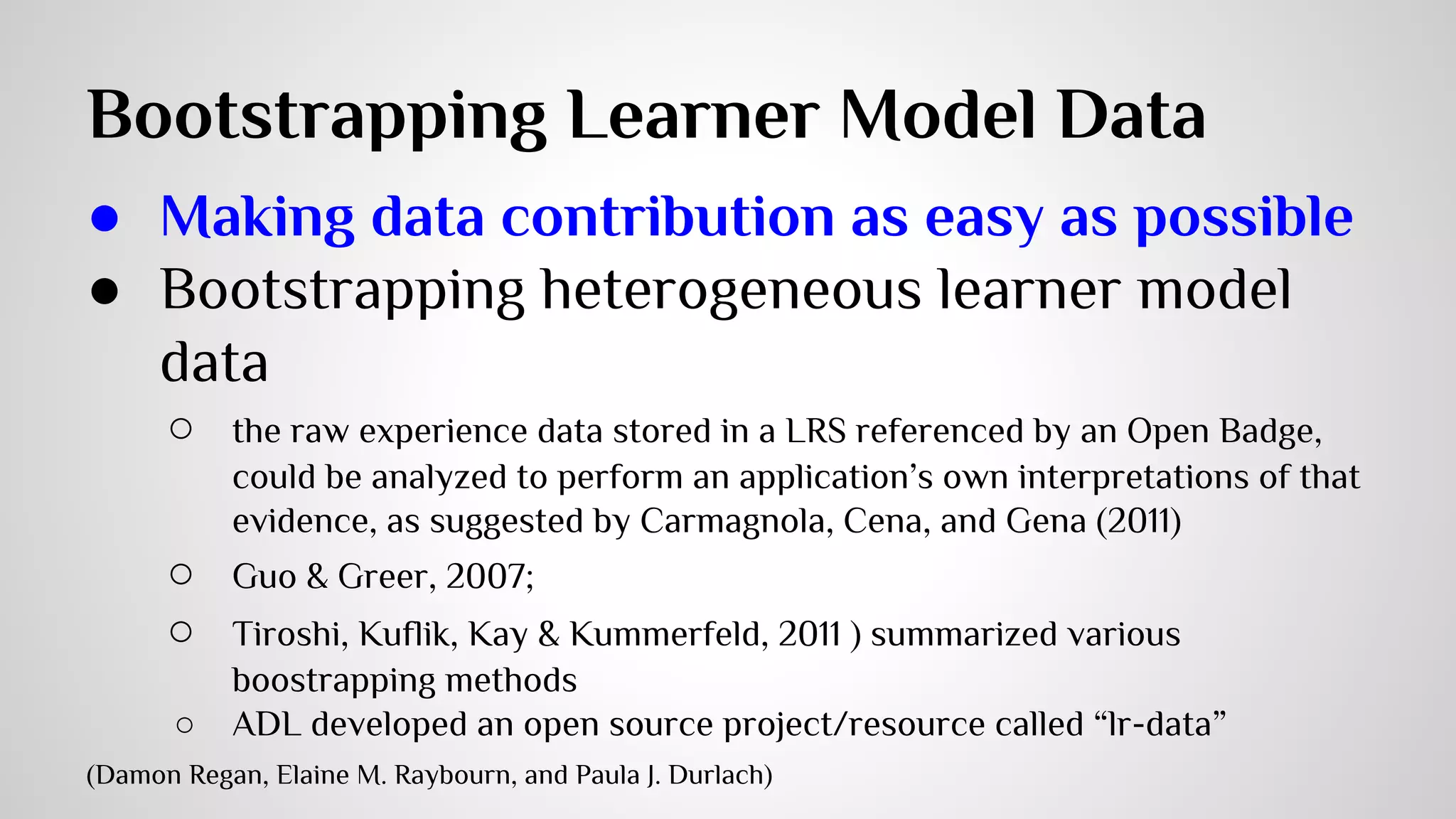
Bootstrapping Learner Model Data 
● Making data contribution as easy as possible 
● Bootstrapping heterogeneous learner model 
data 
○ the raw experience data stored in a LRS referenced by an Open Badge, 
could be analyzed to perform an application’s own interpretations of that 
evidence, as suggested by Carmagnola, Cena, and Gena (2011) 
○ Guo & Greer, 2007; 
○ Tiroshi, Kuflik, Kay & Kummerfeld, 2011 ) summarized various 
boostrapping methods 
○ ADL developed an open source project/resource called “lr-data” 
(Damon Regan, Elaine M. Raybourn, and Paula J. Durlach)
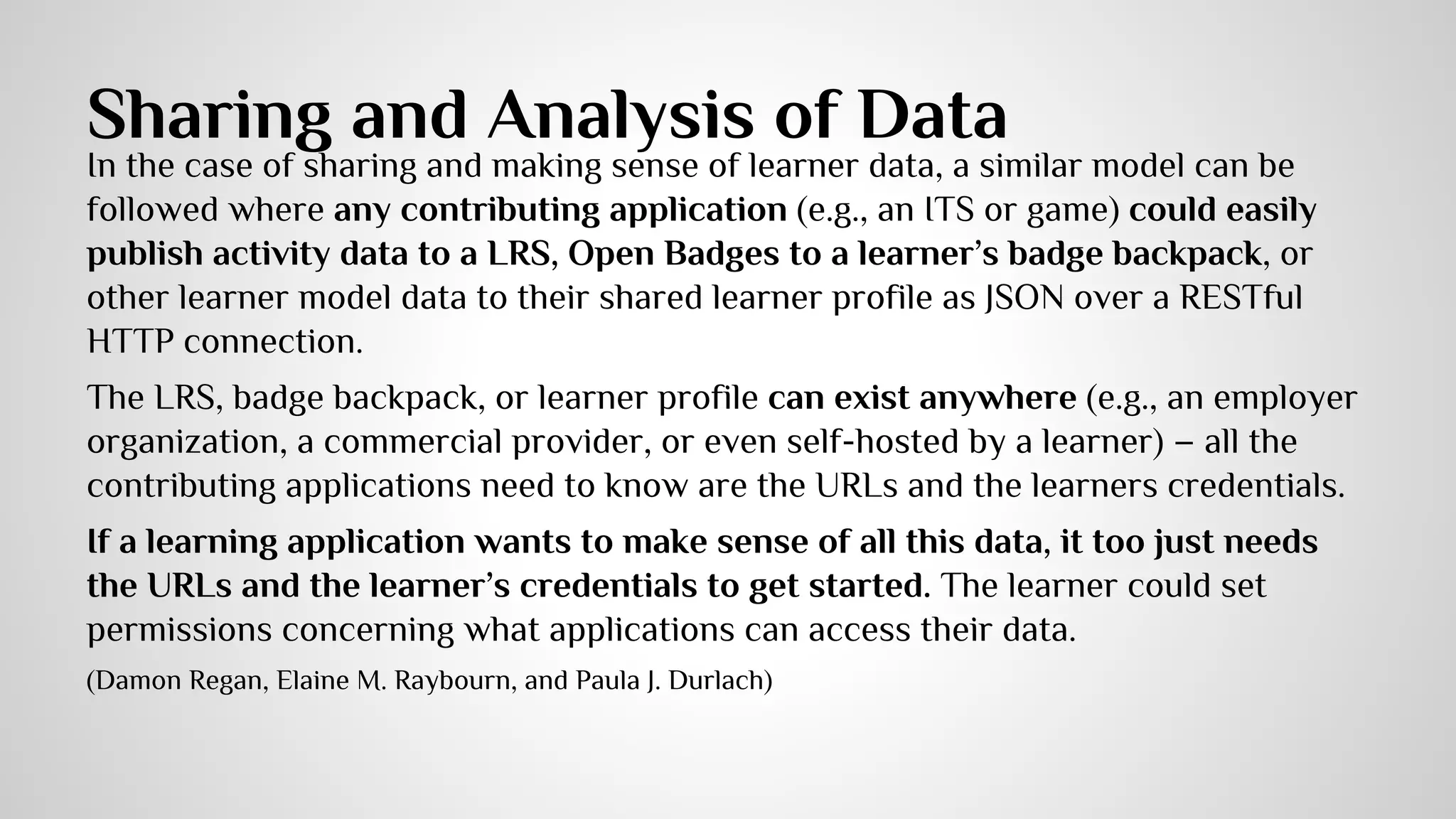
Sharing and Analysis of Data 
In the case of sharing and making sense of learner data, a similar model can be 
followed where any contributing application (e.g., an ITS or game) could easily 
publish activity data to a LRS, Open Badges to a learner’s badge backpack, or 
other learner model data to their shared learner profile as JSON over a RESTful 
HTTP connection. 
The LRS, badge backpack, or learner profile can exist anywhere (e.g., an employer 
organization, a commercial provider, or even self-hosted by a learner) – all the 
contributing applications need to know are the URLs and the learners credentials. 
If a learning application wants to make sense of all this data, it too just needs 
the URLs and the learner’s credentials to get started. The learner could set 
permissions concerning what applications can access their data. 
(Damon Regan, Elaine M. Raybourn, and Paula J. Durlach)
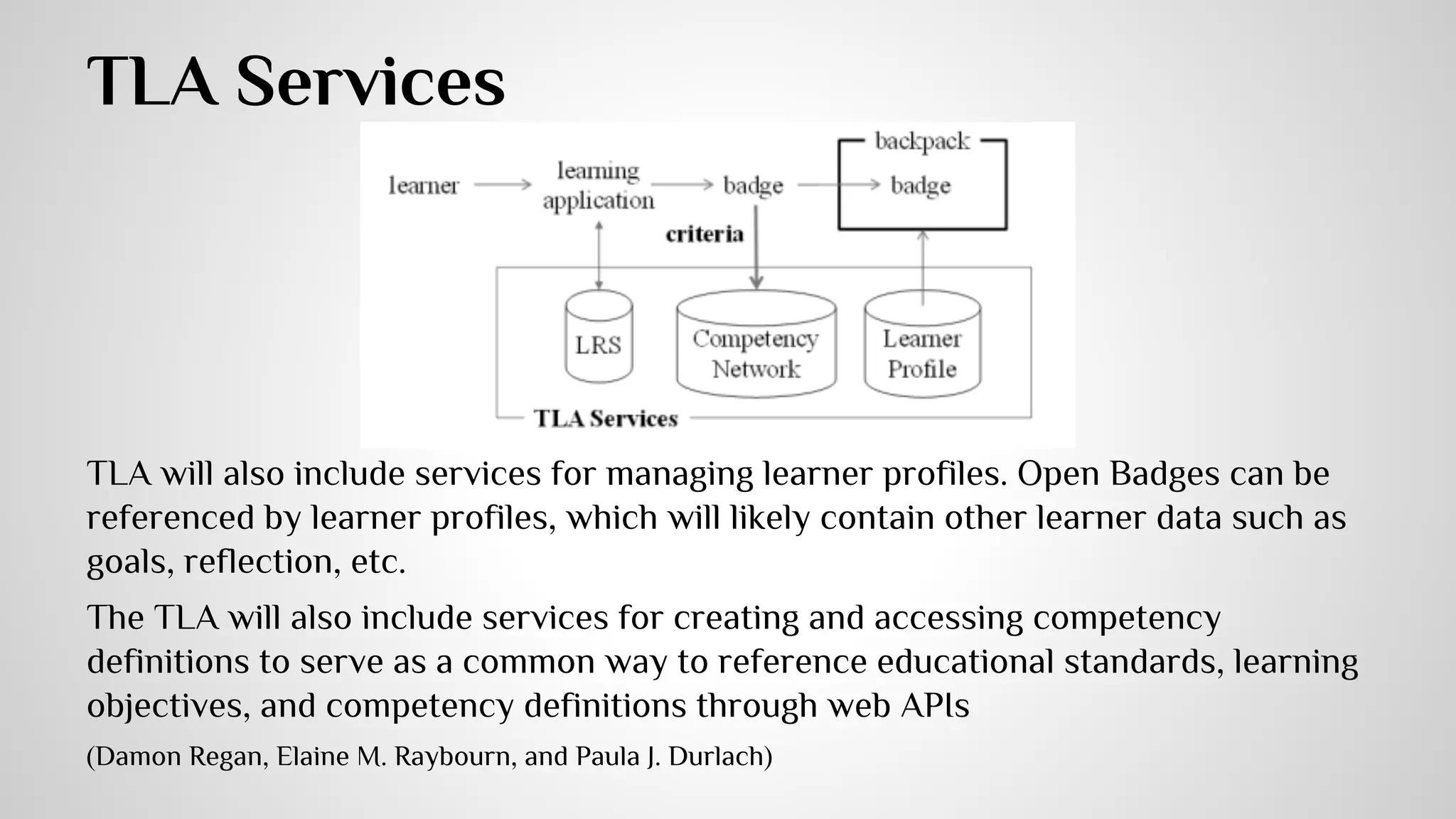
TLA Services 
TLA will also include services for managing learner profiles. Open Badges can be 
referenced by learner profiles, which will likely contain other learner data such as 
goals, reflection, etc. 
The TLA will also include services for creating and accessing competency 
definitions to serve as a common way to reference educational standards, learning 
objectives, and competency definitions through web APIs 
(Damon Regan, Elaine M. Raybourn, and Paula J. Durlach)
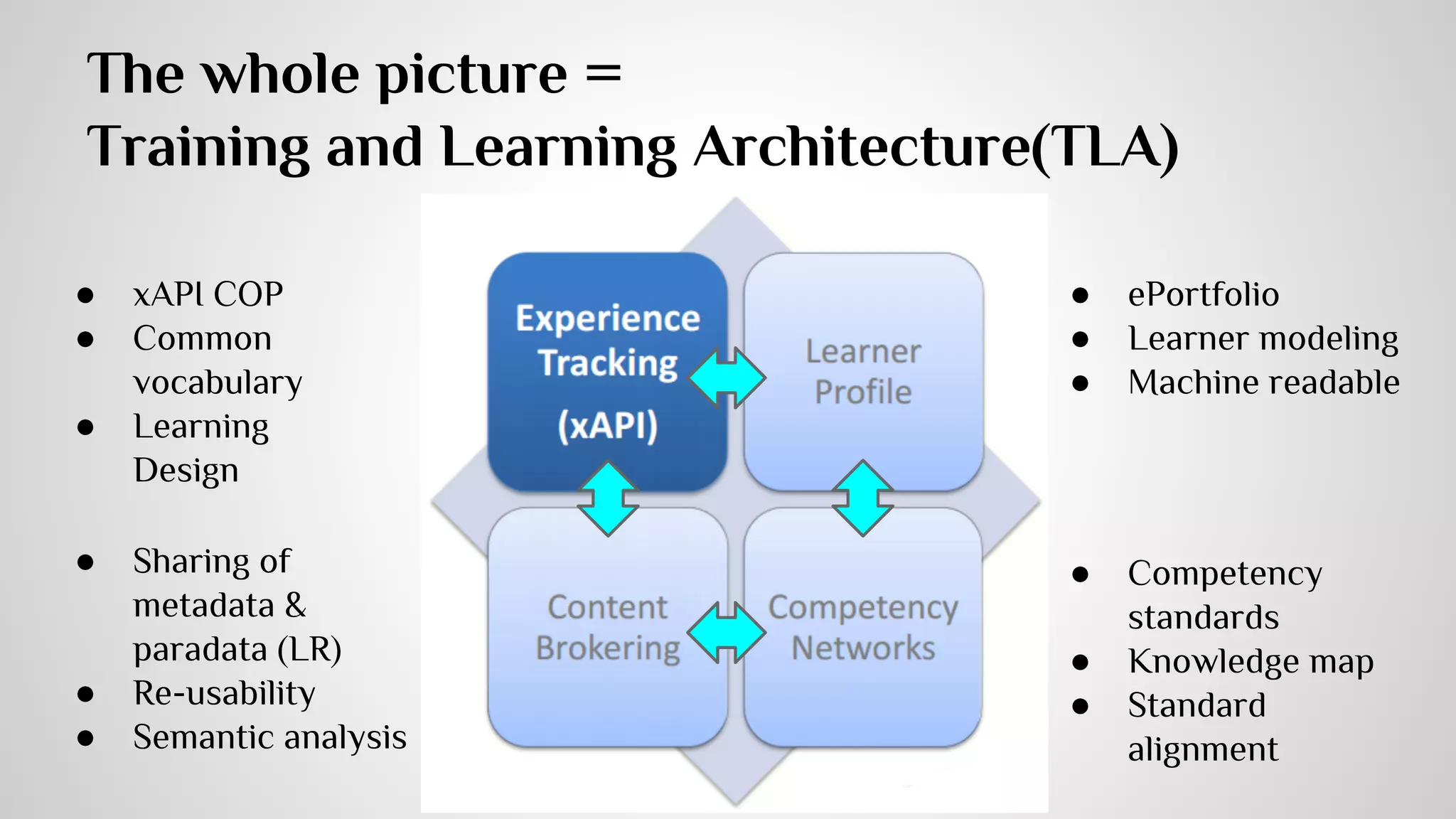
The whole picture = 
Training and Learning Architecture(TLA) 
● ePortfolio 
● Learner modeling 
● Machine readable 
● Competency 
standards 
● Knowledge map 
● Standard 
alignment 
● xAPI COP 
● Common 
vocabulary 
● Learning 
Design 
● Sharing of 
metadata & 
paradata (LR) 
● Re-usability 
● Semantic analysis
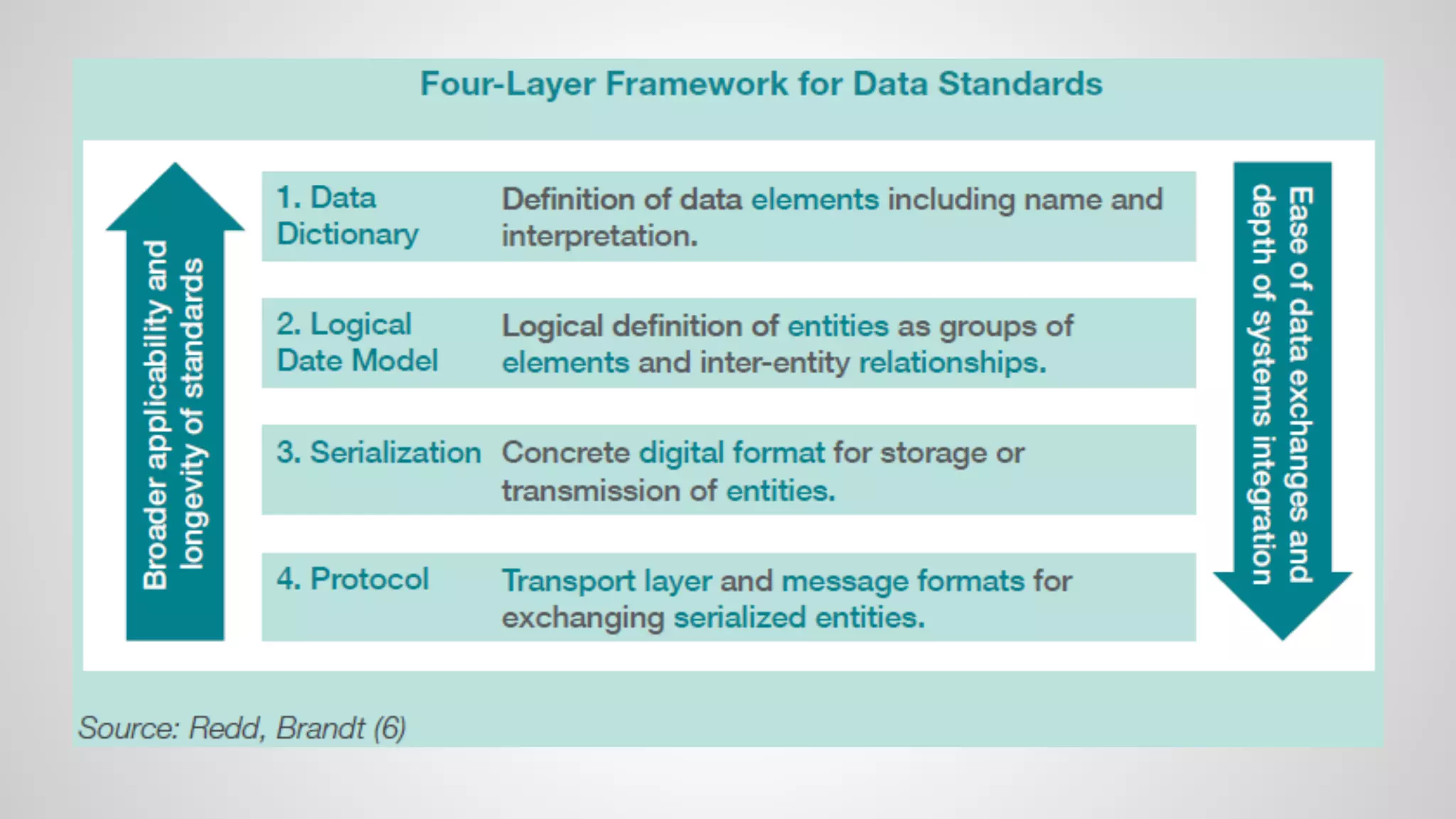
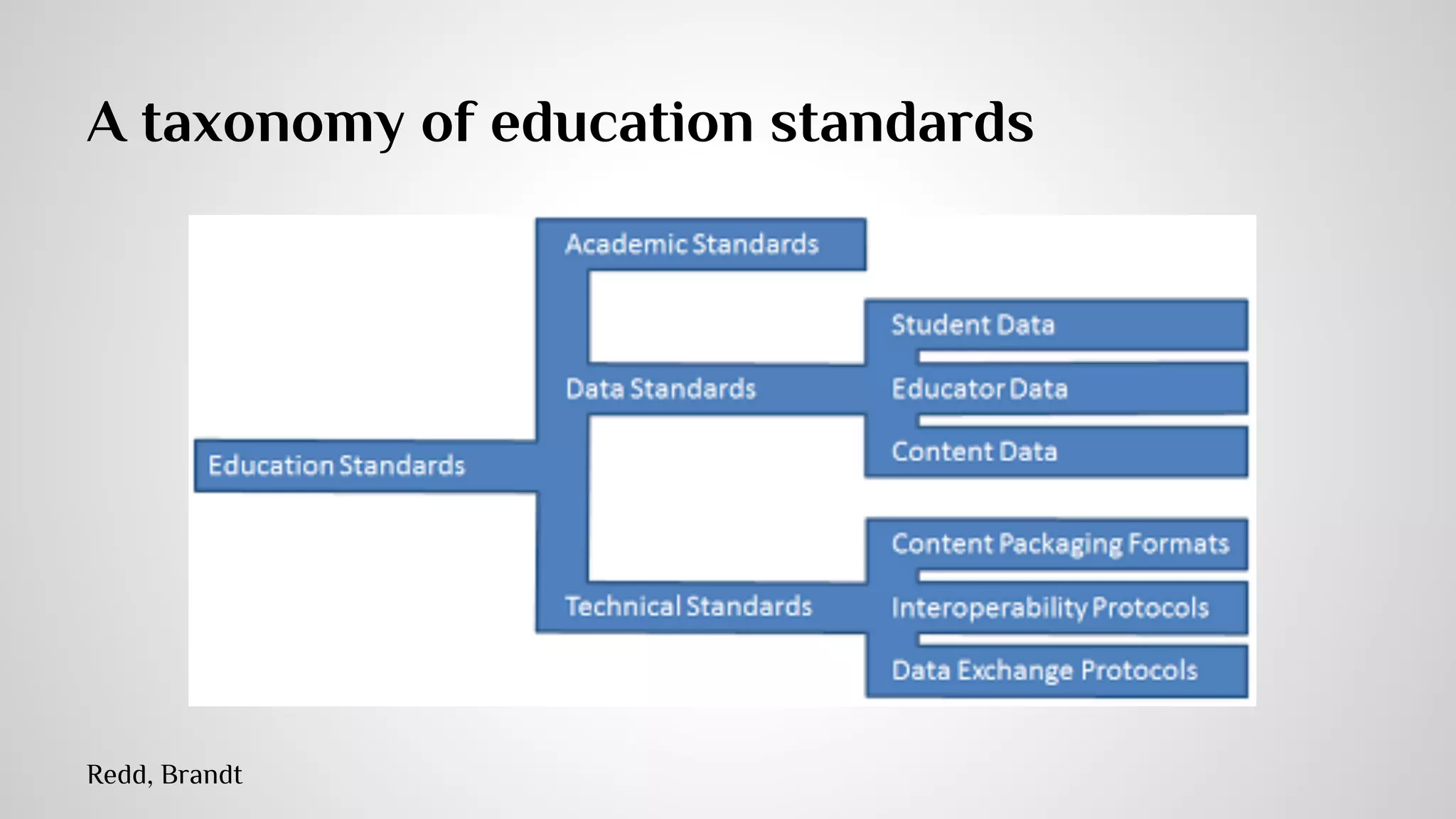
A taxonomy of education standards 
Redd, Brandt
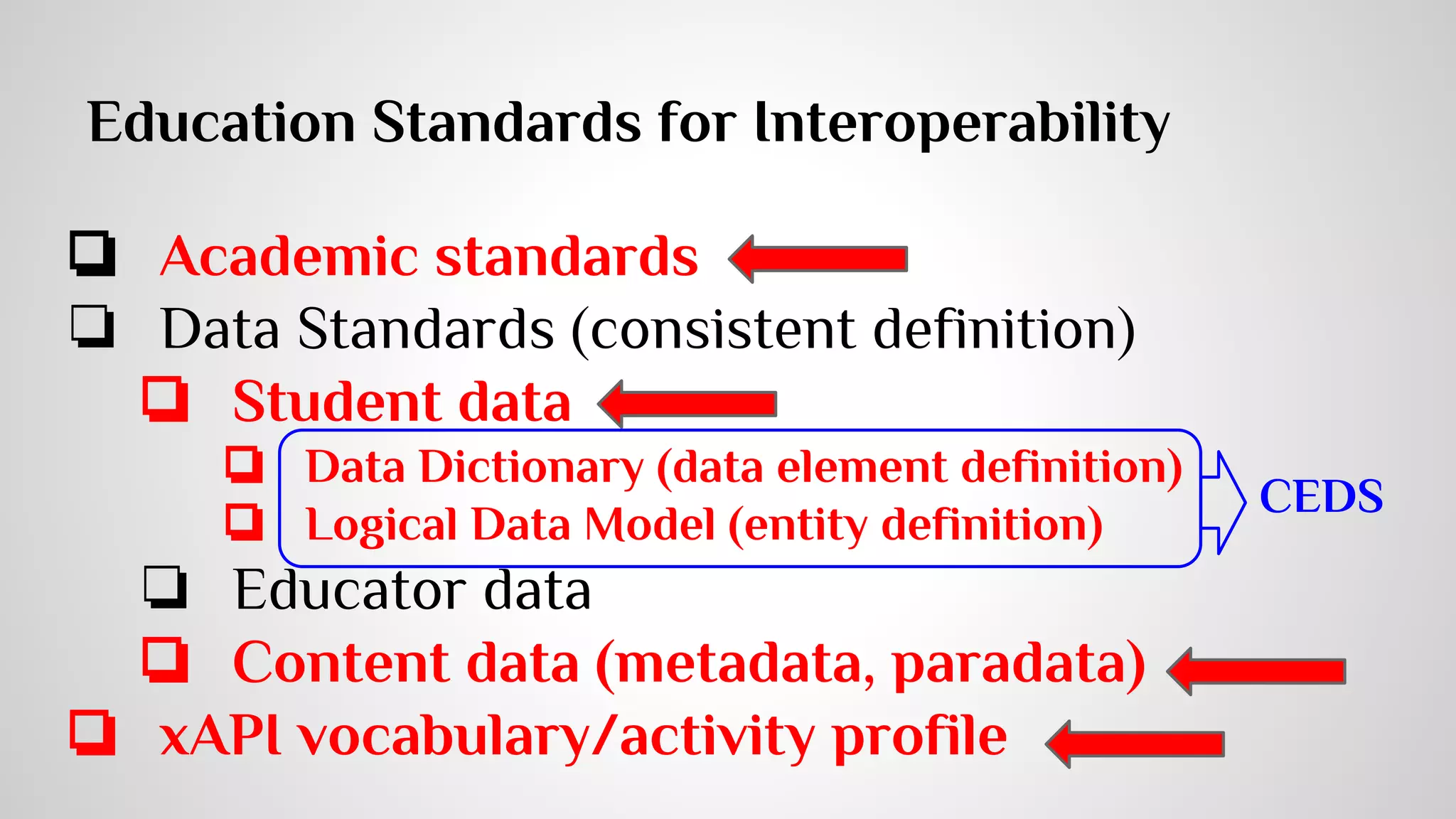
Education Standards for Interoperability 
❏ Academic standards 
❏ Data Standards (consistent definition) 
❏ Student data 
❏ Data Dictionary (data element definition) 
❏ Logical Data Model (entity definition) 
❏ Educator data 
❏ Content data (metadata, paradata) 
❏ xAPI vocabulary/activity profile 
CEDS
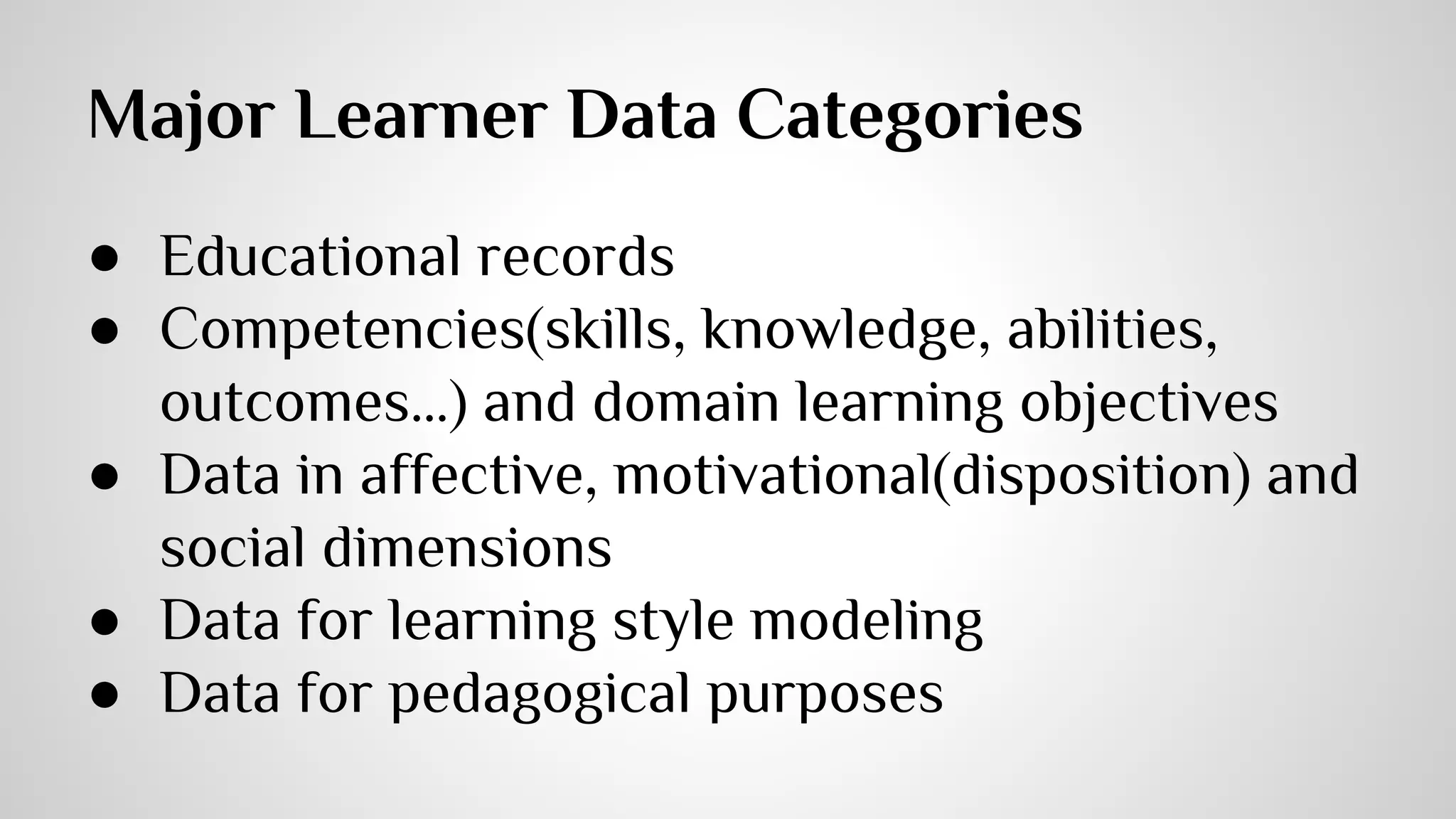
Major Learner Data Categories 
● Educational records 
● Competencies(skills, knowledge, abilities, 
outcomes…) and domain learning objectives 
● Data in affective, motivational(disposition) and 
social dimensions 
● Data for learning style modeling 
● Data for pedagogical purposes
About Content 
Image credit: DARPA
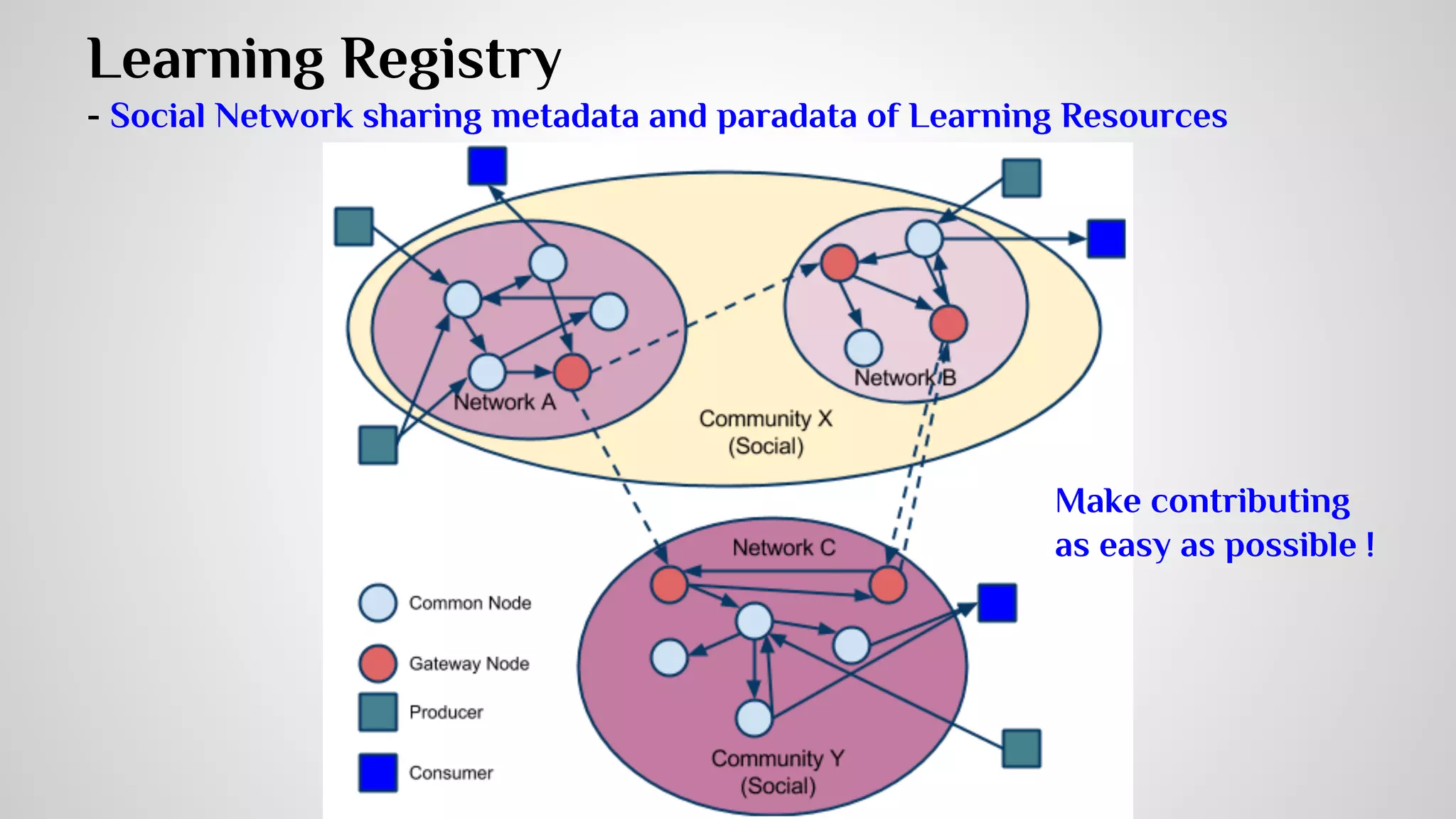
Learning Registry 
- Social Network sharing metadata and paradata of Learning Resources 
Make contributing 
as easy as possible !
Paradata 
While learning analytics generally refers to analysis of data about learners, 
paradata refers to data about learning resources. 
Paradata can also record contextual information by linking resources with 
educational standards and curricula, pedagogic approaches and methodologies. 
Paradata can be regarded as an extended and altered version of JSON 
ActivityStreams. 
Paradata differs from ActivityStreams in that it enables complex aggregations of 
activities to be recorded; e.g. High school English teachers taught using this 
resource 15 times during the month of May 2011.
Content Strategy 
xAPI modernize the SCORM runtime, what about a modernized content strategy? 
IEEE LTSC : the answer is HTML5 + EPUB 3 
W3C standards define an Open Web Platform for application development that has 
the unprecedented potential to enable developers to build rich interactive 
experiences, powered by vast data stores, that are available on any device. 
=> HTML5 is the cornerstone. 
In addition to the classic “Web of documents” W3C is helping to build a technology stack to support a “Web of data,” the sort 
of data you find in databases. The ultimate goal of the Web of data is to enable computers to do more useful work and to 
develop systems that can support trusted interactions over the network. The term “Semantic Web” refers to W3C’s vision 
of the Web of linked data. Semantic Web technologies enable people to create data stores on the Web, build vocabularies, 
and write rules for handling data. Linked data are empowered by technologies such as RDF, SPARQL, OWL, and SKOS.
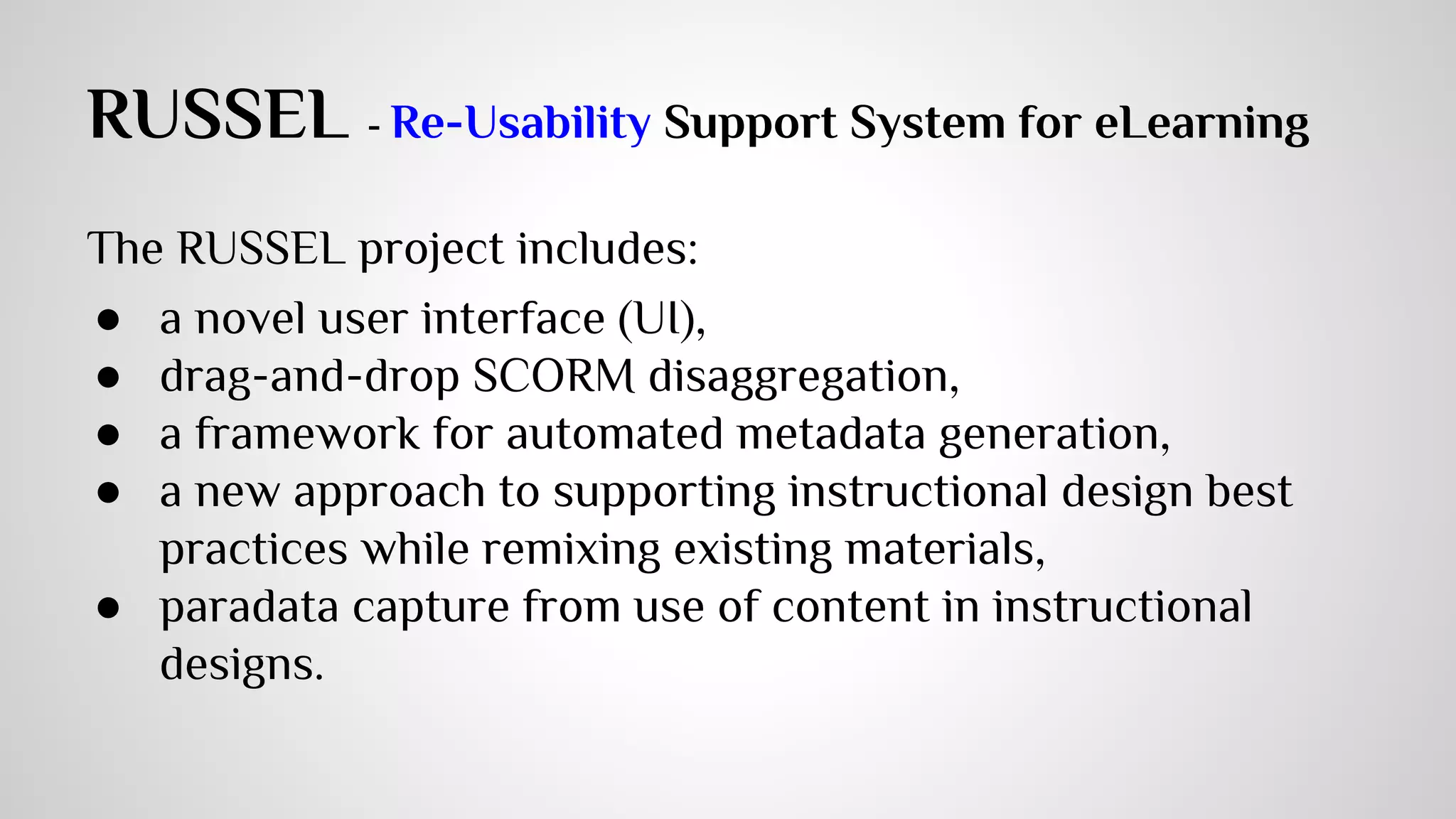
RUSSEL - Re-Usability Support System for eLearning 
The RUSSEL project includes: 
● a novel user interface (UI), 
● drag-and-drop SCORM disaggregation, 
● a framework for automated metadata generation, 
● a new approach to supporting instructional design best 
practices while remixing existing materials, 
● paradata capture from use of content in instructional 
designs.
The Whole Picture
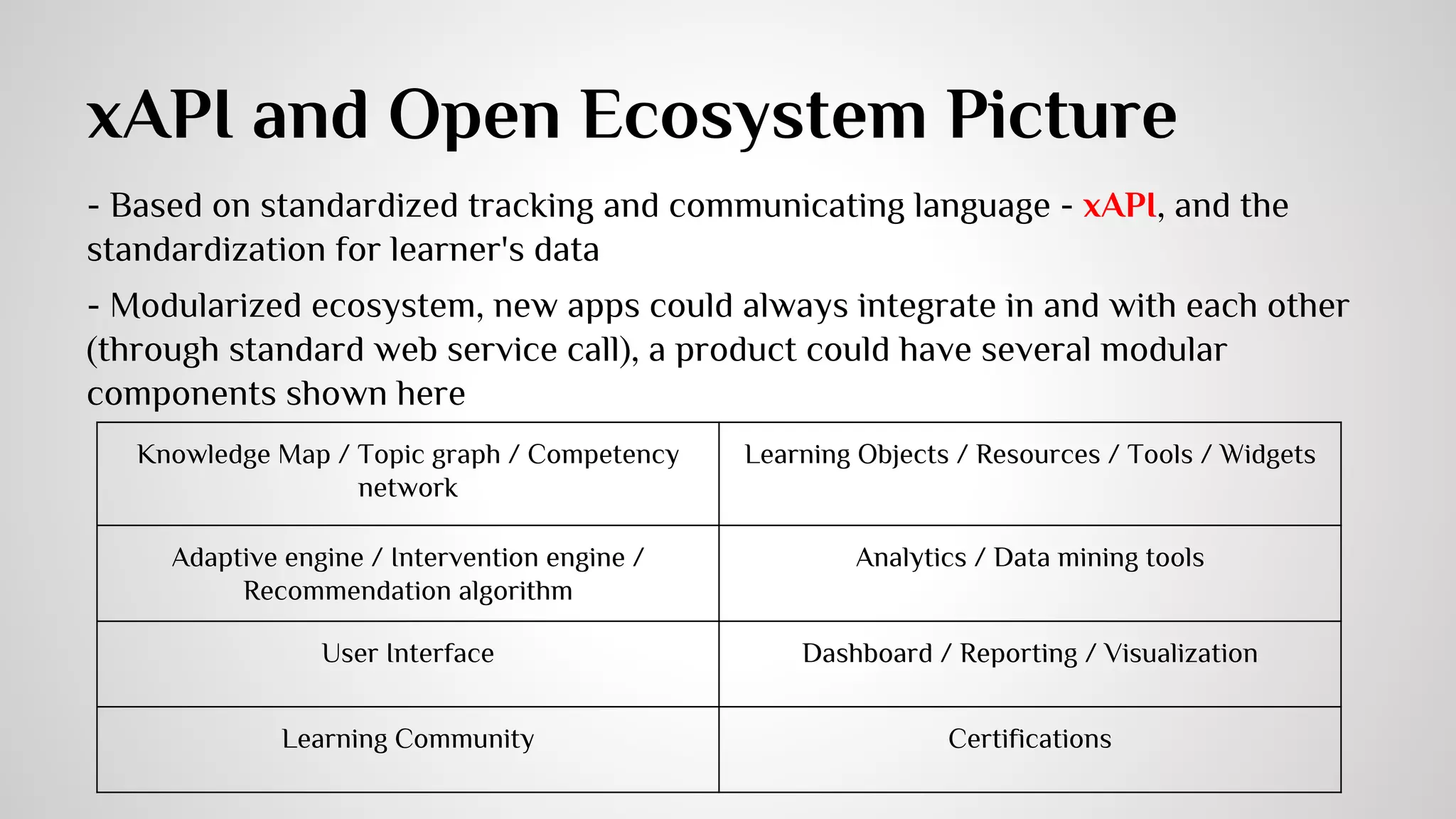
xAPI and Open Ecosystem Picture 
- Based on standardized tracking and communicating language - xAPI, and the 
standardization for learner's data 
- Modularized ecosystem, new apps could always integrate in and with each other 
(through standard web service call), a product could have several modular 
components shown here 
Knowledge Map / Topic graph / Competency 
network 
Learning Objects / Resources / Tools / Widgets 
Adaptive engine / Intervention engine / 
Recommendation algorithm 
Analytics / Data mining tools 
User Interface Dashboard / Reporting / Visualization 
Learning Community Certifications
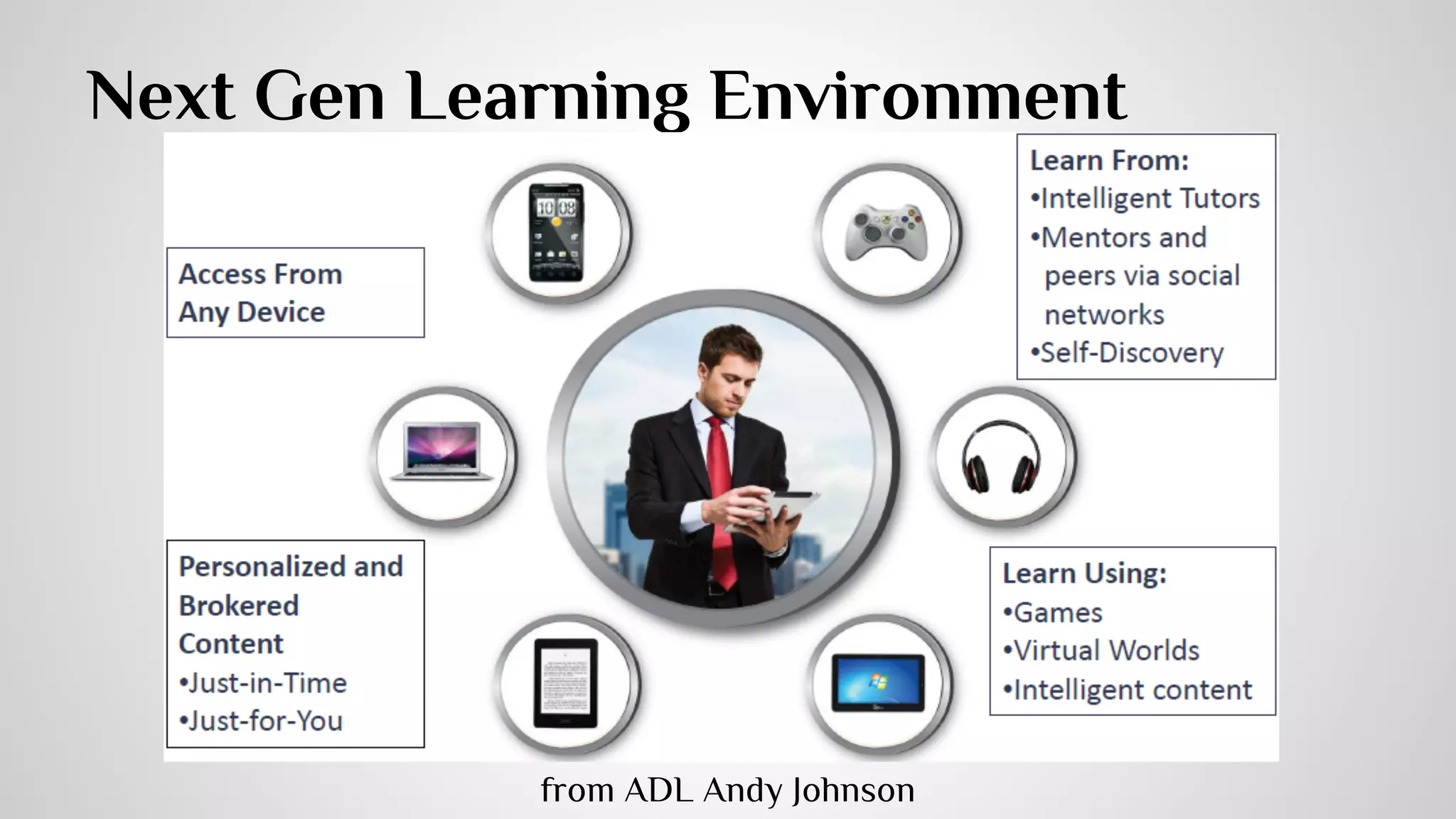
Next Gen Learning Environment 
from ADL Andy Johnson
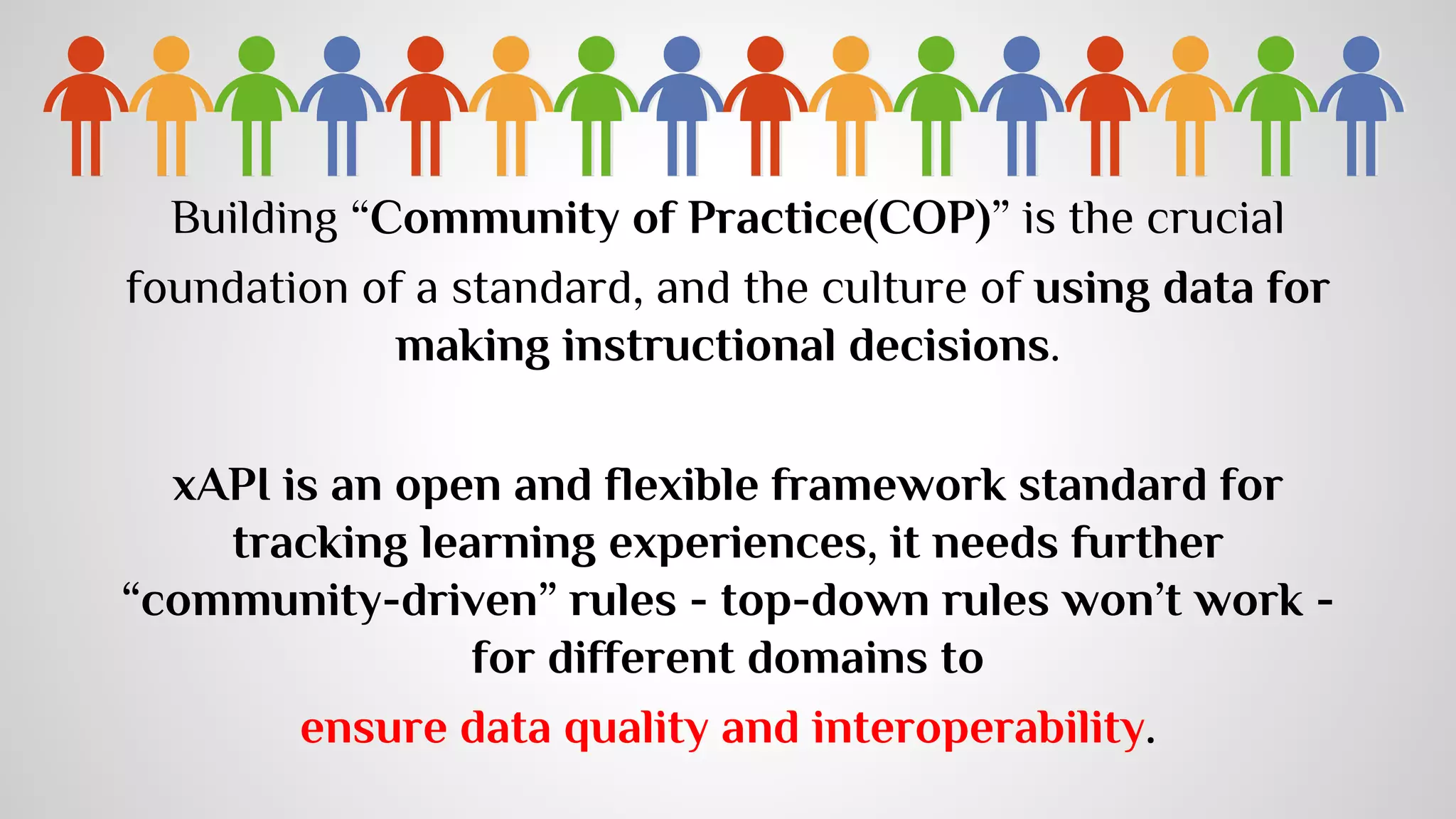
Building “Community of Practice(COP)” is the crucial 
foundation of a standard, and the culture of using data for 
making instructional decisions. 
xAPI is an open and flexible framework standard for 
tracking learning experiences, it needs further 
“community-driven” rules - top-down rules won’t work - 
for different domains to 
ensure data quality and interoperability.

Data-Driven Learning Strategy

  • 1.
    Data-Driven Learning Strategy Jessie Chuang Classroom Aid Inc.
  • 2.
    Data is theonly hard evidence of what works in education, and the compass for personalized learning journey.
  • 3.
    Data, Data, Data Amazon: data driven engine accounts for 1/3 of all sales Netflix: recommendation engine accounts for 3/4 of all new orders How about learning and training segment?
  • 4.
    Evidence Framework Areport by U.S. Dep. of Ed. - discusses the promise of sophisticated digital learning systems for collecting and analyzing very large amounts of fine-grained data (“big data”) as users interact with the systems. - describes an iterative R&D process, with rapid design cycles and built-in feedback loops—one familiar in industry but less so in education (however, the report provides numerous examples of applications in education).
  • 5.
    Two critical steps- 1 ● Education must capitalize on the trend within technology toward big data. ● New types of data are becoming available. ● broad, static categories(demographic, end-of-year grades and test scores) => more dynamic, fine-grained data in the process of learning ● data in a single context => linked across different parts of learning ● collected through different methodologies and reported in isolation => aggregating evidences from different data sources
  • 6.
    Two critical steps- 2 ● A revitalized framework for analyzing and using evidence ○ Gold standard evidence - slow and expensive, poor matches to the rapid pace of digital development practices ○ An evidence framework should help educational stakeholders align their methods of obtaining evidence with their goals, the risks involved, the level of confidence needed, and the resources available. Confidence Risk The need of evidence before implementation collection of data should be an ongoing task
  • 7.
    Challenges addressed byevidence approaches ● Making sure learning resources promote deeper learning ● Building adaptive learning systems that supports personalized learning ● Combining data to create support systems more responsive to student needs ● Improving the content and process of assessment with technology ● Finding appropriate learning resources and making informed choices
  • 8.
    Evidence Approaches w/iGreat Potential 1. Educational data mining and learning analytics applied to data gathered from digital learning systems implemented at scale 2. Rapid A/B testing conducted with large numbers of users within digital learning systems (example: Khan Academy) 3. Design-based implementation research (DBIR) supported by data gathered from digital learning systems (collaborative design from developers, researcher, teachers) 4. Large datasets of different types from multiple sources, combined and shared across projects and organizations 5. Technology-supported evidence-centered design (ECD) of measures of student learning 6. Data gathered from users about a learning resource, how users have used it and their experiences using it. => Example: enable “Rapid Prototyping” by making early version of a product freely available online, collect data and mine data for insights; ratings and reviews from users …...
  • 9.
    What Works Clearinghouse (by U.S. Department of Education) - “The high volume of research on different programs, products, practices, and policies in education can make it difficult to interpret and apply the results. We review the research. Then, by focusing on the results from high-quality research, we try to answer the question “What works in education?” - The goal is to provide educators with the information they need to make evidence-based decisions.
  • 10.
    iZone - Researchersand Schools collaborate on an Education Test Bed ● Partnership from 250 schools, Research Alliance (based at NYU), EdSurge, ChallengePost, and IDEO ● Supporting from U.S. Dep. of Education, Bill&Melinda Gates Foundation, New York City Dep. of Education ● To support developers in rapidly developing and testing selected technology based instructional supports and featuring test results on EdSurge ● To address unmet needs identified by a diverse group of school stakeholders ● Launch prize competitions for developers, winners will be invited to beta-test products in iZone classrooms ● Researcher have access to resources necessary to a given study; test bed data are available for secondary analysis to continue relevant study (also to develop analytic capability and let good algorithms bubble up) ● The collaboration will produce Consumer Reports-style guide for learning tech. ● Silicon Valley also initiated an iZone to create a similar ecosystem
  • 12.
  • 13.
    Learning Analytics Applications ● Learner modeling: model a learner’s knowledge, behaviors, motivation, experience… ● Learner profiling: cluster users into similar groups ● Domain modeling: decompose content into components and sequences ● Effectiveness: test learning principles, pedagogies etc. ● Trend analysis: understand changes over time ● Recommendation and adaptation: suggest resources and actions to learners or instructors, adapt systems to learners...
  • 14.
    Research examples Combineobservation data with click streams to detect boredom, frustration, gaming the system… ● Off-task behaviors patterns can be identified like completing module too fast or too slow … ● Evidences of gaming the systems like systematic and rapid incorrect answers, systematic guessing … Experience API, xAPI, can give us more because …
  • 15.
    Learner *Motivator *Navigator(content brokering) *e-Portfolio(or digital badge backpack) inform iterate co-design Data Analyst Learning Designer Standards Interoperability Analysis (data mining) Learning theories Psychology Design (experience design, UI) Subject Matter Expertise integrate (developers are constructors) *Connecting Learner Community *Learner Attribute (style) *Narrator (learner created context, reflection) Gamified layer on data from across platforms Big Data [Data-Driven Learning Strategy]
  • 16.
    Intelligent learning environmentis to match a learner with the right content at the right time.
  • 17.
    About Learner Profiling Image credit: DARPA
  • 18.
    Recording Learning Events Learning happens in interactions: openclipart.org Contents: Courses, Books, Web pages, Games, AR …. Instructors, Peers, Experts…. Activities(making, exercises, researching, online, offline ….) Learner
  • 19.
    Recording Learning Events Social Learning Group Learning image credit: Search Engine People Blog
  • 20.
  • 22.
    image credit: “ANew Architecture for Learning”, published by Educause
  • 23.
    xAPI tracking allkinds of learning experiences
  • 24.
    The xAPI specificationhas two primary parts 1. defines the syntax of the xAPI data format a. the vocabularies should be community-driven b. all activities and context can be tracked c. any enabled application/device can send statements 2. defines the characteristics of “learning record stores” (LRS) - a crucial component of xAPI a. data can be exchanged between LRSs (set free from LMS) b. learner can have life-long “personal learning locker” c. LRSs need to validate xAPI statements
  • 25.
    Social Coaching ProjectLearning Mobile Apps LRS Learning data is sent to LRS Other activities Course Webpage Game Simulator
  • 26.
    LMS LRS LRS Reporting Tool Learning records can be delivered to LMSs,LRSs or Reporting Tools.
  • 27.
    Recording Learning Events ActivityStreams: stream of activity data statements, borrowed from social analytics This is only the basic idea. Crafting the statements with more context and related information is necessary to support analytics and reporting.
  • 28.
    11 Attributes inxAPI Data Format ★ Unique Identifier ★ Actor (required) ★ Verb (required) ★ Object (required) ★ Result ★ Context ★ Timestamp ★ Stored (internal recording timestamp) ★ Authority ★ (Protocol) Version ★ Attachments All information in XAPI statements can be separated into : ● meta-data, ● descriptive information, and ● complementary data.
  • 29.
    Syntax-1 Actor: Agent(= persona) or group (multiple IDs allowed) Verb: ID = an IRI(URL) = a specific semantic meaning + human readable display Object: an agent, a group, a statement or an activity(most common)
  • 30.
    Syntax-2 Activity: ID= an IRI(URL) = with a specific boundary (granularity) Definition: Name Description objectType Extentions (useful to customize reporting)
  • 32.
    Syntax-3 Result: Score Success Duration Completion Response (learner’s response to the experience) Extentions
  • 33.
    Syntax-4 Context: Registration(differentiate multiple attempts) Instructor Team ContextActivities (parent, grouping, category, other - like related lesson) Revision Platform Language Statement (refer to one other statement for a whole experience) Extentions
  • 34.
    Context, Context, Context The XAPI differentiates between the core context and the wider context. The core context includes the instructor(s), the direct peers involved in an activity (team), the learning environment (platform), the language that was used in the performance, and a framing statement for an activity (e.g., the course that relates to the activity). The extended context includes a set of data-records about the wider context of a learning activity. This wider context is not explicitly specified and can include the location of the learner, the wider (social) relations, the duration of an activity, environmental factors (e.g., temperature or noise level) etc. The format and the content of the wider context is specific to the AP and is not subject to the interoperability of the data format.
  • 35.
    Ask the rightquestions!
  • 36.
    LRS An LRSis defined by two interfaces: ● Statement interface (statement API) ● Document interface - this interface handles three types of documents ● State interface (state API) ● Activity profile interface (activity API) ● Agent profile interface (agent API) The LRS is responsible for 1. validating that the system sending data is authorized, 2. checking that the data being sent is xAPI-compliant, 3. storing the data properly, 4. making that data available to any other authorized system or activity provider when asked.
  • 37.
    Advanced Applications ofxAPI - Data Transfer based on RESTful HTTP w/i LRS ● Agent Profile API ○ personal info., learner profile and modeling, user settings, learning journal, career plan & goal ○ an integrated picture of a learner activities across systems and devices with multiple identities ● Activity Profile API (for activity provider) ○ interactions between learners (collaboration, social or competition) ○ learning planning tool (access to or update the LRS internal definition of a given activity id, even before the activity sends any statement) ● State API ○ persist state across devices ● Authentication services, querying services, visualization services, and personal data services are some examples.
  • 38.
    xAPI tracking is... Semantic Contextualized From any device and sensor LRS frees the learning data so they can be put together, analyzed, modeled, reused, carried with learners and accumulated life-long
  • 39.
    xAPI + OpenBadges => Learner ePortfolio Both are representing learner data by exploiting HTTP, JSON, and REST - simple, lightweight method that lowers entry barrier for developers. Together, they offer a new way to think about constructing interoperable learner model data!
  • 40.
    JSON vs XML ● JSON is bandwidth-non-intensive ● JSON is better adapted (than XML) to devices with limited capabilities such as smart things ● JSON possesses a very limited set of data types. Restricting itself to primitive data types makes it deeply and immediately interoperable with pretty much any programming language that exists out there. ● JSON is a better data exchange format, XML is a better document exchange format ● JSON is a preferred format in NoSQL database - data not seamlessly conform to a columnar/relational model. Since JSON objects may be heterogeneous in terms of number and types of fields, this allows for tremendous flexibility in storing and retrieving objects as compared to relational databases. (Should you like to know more about JSON, here is a very simple interactive tutorial. )
  • 41.
    Bootstrapping Learner ModelData ● Making data contribution as easy as possible ● Bootstrapping heterogeneous learner model data ○ the raw experience data stored in a LRS referenced by an Open Badge, could be analyzed to perform an application’s own interpretations of that evidence, as suggested by Carmagnola, Cena, and Gena (2011) ○ Guo & Greer, 2007; ○ Tiroshi, Kuflik, Kay & Kummerfeld, 2011 ) summarized various boostrapping methods ○ ADL developed an open source project/resource called “lr-data” (Damon Regan, Elaine M. Raybourn, and Paula J. Durlach)
  • 42.
    Sharing and Analysisof Data In the case of sharing and making sense of learner data, a similar model can be followed where any contributing application (e.g., an ITS or game) could easily publish activity data to a LRS, Open Badges to a learner’s badge backpack, or other learner model data to their shared learner profile as JSON over a RESTful HTTP connection. The LRS, badge backpack, or learner profile can exist anywhere (e.g., an employer organization, a commercial provider, or even self-hosted by a learner) – all the contributing applications need to know are the URLs and the learners credentials. If a learning application wants to make sense of all this data, it too just needs the URLs and the learner’s credentials to get started. The learner could set permissions concerning what applications can access their data. (Damon Regan, Elaine M. Raybourn, and Paula J. Durlach)
  • 43.
    TLA Services TLAwill also include services for managing learner profiles. Open Badges can be referenced by learner profiles, which will likely contain other learner data such as goals, reflection, etc. The TLA will also include services for creating and accessing competency definitions to serve as a common way to reference educational standards, learning objectives, and competency definitions through web APIs (Damon Regan, Elaine M. Raybourn, and Paula J. Durlach)
  • 44.
    The whole picture= Training and Learning Architecture(TLA) ● ePortfolio ● Learner modeling ● Machine readable ● Competency standards ● Knowledge map ● Standard alignment ● xAPI COP ● Common vocabulary ● Learning Design ● Sharing of metadata & paradata (LR) ● Re-usability ● Semantic analysis
  • 46.
    A taxonomy ofeducation standards Redd, Brandt
  • 47.
    Education Standards forInteroperability ❏ Academic standards ❏ Data Standards (consistent definition) ❏ Student data ❏ Data Dictionary (data element definition) ❏ Logical Data Model (entity definition) ❏ Educator data ❏ Content data (metadata, paradata) ❏ xAPI vocabulary/activity profile CEDS
  • 48.
    Major Learner DataCategories ● Educational records ● Competencies(skills, knowledge, abilities, outcomes…) and domain learning objectives ● Data in affective, motivational(disposition) and social dimensions ● Data for learning style modeling ● Data for pedagogical purposes
  • 50.
    About Content Imagecredit: DARPA
  • 51.
    Learning Registry -Social Network sharing metadata and paradata of Learning Resources Make contributing as easy as possible !
  • 52.
    Paradata While learninganalytics generally refers to analysis of data about learners, paradata refers to data about learning resources. Paradata can also record contextual information by linking resources with educational standards and curricula, pedagogic approaches and methodologies. Paradata can be regarded as an extended and altered version of JSON ActivityStreams. Paradata differs from ActivityStreams in that it enables complex aggregations of activities to be recorded; e.g. High school English teachers taught using this resource 15 times during the month of May 2011.
  • 53.
    Content Strategy xAPImodernize the SCORM runtime, what about a modernized content strategy? IEEE LTSC : the answer is HTML5 + EPUB 3 W3C standards define an Open Web Platform for application development that has the unprecedented potential to enable developers to build rich interactive experiences, powered by vast data stores, that are available on any device. => HTML5 is the cornerstone. In addition to the classic “Web of documents” W3C is helping to build a technology stack to support a “Web of data,” the sort of data you find in databases. The ultimate goal of the Web of data is to enable computers to do more useful work and to develop systems that can support trusted interactions over the network. The term “Semantic Web” refers to W3C’s vision of the Web of linked data. Semantic Web technologies enable people to create data stores on the Web, build vocabularies, and write rules for handling data. Linked data are empowered by technologies such as RDF, SPARQL, OWL, and SKOS.
  • 54.
    RUSSEL - Re-UsabilitySupport System for eLearning The RUSSEL project includes: ● a novel user interface (UI), ● drag-and-drop SCORM disaggregation, ● a framework for automated metadata generation, ● a new approach to supporting instructional design best practices while remixing existing materials, ● paradata capture from use of content in instructional designs.
  • 55.
  • 56.
    xAPI and OpenEcosystem Picture - Based on standardized tracking and communicating language - xAPI, and the standardization for learner's data - Modularized ecosystem, new apps could always integrate in and with each other (through standard web service call), a product could have several modular components shown here Knowledge Map / Topic graph / Competency network Learning Objects / Resources / Tools / Widgets Adaptive engine / Intervention engine / Recommendation algorithm Analytics / Data mining tools User Interface Dashboard / Reporting / Visualization Learning Community Certifications
  • 57.
    Next Gen LearningEnvironment from ADL Andy Johnson
  • 58.
    Building “Community ofPractice(COP)” is the crucial foundation of a standard, and the culture of using data for making instructional decisions. xAPI is an open and flexible framework standard for tracking learning experiences, it needs further “community-driven” rules - top-down rules won’t work - for different domains to ensure data quality and interoperability.