Download to read offline

![© ABCC Australia 2015 new-physics.com
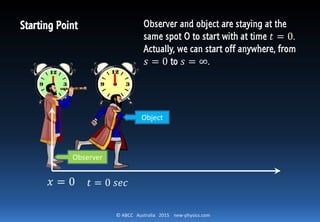
Observer and Runaway Object
To start with, we have two atomic clock perfectly and locally synchronized.
One is used by the observer and the other acts as the runaway object.
Clock A
[Observer]
Clock B
[Object]](https://image.slidesharecdn.com/cosmicadventure5-160505233246/85/Cosmic-adventure-5-4-Moving-Objects-in-Visonics-4-320.jpg)
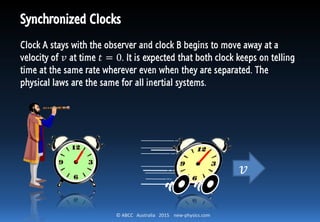
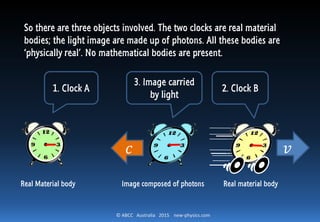
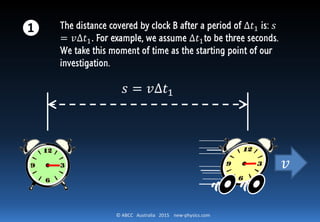
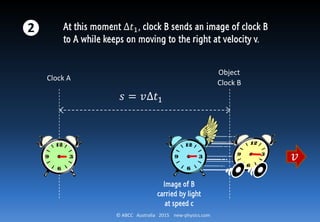
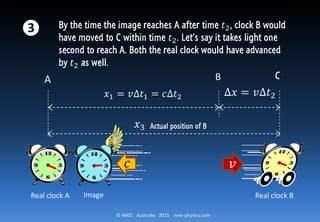
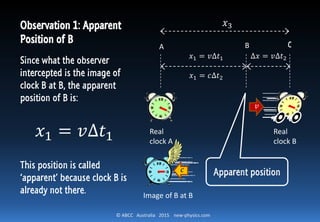
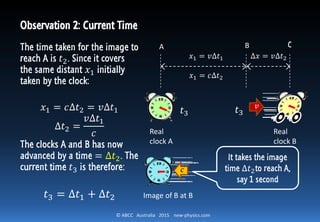
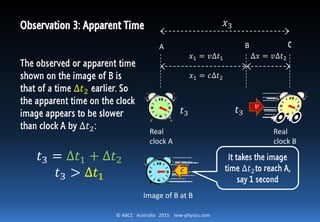
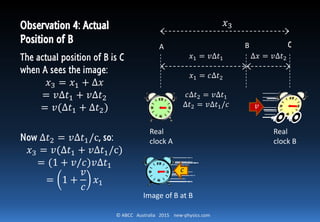
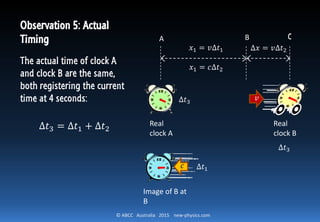
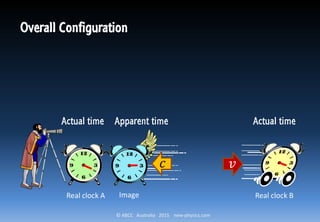
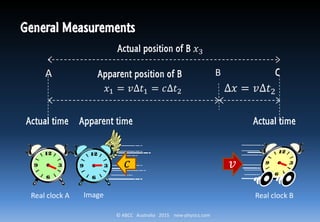
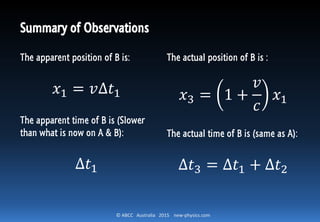
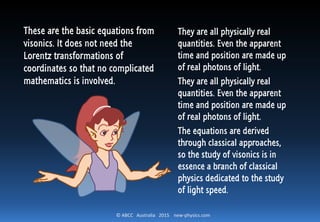



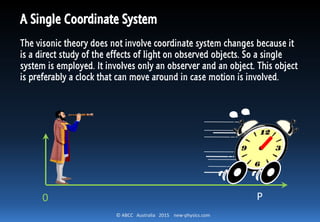
The document discusses the visonic theory, which examines the effects of light on observed objects without the need for changing coordinate systems, using synchronized clocks to illustrate the principles of motion and observation. It emphasizes the differences between apparent and actual positions and times of objects as perceived through light images. The conclusions draw from the observations establish that both actual positions and times are longer than their apparent counterparts, illustrating fundamental aspects of motion and light in classical physics.


![[02] Quantum Error Correction for Beginners](https://cdn.slidesharecdn.com/ss_thumbnails/qecshin2-200424070702-thumbnail.jpg?width=640&height=640&fit=bounds)


