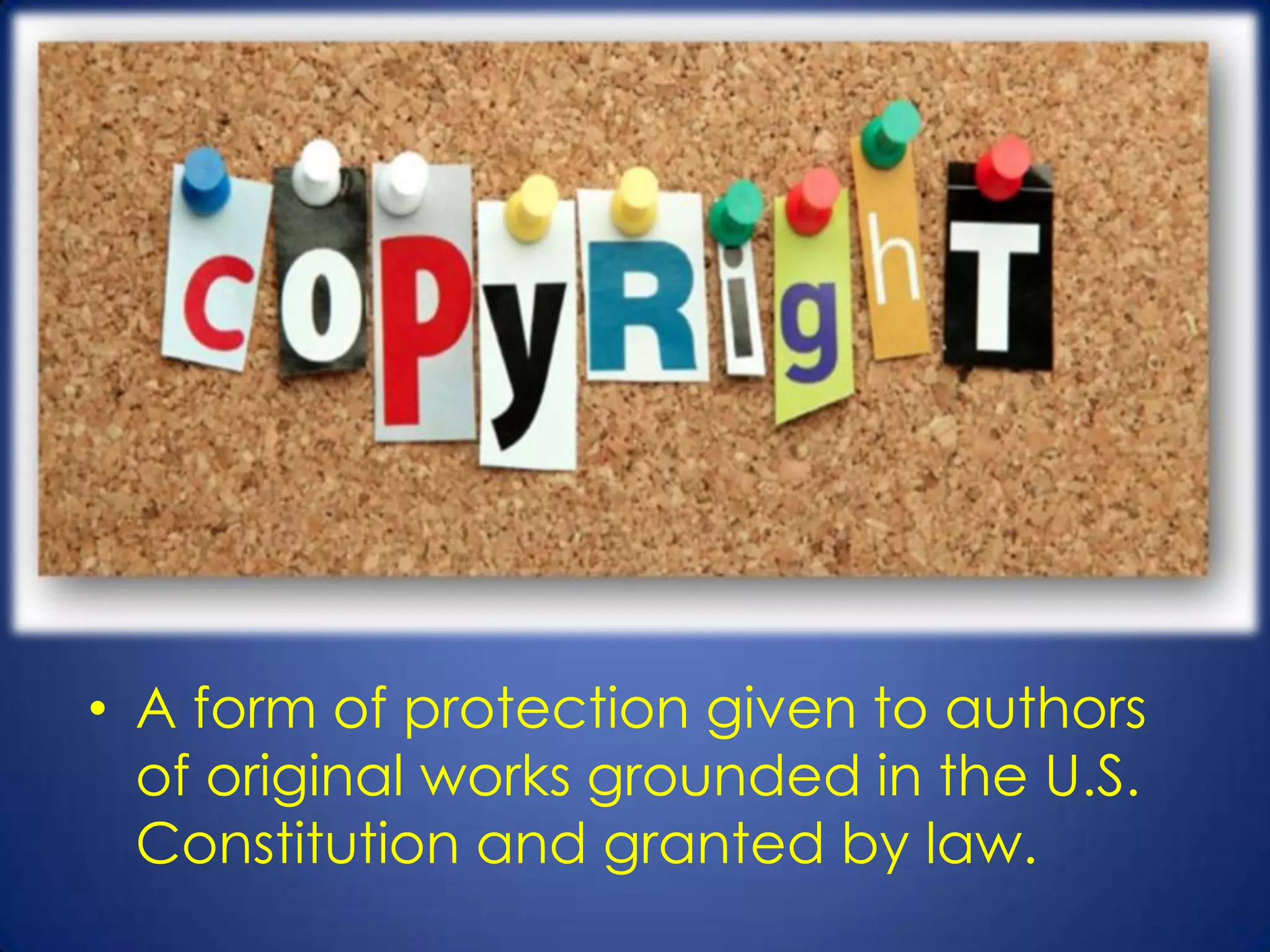
• A form of protection given to authors
  of original works grounded in the U.S.
  Constitution and granted by law.
• This property right can be sold or
  transferred to others.
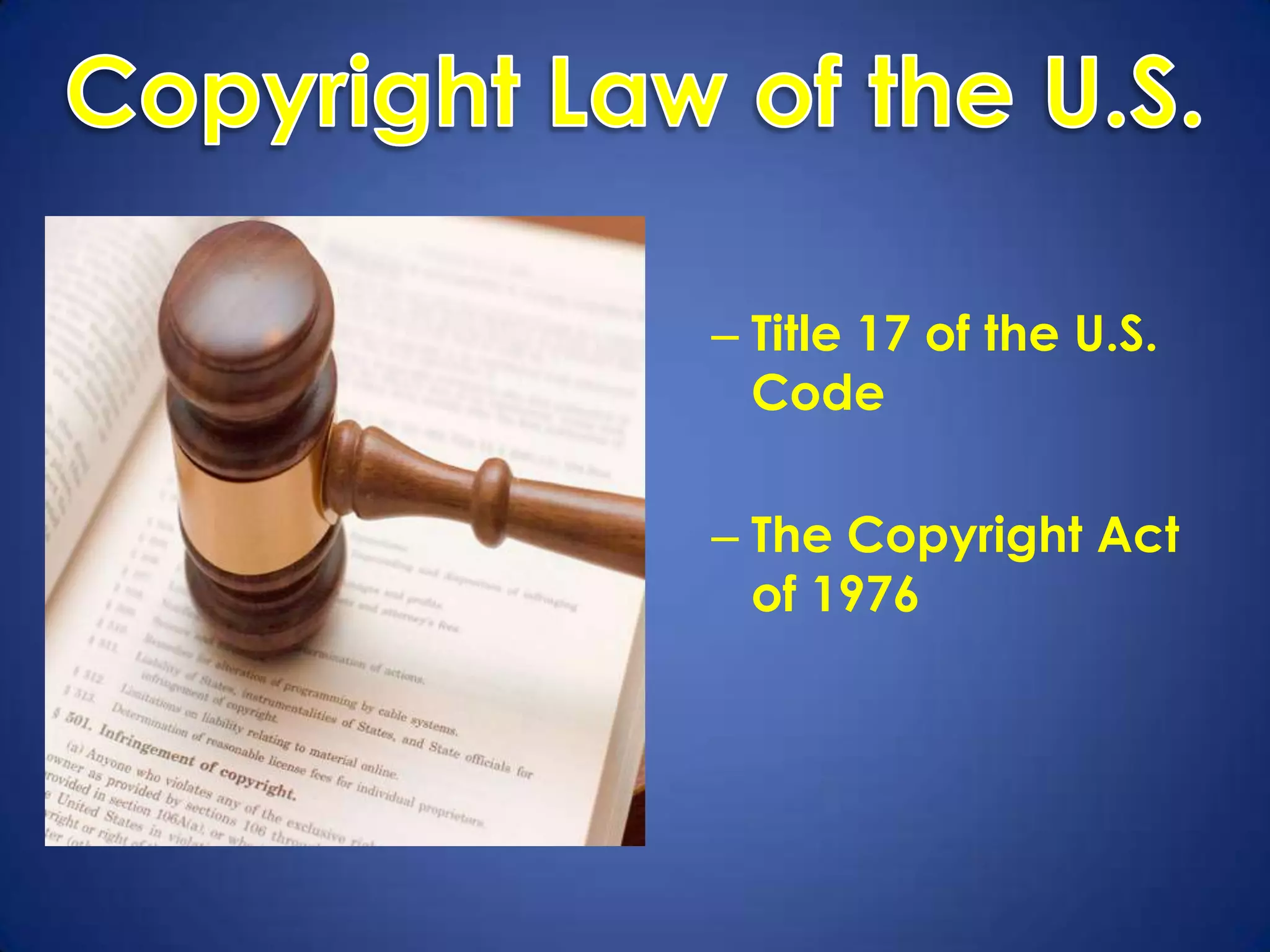
– Title 17 of the U.S.
  Code

– The Copyright Act
  of 1976
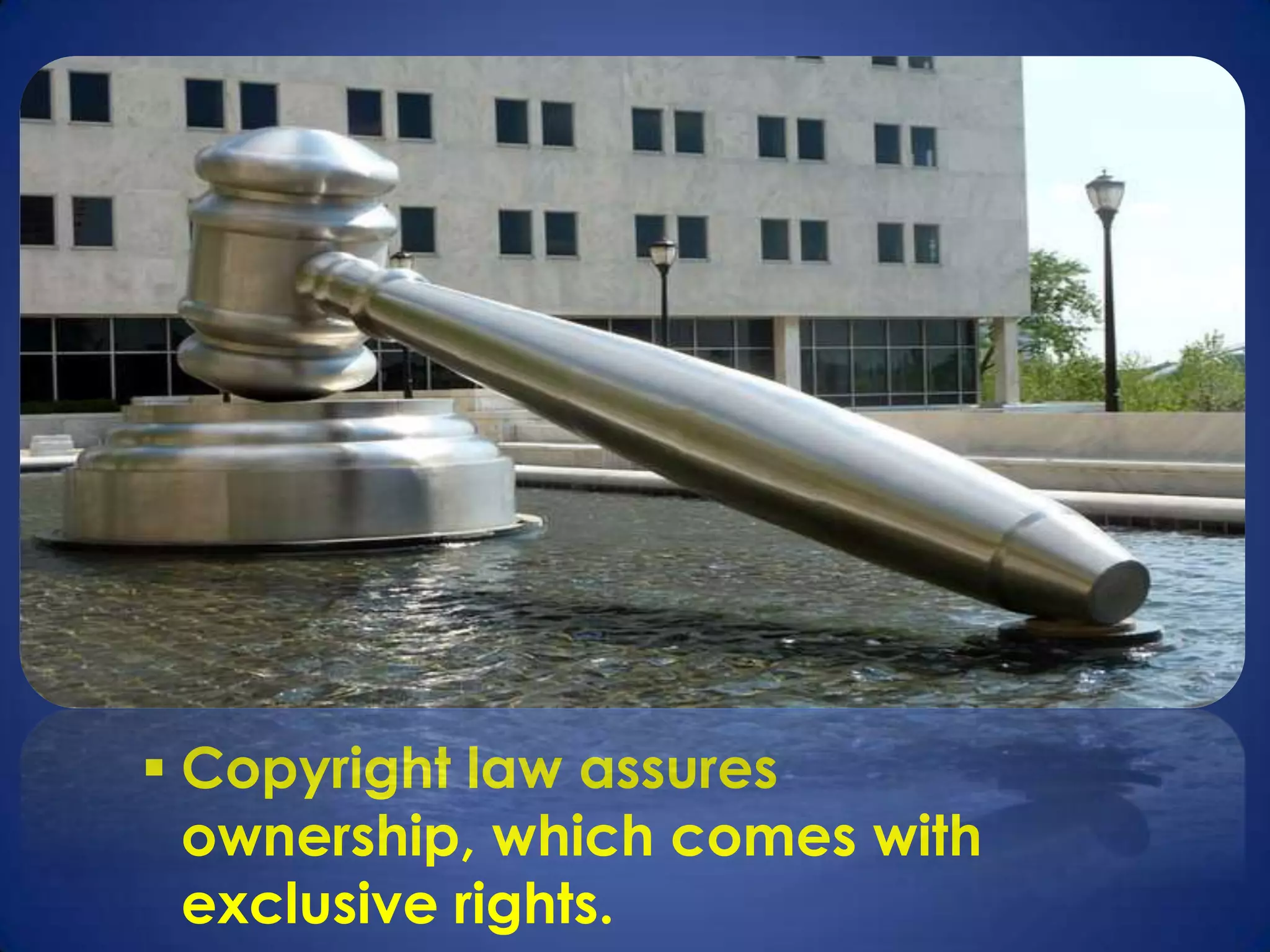
 Copyright law assures
  ownership, which comes with
  exclusive rights.
Make copies of the work
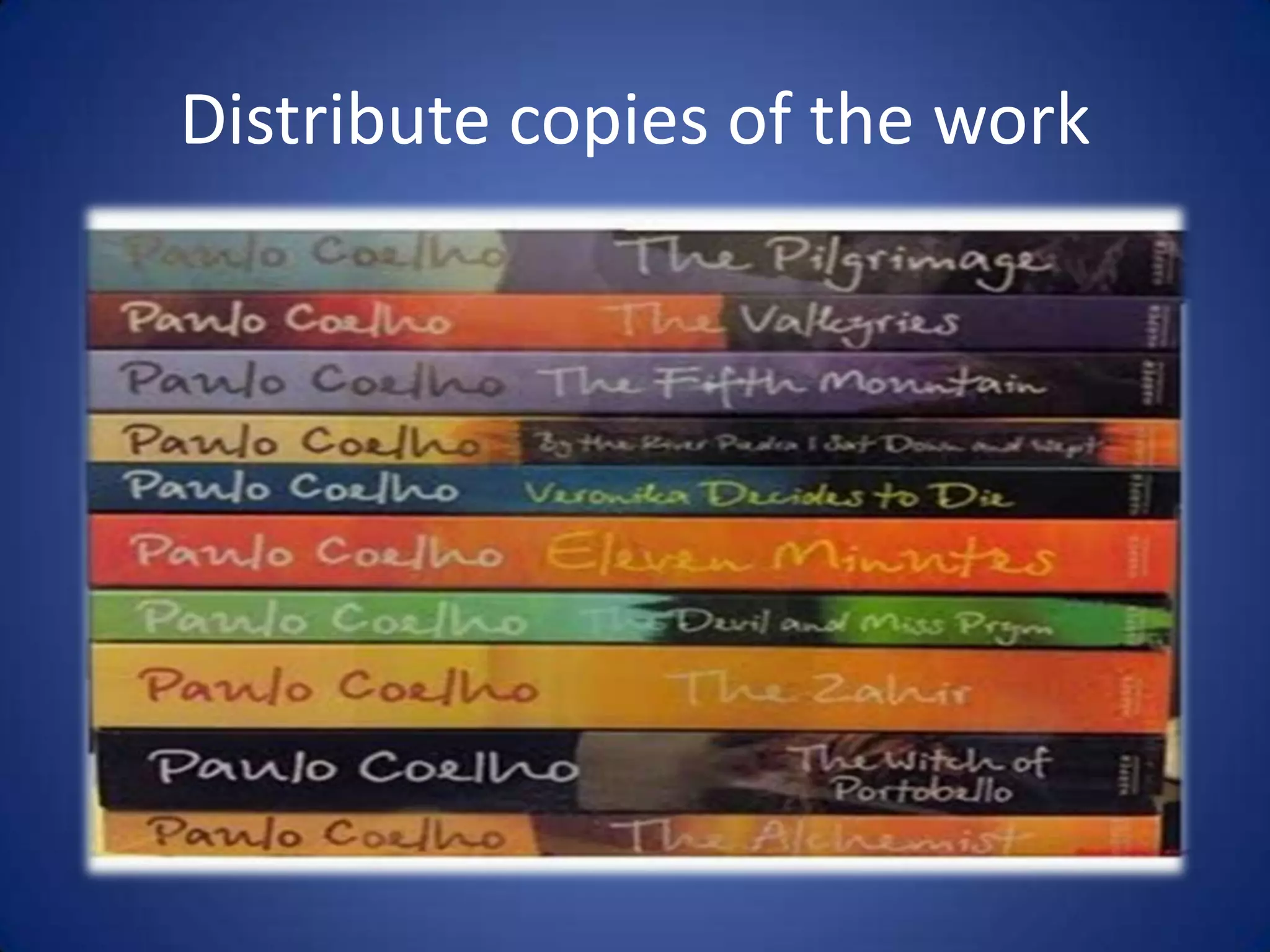
Distribute copies of the work
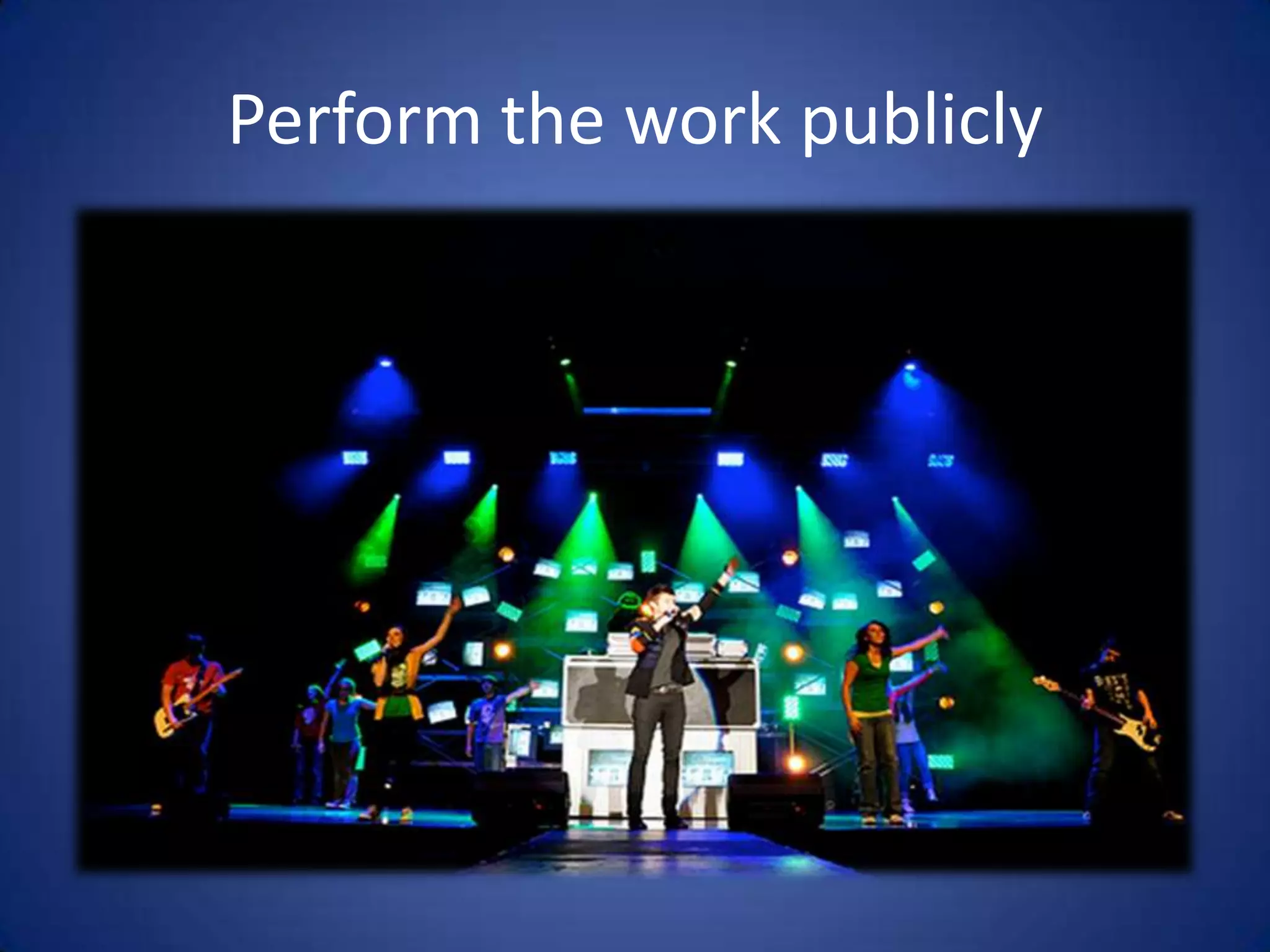
Perform the work publicly
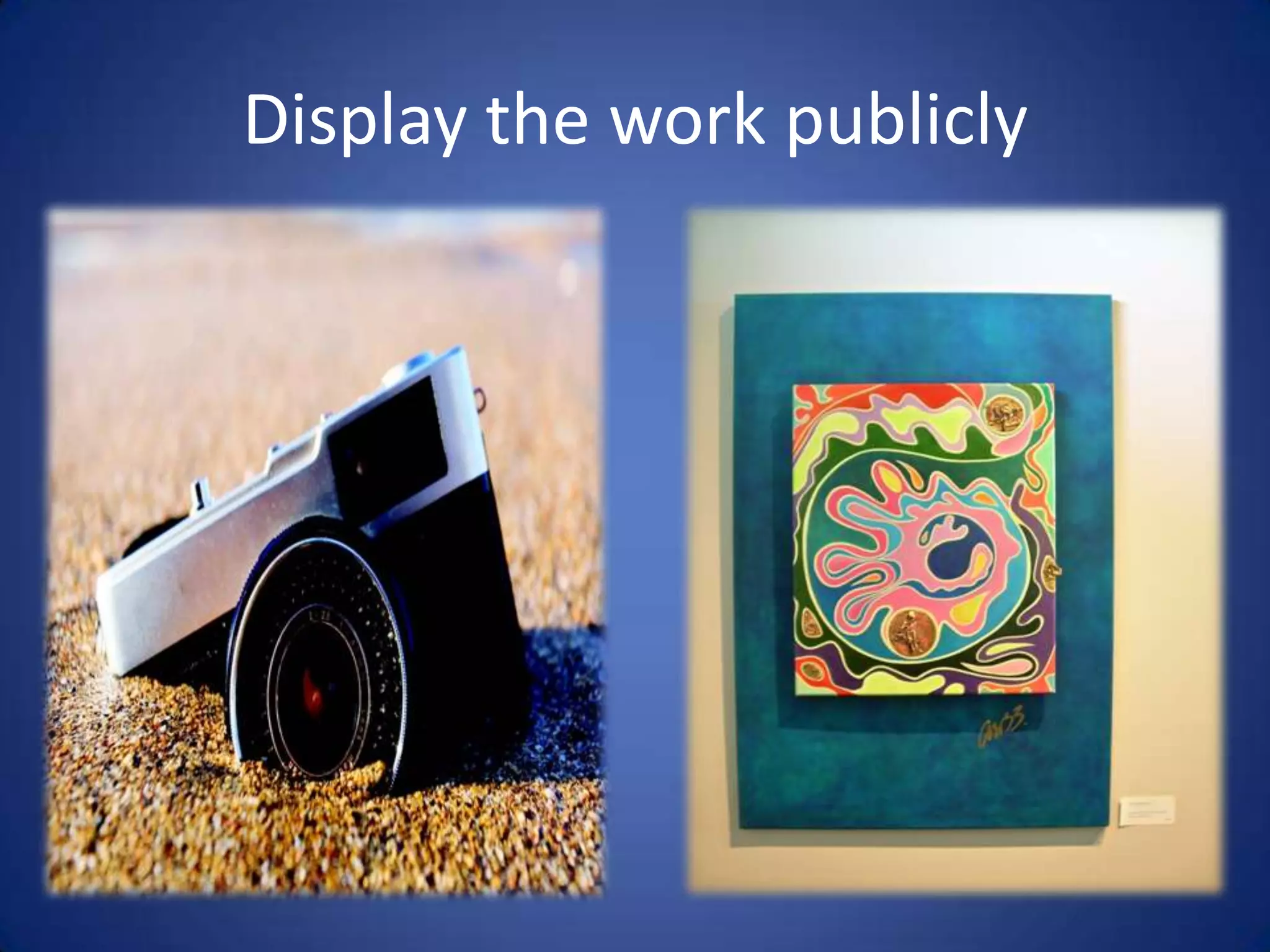
Display the work publicly
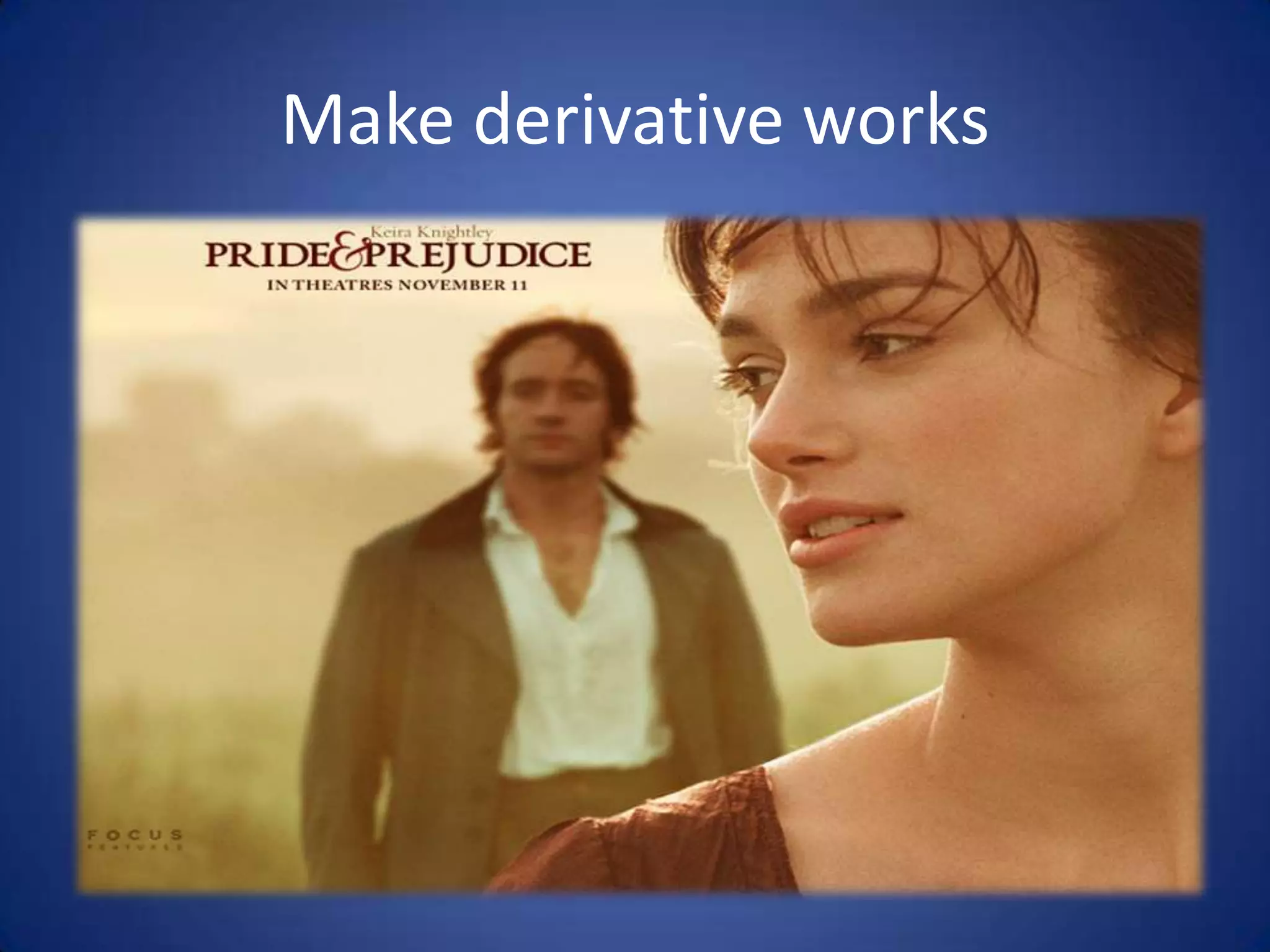
Make derivative works
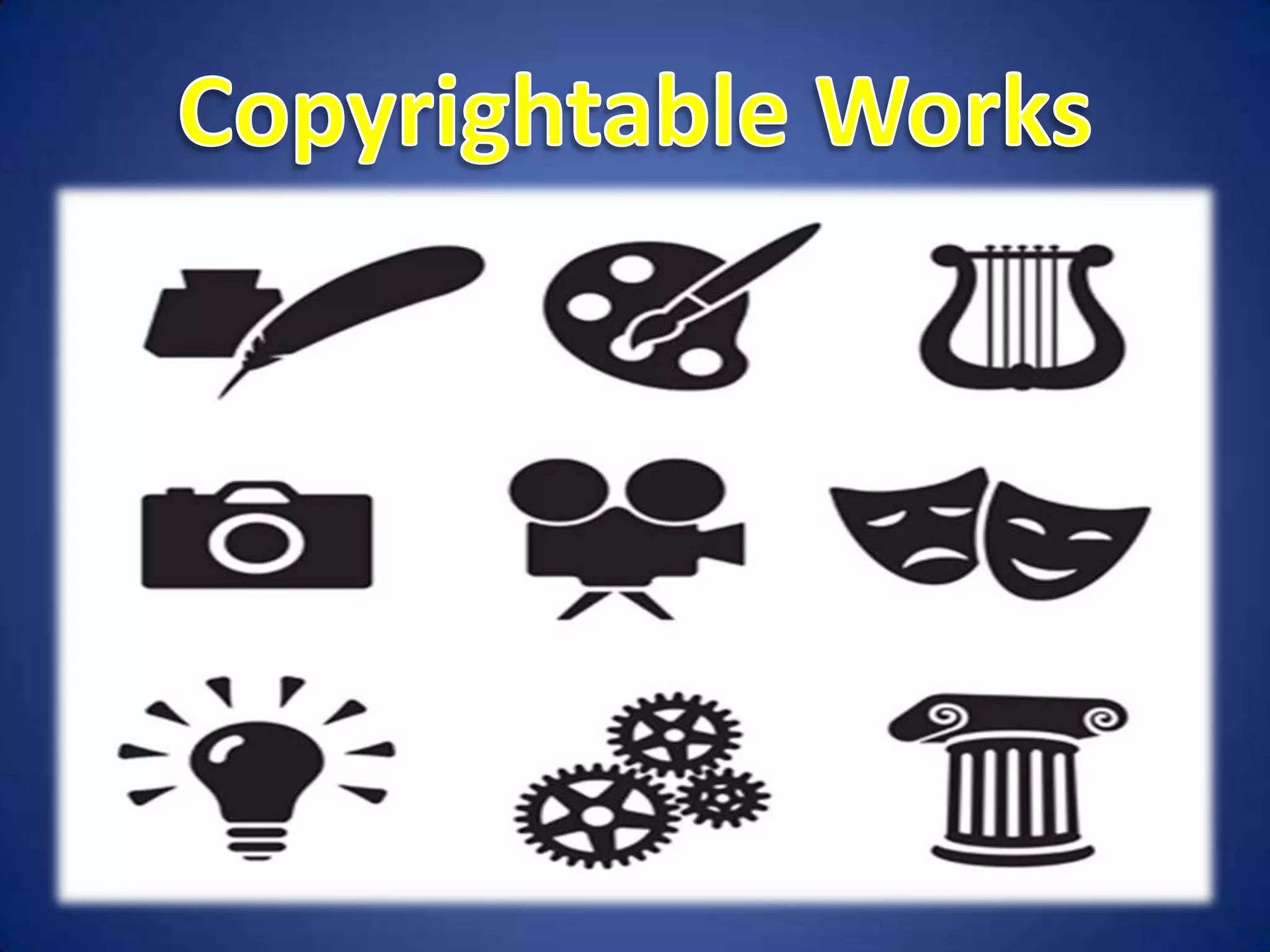
• Automatic protection

• Available for:

  – Published works
  – Unpublished works
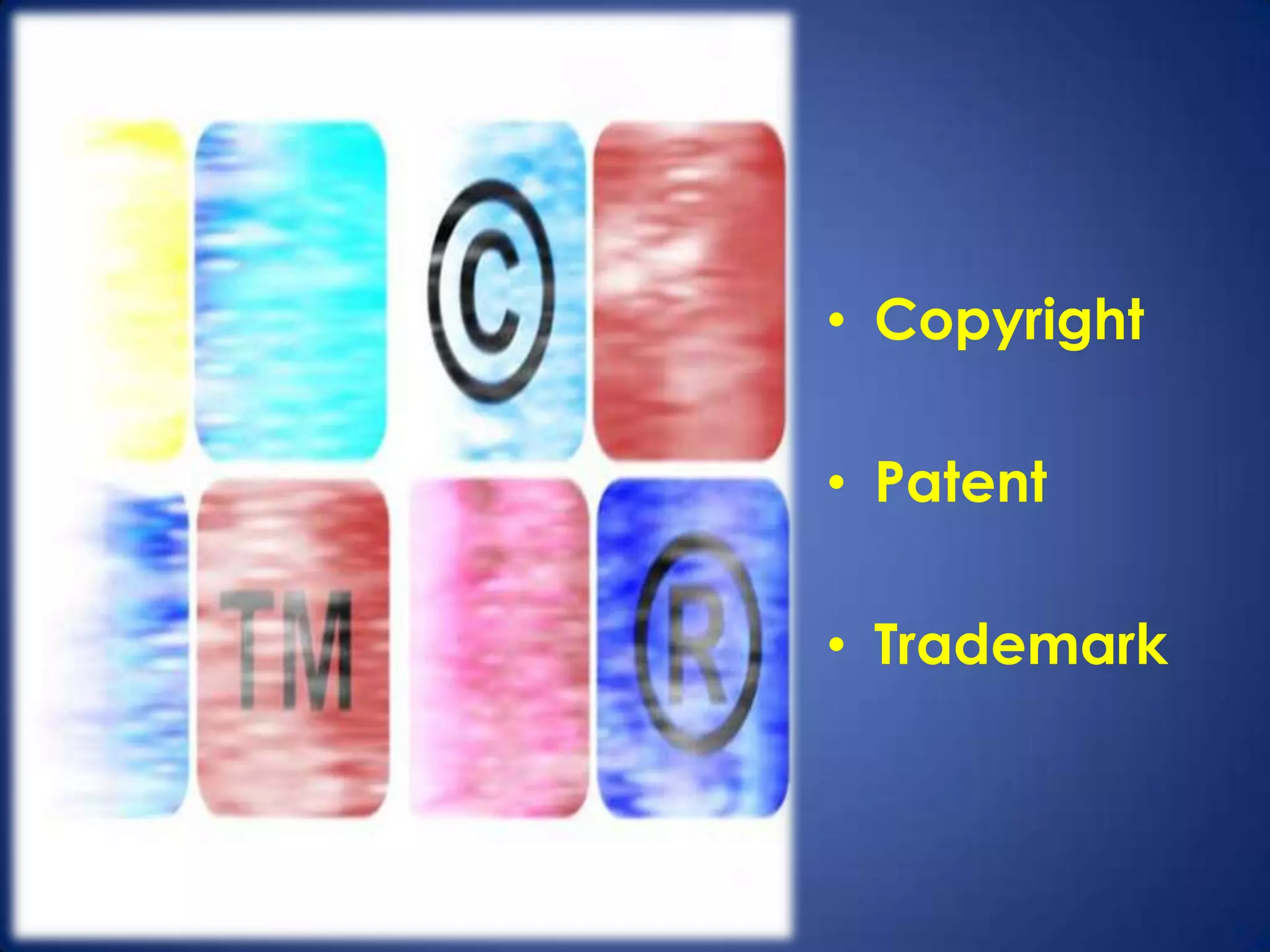
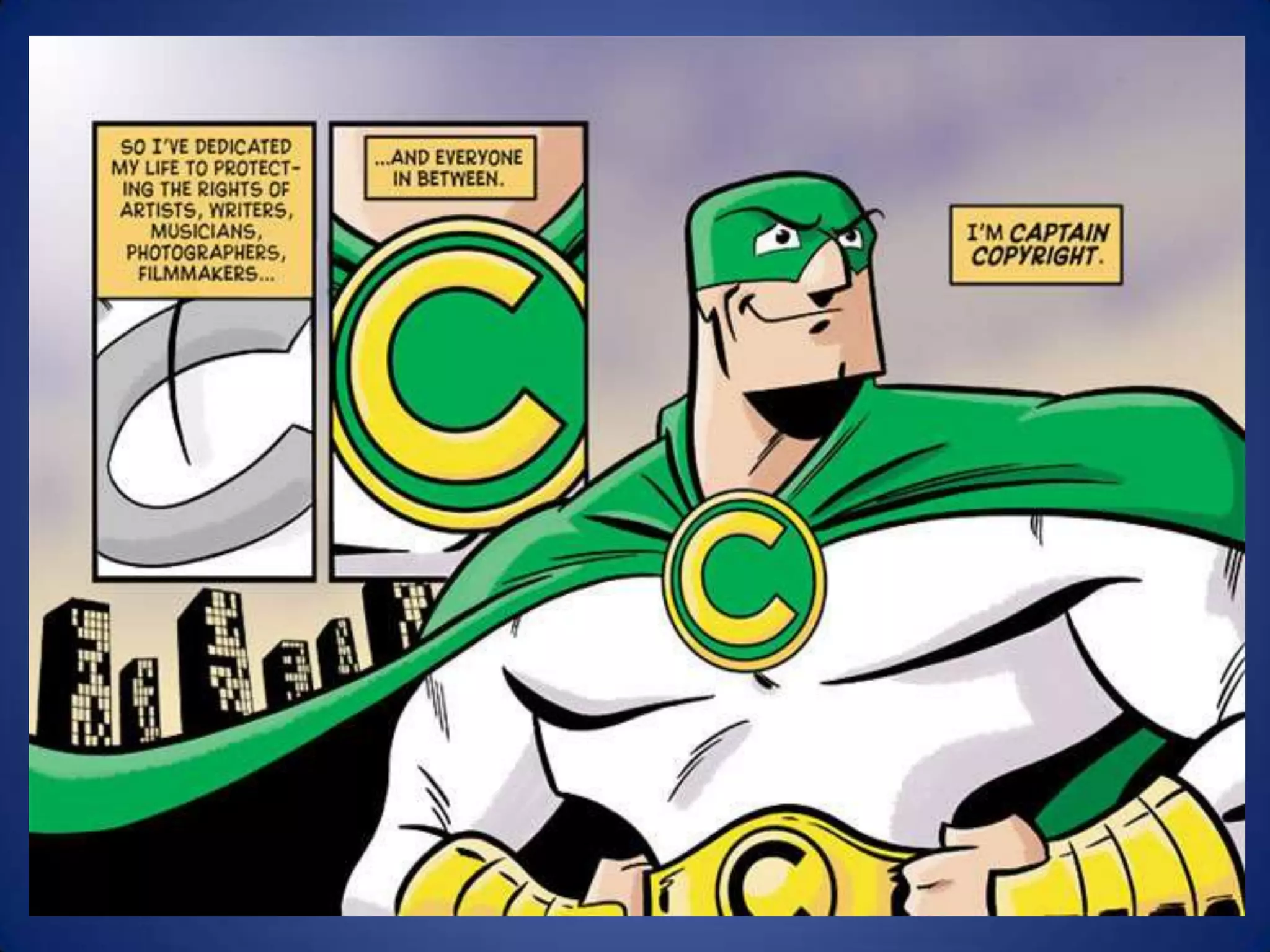
• Copyright

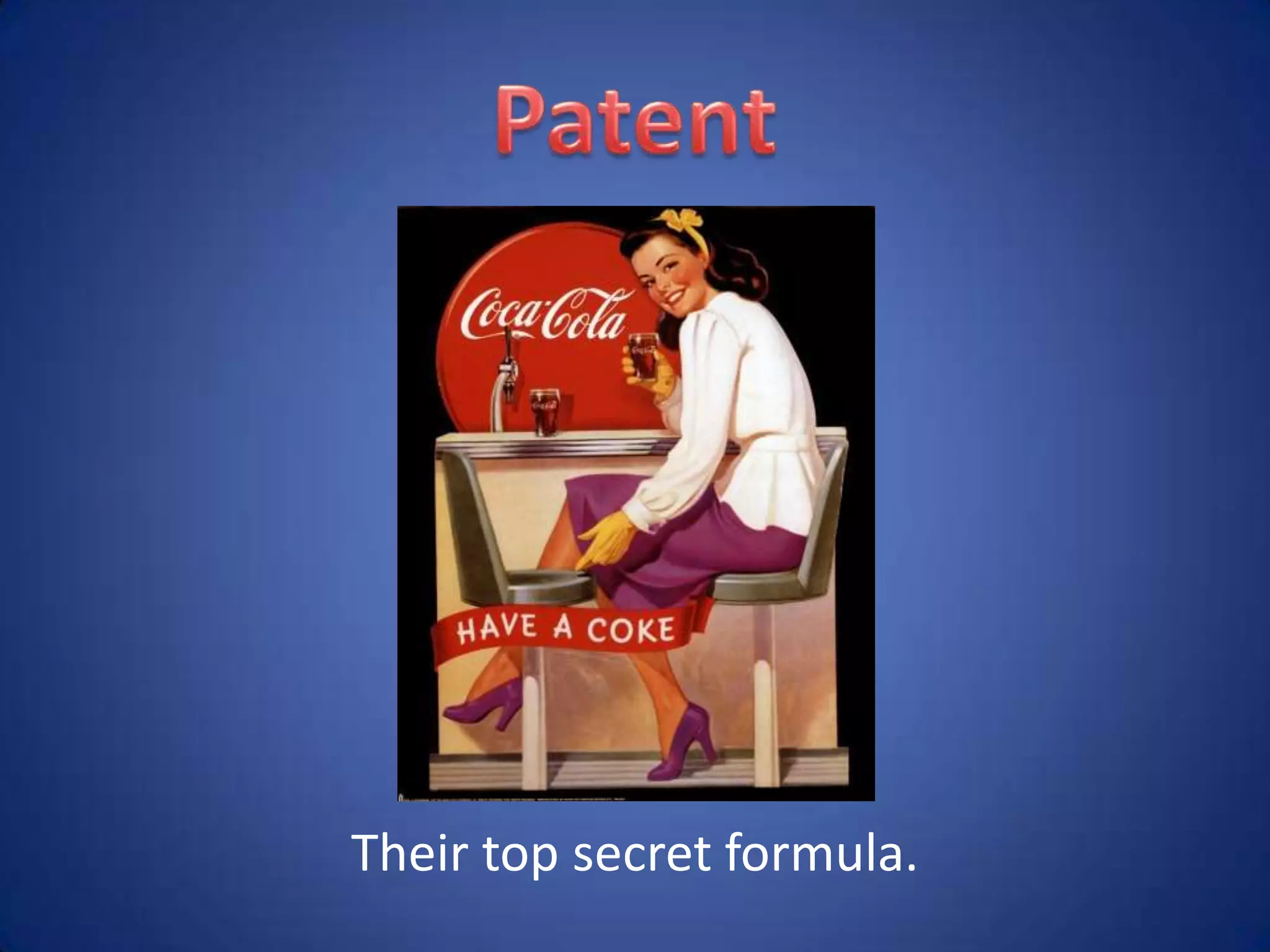
• Patent

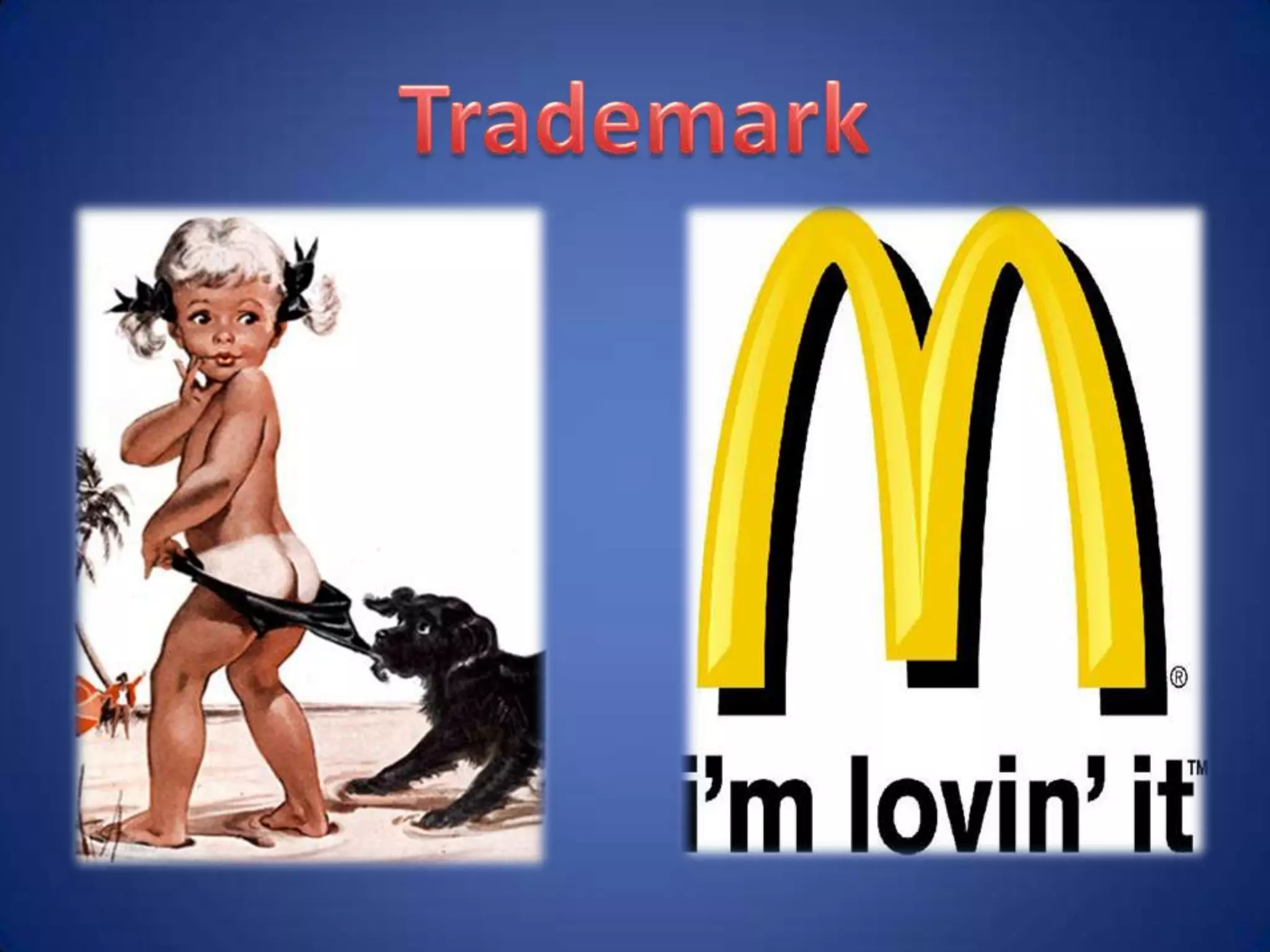
• Trademark
Their top secret formula.
• The law provides
  certain ways in
  which copyright
  works may be used.

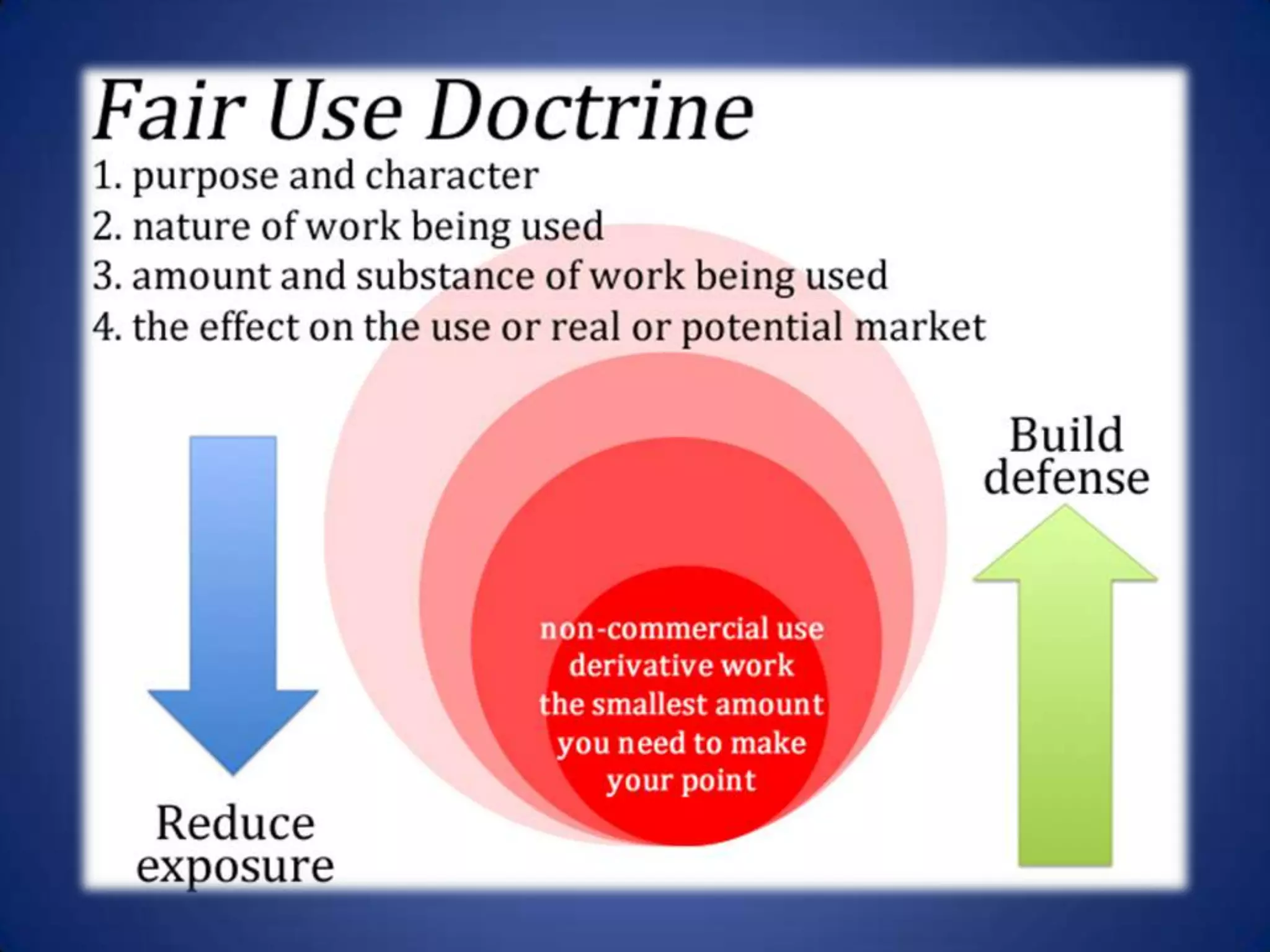
  – Fair use

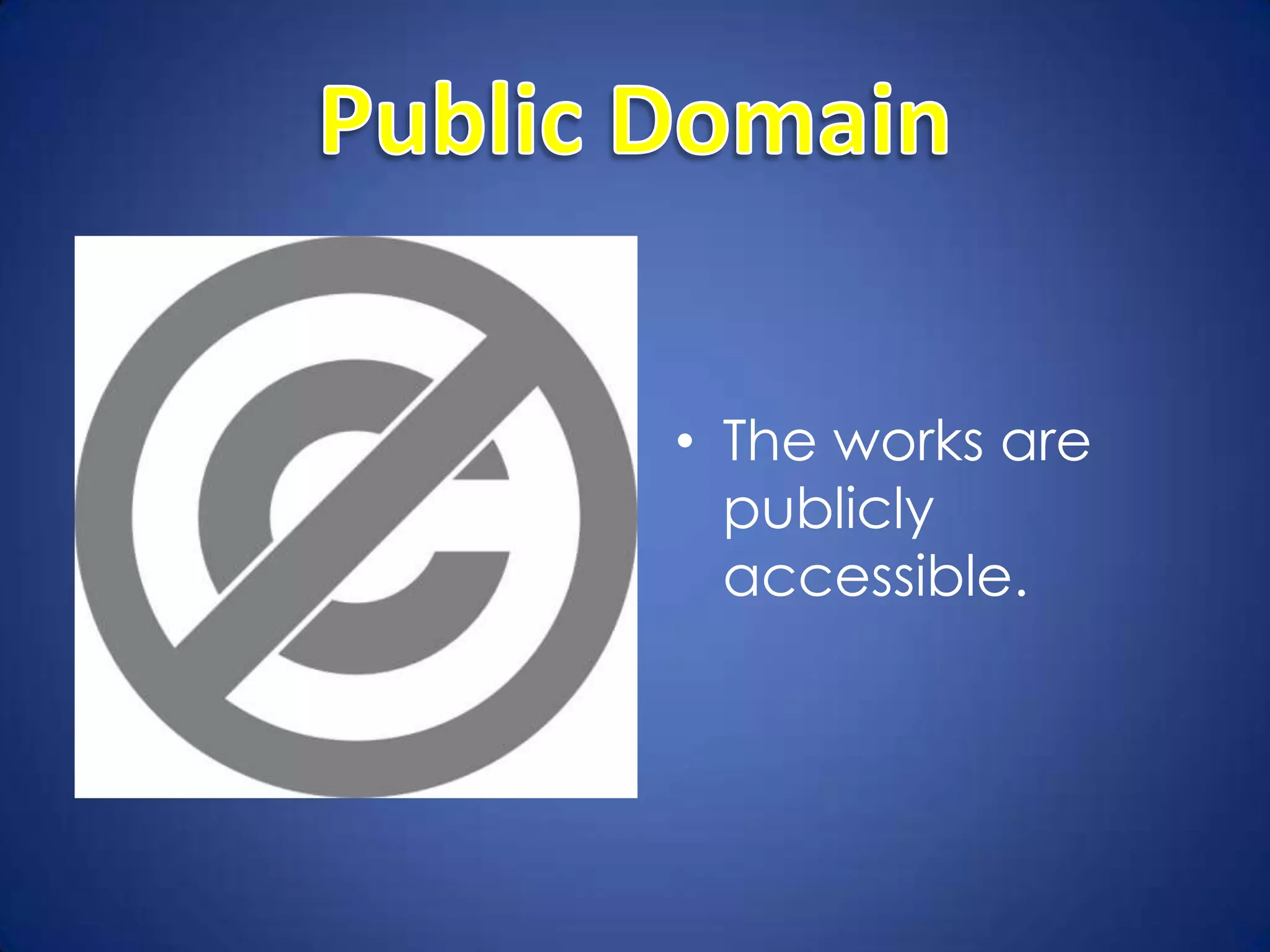
  – Public domain

  – Library privilege

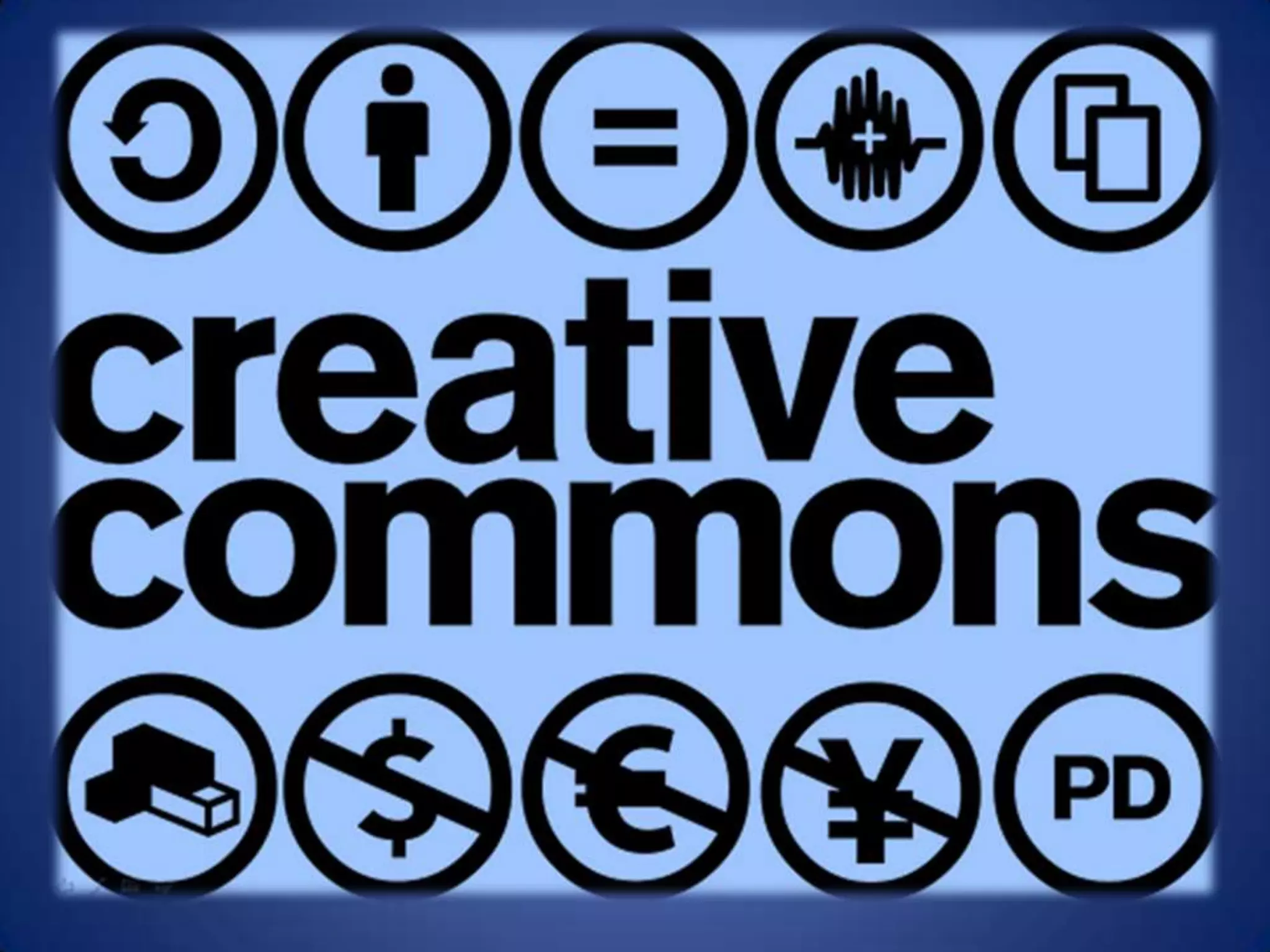
  – Alternative Licenses
    (e.g. CC)
• The works are
  publicly
  accessible.
• Under the TEACH Act, the Copyright law
  provides educators with a separate set of
  rights in addition to fair use, to display and
  perform others´ works in the classroom.

  – Section 110 of the Copyright Act
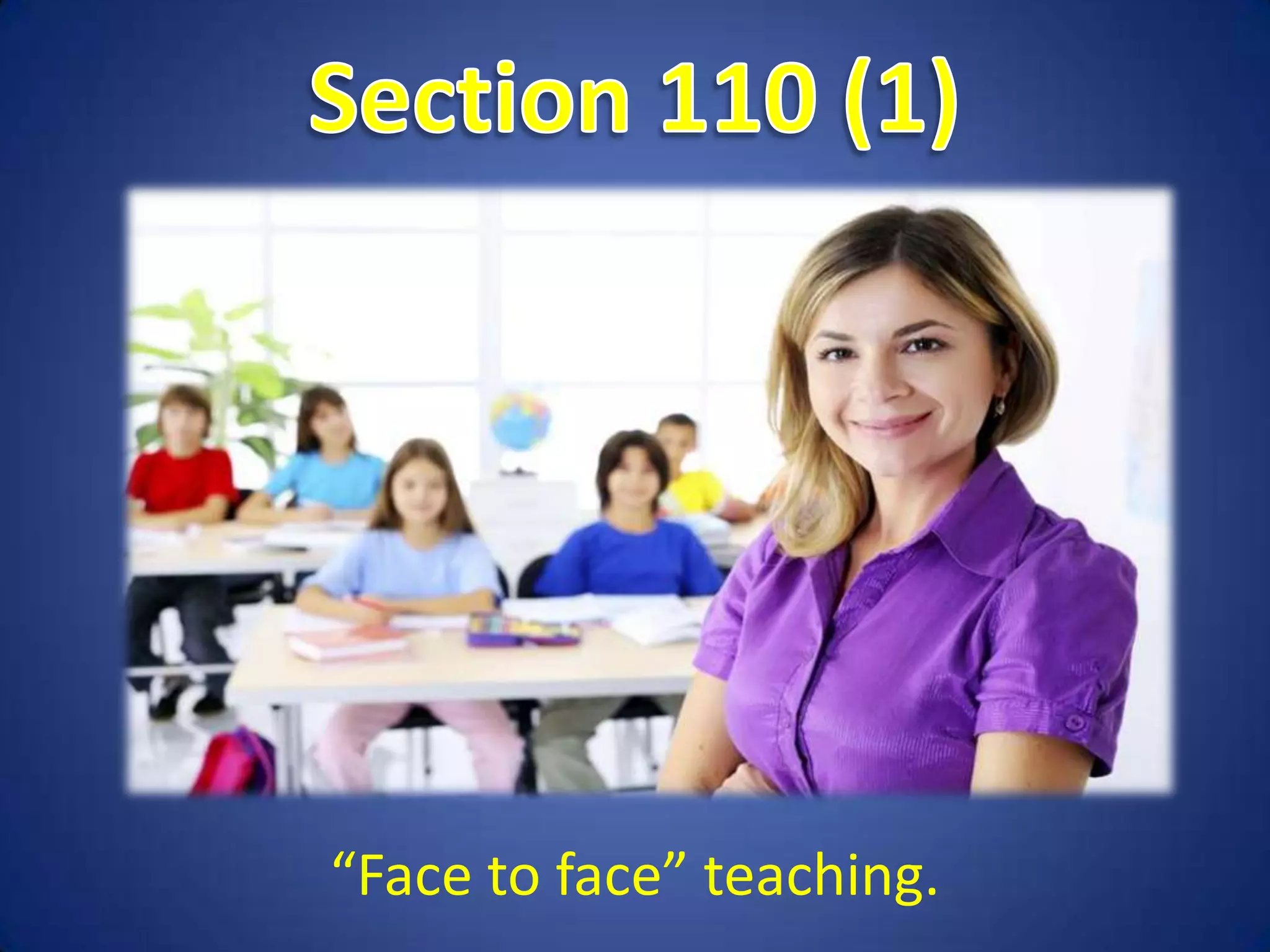
“Face to face” teaching.
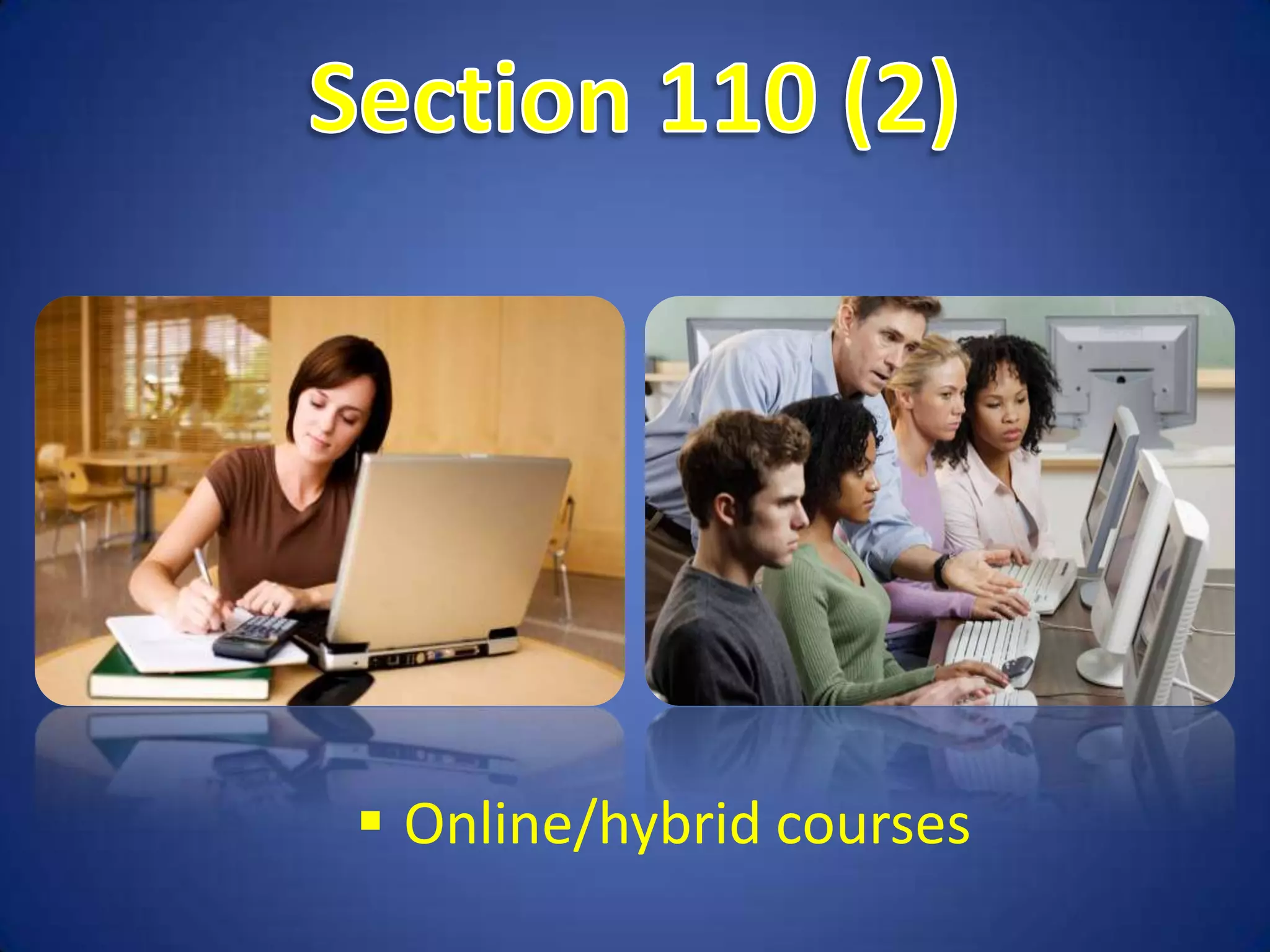
 Online/hybrid courses
Resources List

•   Source 1: (n.d.). Retrieved from http://creativecommons.org/about

•   Source 2: Copyright crash course. (n.d.). Retrieved from http://copyright.lib.utexas.edu/index.html

•   Source 3 : Copyright crash course. (n.d.). Retrieved from
    http://copyright.lib.utexas.edu/teachact.html

•   Source 4: What is copyright?. (n.d.). Retrieved from
    http://www.staffs.ac.uk/legal/copyright/what_is_copyright/

•   Source 5: Copyright in general. (n.d.). Retrieved from http://www.copyright.gov/help/faq/faq-
    general.html

•   Source 6: (n.d.). Retrieved from http://www.plagiarismtoday.com/stopping-internet-
    plagiarism/your-copyrights-online/1-what-is-a-copyright/

•   Source 7: (n.d.). Retrieved from http://www.copyrightkids.org/whatcopyframes.htm

•   Source 8: All images retrieved from Google Images.

Copyright presentation 5

  • 2.
    • A formof protection given to authors of original works grounded in the U.S. Constitution and granted by law.
  • 3.
    • This propertyright can be sold or transferred to others.
  • 5.
    – Title 17of the U.S. Code – The Copyright Act of 1976
  • 6.
     Copyright lawassures ownership, which comes with exclusive rights.
  • 7.
  • 8.
  • 9.
  • 10.
  • 11.
  • 12.
    • Automatic protection •Available for: – Published works – Unpublished works
  • 15.
  • 16.
  • 19.
    • The lawprovides certain ways in which copyright works may be used. – Fair use – Public domain – Library privilege – Alternative Licenses (e.g. CC)
  • 22.
    • The worksare publicly accessible.
  • 26.
    • Under theTEACH Act, the Copyright law provides educators with a separate set of rights in addition to fair use, to display and perform others´ works in the classroom. – Section 110 of the Copyright Act
  • 27.
  • 28.
  • 30.
    Resources List • Source 1: (n.d.). Retrieved from http://creativecommons.org/about • Source 2: Copyright crash course. (n.d.). Retrieved from http://copyright.lib.utexas.edu/index.html • Source 3 : Copyright crash course. (n.d.). Retrieved from http://copyright.lib.utexas.edu/teachact.html • Source 4: What is copyright?. (n.d.). Retrieved from http://www.staffs.ac.uk/legal/copyright/what_is_copyright/ • Source 5: Copyright in general. (n.d.). Retrieved from http://www.copyright.gov/help/faq/faq- general.html • Source 6: (n.d.). Retrieved from http://www.plagiarismtoday.com/stopping-internet- plagiarism/your-copyrights-online/1-what-is-a-copyright/ • Source 7: (n.d.). Retrieved from http://www.copyrightkids.org/whatcopyframes.htm • Source 8: All images retrieved from Google Images.