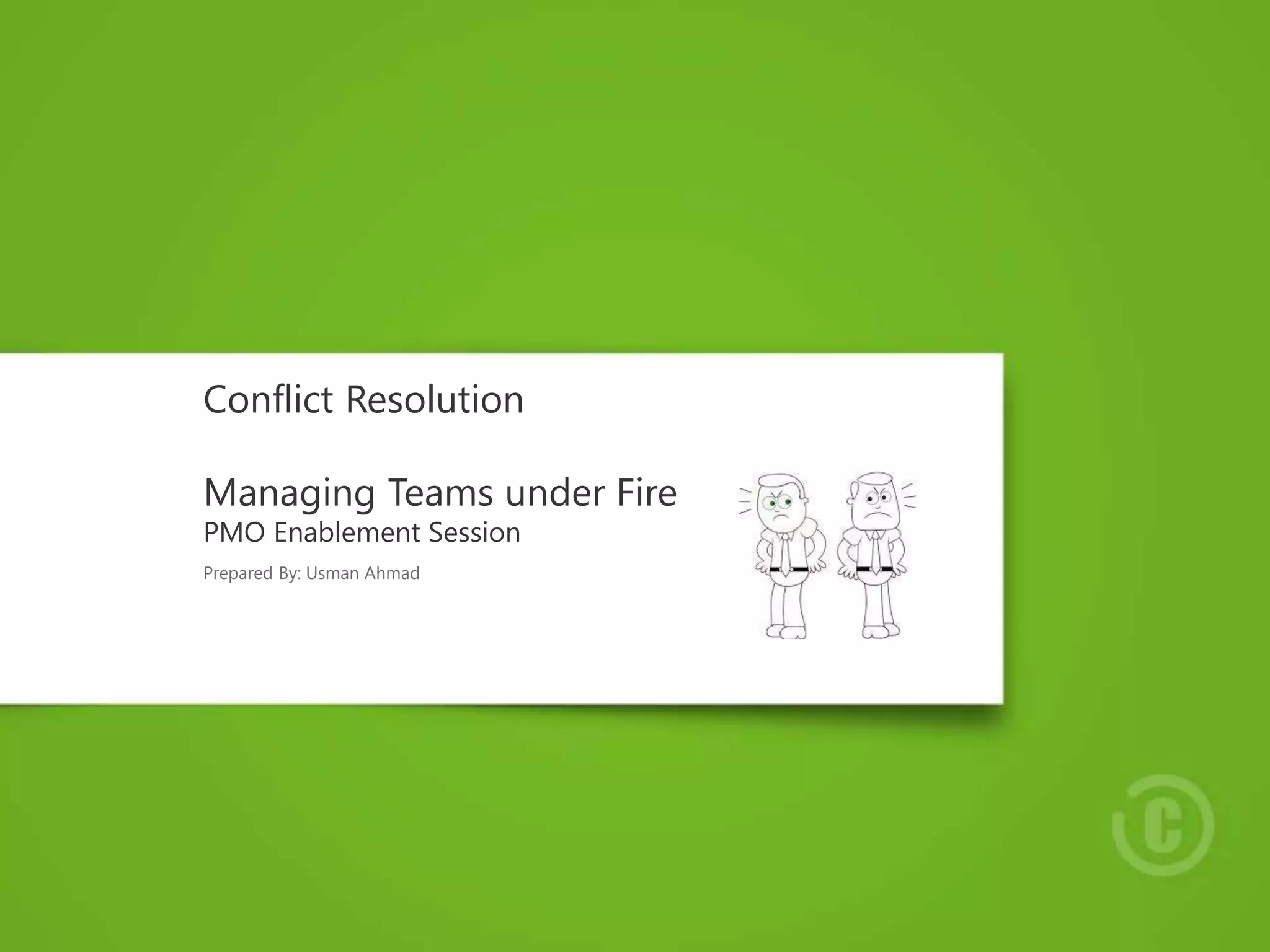
Conflict Resolution
Managing Teams under Fire
Prepared By: Usman Ahmad
PMO Enablement Session
Agenda
• Overview
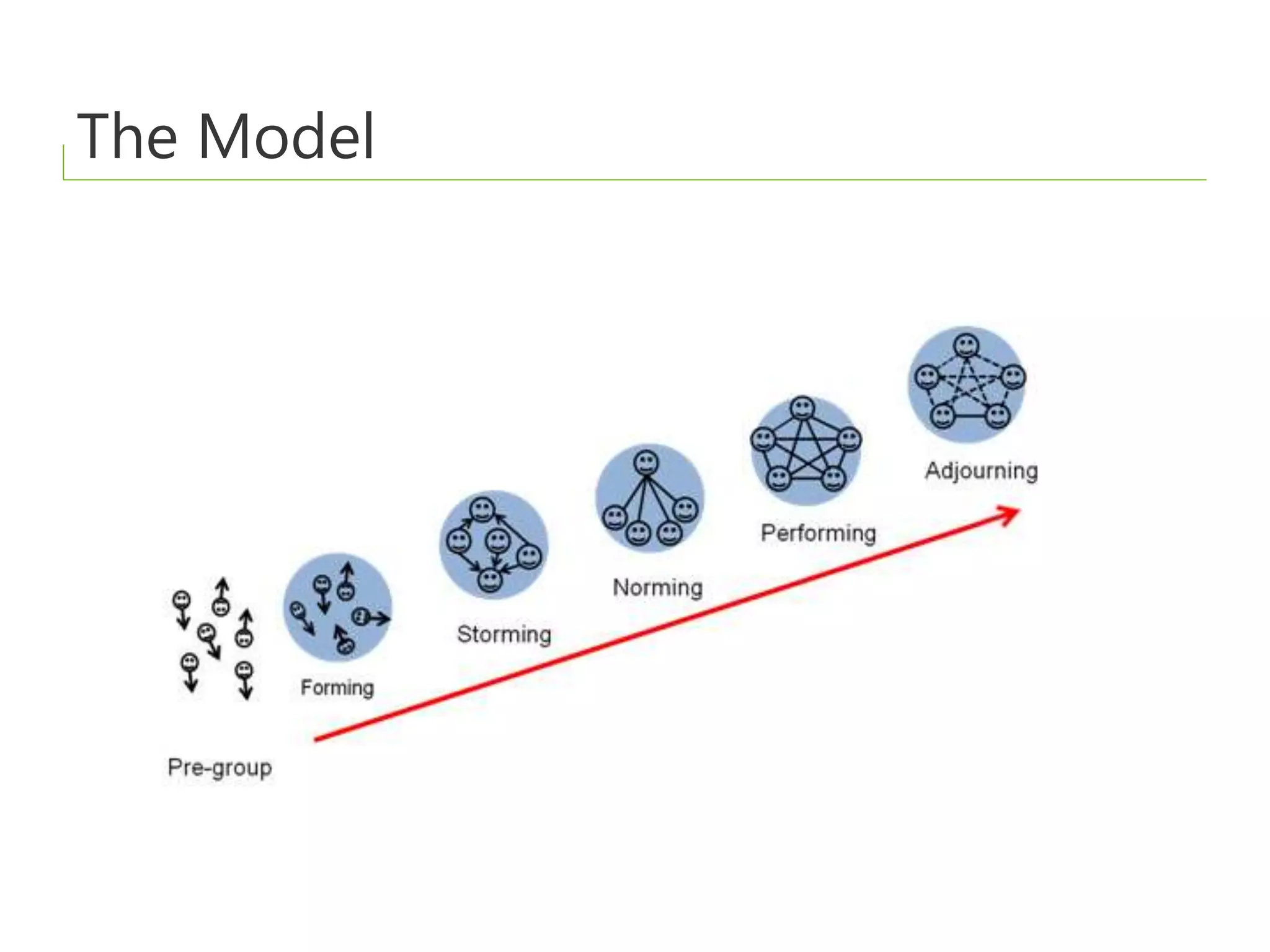
• Tuckman’s Team Development Model
• Five Levels of Conflict - The Agile Way
• Conflict Management Strategies
• The Iceberg of Conflict
• ABC of Mutual Purpose
Overview
• An agile team humming along in the rhythm of steady -
momentum will display conflict all the time. Its normal.
• It happens in neighborhoods, community, friends and agile
teams—especially agile teams—where team members sit arm’s
distance everyday while responding to the built-in pressure of
the time-boxed sprint.
• As a leader, we often have to help team in navigating through
conflict to rather make it a constructive disagreement.
Tuckman’s
Model
Background
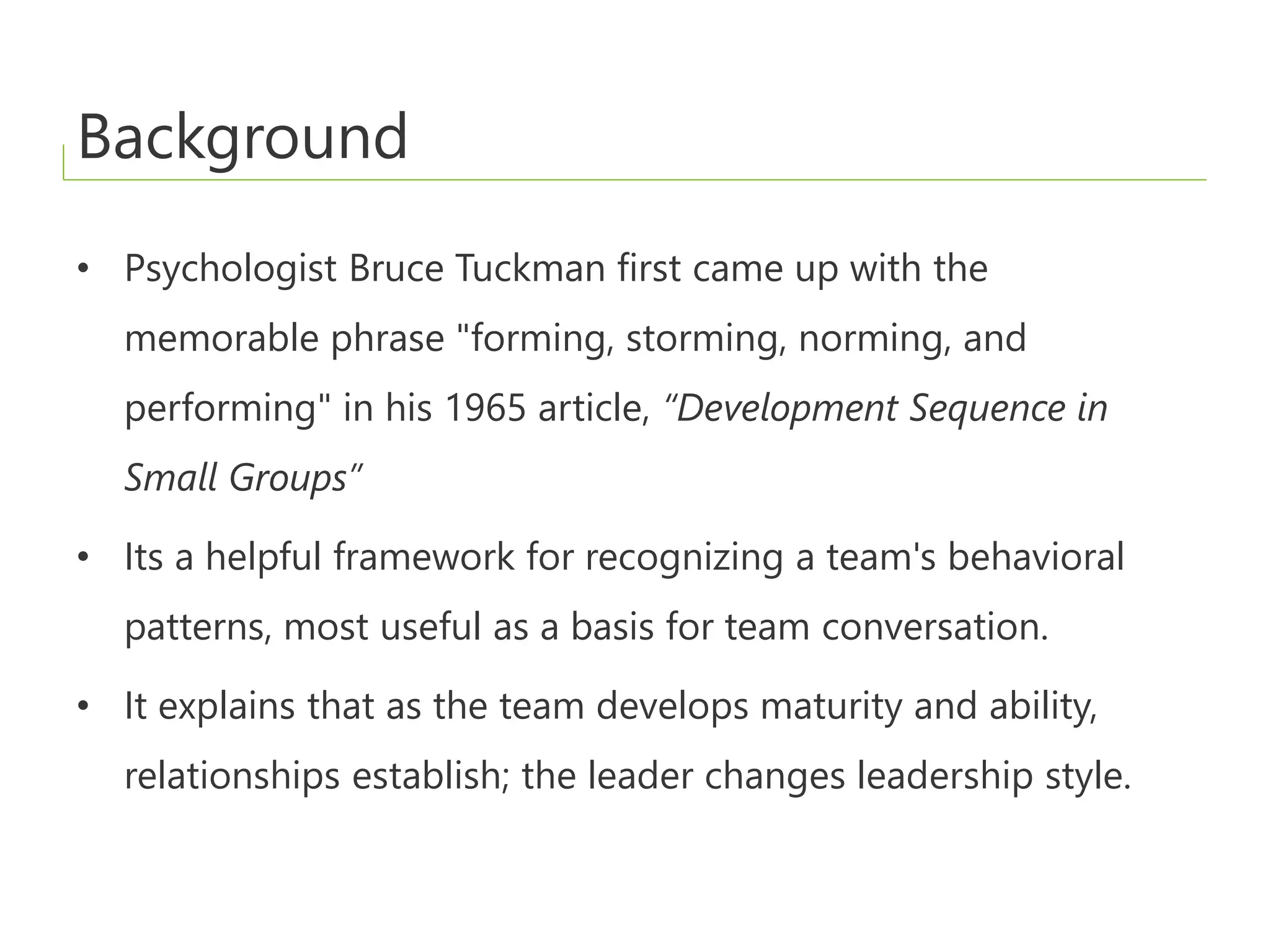
• Psychologist Bruce Tuckman first came up with the
memorable phrase "forming, storming, norming, and
performing" in his 1965 article, “Development Sequence in
Small Groups”
• Its a helpful framework for recognizing a team's behavioral
patterns, most useful as a basis for team conversation.
• It explains that as the team develops maturity and ability,
relationships establish; the leader changes leadership style.
The Model
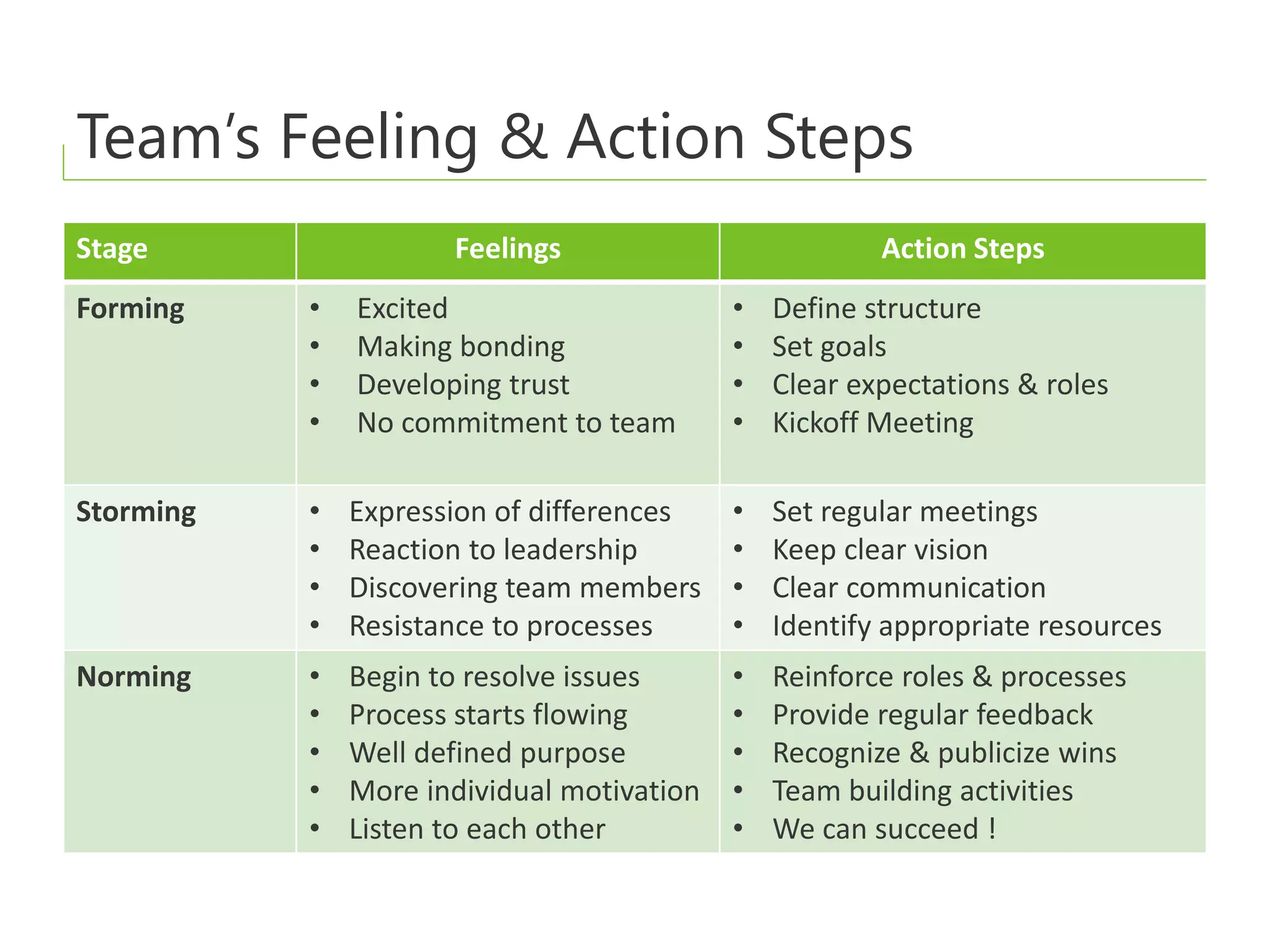
Team’s Feeling & Action Steps
Stage Feelings Action Steps
Forming • Excited
• Making bonding
• Developing trust
• No commitment to team
• Define structure
• Set goals
• Clear expectations & roles
• Kickoff Meeting
Storming • Expression of differences
• Reaction to leadership
• Discovering team members
• Resistance to processes
• Set regular meetings
• Keep clear vision
• Clear communication
• Identify appropriate resources
Norming • Begin to resolve issues
• Process starts flowing
• Well defined purpose
• More individual motivation
• Listen to each other
• Reinforce roles & processes
• Provide regular feedback
• Recognize & publicize wins
• Team building activities
• We can succeed !
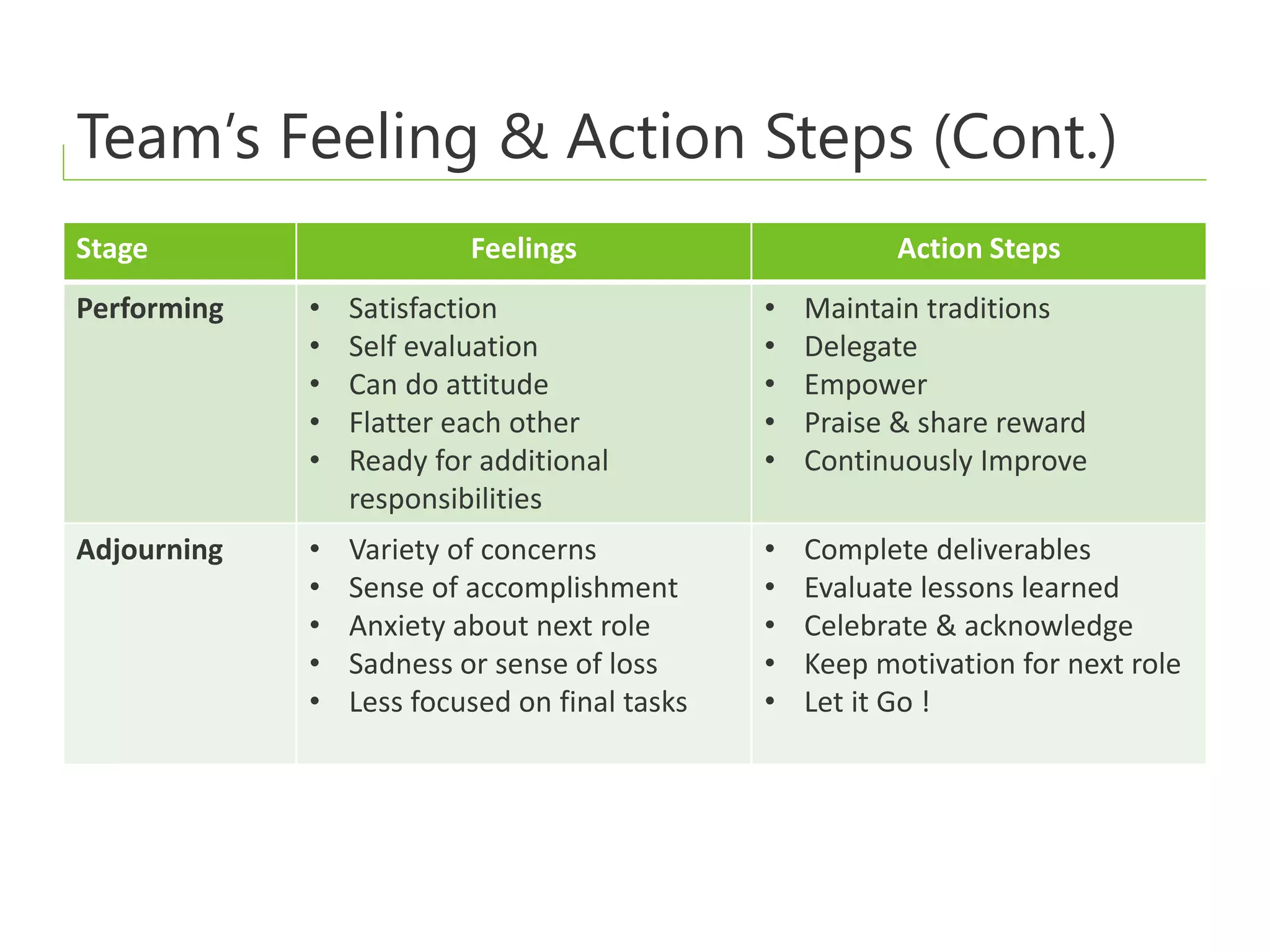
Team’s Feeling & Action Steps (Cont.)
Stage Feelings Action Steps
Performing • Satisfaction
• Self evaluation
• Can do attitude
• Flatter each other
• Ready for additional
responsibilities
• Maintain traditions
• Delegate
• Empower
• Praise & share reward
• Continuously Improve
Adjourning • Variety of concerns
• Sense of accomplishment
• Anxiety about next role
• Sadness or sense of loss
• Less focused on final tasks
• Complete deliverables
• Evaluate lessons learned
• Celebrate & acknowledge
• Keep motivation for next role
• Let it Go !
Five Levels of
Conflict in
Agile
The Volcano
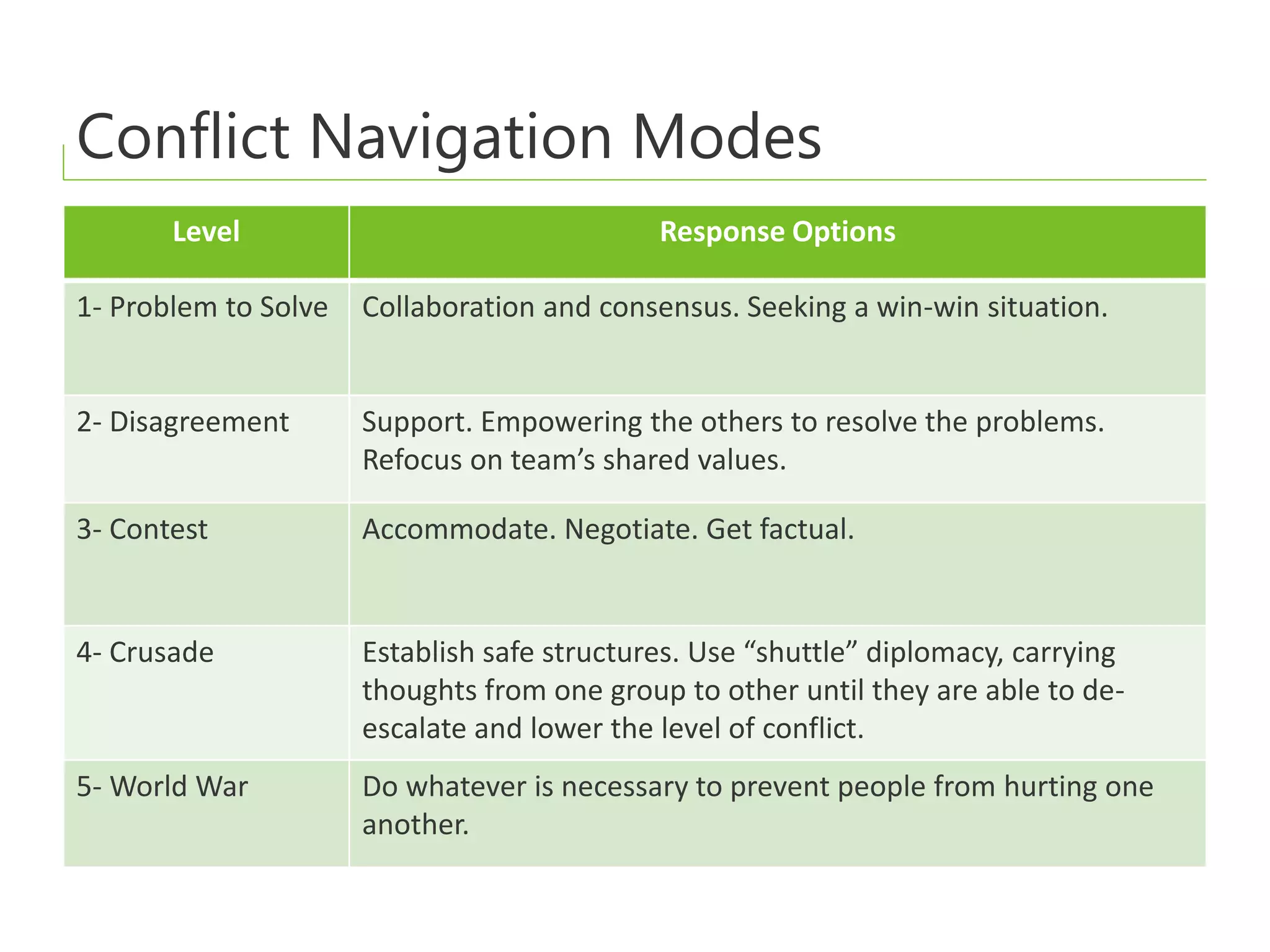
Conflict Navigation Modes
Level Response Options
1- Problem to Solve Collaboration and consensus. Seeking a win-win situation.
2- Disagreement Support. Empowering the others to resolve the problems.
Refocus on team’s shared values.
3- Contest Accommodate. Negotiate. Get factual.
4- Crusade Establish safe structures. Use “shuttle” diplomacy, carrying
thoughts from one group to other until they are able to de-
escalate and lower the level of conflict.
5- World War Do whatever is necessary to prevent people from hurting one
another.
Conflict
Management
Strategies
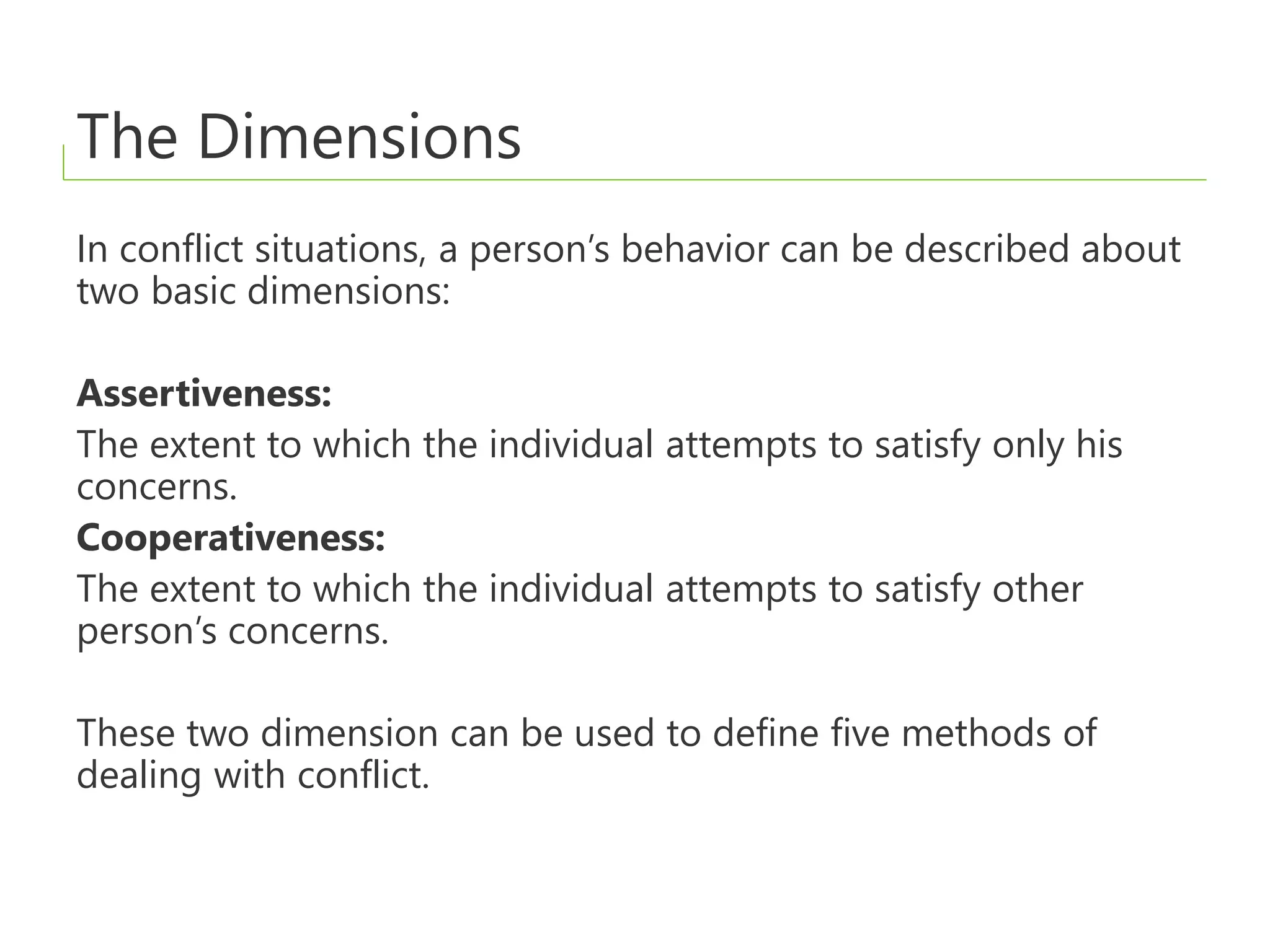
The Dimensions
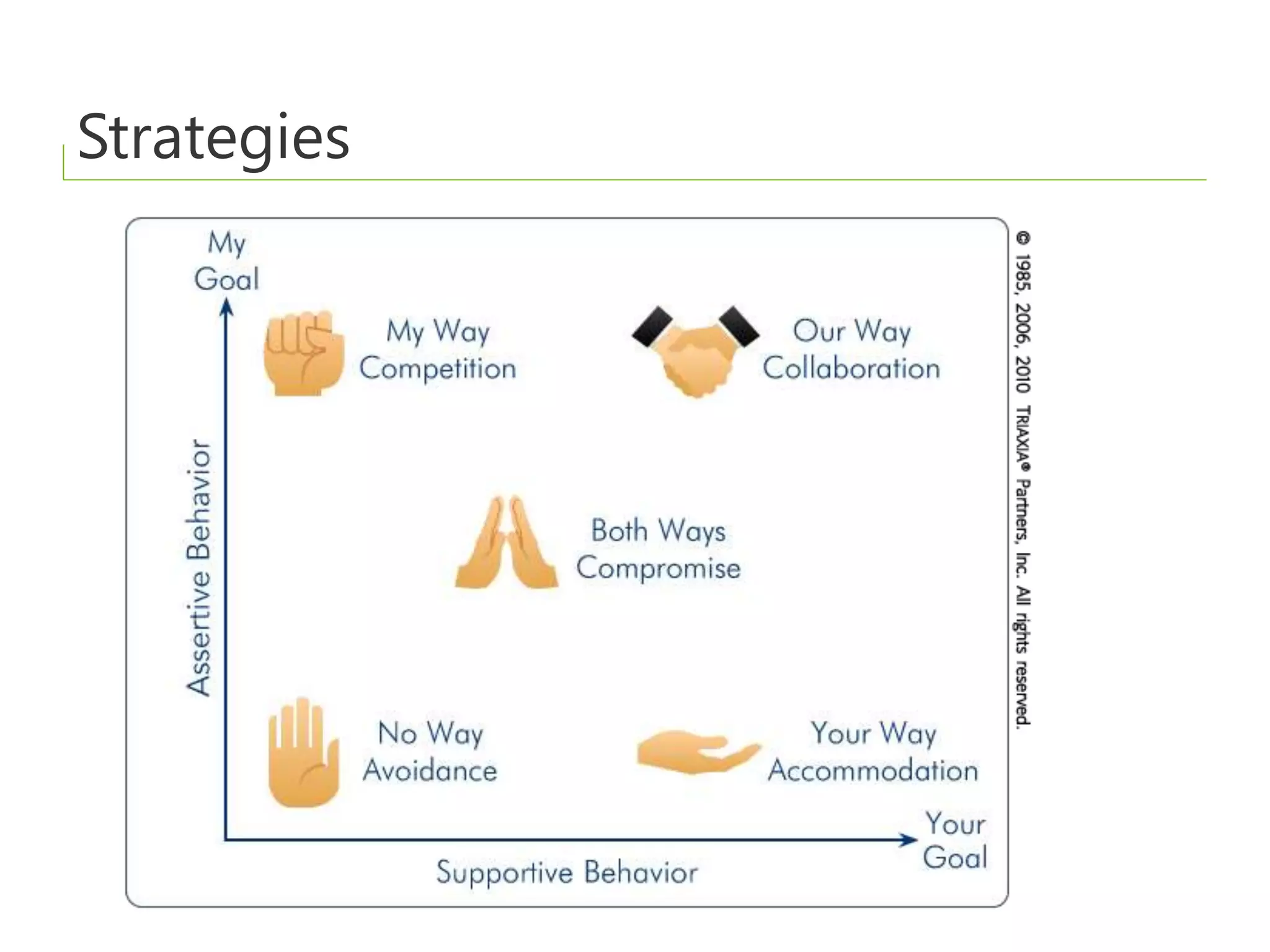
In conflict situations, a person’s behavior can be described about
two basic dimensions:
Assertiveness:
The extent to which the individual attempts to satisfy only his
concerns.
Cooperativeness:
The extent to which the individual attempts to satisfy other
person’s concerns.
These two dimension can be used to define five methods of
dealing with conflict.
Strategies
Iceberg of
Conflict
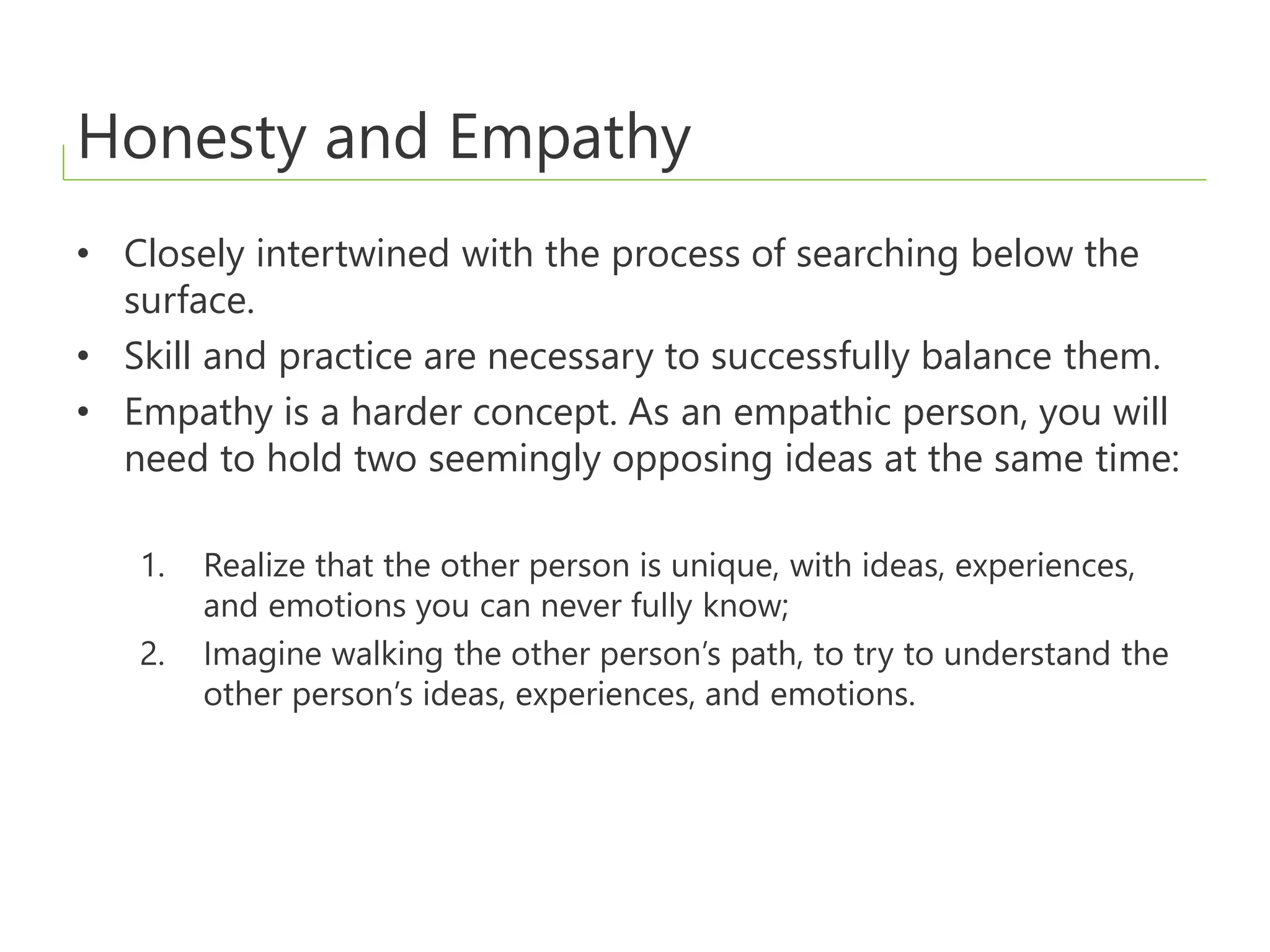
Honesty and Empathy
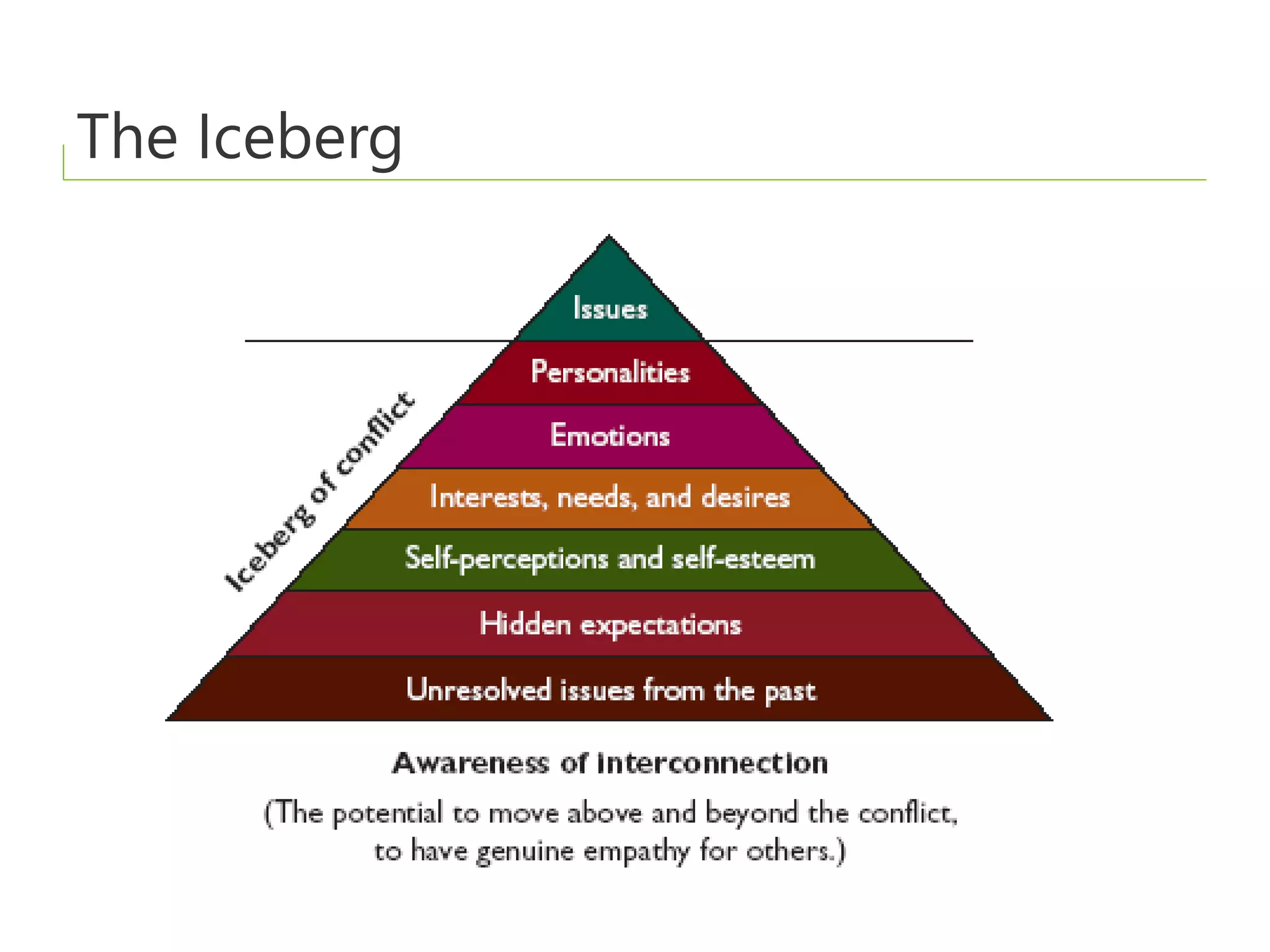
• Closely intertwined with the process of searching below the
surface.
• Skill and practice are necessary to successfully balance them.
• Empathy is a harder concept. As an empathic person, you will
need to hold two seemingly opposing ideas at the same time:
1. Realize that the other person is unique, with ideas, experiences,
and emotions you can never fully know;
2. Imagine walking the other person’s path, to try to understand the
other person’s ideas, experiences, and emotions.
The Iceberg
ABC of
Mutual
Purpose
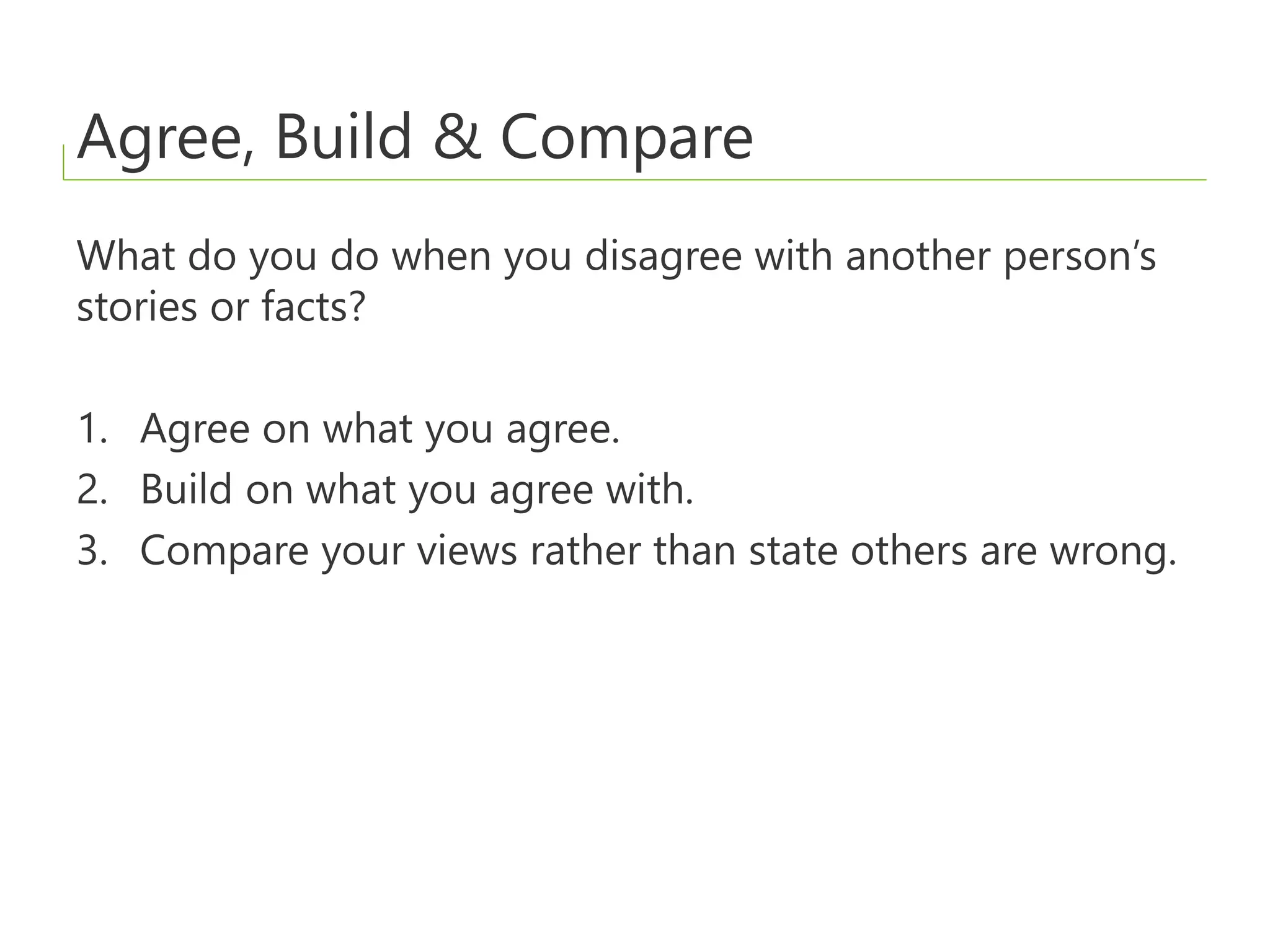
Agree, Build & Compare
What do you do when you disagree with another person’s
stories or facts?
1. Agree on what you agree.
2. Build on what you agree with.
3. Compare your views rather than state others are wrong.
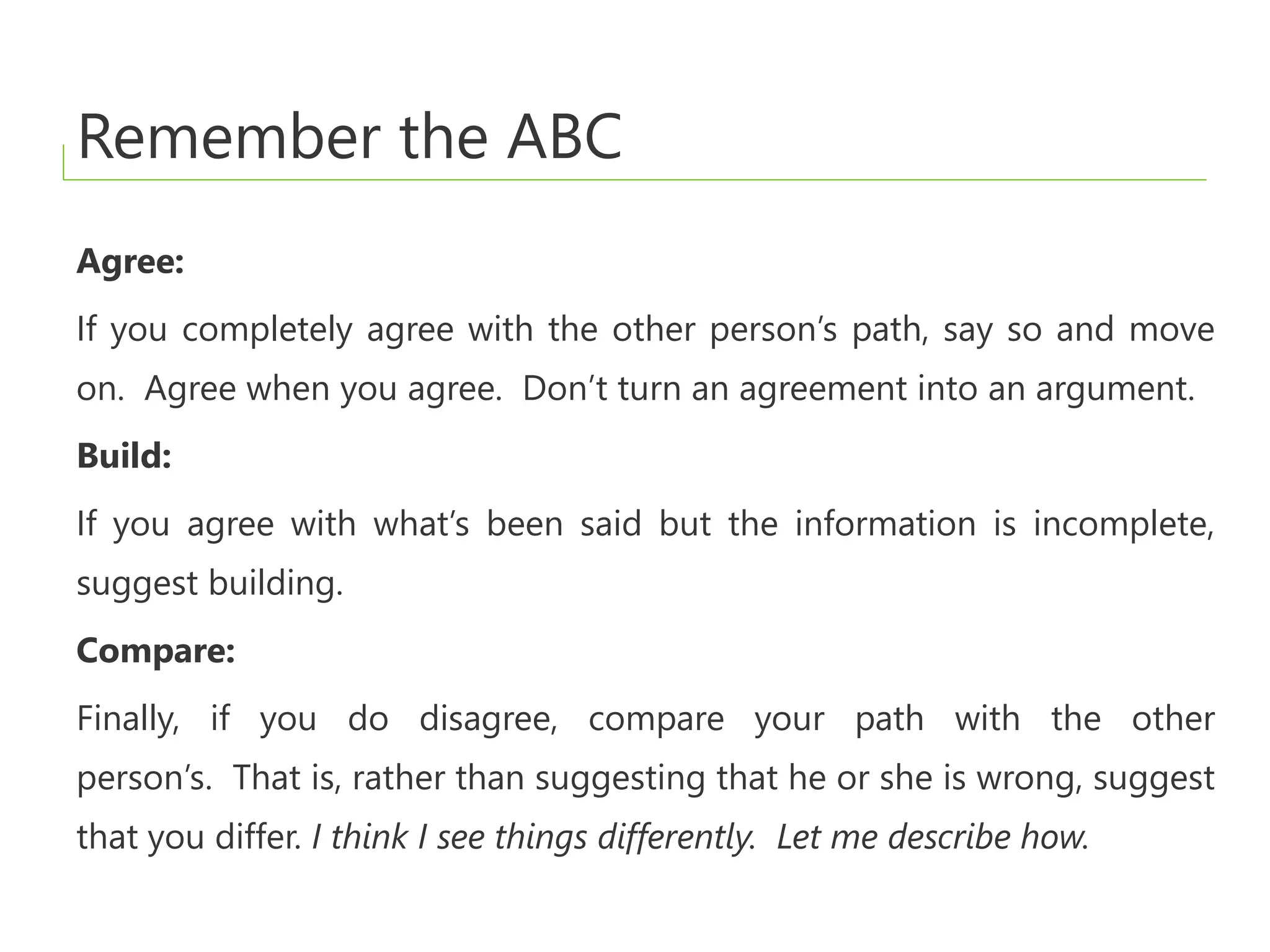
Remember the ABC
Agree:
If you completely agree with the other person’s path, say so and move
on. Agree when you agree. Don’t turn an agreement into an argument.
Build:
If you agree with what’s been said but the information is incomplete,
suggest building.
Compare:
Finally, if you do disagree, compare your path with the other
person’s. That is, rather than suggesting that he or she is wrong, suggest
that you differ. I think I see things differently. Let me describe how.
Conflict
or
Opportunity
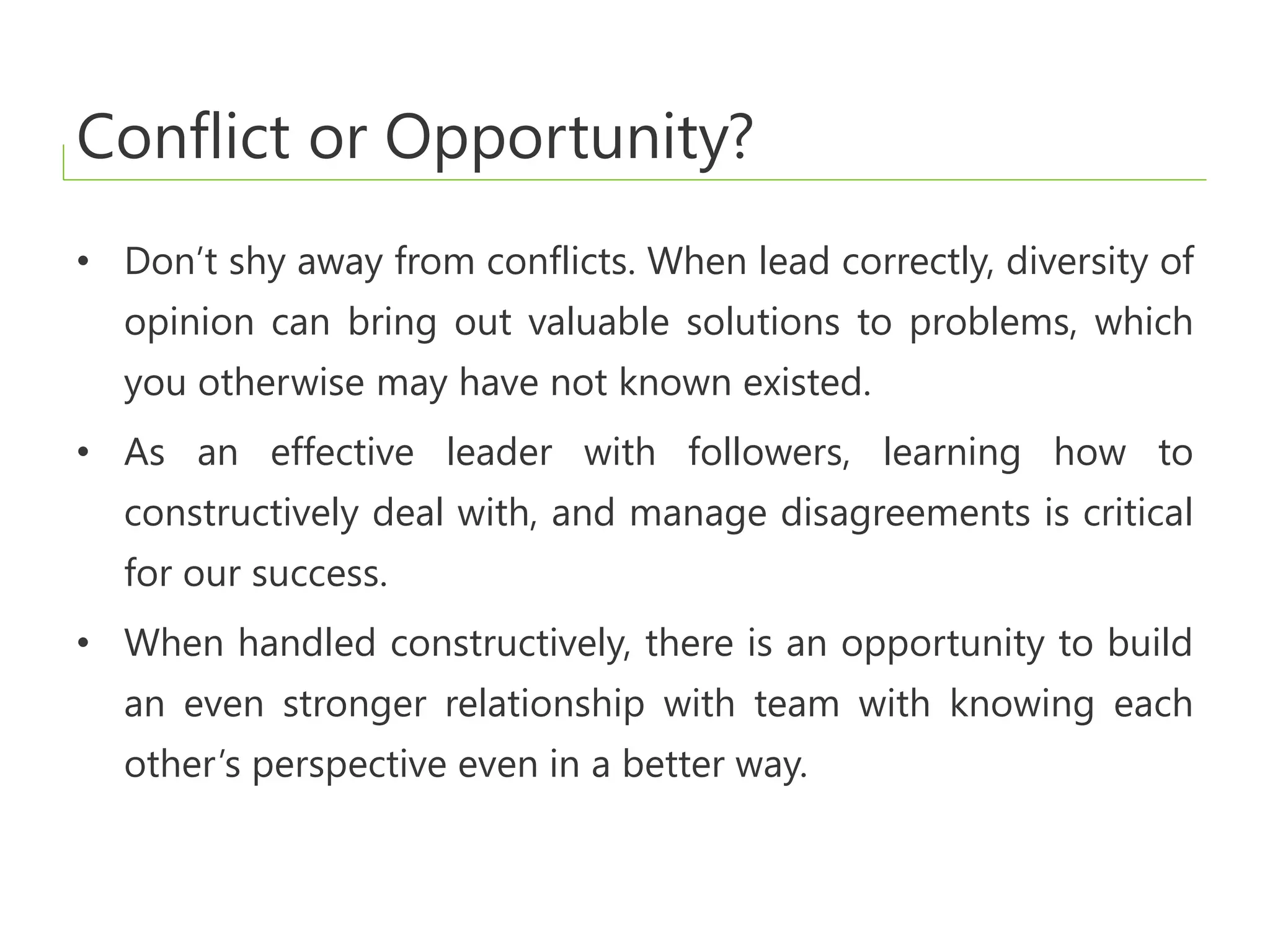
Conflict or Opportunity?
• Don’t shy away from conflicts. When lead correctly, diversity of
opinion can bring out valuable solutions to problems, which
you otherwise may have not known existed.
• As an effective leader with followers, learning how to
constructively deal with, and manage disagreements is critical
for our success.
• When handled constructively, there is an opportunity to build
an even stronger relationship with team with knowing each
other’s perspective even in a better way.
Thank You !

ConflictResolution - Managing Teams under Fire

  • 1.
    Conflict Resolution Managing Teamsunder Fire Prepared By: Usman Ahmad PMO Enablement Session
  • 2.
    Agenda • Overview • Tuckman’sTeam Development Model • Five Levels of Conflict - The Agile Way • Conflict Management Strategies • The Iceberg of Conflict • ABC of Mutual Purpose
  • 3.
    Overview • An agileteam humming along in the rhythm of steady - momentum will display conflict all the time. Its normal. • It happens in neighborhoods, community, friends and agile teams—especially agile teams—where team members sit arm’s distance everyday while responding to the built-in pressure of the time-boxed sprint. • As a leader, we often have to help team in navigating through conflict to rather make it a constructive disagreement.
  • 4.
  • 5.
    Background • Psychologist BruceTuckman first came up with the memorable phrase "forming, storming, norming, and performing" in his 1965 article, “Development Sequence in Small Groups” • Its a helpful framework for recognizing a team's behavioral patterns, most useful as a basis for team conversation. • It explains that as the team develops maturity and ability, relationships establish; the leader changes leadership style.
  • 6.
  • 7.
    Team’s Feeling &Action Steps Stage Feelings Action Steps Forming • Excited • Making bonding • Developing trust • No commitment to team • Define structure • Set goals • Clear expectations & roles • Kickoff Meeting Storming • Expression of differences • Reaction to leadership • Discovering team members • Resistance to processes • Set regular meetings • Keep clear vision • Clear communication • Identify appropriate resources Norming • Begin to resolve issues • Process starts flowing • Well defined purpose • More individual motivation • Listen to each other • Reinforce roles & processes • Provide regular feedback • Recognize & publicize wins • Team building activities • We can succeed !
  • 8.
    Team’s Feeling &Action Steps (Cont.) Stage Feelings Action Steps Performing • Satisfaction • Self evaluation • Can do attitude • Flatter each other • Ready for additional responsibilities • Maintain traditions • Delegate • Empower • Praise & share reward • Continuously Improve Adjourning • Variety of concerns • Sense of accomplishment • Anxiety about next role • Sadness or sense of loss • Less focused on final tasks • Complete deliverables • Evaluate lessons learned • Celebrate & acknowledge • Keep motivation for next role • Let it Go !
  • 9.
  • 10.
  • 11.
    Conflict Navigation Modes LevelResponse Options 1- Problem to Solve Collaboration and consensus. Seeking a win-win situation. 2- Disagreement Support. Empowering the others to resolve the problems. Refocus on team’s shared values. 3- Contest Accommodate. Negotiate. Get factual. 4- Crusade Establish safe structures. Use “shuttle” diplomacy, carrying thoughts from one group to other until they are able to de- escalate and lower the level of conflict. 5- World War Do whatever is necessary to prevent people from hurting one another.
  • 12.
  • 13.
    The Dimensions In conflictsituations, a person’s behavior can be described about two basic dimensions: Assertiveness: The extent to which the individual attempts to satisfy only his concerns. Cooperativeness: The extent to which the individual attempts to satisfy other person’s concerns. These two dimension can be used to define five methods of dealing with conflict.
  • 14.
  • 15.
  • 16.
    Honesty and Empathy •Closely intertwined with the process of searching below the surface. • Skill and practice are necessary to successfully balance them. • Empathy is a harder concept. As an empathic person, you will need to hold two seemingly opposing ideas at the same time: 1. Realize that the other person is unique, with ideas, experiences, and emotions you can never fully know; 2. Imagine walking the other person’s path, to try to understand the other person’s ideas, experiences, and emotions.
  • 17.
  • 18.
  • 19.
    Agree, Build &Compare What do you do when you disagree with another person’s stories or facts? 1. Agree on what you agree. 2. Build on what you agree with. 3. Compare your views rather than state others are wrong.
  • 20.
    Remember the ABC Agree: Ifyou completely agree with the other person’s path, say so and move on. Agree when you agree. Don’t turn an agreement into an argument. Build: If you agree with what’s been said but the information is incomplete, suggest building. Compare: Finally, if you do disagree, compare your path with the other person’s. That is, rather than suggesting that he or she is wrong, suggest that you differ. I think I see things differently. Let me describe how.
  • 21.
  • 22.
    Conflict or Opportunity? •Don’t shy away from conflicts. When lead correctly, diversity of opinion can bring out valuable solutions to problems, which you otherwise may have not known existed. • As an effective leader with followers, learning how to constructively deal with, and manage disagreements is critical for our success. • When handled constructively, there is an opportunity to build an even stronger relationship with team with knowing each other’s perspective even in a better way.
  • 23.