3
2
1
GO
11))RRAAJJAATT BBAAWWNNOOOO 
22))UUTTSSAAVV SSOONNII 
33))HHAARRSSHH SSHHAAHH 
GGuuiiddaannccee bbyy MMss.. SSNNEEHHAALL PPOOPPLLII
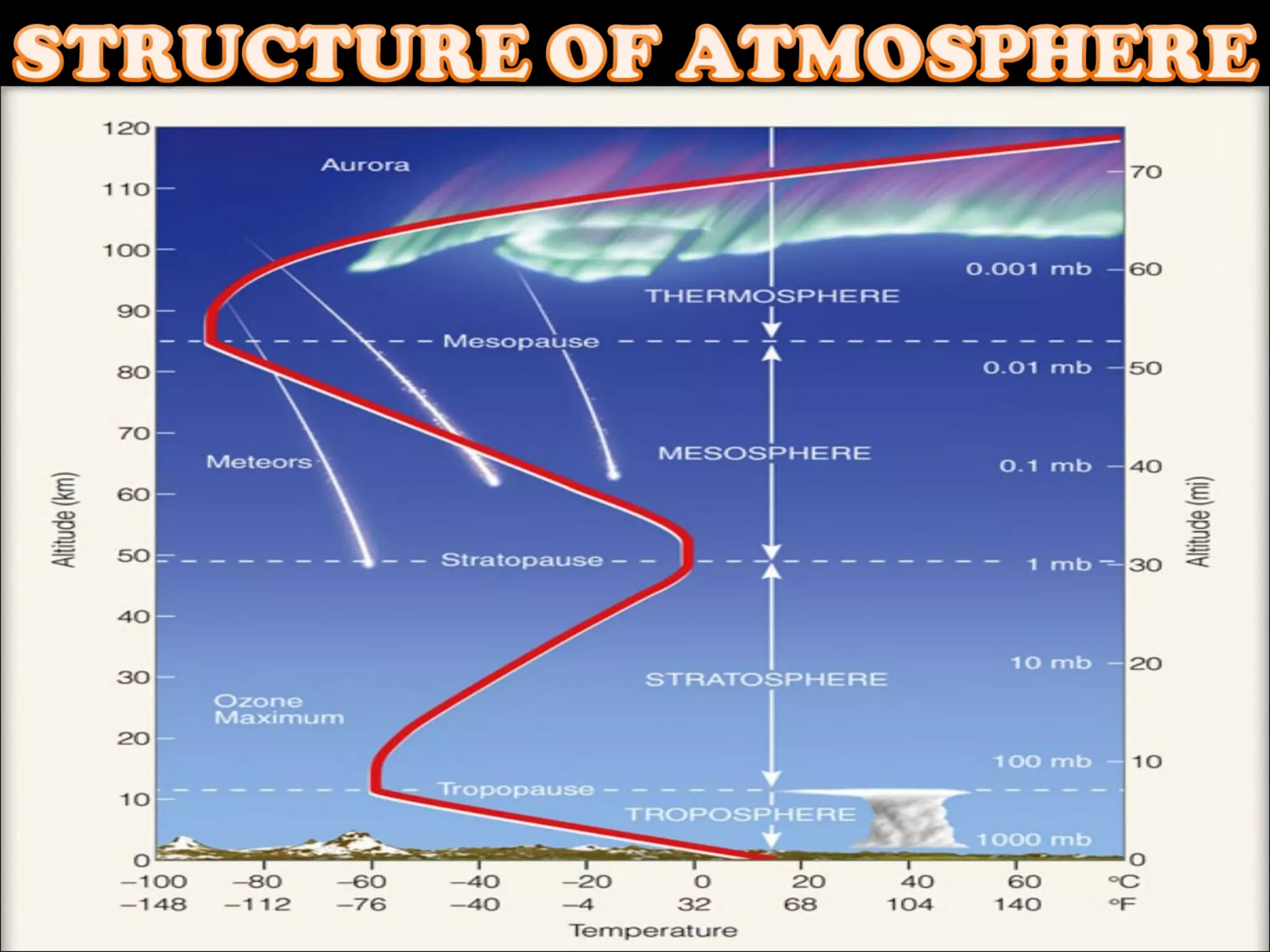
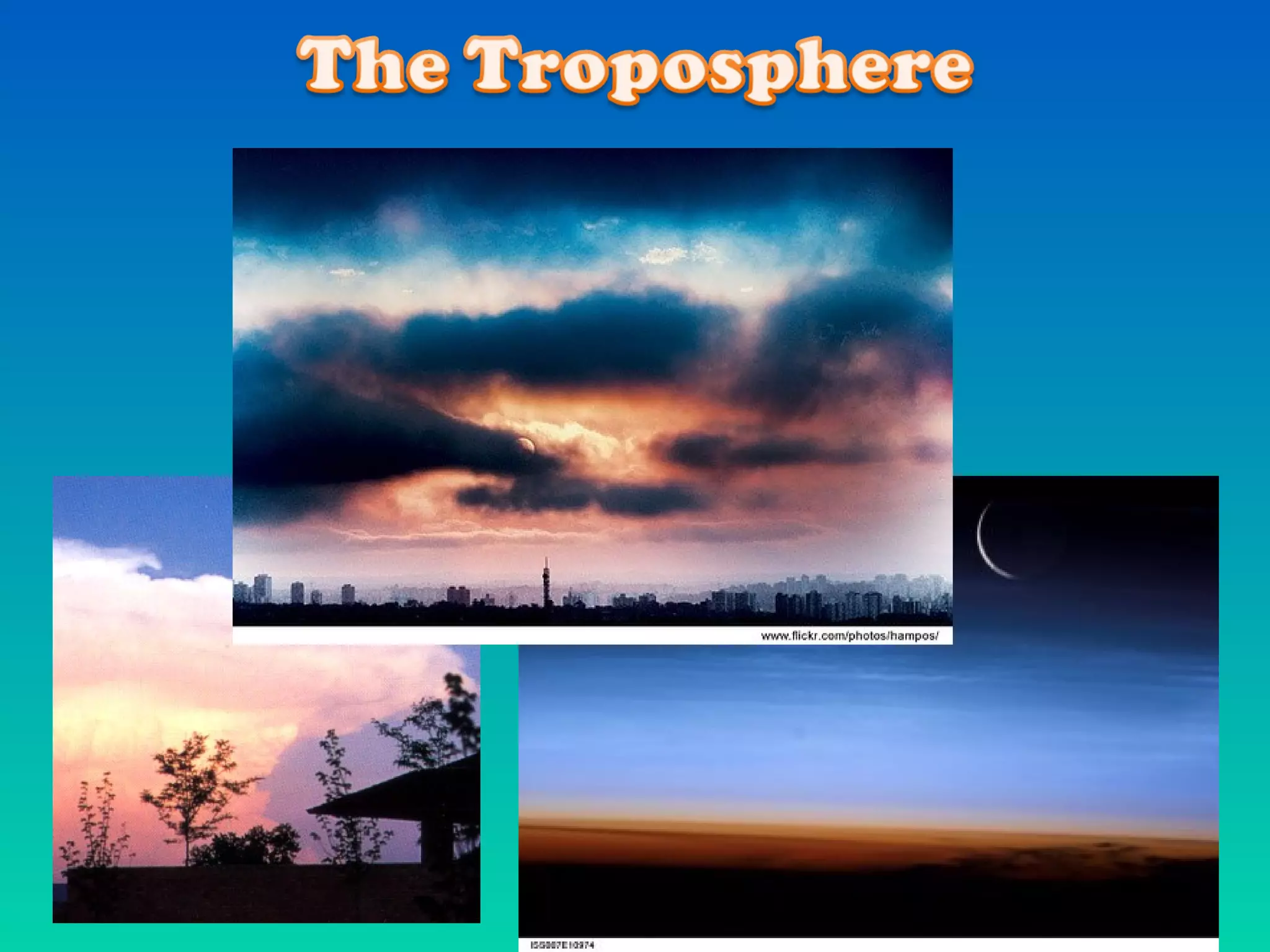
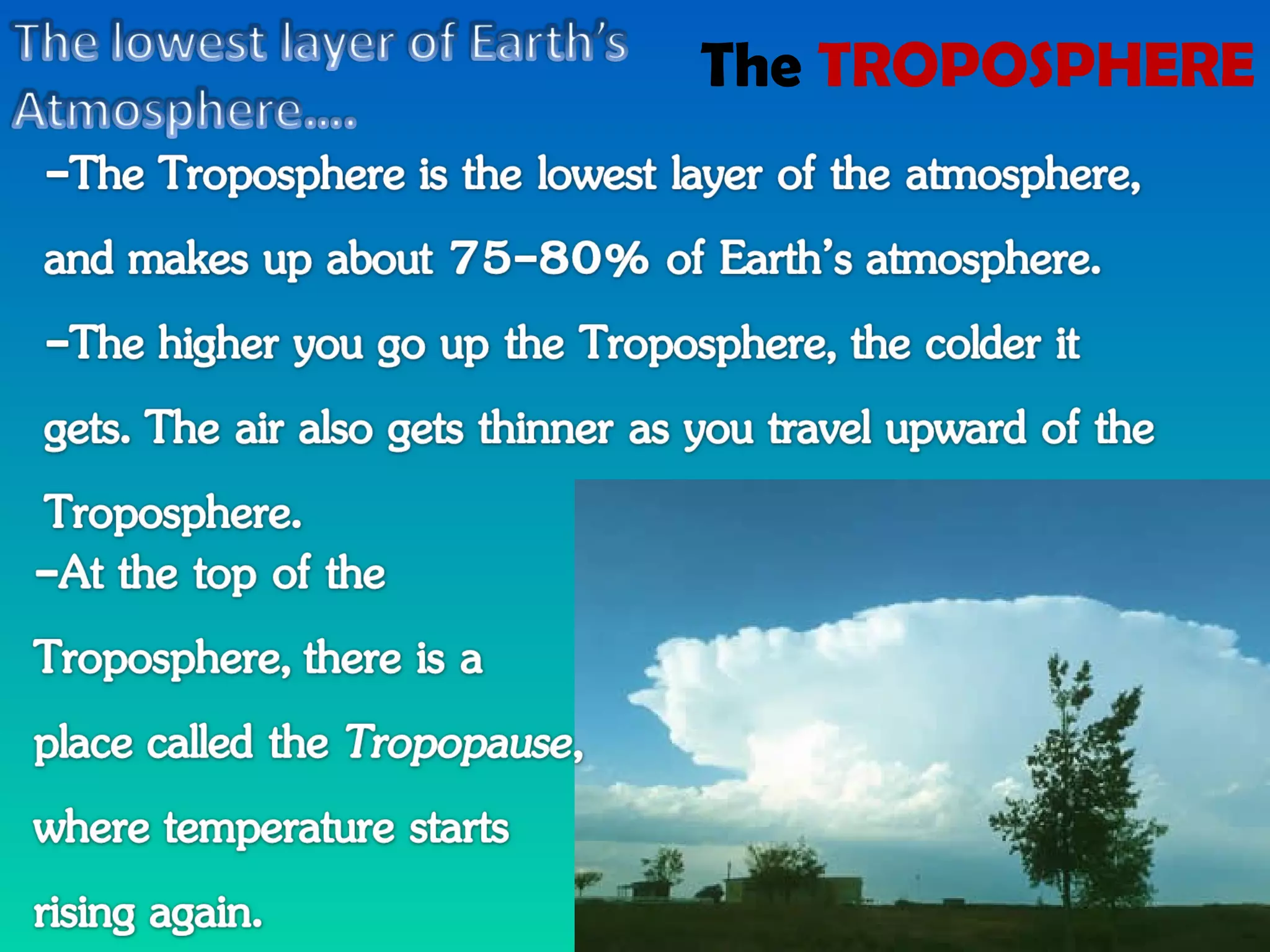
The TROPOSPHERE
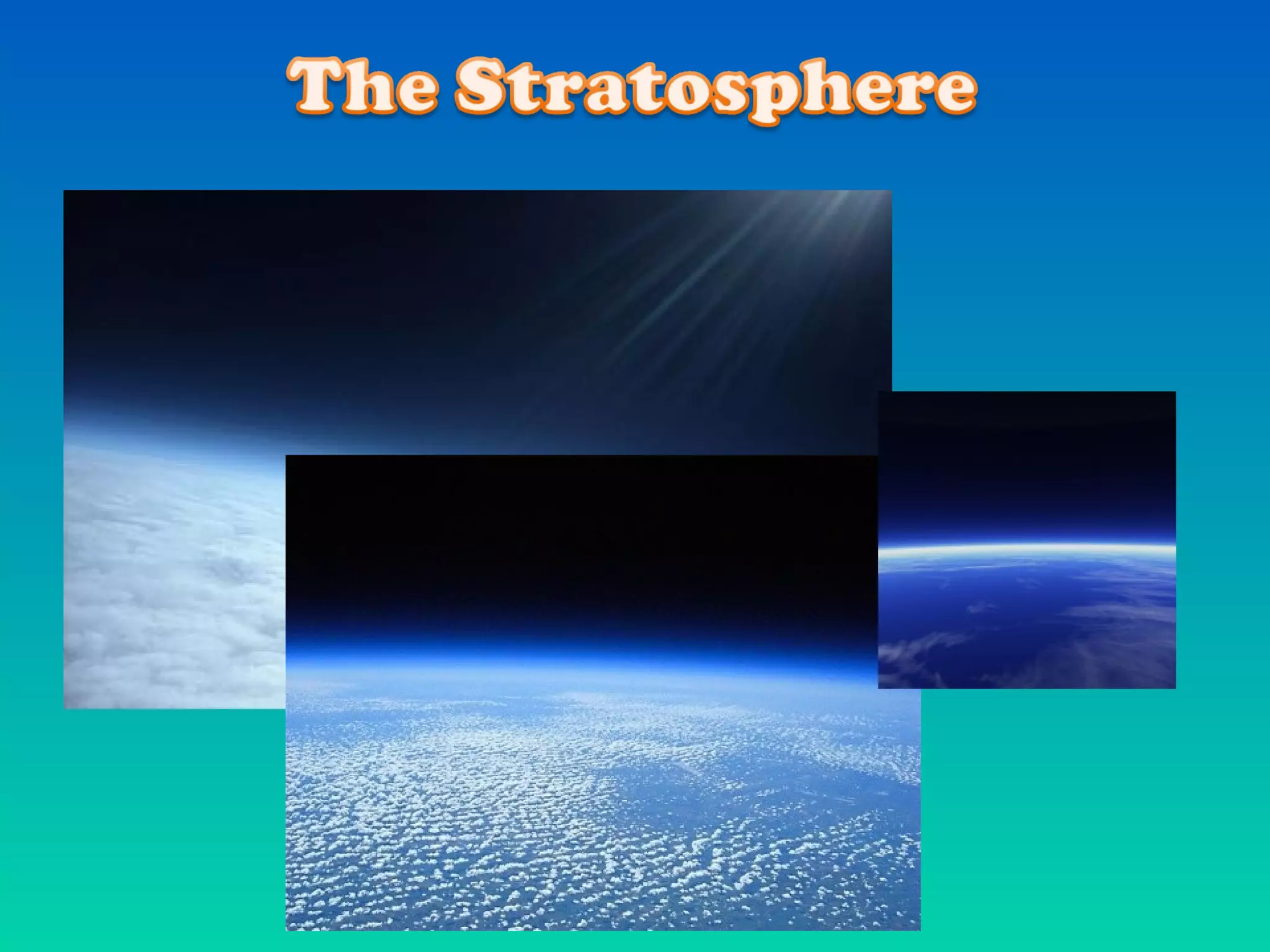
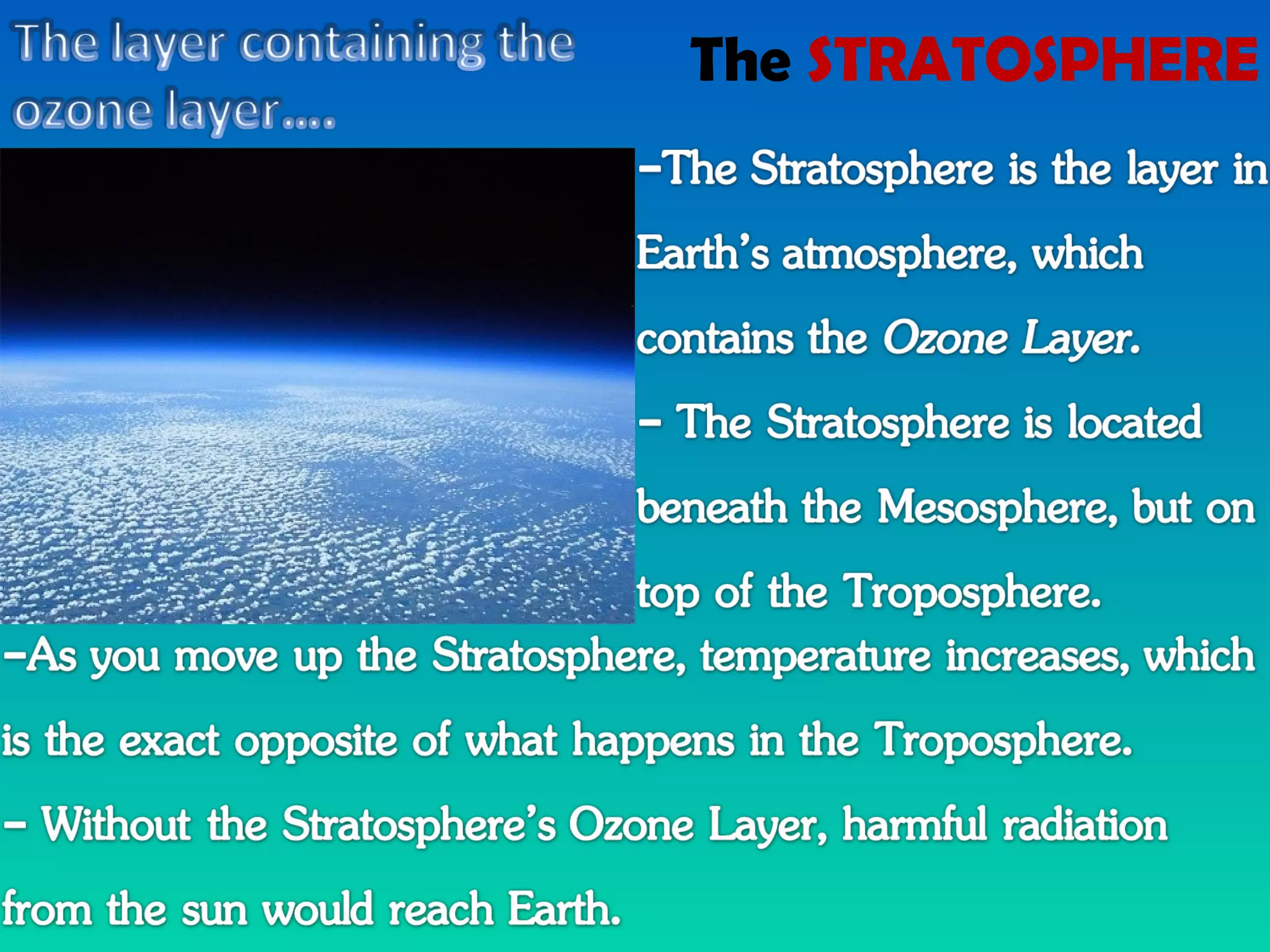
The STRATOSPHERE
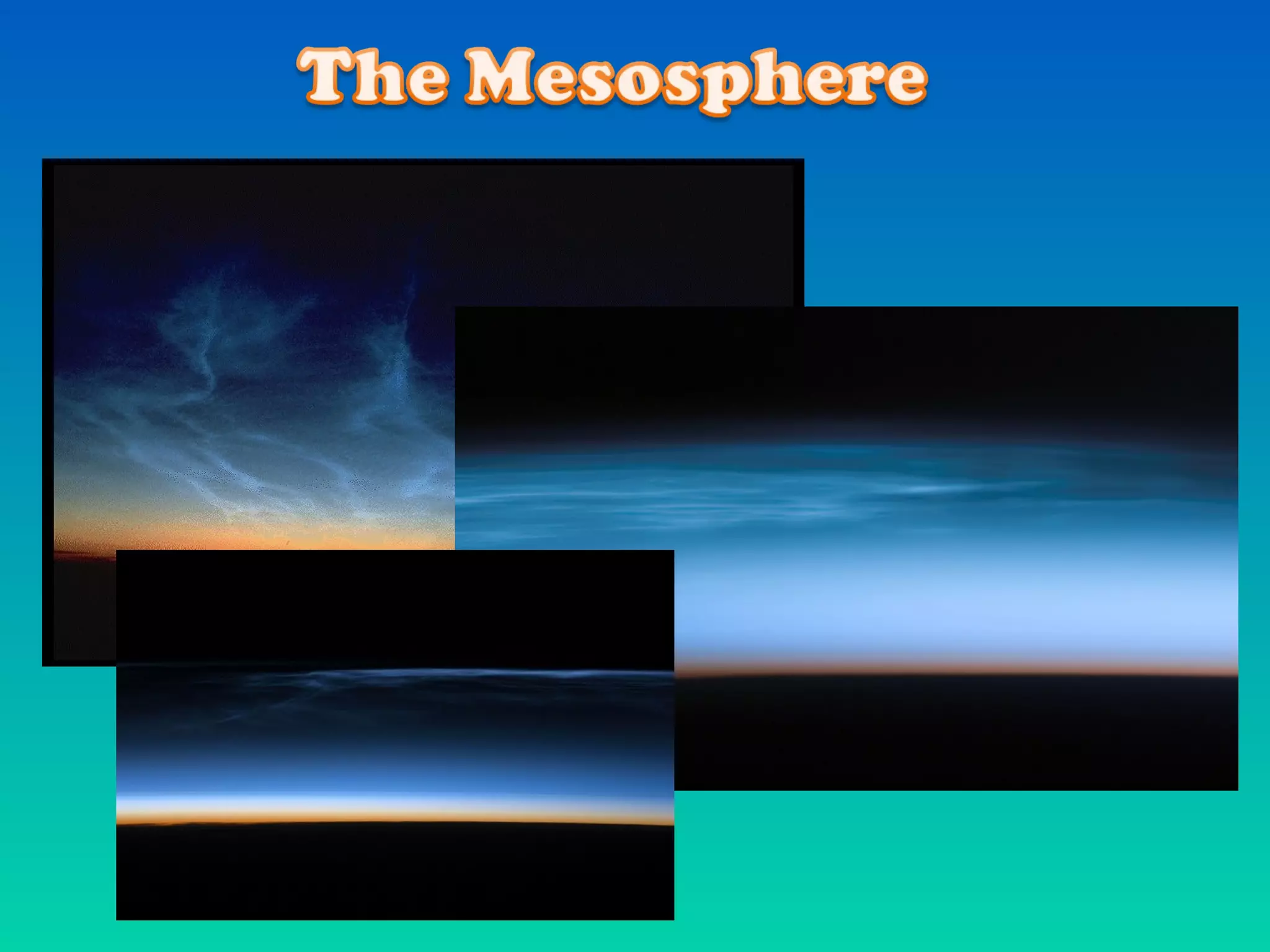
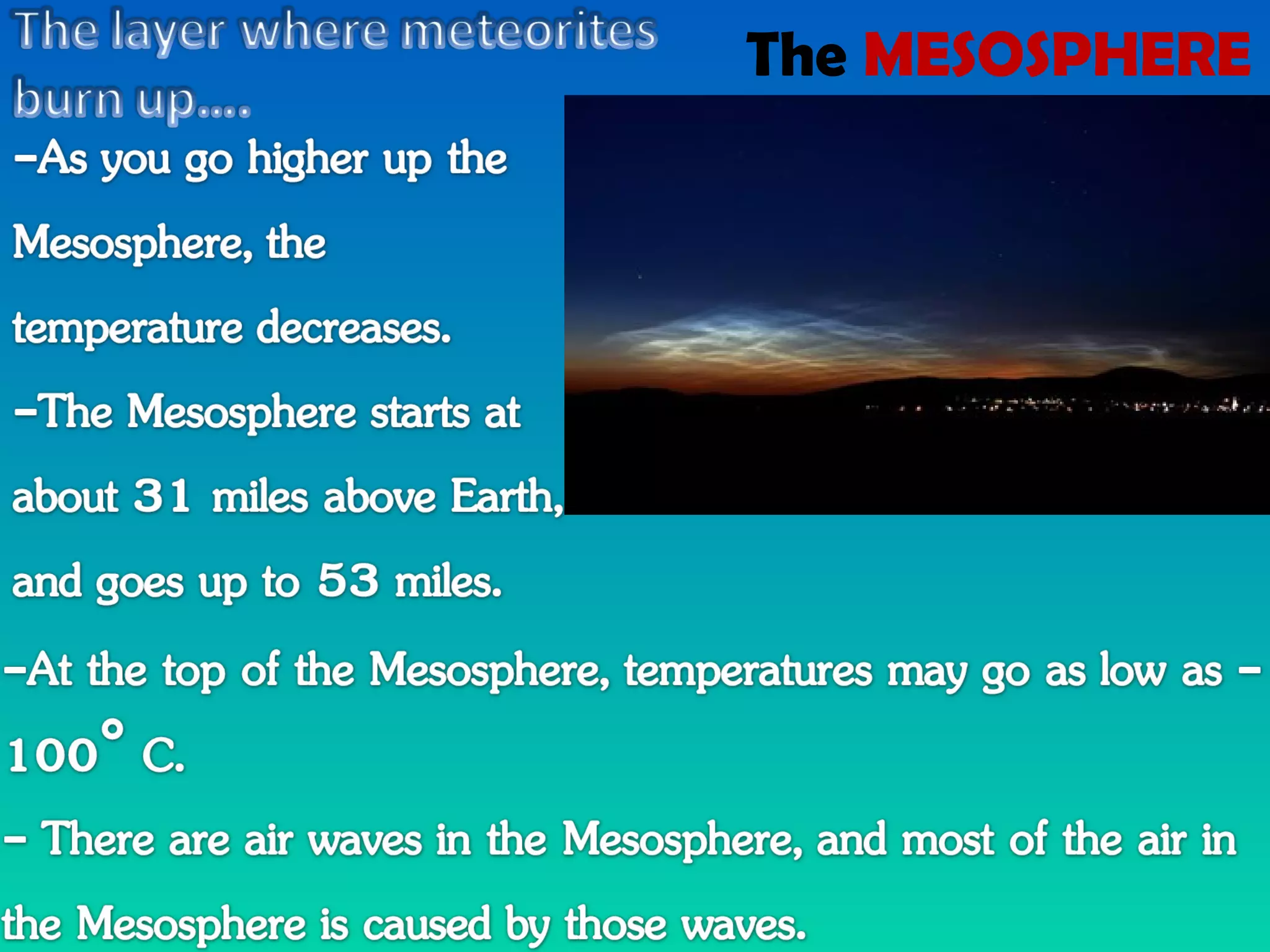
The MESOSPHERE
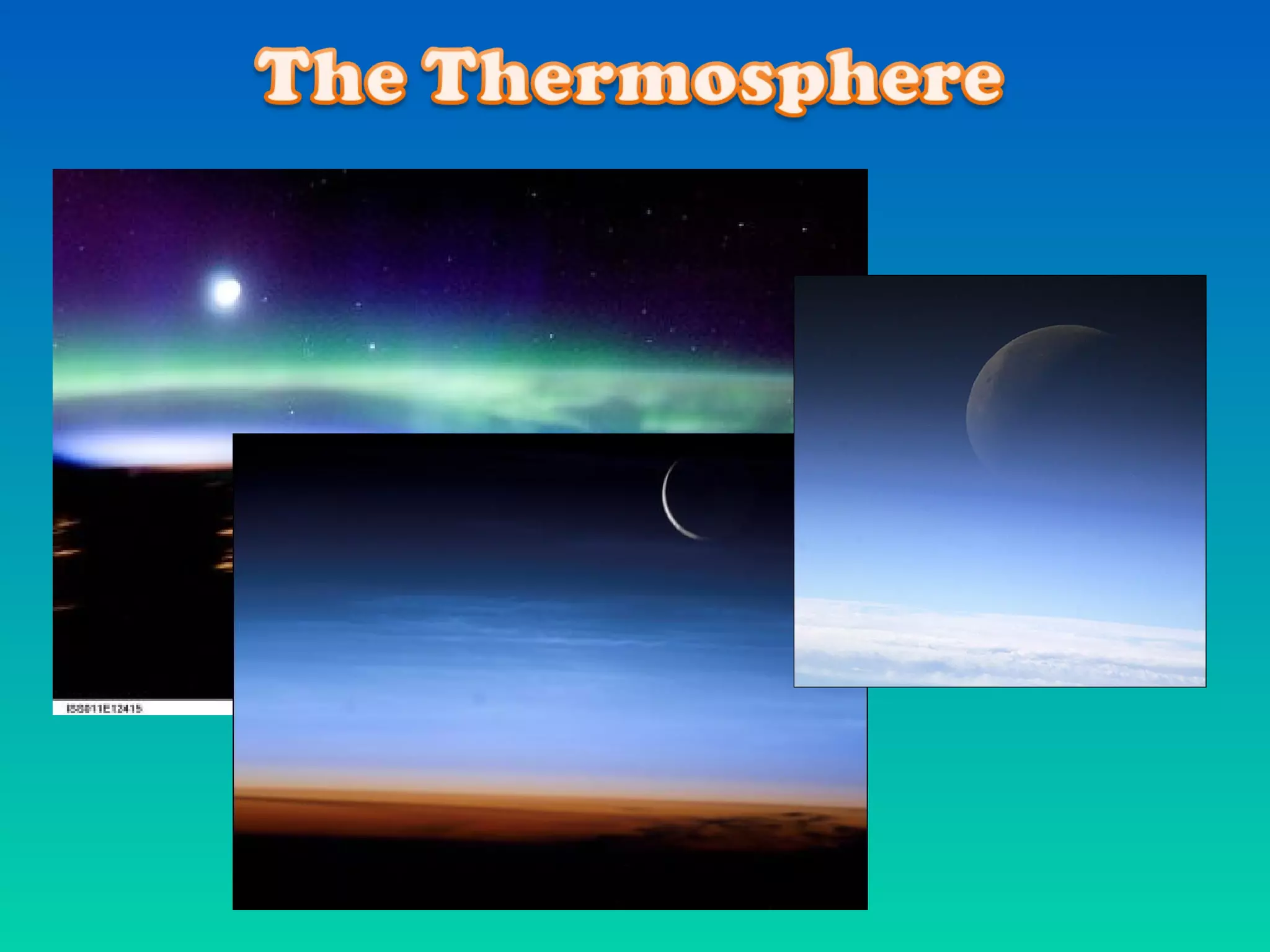
The THERMOSPHERE
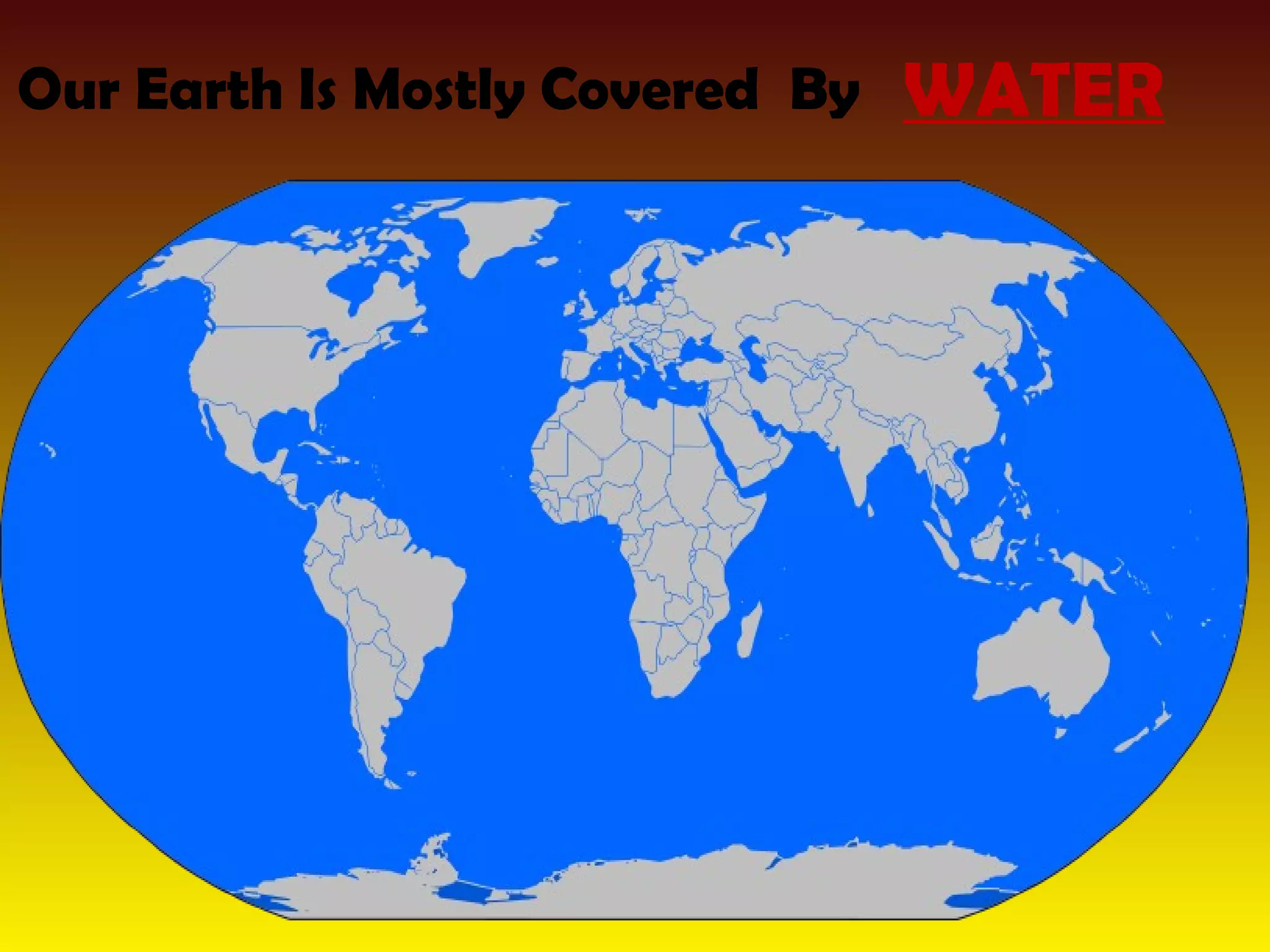
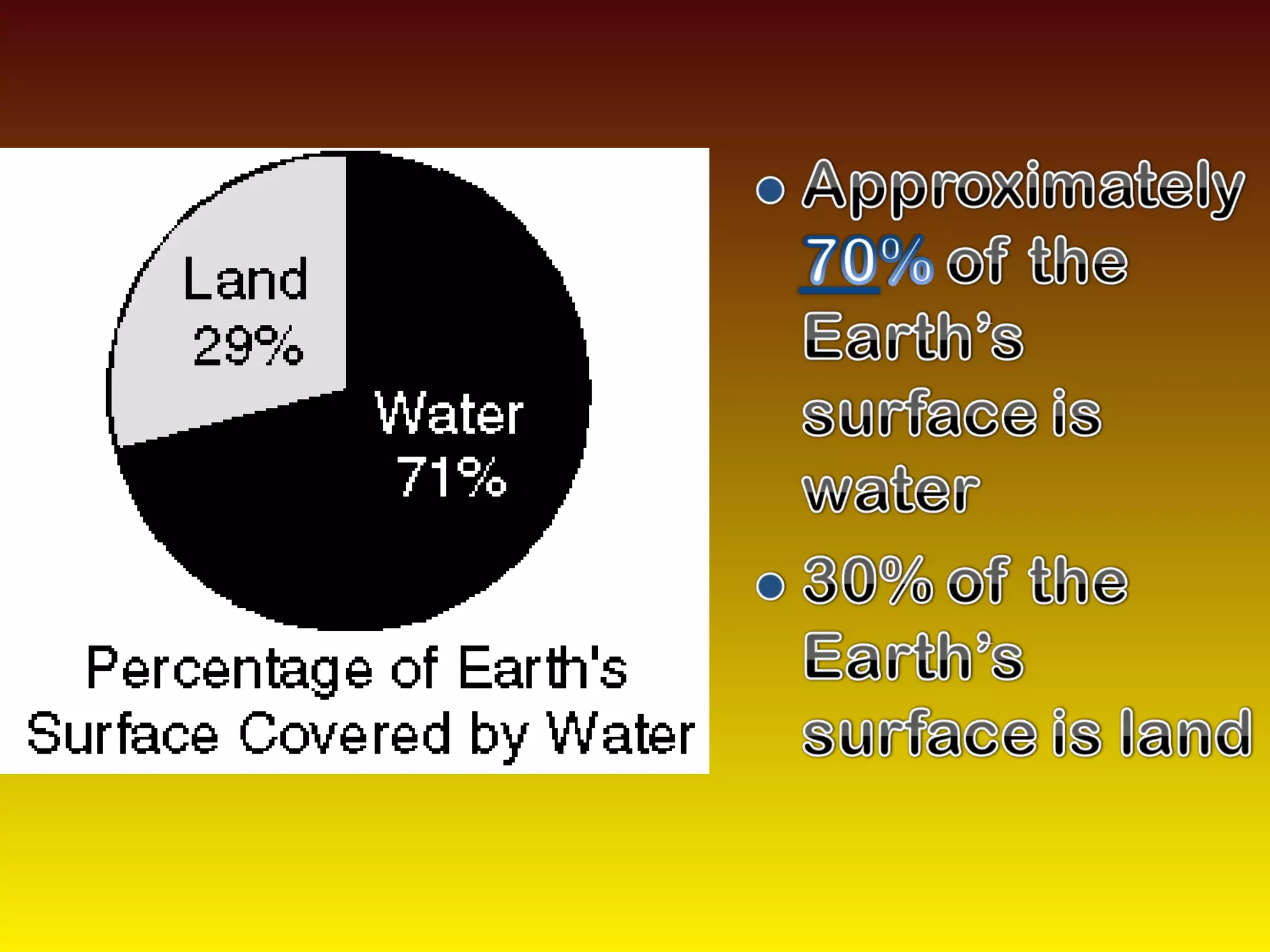
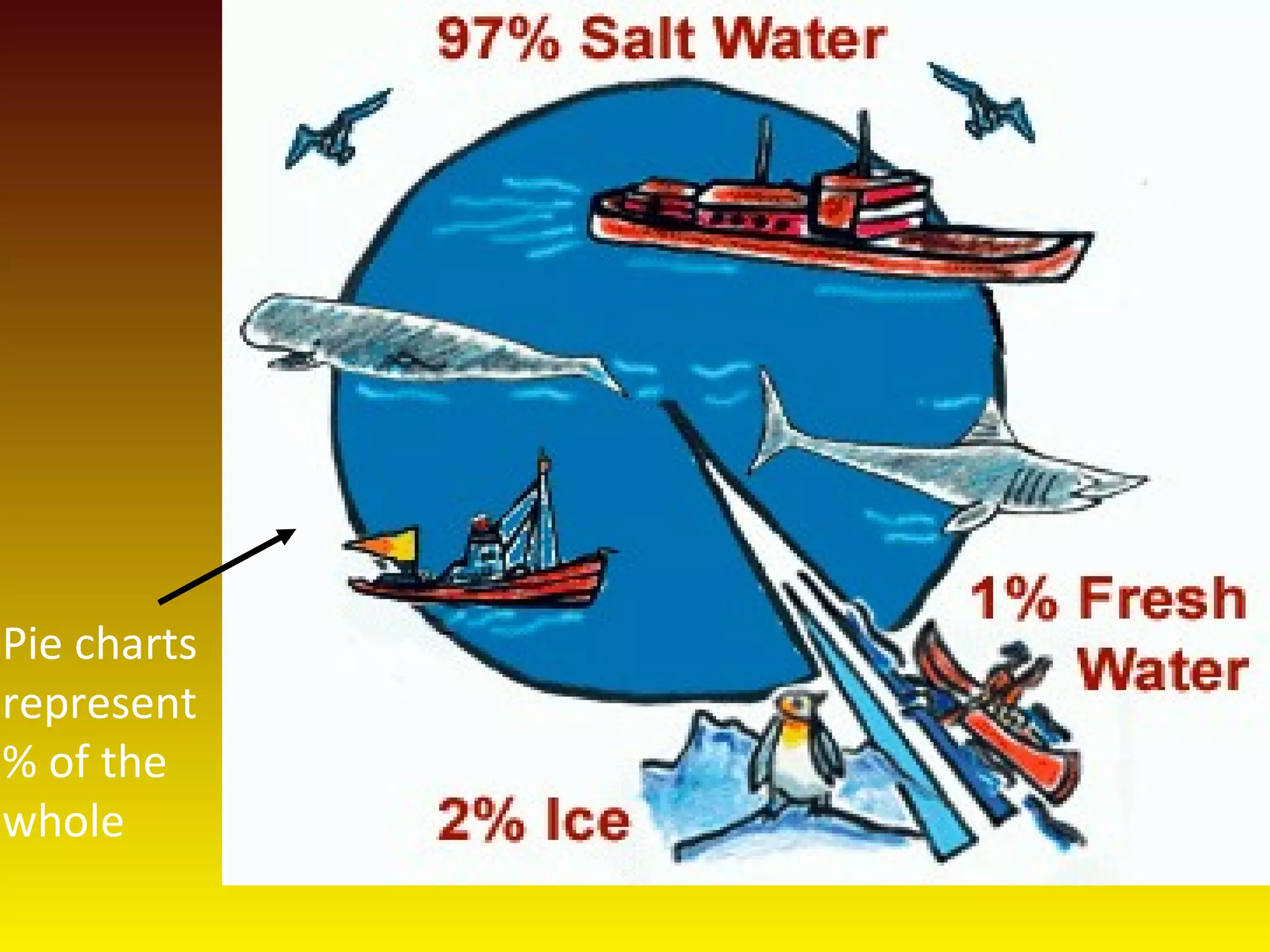
Our Earth Is Mostly Covered By WATER
Pie charts 
represent 
% of the 
whole
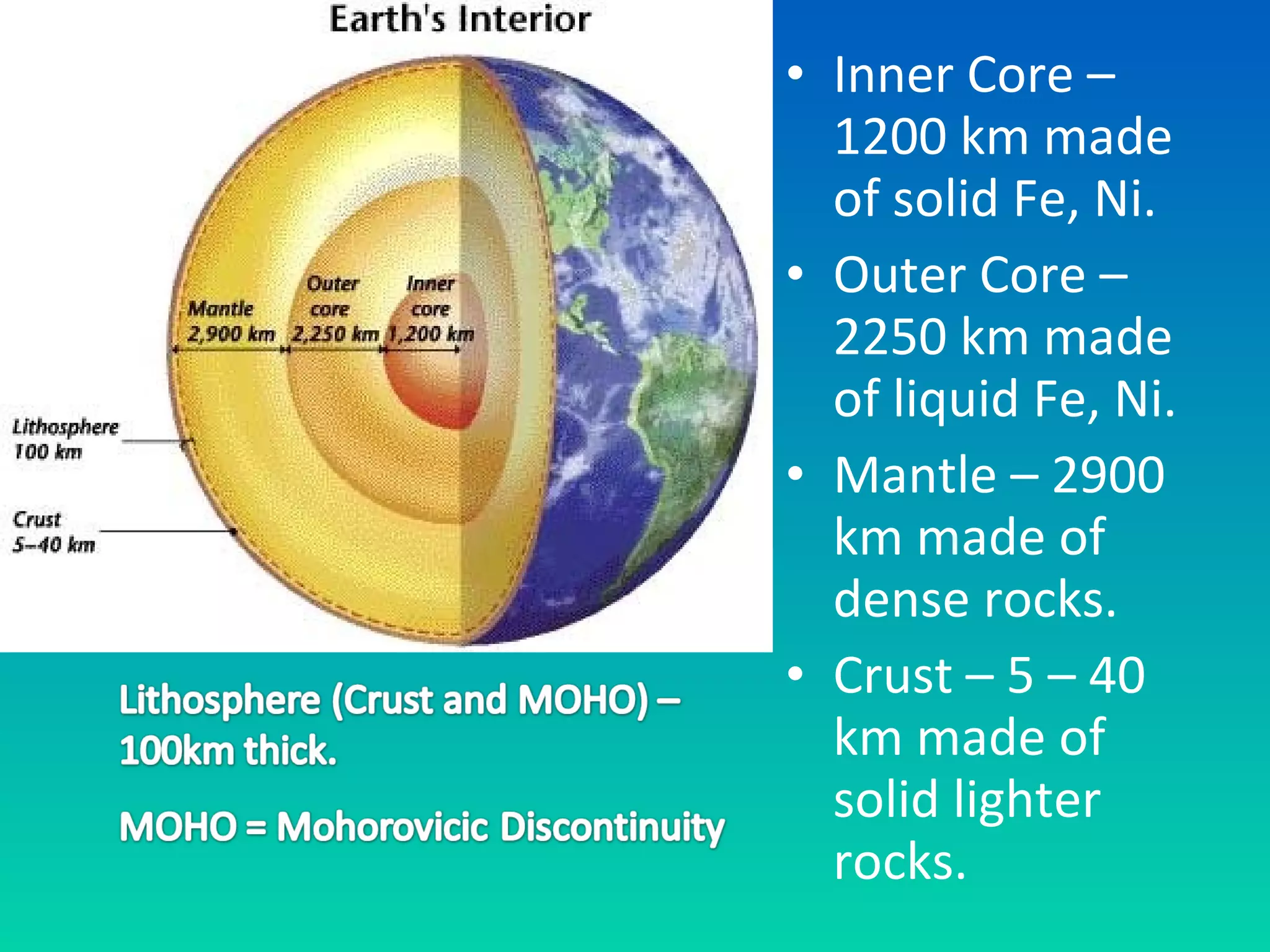
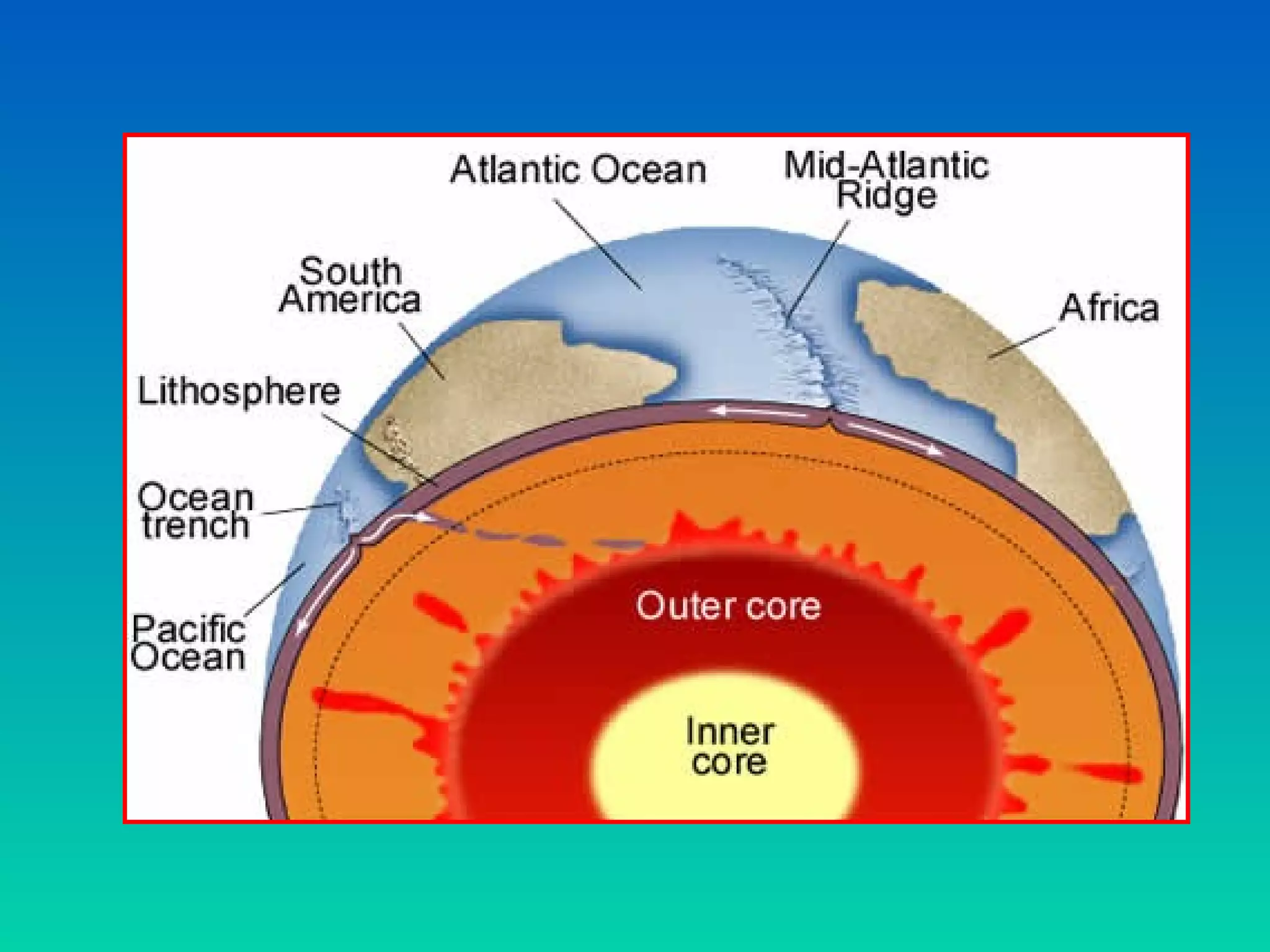
• Inner Core – 
1200 km made 
of solid Fe, Ni. 
• Outer Core – 
2250 km made 
of liquid Fe, Ni. 
• Mantle – 2900 
km made of 
dense rocks. 
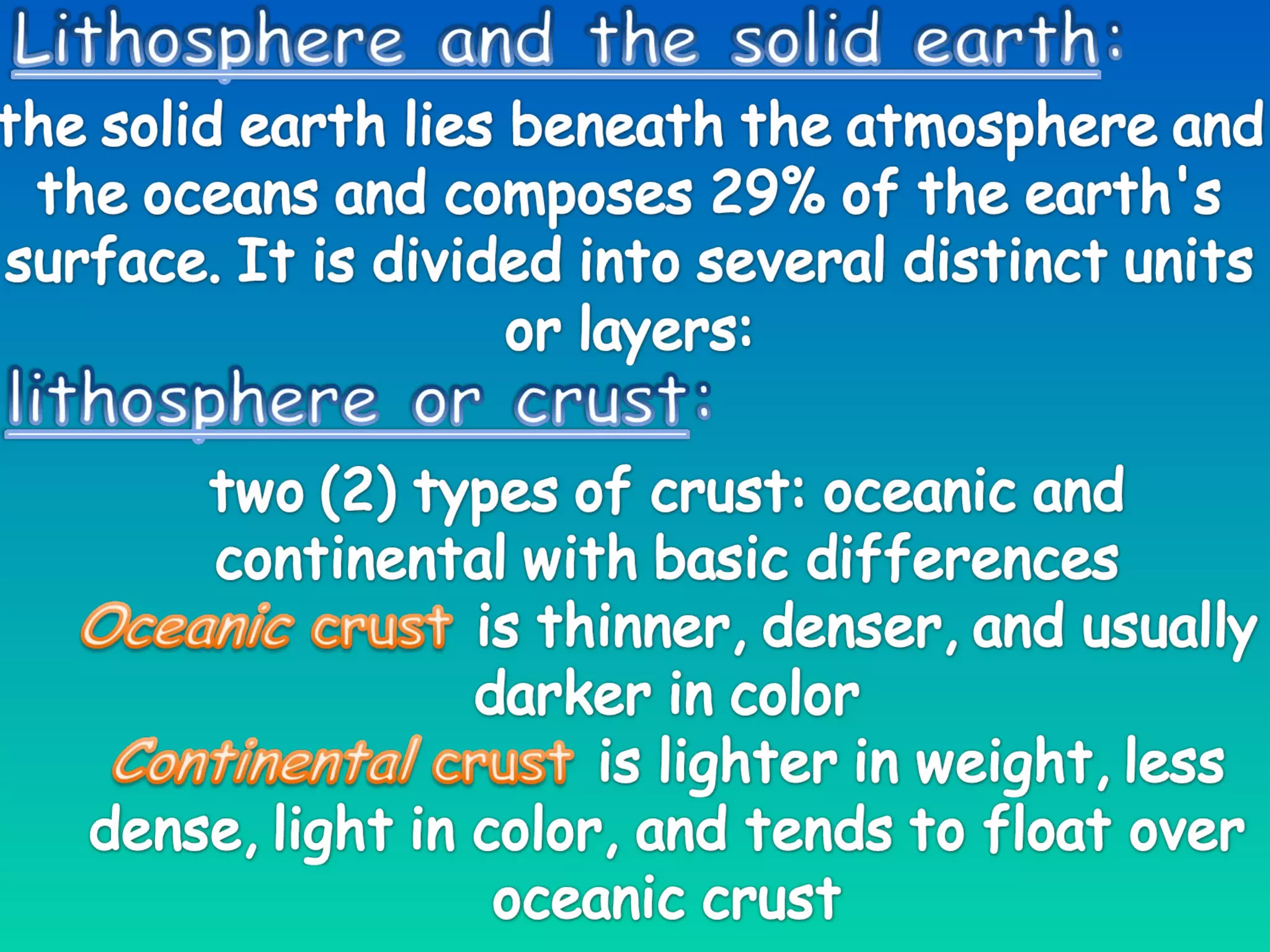
• Crust – 5 – 40 
km made of 
solid lighter 
rocks.
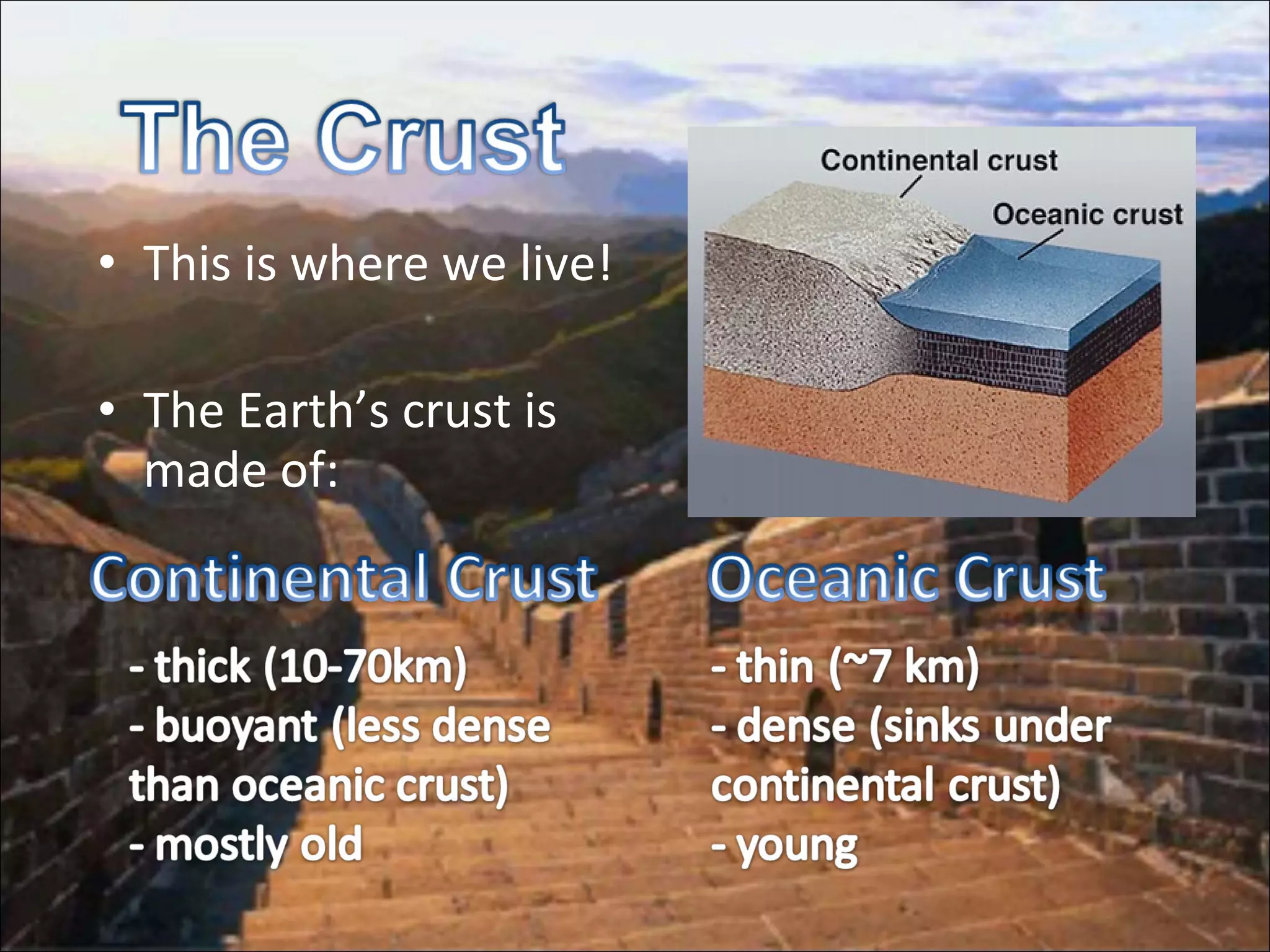
• This is where we live! 
• The Earth’s crust is 
made of:
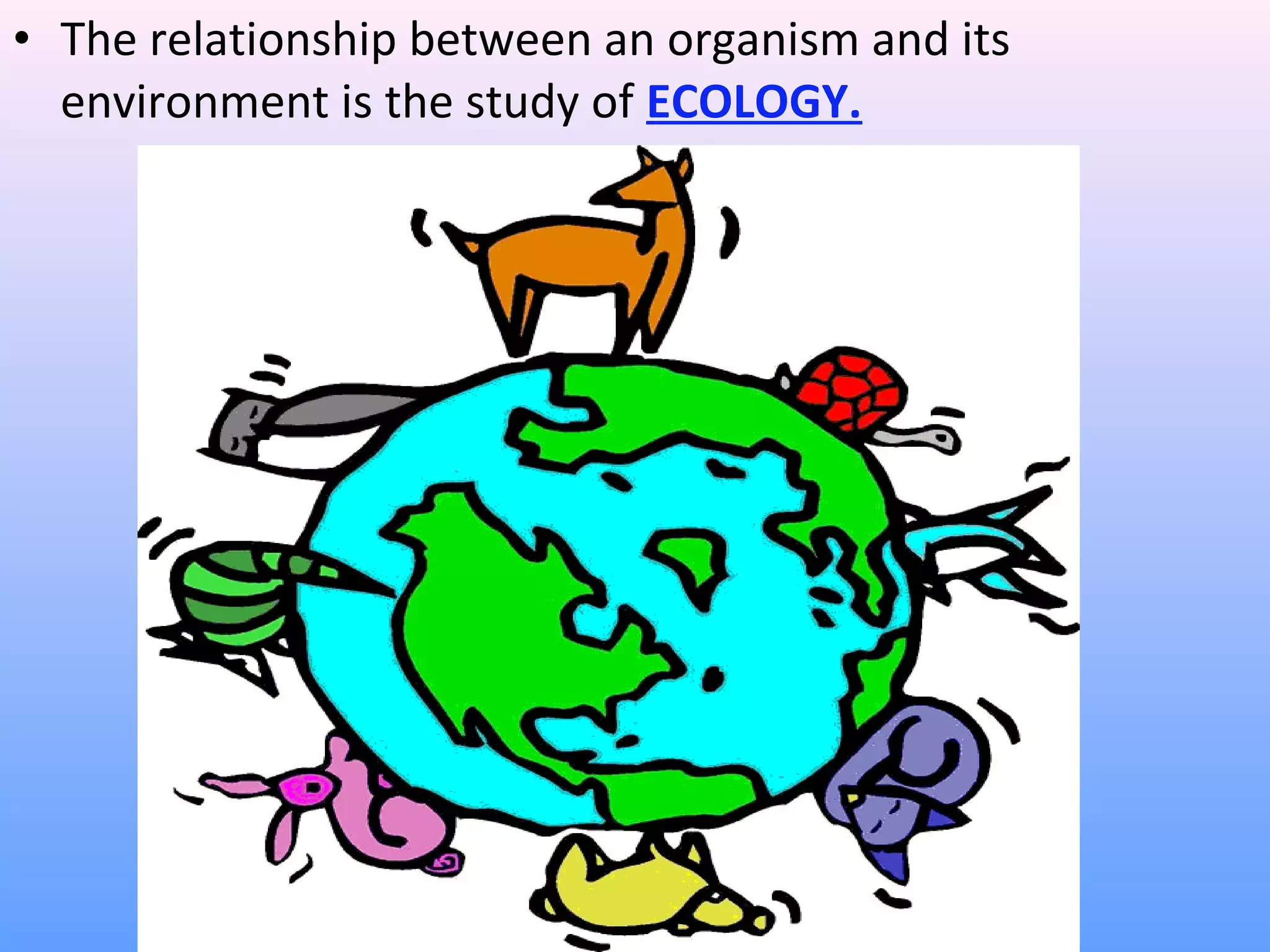
• The relationship between an organism and its 
environment is the study of ECOLOGY.
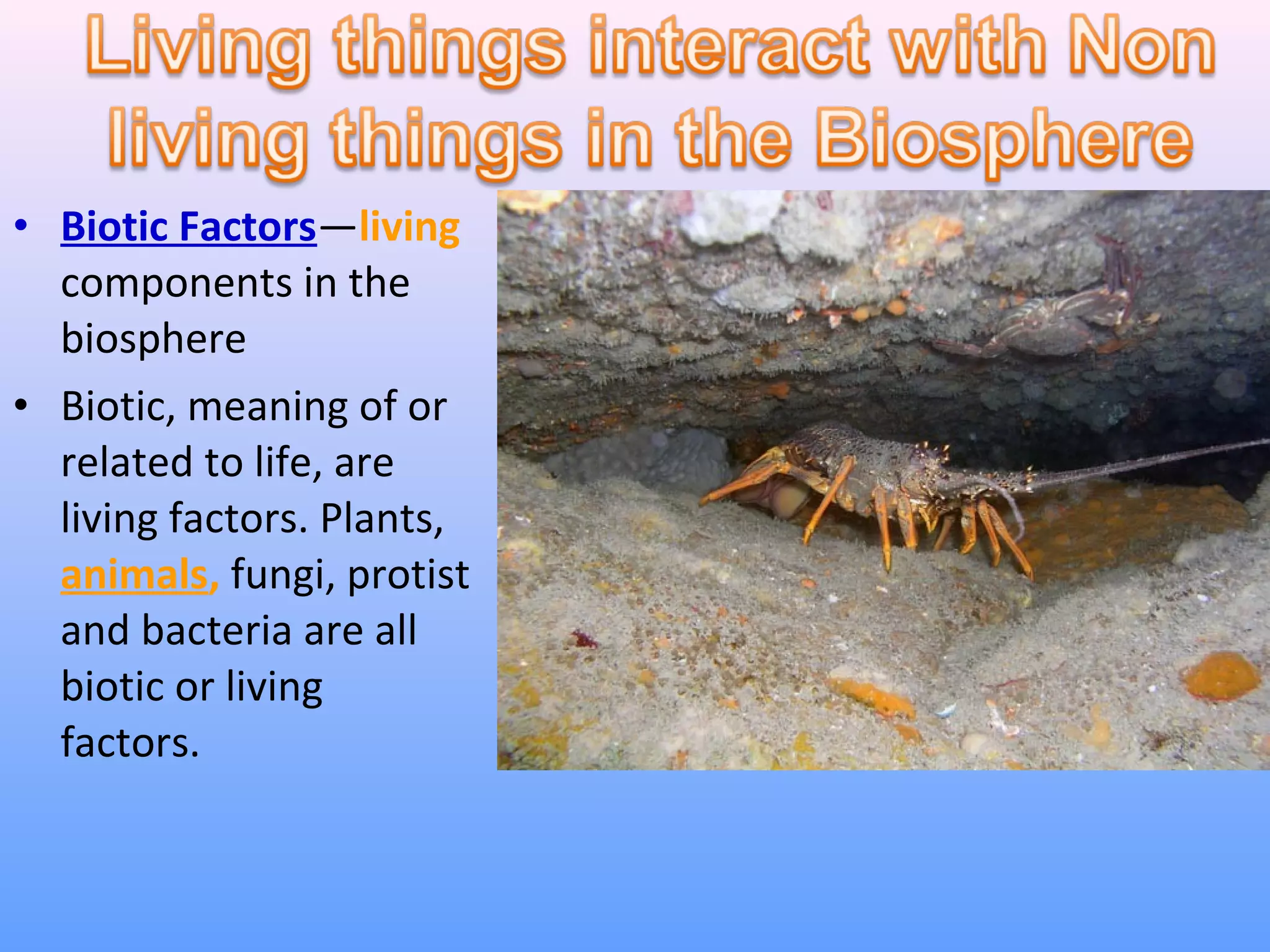
• Biotic Factors—living 
components in the 
biosphere 
• Biotic, meaning of or 
related to life, are 
living factors. Plants, 
animals, fungi, protist 
and bacteria are all 
biotic or living 
factors.
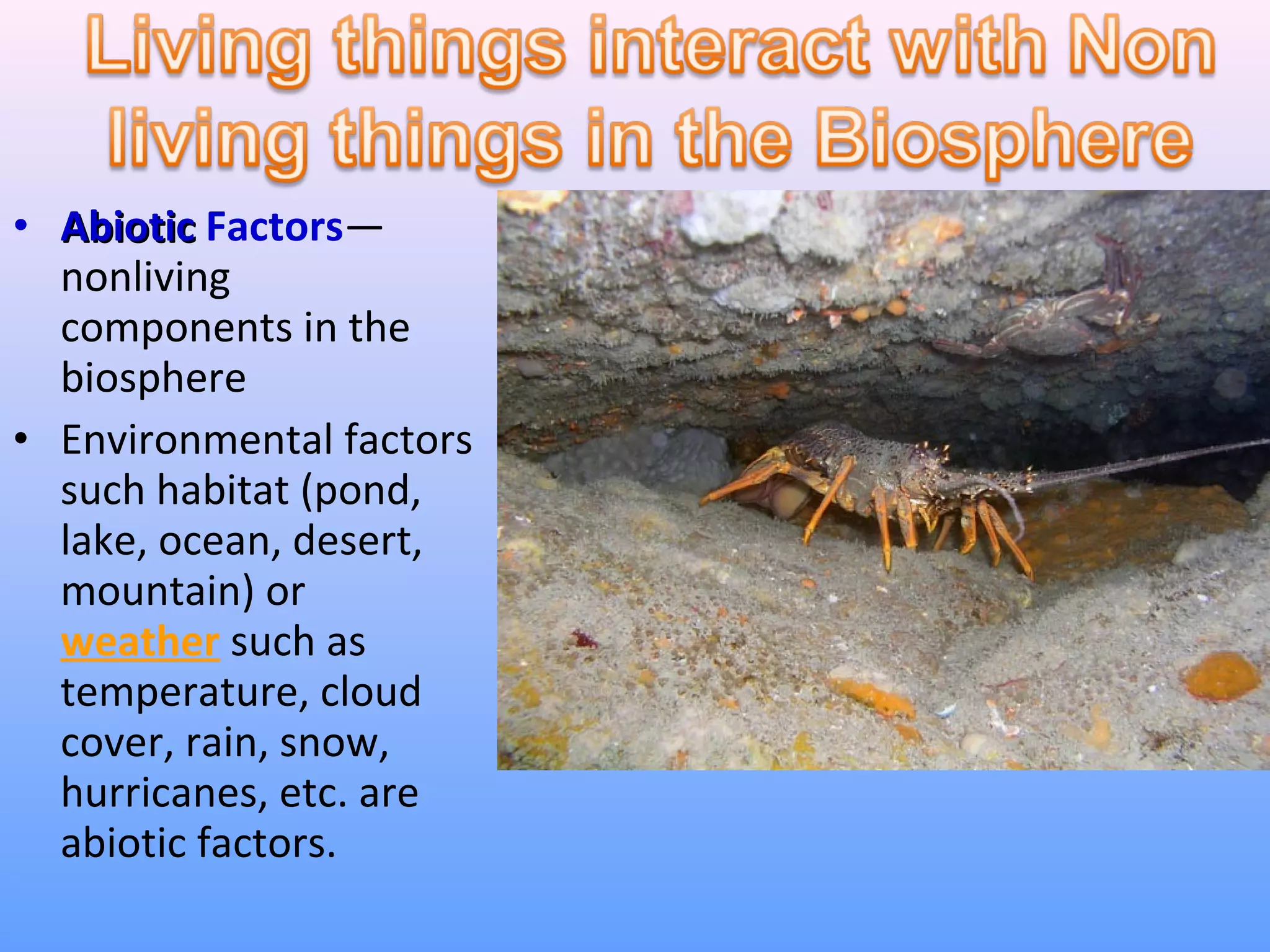
• AAbbiioottiicc Factors— 
nonliving 
components in the 
biosphere 
• Environmental factors 
such habitat (pond, 
lake, ocean, desert, 
mountain) or 
weather such as 
temperature, cloud 
cover, rain, snow, 
hurricanes, etc. are 
abiotic factors.
Components of environment

Components of environment

Editor's Notes

  • #29 The Earth has two different types of crust: Continental crust and Oceanic crust. Each has different properties and therefore behaves in different ways. Continental crust: Continental crust forms the land (the continents, as the name suggests) that we see today. Continental crust averages about 35 km thick. Under some mountain chains, crustal thickness is approximately twice that thickness (about 70 km thick). - The mountains we see on earth have deep roots in the crust that we can’t see. The crust “floats” on the more dense mantle and, like how only the tip of an iceberg sticks up out of the water, we see only the tip of the continental crust - the mountain ranges. Continental crust is less dense and therefore more buoyant than oceanic crust Continental crust contains some of the oldest rocks on Earth. - Ancient rocks exceeding 3.5 billion years in age are found on all of Earth's continents. The oldest rocks on Earth found so far are the Acasta Gneisses in northwestern Canada near Great Slave Lake (4.03 Ga) [Ga = billion years ago] and the Isua Supracrustal rocks in West Greenland (3.7 to 3.8 Ga), but well-studied rocks nearly as old are also found in the Minnesota River Valley in the USA (3.5-3.7 billion years), in Swaziland (3.4-3.5 billion years), and in Western Australia (3.4-3.6 billion years). Oceanic crust: As the name already suggests, this crust is below the oceans. Compared to continental crust, Oceanic crust is thin (6-11 km). It is more dense than continental crust and therefore when the two types of crust meet, oceanic crust will sink underneath continental crust. The rocks of the oceanic crust are very young compared with most of the rocks of the continental crust. They are not older than 200 million years.