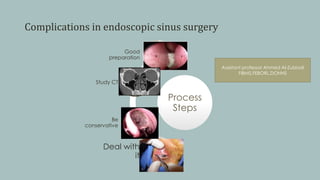
Complications in endoscopic sinus surgery
Process
Steps
Good
preparation
Study CT
Be
conservative
Deal with
it
Assistant professor Ahmed Al-Zubiadi
FIBMS.FEBORL.DOHNS
The shrine of Imam Ali Bin Abi Talib
College of medicine Kufa university
“To avoid injuring your patient”
Hippocrates(460BC)
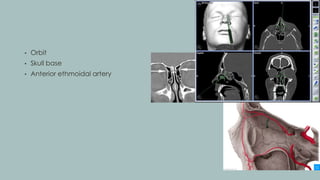
• Orbit
• Skull base
• Anterior ethmoidal artery
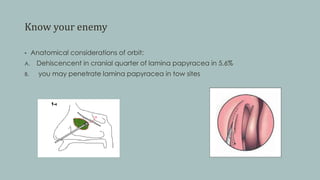
Know your enemy
• Anatomical considerations of orbit:
A. Dehiscencent in cranial quarter of lamina papyracea in 5.6%
B. you may penetrate lamina papyracea in tow sites
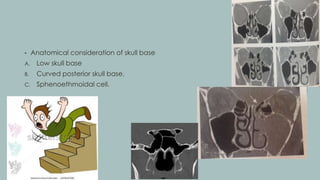
• Anatomical consideration of skull base
A. Low skull base
B. Curved posterior skull base.
C. Sphenoethmoidal cell.
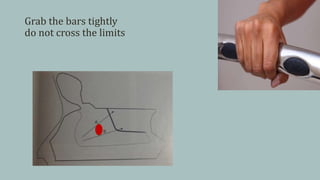
Grab the bars tightly
do not cross the limits
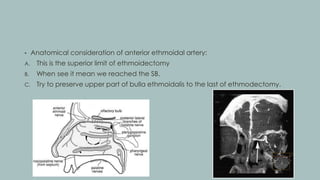
• Anatomical consideration of anterior ethmoidal artery:
A. This is the superior limit of ethmoidectomy
B. When see it mean we reached the SB.
C. Try to preserve upper part of bulla ethmoidalis to the last of ethmodectomy.
Prevention of complications
• Start even before you see your patient
A. Cadaveric dissection
B. Diagnostic endoscopy (100)
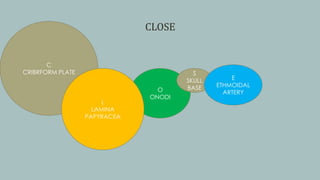
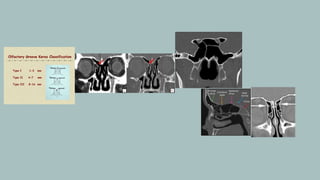
C. Familial with imaging( CLOSE)
D. Use the proper instrument in proper place
CLOSE
C
CRIBRFORM PLATE
O
ONODI
S
SKULL
BASE
L
LAMINA
PAPYRACEA
E
ETHMOIDAL
ARTERY
What you should consider When see your patient for the
first time ?
• Extent of disease
• Revision surgery
• Time for medical treatment
When you see your patient in theater
• Fixed anatomical landmarks
1. Middle turbinate.
2. Uncinate process.
3. Natural ostium of maxillary sinus.
4. Bulla ethmoidalis.
5. Upper border of inferior turbinate.
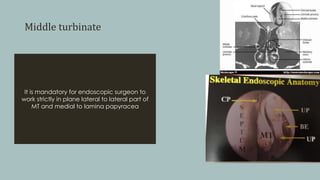
Middle turbinate
It is mandatory for endoscopic surgeon to
work strictly in plane lateral to lateral part of
MT and medial to lamina papyracea
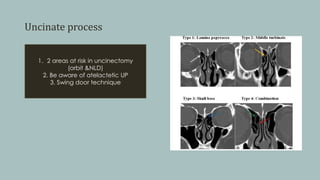
Uncinate process
1. 2 areas at risk in uncinectomy
(orbit &NLD)
2. Be aware of atelactetic UP
3. Swing door technique
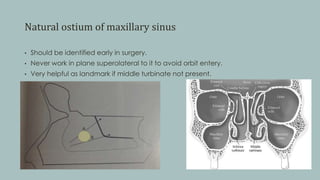
Natural ostium of maxillary sinus
• Should be identified early in surgery.
• Never work in plane superolateral to it to avoid orbit entery.
• Very helpful as landmark if middle turbinate not present.
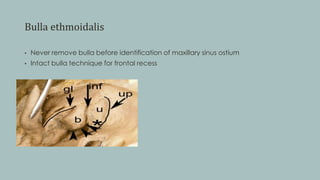
Bulla ethmoidalis
• Never remove bulla before identification of maxillary sinus ostium
• Intact bulla technique for frontal recess
Upper border of inferior turbinate
• Useful when middle turbinate is lost or distorted by previous surgery.
Classification of complications
• Minor
1. Orbital haematoma
2. Orbital surgical emphysema.
3. NLD injury
4. Synechiae
Major
1. Haemorrhage.
2. Blindness
3. Injury to internal carotid artery.
4. CSF rhinorrhea
5. Pneumocephalus
6. Brain abscess
7. Death
Situations and solutions
• Clinical scenario: a 37 years old patient is undergoing FESS for CRS that have
failed to respond to maximum medical therapy . Ct scan confirms wide spread
mucosal changes and absence of anatomical variation that might increase the
risk of complications. During dissection in the posterior ethmoids, there is
unexpected bleeding and the operative visualization is difficult . A stream of clear
fluid , highly suggestive of CSF, is observed in the field.
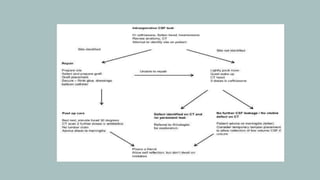
What do I do now ?
What to do if I cannot find the leak?
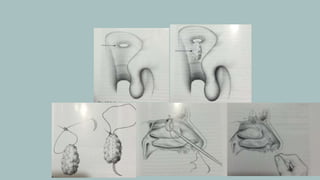
If I I find the site of injury, how do I repair it?
Do I need fluorescein?
Do I need lumber drain?
Do I need to give antibiotics ?
Can I manage the leak conservatively ?
What do I do post operatively ?
Do I need CT scan ?
What do I tell the patient ?
Clinical scenario
• 45 yeard old smoker man had been undergo endoscopic sinus surgery for
chronic rhinosinusitis with nasal polyposis .
• Ct scan shows extensive polyposis on righ side and lesser changes on left side
• Surgery done after 2 wks treatment with (doxidar 100mg/day , mometasone nasal
spry once/day and isonic irrigation of nasal cavity
What are the risk factor for this man for orbital
complication ?
What are the measures that should be taken preoperatively
and perioperativly to decrease the risk of complication
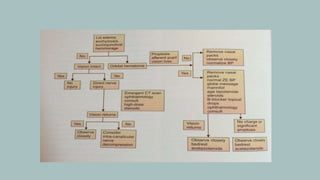
How you detect orbital haematoma
What you should do if you expose orbital fat ?
How you mange this situation
Complications in endoscopic sinus surgery

Complications in endoscopic sinus surgery

  • 1.
    Complications in endoscopicsinus surgery Process Steps Good preparation Study CT Be conservative Deal with it Assistant professor Ahmed Al-Zubiadi FIBMS.FEBORL.DOHNS
  • 2.
    The shrine ofImam Ali Bin Abi Talib
  • 3.
    College of medicineKufa university
  • 4.
    “To avoid injuringyour patient” Hippocrates(460BC)
  • 6.
    • Orbit • Skullbase • Anterior ethmoidal artery
  • 7.
    Know your enemy •Anatomical considerations of orbit: A. Dehiscencent in cranial quarter of lamina papyracea in 5.6% B. you may penetrate lamina papyracea in tow sites
  • 8.
    • Anatomical considerationof skull base A. Low skull base B. Curved posterior skull base. C. Sphenoethmoidal cell.
  • 9.
    Grab the barstightly do not cross the limits
  • 10.
    • Anatomical considerationof anterior ethmoidal artery: A. This is the superior limit of ethmoidectomy B. When see it mean we reached the SB. C. Try to preserve upper part of bulla ethmoidalis to the last of ethmodectomy.
  • 11.
    Prevention of complications •Start even before you see your patient A. Cadaveric dissection B. Diagnostic endoscopy (100) C. Familial with imaging( CLOSE) D. Use the proper instrument in proper place
  • 12.
  • 14.
    What you shouldconsider When see your patient for the first time ? • Extent of disease • Revision surgery • Time for medical treatment
  • 15.
    When you seeyour patient in theater • Fixed anatomical landmarks 1. Middle turbinate. 2. Uncinate process. 3. Natural ostium of maxillary sinus. 4. Bulla ethmoidalis. 5. Upper border of inferior turbinate.
  • 16.
    Middle turbinate It ismandatory for endoscopic surgeon to work strictly in plane lateral to lateral part of MT and medial to lamina papyracea
  • 17.
    Uncinate process 1. 2areas at risk in uncinectomy (orbit &NLD) 2. Be aware of atelactetic UP 3. Swing door technique
  • 18.
    Natural ostium ofmaxillary sinus • Should be identified early in surgery. • Never work in plane superolateral to it to avoid orbit entery. • Very helpful as landmark if middle turbinate not present.
  • 19.
    Bulla ethmoidalis • Neverremove bulla before identification of maxillary sinus ostium • Intact bulla technique for frontal recess
  • 20.
    Upper border ofinferior turbinate • Useful when middle turbinate is lost or distorted by previous surgery.
  • 21.
    Classification of complications •Minor 1. Orbital haematoma 2. Orbital surgical emphysema. 3. NLD injury 4. Synechiae Major 1. Haemorrhage. 2. Blindness 3. Injury to internal carotid artery. 4. CSF rhinorrhea 5. Pneumocephalus 6. Brain abscess 7. Death
  • 22.
    Situations and solutions •Clinical scenario: a 37 years old patient is undergoing FESS for CRS that have failed to respond to maximum medical therapy . Ct scan confirms wide spread mucosal changes and absence of anatomical variation that might increase the risk of complications. During dissection in the posterior ethmoids, there is unexpected bleeding and the operative visualization is difficult . A stream of clear fluid , highly suggestive of CSF, is observed in the field.
  • 23.
    What do Ido now ?
  • 24.
    What to doif I cannot find the leak?
  • 25.
    If I Ifind the site of injury, how do I repair it?
  • 27.
    Do I needfluorescein?
  • 28.
    Do I needlumber drain?
  • 29.
    Do I needto give antibiotics ?
  • 30.
    Can I managethe leak conservatively ?
  • 31.
    What do Ido post operatively ?
  • 32.
    Do I needCT scan ?
  • 33.
    What do Itell the patient ?
  • 35.
    Clinical scenario • 45yeard old smoker man had been undergo endoscopic sinus surgery for chronic rhinosinusitis with nasal polyposis . • Ct scan shows extensive polyposis on righ side and lesser changes on left side • Surgery done after 2 wks treatment with (doxidar 100mg/day , mometasone nasal spry once/day and isonic irrigation of nasal cavity
  • 36.
    What are therisk factor for this man for orbital complication ?
  • 37.
    What are themeasures that should be taken preoperatively and perioperativly to decrease the risk of complication
  • 38.
    How you detectorbital haematoma
  • 39.
    What you shoulddo if you expose orbital fat ?
  • 40.
    How you mangethis situation