Leah Krevit Rice University The Rest of Us Kids and Teens: Are they that different? Stephen Abram Canadian Library Association / U of Western Ontario FIMS Young Adult Interest Group Workshop 2010
These slides available at Stephen’s Lighthouse blog
 
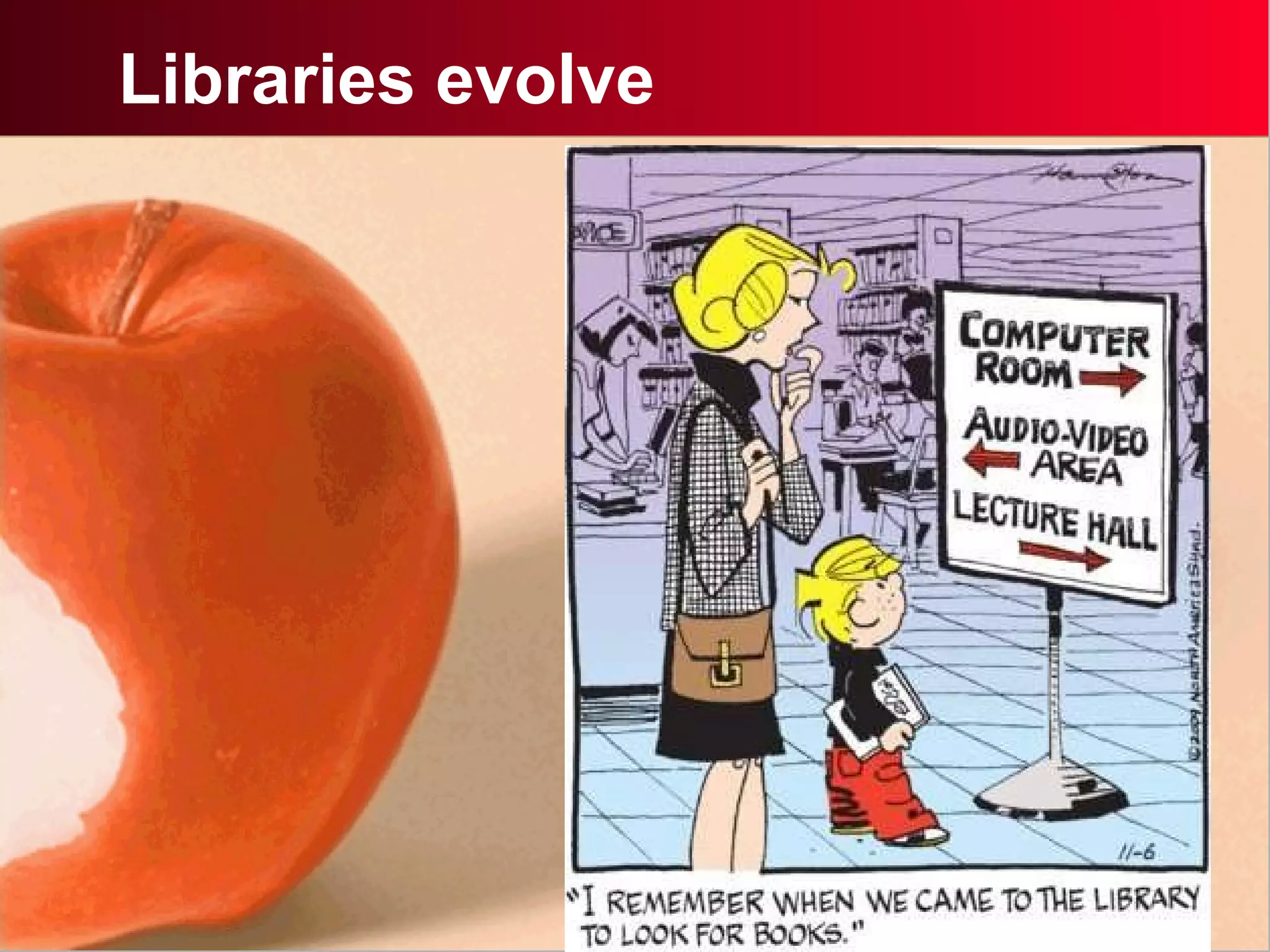
Libraries evolve
 
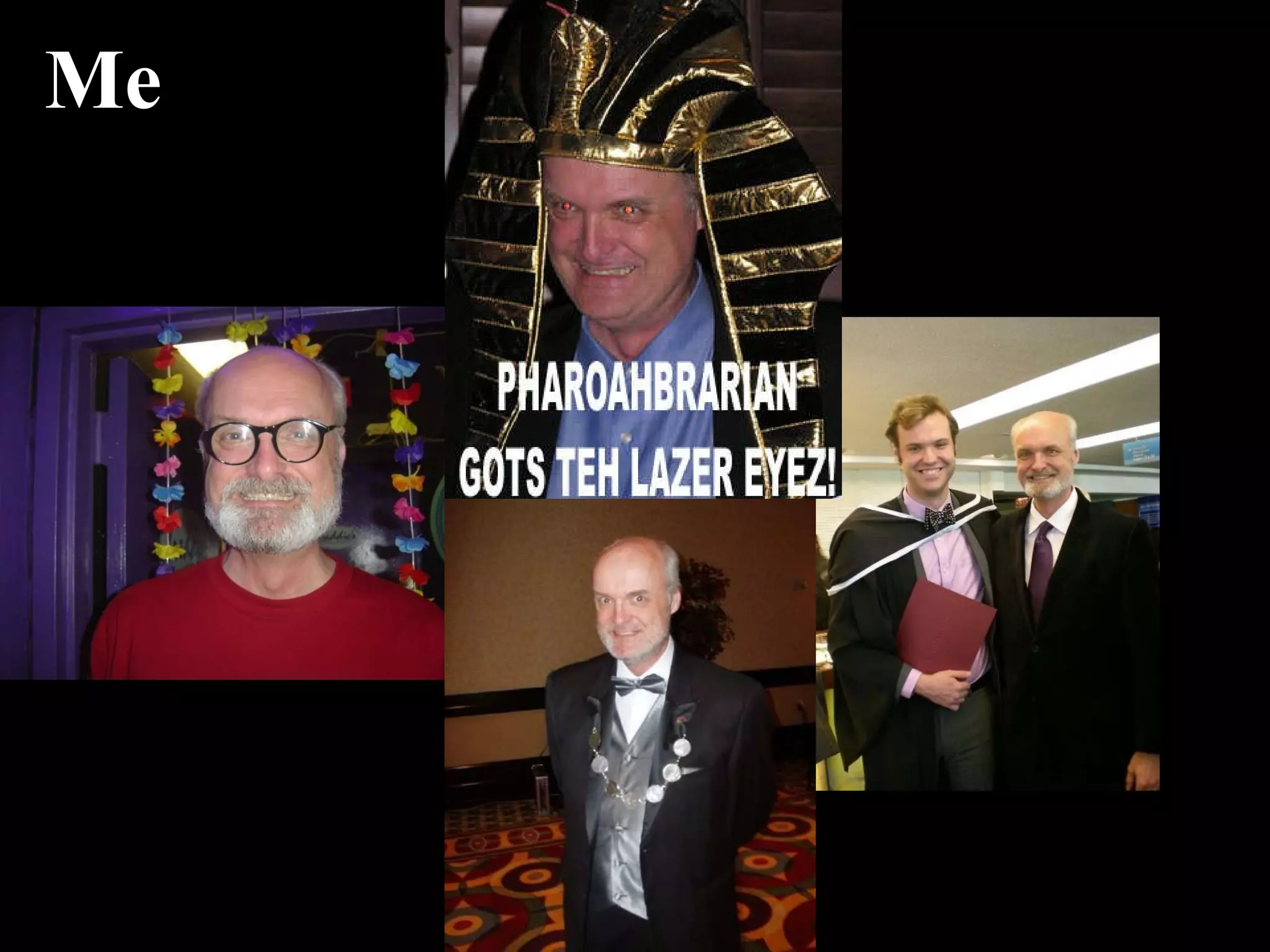
Me
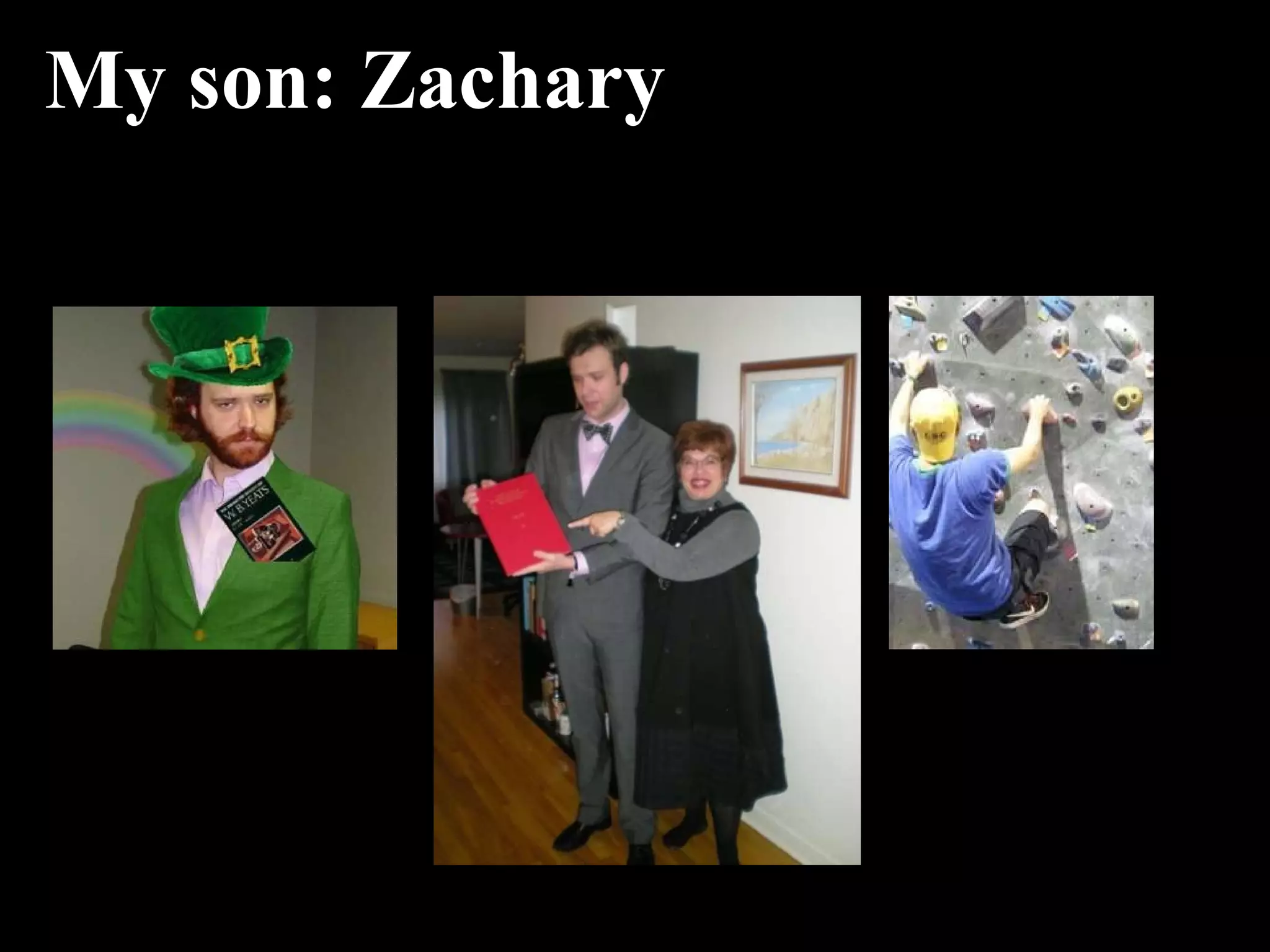
My son: Zachary
My daughter: Sydney
Try to understand everyone
 
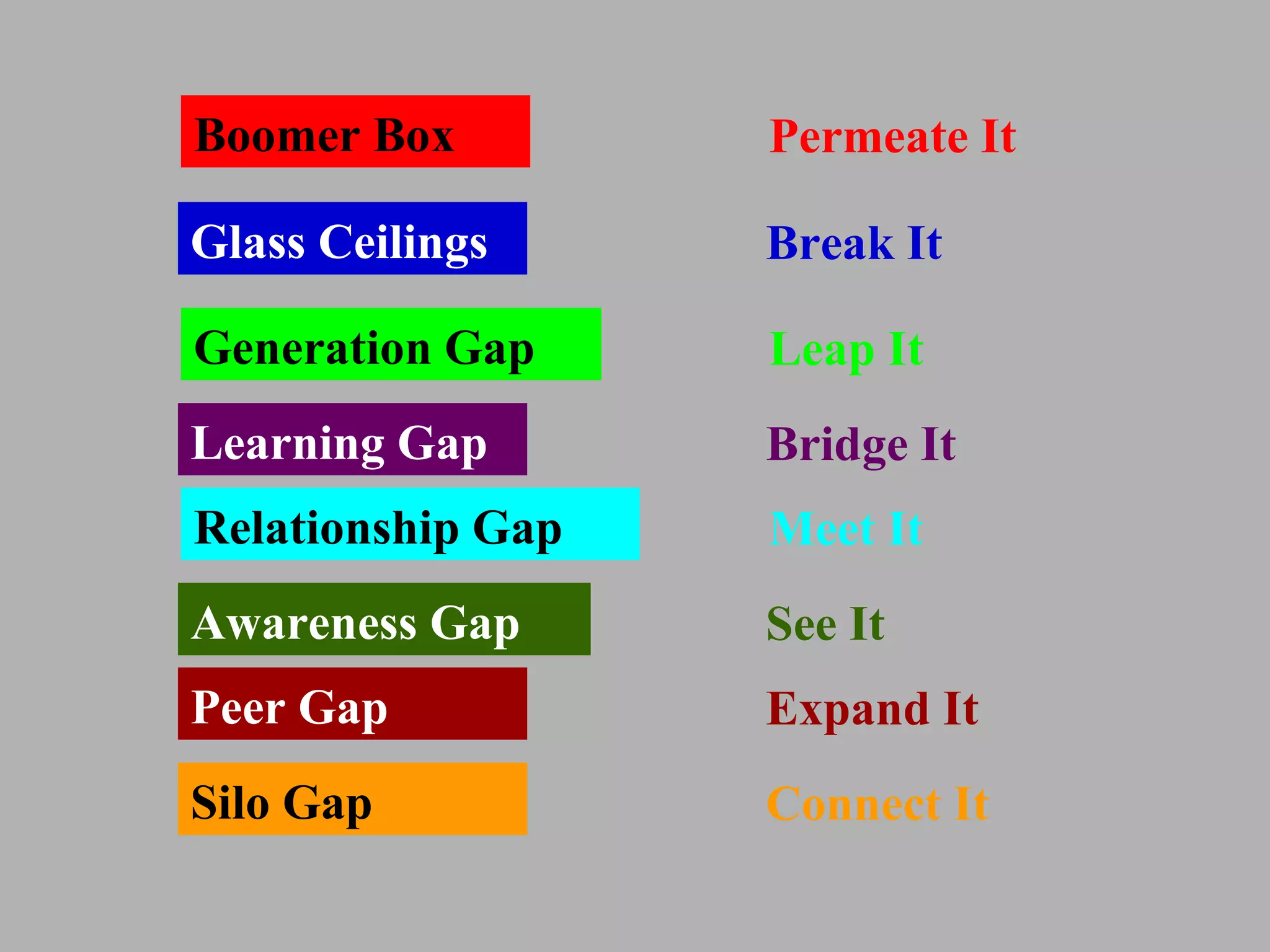
Boomer Box Relationship Gap Awareness Gap Peer Gap Silo Gap Glass Ceilings Generation Gap Learning Gap Permeate It Meet It See It Expand It Connect It Break It Leap It Bridge It
NextGen/NetGen Differences Increase in IQ Plus 15-20 Points Brain Changes
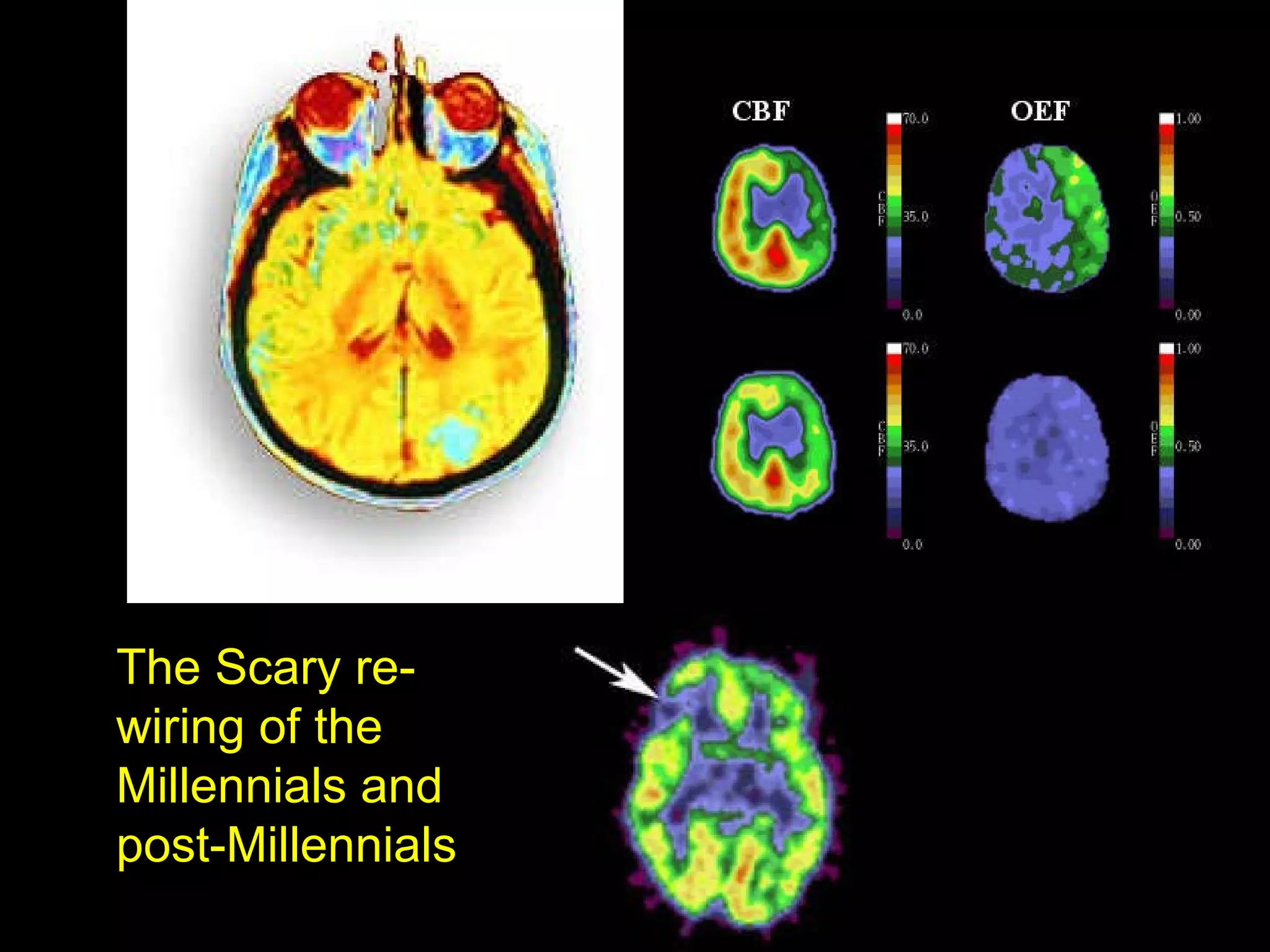
The Scary re-wiring of the Millennials and post-Millennials
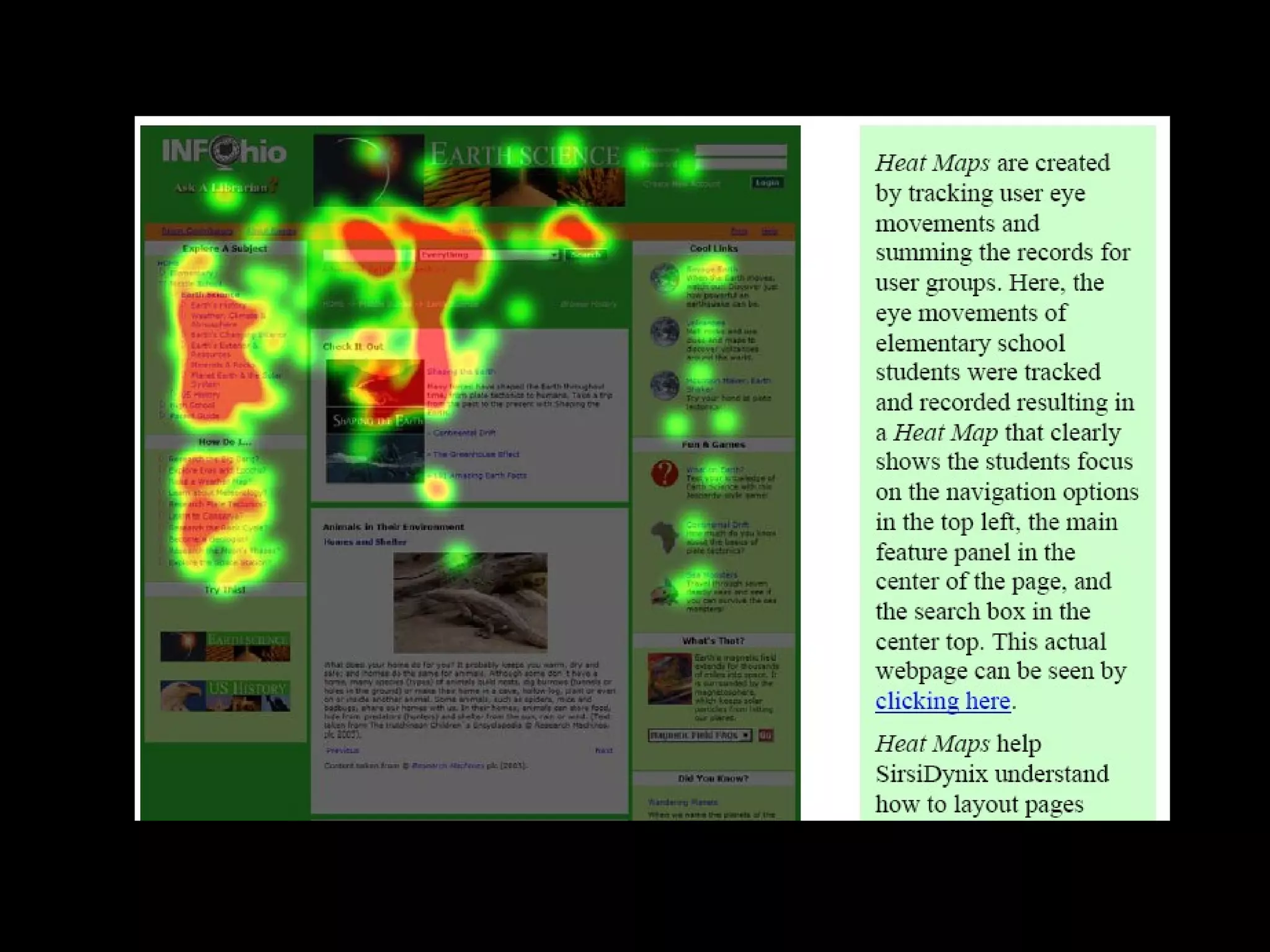
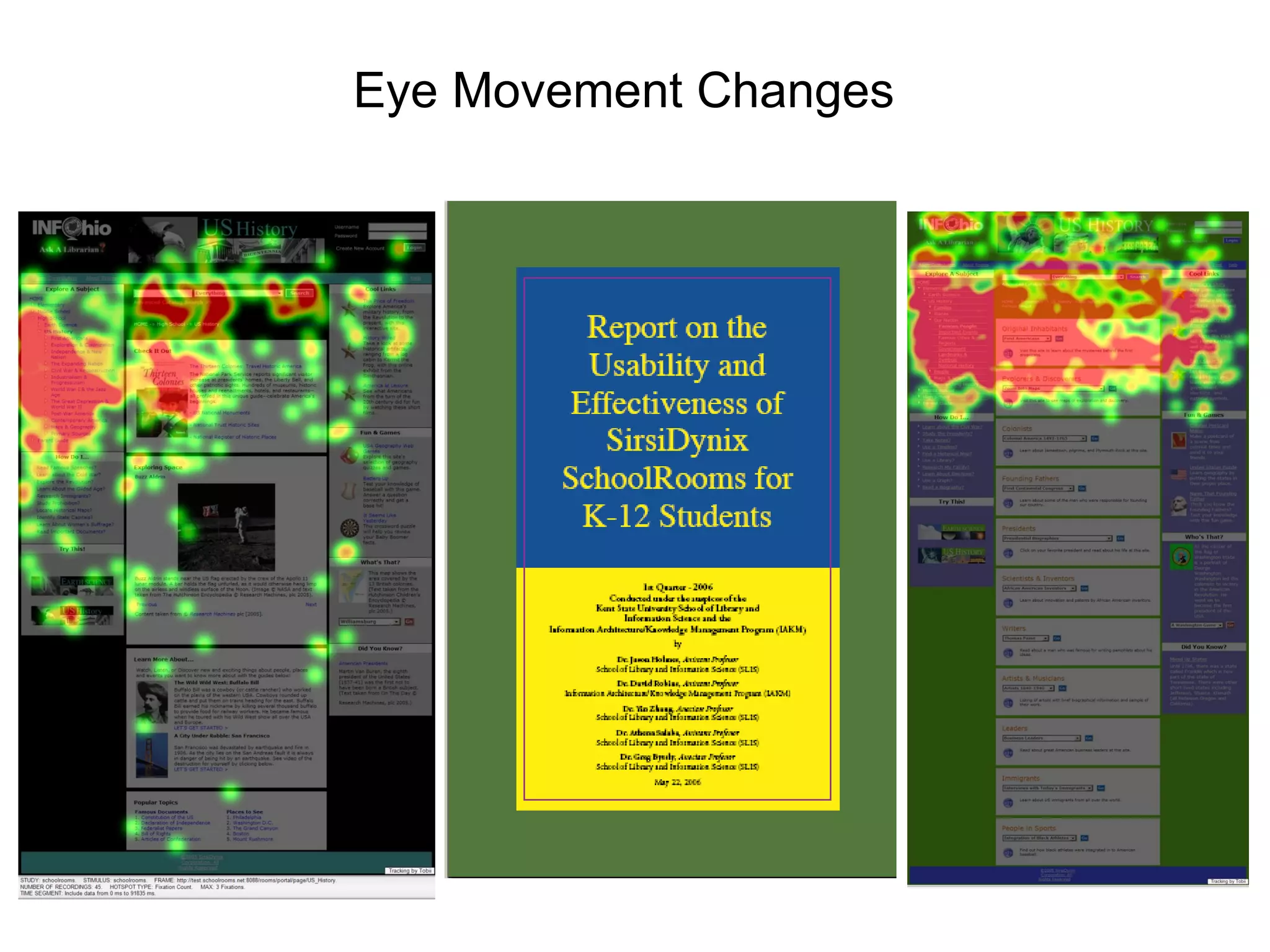
NextGen/NetGen Differences Eye Movement Changes
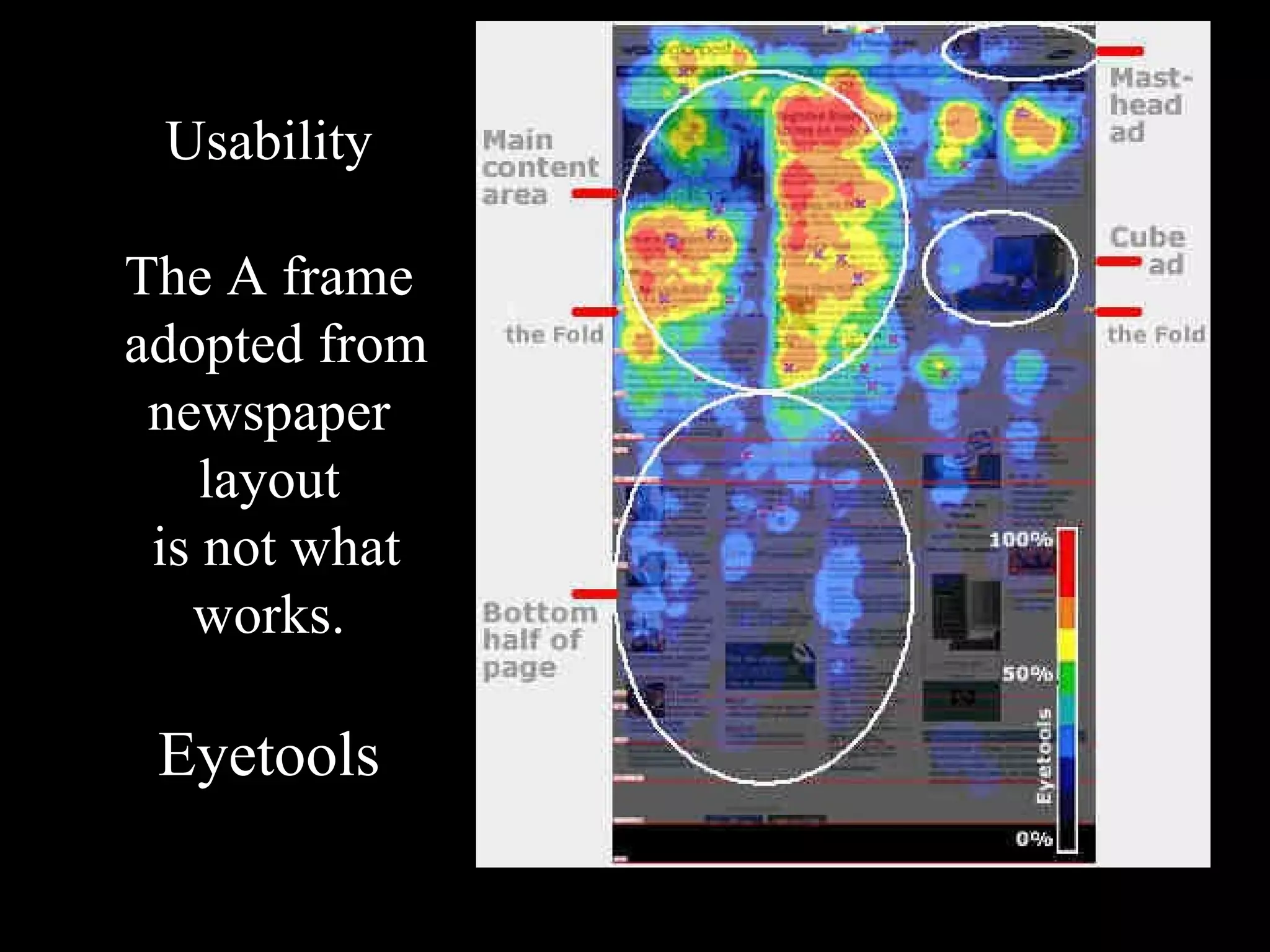
Usability The A frame adopted from  newspaper layout is not what works. Eyetools
 
Eye Movement Changes
NetGen Differences Developmental Changes Puberty and Understanding Puberty
NetGen Differences Differences between Boys & Girls
NetGen Differences Learning Styles Genomic 15 Years of Change in Ontario Curricula
Information Literacy Standard Curriculum Components Mathematics / Arithmetic Science, Biology, Physics & Chemistry English, Languages History, Geography, Politics, Sociology Music, Art, Phys ed. Guidance, Religion
Information Literacy Information literacy is integrally tied every aspect of the curriculum: Mathematical logical thinking skills - Math and Arithmetic Scientific method - Sciences Criticism, interpretation and comprehension - English and languages Analytical thinking - History, Geography Interpretive and imaginative- music, art & phys ed. Inter and Intrapersonal skills - Religion, Guidance, etc.  There is an imperative for people to have a lifelong curriculum - a personal learning strategy
Information Literacy Information selection and integration skills Information organization (micro and macro) skills - taxonomies and ontologies Interface selection and design combined with training skills Searching,  finding  and usage (analysis, packaging, reporting) skills High level information literacy skills (added to numeracy, critical thinking, analytical, etc.)
Literacy Reading literacy Numeracy Critical literacy Social literacy Computer literacy Web literacy Content literacy Written literacy News literacy Technology literacy Information literacy Media literacy Adaptive literacy Research literacy Academic literacy Etc.
NetGen Differences Gaming Scaffolds
NetGen Differences Standardized Testing Progress International Comparisons
NetGen Differences Crime Rates Down an average of 65%
NetGen Differences Massive Behavioural Changes 70% overlap with Boomers
NetGen Differences Library Differences: Forest of Reading TD Summer Reading School Libraries
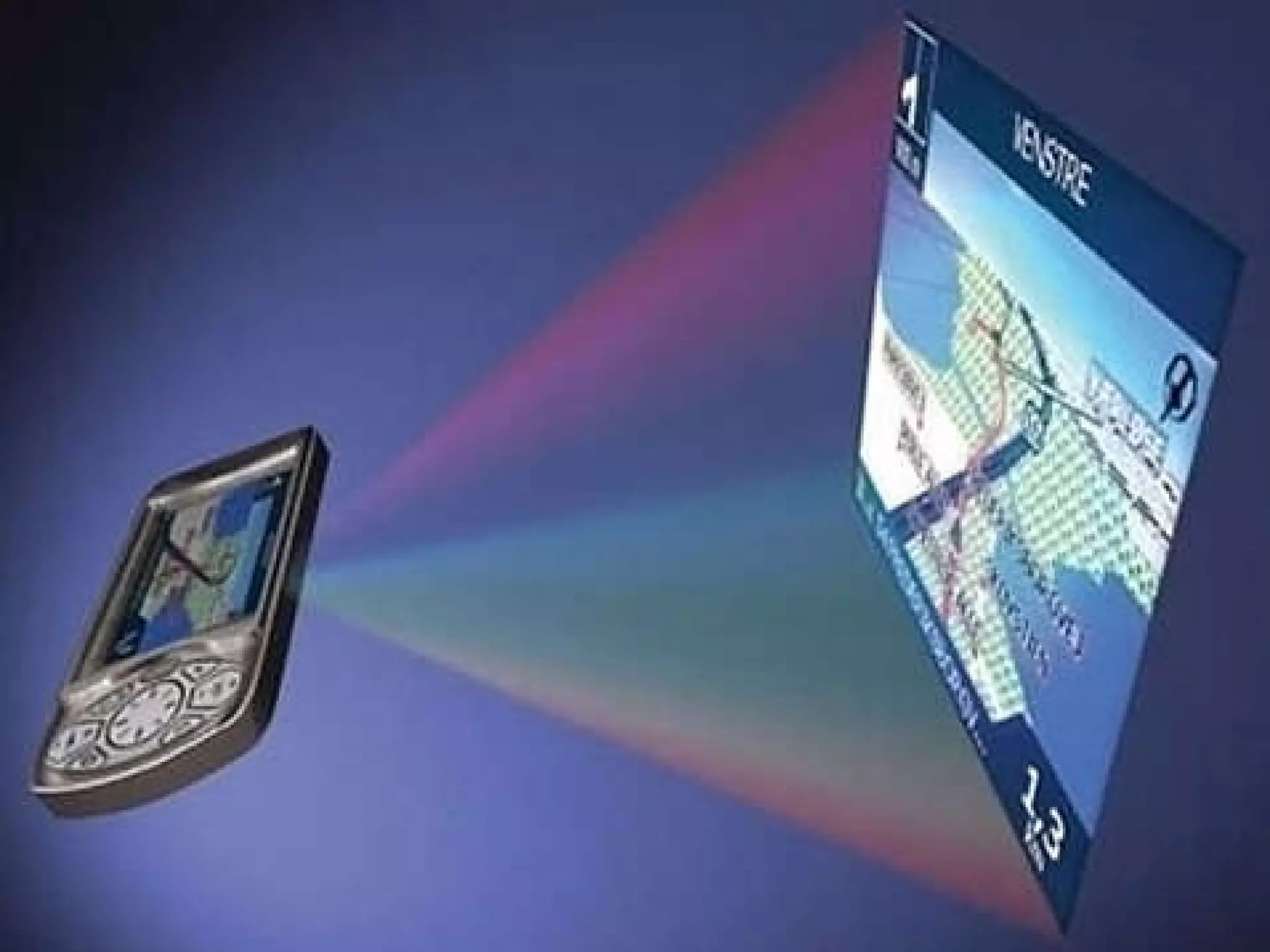
NetGen Differences Mobile


NetGen Differences Gaming
 
Simplify These Interfaces
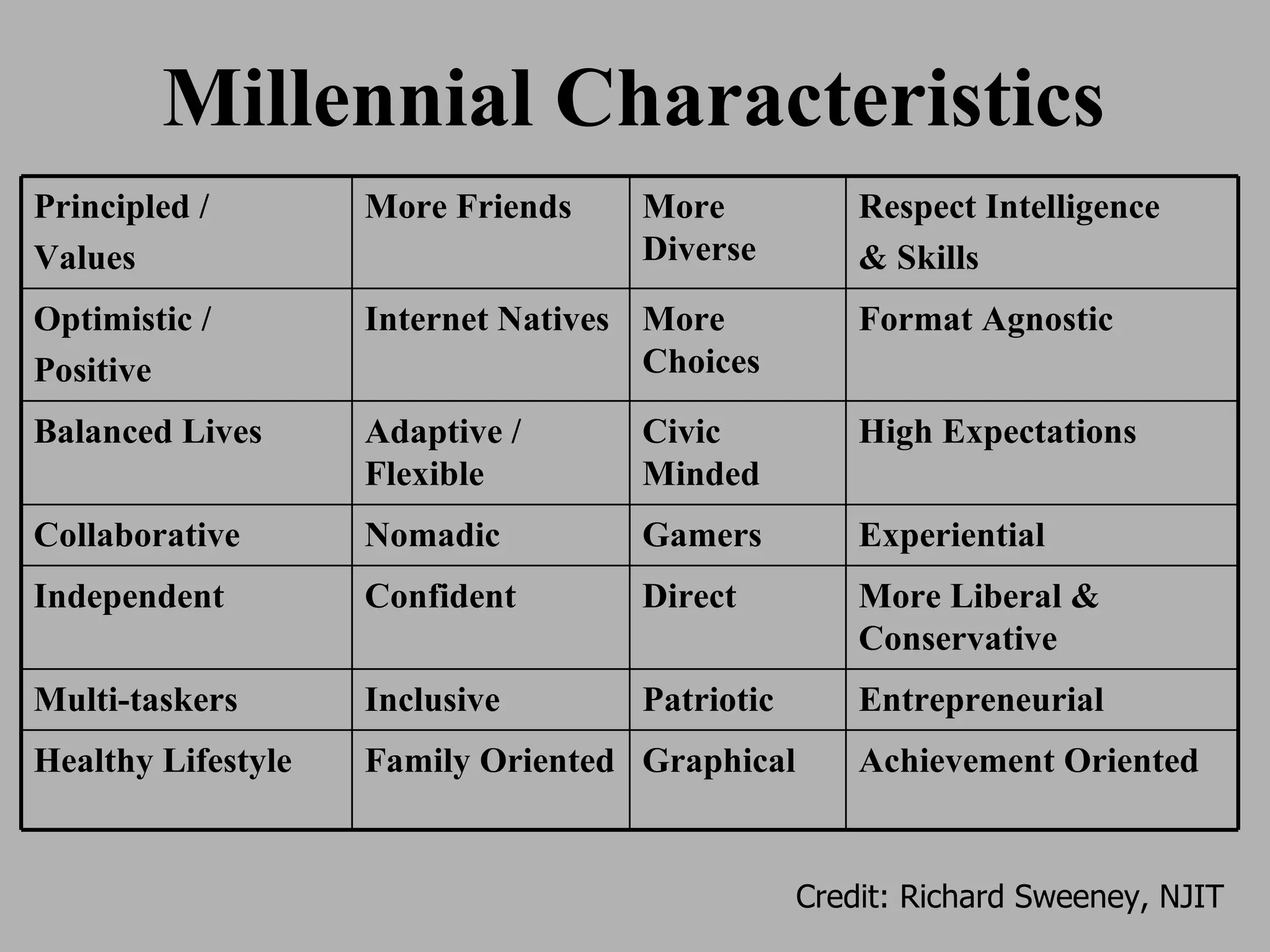
Millennial Characteristics Credit: Richard Sweeney, NJIT Entrepreneurial Patriotic Inclusive Multi-taskers Achievement Oriented Graphical Family Oriented Healthy Lifestyle More Liberal & Conservative Direct Confident Independent Experiential Gamers Nomadic Collaborative High Expectations Civic Minded Adaptive / Flexible Balanced Lives Format Agnostic More Choices Internet Natives Optimistic / Positive Respect Intelligence & Skills More Diverse More Friends Principled / Values
 
 
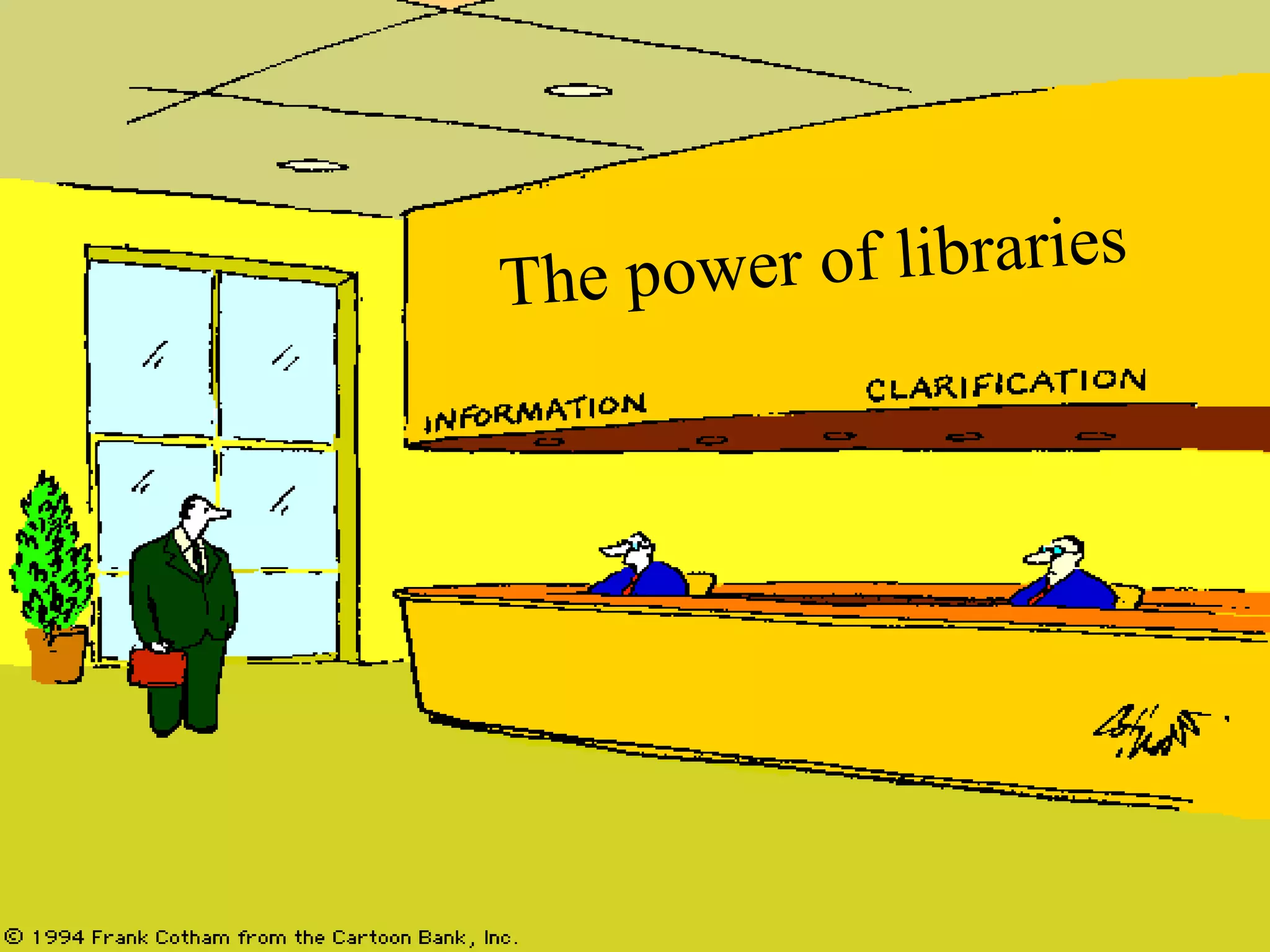
The power of libraries


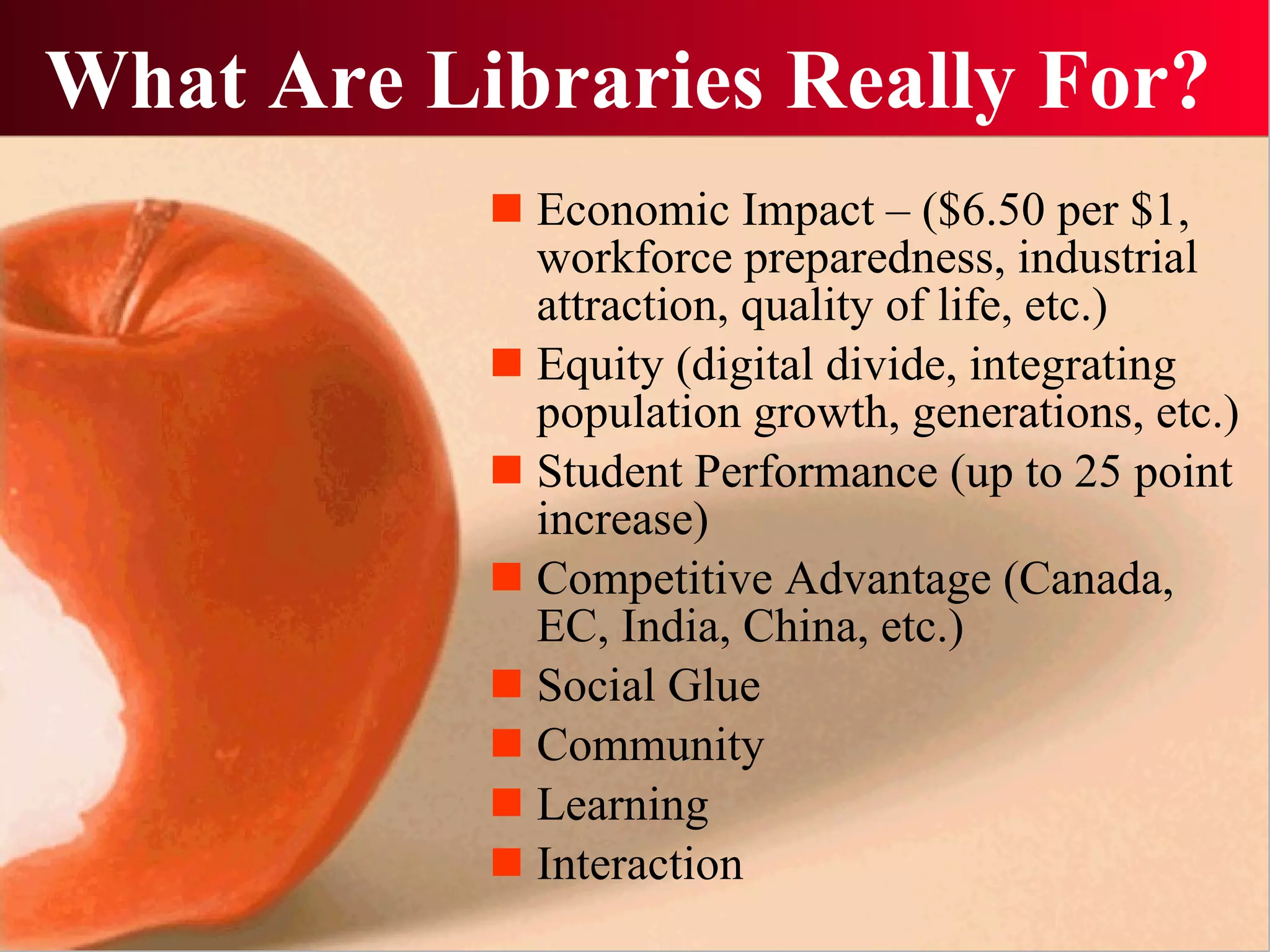
What Are Libraries Really For? Economic Impact – ($6.50 per $1, workforce preparedness, industrial attraction, quality of life, etc.) Equity (digital divide, integrating population growth, generations, etc.) Student Performance (up to 25 point increase) Competitive Advantage (Canada, EC, India, China, etc.) Social Glue Community Learning Interaction
Social Glue and Libraries
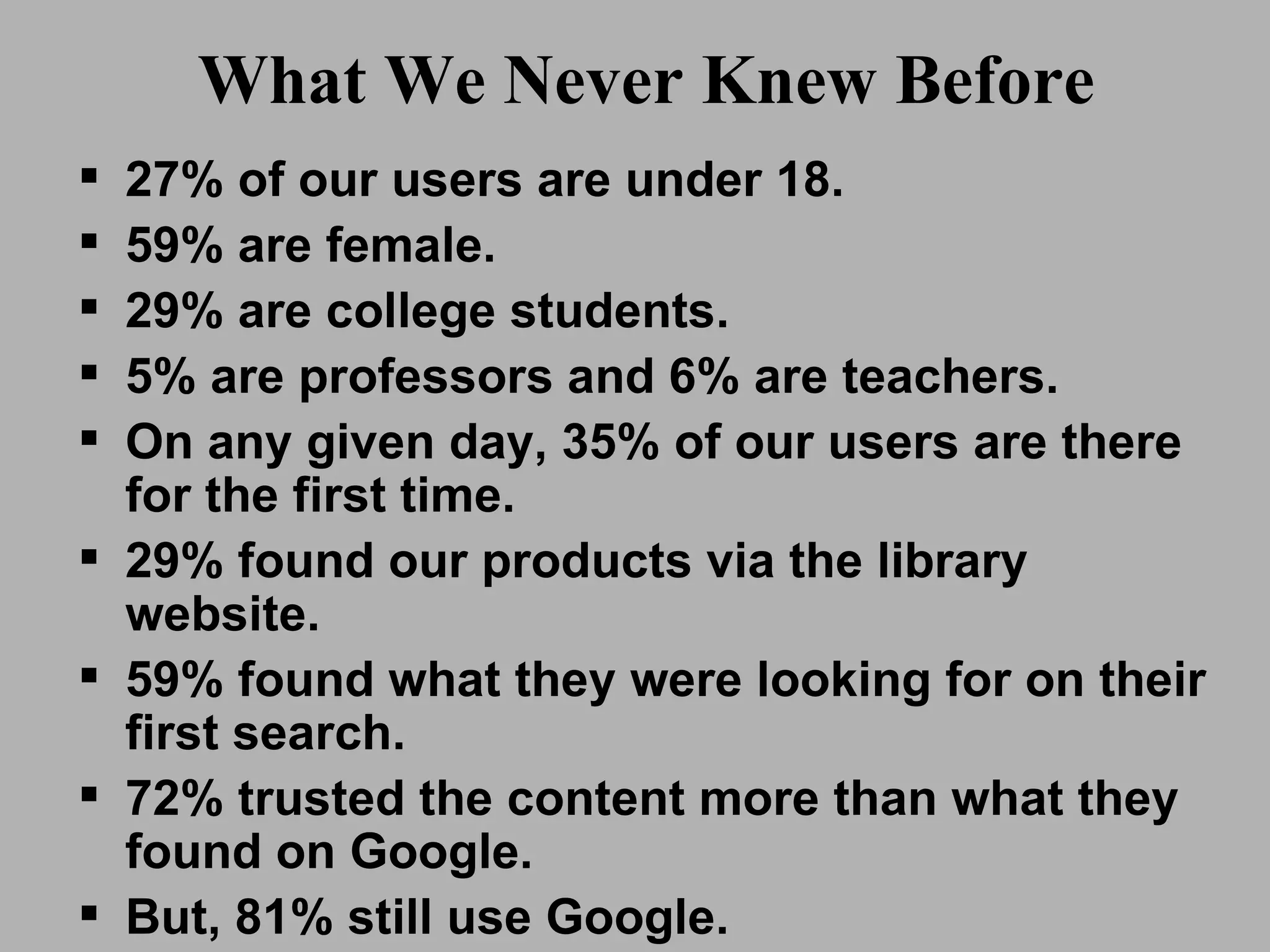
What We Never Knew Before 27% of our users are under 18. 59% are female. 29% are college students. 5% are professors and 6% are teachers. On any given day, 35% of our users are there for the first time. 29% found our products via the library website. 59% found what they were looking for on their first search. 72% trusted the content more than what they found on Google. But, 81% still use Google.
Driving User to the Library Encyclopedia.com HighBeam WorldCat iPhone App Questia Etc. Watch for more . . .?
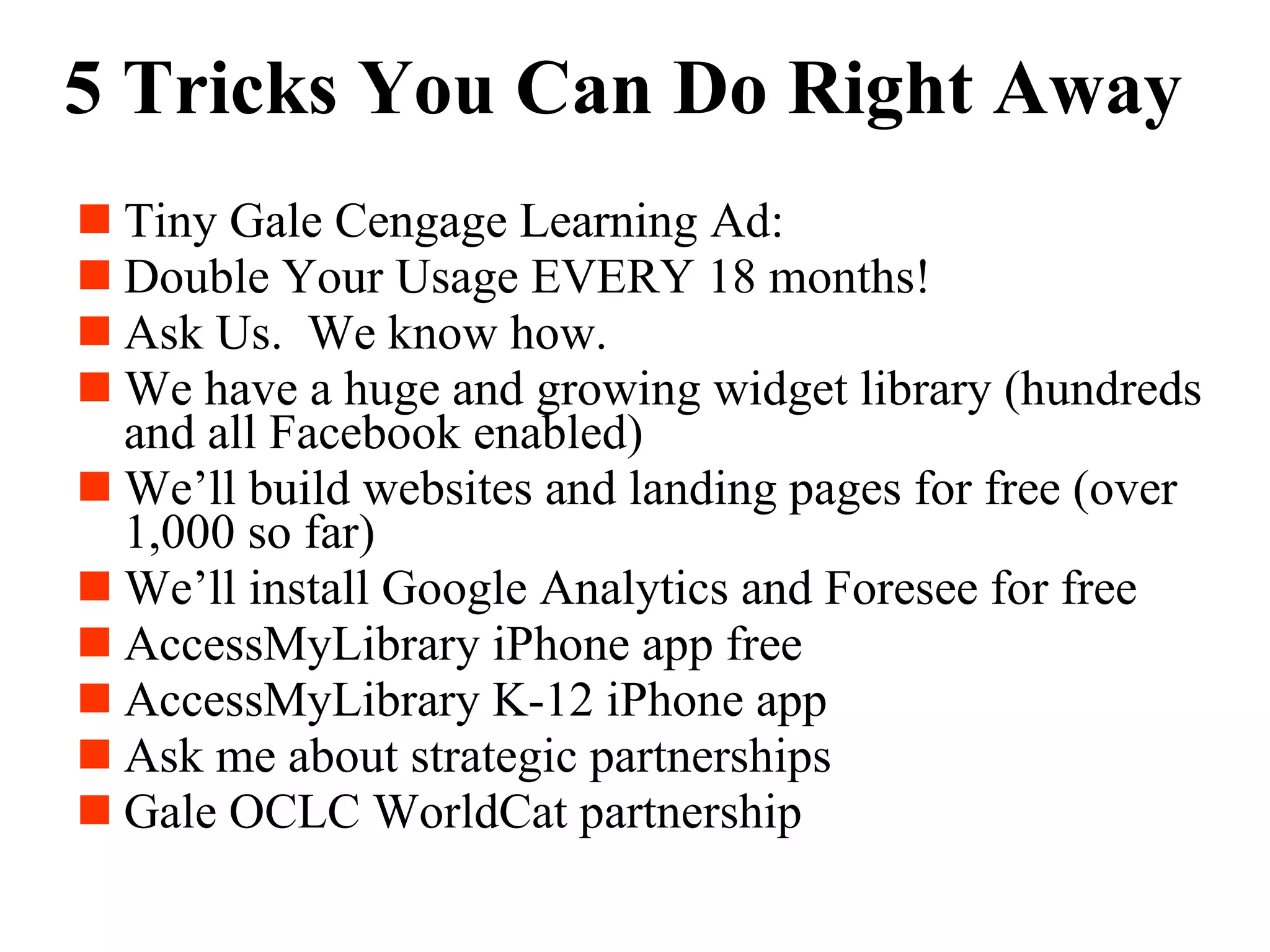
5 Tricks You Can Do Right Away Tiny Gale Cengage Learning Ad: Double Your Usage EVERY 18 months! Ask Us.  We know how. We have a huge and growing widget library (hundreds and all Facebook enabled) We’ll build websites and landing pages for free (over 1,000 so far) We’ll install Google Analytics and Foresee for free AccessMyLibrary iPhone app free AccessMyLibrary K-12 iPhone app Ask me about strategic partnerships Gale OCLC WorldCat partnership
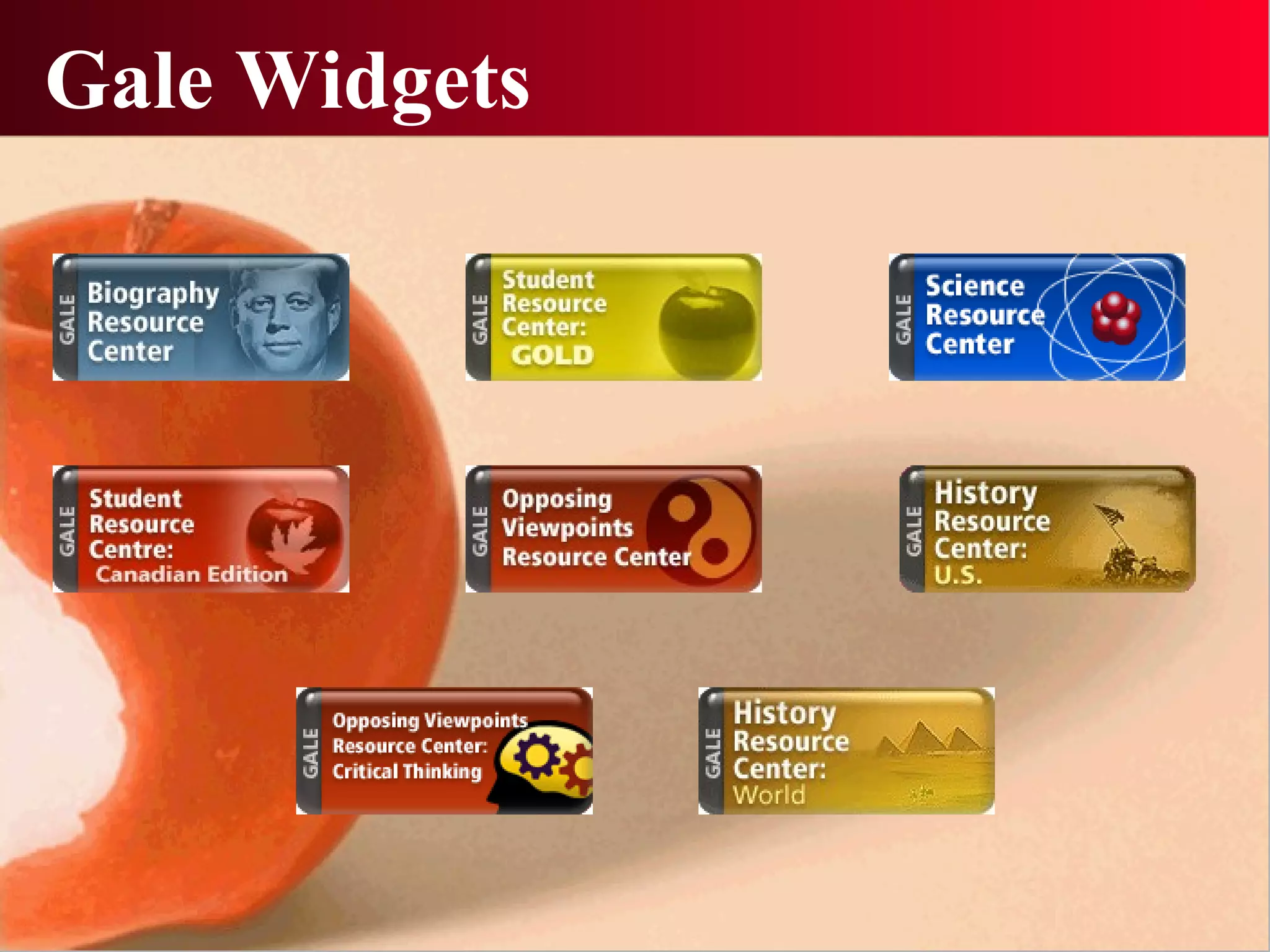
Gale Widgets
Google Books Settlement
Google Editions: Bookstore
SEO: Search   Engine Optimization SMO: Social Media  Optimization
I   my customers
 
Transmogrifying C0ntainers
 
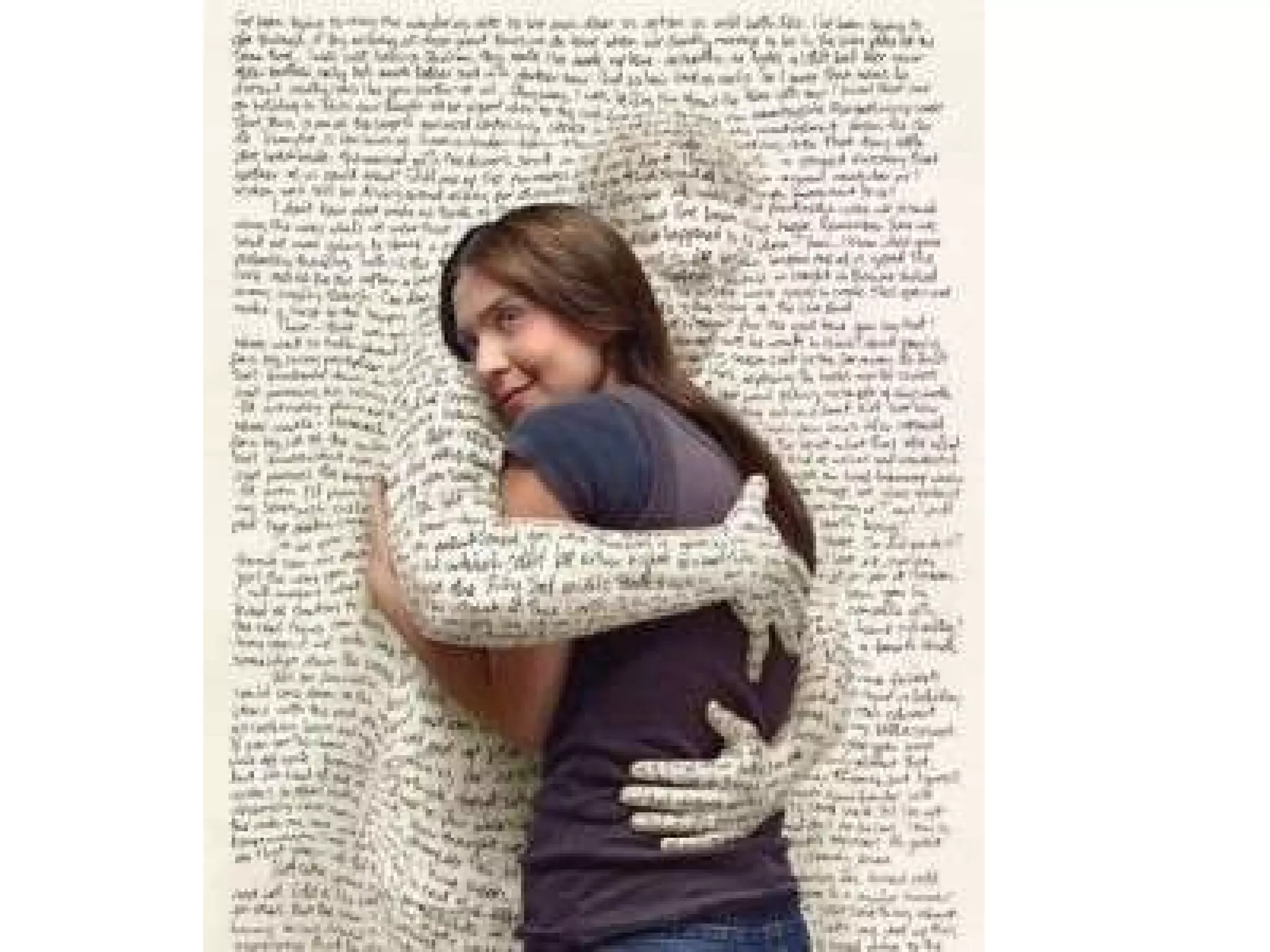
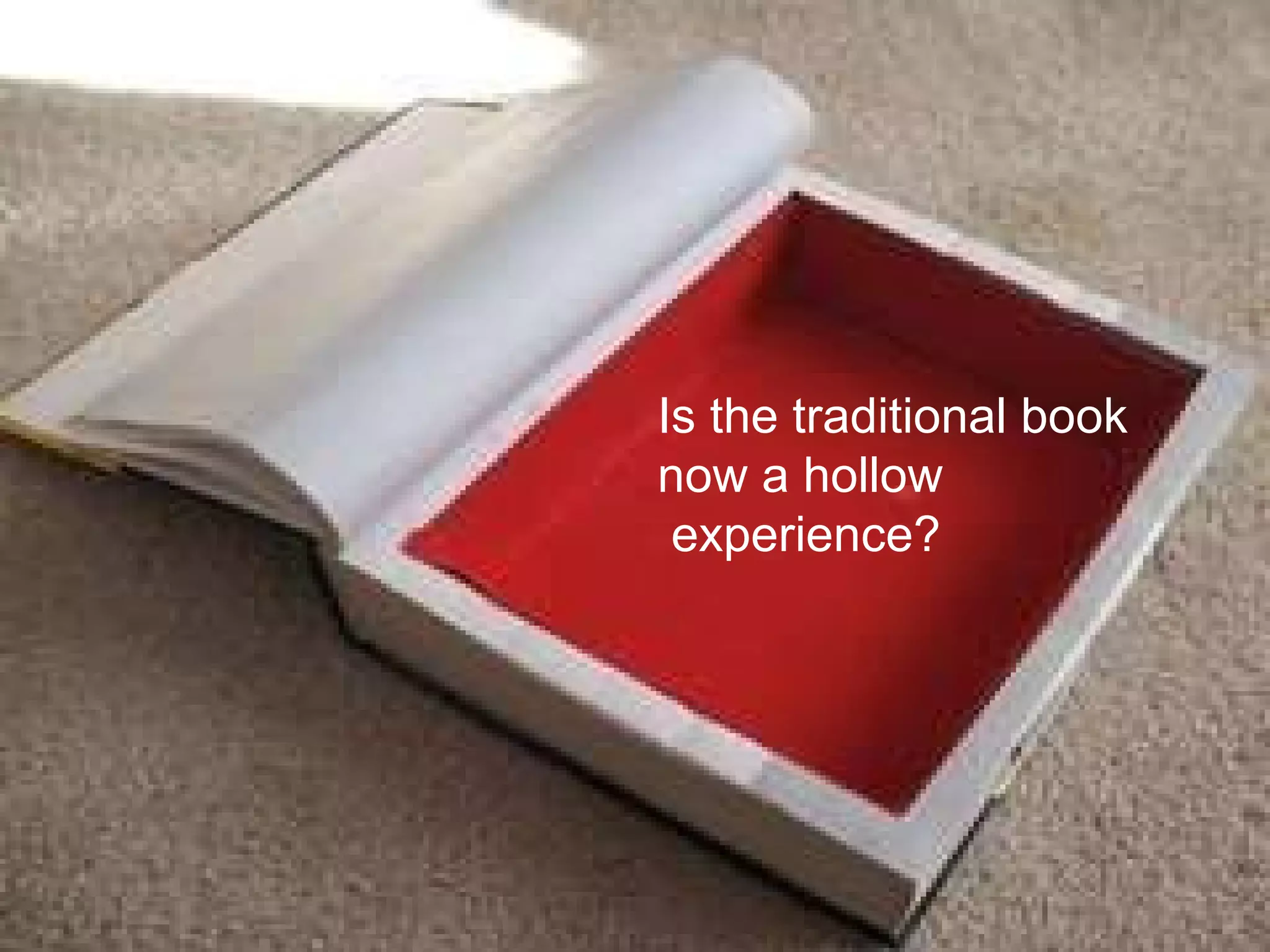
Is the traditional book now a hollow experience?
Geo-IP
A Third Path
Broadband
The Article Economy++ Format  Agnosticism
Devices like iPads  Kindles,  eDGe,  and Mobile
The Experience
 
 
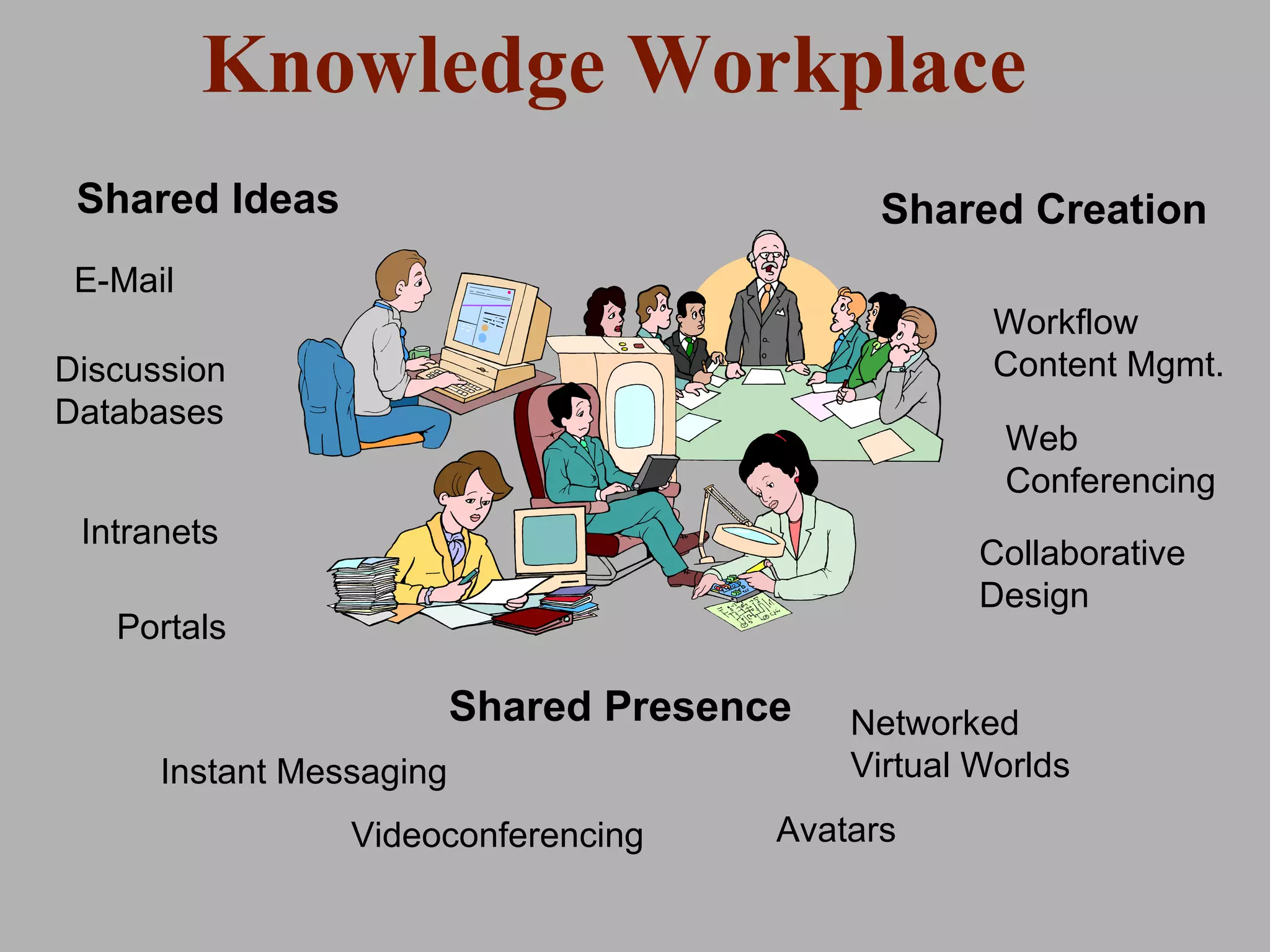
Knowledge Workplace Shared Ideas Shared Creation Shared Presence Collaborative Design E-Mail Instant Messaging Networked Virtual Worlds Videoconferencing Web  Conferencing Discussion Databases Workflow Content Mgmt. Intranets Avatars Portals
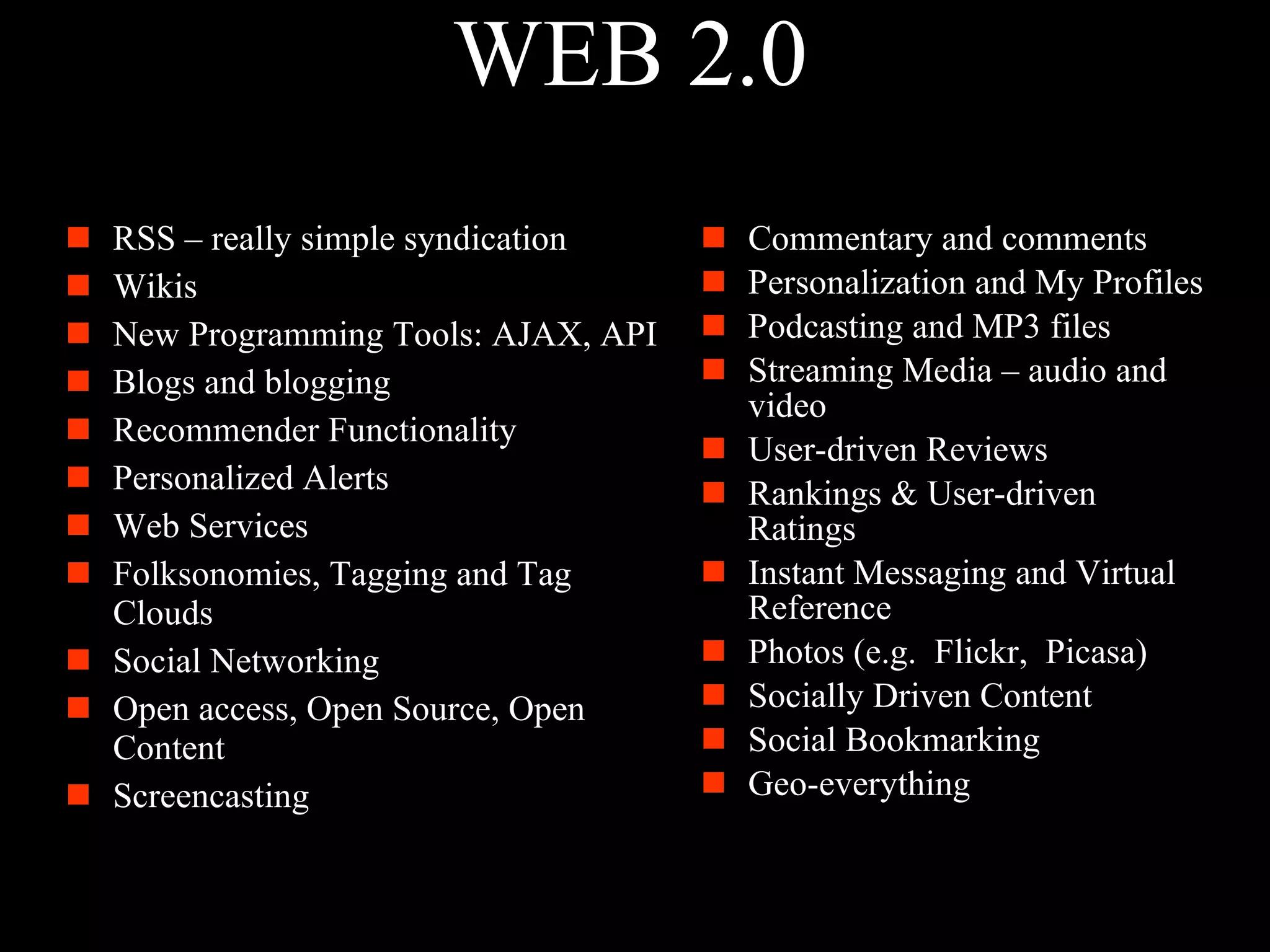
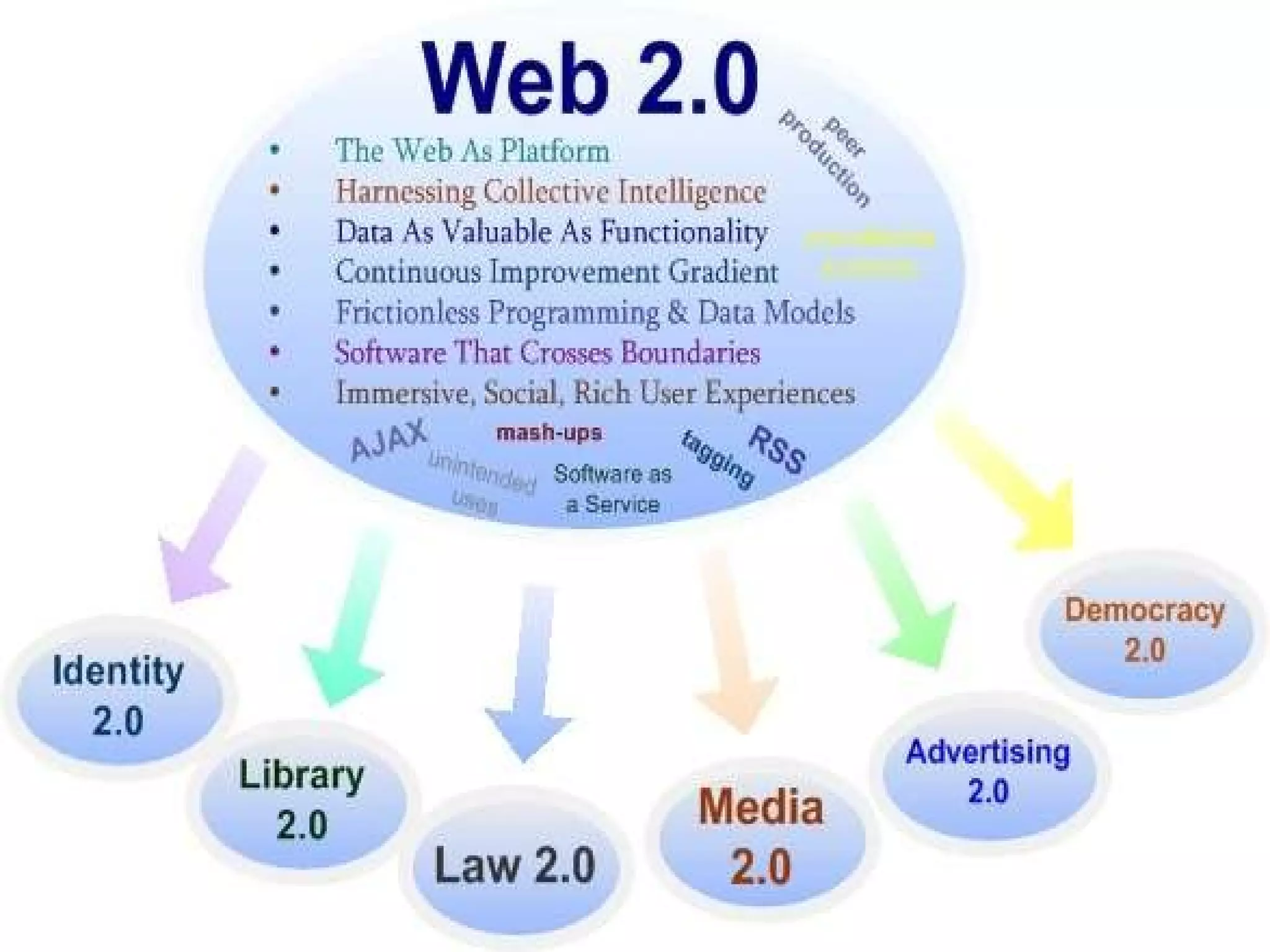
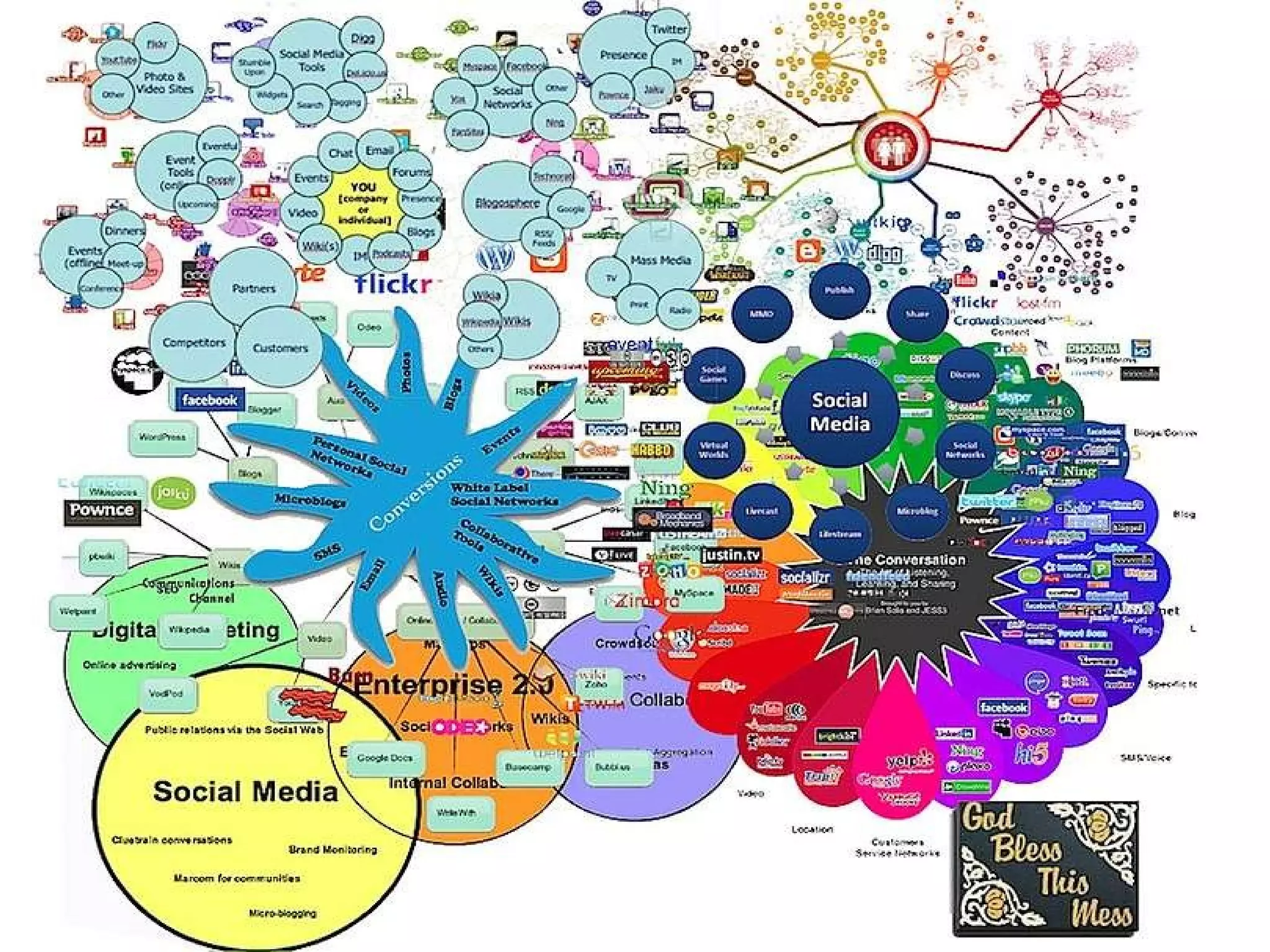
WEB 2.0 RSS – really simple syndication Wikis New Programming Tools: AJAX, API Blogs and blogging Recommender Functionality Personalized Alerts Web Services Folksonomies, Tagging and Tag Clouds Social Networking Open access, Open Source, Open Content Screencasting Commentary and comments Personalization and My Profiles Podcasting and MP3 files Streaming Media – audio and video User-driven Reviews  Rankings & User-driven Ratings Instant Messaging and Virtual Reference Photos (e.g.  Flickr,  Picasa) Socially Driven Content Social Bookmarking Geo-everything
 
 
Are we going to a totally build it yourself world? Imagine IKEA merging with GM...
 
 
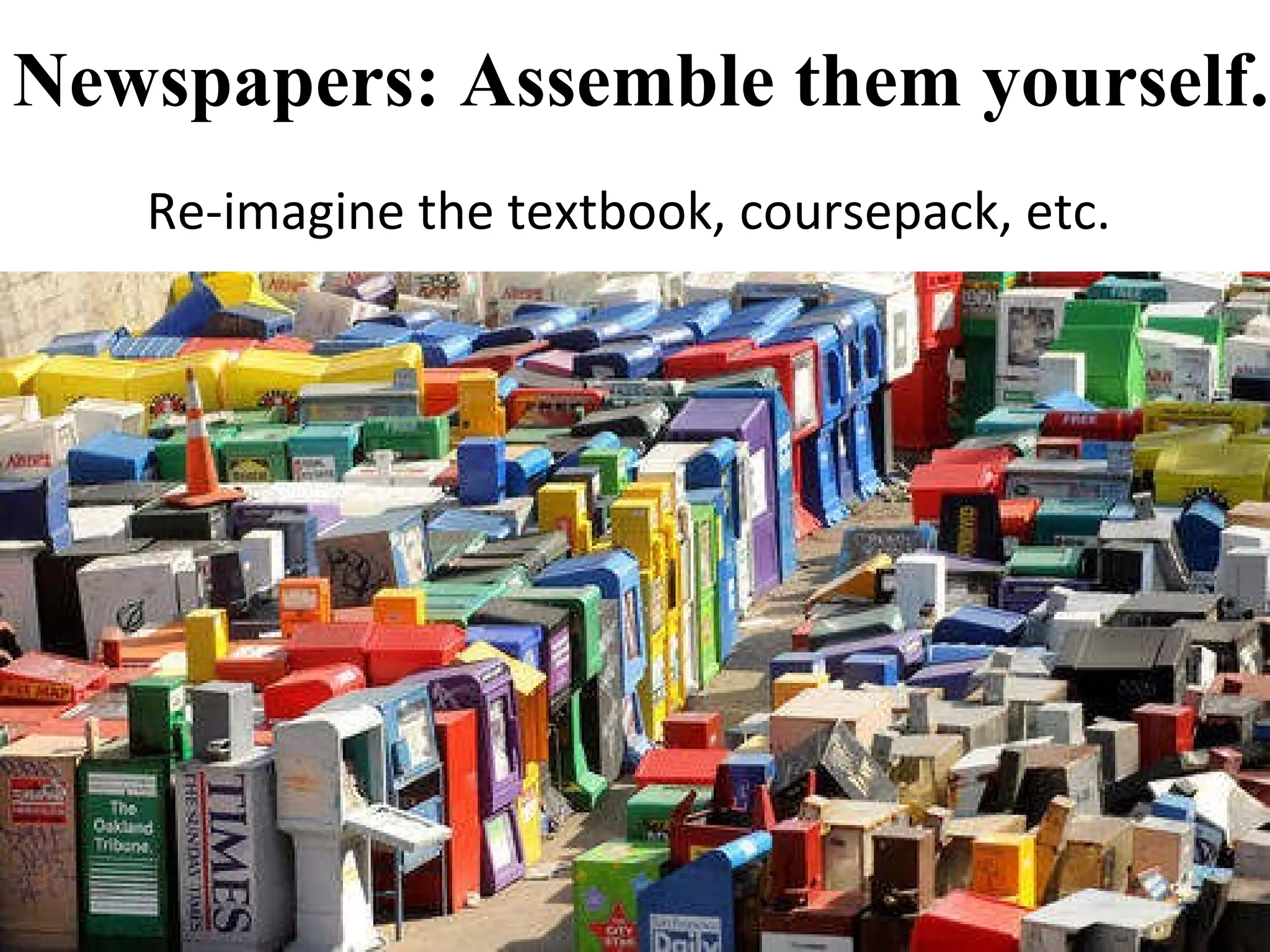
Newspapers: Assemble them yourself. Re-imagine the textbook, coursepack, etc.
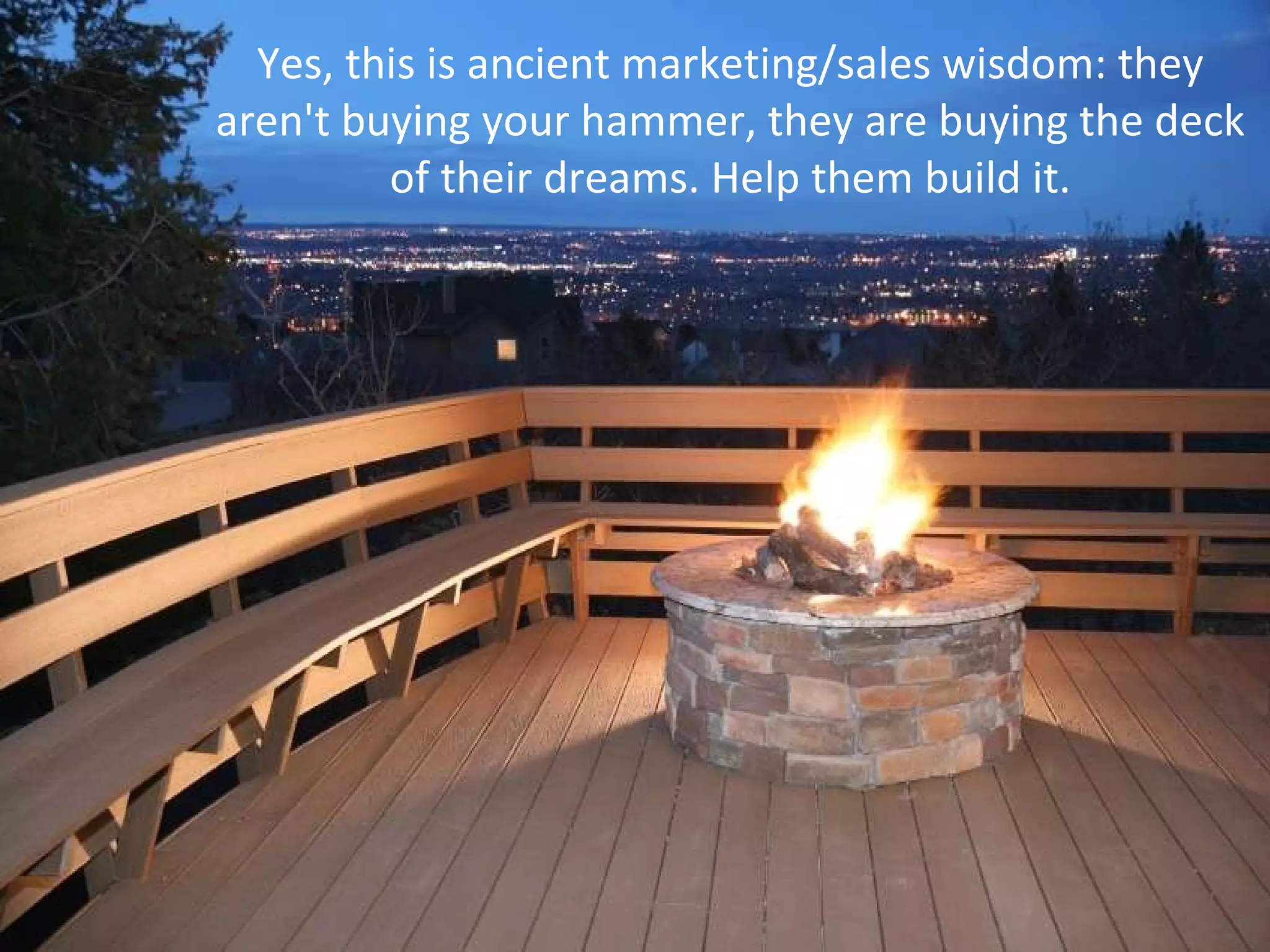
Yes, this is ancient marketing/sales wisdom: they aren't buying your hammer, they are buying the deck of their dreams. Help them build it.


Thanks! Stephen Abram, MLS, FSLA VP Strategic partnerships and markets Gale Cengage Learning Cel: 416-669-4855 [email_address] http://www.gale.com Stephen’s Lighthouse Blog http://stephenslighthouse.com

Clayaig2

  • 1.
    Leah Krevit RiceUniversity The Rest of Us Kids and Teens: Are they that different? Stephen Abram Canadian Library Association / U of Western Ontario FIMS Young Adult Interest Group Workshop 2010
  • 2.
    These slides availableat Stephen’s Lighthouse blog
  • 3.
  • 4.
  • 5.
  • 6.
  • 7.
  • 8.
  • 9.
  • 10.
  • 11.
    Boomer Box RelationshipGap Awareness Gap Peer Gap Silo Gap Glass Ceilings Generation Gap Learning Gap Permeate It Meet It See It Expand It Connect It Break It Leap It Bridge It
  • 12.
    NextGen/NetGen Differences Increasein IQ Plus 15-20 Points Brain Changes
  • 13.
    The Scary re-wiringof the Millennials and post-Millennials
  • 14.
  • 15.
    Usability The Aframe adopted from newspaper layout is not what works. Eyetools
  • 16.
  • 17.
  • 18.
    NetGen Differences DevelopmentalChanges Puberty and Understanding Puberty
  • 19.
    NetGen Differences Differencesbetween Boys & Girls
  • 20.
    NetGen Differences LearningStyles Genomic 15 Years of Change in Ontario Curricula
  • 21.
    Information Literacy StandardCurriculum Components Mathematics / Arithmetic Science, Biology, Physics & Chemistry English, Languages History, Geography, Politics, Sociology Music, Art, Phys ed. Guidance, Religion
  • 22.
    Information Literacy Informationliteracy is integrally tied every aspect of the curriculum: Mathematical logical thinking skills - Math and Arithmetic Scientific method - Sciences Criticism, interpretation and comprehension - English and languages Analytical thinking - History, Geography Interpretive and imaginative- music, art & phys ed. Inter and Intrapersonal skills - Religion, Guidance, etc. There is an imperative for people to have a lifelong curriculum - a personal learning strategy
  • 23.
    Information Literacy Informationselection and integration skills Information organization (micro and macro) skills - taxonomies and ontologies Interface selection and design combined with training skills Searching, finding and usage (analysis, packaging, reporting) skills High level information literacy skills (added to numeracy, critical thinking, analytical, etc.)
  • 24.
    Literacy Reading literacyNumeracy Critical literacy Social literacy Computer literacy Web literacy Content literacy Written literacy News literacy Technology literacy Information literacy Media literacy Adaptive literacy Research literacy Academic literacy Etc.
  • 25.
  • 26.
    NetGen Differences StandardizedTesting Progress International Comparisons
  • 27.
    NetGen Differences CrimeRates Down an average of 65%
  • 28.
    NetGen Differences MassiveBehavioural Changes 70% overlap with Boomers
  • 29.
    NetGen Differences LibraryDifferences: Forest of Reading TD Summer Reading School Libraries
  • 30.
  • 31.
  • 32.
  • 33.
  • 34.
  • 35.
  • 36.
  • 37.
    Millennial Characteristics Credit:Richard Sweeney, NJIT Entrepreneurial Patriotic Inclusive Multi-taskers Achievement Oriented Graphical Family Oriented Healthy Lifestyle More Liberal & Conservative Direct Confident Independent Experiential Gamers Nomadic Collaborative High Expectations Civic Minded Adaptive / Flexible Balanced Lives Format Agnostic More Choices Internet Natives Optimistic / Positive Respect Intelligence & Skills More Diverse More Friends Principled / Values
  • 38.
  • 39.
  • 40.
    The power oflibraries
  • 41.
  • 42.
  • 43.
  • 44.
  • 45.
  • 46.
  • 47.
    What Are LibrariesReally For? Economic Impact – ($6.50 per $1, workforce preparedness, industrial attraction, quality of life, etc.) Equity (digital divide, integrating population growth, generations, etc.) Student Performance (up to 25 point increase) Competitive Advantage (Canada, EC, India, China, etc.) Social Glue Community Learning Interaction
  • 48.
    Social Glue andLibraries
  • 49.
    What We NeverKnew Before 27% of our users are under 18. 59% are female. 29% are college students. 5% are professors and 6% are teachers. On any given day, 35% of our users are there for the first time. 29% found our products via the library website. 59% found what they were looking for on their first search. 72% trusted the content more than what they found on Google. But, 81% still use Google.
  • 50.
    Driving User tothe Library Encyclopedia.com HighBeam WorldCat iPhone App Questia Etc. Watch for more . . .?
  • 51.
    5 Tricks YouCan Do Right Away Tiny Gale Cengage Learning Ad: Double Your Usage EVERY 18 months! Ask Us. We know how. We have a huge and growing widget library (hundreds and all Facebook enabled) We’ll build websites and landing pages for free (over 1,000 so far) We’ll install Google Analytics and Foresee for free AccessMyLibrary iPhone app free AccessMyLibrary K-12 iPhone app Ask me about strategic partnerships Gale OCLC WorldCat partnership
  • 52.
  • 53.
  • 54.
  • 55.
    SEO: Search Engine Optimization SMO: Social Media Optimization
  • 56.
    I my customers
  • 57.
  • 58.
  • 59.
  • 60.
    Is the traditionalbook now a hollow experience?
  • 61.
  • 62.
  • 63.
  • 64.
    The Article Economy++Format Agnosticism
  • 65.
    Devices like iPads Kindles, eDGe, and Mobile
  • 66.
  • 67.
  • 68.
  • 69.
    Knowledge Workplace SharedIdeas Shared Creation Shared Presence Collaborative Design E-Mail Instant Messaging Networked Virtual Worlds Videoconferencing Web Conferencing Discussion Databases Workflow Content Mgmt. Intranets Avatars Portals
  • 70.
    WEB 2.0 RSS– really simple syndication Wikis New Programming Tools: AJAX, API Blogs and blogging Recommender Functionality Personalized Alerts Web Services Folksonomies, Tagging and Tag Clouds Social Networking Open access, Open Source, Open Content Screencasting Commentary and comments Personalization and My Profiles Podcasting and MP3 files Streaming Media – audio and video User-driven Reviews Rankings & User-driven Ratings Instant Messaging and Virtual Reference Photos (e.g. Flickr, Picasa) Socially Driven Content Social Bookmarking Geo-everything
  • 71.
  • 72.
  • 73.
    Are we goingto a totally build it yourself world? Imagine IKEA merging with GM...
  • 74.
  • 75.
  • 76.
    Newspapers: Assemble themyourself. Re-imagine the textbook, coursepack, etc.
  • 77.
    Yes, this isancient marketing/sales wisdom: they aren't buying your hammer, they are buying the deck of their dreams. Help them build it.
  • 78.
  • 79.
  • 80.
  • 81.
  • 82.
    Thanks! Stephen Abram,MLS, FSLA VP Strategic partnerships and markets Gale Cengage Learning Cel: 416-669-4855 [email_address] http://www.gale.com Stephen’s Lighthouse Blog http://stephenslighthouse.com

Editor's Notes

  • #70 Strategic Planning Assumption: By 2005, agile enterprises will assess people not by what skills they possess, but rather by whom they interact with and how well they collaborate with or manage the work of other parties (0.7 probability). How will emerging technologies transform specific business functions? The character of the e-workplace is not determined only by business processes and IT systems. The character of the work itself is changing. As work increasingly requires situational knowledge, the likelihood that people will work collaboratively, just-in-time and in multiple teams rises quickly. Collaboration initiatives need to acknowledge the different purposes of collaboration: To share ideas, from ad hoc thoughts in e-mail to completed documents on an intranet To share the creation process in real time or as part of a sequential workflow To share a sense of presence, substituting virtual presence indicators and cues for those available in face-to-face interactions Most enterprises continue to reward people for achieving individual objectives, sometimes adding company performance as a bonus. In a collaborative world, however, performance measures and assessments must focus on people’s contribution to, and participation in, team goals. Action Item: Enterprises must reexamine reward systems, redesign work and distribute workloads appropriately.