Topics:
2. Elaborating Schools Social
Media Policies
3. Child Safeguarding in
Education Delivery
1. Child Safeguarding
considerations under the LCP
4. Child Protection Education
5. The Child Protection
Committee under the New
Normal
Child Safeguarding
considerations
under the LCP
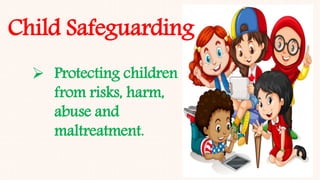
Child Safeguarding
 Protecting children
from risks, harm,
abuse and
maltreatment.
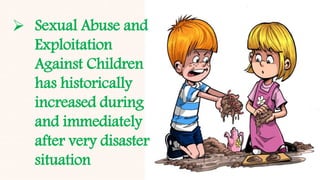
 Sexual Abuse and
Exploitation
Against Children
has historically
increased during
and immediately
after very disaster
situation
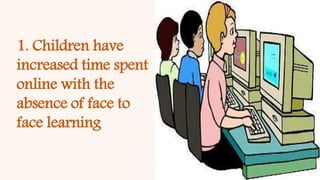
1. Children have
increased time spent
online with the
absence of face to
face learning
Potentially increasing risks to;
 Exposure to
inappropriate
/harmful online content
(pornography, violence,
cyberbullying, etc)
 unhealthy screen
time
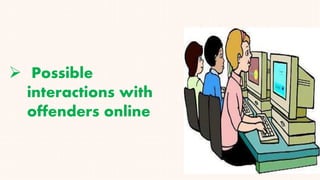
 Possible
interactions with
offenders online
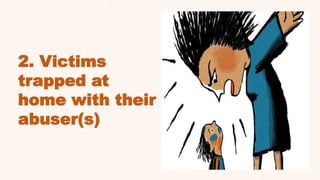
2. Victims
trapped at
home with their
abuser(s)
Child
Safeguarding
Considerations
1.DO 40, series 2012
(Child Protection
Policy)
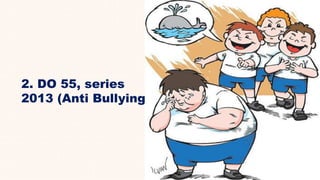
2. DO 55, series
2013 (Anti Bullying)
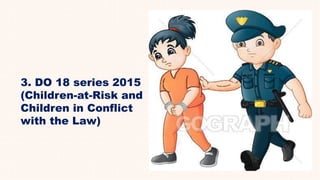
3. DO 18 series 2015
(Children-at-Risk and
Children in Conflict
with the Law)
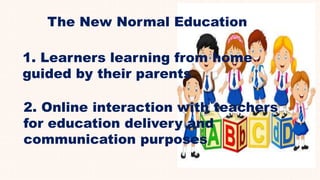
The New Normal Education
1. Learners learning from home
guided by their parents
2. Online interaction with teachers
for education delivery and
communication purposes
3. Education delivery via
 Online synchronous education
 Online asynchronous education
 Digital asynchronous education (not
online)
 Printed modular lessons
Social media users in the Philippines
 There were 73 million social media
users in the Philippines in January
2020.
 The number of social media users in the
Philippines increased by 5.8 million
(+8.6%) between April 2019 and
January 2020.
Why do we need to elaborate
social media for Online Child
Safeguarding Policies?
 Potential grooming between school
personnel and learners via messaging
apps
 Inappropriate or unsafe interaction
during online delivery
 Role modeling concerns for teacher and
personnel
 Learner’s online conduct
 Mismanagement of official school social
media presence leading to child
protection concerns.
What should social media or online
Child Safeguarding Policy include?
1.Defining Social
Media Communication
Channels
2. Elaborating Behavioral Protocols for
Online Interaction
 Violent, threatening or sexual online
interactions between school
personnel and learners should be
prohibited.
 Private messages between school
personnel and learners are risky, as the
proper safeguards are not in place in
such instances.
3. Guidance for School Personnel as Online
Role Models
 What is inappropriate behavior
offline, should also be seen as
inappropriate behavior online
 There should be a balance between
the freedom of expression and the
adult’s responsibility as a role
model.
 School personnel should protect
learner’s confidentiality
 As a general guidance,
learner’s images should not be
shared in the school personnel
social media account without
considering consent and the
child safety aspects of the
images being shared.
Official Social Media Presence
Management
 Schools should ensure that the terms
of service of social media platforms
are followed as organizations
 Organizations such as schools such as
schools should create pages, instead
of individual accounts.
 There should be an officially assigned
school social media manager, with an
additional 1 or 2 school personnel who
shall be given admin tasks to ensure
proper check and balances.
 Elaborate clear protocols on:
 What content can/can’t be shared in
the official page
 The approval process for content
posting
 Moderation guidelines(e.g. how to
answer posts and messages)
 There should be protocols on how to
handle child protection reports to
the page, ensuring that such reports
are communicated to the school
child protection committee in a
timely manner
Child Safeguarding in Education
Delivery
1. Ensuring learning resources are
child safe, regardless of education
delivery modality
2. Safeguarding during synchronous
sessions
3. Safeguarding during asynchronous
sessions, whether offline digital or
offline offline modular, including with
para-teachers
4. Regular safety checks with learners
The Child Protection Policy in the
New Normal
 Even with the implementation of the
LCP, there is the basic assumption
that vital school-based structures
such as the Child Protection
Committee should continue its
operations.
Recommendations on How Schools
Can Make their CPC’s Functional
1. Ensure CPCs continue to meet
2. Fulfill the Prevention mandates of
the CPC
3. Fulfill the Response mandates of the
CPC
How to make
reporting to the CPC
accessible and how
to respond if the
child protection
concern happens at
home?
Strategies to consider:
1. Identifying adjustments on how to
receive child protection reports from
learners and other stakeholders, even
if learners are at home.
2. Work with the Barangay Council for
the Protection of Children (BCPC) to
ensure the presence of school
representatives in the BCPC.
Child safeguarding

Child safeguarding

  • 2.
    Topics: 2. Elaborating SchoolsSocial Media Policies 3. Child Safeguarding in Education Delivery 1. Child Safeguarding considerations under the LCP
  • 3.
    4. Child ProtectionEducation 5. The Child Protection Committee under the New Normal
  • 4.
  • 5.
    Child Safeguarding  Protectingchildren from risks, harm, abuse and maltreatment.
  • 6.
     Sexual Abuseand Exploitation Against Children has historically increased during and immediately after very disaster situation
  • 7.
    1. Children have increasedtime spent online with the absence of face to face learning
  • 8.
    Potentially increasing risksto;  Exposure to inappropriate /harmful online content (pornography, violence, cyberbullying, etc)
  • 9.
  • 10.
  • 11.
    2. Victims trapped at homewith their abuser(s)
  • 12.
  • 13.
    2. DO 55,series 2013 (Anti Bullying)
  • 14.
    3. DO 18series 2015 (Children-at-Risk and Children in Conflict with the Law)
  • 15.
    The New NormalEducation 1. Learners learning from home guided by their parents 2. Online interaction with teachers for education delivery and communication purposes
  • 16.
    3. Education deliveryvia  Online synchronous education  Online asynchronous education  Digital asynchronous education (not online)  Printed modular lessons
  • 17.
    Social media usersin the Philippines  There were 73 million social media users in the Philippines in January 2020.  The number of social media users in the Philippines increased by 5.8 million (+8.6%) between April 2019 and January 2020.
  • 18.
    Why do weneed to elaborate social media for Online Child Safeguarding Policies?
  • 19.
     Potential groomingbetween school personnel and learners via messaging apps  Inappropriate or unsafe interaction during online delivery  Role modeling concerns for teacher and personnel
  • 20.
     Learner’s onlineconduct  Mismanagement of official school social media presence leading to child protection concerns.
  • 21.
    What should socialmedia or online Child Safeguarding Policy include?
  • 22.
  • 23.
    2. Elaborating BehavioralProtocols for Online Interaction  Violent, threatening or sexual online interactions between school personnel and learners should be prohibited.  Private messages between school personnel and learners are risky, as the proper safeguards are not in place in such instances.
  • 24.
    3. Guidance forSchool Personnel as Online Role Models  What is inappropriate behavior offline, should also be seen as inappropriate behavior online  There should be a balance between the freedom of expression and the adult’s responsibility as a role model.
  • 25.
     School personnelshould protect learner’s confidentiality  As a general guidance, learner’s images should not be shared in the school personnel social media account without considering consent and the child safety aspects of the images being shared.
  • 26.
    Official Social MediaPresence Management  Schools should ensure that the terms of service of social media platforms are followed as organizations  Organizations such as schools such as schools should create pages, instead of individual accounts.
  • 27.
     There shouldbe an officially assigned school social media manager, with an additional 1 or 2 school personnel who shall be given admin tasks to ensure proper check and balances.
  • 28.
     Elaborate clearprotocols on:  What content can/can’t be shared in the official page  The approval process for content posting  Moderation guidelines(e.g. how to answer posts and messages)
  • 29.
     There shouldbe protocols on how to handle child protection reports to the page, ensuring that such reports are communicated to the school child protection committee in a timely manner
  • 30.
    Child Safeguarding inEducation Delivery 1. Ensuring learning resources are child safe, regardless of education delivery modality 2. Safeguarding during synchronous sessions
  • 31.
    3. Safeguarding duringasynchronous sessions, whether offline digital or offline offline modular, including with para-teachers 4. Regular safety checks with learners
  • 32.
    The Child ProtectionPolicy in the New Normal  Even with the implementation of the LCP, there is the basic assumption that vital school-based structures such as the Child Protection Committee should continue its operations.
  • 33.
    Recommendations on HowSchools Can Make their CPC’s Functional 1. Ensure CPCs continue to meet 2. Fulfill the Prevention mandates of the CPC 3. Fulfill the Response mandates of the CPC
  • 34.
    How to make reportingto the CPC accessible and how to respond if the child protection concern happens at home?
  • 35.
    Strategies to consider: 1.Identifying adjustments on how to receive child protection reports from learners and other stakeholders, even if learners are at home. 2. Work with the Barangay Council for the Protection of Children (BCPC) to ensure the presence of school representatives in the BCPC.