Advertising Media
Selection
Chapter – 8 (Eight)
Prof. (Dr.) Kao Kveng Hong
PhD. , D. Litt.
Introduction
 If a tree falls in the forest, and no one is
present, does it make a sound ?
 A Media Strategy is the processes of
analyzing and choosing media for an
advertising and promotions campaign.
 9 out of 200 magazines
 3 radio stations
 Fewer than 8 television channels
Finding right places to speak to potential
customers is a big challenge.
Media Planning
 Focus on Consumer Behavior .
 Creates plans that reflect the consumer’s (or business’s) purchasing
process.
 Influence consumers in the marketplace .
Media Planners
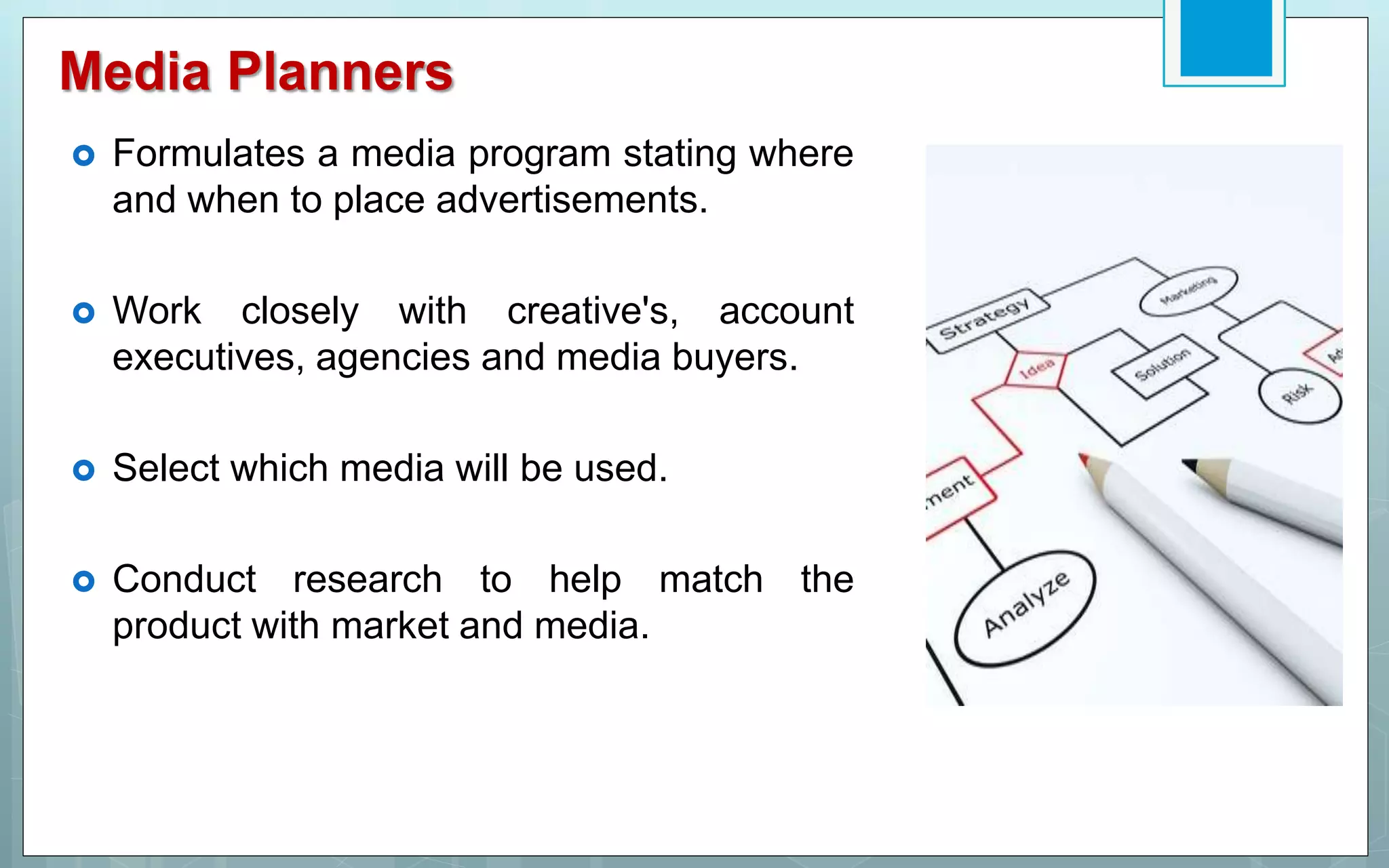
 Formulates a media program stating where
and when to place advertisements.
 Work closely with creative's, account
executives, agencies and media buyers.
 Select which media will be used.
 Conduct research to help match the
product with market and media.
Media Buyers
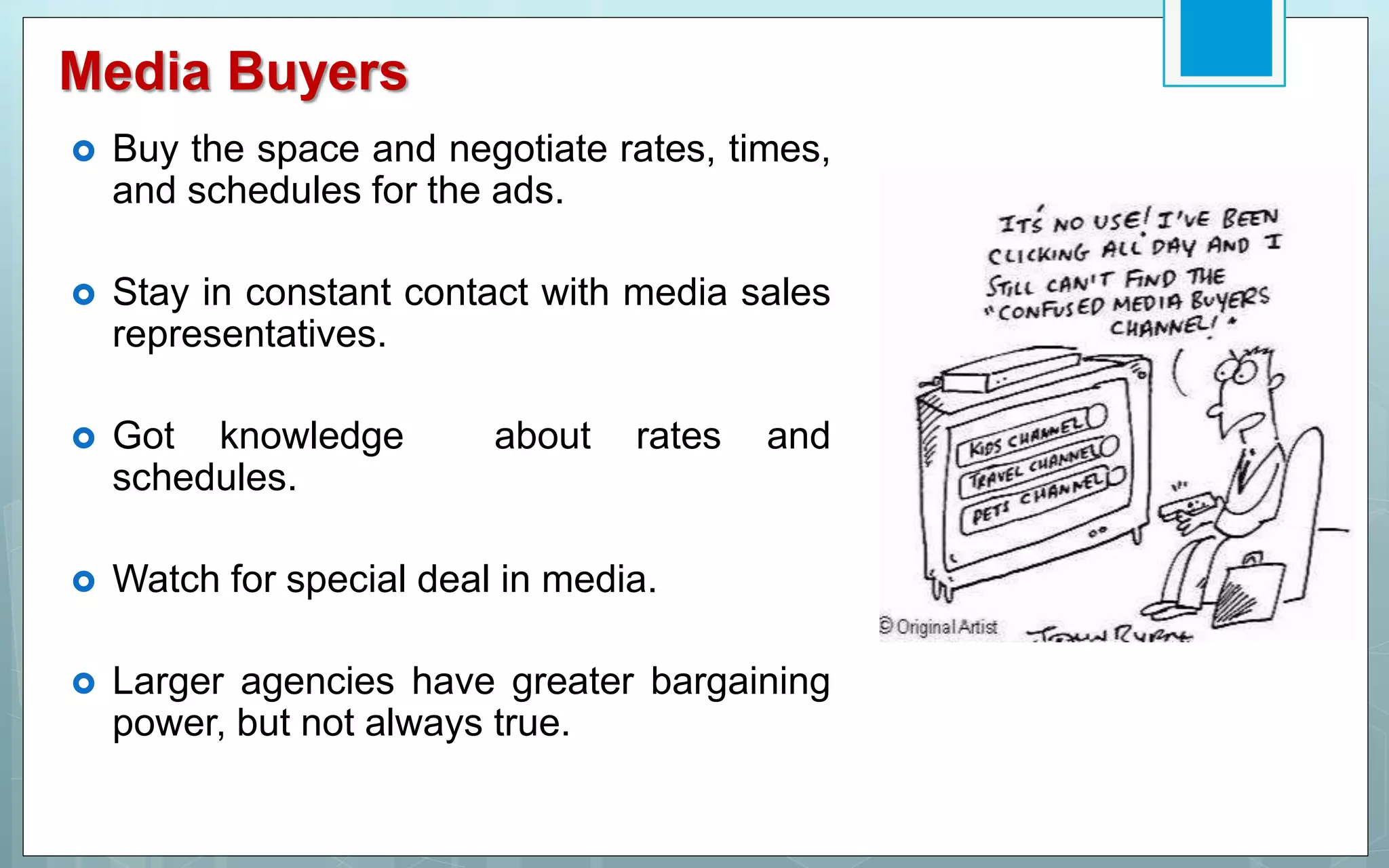
 Buy the space and negotiate rates, times,
and schedules for the ads.
 Stay in constant contact with media sales
representatives.
 Got knowledge about rates and
schedules.
 Watch for special deal in media.
 Larger agencies have greater bargaining
power, but not always true.
Effectiveness of Advertisement
 Quality media choices (the right ones ) made
by each agency.
 Creativity
 Financial Stewardship ( ‘Bang’ for your
advertising buck ).
 Agency culture and track record.
 Computer systems to analyze data.
 Relationships between the agency and the
medium’s sales representative.
Advertising Objectives
 Reach
 Frequency
 Opportunity to see (OTS)
 Gross rating point
 Cost per rating point
 Cost
 Continuity
 Impressions
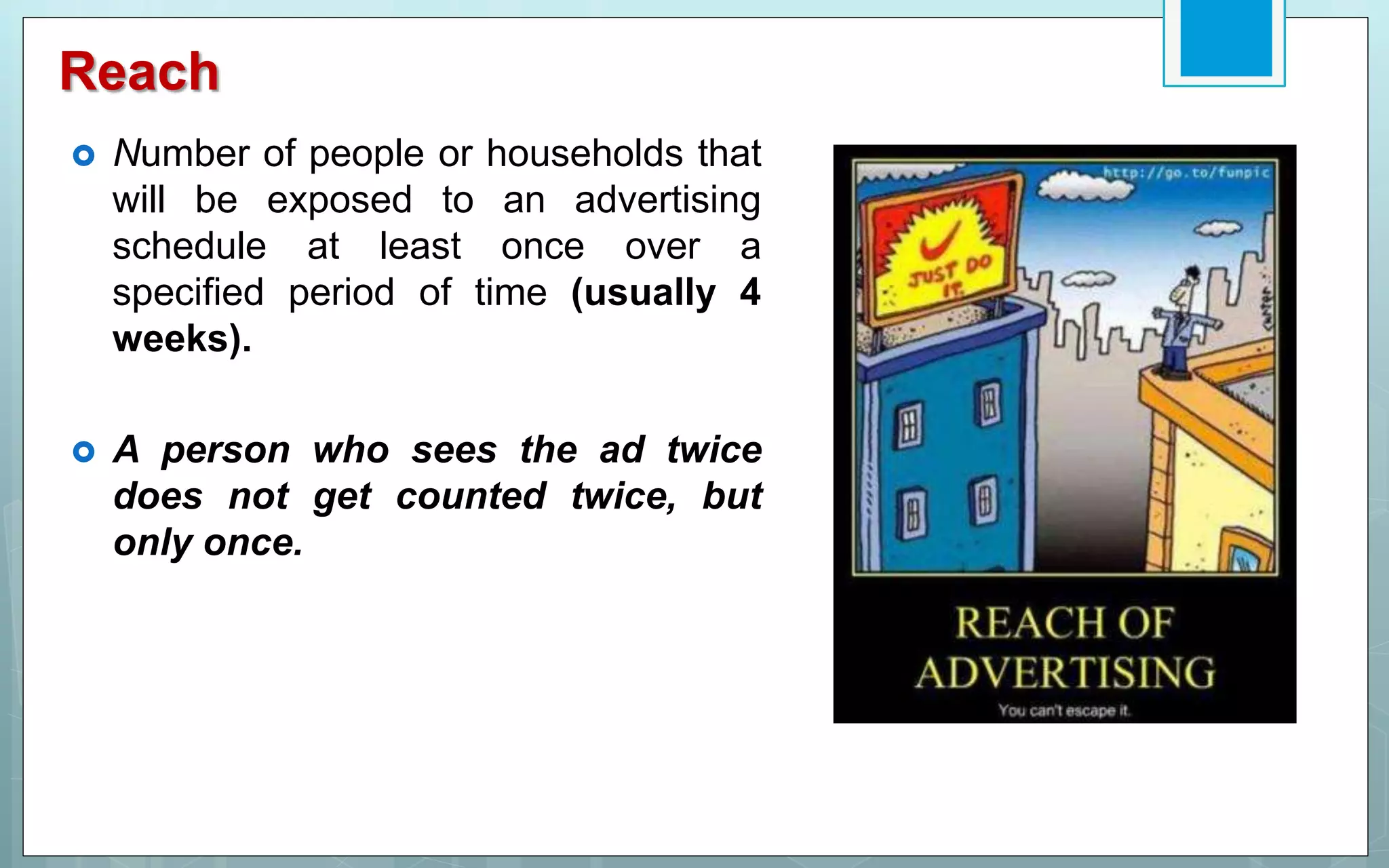
Reach
 Number of people or households that
will be exposed to an advertising
schedule at least once over a
specified period of time (usually 4
weeks).
 A person who sees the ad twice
does not get counted twice, but
only once.
Frequency
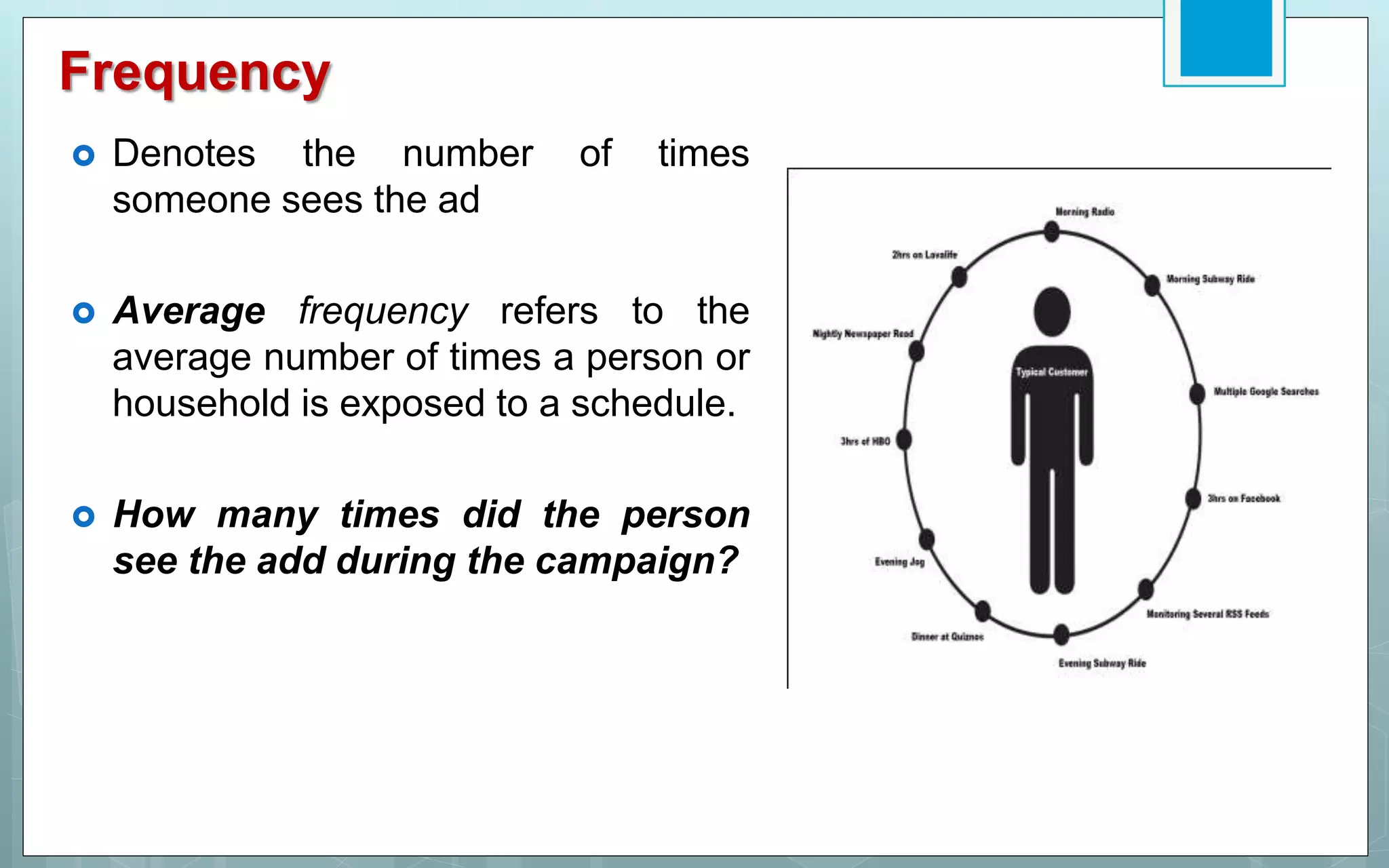
 Denotes the number of times
someone sees the ad
 Average frequency refers to the
average number of times a person or
household is exposed to a schedule.
 How many times did the person
see the add during the campaign?
Opportunity To See (OTS)
 The cumulative exposure achieved in a given period of time
 If a company places two ads on a television show that is televised
weekly, then during a 4 week periods there are 8 OTS.
 (4 shows X 2 Ads per show)
Gross Rating Points (GRP)
 Measures the size of an audience reached by a specific media vehicle
or schedule.
 It is the product of the percentage of the target audience reached by an
advertisement, times the frequency they see it in a given campaign.
 For example, a TV advertisement that is aired 5 times reaching 50% of the
target audience, it would have 250 (GRP = 5 × 50%) i.e., GRPs =
frequency × % reach.
Determining Relative Cost of Media - CPM
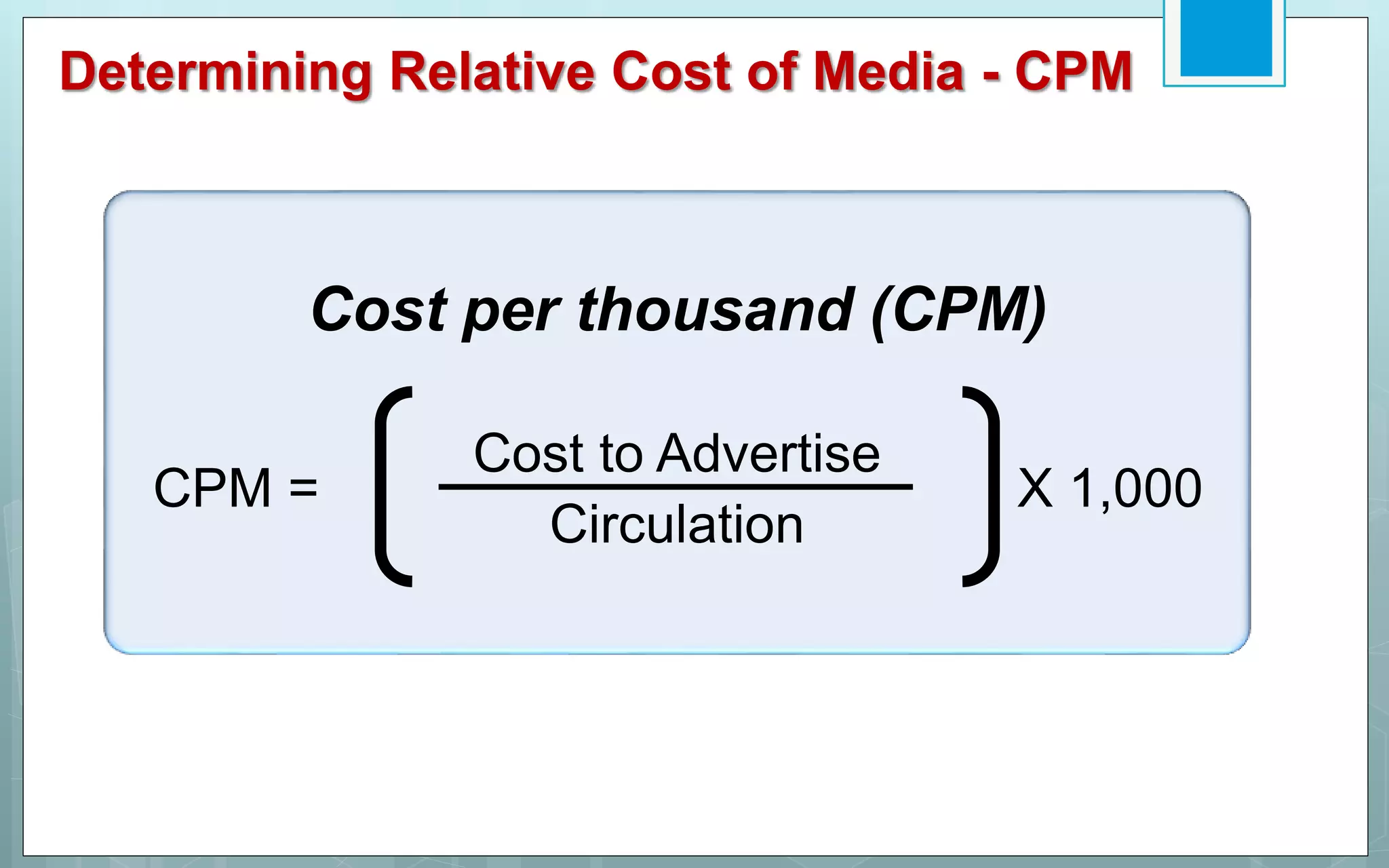
Cost per thousand (CPM)
Circulation
Cost to Advertise
CPM = X 1,000
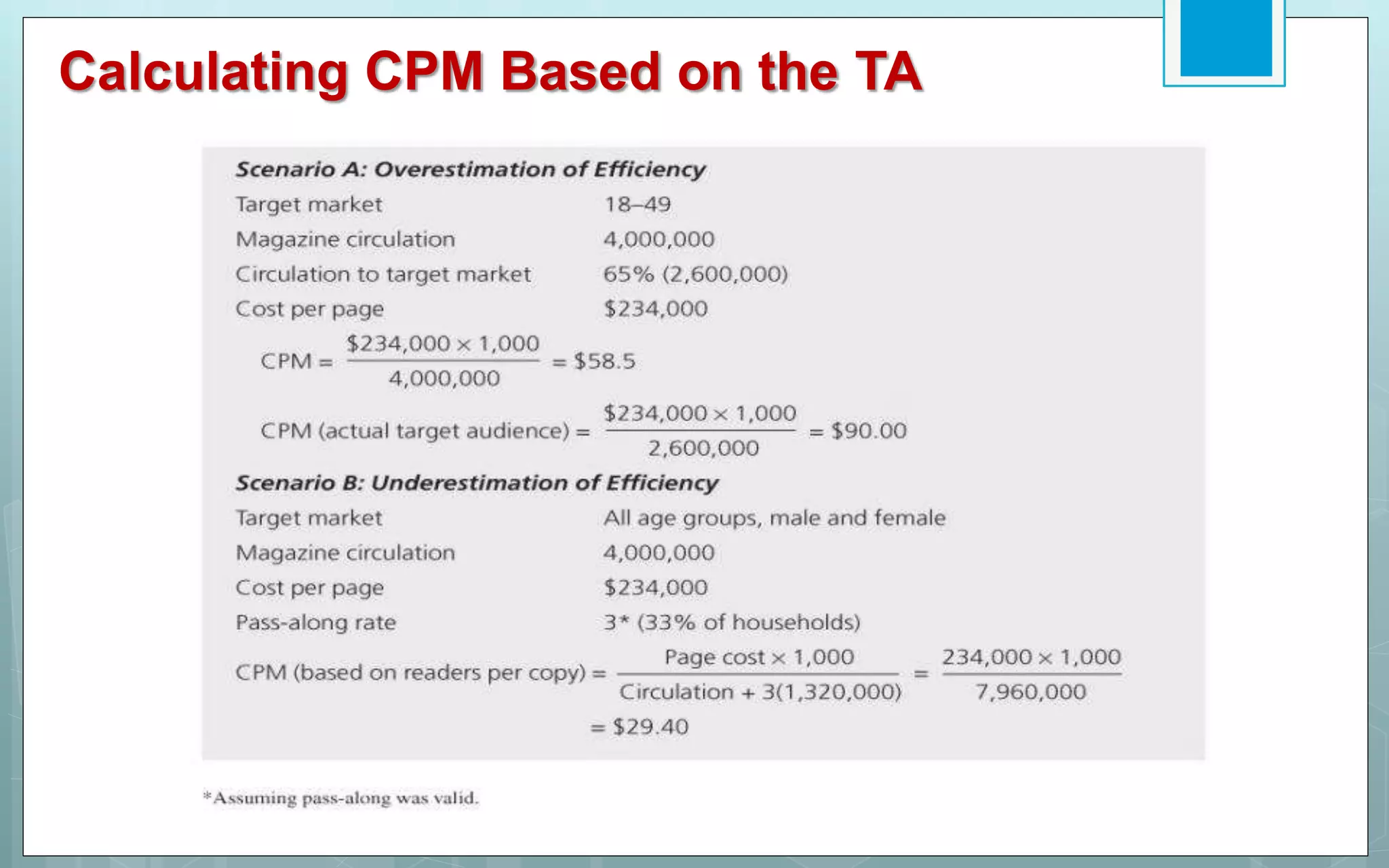
Calculating CPM Based on the TA
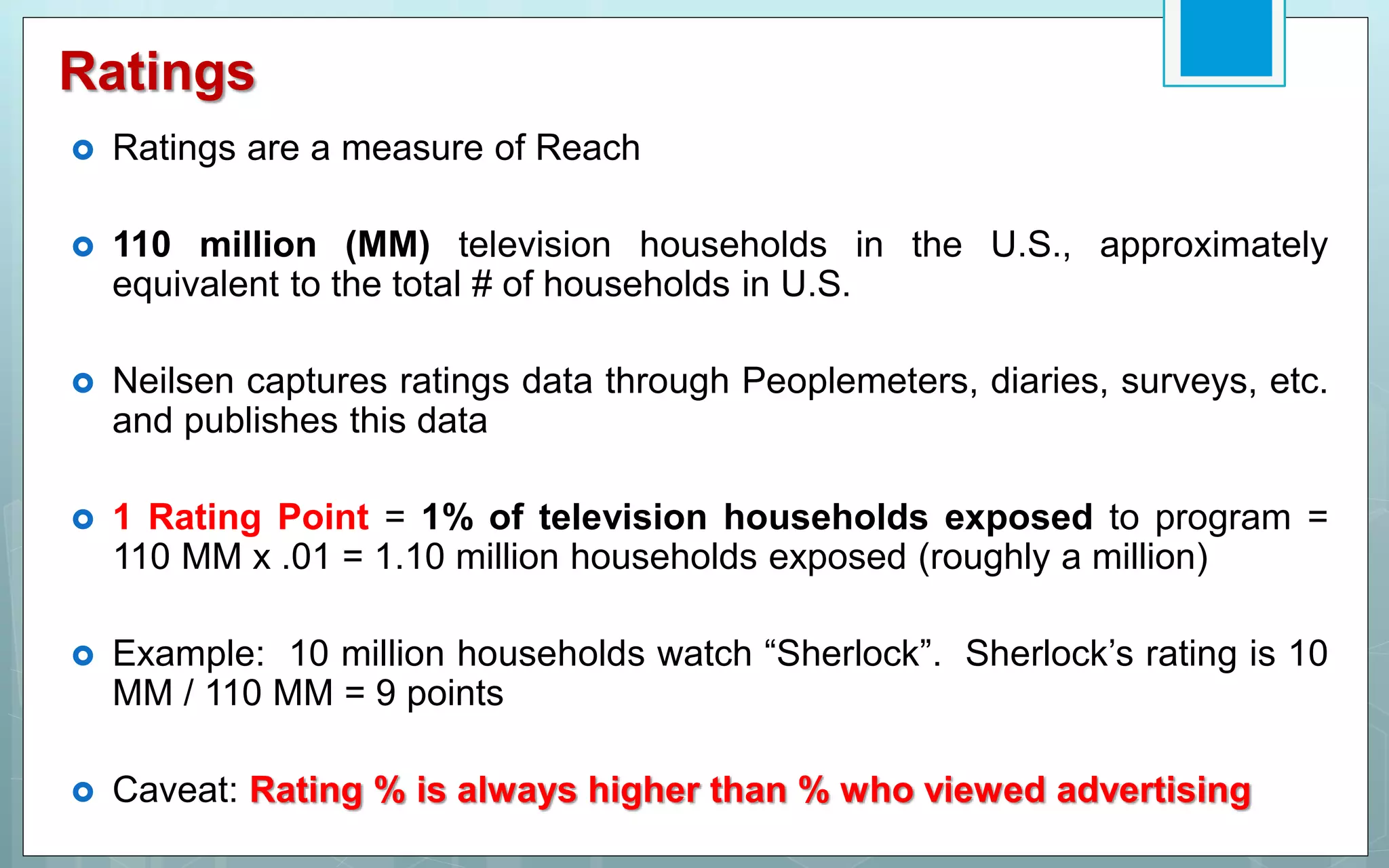
Ratings
 Ratings are a measure of Reach
 110 million (MM) television households in the U.S., approximately
equivalent to the total # of households in U.S.
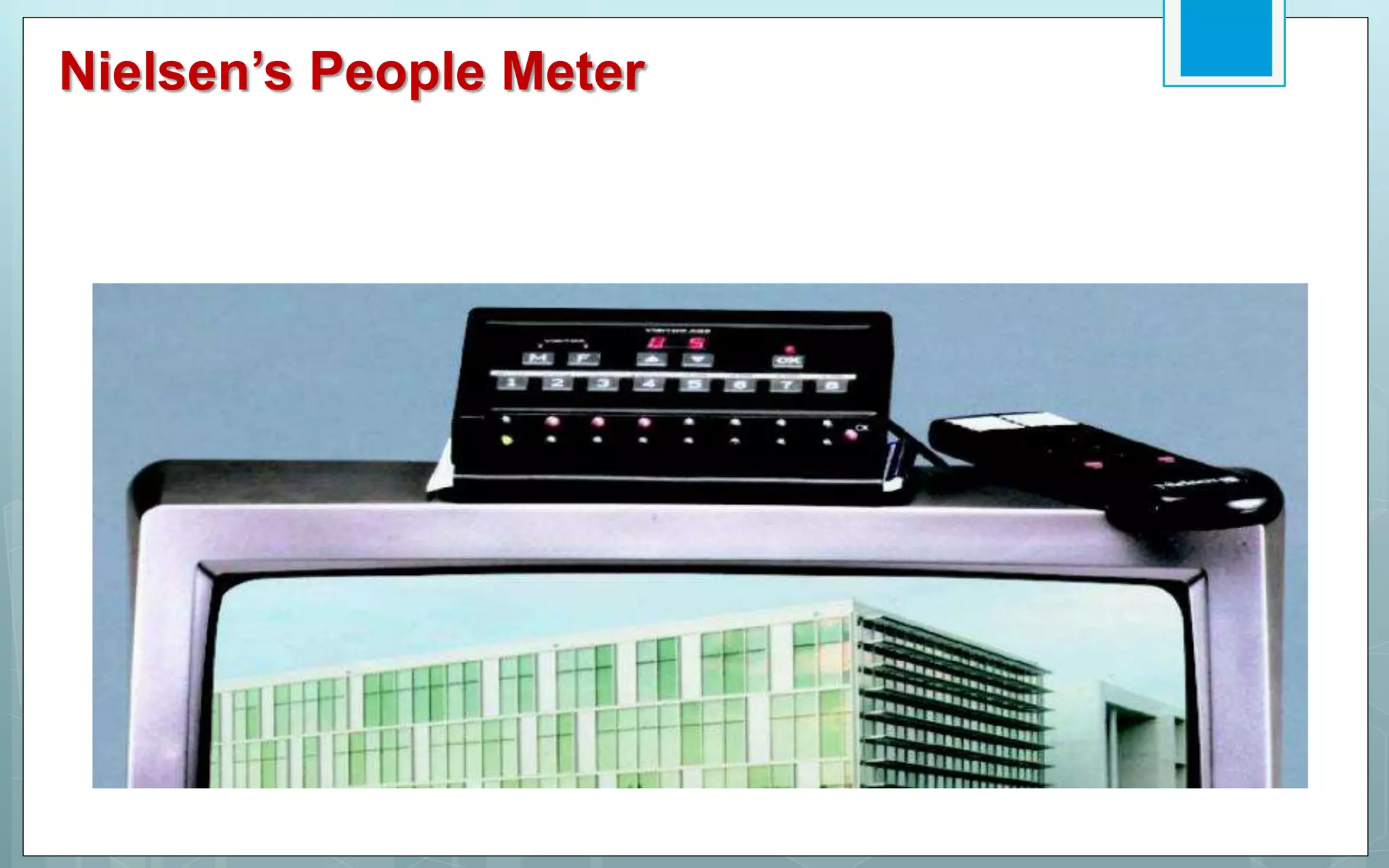
 Neilsen captures ratings data through Peoplemeters, diaries, surveys, etc.
and publishes this data
 1 Rating Point = 1% of television households exposed to program =
110 MM x .01 = 1.10 million households exposed (roughly a million)
 Example: 10 million households watch “Sherlock”. Sherlock’s rating is 10
MM / 110 MM = 9 points
 Caveat: Rating % is always higher than % who viewed advertising
Nielsen’s People Meter
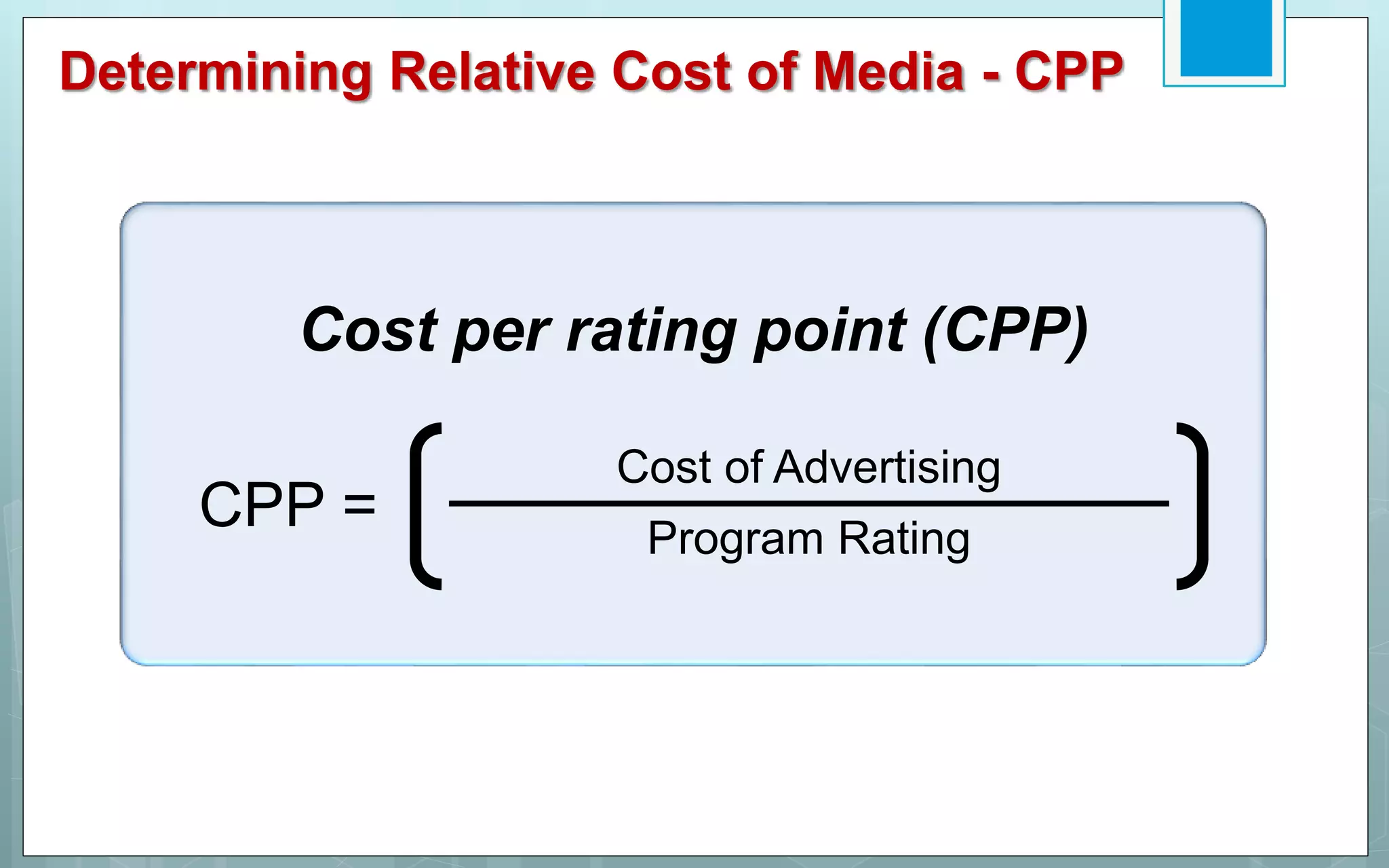
Determining Relative Cost of Media - CPP
CPP =
Cost of Advertising
Program Rating
Cost per rating point (CPP)
Media Schedule
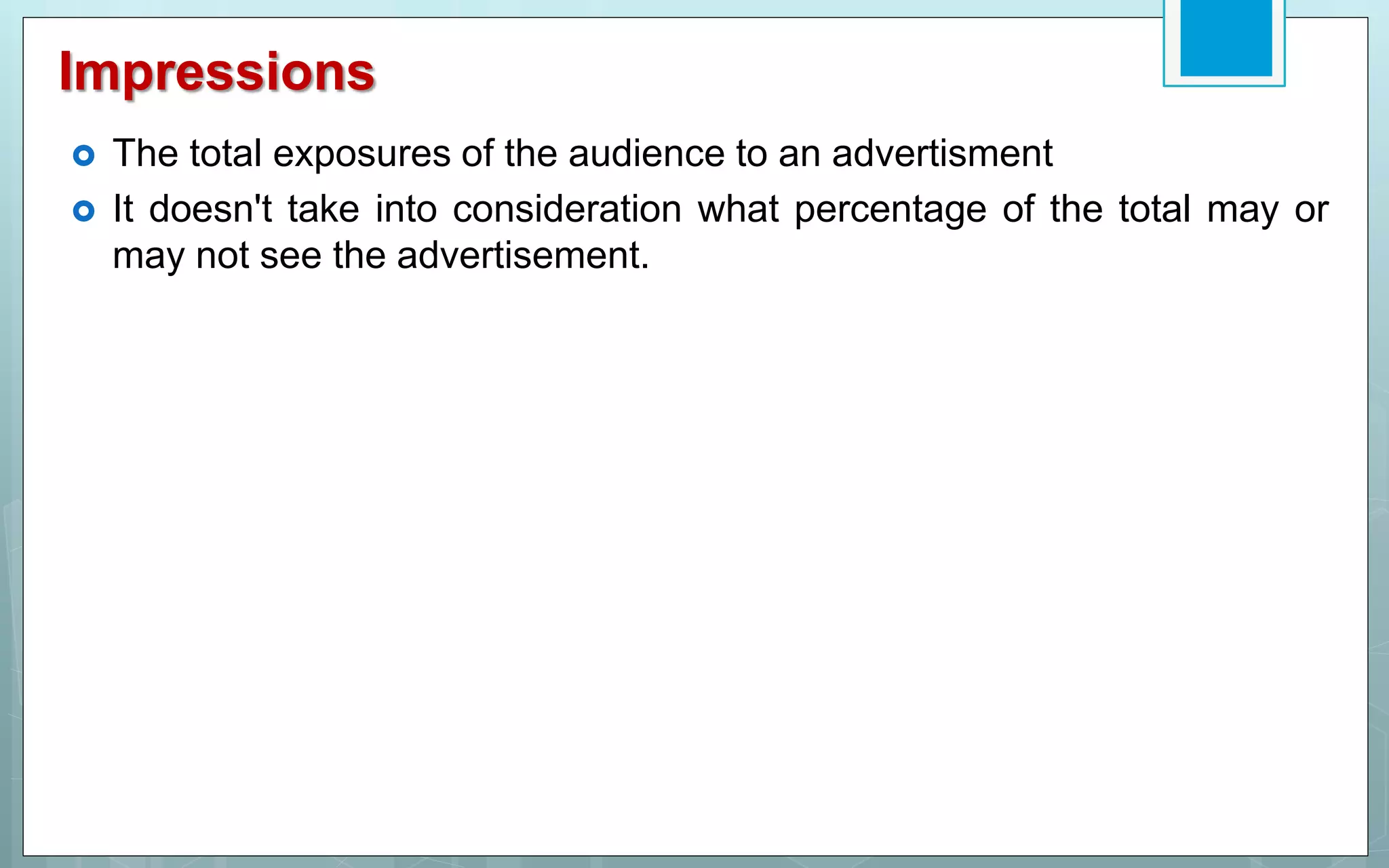
 Scheduling and Timing – These specify how media options are scheduled
over time. Among the strategy alternatives are
 Flighting - periods of total inactivity
 Continuous – advertising spread evenly through time
 Pulsing – a continuous base augmented by intermittent bursts of heavy
advertising
Scheduling and Timing
Continuity
Pulsing
Flighting
Jan Feb Mar Apr May Jun Jul Aug Sep Oct Nov Dec
Impressions
 The total exposures of the audience to an advertisment
 It doesn't take into consideration what percentage of the total may or
may not see the advertisement.
Three exposure Hypothesis
 Developed by Hebert Krugman
 Single exposure is not enough to remember.
 How many times a person must be exposed to an add before it has
impact.
 Some advertisers think three exposures are not enough
 Depend on your objective.
 E.g. Brand awareness is easier than building brand image.
Effective Frequency vs. Effective Reach
 Effective frequency refers to the number of times a target audience
must be exposed to a message to achieve a particular objective.
 Effective Reach is the percentage of an audience that must be
exposed to a particular message to achieve a specific objective.
Media Class Decisions
 Decision – allocating the budget over various
media, is one that is made on both
quantitative and qualitative criteria.
 Radio is suitable for reaching business
commuters.
 Television is seen as a mass medium.
 Magazines and direct mails are better for well
defined target segments
Media Class Decisions
 Television with both audio and visual – can make an impact
that simply is not possible in other media.
 For other ads, when emotional or image advertising is
needed, the impact created using print media is hard to
match.
 Outdoor and TV is not well suited for high factual content.
 Magazines provide better color reproduction over
newspaper.
 Radio can involve the listener by getting him or her to use
imagination to visualize stimuli.
Media Class Decisions
 Ads in TV and magazines take long lead times.
 Radio and newspapers are more flexible in this matter – and they also cost
less
 When information needs to be transmitted rapidly to the target market,
broadcast media (TV, radio) and newspapers will reach their targets almost
immediately (called a fast cume) while magazines or direct mails may take
much longer (called a slow cume)
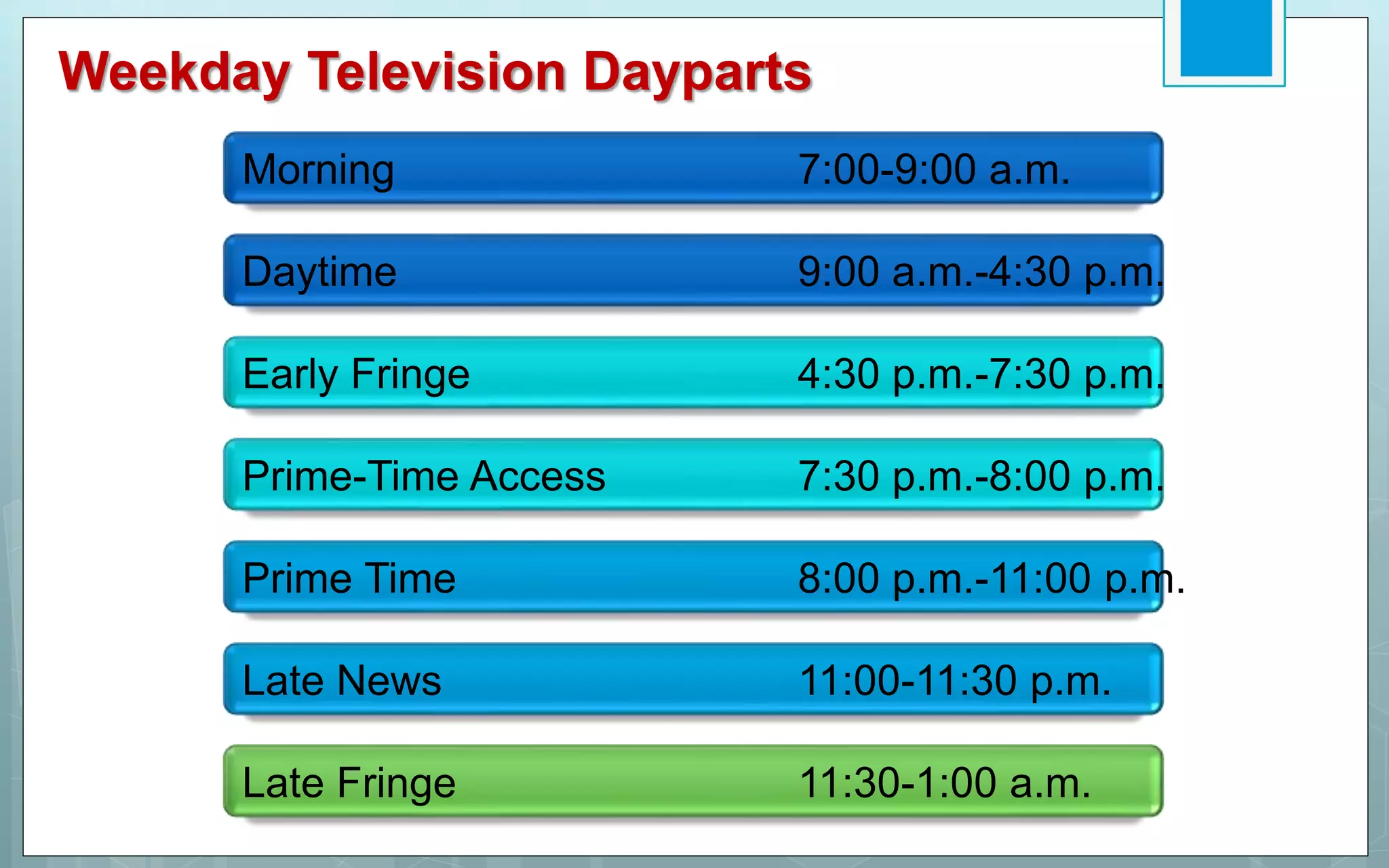
Weekday Television Dayparts
Prime-Time Access 7:30 p.m.-8:00 p.m.
Late News 11:00-11:30 p.m.
Morning 7:00-9:00 a.m.
Early Fringe 4:30 p.m.-7:30 p.m.
Late Fringe 11:30-1:00 a.m.
Prime Time 8:00 p.m.-11:00 p.m.
Daytime 9:00 a.m.-4:30 p.m.
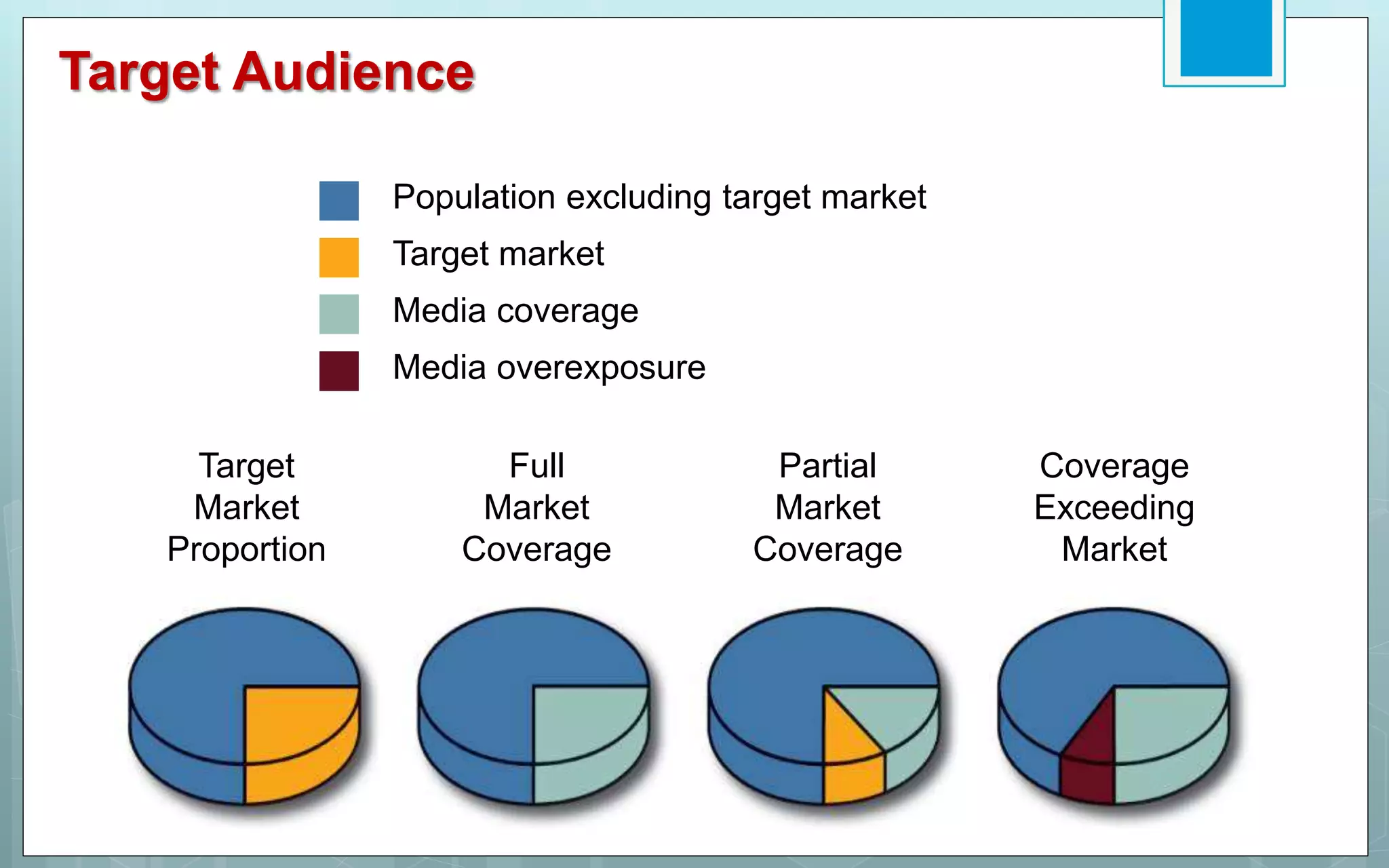
Target Audience
Target
Market
Proportion
Full
Market
Coverage
Partial
Market
Coverage
Coverage
Exceeding
Market
Population excluding target market
Target market
Media coverage
Media overexposure
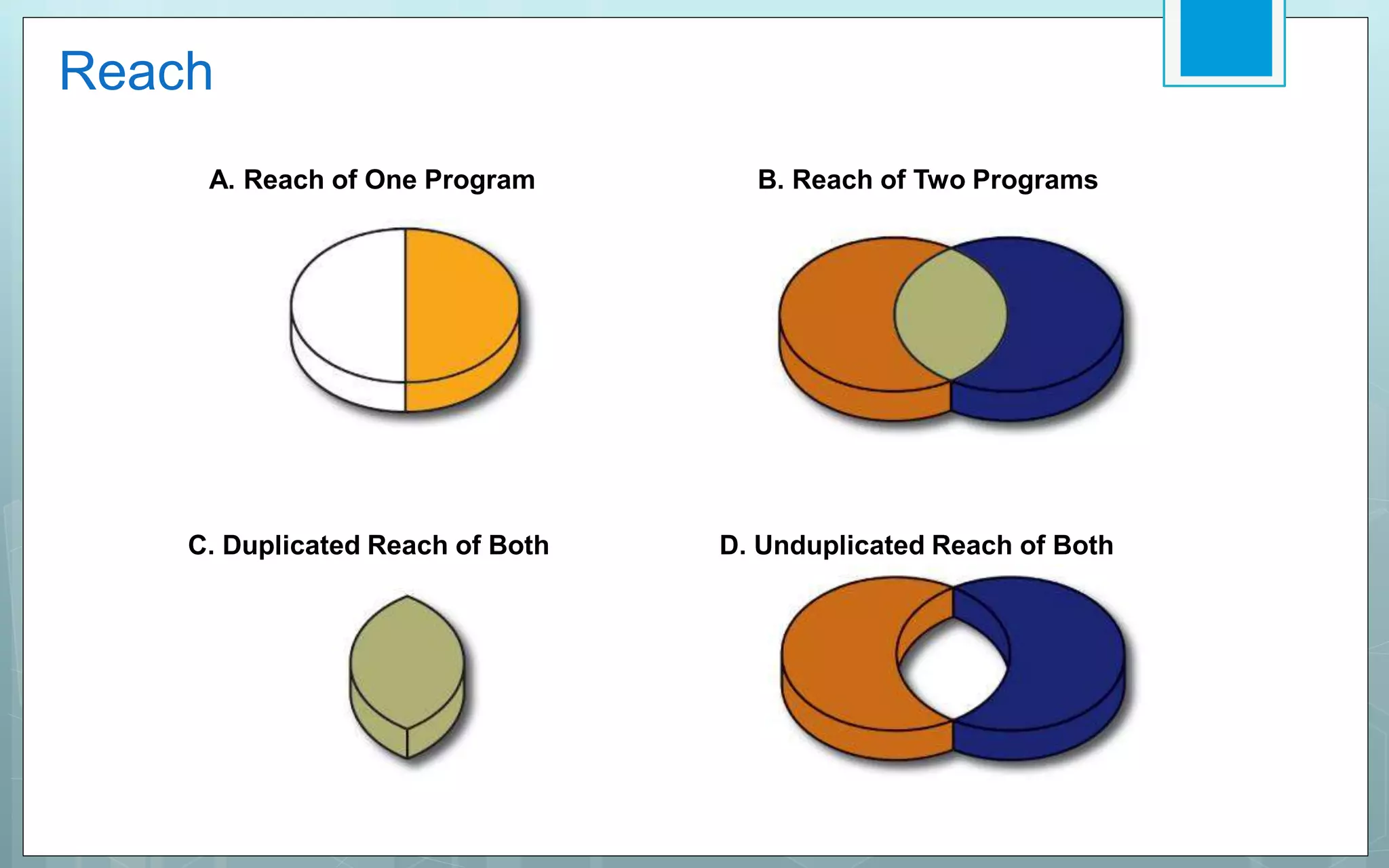
Reach
A. Reach of One Program B. Reach of Two Programs
C. Duplicated Reach of Both D. Unduplicated Reach of Both
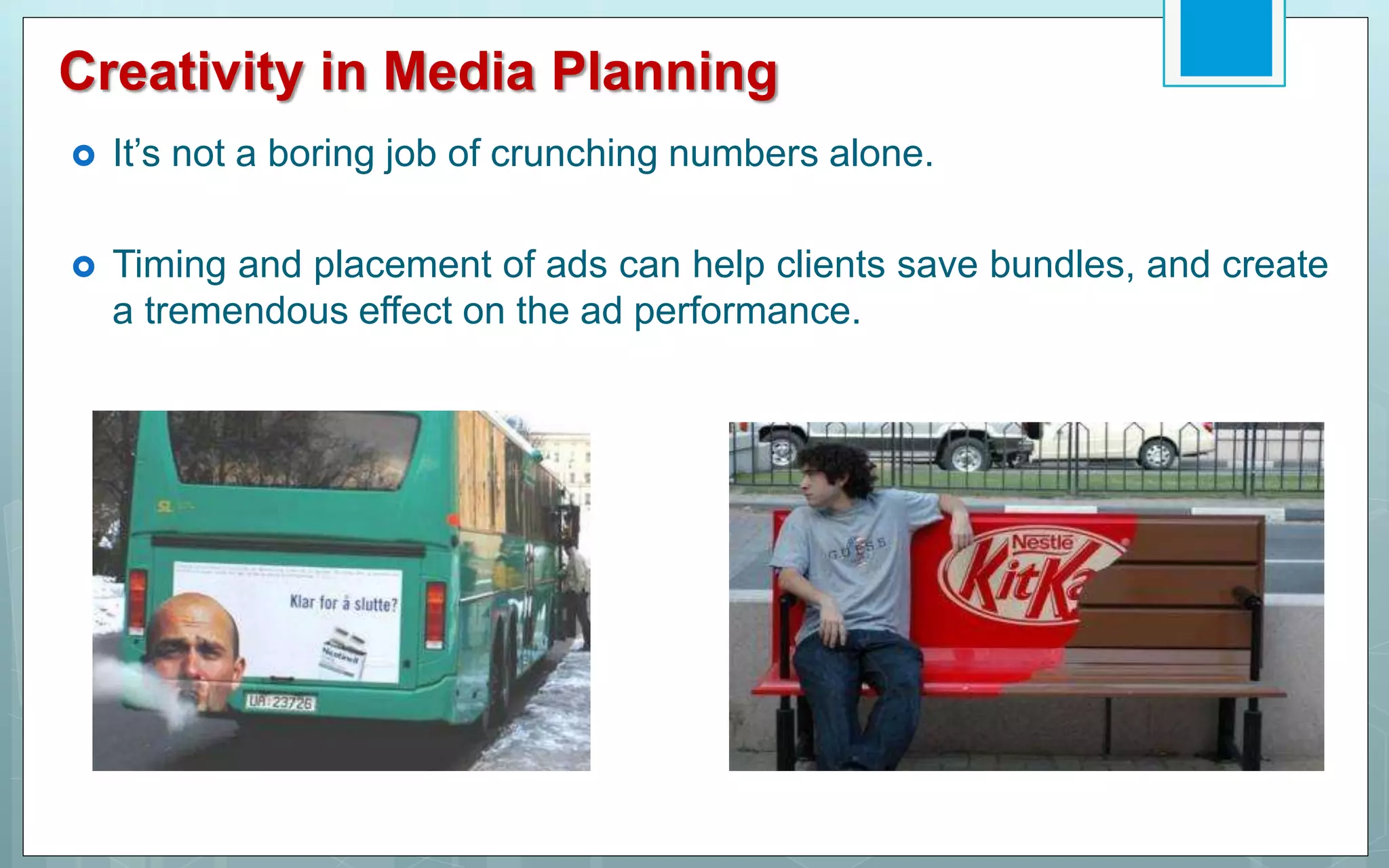
Creativity in Media Planning
 It’s not a boring job of crunching numbers alone.
 Timing and placement of ads can help clients save bundles, and create
a tremendous effect on the ad performance.
 How you will select Media when its Business to Business ?
 How you will select media when you will enter into International
Markets?
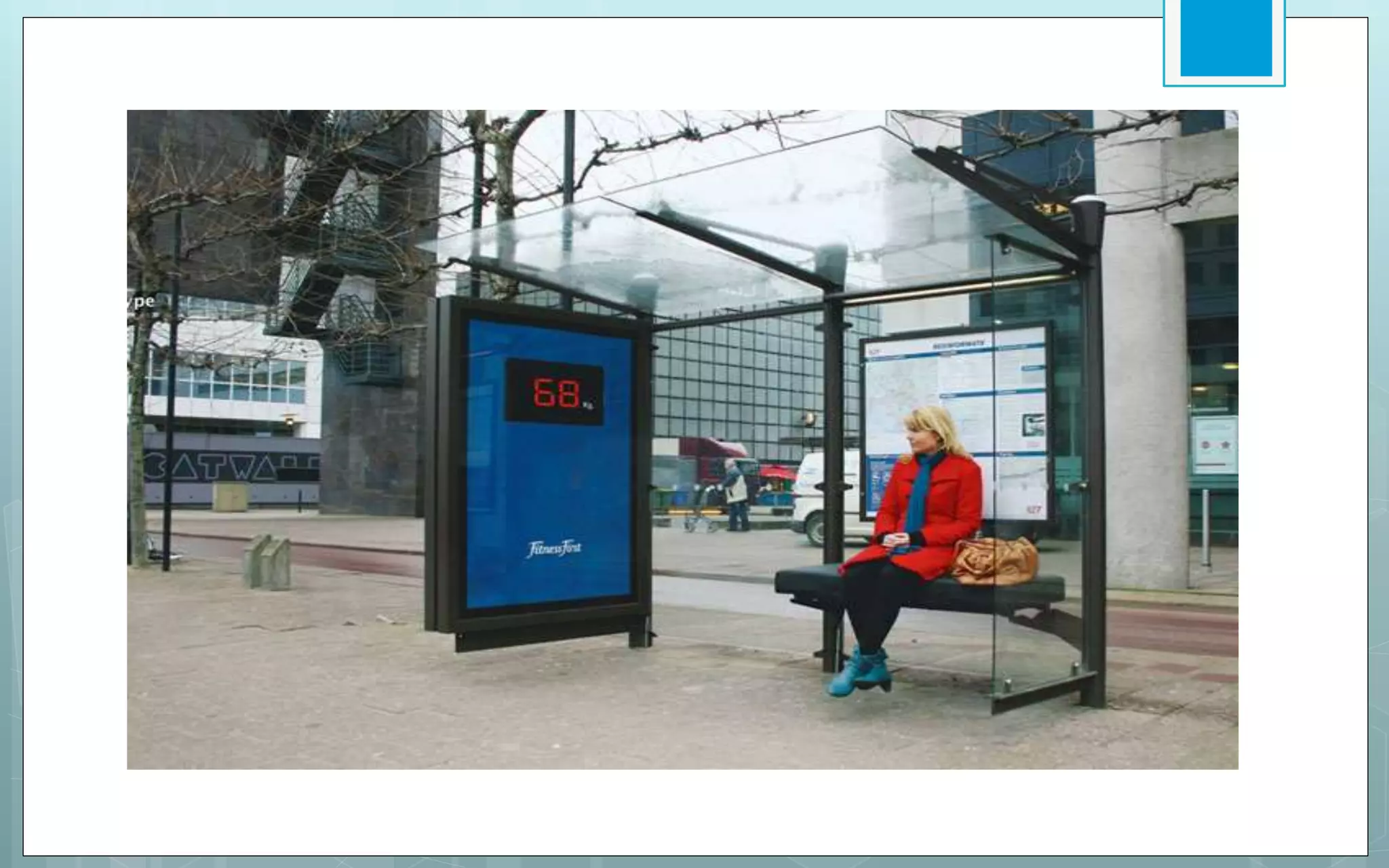
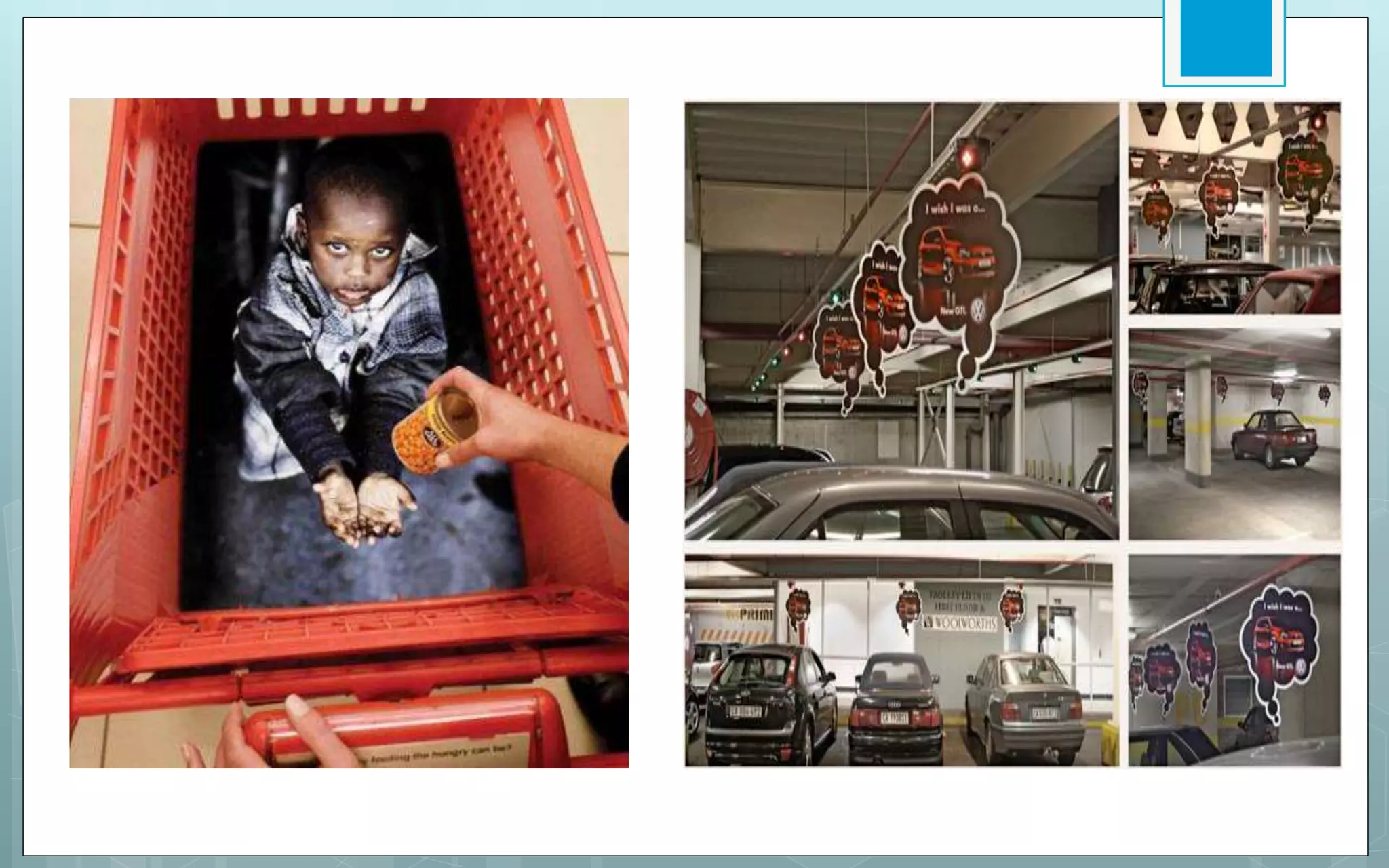
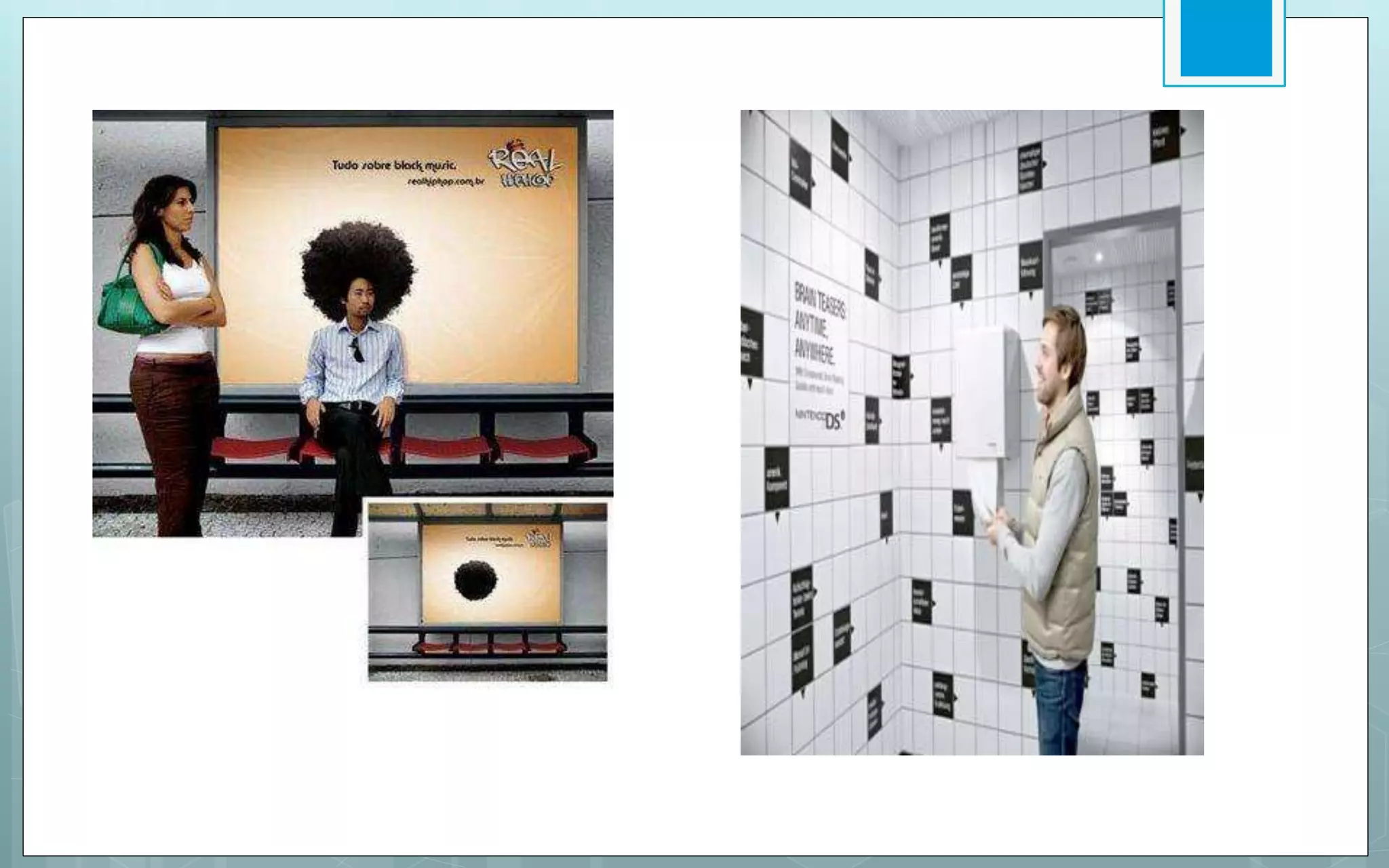
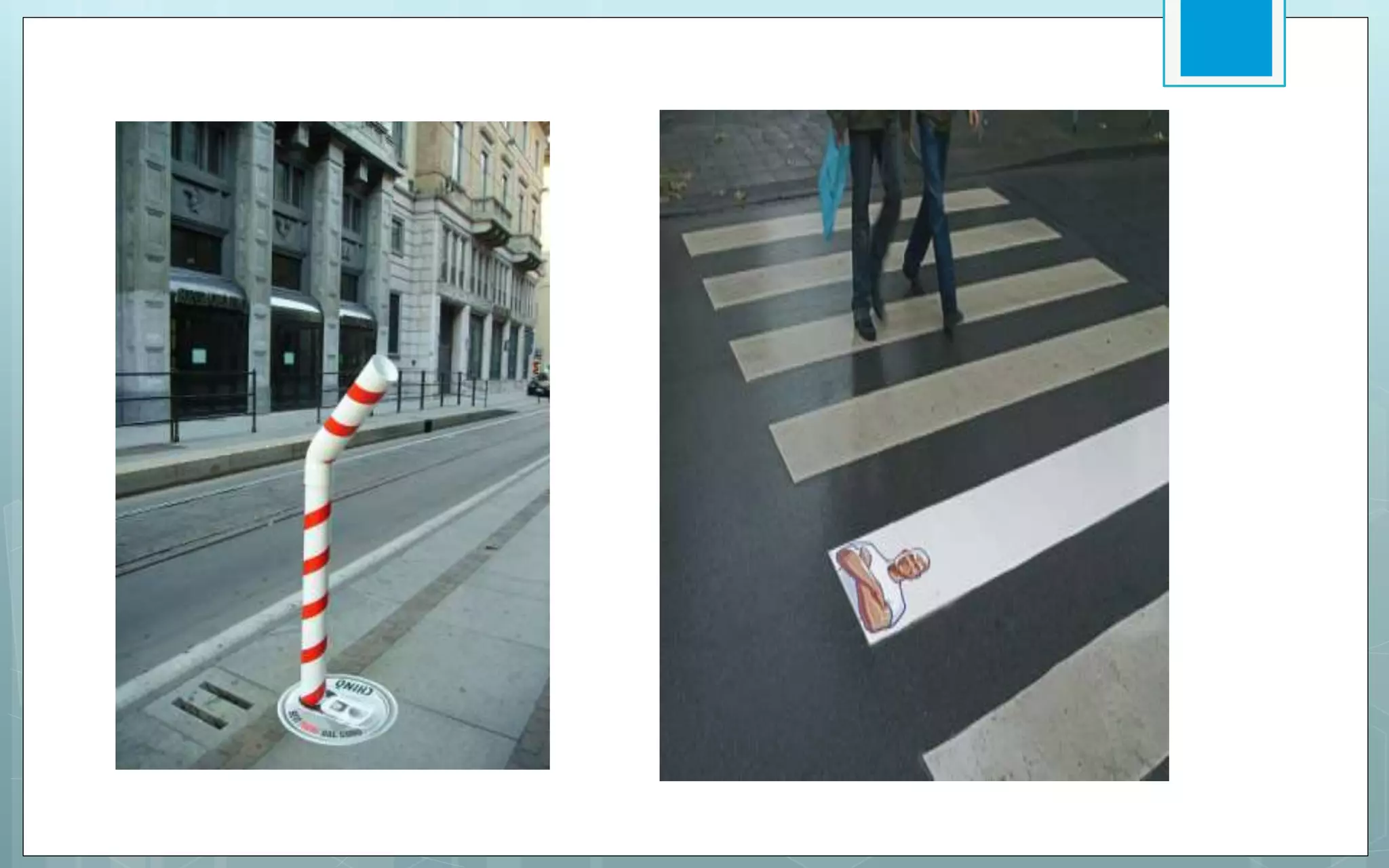
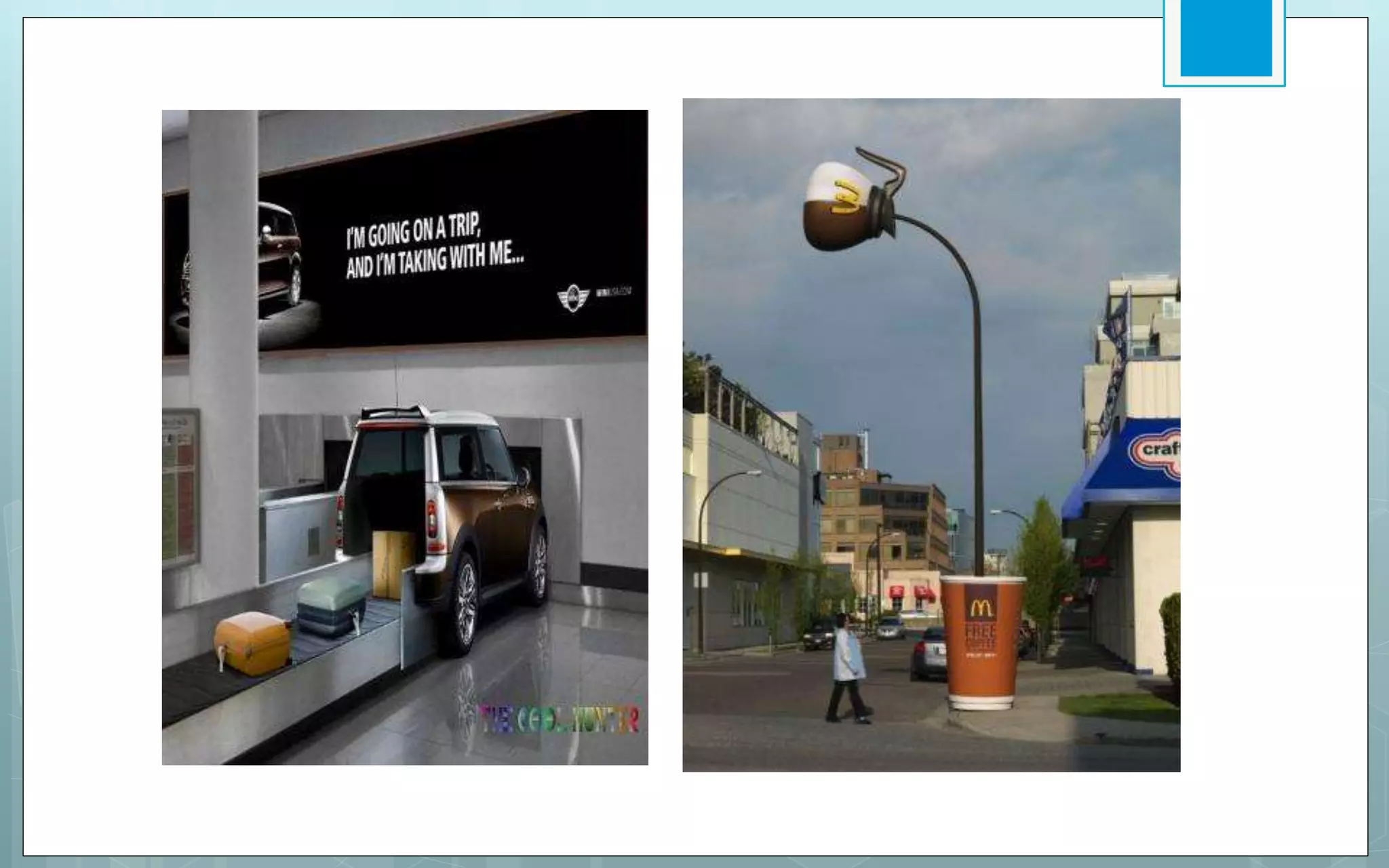
 What is Guerilla Marketing ?
 What is Ambient Marketing ?

Chapter 8 advertising-media-selection- additional

  • 1.
    Advertising Media Selection Chapter –8 (Eight) Prof. (Dr.) Kao Kveng Hong PhD. , D. Litt.
  • 2.
    Introduction  If atree falls in the forest, and no one is present, does it make a sound ?  A Media Strategy is the processes of analyzing and choosing media for an advertising and promotions campaign.  9 out of 200 magazines  3 radio stations  Fewer than 8 television channels Finding right places to speak to potential customers is a big challenge.
  • 3.
    Media Planning  Focuson Consumer Behavior .  Creates plans that reflect the consumer’s (or business’s) purchasing process.  Influence consumers in the marketplace .
  • 4.
    Media Planners  Formulatesa media program stating where and when to place advertisements.  Work closely with creative's, account executives, agencies and media buyers.  Select which media will be used.  Conduct research to help match the product with market and media.
  • 5.
    Media Buyers  Buythe space and negotiate rates, times, and schedules for the ads.  Stay in constant contact with media sales representatives.  Got knowledge about rates and schedules.  Watch for special deal in media.  Larger agencies have greater bargaining power, but not always true.
  • 6.
    Effectiveness of Advertisement Quality media choices (the right ones ) made by each agency.  Creativity  Financial Stewardship ( ‘Bang’ for your advertising buck ).  Agency culture and track record.  Computer systems to analyze data.  Relationships between the agency and the medium’s sales representative.
  • 7.
    Advertising Objectives  Reach Frequency  Opportunity to see (OTS)  Gross rating point  Cost per rating point  Cost  Continuity  Impressions
  • 8.
    Reach  Number ofpeople or households that will be exposed to an advertising schedule at least once over a specified period of time (usually 4 weeks).  A person who sees the ad twice does not get counted twice, but only once.
  • 9.
    Frequency  Denotes thenumber of times someone sees the ad  Average frequency refers to the average number of times a person or household is exposed to a schedule.  How many times did the person see the add during the campaign?
  • 10.
    Opportunity To See(OTS)  The cumulative exposure achieved in a given period of time  If a company places two ads on a television show that is televised weekly, then during a 4 week periods there are 8 OTS.  (4 shows X 2 Ads per show)
  • 11.
    Gross Rating Points(GRP)  Measures the size of an audience reached by a specific media vehicle or schedule.  It is the product of the percentage of the target audience reached by an advertisement, times the frequency they see it in a given campaign.  For example, a TV advertisement that is aired 5 times reaching 50% of the target audience, it would have 250 (GRP = 5 × 50%) i.e., GRPs = frequency × % reach.
  • 12.
    Determining Relative Costof Media - CPM Cost per thousand (CPM) Circulation Cost to Advertise CPM = X 1,000
  • 13.
  • 14.
    Ratings  Ratings area measure of Reach  110 million (MM) television households in the U.S., approximately equivalent to the total # of households in U.S.  Neilsen captures ratings data through Peoplemeters, diaries, surveys, etc. and publishes this data  1 Rating Point = 1% of television households exposed to program = 110 MM x .01 = 1.10 million households exposed (roughly a million)  Example: 10 million households watch “Sherlock”. Sherlock’s rating is 10 MM / 110 MM = 9 points  Caveat: Rating % is always higher than % who viewed advertising
  • 15.
  • 16.
    Determining Relative Costof Media - CPP CPP = Cost of Advertising Program Rating Cost per rating point (CPP)
  • 17.
    Media Schedule  Schedulingand Timing – These specify how media options are scheduled over time. Among the strategy alternatives are  Flighting - periods of total inactivity  Continuous – advertising spread evenly through time  Pulsing – a continuous base augmented by intermittent bursts of heavy advertising
  • 18.
    Scheduling and Timing Continuity Pulsing Flighting JanFeb Mar Apr May Jun Jul Aug Sep Oct Nov Dec
  • 19.
    Impressions  The totalexposures of the audience to an advertisment  It doesn't take into consideration what percentage of the total may or may not see the advertisement.
  • 20.
    Three exposure Hypothesis Developed by Hebert Krugman  Single exposure is not enough to remember.  How many times a person must be exposed to an add before it has impact.  Some advertisers think three exposures are not enough  Depend on your objective.  E.g. Brand awareness is easier than building brand image.
  • 21.
    Effective Frequency vs.Effective Reach  Effective frequency refers to the number of times a target audience must be exposed to a message to achieve a particular objective.  Effective Reach is the percentage of an audience that must be exposed to a particular message to achieve a specific objective.
  • 22.
    Media Class Decisions Decision – allocating the budget over various media, is one that is made on both quantitative and qualitative criteria.  Radio is suitable for reaching business commuters.  Television is seen as a mass medium.  Magazines and direct mails are better for well defined target segments
  • 23.
    Media Class Decisions Television with both audio and visual – can make an impact that simply is not possible in other media.  For other ads, when emotional or image advertising is needed, the impact created using print media is hard to match.  Outdoor and TV is not well suited for high factual content.  Magazines provide better color reproduction over newspaper.  Radio can involve the listener by getting him or her to use imagination to visualize stimuli.
  • 24.
    Media Class Decisions Ads in TV and magazines take long lead times.  Radio and newspapers are more flexible in this matter – and they also cost less  When information needs to be transmitted rapidly to the target market, broadcast media (TV, radio) and newspapers will reach their targets almost immediately (called a fast cume) while magazines or direct mails may take much longer (called a slow cume)
  • 25.
    Weekday Television Dayparts Prime-TimeAccess 7:30 p.m.-8:00 p.m. Late News 11:00-11:30 p.m. Morning 7:00-9:00 a.m. Early Fringe 4:30 p.m.-7:30 p.m. Late Fringe 11:30-1:00 a.m. Prime Time 8:00 p.m.-11:00 p.m. Daytime 9:00 a.m.-4:30 p.m.
  • 26.
  • 27.
    Reach A. Reach ofOne Program B. Reach of Two Programs C. Duplicated Reach of Both D. Unduplicated Reach of Both
  • 28.
    Creativity in MediaPlanning  It’s not a boring job of crunching numbers alone.  Timing and placement of ads can help clients save bundles, and create a tremendous effect on the ad performance.
  • 34.
     How youwill select Media when its Business to Business ?  How you will select media when you will enter into International Markets?  What is Guerilla Marketing ?  What is Ambient Marketing ?