Chapter 6

  Teachingthe
LanguageSystem
• Study: is a repetition, explanation and
  practice   that is part of a controlled
  practice phase of the lesson sequence
• Personalization happens once the
  students’ attention has been drawn to the
  language in question. Used to talk about
  their lives
• There are two different
  approaches to introduce
  students to an specific aspect
  of language: deductive and
  inductive approach
The deductive approach
• Students are given explanations
  of GRAMMAR rules, and then,
  based on explanations or rules
  they make phrases and sentences
  using the new language
The inductive approach
• (the other way around)
• Produce language
• Instead of studying rules,
  students study examples of
  language and try to work
  out those rules (practice)
  (fluency)
• For example: find examples of
  past tenses and say how and
  why they are used
• Sequence engage- activate-
  study
• Students can use monolingual learners’
  dictionaries activities or computer
  purposes to develope vocabulary
Explaining meaning
• A way to explain the meaning of
  something is to show it
• Ex: point a book to learn the word
  ‘book’
• For actions use mime
• Superlatives: use arms
• Facial expressions: happy, sad …
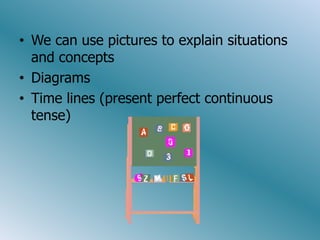
• We can use pictures to explain situations
  and concepts
• Diagrams
• Time lines (present perfect continuous
  tense)
• If we cant’ show something in one of the
  ways mentioned above, we can describe
  the meaning of the word
• For example: nasty is the opposite of nice
• For a better understanding use CHECK
  QUESTIONS
• We also can demonstrate word
  and sentence stress by beating
  time with our arms. We can
  show intonation patterns by
  ‘drawing’ the tune in the air
• Students may find gestures
  and graphics sufficient, but
  others like to see written
  explanations or diagrams on
  boards or projectors
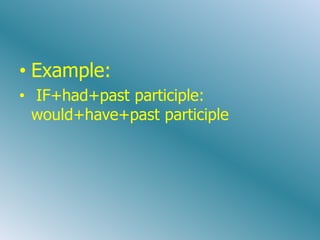
• Example:
• IF+had+past participle:
  would+have+past participle
Practice
• We teachers ask students to practice.
  While practicing we can correct if they
  have mistakes. This passes from short
  term memory to long term memory
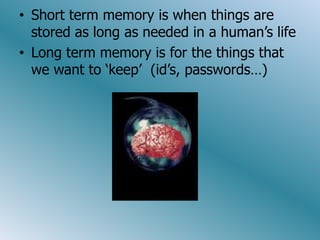
• Short term memory is when things are
  stored as long as needed in a human’s life
• Long term memory is for the things that
  we want to ‘keep’ (id’s, passwords…)
• Practice grammar
• Repetition

Chapter 6

  • 1.
    Chapter 6 Teachingthe LanguageSystem
  • 2.
    • Study: isa repetition, explanation and practice that is part of a controlled practice phase of the lesson sequence
  • 3.
    • Personalization happensonce the students’ attention has been drawn to the language in question. Used to talk about their lives
  • 4.
    • There aretwo different approaches to introduce students to an specific aspect of language: deductive and inductive approach
  • 5.
    The deductive approach •Students are given explanations of GRAMMAR rules, and then, based on explanations or rules they make phrases and sentences using the new language
  • 6.
    The inductive approach •(the other way around) • Produce language • Instead of studying rules, students study examples of language and try to work out those rules (practice) (fluency)
  • 7.
    • For example:find examples of past tenses and say how and why they are used • Sequence engage- activate- study
  • 8.
    • Students canuse monolingual learners’ dictionaries activities or computer purposes to develope vocabulary
  • 9.
    Explaining meaning • Away to explain the meaning of something is to show it • Ex: point a book to learn the word ‘book’ • For actions use mime • Superlatives: use arms • Facial expressions: happy, sad …
  • 10.
    • We canuse pictures to explain situations and concepts • Diagrams • Time lines (present perfect continuous tense)
  • 11.
    • If wecant’ show something in one of the ways mentioned above, we can describe the meaning of the word • For example: nasty is the opposite of nice • For a better understanding use CHECK QUESTIONS
  • 12.
    • We alsocan demonstrate word and sentence stress by beating time with our arms. We can show intonation patterns by ‘drawing’ the tune in the air
  • 13.
    • Students mayfind gestures and graphics sufficient, but others like to see written explanations or diagrams on boards or projectors
  • 14.
    • Example: • IF+had+pastparticiple: would+have+past participle
  • 15.
    Practice • We teachersask students to practice. While practicing we can correct if they have mistakes. This passes from short term memory to long term memory
  • 16.
    • Short termmemory is when things are stored as long as needed in a human’s life • Long term memory is for the things that we want to ‘keep’ (id’s, passwords…)
  • 17.