AP
         The Home Front
    The “War to End All Wars”
Armies on both sides in Europe
 were annihilated and spent.
  When the US entered WWI
 many men would need to be
 drafted in order to meet the
        needs of war.
The Draft
• A new system called the Selective
  Service Act run by the military would
  draft all men between 21 and 30 years
  of age. A lottery system would select
  men to come before a draft board to be
  interviewed. Eventually about 2.8
  million Americans were drafted.
  Approximately 2 million volunteered.
  These groups became known as the
  American Expeditionary Force (AEF)
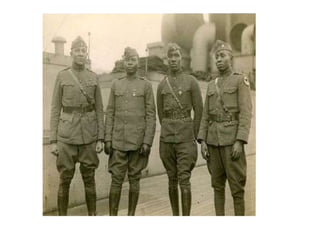
African Americans
• Nearly 250,000 were drafted and
  drafted and about 50,000 fought
  overseas. They encountered
  discrimination and prejudice in the
  army. They served in racially
  segregated units. Despite these
  challenged, many fought with
  distinctions.
Camp Logan
• In 1917 taking advantage of the temperate
  climate and newly opened Houston Ship
  Channel, the War department ordered two
  military installations built in Harris County—
  Camp Logan and Ellington Field.
• Largest Court-martial in the history of the US
  army.
IQ Test
• Developed by the American Psychological
  Association to measure intelligence. These
  tests were less accurate in measuring
  intelligence than in measuring the amount of
  education people had.
Women
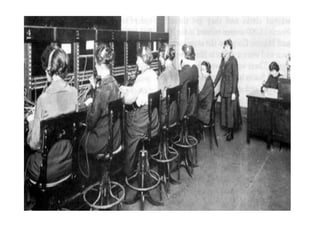
• WWI was the first war in which
  women officially served in the
  armed forces—noncombat
  positions—as clerical workers,
  radio operators, electricians,
  pharmacists, nurses and
  photographers.
Mobilizing the Civilians
• In order to increase food production while
  reducing civilian consumption, the Food
  Administration encouraged Americans to save
  food on their own—using slogans like:
• “Food will win the war—Don’t waste it”
• Wheatless Mondays, Meatless Tuesdays
• Victory Gardens
Paying for the War
• War cost money—the gov. raised the money 3
  ways

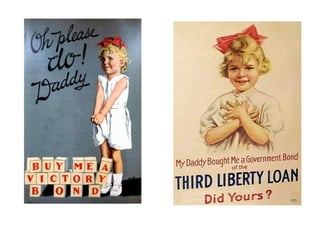
• Congress raised income tax rates. The
  government also borrowed over $20 billion
  from the American people and by selling
  Liberty Bonds and Victory Bonds. The US
  government agreed to pay back the Americans
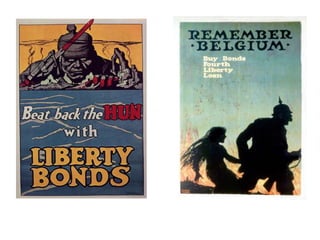
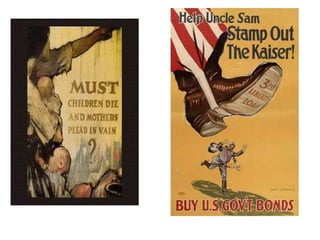
  who bought bonds plus interest. Posters
  encouraged people to buy the bolds as an act
  of patriotism.
Mobilizing the Workforce

• Bernard Baruch director of
  War Industries Board had
  enormous power to make
  decisions.
• The National War Labor Board was established
  to make sure labor and unions worked
  together to prevent strikes
Social Results of the War

• Women filled industrial jobs
  vacated by men serving in the
  military—temporary jobs.
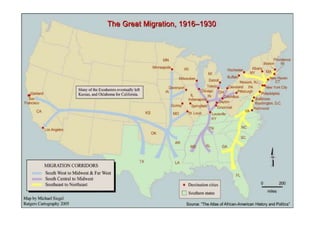
The Great Migration
• African Americans in the South
  migrated North to take jobs in
  factories producing war materials.
  Between 300,000 and 500,000
  African Americans left to settle in
  cities like Chicago, New York,
  Cleveland and Detroit.
Mexicans Head North

• Over 100,000 Mexicans migrated North into
  Texas, Arizona, California and New Mexico
  providing labor for the farms and ranches of
  the Southwest, as well as, tens of thousands
  of Mexican Americans headed north to
  Chicago, St. Louis and other cities to take
  wartime factory jobs. Many faced hostility and
  discrimination, and like many immigrants
  before they settled in their own separate
  neighborhoods.
Economic Results
• Industrial production soared
• Manufacturing activity expanded in regions
  that had not had any—west coast—ship
  building
• Employment increased
• Farm prices rose to their highest levels in
  decades
Selling the War and Suppressing
                 Dissent
• Spontaneous Patriotism—what does that look
  like?
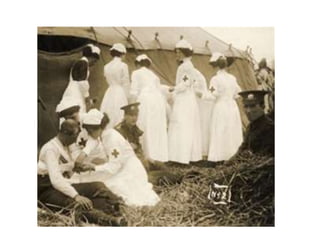
• Volunteering for the Red Cross
• Cheering on the President and the boys
  overseas
• Prayers for the President and soldiers
• Buying war bonds
• Children saving their money to support the
  war
Committee on Public Information
                CPI
• Accusations of disloyalty toward anyone who
  disagrees
• Propaganda
• Pro war Literature
• War poster
• Passage of the Espionage Act of 1917-which
  created stiff [penalties for spying, sabotage, or
  obstruction of the war effort
• Post office allowed to open mail
• Sedition Act of May 16-expanded powers
Lawlessness and Violence and Spy
                 Groups
•   American Protective League
•   National Security League
•   The Boy Spies of America
•   The American Defense Society
Who was Targeted
• Immigrants
• Irish Americans
• Germans

Chapter 14 sec2

  • 1.
    AP The Home Front The “War to End All Wars” Armies on both sides in Europe were annihilated and spent. When the US entered WWI many men would need to be drafted in order to meet the needs of war.
  • 2.
    The Draft • Anew system called the Selective Service Act run by the military would draft all men between 21 and 30 years of age. A lottery system would select men to come before a draft board to be interviewed. Eventually about 2.8 million Americans were drafted. Approximately 2 million volunteered. These groups became known as the American Expeditionary Force (AEF)
  • 3.
    African Americans • Nearly250,000 were drafted and drafted and about 50,000 fought overseas. They encountered discrimination and prejudice in the army. They served in racially segregated units. Despite these challenged, many fought with distinctions.
  • 5.
    Camp Logan • In1917 taking advantage of the temperate climate and newly opened Houston Ship Channel, the War department ordered two military installations built in Harris County— Camp Logan and Ellington Field. • Largest Court-martial in the history of the US army.
  • 6.
    IQ Test • Developedby the American Psychological Association to measure intelligence. These tests were less accurate in measuring intelligence than in measuring the amount of education people had.
  • 7.
    Women • WWI wasthe first war in which women officially served in the armed forces—noncombat positions—as clerical workers, radio operators, electricians, pharmacists, nurses and photographers.
  • 10.
    Mobilizing the Civilians •In order to increase food production while reducing civilian consumption, the Food Administration encouraged Americans to save food on their own—using slogans like: • “Food will win the war—Don’t waste it” • Wheatless Mondays, Meatless Tuesdays • Victory Gardens
  • 11.
    Paying for theWar • War cost money—the gov. raised the money 3 ways • Congress raised income tax rates. The government also borrowed over $20 billion from the American people and by selling Liberty Bonds and Victory Bonds. The US government agreed to pay back the Americans who bought bonds plus interest. Posters encouraged people to buy the bolds as an act of patriotism.
  • 15.
    Mobilizing the Workforce •Bernard Baruch director of War Industries Board had enormous power to make decisions.
  • 16.
    • The NationalWar Labor Board was established to make sure labor and unions worked together to prevent strikes
  • 17.
    Social Results ofthe War • Women filled industrial jobs vacated by men serving in the military—temporary jobs.
  • 18.
    The Great Migration •African Americans in the South migrated North to take jobs in factories producing war materials. Between 300,000 and 500,000 African Americans left to settle in cities like Chicago, New York, Cleveland and Detroit.
  • 20.
    Mexicans Head North •Over 100,000 Mexicans migrated North into Texas, Arizona, California and New Mexico providing labor for the farms and ranches of the Southwest, as well as, tens of thousands of Mexican Americans headed north to Chicago, St. Louis and other cities to take wartime factory jobs. Many faced hostility and discrimination, and like many immigrants before they settled in their own separate neighborhoods.
  • 21.
    Economic Results • Industrialproduction soared • Manufacturing activity expanded in regions that had not had any—west coast—ship building • Employment increased • Farm prices rose to their highest levels in decades
  • 22.
    Selling the Warand Suppressing Dissent • Spontaneous Patriotism—what does that look like?
  • 23.
    • Volunteering forthe Red Cross • Cheering on the President and the boys overseas • Prayers for the President and soldiers • Buying war bonds • Children saving their money to support the war
  • 24.
    Committee on PublicInformation CPI • Accusations of disloyalty toward anyone who disagrees • Propaganda • Pro war Literature • War poster • Passage of the Espionage Act of 1917-which created stiff [penalties for spying, sabotage, or obstruction of the war effort • Post office allowed to open mail • Sedition Act of May 16-expanded powers
  • 25.
    Lawlessness and Violenceand Spy Groups • American Protective League • National Security League • The Boy Spies of America • The American Defense Society
  • 26.
    Who was Targeted •Immigrants • Irish Americans • Germans