A Seminar Presented on
Application and Properties
of
Ceramics Matrix Composite
Submitted by
Nandan Kumar
M.Tech Material Engineering
Roll No: 001511303001
Jadavpur University Kolkata
 Introduction
Classification
 CMC’s
Properties of CMC’s
Advantages
Disadvantages
Applications
Overview

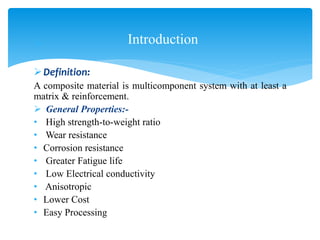
Definition:
A composite material is multicomponent system with at least a
matrix & reinforcement.
 General Properties:-
• High strength-to-weight ratio
• Wear resistance
• Corrosion resistance
• Greater Fatigue life
• Low Electrical conductivity
• Anisotropic
• Lower Cost
• Easy Processing
Introduction
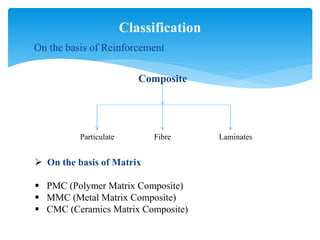
 On the basis of Reinforcement
Composite
Classification
Particulate Fibre Laminates
 On the basis of Matrix
 PMC (Polymer Matrix Composite)
 MMC (Metal Matrix Composite)
 CMC (Ceramics Matrix Composite)
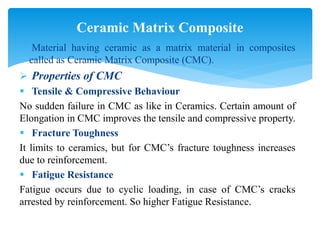
 Material having ceramic as a matrix material in composites
called as Ceramic Matrix Composite (CMC).
 Properties of CMC
 Tensile & Compressive Behaviour
No sudden failure in CMC as like in Ceramics. Certain amount of
Elongation in CMC improves the tensile and compressive property.
 Fracture Toughness
It limits to ceramics, but for CMC’s fracture toughness increases
due to reinforcement.
 Fatigue Resistance
Fatigue occurs due to cyclic loading, in case of CMC’s cracks
arrested by reinforcement. So higher Fatigue Resistance.
Ceramic Matrix Composite
 Thermal Response
It can withstand high temperature.
 Chemical Inertness
Ceramic do not react with chemicals.
 Corrosion Resistance
Continued….
 Excellent wear and corrosion resistance in a wide range
of environments and temperature
 Higher strength to weight ratio
 Higher strength retention at elevated temperature
 Higher chemical stability
 Non-catastrophic failure
 High hardness
 Lightweight
Advantages of CMC’s
 Processing routes for CMCs involve high temperatures –
can only be employed with high temperature
reinforcements.
 CMCs are designed to improve toughness of monolithic
ceramics, the main disadvantage of which is brittleness.
 High processing temperature results in complexity in
manufacturing and hence expensive processing.
 Difference in the coefficients of thermal expansion
between the matrix and the reinforcement lead to
thermal stresses on cooling from the processing
temperatures.
Disadvantage of CMC’s
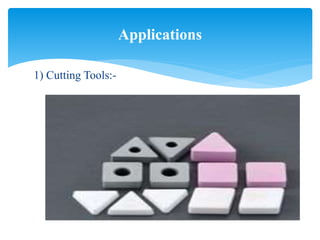
1) Cutting Tools:-
Applications
Continued…
2) Aerospace
Continued…
3) Jet Engine
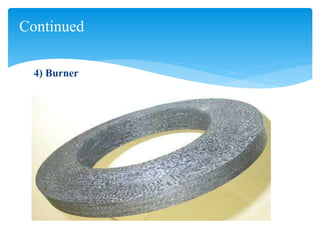
4) Burner
Continued
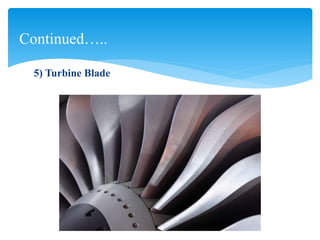
5) Turbine Blade
Continued…..
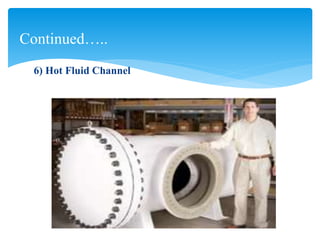
6) Hot Fluid Channel
Continued…..
The advanced ceramics developed during the last three
decades were initially found to have some favourable
properties which prompted intensive work for their use as
high temperature structural part in process industries and
in heat conversion devices. Although high temperature
strength retention, stress rupture, and resistance to
corrosion were good, they failed by catastrophic brittle
fracture.
Conclusion
Thank You !!!

Ceramics Matrix Composite

  • 1.
    A Seminar Presentedon Application and Properties of Ceramics Matrix Composite Submitted by Nandan Kumar M.Tech Material Engineering Roll No: 001511303001 Jadavpur University Kolkata
  • 2.
     Introduction Classification  CMC’s Propertiesof CMC’s Advantages Disadvantages Applications Overview
  • 3.
     Definition: A composite materialis multicomponent system with at least a matrix & reinforcement.  General Properties:- • High strength-to-weight ratio • Wear resistance • Corrosion resistance • Greater Fatigue life • Low Electrical conductivity • Anisotropic • Lower Cost • Easy Processing Introduction
  • 4.
     On thebasis of Reinforcement Composite Classification Particulate Fibre Laminates  On the basis of Matrix  PMC (Polymer Matrix Composite)  MMC (Metal Matrix Composite)  CMC (Ceramics Matrix Composite)
  • 5.
     Material havingceramic as a matrix material in composites called as Ceramic Matrix Composite (CMC).  Properties of CMC  Tensile & Compressive Behaviour No sudden failure in CMC as like in Ceramics. Certain amount of Elongation in CMC improves the tensile and compressive property.  Fracture Toughness It limits to ceramics, but for CMC’s fracture toughness increases due to reinforcement.  Fatigue Resistance Fatigue occurs due to cyclic loading, in case of CMC’s cracks arrested by reinforcement. So higher Fatigue Resistance. Ceramic Matrix Composite
  • 6.
     Thermal Response Itcan withstand high temperature.  Chemical Inertness Ceramic do not react with chemicals.  Corrosion Resistance Continued….
  • 7.
     Excellent wearand corrosion resistance in a wide range of environments and temperature  Higher strength to weight ratio  Higher strength retention at elevated temperature  Higher chemical stability  Non-catastrophic failure  High hardness  Lightweight Advantages of CMC’s
  • 8.
     Processing routesfor CMCs involve high temperatures – can only be employed with high temperature reinforcements.  CMCs are designed to improve toughness of monolithic ceramics, the main disadvantage of which is brittleness.  High processing temperature results in complexity in manufacturing and hence expensive processing.  Difference in the coefficients of thermal expansion between the matrix and the reinforcement lead to thermal stresses on cooling from the processing temperatures. Disadvantage of CMC’s
  • 9.
  • 10.
  • 11.
  • 12.
  • 13.
  • 14.
    6) Hot FluidChannel Continued…..
  • 15.
    The advanced ceramicsdeveloped during the last three decades were initially found to have some favourable properties which prompted intensive work for their use as high temperature structural part in process industries and in heat conversion devices. Although high temperature strength retention, stress rupture, and resistance to corrosion were good, they failed by catastrophic brittle fracture. Conclusion
  • 16.