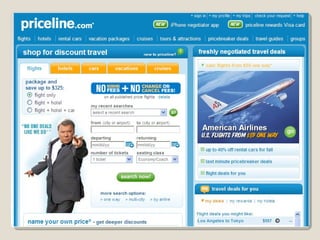
Priceline.com
NAME YOUR OWN PRICE
“ NO ONE DEAL
LIKE WE DO”
APSM10 Assignment 02
Dated: 20-04-2017
Presented by:
Deepa Shukla
Sanjay Gurtu
APSM10 Assignment 02
Dated: 20-04-2017
Presented by:
Deepa Shukla
Sanjay Gurtu
ContentsContents
2
1 Understanding Intermediation
2 Case Study:Priceline.com
3 Priceline Business Model
4 Changes & their Effects in Ecosystem
5 Sustainability of Business Model
3
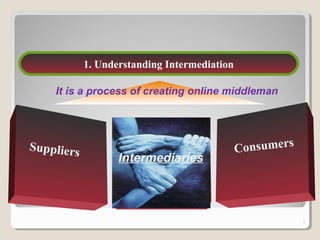
1. Understanding Intermediation
It is a process of creating online middleman
Suppliers Consumers
Intermediaries
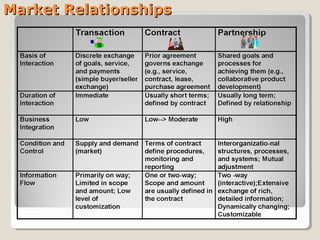
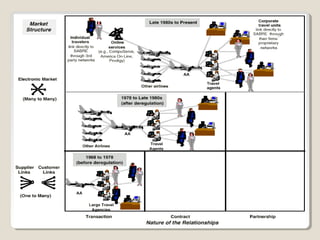
Market RelationshipsMarket Relationships
6
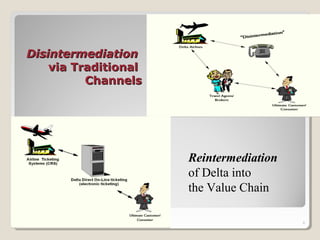
DisintermediationDisintermediation
via Traditionalvia Traditional
ChannelsChannels
Reintermediation
of Delta into
the Value Chain
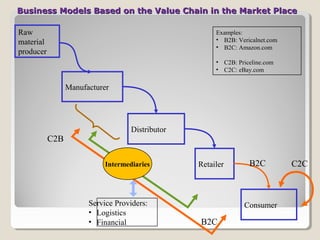
Business Models Based on the Value Chain in the Market PlaceBusiness Models Based on the Value Chain in the Market Place
Raw
material
producer
Manufacturer
Distributor
Retailer
Consumer
Examples:
• B2B: Vericalnet.com
• B2C: Amazon.com
• C2B: Priceline.com
• C2C: eBay.com
C2B
B2C
B2C C2CIntermediaries
Service Providers:
• Logistics
• Financial
BackgroundBackground
8
2. Case Study: Priceline.com
Operational by
“Jay Walker” Losses
Early Stage not Profitable
1998 - 2000
•1999: lost over $1 billion
•2001: pared losses to $15
million
After 11 Sep 2001 attack
•2002: lost $23 million
BackgroundBackground
9
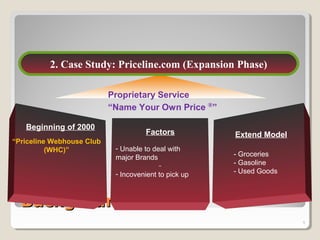
2. Case Study: Priceline.com (Expansion Phase)
“Priceline Webhouse Club
(WHC)”
Beginning of 2000
- Unable to deal with
major Brands
- Incovenient to pick up
Factors
Proprietary Service
“Name Your Own Price ®
”
Extend Model
- Groceries
- Gasoline
- Used Goods
BackgroundBackground
10
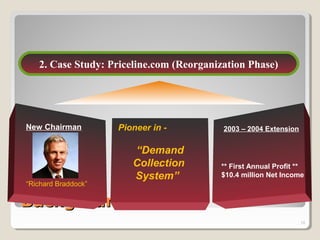
2. Case Study: Priceline.com (Reorganization Phase)
Pioneer in -
“Demand
Collection
System”
“Richard Braddock”
New Chairman 2003 – 2004 Extension
** First Annual Profit **
$10.4 million Net Income
BackgroundBackground
11
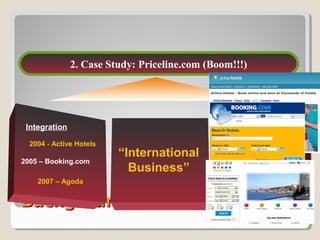
2. Case Study: Priceline.com (Boom!!!)
“International
Business”
2004 - Active Hotels
Integration
2005 – Booking.com
2007 – Agoda
12
3. Priceline : C2B Business Model
Core Components of Priceline.com
VValue Propositionalue Proposition
RRevenue Modelevenue Model
MMarketarket OOpportunitiespportunities
SStrategiestrategies
BBrandrand BBuildinguilding
Components of Business ModelComponents of Business Model 13
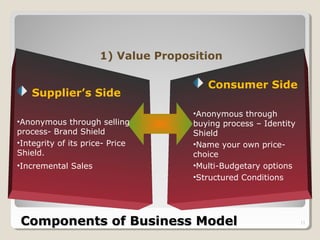
Supplier’s Side
•Anonymous through selling
process- Brand Shield
•Integrity of its price- Price
Shield.
•Incremental Sales
1) Value Proposition
Consumer Side
•Anonymous through
buying process – Identity
Shield
•Name your own price-
choice
•Multi-Budgetary options
•Structured Conditions
Components of Business ModelComponents of Business Model 14
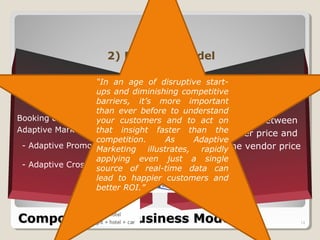
Transaction Fee
Booking & Handling Fee
Adaptive Marketing Program
- Adaptive Promotion
- Adaptive Cross Selling
Sales
Gain between
the offer price and
the vendor price
2) Revenue Model
“In an age of disruptive start-
ups and diminishing competitive
barriers, it’s more important
than ever before to understand
your customers and to act on
that insight faster than the
competition. As Adaptive
Marketing illustrates, rapidly
applying even just a single
source of real-time data can
lead to happier customers and
better ROI.”
Components of Business ModelComponents of Business Model
15
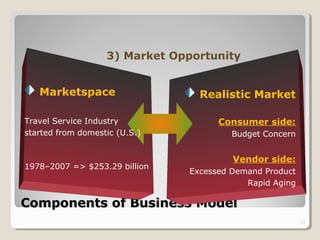
Marketspace
Travel Service Industry
started from domestic (U.S.)
1978–2007 => $253.29 billion
Realistic Market
Consumer side:
Budget Concern
Vendor side:
Excessed Demand Product
Rapid Aging
3) Market Opportunity
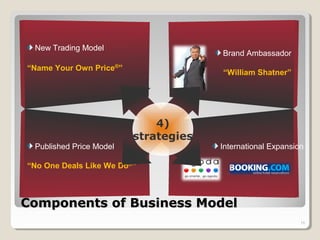
International Expansion
Components of Business ModelComponents of Business Model
16
New Trading Model
“Name Your Own Price®
”
Brand Ambassador
“William Shatner”
Published Price Model
“No One Deals Like We Do®
”
4)
strategies
BackgroundBackground
17
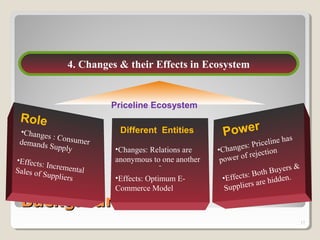
4. Changes & their Effects in Ecosystem
Power
Role
•Changes : Consumerdemands Supply
•Effects: IncrementalSales of Suppliers
•Changes: Priceline has
power of rejection
•Effects: Both Buyers &
Suppliers are hidden.
Priceline Ecosystem
Different Entities
•Changes: Relations are
anonymous to one another
•Effects: Optimum E-
Commerce Model
Question 3Question 3
18
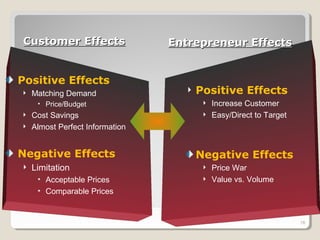
Customer EffectsCustomer Effects
Positive Effects
Increase Customer
Easy/Direct to Target
Negative Effects
Price War
Value vs. Volume
Entrepreneur EffectsEntrepreneur Effects
Positive Effects
Matching Demand
• Price/Budget
Cost Savings
Almost Perfect Information
Negative Effects
Limitation
• Acceptable Prices
• Comparable Prices
19
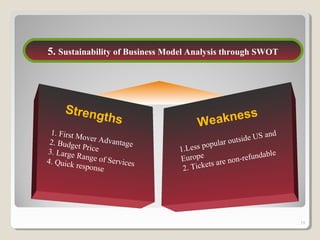
Weakness
1. First Mover Advantage2. Budget Price3. Large Range of Services4. Quick response
1.Less popular outside US and
Europe
2. Tickets are non-refundable
5. Sustainability of Business Model Analysis through SWOT
Strengths
20
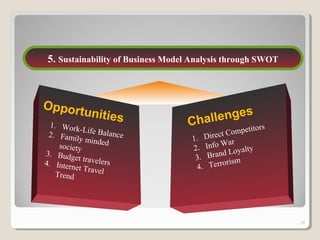
Challenges
1. Work-Life Balance2. Family mindedsociety
3. Budget travelers4. Internet TravelTrend
1. Direct Competitors
2. Info War
3. Brand Loyalty
4. Terrorism
5. Sustainability of Business Model Analysis through SWOT
Opportunities
Question 2Question 2
21
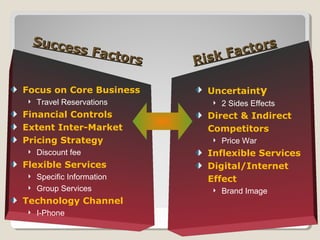
Success Factors
Success Factors
Focus on Core Business
Travel Reservations
Financial Controls
Extent Inter-Market
Pricing Strategy
Discount fee
Flexible Services
Specific Information
Group Services
Technology Channel
I-Phone
Uncertainty
2 Sides Effects
Direct & Indirect
Competitors
Price War
Inflexible Services
Digital/Internet
Effect
Brand Image
Risk Factors
Risk Factors
22
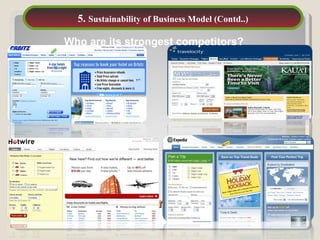
Priceline CompetitorPriceline Competitor
23
Who are its strongest competitors?
5. Sustainability of Business Model (Contd..)
Question 4Question 4
24
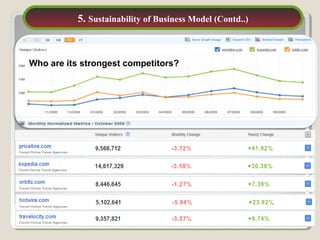
Who are its strongest competitors?
5. Sustainability of Business Model (Contd..)
Question 4Question 4
25
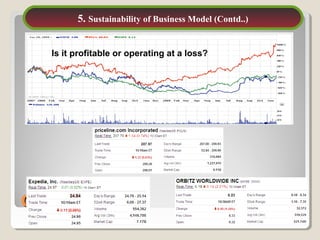
Is it profitable or operating at a loss?
5. Sustainability of Business Model (Contd..)
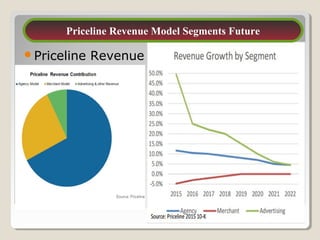
Priceline Revenue Model & Present Status
26
Priceline Revenue Model Segments Future

Case Study : priceline.com

  • 1.
    Priceline.com NAME YOUR OWNPRICE “ NO ONE DEAL LIKE WE DO” APSM10 Assignment 02 Dated: 20-04-2017 Presented by: Deepa Shukla Sanjay Gurtu APSM10 Assignment 02 Dated: 20-04-2017 Presented by: Deepa Shukla Sanjay Gurtu
  • 2.
    ContentsContents 2 1 Understanding Intermediation 2Case Study:Priceline.com 3 Priceline Business Model 4 Changes & their Effects in Ecosystem 5 Sustainability of Business Model
  • 3.
    3 1. Understanding Intermediation Itis a process of creating online middleman Suppliers Consumers Intermediaries
  • 4.
  • 6.
  • 7.
    Business Models Basedon the Value Chain in the Market PlaceBusiness Models Based on the Value Chain in the Market Place Raw material producer Manufacturer Distributor Retailer Consumer Examples: • B2B: Vericalnet.com • B2C: Amazon.com • C2B: Priceline.com • C2C: eBay.com C2B B2C B2C C2CIntermediaries Service Providers: • Logistics • Financial
  • 8.
    BackgroundBackground 8 2. Case Study:Priceline.com Operational by “Jay Walker” Losses Early Stage not Profitable 1998 - 2000 •1999: lost over $1 billion •2001: pared losses to $15 million After 11 Sep 2001 attack •2002: lost $23 million
  • 9.
    BackgroundBackground 9 2. Case Study:Priceline.com (Expansion Phase) “Priceline Webhouse Club (WHC)” Beginning of 2000 - Unable to deal with major Brands - Incovenient to pick up Factors Proprietary Service “Name Your Own Price ® ” Extend Model - Groceries - Gasoline - Used Goods
  • 10.
    BackgroundBackground 10 2. Case Study:Priceline.com (Reorganization Phase) Pioneer in - “Demand Collection System” “Richard Braddock” New Chairman 2003 – 2004 Extension ** First Annual Profit ** $10.4 million Net Income
  • 11.
    BackgroundBackground 11 2. Case Study:Priceline.com (Boom!!!) “International Business” 2004 - Active Hotels Integration 2005 – Booking.com 2007 – Agoda
  • 12.
    12 3. Priceline :C2B Business Model Core Components of Priceline.com VValue Propositionalue Proposition RRevenue Modelevenue Model MMarketarket OOpportunitiespportunities SStrategiestrategies BBrandrand BBuildinguilding
  • 13.
    Components of BusinessModelComponents of Business Model 13 Supplier’s Side •Anonymous through selling process- Brand Shield •Integrity of its price- Price Shield. •Incremental Sales 1) Value Proposition Consumer Side •Anonymous through buying process – Identity Shield •Name your own price- choice •Multi-Budgetary options •Structured Conditions
  • 14.
    Components of BusinessModelComponents of Business Model 14 Transaction Fee Booking & Handling Fee Adaptive Marketing Program - Adaptive Promotion - Adaptive Cross Selling Sales Gain between the offer price and the vendor price 2) Revenue Model “In an age of disruptive start- ups and diminishing competitive barriers, it’s more important than ever before to understand your customers and to act on that insight faster than the competition. As Adaptive Marketing illustrates, rapidly applying even just a single source of real-time data can lead to happier customers and better ROI.”
  • 15.
    Components of BusinessModelComponents of Business Model 15 Marketspace Travel Service Industry started from domestic (U.S.) 1978–2007 => $253.29 billion Realistic Market Consumer side: Budget Concern Vendor side: Excessed Demand Product Rapid Aging 3) Market Opportunity
  • 16.
    International Expansion Components ofBusiness ModelComponents of Business Model 16 New Trading Model “Name Your Own Price® ” Brand Ambassador “William Shatner” Published Price Model “No One Deals Like We Do® ” 4) strategies
  • 17.
    BackgroundBackground 17 4. Changes &their Effects in Ecosystem Power Role •Changes : Consumerdemands Supply •Effects: IncrementalSales of Suppliers •Changes: Priceline has power of rejection •Effects: Both Buyers & Suppliers are hidden. Priceline Ecosystem Different Entities •Changes: Relations are anonymous to one another •Effects: Optimum E- Commerce Model
  • 18.
    Question 3Question 3 18 CustomerEffectsCustomer Effects Positive Effects Increase Customer Easy/Direct to Target Negative Effects Price War Value vs. Volume Entrepreneur EffectsEntrepreneur Effects Positive Effects Matching Demand • Price/Budget Cost Savings Almost Perfect Information Negative Effects Limitation • Acceptable Prices • Comparable Prices
  • 19.
    19 Weakness 1. First MoverAdvantage2. Budget Price3. Large Range of Services4. Quick response 1.Less popular outside US and Europe 2. Tickets are non-refundable 5. Sustainability of Business Model Analysis through SWOT Strengths
  • 20.
    20 Challenges 1. Work-Life Balance2.Family mindedsociety 3. Budget travelers4. Internet TravelTrend 1. Direct Competitors 2. Info War 3. Brand Loyalty 4. Terrorism 5. Sustainability of Business Model Analysis through SWOT Opportunities
  • 21.
    Question 2Question 2 21 SuccessFactors Success Factors Focus on Core Business Travel Reservations Financial Controls Extent Inter-Market Pricing Strategy Discount fee Flexible Services Specific Information Group Services Technology Channel I-Phone Uncertainty 2 Sides Effects Direct & Indirect Competitors Price War Inflexible Services Digital/Internet Effect Brand Image Risk Factors Risk Factors
  • 22.
  • 23.
    Priceline CompetitorPriceline Competitor 23 Whoare its strongest competitors? 5. Sustainability of Business Model (Contd..)
  • 24.
    Question 4Question 4 24 Whoare its strongest competitors? 5. Sustainability of Business Model (Contd..)
  • 25.
    Question 4Question 4 25 Isit profitable or operating at a loss? 5. Sustainability of Business Model (Contd..)
  • 26.
    Priceline Revenue Model& Present Status 26 Priceline Revenue Model Segments Future

Editor's Notes

  • #8 The services of intermediaries reduce the number of contacts, or exchanges, between producers and buyers, thereby increasing efficiency; especially across longer distances. These intermediaries however ‘lengthen’ the supply chain.
  • #15 • Netflix uses viewing data to assess what directors, actors, and programs its subscribers like, and then commissions new programs like House of Cards to add new subscribers.  • Travel service company Orbitz identifies a user’s smartphone operating system to adapt hotel recommendations in real-time. Orbitz knows from its historical data that Apple users tend to spend $20-$30 more than Android users on hotel room bookings.  (See video links below) Johnston said: “In an age of disruptive start-ups and diminishing competitive barriers, it’s more important than ever before to understand your customers and to act on that insight faster than the competition. As Adaptive Marketing illustrates, rapidly applying even just a single source of real-time data can lead to happier customers and better ROI.”