CENTRUM CLUB
• DOMBIVILI, MUMBAI, INDIA
• ARCHITECT: ABIN DESIGN STUDIO
• AREA: 20000sqft
• YEAR: MAY, 2019
• MANUFACTURER: KAJARIA, BOMANITE, KOHLER
LOCATION PLAN
LODHA CODENAME GOLDEN DREAM
CENTRUM CLUBHOUSE
ORCHID MMR HOUSING
N
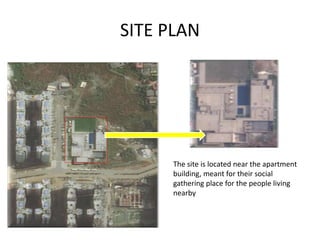
SITE PLAN
The site is located near the apartment
building, meant for their social
gathering place for the people living
nearby
SITE DETAILS
• The clubhouse is built especially for the people residing nearby in
the apartments.
• Size of the clubhouse is 20000sqft
• The facade of the clubhouse lies is in east direction.
• It is located in the suburban region of Mumbai
• It gets proper sunlight because of the place where it is located
• Nearby housings is Lodha Golden dream housing and Orchid
housing
• Located in one of the largest townships of the Mumbai City
• Roads connected with the Lodha Golden Dream housing is khoni
Taloja road and Badlapur katai road
• Access is only through private buildings sice it is located for the
people living in the nearby apartments.
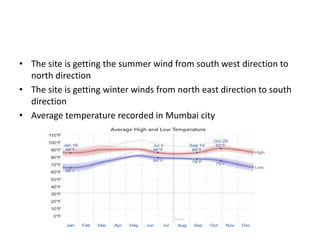
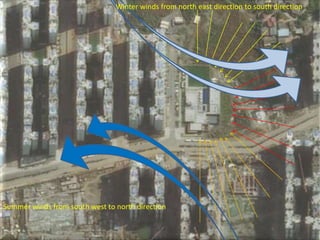
• The site is getting the summer wind from south west direction to
north direction
• The site is getting winter winds from north east direction to south
direction
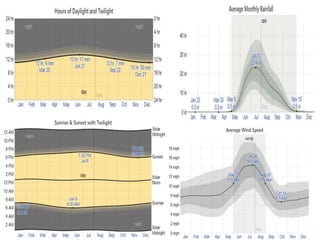
• Average temperature recorded in Mumbai city
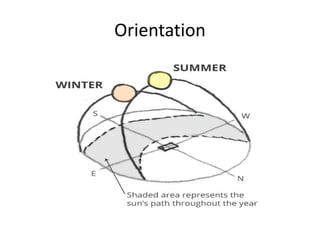
Orientation
Summer winds from south west to north direction
Winter winds from north east direction to south direction
FORM OF THE CLUBHOUSE
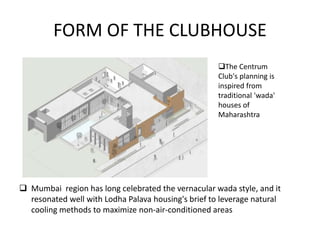
 Mumbai region has long celebrated the vernacular wada style, and it
resonated well with Lodha Palava housing's brief to leverage natural
cooling methods to maximize non-air-conditioned areas
The Centrum
Club's planning is
inspired from
traditional 'wada'
houses of
Maharashtra
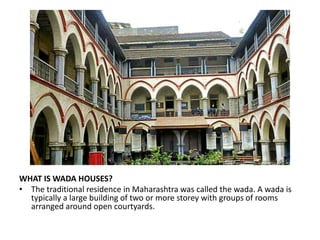
WHAT IS WADA HOUSES?
• The traditional residence in Maharashtra was called the wada. A wada is
typically a large building of two or more storey with groups of rooms
arranged around open courtyards.
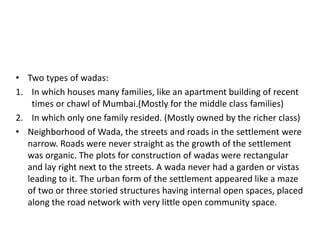
• Two types of wadas:
1. In which houses many families, like an apartment building of recent
times or chawl of Mumbai.(Mostly for the middle class families)
2. In which only one family resided. (Mostly owned by the richer class)
• Neighborhood of Wada, the streets and roads in the settlement were
narrow. Roads were never straight as the growth of the settlement
was organic. The plots for construction of wadas were rectangular
and lay right next to the streets. A wada never had a garden or vistas
leading to it. The urban form of the settlement appeared like a maze
of two or three storied structures having internal open spaces, placed
along the road network with very little open community space.
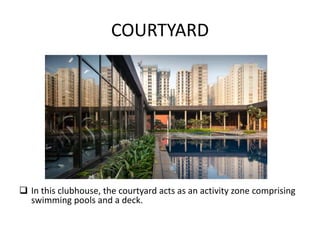
COURTYARD
 In this clubhouse, the courtyard acts as an activity zone comprising
swimming pools and a deck.
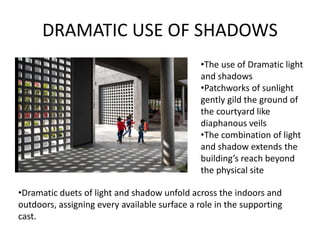
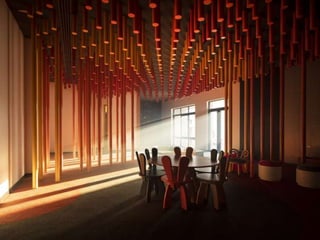
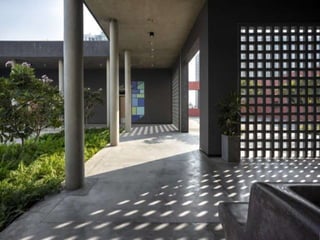
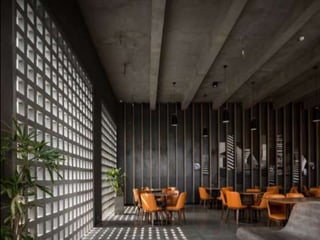
DRAMATIC USE OF SHADOWS
•The use of Dramatic light
and shadows
•Patchworks of sunlight
gently gild the ground of
the courtyard like
diaphanous veils
•The combination of light
and shadow extends the
building’s reach beyond
the physical site
•Dramatic duets of light and shadow unfold across the indoors and
outdoors, assigning every available surface a role in the supporting
cast.
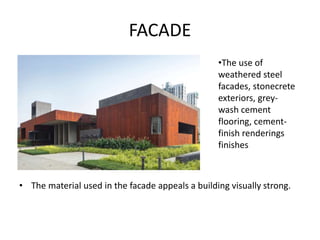
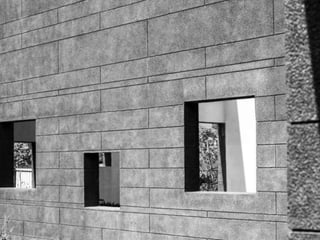
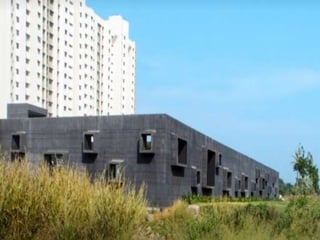
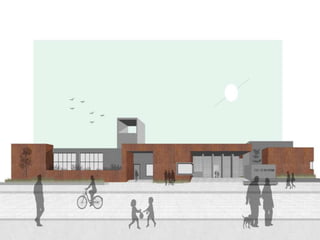
FACADE
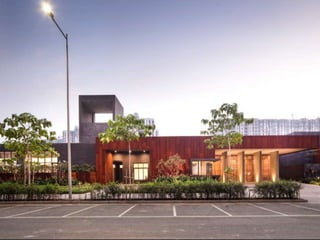
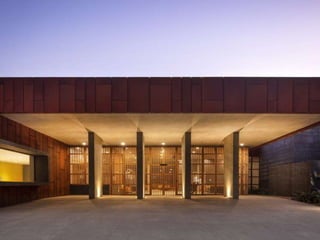
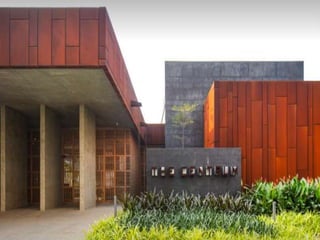
• The material used in the facade appeals a building visually strong.
•The use of
weathered steel
facades, stonecrete
exteriors, grey-
wash cement
flooring, cement-
finish renderings
finishes
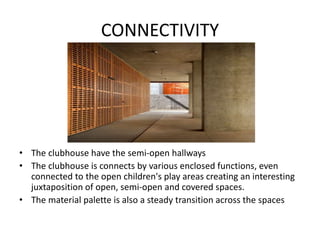
CONNECTIVITY
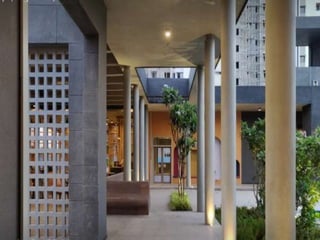
• The clubhouse have the semi-open hallways
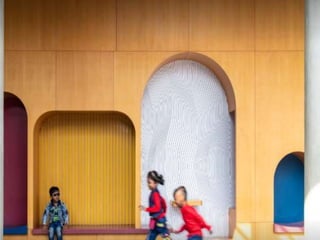
• The clubhouse is connects by various enclosed functions, even
connected to the open children's play areas creating an interesting
juxtaposition of open, semi-open and covered spaces.
• The material palette is also a steady transition across the spaces
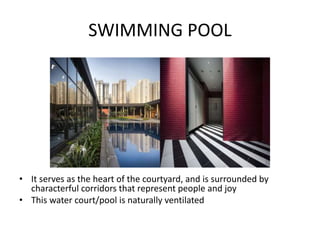
SWIMMING POOL
• It serves as the heart of the courtyard, and is surrounded by
characterful corridors that represent people and joy
• This water court/pool is naturally ventilated
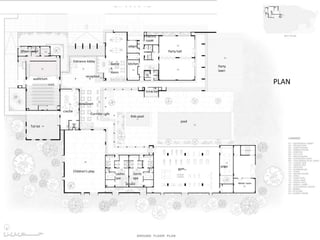
Meter room
yoga
gym
jacuzzi
Children’s play
Ladies
spa
Gents
spa
pool
Kids pool
Party hall
Juice bar
kitchen
creche
Tot lot
Party
lawn
Entrance lobby
reception
restaurant
Corridor cafe
auditrium
Green room
Game
s
room
Electric
room
admin
PLAN
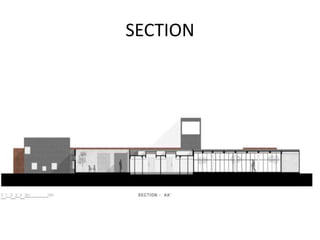
SECTION

case study club house.pptx

  • 1.
    CENTRUM CLUB • DOMBIVILI,MUMBAI, INDIA • ARCHITECT: ABIN DESIGN STUDIO • AREA: 20000sqft • YEAR: MAY, 2019 • MANUFACTURER: KAJARIA, BOMANITE, KOHLER
  • 5.
    LOCATION PLAN LODHA CODENAMEGOLDEN DREAM CENTRUM CLUBHOUSE ORCHID MMR HOUSING N
  • 6.
    SITE PLAN The siteis located near the apartment building, meant for their social gathering place for the people living nearby
  • 7.
    SITE DETAILS • Theclubhouse is built especially for the people residing nearby in the apartments. • Size of the clubhouse is 20000sqft • The facade of the clubhouse lies is in east direction. • It is located in the suburban region of Mumbai • It gets proper sunlight because of the place where it is located • Nearby housings is Lodha Golden dream housing and Orchid housing • Located in one of the largest townships of the Mumbai City • Roads connected with the Lodha Golden Dream housing is khoni Taloja road and Badlapur katai road • Access is only through private buildings sice it is located for the people living in the nearby apartments.
  • 8.
    • The siteis getting the summer wind from south west direction to north direction • The site is getting winter winds from north east direction to south direction • Average temperature recorded in Mumbai city
  • 10.
  • 11.
    Summer winds fromsouth west to north direction Winter winds from north east direction to south direction
  • 12.
    FORM OF THECLUBHOUSE  Mumbai region has long celebrated the vernacular wada style, and it resonated well with Lodha Palava housing's brief to leverage natural cooling methods to maximize non-air-conditioned areas The Centrum Club's planning is inspired from traditional 'wada' houses of Maharashtra
  • 13.
    WHAT IS WADAHOUSES? • The traditional residence in Maharashtra was called the wada. A wada is typically a large building of two or more storey with groups of rooms arranged around open courtyards.
  • 14.
    • Two typesof wadas: 1. In which houses many families, like an apartment building of recent times or chawl of Mumbai.(Mostly for the middle class families) 2. In which only one family resided. (Mostly owned by the richer class) • Neighborhood of Wada, the streets and roads in the settlement were narrow. Roads were never straight as the growth of the settlement was organic. The plots for construction of wadas were rectangular and lay right next to the streets. A wada never had a garden or vistas leading to it. The urban form of the settlement appeared like a maze of two or three storied structures having internal open spaces, placed along the road network with very little open community space.
  • 15.
    COURTYARD  In thisclubhouse, the courtyard acts as an activity zone comprising swimming pools and a deck.
  • 16.
    DRAMATIC USE OFSHADOWS •The use of Dramatic light and shadows •Patchworks of sunlight gently gild the ground of the courtyard like diaphanous veils •The combination of light and shadow extends the building’s reach beyond the physical site •Dramatic duets of light and shadow unfold across the indoors and outdoors, assigning every available surface a role in the supporting cast.
  • 20.
    FACADE • The materialused in the facade appeals a building visually strong. •The use of weathered steel facades, stonecrete exteriors, grey- wash cement flooring, cement- finish renderings finishes
  • 23.
    CONNECTIVITY • The clubhousehave the semi-open hallways • The clubhouse is connects by various enclosed functions, even connected to the open children's play areas creating an interesting juxtaposition of open, semi-open and covered spaces. • The material palette is also a steady transition across the spaces
  • 25.
    SWIMMING POOL • Itserves as the heart of the courtyard, and is surrounded by characterful corridors that represent people and joy • This water court/pool is naturally ventilated
  • 27.
    Meter room yoga gym jacuzzi Children’s play Ladies spa Gents spa pool Kidspool Party hall Juice bar kitchen creche Tot lot Party lawn Entrance lobby reception restaurant Corridor cafe auditrium Green room Game s room Electric room admin PLAN
  • 29.