
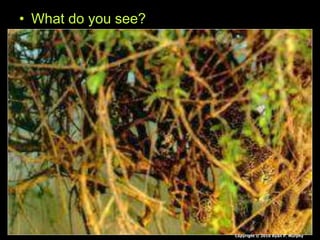
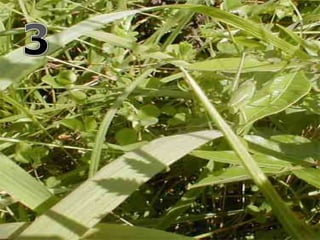
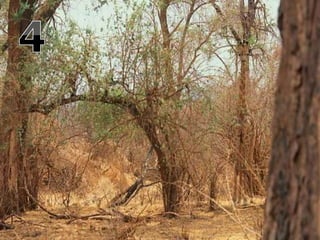
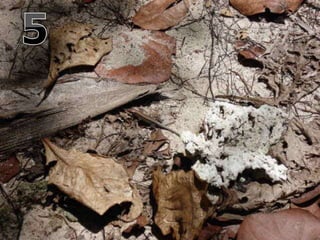
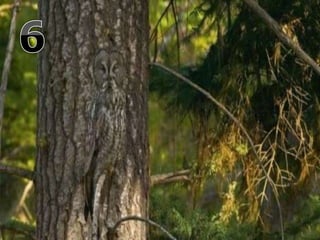
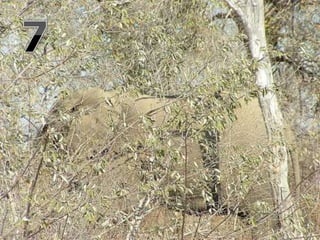
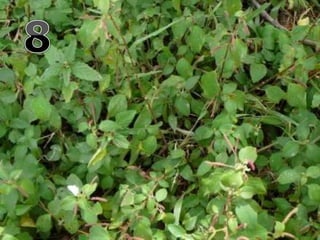
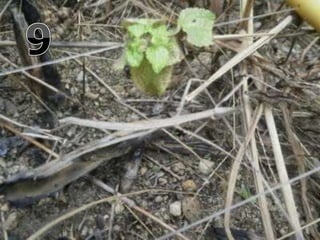
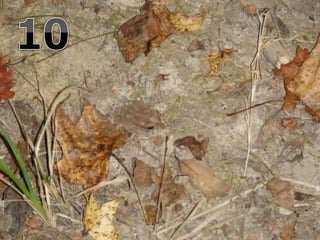
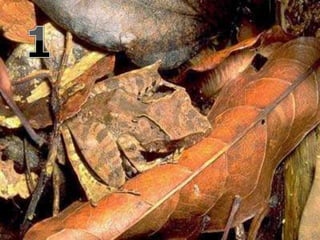
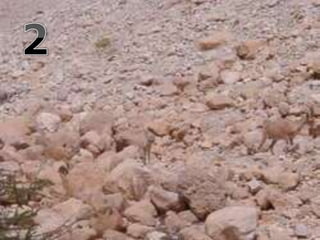
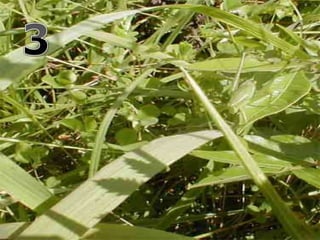
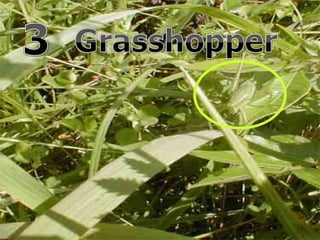
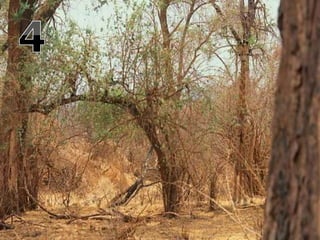
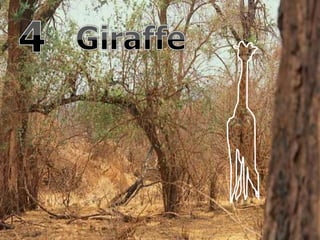
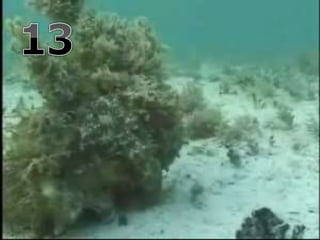
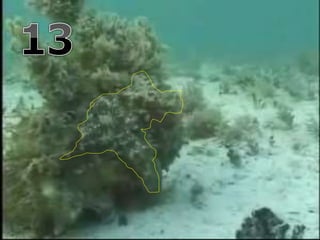
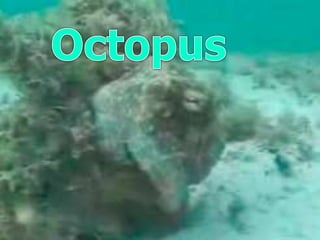
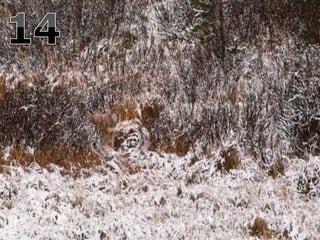
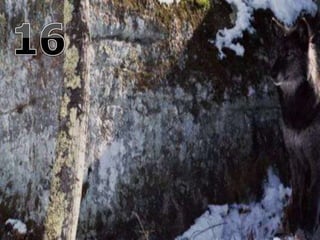
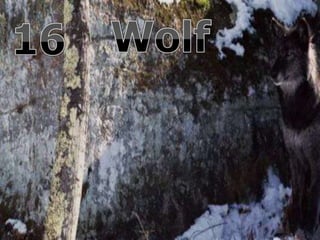
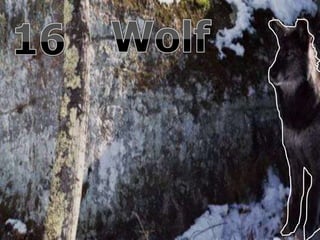
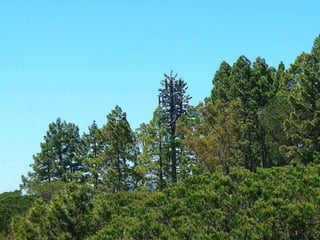
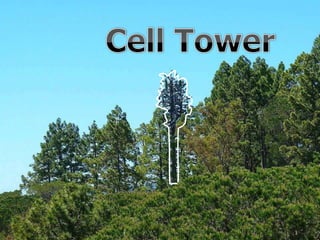
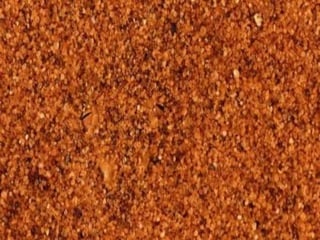
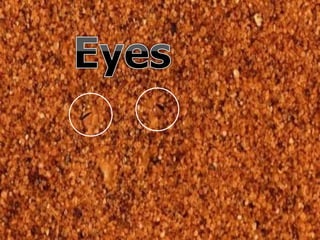
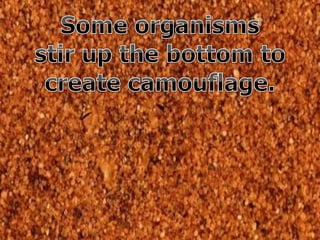
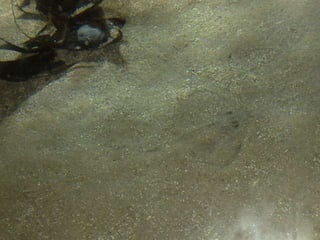
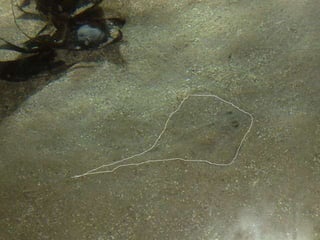
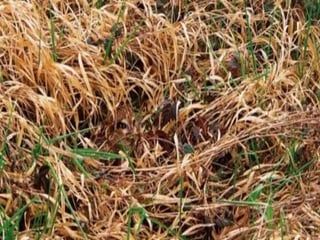
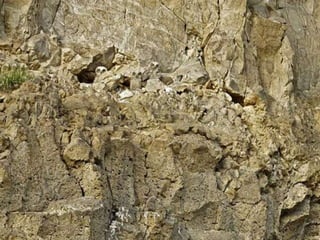
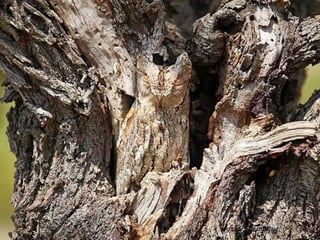

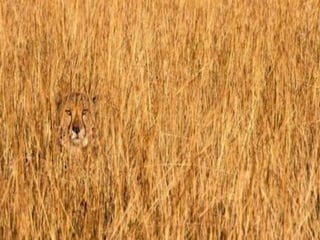
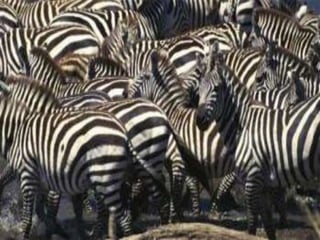


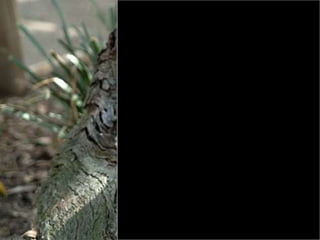
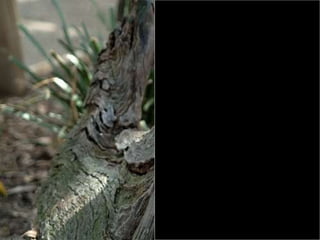
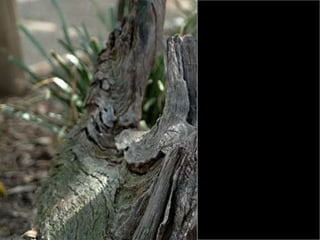
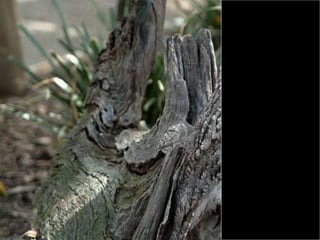
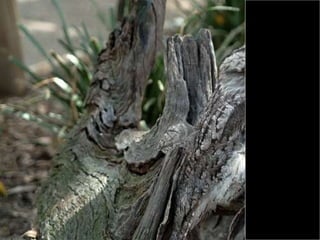
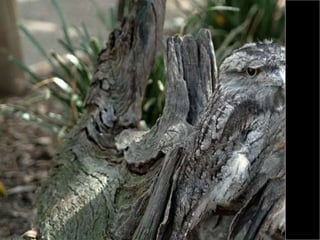
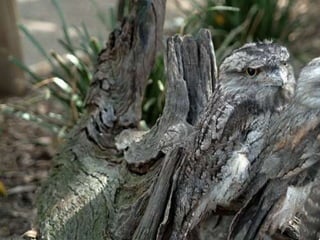
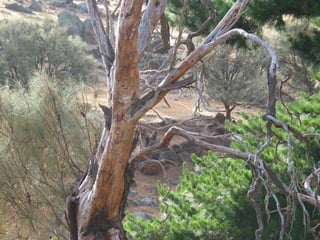
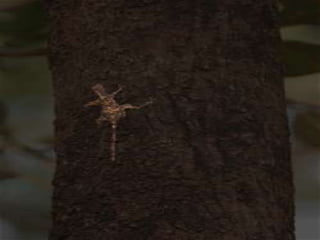
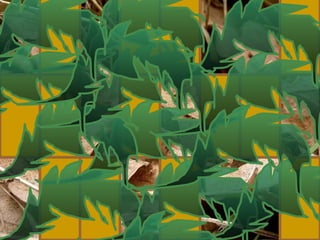
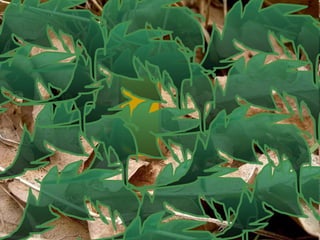
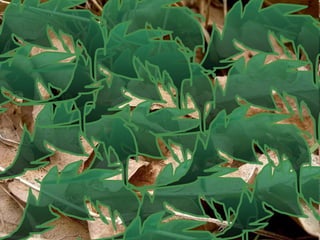
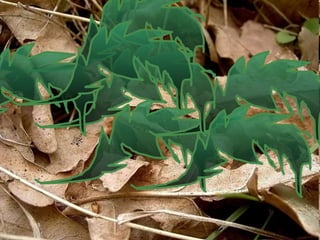
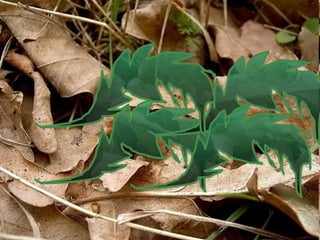
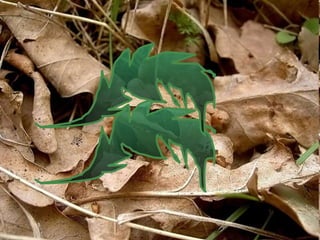
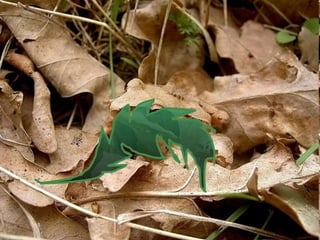
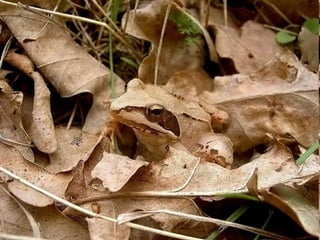
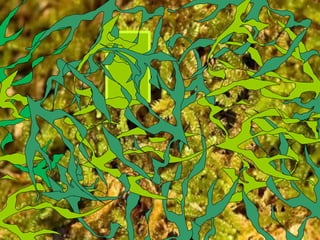
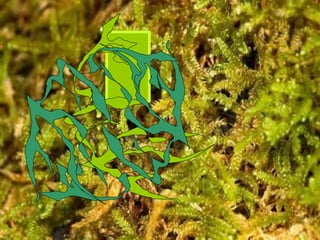
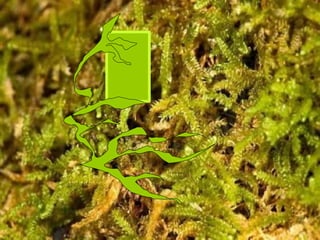
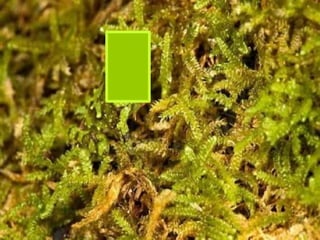
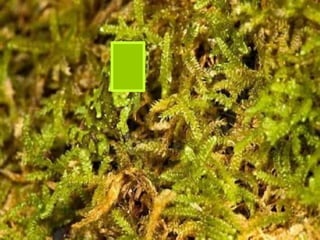
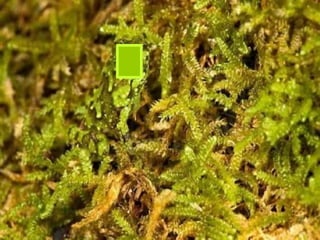
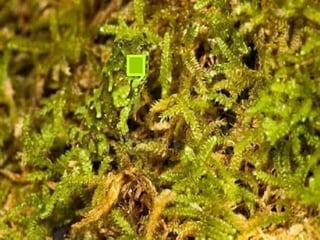
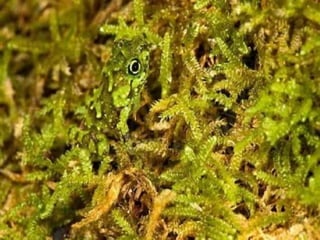




• What do you see?
Copyright © 2010 Ryan P. Murphy
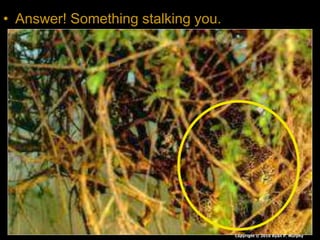
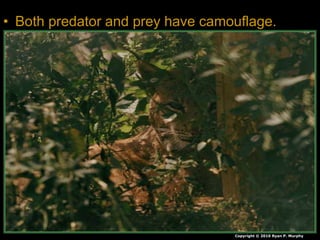
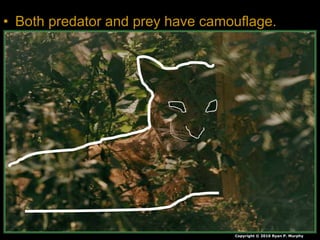
• Answer! Something stalking you.
Copyright © 2010 Ryan P. Murphy
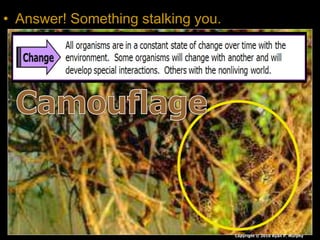
• Answer! Something stalking you.
Copyright © 2010 Ryan P. Murphy
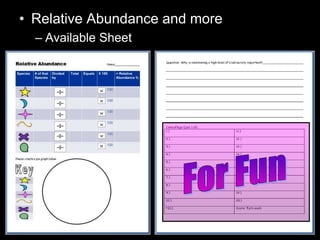
• Relative Abundance and more
– Available Sheet
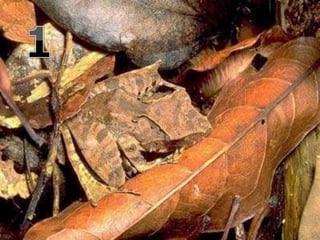
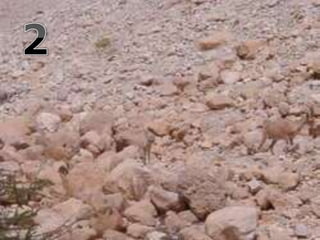
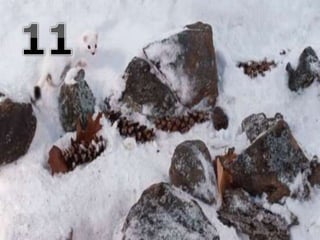
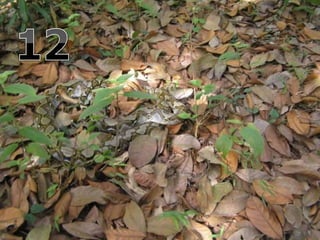
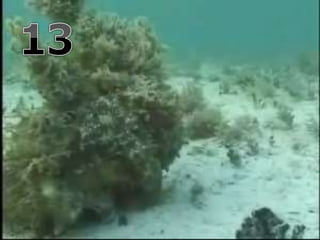
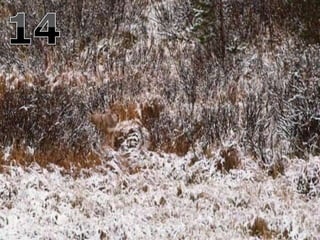
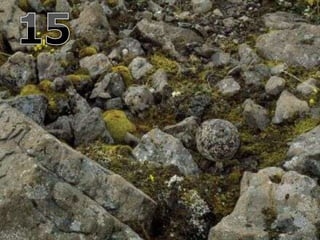
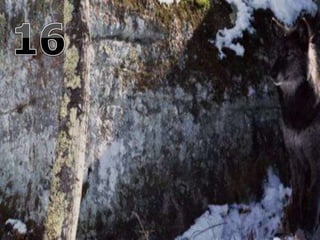
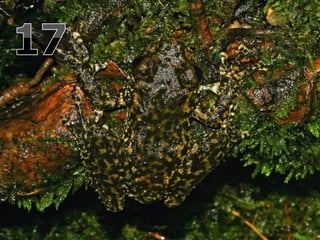
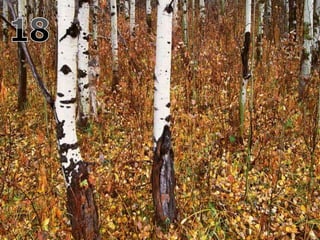
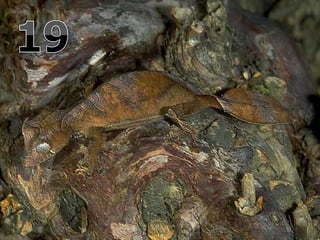
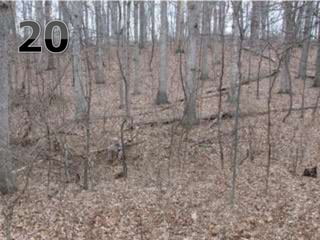
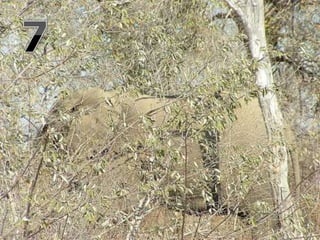
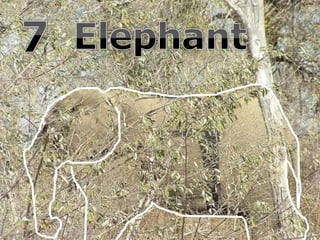
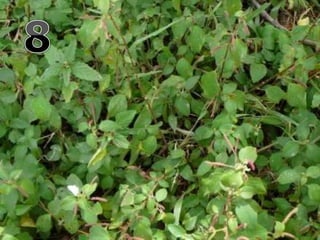
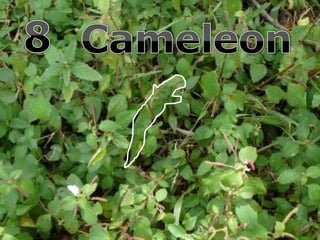
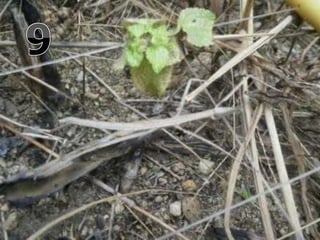
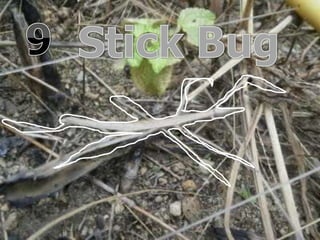
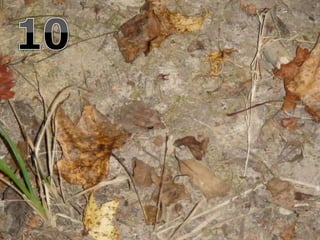
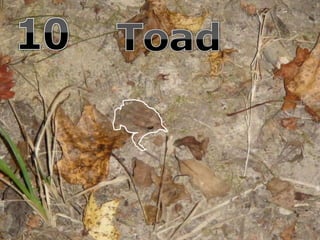
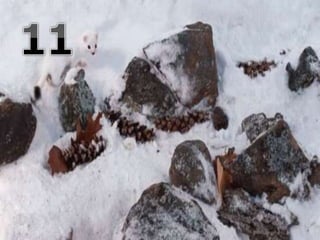
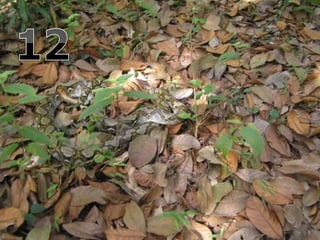
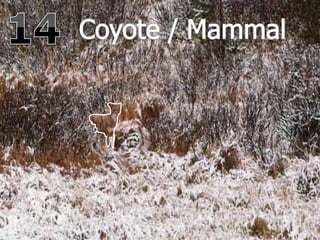
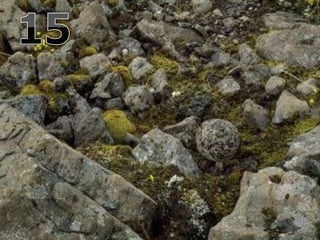
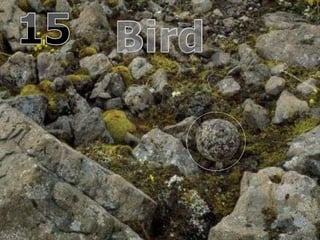
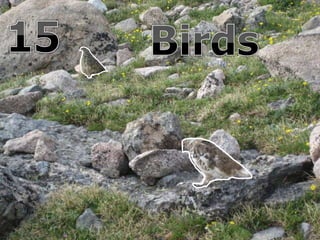
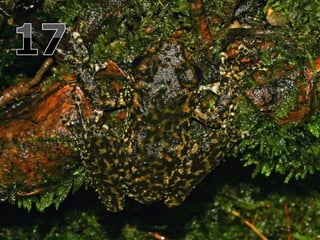
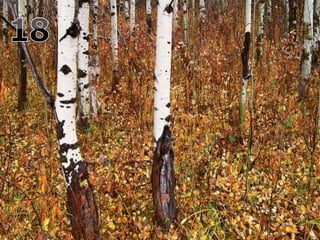
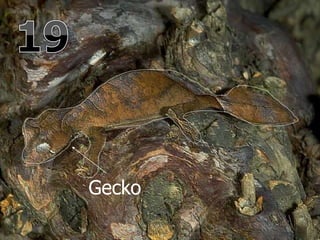
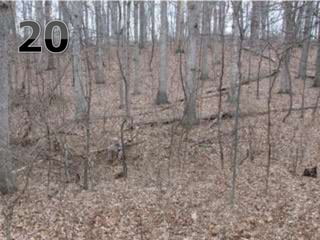
• Activity! Quiz 1-20. Find the hidden “thing”
in the picture.
– General names are acceptable.
– You will have about 10 seconds.
Copyright © 2010 Ryan P. Murphy
• Bonus: Low light conditions.
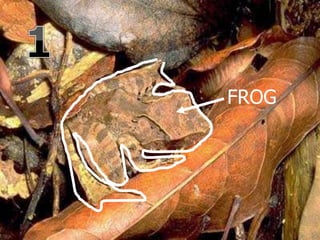
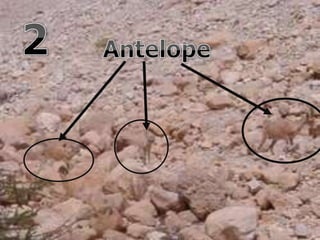
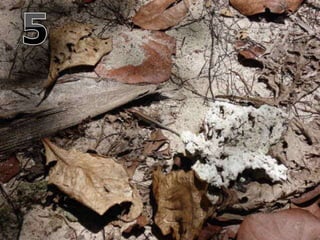
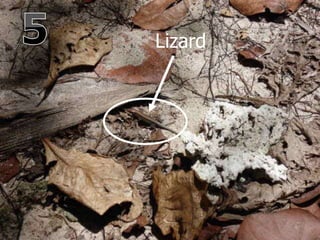
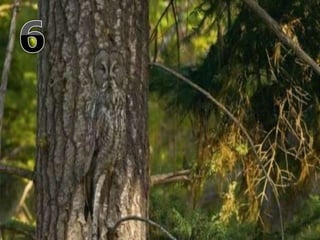
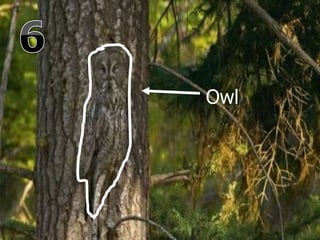
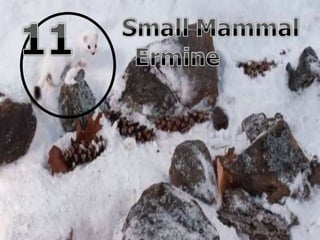
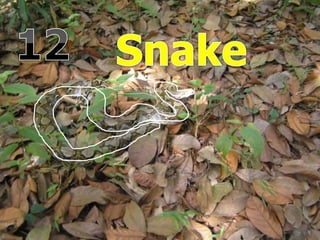
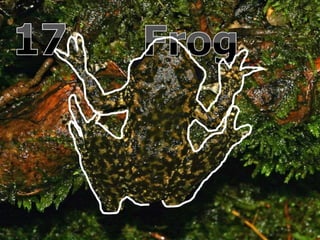
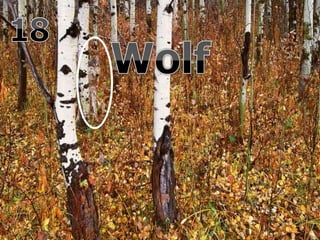
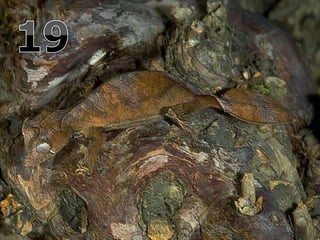
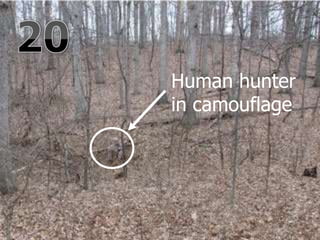
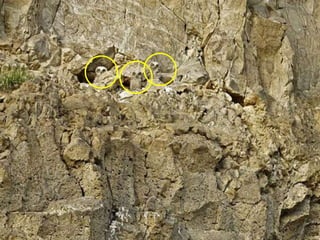
• Answers to the quiz 1-20
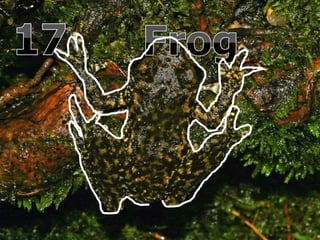
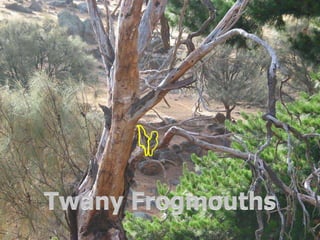
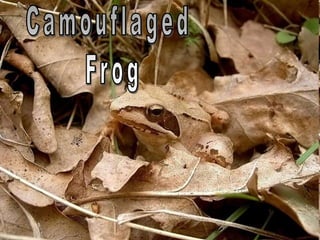
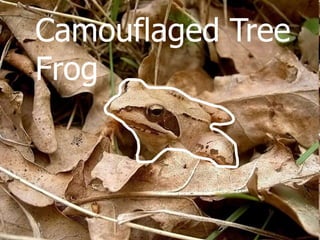
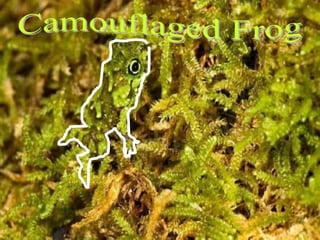
FROG
Lizard
Owl
Gecko
Human hunter
in camouflage
• Bonus: Low light conditions.
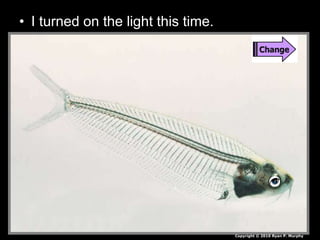
• I turned on the light this time.
Copyright © 2010 Ryan P. Murphy
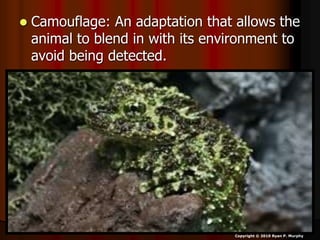
 Camouflage: An adaptation that allows the
animal to blend in with its environment to
avoid being detected.
Copyright © 2010 Ryan P. Murphy
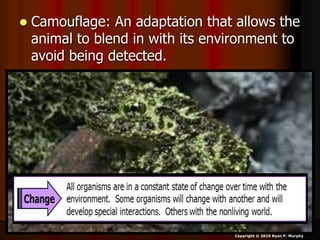
 Camouflage: An adaptation that allows the
animal to blend in with its environment to
avoid being detected.
Copyright © 2010 Ryan P. Murphy
 Camouflage: An adaptation that allows the
animal to blend in with its environment to
avoid being detected.
Copyright © 2010 Ryan P. Murphy
Adaptation:
 Camouflage: An adaptation that allows the
animal to blend in with its environment to
avoid being detected.
Copyright © 2010 Ryan P. Murphy
Adaptation: To be better suited to
survive.
• Both predator and prey have camouflage.
Copyright © 2010 Ryan P. Murphy
• Both predator and prey have camouflage.
Copyright © 2010 Ryan P. Murphy
 There are four types of camouflage
 -
 -
 -
 -
 There are four types of camouflage
 -
 -
 -
 -
 There are four types of camouflage
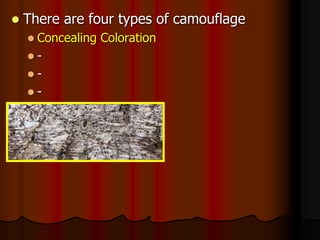
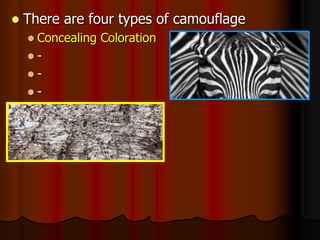
 Concealing Coloration
 -
 -
 -
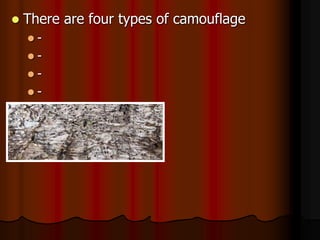
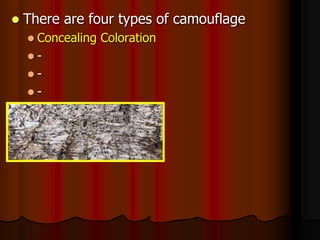
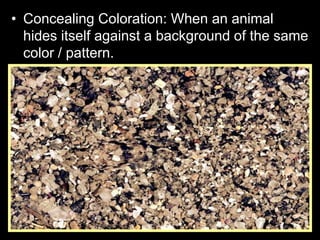
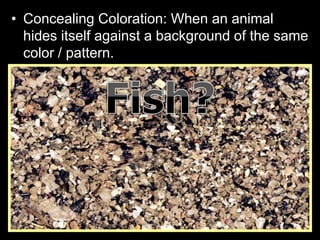
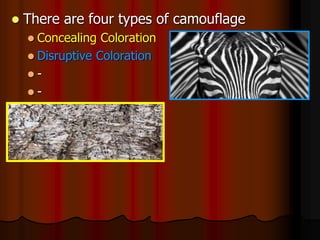
• Concealing Coloration: When an animal
hides itself against a background of the same
color / pattern.
• Concealing Coloration: When an animal
hides itself against a background of the same
color / pattern.
 There are four types of camouflage
 Concealing Coloration
 -
 -
 -
 There are four types of camouflage
 Concealing Coloration
 -
 -
 -
 There are four types of camouflage
 Concealing Coloration
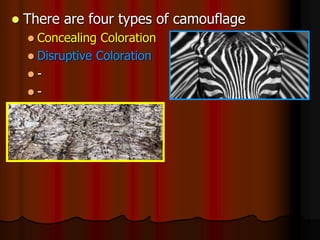
 Disruptive Coloration
 -
 -
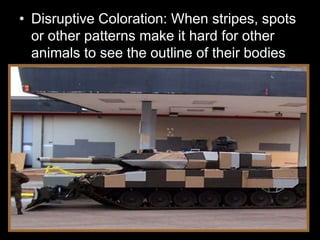
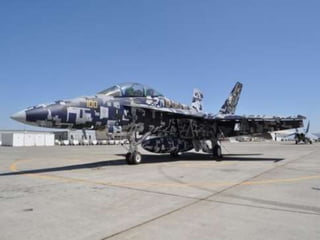
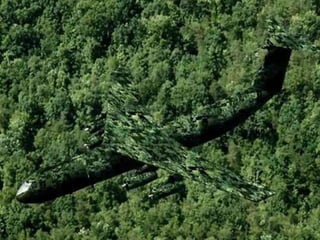
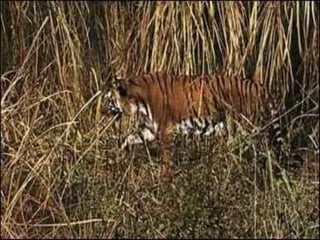
• Disruptive Coloration: When stripes, spots
or other patterns make it hard for other
animals to see the outline of their bodies
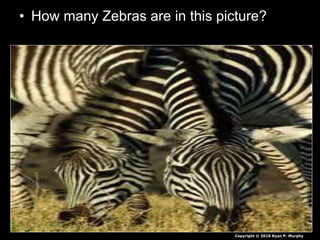
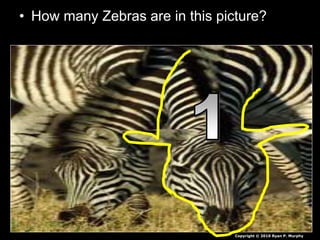
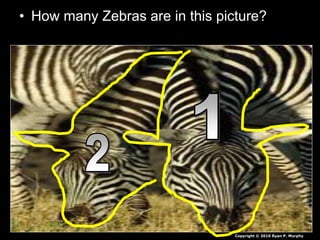
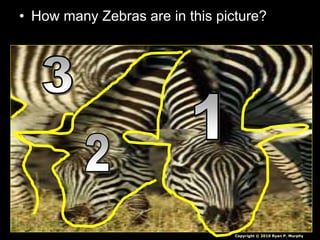
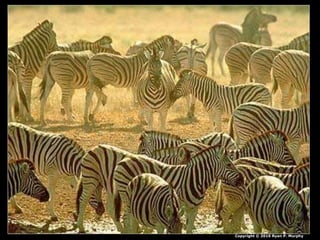
• How many Zebras are in this picture?
Copyright © 2010 Ryan P. Murphy
• How many Zebras are in this picture?
Copyright © 2010 Ryan P. Murphy
• How many Zebras are in this picture?
Copyright © 2010 Ryan P. Murphy
• How many Zebras are in this picture?
Copyright © 2010 Ryan P. Murphy
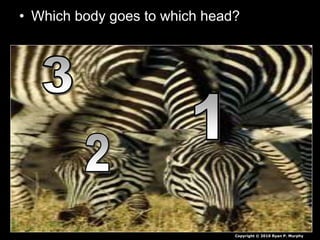
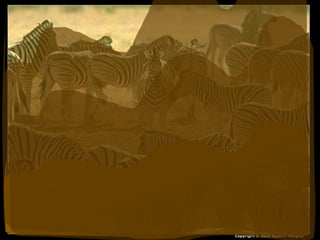
• Which body goes to which head?
Copyright © 2010 Ryan P. Murphy
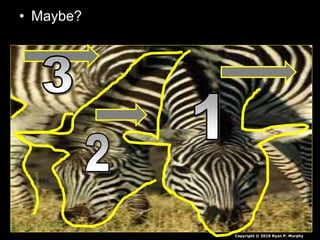
• Maybe?
Copyright © 2010 Ryan P. Murphy
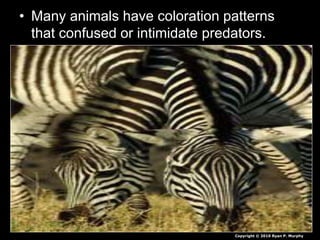
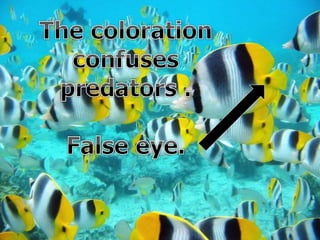
• Many animals have coloration patterns
that confused or intimidate predators.
Copyright © 2010 Ryan P. Murphy
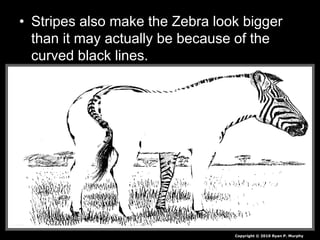
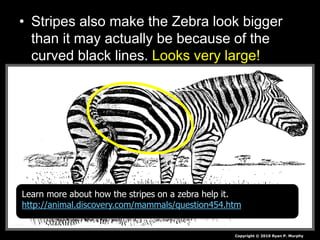
• Stripes also make the Zebra look bigger
than it may actually be because of the
curved black lines.
Copyright © 2010 Ryan P. Murphy
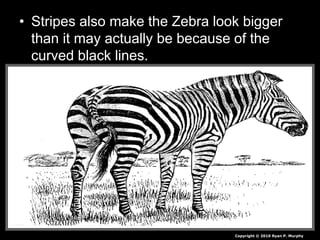
• Stripes also make the Zebra look bigger
than it may actually be because of the
curved black lines.
Copyright © 2010 Ryan P. Murphy
• Stripes also make the Zebra look bigger
than it may actually be because of the
curved black lines. Looks very large!
Copyright © 2010 Ryan P. Murphy
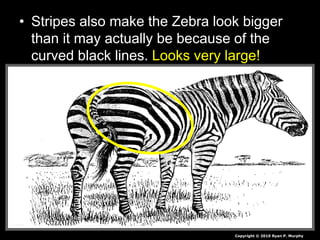
• Stripes also make the Zebra look bigger
than it may actually be because of the
curved black lines. Looks very large!
Copyright © 2010 Ryan P. Murphy
Learn more about how the stripes on a zebra help it.
http://animal.discovery.com/mammals/question454.htm
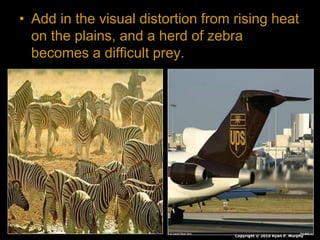
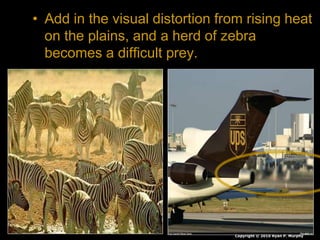
• Add in the visual distortion from rising heat
on the plains, and a herd of zebra
becomes a difficult prey.
Copyright © 2010 Ryan P. Murphy
• Add in the visual distortion from rising heat
on the plains, and a herd of zebra
becomes a difficult prey.
Copyright © 2010 Ryan P. Murphy
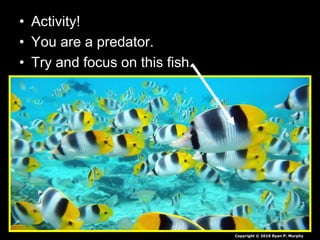
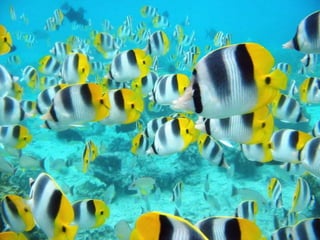
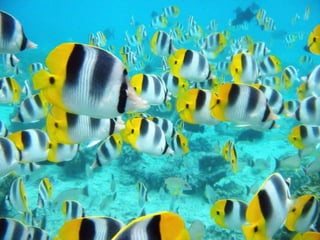
• Activity!
• You are a predator.
• Try and focus on this fish.
Copyright © 2010 Ryan P. Murphy
 There are four types of camouflage
 Concealing Coloration
 Disruptive Coloration
 -
 -
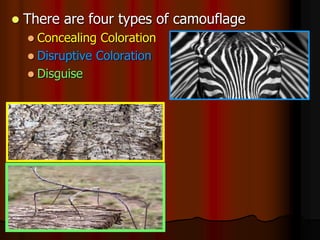
 There are four types of camouflage
 Concealing Coloration
 Disruptive Coloration
 Disguise
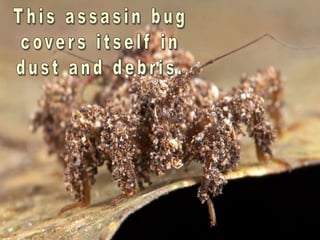
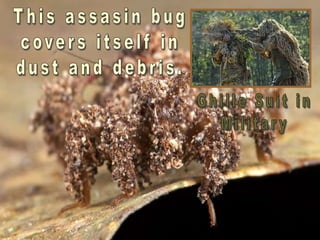
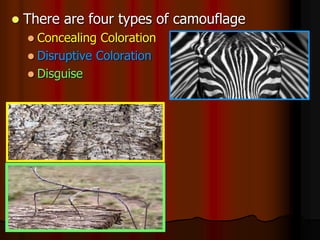
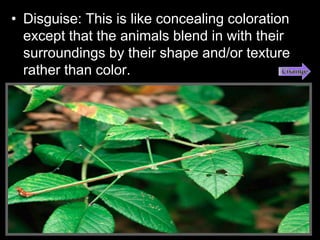
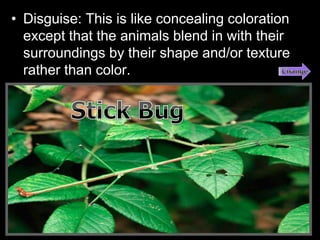
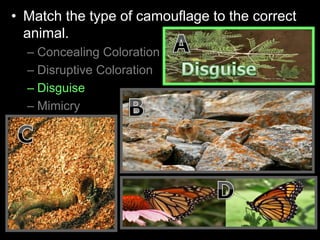
• Disguise: This is like concealing coloration
except that the animals blend in with their
surroundings by their shape and/or texture
rather than color.
• Disguise: This is like concealing coloration
except that the animals blend in with their
surroundings by their shape and/or texture
rather than color.
 There are four types of camouflage
 Concealing Coloration
 Disruptive Coloration
 Disguise
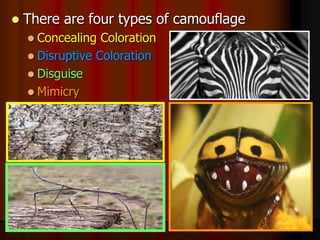
 There are four types of camouflage
 Concealing Coloration
 Disruptive Coloration
 Disguise
 Mimicry
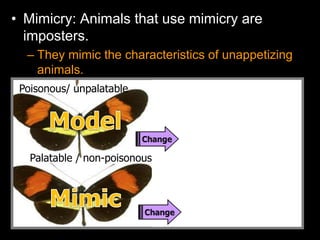
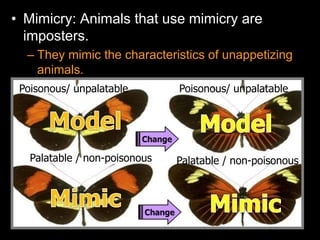
• Mimicry: Animals that use mimicry are
imposters.
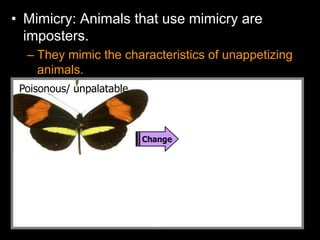
• Mimicry: Animals that use mimicry are
imposters.
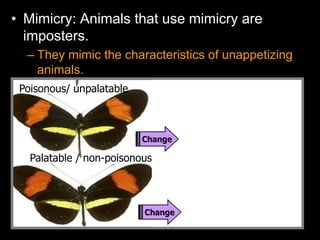
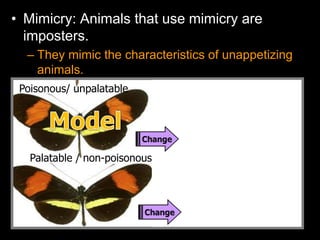
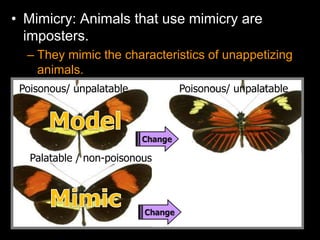
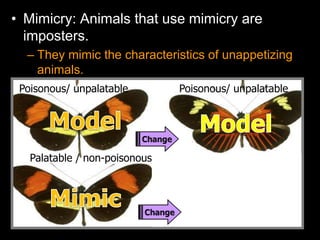
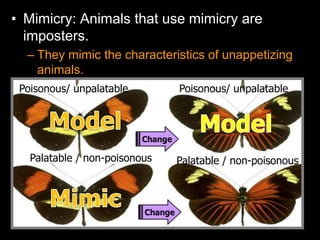
– They mimic the characteristics of unappetizing
animals.
Poisonous/ unpalatable
• Mimicry: Animals that use mimicry are
imposters.
– They mimic the characteristics of unappetizing
animals.
Poisonous/ unpalatable
Palatable / non-poisonous
• Mimicry: Animals that use mimicry are
imposters.
– They mimic the characteristics of unappetizing
animals.
Poisonous/ unpalatable
Palatable / non-poisonous
• Mimicry: Animals that use mimicry are
imposters.
– They mimic the characteristics of unappetizing
animals.
Poisonous/ unpalatable
Palatable / non-poisonous
• Mimicry: Animals that use mimicry are
imposters.
– They mimic the characteristics of unappetizing
animals.
Poisonous/ unpalatable
Palatable / non-poisonous
Poisonous/ unpalatable
• Mimicry: Animals that use mimicry are
imposters.
– They mimic the characteristics of unappetizing
animals.
Poisonous/ unpalatable
Palatable / non-poisonous
Poisonous/ unpalatable
• Mimicry: Animals that use mimicry are
imposters.
– They mimic the characteristics of unappetizing
animals.
Poisonous/ unpalatable
Palatable / non-poisonous
Poisonous/ unpalatable
Palatable / non-poisonous
• Mimicry: Animals that use mimicry are
imposters.
– They mimic the characteristics of unappetizing
animals.
Poisonous/ unpalatable
Palatable / non-poisonous
Poisonous/ unpalatable
Palatable / non-poisonous
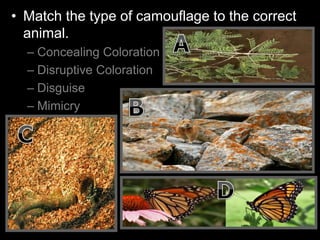
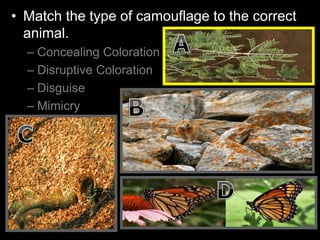
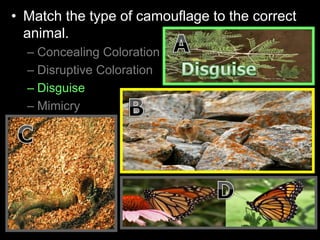
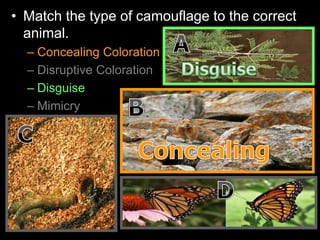
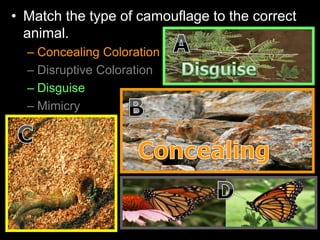
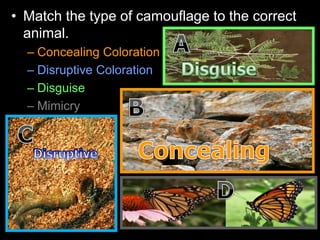
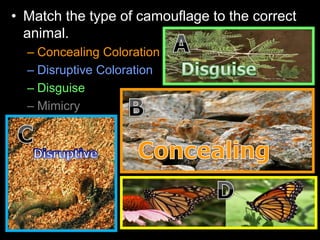
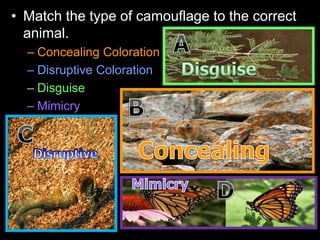
• Match the type of camouflage to the correct
animal.
– Concealing Coloration
– Disruptive Coloration
– Disguise
– Mimicry
• Match the type of camouflage to the correct
animal.
– Concealing Coloration
– Disruptive Coloration
– Disguise
– Mimicry
• Match the type of camouflage to the correct
animal.
– Concealing Coloration
– Disruptive Coloration
– Disguise
– Mimicry
• Match the type of camouflage to the correct
animal.
– Concealing Coloration
– Disruptive Coloration
– Disguise
– Mimicry
• Match the type of camouflage to the correct
animal.
– Concealing Coloration
– Disruptive Coloration
– Disguise
– Mimicry
• Match the type of camouflage to the correct
animal.
– Concealing Coloration
– Disruptive Coloration
– Disguise
– Mimicry
• Match the type of camouflage to the correct
animal.
– Concealing Coloration
– Disruptive Coloration
– Disguise
– Mimicry
• Match the type of camouflage to the correct
animal.
– Concealing Coloration
– Disruptive Coloration
– Disguise
– Mimicry
• Match the type of camouflage to the correct
animal.
– Concealing Coloration
– Disruptive Coloration
– Disguise
– Mimicry
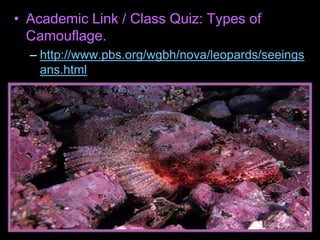
• Academic Link / Class Quiz: Types of
Camouflage.
– http://www.pbs.org/wgbh/nova/leopards/seeings
ans.html
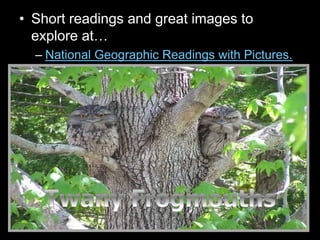
• Short readings and great images to
explore at…
– National Geographic Readings with Pictures.
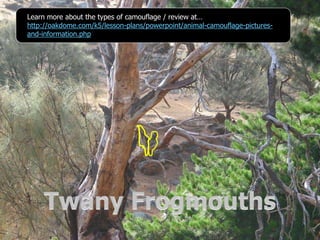
Learn more about the types of camouflage / review at…
http://oakdome.com/k5/lesson-plans/powerpoint/animal-camouflage-pictures-
and-information.php
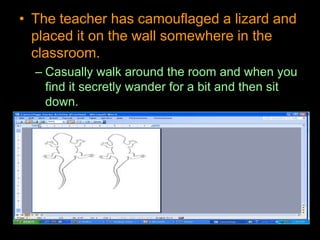
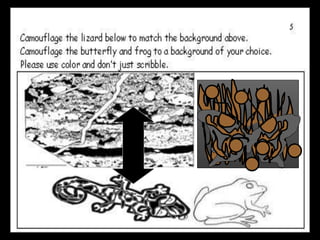
• The teacher has camouflaged a lizard and
placed it on the wall somewhere in the
classroom.
– Casually walk around the room and when you
find it secretly wander for a bit and then sit
down.
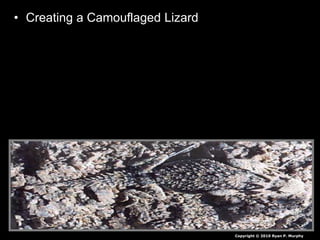
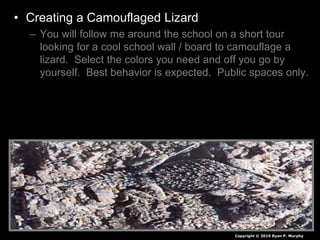
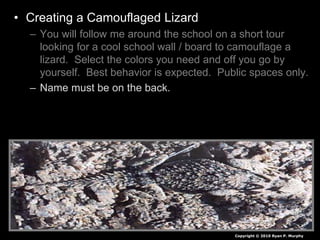
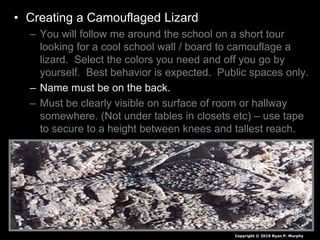
• Creating a Camouflaged Lizard
– You will follow me around the school on a short tour
looking for a cool school wall / board to camouflage a
lizard. Select the colors you need and off you go by
yourself. Best behavior is expected. Public spaces only.
– Name must be on the back.
– Must be clearly visible on surface of room or hallway
somewhere. (Not under tables in closets etc) – use tape
to secure to a height between knees and tallest reach.
– When I see it, I remove it and grade it.
– Who will last the year without me finding it?
– Backwards grading. If I don’t find it you win.
• Note you will be asked to bring it to me at some point.
Copyright © 2010 Ryan P. Murphy
• Creating a Camouflaged Lizard
– You will follow me around the school on a short tour
looking for a cool school wall / board to camouflage a
lizard. Select the colors you need and off you go by
yourself. Best behavior is expected. Public spaces only.
– Name must be on the back.
– Must be clearly visible on surface of room or hallway
somewhere. (Not under tables in closets etc) – use tape
to secure to a height between knees and tallest reach.
– When I see it, I remove it and grade it.
– Who will last the year without me finding it?
– Backwards grading. If I don’t find it you win.
• Note you will be asked to bring it to me at some point.
Copyright © 2010 Ryan P. Murphy
• Creating a Camouflaged Lizard
– You will follow me around the school on a short tour
looking for a cool school wall / board to camouflage a
lizard. Select the colors you need and off you go by
yourself. Best behavior is expected. Public spaces only.
– Name must be on the back.
– Must be clearly visible on surface of room or hallway
somewhere. (Not under tables in closets etc) – use tape
to secure to a height between knees and tallest reach.
– When I see it, I remove it and grade it.
– Who will last the year without me finding it?
– Backwards grading. If I don’t find it you win.
• Note you will be asked to bring it to me at some point.
Copyright © 2010 Ryan P. Murphy
• Creating a Camouflaged Lizard
– You will follow me around the school on a short tour
looking for a cool school wall / board to camouflage a
lizard. Select the colors you need and off you go by
yourself. Best behavior is expected. Public spaces only.
– Name must be on the back.
– Must be clearly visible on surface of room or hallway
somewhere. (Not under tables in closets etc) – use tape
to secure to a height between knees and tallest reach.
– When I see it, I remove it and grade it.
– Who will last the year without me finding it?
– Backwards grading. If I don’t find it you win.
• Note you will be asked to bring it to me at some point.
Copyright © 2010 Ryan P. Murphy
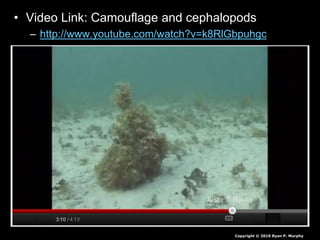
• Video Link: Camouflage and cephalopods
– http://www.youtube.com/watch?v=k8RlGbpuhgc
Copyright © 2010 Ryan P. Murphy
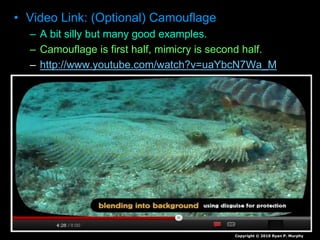
• Video Link: (Optional) Camouflage
– A bit silly but many good examples.
– Camouflage is first half, mimicry is second half.
– http://www.youtube.com/watch?v=uaYbcN7Wa_M
Copyright © 2010 Ryan P. Murphy
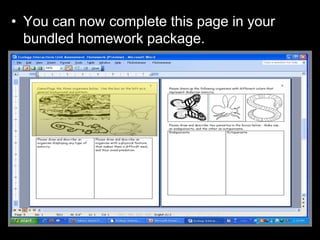
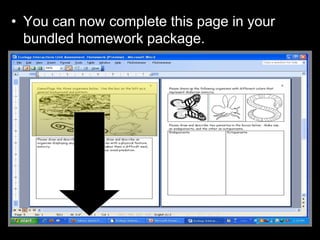
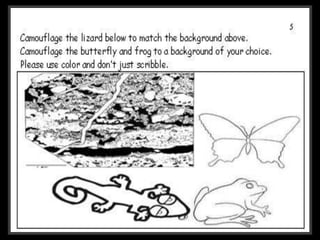
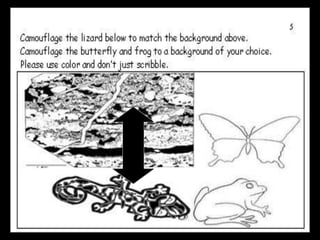
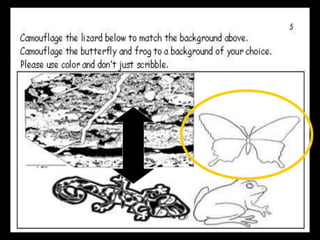
• You can now complete this page in your
bundled homework package.
• You can now complete this page in your
bundled homework package.
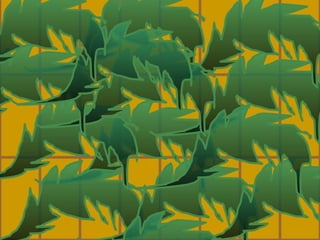
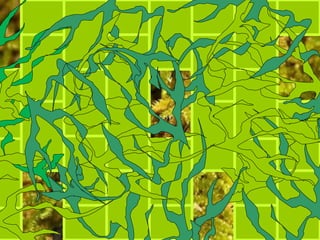
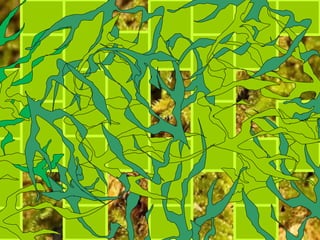
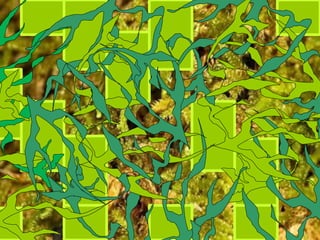
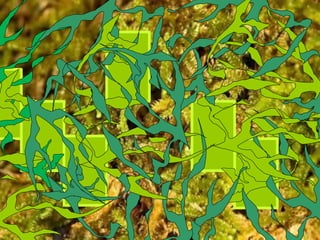
• Try to figure out the picture beneath the
boxes first.
– Raise your hand when you know, you only
get one guess.
Copyright © 2010 Ryan P. Murphy
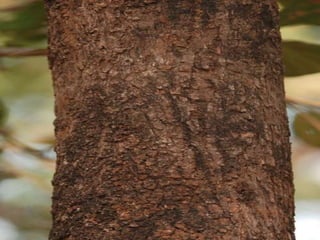
Camouflaged Tree
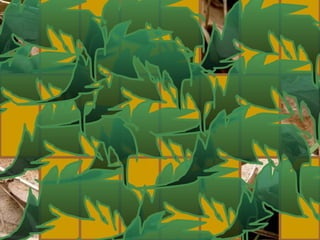
Frog
• Try to figure out the picture beneath the
boxes first.
– Raise your hand when you know, you only get
one guess.
Copyright © 2010 Ryan P. Murphy
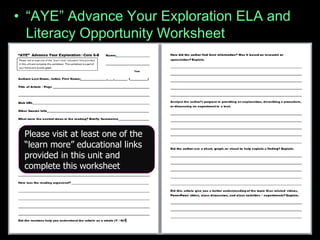
• “AYE” Advance Your Exploration ELA and
Literacy Opportunity Worksheet
– Visit some of the many provided links or..
– Articles can be found at (w/ membership to
NABT and NSTA)
• http://www.nabt.org/websites/institution/index.php?p=
1
• http://learningcenter.nsta.org/browse_journals.aspx?j
ournal=tst
Please visit at least one of the
“learn more” educational links
provided in this unit and
complete this worksheet
• “AYE” Advance Your Exploration ELA and
Literacy Opportunity Worksheet
– Visit some of the many provided links or..
– Articles can be found at (w/ membership to NABT
and NSTA)
• http://www.nabt.org/websites/institution/index.php?p=1
• http://learningcenter.nsta.org/browse_journals.aspx?jo
urnal=tst
• This PowerPoint is one small part of my Ecology
Interactions Unit. This unit includes
• 3 Part 2000+ Slide PowerPoint
• 12 page bundled homework packaged that
chronologically follows PowerPoint, + modified
version and answer keys.
• 7 pages of unit notes with visuals
• 3 PowerPoint review games with answer keys.
• Rubrics, games, flash cards and much more.
• http://sciencepowerpoint.com/Ecology_Interactio
ns_Unit.html
Areas of Focus within The Ecology Interactions Unit:
Levels of Biological Organization (Ecology), Parts of the Biosphere,
Habitat, Ecological Niche, Types of Competition, Competitive Exclusion
Theory, Animal Interactions, Food Webs, Predator Prey Relationships,
Camouflage, Population Sampling, Abundance, Relative Abundance,
Diversity, Mimicry, Batesian Mimicry, Mullerian Mimicry, Symbiosis,
Parasitism, Mutualism, Commensalism, Plant and Animal Interactions,
Coevolution, Animal Strategies to Eat Plants, Plant Defense Mechanisms,
Exotic Species, Impacts of Invasive Exotic Species. An entire mini unit of
ecological succession is also included with homework, notes, field study
project and PowerPoint review game
Full Unit can be found at…
http://sciencepowerpoint.com/Ecology_Interactions_Unit.html
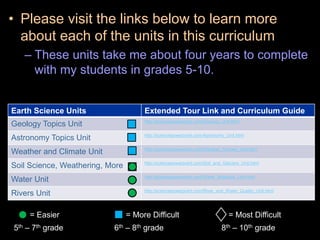
• Please visit the links below to learn more
about each of the units in this curriculum
– These units take me about four years to complete
with my students in grades 5-10.
Earth Science Units Extended Tour Link and Curriculum Guide
Geology Topics Unit http://sciencepowerpoint.com/Geology_Unit.html
Astronomy Topics Unit http://sciencepowerpoint.com/Astronomy_Unit.html
Weather and Climate Unit http://sciencepowerpoint.com/Weather_Climate_Unit.html
Soil Science, Weathering, More http://sciencepowerpoint.com/Soil_and_Glaciers_Unit.html
Water Unit http://sciencepowerpoint.com/Water_Molecule_Unit.html
Rivers Unit http://sciencepowerpoint.com/River_and_Water_Quality_Unit.html
= Easier = More Difficult = Most Difficult
5th – 7th grade 6th – 8th grade 8th – 10th grade
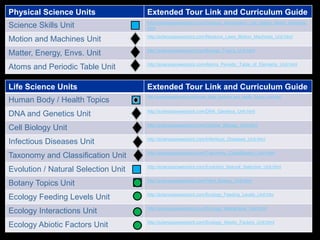
Physical Science Units Extended Tour Link and Curriculum Guide
Science Skills Unit http://sciencepowerpoint.com/Science_Introduction_Lab_Safety_Metric_Methods.
html
Motion and Machines Unit http://sciencepowerpoint.com/Newtons_Laws_Motion_Machines_Unit.html
Matter, Energy, Envs. Unit http://sciencepowerpoint.com/Energy_Topics_Unit.html
Atoms and Periodic Table Unit http://sciencepowerpoint.com/Atoms_Periodic_Table_of_Elements_Unit.html
Life Science Units Extended Tour Link and Curriculum Guide
Human Body / Health Topics
http://sciencepowerpoint.com/Human_Body_Systems_and_Health_Topics_Unit.html
DNA and Genetics Unit http://sciencepowerpoint.com/DNA_Genetics_Unit.html
Cell Biology Unit http://sciencepowerpoint.com/Cellular_Biology_Unit.html
Infectious Diseases Unit http://sciencepowerpoint.com/Infectious_Diseases_Unit.html
Taxonomy and Classification Unit http://sciencepowerpoint.com/Taxonomy_Classification_Unit.html
Evolution / Natural Selection Unit http://sciencepowerpoint.com/Evolution_Natural_Selection_Unit.html
Botany Topics Unit http://sciencepowerpoint.com/Plant_Botany_Unit.html
Ecology Feeding Levels Unit http://sciencepowerpoint.com/Ecology_Feeding_Levels_Unit.htm
Ecology Interactions Unit http://sciencepowerpoint.com/Ecology_Interactions_Unit.html
Ecology Abiotic Factors Unit http://sciencepowerpoint.com/Ecology_Abiotic_Factors_Unit.html
• Thank you for your time and interest in this
curriculum tour. Please visit the welcome / guide on
how a unit works and link to the many unit previews
to see the PowerPoint slideshows, bundled
homework, review games, unit notes, and much
more. Thank you for your interest and please feel
free to contact me with any questions you may have.
Best wishes.
• Sincerely,
• Ryan Murphy M.Ed
• ryemurf@gmail.com
• The entire four year curriculum can be found at...
http://sciencepowerpoint.com/ Please feel free to
contact me with any questions you may have.
Thank you for your interest in this curriculum.
Sincerely,
Ryan Murphy M.Ed
www.sciencepowerpoint@gmail.com

Camouflage Lesson PowerPoint

  • 3.
    • What doyou see? Copyright © 2010 Ryan P. Murphy
  • 4.
    • Answer! Somethingstalking you. Copyright © 2010 Ryan P. Murphy
  • 5.
    • Answer! Somethingstalking you. Copyright © 2010 Ryan P. Murphy
  • 6.
    • Relative Abundanceand more – Available Sheet
  • 7.
    • Activity! Quiz1-20. Find the hidden “thing” in the picture. – General names are acceptable. – You will have about 10 seconds. Copyright © 2010 Ryan P. Murphy
  • 28.
    • Bonus: Lowlight conditions.
  • 29.
    • Answers tothe quiz 1-20
  • 31.
  • 39.
  • 41.
  • 70.
  • 72.
  • 73.
    • Bonus: Lowlight conditions.
  • 74.
    • I turnedon the light this time. Copyright © 2010 Ryan P. Murphy
  • 75.
     Camouflage: Anadaptation that allows the animal to blend in with its environment to avoid being detected. Copyright © 2010 Ryan P. Murphy
  • 76.
     Camouflage: Anadaptation that allows the animal to blend in with its environment to avoid being detected. Copyright © 2010 Ryan P. Murphy
  • 77.
     Camouflage: Anadaptation that allows the animal to blend in with its environment to avoid being detected. Copyright © 2010 Ryan P. Murphy Adaptation:
  • 78.
     Camouflage: Anadaptation that allows the animal to blend in with its environment to avoid being detected. Copyright © 2010 Ryan P. Murphy Adaptation: To be better suited to survive.
  • 79.
    • Both predatorand prey have camouflage. Copyright © 2010 Ryan P. Murphy
  • 80.
    • Both predatorand prey have camouflage. Copyright © 2010 Ryan P. Murphy
  • 87.
     There arefour types of camouflage  -  -  -  -
  • 88.
     There arefour types of camouflage  -  -  -  -
  • 89.
     There arefour types of camouflage  Concealing Coloration  -  -  -
  • 90.
    • Concealing Coloration:When an animal hides itself against a background of the same color / pattern.
  • 91.
    • Concealing Coloration:When an animal hides itself against a background of the same color / pattern.
  • 103.
     There arefour types of camouflage  Concealing Coloration  -  -  -
  • 104.
     There arefour types of camouflage  Concealing Coloration  -  -  -
  • 105.
     There arefour types of camouflage  Concealing Coloration  Disruptive Coloration  -  -
  • 106.
    • Disruptive Coloration:When stripes, spots or other patterns make it hard for other animals to see the outline of their bodies
  • 113.
    • How manyZebras are in this picture? Copyright © 2010 Ryan P. Murphy
  • 114.
    • How manyZebras are in this picture? Copyright © 2010 Ryan P. Murphy
  • 115.
    • How manyZebras are in this picture? Copyright © 2010 Ryan P. Murphy
  • 116.
    • How manyZebras are in this picture? Copyright © 2010 Ryan P. Murphy
  • 117.
    • Which bodygoes to which head? Copyright © 2010 Ryan P. Murphy
  • 118.
    • Maybe? Copyright ©2010 Ryan P. Murphy
  • 119.
    • Many animalshave coloration patterns that confused or intimidate predators. Copyright © 2010 Ryan P. Murphy
  • 120.
    • Stripes alsomake the Zebra look bigger than it may actually be because of the curved black lines. Copyright © 2010 Ryan P. Murphy
  • 121.
    • Stripes alsomake the Zebra look bigger than it may actually be because of the curved black lines. Copyright © 2010 Ryan P. Murphy
  • 122.
    • Stripes alsomake the Zebra look bigger than it may actually be because of the curved black lines. Looks very large! Copyright © 2010 Ryan P. Murphy
  • 123.
    • Stripes alsomake the Zebra look bigger than it may actually be because of the curved black lines. Looks very large! Copyright © 2010 Ryan P. Murphy Learn more about how the stripes on a zebra help it. http://animal.discovery.com/mammals/question454.htm
  • 124.
    • Add inthe visual distortion from rising heat on the plains, and a herd of zebra becomes a difficult prey. Copyright © 2010 Ryan P. Murphy
  • 125.
    • Add inthe visual distortion from rising heat on the plains, and a herd of zebra becomes a difficult prey. Copyright © 2010 Ryan P. Murphy
  • 126.
    Copyright © 2010Ryan P. Murphy
  • 127.
    Copyright © 2010Ryan P. Murphy
  • 128.
    Copyright © 2010Ryan P. Murphy
  • 129.
    • Activity! • Youare a predator. • Try and focus on this fish. Copyright © 2010 Ryan P. Murphy
  • 133.
     There arefour types of camouflage  Concealing Coloration  Disruptive Coloration  -  -
  • 134.
     There arefour types of camouflage  Concealing Coloration  Disruptive Coloration  Disguise
  • 135.
    • Disguise: Thisis like concealing coloration except that the animals blend in with their surroundings by their shape and/or texture rather than color.
  • 136.
    • Disguise: Thisis like concealing coloration except that the animals blend in with their surroundings by their shape and/or texture rather than color.
  • 137.
     There arefour types of camouflage  Concealing Coloration  Disruptive Coloration  Disguise
  • 138.
     There arefour types of camouflage  Concealing Coloration  Disruptive Coloration  Disguise  Mimicry
  • 139.
    • Mimicry: Animalsthat use mimicry are imposters.
  • 140.
    • Mimicry: Animalsthat use mimicry are imposters. – They mimic the characteristics of unappetizing animals. Poisonous/ unpalatable
  • 141.
    • Mimicry: Animalsthat use mimicry are imposters. – They mimic the characteristics of unappetizing animals. Poisonous/ unpalatable Palatable / non-poisonous
  • 142.
    • Mimicry: Animalsthat use mimicry are imposters. – They mimic the characteristics of unappetizing animals. Poisonous/ unpalatable Palatable / non-poisonous
  • 143.
    • Mimicry: Animalsthat use mimicry are imposters. – They mimic the characteristics of unappetizing animals. Poisonous/ unpalatable Palatable / non-poisonous
  • 144.
    • Mimicry: Animalsthat use mimicry are imposters. – They mimic the characteristics of unappetizing animals. Poisonous/ unpalatable Palatable / non-poisonous Poisonous/ unpalatable
  • 145.
    • Mimicry: Animalsthat use mimicry are imposters. – They mimic the characteristics of unappetizing animals. Poisonous/ unpalatable Palatable / non-poisonous Poisonous/ unpalatable
  • 146.
    • Mimicry: Animalsthat use mimicry are imposters. – They mimic the characteristics of unappetizing animals. Poisonous/ unpalatable Palatable / non-poisonous Poisonous/ unpalatable Palatable / non-poisonous
  • 147.
    • Mimicry: Animalsthat use mimicry are imposters. – They mimic the characteristics of unappetizing animals. Poisonous/ unpalatable Palatable / non-poisonous Poisonous/ unpalatable Palatable / non-poisonous
  • 148.
    • Match thetype of camouflage to the correct animal. – Concealing Coloration – Disruptive Coloration – Disguise – Mimicry
  • 149.
    • Match thetype of camouflage to the correct animal. – Concealing Coloration – Disruptive Coloration – Disguise – Mimicry
  • 150.
    • Match thetype of camouflage to the correct animal. – Concealing Coloration – Disruptive Coloration – Disguise – Mimicry
  • 151.
    • Match thetype of camouflage to the correct animal. – Concealing Coloration – Disruptive Coloration – Disguise – Mimicry
  • 152.
    • Match thetype of camouflage to the correct animal. – Concealing Coloration – Disruptive Coloration – Disguise – Mimicry
  • 153.
    • Match thetype of camouflage to the correct animal. – Concealing Coloration – Disruptive Coloration – Disguise – Mimicry
  • 154.
    • Match thetype of camouflage to the correct animal. – Concealing Coloration – Disruptive Coloration – Disguise – Mimicry
  • 155.
    • Match thetype of camouflage to the correct animal. – Concealing Coloration – Disruptive Coloration – Disguise – Mimicry
  • 156.
    • Match thetype of camouflage to the correct animal. – Concealing Coloration – Disruptive Coloration – Disguise – Mimicry
  • 157.
    • Academic Link/ Class Quiz: Types of Camouflage. – http://www.pbs.org/wgbh/nova/leopards/seeings ans.html
  • 158.
    • Short readingsand great images to explore at… – National Geographic Readings with Pictures.
  • 170.
    Learn more aboutthe types of camouflage / review at… http://oakdome.com/k5/lesson-plans/powerpoint/animal-camouflage-pictures- and-information.php
  • 171.
    • The teacherhas camouflaged a lizard and placed it on the wall somewhere in the classroom. – Casually walk around the room and when you find it secretly wander for a bit and then sit down.
  • 174.
    • Creating aCamouflaged Lizard – You will follow me around the school on a short tour looking for a cool school wall / board to camouflage a lizard. Select the colors you need and off you go by yourself. Best behavior is expected. Public spaces only. – Name must be on the back. – Must be clearly visible on surface of room or hallway somewhere. (Not under tables in closets etc) – use tape to secure to a height between knees and tallest reach. – When I see it, I remove it and grade it. – Who will last the year without me finding it? – Backwards grading. If I don’t find it you win. • Note you will be asked to bring it to me at some point. Copyright © 2010 Ryan P. Murphy
  • 175.
    • Creating aCamouflaged Lizard – You will follow me around the school on a short tour looking for a cool school wall / board to camouflage a lizard. Select the colors you need and off you go by yourself. Best behavior is expected. Public spaces only. – Name must be on the back. – Must be clearly visible on surface of room or hallway somewhere. (Not under tables in closets etc) – use tape to secure to a height between knees and tallest reach. – When I see it, I remove it and grade it. – Who will last the year without me finding it? – Backwards grading. If I don’t find it you win. • Note you will be asked to bring it to me at some point. Copyright © 2010 Ryan P. Murphy
  • 176.
    • Creating aCamouflaged Lizard – You will follow me around the school on a short tour looking for a cool school wall / board to camouflage a lizard. Select the colors you need and off you go by yourself. Best behavior is expected. Public spaces only. – Name must be on the back. – Must be clearly visible on surface of room or hallway somewhere. (Not under tables in closets etc) – use tape to secure to a height between knees and tallest reach. – When I see it, I remove it and grade it. – Who will last the year without me finding it? – Backwards grading. If I don’t find it you win. • Note you will be asked to bring it to me at some point. Copyright © 2010 Ryan P. Murphy
  • 177.
    • Creating aCamouflaged Lizard – You will follow me around the school on a short tour looking for a cool school wall / board to camouflage a lizard. Select the colors you need and off you go by yourself. Best behavior is expected. Public spaces only. – Name must be on the back. – Must be clearly visible on surface of room or hallway somewhere. (Not under tables in closets etc) – use tape to secure to a height between knees and tallest reach. – When I see it, I remove it and grade it. – Who will last the year without me finding it? – Backwards grading. If I don’t find it you win. • Note you will be asked to bring it to me at some point. Copyright © 2010 Ryan P. Murphy
  • 178.
    • Video Link:Camouflage and cephalopods – http://www.youtube.com/watch?v=k8RlGbpuhgc Copyright © 2010 Ryan P. Murphy
  • 179.
    • Video Link:(Optional) Camouflage – A bit silly but many good examples. – Camouflage is first half, mimicry is second half. – http://www.youtube.com/watch?v=uaYbcN7Wa_M Copyright © 2010 Ryan P. Murphy
  • 180.
    • You cannow complete this page in your bundled homework package.
  • 181.
    • You cannow complete this page in your bundled homework package.
  • 186.
    • Try tofigure out the picture beneath the boxes first. – Raise your hand when you know, you only get one guess. Copyright © 2010 Ryan P. Murphy
  • 198.
  • 199.
    • Try tofigure out the picture beneath the boxes first. – Raise your hand when you know, you only get one guess. Copyright © 2010 Ryan P. Murphy
  • 216.
    • “AYE” AdvanceYour Exploration ELA and Literacy Opportunity Worksheet – Visit some of the many provided links or.. – Articles can be found at (w/ membership to NABT and NSTA) • http://www.nabt.org/websites/institution/index.php?p= 1 • http://learningcenter.nsta.org/browse_journals.aspx?j ournal=tst Please visit at least one of the “learn more” educational links provided in this unit and complete this worksheet
  • 217.
    • “AYE” AdvanceYour Exploration ELA and Literacy Opportunity Worksheet – Visit some of the many provided links or.. – Articles can be found at (w/ membership to NABT and NSTA) • http://www.nabt.org/websites/institution/index.php?p=1 • http://learningcenter.nsta.org/browse_journals.aspx?jo urnal=tst
  • 218.
    • This PowerPointis one small part of my Ecology Interactions Unit. This unit includes • 3 Part 2000+ Slide PowerPoint • 12 page bundled homework packaged that chronologically follows PowerPoint, + modified version and answer keys. • 7 pages of unit notes with visuals • 3 PowerPoint review games with answer keys. • Rubrics, games, flash cards and much more. • http://sciencepowerpoint.com/Ecology_Interactio ns_Unit.html
  • 220.
    Areas of Focuswithin The Ecology Interactions Unit: Levels of Biological Organization (Ecology), Parts of the Biosphere, Habitat, Ecological Niche, Types of Competition, Competitive Exclusion Theory, Animal Interactions, Food Webs, Predator Prey Relationships, Camouflage, Population Sampling, Abundance, Relative Abundance, Diversity, Mimicry, Batesian Mimicry, Mullerian Mimicry, Symbiosis, Parasitism, Mutualism, Commensalism, Plant and Animal Interactions, Coevolution, Animal Strategies to Eat Plants, Plant Defense Mechanisms, Exotic Species, Impacts of Invasive Exotic Species. An entire mini unit of ecological succession is also included with homework, notes, field study project and PowerPoint review game Full Unit can be found at… http://sciencepowerpoint.com/Ecology_Interactions_Unit.html
  • 225.
    • Please visitthe links below to learn more about each of the units in this curriculum – These units take me about four years to complete with my students in grades 5-10. Earth Science Units Extended Tour Link and Curriculum Guide Geology Topics Unit http://sciencepowerpoint.com/Geology_Unit.html Astronomy Topics Unit http://sciencepowerpoint.com/Astronomy_Unit.html Weather and Climate Unit http://sciencepowerpoint.com/Weather_Climate_Unit.html Soil Science, Weathering, More http://sciencepowerpoint.com/Soil_and_Glaciers_Unit.html Water Unit http://sciencepowerpoint.com/Water_Molecule_Unit.html Rivers Unit http://sciencepowerpoint.com/River_and_Water_Quality_Unit.html = Easier = More Difficult = Most Difficult 5th – 7th grade 6th – 8th grade 8th – 10th grade
  • 226.
    Physical Science UnitsExtended Tour Link and Curriculum Guide Science Skills Unit http://sciencepowerpoint.com/Science_Introduction_Lab_Safety_Metric_Methods. html Motion and Machines Unit http://sciencepowerpoint.com/Newtons_Laws_Motion_Machines_Unit.html Matter, Energy, Envs. Unit http://sciencepowerpoint.com/Energy_Topics_Unit.html Atoms and Periodic Table Unit http://sciencepowerpoint.com/Atoms_Periodic_Table_of_Elements_Unit.html Life Science Units Extended Tour Link and Curriculum Guide Human Body / Health Topics http://sciencepowerpoint.com/Human_Body_Systems_and_Health_Topics_Unit.html DNA and Genetics Unit http://sciencepowerpoint.com/DNA_Genetics_Unit.html Cell Biology Unit http://sciencepowerpoint.com/Cellular_Biology_Unit.html Infectious Diseases Unit http://sciencepowerpoint.com/Infectious_Diseases_Unit.html Taxonomy and Classification Unit http://sciencepowerpoint.com/Taxonomy_Classification_Unit.html Evolution / Natural Selection Unit http://sciencepowerpoint.com/Evolution_Natural_Selection_Unit.html Botany Topics Unit http://sciencepowerpoint.com/Plant_Botany_Unit.html Ecology Feeding Levels Unit http://sciencepowerpoint.com/Ecology_Feeding_Levels_Unit.htm Ecology Interactions Unit http://sciencepowerpoint.com/Ecology_Interactions_Unit.html Ecology Abiotic Factors Unit http://sciencepowerpoint.com/Ecology_Abiotic_Factors_Unit.html
  • 227.
    • Thank youfor your time and interest in this curriculum tour. Please visit the welcome / guide on how a unit works and link to the many unit previews to see the PowerPoint slideshows, bundled homework, review games, unit notes, and much more. Thank you for your interest and please feel free to contact me with any questions you may have. Best wishes. • Sincerely, • Ryan Murphy M.Ed • ryemurf@gmail.com
  • 228.
    • The entirefour year curriculum can be found at... http://sciencepowerpoint.com/ Please feel free to contact me with any questions you may have. Thank you for your interest in this curriculum. Sincerely, Ryan Murphy M.Ed www.sciencepowerpoint@gmail.com